

The DOI matches its Crossref record.
Schistosoma mansoni-Mediated Suppression of Allergic Airway Inflammation Requires Patency and Foxp3+ Treg Cells
Overview
The claims and statistics of this paper haven’t been checked yet.
Run the check — free, no account needed. It reads the open-access text and checks the sources it cites.
Integrity signals
Registry
Cites
Statistics
Figures
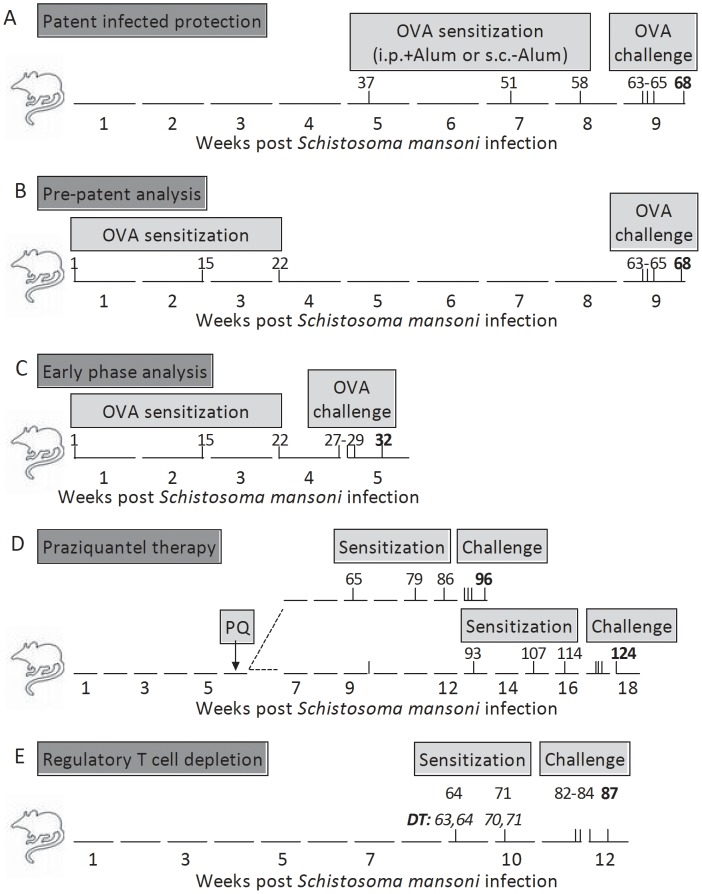
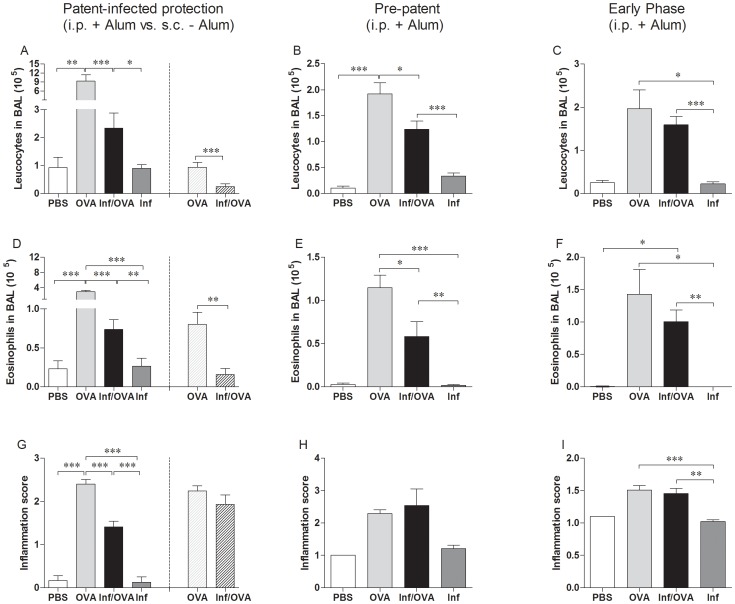
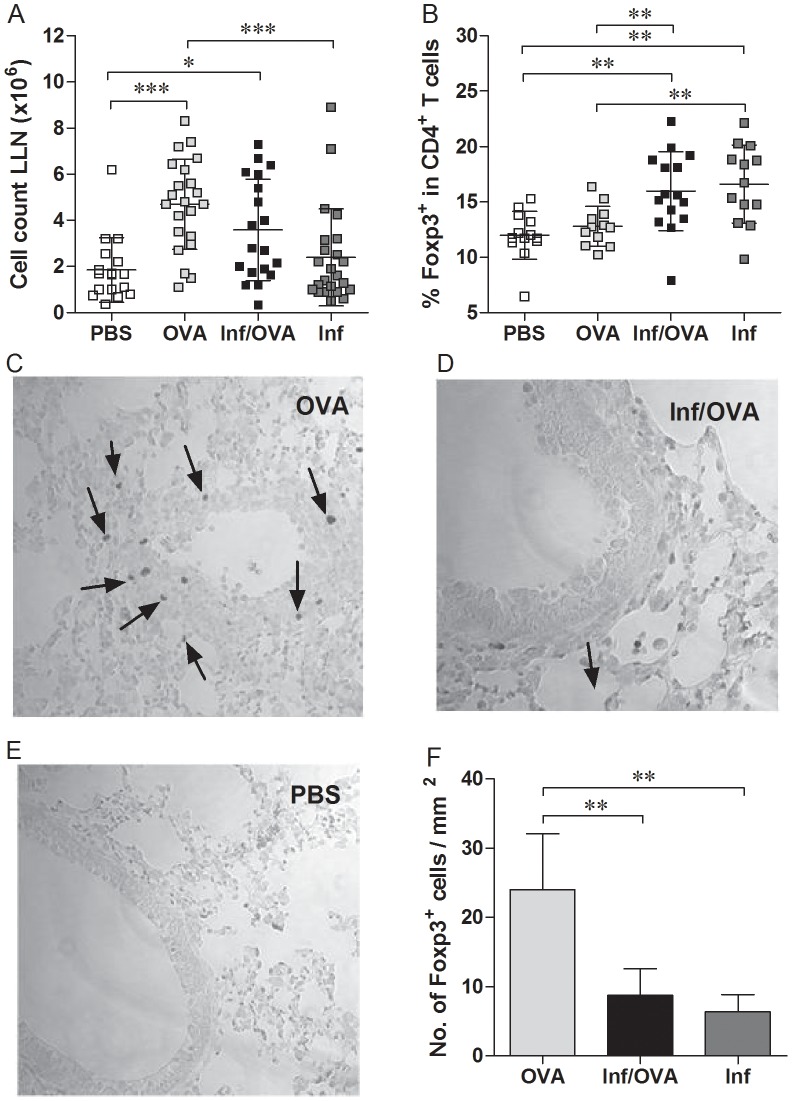
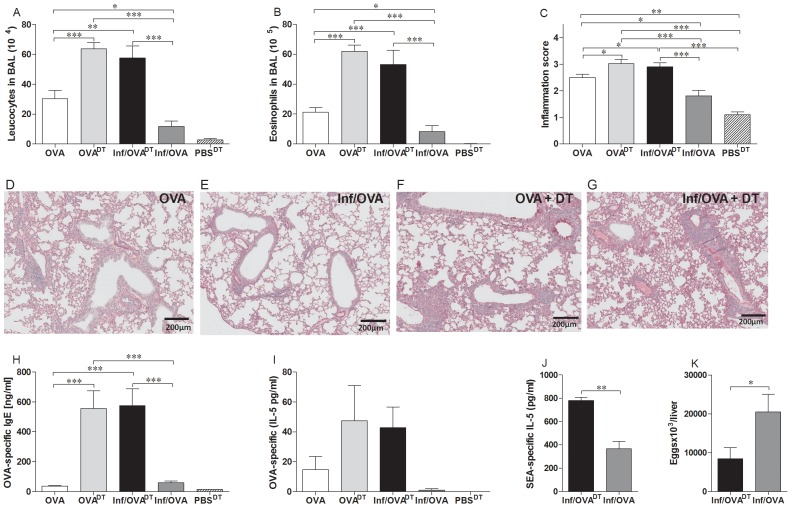
Verification
Claims the paper makes
The claims and statistics of this paper haven’t been checked yet.
Run the check — free, no account needed. It reads the open-access text and checks the sources it cites.
Claims other papers make about this one
Each is checked against this paper’s own text: does it say what the citing paper says it does?
In the citing paper
“Conversely, certain parasites, such as Schistosoma mansoni, can modulate the host immune system by inducing regulatory T cells and anti-inflammatory cytokines, thereby reducing allergic inflammation (Layland et al. 2013; Maizels 2020; Stevenson et al. 2022).”
From Parasites and allergies: a complex bidirectional relationship from evolutionary origins to modern therapeutics (2026) · cites this paper as Layland et al. 2013
Self-check
Percentages, sums and reported differences re-computed from the paper’s own numbers.
The self-check needs the paper’s full text.
Citations
Cites
No references could be resolved yet.
Research works printed but not linked: 43
- M Masoli, 2004, The global burden of asthma: executive summary of the GINA Dissemination Committee report, Allergy, 59, 469, 10.1111/j.1398-9995.2004.00526.x · DOI
- R Beasley, 2000, Prevalence and etiology of asthma, J Allergy Clin Immunol, 105, S466, 10.1016/S0091-6749(00)90044-7 · DOI
- PJ Barnes, 2008, Immunology of asthma and chronic obstructive pulmonary disease, Nat Rev Immunol, 8, 183, 10.1038/nri2254 · DOI
- EM Carvalho, 2006, Worms and allergy, Parasite Immunol, 28, 525, 10.1111/j.1365-3024.2006.00894.x · DOI
- J Leonardi-Bee, 2006, Asthma and current intestinal parasite infection: systematic review and meta-analysis, Am J Respir Crit Care Med, 174, 514, 10.1164/rccm.200603-331OC · DOI · Paper page
- P Zaccone, 2009, Schistosoma mansoni egg antigens induce Treg that participate in diabetes prevention in NOD mice, Eur J Immunol, 39, 1098, 10.1002/eji.200838871 · DOI
- HH Smits, 2007, Protective effect of Schistosoma mansoni infection on allergic airway inflammation depends on the intensity and chronicity of infection, J Allergy Clin Immunol, 120, 932, 10.1016/j.jaci.2007.06.009 · DOI
- X Song, 2011, Impact of Schistosoma japonicum infection on collagen-induced arthritis in DBA/1 mice: a murine model of human rheumatoid arthritis, PLoS One, 6, e23453, 10.1371/journal.pone.0023453 · DOI
- J Correale, 2009, Helminth antigens modulate immune responses in cells from multiple sclerosis patients through TLR2-dependent mechanisms, J Immunol, 183, 5999, 10.4049/jimmunol.0900897 · DOI
- M Medeiros Jr, 2003, Schistosoma mansoni infection is associated with a reduced course of asthma, J Allergy Clin Immunol, 111, 947, 10.1067/mai.2003.1381 · DOI · Paper page
- CM Lloyd, 2009, Regulatory T cells in asthma, Immunity, 31, 438, 10.1016/j.immuni.2009.08.007 · DOI
- T Yamaguchi, 2011, Two modes of immune suppression by Foxp3(+) regulatory T cells under inflammatory or non-inflammatory conditions, Semin Immunol, 23, 424, 10.1016/j.smim.2011.10.002 · DOI
- LE Layland, 2007, Immunopathology in schistosomiasis is controlled by antigen-specific regulatory T cells primed in the presence of TLR2, Eur J Immunol, 37, 2174, 10.1002/eji.200737063 · DOI
- LE Layland, 2010, Pronounced phenotype in activated regulatory T cells during a chronic helminth infection, J Immunol, 184, 713, 10.4049/jimmunol.0901435 · DOI
- J Kearley, 2008, CD4+CD25+ regulatory T cells reverse established allergic airway inflammation and prevent airway remodeling, J Allergy Clin Immunol, 122, 617, 10.1016/j.jaci.2008.05.048 · DOI
- AM Baru, 2010, Selective depletion of Foxp3+ Treg during sensitization phase aggravates experimental allergic airway inflammation, Eur J Immunol, 40, 2259, 10.1002/eji.200939972 · DOI
- LE van der Vlugt, 2012, Schistosomes induce regulatory features in human and mouse CD1d(hi) B cells: inhibition of allergic inflammation by IL-10 and regulatory T cells, PLoS One, 7, e30883, 10.1371/journal.pone.0030883 · DOI
- S Amu, 2010, Regulatory B cells prevent and reverse allergic airway inflammation via FoxP3-positive T regulatory cells in a murine model, J Allergy Clin Immunol, 125, 1114, 10.1016/j.jaci.2010.01.018 · DOI
- LG Pacifico, 2009, Schistosoma mansoni antigens modulate experimental allergic asthma in a murine model: a major role for CD4+ CD25+ Foxp3+ T cells independent of interleukin-10, Infect Immun, 77, 98, 10.1128/IAI.00783-07 · DOI
- K Lahl, 2007, Selective depletion of Foxp3+ regulatory T cells induces a scurfy-like disease, J Exp Med, 204, 57, 10.1084/jem.20061852 · DOI
- LE Layland, 2005, Lack of antigen-specific Th1 response alters granuloma formation and composition in Schistosoma mansoni-infected MyD88-/- mice, Eur J Immunol, 35, 3248, 10.1002/eji.200526273 · DOI
- PJ Busse, 2007, Effect of ageing on pulmonary inflammation, airway hyperresponsiveness and T and B cell responses in antigen-sensitized and -challenged mice, Clinical and Experimental Allergy, 37, 1392, 10.1111/j.1365-2222.2007.02775.x · DOI
- ML Conrad, 2009, Comparison of adjuvant and adjuvant-free murine experimental asthma models, Clin Exp Allergy, 39, 1246, 10.1111/j.1365-2222.2009.03260.x · DOI
- SM Hsu, 1981, The use of antiavidin antibody and avidin-biotin-peroxidase complex in immunoperoxidase technics, Am J Clin Pathol, 75, 816, 10.1093/ajcp/75.6.816 · DOI
- RA Wilson, 2009, Immune effector mechanisms against schistosomiasis: looking for a chink in the parasite's armour, Trends Parasitol, 25, 423, 10.1016/j.pt.2009.05.011 · DOI
- S Schulte, 2008, Genetically programmed biases in Th1 and Th2 immune responses modulate atherogenesis, American Journal of Pathology, 172, 1500, 10.2353/ajpath.2008.070776 · DOI
- M Lohoff, 1998, Experimental murine leishmaniasis and the Th1/Th2 cell concept, Tokai J Exp Clin Med, 23, 347
- M Baumgart, 2006, Naturally occurring CD4+Foxp3+ regulatory T cells are an essential, IL-10-independent part of the immunoregulatory network in Schistosoma mansoni egg-induced inflammation, J Immunol, 176, 5374, 10.4049/jimmunol.176.9.5374 · DOI
- CM Kane, 2004, Helminth antigens modulate TLR-initiated dendritic cell activation, J Immunol, 173, 7454, 10.4049/jimmunol.173.12.7454 · DOI
- NE Mangan, 2006, Helminth-modified pulmonary immune response protects mice from allergen-induced airway hyperresponsiveness, J Immunol, 176, 138, 10.4049/jimmunol.176.1.138 · DOI
- D Cioli, 2004, Determination of ED50 values for praziquantel in praziquantel-resistant and -susceptible Schistosoma mansoni isolates, Int J Parasitol, 34, 979, 10.1016/j.ijpara.2004.05.001 · DOI
- MS Wilson, 2011, IL-10 Blocks the Development of Resistance to Re-Infection with Schistosoma mansoni, Plos Pathogens, 7, e1002171, 10.1371/journal.ppat.1002171 · DOI
- AH van den Biggelaar, 2000, Decreased atopy in children infected with Schistosoma haematobium: a role for parasite-induced interleukin-10, Lancet, 356, 1723, 10.1016/S0140-6736(00)03206-2 · DOI
- AH van den Biggelaar, 2001, The prevalence of parasite infestation and house dust mite sensitization in Gabonese schoolchildren, Int Arch Allergy Immunol, 126, 231, 10.1159/000049519 · DOI
- AH van den Biggelaar, 2004, Long-term treatment of intestinal helminths increases mite skin-test reactivity in Gabonese schoolchildren, J Infect Dis, 189, 892, 10.1086/381767 · DOI · Paper page
- NR Lynch, 1993, Effect of anthelmintic treatment on the allergic reactivity of children in a tropical slum, J Allergy Clin Immunol, 92, 404, 10.1016/0091-6749(93)90119-Z · DOI
- M Yu, 2006, Mast cells can promote the development of multiple features of chronic asthma in mice, J Clin Invest, 116, 1633, 10.1172/JCI25702 · DOI
- S Nakae, 2007, Mast cell-derived TNF contributes to airway hyperreactivity, inflammation, and TH2 cytokine production in an asthma model in mice, J Allergy Clin Immunol, 120, 48, 10.1016/j.jaci.2007.02.046 · DOI
- DM Zhao, 2006, Activated CD4+CD25+ T cells selectively kill B lymphocytes, Blood, 107, 3925, 10.1182/blood-2005-11-4502 · DOI
- Y Zheng, 2007, Foxp3 in control of the regulatory T cell lineage, Nat Immunol, 8, 457, 10.1038/ni1455 · DOI
- JA Hall, 2008, Commensal DNA limits regulatory T cell conversion and is a natural adjuvant of intestinal immune responses, Immunity, 29, 637, 10.1016/j.immuni.2008.08.009 · DOI
- K Lahl, 2011, In vivo depletion of FoxP3+ Tregs using the DEREG mouse model, Methods Mol Biol, 707, 157, 10.1007/978-1-61737-979-6_10 · DOI
- H Maazi, 2012, Contribution of regulatory T cells to alleviation of experimental allergic asthma after specific immunotherapy, Clinical and Experimental Allergy, 42, 1519, 10.1111/j.1365-2222.2012.04064.x · DOI
Cited by
Sorted by citations
Packi, K., Świerczewski, D., Klimczak, S., Ochab, D., Gałęziewska, J., Gromek, P., Kruczkowska, W., Płuciennik, E., Kałuzińska-Kołat, Ż., & Kołat, D. (2026) · Antonie van Leeuwenhoek · doi:10.1007/s10482-026-02425-4
Metadata
- Authors
- Layland, L. E., Straubinger, K., Ritter, M., Loffredo-Verde, E., Garn, H., Sparwasser, T., & Prazeres da Costa, C.
- Venue
- PLoS Neglected Tropical Diseases
- Publisher
- Public Library of Science (PLoS)
- Published
- 2013-08-15
- Volume
- 7
- Issue
- 8
- Pages
- e2379
- ISSN
- 1935-2735
- PMC
- PMC3744427
- Cited by
- 65
- References
- 0
- Language
- en
About these checks
Registry, retraction, Cites and statistics results are computed, not judged, with one exception: a printed reference that no index lists is read once by a model before it counts as a citation error. Claims are extracted by a model and kept only when their quote appears verbatim in the text; each cited source is then checked, with a model’s help, for whether it says what the claim relies on. Those verdicts can be wrong — read the claim’s quote and the cited source before relying on one.
Statistics and arithmetic are recomputed, not judged.
Confidence bands are shown only for fields calibrated on our annotated test set. None is calibrated yet, so no band is shown.
What counts as a claim ›How we measure confidence ›How we check this ›
Are you an author, or do you see a problem with this page? Request a review
