

RNA-Seq Analyses Generate Comprehensive Transcriptomic Landscape and Reveal Complex Transcript Patterns in Hepatocellular Carcinoma
Open accessThe DOI matches its Crossref record; 56 of the 56 references it cites were found in a registry or an index.
Abstract
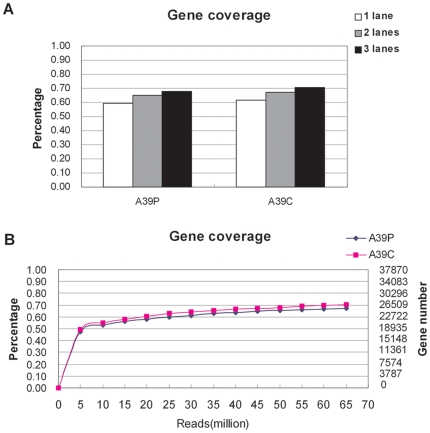
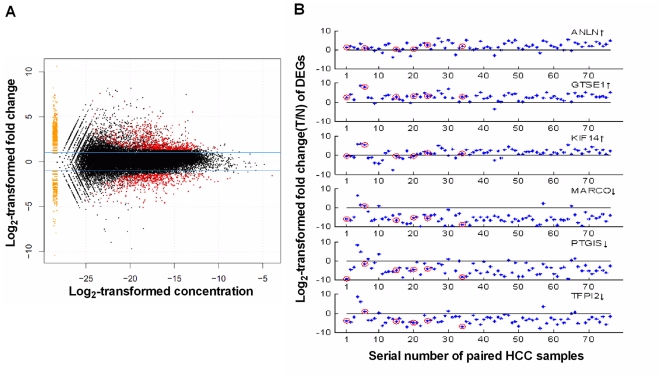
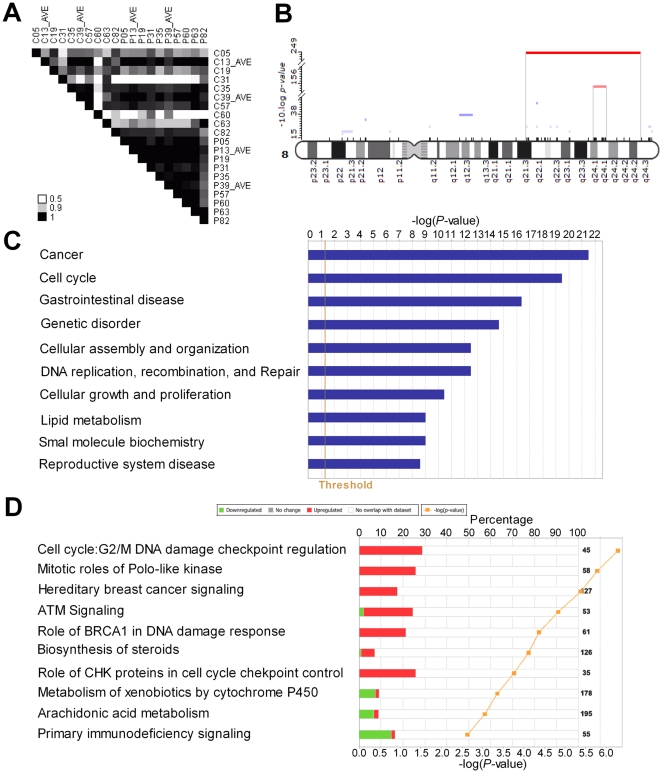
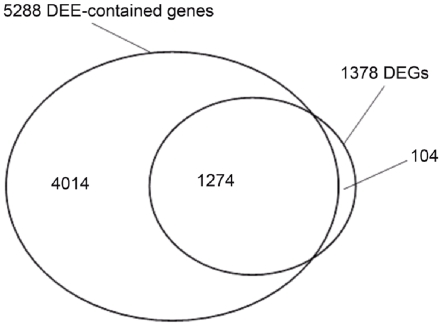
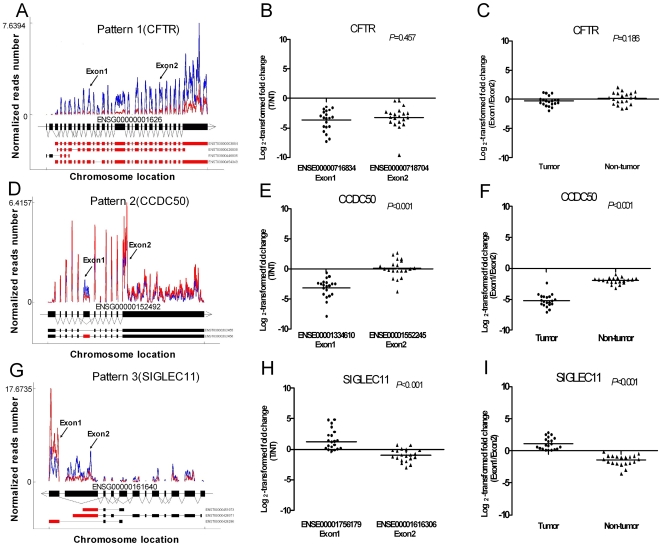
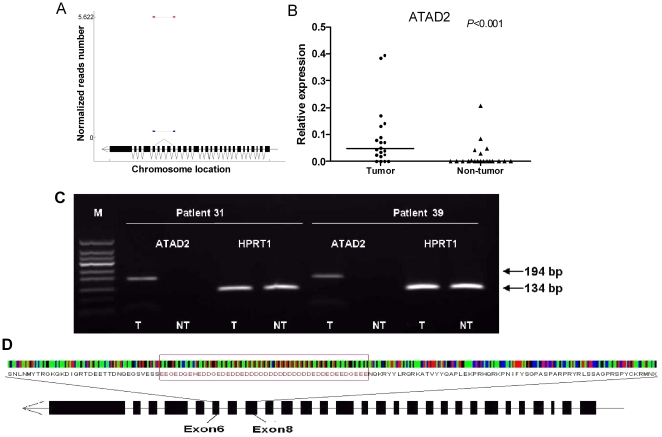
RNA-seq is a powerful tool for comprehensive characterization of whole transcriptome at both gene and exon levels and with a unique ability of identifying novel splicing variants. To date, RNA-seq analysis of HBV-related hepatocellular carcinoma (HCC) has not been reported. In this study, we performed transcriptome analyses for 10 matched pairs of cancer and non-cancerous tissues from HCC patients on Solexa/Illumina GAII platform. On average, about 21.6 million sequencing reads and 10.6 million aligned reads were obtained for samples sequenced on each lane, which was able to identify >50% of all the annotated genes for each sample. Furthermore, we identified 1,378 significantly differently expressed genes (DEGs) and 24, 338 differentially expressed exons (DEEs). Comprehensive function analyses indicated that cell growth-related, metabolism-related and immune-related pathways were most significantly enriched by DEGs, pointing to a complex mechanism for HCC carcinogenesis. Positional gene enrichment analysis showed that DEGs were most significantly enriched at chromosome 8q21.3-24.3. The most interesting findings were from the analysis at exon levels where we characterized three major patterns of expression changes between gene and exon levels, implying a much complex landscape of transcript-specific differential expressions in HCC. Finally, we identified a novel highly up-regulated exon-exon junction in ATAD2 gene in HCC tissues. Overall, to our best knowledge, our study represents the most comprehensive characterization of HBV-related HCC transcriptome including exon level expression changes and novel splicing variants, which illustrated the power of RNA-seq and provided important clues for understanding the molecular mechanisms of HCC pathogenesis at system-wide levels.
Overview
The claims and statistics of this paper haven’t been checked yet.
Free: it reads the open-access text and checks the first 5 claims that cite a source we can check. Create a free account to check every claim.
Integrity signals
Registry
Cites
Statistics
Figures
Verification
Claims the paper makes
The claims and statistics of this paper haven’t been checked yet.
Free: it reads the open-access text and checks the first 5 claims that cite a source we can check. Create a free account to check every claim.
Claims other papers make about this one
Each is checked against this paper’s own text: does it say what the citing paper says it does?
The source backs part of the claim, not all of it — or backs it for a different population, condition or comparison.
In the citing paper
“and also includes pathways frequently deregulated in other human cancers, such as pancreatic adenocarcinoma and bladder, small cell lung, prostate, and estrogen-dependent and hereditary breast cancers (Table S4–5)”
From Circadian Homeostasis of Liver Metabolism Suppresses Hepatocarcinogenesis (2016) · cites this paper as Huang et al., 2011
Experimental — accuracy not yet measured
Self-check
Percentages, sums and reported differences re-computed from the paper’s own numbers.
The self-check needs the paper’s full text.
Citations
Cites
Analysis of Relative Gene Expression Data Using Real-Time Quantitative PCR and the 2−ΔΔCT Method
Livak, K. J., & Schmittgen, T. D. (2001) · Methods · doi:10.1006/meth.2001.1262 · Cited by 180,860
Subramanian, A., Tamayo, P., Mootha, V. K., Mukherjee, S., Ebert, B. L., Gillette, M. A., Paulovich, A., Pomeroy, S. L., Golub, T. R., Lander, E. S., et al. (2005) · Proceedings of the National Academy of Sciences · doi:10.1073/pnas.0506580102 · Cited by 53,625
Robinson, M. D., McCarthy, D. J., & Smyth, G. K. (2010) · Bioinformatics · doi:10.1093/bioinformatics/btp616 · Cited by 41,364
Mapping and quantifying mammalian transcriptomes by RNA-Seq
Mortazavi, A., Williams, B. A., McCue, K., Schaeffer, L., & Wold, B. (2008) · Nature Methods · doi:10.1038/nmeth.1226 · Cited by 13,696 · cited 2×
“After alignment to the transcriptome, the expression level of genes was determined based on the value of RPKM (reads per kilobase per million), which was calculated as the number of reads mapped to the transcripts of one gene divided by the transcript length and the number of total mapped reads in one sample [13].”
MethodRNA-Seq: a revolutionary tool for transcriptomics
Wang, Z., Gerstein, M., & Snyder, M. (2009) · Nature Reviews Genetics · doi:10.1038/nrg2484 · Cited by 13,174 · cited 1×
“With the advance of the next-generation sequencing technologies, RNA-seq has become a useful tool in defining the transcriptomes of cells with the advantage of analyzing expression at exon levels as well as delineating novel splicing variants [10,11].”
MethodTopHat: discovering splice junctions with RNA-Seq
Trapnell, C., Pachter, L., & Salzberg, S. L. (2009) · Bioinformatics · doi:10.1093/bioinformatics/btp120 · Cited by 11,617
SOAP2: an improved ultrafast tool for short read alignment
Li, R., Yu, C., Li, Y., Lam, T.-W., Yiu, S.-M., Kristiansen, K., & Wang, J. (2009) · Bioinformatics · doi:10.1093/bioinformatics/btp336 · Cited by 3,760
RNA-seq: An assessment of technical reproducibility and comparison with gene expression arrays
Marioni, J. C., Mason, C. E., Mane, S. M., Stephens, M., & Gilad, Y. (2008) · Genome Research · doi:10.1101/gr.079558.108 · Cited by 2,771
The Transcriptional Landscape of the Yeast Genome Defined by RNA Sequencing
Nagalakshmi, U., Wang, Z., Waern, K., Shou, C., Raha, D., Gerstein, M., & Snyder, M. (2008) · Science · doi:10.1126/science.1158441 · Cited by 2,479
The impact of next-generation sequencing technology on genetics
Mardis, E. R. (2008) · Trends in Genetics · doi:10.1016/j.tig.2007.12.007 · Cited by 2,053
Cited by
Circadian Homeostasis of Liver Metabolism Suppresses Hepatocarcinogenesis
Kettner, N. M., Voicu, H., Finegold, M. J., Coarfa, C., Sreekumar, A., Putluri, N., Katchy, C. A., Lee, C., Moore, D. D., & Fu, L. (2016) · Cancer Cell · doi:10.1016/j.ccell.2016.10.007 · Cited by 508
“Importantly, the jet lag induced gene deregulation signature significantly overlaps with that found in human HCC (Figure 4B), and also includes pathways frequently deregulated in other human cancers, such as pancreatic adenocarcinoma and bladder, small cell lung, prostate, and estrogen-dependent and hereditary breast…”
BackgroundInfluentialFunction of lncRNAs and approaches to lncRNA-protein interactions
Zhu, J., Fu, H., Wu, Y., & Zheng, X. (2013) · Science China Life Sciences · doi:10.1007/s11427-013-4553-6 · Cited by 387
RNA-Seq and human complex diseases: recent accomplishments and future perspectives
Costa, V., Aprile, M., Esposito, R., & Ciccodicola, A. (2013) · European Journal of Human Genetics · doi:10.1038/ejhg.2012.129 · Cited by 269
Kalinich, M., Bhan, I., Kwan, T. T., Miyamoto, D. T., Javaid, S., LiCausi, J. A., Milner, J. D., Hong, X., Goyal, L., Sil, S., et al. (2017) · Proceedings of the National Academy of Sciences · doi:10.1073/pnas.1617032114 · Cited by 155
“These genes were then validated against a separate RNA-sequencing dataset, comparing 10 primary HCCs (17) with WBCs from eight healthy donor blood samples processed through the CTC-iChip (Fig.”
MethodLi, S., Hu, Z., Zhao, Y., Huang, S., & He, X. (2018) · Hepatology · doi:10.1002/hep.30158 · Cited by 154
Inflammation associated with noise-induced hearing loss
Frye, M. D., Ryan, A. F., & Kurabi, A. (2019) · The Journal of the Acoustical Society of America · doi:10.1121/1.5132545 · Cited by 148
“…more than the past decade, investigators have applied techniques such as RNA sequencing—initially employed to analyze non-cochlear tissues (Beane et al., 2011; Bottomly et al., 2011; Huang et al., 2011)—to gain a more comprehensive understanding of gene expression within tissues of the inner ear.”
MethodMolecular Pathogenesis of Hepatocellular Carcinoma
Ho, D. W., Lo, R. C., Chan, L., & Ng, I. O. (2016) · Liver Cancer · doi:10.1159/000449340 · Cited by 134
Methodologies to decipher the cell secretome
Mukherjee, P., & Mani, S. (2013) · Biochimica et Biophysica Acta (BBA) - Proteins and Proteomics · doi:10.1016/j.bbapap.2013.01.022 · Cited by 109
“RNA sequencing is a very powerful tool to quantify mRNA abundance [64], map transcription start site [65], analyze splicing patterns [66] and measure gene expression changes during development and under different conditions [67, 68].”
MethodOpportunities and methods for studying alternative splicing in cancer with RNA-Seq
Feng, H., Qin, Z., & Zhang, X. (2012) · Cancer Letters · doi:10.1016/j.canlet.2012.11.010 · Cited by 121
Malignant genome reprogramming by ATAD2
Boussouar, F., Jamshidikia, M., Morozumi, Y., Rousseaux, S., & Khochbin, S. (2013) · Biochimica et Biophysica Acta (BBA) - Gene Regulatory Mechanisms · doi:10.1016/j.bbagrm.2013.06.003 · Cited by 100
The human liver‐specific proteome defined by transcriptomics and antibody‐based profiling
Kampf, C., Mardinoglu, A., Fagerberg, L., Hallström, B. M., Edlund, K., Lundberg, E., Pontén, F., Nielsen, J., & Uhlen, M. (2014) · The FASEB Journal · doi:10.1096/fj.14-250555 · Cited by 81
Wu, G., Liu, H., He, H., Wang, Y., Lu, X., Yu, Y., Xia, S., Meng, X., & Liu, Y. (2014) · BMC Cancer · doi:10.1186/1471-2407-14-107 · Cited by 83
“gene was highly expressed in HCC tissues [14].”
Self-citationApplication of next generation qPCR and sequencing platforms to mRNA biomarker analysis
Devonshire, A. S., Sanders, R., Wilkes, T. M., Taylor, M. S., Foy, C. A., & Huggett, J. F. (2012) · Methods · doi:10.1016/j.ymeth.2012.07.021 · Cited by 83
Smalling, R. V., Delker, D. A., Zhang, Y., Nieto, N., Mcguiness, M. S., Liu, S., Friedman, S. L., Hagedorn, C. H., & Wang, L. (2013) · American Journal of Physiology-Gastrointestinal and Liver Physiology · doi:10.1152/ajpgi.00077.2013 · Cited by 71
“Worldwide, chronic hepatitis C virus (HCV) is another major cause of cirrhosis and HCC (33, 39).”
InfluentialMolecular pathogenesis of intrahepatic cholangiocarcinoma
Andersen, J. B. (2014) · Journal of Hepato-Biliary-Pancreatic Sciences · doi:10.1002/jhbp.155 · Cited by 68
“Andersen and Thorgeirsson suggested that both iCCA and HCC share common genetic alterations, including chromosomal gains (1q, 8q and 17q) and losses (4q, 8p, 13q and 17p) with high-level amplifications of 11q-13 [31].”
BackgroundInfluentialLamontagne, J., Mell, J. C., & Bouchard, M. J. (2016) · PLoS Pathogens · doi:10.1371/journal.ppat.1005438 · Cited by 65
Hashimoto, K., Suzuki, A. M., Dos Santos, A., Desterke, C., Collino, A., Ghisletti, S., Braun, E., Bonetti, A., Fort, A., Qin, X.-Y., et al. (2015) · Genome Research · doi:10.1101/gr.191031.115 · Cited by 64
“Genome-wide analyses of gene expression in human HCC have identified overexpressed genes (Ladeiro et al. 2008), activated pathways (Huang et al. 2011), and subtypes of HCC (Boyault et al. 2007).”
BackgroundHo, D. W., Kai, A. K., & Ng, I. O. (2015) · Frontiers of Medicine · doi:10.1007/s11684-015-0408-9 · Cited by 71
“A number of DE genes that were reported in previous studies [8,9], such as ALG1L, SERPINA11, TMEM82, GPC3, SPINK1, and ESM1, were also detected in the current study.”
BackgroundGentilini, D., Scala, S., Gaudenzi, G., Garagnani, P., Capri, M., Cescon, M., Grazi, G. L., Bacalini, M. G., Pisoni, S., Dicitore, A., et al. (2017) · Oncotarget · doi:10.18632/oncotarget.17462 · Cited by 72
RNA-Seq Profiling Reveals Novel Hepatic Gene Expression Pattern in Aflatoxin B1 Treated Rats
Merrick, B. A., Phadke, D. P., Auerbach, S. S., Mav, D., Stiegelmeyer, S. M., Shah, R., & Tice, R. R. (2013) · PLoS ONE · doi:10.1371/journal.pone.0061768 · Cited by 68
“insights into regulatory genes and critical pathways that might lead to hepatocellular carcinoma [16,17,18].”
BackgroundRecent Advancements in Comprehensive Genetic Analyses for Human Hepatocellular Carcinoma
Nishida, N., & Kudo, M. (2013) · Oncology · doi:10.1159/000345897 · Cited by 59
Yu, S., Wang, Y., Hou, J., Li, W.-Y., Wang, X., Xiang, L., Tan, D., Wang, W., Jiang, L., Claret, F. X., et al. (2020) · PLoS ONE · doi:10.1371/journal.pone.0231003 · Cited by 65
NEK2 serves as a prognostic biomarker for hepatocellular carcinoma
Li, G., Zhong, Y., Shen, Q., Zhou, Y., Deng, X., Li, C., Chen, J., Zhou, Y., & He, M. (2017) · International Journal of Oncology · doi:10.3892/ijo.2017.3837 · Cited by 65
“…splicing in search of novel biomarkers for the disease (23). by integrating the RNA-seq data for the cells in the present study and the tissues in the study by Huang et al (24), we found that NEK2 expression was significantly upregulated and associated with a poor prognosis in patients with HCC.”
InfluentialGene set enrichment analysis of RNA-Seq data: integrating differential expression and splicing
Wang, X., & Cairns, M. J. (2013) · BMC Bioinformatics · doi:10.1186/1471-2105-14-s5-s16 · Cited by 62
“Most existing studies are in the order of ten subjects per group [5-8,42], with a few exceptions of large-scale sequencing studies with more than one hundred samples (e.”
BackgroundThe research strategies for probing the function of long noncoding RNAs
Yan, B., Wang, Z., & Guo, J. (2011) · Genomics · doi:10.1016/j.ygeno.2011.12.002 · Cited by 58
Enríquez‐Cortina, C., Bello‐Monroy, O., Rosales-Cruz, P., Souza, V., Miranda, R. U., Toledo-Pérez, R., Luna‐López, A., Nieves, A. S., Hernández‐Pando, R., Gutiérrez‐Ruíz, M. C., et al. (2017) · Oncotarget · doi:10.18632/oncotarget.22024 · Cited by 54
“Calvisi and colleagues [6], indicating that cholesterol homeostasisrelated proteins are overexpressed in HCC with poor prognosis, even more RNA-seq analysis of human HCC revealed disorders in lipid metabolism, metabolism of xenobiotics, and ATM signaling [41], some genomic reports also confirm that our mouse data are…”
BackgroundLin, K.-T., Shann, Y.-J., Chau, G.-Y., Hsu, C.-N., & Huang, C.-Y. F. (2013) · Oncogene · doi:10.1038/onc.2013.424 · Cited by 53
ATAD2 in cancer: a pharmacologically challenging but tractable target
Hussain, M., Zhou, Y., Song, Y., Hameed, H. M. A., Jiang, H., Tu, Y., & Zhang, J. (2017) · Expert Opinion on Therapeutic Targets · doi:10.1080/14728222.2018.1406921 · Cited by 49
“and in vivo neutralization of ATAD2’s activity in HCC cells [45].”
BackgroundATAD2 as a Poor Prognostic Marker for Hepatocellular Carcinoma after Curative Resection
Hwang, H. W., Ha, S. Y., Bang, H., & Park, C.-K. (2015) · Cancer Research and Treatment · doi:10.4143/crt.2014.177 · Cited by 47
Yamaga, R., Ikeda, K., Horie‐Inoue, K., Ouchi, Y., Suzuki, Y., & Inoue, S. (2013) · Hormones and Cancer · doi:10.1007/s12672-013-0140-3 · Cited by 46
Alternative RNA Splicing in the Pathogenesis of Liver Disease
Webster, N. J. G. (2017) · Frontiers in Endocrinology · doi:10.3389/fendo.2017.00133 · Cited by 44
“A 2011 study sequenced the transcriptomes of 10 matched pairs of cancer and non-cancerous liver tissue from HBV-infected individuals (108).”
MethodComprehensive analysis of transcriptome profiles in hepatocellular carcinoma
Yu, J. H., Lee, W. Y., Toh, S. T., Tennakoon, C., Toh, H. C., Chow, P. K. H., Chung, A. Y. F., Chong, S. S., Ooi, L. L., Sung, W.-K. K., et al. (2019) · Journal of Translational Medicine · doi:10.1186/s12967-019-2025-x · Cited by 62
Zhu, Q., Sun, Y., Zhou, Q., He, Q., & Qian, H. (2018) · Molecular and Clinical Oncology · doi:10.3892/mco.2018.1728 · Cited by 45
“However, to date, there have only been a few studies with a small sample size that used RNA sequencing data in the transcriptomic landscape of HCC (8,9),”
Sun, H., Song, J., Weng, C., Xu, J., Huang, M., Huang, Q., Sun, R., Xiao, W., & Sun, C. (2017) · Journal of Gastroenterology and Hepatology · doi:10.1111/jgh.13633 · Cited by 44
Self-citationEpigenetic high regulation of ATAD2 regulates the Hh pathway in human hepatocellular carcinoma
Wu, G., Lu, X., Wang, Y., He, H., Meng, X., Xia, S., ZHEN, K., & Liu, Y. (2014) · International Journal of Oncology · doi:10.3892/ijo.2014.2416 · Cited by 44
“It is also highly expressed in hepatocellular carcinoma detected by RNA-seq (11).”
RetractedZhang, L., Liu, X., Zhang, X., & Chen, R. (2015) · Molecular Genetics and Genomics · doi:10.1007/s00438-015-1163-y · Cited by 46
Patel, M., Hu, Z., Bard, J., Jamison, J., Cai, Q., & Hu, B. H. (2013) · Neuroscience · doi:10.1016/j.neuroscience.2013.05.038 · Cited by 45
“Recently, RNA-seq has been utilized to compare the transcriptome differences between various normal and pathological conditions in noncochlear tissues (Beane et al., 2011, Bottomly et al., 2011, Huang et al., 2011, Jager et al., Neuroscience.”
MethodGuo, X., Li, D., Chen, Y., An, J., Wang, K., Xu, Z., Chen, Z., & Xing, J. (2015) · Scientific Reports · doi:10.1038/srep11846 · Cited by 41
Self-citationYang, T., Zhang, X., & Zheng, Z. (2013) · Cancer Science · doi:10.1111/cas.12128 · Cited by 40
Effect of sexual maturation on muscle gene expression of rainbow trout: RNA-Seq approach
Salem, M., Manor, M. L., Aussanasuwannakul, A., Kenney, P. B., Weber, G. M., & Yao, J. (2013) · Physiological Reports · doi:10.1002/phy2.120 · Cited by 37
“Furthermore, to minimize changes due to nutrient (at least energy) deficits, fish were fed on a high plane of nutrition.”
BackgroundAllEnricher: a comprehensive gene set function enrichment tool for both model and non-model species
Zhang, D., Hu, Q., Liu, X., Zou, K., Sarkodie, E. K., Liu, X., & Gao, F. (2020) · BMC Bioinformatics · doi:10.1186/s12859-020-3408-y · Cited by 35
Quantitative analysis of the splice variants expressed by the major hepatitis B virus genotypes
Lim, C. S., Sozzi, V., Littlejohn, M., Yuen, L. K. W., Warner, N., Betz‐Stablein, B., Luciani, F., Revill, P. A., & Brown, C. M. (2021) · Microbial Genomics · doi:10.1099/mgen.0.000492 · Cited by 40
“In particular, ADM2, a gene that is involved in ADORA2B-mediated production of anti-inflammatory cytokines, was also previously found to be differentially expressed in liver tumours [3].”
Observational Study of PD-L1, TGF-β, and Immune Cell Infiltrates in Hepatocellular Carcinoma
Ihling, C. H., Naughton, B. J., Zhang, Y., Rolfe, A., Frick-Krieger, E., Terracciano, L., & Dussault, I. (2019) · Frontiers in Medicine · doi:10.3389/fmed.2019.00015 · Cited by 34
“We also found a correlation between the incidence of PD-L1+ Frontiers in Medicine | www.frontiersin.org 6 February 2019 | Volume 6 | Article 15 FIGURE 5 | TGF-β expression and associated GES activity in HCC. (A) Expression of TGFB mRNA isoforms determined by RNAseq; (B) association between Hoshida molecular HCC subtyp…”
InfluentialLiao, W., Jordaan, G., Nham, P., Phan, R. T., Pelegrini, M., & Sharma, S. (2015) · BMC Cancer · doi:10.1186/s12885-015-1708-9 · Cited by 32
“With the development of massive parallel RNA sequencing (RNA-seq) technology, there have been a growing number of genome-wide studies that have analyzed the complete transcriptome cells in different malignancies [18–22] and non-malignant diseases [23, 24].”
BackgroundLi, H., Zhao, X., Li, C., Sheng, C., & Bai, Z. (2019) · Cancer Management and Research · doi:10.2147/cmar.s186561 · Cited by 28
Self-citationLin, X. S., Hu, L., Sandy, K. Y. P., Correll, M., Quackenbush, J. F., Wu, C., & McDougal, W. S. (2013) · Urologic Oncology Seminars and Original Investigations · doi:10.1016/j.urolonc.2013.06.014 · Cited by 27
“Using RNA-Seq, expression profiling genes involved in various cancers were identified and showed potential for biomarker-driven clinical trials and targeted cancer therapy [14–16].”
Wu, S., Li, N., Ma, J., Shen, H., Jiang, D., Chang, C., Zhang, C., Li, L., Zhang, H., Jiang, J., et al. (2012) · Journal of Proteome Research · doi:10.1021/pr3008286 · Cited by 25
Self-citationMolecular mechanisms of pathogenesis in hepatocellular carcinoma revealed by RNA-sequencing
Liu, Y., Yang, Z., Du, F., Yang, Q. L., Hou, J., Yan, X., Geng, Y., Zhao, Y., & Wang, H. (2017) · Molecular Medicine Reports · doi:10.3892/mmr.2017.7457 · Cited by 25
“The 5-year overall survival rate of patients with HCC remains low, and the disease is difficult to overcome (5).”
BackgroundAlternative splicing and liver disease
Baralle, M., & Baralle, F. E. (2021) · Annals of Hepatology · doi:10.1016/j.aohep.2021.100534 · Cited by 27
Next-Generation Sequencing: Application in Liver Cancer—Past, Present and Future?
Marquardt, J. U., & Andersen, J. B. (2012) · Biology · doi:10.3390/biology1020383 · Cited by 24
“However, thus far, RNA sequencing was only used in one study to investigate the HCC transcriptome in 10 matched HBV-related HCC cases, identifying a total of 1,378 differentially expressed genes [43].”
MethodAncestry patterns inferred from massive RNA-seq data
Barral‐Arca, R., Pardo‐Seco, J., Bello, X., Martinón‐Torres, F., & Salas, A. (2019) · RNA · doi:10.1261/rna.070052.118 · Cited by 23
Molecular mechanism of hepatocellular carcinoma
Yoon, S. K. (2018) · Hepatoma Research · doi:10.20517/2394-5079.2018.23 · Cited by 27
“Recently, RNA-seq-based transcriptome analyses using tumor and non-tumor tissue from 10 HBV-related HCCs were first reported by Huang et al.([64]).”
MethodYe, C., Zhang, X., Chen, X., Cao, Q., Zhang, X., Zhou, Y., Li, W., Hong, L., Xie, H., Liu, X., et al. (2019) · Cellular Oncology · doi:10.1007/s13402-019-00487-3 · Cited by 22
Liver Cancer Oncogenomics: Opportunities and Dilemmas for Clinical Applications
Marquardt, J. U., & Andersen, J. B. (2015) · Hepatic Oncology · doi:10.2217/hep.14.24 · Cited by 22
Zeng, X., Zhang, L., Liao, W., Ao, L., Lin, Z., Kang, W., Chen, W., & Lin, X. (2020) · Frontiers in Genetics · doi:10.3389/fgene.2020.555537 · Cited by 21
“Gene expression profile matrix files of GSE25599, GSE77509, and GSE94660 were obtained from raw datasets using Perl (de Hoon et al., 2004).”
MethodInfluentialLiu, Y., Al‐Adra, D. P., Lan, R., Jung, G., Li, H., Yeh, M. M., & Liu, Y. (2022) · Hepatology Communications · doi:10.1002/hep4.1945 · Cited by 21
“[16– 19] Based on RNA- seq analysis on 10 HBV- related HCC versus the paired adjacent noncancerous tissue from patients recruited in China, pathways related to cell growth, metabolism, and immune functions were identified.[16] In another study involving 98 HCC samples from Asian patients, an 85- gene signature was ide…”
MethodSelf-citationWang, Q., Wen, B., Yan, G., Wei, J., Xie, L., Xu, S., Jiang, D., Wang, T.-Y., Lin, L., Zi, J., et al. (2012) · Journal of Proteome Research · doi:10.1021/pr3008336 · Cited by 21
Self-citationReview of GPU implementation to process of RNA sequence on cancer
Rahman, M. A., & Muniyandi, R. C. (2017) · Informatics in Medicine Unlocked · doi:10.1016/j.imu.2017.10.008 · Cited by 20
Martenon-Brodeur, C., Thibault, P., Durand, M., Perreault, J., & Bisaillon, M. (2019) · Genes & Cancer · doi:10.18632/genesandcancer.190 · Cited by 18
“However, these previous studies were generally performed on a limited number of HCC tissue samples or focused on a small subset on CYP450s [23-26].”
BackgroundResultCombinational usage of next generation sequencing and qPCR for the analysis of tumor samples
Loewe, R. P. (2012) · Methods · doi:10.1016/j.ymeth.2012.11.002 · Cited by 17
Advances in Multi-Omics Applications in HBV-Associated Hepatocellular Carcinoma
Cui, D., Li, W., Jiang, D., Wu, J., Xie, J., & Wu, Y. (2021) · Frontiers in Medicine · doi:10.3389/fmed.2021.754709 · Cited by 19
Li, G., Wang, Z., Chen, D., Yin, J., Mo, Z., Sun, B., Yang, T., Zhang, X., Zhai, Z., Li, Y., et al. (2022) · Frontiers in Cellular and Infection Microbiology · doi:10.3389/fcimb.2022.1025900 · Cited by 13
“GSE25599 includes 10 match-paired HBVrelated HCC and non-cancerous adjacent samples (Huang et al., 2011).”
BackgroundAlterations in the expression and activity of pre-mRNA splicing factors in hepatocarcinogenesis
Berasain, C., Elizalde, M., Urtasun, R., Castillo, J., García‐Irigoyen, O., Uriarte, I., Latasa, M. U., Prìeto, J., & Avila, M. A. (2014) · Hepatic Oncology · doi:10.2217/hep.13.17 · Cited by 13
Impact of the next-generation sequencing data depth on various biological result inferences
Hou, R., Yang, Z., Li, M., & Xiao, H. (2013) · Science China Life Sciences · doi:10.1007/s11427-013-4441-0 · Cited by 19
Disulfide bridge formation influences ligand recognition by the ATAD2 bromodomain
Gay, J. C., Eckenroth, B. E., Evans, C. M., Langini, C., Carlson, S., Lloyd, J. T., Caflisch, A., & Glass, K. C. (2018) · Proteins Structure Function and Bioinformatics · doi:10.1002/prot.25636 · Cited by 13
Chow, A., Amemiya, Y., Sugar, L., Nam, R. K., & Seth, A. K. (2012) · PubMed · Cited by 11
Chen, E., Bai, L., Gong, D., & Tang, H. (2015) · Journal of Translational Medicine · doi:10.1186/s12967-015-0380-9 · Cited by 13
“This is because altered levels of a specific sequence of mRNA suggest a changed need for the protein coded for by the mRNA, perhaps indicating a homeostatic response or a pathological condition [10].”
Emerging Applications of Single-Cell Diagnostics
Shirai, M., Taniguchi, T., & Kambara, H. (2012) · Topics in current chemistry · doi:10.1007/128_2012_327 · Cited by 11
“pooled-cell samples [8–12, 52–65].”
Profiling of LINE-1-Related Genes in Hepatocellular Carcinoma
Honda, T., & Rahman, M. A. (2019) · International Journal of Molecular Sciences · doi:10.3390/ijms20030645 · Cited by 10
Chiang, C., Yeh, H., Lim, S., & Lin, W. (2023) · World Journal of Gastroenterology · doi:10.3748/wjg.v29.i5.780 · Cited by 8
Zhou, Y., Deng, X., Ma, X., Zang, N., Li, H., Li, G., Li, D., Li, C., Huang, W., & He, M. (2015) · PubMed · Cited by 11
Self-citationClinical and Prognostic Significance of ANCCA in Squamous Cell Lung Carcinoma Patients
Wang, D., Pan, Y., Hao, T., Chen, Y., Qiu, S., Chen, L., & Zhao, J. (2016) · Archives of Medical Research · doi:10.1016/j.arcmed.2016.04.001 · Cited by 7
“initially identified a novel highly upregulated exon-exon junction in ANCCA gene in HCC tissues (18).”
BackgroundMolecular and Clinical Oncology
Vahedi, A., Fazeli, S. A., Hashemi, S. M., Arabpour-Dahouei, F., Davarian, A., & Golabchifard, R. (2015) · Cited by 8
Analysis of Differentially Expressed Genes in a Chinese Cohort of Esophageal Squamous Cell Carcinoma
Liu, G., Zhao, Y., Chen, H., Jia, J., Cheng, X., Wang, F., Ji, Q., Thorne, R. F., Chen, S., & Liu, X. (2020) · Journal of Cancer · doi:10.7150/jca.40850 · Cited by 7
“RNA-seq coupled with differentially expressed gene (DEG) profiling has been previously used to identify mRNA expression patterns in ESCC tissues [12-14] along with related analyses of microRNAs and long non-coding RNAs (lncRNA) [15-18].”
BackgroundMethodInfluentialRybakova, K. N., Tomaszewska, A., van Mourik, S., Blom, J. G., Westerhoff, H. V., Carlberg, C., & Bruggeman, F. J. (2014) · Nucleic Acids Research · doi:10.1093/nar/gku1272 · Cited by 7
“However, it remains hard to infer from differences between such RNA datasets which particular molecular process is the key determinant of the alterations in mRNA dynamics (7–9).”
Martin, R. I. R., Owens, W. A., Cunnington, M. S., Mayosi, B. M., Santibanez‐Koref, M., & Keavney, B. D. (2014) · BMC Genetics · doi:10.1186/s12863-014-0136-1 · Cited by 6
“Transcriptspecific regulation of gene expression has been associated with other diseases including schizophrenia, affective disorders and hepatocellular carcinoma [30,31].”
BackgroundSharip, A., Rakhimova, S., Molkenov, A., Ashenova, A., Kozhamkulov, U. A., Akhmetollayev, I. A., Zinovyev, A. Y., Zhukov, Y., Omarov, M., Тулеутаев, М. Е., et al. (2024) · Frontiers in Genetics · doi:10.3389/fgene.2024.1249751 · Cited by 5
Whole-transcriptome analysis of hepatocellular carcinoma
Lin, L., Wang, D., Cao, N., Lin, Y., Yu, J. H., & Zheng, C.-Q. (2013) · Medical Oncology · doi:10.1007/s12032-013-0736-z · Cited by 6
“More importantly, the genetic mechanisms such as gene fusion [9], gene arrangement, alternative splicing [10] can also be identified from cancers.”
BackgroundIntegrated analysis of the RNA-Seq data of liver hepatocellular carcinoma
XUE, H., Luo, L., Yao, Y., Wei, L., Deng, S., & Huang, X. (2018) · Neoplasma · doi:10.4149/neo_2018_170212n98 · Cited by 5
Detection of Novel Fusion Transcript VTI1A-CFAP46 in Hepatocellular Carcinoma
Tsuge, S., Saberi, B., Cheng, Y., Wang, Z., Kim, A., Luu, H. T., Abraham, J. M., Ybanez, M. D., Hamilton, J. P., Selaru, F. M., et al. (2019) · Gastrointestinal Tumors · doi:10.1159/000496795 · Cited by 6
A review of computational approaches for analysis of hepatitis C virus-mediated liver diseases
Ray, S., Maulik, U., & Mukhopadhyay, A. (2017) · Briefings in Functional Genomics · doi:10.1093/bfgp/elx040 · Cited by 3
Modern Approaches for Transcriptome Analyses in Plants
Riaño‐Pachón, D. M., Espitia-Navarro, H. F., Riascos, J. J., & Margarido, G. R. A. (2021) · Advances in experimental medicine and biology · doi:10.1007/978-3-030-80352-0_2 · Cited by 5
IGUANER - DIfferential Gene Expression and fUnctionAl aNalyzER
Pinna, V., Martino, J. D., Liberati, F., Bottoni, P., & Castrignanò, T. (2024) · Lecture notes in computer science · doi:10.1007/978-3-031-58502-9_5 · Cited by 4
Сергеевич, Д. П., Antropova, E. A., Adamovskaya, A. V., Mishchenko, E. I., Khlebodarova, T. M., Ivanisenko, T., Ivanisenko, N. V., Сергеевич, В. А., Lavrik, I. N., & Иванисенко, В. А. (2023) · Vavilov Journal of Genetics and Breeding · doi:10.18699/vjgb-23-91 · Cited by 2
Examining the Effects of Nuclear GPCRs on Gene Expression Using Isolated Nuclei
Vaniotis, G., Gora, S., Nantel, A., Hébert, T. E., & Allen, B. G. (2014) · Methods in molecular biology · doi:10.1007/978-1-4939-1755-6_15 · Cited by 2
RNA Sequencing Analysis of Patients with Chronic Hepatitis B Treated Using PEGylated Interferon
Chen, S., Shen, Y.-J., & Chen, G. (2024) · International Journal of General Medicine · doi:10.2147/ijgm.s474284 · Cited by 1
Afzal, S., Nawabzadi, S., Nawaz, H., Majeed, M. I., Karamti, H., Ullah, M. H., Shahid, H., Saleem, M., Tariq, R., Saif, A., et al. (2025) · Plasmonics · doi:10.1007/s11468-025-02941-5 · Cited by 1
“Some common medical tests used for liver carcinoma include polymerase chain reaction (PCR) [7], next-generation sequencing (NGS) [8], and transcriptomic analyses (RNA-Seq) [9].”
KIF14 (kinesin family member 14)
Thériault, B., & Corson, T. W. (2011) · Atlas of Genetics and Cytogenetics in Oncology and Haematology · doi:10.4267/2042/38552 · Cited by 1
Ji, Y., Chen, Y., Chen, M., & Wei, J. (2016) · Journal of Translational Science · doi:10.15761/jts.1000149 · Cited by 1
“Previous studies have explored profiles of specific isoforms of a few cancers from different tissues, including prostate, ovarian, colon, bladder, breast, and liver, by using parallel paired-end RNA sequencing or exon arrays [2-8].”
BackgroundChesnokov, M. S., Кривцова, О. М., Skovorodnikova, P. A., Makarova, A. S., Феликсовна, К. И., Logacheva, M. D., Penin, A. A., Klepikova, A. V., Shavochkina, D. A., Кудашкин, Н. Е., et al. (2016) · Biopolymers and Cell · doi:10.7124/bc.000939 · Cited by 1
Zhou, C., Zhu, D., Zhou, S., Wang, H., & Huang, M. (2023) · Journal of Cancer Research and Therapeutics · doi:10.4103/jcrt.jcrt_1868_20 · Cited by 2
RNA‐Seq and Human Complex Disease
Ciccodicola, A., Aversa, R., Esposito, R., & Costa, V. (2013) · Wiley eBooks · doi:10.1002/9780470015902.a0024990 · Cited by 1
PEIJ_PIEJ DB: A Putative Database for Intron RetentionPreprint
Xu, H. (2022) · Research Square · doi:10.21203/rs.3.rs-1979709/v1 · Cited by 1
Translational Application of Single-cell Transcriptomic Analysis in Hepatocellular Carcinoma
Yoon, S. K. (2018) · Journal of Liver Cancer · doi:10.17998/jlc.18.1.1
“Recently Huang et al., 19 firstly reported RNA-seq-based transcriptome analyses in tumor and non-tumorous tissues of 10 HBV-related hepatocellular carcinoma (HCC).”
Advances in the molecular characterization of liver tumors
Matter, M. S., & Andersen, J. B. (2017) · Elsevier eBooks · doi:10.1016/b978-0-323-34062-5.00009-1
Ribonucleic acid sequence analysis in deciphering hepatocellular carcinoma
Mannem, S., Yegireddy, M., Krishnaswamy, N., Girish, B. P., & Nadoor, P. (2022) · Elsevier eBooks · doi:10.1016/b978-0-323-98807-0.00011-9
Lamia, K. A. (2017) · Faculty Opinions – Post-Publication Peer Review of the Biomedical Literature · doi:10.3410/f.727025234.793537943
Integrative transcriptomic analysis and validation of non-coding RNA in liver cancers
Virushkul, V., Chuaypen, N., & Tangkijvanich, P. (2021) · Chula Digiverse · doi:10.58837/chula.the.2021.242
X2Graph for Cancer Subtyping Prediction on Biological Tabular Data
Bui, T., Suliman, M. A., Haldar, A., Amer, M., & Georgescu, S. P. (2025) · Annual International Conference of the IEEE Engineering in Medicine and Biology Society (EMBC) · doi:10.1109/embc58623.2025.11253574
Metadata
- Authors
- Huang, Q., Lin, B., Liu, H., Ma, X., Mo, F., Yu, W., Li, L., Li, H., Tian, T., Wu, D., Shen, F., Xing, J., & Chen, Z.-N.
- Affiliations
- State Key Laboratory of Cancer Biology (CN)
- University of Washington (US)
- Zhejiang University (CN)
- Beijing Jiaotong University (CN)
- Second Military Medical University (CN)
- Corresponding author
- Xing, Jinliang
- Chen, Zhi-Nan
- ORCID
- Venue
- PLoS ONE
- Publisher
- Public Library of Science (PLoS)
- Published
- 2011-10-17
- Volume
- 6
- Issue
- 10
- Pages
- e26168
- ISSN
- 1932-6203 (ISSN-L)
- PMC
- PMC3197143
- OpenAlex
- W2088301231
- Cited by
- 104
- References
- 56
- Citations by year
- 2025: 2 · 2024: 3 · 2023: 3 · 2022: 4 · 2021: 5 · 2020: 6 · 2019: 10 · 2018: 6 · 2017: 14 · 2016: 6 · 2015: 10 · 2014: 8 · 2013: 16 · 2012: 9
- FWCI
- 4.55
- Type
- journal article
- Language
- en
- Open access
- gold
- doi.org
- Locations
- PLoS ONE (publishedVersion, cc-by)
- PubMed Central (publishedVersion, cc-by)
- PubMed (publishedVersion)
- DOAJ (DOAJ: Directory of Open Access Journals) (submittedVersion, cc-by-sa)
- Figshare (submittedVersion, cc-by)
- Funders
- National Natural Science Foundation of China (30872927)
- National Key Research and Development Program of China (2009CB521704)
- Topics
- Life Sciences › Biochemistry, Genetics and Molecular Biology › Molecular Biology › Genomics and Phylogenetic Studies
- Life Sciences › Biochemistry, Genetics and Molecular Biology › Cancer Research › Cancer-related molecular mechanisms research
- Life Sciences › Biochemistry, Genetics and Molecular Biology › Molecular Biology › RNA Research and Splicing
- Keywords
- hepatocellular carcinoma, HBV-related liver cancer, transcriptome, differentially expressed genes, splice variants, exon-exon junctions, ATAD2, carcinogenesis, gene expression profiling
- MeSH terms
- Exons, Carcinoma, Hepatocellular, Humans, Liver Neoplasms, RNA, Messenger, Gene Expression Regulation, Neoplastic, Sequence Analysis, RNA, Protein Isoforms, Transcriptome
About these checks
Registry, retraction, Cites and statistics results are computed, not judged, with one exception: a printed reference that no index lists is read once by a model before it counts as a citation error. Claims are extracted by a model and kept only when their quote appears verbatim in the text; each cited source is then checked, with a model’s help, for whether it says what the claim relies on. Those verdicts can be wrong — read the claim’s quote and the cited source before relying on one.
Statistics and arithmetic are recomputed, not judged.
Confidence bands are shown only for fields calibrated on our annotated test set. None is calibrated yet, so no band is shown.
What counts as a claim ›How we measure confidence ›How we check this ›
Are you an author, or do you see a problem with this page? Request a review
Data sources
Bibliographic data: Semantic Scholar, OpenAlex, Crossref.
Contains information from the Semantic Scholar Academic Graph Datasets, made available under the ODC Attribution License (ODC-BY 1.0).
Semantic Scholar’s data is described in: Kinney, R., et al. (2023). The Semantic Scholar Open Data Platform. arXiv:2301.10140.
