

DNA Methyltransferase Inhibitors Improve the Effect of Chemotherapeutic Agents in SW48 and HT-29 Colorectal Cancer Cells
Open accessThe DOI matches its Crossref record; 40 of the 40 references it cites were found in a registry or an index.
Abstract
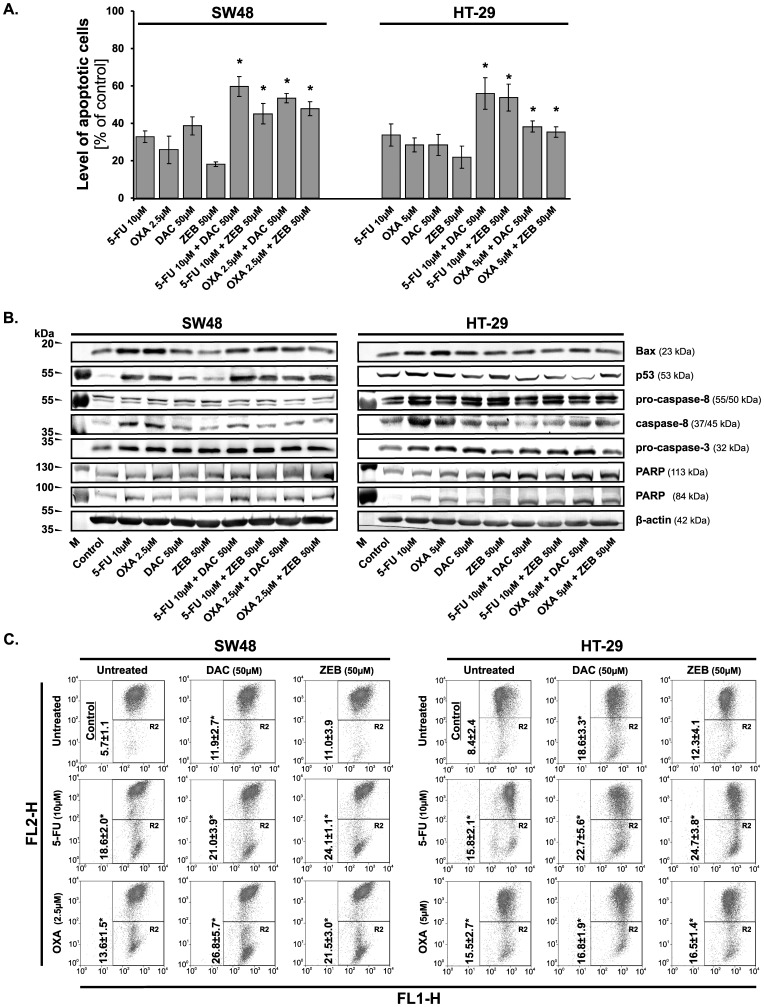
DNA methylation is an epigenetic phenomenon known to play an important role in the development and progression of human cancer. Enzyme responsible for this process is DNA methyltransferase 1 (DNMT1) that maintains an altered methylation pattern by copying it from parent to daughter DNA strands after replication. Aberrant methylation of the promoter regions of genes critical for normal cellular functions is potentially reversible. Therefore, inactivation of DNMT1 seems to be a valuable target for the development of cancer therapies. Currently, the most popular DNMT inhibitors (DNMTi) are cytidine analogues like 5-azacytidine, 5-aza-2'-deoxycytidine (decitabine) and pyrimidin-2-one ribonucleoside (zebularine). In colorectal cancer, epigenetic modifications play an essential role at each step of carcinogenesis. Therefore, we have addressed the hypothesis that DNA methyltransferase inhibitors may potentiate inhibitory effects of classical chemotherapeutic agents, such as oxaliplatin and 5-fluorouracil (5-FU), commonly used in colorectal cancer therapy. Here, our report shows that DNMTi can have positive interactions with standard chemotherapeutics in colorectal cancer treatment. Using pharmacological models for the drug-drug interaction analysis, we have revealed that the combination of decitabine with 5-FU or oxaliplatin shows the most attractive interaction (synergism), whereas the effect of zebularine in combinations with chemotherapeutics is moderate and may be depended on genetic/epigenetic background of a cell line or secondary drug used in combination. Our results suggest that DNMTi administered in combination with standard chemotherapeutics might improve the treatment of patients with colorectal cancers.
Overview
The claims and statistics of this paper haven’t been checked yet.
Free: it reads the open-access text and checks the first 5 claims that cite a source we can check. Create a free account to check every claim.
Integrity signals
Registry
Cites
Statistics
Figures
Verification
Claims the paper makes
The claims and statistics of this paper haven’t been checked yet.
Free: it reads the open-access text and checks the first 5 claims that cite a source we can check. Create a free account to check every claim.
Claims other papers make about this one
Each is checked against this paper’s own text: does it say what the citing paper says it does?
The source backs part of the claim, not all of it — or backs it for a different population, condition or comparison.
In the citing paper
“For instance, multiple DNMT inhibitors exhibited additive or synergistic effects when combined with 5-FU, oxaliplatin or irinotecan in CRC cell lines [159,160,161].”
From Mechanisms and Strategies to Overcome Drug Resistance in Colorectal Cancer (2025) · cites this paper as [161]
Experimental — accuracy not yet measured
Self-check
Percentages, sums and reported differences re-computed from the paper’s own numbers.
The self-check needs the paper’s full text.
Citations
Cites
Jemal, A., Bray, F., Center, M. M., Ferlay, J., Ward, E., & Forman, D. (2011) · CA: A Cancer Journal for Clinicians · doi:10.3322/caac.20107 · Cited by 54,679
Chou, T.-C., & Talalay, P. (1984) · Advances in Enzyme Regulation · doi:10.1016/0065-2571(84)90007-4 · Cited by 7,178 · cited 1×
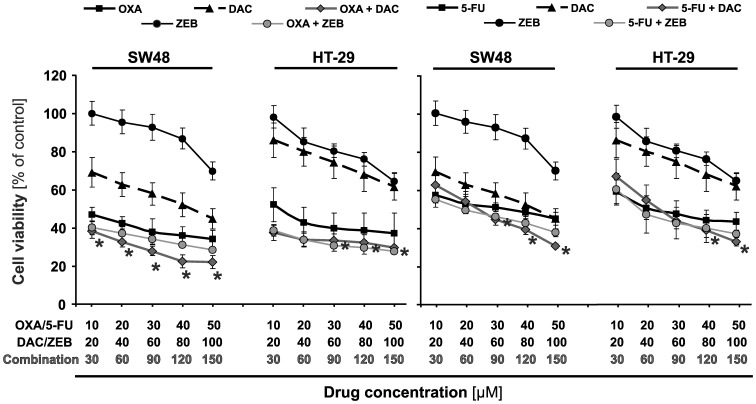
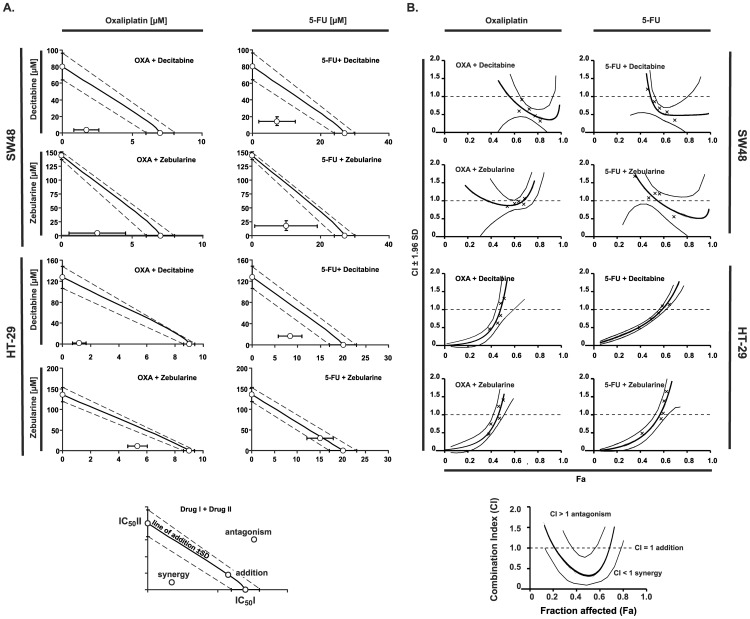
“The nature of the interactions between drugs studied was analyzed with the help of izobologram [11] and combination-index (CI) methods, derived from the median-effect principle of Chou and Talalay [12,13].”
MethodDNA damage-induced cell death: From specific DNA lesions to the DNA damage response and apoptosis
Roos, W. P., & Kaina, B. (2013) · Cancer Letters · doi:10.1016/j.canlet.2012.01.007 · Cited by 879 · cited 1×
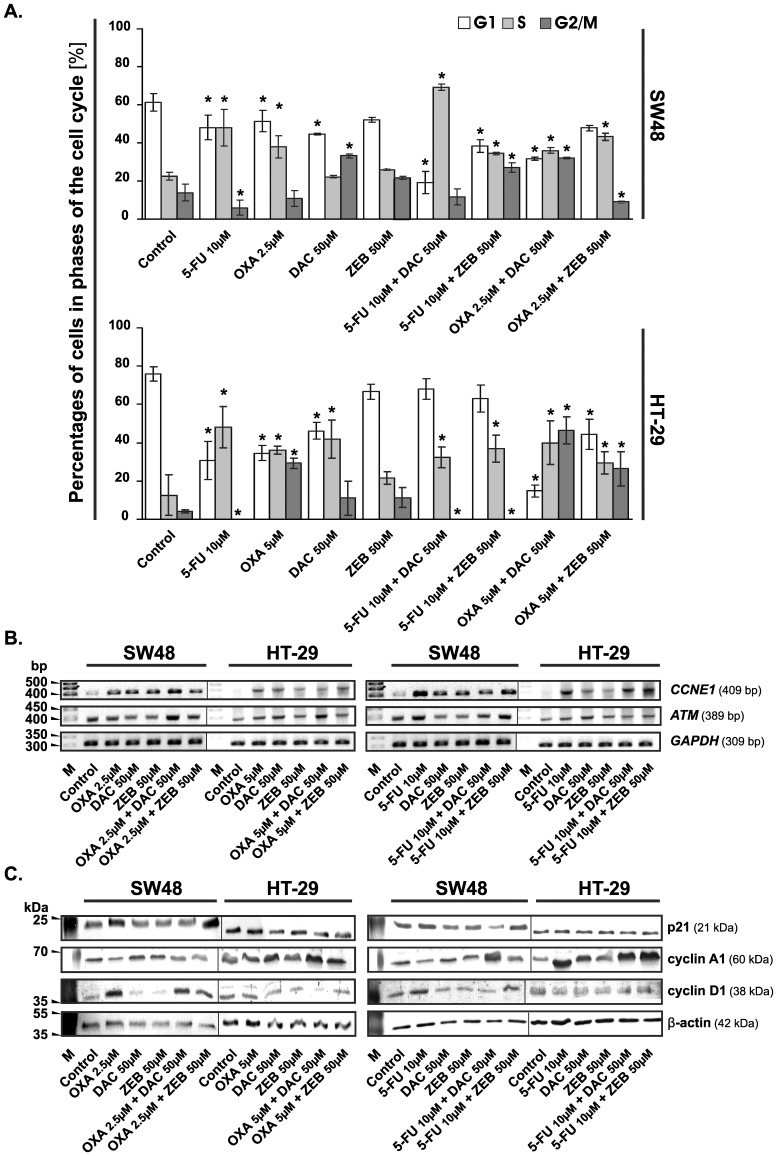
“Additionally, we observed a higher level of cyclin A probably connected with down regulation of Cdc25A and elevated phosphorylation of BRCA1 at Ser1524, which is essential for activating the Chk1 kinase and finally G2/M arrest (Figure 3) [34].”
BackgroundAnalysis of combined drug effects: a new look at a very old problem
Chou, T.-C., & Talalay, P. (1983) · Trends in Pharmacological Sciences · doi:10.1016/0165-6147(83)90490-x · Cited by 619 · cited 1×
“The nature of the interactions between drugs studied was analyzed with the help of izobologram [11] and combination-index (CI) methods, derived from the median-effect principle of Chou and Talalay [12,13].”
MethodDNA damage-induced activation of ATM and ATM-dependent signaling pathways
Kurz, E. U., & Lees-Miller, S. P. (2004) · DNA Repair · doi:10.1016/j.dnarep.2004.03.029 · Cited by 478 · cited 1×
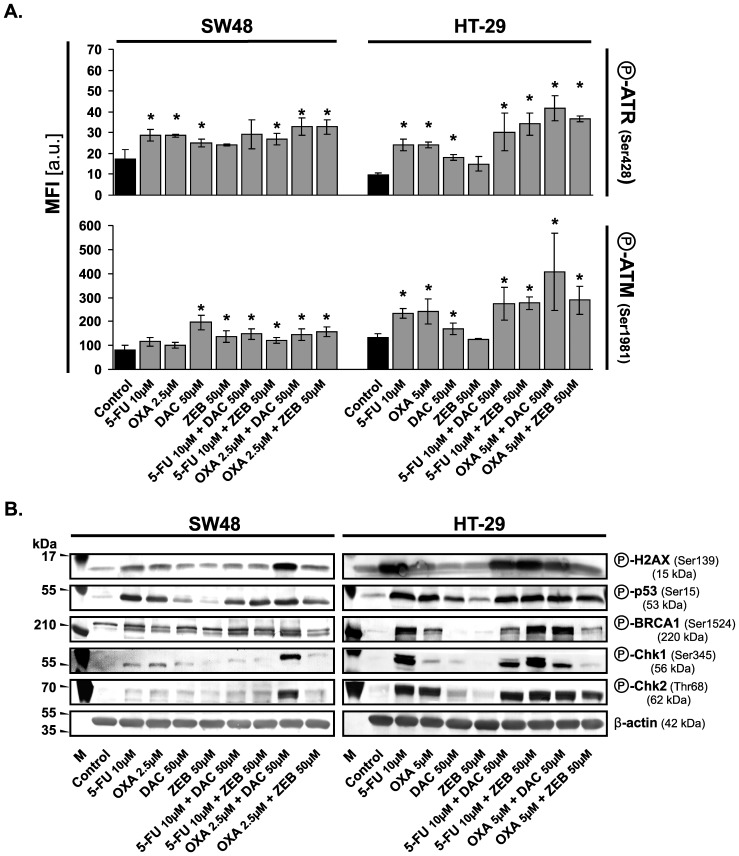
“X, the earliest indicator of DNA damages [30,31].”
BackgroundPalii, S. S., Van Emburgh, B. O., Sankpal, U. T., Brown, K. D., & Robertson, K. D. (2008) · Molecular and Cellular Biology · doi:10.1128/mcb.01799-07 · Cited by 382 · cited 1×
“Additionally, decitabine may also induce DNA damage through structural instability at the site of incorporation [28,29].”
BackgroundPreferential response of cancer cells to zebularine
Cheng, J. C., Yoo, C. B., Weisenberger, D. J., Chuang, J., Wozniak, C., Liang, G., Marquez, V. E., Greer, S., Orntoft, T. F., Thykjaer, T., et al. (2004) · Cancer Cell · doi:10.1016/j.ccr.2004.06.023 · Cited by 319 · cited 1×
“The studies of interactions between chemotherapeutic agents and DNMTi agents seem to be reasonable, because all these compounds have been tested for their cytotoxic properties against normal cells [5,9,10] and all of them except zebularine are approved by the U.”
BackgroundDNA methyltransferase inhibitors and their emerging role in epigenetic therapy of cancer.
Gnyszka, A., Jastrzębski, Z., & Flis, S. (2013) · PubMed · Cited by 318
Self-citationFlotho, C., Claus, R., Batz, C., Schneider, M., Sandrock, I., Ihde, S., Plass, C., Niemeyer, C. M., & Lübbert, M. (2009) · Leukemia · doi:10.1038/leu.2008.397 · Cited by 315 · cited 2×
“Decitabine is converted by deoxycytidine kinase, whereas zebularine is a substrate for uridine-cytidine kinase [22,23,24].”
BackgroundThe intersection between DNA damage response and cell death pathways.
Nowsheen, S., & Yang, E. S.-H. (2012) · PubMed · Cited by 293
Cited by
Epigenetics of colorectal cancer: biomarker and therapeutic potential
Jung, G., Hernández-Illán, E., Moreira, L., Balaguer, F., & Goel, A. (2020) · Nature Reviews Gastroenterology & Hepatology · doi:10.1038/s41575-019-0230-y · Cited by 813
KHAN, M. A., HUSSAIN, A., SUNDARAM, M. K., ALALAMI, U., GUNASEKERA, D., RAMESH, L., HAMZA, A., & QURAISHI, U. (2015) · Oncology Reports · doi:10.3892/or.2015.3802 · Cited by 178
Nucleosidic DNA demethylating epigenetic drugs – A comprehensive review from discovery to clinic
Agrawal, K., Das, V., Vyas, P., & Hajdúch, M. (2018) · Pharmacology & Therapeutics · doi:10.1016/j.pharmthera.2018.02.006 · Cited by 135
Norouzi, Z., Salimi, A., Halabian, R., & Fahimi, H. (2018) · Microbial Pathogenesis · doi:10.1016/j.micpath.2018.07.006 · Cited by 126
Vallejo, M. J., Salazar, L., & Grijalva, M. (2017) · Oxidative Medicine and Cellular Longevity · doi:10.1155/2017/4586068 · Cited by 138
“The net effect is cell death via apoptosis [19].”
BackgroundWeisenberger, D. J., Liang, G., & Lenz, H. (2017) · Oncogene · doi:10.1038/onc.2017.374 · Cited by 105
Drug resistance in colorectal cancer: An epigenetic overview
Luo, M., Yang, X., Chen, H.-N., Nice, E. C., & Huang, C. (2021) · Biochimica et Biophysica Acta (BBA) - Reviews on Cancer · doi:10.1016/j.bbcan.2021.188623 · Cited by 94
Mechanisms and Strategies to Overcome Drug Resistance in Colorectal Cancer
Haynes, J., & Manogaran, P. (2025) · International Journal of Molecular Sciences · doi:10.3390/ijms26051988 · Cited by 82
“For instance, multiple DNMT inhibitors exhibited additive or synergistic effects when combined with 5-FU, oxaliplatin or irinotecan in CRC cell lines [159–161].”
DNA methylation biomarkers in colorectal cancer: Clinical applications for precision medicine
Fatemi, N., Tierling, S., Es, H. A., Varkiani, M., Mojarad, E. N., Aghdaei, H. A., Walter, J., & Totonchi, M. (2022) · International Journal of Cancer · doi:10.1002/ijc.34186 · Cited by 75
Baharudin, R., Ab Mutalib, N.-S., Othman, S. N., Sagap, I., Rose, I. M., Mohd Mokhtar, N., & Jamal, R. (2017) · Frontiers in Pharmacology · doi:10.3389/fphar.2017.00047 · Cited by 65
“This is in concordance with other study which showed that there was an increase in inhibition of CRC cells growth after combinatorial treatment with both agents (Flis et al., 2014).”
BackgroundMethodResultResveratrol-salicylate derivatives as selective DNMT3 inhibitors and anticancer agents
Aldawsari, F. S., Aguayo‐Ortiz, R., Kapilashrami, K., Yoo, J., Luo, M., Medina‐Franco, J. L., & Velázquez‐Martínez, C. A. (2015) · Journal of Enzyme Inhibition and Medicinal Chemistry · doi:10.3109/14756366.2015.1058256 · Cited by 59
Yie, Y., Zhao, S., Tang, Q., Zheng, F., Wu, J., Yang, L., Deng, S., & Hann, S. S. (2014) · Molecular and Cellular Biochemistry · doi:10.1007/s11010-014-2314-x · Cited by 56
The role of DNA-demethylating agents in cancer therapy
Mehdipour, P., Murphy, T., & Carvalho, D. D. D. (2019) · Pharmacology & Therapeutics · doi:10.1016/j.pharmthera.2019.107416 · Cited by 58
Obesity-Associated Colorectal Cancer
Gonzalez-Gutierrez, L., Motiño, O., Barriuso, D., de la Puente-Aldea, J., Alvarez-Frutos, L., Kroemer, G., Palacios, R., & Senovilla, L. (2024) · International Journal of Molecular Sciences · doi:10.3390/ijms25168836 · Cited by 60
“In addition, the combination of DAC with 5-FU or oxaliplatin improves the treatment of patients with CRC [394].”
BackgroundTanaka, S., Hosokawa, M., Ueda, K., & Iwakawa, S. (2015) · Biological and Pharmaceutical Bulletin · doi:10.1248/bpb.b15-00129 · Cited by 47
Colorectal Cancer: Pathogenesis and Targeted Therapy
Li, J., Pan, J., Wang, L., Ji, G., & Dang, Y. (2025) · MedComm · doi:10.1002/mco2.70127 · Cited by 57
“Notably,low doses of DAC can stimulate proliferation in the HT-29 cell line, attributed to the restoration of BCL2 expression [210].”
Megiorni, F., Camero, S., Ceccarelli, S., McDowell, H. P., Mannarino, O., Marampon, F., Pizer, B. L., Shukla, R., Pizzuti, A., Marchese, C., et al. (2016) · Oncotarget · doi:10.18632/oncotarget.12688 · Cited by 42
“Indeed, 5-aza and 5-aza-dC DNA demethylanting agents have been approved by US Food and Drug Administration for clinical use but, despite some promising results in laboratory models and in haematological malignancies [64, 65], their efficacy in the treatment of human solid tumours is still controversial [66].”
BackgroundWang, R., Dong, X., Zhang, X., Liao, J., Cui, W., & Li, W. (2025) · International Journal of Biological Sciences · doi:10.7150/ijbs.103877 · Cited by 41
“More importantly, it has been reported that DNMTis combined with cytostatic agents promotes apoptosis in CRC cells[171, 172]; in both in vivo and ex vivo models, the use of DNMTis significantly inhibited the growth of smooth muscle sarcoma cells[173]; and in the treatment of breast and ovarian…”
Sharma, A. R., Vatapalli, R. J., Abdelfatah, E., McMahon, K. W., Kerner, Z. J., Guzzetta, A. A., Singh, J., Zahnow, C. A., Baylin, S. B., Yerram, S. R., et al. (2017) · PLoS ONE · doi:10.1371/journal.pone.0176139 · Cited by 39
Breaking the barrier: Epigenetic strategies to combat platinum resistance in colorectal cancer
Luo, S., Yue, M., Wang, D., Lu, Y., Wu, Q., & Jiang, J. (2024) · Drug Resistance Updates · doi:10.1016/j.drup.2024.101152 · Cited by 38
Gupta, R., Bhatt, L. K., & Momin, M. M. (2019) · Toxicology and Applied Pharmacology · doi:10.1016/j.taap.2019.114631 · Cited by 32
Yang, A., Sun, Y., Gao, Y., Yang, S., Mao, C., Ding, N., Deng, M., Wang, Y., Yang, X., Jia, Y.-X., et al. (2017) · DNA and Cell Biology · doi:10.1089/dna.2017.3651 · Cited by 30
“DNMTs are ubiquitously expressed in normal human tissues, but overexpressed in various tumors, including leukemia, colorectal, ovarian, and prostate cancers (Berg et al., 2004; Sui et al., 2013; Flis et al., 2014).”
Colorectal Cancer at the Crossroads: The Good, the Bad, and the Future of Platinum-Based Drugs
Kee, J. X., Yau, J. N. N., Muthuramalingam, R. P. K., Wang, X., Chng, W. H., Lopez‐Sanchez, A., Tay, K. K. W., Deng, L., Gibson, D., Bertrand, H. C., et al. (2025) · Chemical Reviews · doi:10.1021/acs.chemrev.5c00041 · Cited by 35
Hosokawa, M., Mai, S., NAKANO, A., Iwashita, S., 石坂綾乃, Ueda, K., & Iwakawa, S. (2015) · Oncology Letters · doi:10.3892/ol.2015.3253 · Cited by 27
Procaine Induces Epigenetic Changes in HCT116 Colon Cancer Cells
Sabit, H., Samy, M. B., Said, O. A. M., & El-Zawahri, M. M. (2016) · Genetics Research International · doi:10.1155/2016/8348450 · Cited by 26
“Promoter methylation occurs more frequently than genetic mutations [17, 18], so quantification of the global methylome in colon cancer cells might provide insights about the epigenetic changes, particularly after being treated with chemotherapy.”
Caruso, F. P., D'Andrea, M. R., Coppola, L., Landriscina, M., Condelli, V., Cerulo, L., Giordano, G., Porrás, A., & Pancione, M. (2022) · Cancer Cell International · doi:10.1186/s12935-022-02672-1 · Cited by 35
“Furthermore, acquired resistance to 5-FU induces hypermethylation of the LY6G6D promoter in CRC cells, confirming recent observations that DNMT inhibitors given in combination with standard with 5-FU or oxaliplatin improve therapeutic responses in patients with CRC [34].”
BackgroundSanaei, M., & Kavoosi, F. (2020) · Asian Pacific Journal of Cancer Prevention · doi:10.31557/apjcp.2020.21.7.2131 · Cited by 20
Epigenetic Agents in Combined Anticancer Therapy
Kejík, Z., Jakubek, M., Kaplánek, R., Králová, J., Mikula, I., Martasek, P., & Král, V. (2018) · Future Medicinal Chemistry · doi:10.4155/fmc-2017-0203 · Cited by 19
Sanaei, M., & Kavoosi, F. (2020) · Asian Pacific Journal of Cancer Prevention · doi:10.31557/apjcp.2020.21.6.1819 · Cited by 17
“Asian Pacific Journal of Cancer Prevention, Vol 211826 Inconsistent with our result, it has been reported that zebularine can increase the level of p21Cip1/Waf1/Sdi1 in SW48 cells (Flis et al., 2014).”
BackgroundGolestan, A., Mojtahedi, Z., Ghalamfarsa, G., Hamidinia, M., & Takhshid, M. A. (2015) · PubMed Central · Cited by 14
Hosokawa, M., Tanaka, S., Ueda, K., Iwakawa, S., & Ogawara, K. (2018) · Biochemical and Biophysical Research Communications · doi:10.1016/j.bbrc.2018.12.115 · Cited by 10
Jing, W., Song, N., Liu, Y., Qu, X., Hou, K., Yang, X., & Che, X. (2017) · Molecular Medicine Reports · doi:10.3892/mmr.2017.7923 · Cited by 9
“DNMTs inhibitors could potentiate the inhibitory effects of OXA in colorectal cancer cells, while activation of CHK1 respond to DNA damage response varied in different DNMT inhibitors (30).”
Norollahi, S. E., Vahidi, S., Shams, S., Keymoradzdeh, A., Soleymanpour, A., Solymanmanesh, N., Mirzajani, E., Jamkhaneh, V. B., & Samadani, A. A. (2023) · Hormone Molecular Biology and Clinical Investigation · doi:10.1515/hmbci-2022-0043 · Cited by 8
Lopez, M., Leroy, M., Etiévant, C., Ausseil, F., Gagnon, A., & Arimondo, P. B. (2016) · Elsevier eBooks · doi:10.1016/b978-0-12-802208-5.00003-5 · Cited by 9
Hosokawa, M., Tanaka, S., Ueda, K., & Iwakawa, S. (2017) · Biological and Pharmaceutical Bulletin · doi:10.1248/bpb.b17-00439 · Cited by 7
Ghoytasi, I., Bavi, O., Mofrad, M. R. K., & Naghdabadi, R. (2024) · Computers in Biology and Medicine · doi:10.1016/j.compbiomed.2024.108744 · Cited by 6
Fouad, M. A., Salem, S., Hussien, M. M., Badr, D. M., Zekri, A. N., Hafez, H. F., & Shouman, S. A. (2021) · Epigenetics Insights · doi:10.1177/2516865720986231 · Cited by 3
Pharmacoepigenetics and pharmacoepigenomics of gastrointestinal cancers
Lopomo, A., & Coppedè, F. (2017) · Expert Review of Gastroenterology & Hepatology · doi:10.1080/17474124.2017.1374853 · Cited by 3
“the inhibitory effects of standard agents such as oxaliplatin and 5-FU [60].”
BackgroundA computational analysis on methylation inhibition during intestinal cancer initiation
Balaur, I., & Ruskin, H. J. (2014) · IEEE International Conference on Bioinformatics and Biomedicine (BIBM) · doi:10.1109/bibm.2014.6999255 · Cited by 2
“Work on epigenetic inhibitor analysis includes, for example, studies on drug toxicity [24], on comparison of binding mode across a group of DNMT inhibitors, (whether FDA-approved or newly evident from clinical and preclinical testing for different human diseases), [25], and on the effect of potential combination of DN…”
BackgroundEpigenetic Biomarkers and Their Therapeutic Applications in Colorectal Cancer
Hartley, A.-V., Martin, M., & Lu, T. (2019) · IntechOpen eBooks · doi:10.5772/intechopen.82572 · Cited by 2
“Notably, studies with the DNMT1 inhibitor, 5-aza-2′-deoxycytidine (decitabine), exhibited its ability to re-sensitize colorectal tumors to both irinotecan and 5-FU, thus becoming a major component of the treatment regimen for CRC in the clinic [19].”
BackgroundCombination Epigenetic Therapy
Navakauskienė, R. (2017) · Elsevier eBooks · doi:10.1016/b978-0-12-805388-1.00041-9 · Cited by 1
Experimental Methodologies for Detection and Mapping of Epigenetic DNA Marks
Seiler, C. L., Fernandez, J. A., Han, Q., & Tretyakova, N. Y. (2019) · Topics in medicinal chemistry · doi:10.1007/7355_2019_77 · Cited by 1
Wu, Q., Zhou, L., Yang, Y. F., Qin, Y., & Ou, Y. (2018) · PubMed Central · Cited by 1
Wang, X., & Chi, P. (2020) · Europe PMC (PubMed Central) · Cited by 1
Combination Epigenetic Therapy
Navakauskienė, R. (2022) · Elsevier eBooks · doi:10.1016/b978-0-323-91909-8.00033-5 · Cited by 2
Epigenetic Biomarkers in Personalized Medicine
Coppedè, F., Lopomo, A., & Migliore, L. (2015) · Elsevier eBooks · doi:10.1016/b978-0-12-420135-4.00007-3 · Cited by 1
Aldawsari, F. S. (2016) · ERA: Education and Research Archive (University of Alberta) · doi:10.7939/r3qr4nz6s · Cited by 1
Epigenetic biomarkers in personalized medicine
Stoccoro, A., Coppedè, F., & Migliore, L. (2024) · Elsevier eBooks · doi:10.1016/b978-0-443-23802-4.00018-1 · Cited by 1
Mala, R., Shiva Prasad, V. L., Selvaraj, R. C. A., & Basheera, S. (2025) · SSRN Electronic Journal · doi:10.2139/ssrn.5124644
Caruso, F. P., D'Andrea, M. R., Coppola, L., Landriscina, M., Condelli, V., Cerulo, L., Giordano, G., Porrás, A., & Pancione, M. (2022) · Figshare · doi:10.6084/m9.figshare.20479635
Caruso, F. P., D'Andrea, M. R., Coppola, L., Landriscina, M., Condelli, V., Cerulo, L., Giordano, G., Porrás, A., & Pancione, M. (2022) · Figshare · doi:10.6084/m9.figshare.20479638
Caruso, F. P., D'Andrea, M. R., Coppola, L., Landriscina, M., Condelli, V., Cerulo, L., Giordano, G., Porrás, A., & Pancione, M. (2022) · Figshare · doi:10.6084/m9.figshare.20479641
Metadata
- Authors
- Flis, S., Gnyszka, A., & Flis, K.
- Affiliations
- Narodowy Instytut Leków (PL)
- Institute of Biochemistry and Biophysics, Polish Academy of Sciences (PL)
- Corresponding author
- Flis, Sylwia
- Venue
- PLoS ONE
- Publisher
- Public Library of Science (PLoS)
- Published
- 2014-03-27
- Volume
- 9
- Issue
- 3
- Pages
- e92305
- ISSN
- 1932-6203 (ISSN-L)
- PMC
- PMC3967992
- OpenAlex
- W1966590731
- Cited by
- 53
- References
- 40
- Citations by year
- 2025: 5 · 2024: 4 · 2023: 1 · 2022: 6 · 2021: 2 · 2020: 4 · 2019: 4 · 2018: 5 · 2017: 9 · 2016: 4 · 2015: 6 · 2014: 3
- FWCI
- 3.01
- Type
- journal article
- Language
- en
- Update notices
- correction (2014-08-18)
- Open access
- gold
- doi.org
- Locations
- PLoS ONE (publishedVersion, cc-by)
- Europe PMC (PubMed Central) (publishedVersion, other-oa)
- PubMed Central (publishedVersion, cc-by)
- PubMed (publishedVersion)
- DOAJ (DOAJ: Directory of Open Access Journals) (submittedVersion, cc-by-sa)
- Topics
- Life Sciences › Biochemistry, Genetics and Molecular Biology › Molecular Biology › Epigenetics and DNA Methylation
- Health Sciences › Medicine › Oncology › Colorectal Cancer Treatments and Studies
- Health Sciences › Medicine › Oncology › Glioma Diagnosis and Treatment
- Keywords
- hypomethylating agents, colorectal cancer, epigenetic therapy, decitabine, zebularine, azacitidine, oxaliplatin, 5-fluorouracil, drug-drug interactions, synergistic effect, SW48 cells, HT-29 cells, DNA methylation
- MeSH terms
- Oxaliplatin, Decitabine, Antineoplastic Combined Chemotherapy Protocols, Azacitidine, Cell Cycle, Cytidine, DNA Damage, Enzyme Inhibitors, Fluorouracil, Humans, Organoplatinum Compounds, Colorectal Neoplasms, DNA-Cytosine Methylases, Apoptosis, Cell Line, Tumor, Membrane Potential, Mitochondrial
About these checks
Registry, retraction, Cites and statistics results are computed, not judged, with one exception: a printed reference that no index lists is read once by a model before it counts as a citation error. Claims are extracted by a model and kept only when their quote appears verbatim in the text; each cited source is then checked, with a model’s help, for whether it says what the claim relies on. Those verdicts can be wrong — read the claim’s quote and the cited source before relying on one.
Statistics and arithmetic are recomputed, not judged.
Confidence bands are shown only for fields calibrated on our annotated test set. None is calibrated yet, so no band is shown.
What counts as a claim ›How we measure confidence ›How we check this ›
Are you an author, or do you see a problem with this page? Request a review
Data sources
Bibliographic data: Semantic Scholar, OpenAlex, Crossref.
Contains information from the Semantic Scholar Academic Graph Datasets, made available under the ODC Attribution License (ODC-BY 1.0).
Semantic Scholar’s data is described in: Kinney, R., et al. (2023). The Semantic Scholar Open Data Platform. arXiv:2301.10140.
