

The DOI matches its Crossref record; 1 of the 1 references it cites were found in a registry or an index.
Interference and Mechanism of Dill Seed Essential Oil and Contribution of Carvone and Limonene in Preventing Sclerotinia Rot of Rapeseed
Overview
The claims and statistics of this paper haven’t been checked yet.
Run the check — free, no account needed. It reads the open-access text and checks the sources it cites.
Integrity signals
Registry
Cites
Statistics
Figures
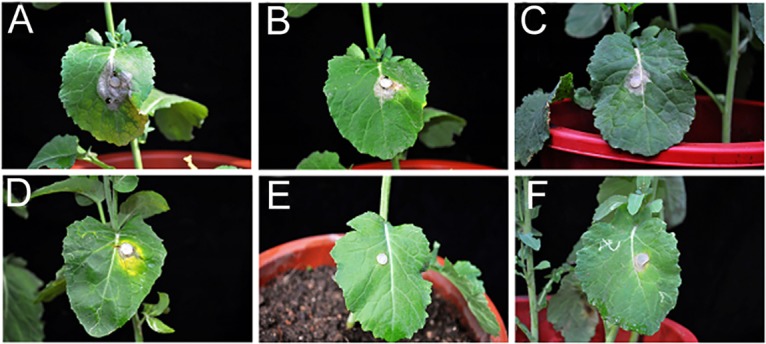
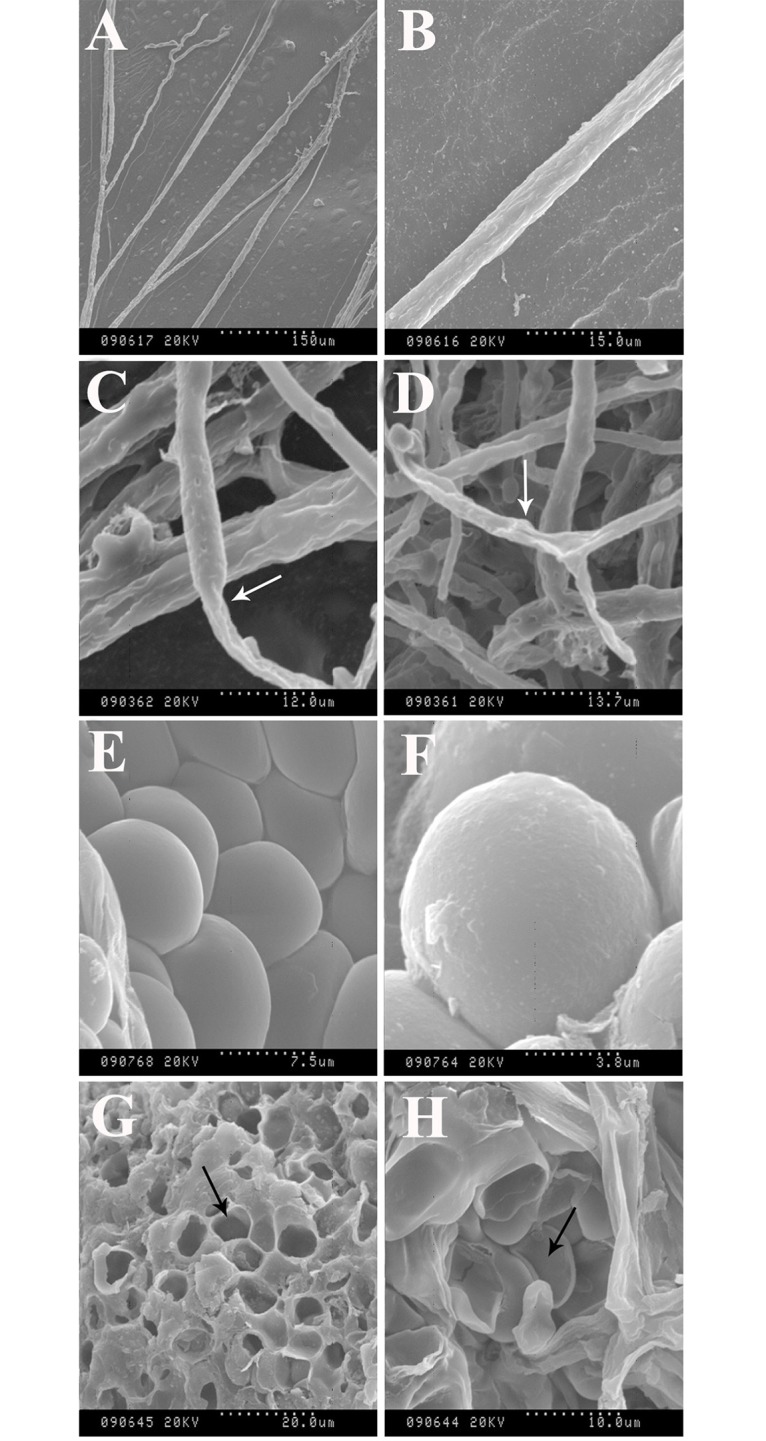
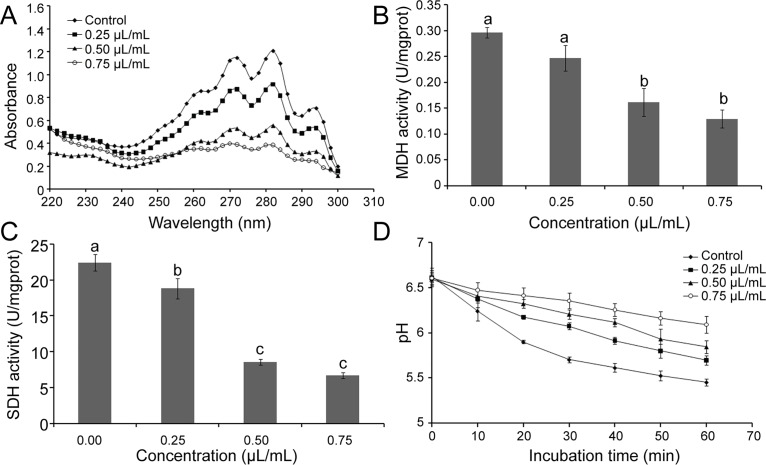
Verification
Claims the paper makes
The claims and statistics of this paper haven’t been checked yet.
Run the check — free, no account needed. It reads the open-access text and checks the sources it cites.
Claims other papers make about this one
Each is checked against this paper’s own text: does it say what the citing paper says it does?
In the citing paper
“Previous literature findings indicate that A. graveolens L. extracts and EO can function as antioxidant and antibacterial agents; also, they may inhibit enzyme activity but these effects are strongly influenced by the extraction procedure and the extract composition [35,36,37,38].”
From Maceration, Soxhlet Extraction, and Steam Hydrodistillation of Anethum graveolens Seeds: Phytochemical Profiles and Cytotoxic Effects (2026) · cites this paper as [38]
Self-check
Percentages, sums and reported differences re-computed from the paper’s own numbers.
The self-check needs the paper’s full text.
Citations
Cites
Bouwmeester, H. J., Davies, J. A. R., & Toxopeus, H. (1995) · Journal of Agricultural and Food Chemistry · doi:10.1021/jf00060a013 · Cited by 58
Research works printed but not linked: 41
- D Jones, 1969, Parasitism and lysis by soil fungi of Sclerotinia sclerotiorum (Lib.) de Bary, a phytopathogenic fungus, Nature, 224, 287, 10.1038/224287a0 · DOI
- AP Sasikumar, 2013, Effects of actinobacteria on plant disease suppression and growth promotion, Appl Microbiol Biotechnol, 97, 9621, 10.1007/s00253-013-5206-1 · DOI
- X Hu, 2005, Decreased incidence of disease caused by Sclerotinia sclerotiorum and improved plant vigor of oilseed rape with Bacillus subtilis Tu-100, Appl Microbiol Biotechnol, 68, 802, 10.1007/s00253-005-1938-x · DOI
- K Vinod, 2014, Antifungal activity of Nepeta elliptica Royle ex Benth. oil and its major constituent (7R)- trans, trans-nepetalactone: A comparative study, Ind Crops Products, 55, 70, 10.1016/j.indcrop.2014.02.003 · DOI
- T Keijitsu, 2014, Isolation of anteiso-C17, iso-C17, iso-C16, and iso-C15 Bacillomycin D from Bacillus amyloliquefaciens SD-32 and their antifungal activities against plant pathogens, J Agric Food Chem, 62, 1469, 10.1021/jf404531t · DOI
- ED Franck, 2012, Rationale for a natural products approach to herbicide discovery, Pest Manag Sci, 68, 519, 10.1002/ps.2332 · DOI
- C Swarnendu, 2014, Abiotic elicitor-mediated improvement of innate immunity in Camellia sinensis, J Plant Growth Regul, 33, 849, 10.1007/s00344-014-9436-y · DOI
- YN Yin, 2009, Detection of Sclerotinia sclerotiorum in Planta by a Real-time PCR Assay, J Phytopathol, 157, 465, 10.1111/j.1439-0434.2009.01543.x · DOI
- L Jirovetz, 2003, Composition, quality control, and antimicrobial activity of the essential oil of long-time stored Dill (Anethum graveolens L.) seeds from Bulgaria, J Agric Food Chem, 51, 3854, 10.1021/jf030004y · DOI · Paper page
- F Rafii, 2007, Comparison of essential oils from three plants for enhancement of antimicrobial activity of nitrofurantoin against enterobacteria, Chemotherapy, 53, 21, 10.1159/000098246 · DOI
- G Singh, 2005, Chemical constituents, antimicrobial investigations, and antioxidative potentials of Anethum graveolens L. essential oil and acetone extract: part 52, J Food Sci, 70, 208, 10.1111/j.1365-2621.2005.tb07190.x · DOI
- T Jun, 2011, In vitro and in vivo activity of essential oil from dill (Anethum graveolens L.) against fungal spoilage of cherry tomatoes, Food Control, 22, 1992, 10.1016/j.foodcont.2011.05.018 · DOI
- S Kordali, 2007, Screening of antifungal activities of 21 oxygenated monoterpenes in-vitro as plant disease control agents, Allelopathy J, 19, 373
- GIK Marei, 2012, Comparative antifungal activities and biochemical effects of monoterpenes on plant pathogenic fungi, Pestic Biochem Physiol, 103, 56, 10.1016/j.pestbp.2012.03.004 · DOI
- B Demirci, 2006, Characterization of volatile constituents of Haplopappus greenei and studies on the antifungal activity against phytopathogens, J Agric Food Chem, 54, 3146, 10.1021/jf053222v · DOI
- T Jun, 2014, Zanthoxylum molle Rehd. essential oil as a potential natural preservative in management of Aspergillus flavus, Ind Crops Products, 60, 151, 10.1016/j.indcrop.2014.05.045 · DOI
- P Lopez, 2005, Solid- and vapor phase antimicrobial activities of six essential oils: susceptibility of selected foodborne bacterial and fungal strains, J Agric Food Chem, 53, 6939, 10.1021/jf050709v · DOI
- S Soylu, 2007, Antifungal effects of essential oils from oregano and fennel on Sclerotinia sclerotiorum, J Appl Microbiol, 103, 1021, 10.1111/j.1365-2672.2007.03310.x · DOI
- MG Wan, 2008, Effect of volatile substances of Streptomyces platensis F-1 on control of plant fungal diseases, Biol Control, 46, 552, 10.1016/j.biocontrol.2008.05.015 · DOI
- T Jun, 2012, The mechanism of antifungal action of essential oil from dill (Anethum graveolens L.) on Aspergillus flavus, PLoS One, 7, e30147, 10.1371/journal.pone.0030147 · DOI
- RJ Rodriguez, 1985, Multiple functions forsterols in Saccharomyces cerevisiae, Biochim Biophys Acta, 837, 336, 10.1016/0005-2760(85)90057-8 · DOI
- K Susheel, 2013, Endophytic fungi isolated from oil-Seed crop Jatropha curcas produces oil and exhibit antifungal activity, PLoS One, 8, e56202, 10.1371/journal.pone.0056202 · DOI
- JR Lazutka, 2001, Genotoxicity of dill (Anethum graveolens L.), peppermint (Mentha× piperita L.) and pine (Pinus sylvestris L.) essential oils in human lymphocytes and Drosophila melanogaster, Food Chem Toxicol, 39, 485, 10.1016/S0278-6915(00)00157-5 · DOI
- J Bailer, 2001, Essential oil content and composition in commercially available dill cultivars in comparison to caraway, Ind Crops Products, 14, 229, 10.1016/S0926-6690(01)00088-7 · DOI
- AGS Pedro, 2002, Hairy root cultures of Anethum graveolens (dill): establishment, growth, time-course study of their essential oil and its comparison with parent plant oils, Biotechnol Lett, 24, 1031, 10.1023/A:1015653701265 · DOI · Paper page
- H Valiollah, 2008, Hypolipidemic activity of Anethum graveolens in Rats, Phytother Res, 22, 372, 10.1002/ptr.2329 · DOI
- GH Mahran, 1992, GC/MS analysis of volatile oil of fruits of Anethum graveolens, Pharm Biol, 30, 139, 10.3109/13880209209053978 · DOI
- NB Perry, 1999, Essential oils from Dalmatian sage (Salvia officinalis L.): variations among individuals, plant parts, seasons, and sites, J Agric Food Chem, 47, 2048, 10.1021/jf981170m · DOI
- WR Diao, 2013, Chemical composition and antibacterial activity of the essential oil from green Huajiao (Zanthoxylum schinifolium) against selected foodborne pathogens, J Agric Food Chem, 61, 6044, 10.1021/jf4007856 · DOI
- D Pitarokili, 2002, Composition and antifungal activity on soil-borne pathogens of the essential oil of Salvia sclarea from Greece, J Agric Food Chem, 50, 6688, 10.1021/jf020422n · DOI
- AE Edris, 2003, Antifungal activity of peppermint and sweet basil essential oils and their major aroma constituents on some plant pathogenic fungi from the vapour phase, Food/Nahrung, 47, 117, 10.1002/food.200390021 · DOI
- G Tegegnea, 2008, Antifungal properties of Agapanthus africanus L. extracts against plant pathogens, Crop Prot, 27, 1052, 10.1016/j.cropro.2007.12.007 · DOI
- P Aida, 2010, Screening common bean for resistance to four Sclerotinia sclerotiorum isolates collected in northern Spain, Plant Dis, 94, 885, 10.1094/PDIS-94-7-0885 · DOI
- A Tripathi, 2009, In vitro efficacy of Hyptis suaveolens L. (Poit.) essential oil on growth and morphogenesis of Fusarium oxysporum f.sp. gladioli (Massey) Snyder & Hansen, World J Microbiol Biotechnol, 25, 503, 10.1007/s11274-008-9916-y · DOI
- NL Tatsadjieu, 2009, Investigations on the essential oil of Lippia rugosa from Cameroon for its potential use as antifungal agent against Aspergillus flavus Link ex. Fries, Food Control, 20, 161, 10.1016/j.foodcont.2008.03.008 · DOI
- TR Robert, 1974, Physiological and biochemical sudies of nuclear and extranuclear oligomycin-resistant mutants of Aspergillus nidulans, Mol Gen Genet, 132, 73, 10.1007/BF00268232 · DOI
- AG Mahmoud, 1999, Antifungal agents: Mode of action, mechanisms of resistance, and correlation of these mechanisms with bacterial resistance, Clin Microbio Rev, 12, 501, 10.1128/CMR.12.4.501 · DOI
- G Lopes, 2013, Antifungal activity of phlorotannins against dermatophytes and yeasts: approaches to the mechanism of action and influence on Candida albicans virulence factor, PLoS One, 8, e72203, 10.1371/journal.pone.0072203 · DOI
- CH Hung, 2013, Crystal structures and molecular dynamics simulations of thermophilic malate dehydrogenase reveal critical loop motion for co-substrate binding, PLoS One, 8, e83091, 10.1371/journal.pone.0083091 · DOI
- RJ Mailloux, 2007, The tricarboxylic acid cycle, an ancient metabolic network with a novel twist, PLoS One, 2, e690, 10.1371/journal.pone.0000690 · DOI
- R Baron, 1985, Cell-mediated extracellular acidification and bone resorption: evidence for a low pH in resorbing lacunae and localization of a 100-kD lysosomal membrane protein at the osteoclast ruffled border, J Cell Biol, 101, 2210, 10.1083/jcb.101.6.2210 · DOI
Cited by
Tayel, A., Hassanin, F. S., Edris, S. N., Hamad, A., & Sabeq, I. I. (2025) · Foods · doi:10.3390/foods14091591 · Cited by 7
Goldiș, C., Racoviceanu, R., Negrea-Ghiulai, R., Mioc, A., Prodea, A., Atyim, E., Maksimovic, T., Lukinich-Gruia, A. T., Pricop, M.-A., & Șoica, C. (2026) · Molecules · doi:10.3390/molecules31183337
Metadata
- Authors
- Ma, B., Ban, X., Huang, B., He, J., Tian, J., Zeng, H., Chen, Y., & Wang, Y.
- Venue
- PLOS ONE
- Publisher
- Public Library of Science (PLoS)
- Published
- 2015-07-02
- Volume
- 10
- Issue
- 7
- Pages
- e0131733
- ISSN
- 1932-6203
- PMC
- PMC4489822
- Cited by
- 42
- References
- 1
- Language
- en
About these checks
Registry, retraction, Cites and statistics results are computed, not judged, with one exception: a printed reference that no index lists is read once by a model before it counts as a citation error. Claims are extracted by a model and kept only when their quote appears verbatim in the text; each cited source is then checked, with a model’s help, for whether it says what the claim relies on. Those verdicts can be wrong — read the claim’s quote and the cited source before relying on one.
Statistics and arithmetic are recomputed, not judged.
Confidence bands are shown only for fields calibrated on our annotated test set. None is calibrated yet, so no band is shown.
What counts as a claim ›How we measure confidence ›How we check this ›
Are you an author, or do you see a problem with this page? Request a review
Data sources
Bibliographic data: Semantic Scholar, OpenAlex, Crossref.
Contains information from the Semantic Scholar Academic Graph Datasets, made available under the ODC Attribution License (ODC-BY 1.0).
Semantic Scholar’s data is described in: Kinney, R., et al. (2023). The Semantic Scholar Open Data Platform. arXiv:2301.10140.
