

Caffeine Ingestion Increases Estimated Glycolytic Metabolism during Taekwondo Combat Simulation but Does Not Improve Performance or Parasympathetic Reactivation
Open accessThe DOI matches its Crossref record; 35 of the 35 references it cites were found in a registry or an index.
Abstract
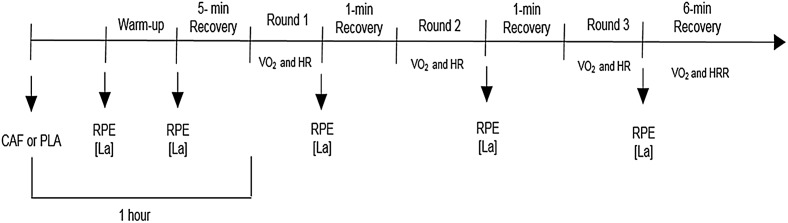
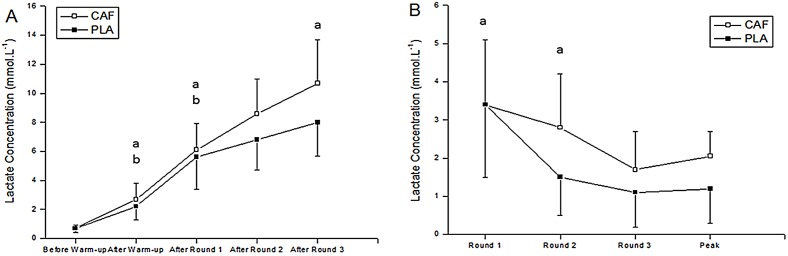
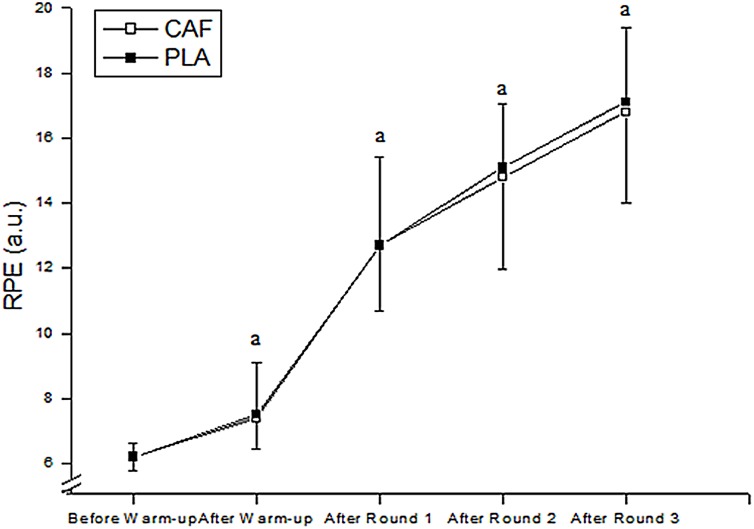
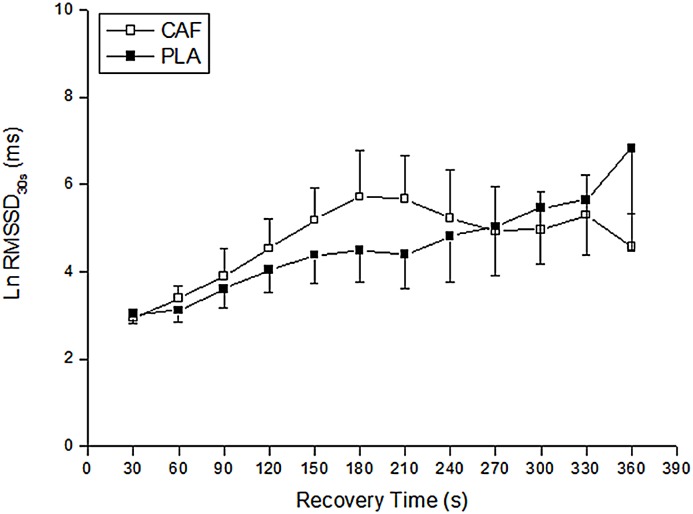
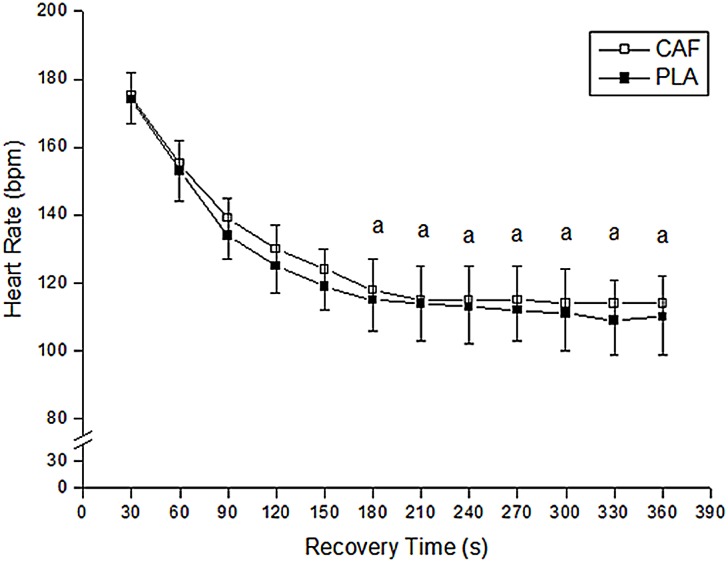
OBJECTIVES: The aim of this study was to evaluate the effect of caffeine ingestion on performance and estimated energy system contribution during simulated taekwondo combat and on post-exercise parasympathetic reactivation. METHODS: Ten taekwondo athletes completed two experimental sessions separated by at least 48 hours. Athletes consumed a capsule containing either caffeine (5 mg∙kg-1) or placebo (cellulose) one hour before the combat simulation (3 rounds of 2 min separated by 1 min passive recovery), in a double-blind, randomized, repeated-measures crossover design. All simulated combat was filmed to quantify the time spent fighting in each round. Lactate concentration and rating of perceived exertion were measured before and after each round, while heart rate (HR) and the estimated contribution of the oxidative (WAER), ATP-PCr (WPCR), and glycolytic (W[La-]) systems were calculated during the combat simulation. Furthermore, parasympathetic reactivation after the combat simulation was evaluated through 1) taking absolute difference between the final HR observed at the end of third round and the HR recorded 60-s after (HRR60s), 2) taking the time constant of HR decay obtained by fitting the 6-min post-exercise HRR into a first-order exponential decay curve (HRRτ), or by 3) analyzing the first 30-s via logarithmic regression analysis (T30). RESULTS: Caffeine ingestion increased estimated glycolytic energy contribution in relation to placebo (12.5 ± 1.7 kJ and 8.9 ± 1.2 kJ, P = 0.04). However, caffeine did not improve performance as measured by attack number (CAF: 26. 7 ± 1.9; PLA: 27.3 ± 2.1, P = 0.48) or attack time (CAF: 33.8 ± 1.9 s; PLA: 36.6 ± 4.5 s, P = 0.58). Similarly, RPE (CAF: 11.7 ± 0.4 a.u.; PLA: 11.5 ± 0.3 a.u., P = 0.62), HR (CAF: 170 ± 3.5 bpm; PLA: 174.2 bpm, P = 0.12), oxidative (CAF: 109.3 ± 4.5 kJ; PLA: 107.9 kJ, P = 0.61) and ATP-PCr energy contributions (CAF: 45.3 ± 3.4 kJ; PLA: 46.8 ± 3.6 kJ, P = 0.72) during the combat simulation were unaffected. Furthermore, T30 (CAF: 869.1 ± 323.2 s; PLA: 735.5 ± 232.2 s, P = 0.58), HRR60s (CAF: 34 ± 8 bpm; PLA: 38 ± 9 bpm, P = 0.44), HRRτ (CAF: 182.9 ± 40.5 s, PLA: 160.3 ± 62.2 s, P = 0.23) and HRRamp (CAF: 70.2 ± 17.4 bpm; PLA: 79.2 ± 17.4 bpm, P = 0.16) were not affected by caffeine ingestion. CONCLUSIONS: Caffeine ingestion increased the estimated glycolytic contribution during taekwondo combat simulation, but this did not result in any changes in performance, perceived exertion or parasympathetic reactivation.
Overview
The claims and statistics of this paper haven’t been checked yet.
Free: it reads the open-access text and checks the first 5 claims that cite a source we can check. Create a free account to check every claim.
Integrity signals
Registry
Cites
Statistics
Figures
Verification
Claims the paper makes
The claims and statistics of this paper haven’t been checked yet.
Free: it reads the open-access text and checks the first 5 claims that cite a source we can check. Create a free account to check every claim.
Claims other papers make about this one
Each is checked against this paper’s own text: does it say what the citing paper says it does?
The source backs part of the claim, not all of it — or backs it for a different population, condition or comparison.
In the citing paper
“This mechanism promotes increased release of catecholamines from the adrenal medulla [ 6 ], stimulating glycogenolysis and lipolysis [ 6 , 7 ].”
From Involvement of Cardiorespiratory Capacity on the Acute Effects of Caffeine on Autonomic Recovery (2019) · cites this paper as [7]
Experimental — accuracy not yet measuredThe source backs part of the claim, not all of it — or backs it for a different population, condition or comparison.
In the citing paper
“However, few studies have evaluated its effects during post-exercise recovery7–10”
From Caffeine affects autonomic control of heart rate and blood pressure recovery after aerobic exercise in young adults: a crossover study (2017) · cites this paper as [10]
Experimental — accuracy not yet measuredThe cited source says what the claim attributes to it.
In the citing paper
“However, results are still inconclusive. Some studies reported lower vagal reactivation and increased sympathetic activity during the recovery period7,9, while others did not observe expressive differences8,10.”
From Caffeine affects autonomic control of heart rate and blood pressure recovery after aerobic exercise in young adults: a crossover study (2017) · cites this paper as [10]
Experimental — accuracy not yet measured
Self-check
Percentages, sums and reported differences re-computed from the paper’s own numbers.
The self-check needs the paper’s full text.
Citations
Cites
Psychophysical bases of perceived exertion
BORG, G. A. V. (1982) · Medicine & Science in Sports & Exercise · doi:10.1249/00005768-198205000-00012 · Cited by 16,580 · cited 1×
“Rating of perceived exertion (RPE) was measured immediately before and after the warmup, and immediately before and after each round using the 6–20 Borg scale [20].”
MethodHeart-rate Recovery Immediately After Exercise as a Predictor of Mortality
Cole, C. R., Blackstone, E. H., Pashkow, F. J., Snader, C. E., & Lauer, M. S. (1999) · New England Journal of Medicine · doi:10.1056/nejm199910283411804 · Cited by 1,935 · cited 1×
“HRR can be assessed by the number of heart beats recovered within 60s after the cessation of exercise [6], fitting post-exercise HR recovery (HRR) to a first-order exponential decay [7, 8], and analyzing the time constant of 30s short-time recovery.”
Energy System Interaction and Relative Contribution During Maximal Exercise
Gastin, P. B. (2001) · Sports Medicine · doi:10.2165/00007256-200131100-00003 · Cited by 1,013 · cited 1×
“92 kJ [25] was used in all three different estimated energy systems.”
MethodCaffeine and Exercise: Metabolism, Endurance and Performance
Graham, T. E. (2001) · Sports Medicine · doi:10.2165/00007256-200131110-00002 · Cited by 819
Central nervous system effects of caffeine and adenosine on fatigue
Davis, J. M., Zhao, Z., Stock, H. S., Mehl, K. A., Buggy, J., & Hand, G. A. (2003) · American Journal of Physiology-Regulatory, Integrative and Comparative Physiology · doi:10.1152/ajpregu.00386.2002 · Cited by 588 · cited 1×
“Caffeine has been shown to increase anaerobic contribution [11] and reduce the rating of perceived exertion [12, 13] during exercise.”
BackgroundDoherty, M., & Smith, P. M. (2005) · Scandinavian Journal of Medicine & Science in Sports · doi:10.1111/j.1600-0838.2005.00445.x · Cited by 513 · cited 2×
“However, Doherty and Smith [13] did show that caffeine ingestion reduced perceived exertion; 29% of the variance explaining the ergogenic effect of caffeine on performance was due to decreased RPE during the exercise.”
BackgroundCaffeine and Anaerobic Performance: Ergogenic Value and Mechanisms of Action
Davis, J. K., & Green, J. M. (2009) · Sports Medicine · doi:10.2165/11317770-000000000-00000 · Cited by 449
The energetics of anaerobic muscle metabolism: a reappraisal of older and recent concepts
di Prampero, P. E., & Ferretti, G. (1999) · Respiration Physiology · doi:10.1016/s0034-5687(99)00083-3 · Cited by 421 · cited 1×
“The contribution of the glycolytic system (W[La - ]) was calculated using lactate concentration after combat, assuming that the accumulation of 1 mmol L [La] is equivalent to 3 ml O2 kg of body mass [24].”
MethodPhysical and Physiological Profiles of Taekwondo Athletes
Bridge, C. A., Ferreira da Silva Santos, J., Chaabène, H., Pieter, W., & Franchini, E. (2014) · Sports Medicine · doi:10.1007/s40279-014-0159-9 · Cited by 386 · cited 3×
“Oxidative metabolism is the main metabolic pathway to provide energy during taekwondo combat [1], although the ability to maintain high-intensity actions via the anaerobic system is considered a further determining factor during a taekwondo match [2].”
BackgroundMethodAssessment of parasympathetic reactivation after exercise
Goldberger, J. J., Le, F. K., Lahiri, M., Kannankeril, P. J., Ng, J., & Kadish, A. H. (2006) · American Journal of Physiology-Heart and Circulatory Physiology · doi:10.1152/ajpheart.01118.2005 · Cited by 296 · cited 2×
“[5] proposed a simple temporal time-varying parasympathetic index to evaluate parasympathetic reactivation after exercise, which is derived from the time-course of the root mean square of successive differences between R-R intervals (RMSSD) measured during successive 30-s segments (RMSSD30s).”
Background
Research works printed but not linked: 1
- Cohen J. Statistical power analysis for the behavioural sciences. New York: Academic Press, 1977: 24– 27.
Cited by
Physical and Physiological Profiles of Brazilian Jiu-Jitsu Athletes: a Systematic Review
Andreato, L. V., Díaz‐Lara, J., Andrade, A., & Branco, B. H. M. (2017) · Sports Medicine - Open · doi:10.1186/s40798-016-0069-5 · Cited by 200
“Indeed, the aerobic contribution is predominant in other combat sports, such as karate [41, 42], taekwondo [43, 44] and boxing [45].”
BackgroundSelf-citationRisk or benefit? Side effects of caffeine supplementation in sport: a systematic review
de Souza, J. G., Coso, J. D., Fonseca, F. D. S., da Silva, B. V. C., de Souza, D. B., Gianoni, R. L. D. S., Filip-Stachnik, A., Serrão, J. C., & Claudino, J. G. (2022) · European Journal of Nutrition · doi:10.1007/s00394-022-02874-3 · Cited by 133
“There were corrections published for two selected studies [43, 57]; however, the correction did not affect the target of the present systematic review.”
BackgroundAcute caffeine supplementation in combat sports: a systematic review
López-González, L. M., Sánchez-Oliver, A. J., Mata, F., Jodra, P., Antonio, J., & Domínguez, R. (2018) · Journal of the International Society of Sports Nutrition · doi:10.1186/s12970-018-0267-2 · Cited by 82
“[66] assessed the metabolic response to three taekwondo throws in a study conducted in 10 international competition level taekwondists.”
BackgroundLopes‐Silva, J. P., Da Silva Santos, J. F., Artioli, G. G., Loturco, I., Abbiss, C., & Franchini, E. (2018) · European Journal of Sport Science · doi:10.1080/17461391.2018.1424942 · Cited by 79
“…of the gas analyser and a more realistic combat simulation, since the athlete who ingested the supplementation was with gas analyser could be attacked, differently from previous studies using gas analysers during taekwondo combat simulations (Campos et al., 2012; Lopes-Silva et al., 2015).”
BackgroundMethodResultInfluentialSelf-citationGonzaga, L. A., Vanderlei, L. C. M., Gomes, R. L., & Valenti, V. E. (2017) · Scientific Reports · doi:10.1038/s41598-017-14540-4 · Cited by 75
San Juan, A. F., López-Samanes, Á., Jodra, P., Valenzuela, P. L., Rueda, J., Veiga-Herreros, P., Pérez-López, A., & Domínguez, R. (2019) · Nutrients · doi:10.3390/nu11092120 · Cited by 73
“Other authors [59,60] observed significantly augmented blood lactate concentrations in taekwondo and Jiu-Jitsu athletes following caffeine supplementation.”
BackgroundSantos, J. F. D. S., Wilson, V. D., Herrera-Valenzuela, T., & Machado, F. S. M. (2019) · Strength and conditioning journal · doi:10.1519/ssc.0000000000000517 · Cited by 81
“(39) International/national-level athletes [M] Simulation (10) R1:1.”
BackgroundInfluentialSantos, J. F. D. S., & Franchini, É. (2018) · The Journal of Strength and Conditioning Research · doi:10.1519/jsc.0000000000002552 · Cited by 80
“In addition, the match energy demands are mainly supplied by oxidative (66 6 6%) followed by ATP-PCr (30 6 6%) and glycolitic (4 6 2%) systems (6,20,21).”
BackgroundBarreto, G., Grecco, B. H., Merola, P., Reis, C. E. G., Gualano, B., & Saunders, B. (2021) · European Journal of Applied Physiology · doi:10.1007/s00421-020-04571-7 · Cited by 78
High-Intensity Interval Training Prescription for Combat-Sport Athletes
Franchini, É. (2020) · International Journal of Sports Physiology and Performance · doi:10.1123/ijspp.2020-0289 · Cited by 84
Energy System Contributions during Olympic Combat Sports: A Narrative Review
Franchini, É. (2023) · Metabolites · doi:10.3390/metabo13020297 · Cited by 92
“For the caffeine supplementation study [51], it was found that compared with a placebo, the use of caffeine increased (p < 0.”
BackgroundMethodDelleli, S., Ouergui, I., Messaoudi, H., Trabelsi, K., Ammar, A., Glenn, J. M., & Chtourou, H. (2022) · Nutrients · doi:10.3390/nu14142996 · Cited by 50
“However, to identify the variation of technical-tactical aspects regarding caffeine supplementation, simulated combats were performed in taekwondo [66,67], boxing [62], judo [44,48,49,54,60], wrestling [54] and Brazilian jiu-jitsu (BJJ) [49].”
BackgroundInfluentialDurkalec-Michalski, K., Nowaczyk, P. M., Główka, N., & Grygiel, A. (2019) · Journal of the International Society of Sports Nutrition · doi:10.1186/s12970-019-0305-8 · Cited by 41
Physiological responses and external validity of a new setting for taekwondo combat simulation
Hausen, M., Soares, P. P. D. S., Araújo, M. P., Porto, F., Franchini, É., Bridge, C. A., & Gurgel, J. L. (2017) · PLoS ONE · doi:10.1371/journal.pone.0171553 · Cited by 50
Benjamim, C. J. R., Kliszczewicz, B., Garner, D. M., Cavalcante, T. C. F., da Silva, A. A. M., Santana, M. D. R., & Valenti, V. E. (2020) · Journal of the American College of Nutrition · doi:10.1080/07315724.2019.1705201 · Cited by 39
Rapid weight reduction does not impair athletic performance of Taekwondo athletes – A pilot study
Yang, W., Heine, O., & Grau, M. (2018) · PLoS ONE · doi:10.1371/journal.pone.0196568 · Cited by 49
Ouergui, I., Mahdi, N., Delleli, S., Messaoudi, H., Chtourou, H., Sahnoun, Z., Bouassida, A., Bouhlel, E., Nobarı, H., Ardigò, L. P., et al. (2022) · Nutrients · doi:10.3390/nu14030571 · Cited by 43
“In fact, some investigations reported improvements [8–11], while others did not [12,13].”
BackgroundResultNegaresh, R., Coso, J. D., Mokhtarzade, M., Lima‐Silva, A. E., Baker, J. S., Willems, M. E. T., Talebvand, S., Khodadoost, M., & Farhani, F. (2018) · European Journal of Sport Science · doi:10.1080/17461391.2018.1534990 · Cited by 45
“Lopes-Silva et al. (2015) and Saldanha et al. (2018) observed a positive metabolic effect (e.g. increased glycolytic contribution to the metabolism during competition) of 5 mg/kg of caffeine that was not translated into any performance benefit during specific testing for combat sports or simulated…”
Backgroundda Silva, R. P., de Oliveira, L. F., Saunders, B., Kratz, C. D. A., Painelli, V. D. S., Silva, V. D. E., Marins, J. C. B., Franchini, É., Gualano, B., & Artioli, G. G. (2018) · Amino Acids · doi:10.1007/s00726-018-2643-2 · Cited by 40
Self-citationNutritional Ergogenic Aids in Combat Sports: A Systematic Review and Meta-Analysis
Vicente-Salar, N., Fuster-Muñoz, E., & Martínez‐Rodríguez, A. (2022) · Nutrients · doi:10.3390/nu14132588 · Cited by 47
“2% [26,29,30]) and glycolytic energy contribution (+24.”
BackgroundInfluentialMiraftabi, H., Avazpoor, Z., Berjisian, E., Sarshin, A., Rezaei, S., Domínguez, R., Reale, R., Franchini, É., Samanipour, M. H., Koozehchian, M., et al. (2021) · International Journal of Environmental Research and Public Health · doi:10.3390/ijerph181910202 · Cited by 37
“However, studies have investigated dietary supplements, such as vitamins [5–7], carbohydrate drinks [8], caffeine [9], creatine monohydrate [10] and sodium bicarbonate [3,10] in the context of taekwondo, but no studies have analyzed the possible ergogenic effect of nitrate (NO3)-rich beetroot juice (BJ) supplementatio…”
BackgroundOuergui, I., Delleli, S., Bridge, C. A., Messaoudi, H., Chtourou, H., Ballmann, C. G., Ardigò, L. P., & Franchini, É. (2023) · Scientific Reports · doi:10.1038/s41598-023-40365-5 · Cited by 30
“In addition, in combat sports the ergogenic potential of CAF on performances was generally accompanied by an increased glycolytic anaerobic metabolism 15,26 .”
BackgroundInfluentialDelleli, S., Ouergui, I., Messaoudi, H., Ballmann, C. G., Ardigò, L. P., & Chtourou, H. (2023) · PLoS ONE · doi:10.1371/journal.pone.0292498 · Cited by 29
Coswig, V. S., Gentil, P., Irigon, F., & Vecchio, F. B. D. (2018) · European Journal of Sport Science · doi:10.1080/17461391.2018.1465599 · Cited by 27
“Regarding grappling modalities, the ingestion of 6 mg kg of body mass (BM) did not improve the performance in specific Judo tests, but it did reduce perceived effort (Lopes-Silva et al., 2015).”
BackgroundMethodInfluentialCaffeine slows heart rate autonomic recovery following strength exercise in healthy subjects
Benjamim, C. J. R., Monteiro, L. R. L., Pontes, Y. M. D. M., Silva, A. A. M. D., Souza, T. K. M. D., Valenti, V. E., Garner, D. M., & Cavalcante, T. C. F. (2021) · Revista Portuguesa de Cardiologia (English Edition) · doi:10.1016/j.repce.2020.07.021 · Cited by 24
“The effects of CAF on ANS have been tested in several sports modalities and practices.(25,26) The results described by other studies applied mostly to aerobic exercise (cycling, treadmill test).”
BackgroundGłówka, N., Malik, J., Podgórski, T., Stemplewski, R., Maciaszek, J., Ciążyńska, J., Zawieja, E. E., Chmurzyńska, A., Nowaczyk, P. M., & Durkalec‐Michalski, K. (2024) · Journal of the International Society of Sports Nutrition · doi:10.1080/15502783.2023.2301384 · Cited by 36
“Moreover, Bunsawat et al. [52] and Lopes-Silva et al. [55] showed higher HR in CAF group (HR max and HR mean , respectively).”
BackgroundLopes‐Silva, J. P., da Rocha, A. L. S., Rocha, J. C. C., Silva, V. F. D. S., & Correia‐Oliveira, C. R. (2021) · European Journal of Sport Science · doi:10.1080/17461391.2021.1874058 · Cited by 27
“Caffeine may also increase the glycolytic contribution (Lopes-Silva et al., 2015), an important energy system in combat sports (Franchini, Del Vecchio, et al.”
BackgroundSelf-citationPorto, A. A., Benjamim, C. J. R., Gonzaga, L. A., Luciano de Almeida, M., Bueno Júnior, C. R., Garner, D. M., & Valenti, V. E. (2022) · Nutrition, Metabolism and Cardiovascular Diseases · doi:10.1016/j.numecd.2022.01.015 · Cited by 20
“This scenario was noticed in our review, where the majority of the nominated articles were conducted solely in males [21,22,24,27,29-31,33].”
BackgroundYang, W., Park, J.-H., Shin, Y.-C., & Kim, J. (2022) · International Journal of Sports Physiology and Performance · doi:10.1123/ijspp.2021-0497 · Cited by 26
Energy demands in high-intensity intermittent taekwondo specific exercises
Bartel, C., Coswig, V. S., Protzen, G. V., & Vecchio, F. B. D. (2022) · PeerJ · doi:10.7717/peerj.13654 · Cited by 31
“Also, information on energetic contribution systems in different HIIE models for metabolic conditioning with specific movements for combat sports is quite scarce (Franchini et al., 2008; Lopes-Silva et al., 2015), and only three studies were conducted with combat simulation (Campos et al.”
BackgroundAnaerobic Sport-Specific Tests for Taekwondo: A Narrative Review with Guidelines for the Assessment
Apollaro, G., Ouergui, I., Rodríguez, Y. Q., Kons, R. L., Detanico, D., Franchini, É., Ruggeri, P., Falcó, C., & Faelli, E. L. (2024) · Sports · doi:10.3390/sports12100278 · Cited by 29
“However, data should be Indeed, the studies [17–19, 24] that also This experimental approach was applied in a recent study, in order to investigate the contribution of energy systems during three sport-specific high-intensity intermittent exercises (HIIEs) [25].”
ResultEffects of 3 mg/kg Body Mass of Caffeine on the Performance of Jiu-Jitsu Elite Athletes
Merino-Fernández, M., Giráldez‐Costas, V., González‐García, J., Gutiérrez‐Hellín, J., Gonzalez-Millán, C., Duarte, M. M., & Ruíz‐Moreno, C. (2022) · Nutrients · doi:10.3390/nu14030675 · Cited by 18
“There is evidence of an increase in the technical actions measured by the number of hits when combat athletes (boxing, taekwondo, Brazilian jiu-jitsu) consumed caffeine before the simulated combat tests [3,5,6].”
BackgroundResultSantos, J. F. D. S., Herrera-Valenzuela, T., & Franchini, É. (2019) · Kinesiology · doi:10.26582/k.51.2.12 · Cited by 27
Sun, F., Siu, A. Y.-S., Wang, K., Zhang, B., Chan, M.-H., Chan, K.-H., Kong, P.-S., Man, K.-Y., & Chow, G. C.-C. (2022) · Nutrients · doi:10.3390/nu14163398 · Cited by 21
Time-motion analysis of taekwondo matches in the Tokyo 2020 Olympic Games
Apollaro, G., Moreira, P. V. S., Herrera-Valenzuela, T., Franchini, É., & Falcó, C. (2023) · The Journal of Sports Medicine and Physical Fitness · doi:10.23736/s0022-4707.23.14995-4 · Cited by 17
Chuang, S.-J., Sung, Y.-C., Chen, C., Liao, Y., & Chou, C. (2019) · Frontiers in Physiology · doi:10.3389/fphys.2019.00244 · Cited by 22
Luo, H., Kamalden, T. F. T., Zhu, X., Xiang, C., & Nasharuddin, N. A. (2025) · Scientific Reports · doi:10.1038/s41598-024-84359-3 · Cited by 22
Delleli, S., Ouergui, I., Messaoudi, H., Bridge, C. A., Ardigò, L. P., & Chtourou, H. (2024) · Scientific Reports · doi:10.1038/s41598-024-64880-1 · Cited by 17
“This is supported by CAF enhancing effects of anabolic processes 22 and music activating effects of muscles’ oxygenation 61 .”
MethodKotańska, M., Dziubina, A., Szafarz, M., Mika, K., Reguła, K., Bednarski, M., Zygmunt, M., Drabczyńska, A., Sapa, J., & Kieć‐Kononowicz, K. (2020) · PLoS ONE · doi:10.1371/journal.pone.0229806 · Cited by 15
Grgić, J. (2020) · Journal of Dietary Supplements · doi:10.1080/19390211.2020.1783422 · Cited by 15
Involvement of Cardiorespiratory Capacity on the Acute Effects of Caffeine on Autonomic Recovery
Gonzaga, L. A., Vanderlei, L. C. M., Gomes, R. L., Garner, D. M., & Valenti, V. E. (2019) · Medicina · doi:10.3390/medicina55050196 · Cited by 13
“As recognized above, caffeine supplementation in different populations is one of the ergogenic strategies investigated in the scientific research literature [3,7,11,15].”
BackgroundAn Exploratory Double-Blind Study of Caffeine Effects on Performance and Perceived Exertion in Judo
Athayde, M. S. D. S., Kons, R. L., & Detanico, D. (2019) · Perceptual and Motor Skills · doi:10.1177/0031512519826726 · Cited by 12
“Some previous studies have also found no reduction in RPE from caffeine ingestion during simulated taekwondo combats (Lopes-Silva et al., 2015; Santos et al., 2014), boxing matches (Coswig et al., 2018), and throughout three SJFT in judo athletes (Felippe, Lopes-Silva, Bertuzzi, McGinley, &…”
BackgroundBougrine, H., Paillard, T., Jebabli, N., Ceylan, H. İ., Maitre, J., Dergaa, I., Ștefănică, V., & Abderrahman, A. B. (2025) · Nutrients · doi:10.3390/nu17101613 · Cited by 16
“Nevertheless, the present study is inconsistent with Eliakim et al. [113], who reported that music did not affect RSA performance (total time, ideal time, and fatigue index) during 12 × 20 m bouts in young female basketball players.”
Saunders, B., da Costa, L. R., de Souza, R. A. S., Barreto, G., & Marticorena, F. M. (2023) · Advances in food and nutrition research · doi:10.1016/bs.afnr.2023.03.002 · Cited by 15
Estimation equation of maximum oxygen uptake in taekwondo specific test
Ana, J. S., Franchini, É., Sakugawa, R. L., & Diefenthaeler, F. (2018) · Sport Sciences for Health · doi:10.1007/s11332-018-0502-x · Cited by 14
Artioli, G. G., Solis, M. Y., Tritto, A. C., & Franchini, É. (2018) · Elsevier eBooks · doi:10.1016/b978-0-12-813922-6.00009-6 · Cited by 17
Apollaro, G., Franchini, É., Falcó, C., Detanico, D., & Kons, R. L. (2023) · Strength and conditioning journal · doi:10.1519/ssc.0000000000000828 · Cited by 11
Protzen, G. V., Bartel, C., Coswig, V. S., Gentil, P., & Vecchio, F. B. D. (2020) · PeerJ · doi:10.7717/peerj.9791 · Cited by 10
Zheng, H., Zhang, G., Zhong, Y., Nassis, G. P., Chen, Z., & Li, Y. (2025) · Journal of Exercise Science & Fitness · doi:10.1016/j.jesf.2025.03.002 · Cited by 9
Delleli, S., Ouergui, I., Messaoudi, H., Cazan, F., Ballmann, C. G., Ardigò, L. P., & Chtourou, H. (2025) · Psychopharmacology · doi:10.1007/s00213-025-06766-2 · Cited by 7
“Specifically, CAF ingestion prior to taekwondo combat has been shown to be accom - panied by glycolytic metabolism increase (Lopes-Silva et al. 2015 ), which represents approximately 31% of energy reserve solicited during high-intensity competition’ actions (Franchini 2023 ).”
Metabolic and physiological demands of 3×3-min-round boxing fights in highly trained amateur boxers
Bružas, V., Venckūnas, T., Kamandulis, S., Sniečkus, A., Mockus, P., & Stasiulis, A. (2022) · The Journal of Sports Medicine and Physical Fitness · doi:10.23736/s0022-4707.22.13661-3 · Cited by 9
Apollaro, G., Panascì, M., Franchini, É., Morganti, G., Ruggeri, P., Falcó, C., & Faelli, E. L. (2025) · BMC Sports Science Medicine and Rehabilitation · doi:10.1186/s13102-025-01371-4 · Cited by 8
Applications and Benefits of Dietary Supplements in Taekwondo: A Systematic Review
Shu, M.-Y., Liang, J., Jo, Y.-J., Eom, S.-H., & Kim, C. (2025) · Life · doi:10.3390/life15040559 · Cited by 10
“Among the eight studies on caffeine, two administered a dosage of 5 mg/kg [17,18], one employed a single dose of 200 mg [14], and the remaining studies administered a dosage of 3 mg/kg [13,19,21–23].”
InfluentialThe cAMP receptor protein (CRP) enhances the competitive nature of Salmonella Typhimurium
Sawant, K., & Shashidhar, R. (2023) · Archives of Microbiology · doi:10.1007/s00203-023-03528-6 · Cited by 5
Chen, X., Zhang, W., & Luo, L. (2025) · Frontiers in Nutrition · doi:10.3389/fnut.2025.1618612 · Cited by 7
Carrageta, D. F., Dias, T. R., Jarak, I., Alves, M. G., Oliveira, P. F., der Walt, M. M. V., Terre’Blanche, G., Monteiro, M. P., & Silva, B. M. (2018) · Toxicology in Vitro · doi:10.1016/j.tiv.2018.08.002 · Cited by 4
“It is reported to modulate glucose metabolism and increase energy expenditure (Lopes-Silva et al. 2015).”
BackgroundThe Fundamentals of Second-Language Teaching.
LeBlanc, J.-M. (1997) · Cited by 4
Energy Demands during Maximal Sprint Cycling in Youth Cyclists
Yang, W., & Park, H. (2019) · Exercise Science · doi:10.15857/ksep.2019.28.1.60 · Cited by 3
Lopes‐Silva, J. P., Santos, J. F. D. S., Branco, B. H. M., Abad, C. C. C., de Oliveira, L. F., Loturco, I., & Franchini, É. (2016) · PLoS ONE · doi:10.1371/journal.pone.0165350 · Cited by 3
Self-citationZheng, H., Zhang, G., Zhong, Y., Yin, M., Gu, Z., Wang, X., Zeng, X., Nassis, G. P., & Li, Y. (2025) · BMC Sports Science Medicine and Rehabilitation · doi:10.1186/s13102-025-01380-3 · Cited by 2
“1 Experimental protocol of oxygen consumption during activity, the peak blood lactate concentration, and the fast phase of excess oxygen consumption after exercise (EPOC fast ), respectively [5].”
Can Caffeine Be an Effective Ergogenic Aid in Combat Sports? A Comprehensive Review
Komorowski, M., Janiszewski, M., Pelczarska, A., Kaczorowski, R., Forenc, T., Hunia, J., Górny, J., Jurek, J., & Kapciak, A. (2025) · Journal of Education Health and Sport · doi:10.12775/jehs.2025.77.57144 · Cited by 3
Dündar, S. T. (2022) · Akdeniz Spor Bilimleri Dergisi · doi:10.38021/asbid.1199261 · Cited by 1
Força muscular e suplementação aguda de cafeína : um estudo balanceado controlado por placebo
Soares, E. D. M. K. V. K. (2016) · RIUnB Institutional Repository (University of Brasília) · doi:10.26512/2016.08.d.21437 · Cited by 1
Tricoli, V., Moreira, A., Franchini, É., Ugrinowitsch, C., & Bertuzzi, R. (2017) · Revista Brasileira de Educação Física e Esporte · doi:10.11606/1807-55092017000nesp139 · Cited by 1
da Silva, J. P. L. (2018) · Digital Library of Theses and Dissertations (Universidade de São Paulo) · doi:10.11606/t.39.2018.tde-24042018-094422
Barreto, G., da Silva, R. P., Yamaguchi, G. D. C., de Oliveira, L. F., Painelli, V. D. S., Gualano, B., & Saunders, B. (2020) · Revista Brasileira de Educação Física e Esporte · doi:10.11606/1807-5509202000030471
Self-citationBeneficios de la suplementación de cafeína en deportistas
Pérez-Brandt, J. G., Ariza‐Ortega, J. A., Delgado‐Olivares, L., & Polo, A. O. (2021) · Educación y Salud Boletín Científico Instituto de Ciencias de la Salud Universidad Autónoma del Estado de Hidalgo · doi:10.29057/icsa.v10i19.7265 · Cited by 2
(2020) · PeerJ · doi:10.7287/peerj.9791v0.1/reviews/1
“However, many other studies used that to assess supramaximal exercises lactic contribution (Bertuzzi et al., 2007;Campos et al., 2012; Lopes-Silva et al., 2015).”
BackgroundRybakova, P. D., Meshtel, A. V., Miroshnikov, A. B., Antonov, A. G., & Vybornov, V. D. (2025) · Sports medicine research and practice · doi:10.47529/2223-2524.2025.2.1
Acute caffeine strategies for improving performance in combat sports: a structured narrative review
Fan, J., Li, Y., Dongchen, L., Li, H., & Zhang, G. (2026) · Frontiers in Physiology · doi:10.3389/fphys.2026.1877799
Cai, L., Guo, J., & Chen, S. (2026) · Metabolites · doi:10.3390/metabo16100784
“Inspection of the contributing studies showed relatively narrow condition-specific variability in several FSKT datasets; for example, standard deviations of approximately 1–2 kicks were reported for FSKT-10s in some caffeine and placebo conditions [34,35].”
Metadata
- Authors
- Lopes-Silva, J. P., Silva Santos, J. F. D., Branco, B. H. M., Abad, C. C. C., Oliveira, L. F. D., Loturco, I., & Franchini, E.
- Affiliations
- Universidade de São Paulo (BR)
- Venue
- PLOS ONE
- Publisher
- Public Library of Science (PLoS)
- Published
- 2015-11-05
- Volume
- 10
- Issue
- 11
- Pages
- e0142078
- ISSN
- 1932-6203 (ISSN-L)
- PMC
- PMC4634755
- OpenAlex
- W2341775577
- Cited by
- 75
- References
- 35
- Citations by year
- 2026: 2 · 2025: 10 · 2024: 3 · 2023: 7 · 2022: 13 · 2021: 5 · 2020: 7 · 2019: 9 · 2018: 11 · 2017: 4 · 2016: 2 · 2015: 1
- FWCI
- 4.32
- Type
- journal article
- Language
- en
- Update notices
- Open access
- gold
- doi.org
- Licence
- Locations
- PLoS ONE (publishedVersion, cc-by)
- Europe PMC (PubMed Central) (publishedVersion, cc-by)
- PubMed Central (publishedVersion, cc-by)
- PubMed (publishedVersion)
- DOAJ (DOAJ: Directory of Open Access Journals) (submittedVersion, cc-by-sa)
- Funders
- Fundação de Amparo à Pesquisa do Estado de São Paulo (2011/)
- Topics
- Health Sciences › Medicine › Pharmacology (medical) › Coffee research and impacts
- Health Sciences › Medicine › Orthopedics and Sports Medicine › Sports Performance and Training
- Social Sciences › Safety Research › Martial Arts: Techniques, Psychology, and Education
- Keywords
- caffeine ingestion, taekwondo, combat simulation, energy system contribution, parasympathetic reactivation, heart rate recovery, exercise performance, rating of perceived exertion, lactate concentration, caffeine supplementation, placebo effect, post-exercise recovery
- MeSH terms
- Adult, Caffeine, Double-Blind Method, Exercise Test, Glycolysis, Heart Rate, Humans, Male, Oxygen Consumption, Parasympathetic Nervous System, Exercise, Martial Arts, Cross-Over Studies, Lactic Acid, Athletic Performance, Young Adult, Athletes
About these checks
Registry, retraction, Cites and statistics results are computed, not judged, with one exception: a printed reference that no index lists is read once by a model before it counts as a citation error. Claims are extracted by a model and kept only when their quote appears verbatim in the text; each cited source is then checked, with a model’s help, for whether it says what the claim relies on. Those verdicts can be wrong — read the claim’s quote and the cited source before relying on one.
Statistics and arithmetic are recomputed, not judged.
Confidence bands are shown only for fields calibrated on our annotated test set. None is calibrated yet, so no band is shown.
What counts as a claim ›How we measure confidence ›How we check this ›
Are you an author, or do you see a problem with this page? Request a review
Data sources
Bibliographic data: Semantic Scholar, OpenAlex, Crossref.
Contains information from the Semantic Scholar Academic Graph Datasets, made available under the ODC Attribution License (ODC-BY 1.0).
Semantic Scholar’s data is described in: Kinney, R., et al. (2023). The Semantic Scholar Open Data Platform. arXiv:2301.10140.
