

The DOI matches its Crossref record.
The production technology of mineral soda alumina glass: A perspective from microstructural analysis of glass beads in Iron Age Taiwan
Abstract
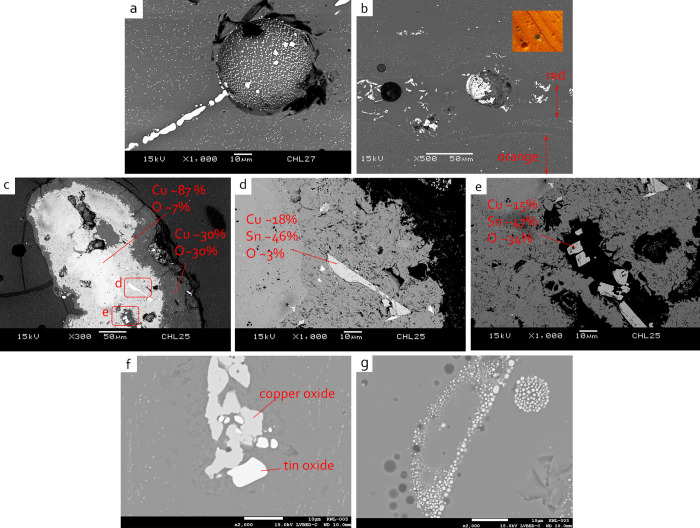
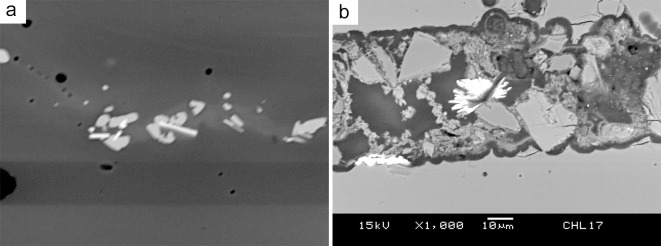
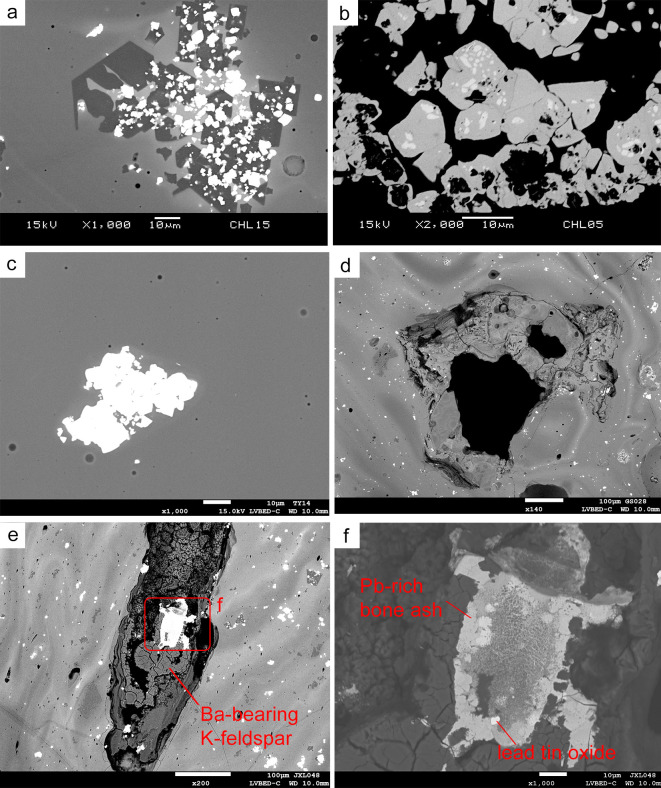
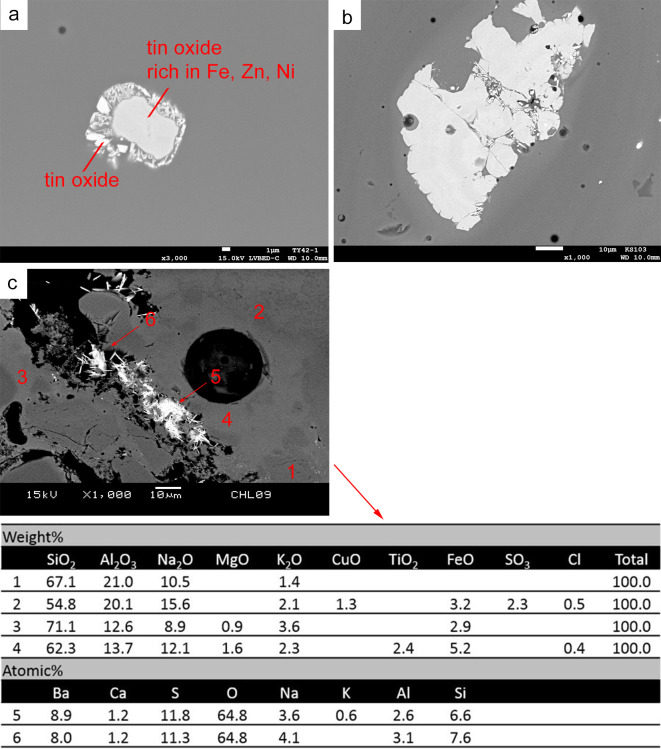
Mineral soda alumina (m-Na-Al) glass is a common glass production group found around the Indo-Pacific region. In Iron Age Taiwan, its presence dates back to the early 1 st millennium AD. This research discusses m-Na-Al glass beads excavated from Iron Age sites in Taiwan. No production sites for m-Na-Al have been found, but microstructural analysis suggests m-Na-Al glass appears to originate around South Asia and is exchanged widely. SEM-EDS and EPMA were used to analyse red, orange, yellow, green and blue m-Na-Al glass. The microstructure of the glass shows the presence of plagioclase and alkali feldspar relics in the glass, suggesting a low manufacturing temperature. Copper-based colourants are identified in red, orange, blue and green glass, while lead tin oxide is used in yellow and green glass. It appears that various types of copper-containing raw materials were procured by craftspeople, and a self-reduction process for producing red and orange glass is tentatively proposed. Additionally, the microstructure of yellow glass reveals different colouring paths were used. These results increase our understanding of the selection of raw materials, and provide an impetus for further research on the cross craft interaction between glass and copper production.
Overview
The claims and statistics of this paper haven’t been checked yet.
Run the check — free, no account needed. It reads the open-access text and checks the sources it cites.
Integrity signals
Registry
Cites
Statistics
Figures
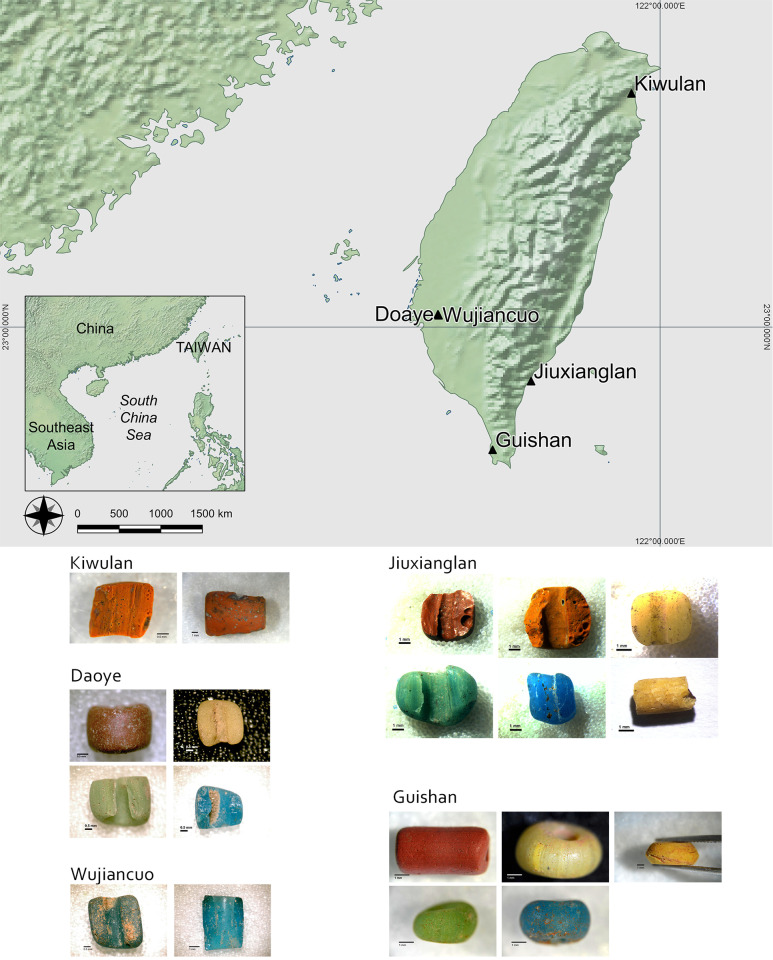
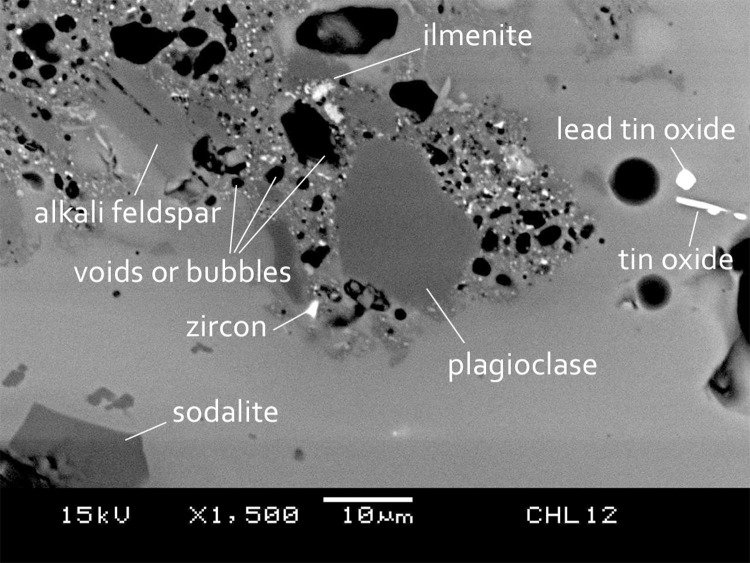
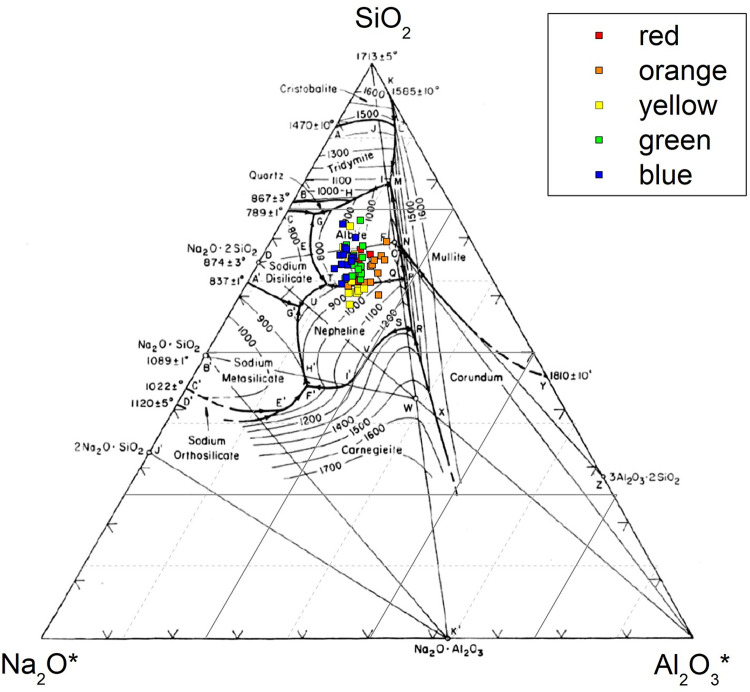
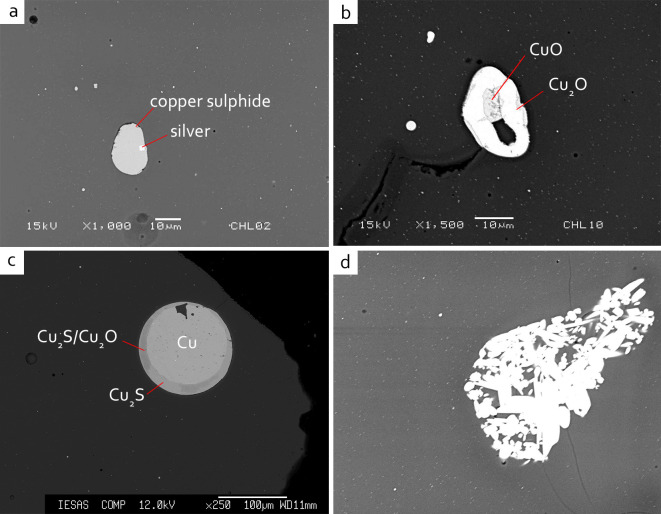
Verification
Claims the paper makes
The claims and statistics of this paper haven’t been checked yet.
Run the check — free, no account needed. It reads the open-access text and checks the sources it cites.
Claims other papers make about this one
Each is checked against this paper’s own text: does it say what the citing paper says it does?
In the citing paper
“South Indian/Sri Lankan Indo-Pacific glass beads are also increasingly recognized at East Asian sites (primarily in elite mortuary contexts) in Taiwan (Wang et al. 2022), China (Xu et al. 2022a), and Japan (Katsuhiko & Gupta 2000).”
From Recent Developments in the Archaeology of Long-Distance Connections Across the Ancient Indian Ocean (2023) · cites this paper as Wang et al. 2022
Self-check
Percentages, sums and reported differences re-computed from the paper’s own numbers.
The self-check needs the paper’s full text.
Citations
Cites
No references could be resolved yet.
Research works printed but not linked: 44
- RH Brill, 1987, Archaeometry of Glass Proceedings of the XIV International Congress on Glass, New Delhi, 1986, 1
- L Dussubieux, 2010, Mineral soda alumina glass: occurrence and meaning, J Archaeol Sci, 37, 1646, 10.1016/j.jas.2010.01.025 · DOI · Paper page
- DN Waida, 1926, Geology of India for Students
- HC Bhardwaj, 1979, Aspects of Ancient Indian Technology
- AK Kanungo, 2010, The radiocarbon chronology of Kopia, an early glass manufacturing centre in India, Archaeometry, 52, 899, 10.1111/j.1475-4754.2009.00497.x · DOI
- L Dussubieux, 2018, Glass ornament production and trade polities in the Upper-Thai Peninsula during the Early Iron Age, Archaeol Res Asia, 13, 25, 10.1016/j.ara.2017.08.001 · DOI
- AK Carter, 2016, The Production and Exchange of Glass and Stone Beads in Southeast Asia from 500 BCE to the early second millennium CE: An assessment of the work of Peter Francis in light of recent research, Archaeol Res Asia, 6, 16, 10.1016/j.ara.2016.02.004 · DOI
- K-W Wang, 2018, Beads in Iron-Age and Early-Modern Taiwan: an introduction, BEADS J Soc Bead Res, 30, 16
- K-W Wang, 2022, Social and economic interaction reflected by early Iron Age glass beads from selected sites of Taiwan. In: Maritime Exchange and Localization across the South China Sea, 500 BC- AD 500, Forthcoming
- AK Carter, 2015, Beads, exchange networks and emerging complexity: a case study from Cambodia and Thailand (500 BCE–CE 500), Cambridge Archaeol J, 25, 733, 10.1017/S0959774315000207 · DOI
- H-C Hung, 2016, Taiwan’s Early Metal Age and Southeast Asian trading systems, Antiquity, 90, 1537, 10.15184/aqy.2016.184 · DOI · Paper page
- B Bellina, 2019, Southeast Asian early Maritime Silk Road trading polities’ hinterland and the sea-nomads of the Isthmus of Kra, J Anthropol Archaeol, 54, 102, 10.1016/j.jaa.2019.02.005 · DOI
- Dussubieux L. L’apport de l’blation laser couplée à l’ICP-MS à la caractérisation des verres: application à l’étude du verre archéologique de l’Océan Indien [dissertation]. Orléans: Université d’Orléans; 2001.
- L Dussubieux, 2010, 50 Years of Archaeology in Southeast Asia: Essays in Honour of Ian Glover, 246
- T Sode, 2001, Traditional raw glass production in northern India: the final stage of an ancient technology, J Glass Stud, 43, 155
- SA Abraham, 2016, Glass beads and glass production in early South India: Contextualizing Indo-Pacific bead manufacture, Archaeol Res Asia, 6, 4, 10.1016/j.ara.2016.02.003 · DOI
- K-W Wang, 2019, The anomaly of glass beads and glass beadmaking waste at Jiuxianglan, Taiwan, Archaeol Anthropol Sci, 11, 1391, 10.1007/s12520-017-0593-3 · DOI
- P. Francis, 1991, Beadmaking at Arikamedu and beyond, World Archaeol, 23, 28, 10.1080/00438243.1991.9980157 · DOI · Paper page
- P. Francis, 1990, Glass beads in Asia: Part II. Indo-Pacific Beads, Asian Perspect, 29, 1
- AK Kanungo, 2016, Mapping the Indo-Pacific Beads vis-a-vis Papanaidupet
- GF Zellmer, 2021, Beyond crystal mushes: evidence for uptake of high-T pyroxene antecrysts from mid- to upper crustal andesites into tephras from the Central Plateau, New Zealand, New Zeal J Geol Geophys, 64, 443, 10.1080/00288306.2020.1848883 · DOI
- K-W Wang, 2021, Glass beads from Guishan in Iron Age Taiwan: Inter-regional bead exchange between Taiwan, Southeast Asia and beyond, J Archaeol Sci Reports, 35, 102737, 10.1016/j.jasrep.2020.102737 · DOI
- EM Levin, 1959, Phase Diagrams for Ceramists: Part II
- AA Ahmed, 1981, Effect of heat-treatment on the crystallization of cuprous-oxide in glass, Glas Technol, 22, 24
- DJ Barber, 2009, From Mine to Microscope Advances in the Study of Ancient Technology, 115
- A Durán, 1984, Study of the colouring process in copper ruby glasses by optical and EPR spectroscopy, J Mater Sci, 19, 1468, 10.1007/BF00563041 · DOI
- S Ishida, 1987, Role of Sn2+ in development of red color during reheating of copper glass, J Non Cryst Solids, 95, 793, 10.1016/S0022-3093(87)80683-X · DOI
- C. Capatina, 2005, study of copper ruby glass, TheCeramics, 49, 283
- T Bring, 2007, Colour development in copper ruby alkali silicate glasses. Part 1. The impact of tin (II) oxide, time and temperature, Glas Technol Eur J Glas Sci Technol Part A, 48, 101
- IC Freestone, 1987, Early Vitreous Materials, Occasional Paper No56, 173
- A. Bennett, 1989, The Contribution of Metallurgical Studies to South-East Asian Archaeology, World Archaeol, 20, 329, 10.1080/00438243.1989.9980077 · DOI
- M Cadet, 2021, Late prehistoric copper smelting in the Lao PDR: Experimental reconstruction based on the Vilabouly Complex evidence, J Archaeol Sci Reports, 37, 102932, 10.1016/j.jasrep.2021.102932 · DOI
- EG Hamilton, 2018, Ban Chiang, Northeast Thailand, Volume 2A. Background to the Study of the Metal Remains
- Peake JRN, Freestone IC. Cross-craft interactions between metal and glass working: slag additions to early Anglo-Saxon red glass. Vol. 8422, Proceedings of SPIE Integrated Approaches to the Study of Historical Glass. Brussels, Belgium: SPIE; 2012. p. 842204–12. · DOI
- A Hauptmann, 2003, Man and Mining—Mensch und Bergbau, 197
- H. Kühn, 1968, Lead-Tin Yellow, Stud Conserv, 13, 7
- M Heck, 2003, The production of lead–tin yellow at Merovingian Schleitheim (Switzerland), Archaeometry, 45, 33, 10.1111/1475-4754.00095 · DOI
- P. Saha, 1961, The system NaAlSiO4 (Nepheline)-NaAlSi3O8 (Albite)-H2O*, Am Mineral, 46, 859
- M Dumańska-Słowik, 2015, The transformation of nepheline and albite into sodalite in pegmatitic mariupolite of the Oktiabrski Massif (SE Ukraine), Spectrochim Acta Part A Mol Biomol Spectrosc, 150, 837, 10.1016/j.saa.2015.06.039 · DOI
- M Tite, 2008, Discovery, production and use of tin-based opacifiers in glasses, enamels and glazes from the late Iron Age onwards: a reassessment, Archaeometry, 50, 67, 10.1111/j.1475-4754.2007.00339.x · DOI
- E. Peltenburg, 1987, Early Vitreous Materials, 5
- Th Rehren, 1998, The Prehistory and History of Glassmaking Technology, 227
- P Fredrickx, 2004, EPMA and μ-SRXRF analysis and TEM-based microstructure characterization of a set of Roman glass fragments, X-Ray Spectrom, 33, 326, 10.1002/xrs.734 · DOI
- IC Freestone, 2003, Through a Glass Brightly: Studies in Byzantine and Medieval Art and Archaeology presented to David Buckton, 142
Cited by
Sorted by citations
Recent Developments in the Archaeology of Long-Distance Connections Across the Ancient Indian Ocean
Abraham, S. A. (2023) · Annual Review of Anthropology · doi:10.1146/annurev-anthro-101819-110124 · Cited by 7
Metadata
- Authors
- Wang, K.-W., Iizuka, Y., & Jackson, C.
- ORCID
- Wang, Kuan-Wen
- Venue
- PLOS ONE
- Publisher
- Public Library of Science (PLoS)
- Published
- 2022-02-15
- Volume
- 17
- Issue
- 2
- Pages
- e0263986
- ISSN
- 1932-6203
- PMC
- PMC8846499
- Cited by
- 6
- References
- 0
- Language
- en
About these checks
Registry, retraction, Cites and statistics results are computed, not judged, with one exception: a printed reference that no index lists is read once by a model before it counts as a citation error. Claims are extracted by a model and kept only when their quote appears verbatim in the text; each cited source is then checked, with a model’s help, for whether it says what the claim relies on. Those verdicts can be wrong — read the claim’s quote and the cited source before relying on one.
Statistics and arithmetic are recomputed, not judged.
Confidence bands are shown only for fields calibrated on our annotated test set. None is calibrated yet, so no band is shown.
What counts as a claim ›How we measure confidence ›How we check this ›
Are you an author, or do you see a problem with this page? Request a review
