

The DOI matches its Crossref record; 61 of the 62 references it cites were found in a registry or an index.
Lecanemab: Appropriate Use Recommendations
Open accessAbstract
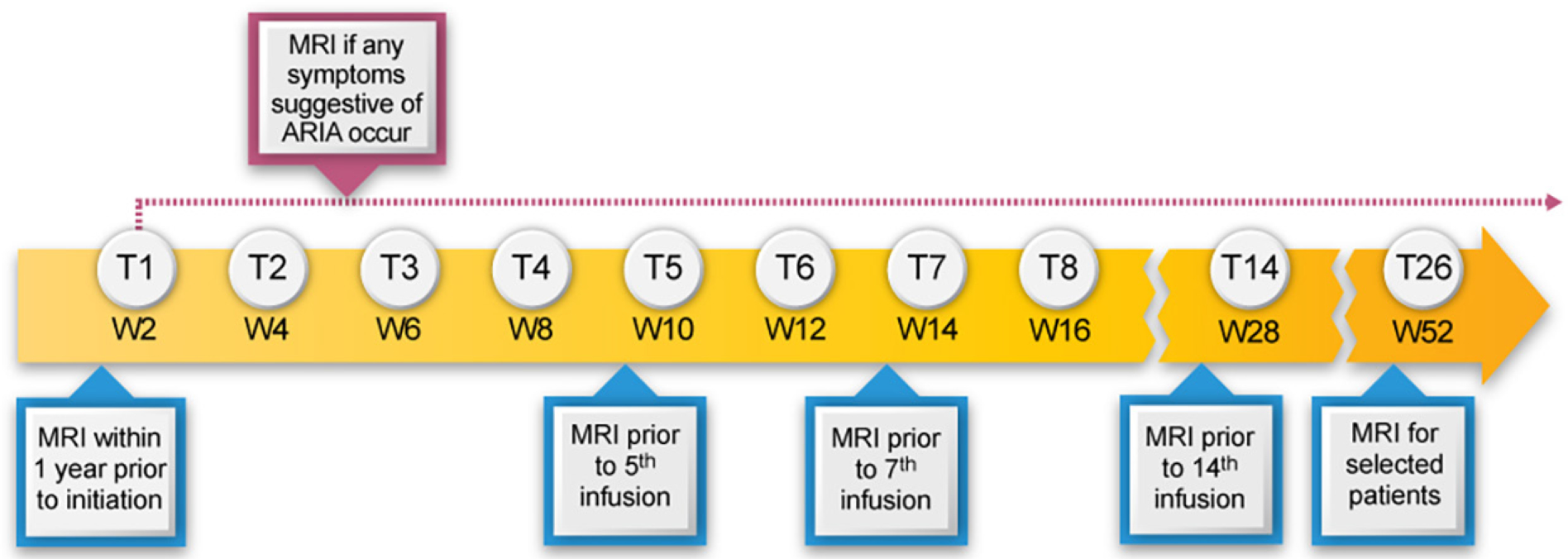
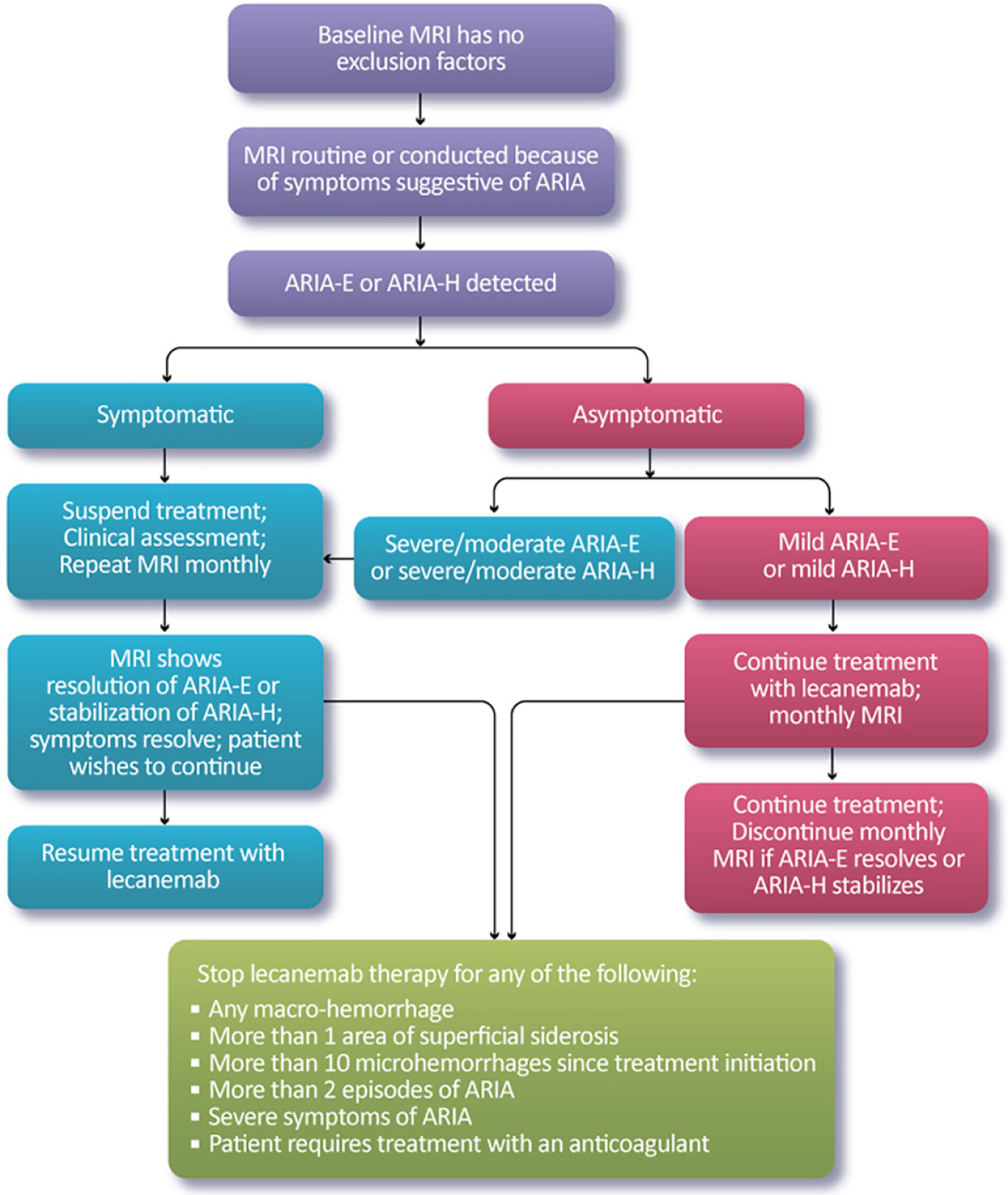
Lecanemab (Leqembi®) is approved in the United States for the treatment of Alzheimer's disease (AD) to be initiated in early AD (mild cognitive impairment [MCI] due to AD or mild AD dementia) with confirmed brain amyloid pathology. Appropriate Use Recommendations (AURs) are intended to help guide the introduction of new therapies into real-world clinical practice. Community dwelling patients with AD differ from those participating in clinical trials. Administration of lecanemab at clinical trial sites by individuals experienced with monoclonal antibody therapy also differs from the community clinic-based administration of lecanemab. These AURs use clinical trial data as well as research and care information regarding AD to help clinicians administer lecanemab with optimal safety and opportunity for effectiveness. Safety and efficacy of lecanemab are known only for patients like those participating in the phase 2 and phase 3 lecanemab trials, and these AURs adhere closely to the inclusion and exclusion criteria of the trials. Adverse events may occur with lecanemab including amyloid related imaging abnormalities (ARIA) and infusion reactions. Monitoring guidelines for these events are detailed in this AUR. Most ARIA with lecanemab is asymptomatic, but a few cases are serious or, very rarely, fatal. Microhemorrhages and rare macrohemorrhages may occur in patients receiving lecanemab. Anticoagulation increases the risk of hemorrhage, and the AUR recommends that patients requiring anticoagulants not receive lecanemab until more data regarding this interaction are available. Patients who are apolipoprotein E ε4 (APOE4) gene carriers, especially APOE4 homozygotes, are at higher risk for ARIA, and the AUR recommends APOE genotyping to better inform risk discussions with patients who are lecanemab candidates. Clinician and institutional preparedness are mandatory for use of lecanemab, and protocols for management of serious events should be developed and implemented. Communication between clinicians and therapy candidates or those on therapy is a key element of good clinical practice for the use of lecanemab. Patients and their care partners must understand the potential benefits, the potential harms, and the monitoring requirements for treatment with this agent. Culture-specific communication and building of trust between clinicians and patients are the foundation for successful use of lecanemab.
Overview
The claims and statistics of this paper haven’t been checked yet.
Run the check — free, no account needed. It reads the open-access text and checks the sources it cites.
Integrity signals
Registry
Cites
Statistics
Figures
Verification
Claims the paper makes
The claims and statistics of this paper haven’t been checked yet.
Run the check — free, no account needed. It reads the open-access text and checks the sources it cites.
Claims other papers make about this one
Each is checked against this paper’s own text: does it say what the citing paper says it does?
The source backs part of the claim, not all of it — or backs it for a different population, condition or comparison.
In the citing paper
“Lecanemab has a boxed warning for serious and symptomatic ARIA and requires testing for APOE ε4 prior to initiation as homozygosity increases risk.(510)”
From Dementia prevention, intervention, and care: 2024 report of the Lancet standing Commission (2024) · cites this paper as [510]
Experimental — accuracy not yet measuredThe source backs part of the claim, not all of it — or backs it for a different population, condition or comparison.
In the citing paper
“Currently, anti-amyloid monoclonal antibodies require the confirmation of amyloid-β pathology from PET or CSF before initiating therapy45,46.”
From Diagnosis of Alzheimer's disease using plasma biomarkers adjusted to clinical probability (2024) · cites this paper as [45]
Experimental — accuracy not yet measuredThe source backs part of the claim, not all of it — or backs it for a different population, condition or comparison.
In the citing paper
“For example, although patients with early-stage AD may be candidates for anti-amyloid therapies15–17, the coexistence of pathology from other etiologies, such as VD, can increase the risk of amyloid-related imaging abnormalities18.”
From AI-based differential diagnosis of dementia etiologies on multimodal data (2024) · cites this paper as [15]
Experimental — accuracy not yet measuredThe source backs part of the claim, not all of it — or backs it for a different population, condition or comparison.
In the citing paper
“The risk of developing these potentially serious adverse effects is higher in APOEε4 carriers, particularly homozygotes, and current recommendations are that patients are genotyped for APOE before starting these therapies to offer a balanced benefit–risk discussion190.”
From Multifaceted roles of APOE in Alzheimer disease (2024) · cites this paper as [190]
Experimental — accuracy not yet measuredThe cited source says what the claim attributes to it.
In the citing paper
“Plasma biomarkers may therefore have an important role in reducing the patient burden associated with the initiation of anti-amyloid-β therapies for AD, which at present require biomarker confirmation with PET or CSF, as well as serial magnetic resonance imaging to monitor for adverse events45,46.”
From Diagnosis of Alzheimer's disease using plasma biomarkers adjusted to clinical probability (2024) · cites this paper as [45]
The cited source says what the claim attributes to it.
In the citing paper
“Individuals with two copies of the APOE‐e4 gene are at increased risk of developing ARIA.”
From 2024 Alzheimer's disease facts and figures (2024) · cites this paper as [59]
The cited source says what the claim attributes to it.
In the citing paper
“Accordingly, ApoE genotyping is now increasingly considered an important component of the pre-treatment work-up for anti-amyloid therapies [5, 8, 11, 12].”
From Plasma ApoE proteotyping for ApoE ε4 stratification in the anti-amyloid therapies era (2026) · cites this paper as [11]
Self-check
Percentages, sums and reported differences re-computed from the paper’s own numbers.
The self-check needs the paper’s full text.
Citations
Cites
Folstein, M. F., Folstein, S. E., & McHugh, P. R. (1975) · Journal of Psychiatric Research · doi:10.1016/0022-3956(75)90026-6 · Cited by 88,282
Hirono, N., Mori, E., Ikejiri, Y., Imamura, T., Shimomura, T., Hashimoto, M., Yamashita, H., & Ikeda, M. (1997) · PubMed · Cited by 21,012
Kok, J. S., Berg, I. J., & Scherder, E. J. A. (2013) · Dementia and Geriatric Cognitive Disorders Extra · doi:10.1159/000353441 · Cited by 20,589
Older Adults' Reasons for Using Technology while Aging in Place
Peek, S. T. M., Luijkx, K. G., Rijnaard, M. D., Nieboer, M. E., van der Voort, C. S., Aarts, S., van Hoof, J., Vrijhoef, H. J., & Wouters, E. (2015) · Gerontology · doi:10.1159/000430949 · Cited by 19,852
Sensitivity and False Alarm Rate of a Fall Sensor in Long-Term Fall Detection in the Elderly
Kangas, M., Korpelainen, R., Vikman, I., Nyberg, L., & Jämsä, T. J. (2014) · Gerontology · doi:10.1159/000362720 · Cited by 19,007
McKhann, G. M., Knopman, D. S., Chertkow, H., Hyman, B. T., Jack, C. R., Kawas, C. H., Klunk, W. E., Koroshetz, W. J., Manly, J. J., Mayeux, R., et al. (2011) · Alzheimer's & Dementia · doi:10.1016/j.jalz.2011.03.005 · Cited by 18,657
Albert, M. S., DeKosky, S. T., Dickson, D., Dubois, B., Feldman, H. H., Fox, N. C., Gamst, A., Holtzman, D. M., Jagust, W. J., Petersen, R. C., et al. (2011) · Alzheimer's & Dementia · doi:10.1016/j.jalz.2011.03.008 · Cited by 10,152
Self-citationLecanemab in early Alzheimer's disease
van Dyck, C. H., Swanson, C. J., Aisen, P., Bateman, R. J., Chen, C., Gee, M., Kanekiyo, M., Li, D., Reyderman, L., Cohen, S., et al. (2023) · New England Journal of Medicine · doi:10.1056/nejmoa2212948 · Cited by 5,678
Self-citationMR signal abnormalities at 1.5 T in Alzheimer's dementia and normal aging
Fazekas, F., Chawluk, J. B., Alavi, A. A., Hurtig, H. I., & Zimmerman, R. A. (1987) · American Journal of Roentgenology · doi:10.2214/ajr.149.2.351 · Cited by 5,327
Preclinical Alzheimer’s Disease: Definition, Natural History, and Diagnostic Criteria
Dubois, B., Hampel, H., Feldman, H. H., Scheltens, P., Aisen, P., Andrieu, S., Bakardjian, H., Benali, H., Bertram, L., Blennow, K., et al. (2016) · Alzheimer's & Dementia · doi:10.1016/j.jalz.2016.02.002 · Cited by 1,925
Self-citation
Research works printed but not linked: 1
- Irizarry M, van Dyck C, Sabbagh M, Bateman RJ, S. C, editors. Clarity AD: A phase 3 placebo-controlled, double-blind, parallel-group, 18-month study evaluating lecanemab in early Alzheimer's disease. 15th Clinical Trials on Alzheimer's Disease Conference; 2022; San Francisco, CA USA.
Cited by
Sorted by citations
Items 401–500 of 961
Jannati, A., Thompson, K., Toro‐Serey, C., Gomes‐Osman, J., Banks, R., Higgins, C., Showalter, J., Bates, D. W., Tobyne, S. M., & Pascual‐Leone, Á. (2025) · Alzheimer s Research & Therapy · doi:10.1186/s13195-025-01913-5 · Cited by 6
The roles of biomarkers in Alzheimer's disease clinical trials
Cummings, J. L., Sharma, S., DeAndrea, G., Osse, A. M. L., & Ortiz, A. A. (2025) · Neurotherapeutics · doi:10.1016/j.neurot.2025.e00811 · Cited by 4
Self-citationRisk of New Indications for Anticoagulants and Thrombolytics in People With Cognitive Impairment
Parks, A. L., Lykken, J. M., Rieu‐Werden, M. L., Ko, D., Kim, D. H., Fang, M. C., Greenberg, S. M., Witt, D. M., Supiano, M. A., & Shah, S. J. (2025) · Neurology · doi:10.1212/wnl.0000000000214489 · Cited by 4
Self-citationOliveira, T. G., Vernooij, M. W., Frisoni, G. B., Wiest, R., & Barkhof, F. (2026) · European Radiology · doi:10.1007/s00330-025-12214-8 · Cited by 5
The polygenic, omnigenic and stratagenic models of complex disease risk
García‐González, J., & O’Reilly, P. F. (2026) · Nature Genetics · doi:10.1038/s41588-025-02467-w · Cited by 5
Establishing an Alzheimer Disease Therapeutics Clinic: Experience From a Year of Evaluations
Neth, B. J., Graff‐Radford, J., Cogswell, P. M., Johnson, D. R., Botha, H., McCarter, S. J., Jones, D. T., Conkins, M. M., Hardin, D., Spence, J. J., et al. (2026) · Mayo Clinic Proceedings · doi:10.1016/j.mayocp.2025.09.019 · Cited by 4
Self-citationHousini, M., Contreras, J. A., Hayes, C. A., & The Health and Aging Brain Study (HABS‐HD) Study Team (2026) · Journal of Alzheimer s Disease · doi:10.1177/13872877251415367 · Cited by 5
Burry, E., Plumacker, F., Villain, N., Amaral, S., Damier, P., Delrieu, J., Mackowiak, M.-A., Michalon, R., Mohr, S., Planche, V., et al. (2026) · Revue Neurologique · doi:10.1016/j.neurol.2026.01.267 · Cited by 5
Moghekar, A., Rock, J. A., Mohs, R. C., Hansson, O., Stomrud, E., Palmqvist, S., Mattsson, N., Johnson, S. C., Zetterberg, H., Radwan, R. R., et al. (2026) · Alzheimer s & Dementia · doi:10.1002/alz.71644 · Cited by 6
Nutrition, Exercise, and Cognitive Rehabilitation for Dementia Prevention
Takakura, T. (2024) · Juntendō Igaku/Juntendo igaku · doi:10.14789/jmj.jmj23-0032-r · Cited by 4
Management of MCI in the Outpatient Setting
Abramowitz, A., & Weber, M. (2024) · Current Psychiatry Reports · doi:10.1007/s11920-024-01514-3 · Cited by 3
Scouarnec, L. L., Bouteloup, V., van der Veere, P. J., van der Flier, W. M., Teunissen, C. E., Verberk, I. M. W., Planche, V., Chêne, G., & Dufouil, C. (2024) · Alzheimer s Research & Therapy · doi:10.1186/s13195-024-01595-5 · Cited by 5
What Can We Learn About Alzheimer’s Disease from People with Down Syndrome?
Maure‐Blesa, L., Rodríguez‐Baz, Í., Carmona‐Iragui, M., & Fortea, J. (2024) · Current topics in behavioral neurosciences · doi:10.1007/7854_2024_546 · Cited by 5
Noguchi‐Shinohara, M., Komatsu, J., & Ono, K. (2024) · Clinical and Experimental Neuroimmunology · doi:10.1111/cen3.12821 · Cited by 4
Antiamyloid Monoclonal Antibodies in Alzheimer’s Disease, Part 1: Patient Selection
Bateman, J. R., Carlisle, T. C., Yang, Y., Lachner, C., Stockbridge, M. D., Flashman, L. A., Chemali, Z. N., Alzbeidi, N., Pressman, P., Osibajo, A.-M., et al. (2025) · Journal of Neuropsychiatry · doi:10.1176/appi.neuropsych.20240191 · Cited by 4
Amyloid immunotherapy for Alzheimer's disease: the case for cautious adoption
Schott, J. M., & Marshall, C. R. (2025) · Arquivos de Neuro-Psiquiatria · doi:10.1055/s-0045-1807718 · Cited by 4
Genetic background and multidomain interventions in mild cognitive impairment
Fujita, K., Kimura, T., Yamakawa, A., Niida, S., Ozaki, K., Sakurai, T., Arai, H., Shigemizu, D., & J-MINT study group (2025) · Alzheimer s Research & Therapy · doi:10.1186/s13195-025-01764-0 · Cited by 4
Ultra‐fast MRI for dementia diagnosis and treatment eligibility: A prospective study
Rosa‐Grilo, M., Chughtai, H. R., Thomas, D. L., Alexander, D. C., Beament, M., Belder, C. R. S., Jäger, H. R., Lim, E., Magill, N., Mallon, D. H., et al. (2025) · Alzheimer s & Dementia · doi:10.1002/alz.70341 · Cited by 4
Safety of switching from lecanemab to donanemab in 20 consecutive patients with Alzheimer's disease
Arai, H., Aiba, S., & Arai, R. (2025) · Journal of Alzheimer s Disease · doi:10.1177/13872877251361051 · Cited by 4
Calibration of multisite raters for prospective visual reads of amyloid PET scans
Soleimani‐Meigooni, D. N., Pezzoli, S., Blazhenets, G., Joie, R. L., Lin, Z., Soppe, C. L., Johnson, D. R., Koran, M. E. I., McConathy, J., Nasrallah, I. M., et al. (2025) · Alzheimer s & Dementia · doi:10.1002/alz.70732 · Cited by 4
Self-citationLam, A. D., Johnson, E. L., Sarkis, R. A., Blank, L. J., Gaston, T. E., Shafi, M. M., Zepeda, R., Pellerin, K. R., Jetté, N., Greve, D. N., et al. (2025) · Epilepsia Open · doi:10.1002/epi4.70184 · Cited by 4
Sadlon, A., Ott, M., & Kressig, R. W. (2023) · Frontiers in Aging Neuroscience · doi:10.3389/fnagi.2023.1256968 · Cited by 4
Exercise and Protection from Age-Related Cognitive Decline
Smith, J. C., Callow, D. D., Pena, G. S., Kommula, Y., Arnold-Nedimala, N. A., Won, J., & Nielson, K. A. (2024) · Current topics in behavioral neurosciences · doi:10.1007/7854_2024_501 · Cited by 5
Modeling Alzheimer's disease using cerebral organoids: Current challenges and prospects
Abijo, A. Z., Olatunji, S., Adelodun, S. T., Asamu, M. O., & Omeiza, N. A. (2024) · Brain Organoid and Systems Neuroscience Journal · doi:10.1016/j.bosn.2024.09.001 · Cited by 6
Health System Readiness for Disease-Modifying Therapies for Alzheimer Disease
CDA-AMC (2024) · Canadian Journal of Health Technologies · doi:10.51731/cjht.2024.1038 · Cited by 5
Jeong, S. Y., Suh, C. H., Lim, J., Choi, Y., Kim, H. S., Kim, S. J., & Lee, J. (2025) · Journal of the Korean Society of Radiology · doi:10.3348/jksr.2024.0140 · Cited by 4
Biomarkers of hepatocellular carcinoma: status and prospects
Zorina, E. S., & Naryzhny, S. (2025) · Biomeditsinskaya Khimiya · doi:10.18097/pbmcr1543 · Cited by 4
Clinical Applications of Artificial Intelligence in Neurology Practice
Hadar, P., & Moura, L. M. V. R. (2025) · CONTINUUM Lifelong Learning in Neurology · doi:10.1212/cont.0000000000001552 · Cited by 4
Jolly, B., & Scaria, V. (2023) · The Journal of Prevention of Alzheimer s Disease · doi:10.14283/jpad.2023.122 · Cited by 4
Lecanemab in Frühstadien der Alzheimer-Krankheit
Onur, O. A., Fink, G. R., Höglinger, G. U., & Levin, J. (2025) · DGNeurologie · doi:10.1007/s42451-025-00769-1 · Cited by 4
Collij, L. E., Bischof, G. N., Altomare, D., Bader, I., Battle, M. R., García, D. V., Alves, I. L., Wolz, R., Gismondi, R., Stephens, A. W., et al. (2024) · medRxiv · doi:10.1101/2024.05.22.24307653 · Cited by 4
Sato, K., Niimi, Y., Ihara, R., Suzuki, K., Iwata, A., & Iwatsubo, T. (2024) · Journal of Alzheimer's Disease · doi:10.3233/jad-231426 · Cited by 3
Alpha-1-acid glycoprotein as a potential serum biomarker for cerebral amyloid angiopathy
Nishigaki, A., Ishikawa, H., Nishiguchi, Y., Tachibana, K., Kato, N., Matsuda, K., Mori, Y., Matsuyama, H., Matsuura, K., Ii, Y., et al. (2025) · Journal of Alzheimer s Disease · doi:10.1177/13872877251333802 · Cited by 3
Oosthoek, M., Vijverberg, E. G. B., Blujdea, E. R., Veld, S. G. J. G. I. ‘., Avilés, M. P., Zsadanyi, S. E., Hok‐A‐Hin, Y. S., Visser, A., van der Flier, W. M., Barkhof, F., et al. (2025) · Alzheimer s Research & Therapy · doi:10.1186/s13195-025-01799-3 · Cited by 3
Comparison of visual and analytic methods of Alzheimer's disease pathologic staging
Lopresti, B. J., Cohen, A. D., DelBene, A., Reese, A. C., Matan, C., Gogola, A., Chiang, M., Snitz, B. E., Laymon, C. M., Berman, S., et al. (2025) · Alzheimer s & Dementia · doi:10.1002/alz.70520 · Cited by 4
Wen, W., Chen, J., Xiang, J., Zhang, S., Liu, J., Wang, J., Wang, P., & Xu, S. (2025) · Chinese Journal of Natural Medicines · doi:10.1016/s1875-5364(25)60927-7 · Cited by 3
Miyazaki, Y., Hata, M., Takahashi, S., Fukuma, R., Taomoto, D., Satake, Y., Suehiro, T., Kanemoto, H., Yoshiyama, K., Matsunaga, K., et al. (2025) · International Psychogeriatrics · doi:10.1016/j.inpsyc.2025.100132 · Cited by 3
A robust deep learning framework for cerebral microbleeds recognition in GRE and SWI MRI
Hassanzadeh, T., Sachdev, S. P., Wen, W., Sachdev, P. S., & Sowmya, A. (2025) · NeuroImage Clinical · doi:10.1016/j.nicl.2025.103873 · Cited by 3
Athanasaki, A., Tsantzali, I., Theodorou, A., Michalopoulou, A., Constantinides, V. C., Boufidou, F., Tzartos, J. S., Tsalouchidou, P., Zompola, C., Paraskevas, S. G., et al. (2025) · International Journal of Molecular Sciences · doi:10.3390/ijms26199531 · Cited by 3
The role of genomic‐informed risk assessments in predicting dementia outcomes
Andrews, S. J., Tolosa‐Tort, P., Jonson, C., Fulton‐Howard, B., Renton, A. E., Yokoyama, J. S., Yaffe, K. S., & Initiative, A. D. N. (2025) · Alzheimer s & Dementia · doi:10.1002/alz.70826 · Cited by 6
Plasma p-tau212 identifies cognitively unimpaired individuals with emerging amyloid-β pathology
Kac, P. R., González‐Escalante, A., Milà‐Alomà, M., Ashton, N. J., Shekari, M., Ortiz‐Romero, P., Turton, M., Harrison, P., Zetterberg, H., Gispert, J. D., et al. (2025) · Journal of Neurology · doi:10.1007/s00415-025-13572-5 · Cited by 4
Ressa, R., Ettinger, J., Chowdhury, E., Graham, L., Ndirangu, K., Mancebo, J. Z., & Bodnar, C. (2026) · Journal of Medical Economics · doi:10.1080/13696998.2025.2609499 · Cited by 4
Wang, X., Zhou, W., Gaur, U., Zhen, X., & Zheng, W.-H. (2026) · Acta Pharmacologica Sinica · doi:10.1038/s41401-025-01703-7 · Cited by 3
Fundarò, C., & Maffoni, M. (2026) · European Journal of Internal Medicine · doi:10.1016/j.ejim.2025.106670 · Cited by 4
Wozniczka, C. M., & Weaver, D. F. (2026) · NeuroSci · doi:10.3390/neurosci7010013 · Cited by 3
Real‐world experience with lecanemab therapy for Alzheimer's disease in the Intermountain West
Curd, B. C., Zubrick, C., Brown, C. J. C., Sorweid, M. K., Dehoney, S. B., Anzai, Y., Minoshima, S., Parks, A. L., & Frost, N. A. (2026) · Alzheimer s & Dementia Diagnosis Assessment & Disease Monitoring · doi:10.1002/dad2.70251 · Cited by 4
Hu, N., Yang, X., Feng, F., Zhang, B., Liu, Y., Gao, H., Chen, Q., Zhang, C.-J., Chen, X., Yan, F., et al. (2026) · Journal of Neurology Neurosurgery & Psychiatry · doi:10.1136/jnnp-2025-337198 · Cited by 3
Lecanemab over a two-year duration: Key insights from a regional specialty medical center
Shields, L. B. E., Hust, H. S., Cooper, G. E., Kluthe, T., Hart, R., Thaliath, A. P., Dennis, B. C., Freeman, S., Cain, J. F., Shang, W. Y., et al. (2026) · The Journal of Prevention of Alzheimer s Disease · doi:10.1016/j.tjpad.2026.100489 · Cited by 3
Lifetime cost-effectiveness of lecanemab for early Alzheimer’s disease
Jiang, X., Lv, G., Mendes, M. E., Wu, J., Yuan, J., & Lu, Z. K. (2026) · Frontiers in Public Health · doi:10.3389/fpubh.2026.1692508 · Cited by 3
Mathoux, G., Harput, E., Peretti, D. E., Boccalini, C., & Garibotto, V. (2026) · Current Opinion in Neurology · doi:10.1097/wco.0000000000001471 · Cited by 3
Cancer treatment–related cognitive impairment
Neth, B. J., Schagen, S. B., & Wefel, J. S. (2026) · Neuro-Oncology Advances · doi:10.1093/noajnl/vdag064 · Cited by 4
Eligibility for lecanemab treatment in a French memory clinic setting
Vrillon, A., Götze, K., Dumurgier, J., Cognat, E., Hourrègue, C., Musat, E. M., Decaix, T., Hugon, J., Estrada, J., Sebbagh, M., et al. (2026) · Journal of Neurology · doi:10.1007/s00415-026-13760-x · Cited by 3
Drug-Induced Amyloid-Related Imaging Abnormalities: A Neurovascular Perspective on Risk Assessment
Zedde, M., Losa, M., Donniaquio, A., Gandoglia, I., Sette, M. D., Roccatagliata, L., Piazza, F., Pardini, M., & Pascarella, R. (2026) · Pharmaceuticals · doi:10.3390/ph19040579 · Cited by 4
ATNIVS biomarker heterogeneity in real-world patients receiving lecanemab
Kurihara, M., Ihara, R., Yoshii, G., Shimasaki, R., Hatano, K., Bannai, T., Suzuki, F., Ishibashi, K., Furuta, K., Satoh, K., et al. (2026) · The Journal of Prevention of Alzheimer s Disease · doi:10.1016/j.tjpad.2026.100567 · Cited by 3
Otani, K., Ishihara, H., Nakamura, T., & KAWABE, K. (2026) · General Hospital Psychiatry · doi:10.1016/j.genhosppsych.2026.04.006 · Cited by 3
Incidence of primary progressive aphasia in Salento, Italy: a population-based study
Urso, D., Vitulli, A., Giannoni‐Luza, S., Gnoni, V., Giugno, A., Rollo, E., Vilella, D., Zecca, C., Ray, N., & Logroscino, G. (2026) · Alzheimer s Research & Therapy · doi:10.1186/s13195-026-02046-z · Cited by 3
Neuroimaging in the era of biologically defined Alzheimer's disease and disease-modifying therapy
Benzinger, T. L. S., Cogswell, P. M., Arani, A., Chaney, A. M., Hutson, K., Glasser, M. F., Graff‐Radford, J., McConathy, J., Raji, C. A., Teunissen, C. E., et al. (2026) · The Lancet Neurology · doi:10.1016/s1474-4422(26)00285-1 · Cited by 4
Fluid biomarkers in the evolving care landscape of Alzheimer's disease and related disorders
Teunissen, C. E., Vermunt, L., Barthélemy, N. R., Benzinger, T. L. S., Graff‐Radford, J., Verberk, I. M. W., Zetterberg, H., Schindler, S. E., & Jack, C. R. (2026) · The Lancet Neurology · doi:10.1016/s1474-4422(26)00246-2 · Cited by 3
Update on Cognitive Enhancers Among the Older Adult Population: A Clinical Review
Fernandes, D., Suryadevara, U., Bruijnzeel, D. M., & Cheong, J. A. (2024) · Current Psychiatry Reports · doi:10.1007/s11920-024-01484-6 · Cited by 3
Blood-based therapies to combat neurodegenerative diseases
Jy, L., Lim, M. C. X., Koh, R. Y., Tsen, M. T., & Chye, S. M. (2024) · Metabolic Brain Disease · doi:10.1007/s11011-024-01368-x · Cited by 3
Lee, S., & Stögmann, E. (2024) · Wiener klinische Wochenschrift · doi:10.1007/s00508-024-02465-8 · Cited by 3
Virus-like Particles-based Vaccine to Combat Neurodegenerative Diseases
Lim, L. W. C., Jy, L., Chen, C. H., Voon, K., Koh, R. Y., & Chye, S. M. (2024) · Current Pharmaceutical Biotechnology · doi:10.2174/0113892010331763241002122854 · Cited by 3
Pandey, S., Danielsen, M. B., Xiang, Y., Zhang, Z., Sharma, G., Jeon, B. T., Song, S., Hao, Y., Zhang, G., Christensen, N. J., et al. (2024) · Cell Reports Physical Science · doi:10.1016/j.xcrp.2024.102336 · Cited by 3
Spontaneous haemorrhage in subdural hygroma in an Alzheimer’s patient on lecanemab
Watanabe, M., Okochi, R., Tezuka, T., & Ito, D. (2025) · BMJ Case Reports · doi:10.1136/bcr-2024-263497 · Cited by 3
Will Vietnamese American communities benefit from new Alzheimer's disease treatments?
Hoang, K., Meyer, O. L., & Grill, J. D. (2025) · Alzheimer s & Dementia Behavior & Socioeconomics of Aging · doi:10.1002/bsa3.70009 · Cited by 3
Clinical characteristics of pathological confirmed DLB without parkinsonism
Ting, S. K. S., Saffari, S. E., Hameed, S., Li, W. S., Shah, J. M., Chiew, H. J., Ng, K. P., & Ng, A. S. (2025) · Journal of the Neurological Sciences · doi:10.1016/j.jns.2025.123487 · Cited by 3
Teipel, S. J., Tang, Y., & Khachaturian, A. S. (2025) · Alzheimer s & Dementia Translational Research & Clinical Interventions · doi:10.1002/trc2.70083 · Cited by 3
Cerebrovascular Management Considerations in Patients on AATs
Ryan, D., Feng, W., & Liu, A. (2025) · Journal of Clinical Medicine · doi:10.3390/jcm14103420 · Cited by 4
Krankheitsmodifizierende Therapie mit Lecanemab bei früher Alzheimer-Demenz
Hansen, N., & Wiltfang, J. (2025) · Fortschritte der Neurologie · Psychiatrie · doi:10.1055/a-2681-4558 · Cited by 4
Christodoulou, R. C., Vamvouras, G., Sarquis, M. D., Petrou, V., Papageorgiou, P. S., Rivera, L., Gonzalez, C. M., Rivera, G., Papageorgiou, S. G., & Vassiliou, E. K. (2025) · Journal of Clinical Medicine · doi:10.3390/jcm14207360 · Cited by 4
Bridging prion biology and Alzheimer’s disease: from pathogenic seeds to precision therapeutics
Wang, W., Feng, Z., Shu, L., Hu, Y., Chen, Y., Zhang, B., & Huang, H. (2025) · Frontiers in Molecular Neuroscience · doi:10.3389/fnmol.2025.1660151 · Cited by 3
Alzheimer Disease Imaging in the Era of Anti-Amyloid Treatment
Bash, S., & Tanenbaum, L. N. (2023) · Applied Radiology · doi:10.37549/ar2918 · Cited by 3
Delivering disease modifying treatments in Alzheimer's disease—An old age psychiatry UK perspective
Barber, R., Ivenso, C., Jenkinson, J., Krishnan, M. S., Negi, R., Pattan, V., & Underwood, B. R. (2023) · International Journal of Geriatric Psychiatry · doi:10.1002/gps.6030 · Cited by 3
Aβ38 and Aβ43 do not differentiate between Alzheimer's disease and cerebral amyloid angiopathy
Dargvainiene, J., Jensen‐Kondering, U., Bender, B., Berg, D., Brüggemann, N., Flüh, C., Markewitz, R. D. H., Neumann, A., Röeben, B., Röcken, C., et al. (2024) · Annals of Clinical and Translational Neurology · doi:10.1002/acn3.51987 · Cited by 3
O’Connor, A., Ryan, N. S., Belder, C. R. S., Lynch, D. S., Lahiri, N., Houlden, H., Rohrer, J. D., Fox, N. C., & O’Dowd, S. (2024) · Practical Neurology · doi:10.1136/pn-2024-004241 · Cited by 4
Sang, Z. (2024) · Elsevier eBooks · doi:10.1016/b978-0-443-23932-8.00035-2 · Cited by 3
Lee, Y., Jeon, J., Son, S.-R., Cho, E., Moon, S., Park, A. Y., Chae, H. J., Bae, H. J., Moon, M., Jeon, S. J., et al. (2024) · Biochemical Pharmacology · doi:10.1016/j.bcp.2024.116622 · Cited by 3
FACEmemory®, an Innovative Self-Administered Online Memory Assessment Tool
Alegret, M., Blázquez-Folch, J., Pérez, A., Ortega, G., Espinosa, A., Muñoz, N., Sanabria, Á., García‐Gutiérrez, F., Alarcón‐Martín, E., Rosende‐Roca, M., et al. (2024) · Journal of Clinical Medicine · doi:10.3390/jcm13237274 · Cited by 3
Implementing New Dementia Care Models in Practice
Ramanan, V. K. (2024) · CONTINUUM Lifelong Learning in Neurology · doi:10.1212/con.0000000000001500 · Cited by 3
Petersen, R. C., Graf, A., Brady, C., Santi, S. D., Florian, H., Landen, J. W., Pontecorvo, M., RANDOLPH, C. C., Sink, K. M., Carrillo, M. C., et al. (2025) · Alzheimer s & Dementia Translational Research & Clinical Interventions · doi:10.1002/trc2.70038 · Cited by 3
Self-citationImproving quality measurement for dementia care
Jennings, L. A., Kunicki, Z. J., Tambor, E. S., Rivera‐Hernandez, M., Soo Borson, B., Fowler, N. R., Jones, R. N., & Epstein-Lubow, G. P. (2025) · Alzheimer s & Dementia · doi:10.1002/alz.70154 · Cited by 3
Is the Amyloid Imaging Tsunami Really Happening?
Barthel, H., & Drzezga, A. E. (2025) · Journal of Nuclear Medicine · doi:10.2967/jnumed.123.267007 · Cited by 3
Remaining Questions in a Brave New World of Alzheimer's Disease Care
Grill, J. D. (2023) · American Journal of Geriatric Psychiatry · doi:10.1016/j.jagp.2023.08.007 · Cited by 3
van Veluw, S. J., & Young, M. J. (2024) · Alzheimer s & Dementia · doi:10.1002/alz.13795 · Cited by 2
Cognition Assessment with ICOPE-Monitor: Identifying Candidates for Novel Therapies
González-Bautista, E., Soto, M. E., Fourteau, M., Berbon, C., Vellas, B. J., Delrieu, J., & Angioni, D. (2025) · Journal of the American Medical Directors Association · doi:10.1016/j.jamda.2024.105483 · Cited by 2
Neuroimaging as a Tool for Advancing Pediatric Psychopharmacology
Bartkoski, M., Tumberger, J., Martin, L. E., Choi, I., Lee, P., Strawn, J. R., Brooks, W. M., & Stancil, S. L. (2025) · Pediatric Drugs · doi:10.1007/s40272-025-00683-9 · Cited by 2
Guzmán‐Vélez, E., Aguillon, D. F., Rivera‐Hernández, A., Baena, A. Y., Londono, N., Picard, G., Kramer, A. F., Arnold, S. E., Gracia, D. I. C., Taylor, J. A., et al. (2025) · Journal of Alzheimer s Disease · doi:10.1177/13872877251344327 · Cited by 2
Agosta, F., Cecchetti, G., Spinelli, E. G., Ghirelli, A., Rugarli, G., & Filippi, M. (2025) · Current Opinion in Neurology · doi:10.1097/wco.0000000000001388 · Cited by 2
Impact of APOE4‐related dementia risk in underrepresented groups from the All of Us research program
Ghisays, V., Khajouei, E., Piras, I. S., Malek‐Ahmadi, M. H., Protas, H. D., Goradia, D. D., Chen, Y., Naymik, M., Saner, D., Veatch, O. J., et al. (2025) · Alzheimer s & Dementia · doi:10.1002/alz.70245 · Cited by 2
System readiness and the patient care pathway for Alzheimer's disease diagnosis and treatment
Snider, B. J., Biffi, A., Bozeat, S., Clevenger, C. K., Farrar, G., Gitelman, D. R., Kolster, R., Mattke, S., Mielke, M. M., Mukherjee, D., et al. (2025) · Alzheimer s & Dementia Translational Research & Clinical Interventions · doi:10.1002/trc2.70094 · Cited by 3
Self-citationCarlisle, T. C., Bateman, J. R., Yang, Y., Lachner, C., Stockbridge, M. D., Flashman, L. A., Chemali, Z. N., Alzbeidi, N., Pressman, P., Osibajo, A.-M., et al. (2025) · Journal of Neuropsychiatry · doi:10.1176/appi.neuropsych.20240203 · Cited by 2
Naeshiro, Y., Kitani‐Morii, F., Kasai, T., Tanaka, E., Kobayashi, F., & Ohara, T. (2025) · Internal Medicine · doi:10.2169/internalmedicine.6070-25 · Cited by 2
Integrative multi-omics approach for drug repositioning in Alzheimer's disease
Yang, J., Guo, K., Ren, X., Zhang, X., Zhao, S., Fang, J., Yu, W., Yang, P., Wang, W., Wang, H., et al. (2025) · Precision medication. · doi:10.1016/j.prmedi.2025.100050 · Cited by 2
Franz, J., Reichmann, J., Eckermann, M., Würfel, T., Groh, A., Qadri, S. F., Schulz, K., Mollenhauer, B., Stadelmann, C., & Salditt, T. (2025) · Brain Pathology · doi:10.1111/bpa.70044 · Cited by 2
Allué, J. A., Sarasa, L., Fandos, N., Gonzalo, R., Sabido-Vera, R., Loscos, J., Romero, J., Sánchez, A., Terencio, J. V., Matías‐Guiu, J. A., et al. (2025) · Frontiers in Aging Neuroscience · doi:10.3389/fnagi.2025.1681516 · Cited by 2
General practitioners’ perspectives on blood biomarkers for Alzheimer's disease
Claessen, T., Visser, F. C., Munster, B. C. V., van der Flier, W. M., Jiménez‐Mausbach, M., van Harten, A. C., Teunissen, C. E., & Visser, L. N. C. (2025) · Alzheimer s & Dementia Diagnosis Assessment & Disease Monitoring · doi:10.1002/dad2.70186 · Cited by 2
Cagnin, A., Benussi, A., Marra, C., Bonanni, L., Bozzali, M., The SINdem Group, Agosta, F., Arighi, A., Bellelli, G., Bessi, V., et al. (2025) · Neurological Sciences · doi:10.1007/s10072-025-08577-x · Cited by 2
Christodoulou, R. C., Vamvouras, G., Papageorgiou, P. S., Sarquis, M. D., Petrou, V., Rivera, L., Morales, C., Rivera, G., Papageorgiou, S. G., & Vassiliou, E. K. (2025) · Biomedicines · doi:10.3390/biomedicines13112689 · Cited by 2
Schlemm, E., Gauthier, S. G., Magnus, T., Thomalla, G., Rosa‐Neto, P., & Woo, M. S. (2025) · Journal of Neurology Neurosurgery & Psychiatry · doi:10.1136/jnnp-2025-337386 · Cited by 2
Judd, J. M., Mistry, F., Winslow, W., Tallino, S., Turk, J., & Velazquez, R. (2025) · Aging Cell · doi:10.1111/acel.70330 · Cited by 2
Metadata
- Authors
- Cummings, J., Apostolova, L., Rabinovici, G. D., Atri, A., Aisen, P., Greenberg, S., Hendrix, S., Selkoe, D., Weiner, M., Petersen, R. C., & Salloway, S.
- Affiliations
- Indiana University Indianapolis (US)
- University of California, San Francisco (US)
- Banner Health (US)
- University of Southern California (US)
- Harvard University (US)
- Brigham and Women's Hospital (US)
- Mayo Clinic (US)
- Brown University (US)
- Venue
- The Journal of Prevention of Alzheimer's Disease
- Publisher
- Elsevier BV
- Published
- 2023-09
- Volume
- 10
- Issue
- 3
- Pages
- 362-377
- ISSN
- 2274-5807 (ISSN-L)
- PMC
- PMC10313141
- OpenAlex
- W4360591479
- Cited by
- 961
- References
- 62
- Citations by year
- 2026: 335 · 2025: 305 · 2024: 249 · 2023: 71
- FWCI
- 170.48
- Type
- journal article
- Language
- en
- Open access
- gold
- doi.org
- Licence
- Locations
- The Journal of Prevention of Alzheimer s Disease (publishedVersion, cc-by)
- PubMed (publishedVersion)
- PubMed Central (acceptedVersion, cc-by)
- eScholarship (California Digital Library) (submittedVersion, cc-by)
- IUScholarWorks (Indiana University) (submittedVersion)
- Funders
- Foundation for the National Institutes of Health (R35AG71476, U01NS093334, P20GM109025, P30AG072959, P30 AG010133, R01AG053798, R01 AG057739)
- Alzheimer's Association (P30 AG010133)
- Alzheimer's Drug Discovery Foundation (P20GM109025)
- Eli Lilly and Company (P20GM109025)
- Biogen (P20GM109025)
- University of Southern California (P20GM109025)
- Patient-Centered Outcomes Research Institute
- Alnylam Pharmaceuticals
- BioClinica (P20GM109025)
- Sunovion
- Buck Institute for Research on Aging
- Prothena
- University of Oxford
- Eisai (P20GM109025)
- Novo Nordisk
- Shionogi
- H. Lundbeck A/S (P20GM109025)
- Grifols
- Nestec
- National Institutes of Health (RD005665)
- Genentech (P20GM109025)
- Allergan
- Avid Radiopharmaceuticals
- National Institute on Aging (AG010133, P30AG010133, U01AG057195, NIA U01 AG057195, R01AG053798, P20AG068053, NIA P30 AG010133, R01AG057739, R35AG71476, P30AG072959, P30AG072980, R35AG071476)
- National Institute of General Medical Sciences (P20GM109025)
- National Institute of Neurological Disorders and Stroke (U01NS093334)
- Topics
- Life Sciences › Neuroscience › Cellular and Molecular Neuroscience › Alzheimer's disease research and treatments
- Health Sciences › Medicine › Psychiatry and Mental health › Dementia and Cognitive Impairment Research
- Health Sciences › Medicine › Pharmacology (medical) › Cholinesterase and Neurodegenerative Diseases
- Keywords
- lecanemab, Alzheimer's disease, amyloid-related imaging abnormalities, amyloid plaques, mild cognitive impairment, early Alzheimer's disease, bleeding risk, anticoagulation, infusion reactions, monoclonal antibody therapy, caregiver-patient communication, clinical preparedness
- MeSH terms
- Alzheimer Disease, Amyloid, Antibodies, Monoclonal, Humans, Apolipoprotein E4, Antibodies, Monoclonal, Humanized
About these checks
Registry, retraction, Cites and statistics results are computed, not judged, with one exception: a printed reference that no index lists is read once by a model before it counts as a citation error. Claims are extracted by a model and kept only when their quote appears verbatim in the text; each cited source is then checked, with a model’s help, for whether it says what the claim relies on. Those verdicts can be wrong — read the claim’s quote and the cited source before relying on one.
Statistics and arithmetic are recomputed, not judged.
Confidence bands are shown only for fields calibrated on our annotated test set. None is calibrated yet, so no band is shown.
What counts as a claim ›How we measure confidence ›How we check this ›
Are you an author, or do you see a problem with this page? Request a review
