

The DOI matches its Crossref record; 18 of the 18 references it cites were found in a registry or an index; none of the 46 sources its claims cite is checked for support yet.
Modo de vida afrocolombiano y territorialidades pesqueras en el Chocó (Colombia)
Open accessAbstract
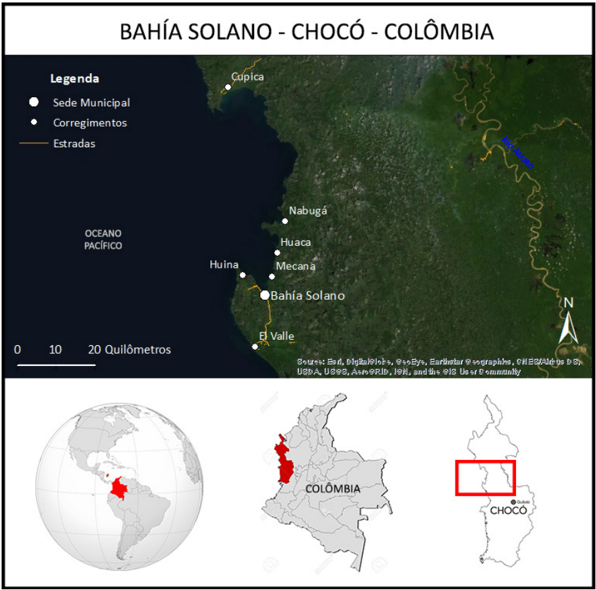
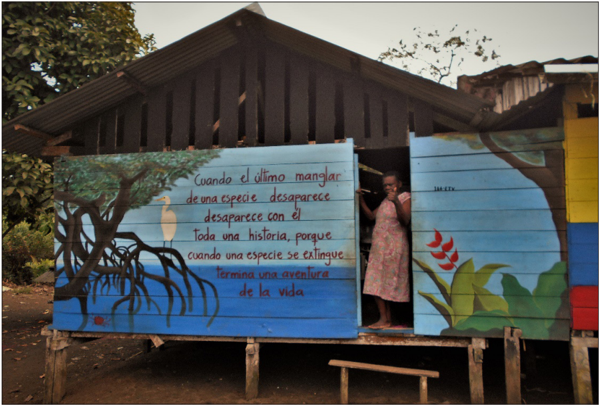
El Pacífico colombiano es un territorio-región ocupado en su mayoría por comunidades negras que tienen un modo de vida tradicional basado en la pesca, la agricultura y el extractivismo tradicional. Sin embargo, con la llegada de las lógicas desarrollistas, este modo de vida comienza a sufrir transformaciones que colocan las territorialidades tradicionales en confrontación con otras lógicas externas a la comunidad. Aquí se pretende (1) caracterizar el modo de vida tradicional afrocolombiano, especialmente en su relación simbólica con la pesca artesanal, (2) identificar territorialidades pesqueras y (3) analizar los conflictos territoriales presentes en Bahía Solano. Para eso, se hizo trabajo de campo con observación participante, reportes etnográficos, fotodocumentación, entrevistas con guión semiestructurado y cartografía social participativa, con el objetivo de brindar este aporte, desde una perspectiva geográfica e interdisciplinaria que aún está ausente en las investigaciones acerca de esta región. Se observa que con la inserción de las comunidades en lógicas de producción conectadas con el “afuera”, más rentables como el turismo, el narcotráfico y la pesca industrial, se superponen nuevas territorialidades. En las territorialidades nuevas y en las tradicionales el elemento “mar” es necesario para la reproducción de los modos de vida, especialmente en lo material, a través del trabajo y la alimentación.
Overview
AI snapshot
Written from the paper’s full text.
TL;DR
This article characterizes the traditional Afro-Colombian way of life in Bahía Solano, Chocó, emphasizing artisanal fishing as a material and symbolic mediator between community and territory. It identifies overlapping fishing territorialities and analyzes territorial conflicts produced by tourism, drug trafficking, armed groups, industrial fishing, and state regulation such as the ZEPA.
Key findings
- The sea is central to the Afro-Colombian way of life in Bahía Solano: it provides food, income, transport, and cultural meaning, and artisanal fishing appears in leisure, main work, complementary work, sport/tourism, socialization, and learning/education.
- Fishing territorialities are concentrated in places such as Puente de Chambacú or “La Orilla,” the “barrio de los pescadores,” and “La Esso” or Porto, as well as sea-based fishing points like Morros Nidales and Cabo Marzo.
- The paper reports conflicts from industrial fishing, non-selective fishing techniques, drug trafficking, armed-group territorial control, tourism, and capitalist modernization; the ZEPA (approx. 2.5 nautical miles wide and 130 long) reduced some artisanal–industrial conflicts but intensified others outside protected areas, especially in the Gulf of Tribugá.
- Bahía Solano is described as the main artisanal fishing embarkation/disembarkation point in Chocó, with fisheries from Juradó, Bahía Solano, and Nuquí landed at approximately 18 points; Bahía Solano receives up to four times more volume than Nuquí.
Methods
- Qualitative and interdisciplinary study using participant observation, ethnographic reports, photodocumentation, semi-structured interviews, and participatory social cartography, framed by critical geography, anthropology, and political ecology.
- Two fieldworks were conducted: 13–31 January 2020 and 25 July–15 August 2022, with 34 interviews with young people, adults, and elders in Bahía Solano and the corregimientos Chambacú, El Huína, El Valle, Mecana, and Cupica.
- Analysis used the categories “modo de vida” and “territory,” with historical-critical materialism and local testimonies to identify fishing territorialities and territorial conflicts.
Limitations
- The paper explicitly states that it is not possible to generalize Chocó solely from Bahía Solano.
- No dedicated limitations section is present; evident constraints include the qualitative case-study design, reliance on local informants and a host family, and the absence of quantitative or comparative generalizability beyond the studied sites.
Model-written summary. Check it against the paper before relying on it.
Integrity signals
Registry
Cites
Statistics
Figures
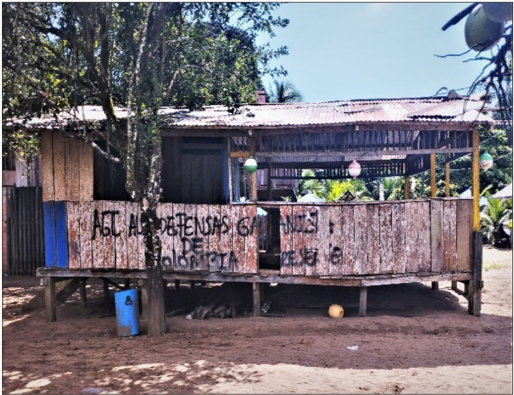
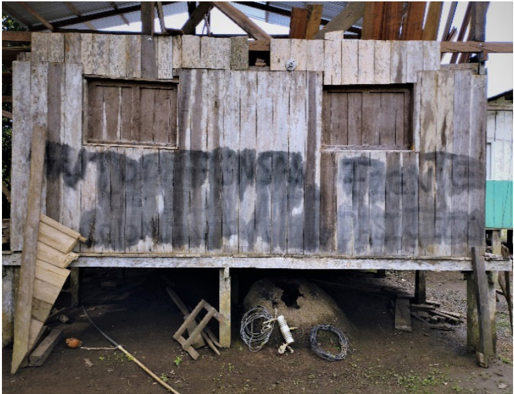
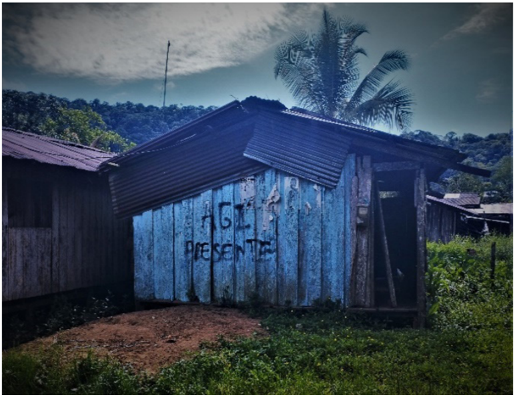
Verification
Claims the paper makes
38 No basis given · 30 Sources not found · 27 Own interpretation · 21 Own result · 4 No full text of the sources · 1 Not checked yet
The paper states this without a source or data behind it here, so there is nothing to check it against. The quote shows it is in the paper.
In the paper
“En cuanto a los conflictos directamente relacionados con la pesca, destacamos algunos que se interrelacionan: a) los conflictos generados por la vulneración de los códigos de conducta de las comunidades;”
§ Afro-Colombian way of life and fishing territorialities in Chocó (Colombia) > Desestructuración de territorialidades tradicionales y conflictos territoriales
plaindirect- Asserted: passes — The authors put it forward as true.
- Checkable: passes — It can be checked against evidence.
- Load-bearing: unclear — It is unclear whether the paper’s conclusions depend on it.
- Based: passes — The paper gives a reason why it holds.
The paper states this without a source or data behind it here, so there is nothing to check it against. The quote shows it is in the paper.
In the paper
“d) los conflictos entre las técnicas utilizadas y las técnicas prohibidas por los organismos de inspección ambiental;”
§ Afro-Colombian way of life and fishing territorialities in Chocó (Colombia) > Desestructuración de territorialidades tradicionales y conflictos territoriales
plaincorrelational- Asserted: passes — The authors put it forward as true.
- Checkable: passes — It can be checked against evidence.
- Load-bearing: unclear — It is unclear whether the paper’s conclusions depend on it.
- Based: passes — The paper gives a reason why it holds.
The paper states this without a source or data behind it here, so there is nothing to check it against. The quote shows it is in the paper.
In the paper
“Estos factores fueron identificados como los más relevantes que afectan la pesca artesanal.”
§ Afro-Colombian way of life and fishing territorialities in Chocó (Colombia) > Desestructuración de territorialidades tradicionales y conflictos territoriales
plaindirect- Asserted: passes — The authors put it forward as true.
- Checkable: passes — It can be checked against evidence.
- Load-bearing: unclear — It is unclear whether the paper’s conclusions depend on it.
- Based: passes — The paper gives a reason why it holds.
A result the paper reports from its own data — it cites no other source for it, so there is none to check. The quote shows it is in the paper.
In the paper
“Estos múltiples significados atribuidos al mar se pueden apreciar en las declaraciones de los pescadores, quienes le atribuyen desde significados económicos hasta un significado de contemplación e identificación con el lugar”
§ Afro-Colombian way of life and fishing territorialities in Chocó (Colombia) > Modo de vida tradicional afrocolombiano
plainSingle case- Asserted: passes — The authors put it forward as true.
- Checkable: passes — It can be checked against evidence.
- Load-bearing: passes — The paper’s conclusions depend on it.
- Based: passes — The paper gives a reason why it holds.
The paper states this without a source or data behind it here, so there is nothing to check it against. The quote shows it is in the paper.
In the paper
“Por otro lado, de manera general la ZEPA también redujo conflictos entre pescadores artesanales y embarcaciones industriales.”
§ Afro-Colombian way of life and fishing territorialities in Chocó (Colombia) > Desestructuración de territorialidades tradicionales y conflictos territoriales
plaindirect- Asserted: passes — The authors put it forward as true.
- Checkable: passes — It can be checked against evidence.
- Load-bearing: unclear — It is unclear whether the paper’s conclusions depend on it.
- Based: passes — The paper gives a reason why it holds.
A result the paper reports from its own data — it cites no other source for it, so there is none to check. The quote shows it is in the paper.
In the paper
“Muchos pescadores señalan una disminución en el número de peces capturados hoy en relación con lo que había en el pasado, lo que demuestra un proceso dialéctico”
§ Afro-Colombian way of life and fishing territorialities in Chocó (Colombia) > Desestructuración de territorialidades tradicionales y conflictos territoriales
boosted- Asserted: passes — The authors put it forward as true.
- Checkable: passes — It can be checked against evidence.
- Load-bearing: unclear — It is unclear whether the paper’s conclusions depend on it.
- Based: passes — The paper gives a reason why it holds.
The paper states this without a source or data behind it here, so there is nothing to check it against. The quote shows it is in the paper.
In the paper
“e) las disputas con embarcaciones de pesca industrial, especialmente las de atún, sardina y camarón.”
§ Afro-Colombian way of life and fishing territorialities in Chocó (Colombia) > Desestructuración de territorialidades tradicionales y conflictos territoriales
plaincorrelational- Asserted: passes — The authors put it forward as true.
- Checkable: passes — It can be checked against evidence.
- Load-bearing: unclear — It is unclear whether the paper’s conclusions depend on it.
- Based: passes — The paper gives a reason why it holds.
The paper states this without a source or data behind it here, so there is nothing to check it against. The quote shows it is in the paper.
In the paper
“b) la presencia de dinámicas capitalistas e inserción de las comunidades en lógicas de mercado, como la modernización de técnicas y equipamientos;”
§ Afro-Colombian way of life and fishing territorialities in Chocó (Colombia) > Desestructuración de territorialidades tradicionales y conflictos territoriales
plaincorrelational- Asserted: passes — The authors put it forward as true.
- Checkable: passes — It can be checked against evidence.
- Load-bearing: unclear — It is unclear whether the paper’s conclusions depend on it.
- Based: passes — The paper gives a reason why it holds.
The paper states this without a source or data behind it here, so there is nothing to check it against. The quote shows it is in the paper.
In the paper
“Sin embargo, en algunas localidades, como Bahía Solano, los conflictos continuaron afectando las prácticas productivas tradicionales afrocolombianas y sus manifestaciones culturales.”
§ Afro-Colombian way of life and fishing territorialities in Chocó (Colombia) > Introducción
plaindirect- Asserted: passes — The authors put it forward as true.
- Checkable: passes — It can be checked against evidence.
- Load-bearing: unclear — It is unclear whether the paper’s conclusions depend on it.
- Based: passes — The paper gives a reason why it holds.
A result the paper reports from its own data — it cites no other source for it, so there is none to check. The quote shows it is in the paper.
In the paper
“Esta visión del pasado como una época de mayor abundancia está presente en el discurso de muchos de los pescadores, especialmente los de mayor edad”
§ Afro-Colombian way of life and fishing territorialities in Chocó (Colombia) > Desestructuración de territorialidades tradicionales y conflictos territoriales
plaincorrelational- Asserted: passes — The authors put it forward as true.
- Checkable: passes — It can be checked against evidence.
- Load-bearing: unclear — It is unclear whether the paper’s conclusions depend on it.
- Based: passes — The paper gives a reason why it holds.
The paper states this without a source or data behind it here, so there is nothing to check it against. The quote shows it is in the paper.
In the paper
“Se observó que hay una reducción en las prácticas tradicionales, sobre todo en la cabecera municipal, pero también en los corregimientos.”
§ Afro-Colombian way of life and fishing territorialities in Chocó (Colombia) > Modo de vida tradicional afrocolombiano
plain- Asserted: passes — The authors put it forward as true.
- Checkable: passes — It can be checked against evidence.
- Load-bearing: unclear — It is unclear whether the paper’s conclusions depend on it.
- Based: passes — The paper gives a reason why it holds.
The paper states this without a source or data behind it here, so there is nothing to check it against. The quote shows it is in the paper.
In the paper
“Esta mediación se puede observar a través de la importancia de las fases lunares, las mareas y las estaciones en la decisión de cuándo y dónde trabajar que se da para orientar las faenas de las pesquerías.”
§ Afro-Colombian way of life and fishing territorialities in Chocó (Colombia) > Modo de vida tradicional afrocolombiano
plaindirect- Asserted: passes — The authors put it forward as true.
- Checkable: passes — It can be checked against evidence.
- Load-bearing: passes — The paper’s conclusions depend on it.
- Based: passes — The paper gives a reason why it holds.
The paper states this without a source or data behind it here, so there is nothing to check it against. The quote shows it is in the paper.
In the paper
“Sin embargo, la pesca es uno de los fenómenos más relevantes, pues también está presente en sus espacios políticos (consejos comunitarios, cooperativas y asociaciones de pescadores), en el turismo, en la forma de educar, en el ocio, en la forma y disposición de las viviendas (que están bien espaciadas y entre una casa y otra a menudo hay una canoa).”
§ Afro-Colombian way of life and fishing territorialities in Chocó (Colombia) > Modo de vida tradicional afrocolombiano
plaincorrelational- Asserted: passes — The authors put it forward as true.
- Checkable: passes — It can be checked against evidence.
- Load-bearing: passes — The paper’s conclusions depend on it.
- Based: passes — The paper gives a reason why it holds.
A result the paper reports from its own data — it cites no other source for it, so there is none to check. The quote shows it is in the paper.
In the paper
“A través de entrevistas y otras herramientas metodológicas evidenciamos que el mar es un elemento necesario para la reproducción, especialmente material, a través del trabajo y la alimentación, factores vistos como fundamentales para la (re)producción del modo de vida local.”
§ Afro-Colombian way of life and fishing territorialities in Chocó (Colombia) > Consideraciones finales
boosteddirect- Asserted: passes — The authors put it forward as true.
- Checkable: passes — It can be checked against evidence.
- Load-bearing: passes — The paper’s conclusions depend on it.
- Based: passes — The paper gives a reason why it holds.
The paper states this without a source or data behind it here, so there is nothing to check it against. The quote shows it is in the paper.
In the paper
“c) la adopción de artes de pesca no selectivos;”
§ Afro-Colombian way of life and fishing territorialities in Chocó (Colombia) > Desestructuración de territorialidades tradicionales y conflictos territoriales
plaincorrelational- Asserted: passes — The authors put it forward as true.
- Checkable: passes — It can be checked against evidence.
- Load-bearing: unclear — It is unclear whether the paper’s conclusions depend on it.
- Based: passes — The paper gives a reason why it holds.
The paper states this without a source or data behind it here, so there is nothing to check it against. The quote shows it is in the paper.
In the paper
“Se observa que con la inserción de las comunidades en lógicas de producción conectadas con el “afuera”, más rentables como el turismo, el narcotráfico y la pesca industrial, se superponen nuevas territorialidades.”
plaindirect- Asserted: passes — The authors put it forward as true.
- Checkable: passes — It can be checked against evidence.
- Load-bearing: passes — The paper’s conclusions depend on it.
- Based: passes — The paper gives a reason why it holds.
The paper states this without a source or data behind it here, so there is nothing to check it against. The quote shows it is in the paper.
In the paper
“En cuanto a las técnicas de pesca, las más utilizadas en la región son: línea de mano y anzuelo con carnada natural o artificial, palangre (de fondo o superficie), arrastre, atarraya, chinchorro, el arpón y los cercos.”
§ Afro-Colombian way of life and fishing territorialities in Chocó (Colombia) > Consideraciones finales
plain- Asserted: passes — The authors put it forward as true.
- Checkable: passes — It can be checked against evidence.
- Load-bearing: unclear — It is unclear whether the paper’s conclusions depend on it.
- Based: passes — The paper gives a reason why it holds.
In the paper
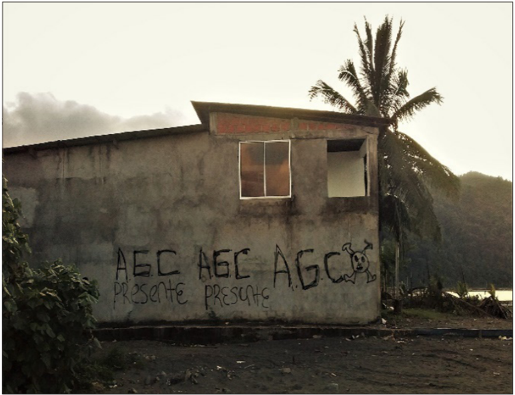
“La ocupación de grupos armados es un fenómeno que se intensificó durante la década de 1990, cuyo objetivo es el control en un territorio rico en recursos naturales e idóneo para megaproyectos de desarrollo, como puertos, carreteras e industrias extractivistas, evidenciando cómo el territorio tradicional y de la vida es tenido también como territorio de conflicto armado (Escobar, 2015).”
§ Afro-Colombian way of life and fishing territorialities in Chocó (Colombia) > Desestructuración de territorialidades tradicionales y conflictos territoriales
What the sources say
- Not matchedcites Escobar, 2015
Couldn’t be matched to a paper in Crossref, so it can’t be checked.
plaindirect- Asserted: passes — The authors put it forward as true.
- Checkable: passes — It can be checked against evidence.
- Load-bearing: passes — The paper’s conclusions depend on it.
- Based: passes — The paper gives a reason why it holds.
- Not matched
None of the sources cited for this claim could be matched to a paper in Crossref, so there is nothing to check it against.
In the paper
“Esto demuestra cómo la biodiversidad es el resultado de la cultura (como conocimiento y gestión del ambiente) más el territorio, como lo propone la ecología política (Escobar, 2015;Leff, 2015;Porto Gonçalves, 2012;Souza, 2018).”
§ Afro-Colombian way of life and fishing territorialities in Chocó (Colombia) > Modo de vida tradicional afrocolombiano
What the sources say
- Not matchedcites Escobar, 2015
Couldn’t be matched to a paper in Crossref, so it can’t be checked.
- Not matchedcites Leff, 2015
Couldn’t be matched to a paper in Crossref, so it can’t be checked.
- Not matchedcites Porto Gonçalves, 2012
Couldn’t be matched to a paper in Crossref, so it can’t be checked.
boosteddirect- Asserted: passes — The authors put it forward as true.
- Checkable: passes — It can be checked against evidence.
- Load-bearing: passes — The paper’s conclusions depend on it.
- Based: passes — The paper gives a reason why it holds.
- Not matched
A conclusion the paper draws from its own results — it cites no other source for it, so there is none to check. The quote shows it is in the paper.
In the paper
“Por lo tanto, es posible verificar en Bahía Solano la presencia de un tiempo cósmico que regula las actividades ecoproductivas.”
§ Afro-Colombian way of life and fishing territorialities in Chocó (Colombia) > Modo de vida tradicional afrocolombiano
hedgeddirect- Asserted: passes — The authors put it forward as true.
- Checkable: passes — It can be checked against evidence.
- Load-bearing: passes — The paper’s conclusions depend on it.
- Based: passes — The paper gives a reason why it holds.
A conclusion the paper draws from its own results — it cites no other source for it, so there is none to check. The quote shows it is in the paper.
In the paper
“La ruptura de los ritmos temporales y territorialidad de los espacios costeros que se engendra por fuerzas externas puede llevar a la desarticulación de las formas tradicionales de ejercer la actividad pesquera”
§ Afro-Colombian way of life and fishing territorialities in Chocó (Colombia) > Desestructuración de territorialidades tradicionales y conflictos territoriales
plainconditional- Asserted: passes — The authors put it forward as true.
- Checkable: passes — It can be checked against evidence.
- Load-bearing: passes — The paper’s conclusions depend on it.
- Based: passes — The paper gives a reason why it holds.
In the paper
“Por ello, el territorio de pesca artesanal no se conforma de manera homogénea, siendo apropiado, según los movimientos de los peces en cada cosecha, por determinados grupos de pescadores, en el tiempo y en el espacio”
§ Afro-Colombian way of life and fishing territorialities in Chocó (Colombia) > Territorialidades pesqueras
What the sources say
- Not checked — no full text of the sourcecites Cunha, 2009 source
plaindirect- Asserted: passes — The authors put it forward as true.
- Checkable: passes — It can be checked against evidence.
- Load-bearing: passes — The paper’s conclusions depend on it.
- Based: passes — The paper gives a reason why it holds.
A conclusion the paper draws from its own results — it cites no other source for it, so there is none to check. The quote shows it is in the paper.
In the paper
“Así, hubo cambios en la materialidad del territorio que se reflejaron en cambios en el uso y apropiación de este, lo cual fue mediado por la técnica.”
§ Afro-Colombian way of life and fishing territorialities in Chocó (Colombia) > Territorialidades pesqueras
plaindirect- Asserted: passes — The authors put it forward as true.
- Checkable: passes — It can be checked against evidence.
- Load-bearing: passes — The paper’s conclusions depend on it.
- Based: passes — The paper gives a reason why it holds.
In the paper
“Esto tuvo éxito con la Ley nº 70/1993, que tituló las tierras baldías para posesión de los consejos comunitarios (Bonfá Neto, 2022b).”
§ Afro-Colombian way of life and fishing territorialities in Chocó (Colombia) > Introducción
What the sources say
- Not matchedcites Bonfá Neto, 2022b
Couldn’t be matched to a paper in Crossref, so it can’t be checked.
plaindirect- Asserted: passes — The authors put it forward as true.
- Checkable: passes — It can be checked against evidence.
- Load-bearing: unclear — It is unclear whether the paper’s conclusions depend on it.
- Based: passes — The paper gives a reason why it holds.
- Not matched
A conclusion the paper draws from its own results — it cites no other source for it, so there is none to check. The quote shows it is in the paper.
In the paper
“Este hecho demuestra que todavía hay un tiempo de la naturaleza que media la reproducción del modo de vida, como el día y la noche, las fases de la luna, el cambio de las mareas y las estaciones del año.”
§ Afro-Colombian way of life and fishing territorialities in Chocó (Colombia) > Modo de vida tradicional afrocolombiano
boosteddirect- Asserted: passes — The authors put it forward as true.
- Checkable: passes — It can be checked against evidence.
- Load-bearing: passes — The paper’s conclusions depend on it.
- Based: passes — The paper gives a reason why it holds.
In the paper
“Otro conflicto importante, que también forma parte del proceso de pesca industrial, es el uso de técnicas no selectivas, resultado de un proceso de modernización que aceleró la demanda de pesca (Díaz y Caro, 2016).”
§ Afro-Colombian way of life and fishing territorialities in Chocó (Colombia) > Desestructuración de territorialidades tradicionales y conflictos territoriales
What the sources say
- Not matchedcites Díaz y Caro, 2016
Couldn’t be matched to a paper in Crossref, so it can’t be checked.
plaindirect- Asserted: passes — The authors put it forward as true.
- Checkable: passes — It can be checked against evidence.
- Load-bearing: unclear — It is unclear whether the paper’s conclusions depend on it.
- Based: passes — The paper gives a reason why it holds.
- Not matched
In the paper
“Dadas estas características de la actividad pesquera, su vinculación con el territorio y con las territorialidades tradicionales es clara, mostrando que la noción de territorio para los afrocolombianos en el Pacífico es amplia e involucra tierra, mar, manglares y bosques (Bonfá Neto y Suzuki, 2023).”
§ Afro-Colombian way of life and fishing territorialities in Chocó (Colombia) > Territorialidades pesqueras
What the sources say
- Not matchedcites Bonfá Neto y Suzuki, 2023
Couldn’t be matched to a paper in Crossref, so it can’t be checked.
boosted- Asserted: passes — The authors put it forward as true.
- Checkable: passes — It can be checked against evidence.
- Load-bearing: passes — The paper’s conclusions depend on it.
- Based: passes — The paper gives a reason why it holds.
- Not matched
In the paper
“En el caso de la pesca, si bien el tiempo del reloj ha entrado en la vida cotidiana de los pescadores artesanales, el tiempo de la naturaleza o “tiempo cósmico” (Cunha, 2009) sigue siendo un factor importante en la mediación de sus relaciones, especialmente entre el grupo y con los ciclos de la naturaleza y su trabajo.”
§ Afro-Colombian way of life and fishing territorialities in Chocó (Colombia) > Modo de vida tradicional afrocolombiano
What the sources say
- Not checked — no full text of the sourcecites Cunha, 2009 source
plaincorrelational- Asserted: passes — The authors put it forward as true.
- Checkable: passes — It can be checked against evidence.
- Load-bearing: passes — The paper’s conclusions depend on it.
- Based: passes — The paper gives a reason why it holds.
A conclusion the paper draws from its own results — it cites no other source for it, so there is none to check. The quote shows it is in the paper.
In the paper
“Por tanto, los cambios que se han producido con la pesca son factores que determinan cambios en todo el modo de vida, va más allá de la propia actividad pesquera.”
§ Afro-Colombian way of life and fishing territorialities in Chocó (Colombia) > Modo de vida tradicional afrocolombiano
plaindirect- Asserted: passes — The authors put it forward as true.
- Checkable: passes — It can be checked against evidence.
- Load-bearing: passes — The paper’s conclusions depend on it.
- Based: passes — The paper gives a reason why it holds.
A conclusion the paper draws from its own results — it cites no other source for it, so there is none to check. The quote shows it is in the paper.
In the paper
“Sin embargo, con la llegada de las lógicas desarrollistas, este modo de vida comienza a sufrir transformaciones que colocan las territorialidades tradicionales en confrontación con otras lógicas externas a la comunidad.”
plaindirect- Asserted: passes — The authors put it forward as true.
- Checkable: passes — It can be checked against evidence.
- Load-bearing: passes — The paper’s conclusions depend on it.
- Based: passes — The paper gives a reason why it holds.
- It may state two separate claims as one. 76
- Probably not a substantial claim. 36
- The quote only partly states this claim. 2
A result the paper reports from its own data — it cites no other source for it, so there is none to check. The quote shows it is in the paper.
In the paper
“los pescadores identifican una mejora y una mayor facilidad en la realización de las capturas (debido a la llegada del hielo, del motor y otros dispositivos tecnológicos, aunque no sean accesibles para todos), pero miran con cierta nostalgia al pasado, una época en la que había más abundancia”
§ Afro-Colombian way of life and fishing territorialities in Chocó (Colombia) > Desestructuración de territorialidades tradicionales y conflictos territoriales
plaindirect- Asserted: passes — The authors put it forward as true.
- Checkable: passes — It can be checked against evidence.
- Load-bearing: unclear — It is unclear whether the paper’s conclusions depend on it.
- Based: passes — The paper gives a reason why it holds.
It may state two separate claims as one.
A result the paper reports from its own data — it cites no other source for it, so there is none to check. The quote shows it is in the paper.
In the paper
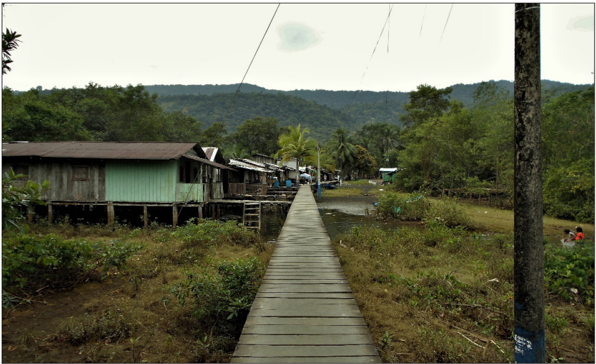
“Las casas del barrio Chambacú son en su mayoría de madera y están construidas en medio de los manglares”
§ Afro-Colombian way of life and fishing territorialities in Chocó (Colombia) > Territorialidades pesqueras
plain- Asserted: passes — The authors put it forward as true.
- Checkable: passes — It can be checked against evidence.
- Load-bearing: fails — The paper’s conclusions may not depend on it.
- Based: passes — The paper gives a reason why it holds.
Probably not a substantial claim. The paper’s conclusions may not depend on it. It may state two separate claims as one.
A result the paper reports from its own data — it cites no other source for it, so there is none to check. The quote shows it is in the paper.
In the paper
“De esta forma, se advierte que las infraestructuras para la pesca (equipos, embarcaciones y materiales) son vistas como inadecuadas y que si se mejoraran se facilitaría la productividad y el trabajo del pescador”
§ Afro-Colombian way of life and fishing territorialities in Chocó (Colombia) > Desestructuración de territorialidades tradicionales y conflictos territoriales
hedgedconditionalSingle case- Asserted: passes — The authors put it forward as true.
- Checkable: passes — It can be checked against evidence.
- Load-bearing: fails — The paper’s conclusions may not depend on it.
- Based: passes — The paper gives a reason why it holds.
Probably not a substantial claim. The paper’s conclusions may not depend on it. It may state two separate claims as one.
The paper states this without a source or data behind it here, so there is nothing to check it against. The quote shows it is in the paper.
In the paper
“En el pasado, la luna, el sol y las estrellas actuaron en el mundo de la pesca y la agricultura como marcadores de tiempo; en el presente, aún se manifiestan en el mundo costero, aunque, a menudo, de forma difusa y fragmentaria ante los cambios sociales que han venido afectando a las comunidades pesqueras desde mediados del siglo pasado.”
§ Afro-Colombian way of life and fishing territorialities in Chocó (Colombia) > Modo de vida tradicional afrocolombiano
plaincorrelational- Asserted: passes — The authors put it forward as true.
- Checkable: passes — It can be checked against evidence.
- Load-bearing: fails — The paper’s conclusions may not depend on it.
- Based: passes — The paper gives a reason why it holds.
Probably not a substantial claim. The paper’s conclusions may not depend on it. It may state two separate claims as one.
A result the paper reports from its own data — it cites no other source for it, so there is none to check. The quote shows it is in the paper.
In the paper
“y los principales motivos que lleva a esto es el uso de redes no selectivas, embarcaciones de pesca industrial, mayor iluminación y flujo de barco y un aumento de la población local y del número de embarcaciones.”
§ Afro-Colombian way of life and fishing territorialities in Chocó (Colombia) > Desestructuración de territorialidades tradicionales y conflictos territoriales
plaindirect- Asserted: passes — The authors put it forward as true.
- Checkable: passes — It can be checked against evidence.
- Load-bearing: passes — The paper’s conclusions depend on it.
- Based: passes — The paper gives a reason why it holds.
It may state two separate claims as one.
The paper states this without a source or data behind it here, so there is nothing to check it against. The quote shows it is in the paper.
In the paper
“De esta forma, se presentan deficiencias como la falta de hielo, de un lugar para el almacenamiento de productos pesqueros y una estructura para la comercialización, la falta de energía eléctrica (que es algo constante, sobre todo en los corregimientos), además de los altos precios de los combustibles y de los equipamientos pesqueros.”
§ Afro-Colombian way of life and fishing territorialities in Chocó (Colombia) > Desestructuración de territorialidades tradicionales y conflictos territoriales
plain- Asserted: passes — The authors put it forward as true.
- Checkable: passes — It can be checked against evidence.
- Load-bearing: passes — The paper’s conclusions depend on it.
- Based: passes — The paper gives a reason why it holds.
It may state two separate claims as one.
The paper states this without a source or data behind it here, so there is nothing to check it against. The quote shows it is in the paper.
In the paper
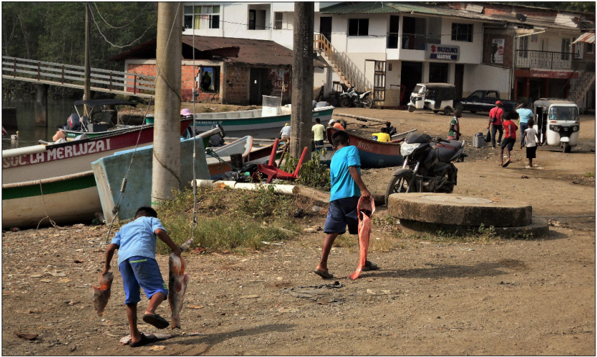
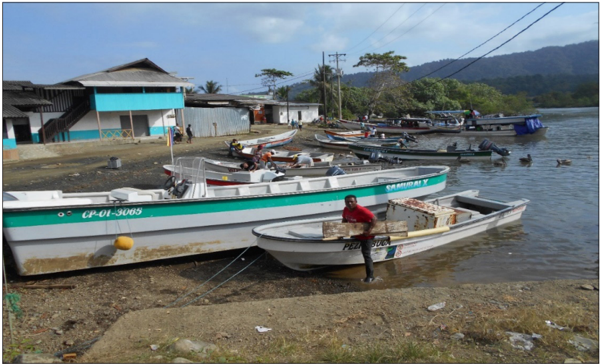
“Existe una región donde la territorialidad pesquera es más intensa en Bahía Solano, denominada Puente de Chambacú o “La Orilla”, que se ubica a orillas del río Jella, siendo el punto donde se embarcan los pescadores para realizar recorridos entre los correccionales y playas y para las faenas, así como la llegada de estas, seguida de la pronta comercialización del pescado, que se da principalmente”
§ Afro-Colombian way of life and fishing territorialities in Chocó (Colombia) > Territorialidades pesqueras
plain- Asserted: passes — The authors put it forward as true.
- Checkable: passes — It can be checked against evidence.
- Load-bearing: unclear — It is unclear whether the paper’s conclusions depend on it.
- Based: passes — The paper gives a reason why it holds.
It may state two separate claims as one.
The paper states this without a source or data behind it here, so there is nothing to check it against. The quote shows it is in the paper.
In the paper
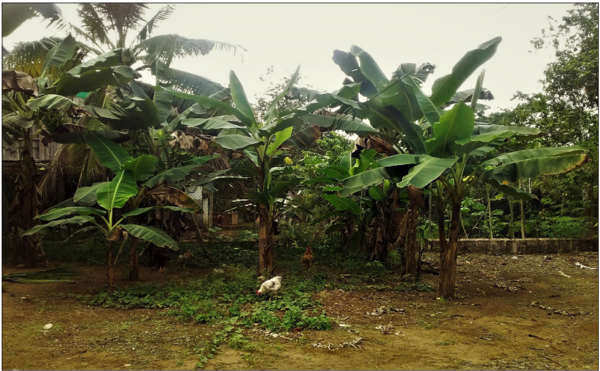
“En Chambacú, las casas están construidas en medio del manglar, todas ellas son de madera y tienen estacas (viviendas palafíticas), preparadas para los períodos de inundación.Allá, muchas casas tienen pequeñas plantaciones de plátano, yuca, frijol, hierbas etc., en sus patios traseros.También hay algunos cultivos más grandes (como el arroz), además de criar gallinas, patos, gansos etc. La principal”
§ Afro-Colombian way of life and fishing territorialities in Chocó (Colombia) > Territorialidades pesqueras
plain- Asserted: passes — The authors put it forward as true.
- Checkable: passes — It can be checked against evidence.
- Load-bearing: unclear — It is unclear whether the paper’s conclusions depend on it.
- Based: passes — The paper gives a reason why it holds.
It may state two separate claims as one.
A result the paper reports from its own data — it cites no other source for it, so there is none to check. The quote shows it is in the paper.
In the paper
“Otro problema destacado por los pescadores es la falta de recursos para la pesca y para los procesos que siguen a la captura, como equipos de captura y almacenamiento, y también estructura para la comercialización del pescado.”
§ Afro-Colombian way of life and fishing territorialities in Chocó (Colombia) > Desestructuración de territorialidades tradicionales y conflictos territoriales
plain- Asserted: passes — The authors put it forward as true.
- Checkable: passes — It can be checked against evidence.
- Load-bearing: unclear — It is unclear whether the paper’s conclusions depend on it.
- Based: passes — The paper gives a reason why it holds.
It may state two separate claims as one.
The paper states this without a source or data behind it here, so there is nothing to check it against. The quote shows it is in the paper.
In the paper
“La pesca artesanal, los cultivos de hortalizas, la agricultura y más recientemente los servicios como el ecoturismo son elementos que integran el modo de vida, variando más el grado de significación que tiene una de estas actividades.”
§ Afro-Colombian way of life and fishing territorialities in Chocó (Colombia) > Modo de vida tradicional afrocolombiano
plaincorrelational- Asserted: passes — The authors put it forward as true.
- Checkable: passes — It can be checked against evidence.
- Load-bearing: unclear — It is unclear whether the paper’s conclusions depend on it.
- Based: passes — The paper gives a reason why it holds.
It may state two separate claims as one.
A result the paper reports from its own data — it cites no other source for it, so there is none to check. The quote shows it is in the paper.
In the paper
“Por lo tanto, la presencia de la pesca en el modo de vida tradicional de Bahía Solano se manifiesta en las siguientes esferas: a) Lúdico y ocio: mediante la interacción y conversación con familiares y amigos que pescan o mediante la práctica de la actividad como diversión o pasatiempo.b) Trabajo principal: una parte de los pescadores realiza las faenas (pesca) durante muchos días (10, 15 o 20) y”
§ Afro-Colombian way of life and fishing territorialities in Chocó (Colombia) > Modo de vida tradicional afrocolombiano
plain- Asserted: passes — The authors put it forward as true.
- Checkable: passes — It can be checked against evidence.
- Load-bearing: passes — The paper’s conclusions depend on it.
- Based: passes — The paper gives a reason why it holds.
It may state two separate claims as one.
The paper states this without a source or data behind it here, so there is nothing to check it against. The quote shows it is in the paper.
In the paper
“Algunas de estas prácticas llevadas a cabo por los pescadores son: (1) selección de los lugares más apropiados para la pesca, distintos de los lugares de desove; (2) no capturar peces pequeños; (3) cuidado de no contaminar el mar; y (4) remoción de peces pequeños que se enredan en la red de pesca.”
§ Afro-Colombian way of life and fishing territorialities in Chocó (Colombia) > Modo de vida tradicional afrocolombiano
plain- Asserted: passes — The authors put it forward as true.
- Checkable: passes — It can be checked against evidence.
- Load-bearing: unclear — It is unclear whether the paper’s conclusions depend on it.
- Based: passes — The paper gives a reason why it holds.
It may state two separate claims as one.
The paper states this without a source or data behind it here, so there is nothing to check it against. The quote shows it is in the paper.
In the paper
“Con el establecimiento de la ZEPA, las técnicas de pesca quedaron limitadas a la línea de mano y al espinel, y los barcos industriales son prohibidos en el área.”
§ Afro-Colombian way of life and fishing territorialities in Chocó (Colombia) > Territorialidades pesqueras
plaindirect- Asserted: passes — The authors put it forward as true.
- Checkable: passes — It can be checked against evidence.
- Load-bearing: passes — The paper’s conclusions depend on it.
- Based: passes — The paper gives a reason why it holds.
It may state two separate claims as one.
The paper states this without a source or data behind it here, so there is nothing to check it against. The quote shows it is in the paper.
In the paper
“Chambacú es el barrio donde se concentra la mayoría de los pescadores de Bahía Solano, a menudo llamado el “barrio de los pescadores””
§ Afro-Colombian way of life and fishing territorialities in Chocó (Colombia) > Territorialidades pesqueras
plaincorrelational- Asserted: passes — The authors put it forward as true.
- Checkable: passes — It can be checked against evidence.
- Load-bearing: fails — The paper’s conclusions may not depend on it.
- Based: passes — The paper gives a reason why it holds.
Probably not a substantial claim. The paper’s conclusions may not depend on it. It may state two separate claims as one.
The paper states this without a source or data behind it here, so there is nothing to check it against. The quote shows it is in the paper.
In the paper
“Por ejemplo, los locales siempre señalan la pérdida de valores tradicionales como el primer factor que provoca la pérdida de biodiversidad y la degradación de los ambientes.”
§ Afro-Colombian way of life and fishing territorialities in Chocó (Colombia) > Territorialidades pesqueras
plaindirect- Asserted: passes — The authors put it forward as true.
- Checkable: passes — It can be checked against evidence.
- Load-bearing: fails — The paper’s conclusions may not depend on it.
- Based: passes — The paper gives a reason why it holds.
Probably not a substantial claim. The paper’s conclusions may not depend on it.
The paper states this without a source or data behind it here, so there is nothing to check it against. The quote shows it is in the paper.
In the paper
“La territorialidad pesquera se encuentra en varios lugares de Bahía Solano, no sólo en los cercanos a los mares y ríos, sino también en todos los talleres donde se fabrican y reparan embarcaciones, en los lugares de venta de pescado, en los talleres de motores y baterías, en las tiendas de venta de otros equipos de pesca, en la escuela (por temas afines a la actividad), en la mayoría de las casas”
§ Afro-Colombian way of life and fishing territorialities in Chocó (Colombia) > Territorialidades pesqueras
plain- Asserted: passes — The authors put it forward as true.
- Checkable: passes — It can be checked against evidence.
- Load-bearing: passes — The paper’s conclusions depend on it.
- Based: passes — The paper gives a reason why it holds.
It may state two separate claims as one. The quote only partly states this claim.
A result the paper reports from its own data — it cites no other source for it, so there is none to check. The quote shows it is in the paper.
In the paper
“En este sentido, en Bahía Solano notamos la presencia de algunas territorialidades superpuestas, entre las que se encuentran: a) una relacionada con la agroindustria y la pesca industrial, que sigue los objetivos de grandes empresas y/o terratenientes; b) una vinculada a grupos armados, que ejercen un control territorial muchas veces “oculto” o velado; c) otra visión se asocia con ONG, instit”
§ Afro-Colombian way of life and fishing territorialities in Chocó (Colombia) > Territorialidades pesqueras
plaincorrelational- Asserted: passes — The authors put it forward as true.
- Checkable: passes — It can be checked against evidence.
- Load-bearing: passes — The paper’s conclusions depend on it.
- Based: passes — The paper gives a reason why it holds.
It may state two separate claims as one.
In the paper
“El mar como espacio vivido es el elemento que dicta el trabajo, la subsistencia y las relaciones familiares, además de los significados culturales y significados atribuidos a las prácticas, es decir, a lo percibido, que integra el modo de vida local (Suzuki, 2013), y que es también el principal medio de transporte, además de ser un determinante de la planificación diaria y laboral, especialmente”
§ Afro-Colombian way of life and fishing territorialities in Chocó (Colombia) > Modo de vida tradicional afrocolombiano
What the sources say
- Not matchedcites Suzuki, 2013
Couldn’t be matched to a paper in Crossref, so it can’t be checked.
plaindirect- Asserted: passes — The authors put it forward as true.
- Checkable: passes — It can be checked against evidence.
- Load-bearing: passes — The paper’s conclusions depend on it.
- Based: passes — The paper gives a reason why it holds.
It may state two separate claims as one.
- Not matched
The paper states this without a source or data behind it here, so there is nothing to check it against. The quote shows it is in the paper.
In the paper
“Otro lugar de fuerte territorialidad pesquera, donde se practica la pesca artesanal, es la punta denominada “La Esso” o Porto.Allí hay un puesto militar, una gasolinera, una casa, tres bares/ cafeterías y una terminal de transporte de pasajeros.”
§ Afro-Colombian way of life and fishing territorialities in Chocó (Colombia) > Territorialidades pesqueras
plain- Asserted: passes — The authors put it forward as true.
- Checkable: passes — It can be checked against evidence.
- Load-bearing: fails — The paper’s conclusions may not depend on it.
- Based: passes — The paper gives a reason why it holds.
Probably not a substantial claim. The paper’s conclusions may not depend on it. It may state two separate claims as one.
A result the paper reports from its own data — it cites no other source for it, so there is none to check. The quote shows it is in the paper.
In the paper
“Este abandono de las prácticas tradicionales está involucrado con la ausencia de jóvenes que quieran seguir con estas actividades, como la agricultura y la pesca artesanal, lo que causa una falta de personas para mantener y continuar las prácticas tradicionales.”
§ Afro-Colombian way of life and fishing territorialities in Chocó (Colombia) > Modo de vida tradicional afrocolombiano
plaindirect- Asserted: passes — The authors put it forward as true.
- Checkable: passes — It can be checked against evidence.
- Load-bearing: unclear — It is unclear whether the paper’s conclusions depend on it.
- Based: passes — The paper gives a reason why it holds.
It may state two separate claims as one.
A result the paper reports from its own data — it cites no other source for it, so there is none to check. The quote shows it is in the paper.
In the paper
“En La Orilla también existen aproximadamente tres gasolineras, además de talleres de baterías y motores para los barcos”
§ Afro-Colombian way of life and fishing territorialities in Chocó (Colombia) > Territorialidades pesqueras
hedged- Asserted: passes — The authors put it forward as true.
- Checkable: passes — It can be checked against evidence.
- Load-bearing: fails — The paper’s conclusions may not depend on it.
- Based: passes — The paper gives a reason why it holds.
Probably not a substantial claim. The paper’s conclusions may not depend on it. It may state two separate claims as one.
A result the paper reports from its own data — it cites no other source for it, so there is none to check. The quote shows it is in the paper.
In the paper
“Otro tema planteado por muchos pescadores que está relacionado con estos fue el alto precio del combustible, lo que provoca que el pescador tenga pérdidas o baja rentabilidad, aumentando la presión sobre los recursos.”
§ Afro-Colombian way of life and fishing territorialities in Chocó (Colombia) > Desestructuración de territorialidades tradicionales y conflictos territoriales
plaindirect- Asserted: passes — The authors put it forward as true.
- Checkable: passes — It can be checked against evidence.
- Load-bearing: fails — The paper’s conclusions may not depend on it.
- Based: passes — The paper gives a reason why it holds.
Probably not a substantial claim. The paper’s conclusions may not depend on it. It may state two separate claims as one.
The paper states this without a source or data behind it here, so there is nothing to check it against. The quote shows it is in the paper.
In the paper
“Los pescadores conocen los ciclos migratorios y reproductivos de los peces, su movilidad espacial, y además trabajan en varios planos marítimos, en la superficie y en el fondo marino (según el tipo de pesca).”
§ Afro-Colombian way of life and fishing territorialities in Chocó (Colombia) > Modo de vida tradicional afrocolombiano
plain- Asserted: passes — The authors put it forward as true.
- Checkable: passes — It can be checked against evidence.
- Load-bearing: unclear — It is unclear whether the paper’s conclusions depend on it.
- Based: passes — The paper gives a reason why it holds.
It may state two separate claims as one.
The paper states this without a source or data behind it here, so there is nothing to check it against. The quote shows it is in the paper.
In the paper
“Muchos de los conflictos también afectan a la pesca artesanal, como los causados por la pesca industrial.”
§ Afro-Colombian way of life and fishing territorialities in Chocó (Colombia) > Introducción
plaindirect- Asserted: passes — The authors put it forward as true.
- Checkable: passes — It can be checked against evidence.
- Load-bearing: fails — The paper’s conclusions may not depend on it.
- Based: fails — The paper may give no reason why it holds.
Probably not a substantial claim. The paper’s conclusions may not depend on it. The paper may give no reason why it holds.
The paper states this without a source or data behind it here, so there is nothing to check it against. The quote shows it is in the paper.
In the paper
“En este caso, antes de la Unidad de Conservación se permitía el uso de diversas técnicas de arrastre, como mallas o redes, utilizadas principalmente por embarcaciones industriales.”
§ Afro-Colombian way of life and fishing territorialities in Chocó (Colombia) > Territorialidades pesqueras
plain- Asserted: passes — The authors put it forward as true.
- Checkable: passes — It can be checked against evidence.
- Load-bearing: passes — The paper’s conclusions depend on it.
- Based: passes — The paper gives a reason why it holds.
Probably not a substantial claim.
The paper states this without a source or data behind it here, so there is nothing to check it against. The quote shows it is in the paper.
In the paper
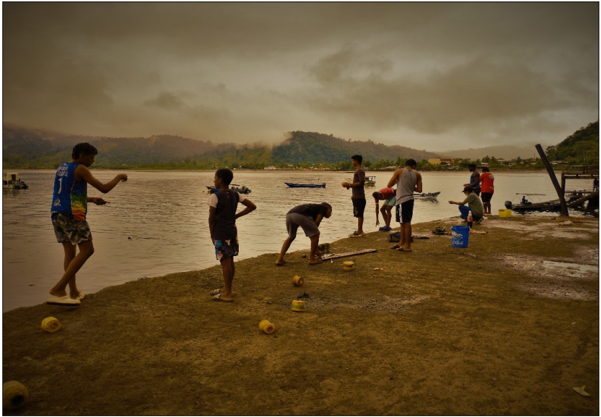
“Dentro de esto, la pesca está presente en algunos ámbitos que hemos identificado: recreativo, trabajo principal, trabajo complementario, deporte y turismo, socialización con los pescadores y en las formas de aprender y educar.”
§ Afro-Colombian way of life and fishing territorialities in Chocó (Colombia) > Consideraciones finales
plain- Asserted: passes — The authors put it forward as true.
- Checkable: passes — It can be checked against evidence.
- Load-bearing: unclear — It is unclear whether the paper’s conclusions depend on it.
- Based: passes — The paper gives a reason why it holds.
It may state two separate claims as one.
The paper states this without a source or data behind it here, so there is nothing to check it against. The quote shows it is in the paper.
In the paper
“En la década de 1990 se inicia el conflicto y se expresa a través de disputas territoriales por zonas de pesca entre pescadores artesanales e industriales, en las que estos últimos tienen ventaja sobre los primeros por la mayor capacidad de captura.”
§ Afro-Colombian way of life and fishing territorialities in Chocó (Colombia) > Desestructuración de territorialidades tradicionales y conflictos territoriales
plaindirect- Asserted: passes — The authors put it forward as true.
- Checkable: passes — It can be checked against evidence.
- Load-bearing: unclear — It is unclear whether the paper’s conclusions depend on it.
- Based: passes — The paper gives a reason why it holds.
It may state two separate claims as one.
In the paper
“Cabe también señalar que las mujeres son esenciales para el mantenimiento y la transmisión de prácticas y saberes tradicionales, que además de la importancia cultural también garantizan la seguridad alimentaria de las familias, como se demuestran en Bonfá Neto y Rangel (2023).”
§ Afro-Colombian way of life and fishing territorialities in Chocó (Colombia) > Modo de vida tradicional afrocolombiano
What the sources say
- Not matchedcites Bonfá Neto y Rangel (2023)
Couldn’t be matched to a paper in Crossref, so it can’t be checked.
boosteddirect- Asserted: passes — The authors put it forward as true.
- Checkable: passes — It can be checked against evidence.
- Load-bearing: unclear — It is unclear whether the paper’s conclusions depend on it.
- Based: passes — The paper gives a reason why it holds.
It may state two separate claims as one.
- Not matched
A result the paper reports from its own data — it cites no other source for it, so there is none to check. The quote shows it is in the paper.
In the paper
“Especialmente en los corregimientos, las casas no tienen muros ni cercas y los patios traseros, ubicados entre las residencias, son espacios para pequeños cultivos y la cría de pequeños animales”
§ Afro-Colombian way of life and fishing territorialities in Chocó (Colombia) > Modo de vida tradicional afrocolombiano
plain- Asserted: passes — The authors put it forward as true.
- Checkable: passes — It can be checked against evidence.
- Load-bearing: unclear — It is unclear whether the paper’s conclusions depend on it.
- Based: passes — The paper gives a reason why it holds.
It may state two separate claims as one.
The paper states this without a source or data behind it here, so there is nothing to check it against. The quote shows it is in the paper.
In the paper
“Por ejemplo, la luna es uno de los astros que, según el tiempo cósmico del pescador, actúa en su universo productivo, ambiental y sociocultural, favoreciendo la buena o mala pesca.”
§ Afro-Colombian way of life and fishing territorialities in Chocó (Colombia) > Modo de vida tradicional afrocolombiano
plaindirect- Asserted: passes — The authors put it forward as true.
- Checkable: passes — It can be checked against evidence.
- Load-bearing: fails — The paper’s conclusions may not depend on it.
- Based: passes — The paper gives a reason why it holds.
Probably not a substantial claim. The paper’s conclusions may not depend on it.
- Rests on an assumption: The lunar cycle exerts a great influence on fishing, mainly through tides and light that directly influence the dynamics of the marine environment.
A result the paper reports from its own data — it cites no other source for it, so there is none to check. The quote shows it is in the paper.
In the paper
“Se evidenció que los sujetos aprenden a pescar mirando y saliendo con sus mayores, generalmente familiares, conocidos o amigos; esto se da de forma lúdica y espontánea para los niños, algo que se naturaliza como un devenir común de la vida.”
§ Afro-Colombian way of life and fishing territorialities in Chocó (Colombia) > Consideraciones finales
boosteddirect- Asserted: passes — The authors put it forward as true.
- Checkable: passes — It can be checked against evidence.
- Load-bearing: unclear — It is unclear whether the paper’s conclusions depend on it.
- Based: passes — The paper gives a reason why it holds.
It may state two separate claims as one.
The paper states this without a source or data behind it here, so there is nothing to check it against. The quote shows it is in the paper.
In the paper
“pero hoy en día las comunidades pesqueras ya están más organizadas políticamente, y a partir de los movimientos socioambientales, han surgido sujetos sociales y políticos que actúan a favor de su permanencia en los territorios tradicionales, buscando frenar estos factores exógenos que pretenden desmantelar las territorialidades y modos de vida tradicionales.”
§ Afro-Colombian way of life and fishing territorialities in Chocó (Colombia) > Desestructuración de territorialidades tradicionales y conflictos territoriales
plaindirect- Asserted: passes — The authors put it forward as true.
- Checkable: passes — It can be checked against evidence.
- Load-bearing: unclear — It is unclear whether the paper’s conclusions depend on it.
- Based: passes — The paper gives a reason why it holds.
It may state two separate claims as one.
The paper states this without a source or data behind it here, so there is nothing to check it against. The quote shows it is in the paper.
In the paper
“Este proceso ya está en construcción, especialmente con el surgimiento y crecimiento de instituciones comunitarias, asociaciones, cooperativas etc., pero sobre todo con la agenda identitaria de la afrocolombianidad.”
§ Afro-Colombian way of life and fishing territorialities in Chocó (Colombia) > Desestructuración de territorialidades tradicionales y conflictos territoriales
plaincorrelational- Asserted: passes — The authors put it forward as true.
- Checkable: passes — It can be checked against evidence.
- Load-bearing: fails — The paper’s conclusions may not depend on it.
- Based: passes — The paper gives a reason why it holds.
Probably not a substantial claim. The paper’s conclusions may not depend on it. It may state two separate claims as one.
A result the paper reports from its own data — it cites no other source for it, so there is none to check. The quote shows it is in the paper.
In the paper
“Además, el modo de vida es mencionado en muchas entrevistas por los sujetos para referirse a los cambios, estando en un encuentro de saberes populares y científicos.”
§ Afro-Colombian way of life and fishing territorialities in Chocó (Colombia) > Consideraciones finales
plain- Asserted: passes — The authors put it forward as true.
- Checkable: passes — It can be checked against evidence.
- Load-bearing: fails — The paper’s conclusions may not depend on it.
- Based: passes — The paper gives a reason why it holds.
Probably not a substantial claim. The paper’s conclusions may not depend on it. It may state two separate claims as one.
The paper states this without a source or data behind it here, so there is nothing to check it against. The quote shows it is in the paper.
In the paper
“Este proceso ocurre principalmente por la pesca industrial, pero también en menor medida por los pescadores artesanales, siendo señalado por ellos como el principal motivo de la sobrepesca y la disminución de los cardúmenes.”
§ Afro-Colombian way of life and fishing territorialities in Chocó (Colombia) > Desestructuración de territorialidades tradicionales y conflictos territoriales
plaindirect- Asserted: passes — The authors put it forward as true.
- Checkable: passes — It can be checked against evidence.
- Load-bearing: unclear — It is unclear whether the paper’s conclusions depend on it.
- Based: passes — The paper gives a reason why it holds.
It may state two separate claims as one.
The paper states this without a source or data behind it here, so there is nothing to check it against. The quote shows it is in the paper.
In the paper
“En Bahía Solano están los Morros Nidales, que se ubican dentro de la bahía, y más al norte esta cabo Marzo, lugar imprescindible, donde muchos acuden a pescar en grandes cantidades, sobre todo los que salen varios días”
§ Afro-Colombian way of life and fishing territorialities in Chocó (Colombia) > Territorialidades pesqueras
plain- Asserted: passes — The authors put it forward as true.
- Checkable: passes — It can be checked against evidence.
- Load-bearing: unclear — It is unclear whether the paper’s conclusions depend on it.
- Based: passes — The paper gives a reason why it holds.
It may state two separate claims as one.
The paper states this without a source or data behind it here, so there is nothing to check it against. The quote shows it is in the paper.
In the paper
“Este proceso hace que se capturen algunas especies aún pequeñas que aún no han desovado.”
§ Afro-Colombian way of life and fishing territorialities in Chocó (Colombia) > Desestructuración de territorialidades tradicionales y conflictos territoriales
plaindirect- Asserted: passes — The authors put it forward as true.
- Checkable: passes — It can be checked against evidence.
- Load-bearing: fails — The paper’s conclusions may not depend on it.
- Based: fails — The paper may give no reason why it holds.
Probably not a substantial claim. The paper’s conclusions may not depend on it. The paper may give no reason why it holds.
In the paper
“Por un lado, la ZEPA intensificó los conflictos entre pescadores artesanales y embarcaciones industriales en áreas no protegidas, principalmente en el golfo de Tribugá (Díaz y Caro, 2016), además de dejar susceptibles de multas a varios pescadores que utilizaban otras técnicas con riesgo de aprensión (decomiso) de los equipos”
§ Afro-Colombian way of life and fishing territorialities in Chocó (Colombia) > Desestructuración de territorialidades tradicionales y conflictos territoriales
What the sources say
- Not matchedcites Díaz y Caro, 2016
Couldn’t be matched to a paper in Crossref, so it can’t be checked.
plaindirect- Asserted: passes — The authors put it forward as true.
- Checkable: passes — It can be checked against evidence.
- Load-bearing: passes — The paper’s conclusions depend on it.
- Based: passes — The paper gives a reason why it holds.
It may state two separate claims as one.
- Not matched
A result the paper reports from its own data — it cites no other source for it, so there is none to check. The quote shows it is in the paper.
In the paper
“El barrio Chambacú tiene una pasarela suspendida que da acceso a las casas”
§ Afro-Colombian way of life and fishing territorialities in Chocó (Colombia) > Territorialidades pesqueras
plainSingle case- Asserted: passes — The authors put it forward as true.
- Checkable: passes — It can be checked against evidence.
- Load-bearing: fails — The paper’s conclusions may not depend on it.
- Based: passes — The paper gives a reason why it holds.
Probably not a substantial claim. The paper’s conclusions may not depend on it.
A result the paper reports from its own data — it cites no other source for it, so there is none to check. The quote shows it is in the paper.
In the paper
“En el sitio conocido como “La Esso” es común que las personas vayan a pescar de línea”
§ Afro-Colombian way of life and fishing territorialities in Chocó (Colombia) > Territorialidades pesqueras
plain- Asserted: passes — The authors put it forward as true.
- Checkable: passes — It can be checked against evidence.
- Load-bearing: fails — The paper’s conclusions may not depend on it.
- Based: passes — The paper gives a reason why it holds.
Probably not a substantial claim. The paper’s conclusions may not depend on it.
A result the paper reports from its own data — it cites no other source for it, so there is none to check. The quote shows it is in the paper.
In the paper
“LG: Más pescadores viven en Chambacú, que en su origen es un barrio originalmente de pescador.Y ahora, como el pueblo creció bastante, los pescadores se han ubicado más en otros barrios también.”
§ Afro-Colombian way of life and fishing territorialities in Chocó (Colombia) > Consideraciones finales
plaindirectSingle case- Asserted: passes — The authors put it forward as true.
- Checkable: passes — It can be checked against evidence.
- Load-bearing: fails — The paper’s conclusions may not depend on it.
- Based: passes — The paper gives a reason why it holds.
Probably not a substantial claim. The paper’s conclusions may not depend on it. It may state two separate claims as one.
A result the paper reports from its own data — it cites no other source for it, so there is none to check. The quote shows it is in the paper.
In the paper
“AZ: Aquí hay corregimientos de pescadores, pero la mayoría está acá en Bahía Solano.Chambacú es un barrio de pecadores, siempre lo ha sido, anteriormente de aquí íbamos a comprar pescado allá.”
§ Afro-Colombian way of life and fishing territorialities in Chocó (Colombia) > Consideraciones finales
plainSingle case- Asserted: fails — The authors may not put it forward as true.
- Checkable: passes — It can be checked against evidence.
- Load-bearing: fails — The paper’s conclusions may not depend on it.
- Based: passes — The paper gives a reason why it holds.
Probably not a substantial claim. The authors may not put it forward as true. The paper’s conclusions may not depend on it. It may state two separate claims as one. The quote only partly states this claim.
A conclusion the paper draws from its own results — it cites no other source for it, so there is none to check. The quote shows it is in the paper.
In the paper
“La apropiación y reproducción de las relaciones sociales de estos grupos (comunidades tradicionales) se realizan desde dimensiones materiales e inmateriales que definen prácticas en el lugar y en el territorio, estas prácticas constituyen la concreción del modo de vida”
§ Afro-Colombian way of life and fishing territorialities in Chocó (Colombia) > Consideraciones finales
plaindirect- Asserted: passes — The authors put it forward as true.
- Checkable: passes — It can be checked against evidence.
- Load-bearing: passes — The paper’s conclusions depend on it.
- Based: passes — The paper gives a reason why it holds.
Probably not a substantial claim. It may state two separate claims as one.
In the paper
“Este proceso estableció estrechos vínculos entre las sociedades y sus respectivos entornos, culminando en diferentes adaptaciones de las sociedades para llevar a cabo la actividad pesquera a través de numerosas técnicas de manejo diferentes y adaptadas a cada entorno y lugar (Díaz y Caro, 2016).”
§ Afro-Colombian way of life and fishing territorialities in Chocó (Colombia) > Introducción
What the sources say
- Not matchedcites Díaz y Caro, 2016
Couldn’t be matched to a paper in Crossref, so it can’t be checked.
plaindirect- Asserted: passes — The authors put it forward as true.
- Checkable: passes — It can be checked against evidence.
- Load-bearing: fails — The paper’s conclusions may not depend on it.
- Based: passes — The paper gives a reason why it holds.
Probably not a substantial claim. The paper’s conclusions may not depend on it.
- Not matched
None of the sources cited for this claim could be matched to a paper in Crossref, so there is nothing to check it against.
In the paper
“En cuanto a los saberes tradicionales asociados a la pesca artesanal, estos son producidos y arraigados localmente, quedando así plenamente articulados con la cotidianidad y la identidad(Saquet, 2015), no siendo algo estático en el tiempo(Escobar, 2015).”
§ Afro-Colombian way of life and fishing territorialities in Chocó (Colombia) > Consideraciones finales
What the sources say
- Not matchedcites Saquet, 2015
Couldn’t be matched to a paper in Crossref, so it can’t be checked.
- Not matchedcites Escobar, 2015
Couldn’t be matched to a paper in Crossref, so it can’t be checked.
plaincorrelational- Asserted: passes — The authors put it forward as true.
- Checkable: passes — It can be checked against evidence.
- Load-bearing: passes — The paper’s conclusions depend on it.
- Based: passes — The paper gives a reason why it holds.
It may state two separate claims as one.
- Not matched
A conclusion the paper draws from its own results — it cites no other source for it, so there is none to check. The quote shows it is in the paper.
In the paper
“Un factor ambiguo, que redujo algunos conflictos pero intensificó otros, fue la creación de la ZEPA.”
§ Afro-Colombian way of life and fishing territorialities in Chocó (Colombia) > Desestructuración de territorialidades tradicionales y conflictos territoriales
plaindirect- Asserted: passes — The authors put it forward as true.
- Checkable: passes — It can be checked against evidence.
- Load-bearing: unclear — It is unclear whether the paper’s conclusions depend on it.
- Based: passes — The paper gives a reason why it holds.
It may state two separate claims as one.
In the paper
“Además de estos significados atribuidos al mar, la construcción del mundo natural de los grupos afrocolombianos constituye complejos modelos locales de la naturaleza, que incluyen rituales, el uso estructurado y organizado de los espacios, una ordenación del mundo en niveles y sistemas de clasificación y categorización del ambiente, que aparece también como una construcción cultural y simbólica, q”
§ Afro-Colombian way of life and fishing territorialities in Chocó (Colombia) > Modo de vida tradicional afrocolombiano
What the sources say
- Not matchedcites Escobar, 2015
Couldn’t be matched to a paper in Crossref, so it can’t be checked.
hedgedcorrelational- Asserted: passes — The authors put it forward as true.
- Checkable: passes — It can be checked against evidence.
- Load-bearing: passes — The paper’s conclusions depend on it.
- Based: passes — The paper gives a reason why it holds.
It may state two separate claims as one.
- Not matched
None of the sources cited for this claim have been checked yet.
In the paper
“El territorio para las sociedades que utilizan la pesca se vuelve mucho más amplio que el territorio terrestre, y su 'propiedad' es mucho más fluida, lo que ocurre a través de su apropiación para el uso y el conocimiento tradicional (Cunha, 2009;Diegues, 2004).”
§ Afro-Colombian way of life and fishing territorialities in Chocó (Colombia) > Territorialidades pesqueras
What the sources say
- Not checked — no full text of the sourcecites Cunha, 2009 source
- Not matchedcites Diegues, 2004
Couldn’t be matched to a paper in Crossref, so it can’t be checked.
plaindirect- Asserted: passes — The authors put it forward as true.
- Checkable: passes — It can be checked against evidence.
- Load-bearing: passes — The paper’s conclusions depend on it.
- Based: passes — The paper gives a reason why it holds.
It may state two separate claims as one.
A conclusion the paper draws from its own results — it cites no other source for it, so there is none to check. The quote shows it is in the paper.
In the paper
“De esta forma, no hay conservación de la naturaleza sin control territorial, y la conservación no puede existir de forma ajena a las prácticas tradicionales de las poblaciones locales.”
§ Afro-Colombian way of life and fishing territorialities in Chocó (Colombia) > Territorialidades pesqueras
plaindirect- Asserted: passes — The authors put it forward as true.
- Checkable: passes — It can be checked against evidence.
- Load-bearing: passes — The paper’s conclusions depend on it.
- Based: passes — The paper gives a reason why it holds.
Probably not a substantial claim. It may state two separate claims as one.
A conclusion the paper draws from its own results — it cites no other source for it, so there is none to check. The quote shows it is in the paper.
In the paper
“Todos estos elementos relacionados demuestran cómo las territorialidades son multidimensionales, culturales, folclóricas, po-líticas (Estado, partidos políticos, consejos comunitarios), vecinales, económicas, inserción en mercados globales, (reproducción del capitalismo).”
§ Afro-Colombian way of life and fishing territorialities in Chocó (Colombia) > Desestructuración de territorialidades tradicionales y conflictos territoriales
boosted- Asserted: passes — The authors put it forward as true.
- Checkable: passes — It can be checked against evidence.
- Load-bearing: passes — The paper’s conclusions depend on it.
- Based: passes — The paper gives a reason why it holds.
Probably not a substantial claim. It may state two separate claims as one.
None of the sources cited for this claim could be matched to a paper in Crossref, so there is nothing to check it against.
In the paper
“Son las densas relaciones que tejen la pesca artesanal y otras prácticas tradicionales las que configuran territorialidades tradicionales afrocolombianas, las cuales se ven afectadas por algunos conflictos territoriales, a través de procesos de modernización e imposición de un modelo hegemónico de desarrollo (Escobar, 2015;Restrepo, 2013).”
§ Afro-Colombian way of life and fishing territorialities in Chocó (Colombia) > Desestructuración de territorialidades tradicionales y conflictos territoriales
What the sources say
- Not matchedcites Escobar, 2015
Couldn’t be matched to a paper in Crossref, so it can’t be checked.
- Not matchedcites Restrepo, 2013
Couldn’t be matched to a paper in Crossref, so it can’t be checked.
plaindirect- Asserted: passes — The authors put it forward as true.
- Checkable: passes — It can be checked against evidence.
- Load-bearing: passes — The paper’s conclusions depend on it.
- Based: passes — The paper gives a reason why it holds.
It may state two separate claims as one.
- Not matched
A conclusion the paper draws from its own results — it cites no other source for it, so there is none to check. The quote shows it is in the paper.
In the paper
“Como consecuencia, se produce una separación entre trabajo y vivienda, el desvanecimiento de los lazos de relación vecinal y de compinches y la desorganización de las formas tradicionales de sociabilidad.”
§ Afro-Colombian way of life and fishing territorialities in Chocó (Colombia) > Desestructuración de territorialidades tradicionales y conflictos territoriales
plaindirect- Asserted: passes — The authors put it forward as true.
- Checkable: passes — It can be checked against evidence.
- Load-bearing: passes — The paper’s conclusions depend on it.
- Based: passes — The paper gives a reason why it holds.
It may state two separate claims as one.
In the paper
“Hay presencia de pescadores en todos los corregimientos, aunque el circuito de pesca tiene un papel central en Ciudad Mutis, por recibir y comercializar el pescado de los corregimientos(Neila et al., 2016).”
§ Afro-Colombian way of life and fishing territorialities in Chocó (Colombia) > Consideraciones finales
What the sources say
- Not matchedcites Neila et al., 2016
Couldn’t be matched to a paper in Crossref, so it can’t be checked.
plaindirect- Asserted: passes — The authors put it forward as true.
- Checkable: passes — It can be checked against evidence.
- Load-bearing: unclear — It is unclear whether the paper’s conclusions depend on it.
- Based: passes — The paper gives a reason why it holds.
It may state two separate claims as one.
- Not matched
In the paper
“De esa forma, los pescadores conocen y acompañan los movimientos de la naturaleza y de las especies, apropiándose del territorio productivo, social y cultural de manera única (Cunha, 2009).”
§ Afro-Colombian way of life and fishing territorialities in Chocó (Colombia) > Modo de vida tradicional afrocolombiano
What the sources say
- Not checked — no full text of the sourcecites Cunha, 2009 source
plaincorrelational- Asserted: passes — The authors put it forward as true.
- Checkable: passes — It can be checked against evidence.
- Load-bearing: passes — The paper’s conclusions depend on it.
- Based: passes — The paper gives a reason why it holds.
It may state two separate claims as one.
The paper states this without a source or data behind it here, so there is nothing to check it against. The quote shows it is in the paper.
In the paper
“Finalmente, se hace una discusión de las territorialidades pesqueras que aún no habían sido hechas para el Pacífico Norte colombiano y que en esta investigación construimos en constante diálogo con lideranzas y actores locales de Bahía Solano.”
§ Afro-Colombian way of life and fishing territorialities in Chocó (Colombia) > Introducción
plain- Asserted: passes — The authors put it forward as true.
- Checkable: passes — It can be checked against evidence.
- Load-bearing: passes — The paper’s conclusions depend on it.
- Based: passes — The paper gives a reason why it holds.
It may state two separate claims as one.
A conclusion the paper draws from its own results — it cites no other source for it, so there is none to check. The quote shows it is in the paper.
In the paper
“Si bien los pescadores actualmente se han insertado en los procesos modernos y en un tiempo de la modernidad, el “tiempo del reloj”, el tiempo ecológico tradicional todavía pulsa en sus modos de vida, en los intervalos de tareas que regulan el trabajo y la vida y en la alternancia de la pesca en términos de los ciclos naturales.”
§ Afro-Colombian way of life and fishing territorialities in Chocó (Colombia) > Modo de vida tradicional afrocolombiano
plaincorrelational- Asserted: passes — The authors put it forward as true.
- Checkable: passes — It can be checked against evidence.
- Load-bearing: passes — The paper’s conclusions depend on it.
- Based: passes — The paper gives a reason why it holds.
It may state two separate claims as one.
A conclusion the paper draws from its own results — it cites no other source for it, so there is none to check. The quote shows it is in the paper.
In the paper
“Entre las diversas consecuencias negativas del conflicto están los desplazamientos forzados, que afectan principalmente a negros e indígenas, lo que es una demostración más de que la colonialidad afecta principalmente a las minorías étnicas.”
§ Afro-Colombian way of life and fishing territorialities in Chocó (Colombia) > Desestructuración de territorialidades tradicionales y conflictos territoriales
boosteddirect- Asserted: passes — The authors put it forward as true.
- Checkable: passes — It can be checked against evidence.
- Load-bearing: fails — The paper’s conclusions may not depend on it.
- Based: passes — The paper gives a reason why it holds.
Probably not a substantial claim. The paper’s conclusions may not depend on it. It may state two separate claims as one.
None of the sources cited for this claim could be matched to a paper in Crossref, so there is nothing to check it against.
In the paper
“Esto repercute negativamente en la pesca artesanal, así como en otras prácticas tradicionales, como las fiestas, la música, la religiosidad, la producción, la diversidad y la soberanía alimentaria (Saquet, 2019), pasando por las relaciones de solidaridad, cooperación y ayuda mutua (Cándido, 2010), por el conocimiento tradicional (Diegues, 2004) y por el patrimonio cultural en general (Suzuki, 2013”
§ Afro-Colombian way of life and fishing territorialities in Chocó (Colombia) > Desestructuración de territorialidades tradicionales y conflictos territoriales
What the sources say
- Not matchedcites Saquet, 2019
Couldn’t be matched to a paper in Crossref, so it can’t be checked.
- Not matchedcites Cándido, 2010
Couldn’t be matched to a paper in Crossref, so it can’t be checked.
- Not matchedcites Diegues, 2004
Couldn’t be matched to a paper in Crossref, so it can’t be checked.
plaindirect- Asserted: passes — The authors put it forward as true.
- Checkable: passes — It can be checked against evidence.
- Load-bearing: passes — The paper’s conclusions depend on it.
- Based: passes — The paper gives a reason why it holds.
It may state two separate claims as one.
- Not matched
The paper states this without a source or data behind it here, so there is nothing to check it against. The quote shows it is in the paper.
In the paper
“En Colombia existen otros trabajos que fueron realizados sobre el tema de la pesca y sus aspectos socioculturales, pero pocos con nuestra perspectiva (geográfica y de la ecología política), por eso se justifica la relevancia de este artículo.”
§ Afro-Colombian way of life and fishing territorialities in Chocó (Colombia) > Introducción
plain- Asserted: passes — The authors put it forward as true.
- Checkable: passes — It can be checked against evidence.
- Load-bearing: passes — The paper’s conclusions depend on it.
- Based: passes — The paper gives a reason why it holds.
Probably not a substantial claim. It may state two separate claims as one.
In the paper
“Muchos de los sitios de territorialidad pesquera que están en el mar y no en tierra son más difíciles de controlar o apropiarse por un grupo específico (Diegues, 2004), lo que genera conflictos.”
§ Afro-Colombian way of life and fishing territorialities in Chocó (Colombia) > Territorialidades pesqueras
What the sources say
- Not matchedcites Diegues, 2004
Couldn’t be matched to a paper in Crossref, so it can’t be checked.
plaindirect- Asserted: passes — The authors put it forward as true.
- Checkable: passes — It can be checked against evidence.
- Load-bearing: passes — The paper’s conclusions depend on it.
- Based: passes — The paper gives a reason why it holds.
It may state two separate claims as one.
- Not matched
The paper states this without a source or data behind it here, so there is nothing to check it against. The quote shows it is in the paper.
In the paper
“A través de territorialidades que son permeadas por todo el universo pesquero, su cotidianidad, sus prácticas simbólicas, el consumo y la sociabilidad, la pesca artesanal construye un territorio pesquero.”
§ Afro-Colombian way of life and fishing territorialities in Chocó (Colombia) > Introducción
plaindirect- Asserted: passes — The authors put it forward as true.
- Checkable: passes — It can be checked against evidence.
- Load-bearing: passes — The paper’s conclusions depend on it.
- Based: fails — The paper may give no reason why it holds.
Probably not a substantial claim. The paper may give no reason why it holds.
In the paper
“Lucia Helena Cunha (2009) afirma que la trama de significados en el universo de la pesca ocurre a través de la unidad espacial tierra-mar-cielo, elementos que integran el saber de los pescadores y determinan una noción tridimensional del espacio, que conforma su territorialidad.”
§ Afro-Colombian way of life and fishing territorialities in Chocó (Colombia) > Territorialidades pesqueras
What the sources say
- Not checked — no full text of the sourcecites Cunha, 2009 source
plaindirect- Asserted: passes — The authors put it forward as true.
- Checkable: passes — It can be checked against evidence.
- Load-bearing: passes — The paper’s conclusions depend on it.
- Based: passes — The paper gives a reason why it holds.
Probably not a substantial claim.
A conclusion the paper draws from its own results — it cites no other source for it, so there is none to check. The quote shows it is in the paper.
In the paper
“Se advierte entonces que la modernización está asociada a una mejora en el sector pesquero artesanal.”
§ Afro-Colombian way of life and fishing territorialities in Chocó (Colombia) > Desestructuración de territorialidades tradicionales y conflictos territoriales
plaincorrelational- Asserted: passes — The authors put it forward as true.
- Checkable: passes — It can be checked against evidence.
- Load-bearing: fails — The paper’s conclusions may not depend on it.
- Based: passes — The paper gives a reason why it holds.
Probably not a substantial claim. The paper’s conclusions may not depend on it.
A conclusion the paper draws from its own results — it cites no other source for it, so there is none to check. The quote shows it is in the paper.
In the paper
“Estos factores hacen que los pescadores tengan que desplazarse cada vez más a lugares más alejados, hecho que está ligado a la mayor demanda de pescado en menos tiempo, elemento que impacta los ecosistemas marinos.”
§ Afro-Colombian way of life and fishing territorialities in Chocó (Colombia) > Desestructuración de territorialidades tradicionales y conflictos territoriales
plaindirect- Asserted: passes — The authors put it forward as true.
- Checkable: passes — It can be checked against evidence.
- Load-bearing: passes — The paper’s conclusions depend on it.
- Based: passes — The paper gives a reason why it holds.
It may state two separate claims as one.
In the paper
“La pesca artesanal aparece en América Latina como una práctica ancestral presente en el modo de vida de las más variadas sociedades desde antes de la llegada de los europeos”
§ Afro-Colombian way of life and fishing territorialities in Chocó (Colombia) > Introducción
What the sources say
- Not matchedcites Diegues, 2004
Couldn’t be matched to a paper in Crossref, so it can’t be checked.
hedged- Asserted: passes — The authors put it forward as true.
- Checkable: passes — It can be checked against evidence.
- Load-bearing: fails — The paper’s conclusions may not depend on it.
- Based: passes — The paper gives a reason why it holds.
Probably not a substantial claim. The paper’s conclusions may not depend on it.
- Not matched
In the paper
“La expansión de las relaciones de producción capitalistas y la transformación del Pacífico colombiano por la modernidad colonial y la globalidad imperial, como lo plantea Arturo Escobar (2015), implicó la transformación de muchas formas de producción, trabajo y economía (en las que se insertó la pesca artesanal), que se orientaban hacia la autorreproducción y la autosubsistencia hacia formas de”
§ Afro-Colombian way of life and fishing territorialities in Chocó (Colombia) > Consideraciones finales
What the sources say
- Not matchedcites Escobar, 2015
Couldn’t be matched to a paper in Crossref, so it can’t be checked.
plaindirect- Asserted: passes — The authors put it forward as true.
- Checkable: passes — It can be checked against evidence.
- Load-bearing: passes — The paper’s conclusions depend on it.
- Based: passes — The paper gives a reason why it holds.
It may state two separate claims as one.
- Not matched
In the paper
“Los STP se basan en la agricultura (maíz, plátano, arroz, frutales etc.), la pesca, la recolección y la vinculación de la producción y el consumo con redes locales y familiares de intercambio de productos, semillas y saberes (que se configuran como una serie de mecanismos de sobrevivencia comunitaria), generalmente operan en pequeña escala y se orientan al autoconsumo y al pequeño comercio, org”
§ Afro-Colombian way of life and fishing territorialities in Chocó (Colombia) > Modo de vida tradicional afrocolombiano
What the sources say
- Not matchedcites Escobar, 2015
Couldn’t be matched to a paper in Crossref, so it can’t be checked.
plain- Asserted: passes — The authors put it forward as true.
- Checkable: passes — It can be checked against evidence.
- Load-bearing: fails — The paper’s conclusions may not depend on it.
- Based: passes — The paper gives a reason why it holds.
Probably not a substantial claim. The paper’s conclusions may not depend on it. It may state two separate claims as one.
- Not matched
A conclusion the paper draws from its own results — it cites no other source for it, so there is none to check. The quote shows it is in the paper.
In the paper
“Bahía Solano es una ciudad única en el Pacífico por su dinámica de formación territorial desde siglos pasados, a partir de la ocupación indígena y negra que tejieron un modo de vida mediado por el entorno natural, en el que los conocimientos tradicionales y los sistemas tradicionales de producción (STP), en especial la pesca, tienen vital importancia, sobre todo para la soberanía y seguridad”
§ Afro-Colombian way of life and fishing territorialities in Chocó (Colombia) > Consideraciones finales
plaindirect- Asserted: passes — The authors put it forward as true.
- Checkable: passes — It can be checked against evidence.
- Load-bearing: passes — The paper’s conclusions depend on it.
- Based: passes — The paper gives a reason why it holds.
Probably not a substantial claim. It may state two separate claims as one.
A conclusion the paper draws from its own results — it cites no other source for it, so there is none to check. The quote shows it is in the paper.
In the paper
“Como resultado, hubo algunos impactos negativos, como la llegada del narcotráfico -señalado como uno de los elementos que aleja a los jóvenes de las prácticas tradicionales y de subsistencia-que está directamente relacionado con el conflicto armado.”
§ Afro-Colombian way of life and fishing territorialities in Chocó (Colombia) > Desestructuración de territorialidades tradicionales y conflictos territoriales
plaindirect- Asserted: passes — The authors put it forward as true.
- Checkable: passes — It can be checked against evidence.
- Load-bearing: unclear — It is unclear whether the paper’s conclusions depend on it.
- Based: passes — The paper gives a reason why it holds.
It may state two separate claims as one.
- Rests on an assumption: El narcotráfico está directamente relacionado con el conflicto armado.
A conclusion the paper draws from its own results — it cites no other source for it, so there is none to check. The quote shows it is in the paper.
In the paper
“Así, las transformaciones que se dan en esta región se basan en un trípode económico, ecológico y cultural: a) económico, en la medida en que las economías locales se transforman en economías monetizadas, con fines de lucro, con la llegada y expansión del sector comercial y de servicios, tales como como el turismo; b) ecológico, ya que los ecosistemas se transforman en valor de cambio; y c) cult”
§ Afro-Colombian way of life and fishing territorialities in Chocó (Colombia) > Consideraciones finales
plaindirect- Asserted: passes — The authors put it forward as true.
- Checkable: passes — It can be checked against evidence.
- Load-bearing: passes — The paper’s conclusions depend on it.
- Based: passes — The paper gives a reason why it holds.
It may state two separate claims as one.
A conclusion the paper draws from its own results — it cites no other source for it, so there is none to check. The quote shows it is in the paper.
In the paper
“En otras palabras, son transformaciones que se dan en el ámbito de la experiencia, pero que también modifican la forma en que los habitantes conciben y perciben el lugar y el territorio donde habitan.”
§ Afro-Colombian way of life and fishing territorialities in Chocó (Colombia) > Modo de vida tradicional afrocolombiano
plaindirect- Asserted: passes — The authors put it forward as true.
- Checkable: passes — It can be checked against evidence.
- Load-bearing: passes — The paper’s conclusions depend on it.
- Based: passes — The paper gives a reason why it holds.
It may state two separate claims as one.
None of the sources cited for this claim could be matched to a paper in Crossref, so there is nothing to check it against.
In the paper
“Para la región del Pacífico, existe una diversidad de trabajos académicos, pero pocos enfocados en la relación entre la pesca, el modo de vida y el territorio tradicional.”
§ Afro-Colombian way of life and fishing territorialities in Chocó (Colombia) > Introducción
What the sources say
- Not matchedcites Velandia y Díaz, 2016
Couldn’t be matched to a paper in Crossref, so it can’t be checked.
- Not matchedcites Vieira et al., 2016
Couldn’t be matched to a paper in Crossref, so it can’t be checked.
plain- Asserted: passes — The authors put it forward as true.
- Checkable: passes — It can be checked against evidence.
- Load-bearing: passes — The paper’s conclusions depend on it.
- Based: passes — The paper gives a reason why it holds.
It may state two separate claims as one.
- Not matched
None of the sources cited for this claim could be matched to a paper in Crossref, so there is nothing to check it against.
In the paper
“La mayoría de las transformaciones que afectaron más intensamente el modo de vida tradicional afrocolombiano en el Chocó comenzaron en la década de 1980 y se intensificaron en la década de 1990(Bonfá Neto, 2022b;Restrepo, 2013).”
§ Afro-Colombian way of life and fishing territorialities in Chocó (Colombia) > Desestructuración de territorialidades tradicionales y conflictos territoriales
What the sources say
- Not matchedcites Bonfá Neto, 2022b
Couldn’t be matched to a paper in Crossref, so it can’t be checked.
- Not matchedcites Restrepo, 2013
Couldn’t be matched to a paper in Crossref, so it can’t be checked.
plaindirect- Asserted: passes — The authors put it forward as true.
- Checkable: passes — It can be checked against evidence.
- Load-bearing: unclear — It is unclear whether the paper’s conclusions depend on it.
- Based: passes — The paper gives a reason why it holds.
It may state two separate claims as one.
- Not matched
In the paper
“Esta apropiación implica también el cuidado del ambiente, en el que se realizan prácticas sostenibles a través de sistemas de gestión que no provocan mayores impactos ecosistémicos, por el contrario, garantiza lo que Diegues (2019) denomina etnobiodiversidad a través del etnomanejo.”
§ Afro-Colombian way of life and fishing territorialities in Chocó (Colombia) > Modo de vida tradicional afrocolombiano
What the sources say
- Not matchedcites Diegues (2019)
Couldn’t be matched to a paper in Crossref, so it can’t be checked.
plaindirect- Asserted: passes — The authors put it forward as true.
- Checkable: passes — It can be checked against evidence.
- Load-bearing: passes — The paper’s conclusions depend on it.
- Based: passes — The paper gives a reason why it holds.
It may state two separate claims as one.
- Not matched
A conclusion the paper draws from its own results — it cites no other source for it, so there is none to check. The quote shows it is in the paper.
In the paper
“De esta forma, se evidencia la importancia que tiene el mar y la pesca en la configuración del modo de vida de los habitantes de Bahía Solano, mediando los valores materiales e inmateriales de este pueblo, y en cómo concibe, percibe y vive sus territorialidades y temporalidades.”
§ Afro-Colombian way of life and fishing territorialities in Chocó (Colombia) > Modo de vida tradicional afrocolombiano
boosteddirect- Asserted: passes — The authors put it forward as true.
- Checkable: passes — It can be checked against evidence.
- Load-bearing: passes — The paper’s conclusions depend on it.
- Based: passes — The paper gives a reason why it holds.
It may state two separate claims as one.
In the paper
“Estas actividades cambiaron el modo de vida tradicional con la introducción de dinámicas territoriales exógenas y más mercantilizadas, pero hicieron que los afrocolombianos se organizaran políticamente en torno a sus identidades, construidas sobre prácticas productivas y culturales tradicionales, para reclamar el territorio.”
§ Afro-Colombian way of life and fishing territorialities in Chocó (Colombia) > Introducción
What the sources say
- Not matchedcites Restrepo, 2013
Couldn’t be matched to a paper in Crossref, so it can’t be checked.
plaindirect- Asserted: passes — The authors put it forward as true.
- Checkable: passes — It can be checked against evidence.
- Load-bearing: passes — The paper’s conclusions depend on it.
- Based: passes — The paper gives a reason why it holds.
It may state two separate claims as one.
- Not matched
In the paper
“la Zona Exclusiva de Pesca Artesanal (ZEPA), establecida por la Resolución nº 899/2013 emitida por la AUNAP, que ordenó una franja de mar de aproximadamente 2,5 millas náuticas de ancho y 130 de largo, en una extensión que va desde el límite norte del Parque Nacional Natural Útria, con Bahía Solano, hasta el límite con Panamá, además de restringir las técnicas de pesca con redes (Vieira et al., 20”
§ Afro-Colombian way of life and fishing territorialities in Chocó (Colombia) > Introducción
What the sources say
- Not matchedcites Vieira et al., 2016
Couldn’t be matched to a paper in Crossref, so it can’t be checked.
plaindirect- Asserted: passes — The authors put it forward as true.
- Checkable: passes — It can be checked against evidence.
- Load-bearing: unclear — It is unclear whether the paper’s conclusions depend on it.
- Based: passes — The paper gives a reason why it holds.
It may state two separate claims as one.
- Not matched
A conclusion the paper draws from its own results — it cites no other source for it, so there is none to check. The quote shows it is in the paper.
In the paper
“Muchos de los servicios con base ecosistémica se convierten en recurso monetario que circula a nivel local originada en servicios prestados a actores foráneos.”
§ Afro-Colombian way of life and fishing territorialities in Chocó (Colombia) > Consideraciones finales
plaindirect- Asserted: passes — The authors put it forward as true.
- Checkable: passes — It can be checked against evidence.
- Load-bearing: fails — The paper’s conclusions may not depend on it.
- Based: fails — The paper may give no reason why it holds.
Probably not a substantial claim. The paper’s conclusions may not depend on it. The paper may give no reason why it holds.
In the paper
“Este conflicto tiene el potencial de transformar el modo de vida, provocar desterritorialización y reterritorialización (Saquet, 2015).”
§ Afro-Colombian way of life and fishing territorialities in Chocó (Colombia) > Desestructuración de territorialidades tradicionales y conflictos territoriales
What the sources say
- Not matchedcites Saquet, 2015
Couldn’t be matched to a paper in Crossref, so it can’t be checked.
hedgedconditional- Asserted: passes — The authors put it forward as true.
- Checkable: passes — It can be checked against evidence.
- Load-bearing: fails — The paper’s conclusions may not depend on it.
- Based: passes — The paper gives a reason why it holds.
Probably not a substantial claim. The paper’s conclusions may not depend on it. It may state two separate claims as one.
- Not matched
A conclusion the paper draws from its own results — it cites no other source for it, so there is none to check. The quote shows it is in the paper.
In the paper
“El incremento del precio se debe tanto a los costos de transporte como a la presión en el mercado por la venta de combustible para actividades relacionadas con el tráfico de sustancias mar adentro.”
§ Afro-Colombian way of life and fishing territorialities in Chocó (Colombia) > Desestructuración de territorialidades tradicionales y conflictos territoriales
plaindirect- Asserted: passes — The authors put it forward as true.
- Checkable: passes — It can be checked against evidence.
- Load-bearing: fails — The paper’s conclusions may not depend on it.
- Based: passes — The paper gives a reason why it holds.
Probably not a substantial claim. The paper’s conclusions may not depend on it. It may state two separate claims as one.
A conclusion the paper draws from its own results — it cites no other source for it, so there is none to check. The quote shows it is in the paper.
In the paper
“Por lo tanto, el narcotráfico trae consigo, entre muchas cosas, la pérdida de prácticas y valores tradicionales y la violencia, como se puede apreciar en algunas declaraciones:”
§ Afro-Colombian way of life and fishing territorialities in Chocó (Colombia) > Desestructuración de territorialidades tradicionales y conflictos territoriales
plaindirect- Asserted: passes — The authors put it forward as true.
- Checkable: passes — It can be checked against evidence.
- Load-bearing: passes — The paper’s conclusions depend on it.
- Based: passes — The paper gives a reason why it holds.
It may state two separate claims as one.
In the paper
“Aunque no es posible generalizar el Chocó solo a partir de Bahía Solano, el municipio es un territorio estratégico por algunos elementos: (1) su ocupación territorial indígena ancestral (Vega y Córdoba, 1984), (2) su papel en el mantenimiento de la identidad afrocolombiana, (3) es el principal punto de embarque y desembarque de la pesca artesanal en el Chocófoot_1 , (4) tiene potencial hidroenerg”
§ Afro-Colombian way of life and fishing territorialities in Chocó (Colombia) > Introducción
What the sources say
- Not matchedcites Vega y Córdoba, 1984
Couldn’t be matched to a paper in Crossref, so it can’t be checked.
plaincorrelational- Asserted: passes — The authors put it forward as true.
- Checkable: passes — It can be checked against evidence.
- Load-bearing: passes — The paper’s conclusions depend on it.
- Based: passes — The paper gives a reason why it holds.
It may state two separate claims as one.
- Not matched
In the paper
“La ordenación del territorio pesquero implementada por la Zona Exclusiva de Pesca Artesanal (ZEPA) es expresión de cómo el territorio también es reglado y regulado por el Estado y la técnica aparece como una mediación de uso y apropiación territorial, como lo demuestra Moraes (2005).”
§ Afro-Colombian way of life and fishing territorialities in Chocó (Colombia) > Territorialidades pesqueras
What the sources say
- Not matchedcites Moraes, 2005
Couldn’t be matched to a paper in Crossref, so it can’t be checked.
boosteddirect- Asserted: passes — The authors put it forward as true.
- Checkable: passes — It can be checked against evidence.
- Load-bearing: passes — The paper’s conclusions depend on it.
- Based: passes — The paper gives a reason why it holds.
It may state two separate claims as one.
- Not matched
In the paper
“Las pesquerías que se realizan en el Pacífico Norte chocoano ( Juradó, Bahía Solano y Nuquí) son desembarcadas en aproximadamente 18 puntos, siendo Bahía Solano el principal, recibiendo hasta cuatro veces más volumen que el segundo desembarque, Nuquí(Neila et al., 2016).”
§ Afro-Colombian way of life and fishing territorialities in Chocó (Colombia) > Consideraciones finales
What the sources say
- Not matchedcites Neila et al., 2016
Couldn’t be matched to a paper in Crossref, so it can’t be checked.
plain- Asserted: passes — The authors put it forward as true.
- Checkable: passes — It can be checked against evidence.
- Load-bearing: unclear — It is unclear whether the paper’s conclusions depend on it.
- Based: passes — The paper gives a reason why it holds.
It may state two separate claims as one.
- Not matched
A conclusion the paper draws from its own results — it cites no other source for it, so there is none to check. The quote shows it is in the paper.
In the paper
“Se entiende, por tanto, que el territorio no sólo está constituido por fronteras y control o poder, sino también por la relación cultural y social que los grupos establecen con el lugar a partir de sus modos de vida, sus prácticas cotidianas y sus identidades.”
§ Afro-Colombian way of life and fishing territorialities in Chocó (Colombia) > Consideraciones finales
plaincorrelational- Asserted: passes — The authors put it forward as true.
- Checkable: fails — It may be too vague to check against evidence.
- Load-bearing: passes — The paper’s conclusions depend on it.
- Based: passes — The paper gives a reason why it holds.
Probably not a substantial claim. It may be too vague to check against evidence.
A conclusion the paper draws from its own results — it cites no other source for it, so there is none to check. The quote shows it is in the paper.
In the paper
“La relación del Estado con la pesca artesanal se hace a través de una dialéctica, en la que el Estado nacional fomenta y restringe y, por otro lado, territorios que cambian, que transitan entre territorialidades superpuestas, se adaptan y se transforman.”
§ Afro-Colombian way of life and fishing territorialities in Chocó (Colombia) > Consideraciones finales
plaincorrelational- Asserted: passes — The authors put it forward as true.
- Checkable: passes — It can be checked against evidence.
- Load-bearing: passes — The paper’s conclusions depend on it.
- Based: passes — The paper gives a reason why it holds.
Probably not a substantial claim. It may state two separate claims as one.
None of the sources cited for this claim could be matched to a paper in Crossref, so there is nothing to check it against.
In the paper
“El conflicto más expresivo es con las embarcaciones pesqueras industriales, que se expandirán en el Pacífico colombiano a partir de la década de 1970, principalmente atuneros y camaroneros (Bonfá Neto, 2022b;Escobar, 2015).”
§ Afro-Colombian way of life and fishing territorialities in Chocó (Colombia) > Desestructuración de territorialidades tradicionales y conflictos territoriales
What the sources say
- Not matchedcites Bonfá Neto, 2022b
Couldn’t be matched to a paper in Crossref, so it can’t be checked.
- Not matchedcites Escobar, 2015
Couldn’t be matched to a paper in Crossref, so it can’t be checked.
plain- Asserted: passes — The authors put it forward as true.
- Checkable: passes — It can be checked against evidence.
- Load-bearing: passes — The paper’s conclusions depend on it.
- Based: passes — The paper gives a reason why it holds.
It may state two separate claims as one.
- Not matched
A conclusion the paper draws from its own results — it cites no other source for it, so there is none to check. The quote shows it is in the paper.
In the paper
“A pesar de ser considerada en buen estado de conservación, en comparación con otras regiones más densamente pobladas y urbanizadas, la región no se ve afectada por impactos ambientales y sufre la reducción de sus recursos pesqueros y el cambio climático, además de la constante amenaza de obras de construcción de infraestructura, como puertos y carreteras.”
§ Afro-Colombian way of life and fishing territorialities in Chocó (Colombia) > Desestructuración de territorialidades tradicionales y conflictos territoriales
plain- Asserted: passes — The authors put it forward as true.
- Checkable: passes — It can be checked against evidence.
- Load-bearing: unclear — It is unclear whether the paper’s conclusions depend on it.
- Based: unclear — It is unclear why the paper says it holds.
It may state two separate claims as one.
- Rests on an assumption: La región de Bahía Solano se considera en buen estado de conservación en comparación con otras regiones más densamente pobladas y urbanizadas.
In the paper
“posteriormente a eso, la pesca se dispersó e hibridó a partir de los flujos migratorios de europeos y africanos hacia América (Diegues, 2004).”
§ Afro-Colombian way of life and fishing territorialities in Chocó (Colombia) > Introducción
What the sources say
- Not matchedcites Diegues, 2004
Couldn’t be matched to a paper in Crossref, so it can’t be checked.
plaindirect- Asserted: passes — The authors put it forward as true.
- Checkable: passes — It can be checked against evidence.
- Load-bearing: fails — The paper’s conclusions may not depend on it.
- Based: passes — The paper gives a reason why it holds.
Probably not a substantial claim. The paper’s conclusions may not depend on it.
- Not matched
None of the sources cited for this claim could be matched to a paper in Crossref, so there is nothing to check it against.
In the paper
“Además, las identidades y territorialidades negras del Pacífico, que se construyeron paralelamente en las décadas de 1980 y 1990, están ancladas en el espacio acuático, fluvial y marino, y muy ligadas a las relaciones de parentesco, a las prácticas de trabajo y a toda una configuración del lugar de reproducción del modo de vida (Bonfá Neto, 2022b;Restrepo, 2013).”
§ Afro-Colombian way of life and fishing territorialities in Chocó (Colombia) > Territorialidades pesqueras
What the sources say
- Not matchedcites Bonfá Neto, 2022b
Couldn’t be matched to a paper in Crossref, so it can’t be checked.
- Not matchedcites Restrepo, 2013
Couldn’t be matched to a paper in Crossref, so it can’t be checked.
plaincorrelational- Asserted: passes — The authors put it forward as true.
- Checkable: passes — It can be checked against evidence.
- Load-bearing: passes — The paper’s conclusions depend on it.
- Based: passes — The paper gives a reason why it holds.
It may state two separate claims as one.
- Not matched
A conclusion the paper draws from its own results — it cites no other source for it, so there is none to check. The quote shows it is in the paper.
In the paper
“Si bien las comunidades afrocolombianas no están integradas en su totalidad por pescadores, o que la pesca y/o la agricultura han disminuido su papel en la vida de los sujetos, la actividad pesquera es uno de los elementos más importantes para la mediación material e inmaterial en el modo de vida.”
§ Afro-Colombian way of life and fishing territorialities in Chocó (Colombia) > Modo de vida tradicional afrocolombiano
plaindirect- Asserted: passes — The authors put it forward as true.
- Checkable: passes — It can be checked against evidence.
- Load-bearing: passes — The paper’s conclusions depend on it.
- Based: passes — The paper gives a reason why it holds.
It may state two separate claims as one.
The paper relies on this without support.
The Colombian Pacific is mostly occupied by black communities with a traditional way of life based on fishing, agriculture and traditional extractivism.
“El Pacífico colombiano es un territorio-región ocupado en su mayoría por comunidades negras que tienen un modo de vida tradicional basado en la pesca, la agricultura y el extractivismo tradicional.”
The paper relies on this without support.
The lunar cycle exerts a great influence on fishing, mainly through tides and light that directly influence the dynamics of the marine environment.
“El ciclo lunar ejerce una gran influencia en la pesca, principalmente a través de las mareas y la luz que influye directamente en la dinámica del ambiente marino.”
The paper relies on this without support.
Seasons have a great influence on fishing activity in Chocó.
“Además, las estaciones tienen una gran influencia en la actividad pesquera del Chocó”
The paper relies on this without support.
La región de Bahía Solano se considera en buen estado de conservación en comparación con otras regiones más densamente pobladas y urbanizadas.
“A pesar de ser considerada en buen estado de conservación, en comparación con otras regiones más densamente pobladas y urbanizadas”
The paper relies on this without support.
El narcotráfico está directamente relacionado con el conflicto armado.
“el narcotráfico -señalado como uno de los elementos que aleja a los jóvenes de las prácticas tradicionales y de subsistencia-que está directamente relacionado con el conflicto armado.”
Self-check
Percentages, sums and reported differences re-computed from the paper’s own numbers.
Each contradiction between two passages listed here was confirmed by an independent check.
Rated minor: it would not touch a result — a value no result rests on, a p-value that stays on the same side of the significance level, or a conflict that is clerical, resolved elsewhere in the paper, or outside its own findings.
In the paper
§ Afro-Colombian way of life and fishing territorialities in Chocó (Colombia) > Desestructuración de territorialidades tradicionales y conflictos territoriales
“la región no se ve afectada por impactos ambientales”
§ Afro-Colombian way of life and fishing territorialities in Chocó (Colombia) > Desestructuración de territorialidades tradicionales y conflictos territoriales
“sufre la reducción de sus recursos pesqueros y el cambio climático”
Rated minor: it would not touch a result — a value no result rests on, a p-value that stays on the same side of the significance level, or a conflict that is clerical, resolved elsewhere in the paper, or outside its own findings.
In the paper
§ Afro-Colombian way of life and fishing territorialities in Chocó (Colombia) > Desestructuración de territorialidades tradicionales y conflictos territoriales
“Un pescador pone a los barcos industriales, y no a los "atuneros", como principal problema en la pesca”
§ Afro-Colombian way of life and fishing territorialities in Chocó (Colombia) > Desestructuración de territorialidades tradicionales y conflictos territoriales
“cuando esos barcos atuneros vinieron a acabar con las especies”
Citations
Cites
Plan de desarrollo municipal 2020 - 2023
Bolívar, A. M. D. E. G. (2020) · Cited by 269
Territorios de diferencia: Lugar, movimientos, vida, redes
Escobar, A. (2014) · Universidad del Cauca eBooks · doi:10.2307/j.ctvpv504m · Cited by 258
Political Ecology: a Latin American Perspective
Leff, E. (2015) · Desenvolvimento e Meio Ambiente · doi:10.5380/dma.v35i0.44381 · Cited by 201
Las ciencias sociales y el estudio del territorio
Capel, H. (2016) · Biblio 3w: revista bibliográfica de geografía y ciencias sociales · doi:10.1344/b3w.0.2016.26319 · Cited by 108
Satizábal, P., & Batterbury, S. P. J. (2019) · Tabula rasa · doi:10.25058/20112742.n31.12 · Cited by 33
Cartografía social participativa como metodología de investigación territorial
Neto, D. B., & Suzuki, J. C. (2023) · Perspectiva geográfica · doi:10.19053/01233769.14529 · Cited by 14
O mundo costeiro: temporalidades, territorialidades, saberes e alternatividades
Cunha, L. H. D. O. (2009) · Desenvolvimento e Meio Ambiente · doi:10.5380/dma.v20i0.16455 · Cited by 3
O território-região afrocolombiano
Neto, D. B. (2022) · Revista Campo-Território · doi:10.14393/rct164401 · Cited by 1
Neto, D. B. (2023) · Digital Library of Theses and Dissertations (Universidade de São Paulo) · doi:10.11606/t.84.2023.tde-04102023-155955 · Cited by 1
Neto, D. B., & Rangel, K. S. (2023) · GEOgraphia · doi:10.22409/geographia2023.v25i54.a53249
Research works printed but not linked: 15
- Acserald, H. y Coli, L.H. (2008). Disputas territoriais e disputas carto- gráficas. En H. Acserald (Ed.), Cartografias Sociais e Território, 13- 43. Rio de Janeiro: IPPUR/UFRJ.
- Bonfá Neto, D. (2022a). The net-pulling; cooperation, collectivity and mutual help in images. GIS -Revista de Antropologia, 7 (1), 1-37. https://www.revistas.usp.br/gis/article/view/190822.
- Cándido, A. (2010). Os parceiros do Rio Bonito: Estudo sobre o caipira pau- lista e a transformação dos seus meios de vida (11ª ed.). Río de Janeiro: Ouro sobre azul.
- Díaz, J.M. y Caro, N. (2016). El mar como territorio y la pesca como ac- tividad tradicional en el Pacífico Chocoano. En J.M. Díaz, L. Gui- llot y M.C. Velandia (Eds.), La pesca artesanal en el norte del Pacífico Colombiano (pp. 29-43). Bogotá: Fundación Mar Viva.
- Gomes, M.P. (2019). Antropologia: ciência do homem / filosofia da cultura (2ª ed.). São Paulo: Contexto.
- La Blache, P.V. (2005). Os Gêneros de Vida na Geografia Humana. GEOgraphia, 7 (13), 113-130. https://periodicos.uff.br/geographia/ article/view/13504/8704.
- Moraes, A.C.R. (2005). Território e História no Brasil (2ª ed.). São Paulo: Annablume.
- Moraes, A.C.R. y Costa, W.M. (1987). Geografia crítica: a valorização do espaço (2ª ed.). São Paulo: Hucitec.
- Neila, A., Díaz, J.M., González, G., Velandia, M.C. y Melo, G. (2016). Diagnóstico de las pesquerías artesanales en el norte del Pacífico Chocoano. En J.M. Díaz, L. Guillot y M.C. Velandia (Eds.), La pesca artesanal en el norte del Pacífico Colombiano (pp. 69-89). Bogotá: Fundación Mar Viva.
- Porto Gonçalves, C.W. (2002). Da geografia às geo-grafias: um mundo em busca de novas territorialidades. En A.E. Ceceña, La Guerra Infinita (pp. 217-256). Buenos Aires: Clacso.
- Restrepo, E. (2013). El giro a la biodiversidad en la imaginación del Pacífico Colombiano. Revista de Estudios del Pacífico Colombiano, 1 (1), 171-199. http://www.saebogota.unal.edu.co/DIRACAD/ catedras/2018_I/gaitan/documentos/sesion2/lectura3.pdf.
- Saquet, M.A. (2015). Por uma geografia das territorialidades e das temporali- dades (2ª ed.), Río de Janeiro: Consequência.
- Suzuki, J.C. (2017). Por outro desenvolvimento territorial e ambiental em sociedades tradicionais do estado de São Paulo. Revista Tocantinense de Geografia, 6 (10), 1-17. https://betas.uft.edu.br/periodicos/index. php/geografia/article/view/3699.
- Suzuki, J.C. (2013). Território, modo de vida e patrimônio cultural em sociedades tradicionais brasileiras. Espaço & Geografia, 16 (2), 627-640. http://www.lsie.unb.br/espacoegeografia/index.php/ espacoegeografia/article/view/272.
- Vargas, G.U. (2012). Espacio y territorio en el análisis geográfico. Revis- ta Reflexiones, 91 (1), 313-326. https://revistas.ucr.ac.cr/index.php/ reflexiones/article/view/1505.
Cited by
Still being checked.
Metadata
- Authors
- Bonfá Neto, D., & Jiménez Reyes, L. C.
- Venue
- Investigación & Desarrollo
- Publisher
- Universidad del Norte
- Published
- 2024-02-08
- Volume
- 32
- Issue
- 1
- Pages
- 121-161
- ISSN
- 0121-3261 (ISSN-L)
- 2011-7574
- OpenAlex
- W4391659082
- Cited by
- 0
- References
- 6
- FWCI
- 0.00
- Type
- journal article
- Language
- es
- Open access
- diamond
- dx.doi.org
- Licence
- cc-by
- Locations
- Investigación & Desarrollo (publishedVersion, cc-by)
- Topics
- Social Sciences › Cultural Studies › Afro-Latin American Studies
- Social Sciences › Sociology and Political Science › Extractivism and Socioeconomic Issues
- Physical Sciences › Environmental Science › Ecology › Coastal Fisheries and Human Impacts
- Keywords
- Afro-Colombian communities, traditional way of life, small-scale fisheries, territorial disputes, Bahía Solano, Chocó, development logic, industrial fisheries, tourism, drug trafficking
About these checks
Registry, retraction, Cites and statistics results are computed, not judged, with one exception: a printed reference that no index lists is read once by a model before it counts as a citation error. Claims are extracted by a model and kept only when their quote appears verbatim in the text; each cited source is then checked, with a model’s help, for whether it says what the claim relies on. Those verdicts can be wrong — read the claim’s quote and the cited source before relying on one.
A language model drew the claims from the paper on 2026-11-10, under version 3 of the claim definition (model deepseek-v4.1-flash, prompt extract-v3).
A second model labelled each claim on 2026-11-10 (model jev-1.13-20260917, definition revision gold-guideline-v0.2).
Statistics and arithmetic are recomputed, not judged.
Confidence bands are shown only for fields calibrated on our annotated test set. None is calibrated yet, so no band is shown.
What counts as a claim ›How we measure confidence ›How we check this ›
Are you an author, or do you see a problem with this page? Request a review
