

The DOI matches its Crossref record; none of the 45 sources its claims cite is checked for support yet.
6. Archaeological Ethics
Open accessAbstract
The second edition of Archaeological Ethics is an invitation to an ongoing and lively discussion on ethics. In addition to topics such as looting, reburial and repatriation, relations with native peoples, and professional conduct, Vitelli and Colwell-Chanthaphonh have responded to current events and news stories. Twenty-one new articles expand this ongoing discussion into the realm of intellectual property, public outreach, archaeotourism, academic freedom, archaeological concerns in times of war, and conflicting values. These compelling articles, from Archaeology Magazine, American Archaeology, and Expedition are written for a general audience and provide a fascinating introduction to the issues faced every day in archaeological practice. The article summaries, discussion and research questions, and suggestions for further reading_particularly helpful given the vast increase in related literature over the last decade_serve as excellent teaching aids and make this volume ideal for classroom use.
Overview
AI snapshot
Written from the paper’s full text.
TL;DR
This chapter examines how archaeological ethics have evolved in Jerusalem since 1967, arguing that professional standards, acquisition and display policies, and the treatment of tombs have been repeatedly compromised by the ideological pursuit of a Jewish narrative and the justification of Israel's occupation of East Jerusalem. It traces the historical development of ethical codes locally and internationally while documenting specific transgressions involving the IAA, Elad, the Israel Museum, and the antiquities trade.
Key findings
- Professional standards in Jerusalem have generally been high, but since 1967—and more drastically since the mid-1990s—the ideological pursuit of a Jewish presence in East Jerusalem has compromised them, notably through a return to outdated tunnel and underground excavations (e.g., Western Wall Tunnels, City of David/Silwan) that undermine existing dwellings and target select layers rather than using stratigraphic methods.
- The Israeli Antiquities Law (1978) permits legal trade in pre-1978 artifacts, but loopholes enable laundering of looted objects through licensed dealers, mostly based in Jerusalem; the IAA's Theft Prevention Unit (est. 1985) has questionable effectiveness, and market demand (especially for Judeo-Christian items like Herodian oil lamps and Bar Kokhba coins) fuels looting, including as political resistance to occupation.
- Museum collections cross ethical boundaries: the Israel Museum absorbed Moshe Dayan's looted collection (acquired 1986 despite protests), the Bible Lands Museum is built almost entirely on Eli Borowski's looted collection (his implication in an illegal network was established by Italy's Comando Carabinieri), and the Herod exhibit displayed finds removed from the West Bank without Palestinian approval.
- Burial controversies center on Atra Kadisha's opposition to tomb excavation, leading to the 1994 Ben-Yair directive requiring reburial of bones; the Mamilla Muslim cemetery saw the Museum of Tolerance construction approved by the Supreme Court in 2011 despite disinterring at least hundreds of graves, while the Jewish Mount of Olives cemetery has not faced modern development.
Methods
This is a synthetic, qualitative chapter drawing on historical documents, legal rulings (e.g., the 1994 Ben-Yair directive, 2011 Supreme Court decision), media and scholarly discourse, and the author's own observations of sites and museum displays. It examines three thematic areas—professional standards, acquisition/collection/display policies, and tomb excavation—using Jerusalem as a case study, with comparative reference to international ethical codes (UNESCO 1970, Vermillion Accord 1989, ICOM) and other Mediterranean legal frameworks.
Limitations
The paper states no formal limitations. Evident from the text: the analysis is interpretive and advocacy-oriented, relying heavily on the author's normative ethical framework; quantitative data are sparse (e.g., grave counts are "estimated at least in the hundreds"); and the chapter explicitly defers several related ethical questions to other chapters of the study, so its treatment of each theme is selective rather than comprehensive.
Model-written summary. Check it against the paper before relying on it.
Integrity signals
Registry
Cites
Statistics
Figures
Verification
Claims the paper makes
57 Own interpretation · 45 Sources not found · 19 No basis given · 2 Own method · 1 Own result
The paper states this without a source or data behind it here, so there is nothing to check it against. The quote shows it is in the paper.
In the paper
“In Israel, there is an expectation that university archaeology students will assist their teachers and advisors in fieldwork and research projects-often for years and even decades-without receiving proper credit.”
plain- Asserted: passes — The authors put it forward as true.
- Checkable: passes — It can be checked against evidence.
- Load-bearing: passes — The paper’s conclusions depend on it.
- Based: unclear — It is unclear why the paper says it holds.
In the paper
“Another highly controversial case is the late Ottoman (and more recent) construction on top of Jerusalem's largest Muslim cemetery in Mamilla, located to the west of the Old City and within the boundaries of the Historic Basin.66”
What the sources say
- Not matchedcites [66]
Couldn’t be matched to a paper in Crossref, so it can’t be checked.
plain- Asserted: passes — The authors put it forward as true.
- Checkable: passes — It can be checked against evidence.
- Load-bearing: unclear — It is unclear whether the paper’s conclusions depend on it.
- Based: passes — The paper gives a reason why it holds.
- Not matched
In the paper
“The unprovenanced nature of these artifacts has remained largely ignored, both in the massive media attention and in the related scholarly discourse.49”
What the sources say
- Not matchedcites [49]
Couldn’t be matched to a paper in Crossref, so it can’t be checked.
plain- Asserted: passes — The authors put it forward as true.
- Checkable: passes — It can be checked against evidence.
- Load-bearing: unclear — It is unclear whether the paper’s conclusions depend on it.
- Based: passes — The paper gives a reason why it holds.
- Not matched
A conclusion the paper draws from its own results — it cites no other source for it, so there is none to check. The quote shows it is in the paper.
In the paper
“Notable parallels exist between this early colonial approach to the city's cultural heritage and the IAA's recent archaeological projects that have clear nationalistic aspirations, motivated by the desire to historically and archaeologically justify the Israeli occupation of East Jerusalem.”
plainstates an association- Asserted: passes — The authors put it forward as true.
- Checkable: passes — It can be checked against evidence.
- Load-bearing: passes — The paper’s conclusions depend on it.
- Based: passes — The paper gives a reason why it holds.
A conclusion the paper draws from its own results — it cites no other source for it, so there is none to check. The quote shows it is in the paper.
In the paper
“Another shortcoming is that the excavations target select layers and features of the archaeological record, making it difficult or impossible to make an objective assessment of chronological and multicultural developments.”
plainstates a cause- Asserted: passes — The authors put it forward as true.
- Checkable: passes — It can be checked against evidence.
- Load-bearing: passes — The paper’s conclusions depend on it.
- Based: passes — The paper gives a reason why it holds.
In the paper
“The buyers are mostly tourists, some high-end collectors, educational institutions, and museums.34”
What the sources say
- Not matchedcites [34]
Couldn’t be matched to a paper in Crossref, so it can’t be checked.
plain- Asserted: passes — The authors put it forward as true.
- Checkable: passes — It can be checked against evidence.
- Load-bearing: unclear — It is unclear whether the paper’s conclusions depend on it.
- Based: passes — The paper gives a reason why it holds.
- Not matched
A conclusion the paper draws from its own results — it cites no other source for it, so there is none to check. The quote shows it is in the paper.
In the paper
“Despite of these high professional standards, however, one obvious shortcoming of Israeli archaeology, also discussed in other parts of this study, is the preferential treatment of remains from the First and Second Temple periods, highlighting finds of relevance to the city's Jewish narrative, to the neglect of other cultures and periods.”
plain- Asserted: passes — The authors put it forward as true.
- Checkable: passes — It can be checked against evidence.
- Load-bearing: passes — The paper’s conclusions depend on it.
- Based: passes — The paper gives a reason why it holds.
In the paper
“A market survey indicates that most objects traded are associated with the Judeo-Christian heritage.”
What the sources say
- Not matchedcites [44]
Couldn’t be matched to a paper in Crossref, so it can’t be checked.
hedgedstates an association- Asserted: passes — The authors put it forward as true.
- Checkable: passes — It can be checked against evidence.
- Load-bearing: unclear — It is unclear whether the paper’s conclusions depend on it.
- Based: passes — The paper gives a reason why it holds.
- Not matched
A conclusion the paper draws from its own results — it cites no other source for it, so there is none to check. The quote shows it is in the paper.
In the paper
“The effectiveness of policing this underground activity is questionable, however, as the risk of being caught and penalized is relatively minor in comparison to numerous other criminal acts, and the potential financial”
plainstates a cause- Asserted: passes — The authors put it forward as true.
- Checkable: passes — It can be checked against evidence.
- Load-bearing: unclear — It is unclear whether the paper’s conclusions depend on it.
- Based: passes — The paper gives a reason why it holds.
- Rests on an assumption: The risk of being caught and penalized for looting antiquities is relatively minor compared with numerous other criminal acts.
In the paper
“Though exclusively concerned with Jewish burials, their resistance also affects burials associated with other cultures and religions.60”
What the sources say
- Not matchedcites [60]
Couldn’t be matched to a paper in Crossref, so it can’t be checked.
plainstates a cause- Asserted: passes — The authors put it forward as true.
- Checkable: passes — It can be checked against evidence.
- Load-bearing: unclear — It is unclear whether the paper’s conclusions depend on it.
- Based: passes — The paper gives a reason why it holds.
- Not matched
- It may state two separate claims as one. 59
- Probably not a substantial claim. 53
A result the paper states — it cites no source for it, so there is none to check. The quote shows it is in the paper.
In the paper
“One thing that has changed since the mid-1990s is that medieval and Islamic layers are no longer bulldozed.Instead, most IAA excavations now meticulously record and dutifully document the remains that span the entire spectrum of pre-1700 periods, as stipulated by the AL.”
plainstates a cause- Asserted: passes — The authors put it forward as true.
- Checkable: passes — It can be checked against evidence.
- Load-bearing: passes — The paper’s conclusions depend on it.
- Based: passes — The paper gives a reason why it holds.
It may state two separate claims as one.
In the paper
“An equally neglected problem is the uneven professional distribution of Ashkenazi, Sephardic, and female employees, as well as the predomination of Jewish versus Palestinian Israeli archaeologists in higher-ranked positions, not only in academia, but also in most relevant governmental and nongovernmental institutions.16”
What the sources say
- Not matchedcites [16]
Couldn’t be matched to a paper in Crossref, so it can’t be checked.
plainstates an association- Asserted: passes — The authors put it forward as true.
- Checkable: passes — It can be checked against evidence.
- Load-bearing: unclear — It is unclear whether the paper’s conclusions depend on it.
- Based: passes — The paper gives a reason why it holds.
It may state two separate claims as one.
- Not matched
The paper states this without a source or data behind it here, so there is nothing to check it against. The quote shows it is in the paper.
In the paper
“The academic discourse on archaeological ethics has evolved since his lifetime, and the laws regulating the excavation, trading, and handling of ancient burials are no longer the same.”
plain- Asserted: passes — The authors put it forward as true.
- Checkable: passes — It can be checked against evidence.
- Load-bearing: passes — The paper’s conclusions depend on it.
- Based: fails — The paper may give no reason why it holds.
Probably not a substantial claim. The paper may give no reason why it holds. It may state two separate claims as one.
A conclusion the paper draws from its own results — it cites no other source for it, so there is none to check. The quote shows it is in the paper.
In the paper
“Some of Dayan's rather compulsive habits, however, have left their mark on Jerusalem's current antiquities scene and thus invite a critical analysis of ethical norms as they evolved over the last four decades.”
plainstates a cause- Asserted: passes — The authors put it forward as true.
- Checkable: passes — It can be checked against evidence.
- Load-bearing: passes — The paper’s conclusions depend on it.
- Based: passes — The paper gives a reason why it holds.
Probably not a substantial claim. It may state two separate claims as one.
The paper states this without a source or data behind it here, so there is nothing to check it against. The quote shows it is in the paper.
In the paper
“A further singularity in the city is that archaeological practice-in spite of UNESCO's presence as representative of the international community-relies almost exclusively on Israeli legislation, which, for the most part, ignores and bypasses international rulings.”
plain- Asserted: passes — The authors put it forward as true.
- Checkable: passes — It can be checked against evidence.
- Load-bearing: fails — The paper’s conclusions may not depend on it.
- Based: fails — The paper may give no reason why it holds.
Probably not a substantial claim. The paper’s conclusions may not depend on it. The paper may give no reason why it holds. It may state two separate claims as one.
The paper states this without a source or data behind it here, so there is nothing to check it against. The quote shows it is in the paper.
In the paper
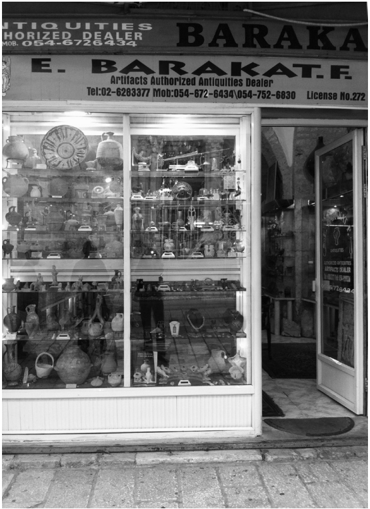
“Along with admiring Jerusalem's exposed ruins and viewing artifacts in public museums, collectors, tourists, and pilgrims can legally purchase antiquities and take them home.”
plain- Asserted: passes — The authors put it forward as true.
- Checkable: passes — It can be checked against evidence.
- Load-bearing: fails — The paper’s conclusions may not depend on it.
- Based: fails — The paper may give no reason why it holds.
Probably not a substantial claim. The paper’s conclusions may not depend on it. The paper may give no reason why it holds. It may state two separate claims as one.
The paper states this without a source or data behind it here, so there is nothing to check it against. The quote shows it is in the paper.
In the paper
“Most archaeologists and scientists have ultimately agreed that these objects are modern forgeries-the artifacts themselves are indeed ancient, but the inscriptions on them were added recently.”
plain- Asserted: passes — The authors put it forward as true.
- Checkable: passes — It can be checked against evidence.
- Load-bearing: unclear — It is unclear whether the paper’s conclusions depend on it.
- Based: unclear — It is unclear why the paper says it holds.
It may state two separate claims as one.
The paper states this without a source or data behind it here, so there is nothing to check it against. The quote shows it is in the paper.
In the paper
“By and large, the archaeological community in Jerusalem has fairly consistently held to the highest professional standards.”
plain- Asserted: passes — The authors put it forward as true.
- Checkable: passes — It can be checked against evidence.
- Load-bearing: fails — The paper’s conclusions may not depend on it.
- Based: fails — The paper may give no reason why it holds.
Probably not a substantial claim. The paper’s conclusions may not depend on it. The paper may give no reason why it holds.
A conclusion the paper draws from its own results — it cites no other source for it, so there is none to check. The quote shows it is in the paper.
In the paper
“This gradual encroachment upon the Mamilla Cemetery and the disrespect paid toward the human remains buried in this area is particularly striking in comparison with another historic burial ground in Jerusalem.”
plain- Asserted: passes — The authors put it forward as true.
- Checkable: passes — It can be checked against evidence.
- Load-bearing: fails — The paper’s conclusions may not depend on it.
- Based: passes — The paper gives a reason why it holds.
Probably not a substantial claim. The paper’s conclusions may not depend on it.
- Rests on an assumption: Archaeological practice ought to conform to ethical standards, and actions that violate those standards are ethically wrong.
A conclusion the paper draws from its own results — it cites no other source for it, so there is none to check. The quote shows it is in the paper.
In the paper
“Opposition to the excavation and desecration of ancient tombs and cemeteries mostly stems from the desire to protect religious communitiestheir beliefs and practices-rather than the individual.”
plainstates a cause- Asserted: passes — The authors put it forward as true.
- Checkable: passes — It can be checked against evidence.
- Load-bearing: fails — The paper’s conclusions may not depend on it.
- Based: passes — The paper gives a reason why it holds.
Probably not a substantial claim. The paper’s conclusions may not depend on it.
A conclusion the paper draws from its own results — it cites no other source for it, so there is none to check. The quote shows it is in the paper.
In the paper
“One of the shortcomings of these projects is that they rely heavily on excavation methods that undermine the stability of existing dwellings and public structures and thus necessitate the use of elaborate steel and concrete support systems.”
plainstates a cause- Asserted: passes — The authors put it forward as true.
- Checkable: passes — It can be checked against evidence.
- Load-bearing: unclear — It is unclear whether the paper’s conclusions depend on it.
- Based: passes — The paper gives a reason why it holds.
It may state two separate claims as one.
The paper states this without a source or data behind it here, so there is nothing to check it against. The quote shows it is in the paper.
In the paper
“It may come as a surprise that scholars as well as archaeological and anthropological societies have only recently initiated formal codes of ethics addressing the complexity of digging up and studying the mortal remains of the dead.”
hedged- Asserted: passes — The authors put it forward as true.
- Checkable: passes — It can be checked against evidence.
- Load-bearing: fails — The paper’s conclusions may not depend on it.
- Based: fails — The paper may give no reason why it holds.
Probably not a substantial claim. The paper’s conclusions may not depend on it. The paper may give no reason why it holds.
A conclusion the paper draws from its own results — it cites no other source for it, so there is none to check. The quote shows it is in the paper.
In the paper
“Unique, however, is the high prestige, academic visibility, and political stature generally associated with these collectors within Israeli society.”
plainstates an association- Asserted: passes — The authors put it forward as true.
- Checkable: passes — It can be checked against evidence.
- Load-bearing: fails — The paper’s conclusions may not depend on it.
- Based: fails — The paper may give no reason why it holds.
Probably not a substantial claim. The paper’s conclusions may not depend on it. The paper may give no reason why it holds. It may state two separate claims as one.
The paper states this without a source or data behind it here, so there is nothing to check it against. The quote shows it is in the paper.
In the paper
“Surprisingly, however, the AAI code of ethics has not addressed the issue of excavating burials, and formal restrictive policies regarding the excavation and scientific study of ancient burials were not established until 1994.”
plain- Asserted: passes — The authors put it forward as true.
- Checkable: passes — It can be checked against evidence.
- Load-bearing: fails — The paper’s conclusions may not depend on it.
- Based: fails — The paper may give no reason why it holds.
Probably not a substantial claim. The paper’s conclusions may not depend on it. The paper may give no reason why it holds. It may state two separate claims as one.
In the paper
“Particularly popular among tourists, the primary customers in Jerusalem's antiquities shops, are Herodian oil lamps and Bar Kokhba coins.44”
What the sources say
- Not matchedcites [44]
Couldn’t be matched to a paper in Crossref, so it can’t be checked.
plainstates an association- Asserted: passes — The authors put it forward as true.
- Checkable: passes — It can be checked against evidence.
- Load-bearing: fails — The paper’s conclusions may not depend on it.
- Based: passes — The paper gives a reason why it holds.
Probably not a substantial claim. The paper’s conclusions may not depend on it. It may state two separate claims as one.
- Not matched
A statement the paper makes itself — it cites no source for it, so there is none to check. The quote shows it is in the paper.
In the paper
“Their goal is to prevent the desecration of Jewish graves, and in most cases, their opposition to archaeological excavations is linked to major development projects.”
plainstates an association- Asserted: passes — The authors put it forward as true.
- Checkable: passes — It can be checked against evidence.
- Load-bearing: unclear — It is unclear whether the paper’s conclusions depend on it.
- Based: passes — The paper gives a reason why it holds.
It may state two separate claims as one.
In the paper
“The Rockefeller Museum, despite official agreements reached after the 1967 takeover by Israeli authorities, followed the directives of the IAA and loaned to other museums some of the artifacts in its original collection, which were meant to remain on the grounds.55”
What the sources say
- Not matchedcites [55]
Couldn’t be matched to a paper in Crossref, so it can’t be checked.
plainstates a causeSingle case- Asserted: passes — The authors put it forward as true.
- Checkable: passes — It can be checked against evidence.
- Load-bearing: unclear — It is unclear whether the paper’s conclusions depend on it.
- Based: passes — The paper gives a reason why it holds.
It may state two separate claims as one.
- Not matched
The paper states this without a source or data behind it here, so there is nothing to check it against. The quote shows it is in the paper.
In the paper
“Trading, however, is still legal, displaying looted and unprovenanced artifacts is the accepted norm, and transferring objects from occupied Palestinian territories, including East Jerusalem, and exhibiting them in the city's national museum is a celebrated achievement.”
plain- Asserted: passes — The authors put it forward as true.
- Checkable: passes — It can be checked against evidence.
- Load-bearing: passes — The paper’s conclusions depend on it.
- Based: unclear — It is unclear why the paper says it holds.
It may state two separate claims as one.
A conclusion the paper draws from its own results — it cites no other source for it, so there is none to check. The quote shows it is in the paper.
In the paper
“In many ways, the controversies and confrontations surrounding the excavation and study of human remains in Jerusalem reflect the tensions between the Jewish secular and religious sectors of Israeli society, as well as the conflict between Jewish and Muslim communities, Israeli governmental establishments and Palestinian national entities.”
plainstates an association- Asserted: passes — The authors put it forward as true.
- Checkable: passes — It can be checked against evidence.
- Load-bearing: passes — The paper’s conclusions depend on it.
- Based: passes — The paper gives a reason why it holds.
It may state two separate claims as one.
The paper states this without a source or data behind it here, so there is nothing to check it against. The quote shows it is in the paper.
In the paper
“Furthermore, anthropological studies of burials can offer much helpful information on gender, ethnicity, DNA, genetic disorders, diseases, and nutrition.”
plainstates a cause- Asserted: passes — The authors put it forward as true.
- Checkable: passes — It can be checked against evidence.
- Load-bearing: fails — The paper’s conclusions may not depend on it.
- Based: fails — The paper may give no reason why it holds.
Probably not a substantial claim. The paper’s conclusions may not depend on it. The paper may give no reason why it holds.
In the paper
“Toward the end of the nineteenth century, the stratigraphic method of excavation was introduced in Egypt and Palestine by Flinders Petrie and gradually replaced tunnel excavations.20 By the 1960s, this method was implemented in Jerusalem to the highest degree of rigor by Kathleen Kenyon, and it was established henceforth as the norm.”
What the sources say
- Not matchedcites [20]
Couldn’t be matched to a paper in Crossref, so it can’t be checked.
boostedstates a cause- Asserted: passes — The authors put it forward as true.
- Checkable: passes — It can be checked against evidence.
- Load-bearing: passes — The paper’s conclusions depend on it.
- Based: passes — The paper gives a reason why it holds.
It may state two separate claims as one.
- Not matched
In the paper
“as the risk of being caught and penalized is relatively minor in comparison to numerous other criminal acts, and the potential financial gains are higher.43”
What the sources say
- Not matchedcites [43]
Couldn’t be matched to a paper in Crossref, so it can’t be checked.
plain- Asserted: passes — The authors put it forward as true.
- Checkable: passes — It can be checked against evidence.
- Load-bearing: unclear — It is unclear whether the paper’s conclusions depend on it.
- Based: passes — The paper gives a reason why it holds.
It may state two separate claims as one.
- Not matched
A conclusion the paper draws from its own results — it cites no other source for it, so there is none to check. The quote shows it is in the paper.
In the paper
“Various ethical boundaries have been crossed in several leading Jerusalem museum collections.”
plain- Asserted: passes — The authors put it forward as true.
- Checkable: passes — It can be checked against evidence.
- Load-bearing: fails — The paper’s conclusions may not depend on it.
- Based: fails — The paper may give no reason why it holds.
Probably not a substantial claim. The paper’s conclusions may not depend on it. The paper may give no reason why it holds.
- Rests on an assumption: Archaeological practice ought to conform to ethical standards, and actions that violate those standards are ethically wrong.
In the paper
“The Israel Museum's reception celebrating the acquisition of the Dayan collection in 1986 led to an organized protest by local archaeologists, but ultimately, it did not have an effect on the decision to absorb the looted artifacts into the permanent collection.53”
What the sources say
- Not matchedcites [53]
Couldn’t be matched to a paper in Crossref, so it can’t be checked.
plainSingle case- Asserted: passes — The authors put it forward as true.
- Checkable: passes — It can be checked against evidence.
- Load-bearing: unclear — It is unclear whether the paper’s conclusions depend on it.
- Based: passes — The paper gives a reason why it holds.
It may state two separate claims as one.
- Not matched
A statement the paper makes itself — it cites no source for it, so there is none to check. The quote shows it is in the paper.
In the paper
“Protests led by Atra Kadisha, however, have continued regardless of the new regulations and despite the fact that the IAA has limited the exposure of tombs and cemeteries-not only Jewish, but also pagan, Christian, Muslim, and even prehistoric ones to a minimum.”
plain- Asserted: passes — The authors put it forward as true.
- Checkable: passes — It can be checked against evidence.
- Load-bearing: unclear — It is unclear whether the paper’s conclusions depend on it.
- Based: passes — The paper gives a reason why it holds.
It may state two separate claims as one.
A statement the paper makes itself — it cites no source for it, so there is none to check. The quote shows it is in the paper.
In the paper
“Heated debates and actual conflicts have erupted around perceived cultural, ethnic, and religious links between past and present communities, particularly sensitive in the context of Jewish and Muslim tombs and cemeteries.”
plainstates an association- Asserted: passes — The authors put it forward as true.
- Checkable: passes — It can be checked against evidence.
- Load-bearing: fails — The paper’s conclusions may not depend on it.
- Based: passes — The paper gives a reason why it holds.
Probably not a substantial claim. The paper’s conclusions may not depend on it.
In the paper
“Though not everybody involved in the chain-the looters, the dealers, the buyers, and the appraisers, who are often museum professionals or academic archaeologists-has equal responsibility in the legal transgression, all steps contribute in one way or the other to the trading, and thus the looting, of ancient artifacts.38”
What the sources say
- Not matchedcites [38]
Couldn’t be matched to a paper in Crossref, so it can’t be checked.
plainstates a cause- Asserted: passes — The authors put it forward as true.
- Checkable: passes — It can be checked against evidence.
- Load-bearing: passes — The paper’s conclusions depend on it.
- Based: passes — The paper gives a reason why it holds.
It may state two separate claims as one.
- Not matched
A statement the paper makes itself — it cites no source for it, so there is none to check. The quote shows it is in the paper.
In the paper
“The excavation and building activity has generated heated debates and resulted in numerous lawsuits as well as public protests in both Israel and around the world.”
plainstates a cause- Asserted: passes — The authors put it forward as true.
- Checkable: passes — It can be checked against evidence.
- Load-bearing: fails — The paper’s conclusions may not depend on it.
- Based: passes — The paper gives a reason why it holds.
Probably not a substantial claim. The paper’s conclusions may not depend on it. It may state two separate claims as one.
A conclusion the paper draws from its own results — it cites no other source for it, so there is none to check. The quote shows it is in the paper.
In the paper
“Though ethical standards pertaining to museum collections have changed substantially over the past four decades, both internationally and in Israel, the political situation in Jerusalem will almost always compromise professional conscientiousness and progress.”
hedgedstates a possible cause- Asserted: passes — The authors put it forward as true.
- Checkable: fails — It may be too vague to check against evidence.
- Load-bearing: passes — The paper’s conclusions depend on it.
- Based: fails — The paper may give no reason why it holds.
Probably not a substantial claim. It may be too vague to check against evidence. The paper may give no reason why it holds. It may state two separate claims as one.
A conclusion the paper draws from its own results — it cites no other source for it, so there is none to check. The quote shows it is in the paper.
In the paper
“The IAA's return to the use of tunnel and underground excavations is thus outdated and does not conform to current scientific methods.”
plain- Asserted: passes — The authors put it forward as true.
- Checkable: passes — It can be checked against evidence.
- Load-bearing: passes — The paper’s conclusions depend on it.
- Based: passes — The paper gives a reason why it holds.
It may state two separate claims as one.
In the paper
“In addition, some important issues were not addressed in the ethics committee's code, such as the rights of local communities over sites and finds and over the reburial of human remains.Thus, the code neglected numerous social, religious, and political dimensions that impact the divides among Jewish Israelis, as well as the rifts between Jews and Palestinians.13”
What the sources say
- Not matchedcites [13]
Couldn’t be matched to a paper in Crossref, so it can’t be checked.
plain- Asserted: passes — The authors put it forward as true.
- Checkable: passes — It can be checked against evidence.
- Load-bearing: passes — The paper’s conclusions depend on it.
- Based: passes — The paper gives a reason why it holds.
It may state two separate claims as one.
- Not matched
A statement the paper makes itself — it cites no source for it, so there is none to check. The quote shows it is in the paper.
In the paper
“The very first excavation conducted in Jerusalem, in 1850-51, was devoted to the exploration of an ancient burial complex.”
plain- Asserted: passes — The authors put it forward as true.
- Checkable: passes — It can be checked against evidence.
- Load-bearing: fails — The paper’s conclusions may not depend on it.
- Based: passes — The paper gives a reason why it holds.
Probably not a substantial claim. The paper’s conclusions may not depend on it.
In the paper
“The looters perceive the cultural heritage of the artifacts as Israeli rather than Palestinian, which is a result of the prevailing public image projected by both foreign and local archaeologists, Israeli governmental institutions, and the media.41”
What the sources say
- Not matchedcites [41]
Couldn’t be matched to a paper in Crossref, so it can’t be checked.
plainstates a cause- Asserted: passes — The authors put it forward as true.
- Checkable: passes — It can be checked against evidence.
- Load-bearing: unclear — It is unclear whether the paper’s conclusions depend on it.
- Based: passes — The paper gives a reason why it holds.
It may state two separate claims as one.
- Not matched
In the paper
“Numerous loopholes in this law, however, enable a continuous supply of illegally looted artifacts, which are sold by legally sanctioned dealers (both Israeli and Palestinians), almost all of whom are based in Jerusalem.33”
What the sources say
- Not matchedcites [33]
Couldn’t be matched to a paper in Crossref, so it can’t be checked.
plainstates a cause- Asserted: passes — The authors put it forward as true.
- Checkable: passes — It can be checked against evidence.
- Load-bearing: passes — The paper’s conclusions depend on it.
- Based: passes — The paper gives a reason why it holds.
It may state two separate claims as one.
- Not matched
A conclusion the paper draws from its own results — it cites no other source for it, so there is none to check. The quote shows it is in the paper.
In the paper
“The percentage of unprovenanced finds in Jerusalem collections is not particularly high in comparison to other international museum holdings.”
plain- Asserted: passes — The authors put it forward as true.
- Checkable: passes — It can be checked against evidence.
- Load-bearing: fails — The paper’s conclusions may not depend on it.
- Based: fails — The paper may give no reason why it holds.
Probably not a substantial claim. The paper’s conclusions may not depend on it. The paper may give no reason why it holds.
A conclusion the paper draws from its own results — it cites no other source for it, so there is none to check. The quote shows it is in the paper.
In the paper
“The proliferation and accessibility of this relatively narrow chronological spectrum of antiquities in recent years exemplifies how commerce, religious beliefs, ideological perceptions, and political agendas are intertwined and feed each other.”
plainstates an association- Asserted: passes — The authors put it forward as true.
- Checkable: passes — It can be checked against evidence.
- Load-bearing: fails — The paper’s conclusions may not depend on it.
- Based: passes — The paper gives a reason why it holds.
Probably not a substantial claim. The paper’s conclusions may not depend on it.
In the paper
“In 2011, the Supreme Court granted permission to go forward with the construction, based on a report submitted by the IAA, though that report has been challenged for its accuracy, including by the archaeologist originally assigned to direct the excavation.73”
What the sources say
- Not matchedcites [73]
Couldn’t be matched to a paper in Crossref, so it can’t be checked.
plainstates a cause- Asserted: passes — The authors put it forward as true.
- Checkable: passes — It can be checked against evidence.
- Load-bearing: unclear — It is unclear whether the paper’s conclusions depend on it.
- Based: passes — The paper gives a reason why it holds.
It may state two separate claims as one.
- Not matched
The paper states this without a source or data behind it here, so there is nothing to check it against. The quote shows it is in the paper.
In the paper
“The Jewish cemetery on the Mount of Olives, which, according to tradition, goes back to the time of King David and includes tombs that date back hundreds of years, has not fallen victim to modern development.”
plain- Asserted: passes — The authors put it forward as true.
- Checkable: passes — It can be checked against evidence.
- Load-bearing: fails — The paper’s conclusions may not depend on it.
- Based: fails — The paper may give no reason why it holds.
Probably not a substantial claim. The paper’s conclusions may not depend on it. The paper may give no reason why it holds.
A conclusion the paper draws from its own results — it cites no other source for it, so there is none to check. The quote shows it is in the paper.
In the paper
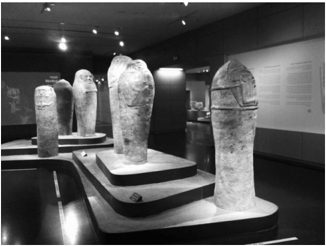
“Two displays at the Israel Museum reflect the complexity and evolving perception of archaeological ethics as they affect changing professional standards, past and current acquisition and display policies, and finally the exploration of ancient burials.”
plainstates an association- Asserted: passes — The authors put it forward as true.
- Checkable: passes — It can be checked against evidence.
- Load-bearing: passes — The paper’s conclusions depend on it.
- Based: passes — The paper gives a reason why it holds.
Probably not a substantial claim. It may state two separate claims as one.
A statement the paper makes itself — it cites no source for it, so there is none to check. The quote shows it is in the paper.
In the paper
“It further stipulates that the value of scientific research of skeletal, mummified, and other human remains should be demonstrated and should not be taken for granted.”
plain- Asserted: passes — The authors put it forward as true.
- Checkable: passes — It can be checked against evidence.
- Load-bearing: fails — The paper’s conclusions may not depend on it.
- Based: passes — The paper gives a reason why it holds.
Probably not a substantial claim. The paper’s conclusions may not depend on it. It may state two separate claims as one.
The paper states this without a source or data behind it here, so there is nothing to check it against. The quote shows it is in the paper.
In the paper
“Since 1967, as a result of the dramatic proliferation of urban development projects in and around Jerusalem, a number of particularly controversial incidents have led to heated debates among archaeologists, other scholars, and the general public, some of which were brought before the Israeli Supreme Court.”
plainstates a cause- Asserted: passes — The authors put it forward as true.
- Checkable: passes — It can be checked against evidence.
- Load-bearing: fails — The paper’s conclusions may not depend on it.
- Based: fails — The paper may give no reason why it holds.
Probably not a substantial claim. The paper’s conclusions may not depend on it. The paper may give no reason why it holds. It may state two separate claims as one.
In the paper
“The Mamilla Cemetery was declared an antiquities site in 1944 by the British Mandatory authorities, a status that was twice reconfirmed under Israeli rule, first in 1964 and then again by the IAA in 2002.70”
What the sources say
- Not matchedcites [70]
Couldn’t be matched to a paper in Crossref, so it can’t be checked.
plain- Asserted: passes — The authors put it forward as true.
- Checkable: passes — It can be checked against evidence.
- Load-bearing: unclear — It is unclear whether the paper’s conclusions depend on it.
- Based: passes — The paper gives a reason why it holds.
It may state two separate claims as one.
- Not matched
The paper states this without a source or data behind it here, so there is nothing to check it against. The quote shows it is in the paper.
In the paper
“Excavation, documentation, and interpretation procedures have undergone important changes since the beginning of archaeological excavation in Jerusalem, regionally, and worldwide.What was considered acceptable practice in the nineteenth or mid-twentieth century is different from what conforms to ethical standards in the twenty-first century.”
plain- Asserted: passes — The authors put it forward as true.
- Checkable: passes — It can be checked against evidence.
- Load-bearing: passes — The paper’s conclusions depend on it.
- Based: fails — The paper may give no reason why it holds.
Probably not a substantial claim. The paper may give no reason why it holds. It may state two separate claims as one.
A statement the paper makes itself — it cites no source for it, so there is none to check. The quote shows it is in the paper.
In the paper
“Numerous coins, oil lamps, and glass and pottery vessels are sold as authentic ancient artifacts-both by Jerusalem dealers and in shops around the world, as well as online.”
plain- Asserted: passes — The authors put it forward as true.
- Checkable: passes — It can be checked against evidence.
- Load-bearing: fails — The paper’s conclusions may not depend on it.
- Based: passes — The paper gives a reason why it holds.
Probably not a substantial claim. The paper’s conclusions may not depend on it.
A statement the paper makes itself — it cites no source for it, so there is none to check. The quote shows it is in the paper.
In the paper
“The Vermillion Accord on Human Remains, adopted in 1989 at the World Archaeological Congress, advocates for respect to be paid to human remains”
plain- Asserted: passes — The authors put it forward as true.
- Checkable: passes — It can be checked against evidence.
- Load-bearing: fails — The paper’s conclusions may not depend on it.
- Based: passes — The paper gives a reason why it holds.
Probably not a substantial claim. The paper’s conclusions may not depend on it.
In the paper
“A code, written between 1990 and 1992, included nine guidelines focusing primarily on the standards of fieldwork and publication, on professional relationships, and on the antiquities trade.10”
What the sources say
- Not matchedcites [10]
Couldn’t be matched to a paper in Crossref, so it can’t be checked.
plain- Asserted: passes — The authors put it forward as true.
- Checkable: passes — It can be checked against evidence.
- Load-bearing: fails — The paper’s conclusions may not depend on it.
- Based: passes — The paper gives a reason why it holds.
Probably not a substantial claim. The paper’s conclusions may not depend on it.
- Not matched
A conclusion the paper draws from its own results — it cites no other source for it, so there is none to check. The quote shows it is in the paper.
In the paper
“The same ethical reservations concern other Israeli museums that display artifacts found in excavations carried out in occupied East Jerusalem.”
plainstates an association- Asserted: passes — The authors put it forward as true.
- Checkable: passes — It can be checked against evidence.
- Load-bearing: fails — The paper’s conclusions may not depend on it.
- Based: fails — The paper may give no reason why it holds.
Probably not a substantial claim. The paper’s conclusions may not depend on it. The paper may give no reason why it holds.
A conclusion the paper draws from its own results — it cites no other source for it, so there is none to check. The quote shows it is in the paper.
In the paper
“These shortcomings, however, tend to be overshadowed by the high artistic quality of the finds exhibited, the popularity of the chosen themes, and the overall museological approach.”
plainstates a cause- Asserted: passes — The authors put it forward as true.
- Checkable: passes — It can be checked against evidence.
- Load-bearing: fails — The paper’s conclusions may not depend on it.
- Based: fails — The paper may give no reason why it holds.
Probably not a substantial claim. The paper’s conclusions may not depend on it. The paper may give no reason why it holds.
A conclusion the paper draws from its own results — it cites no other source for it, so there is none to check. The quote shows it is in the paper.
In the paper
“In contrast to the actual act of excavating tombs, however, very few ethical concerns have been voiced regarding the use of burial goods as cultural, educational, or commercial commodities, once they have left the ground.”
plain- Asserted: passes — The authors put it forward as true.
- Checkable: passes — It can be checked against evidence.
- Load-bearing: fails — The paper’s conclusions may not depend on it.
- Based: fails — The paper may give no reason why it holds.
Probably not a substantial claim. The paper’s conclusions may not depend on it. The paper may give no reason why it holds.
A conclusion the paper draws from its own results — it cites no other source for it, so there is none to check. The quote shows it is in the paper.
In the paper
“The focus on Judeo-Christian artifacts that determines the nature of Jerusalem's numerous markets and collections indicates the prevailing and persistent interest in biblical artifacts, and to some extent the overlapping taste and ideological confluence of Zionist and Evangelical Christian consumer groups.”
hedgedstates a cause- Asserted: passes — The authors put it forward as true.
- Checkable: passes — It can be checked against evidence.
- Load-bearing: unclear — It is unclear whether the paper’s conclusions depend on it.
- Based: unclear — It is unclear why the paper says it holds.
It may state two separate claims as one.
In the paper
“leading to a directive issued by attorney general Michael Ben-Yair on July 22, 1994, that stated that archaeologists must show proper”
What the sources say
- Not matchedcites [63]
Couldn’t be matched to a paper in Crossref, so it can’t be checked.
plain- Asserted: passes — The authors put it forward as true.
- Checkable: passes — It can be checked against evidence.
- Load-bearing: unclear — It is unclear whether the paper’s conclusions depend on it.
- Based: passes — The paper gives a reason why it holds.
It may state two separate claims as one.
- Not matched
The paper states this without a source or data behind it here, so there is nothing to check it against. The quote shows it is in the paper.
In the paper
“The exploration of tombs has always played an important role in the study of ancient civilizations, providing valuable insights on funerary customs and the belief in an afterlife, as well as on cultural developments, changes, and affiliations more generally.”
plainstates a cause- Asserted: passes — The authors put it forward as true.
- Checkable: passes — It can be checked against evidence.
- Load-bearing: fails — The paper’s conclusions may not depend on it.
- Based: fails — The paper may give no reason why it holds.
Probably not a substantial claim. The paper’s conclusions may not depend on it. The paper may give no reason why it holds. It may state two separate claims as one.
A conclusion the paper draws from its own results — it cites no other source for it, so there is none to check. The quote shows it is in the paper.
In the paper
“In some aspects, the ethical standards of most Jerusalem museum collections do not fall behind international museum principles, which are still struggling to adjust to the new acquisition and collecting philosophies.”
plain- Asserted: passes — The authors put it forward as true.
- Checkable: passes — It can be checked against evidence.
- Load-bearing: fails — The paper’s conclusions may not depend on it.
- Based: fails — The paper may give no reason why it holds.
Probably not a substantial claim. The paper’s conclusions may not depend on it. The paper may give no reason why it holds. It may state two separate claims as one.
A statement the paper makes itself — it cites no source for it, so there is none to check. The quote shows it is in the paper.
In the paper
“In addition, there have been several sensational artifacts said to be from the First and Second Temple periods that have received worldwide media and scholarly attention partially as a result of their potential to document biblical narratives and to some extent because their authenticity is in doubt.”
plainstates a cause- Asserted: passes — The authors put it forward as true.
- Checkable: passes — It can be checked against evidence.
- Load-bearing: fails — The paper’s conclusions may not depend on it.
- Based: passes — The paper gives a reason why it holds.
Probably not a substantial claim. The paper’s conclusions may not depend on it. It may state two separate claims as one.
In the paper
“The laundering chain is known to begin with the overseers and middlemen-Bedouin, Israelis, and Palestinians-who often finance the looting and then transfer the artifacts to legally sanctioned dealers.”
What the sources say
- Not matchedcites [33]
Couldn’t be matched to a paper in Crossref, so it can’t be checked.
boostedstates a cause- Asserted: passes — The authors put it forward as true.
- Checkable: passes — It can be checked against evidence.
- Load-bearing: unclear — It is unclear whether the paper’s conclusions depend on it.
- Based: passes — The paper gives a reason why it holds.
It may state two separate claims as one.
- Not matched
A conclusion the paper draws from its own results — it cites no other source for it, so there is none to check. The quote shows it is in the paper.
In the paper
“Despite the fact that these artifacts were professionally excavated and documented, they were illegally appropriated from occupied territory, implying the unethical removal and appropriation of cultural heritage.”
plainstates a cause- Asserted: passes — The authors put it forward as true.
- Checkable: passes — It can be checked against evidence.
- Load-bearing: passes — The paper’s conclusions depend on it.
- Based: passes — The paper gives a reason why it holds.
It may state two separate claims as one.
- Rests on an assumption: Archaeological practice ought to conform to ethical standards, and actions that violate those standards are ethically wrong.
In the paper
“These include the collections of archaeology professors Nahman Avigad and Yigal Yadin, which were absorbed by the Museum of Jewish Antiquities at the Hebrew University, as well as Teddy Kollek's and Moshe Dayan's collections, which were sold or donated to the Israel Museum.52”
What the sources say
- Not matchedcites [52]
Couldn’t be matched to a paper in Crossref, so it can’t be checked.
plain- Asserted: passes — The authors put it forward as true.
- Checkable: passes — It can be checked against evidence.
- Load-bearing: unclear — It is unclear whether the paper’s conclusions depend on it.
- Based: passes — The paper gives a reason why it holds.
It may state two separate claims as one.
- Not matched
In the paper
“In 1985, in response to the growing public debate on looted antiquities, the IAA established the Theft Prevention Unit with the goal of limiting the robbery of archaeological sites and supervising the sale of antiquities.42”
What the sources say
- Not matchedcites [42]
Couldn’t be matched to a paper in Crossref, so it can’t be checked.
plainstates a cause- Asserted: passes — The authors put it forward as true.
- Checkable: passes — It can be checked against evidence.
- Load-bearing: fails — The paper’s conclusions may not depend on it.
- Based: passes — The paper gives a reason why it holds.
Probably not a substantial claim. The paper’s conclusions may not depend on it. It may state two separate claims as one.
- Not matched
The paper states this without a source or data behind it here, so there is nothing to check it against. The quote shows it is in the paper.
In the paper
“Our knowledge about early human activity is derived to a large extent from the material remains of burials.”
plainstates a cause- Asserted: passes — The authors put it forward as true.
- Checkable: passes — It can be checked against evidence.
- Load-bearing: fails — The paper’s conclusions may not depend on it.
- Based: fails — The paper may give no reason why it holds.
Probably not a substantial claim. The paper’s conclusions may not depend on it. The paper may give no reason why it holds.
A conclusion the paper draws from its own results — it cites no other source for it, so there is none to check. The quote shows it is in the paper.
In the paper
“Politically sensitive, and thus equally questionable from an ethical viewpoint, is the appropriation and display of artifacts that come from the occupied Palestinian territories.”
plainstates a cause- Asserted: passes — The authors put it forward as true.
- Checkable: fails — It may be too vague to check against evidence.
- Load-bearing: fails — The paper’s conclusions may not depend on it.
- Based: fails — The paper may give no reason why it holds.
Probably not a substantial claim. It may be too vague to check against evidence. The paper’s conclusions may not depend on it. The paper may give no reason why it holds.
- Rests on an assumption: Archaeological practice ought to conform to ethical standards, and actions that violate those standards are ethically wrong.
A statement the paper makes itself — it cites no source for it, so there is none to check. The quote shows it is in the paper.
In the paper
“Atra Kadisha was first established between 1957 and 1959, as a response to excavations carried out at Beit Shearim, a Jewish town and cemetery from the Roman and Byzantine periods in southwestern Galilee.”
plainstates a cause- Asserted: passes — The authors put it forward as true.
- Checkable: passes — It can be checked against evidence.
- Load-bearing: fails — The paper’s conclusions may not depend on it.
- Based: passes — The paper gives a reason why it holds.
Probably not a substantial claim. The paper’s conclusions may not depend on it.
What the paper did — it cites no source for this, so there is none to check. The quote shows it is in the paper.
In the paper
“Fieldwork can be carried out only with proper survey and excavation licenses.The most meticulous recording and documentation procedures have to be followed.”
plain- Asserted: passes — The authors put it forward as true.
- Checkable: passes — It can be checked against evidence.
- Load-bearing: fails — The paper’s conclusions may not depend on it.
- Based: fails — The paper may give no reason why it holds.
Probably not a substantial claim. The paper’s conclusions may not depend on it. The paper may give no reason why it holds. It may state two separate claims as one.
In the paper
“In Israel, the Association of Archaeologists in Israel (AAI), founded in 1984, established the first local ethics committee.Their initiatives, however, were of relatively short duration and of minor impact on the archaeological community.9”
What the sources say
- Not matchedcites [9]
Couldn’t be matched to a paper in Crossref, so it can’t be checked.
plain- Asserted: passes — The authors put it forward as true.
- Checkable: passes — It can be checked against evidence.
- Load-bearing: unclear — It is unclear whether the paper’s conclusions depend on it.
- Based: passes — The paper gives a reason why it holds.
It may state two separate claims as one.
- Not matched
A conclusion the paper draws from its own results — it cites no other source for it, so there is none to check. The quote shows it is in the paper.
In the paper
“This method therefore represents an attempt to legitimize the Jewish presence in Silwan and obscure the ties of the neighborhood's current residents to the place.”
plainstates a cause- Asserted: passes — The authors put it forward as true.
- Checkable: passes — It can be checked against evidence.
- Load-bearing: passes — The paper’s conclusions depend on it.
- Based: passes — The paper gives a reason why it holds.
It may state two separate claims as one.
A conclusion the paper draws from its own results — it cites no other source for it, so there is none to check. The quote shows it is in the paper.
In the paper
“The museum world has a similar impact on the public perception of the value of antiquities-monetary and otherwise.”
plainstates a cause- Asserted: passes — The authors put it forward as true.
- Checkable: fails — It may be too vague to check against evidence.
- Load-bearing: fails — The paper’s conclusions may not depend on it.
- Based: fails — The paper may give no reason why it holds.
Probably not a substantial claim. It may be too vague to check against evidence. The paper’s conclusions may not depend on it. The paper may give no reason why it holds.
In the paper
“Several isolated attempts of community-based excavations conducted in other parts of the city could serve as a model for integrating Jerusalem Palestinian and Israeli residents in the process of exposing and understanding multicultural layers.Their impact, however, has been negligible.24”
What the sources say
- Not matchedcites [24]
Couldn’t be matched to a paper in Crossref, so it can’t be checked.
hedged- Asserted: passes — The authors put it forward as true.
- Checkable: passes — It can be checked against evidence.
- Load-bearing: unclear — It is unclear whether the paper’s conclusions depend on it.
- Based: passes — The paper gives a reason why it holds.
It may state two separate claims as one.
- Not matched
A statement the paper makes itself — it cites no source for it, so there is none to check. The quote shows it is in the paper.
In the paper
“Only in recent years has there been interest in objects related to the region's Islamic heritage; this market, however, is still underdeveloped.”
plain- Asserted: passes — The authors put it forward as true.
- Checkable: passes — It can be checked against evidence.
- Load-bearing: fails — The paper’s conclusions may not depend on it.
- Based: passes — The paper gives a reason why it holds.
Probably not a substantial claim. The paper’s conclusions may not depend on it. It may state two separate claims as one.
A conclusion the paper draws from its own results — it cites no other source for it, so there is none to check. The quote shows it is in the paper.
In the paper
“Though adequate regarding its regulation of excavation and the requirement of full scientific publication, the legal precepts of the antiquities trade are, in many ways, regressive, in particular in comparison with other Mediterranean countries rich in archaeological remains, such as Italy, Greece, Turkey, and Egypt.”
plain- Asserted: passes — The authors put it forward as true.
- Checkable: passes — It can be checked against evidence.
- Load-bearing: passes — The paper’s conclusions depend on it.
- Based: passes — The paper gives a reason why it holds.
It may state two separate claims as one.
In the paper
“Recent excavations conducted in sporadic areas have established four archaeological strata and hundreds of burials ranging in date from the eleventh century to the beginning of the twentieth century.71”
What the sources say
- Not matchedcites [71]
Couldn’t be matched to a paper in Crossref, so it can’t be checked.
plainstates a cause- Asserted: passes — The authors put it forward as true.
- Checkable: passes — It can be checked against evidence.
- Load-bearing: unclear — It is unclear whether the paper’s conclusions depend on it.
- Based: passes — The paper gives a reason why it holds.
It may state two separate claims as one.
- Not matched
In the paper
“This endeavor caused turmoil among the local Jewish community, who complained that the graves of their ancestors had been desecrated.57”
What the sources say
- Not matchedcites [57]
Couldn’t be matched to a paper in Crossref, so it can’t be checked.
plainstates a causeSingle case- Asserted: passes — The authors put it forward as true.
- Checkable: passes — It can be checked against evidence.
- Load-bearing: unclear — It is unclear whether the paper’s conclusions depend on it.
- Based: passes — The paper gives a reason why it holds.
It may state two separate claims as one.
- Not matched
A conclusion the paper draws from its own results — it cites no other source for it, so there is none to check. The quote shows it is in the paper.
In the paper
“Since the finds do not come from a proper archaeological context and the debris has been moved at least twice since the renovations of the mosque, the procedure lacks scientific value.”
plainstates a cause- Asserted: passes — The authors put it forward as true.
- Checkable: passes — It can be checked against evidence.
- Load-bearing: passes — The paper’s conclusions depend on it.
- Based: passes — The paper gives a reason why it holds.
It may state two separate claims as one.
In the paper
“In their view, opening and penetrating ancient tombs represents a violation of Jewish law as it pertains to the respect to be paid to the dead.59”
What the sources say
- Not matchedcites [59]
Couldn’t be matched to a paper in Crossref, so it can’t be checked.
plainstates a cause- Asserted: fails — The authors may not put it forward as true.
- Checkable: passes — It can be checked against evidence.
- Load-bearing: fails — The paper’s conclusions may not depend on it.
- Based: passes — The paper gives a reason why it holds.
Probably not a substantial claim. The authors may not put it forward as true. The paper’s conclusions may not depend on it.
- Not matched
A conclusion the paper draws from its own results — it cites no other source for it, so there is none to check. The quote shows it is in the paper.
In the paper
“Looting, however, can also be understood as a form of political resistance to the Israeli occupation and subjugation of the Palestinian people.”
plainstates an association- Asserted: passes — The authors put it forward as true.
- Checkable: passes — It can be checked against evidence.
- Load-bearing: fails — The paper’s conclusions may not depend on it.
- Based: passes — The paper gives a reason why it holds.
Probably not a substantial claim. The paper’s conclusions may not depend on it.
In the paper
“Unlike the salvage excavation carried out in French Hill, which exposed primarily Jewish tombs from the Second Temple period, the excavations conducted in Mamilla exposed a Christian mass grave from the time of the Persian capture of Jerusalem in 614 c.e. 62”
What the sources say
- Not matchedcites [62]
Couldn’t be matched to a paper in Crossref, so it can’t be checked.
plain- Asserted: passes — The authors put it forward as true.
- Checkable: passes — It can be checked against evidence.
- Load-bearing: unclear — It is unclear whether the paper’s conclusions depend on it.
- Based: passes — The paper gives a reason why it holds.
It may state two separate claims as one.
- Not matched
What the paper did — it cites no source for this, so there is none to check. The quote shows it is in the paper.
In the paper
“Since the beginning of Israeli rule, first under the IDAM and with increased rigor under the IAA, professional standards have been formulated, regulated, and even sanctioned by a number of explicit rules and laws.These have insured that all excavations are conducted by professional archaeologists, for the most part with an academic degree in archaeology and extensive field experience.”
plainstates a cause- Asserted: passes — The authors put it forward as true.
- Checkable: passes — It can be checked against evidence.
- Load-bearing: fails — The paper’s conclusions may not depend on it.
- Based: passes — The paper gives a reason why it holds.
Probably not a substantial claim. The paper’s conclusions may not depend on it. It may state two separate claims as one.
In the paper
“The scientific and ethical concerns regarding the marketing of unprovenanced artifacts stem from the belief that removing an archaeological object from its find spot without professional supervision results in the irretrievable loss of context documentation and knowledge-and thus the displacement and destruction of local cultural heritage.37”
What the sources say
- Not matchedcites [37]
Couldn’t be matched to a paper in Crossref, so it can’t be checked.
plainstates a cause- Asserted: passes — The authors put it forward as true.
- Checkable: passes — It can be checked against evidence.
- Load-bearing: passes — The paper’s conclusions depend on it.
- Based: passes — The paper gives a reason why it holds.
Probably not a substantial claim. It may state two separate claims as one.
- Not matched
The paper states this without a source or data behind it here, so there is nothing to check it against. The quote shows it is in the paper.
In the paper
“In Jerusalem, and in Israel more broadly, major controversies regarding the excavation and study of ancient burials have gained wide public attention.”
plain- Asserted: passes — The authors put it forward as true.
- Checkable: passes — It can be checked against evidence.
- Load-bearing: fails — The paper’s conclusions may not depend on it.
- Based: fails — The paper may give no reason why it holds.
Probably not a substantial claim. The paper’s conclusions may not depend on it. The paper may give no reason why it holds.
A conclusion the paper draws from its own results — it cites no other source for it, so there is none to check. The quote shows it is in the paper.
In the paper
“In most ways, however, Jerusalem presents a unique case, because internal politics and regional conflicts impact the professional standards.”
plainstates a cause- Asserted: passes — The authors put it forward as true.
- Checkable: passes — It can be checked against evidence.
- Load-bearing: fails — The paper’s conclusions may not depend on it.
- Based: fails — The paper may give no reason why it holds.
Probably not a substantial claim. The paper’s conclusions may not depend on it. The paper may give no reason why it holds.
In the paper
“The academic interest in archaeological ethics first established itself in North America and Western Europe in the 1960s and 1970s, which resulted in the formulation of several codes of ethics.5”
What the sources say
- Not matchedcites [5]
Couldn’t be matched to a paper in Crossref, so it can’t be checked.
plainstates a cause- Asserted: passes — The authors put it forward as true.
- Checkable: passes — It can be checked against evidence.
- Load-bearing: unclear — It is unclear whether the paper’s conclusions depend on it.
- Based: passes — The paper gives a reason why it holds.
It may state two separate claims as one.
- Not matched
A conclusion the paper draws from its own results — it cites no other source for it, so there is none to check. The quote shows it is in the paper.
In the paper
“The common denominator among these recent government-endorsed archaeological endeavors, other than the transgression of ethical and professional standards, is the manipulation of archaeological sites and finds and the resulting justification of Israel's occupation of East Jerusalem.”
plainstates a cause- Asserted: passes — The authors put it forward as true.
- Checkable: passes — It can be checked against evidence.
- Load-bearing: passes — The paper’s conclusions depend on it.
- Based: passes — The paper gives a reason why it holds.
It may state two separate claims as one.
A statement the paper makes itself — it cites no source for it, so there is none to check. The quote shows it is in the paper.
In the paper
“Nevertheless, even the Ministry of Religious Affairs representing the Orthodox community insists that bones must be reburied without being studied by anthropologists, the procedure that was followed in Israel before the clashes in the 1990s.”
plain- Asserted: passes — The authors put it forward as true.
- Checkable: passes — It can be checked against evidence.
- Load-bearing: fails — The paper’s conclusions may not depend on it.
- Based: passes — The paper gives a reason why it holds.
Probably not a substantial claim. The paper’s conclusions may not depend on it. It may state two separate claims as one.
The paper states this without a source or data behind it here, so there is nothing to check it against. The quote shows it is in the paper.
In the paper
“The most controversial case has been the recent construction of the so-called Center for Human Dignity-Museum of Tolerance, initiated in 2004.”
plain- Asserted: passes — The authors put it forward as true.
- Checkable: passes — It can be checked against evidence.
- Load-bearing: fails — The paper’s conclusions may not depend on it.
- Based: fails — The paper may give no reason why it holds.
Probably not a substantial claim. The paper’s conclusions may not depend on it. The paper may give no reason why it holds.
A statement the paper makes itself — it cites no source for it, so there is none to check. The quote shows it is in the paper.
In the paper
“In 1998, in an attempt to calm the situation, the Israeli government appointed five Orthodox rabbis to the Archaeological Council, a body that consists of thirty-eight archaeologists and other experts who advise the IAA on granting excavation permits.”
plainstates a cause- Asserted: passes — The authors put it forward as true.
- Checkable: passes — It can be checked against evidence.
- Load-bearing: fails — The paper’s conclusions may not depend on it.
- Based: passes — The paper gives a reason why it holds.
Probably not a substantial claim. The paper’s conclusions may not depend on it.
In the paper
“Though the artifacts on display were excavated by applying the most up-to-date scientific methods, the show defied international law-as well The Hague's convention-by incorporating finds from occupied territory.78”
What the sources say
- Not matchedcites [78]
Couldn’t be matched to a paper in Crossref, so it can’t be checked.
plainstates a cause- Asserted: passes — The authors put it forward as true.
- Checkable: passes — It can be checked against evidence.
- Load-bearing: unclear — It is unclear whether the paper’s conclusions depend on it.
- Based: passes — The paper gives a reason why it holds.
It may state two separate claims as one.
- Not matched
A conclusion the paper draws from its own results — it cites no other source for it, so there is none to check. The quote shows it is in the paper.
In the paper
“Thus, both the process in which the artifacts were uncovered, as well as their acquisition and display are highly questionable with regard to professional standards, as officially professed by Israeli archaeologists and museum professionals.”
boosted- Asserted: passes — The authors put it forward as true.
- Checkable: passes — It can be checked against evidence.
- Load-bearing: passes — The paper’s conclusions depend on it.
- Based: passes — The paper gives a reason why it holds.
It may state two separate claims as one.
- Rests on an assumption: Archaeological practice ought to conform to ethical standards, and actions that violate those standards are ethically wrong.
In the paper
“Perhaps equally blatant in its politically and ethically compromised curatorial choice was the focus of the Israel Museum's Herod exhibit on the latter's alleged sarcophagus and funerary monument.77”
What the sources say
- Not matchedcites [77]
Couldn’t be matched to a paper in Crossref, so it can’t be checked.
hedged- Asserted: passes — The authors put it forward as true.
- Checkable: fails — It may be too vague to check against evidence.
- Load-bearing: fails — The paper’s conclusions may not depend on it.
- Based: passes — The paper gives a reason why it holds.
Probably not a substantial claim. It may be too vague to check against evidence. The paper’s conclusions may not depend on it.
- Not matched
A conclusion the paper draws from its own results — it cites no other source for it, so there is none to check. The quote shows it is in the paper.
In the paper
“The transgressions of ethical norms in the professional, educational, and commercial realms of archaeological practice in post-1967 Jerusalem, with significantly higher impact after the mid-1990s, do not appear to have significantly influenced the public image of archaeology.”
hedged- Asserted: passes — The authors put it forward as true.
- Checkable: passes — It can be checked against evidence.
- Load-bearing: passes — The paper’s conclusions depend on it.
- Based: fails — The paper may give no reason why it holds.
Probably not a substantial claim. The paper may give no reason why it holds.
A conclusion the paper draws from its own results — it cites no other source for it, so there is none to check. The quote shows it is in the paper.
In the paper
“The ethical concerns in these and most other cases dealing with funerary remains are intricately linked with the always sensitive and often explosive social and political climate in Jerusalem.”
plainstates an association- Asserted: passes — The authors put it forward as true.
- Checkable: passes — It can be checked against evidence.
- Load-bearing: fails — The paper’s conclusions may not depend on it.
- Based: passes — The paper gives a reason why it holds.
Probably not a substantial claim. The paper’s conclusions may not depend on it.
A conclusion the paper draws from its own results — it cites no other source for it, so there is none to check. The quote shows it is in the paper.
In the paper
“The general perception, among most Israelis and tourists, has been and continuous to be that engaging in archaeology is an overall virtuous endeavor.”
plain- Asserted: passes — The authors put it forward as true.
- Checkable: passes — It can be checked against evidence.
- Load-bearing: fails — The paper’s conclusions may not depend on it.
- Based: fails — The paper may give no reason why it holds.
Probably not a substantial claim. The paper’s conclusions may not depend on it. The paper may give no reason why it holds.
In the paper
“They were dug up and transported to Dayan's home sometime in the 1970s, using military equipment, and were then sold to the museum in 1982 by his widow.76”
What the sources say
- Not matchedcites [76]
Couldn’t be matched to a paper in Crossref, so it can’t be checked.
plain- Asserted: passes — The authors put it forward as true.
- Checkable: passes — It can be checked against evidence.
- Load-bearing: passes — The paper’s conclusions depend on it.
- Based: passes — The paper gives a reason why it holds.
It may state two separate claims as one.
- Not matched
The paper relies on this without support.
Most ethical standards in the archaeological profession have universal value.
“Despite the fact that most ethical standards in the profession have universal value, some regulations pertain only to specific geographical and national contexts.”
The paper relies on this without support.
The local residents in Silwan are predominantly Palestinian, other than the growing settler community.
“The local residents in Silwan are predominantly Palestinian-other than the growing settler community-and they should be involved in the excavation and interpretation process”
The paper relies on this without support.
Market demand fuels the incentive for looting.
“As it is widely acknowledged that market demand fuels the incentive for looting, every individual and institution directly or indirectly involved in the trade of artifacts has a share in the ethical violation.”
The paper relies on this without support.
Economic incentive drives most of the pillaging of archaeological sites, largely located in the West Bank.
“Though it is commonly agreed upon that economic incentive drives most of the pillaging of archaeological sites, largely located in the West Bank, there are also other reasons.”
The paper relies on this without support.
The risk of being caught and penalized for looting antiquities is relatively minor compared with numerous other criminal acts.
“the risk of being caught and penalized is relatively minor in comparison to numerous other criminal acts”
The paper relies on this without support.
Archaeological practice ought to conform to ethical standards, and actions that violate those standards are ethically wrong.
“Various ethical boundaries have been crossed in several leading Jerusalem museum collections.”
The paper relies on this without support.
Looting and the trade in unprovenanced antiquities are harmful to cultural heritage.
“evaluating and authenticating ancient artifacts without provenance contributes-even if only minimally-to Jerusalem's flourishing antiquities market, the thriving looting activity, and the fakes and forgery industry.”
Self-check
Percentages, sums and reported differences re-computed from the paper’s own numbers.
Each contradiction between two passages listed here was confirmed by an independent check.
Rated minor: it would not touch a result — a value no result rests on, a p-value that stays on the same side of the significance level, or a conflict that is clerical, resolved elsewhere in the paper, or outside its own findings.
In the paper
§ 6
“Today, it is only the public presentation and dissemination of information that continues to focus on the Jewish narrative.”
§ 6
“Furthermore, the targeted exposure of remains that highlight the Jewish narrative, exemplified best in some of the excavations conducted on the Southeast Hill, thus compromises current archaeological practice, which aims to expose all the cultural aspects of one particular place over the course of many centuries.”
Rated minor: it would not touch a result — a value no result rests on, a p-value that stays on the same side of the significance level, or a conflict that is clerical, resolved elsewhere in the paper, or outside its own findings.
In the paper
§ AC QUISITION, C OLLECTION, AND DISPL AY POLICIES
“In 1985, in response to the growing public debate on looted antiquities, the IAA established the Theft Prevention Unit with the goal of limiting the robbery of archaeological sites and supervising the sale of antiquities.”
§ 6
“the IAA, which, soon after its establishment in 1990, took on a leadership role in the profession and overshadowed the activities and academic profile of the AAI.”
Citations
Cites
Still being checked.
Cited by
Sorted by citations
An Anthropology of Repatriation
Kakaliouras, A. M. (2012) · Current Anthropology · doi:10.1086/662331 · Cited by 89
Community Collaboration and Other Good Intentions
La Salle, M. J. (2010) · Archaeologies · doi:10.1007/s11759-010-9150-8 · Cited by 66
Ethics and Ethical Critique in the Archaeology of Modern Conflict
Moshenska, G. (2008) · Norwegian Archaeological Review · doi:10.1080/00293650802522662 · Cited by 52
Looting, the Antiquities Trade, and Competing Valuations of the Past
Barker, A. W. (2018) · Annual Review of Anthropology · doi:10.1146/annurev-anthro-102116-041320 · Cited by 51
Archaeology and Contemporary Warfare
Pollock, S. (2016) · Annual Review of Anthropology · doi:10.1146/annurev-anthro-102215-095913 · Cited by 35
Data sharing in biological anthropology
Mulligan, C. J., Boyer, D., Turner, T. R., Delson, E., & Leonard, W. R. (2022) · American Journal of Biological Anthropology · doi:10.1002/ajpa.24499 · Cited by 35
Hafsaas, H. (2011) · Journal of Social Archaeology · doi:10.1177/1469605310388372 · Cited by 33
Public Benefits of Public Archaeology
Little, B. J. (2012) · The Oxford Handbook of Public Archaeology · doi:10.1093/oxfordhb/9780199237821.013.0021 · Cited by 29
Evolving challenges, developing skills
Pye, E. M., & Sully, D. (2007) · Journal of the Institute of Conservation · doi:10.1080/01410096.2007.9995221 · Cited by 24
Dismembering/disremembering the Buddhas
Colwell, C. (2003) · Journal of Social Archaeology · doi:10.1177/1469605303003001100 · Cited by 21
Loebel, T. J. (2012) · Journal of Archaeological Science · doi:10.1016/j.jas.2011.12.012 · Cited by 19
Pitblado, B. L. (2014) · Advances in Archaeological Practice · doi:10.7183/2326-3768.2.4.338 · Cited by 18
Sketching knowledge: Quandaries in the mimetic reproduction of Pueblo ritual
Colwell, C. (2011) · American Ethnologist · doi:10.1111/j.1548-1425.2011.01316.x · Cited by 17
Ethics, politics and practices in rock art conservation
Walderhaug, E. M. (2000) · Public Archaeology · doi:10.1179/146551800793157305 · Cited by 15
Meskell, L. M. (2015) · Global Heritage · doi:10.1002/9781394261154.cintro · Cited by 15
Maya heritage: entangled and transformed
Hutson, S. R., Herrera, G. C., & Chi, G. A. (2013) · International Journal of Heritage Studies · doi:10.1080/13527258.2012.756422 · Cited by 14
Caring for the dead? An alternative perspective on Sámi reburial
Svestad, A. (2019) · Acta Borealia · doi:10.1080/08003831.2019.1607065 · Cited by 9
Privatising the public past: The economics of archaeological heritage management
Kreutzer, D. D. (2006) · Archaeologies · doi:10.1007/s11759-006-0014-1 · Cited by 9
Grabow, S., & Walker, J. (2016) · Heritage & Society · doi:10.1080/2159032x.2016.1246154 · Cited by 8
White, T. D., Black, M. T., & Folkens, P. A. (2012) · Elsevier eBooks · doi:10.1016/b978-0-12-374134-9.50017-9 · Cited by 8
Ethics and the Hyperreality of the Archaeological Thought World
Custer, J. F. (2005) · North American Archaeologist · doi:10.2190/e0y2-l9n8-43w0-rlt2 · Cited by 7
Conflict art: scholars develop the tactical value of cultural patrimony
Nemeth, E. (2010) · Cambridge Review of International Affairs · doi:10.1080/09557571003739156 · Cited by 4
Public Archaeology: a European Perspective
Darvill, T. (2006) · Wiley eBooks · doi:10.1002/9780470998618.ch22 · Cited by 4
A model graduate training programme in public archaeology
Weisman, B. R., & White, N. M. (2000) · Antiquity · doi:10.1017/s0003598x00066382 · Cited by 3
Paleogenetics: Ancient DNA in Anthropology
Kaestle, F. A. (2010) · Wiley eBooks · doi:10.1002/9781444320039.ch24 · Cited by 2
The Making of a New National Museum in Peru
Higueras, Á. (2017) · American Anthropologist · doi:10.1111/aman.12809 · Cited by 2
Thompson, E. L., & Priest, M. (2021) · Studies in art, heritage, law and the market · doi:10.1007/978-3-030-84856-9_12 · Cited by 2
Meskell, L. M., & Preucel, R. W. (2007) · Wiley eBooks · doi:10.1002/9780470693605.part4 · Cited by 2
Learning and Knowledge Loss: Returning Antiquities from Fordham University to Italy
Gill, D. (2024) · International Journal of Cultural Property · doi:10.1017/s0940739124000092 · Cited by 1
A arqueologia entre os desafios da modernidade e da contemporaneidade
Gomes, S. A. D. R. (2019) · Portugalia Revista de Arqueologia do Departamento de Ciências e Técnicas do Património da Faculdade de Letras da Universidade do Porto · doi:10.21747/09714290/port40a6 · Cited by 1
Wienberg, J. (2021) · Lund University Press eBooks · doi:10.7765/9789198469943.00016
(2013) · Wiley eBooks · doi:10.1002/9781118557129.refs
(2013) · Wiley eBooks · doi:10.1002/9781118273289.biblio
(2005) · Norwegian Archaeological Review · doi:10.1080/00293650510032545
Ethics of the Archaeological Record
Moens, N., & Zorzin, N. (2020) · Springer eBooks · doi:10.1007/978-3-030-30018-0_177
Cook, R. A., Doershuk, J. F., Jeske, R. J., Paüketat, T. R., Pope, M. K., Rosebrough, A. L., & Schirmer, R. C. (2015) · Midcontinental Journal of Archaeology · doi:10.1179/2327427115y.0000000006
Carman, J. (2024) · Springer eBooks · doi:10.1007/978-3-031-69828-6_6
Metadata
- Authors
- Galor, K.
- Corresponding author
- Katharina Galor
- Venue
- Finding Jerusalem
- Publisher
- University of California Press
- Published
- 2020-12-31
- Pages
- 100-116
- OpenAlex
- W4293121185
- Cited by
- 37
- References
- 0
- Citations by year
- 2024: 2 · 2022: 1 · 2021: 2 · 2020: 1
- FWCI
- 11.00
- Type
- book chapter
- Language
- en
- Open access
- hybrid
- doi.org
- Licence
- Locations
- University of California Press eBooks (publishedVersion, cc-by-nc-nd)
- Topics
- Social Sciences › Arts and Humanities › Archeology (arts and humanities) › Archaeology and Cultural Heritage
- Social Sciences › Archeology › Archaeological Research and Protection
- Social Sciences › Anthropology › Historical and Cultural Archaeology Studies
- Keywords
- archaeological ethics, ethics in archaeology
About these checks
Registry, retraction, Cites and statistics results are computed, not judged, with one exception: a printed reference that no index lists is read once by a model before it counts as a citation error. Claims are extracted by a model and kept only when their quote appears verbatim in the text; each cited source is then checked, with a model’s help, for whether it says what the claim relies on. Those verdicts can be wrong — read the claim’s quote and the cited source before relying on one.
A language model drew the claims from the paper on 2026-11-10, under version 3 of the claim definition (model deepseek-v4.1-flash, prompt extract-v3).
A second model labelled each claim on 2026-11-10 (model jev-1.13-20260917, definition revision gold-guideline-v0.2).
Statistics and arithmetic are recomputed, not judged.
Confidence bands are shown only for fields calibrated on our annotated test set. None is calibrated yet, so no band is shown.
What counts as a claim ›How we measure confidence ›How we check this ›
Are you an author, or do you see a problem with this page? Request a review
