

The DOI matches its Crossref record; 2 of the 2 references it cites were found in a registry or an index; none of the 71 sources its claims cite is checked for support yet.
Elementos para leer un palimpsesto: indígenas, caminos, piedras, mulas y caballos en Colombia
Open accessAbstract
The text offers for discussion the necessary information in order to understand the manner in which indigenous technologies were integrated to new forms of production and commerce that were implemented with the arrival of the Spanish, paying special attention to the coexistence of routes paved with stone with the mules and horses necessary not only for greater flow of merchandise and means of production but also for the maintenance of the cultural patterns related to work, prestige and social hierarchies.
Overview
AI snapshot
Written from the paper’s full text.
TL;DR
The article argues that Colombia’s ancient stone-paved roads were largely pedestrian indigenous networks, not Spanish-built routes suited to horses and mules, and that colonial complaints about “bad roads” reveal the difficulty of imposing equine transport on them. It proposes reading roads as palimpsests that can illuminate indigenous technologies, colonial labor, and social hierarchy.
Key findings
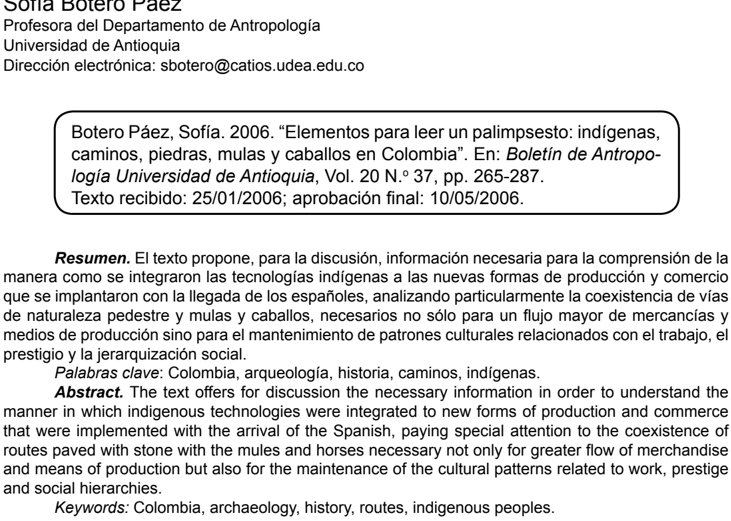
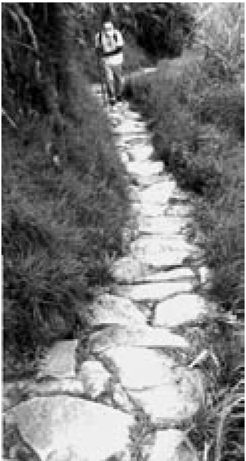
- The paper contends that many “caminos reales” and empedrados were of pedestrian character, with steps or escalones incompatible with horses, mules, and wheels; colonial documents repeatedly call roads “ásperos y fragosos para los caballos” rather than nonexistent.
- Equines were central to Spanish prestige and warfare: Patiño is cited that mounted warriors received double the share of gold and emeralds from the Tunja booty compared with foot soldiers, and an early conquest source valued a horse’s life as equal to six Spaniards.
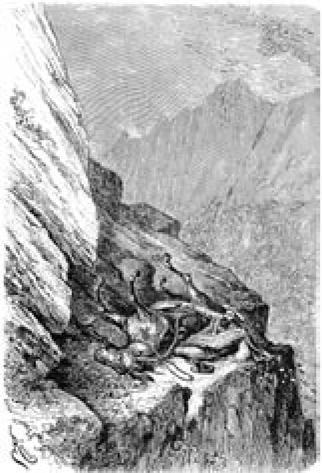
- Comparative Inca evidence is used: Hyslop’s figure of 23,189 km for the Inca road system, stairways that could reduce a 6-meter-wide road to 1–3 meters, and a 1773 Cañete report describing a descent of “cinco mil y más escalones” as horrifying for mounted travel.
- Colonial transport relied heavily on indigenous carriers despite Crown prohibitions; roads were often only about one meter wide in 19th-century repair reports, too narrow for two loaded mules to pass.
Methods
- Historical-critical essay/review rather than a field report, synthesizing colonial archival documents (AGN, AHA), chronicles (Cieza de León, Castellanos, Simón), legal codes, travelers’ accounts, and secondary archaeological and historical literature.
- Analyzes roads as palimpsests, comparing Colombian stone paths with Roman/Andalusian and Inca road scholarship, and uses documentary complaints, technical road-building requirements, and equine/transport history to infer pedestrian versus equine suitability.
- Geographic focus is mainly Colombia/Antioquia with comparative Peru/Inca examples; no new systematic archaeological prospection or chronology is presented.
Limitations
- Stated: precise chronologies for stone-paved routes cannot be established without detailed, systematic archaeological prospection; the article aims to clarify problems, concepts, and temporalities rather than resolve origins.
- Stated: colonial documentation is systematically silent about road construction and builders, and only exceptionally mentions causes of deterioration, limiting direct evidence.
- Evident: the argument is interpretive and relies on published sources and selected archival citations rather than new excavation or dating; comparative Inca and Roman material is used analogically, and the author explicitly calls for further cartography and landscape archaeology.
Model-written summary. Check it against the paper before relying on it.
Integrity signals
Registry
Cites
Statistics
Figures
Verification
Claims the paper makes
62 Sources not found · 41 Own interpretation · 16 No basis given · 3 Not checked yet
In the paper
“En los albores de la Conquista su importancia fue tal que se hizo muy superior a la de los mismos hombres: “porque en semejantes tiempos en tanto se tiene la vida de un caballo como la de seis españoles” (Sardela en Tovar, 1993: 309-310).”
§ Elementos para leer un palimpsesto: indígenas, caminos, piedras, mulas y caballos en Colombia > 6
What the sources say
- Not matchedcites Sardela en Tovar, 1993
Couldn’t be matched to a paper in Crossref, so it can’t be checked.
plainstates a cause- Asserted: passes — The authors put it forward as true.
- Checkable: passes — It can be checked against evidence.
- Load-bearing: unclear — It is unclear whether the paper’s conclusions depend on it.
- Based: passes — The paper gives a reason why it holds.
- Not matched
The paper states this without a source or data behind it here, so there is nothing to check it against. The quote shows it is in the paper.
In the paper
“Si bien no es posible afirmar que todos los llamados caminos reales fueron efectivamente empedrados”
§ Elementos para leer un palimpsesto: indígenas, caminos, piedras, mulas y caballos en Colombia > Piedras, cascos y escalones
hedged- Asserted: passes — The authors put it forward as true.
- Checkable: passes — It can be checked against evidence.
- Load-bearing: unclear — It is unclear whether the paper’s conclusions depend on it.
- Based: passes — The paper gives a reason why it holds.
The paper states this without a source or data behind it here, so there is nothing to check it against. The quote shows it is in the paper.
In the paper
“sólo excepcionalmente se mencionan, como causas del deterioro de los caminos, el peso de las cargas y el paso continuo y desordenado de vacas y cerdos, corrientemente trasladados a regiones donde era necesario el abastecimiento de carne.”
§ Elementos para leer un palimpsesto: indígenas, caminos, piedras, mulas y caballos en Colombia > Los caminos "reales"
plain- Asserted: passes — The authors put it forward as true.
- Checkable: passes — It can be checked against evidence.
- Load-bearing: unclear — It is unclear whether the paper’s conclusions depend on it.
- Based: passes — The paper gives a reason why it holds.
The paper states this without a source or data behind it here, so there is nothing to check it against. The quote shows it is in the paper.
In the paper
“es generalizado y sistemático el silencio en torno a construcciones y constructores propiamente dichos”
§ Elementos para leer un palimpsesto: indígenas, caminos, piedras, mulas y caballos en Colombia > Los caminos "reales"
plain- Asserted: passes — The authors put it forward as true.
- Checkable: passes — It can be checked against evidence.
- Load-bearing: passes — The paper’s conclusions depend on it.
- Based: passes — The paper gives a reason why it holds.
The paper states this without a source or data behind it here, so there is nothing to check it against. The quote shows it is in the paper.
In the paper
“Además, fueron utilizados permanentemente para persuadir y atemorizar.”
§ Elementos para leer un palimpsesto: indígenas, caminos, piedras, mulas y caballos en Colombia > 6
plainstates a cause- Asserted: passes — The authors put it forward as true.
- Checkable: passes — It can be checked against evidence.
- Load-bearing: unclear — It is unclear whether the paper’s conclusions depend on it.
- Based: passes — The paper gives a reason why it holds.
The paper states this without a source or data behind it here, so there is nothing to check it against. The quote shows it is in the paper.
In the paper
“En Colombia, la abrupta topografía que rodeaba las principales ciudades y las características mismas de los caminos apenas si permitieron el uso de carretas en los estrechos marcos de las plazas o, cuando más, en los tramos cortos y más planos de los caminos principales.”
§ Elementos para leer un palimpsesto: indígenas, caminos, piedras, mulas y caballos en Colombia > 6
plainstates a cause- Asserted: passes — The authors put it forward as true.
- Checkable: passes — It can be checked against evidence.
- Load-bearing: passes — The paper’s conclusions depend on it.
- Based: passes — The paper gives a reason why it holds.
The paper states this without a source or data behind it here, so there is nothing to check it against. The quote shows it is in the paper.
In the paper
“en la documentación colonial aparecen reiteradas alusiones a los trabajos que deben realizar los arrieros para facilitar el paso de las recuas”
§ Elementos para leer un palimpsesto: indígenas, caminos, piedras, mulas y caballos en Colombia > Los caminos "reales"
plain- Asserted: passes — The authors put it forward as true.
- Checkable: passes — It can be checked against evidence.
- Load-bearing: passes — The paper’s conclusions depend on it.
- Based: passes — The paper gives a reason why it holds.
The paper states this without a source or data behind it here, so there is nothing to check it against. The quote shows it is in the paper.
In the paper
“colonos, autoridades y comerciantes clamaron para que los caminos fueran tan anchos como para permitir el paso de dos mulas cargadas que se encontraran en sentido contrario”
§ Elementos para leer un palimpsesto: indígenas, caminos, piedras, mulas y caballos en Colombia > Los caminos "reales"
plain- Asserted: passes — The authors put it forward as true.
- Checkable: passes — It can be checked against evidence.
- Load-bearing: unclear — It is unclear whether the paper’s conclusions depend on it.
- Based: passes — The paper gives a reason why it holds.
The paper states this without a source or data behind it here, so there is nothing to check it against. The quote shows it is in the paper.
In the paper
“resulta cierto que la mayoría de las quejas se refiere justamente a la presencia de este elemento en la vía”
§ Elementos para leer un palimpsesto: indígenas, caminos, piedras, mulas y caballos en Colombia > Piedras, cascos y escalones
plainstates an association- Asserted: passes — The authors put it forward as true.
- Checkable: passes — It can be checked against evidence.
- Load-bearing: unclear — It is unclear whether the paper’s conclusions depend on it.
- Based: passes — The paper gives a reason why it holds.
The paper states this without a source or data behind it here, so there is nothing to check it against. The quote shows it is in the paper.
In the paper
“En América el precio de estos animales se elevó aún más, ya que al costo original se sumaba el costo del transporte y de los cuidados necesarios durante la travesía por mar”
§ Elementos para leer un palimpsesto: indígenas, caminos, piedras, mulas y caballos en Colombia > 6
plainstates a cause- Asserted: passes — The authors put it forward as true.
- Checkable: passes — It can be checked against evidence.
- Load-bearing: passes — The paper’s conclusions depend on it.
- Based: passes — The paper gives a reason why it holds.
- Probably not a substantial claim. 39
- It may state two separate claims as one. 54
- The quote only partly states this claim. 2
The paper states this without a source or data behind it here, so there is nothing to check it against. The quote shows it is in the paper.
In the paper
“El interés se ha centrado en el análisis del comercio y en establecer la cantidad y tipo de productos que circulaban, temas sobre los que existen innumerables estudios y documentación.”
§ Elementos para leer un palimpsesto: indígenas, caminos, piedras, mulas y caballos en Colombia > Los marcos de la lectura paso a paso
plain- Asserted: passes — The authors put it forward as true.
- Checkable: passes — It can be checked against evidence.
- Load-bearing: fails — The paper’s conclusions may not depend on it.
- Based: fails — The paper may give no reason why it holds.
Probably not a substantial claim. The paper’s conclusions may not depend on it. The paper may give no reason why it holds.
The paper states this without a source or data behind it here, so there is nothing to check it against. The quote shows it is in the paper.
In the paper
“Desde la arqueología, si bien el interés por los caminos debería ser mayor 2 en tanto se consideran como un indicador de complejidad social, los trabajos realizados son relativamente pocos y, en todo caso, de sus resultados no se ha derivado ni el conocimiento ni las preguntas que permitan pensar los caminos como un objeto de estudio susceptible de ser específicamente definido y sistemáticamente”
§ Elementos para leer un palimpsesto: indígenas, caminos, piedras, mulas y caballos en Colombia > Los marcos de la lectura paso a paso
plain- Asserted: passes — The authors put it forward as true.
- Checkable: passes — It can be checked against evidence.
- Load-bearing: passes — The paper’s conclusions depend on it.
- Based: fails — The paper may give no reason why it holds.
Probably not a substantial claim. The paper may give no reason why it holds. It may state two separate claims as one.
None of the sources cited for this claim have been checked yet.
In the paper
“si bien a lo largo y ancho de la documentación producida por los españoles, viajeros y administradores aparece incansablemente la queja de que los caminos son muy malos -no sólo por lo abrupto del terreno que cruzaban, sino por la falta de puentes y las piedras, derrumbes, tremedales, barrizales y pantanos que se creaban durante el invierno y que hicieron muy difícil, cuando no imposible, el tráf”
§ Elementos para leer un palimpsesto: indígenas, caminos, piedras, mulas y caballos en Colombia > Los marcos de la lectura paso a paso
hedgedstates a cause- Asserted: passes — The authors put it forward as true.
- Checkable: passes — It can be checked against evidence.
- Load-bearing: passes — The paper’s conclusions depend on it.
- Based: passes — The paper gives a reason why it holds.
It may state two separate claims as one.
The paper states this without a source or data behind it here, so there is nothing to check it against. The quote shows it is in the paper.
In the paper
“Los caballos fueron utilizados de manera directa para aplastar a los indígenas -literalmente-, e indirectamente como centinelas.”
§ Elementos para leer un palimpsesto: indígenas, caminos, piedras, mulas y caballos en Colombia > 6
plainstates a cause- Asserted: passes — The authors put it forward as true.
- Checkable: passes — It can be checked against evidence.
- Load-bearing: unclear — It is unclear whether the paper’s conclusions depend on it.
- Based: passes — The paper gives a reason why it holds.
It may state two separate claims as one.
The paper states this without a source or data behind it here, so there is nothing to check it against. The quote shows it is in the paper.
In the paper
“Aquí, durante la Conquista y toda la Colonia, el transporte de mercancías fue realizado casi exclusivamente por cargueros en su gran mayoría indígenas, a pesar de la enfática y temprana prohibición de la Corona para que los indígenas no fueran cargados “contra su voluntad ni de su agrado”.”
§ Elementos para leer un palimpsesto: indígenas, caminos, piedras, mulas y caballos en Colombia > 6
plain- Asserted: passes — The authors put it forward as true.
- Checkable: passes — It can be checked against evidence.
- Load-bearing: passes — The paper’s conclusions depend on it.
- Based: passes — The paper gives a reason why it holds.
It may state two separate claims as one.
None of the sources cited for this claim have been checked yet.
In the paper
“aun en los más tempranos documentos escritos por los conquistadores se refiere la existencia y tránsito por caminos reales, señalándose, además de su importancia, el uso colectivo y permanente de ellos.”
§ Elementos para leer un palimpsesto: indígenas, caminos, piedras, mulas y caballos en Colombia > Los caminos "reales"
plain- Asserted: passes — The authors put it forward as true.
- Checkable: passes — It can be checked against evidence.
- Load-bearing: unclear — It is unclear whether the paper’s conclusions depend on it.
- Based: passes — The paper gives a reason why it holds.
It may state two separate claims as one.
In the paper
“La documentación colonial señala profusamente, de manera directa e indirecta, la importancia que tuvo el trabajo indígena para los españoles y no sólo para la producción de comida -la cual garantizó su supervivencia física-, sino porque fue este trabajo el que permitió el mantenimiento y desarrollo del proyecto colonizador y su modelo económico”
§ Elementos para leer un palimpsesto: indígenas, caminos, piedras, mulas y caballos en Colombia > Los marcos de la lectura paso a paso
What the sources say
- Not matchedcites AGN, Visitas Antioquia
Couldn’t be matched to a paper in Crossref, so it can’t be checked.
boostedstates a causeSingle case- Asserted: passes — The authors put it forward as true.
- Checkable: passes — It can be checked against evidence.
- Load-bearing: passes — The paper’s conclusions depend on it.
- Based: passes — The paper gives a reason why it holds.
It may state two separate claims as one.
- Not matched
The paper states this without a source or data behind it here, so there is nothing to check it against. The quote shows it is in the paper.
In the paper
“El conocimiento de unos y otros, en la época -y en realidad hasta hace poco tiempo-, no fue sistemáticamente recogido y puesto a disposición de otras personas de manera que tales experiencias pudieran generar conocimiento socialmente compartido y susceptible de ser trasmitido durante generaciones y a través de distintas culturas y sociedades.”
§ Elementos para leer un palimpsesto: indígenas, caminos, piedras, mulas y caballos en Colombia > Los marcos de la lectura paso a paso
plainstates a cause- Asserted: passes — The authors put it forward as true.
- Checkable: passes — It can be checked against evidence.
- Load-bearing: passes — The paper’s conclusions depend on it.
- Based: fails — The paper may give no reason why it holds.
Probably not a substantial claim. The paper may give no reason why it holds. It may state two separate claims as one.
- Rests on an assumption: In Roman antiquity, more than two thousand years ago, there were no engineers as we know them now.
- Rests on an assumption: Those in charge of assuming Roman construction projects were men with experience and training in constructions, helped by the traditional knowledge of artisans and peasants in general, who provided the necessary information to the project.
A conclusion the paper draws from its own results — it cites no other source for it, so there is none to check. The quote shows it is in the paper.
In the paper
“analizando particularmente la coexistencia de vías de naturaleza pedestre y mulas y caballos, necesarios no sólo para un flujo mayor de mercancías y medios de producción sino para el mantenimiento de patrones culturales relacionados con el trabajo, el prestigio y la jerarquización social.”
§ Elementos para leer un palimpsesto: indígenas, caminos, piedras, mulas y caballos en Colombia > Abstract
plainstates a cause- Asserted: passes — The authors put it forward as true.
- Checkable: passes — It can be checked against evidence.
- Load-bearing: passes — The paper’s conclusions depend on it.
- Based: passes — The paper gives a reason why it holds.
It may state two separate claims as one.
A conclusion the paper draws from its own results — it cites no other source for it, so there is none to check. The quote shows it is in the paper.
In the paper
“Si bien nos resulta claro que será sólo una detallada y sistemática prospección e investigación arqueológica la que permitirá obtener la información necesaria para dirimir esta cuestión”
§ Elementos para leer un palimpsesto: indígenas, caminos, piedras, mulas y caballos en Colombia > Introducción
boostedstates a cause- Asserted: passes — The authors put it forward as true.
- Checkable: fails — It may be too vague to check against evidence.
- Load-bearing: passes — The paper’s conclusions depend on it.
- Based: fails — The paper may give no reason why it holds.
Probably not a substantial claim. It may be too vague to check against evidence. The paper may give no reason why it holds.
- Rests on an assumption: There is a polemic, without much argumentation, between those who consider the paved roads were built in pre-Hispanic times and those who affirm they were made by the Spanish conquerors and colonizers following the Roman construction tradition.
A conclusion the paper draws from its own results — it cites no other source for it, so there is none to check. The quote shows it is in the paper.
In the paper
“Esta ausencia, que por demás caracteriza los estudios del “medievalismo”, sin duda tiene explicación en un esfuerzo de carácter nacionalista y no en la ausencia de evidencias”
§ Elementos para leer un palimpsesto: indígenas, caminos, piedras, mulas y caballos en Colombia > Los marcos de la lectura paso a paso
boostedstates a cause- Asserted: passes — The authors put it forward as true.
- Checkable: passes — It can be checked against evidence.
- Load-bearing: fails — The paper’s conclusions may not depend on it.
- Based: fails — The paper may give no reason why it holds.
Probably not a substantial claim. The paper’s conclusions may not depend on it. The paper may give no reason why it holds.
In the paper
“la mera asociación llama la atención sobre la magnitud de la red vial a la que se alude, y de entrada reconoce la existencia generalizada de caminos empedrados y sólidamente construidos en nuestro medio, a la vez que reconoce una cierta, aunque ambivalente, antigüedad.”
§ Elementos para leer un palimpsesto: indígenas, caminos, piedras, mulas y caballos en Colombia > Los marcos de la lectura paso a paso
What the sources say
- Not matchedcites Langebaek et al., 2000
Couldn’t be matched to a paper in Crossref, so it can’t be checked.
hedgedstates an association- Asserted: passes — The authors put it forward as true.
- Checkable: passes — It can be checked against evidence.
- Load-bearing: fails — The paper’s conclusions may not depend on it.
- Based: passes — The paper gives a reason why it holds.
Probably not a substantial claim. The paper’s conclusions may not depend on it. It may state two separate claims as one.
- Rests on an assumption: In Colombia today there are many intricate networks of roads classified as veredales, de herradura, “reales”, trochas and senderos, among which there is a great number of paved roads.
- Not matched
In the paper
“podemos afirmar que si bien los españoles en territorio americano arrasaron gran cantidad de estructuras físicas y culturales, también se vieron obligados a darle continuidad a otras tantas: los caminos por ejemplo, que transformaron e innovaron al momento de intervenir el territorio e interactuar con la población necesaria a su propia supervivencia.”
§ Elementos para leer un palimpsesto: indígenas, caminos, piedras, mulas y caballos en Colombia > Los marcos de la lectura paso a paso
What the sources say
- Not matchedcites Menéndez y Soria (1994)
Couldn’t be matched to a paper in Crossref, so it can’t be checked.
plainstates a cause- Asserted: passes — The authors put it forward as true.
- Checkable: passes — It can be checked against evidence.
- Load-bearing: passes — The paper’s conclusions depend on it.
- Based: passes — The paper gives a reason why it holds.
It may state two separate claims as one.
- Not matched
A conclusion the paper draws from its own results — it cites no other source for it, so there is none to check. The quote shows it is in the paper.
In the paper
“en la reiteración de las quejas, lo que la documentación evidencia no es la inexistencia de caminos y ni siquiera su precariedad, sino que éstos son ásperos y fragosos para los caballos y las mulas”
§ Elementos para leer un palimpsesto: indígenas, caminos, piedras, mulas y caballos en Colombia > Los marcos de la lectura paso a paso
boosted- Asserted: passes — The authors put it forward as true.
- Checkable: passes — It can be checked against evidence.
- Load-bearing: passes — The paper’s conclusions depend on it.
- Based: passes — The paper gives a reason why it holds.
It may state two separate claims as one.
In the paper
“señalando sin lugar a dudas una de las mayores dificultades que debieron afrontar los españoles para implantar su modelo económico y cultural: la existencia de una red vial de exclusivo carácter pedestre y su incapacidad para construir vías aptas para suplir sus propias necesidades, entre ellas tráfico de animales y carretas (Botero, 2005)”
§ Elementos para leer un palimpsesto: indígenas, caminos, piedras, mulas y caballos en Colombia > Los marcos de la lectura paso a paso
What the sources say
- Not matchedcites Botero, 2005
Couldn’t be matched to a paper in Crossref, so it can’t be checked.
boostedstates a cause- Asserted: passes — The authors put it forward as true.
- Checkable: passes — It can be checked against evidence.
- Load-bearing: passes — The paper’s conclusions depend on it.
- Based: passes — The paper gives a reason why it holds.
It may state two separate claims as one.
- Not matched
None of the sources cited for this claim could be matched to a paper in Crossref, so there is nothing to check it against.
In the paper
“arqueólogos e historiadores ya han llamado la atención sobre los sistemas de riego y los circuitos de distribución cerámica creados y desarrollados durante este periodo (Trujillo, 1993;Barceló et al., 1988).”
§ Elementos para leer un palimpsesto: indígenas, caminos, piedras, mulas y caballos en Colombia > Los marcos de la lectura paso a paso
What the sources say
- Not matchedcites Trujillo, 1993
Couldn’t be matched to a paper in Crossref, so it can’t be checked.
- Not matchedcites Barceló et al., 1988
Couldn’t be matched to a paper in Crossref, so it can’t be checked.
boosted- Asserted: passes — The authors put it forward as true.
- Checkable: passes — It can be checked against evidence.
- Load-bearing: fails — The paper’s conclusions may not depend on it.
- Based: passes — The paper gives a reason why it holds.
Probably not a substantial claim. The paper’s conclusions may not depend on it.
- Not matched
The paper states this without a source or data behind it here, so there is nothing to check it against. The quote shows it is in the paper.
In the paper
“Por supuesto, los adornos más lujosos estaban reservados para la Corona.”
§ Elementos para leer un palimpsesto: indígenas, caminos, piedras, mulas y caballos en Colombia > 6
plain- Asserted: passes — The authors put it forward as true.
- Checkable: passes — It can be checked against evidence.
- Load-bearing: fails — The paper’s conclusions may not depend on it.
- Based: fails — The paper may give no reason why it holds.
Probably not a substantial claim. The paper’s conclusions may not depend on it. The paper may give no reason why it holds.
In the paper
“la cría de caballos no fuera sistemática hasta finales del siglo XVII, cuando se llevaron machos árabes a Francia y a Inglaterra para cruzarlos con yeguas originarias de estos países (Encarta, 2005).”
§ Elementos para leer un palimpsesto: indígenas, caminos, piedras, mulas y caballos en Colombia > 6
What the sources say
- Not matchedcites Encarta, 2005
Couldn’t be matched to a paper in Crossref, so it can’t be checked.
plainstates a cause- Asserted: passes — The authors put it forward as true.
- Checkable: passes — It can be checked against evidence.
- Load-bearing: fails — The paper’s conclusions may not depend on it.
- Based: passes — The paper gives a reason why it holds.
Probably not a substantial claim. The paper’s conclusions may not depend on it. It may state two separate claims as one.
- Not matched
In the paper
“los árabes habían criado una raza de caballos más pequeños pero muy rápidos, que luego serían introducidos en España en el siglo VIII.”
§ Elementos para leer un palimpsesto: indígenas, caminos, piedras, mulas y caballos en Colombia > 6
What the sources say
- Not matchedcites Encarta, 2005
Couldn’t be matched to a paper in Crossref, so it can’t be checked.
plainstates a cause- Asserted: passes — The authors put it forward as true.
- Checkable: passes — It can be checked against evidence.
- Load-bearing: fails — The paper’s conclusions may not depend on it.
- Based: passes — The paper gives a reason why it holds.
Probably not a substantial claim. The paper’s conclusions may not depend on it. It may state two separate claims as one.
- Not matched
In the paper
“En gran parte de Europa, hasta el siglo XVII el caballo se utilizó sobre todo como montura en campañas militares y como animal de carga.”
§ Elementos para leer un palimpsesto: indígenas, caminos, piedras, mulas y caballos en Colombia > 6
What the sources say
- Not matchedcites Encarta, 2005
Couldn’t be matched to a paper in Crossref, so it can’t be checked.
plain- Asserted: passes — The authors put it forward as true.
- Checkable: passes — It can be checked against evidence.
- Load-bearing: fails — The paper’s conclusions may not depend on it.
- Based: passes — The paper gives a reason why it holds.
Probably not a substantial claim. The paper’s conclusions may not depend on it.
- Not matched
In the paper
“Durante la Edad Media la guerra estuvo dominada por caballeros montados que llevaban armadura metálica y manejaban la lanza de punta metálica y la espada de doble filo.”
§ Elementos para leer un palimpsesto: indígenas, caminos, piedras, mulas y caballos en Colombia > 6
What the sources say
- Not matchedcites Encarta, 2005
Couldn’t be matched to a paper in Crossref, so it can’t be checked.
plain- Asserted: passes — The authors put it forward as true.
- Checkable: passes — It can be checked against evidence.
- Load-bearing: fails — The paper’s conclusions may not depend on it.
- Based: passes — The paper gives a reason why it holds.
Probably not a substantial claim. The paper’s conclusions may not depend on it.
- Not matched
In the paper
“El interés por los caballos y su importancia se revela con claridad en las leyes españolas, que regulaban no sólo los aspectos más prácticos de su reproducción y tenencia sino también la forma en que debían ser tenidos y aun vestidos”
§ Elementos para leer un palimpsesto: indígenas, caminos, piedras, mulas y caballos en Colombia > 6
What the sources say
- Not matchedcites Novísima Recopilación de las Leyes de España, 1805
Couldn’t be matched to a paper in Crossref, so it can’t be checked.
boostedstates an association- Asserted: passes — The authors put it forward as true.
- Checkable: passes — It can be checked against evidence.
- Load-bearing: unclear — It is unclear whether the paper’s conclusions depend on it.
- Based: passes — The paper gives a reason why it holds.
It may state two separate claims as one.
- Not matched
A conclusion the paper draws from its own results — it cites no other source for it, so there is none to check. The quote shows it is in the paper.
In the paper
“aquí, tratándose de nuevos territorios, resultaría necesario precisar dónde y en qué circunstancias debieron construirse o al menos transformarse los caminos para permitir el paso continuado de caballos y ganado y de cientos de hombres cargados con cosas voluminosas, pesadas y muy difíciles de transportar por caminos estrechos y de fuertes pendientes.”
§ Elementos para leer un palimpsesto: indígenas, caminos, piedras, mulas y caballos en Colombia > Los marcos de la lectura paso a paso
hedgedstates a possible cause- Asserted: passes — The authors put it forward as true.
- Checkable: fails — It may be too vague to check against evidence.
- Load-bearing: fails — The paper’s conclusions may not depend on it.
- Based: fails — The paper may give no reason why it holds.
Probably not a substantial claim. It may be too vague to check against evidence. The paper’s conclusions may not depend on it. The paper may give no reason why it holds.
In the paper
“rieron enorme fama debido tanto a su rapidez como a su resistencia, y ya en el siglo XII se exportaban muchos a otros países de Europa.”
§ Elementos para leer un palimpsesto: indígenas, caminos, piedras, mulas y caballos en Colombia > 6
What the sources say
- Not matchedcites Encarta, 2005
Couldn’t be matched to a paper in Crossref, so it can’t be checked.
plainstates a cause- Asserted: passes — The authors put it forward as true.
- Checkable: passes — It can be checked against evidence.
- Load-bearing: fails — The paper’s conclusions may not depend on it.
- Based: passes — The paper gives a reason why it holds.
Probably not a substantial claim. The paper’s conclusions may not depend on it. It may state two separate claims as one.
- Not matched
A conclusion the paper draws from its own results — it cites no other source for it, so there is none to check. The quote shows it is in the paper.
In the paper
“tener caballo, cabalgar y comportarse como caballero eran algunos de los aspectos más visibles y fáciles de reconocer en este medio, por lo cual resulta lógico pensar que los caminos que estuvieron interesados en construir los españoles tendrían efectivamente que ser aptos para el tráfico y, aún más, para el galope de estos animales.”
§ Elementos para leer un palimpsesto: indígenas, caminos, piedras, mulas y caballos en Colombia > 6
hedgedstates a possible cause- Asserted: passes — The authors put it forward as true.
- Checkable: passes — It can be checked against evidence.
- Load-bearing: fails — The paper’s conclusions may not depend on it.
- Based: passes — The paper gives a reason why it holds.
Probably not a substantial claim. The paper’s conclusions may not depend on it. It may state two separate claims as one.
None of the sources cited for this claim could be matched to a paper in Crossref, so there is nothing to check it against.
In the paper
“Si bien son recurrentes las descripciones que narran los encuentros de los indígenas con estos animales y es conocido el terror que causaron en la población aborigen animales jamás vistos, apenas si se ha mencionado el hecho de que pensaron que el caballo formaba una unidad física con el conquistador (Portilla et al., 1980;Patiño, 1970: 100-175;Todorov, 1982;Tovar, 1993).”
§ Elementos para leer un palimpsesto: indígenas, caminos, piedras, mulas y caballos en Colombia > 6
What the sources say
- Not matchedcites Portilla et al., 1980
Couldn’t be matched to a paper in Crossref, so it can’t be checked.
- Not matchedcites Patiño, 1970
Couldn’t be matched to a paper in Crossref, so it can’t be checked.
- Not matchedcites Todorov, 1982
Couldn’t be matched to a paper in Crossref, so it can’t be checked.
plain- Asserted: passes — The authors put it forward as true.
- Checkable: passes — It can be checked against evidence.
- Load-bearing: unclear — It is unclear whether the paper’s conclusions depend on it.
- Based: passes — The paper gives a reason why it holds.
It may state two separate claims as one.
- Not matched
None of the sources cited for this claim could be matched to a paper in Crossref, so there is nothing to check it against.
In the paper
“Quizás el caso que mejor muestra el manejo que dio la Corona a los problemas específicos relacionados con los caminos y el tráfico comercial lo encontramos relacionado con el río Atrato o Darién, el cual, si bien es una de las vías naturales para el transporte y comunicación del norte y suroeste colombiano -sólo comparable con el Magdalena-, se mantuvo aislado y prohibido su tránsito durante déc”
§ Elementos para leer un palimpsesto: indígenas, caminos, piedras, mulas y caballos en Colombia > Piedras, cascos y escalones
What the sources say
- Not matchedcites Botero, 2005
Couldn’t be matched to a paper in Crossref, so it can’t be checked.
- Not matchedcites Mancera, 2005
Couldn’t be matched to a paper in Crossref, so it can’t be checked.
plain- Asserted: passes — The authors put it forward as true.
- Checkable: passes — It can be checked against evidence.
- Load-bearing: unclear — It is unclear whether the paper’s conclusions depend on it.
- Based: passes — The paper gives a reason why it holds.
It may state two separate claims as one.
- Not matched
In the paper
“El animal, que apenas llegaba en un barco que naufragó, fue tomado por los taironas y llevado a la Sierra Nevada de Santa Marta, quizás por el año 1530, “y lo subieron allí sobre unos palos con sogas y con mucha fuerza de indios” (Simón, 1981, tomo III: 71).”
§ Elementos para leer un palimpsesto: indígenas, caminos, piedras, mulas y caballos en Colombia > Piedras, cascos y escalones
What the sources say
- Not matchedcites Simón, 1981, tomo III: 71
Couldn’t be matched to a paper in Crossref, so it can’t be checked.
hedgedstates a causeSingle case- Asserted: passes — The authors put it forward as true.
- Checkable: passes — It can be checked against evidence.
- Load-bearing: unclear — It is unclear whether the paper’s conclusions depend on it.
- Based: passes — The paper gives a reason why it holds.
It may state two separate claims as one.
- Not matched
A conclusion the paper draws from its own results — it cites no other source for it, so there is none to check. The quote shows it is in the paper.
In the paper
“esto sin duda influyó en que los primeros caballos que se introdujeron en América fueran utilizados solamente para adelantar el ataque contra los indígenas y no como medio necesario para el transporte de pertrechos y soldados.”
§ Elementos para leer un palimpsesto: indígenas, caminos, piedras, mulas y caballos en Colombia > 6
boostedstates a cause- Asserted: passes — The authors put it forward as true.
- Checkable: passes — It can be checked against evidence.
- Load-bearing: unclear — It is unclear whether the paper’s conclusions depend on it.
- Based: passes — The paper gives a reason why it holds.
It may state two separate claims as one.
A conclusion the paper draws from its own results — it cites no other source for it, so there is none to check. The quote shows it is in the paper.
In the paper
“Navegar por el Atrato significaba no sólo tener acceso a la gran cantidad de entables mineros existentes en Chocó y por tanto fortalecer y desarrollar la explotación de oro -vital al modelo económico español-, sino, desde el occidente, llegar de manera más rápida y económica a los puertos marítimos al norte: Urabá, Panamá y Cartagena principalmente.”
§ Elementos para leer un palimpsesto: indígenas, caminos, piedras, mulas y caballos en Colombia > Piedras, cascos y escalones
plainstates a cause- Asserted: passes — The authors put it forward as true.
- Checkable: passes — It can be checked against evidence.
- Load-bearing: unclear — It is unclear whether the paper’s conclusions depend on it.
- Based: passes — The paper gives a reason why it holds.
It may state two separate claims as one.
In the paper
“Es de resaltar que la Sierra Nevada de Santa Marta, a pesar de sus riquezas, les resultó inexpugnable a los españoles y en ningún momento se convirtió en asiento permanente de ellos, y no sólo por la denodada resistencia indígena sino por la dificultad que tuvieron para remontar sus escalonados caminos y llevar sus caballos.”
§ Elementos para leer un palimpsesto: indígenas, caminos, piedras, mulas y caballos en Colombia > Piedras, cascos y escalones
What the sources say
- Not matchedcites Simón, 1981, tomo III: 69, 71
Couldn’t be matched to a paper in Crossref, so it can’t be checked.
plainstates a cause- Asserted: passes — The authors put it forward as true.
- Checkable: passes — It can be checked against evidence.
- Load-bearing: passes — The paper’s conclusions depend on it.
- Based: passes — The paper gives a reason why it holds.
It may state two separate claims as one.
- Not matched
In the paper
“Los grandes señores competían entre ellos y con el rey para mantener en las suyas los mejores ejemplares, como que el caballo era regalo de príncipes […]”
§ Elementos para leer un palimpsesto: indígenas, caminos, piedras, mulas y caballos en Colombia > 6
What the sources say
- Not matchedcites Patiño, 1970
Couldn’t be matched to a paper in Crossref, so it can’t be checked.
plainstates a cause- Asserted: passes — The authors put it forward as true.
- Checkable: passes — It can be checked against evidence.
- Load-bearing: unclear — It is unclear whether the paper’s conclusions depend on it.
- Based: passes — The paper gives a reason why it holds.
It may state two separate claims as one.
- Not matched
None of the sources cited for this claim could be matched to a paper in Crossref, so there is nothing to check it against.
In the paper
“Aduciendo razones fiscales y de seguridad, no se consideró prudente el tránsito por este río, se prohibió su navegación y a pesar del interés de los comerciantes apenas si se pensó abrir algunos de los caminos que desde Antioquia conducían a Chocó.”
§ Elementos para leer un palimpsesto: indígenas, caminos, piedras, mulas y caballos en Colombia > Piedras, cascos y escalones
What the sources say
- Not matchedcites Botero, 2005
Couldn’t be matched to a paper in Crossref, so it can’t be checked.
- Not matchedcites Mancera, 2005
Couldn’t be matched to a paper in Crossref, so it can’t be checked.
plainstates a cause- Asserted: passes — The authors put it forward as true.
- Checkable: passes — It can be checked against evidence.
- Load-bearing: unclear — It is unclear whether the paper’s conclusions depend on it.
- Based: passes — The paper gives a reason why it holds.
It may state two separate claims as one.
- Not matched
In the paper
“y aunque hay por el río Dagua otro camino por donde entran los ganados y caballos van con mucho peligro y muérense muchos; y allegan tales, que en muchos días no son de provecho (Cieza de León, 1984: 154-155; el subrayado es nuestro).”
§ Elementos para leer un palimpsesto: indígenas, caminos, piedras, mulas y caballos en Colombia > Piedras, cascos y escalones
What the sources say
- Not matchedcites Cieza de León, 1984: 154-155
Couldn’t be matched to a paper in Crossref, so it can’t be checked.
plainstates a cause- Asserted: passes — The authors put it forward as true.
- Checkable: passes — It can be checked against evidence.
- Load-bearing: passes — The paper’s conclusions depend on it.
- Based: passes — The paper gives a reason why it holds.
Probably not a substantial claim. It may state two separate claims as one.
- Not matched
In the paper
“En la vida de un camino es fundamental el funcionamiento del drenaje, pues por la naturaleza del material con que se forman los terraplenes o el propio de los taludes de los cortes, cualquier exceso de agua o humedad ocasiona deslaves y trastorna el funcionamiento del camino”
§ Elementos para leer un palimpsesto: indígenas, caminos, piedras, mulas y caballos en Colombia > Los caminos "reales"
What the sources say
- Not matchedcites Etcharren, 1972: 228, 303
Couldn’t be matched to a paper in Crossref, so it can’t be checked.
plainstates a cause- Asserted: passes — The authors put it forward as true.
- Checkable: passes — It can be checked against evidence.
- Load-bearing: fails — The paper’s conclusions may not depend on it.
- Based: passes — The paper gives a reason why it holds.
Probably not a substantial claim. The paper’s conclusions may not depend on it.
- Not matched
A conclusion the paper draws from its own results — it cites no other source for it, so there is none to check. The quote shows it is in the paper.
In the paper
“es seguro que aquí los caballos llevaban sillas y aperos repujados, colocados sobre mantas (gualdrapas) de llamativos colores, máscaras, cascabeles, etc., y que fue así como los conocieron los indígenas”
§ Elementos para leer un palimpsesto: indígenas, caminos, piedras, mulas y caballos en Colombia > 6
boostedstates a cause- Asserted: passes — The authors put it forward as true.
- Checkable: passes — It can be checked against evidence.
- Load-bearing: fails — The paper’s conclusions may not depend on it.
- Based: fails — The paper may give no reason why it holds.
Probably not a substantial claim. The paper’s conclusions may not depend on it. The paper may give no reason why it holds. It may state two separate claims as one.
In the paper
“Puesto que las temperaturas en el trópico no varían de acuerdo a [sic] la estación sino con la altitud, las tres cordilleras ofrecen grandes diferencias climáticas en el espacio de distancias muy cortas.”
§ Elementos para leer un palimpsesto: indígenas, caminos, piedras, mulas y caballos en Colombia > Piedras, cascos y escalones
What the sources say
- Not matchedcites Safford, 1989: 45
Couldn’t be matched to a paper in Crossref, so it can’t be checked.
plainstates a cause- Asserted: passes — The authors put it forward as true.
- Checkable: passes — It can be checked against evidence.
- Load-bearing: passes — The paper’s conclusions depend on it.
- Based: passes — The paper gives a reason why it holds.
It may state two separate claims as one.
- Not matched
A conclusion the paper draws from its own results — it cites no other source for it, so there is none to check. The quote shows it is in the paper.
In the paper
“sin duda ésta fue una de las tantas razones por las cuales los caballos aterrorizaron y sirvieron como arma letal usada contra quienes opusieron resistencia a los recién llegados.”
§ Elementos para leer un palimpsesto: indígenas, caminos, piedras, mulas y caballos en Colombia > 6
plainstates a cause- Asserted: passes — The authors put it forward as true.
- Checkable: passes — It can be checked against evidence.
- Load-bearing: unclear — It is unclear whether the paper’s conclusions depend on it.
- Based: passes — The paper gives a reason why it holds.
It may state two separate claims as one.
In the paper
“Consideramos que está por estudiarse el impacto que causaron en este continente los caballos y las imágenes y representaciones que a partir de ese momento, y hasta el presente, marcan la memoria y representaciones que sobre estos hechos tienen los indígenas y la población mestiza (Herrera, 2005).”
§ Elementos para leer un palimpsesto: indígenas, caminos, piedras, mulas y caballos en Colombia > 6
What the sources say
- Not matchedcites Herrera, 2005
Couldn’t be matched to a paper in Crossref, so it can’t be checked.
plain- Asserted: passes — The authors put it forward as true.
- Checkable: fails — It may be too vague to check against evidence.
- Load-bearing: passes — The paper’s conclusions depend on it.
- Based: passes — The paper gives a reason why it holds.
Probably not a substantial claim. It may be too vague to check against evidence. It may state two separate claims as one.
- Not matched
In the paper
“Para llevar a la ciudad de Cali las mercancías que en este puerto se descargan, de que se provee toda la Gobernación, hay un solo remedio con los indios de estas montañas, los cuales tienen por su ordinario trabajo, llevarlas a cuestas, que de otra manera era imposible poderse llevar.Porque, si quisiesen hacer camino para recuas, sería tan dificultoso que creo, no se podría andar con bestias carg”
§ Elementos para leer un palimpsesto: indígenas, caminos, piedras, mulas y caballos en Colombia > Piedras, cascos y escalones
What the sources say
- Not matchedcites Cieza de León, 1984: 154-155
Couldn’t be matched to a paper in Crossref, so it can’t be checked.
hedgedstates a cause- Asserted: passes — The authors put it forward as true.
- Checkable: passes — It can be checked against evidence.
- Load-bearing: fails — The paper’s conclusions may not depend on it.
- Based: passes — The paper gives a reason why it holds.
Probably not a substantial claim. The paper’s conclusions may not depend on it. It may state two separate claims as one.
- Not matched
In the paper
“Dado que los Andes son cadenas montañosas muy escarpadas las pendientes constituyen un considerable problema de ingeniería que debió ser resuelto de diversas formas […]”
§ Elementos para leer un palimpsesto: indígenas, caminos, piedras, mulas y caballos en Colombia > Piedras, cascos y escalones
What the sources say
- Not matchedcites Hyslop, 1992: 74-75, 79-80
Couldn’t be matched to a paper in Crossref, so it can’t be checked.
plainstates a cause- Asserted: passes — The authors put it forward as true.
- Checkable: passes — It can be checked against evidence.
- Load-bearing: fails — The paper’s conclusions may not depend on it.
- Based: passes — The paper gives a reason why it holds.
Probably not a substantial claim. The paper’s conclusions may not depend on it. It may state two separate claims as one.
- Not matched
In the paper
“La interpretación borbónica de la ley posibilitó la utilización de presos, vagos y maleantes como mano de obra obligada en el mantenimiento de los caminos, lo cual generó no pocos problemas y dificultades.”
§ Elementos para leer un palimpsesto: indígenas, caminos, piedras, mulas y caballos en Colombia > Los caminos "reales"
What the sources say
- Not matchedcites [12]
Couldn’t be matched to a paper in Crossref, so it can’t be checked.
plainstates a cause- Asserted: passes — The authors put it forward as true.
- Checkable: passes — It can be checked against evidence.
- Load-bearing: unclear — It is unclear whether the paper’s conclusions depend on it.
- Based: passes — The paper gives a reason why it holds.
It may state two separate claims as one.
- Not matched
A conclusion the paper draws from its own results — it cites no other source for it, so there is none to check. The quote shows it is in the paper.
In the paper
“sino que, a nuestro juicio, manifiesta su carácter eminentemente pedestre,”
§ Elementos para leer un palimpsesto: indígenas, caminos, piedras, mulas y caballos en Colombia > Piedras, cascos y escalones
boosted- Asserted: passes — The authors put it forward as true.
- Checkable: passes — It can be checked against evidence.
- Load-bearing: fails — The paper’s conclusions may not depend on it.
- Based: passes — The paper gives a reason why it holds.
Probably not a substantial claim. The paper’s conclusions may not depend on it.
A conclusion the paper draws from its own results — it cites no other source for it, so there is none to check. The quote shows it is in the paper.
In the paper
“Este elemento constructivo estructural, si bien permitió el manejo de las pendientes, es completamente inadecuado a las necesidades y características de mulas y caballos e impide irremediablemente el uso de la rueda.”
§ Elementos para leer un palimpsesto: indígenas, caminos, piedras, mulas y caballos en Colombia > Piedras, cascos y escalones
boostedstates a cause- Asserted: passes — The authors put it forward as true.
- Checkable: passes — It can be checked against evidence.
- Load-bearing: passes — The paper’s conclusions depend on it.
- Based: passes — The paper gives a reason why it holds.
It may state two separate claims as one.
A conclusion the paper draws from its own results — it cites no other source for it, so there is none to check. The quote shows it is in the paper.
In the paper
“Esta característica no sólo está adaptada a las condiciones de una quebrada topografía y responde adecuadamente a las exigencias de suelos altamente deleznables,”
§ Elementos para leer un palimpsesto: indígenas, caminos, piedras, mulas y caballos en Colombia > Piedras, cascos y escalones
plainstates a cause- Asserted: passes — The authors put it forward as true.
- Checkable: passes — It can be checked against evidence.
- Load-bearing: passes — The paper’s conclusions depend on it.
- Based: passes — The paper gives a reason why it holds.
It may state two separate claims as one.
A conclusion the paper draws from its own results — it cites no other source for it, so there is none to check. The quote shows it is in the paper.
In the paper
“Una de las razones que explica este fenómeno es que la importancia de los equinos para el transporte de bienes y mercancías es relativa en tanto está limitada por las necesidades y características físicas de los animales (en realidad no sustancialmente distintas de las de los humanos)”
§ Elementos para leer un palimpsesto: indígenas, caminos, piedras, mulas y caballos en Colombia > 6
plainstates a cause- Asserted: passes — The authors put it forward as true.
- Checkable: passes — It can be checked against evidence.
- Load-bearing: passes — The paper’s conclusions depend on it.
- Based: passes — The paper gives a reason why it holds.
It may state two separate claims as one.
In the paper
“El efecto de las laderas fue tal, que cuando una ruta incaica se veía frente a una pendiente pronunciada requería elementos formales de construcción, así como un angostamiento del camino […]”
§ Elementos para leer un palimpsesto: indígenas, caminos, piedras, mulas y caballos en Colombia > Piedras, cascos y escalones
What the sources say
- Not matchedcites Hyslop, 1992: 74-75, 79-80
Couldn’t be matched to a paper in Crossref, so it can’t be checked.
plainstates a cause- Asserted: passes — The authors put it forward as true.
- Checkable: passes — It can be checked against evidence.
- Load-bearing: unclear — It is unclear whether the paper’s conclusions depend on it.
- Based: passes — The paper gives a reason why it holds.
It may state two separate claims as one.
- Not matched
A conclusion the paper draws from its own results — it cites no other source for it, so there is none to check. The quote shows it is in the paper.
In the paper
“El liso metal de las herraduras, en contacto con la superficie de las piedras, no sólo “lima el casco de las caballerías”, sino que dependiendo del tamaño y forma en que se encuentren dificultan enormemente el paso de los animales (véase figura 2).”
§ Elementos para leer un palimpsesto: indígenas, caminos, piedras, mulas y caballos en Colombia > Piedras, cascos y escalones
plainstates a cause- Asserted: passes — The authors put it forward as true.
- Checkable: passes — It can be checked against evidence.
- Load-bearing: unclear — It is unclear whether the paper’s conclusions depend on it.
- Based: passes — The paper gives a reason why it holds.
It may state two separate claims as one.
In the paper
“Había caballerizas reales en Córdoba y en otros lugares.”
§ Elementos para leer un palimpsesto: indígenas, caminos, piedras, mulas y caballos en Colombia > 6
What the sources say
- Not matchedcites Patiño, 1970
Couldn’t be matched to a paper in Crossref, so it can’t be checked.
plain- Asserted: passes — The authors put it forward as true.
- Checkable: passes — It can be checked against evidence.
- Load-bearing: fails — The paper’s conclusions may not depend on it.
- Based: passes — The paper gives a reason why it holds.
Probably not a substantial claim. The paper’s conclusions may not depend on it.
- Not matched
In the paper
“Las pendientes pronunciadas generalmente requerían que los caminos fueran construidos de manera más cuidadosa y que su traza sea elegida con considerable ingenio.”
§ Elementos para leer un palimpsesto: indígenas, caminos, piedras, mulas y caballos en Colombia > Piedras, cascos y escalones
What the sources say
- Not matchedcites Hyslop, 1992: 74-75, 79-80
Couldn’t be matched to a paper in Crossref, so it can’t be checked.
plainstates a cause- Asserted: passes — The authors put it forward as true.
- Checkable: passes — It can be checked against evidence.
- Load-bearing: unclear — It is unclear whether the paper’s conclusions depend on it.
- Based: passes — The paper gives a reason why it holds.
It may state two separate claims as one.
- Not matched
In the paper
““la Corona simplemente definía las regalías sobre las minas y legislaba para proteger el tráfico en el camino” (Pérez, 2001: 46);”
§ Elementos para leer un palimpsesto: indígenas, caminos, piedras, mulas y caballos en Colombia > Piedras, cascos y escalones
What the sources say
- Not matchedcites Pérez, 2001: 46
Couldn’t be matched to a paper in Crossref, so it can’t be checked.
plain- Asserted: passes — The authors put it forward as true.
- Checkable: passes — It can be checked against evidence.
- Load-bearing: passes — The paper’s conclusions depend on it.
- Based: passes — The paper gives a reason why it holds.
It may state two separate claims as one.
- Not matched
The paper states this without a source or data behind it here, so there is nothing to check it against. The quote shows it is in the paper.
In the paper
“Independientemente de la longitud y ruta del camino que se quiera construir, el aspecto más importante por definir es el trazado, en tanto es éste el que determina su efectiva posibilidad de tránsito y los costos de mantenimiento.”
§ Elementos para leer un palimpsesto: indígenas, caminos, piedras, mulas y caballos en Colombia > Los caminos "reales"
plainstates a cause- Asserted: passes — The authors put it forward as true.
- Checkable: fails — It may be too vague to check against evidence.
- Load-bearing: fails — The paper’s conclusions may not depend on it.
- Based: fails — The paper may give no reason why it holds.
Probably not a substantial claim. It may be too vague to check against evidence. The paper’s conclusions may not depend on it. The paper may give no reason why it holds.
In the paper
“Subrayamos además que, si bien tanto las minas como los caminos para comunicarlas resultaban de total interés para la monarquía, su mantenimiento y explotación fue de carácter privado:”
§ Elementos para leer un palimpsesto: indígenas, caminos, piedras, mulas y caballos en Colombia > Piedras, cascos y escalones
What the sources say
- Not matchedcites Pérez, 2001: 46
Couldn’t be matched to a paper in Crossref, so it can’t be checked.
plain- Asserted: passes — The authors put it forward as true.
- Checkable: passes — It can be checked against evidence.
- Load-bearing: passes — The paper’s conclusions depend on it.
- Based: passes — The paper gives a reason why it holds.
It may state two separate claims as one.
- Not matched
In the paper
“El arqueólogo John Hyslop y su equipo de investigación, interesados en entender los aspectos técnicos que involucró la construcción de la red vial incaica (con 23.189 km hasta donde se conoce), concluyen que las escalinatas tienen la ventaja de permitir una traza relativamente recta en puntos donde el terreno es muy quebrado:”
§ Elementos para leer un palimpsesto: indígenas, caminos, piedras, mulas y caballos en Colombia > Piedras, cascos y escalones
What the sources say
- Not matchedcites Hyslop, 1992
Couldn’t be matched to a paper in Crossref, so it can’t be checked.
plainstates a cause- Asserted: passes — The authors put it forward as true.
- Checkable: passes — It can be checked against evidence.
- Load-bearing: fails — The paper’s conclusions may not depend on it.
- Based: passes — The paper gives a reason why it holds.
Probably not a substantial claim. The paper’s conclusions may not depend on it.
- Not matched
None of the sources cited for this claim could be matched to a paper in Crossref, so there is nothing to check it against.
In the paper
“Contrario a lo que en la actualidad consideran arqueólogos, arquitectos e ingenieros (Oyuela, 1990), para los españoles las “peñas tajadas” resultaban “dificultosísimas de subir […] tan dificultosos de bajar como de subir, pues más parecían apeaderos de gatos que caminos de hombres” (Simón, 1981, tomo III: 69, 71).”
§ Elementos para leer un palimpsesto: indígenas, caminos, piedras, mulas y caballos en Colombia > Piedras, cascos y escalones
What the sources say
- Not matchedcites Simón, 1981, tomo III: 69, 71
Couldn’t be matched to a paper in Crossref, so it can’t be checked.
- Not matchedcites Oyuela, 1990
Couldn’t be matched to a paper in Crossref, so it can’t be checked.
plain- Asserted: passes — The authors put it forward as true.
- Checkable: passes — It can be checked against evidence.
- Load-bearing: passes — The paper’s conclusions depend on it.
- Based: passes — The paper gives a reason why it holds.
It may state two separate claims as one.
- Not matched
In the paper
“Los cronistas tempranos de la Conquista abundan en comentarios sobre estos escalones en el camino incaico.Su frecuente mención se debe sin duda a lo impresionante de su construcción (algunas cuestas tienen miles de escalones) y porque eran difíciles de transitar a caballo por el temor que les ocasionaba (Hyslop, 1992: 78).”
§ Elementos para leer un palimpsesto: indígenas, caminos, piedras, mulas y caballos en Colombia > Piedras, cascos y escalones
What the sources say
- Not matchedcites Hyslop, 1992: 78
Couldn’t be matched to a paper in Crossref, so it can’t be checked.
boostedstates a cause- Asserted: passes — The authors put it forward as true.
- Checkable: passes — It can be checked against evidence.
- Load-bearing: unclear — It is unclear whether the paper’s conclusions depend on it.
- Based: passes — The paper gives a reason why it holds.
It may state two separate claims as one.
- Not matched
In the paper
“Los caminos los más horrorosos de la provincia por lo que hace preciso transitar mucha parte de ellos a pie, por el horror que causa pasarlos en las cabalgaduras; pues para llegar en derechura esta la horrorosa baxada que consta de cinco mil y más escalones (Coello, 2000: 176).”
§ Elementos para leer un palimpsesto: indígenas, caminos, piedras, mulas y caballos en Colombia > Piedras, cascos y escalones
What the sources say
- Not matchedcites Coello, 2000: 176
Couldn’t be matched to a paper in Crossref, so it can’t be checked.
plainSingle case- Asserted: passes — The authors put it forward as true.
- Checkable: passes — It can be checked against evidence.
- Load-bearing: fails — The paper’s conclusions may not depend on it.
- Based: passes — The paper gives a reason why it holds.
Probably not a substantial claim. The paper’s conclusions may not depend on it.
- Not matched
In the paper
“esto explica la muy recurrente queja (y justificación) por la permanente falta de recursos necesarios para su reparación y mantenimiento.”
§ Elementos para leer un palimpsesto: indígenas, caminos, piedras, mulas y caballos en Colombia > Piedras, cascos y escalones
What the sources say
- Not matchedcites Pérez, 2001: 46
Couldn’t be matched to a paper in Crossref, so it can’t be checked.
plainstates a cause- Asserted: passes — The authors put it forward as true.
- Checkable: passes — It can be checked against evidence.
- Load-bearing: unclear — It is unclear whether the paper’s conclusions depend on it.
- Based: passes — The paper gives a reason why it holds.
The quote only partly states this claim.
- Not matched
In the paper
“Tiempo después, poco antes de iniciar la expedición por el río Magdalena que conduciría hasta la Sabana de Bogotá, fue descubierto y rescatado por los españoles, quienes a su vez lo bajaron en andas y lo trajeron hasta las tierras que llamaron de La Nueva Granada.”
§ Elementos para leer un palimpsesto: indígenas, caminos, piedras, mulas y caballos en Colombia > Piedras, cascos y escalones
What the sources say
- Not matchedcites Castellanos, 1955, tomo III: 434, 438
Couldn’t be matched to a paper in Crossref, so it can’t be checked.
plainSingle case- Asserted: passes — The authors put it forward as true.
- Checkable: passes — It can be checked against evidence.
- Load-bearing: unclear — It is unclear whether the paper’s conclusions depend on it.
- Based: passes — The paper gives a reason why it holds.
It may state two separate claims as one.
- Not matched
A conclusion the paper draws from its own results — it cites no other source for it, so there is none to check. The quote shows it is in the paper.
In the paper
“Bajo la denominación de “caminos públicos” se enmarcan disposiciones varias sobre minas, pastos, montes, aguas, arboledas, plantíos de viñas, etc., sin que en realidad aparezcan disposiciones que permitan establecer un interés específico de la Corona sobre el tema,”
§ Elementos para leer un palimpsesto: indígenas, caminos, piedras, mulas y caballos en Colombia > Piedras, cascos y escalones
hedged- Asserted: passes — The authors put it forward as true.
- Checkable: passes — It can be checked against evidence.
- Load-bearing: passes — The paper’s conclusions depend on it.
- Based: passes — The paper gives a reason why it holds.
It may state two separate claims as one.
In the paper
“Después de la superficie natural del terreno, las laderas naturales son el factor más importante del medio ambiente que más ha influenciado a los caminos incaicos.”
§ Elementos para leer un palimpsesto: indígenas, caminos, piedras, mulas y caballos en Colombia > Piedras, cascos y escalones
What the sources say
- Not matchedcites Hyslop, 1992: 74-75, 79-80
Couldn’t be matched to a paper in Crossref, so it can’t be checked.
plainstates a cause- Asserted: passes — The authors put it forward as true.
- Checkable: passes — It can be checked against evidence.
- Load-bearing: fails — The paper’s conclusions may not depend on it.
- Based: passes — The paper gives a reason why it holds.
Probably not a substantial claim. The paper’s conclusions may not depend on it.
- Not matched
In the paper
“En ningún otro animal como en el caballo se reflejó la mentalidad señorial del español, transplantada a América, y el espíritu “caballeresco” que de aquel animal tomó el nombre.”
§ Elementos para leer un palimpsesto: indígenas, caminos, piedras, mulas y caballos en Colombia > Los marcos de la lectura paso a paso
What the sources say
- Not matchedcites Patiño, 1970
Couldn’t be matched to a paper in Crossref, so it can’t be checked.
plainstates an association- Asserted: passes — The authors put it forward as true.
- Checkable: fails — It may be too vague to check against evidence.
- Load-bearing: fails — The paper’s conclusions may not depend on it.
- Based: passes — The paper gives a reason why it holds.
Probably not a substantial claim. It may be too vague to check against evidence. The paper’s conclusions may not depend on it. It may state two separate claims as one.
- Not matched
None of the sources cited for this claim could be matched to a paper in Crossref, so there is nothing to check it against.
In the paper
“Aunque los caminos incas en la actualidad gozan de gran popularidad y reconocimiento (Hagen, 1977), es muy significativo para nosotros corroborar que también se consideraron horrorosos e intransitables:”
§ Elementos para leer un palimpsesto: indígenas, caminos, piedras, mulas y caballos en Colombia > Piedras, cascos y escalones
What the sources say
- Not matchedcites Hagen, 1977
Couldn’t be matched to a paper in Crossref, so it can’t be checked.
- Not matchedcites Coello, 2000
Couldn’t be matched to a paper in Crossref, so it can’t be checked.
plainSingle case- Asserted: passes — The authors put it forward as true.
- Checkable: passes — It can be checked against evidence.
- Load-bearing: unclear — It is unclear whether the paper’s conclusions depend on it.
- Based: passes — The paper gives a reason why it holds.
It may state two separate claims as one.
- Not matched
In the paper
“El cargo de caballero mayor era uno de los más honoríficos de la corte española.”
§ Elementos para leer un palimpsesto: indígenas, caminos, piedras, mulas y caballos en Colombia > 6
What the sources say
- Not matchedcites Patiño, 1970
Couldn’t be matched to a paper in Crossref, so it can’t be checked.
plain- Asserted: passes — The authors put it forward as true.
- Checkable: passes — It can be checked against evidence.
- Load-bearing: fails — The paper’s conclusions may not depend on it.
- Based: passes — The paper gives a reason why it holds.
Probably not a substantial claim. The paper’s conclusions may not depend on it.
- Not matched
A conclusion the paper draws from its own results — it cites no other source for it, so there is none to check. The quote shows it is in the paper.
In the paper
“La información relacionada con los caminos ofrece elementos para la definición de un objeto de estudio a partir del cual es posible acercarse al entendimiento de fenómenos culturales, físicos y naturales pero también de procesos históricos, sociales y económicos de sus constructores y transeúntes.”
§ Elementos para leer un palimpsesto: indígenas, caminos, piedras, mulas y caballos en Colombia > Para finalizar
plainstates an association- Asserted: passes — The authors put it forward as true.
- Checkable: fails — It may be too vague to check against evidence.
- Load-bearing: passes — The paper’s conclusions depend on it.
- Based: fails — The paper may give no reason why it holds.
Probably not a substantial claim. It may be too vague to check against evidence. The paper may give no reason why it holds.
In the paper
“Este hecho aparece con toda su fuerza en los numerosos informes, políticas y reglamentaciones emitidas por los Borbones con el objeto de ampliar y desarrollar el comercio en las provincias españolas, para lo cual era vital establecer una red de caminos que pudiera garantizar la fluidez necesaria a tal proyecto (Pérez, 2001).”
§ Elementos para leer un palimpsesto: indígenas, caminos, piedras, mulas y caballos en Colombia > Piedras, cascos y escalones
What the sources say
- Not matchedcites Pérez, 2001
Couldn’t be matched to a paper in Crossref, so it can’t be checked.
boostedstates a cause- Asserted: passes — The authors put it forward as true.
- Checkable: passes — It can be checked against evidence.
- Load-bearing: unclear — It is unclear whether the paper’s conclusions depend on it.
- Based: passes — The paper gives a reason why it holds.
It may state two separate claims as one.
- Not matched
In the paper
“Los alimentos para una dieta diversificada pueden ser cultivados en una localidad estrechamente circunscrita.”
§ Elementos para leer un palimpsesto: indígenas, caminos, piedras, mulas y caballos en Colombia > Piedras, cascos y escalones
What the sources say
- Not matchedcites Safford, 1989: 45
Couldn’t be matched to a paper in Crossref, so it can’t be checked.
plain- Asserted: passes — The authors put it forward as true.
- Checkable: passes — It can be checked against evidence.
- Load-bearing: fails — The paper’s conclusions may not depend on it.
- Based: passes — The paper gives a reason why it holds.
Probably not a substantial claim. The paper’s conclusions may not depend on it.
- Not matched
A conclusion the paper draws from its own results — it cites no other source for it, so there is none to check. The quote shows it is in the paper.
In the paper
“las cuales, sin lugar a dudas, fueron determinantes no sólo para el mantenimiento de las comunidades sino al momento de implementar las políticas estatales, en la medida en que son éstas las que finalmente terminan respondiendo a las necesidades inmediatas de los pobladores.”
§ Elementos para leer un palimpsesto: indígenas, caminos, piedras, mulas y caballos en Colombia > Piedras, cascos y escalones
boostedstates a cause- Asserted: passes — The authors put it forward as true.
- Checkable: passes — It can be checked against evidence.
- Load-bearing: passes — The paper’s conclusions depend on it.
- Based: passes — The paper gives a reason why it holds.
It may state two separate claims as one.
A conclusion the paper draws from its own results — it cites no other source for it, so there is none to check. The quote shows it is in the paper.
In the paper
“La complejidad técnica que implica el trazado y construcción de los caminos contiene un inmenso potencial para informar sobre formas y procesos que invocan muy diversos conocimientos.”
§ Elementos para leer un palimpsesto: indígenas, caminos, piedras, mulas y caballos en Colombia > Para finalizar
plainstates a possible cause- Asserted: passes — The authors put it forward as true.
- Checkable: fails — It may be too vague to check against evidence.
- Load-bearing: passes — The paper’s conclusions depend on it.
- Based: fails — The paper may give no reason why it holds.
Probably not a substantial claim. It may be too vague to check against evidence. The paper may give no reason why it holds.
A conclusion the paper draws from its own results — it cites no other source for it, so there is none to check. The quote shows it is in the paper.
In the paper
“aspecto que creemos de urgente resolución en la medida en que nos proporcionará elementos distintos de comparación y una perspectiva más amplia y más justa desde la cual mirar los distintos vestigios que aún permanecen en el paisaje y los que nosotros mismos estamos formando.”
§ Elementos para leer un palimpsesto: indígenas, caminos, piedras, mulas y caballos en Colombia > Para finalizar
plainstates a cause- Asserted: passes — The authors put it forward as true.
- Checkable: fails — It may be too vague to check against evidence.
- Load-bearing: passes — The paper’s conclusions depend on it.
- Based: passes — The paper gives a reason why it holds.
Probably not a substantial claim. It may be too vague to check against evidence. It may state two separate claims as one.
A conclusion the paper draws from its own results — it cites no other source for it, so there is none to check. The quote shows it is in the paper.
In the paper
“Pero, sobre todo, se borran los vestigios de la historia y presencia indígena en la región,”
§ Elementos para leer un palimpsesto: indígenas, caminos, piedras, mulas y caballos en Colombia > Para finalizar
plainstates a cause- Asserted: passes — The authors put it forward as true.
- Checkable: passes — It can be checked against evidence.
- Load-bearing: passes — The paper’s conclusions depend on it.
- Based: passes — The paper gives a reason why it holds.
Probably not a substantial claim.
A conclusion the paper draws from its own results — it cites no other source for it, so there is none to check. The quote shows it is in the paper.
In the paper
“Al incorporar al análisis la geografía y las características físicas de los territorios que atraviesan, su estudio hace posible concretar de manera más completa los modelos y propuestas derivadas de las nuevas corrientes del análisis arqueológico, denominadas “arqueología del paisaje”.”
§ Elementos para leer un palimpsesto: indígenas, caminos, piedras, mulas y caballos en Colombia > Para finalizar
plainstates a cause- Asserted: passes — The authors put it forward as true.
- Checkable: fails — It may be too vague to check against evidence.
- Load-bearing: passes — The paper’s conclusions depend on it.
- Based: fails — The paper may give no reason why it holds.
Probably not a substantial claim. It may be too vague to check against evidence. The paper may give no reason why it holds.
A conclusion the paper draws from its own results — it cites no other source for it, so there is none to check. The quote shows it is in the paper.
In the paper
“y al asumir como ideal económico necesario la expansión e intensificación de un comercio mercantilista con España, de donde se importan productos de lujo que se consideran signos de progreso, desarrollo y civilidad, se ignora o al menos se invisibiliza la presencia y dinámica social, política y comercial de aquellos que, por una u otra razón, no tuvieron acceso directo a las instituciones de poder”
§ Elementos para leer un palimpsesto: indígenas, caminos, piedras, mulas y caballos en Colombia > Para finalizar
hedgedstates a cause- Asserted: passes — The authors put it forward as true.
- Checkable: fails — It may be too vague to check against evidence.
- Load-bearing: passes — The paper’s conclusions depend on it.
- Based: passes — The paper gives a reason why it holds.
Probably not a substantial claim. It may be too vague to check against evidence. The quote only partly states this claim.
A conclusion the paper draws from its own results — it cites no other source for it, so there is none to check. The quote shows it is in the paper.
In the paper
“Al basarse en un análisis anacrónico y tautológico que no hace explícitos sus referentes de comparación, se promulga un determinismo geográfico que no se aplica a regiones con similares características -Perú por ejemplo-,”
§ Elementos para leer un palimpsesto: indígenas, caminos, piedras, mulas y caballos en Colombia > Para finalizar
plainstates a cause- Asserted: passes — The authors put it forward as true.
- Checkable: fails — It may be too vague to check against evidence.
- Load-bearing: passes — The paper’s conclusions depend on it.
- Based: fails — The paper may give no reason why it holds.
Probably not a substantial claim. It may be too vague to check against evidence. The paper may give no reason why it holds. It may state two separate claims as one.
A conclusion the paper draws from its own results — it cites no other source for it, so there is none to check. The quote shows it is in the paper.
In the paper
“Esta interpretación del asunto está lógicamente relacionada con la escala del comercio que se considera deseable o necesaria, y excluye de plano relaciones comerciales y de intercambio locales,”
§ Elementos para leer un palimpsesto: indígenas, caminos, piedras, mulas y caballos en Colombia > Piedras, cascos y escalones
plainstates a cause- Asserted: passes — The authors put it forward as true.
- Checkable: passes — It can be checked against evidence.
- Load-bearing: unclear — It is unclear whether the paper’s conclusions depend on it.
- Based: passes — The paper gives a reason why it holds.
It may state two separate claims as one.
A conclusion the paper draws from its own results — it cites no other source for it, so there is none to check. The quote shows it is in the paper.
In the paper
“La cartografía de rutas e itinerarios, necesaria para el entendimiento de los fenómenos y procesos a asociados a los caminos y vías de comunicación, está por construirse y exige la utilización de distintas escalas, tanto físicas como conceptuales;”
§ Elementos para leer un palimpsesto: indígenas, caminos, piedras, mulas y caballos en Colombia > Para finalizar
plainstates an association- Asserted: passes — The authors put it forward as true.
- Checkable: fails — It may be too vague to check against evidence.
- Load-bearing: passes — The paper’s conclusions depend on it.
- Based: fails — The paper may give no reason why it holds.
Probably not a substantial claim. It may be too vague to check against evidence. The paper may give no reason why it holds. It may state two separate claims as one.
A conclusion the paper draws from its own results — it cites no other source for it, so there is none to check. The quote shows it is in the paper.
In the paper
“Consideramos que las ideas que subyacen a las afirmaciones sobre el origen y constructores de los caminos antiguos en Colombia no son sólo problemáticas sino poco ajustadas a la realidad.”
§ Elementos para leer un palimpsesto: indígenas, caminos, piedras, mulas y caballos en Colombia > Para finalizar
plain- Asserted: passes — The authors put it forward as true.
- Checkable: fails — It may be too vague to check against evidence.
- Load-bearing: passes — The paper’s conclusions depend on it.
- Based: passes — The paper gives a reason why it holds.
Probably not a substantial claim. It may be too vague to check against evidence. It may state two separate claims as one.
The paper relies on this without support.
In Colombia today there are many intricate networks of roads classified as veredales, de herradura, “reales”, trochas and senderos, among which there is a great number of paved roads.
“en Colombia, en la actualidad, son muchas e intrincadas las redes de caminos catalogados como veredales, de herradura y “reales”, trochas y senderos, entre los que se encuentra un sinnúmero de caminos empedrados.”
The paper relies on this without support.
There is a polemic, without much argumentation, between those who consider the paved roads were built in pre-Hispanic times and those who affirm they were made by the Spanish conquerors and colonizers following the Roman construction tradition.
“Ante la dificultad de obtener cronologías precisas que permitan establecer la temporalidad de las numerosas rutas señaladas por caminos empedrados, se ha desatado una polémica -sin mayor argumentación-entre quienes consideran que fueron construidos en tiempos prehispánicos y quienes afirman que fueron realizados por los conquistadores y colonizadores españoles, siguiendo la tradición de construcci”
The paper relies on this without support.
In Roman antiquity, more than two thousand years ago, there were no engineers as we know them now.
“en la antigüedad romana -más de dos mil años atrás-no existían ingenieros tal y como los conocemos ahora.”
The paper relies on this without support.
Those in charge of assuming Roman construction projects were men with experience and training in constructions, helped by the traditional knowledge of artisans and peasants in general, who provided the necessary information to the project.
“Los encargados de asumir los proyectos constructivos eran hombres con experiencia y entrenamiento en construcciones, ayudados por el conocimiento tradicional de los artesanos y campesinos en general, quienes proporcionaban la información necesaria al proyecto.”
The paper relies on this without support.
The documentation produced by Spaniards, travelers and administrators is a reliable and representative source for the state of the roads and their relation to horses and mules.
“a lo largo y ancho de la documentación producida por los españoles, viajeros y administradores aparece incansablemente la queja de que los caminos son muy malos”
The paper relies on this without support.
The importance of horses in Spanish culture is relevant to understanding the road network in America.
“Sustentar y desarrollar esta afirmación exige no sólo una revisión juiciosa de la documentación sino la puesta en escena y el análisis de información sobre la importancia que tenían y tienen los equinos, y particularmente los caballos en la cultura española”
The paper relies on this without support.
En América la Corona no costeó ni la construcción ni el mantenimiento de los caminos.
“En América la Corona no “costeo” ni la construcción ni el mantenimiento de los caminos, así que es difícil sostener que por eso se llamaron “reales”.”
The paper relies on this without support.
Para la construcción de los llamados caminos reales se proyectaron y realizaron obras complementarias, como cajas para la captación de agua, canales, cunetas, contracunetas, vados y puentes, para proteger el camino y posibilitar el paso por puntos obligados.
“Para la construcción de los llamados caminos reales se proyectaron y realizaron obras complementarias, tales como cajas para la captación de agua, canales, cunetas, contracunetas, etc., para proteger el camino y evitar deslaves, así como la implementación de vados y puentes para posibilitar el paso por puntos obligados.”
The paper relies on this without support.
El costo de la construcción de un camino está sustancialmente determinado por la cantidad de trabajo y herramientas empleadas.
“El costo de la construcción de un camino está sustancialmente determinado por la cantidad de trabajo y herramientas empleadas.”
Self-check
Percentages, sums and reported differences re-computed from the paper’s own numbers.
Each contradiction between two passages listed here was confirmed by an independent check.
Rated minor: it would not touch a result — a value no result rests on, a p-value that stays on the same side of the significance level, or a conflict that is clerical, resolved elsewhere in the paper, or outside its own findings.
In the paper
§ Elementos para leer un palimpsesto: indígenas, caminos, piedras, mulas y caballos en Colombia > Piedras, cascos y escalones
“(Simón, 1981, tomo III: 71)”
§ Elementos para leer un palimpsesto: indígenas, caminos, piedras, mulas y caballos en Colombia > References
“Simón, Pedro, fray (1981 [1604-1626]). historiales de las conquistas de Tierra Firme en las Indias Occidentales. Introducción, recopilación y notas de Juan Friede. Biblioteca Banco Popular, Bogotá, Tomo V.”
Citations
Cites
Noticias historiales de las conquistas de Tierra Firme en las Indias Occidentales
Helguera, J. L. (1954) · Hispanic American Historical Review · doi:10.1215/00182168-34.4.587f · Cited by 197
Birkinbine, B. J. (2016) · Routledge eBooks · doi:10.4324/9781315682334-24 · Cited by 80
Research works printed but not linked: 16
- Botero Páez, Sofía (2005). Caminos ásperos y fragosos para los caballos. Apuntes para la historia de los caminos en Antioquia. Comité para el Desarrollo de la Investigación -CODI-, Centro de Investigaciones Sociales y Humanas CISH, Universidad de Antioquia, Medellín. ____________ (2003). "La nación de entre los tres ríos, o ensayos de relectura sobre fuentes docu- mentales". En: Construyendo el pasado. Cincuenta años de arqueología en Antioquia. Boletín de Antropología Universidad de Antioquia, Medellín, Edición Especial, pp. 185-219.
- Botero, Sofía y Vélez, Norberto (1997). "Piedras Blancas: transformación y construcción del espacio. Investigación arqueológica en la cuenca de la quebrada Piedras Blancas. Informe de Prospección". En: Boletín de Antropología Universidad de Antioquia, Medellín, Vol. 11, N. o 27, pp. 124-167.
- Cardale, Marianne y Herrera, Leonor (1995). "Caminos y comerciantes en el suroccidente de Colombia entre 2500 y 1500 A. P." En: Gnecco, Cristóbal (ed.). Perspectivas regionales en el suroccidente de Colombia y norte del Ecuador. Universidad del Cauca, Popayán, pp. 195-222.
- Coello Rodríguez, Antonio (2000). "El camino Inca en el distrito de San Damián (Provincia de Huaro- chiri) Perú". En: Herrera, Leonor y Cardale, Marianne (eds.). Caminos precolombinos. Las vías, los ingenieros y los viajeros. ICANH, Ministerio de Cultura, Bogotá, pp. 167-193.
- Delgado, Carlos (2004). "Camino nacional Honda-Santafé de Bogotá. Transporte, economía y de- sarrollo". En: Apuntes del Cenes. Centro de Estudios Económicos, Universidad Pedagógica y Tecnológica de Tunja, Tunja, N. o 38. pp. 200-227.
- Herrera, Carlos Mario (2005). "Narrativas y lógicas de una memoria mestiza". En: Boletín de Antro- pología Universidad de Antioquia, Medellín, Vol. 19, N. o 36, pp. 33-60.
- Herrera, Leonor y Cardale, Marianne (eds.) (2000). Caminos precolombinos. Las vías, los ingenieros y los viajeros. ICANH, Ministerio de Cultura, Bogotá, pp. 195-217.
- Jiménez Meneses, Orián; Pérez Morales, Edgardo y Gutiérrez Flórez, Felipe (eds.) (2005). Caminos, rutas y técnicas: huellas espaciales y estructuras sociales en Antioquia. Universidad Nacional de Colombia, sede Medellín.
- Langebaek, Carl Henrik (2001). "Caminos precolombinos, las vías, los ingenieros y los viajeros (re- seña)". En: Arqueología del Área Intermedia, N. o 3, pp. 195-201.
- ____________ (1995). "Los caminos aborígenes. Caminos, mercaderes y cacicazgos: circuitos de comunicación antes de la invasión española". En: Caminos reales de Colombia. Fondo FEN, Bogotá, pp. 35-45.
- Menéndez, José Ramón y Soria, Arturo (1994). "El territorio como artificio cultural. Corografía histórica del norte de la Península Ibérica". En: Ciudad y territorio. Estudios territoriales. Ministerio de Obras Públicas, Transportes y Medio Ambiente, Madrid, Vol. II, N. o 99 (separata), pp. 63-94.
- Oyuela Caicedo, Augusto (1990). "Las redes de caminos prehispánicos en la Sierra Nevada de Santa Marta". En: Mora, Santiago (ed.). Ingenierías prehispánicas. ICANH, Fondo FEN, Bogotá, pp. 47-71.
- Patiño, Víctor Manuel (1991). "Historia de la cultura material en la América Equinoccial". En: Vías, transportes, comunicaciones. Tomo III. Instituto Caro y Cuervo, Bogotá. ____________ (1970). Historia de las plantas cultivadas y animales domésticos en la América Equi- noccial. Imprenta Departamental, Cali, Tomo V. Pérez González, María Luisa (2001). "Los caminos reales de América en la legislación y en la historia". En: Anuario de Estudios Americanos, Madrid, pp. 33-59.
- Repizo Cabrera, Carlos Ramón (1994). "La mula". En: Nueva Revista Colombiana de Folclor, Bogotá, Vol. 3, N. o 14, pp. 83-91.
- Trujillo, Constanza (1993). "El conflicto intercultural en la España del siglo XV y su influencia en nuestra cultura". En: La construcción de las Américas. Memorias del VI Congreso de Antropología en Colombia. Universidad de Los Andes, Bogotá, pp. 11-30.
- Vélez Escobar, Norberto (1999). "Caminos antiguos del Medellín sin carreteras". En: Territorio Cultu- ral. Revista de la Secretaría de Educación y Cultura de Antioquia, Dirección de Cultura, N. o 2, pp. 65-70.
Cited by
Sorted by citations
(2020) · Cambridge University Press eBooks · doi:10.1017/9781108623957 · Cited by 23
Cécile Fatiman and Petra Carabalí, Late Eighteenth-Century Haiti and Mid-Nineteenth-Century Cuba
Finch, A. K. (2020) · Cambridge University Press eBooks · doi:10.1017/9781108623957.017 · Cited by 5
Del infierno al cielo en Boyacá: valoración patrimonial de un camino
Veloza, L. E. M., & Martínez, M. A. G. (2019) · Revista de Antropología y Sociología Virajes · doi:10.17151/rasv.2019.21.2.7 · Cited by 2
Maria Firmina dos Reis, Nineteenth-Century Maranhão (Brazil)
Machado, M. H. P. T. (2020) · Cambridge University Press eBooks · doi:10.1017/9781108623957.020 · Cited by 1
Reytory Angola, Seventeenth-Century Manhattan (US)
Romney, S. S. (2020) · Cambridge University Press eBooks · doi:10.1017/9781108623957.004 · Cited by 1
Lumina Sophie, Nineteenth-Century Martinique
Couti, J. (2020) · Cambridge University Press eBooks · doi:10.1017/9781108623957.022 · Cited by 1
Marion, Eighteenth-Century Natchitoches, Louisiana (US)
White, S. (2020) · Cambridge University Press eBooks · doi:10.1017/9781108623957.010 · Cited by 1
María Hipólita Lozano, Eighteenth-Century Lima (Peru)
Walker, T. J. (2020) · Cambridge University Press eBooks · doi:10.1017/9781108623957.014 · Cited by 1
Juana Ramírez, Eighteenth-Century Oaxaca, New Spain (Mexico)
Smith, S. (2020) · Cambridge University Press eBooks · doi:10.1017/9781108623957.012 · Cited by 1
Paula de Eguiluz, Seventeenth-Century Puerto Rico, Cuba, and New Granada (Colombia)
von Germeten, N. (2020) · Cambridge University Press eBooks · doi:10.1017/9781108623957.003 · Cited by 1
María Remedios del Valle, Nineteenth-Century Argentina
Guzmán, F., & Edwards, E. D. (2020) · Cambridge University Press eBooks · doi:10.1017/9781108623957.021 · Cited by 1
Anna Maria Lopes de Brito, Eighteenth-Century Minas Gerais (Brazil)
Dantas, M. L. R. (2020) · Cambridge University Press eBooks · doi:10.1017/9781108623957.011
Elizabeth Key, Seventeenth-Century Virginia (US)
Banks, T. L. (2020) · Cambridge University Press eBooks · doi:10.1017/9781108623957.005
Juana María Álvarez, Eighteenth-Century New Granada (Colombia)
Burgos, A. M. D. (2020) · Cambridge University Press eBooks · doi:10.1017/9781108623957.013
Emma Lane Coger, Nineteenth-Century Illinois, Iowa, and Missouri (US)
Wood, S. E. (2020) · Cambridge University Press eBooks · doi:10.1017/9781108623957.023
Minerva, Nineteenth-Century Téjas and Louisiana (US), and Mexico
Baumgartner, A. L. (2020) · Cambridge University Press eBooks · doi:10.1017/9781108623957.016
Laura E. Davis Titus, Nineteenth-Century Norfolk, Virginia (US)
Newby-Alexander, C. L. (2020) · Cambridge University Press eBooks · doi:10.1017/9781108623957.024
Margarita de Sossa, Sixteenth-Century Puebla de los Ángeles, New Spain (Mexico)
Ireton, C. L. (2020) · Cambridge University Press eBooks · doi:10.1017/9781108623957.002
Judith and Hannah: Eighteenth-Century Florida, South Carolina, and Virginia (US)
Sachs, H. (2020) · Cambridge University Press eBooks · doi:10.1017/9781108623957.008
Bessy Chambers, Nineteenth-Century Jamaica
Turner, S. (2020) · Cambridge University Press eBooks · doi:10.1017/9781108623957.015
Mary Ellen Pleasant, Nineteenth-Century Massachusetts and California (US)
Jackson, K. C. (2020) · Cambridge University Press eBooks · doi:10.1017/9781108623957.018
Juana de Godinez, Seventeenth-Century Lima (Peru)
McKinley, M. A. (2020) · Cambridge University Press eBooks · doi:10.1017/9781108623957.007
Sarah Chauqum, Eighteenth-Century Rhode Island and Connecticut (US)
Newell, M. E. (2020) · Cambridge University Press eBooks · doi:10.1017/9781108623957.009
Carrie Williams Clifford, Nineteenth- and Early Twentieth-Century Ohio (US)
Cahill, C. D. (2020) · Cambridge University Press eBooks · doi:10.1017/9781108623957.025
Kopelson, H. M. (2020) · Cambridge University Press eBooks · doi:10.1017/9781108623957.006
Entre el infierno y el cielo hay un camino en Boyacá : pasos para la interpretación de un territorio
Veloza, M., & Veloza, L. E. M. (2020)
Ball, E. L., Seijas, T., & Snyder, T. L. (2020) · Cambridge University Press eBooks · doi:10.1017/9781108623957.001
Gabriela, Nineteenth-Century Rio Grande do Sul (Brazil)
Paes, M. A. D. (2020) · Cambridge University Press eBooks · doi:10.1017/9781108623957.019
Ball, E. L., Seijas, T., & Snyder, T. L. (2020) · Cambridge University Press eBooks · doi:10.1017/9781108623957.026
Ball, E. L., Seijas, T., & Snyder, T. L. (2020) · Cambridge University Press eBooks · doi:10.1017/9781108623957.027
Vélez, A. B. (2023) · Bulletin de l’Institut français d’études andines · doi:10.4000/135p4
Metadata
- Authors
- Botero Páez, S.
- Venue
- Boletín de Antropología
- Publisher
- Universidad de Antioquia
- Published
- 2010-09-09
- Volume
- 20
- Issue
- 37
- Pages
- 265-287
- ISSN
- 0120-2510 (ISSN-L)
- 2390-027X
- OpenAlex
- W2139678819
- Cited by
- 31
- References
- 2
- Citations by year
- 2023: 1 · 2020: 29 · 2019: 1
- FWCI
- 0.00
- Type
- journal article
- Language
- es
- Open access
- diamond
- dx.doi.org
- Licence
- cc-by-nc-sa
- Locations
- Boletín de Antropología (publishedVersion, cc-by-nc-sa)
- Redalyc (Universidad Autónoma del Estado de México) (publishedVersion)
- LA Referencia (Red Federada de Repositorios Institucionales de Publicaciones Científicas) (publishedVersion, other-oa)
- Americanae (AECID Library) (submittedVersion, cc-by)
- Institutional Repository University of Antioquia (University of Antioquia) (submittedVersion, cc-by-nc-nd)
- Redalyc (Universidad Autónoma del Estado de México) (submittedVersion)
- Topics
- Social Sciences › Arts and Humanities › History › Latin American history and culture
- Social Sciences › Anthropology › Indigenous Cultures and History
- Social Sciences › Cultural Studies › Indigenous Studies in Latin America
- Keywords
- indigenous technology, mules, horses, stone roads, Spanish colonial period, colonial trade, production and trade, social hierarchy, prestige, labor practices, colonial Colombia
About these checks
Registry, retraction, Cites and statistics results are computed, not judged, with one exception: a printed reference that no index lists is read once by a model before it counts as a citation error. Claims are extracted by a model and kept only when their quote appears verbatim in the text; each cited source is then checked, with a model’s help, for whether it says what the claim relies on. Those verdicts can be wrong — read the claim’s quote and the cited source before relying on one.
A language model drew the claims from the paper on 2026-11-10, under version 3 of the claim definition (model deepseek-v4.1-flash, prompt extract-v3).
A second model labelled each claim on 2026-11-10 (model jev-1.13-20260917, definition revision gold-guideline-v0.2).
Statistics and arithmetic are recomputed, not judged.
Confidence bands are shown only for fields calibrated on our annotated test set. None is calibrated yet, so no band is shown.
What counts as a claim ›How we measure confidence ›How we check this ›
Are you an author, or do you see a problem with this page? Request a review
