

The DOI matches its Crossref record; 1 of the 1 references it cites were found in a registry or an index.
iPad Use in Stroke Neuro-Rehabilitation
Open accessPreprint — published as 10.3390/geriatrics2010002 · Paper page
Abstract
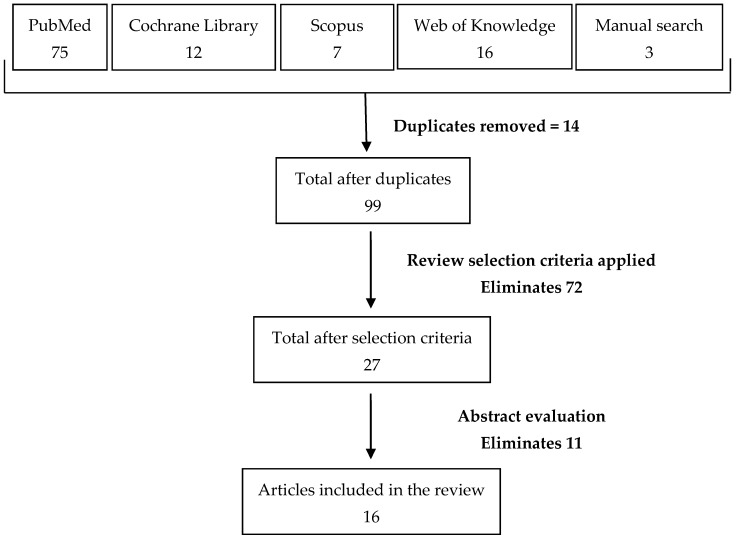
Neuro-rehabilitation services are essential in reducing post-stroke impairments, enhancing independence, and improving recovery in hospital and post-discharge. However these services are therapist-dependent and resource intensive. Patients’ disengagement and boredom in stroke units are common which adversely affect functional and psychological outcomes. Novel techniques such as use of iPads™ are increasingly researched to overcome such challenges. The aim of this review is to determine the feasibility, effectiveness, acceptability, and barriers to the use of iPads™ in stroke neuro-rehabilitation. Four databases and manual literature search were used to identify published studies using the terms “iPad”, “Stroke”, and “neuro-rehabilitation”. Studies were included in accordance with the review selection criteria. A total of 16 articles were included in the review. The majority of the studies focused on iPads use in speech and language therapy. Although of small scale, the studies highlighted that iPads are feasible, have the potential to improve rehabilitation outcomes, and can improve patient’s social isolation. Patients’ stroke severity and financial limitations are some of the barriers highlighted in this review. This review presents preliminary data supportive for the use of iPad technology in stroke neuro-rehabilitation. However, further research is needed to determine impact on rehabilitation goals acquisition, clinical efficacy, and cost-efficiency.
Overview
The claims and statistics of this paper haven’t been checked yet.
Run the check — free, no account needed. It reads the open-access text and checks the sources it cites.
Integrity signals
Registry
Cites
Statistics
Figures
Verification
Claims the paper makes
The claims and statistics of this paper haven’t been checked yet.
Run the check — free, no account needed. It reads the open-access text and checks the sources it cites.
Self-check
Percentages, sums and reported differences re-computed from the paper’s own numbers.
The self-check needs the paper’s full text.
Citations
Cites
Feigin, V. L., Forouzanfar, M. H., Krishnamurthi, R., Mensah, G. A., Connor, M., Bennett, D. A., Moran, A. E., Sacco, R. L., Anderson, L., Truelsen, T., et al. (2014) · The Lancet · doi:10.1016/s0140-6736(13)61953-4 · Cited by 3,899
Metadata
- Authors
- Ameer, K., & Ali, K.
- Affiliations
- Brighton and Sussex Medical School (GB)
- Corresponding author
- Ali, Khalid
- Venue
- Geriatrics
- Publisher
- MDPI AG
- Published
- 2017-01-05
- Volume
- 2
- Issue
- 1
- Pages
- 2-2
- ISSN
- 2308-3417 (ISSN-L)
- PMC
- PMC6371109
- OpenAlex
- W2568918105
- Cited by
- 30
- References
- 1
- Citations by year
- 2026: 2 · 2024: 3 · 2022: 3 · 2021: 4 · 2020: 8 · 2019: 6 · 2018: 3 · 2017: 1
- FWCI
- 0.67
- Type
- journal article
- Language
- en
- Open access
- gold
- doi.org
- Locations
- Geriatrics (publishedVersion, cc-by)
- Preprints.org (acceptedVersion, cc-by)
- Europe PMC (PubMed Central) (publishedVersion, cc-by)
- PubMed Central (publishedVersion, cc-by)
- PubMed (publishedVersion)
- Sussex Research Online (University of Sussex) (submittedVersion, cc-by)
- Figshare (submittedVersion, cc-by)
- Topics
- Health Sciences › Medicine › Rehabilitation › Stroke Rehabilitation and Recovery
- Health Sciences › Health Professions › Occupational Therapy › Assistive Technology in Communication and Mobility
- Health Sciences › Health Professions › Speech and Hearing › Dysphagia Assessment and Management
- Keywords
- iPad, stroke rehabilitation, neurorehabilitation, speech therapy, mobile health technology, patient engagement, social isolation, technology adoption barriers, stroke severity, financial barriers, feasibility and acceptability
About these checks
Registry, retraction, Cites and statistics results are computed, not judged, with one exception: a printed reference that no index lists is read once by a model before it counts as a citation error. Claims are extracted by a model and kept only when their quote appears verbatim in the text; each cited source is then checked, with a model’s help, for whether it says what the claim relies on. Those verdicts can be wrong — read the claim’s quote and the cited source before relying on one.
Statistics and arithmetic are recomputed, not judged.
Confidence bands are shown only for fields calibrated on our annotated test set. None is calibrated yet, so no band is shown.
What counts as a claim ›How we measure confidence ›How we check this ›
Are you an author, or do you see a problem with this page? Request a review
