

The DOI matches its Crossref record; 1 of the 1 references it cites were found in a registry or an index.
Deep Cerebellar Transcranial Direct Current Stimulation of the Dentate Nucleus to Facilitate Standing Balance in Chronic Stroke Survivors
Open accessPreprint — published as 10.3390/brainsci10020094 · Paper page
Abstract
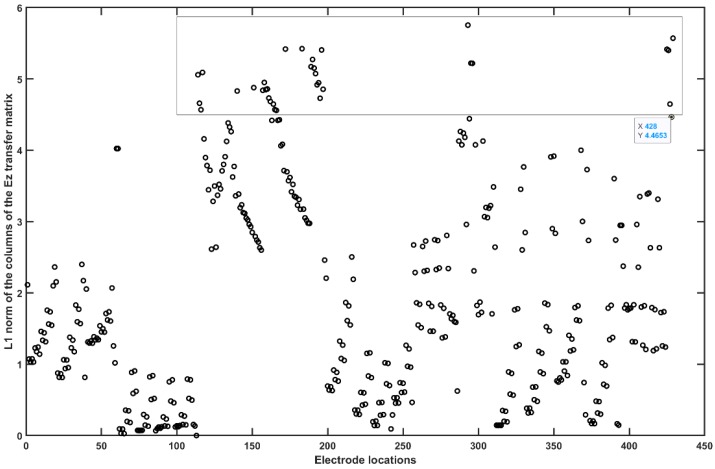
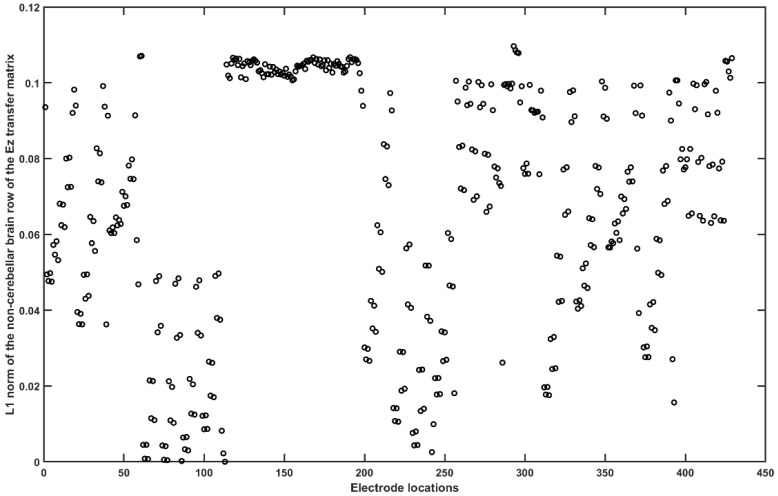
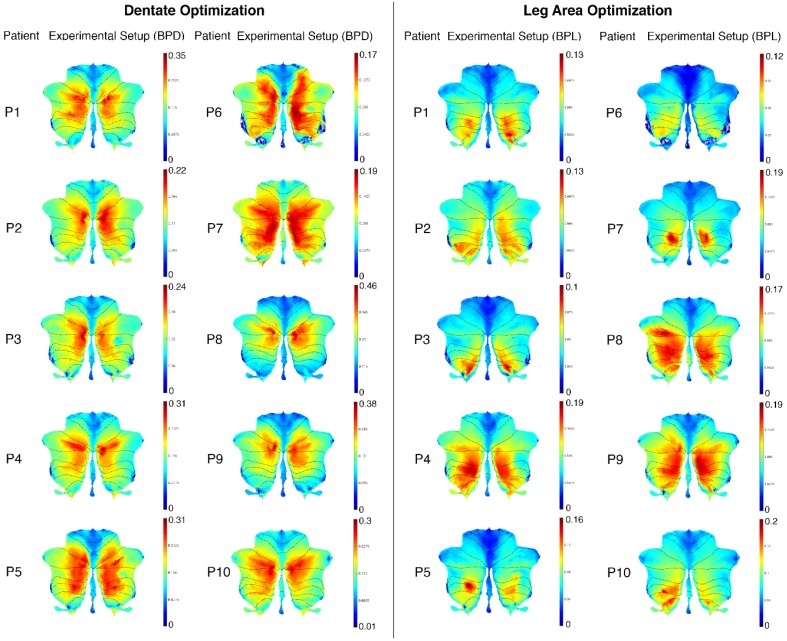
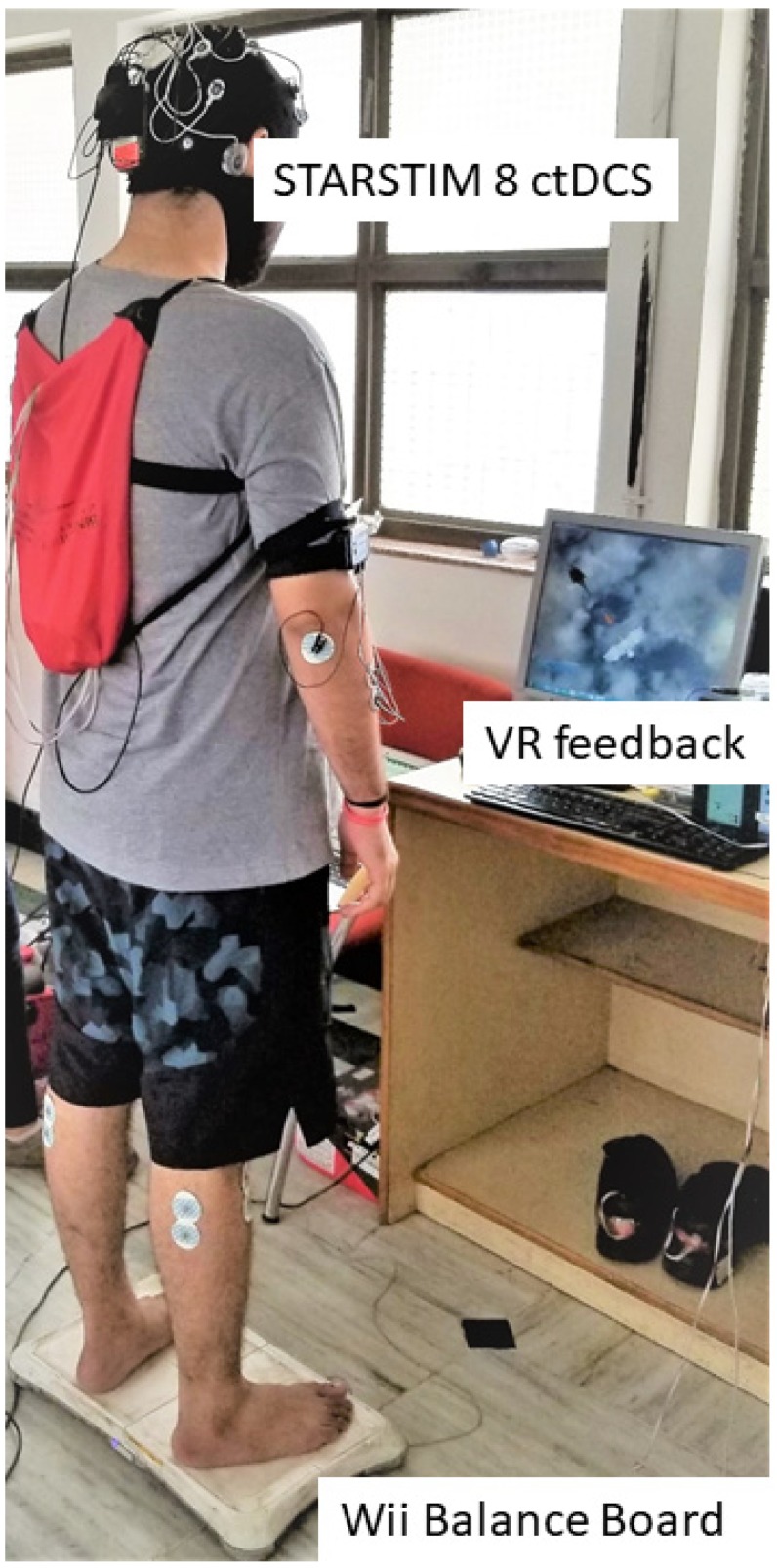
Objective: Cerebrovascular accidents are the second leading cause of death and the third leading cause of disability worldwide. We hypothesized that cerebellar transcranial direct current stimulation (ctDCS) of the dentate nuclei and the lower-limb representations in the cerebellum can improve standing balance functional reach in chronic (> 6 months’ post-stroke) stroke survivors. Materials and Methods: Magnetic resonance imaging(MRI) based subject-specific electric field was computed across 10 stroke survivors and one healthy MRI template to find an optimal bipolar bilateral ctDCS montage to target dentate nuclei and lower-limb representations (lobules VII-IX). Then, in a repeated-measure crossover study on 5 stroke survivors, we compared 15minutes of 2mA ctDCS based on the effects on successful functional reach(%) during standing balance task. Three-way ANOVA investigated the factors of interest– brain regions, montages, stroke participants, and their interactions.Results: “One-size-fits-all” ctDCS montage for the clinical study was found to be bipolar PO9h – PO10h for dentate nuclei and bipolar Exx7–Exx8 for lobules VII-IX with contalesional anode. Bipolar PO9h–PO10h ctDCS performed significantly (alpha=0.05) better in facilitating successful functional reach (%) when compared to bipolar Exx7–Exx8 ctDCS. Furthermore, a linear relationship between successful functional reach (%) and electric field strength was found where bipolar PO9h–PO10h montage resulted in a significantly (alpha=0.05) higher electric field strength when compared to bipolar Exx7–Exx8 montage for the same 2mA current. Conclusion: We presented a rational neuroimaging based approach to optimize deep ctDCS of the dentate nuclei and lower limb representations in the cerebellum for post-stroke balance rehabilitation.
Overview
The claims and statistics of this paper haven’t been checked yet.
Run the check — free, no account needed. It reads the open-access text and checks the sources it cites.
Integrity signals
Registry
Cites
Statistics
Figures
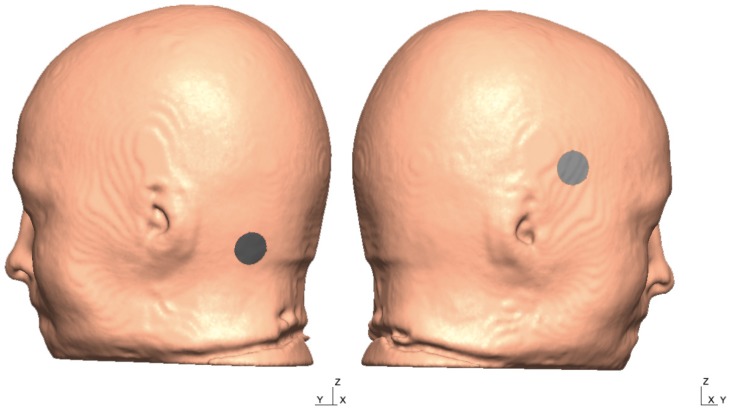
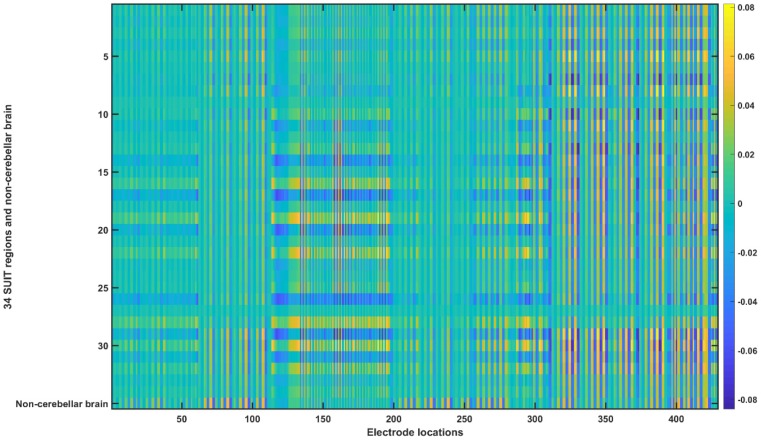
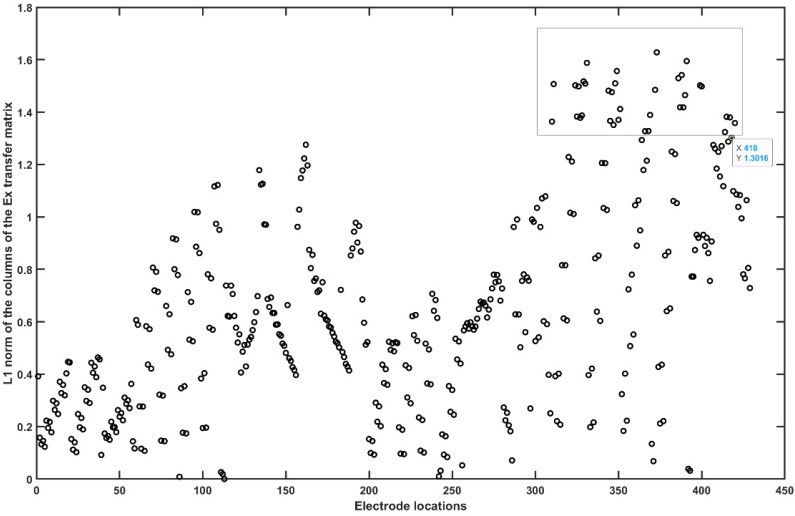
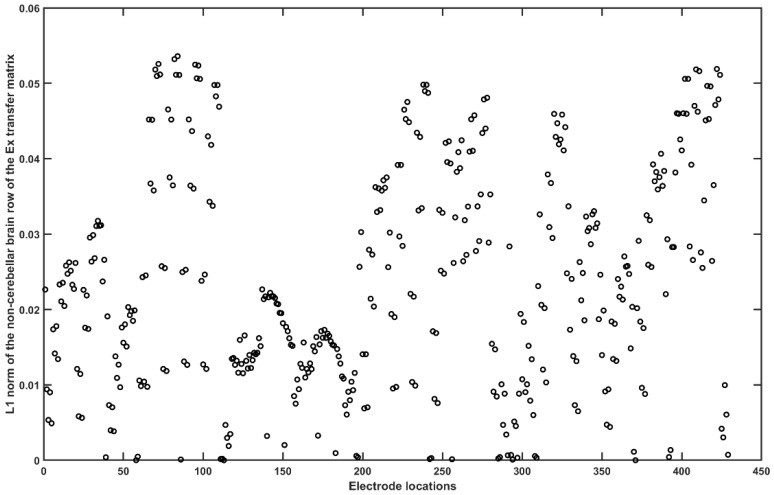
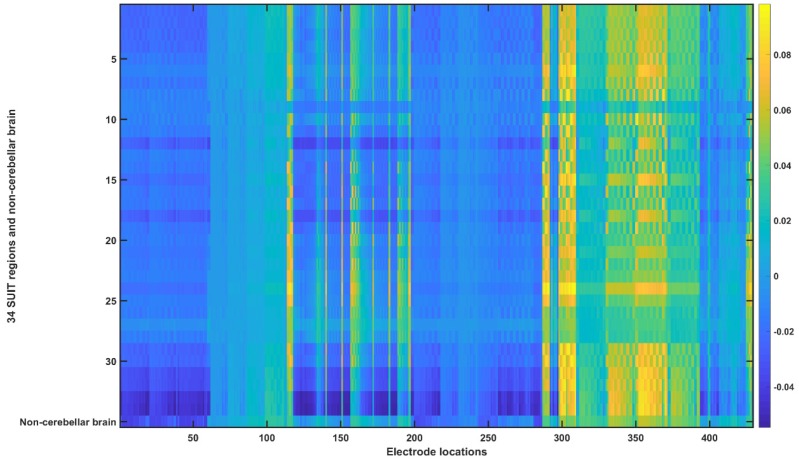
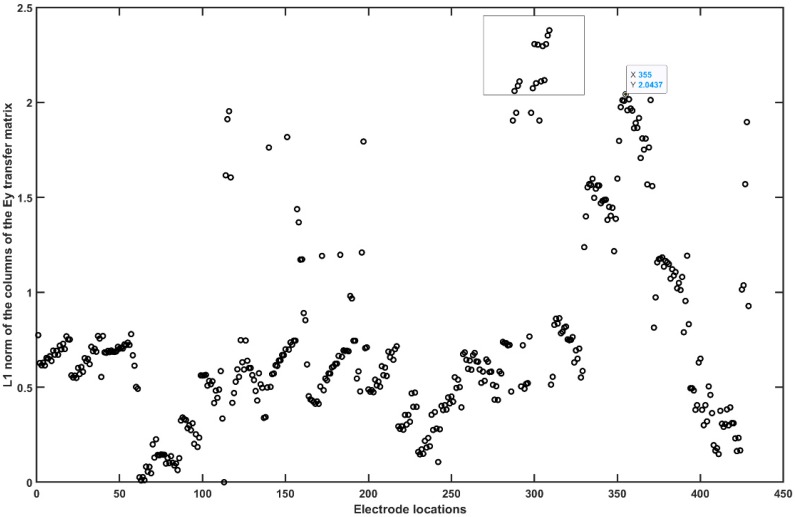
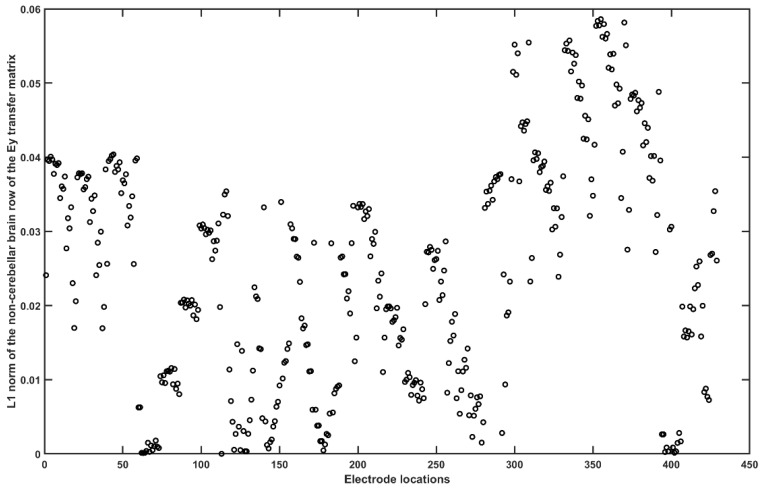
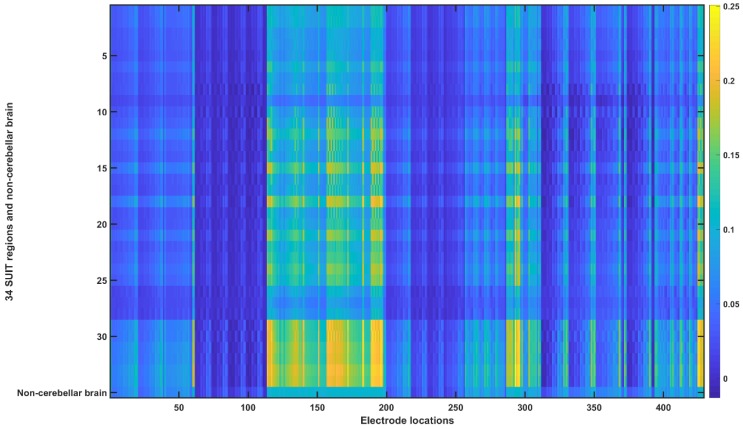
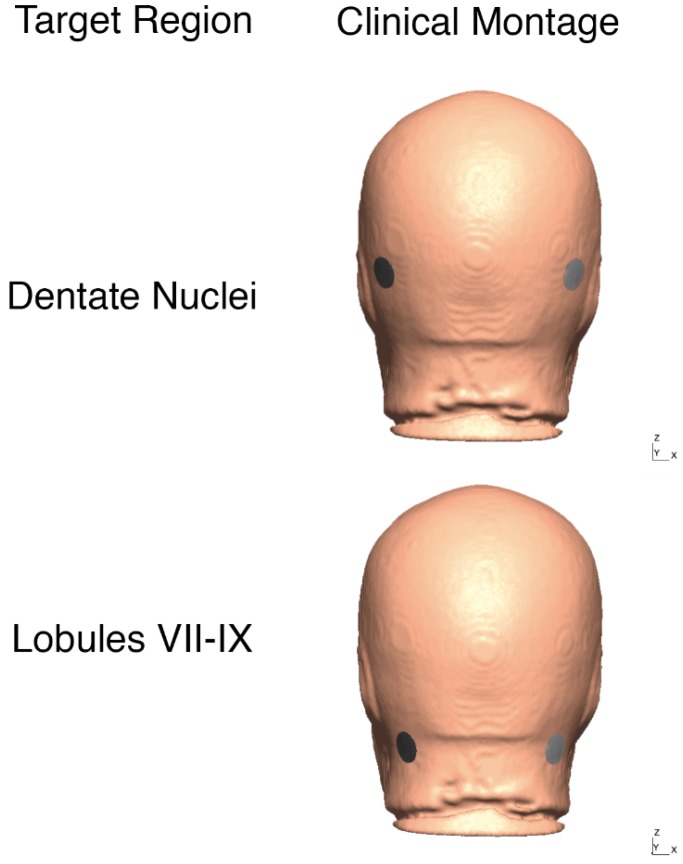
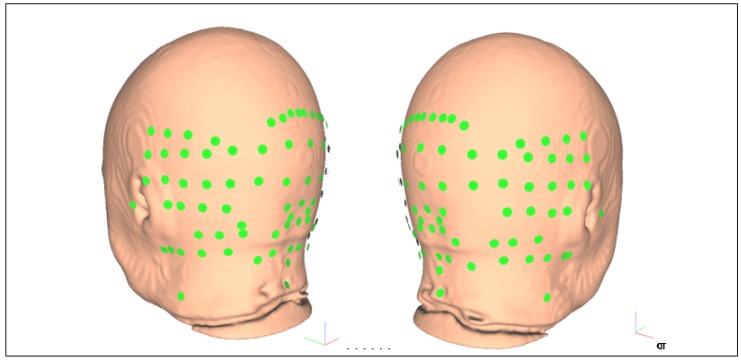
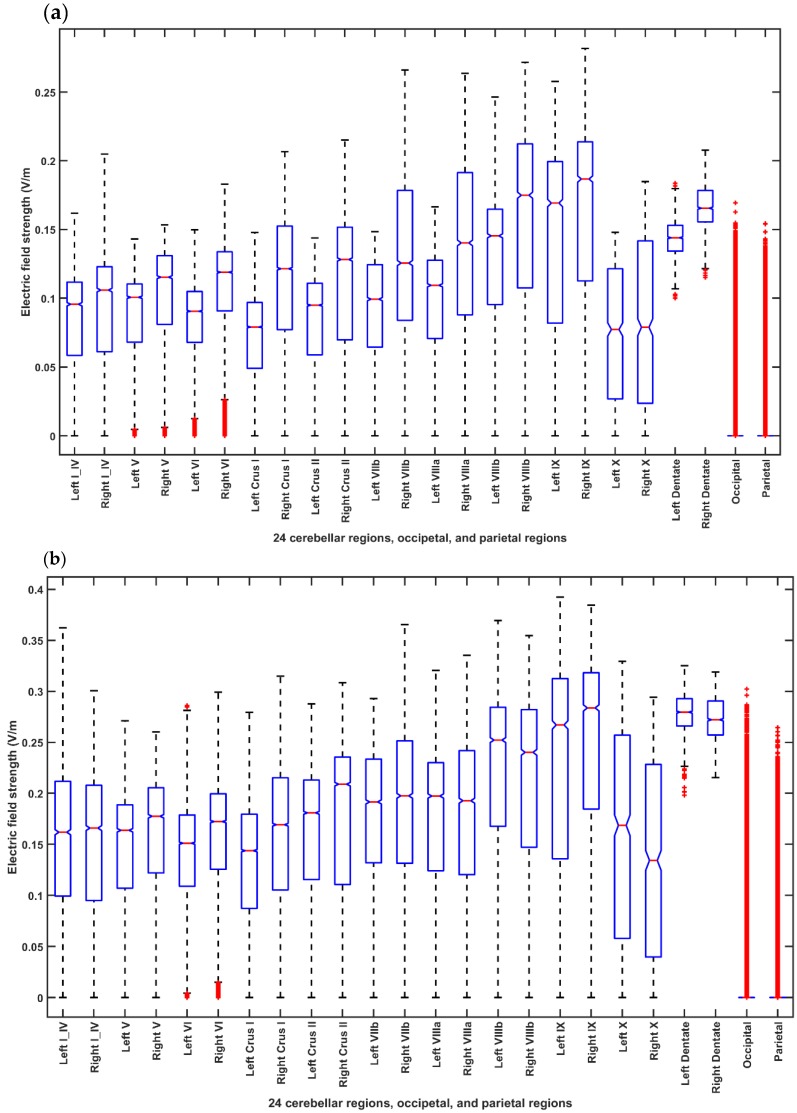
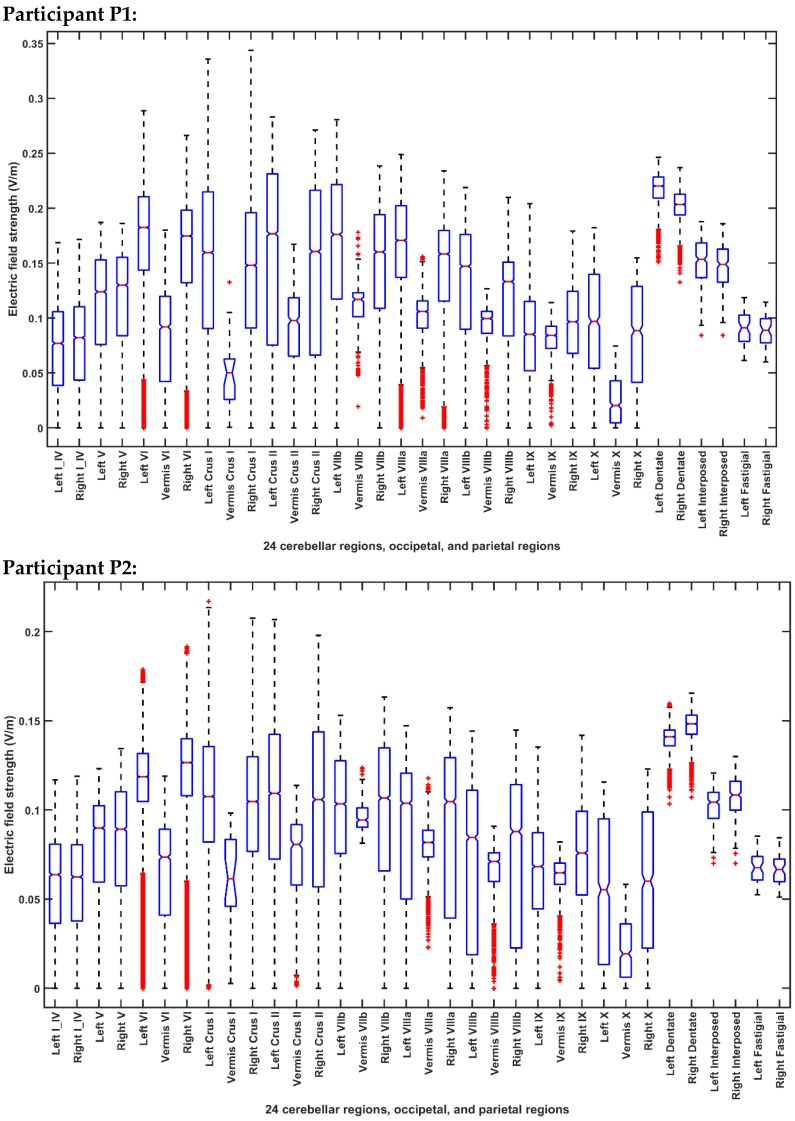
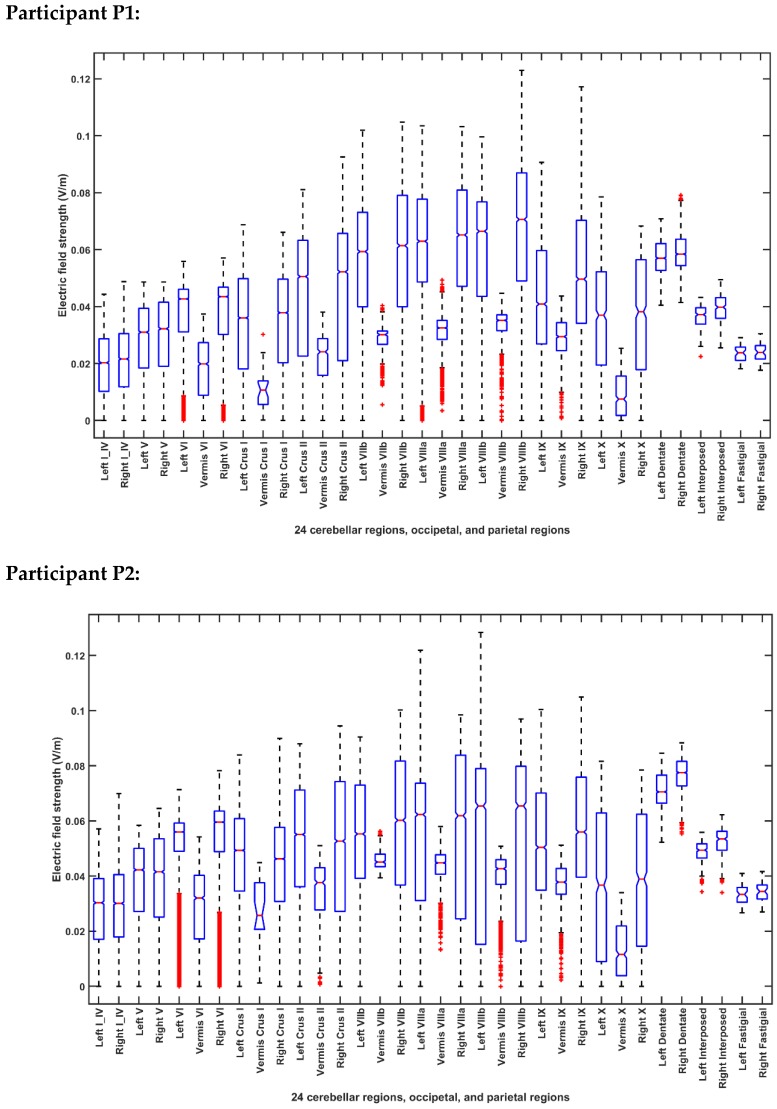
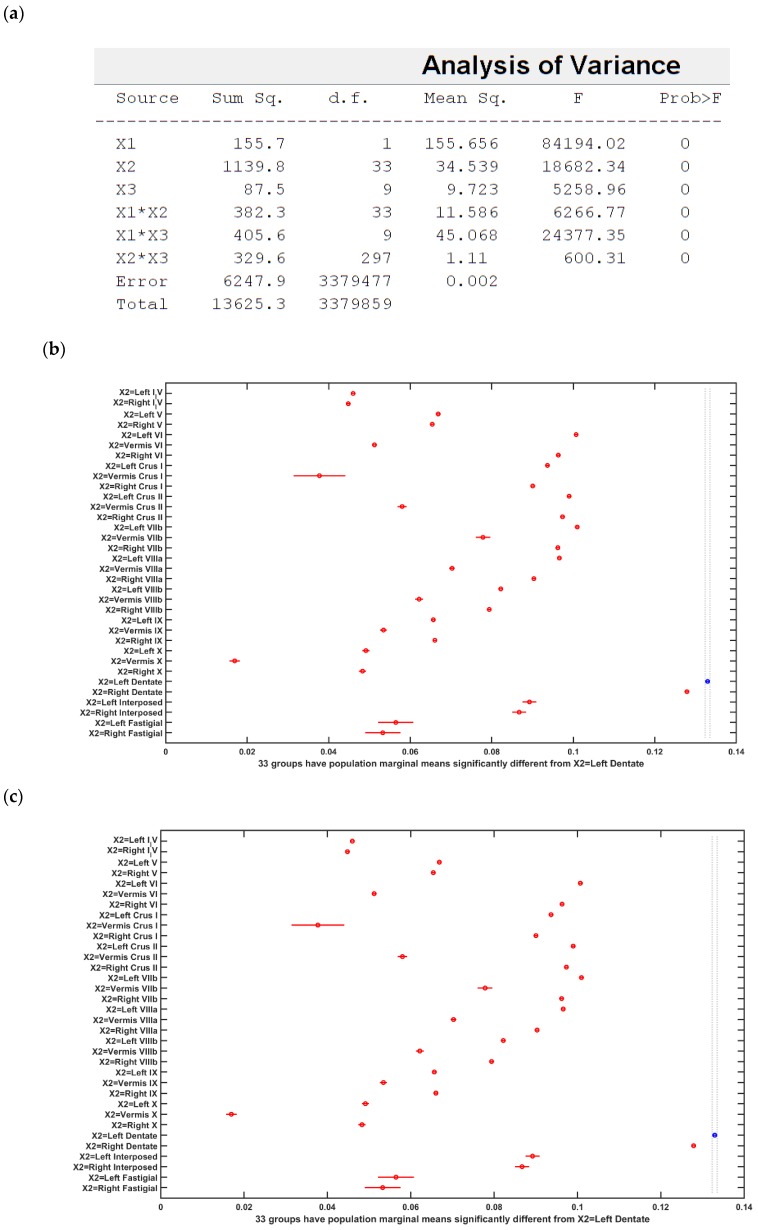
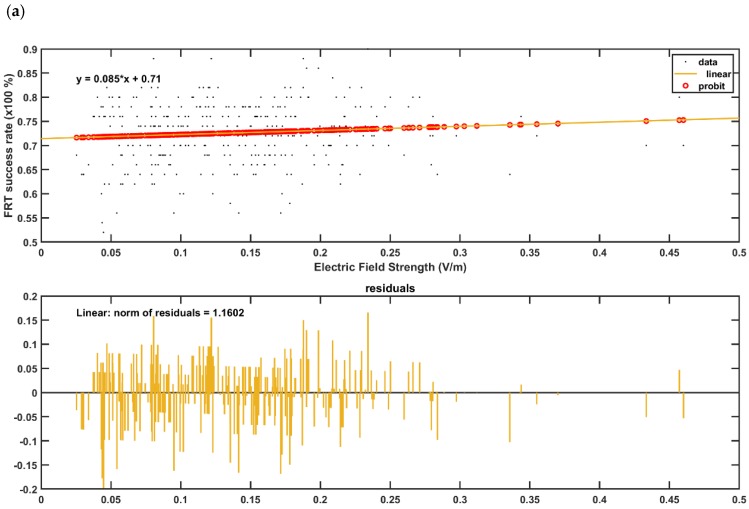
Verification
Claims the paper makes
The claims and statistics of this paper haven’t been checked yet.
Run the check — free, no account needed. It reads the open-access text and checks the sources it cites.
Self-check
Percentages, sums and reported differences re-computed from the paper’s own numbers.
The self-check needs the paper’s full text.
Citations
Cites
Feigin, V. L., Forouzanfar, M. H., Krishnamurthi, R., Mensah, G. A., Connor, M., Bennett, D. A., Moran, A. E., Sacco, R. L., Anderson, L., Truelsen, T., et al. (2014) · The Lancet · doi:10.1016/s0140-6736(13)61953-4 · Cited by 3,899
Metadata
- Authors
- Rezaee, Z., Kaura, S., Solanki, D., Dash, A., Srivastava, M. V. P., Lahiri, U., & Dutta, A.
- Affiliations
- University at Buffalo, State University of New York (US)
- All India Institute of Medical Sciences (IN)
- Indian Institute of Technology Gandhinagar (IN)
- Corresponding author
- Dutta, Anirban
- ORCID
- Venue
- Brain Sciences
- Publisher
- MDPI AG
- Published
- 2019-12-18
- Volume
- 10
- Issue
- 2
- Pages
- 94-94
- ISSN
- 2076-3425 (ISSN-L)
- PMC
- PMC7071721
- OpenAlex
- W2994623943
- Cited by
- 31
- References
- 1
- Citations by year
- 2026: 2 · 2025: 2 · 2024: 4 · 2023: 5 · 2022: 9 · 2021: 8 · 2020: 1
- FWCI
- 2.21
- Type
- journal article
- Language
- en
- Open access
- gold
- dx.doi.org
- Locations
- Brain Sciences (publishedVersion, cc-by)
- Preprints.org (acceptedVersion, cc-by)
- PubMed Central (publishedVersion, cc-by)
- PubMed (publishedVersion)
- DOAJ (DOAJ: Directory of Open Access Journals) (submittedVersion, cc-by-sa)
- Funders
- Institut national de recherche en informatique et en automatique (INRIA)
- Department of Science and Technology, Ministry of Science and Technology, India
- Ministry of Education, India
- Scheme for Promotion of Academic and Research Collaboration
- Division of Human Resource Development
- Topics
- Life Sciences › Neuroscience › Neurology › Transcranial Magnetic Stimulation Studies
- Health Sciences › Medicine › Rehabilitation › Stroke Rehabilitation and Recovery
- Health Sciences › Medicine › Clinical Neurology › Deep Brain Stimulation and Movement Disorders
- Keywords
- transcranial direct current stimulation, dentate nucleus, cerebellum, chronic stroke, standing balance, postural control, functional reach test, stroke rehabilitation
About these checks
Registry, retraction, Cites and statistics results are computed, not judged, with one exception: a printed reference that no index lists is read once by a model before it counts as a citation error. Claims are extracted by a model and kept only when their quote appears verbatim in the text; each cited source is then checked, with a model’s help, for whether it says what the claim relies on. Those verdicts can be wrong — read the claim’s quote and the cited source before relying on one.
Statistics and arithmetic are recomputed, not judged.
Confidence bands are shown only for fields calibrated on our annotated test set. None is calibrated yet, so no band is shown.
What counts as a claim ›How we measure confidence ›How we check this ›
Are you an author, or do you see a problem with this page? Request a review
