

Association of high-risk human papillomavirus infection duration and cervical lesions with vaginal microbiota composition
Open accessThe DOI matches its Crossref record; 37 of the 39 references it cites were found in a registry or an index.
Abstract
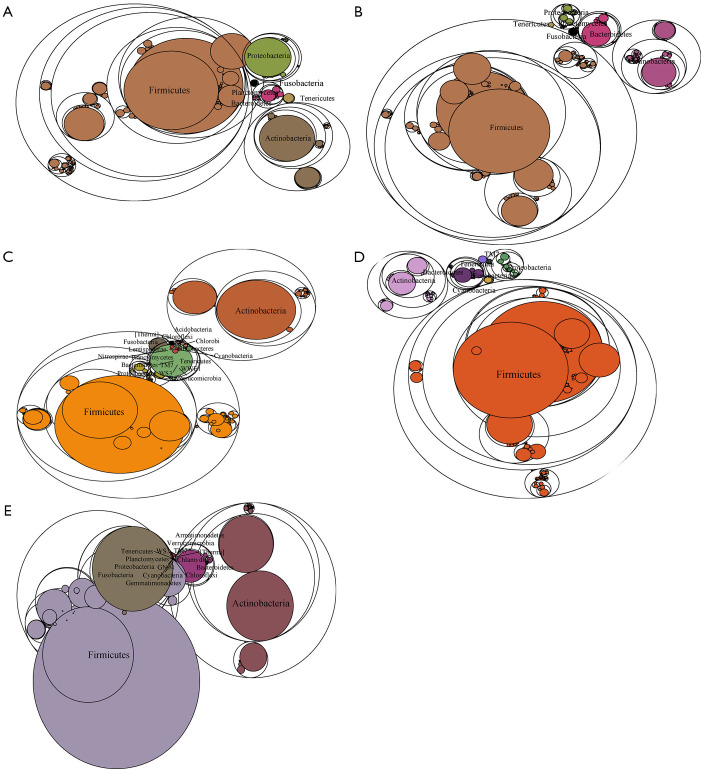
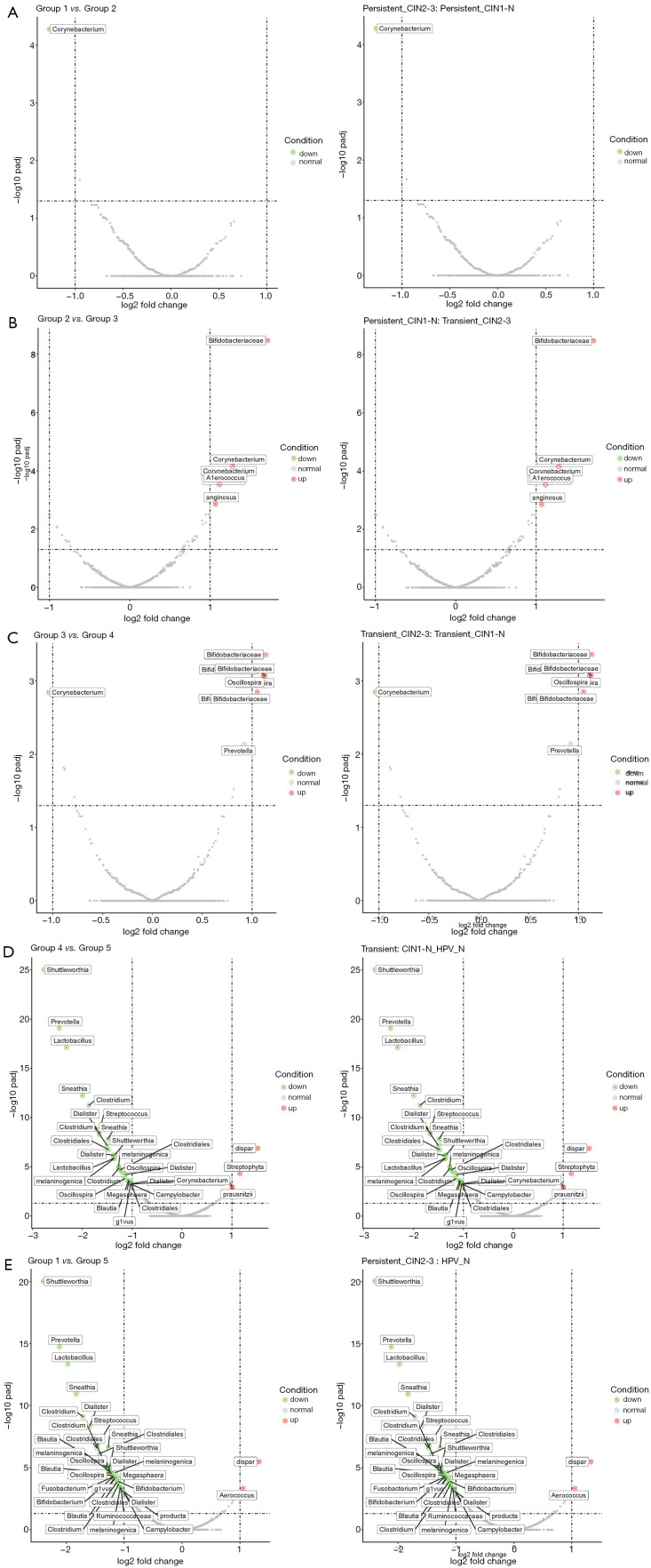
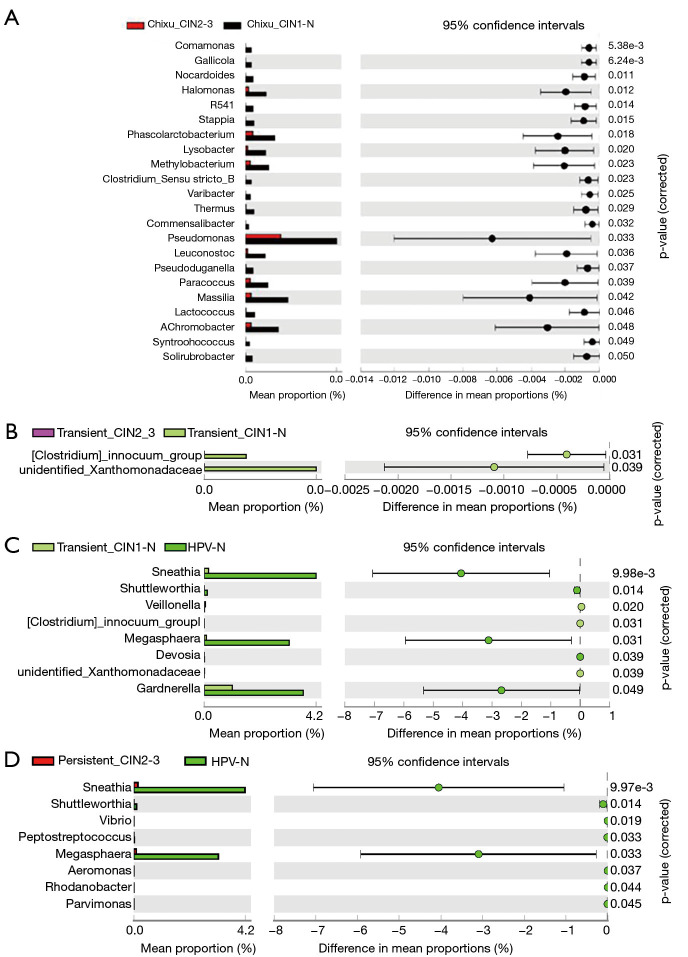
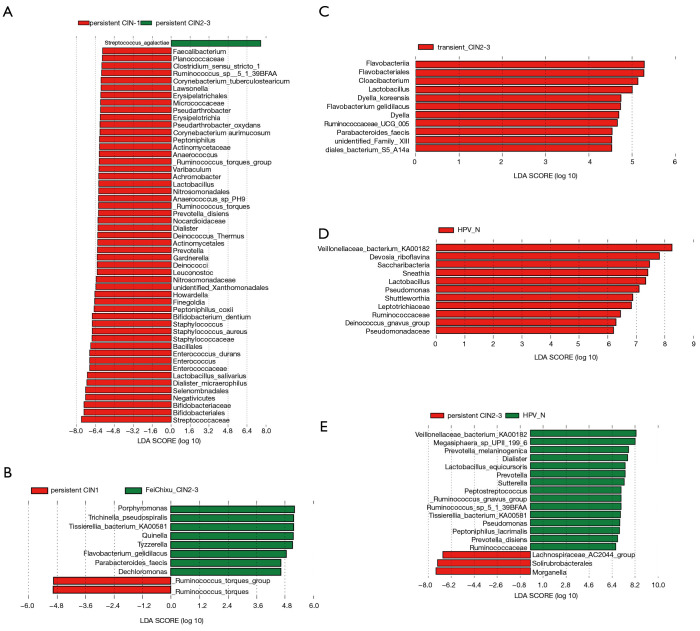
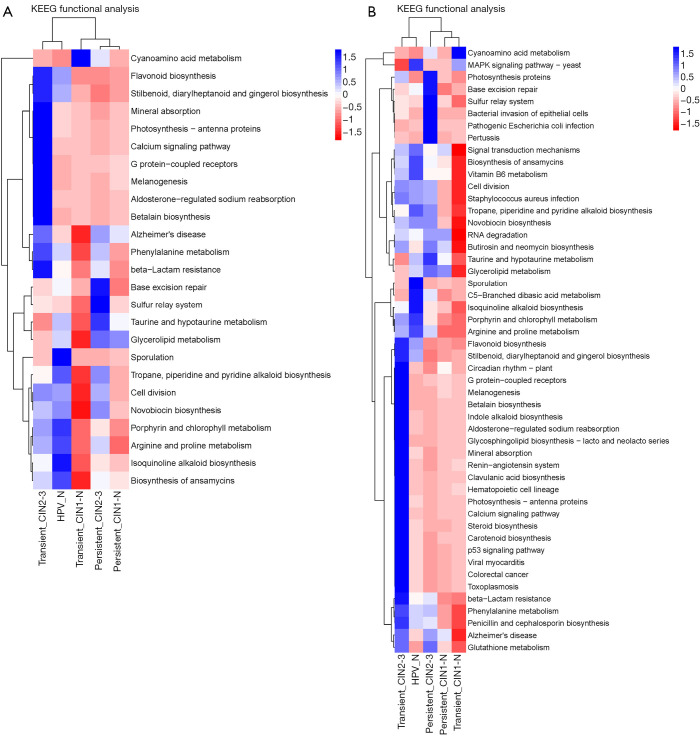
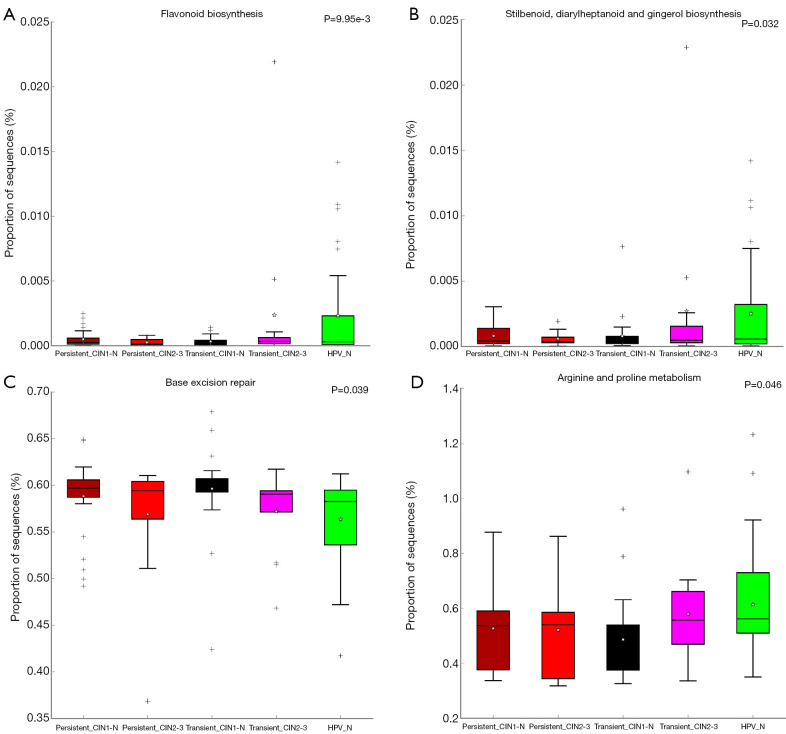
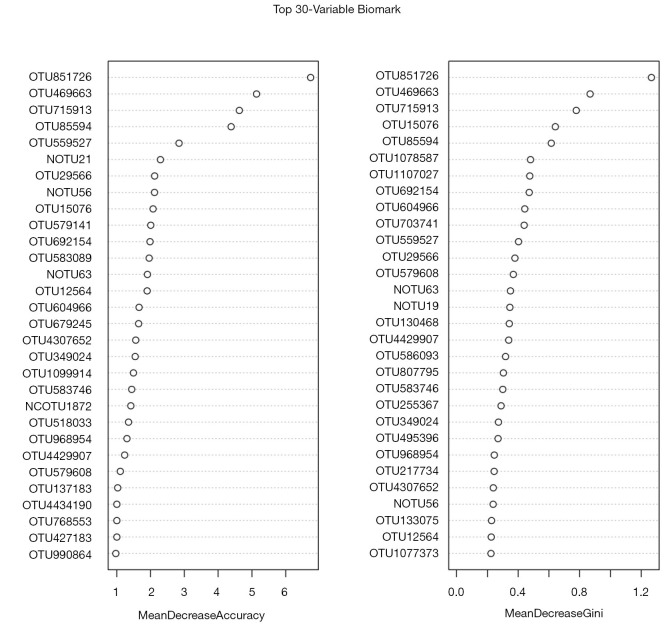
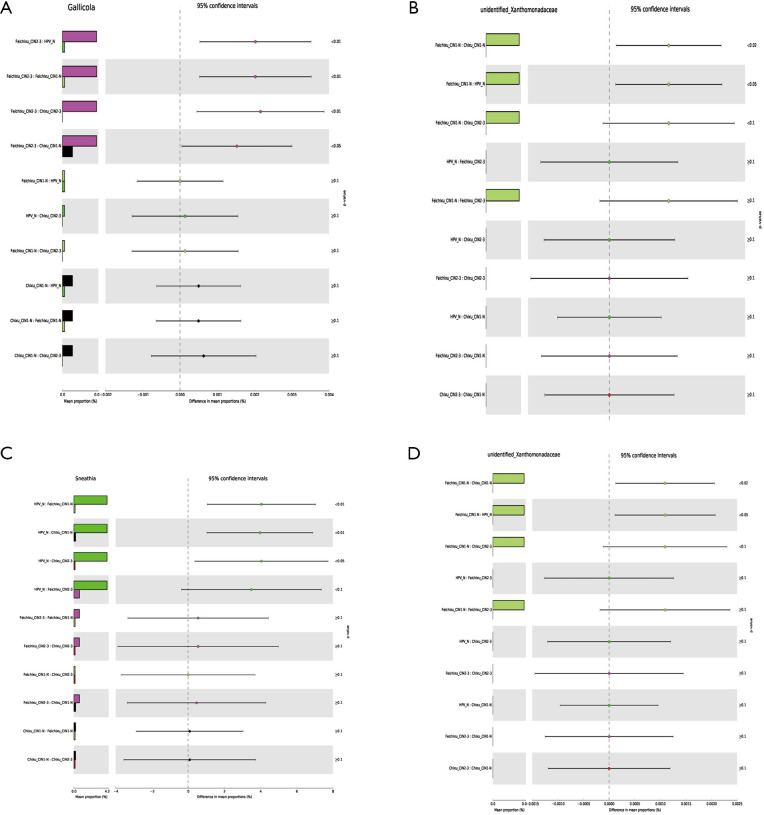
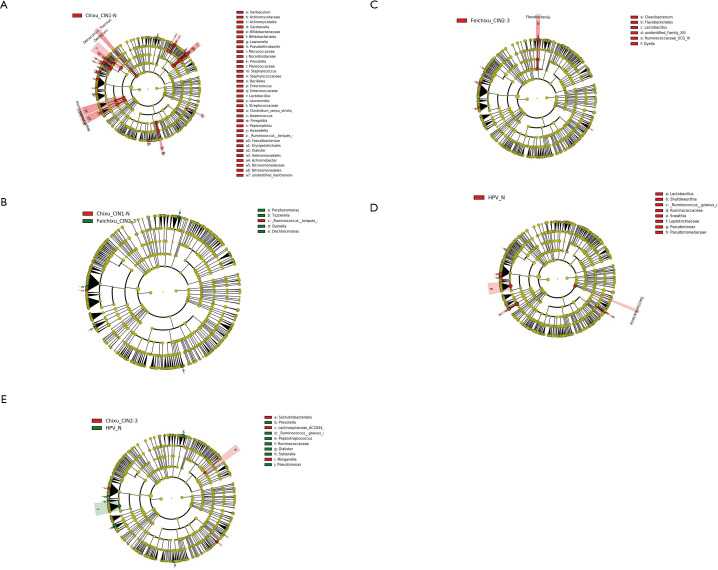
Background: Cervical cancer is reportedly caused by the synergistic effects of persistent high-risk human papillomavirus (HPV) infection. Cervical microbiota represent a unique and dynamically changing microecological system that is directly exposed to the vagina. The relationship between HPV and the composition of the cervical microbiome has long been a primary focus of research. Methods: To determine the specific differential florae throughout the process of cervical cancer development, in the present study, 16S rRNA sequencing was combined with KEGG pathway enrichment analysis to analyse five groups of cervical scraping samples with increasing durations of HPV infection and cervical intraepithelial neoplasia pathological classification. Results: The findings revealed that decreasing levels of probiotics, including Shuttleworthia, Prevotella, Lactobacillus, and Sneathia, and increasing levels of pathogenic bacteria, including Dispar, Streptococcus, and Faecalibacterium prausnitzii, could be the direct result of early HPV infection. Other pathogenic bacteria, such as Bifidobacteriaceae, might represent key factors in cancer progression. Additionally, KEGG pathway enrichment analysis indicated that HPV infection directly inhibits multiple pathways, including those of sporulation, porphyrin and chlorophyll metabolism, arginine and proline metabolism, isoquinoline alkaloid biosynthesis, and ansamycin biosynthesis, which may lead to the development of early symptoms of cervical cancer. Biomarkers were predicted based on operational taxonomic unit (OTU) abundance data, and OTU851726 and OTU715913 were undoubtedly the best potential indicators of cervical cancer. Conclusions: The findings of the present study could assist with the development of a guideline for screening new clinical drugs for cervical cancer.
Overview
The claims and statistics of this paper haven’t been checked yet.
Free: it reads the open-access text and checks the first 5 claims that cite a source we can check. Create a free account to check every claim.
Integrity signals
Registry
Cites
Statistics
Figures
Verification
Claims the paper makes
The claims and statistics of this paper haven’t been checked yet.
Free: it reads the open-access text and checks the first 5 claims that cite a source we can check. Create a free account to check every claim.
Claims other papers make about this one
Each is checked against this paper’s own text: does it say what the citing paper says it does?
The cited source says what the claim attributes to it.
In the citing paper
“Similarly, cervical cancer caused by persistent high-risk human papillomavirus infection is often associated with a deviated cervical microflora (111, 112).”
From The microbiome and human cancer (2021) · cites this paper as [111]
Self-check
Percentages, sums and reported differences re-computed from the paper’s own numbers.
The self-check needs the paper’s full text.
Citations
Cites
Metabolism via Arginase or Nitric Oxide Synthase: Two Competing Arginine Pathways in Macrophages
Rath, M., Müller, I., Kropf, P., Closs, E. I., & Munder, M. (2014) · Frontiers in Immunology · doi:10.3389/fimmu.2014.00532 · Cited by 1,262 · cited 1×
“Additionally, in the important nitrogen cycle pathway, arginine and proline metabolism plays a key role in providing organic material for bacterial microorganisms (30).”
BackgroundBrusselaers, N., Shrestha, S., van de Wijgert, J., & Verstraelen, H. (2019) · American Journal of Obstetrics and Gynecology · doi:10.1016/j.ajog.2018.12.011 · Cited by 317 · cited 1×
“In their microscopic analyses, lactobacilli-dominated microbiota was correlated with an increased detection of HPV infection and persistence, whereas non-Lactobacillus crispatus-dominated vaginal microbiota, associated with an increased detection of HPV infection and persistence, was observed (22).”
BackgroundEffect of creatine supplementation on body composition and performance: a meta-analysis
Branch, J. D. (2003) · International Journal of Sport Nutrition and Exercise Metabolism · doi:10.1123/ijsnem.13.2.198 · Cited by 309 · cited 1×
“Using recently developed next-generation sequencing platforms, Branch classified the vaginal bacteria into five community state types, according to the microbiome structure, mainly based on the dominance of Lactobacillus crispatus, Lactobacillus gasseri, Lactobacillus iners, and Lactobacillus jensenii (13).”
MethodICTV Virus Taxonomy Profile: Papillomaviridae
Van Doorslaer, K., Chen, Z., Bernard, H.-U., Chan, P. K. S., DeSalle, R., Dillner, J., Forslund, O., Haga, T., McBride, A. A., Villa, L. L., et al. (2018) · Journal of General Virology · doi:10.1099/jgv.0.001105 · Cited by 228 · cited 1×
“HPVs are non-enveloped small DNA viruses that widely exist in nature and encompass a large family of viruses, both benign and highly carcinogenic (4).”
BackgroundFrothingham, R. (2001) · Pharmacotherapy: The Journal of Human Pharmacology and Drug Therapy · doi:10.1592/phco.21.20.1468.34482 · Cited by 208 · cited 1×
“By resisting the invasion of external pathogens, vaginal microbial florae play an important role in human reproduction (15).”
BackgroundPorphyrin and Heme Metabolism and the Porphyrias
Bonkovsky, H. L., Guo, J., Hou, W., Li, T., Narang, T., & Thapar, M. (2013) · Comprehensive Physiology · doi:10.1002/cphy.c120006 · Cited by 190 · cited 1×
“Of the influenced pathways following HPV infection, porphyrin and chlorophyll metabolism is one of the main sources of heme (28); this may partly explain why some patients”
BackgroundFichorova, R. N., & Anderson, D. J. (1999) · Biology of Reproduction · doi:10.1095/biolreprod60.2.508 · Cited by 190 · cited 1×
“Together, these components constitute three lines of defense: the first line is the closed labia and the natural fit of the anterior and posterior vaginal walls, the second line is the “self-cleaning factory” that consists of more than 200 microbes living in the vagina, and the third line is the mucus plug at the mout…”
BackgroundLiang, Y., Chen, M., Qin, L., Wan, B., & Wang, H. (2019) · Infectious Agents and Cancer · doi:10.1186/s13027-019-0243-8 · Cited by 136 · cited 1×
“Under s t and ing o f the impor t ance o f v ag ina l microecology is increasing (35,36), and the combination of microbiologic basic research and clinical gynecological Top 30-Variable Biomark”
BackgroundWang, H., Ma, Y., Li, R., Chen, X., Wan, L., & Zhao, W. (2019) · The Journal of Infectious Diseases · doi:10.1093/infdis/jiz325 · Cited by 111
Comparative genomic and phylogenomic analyses of the Bifidobacteriaceae family
Lugli, G. A., Milani, C., Turroni, F., Duranti, S., Mancabelli, L., Mangifesta, M., Ferrario, C., Modesto, M., Mattarelli, P., Jiří, K., et al. (2017) · BMC Genomics · doi:10.1186/s12864-017-3955-4 · Cited by 99 · cited 1×
“However, Bifidobacteriaceae populations were also observed to increase sharply when the duration of HPV infection increased, which is consistent with the findings of a previous study (26).”
Result
Cited by
The microbiome and human cancer
Sepich-Poore, G. D., Zitvogel, L., Straussman, R., Hasty, J., Wargo, J. A., & Knight, R. (2021) · Science · doi:10.1126/science.abc4552 · Cited by 1,332
“Similarly, cervical cancer caused by persistent high-risk human papillomavirus infection is often associated with a deviated cervical microflora (111, 112).”
BackgroundCurrent understanding of the intratumoral microbiome in various tumors
Xue, C., Chu, Q., Zheng, Q., Yuan, X., Su, Y., Bao, Z., Lu, J., & Li, L. (2023) · Cell Reports Medicine · doi:10.1016/j.xcrm.2022.100884 · Cited by 135
“EC Yamamura et al.48 325 EC samples PCR F. nucleatum – EC Liu et al.49 45 ESCC patient samples 16S rRNA gene sequencing Proteobacteria, Firmicutes Bacteroidetes, Spirochaetes, Streptococcus, Prevotella, and Treponema EC Yamamura et al.50 551 ESCC patient samples PCR F. nucleatum – EC Snider et al.51 16 control, 14 NDB…”
BackgroundInfluentialThe role of probiotics in vaginal health
Mei, Z., & Li, D. (2022) · Frontiers in Cellular and Infection Microbiology · doi:10.3389/fcimb.2022.963868 · Cited by 157
A comprehensive review of the multifaceted role of the microbiota in human pancreatic carcinoma
Pandya, G., Kirtonia, A., Singh, A. P., Goel, A., Mohan, C. D., Rangappa, K. S., Pandey, A. K., Kapoor, S., Tandon, S., Sethi, G., et al. (2021) · Seminars in Cancer Biology · doi:10.1016/j.semcancer.2021.05.027 · Cited by 62
Wu, M., Li, H., Yu, H., Yan, Y., Wang, C., Teng, F., Fan, A., & Xue, F. (2022) · Frontiers in Oncology · doi:10.3389/fonc.2022.941741 · Cited by 40
“In the across-group (controls excluded) comparisons, Frontiers in Oncology | www.frontiersin.org 4 two studies reported no significant differences between subgroups (≥ HSIL vs. ≤ LSIL, HSIL vs. LSIL, and CIN vs. HPV+).”
BackgroundInfluentialGłowienka, M., Bagińska, K., Szubert, S., Hennig, E. E., Horała, A., Dąbrowska, M., Micek, M., Ciebiera, M., & Żeber‐Lubecka, N. (2024) · Cancers · doi:10.3390/cancers16020399 · Cited by 38
“…the significant differences in the CM and CVM between women with the clearance of HPV infection and those with a persistent infection [125,131,147–149], it seems that certain microbiota impact the course of a previously acquired HPV infection rather than impact the probability of HPV acquisition.”
BackgroundInfluence of Microbiota on Tumor Immunotherapy
Yu, X., Li, W., Li, Z., Wu, Q., & Sun, S. (2024) · International Journal of Biological Sciences · doi:10.7150/ijbs.91771 · Cited by 37
“Correspondingly, cervical cancers arising from persistent high-risk human papillomavirus infections are frequently linked to an imbalance in cervical microbial communities [229,230].”
BackgroundKhamisy‐Farah, R., Furstenau, L. B., Kong, J. D., Wu, J., & Bragazzi, N. L. (2021) · International Journal of Environmental Research and Public Health · doi:10.3390/ijerph18105058 · Cited by 37
Cervicovaginal Microbiota Profiles in Precancerous Lesions and Cervical Cancer among Ethiopian Women
Teka, B., Yoshida-Court, K., Firdawoke, E., Chanyalew, Z., Gizaw, M., Addissie, A., Mihret, A., Colbert, L. E., Napravnik, T. C., Alam, M. B. E., et al. (2023) · Microorganisms · doi:10.3390/microorganisms11040833 · Cited by 34
Guo, C., Dai, W., Zhou, Q., Gui, L., Cai, H., Wu, D., Hou, J., Li, C., Li, S. C., Du, H., et al. (2022) · Frontiers in Cellular and Infection Microbiology · doi:10.3389/fcimb.2022.973875 · Cited by 33
Ye, J., & Qi, X. (2023) · Apmis · doi:10.1111/apm.13356 · Cited by 31
Role of probiotics in the management of cervical cancer: An update
Kandati, K., Belagal, P., Nannepaga, J. S., & Viswanath, B. (2022) · Clinical Nutrition ESPEN · doi:10.1016/j.clnesp.2022.02.017 · Cited by 22
Liu, C., Xiao, W.-Y., Fang, J.-F., Dong, Y., Ye, K., He, M.-P., Wang, Y., Li, X., Zhao, Z., Yuan, T., et al. (2022) · Frontiers in Cellular and Infection Microbiology · doi:10.3389/fcimb.2022.935068 · Cited by 17
“However, it is speculated that the specific vaginal and cervical microecology might affect HPV infection in the cervical epithelium and the outcome after infection in a specific manner (Liu et al., 2020).”
BackgroundXu, X., Rao, H., Fan, X., Pang, X., Wang, Y., Zhao, L., Xing, J., Lv, X., Wang, T., Tao, J., et al. (2022) · Journal of Medical Virology · doi:10.1002/jmv.28351 · Cited by 17
“Previous investigation also noted that early HPV infection may be responsible for the decrease of Shuttleworthia, Prevotella, and Lactobacillus, and the increase of Dispar, Streptococcus, and Faecalibacterium, and thus, such alternations in community composition could be potential indicators for HPV infections and rel…”
BackgroundResultThe Role of Intratumor Microbiomes in Cervical Cancer Metastasis
Jiang, L., Duan, B., Jia, P., Zhang, Y., & Yan, X. C. (2023) · Cancers · doi:10.3390/cancers15020509 · Cited by 17
Self-citationBacteria and macrophages in the tumor microenvironment
Xu, S. S., Xiong, Y., Fu, B., Guo, D. L., Sha, Z., Lin, X., & Wu, H. (2023) · Frontiers in Microbiology · doi:10.3389/fmicb.2023.1115556 · Cited by 14
“Lung cancer Bacteroidetes Capnocytophaga Liu et al. (2018), Yan et al. (2015)”
BackgroundInfluentialStoian, I. L., Botezatu, A., Fudulu, A., Ilea, C. G., & Socolov, D. G. (2023) · Journal of Clinical Medicine · doi:10.3390/jcm12154979 · Cited by 17
“Additionally, they contribute to microbial energy metabolism and can be converted into various physiologically active substances, such as neurotransmitters and hormones [45].”
Xia, Y., Feng, Y., Qin, T., Zhao, X., Lü, J., & Ma, C. (2022) · Evidence-based Complementary and Alternative Medicine · doi:10.1155/2022/7332628 · Cited by 13
Kaliterna, V., Kaliterna, P., Pejković, L., Vulić, R., Zanchi, L., & Čerškov, K. (2023) · Viruses · doi:10.3390/v15020443 · Cited by 10
Pai, H. D., Baid, R., Palshetkar, N., Pai, R., Pai, A., & Palshetkar, R. (2025) · Cureus · doi:10.7759/cureus.85880 · Cited by 22
Osafo, K. S., Lin, W., Dong, B., & Sun, P. (2023) · Gynecology and Obstetrics Clinical Medicine · doi:10.1016/j.gocm.2023.10.002 · Cited by 8
Clinical potential of microbiota in thyroid cancer therapy
Xie, Z., Zhou, J., Zhang, X., & Li, Z. (2023) · Biochimica et Biophysica Acta (BBA) - Molecular Basis of Disease · doi:10.1016/j.bbadis.2023.166971 · Cited by 8
Zhai, Q., Zhao, L., Wang, M., Li, L., Li, L., Ye, M., Li, M., Xu, C., & Meng, Y. (2025) · Frontiers in Cellular and Infection Microbiology · doi:10.3389/fcimb.2025.1556153 · Cited by 8
Gut microbiome versus thyroid cancer: Association and clinical implications (Review)
Wang, M., & Zhu, Y. (2025) · Oncology Letters · doi:10.3892/ol.2025.15114 · Cited by 10
Feng, X., Song, W., Ren, X., Xu, Z., Li, C., Feng, M., & Wang, N. (2025) · Frontiers in Microbiology · doi:10.3389/fmicb.2025.1733315 · Cited by 11
Cervicovaginal microbiota and HPV-induced cervical cancer
Jain, A., Shrivastava, S. K., & Joy, L. (2022) · Elsevier eBooks · doi:10.1016/b978-0-323-91797-1.00010-7 · Cited by 6
Characterization of the vaginal microbiota in infertile women with repeated implantation failure
Liu, L., Feng, T., Liu, Q., Liao, M., Liu, B., & Li, M. (2024) · Acta Microbiologica et Immunologica Hungarica · doi:10.1556/030.2024.02323 · Cited by 5
Effects of vaginal microbiota on human papillomavirus infection and its related diseases
Chen, R., Peng, C., Wang, Z., Xiao, Y., & Tang, S. (2024) · Microbial Pathogenesis · doi:10.1016/j.micpath.2024.106761 · Cited by 5
Chen, Y., Qiu, W., Xiao, G., Zhang, R., & Zhang, L. (2026) · PLoS ONE · doi:10.1371/journal.pone.0343027 · Cited by 3
Uwamungu, S., Andersson, M., Nigussie, B., Muvunyi, C. M., Bienvenu, E., Hasséus, B., & Giglio, D. (2025) · BMC Infectious Diseases · doi:10.1186/s12879-025-10840-7 · Cited by 3
“As previously demonstrated [35, 36], our results show that young women had a significantly enhanced risk of contracting vaginal and cervical HR-HPV infections.”
Evaluation of the cervical liquid-based cytology sample as a microbiome resource for dual diagnosis
Lim, C., Seo, Y.-J., Lee, J.-Y., Jung, E. S., Lee, S., Kim, H., Kim, K., & Kim, J. (2024) · PLoS ONE · doi:10.1371/journal.pone.0308985 · Cited by 3
Assessing the Relationship between Lactobacilli and HPV: A Decade of Research
Lorusso, M., D’Ambrosio, M., Nesta, D., Triggiano, F., Diella, G., Veneziani, P., & Santacroce, L. (2025) · Biocell · doi:10.32604/biocell.2025.059322 · Cited by 5
Cervico-Vaginal Microbiome Dynamics Across HPV-Driven Lesion Stages in Moroccan Women
Allali, M., Errafii, K., Fermi, R. E., Fichtali, K., Majjaoui, S. E., Ghanmi, A. E., Fazazi, H. E., Idrissi, N. A., Ghazi, B., Bakri, Y., et al. (2025) · Microorganisms · doi:10.3390/microorganisms13081884 · Cited by 1
“It is a sensitive and constantly changing environment that varies throughout a woman’s life [11].”
Kamassa, H. E., Katawa, G., Isawumi, A., Olwal, C. O., Gbewonyo, W. S., Quashie, P. K., & Bediako, Y. (2025) · Frontiers in Microbiomes · doi:10.3389/frmbi.2025.1576394 · Cited by 4
“Furthermore, dysbiosis has also been shown to affect the expression of genes that regulate key processes in cancer progression, such as cell proliferation, angiogenesis, and invasion (Liu et al., 2020; Akbar et al., 2022).”
Zhang, Y., Li, H., Li, X., Li, Z., You, Q., Huan, Y., Su, Y., Zheng, X., Chen, Y., & Chen, J. (2023) · Frontiers in Oncology · doi:10.3389/fonc.2023.1105482 · Cited by 1
“Persistent HPV infection is considered to be the main cause of cervical intraepithelial neoplasia (CIN) and CC (6).”
BackgroundSelf-citationLiu, C., Xiao, W.-Y., Fang, J.-F., Dong, Y., Ye, K., He, M.-P., Wang, Y., Li, X., Zhao, Z., Yuan, T., et al. (2022) · SSRN Electronic Journal · doi:10.2139/ssrn.4007171
A microbiota vaginal e a persistência da infecção pelo papilomavírus humano
Scanagatta, V. C., Ferraz, A. L., Costa, H. V. C. C., Gama, A. V., & Peres, M. C. T. D. S. (2022) · Research Society and Development · doi:10.33448/rsd-v11i6.29402 · Cited by 1
Михайловна, Ч. С., Lyamin, A. V., Kazakova, A. V., Yanchenko, A. V., Sapozhkova, N. V., Katorkina, E. S., & Stolbova, M. E. (2023) · Russian Journal of Infection and Immunity · doi:10.15789/2220-7619-aar-11258
“Thus, representatives of the genus Streptococcus are associated with the activation of many inflammatory cytokines and can affect the epithelial cells of the vagina and cervix, thereby contributing to the occurrence or progression of intraepithelial lesions of the cervix [6, 8, 12, 13, 14].”
BackgroundShibata, T., Ohno, A., Murakami, I., Takakura, M., Sasagawa, T., Imanishi, T., & Mikami, M. (2025) · Journal of Applied Microbiology · doi:10.1093/jambio/lxaf080 · Cited by 1
Jain, A., Saxena, R., Omhare, A., Fatima, A., Saxena, R., Hashmi, S. Z. A., Singh, K., & Paul, R. (2026) · Cureus · doi:10.7759/cureus.114047 · Cited by 1
“Low Lactobacillus prevalence, high bacterial diversity, and anaerobic bacteria overgrowth were shown to be associated with high-risk HPV infection, with CIN and with cervical cancer in various studies [13,15,17,37-51].”
Influential
Metadata
- Authors
- Liu, J., Luo, M., Zhang, Y., Cao, G., & Wang, S.
- Affiliations
- Capital Medical University (CN)
- Corresponding author
- Wang, Shuzhen
- Venue
- Annals of Translational Medicine
- Publisher
- AME Publishing Company
- Published
- 2020-09
- Volume
- 8
- Issue
- 18
- Pages
- 1161-1161
- ISSN
- 2305-5839 (ISSN-L)
- 2305-5847
- PMC
- PMC7576078
- OpenAlex
- W3088243563
- Cited by
- 41
- References
- 39
- Citations by year
- 2026: 2 · 2025: 9 · 2024: 5 · 2023: 11 · 2022: 10 · 2021: 3 · 2020: 1
- FWCI
- 4.52
- Type
- journal article
- Language
- en
- Open access
- diamond
- doi.org
- Licence
- cc-by-nc-nd
- Locations
- Annals of Translational Medicine (publishedVersion, cc-by-nc-nd)
- PubMed Central (publishedVersion, cc-by-nc-nd)
- PubMed (publishedVersion)
- Topics
- Life Sciences › Immunology and Microbiology › Microbiology › Reproductive tract infections research
- Health Sciences › Medicine › Epidemiology › Cervical Cancer and HPV Research
- Life Sciences › Biochemistry, Genetics and Molecular Biology › Molecular Biology › Gut microbiota and health
- Keywords
- high-risk HPV, cervical microbiota, cervical intraepithelial neoplasia, cervical cancer, vaginal microbiota, probiotics, Shuttleworthia, Lactobacillus, Streptococcus, Faecalibacterium prausnitzii, Bifidobacteriaceae, KEGG pathway enrichment, biomarkers, cervical cancer screening
About these checks
Registry, retraction, Cites and statistics results are computed, not judged, with one exception: a printed reference that no index lists is read once by a model before it counts as a citation error. Claims are extracted by a model and kept only when their quote appears verbatim in the text; each cited source is then checked, with a model’s help, for whether it says what the claim relies on. Those verdicts can be wrong — read the claim’s quote and the cited source before relying on one.
Statistics and arithmetic are recomputed, not judged.
Confidence bands are shown only for fields calibrated on our annotated test set. None is calibrated yet, so no band is shown.
What counts as a claim ›How we measure confidence ›How we check this ›
Are you an author, or do you see a problem with this page? Request a review
Data sources
Bibliographic data: Semantic Scholar, OpenAlex, Crossref.
Contains information from the Semantic Scholar Academic Graph Datasets, made available under the ODC Attribution License (ODC-BY 1.0).
Semantic Scholar’s data is described in: Kinney, R., et al. (2023). The Semantic Scholar Open Data Platform. arXiv:2301.10140.
