

The DOI matches its Crossref record; 1 of the 1 references it cites were found in a registry or an index.
Janus-faced fucose as a nutrient ligand for Dikarya and a building block of Early Diverging Lineages
Open accessPreprint — published as 10.1186/s43008-023-00123-8
Abstract
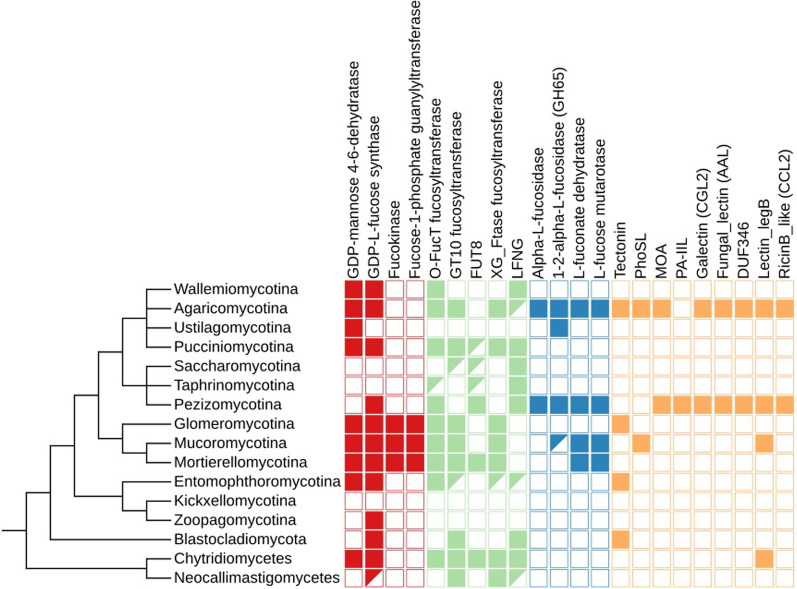
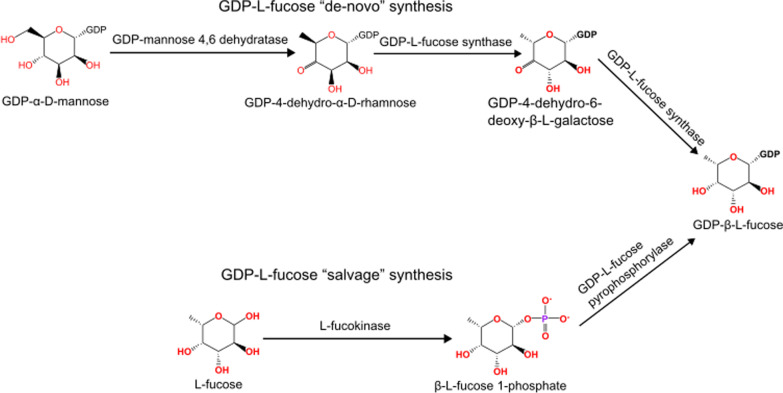
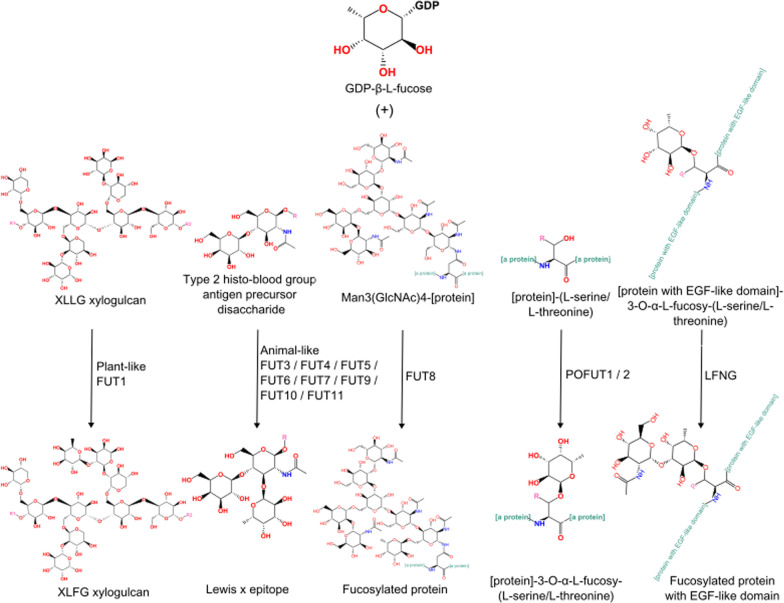
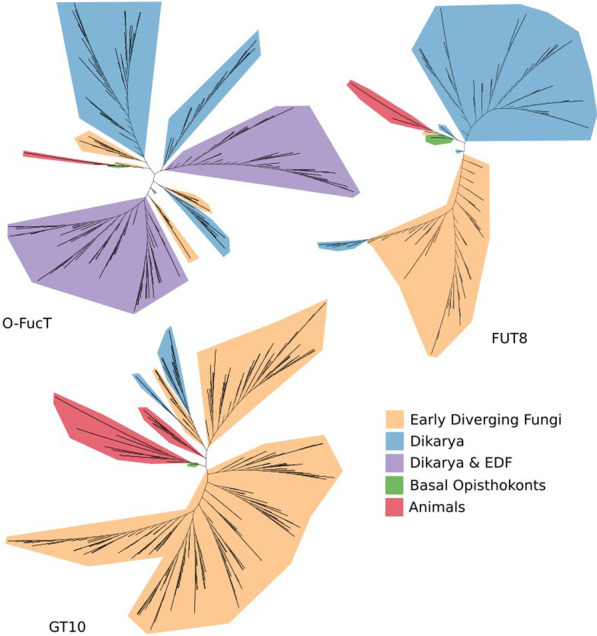
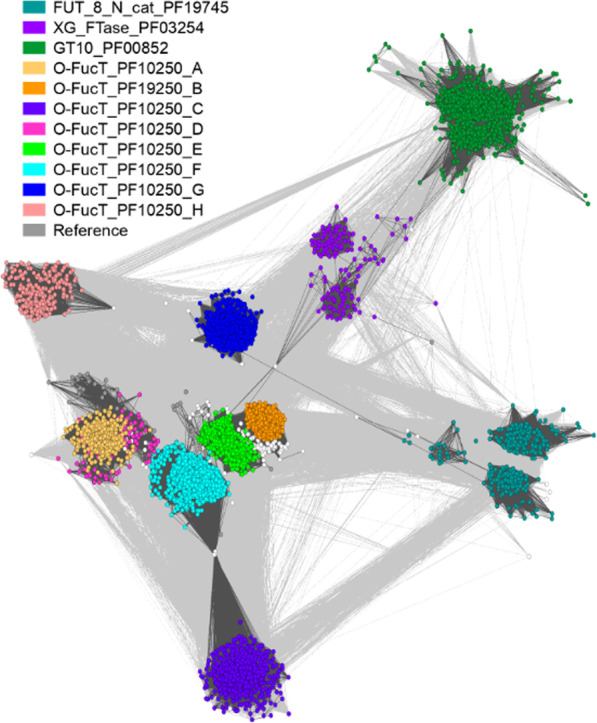
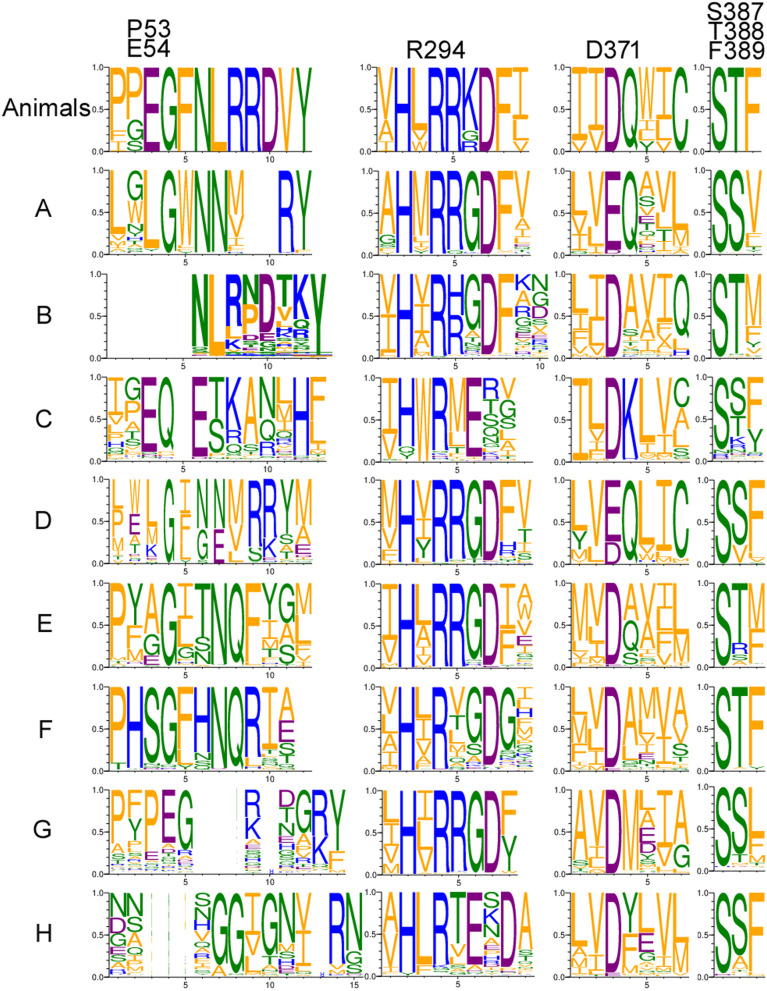
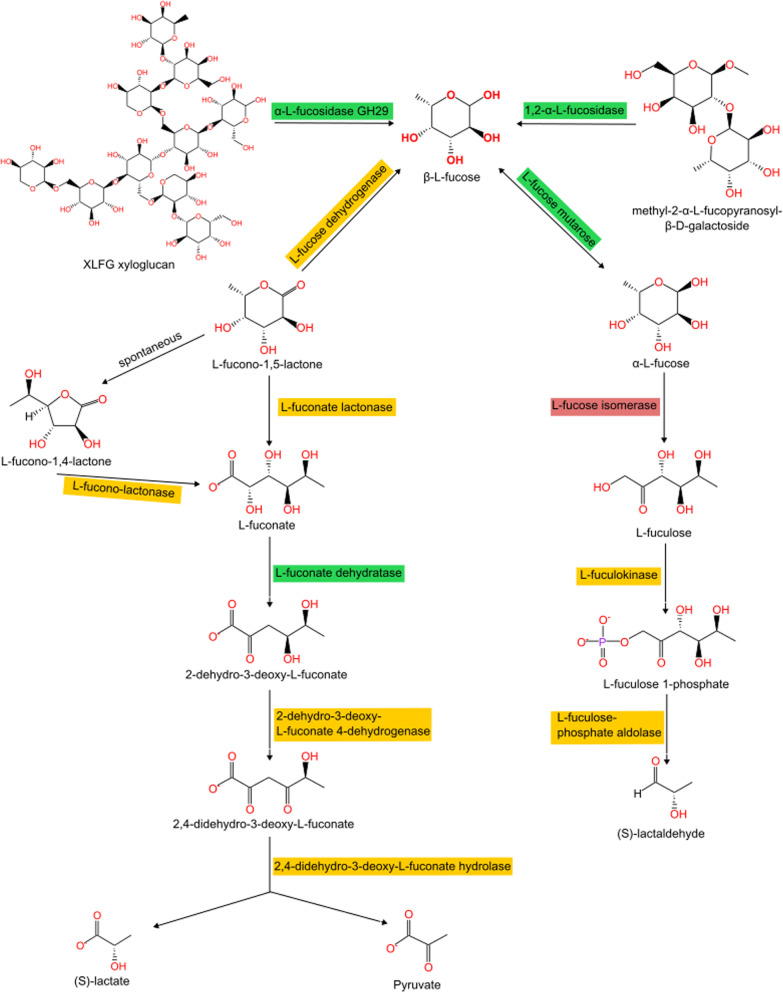
Fucose is a deoxyhexose sugar present and studied in mammals. The process of fucosylation has been the primary focus in studies relating to fucose in animals due to the presence of fucose in Lewis antigens. Very few studies have reported its presence in Fungi, mostly in Mucoromycotina. The constitution of 25% and 12% of this sugar in the carbohydrates of cell wall in the respective Umbelopsis and Mucorales strains boosts the need to bridge the gap of knowledge on fucose metabolism across the fungal tree of life. In the absence of a network map involving fucose proteins, we carried out an in-silico approach to construct the fucose metabolic map in Fungi. We analyzed the taxonomic distribution of 85 protein families in Fungi including diverse early diverging fungal lineages. The expression of fucose-related protein-coding genes proteins was validated with the help of transcriptomic data originating from representatives of early diverging fungi. We found proteins involved in several metabolic activities apart from fucosylation such as synthesis, transport and binding. Most of the identified protein families are shared with Metazoa suggesting an ancestral origin in Opisthokonta. However, the overall complexity of fucose metabolism is greater in Metazoa than in Fungi. Massive gene loss has shaped the evolutionary history of these metabolic pathways leading to a repeated complete deletion in most yeast-forming lineages. Our results point to a distinctive mode of utilization of fucose among fungi belonging to Dikarya and the early diverging lineages. While Dikarya used fucose as a source of nutrients for metabolism, the early diverging group of fungi depended on fucose as a building block and signaling compound.
Overview
The claims and statistics of this paper haven’t been checked yet.
Run the check — free, no account needed. It reads the open-access text and checks the sources it cites.
Integrity signals
Registry
Cites
Statistics
Figures
Verification
Claims the paper makes
The claims and statistics of this paper haven’t been checked yet.
Run the check — free, no account needed. It reads the open-access text and checks the sources it cites.
Self-check
Percentages, sums and reported differences re-computed from the paper’s own numbers.
The self-check needs the paper’s full text.
Citations
Cites
Highly accurate protein structure prediction with AlphaFold
Jumper, J., Evans, R., Pritzel, A., Green, T., Figurnov, M., Ronneberger, O., Tunyasuvunakool, K., Bates, R., Žídek, A., Potapenko, A., et al. (2021) · Nature · doi:10.1038/s41586-021-03819-2 · Cited by 43,764
Metadata
- Authors
- Orłowska, M., Barua, D., Piłsyk, S., & Muszewska, A.
- Affiliations
- Institute of Biochemistry and Biophysics, Polish Academy of Sciences (PL)
- Corresponding author
- Orłowska, Małgorzata
- Muszewska, Anna
- Venue
- IMA Fungus
- Publisher
- Research Square Platform LLC
- Published
- 2023-02-17
- Volume
- 14
- Issue
- 1
- Pages
- 17-17
- ISSN
- 2210-6340 (ISSN-L)
- PMC
- PMC10481521
- OpenAlex
- W4386449453
- Cited by
- 3
- References
- 1
- Citations by year
- 2026: 1 · 2025: 2
- FWCI
- 0.27
- Type
- journal article
- Language
- en
- Open access
- gold
- doi.org
- Locations
- IMA Fungus (publishedVersion, cc-by)
- Research Square (acceptedVersion, cc-by)
- PubMed Central (publishedVersion, cc-by)
- PubMed (publishedVersion)
- IBB PAS Repository (Institute of Biochemistry and Biophysics Polish Academy of Sciences) (acceptedVersion)
- DOAJ (DOAJ: Directory of Open Access Journals) (submittedVersion, cc-by-sa)
- Funders
- Narodowe Centrum Nauki (#2021/41/B/NZ2/02426)
- Topics
- Life Sciences › Biochemistry, Genetics and Molecular Biology › Molecular Biology › Fungal and yeast genetics research
- Life Sciences › Biochemistry, Genetics and Molecular Biology › Molecular Biology › Glycosylation and Glycoproteins Research
- Life Sciences › Agricultural and Biological Sciences › Plant Science › Plant Pathogens and Fungal Diseases
- Keywords
- fucose, fucose metabolism, Dikarya, early diverging fungi, Mucoromycotina, gene loss, Opisthokonta, fungal evolution, Mucorales, Umbelopsis, fucosylation
About these checks
Registry, retraction, Cites and statistics results are computed, not judged, with one exception: a printed reference that no index lists is read once by a model before it counts as a citation error. Claims are extracted by a model and kept only when their quote appears verbatim in the text; each cited source is then checked, with a model’s help, for whether it says what the claim relies on. Those verdicts can be wrong — read the claim’s quote and the cited source before relying on one.
Statistics and arithmetic are recomputed, not judged.
Confidence bands are shown only for fields calibrated on our annotated test set. None is calibrated yet, so no band is shown.
What counts as a claim ›How we measure confidence ›How we check this ›
Are you an author, or do you see a problem with this page? Request a review
