

The DOI matches its Crossref record; 1 of the 1 references it cites were found in a registry or an index.
Tissue-specific and exosomal miRNAs in lung cancer radiotherapy: from regulatory mechanisms to clinical implications
Overview
The claims and statistics of this paper haven’t been checked yet.
Run the check — free, no account needed. It reads the open-access text and checks the sources it cites.
Integrity signals
Registry
Cites
Statistics
Figures
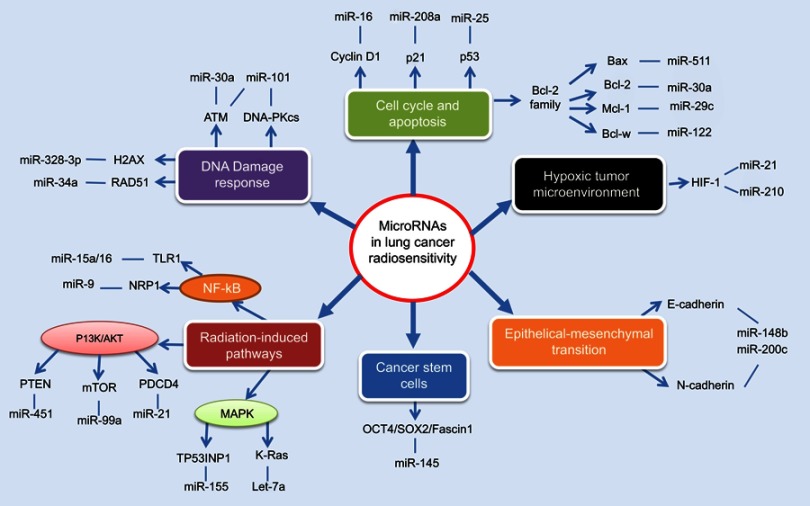
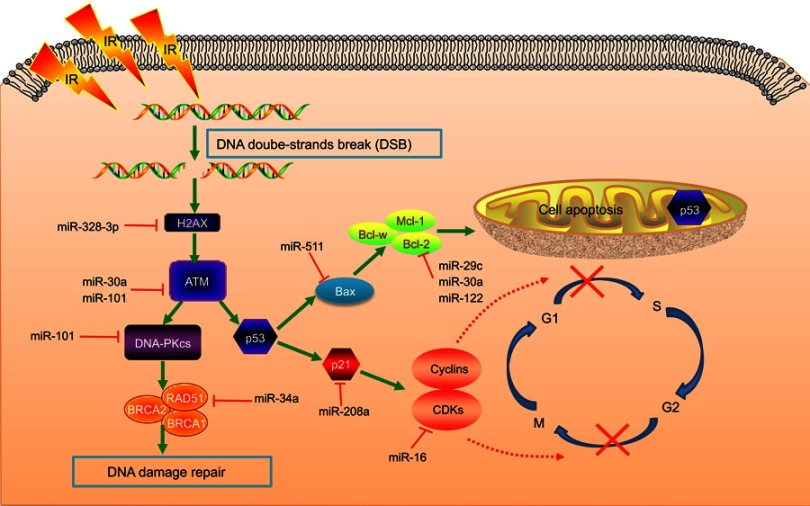
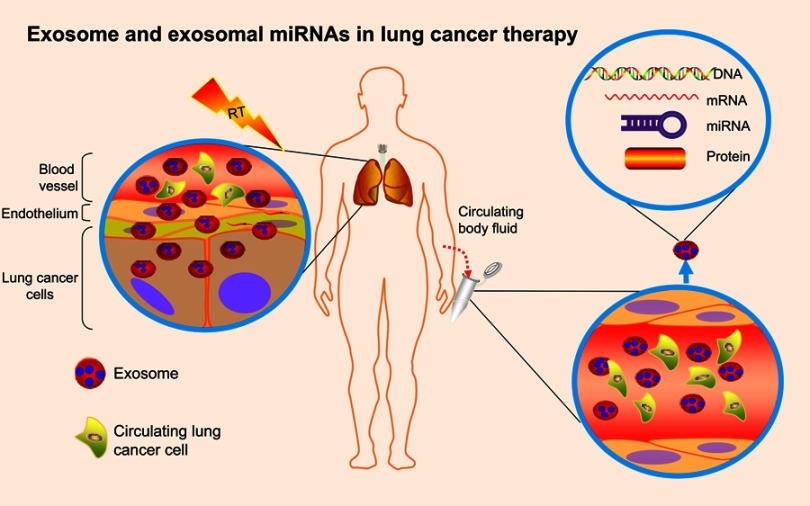
Verification
Claims the paper makes
The claims and statistics of this paper haven’t been checked yet.
Run the check — free, no account needed. It reads the open-access text and checks the sources it cites.
Claims other papers make about this one
Each is checked against this paper’s own text: does it say what the citing paper says it does?
In the citing paper
“Additionally, Exo-miR30a has the ability to suppress ATF1 expression and disrupt the ATM pathway, which plays a essential role in recognizing the DNA damage response (DDR). By doing so, Exo-miR30a impairs DNA strand repair and induces apoptosis in tumor cells.”
From Emerging role of exosomes in cancer therapy: progress and challenges (2025) · cites this paper as [77]
In the citing paper
“Furthermore, the upregulation of Exo-miR-208a and Exo-miR-1246 in tumor cells has been shown to enhance their sensitivity to radiotherapy [77–79].”
From Emerging role of exosomes in cancer therapy: progress and challenges (2025) · cites this paper as [77]
Self-check
Percentages, sums and reported differences re-computed from the paper’s own numbers.
The self-check needs the paper’s full text.
Citations
Cites
Harada, H., Itasaka, S., Zhu, Y., Zeng, L., Xie, X., Morinibu, A., Shinomiya, K., & Hiraoka, M. (2009) · British Journal of Cancer · doi:10.1038/sj.bjc.6604939 · Cited by 82
Research works printed but not linked: 83
- [1]Siegel RL, Miller KD, Jemal A. Cancer statistics, 2018. CA Cancer J Clin. 2018; 68(1): 7– 30. doi: 10.3322/caac.21442 29313949 · DOI
- [2]Travis WD, Brambilla E, Nicholson AG, et al. The 2015 world health organization classification of lung tumors: impact of genetic, clinical and radiologic advances since the 2004 classification. J Thorac Oncol. 2015; 10(9): 1243– 1260. doi: 10.1097/JTO.0000000000000630 26291008 · DOI
- [3]Lischalk JW, Woo SM, Kataria S, et al. Long-term outcomes of stereotactic body radiation therapy (SBRT) with fiducial tracking for inoperable stage I non-small cell lung cancer (NSCLC). J Radiat Oncol. 2016; 5(4): 379– 387. doi: 10.1007/s13566-016-0273-4 28018523 PMC5149392 · DOI
- [4]Willers H, Azzoli CG, Santivasi WL, Xia F. Basic mechanisms of therapeutic resistance to radiation and chemotherapy in lung cancer. Cancer J. 2013; 19(3): 200– 207. doi: 10.1097/PPO.0b013e318292e4e3 23708066 PMC3668666 · DOI
- [5]Rosenzweig KE, Gomez JE. Concurrent chemotherapy and radiation therapy for inoperable locally advanced non-small-cell lung cancer. J Clin Oncol. 2017; 35(1): 6– 10. doi: 10.1200/JCO.2016.69.9678 27870565 · DOI
- [6]Bartel DP. MicroRNAs: genomics, biogenesis, mechanism, and function. Cell. 2004; 116(2): 281– 297. 14744438
- [7]Czochor JR, Glazer PM. microRNAs in cancer cell response to ionizing radiation. Antioxid Redox Signal. 2014; 21(2): 293– 312. doi: 10.1089/ars.2013.5718 24206455 PMC4066235 · DOI
- [8]Sun Y, Hawkins PG, Bi N, et al. Serum microRNA signature predicts response to high-dose radiation therapy in locally advanced non-small cell lung cancer. Int J Radiat Oncol Biol Phys. 2018; 100(1): 107– 114. doi: 10.1016/j.ijrobp.2017.08.039 29051037 PMC5736451 · DOI
- [9]Malla B, Zaugg K, Vassella E, Aebersold DM, Dal Pra A. Exosomes and exosomal MicroRNAs in prostate cancer radiation therapy. Int J Radiat Oncol Biol Phys. 2017; 98(5): 982– 995. doi: 10.1016/j.ijrobp.2017.03.031 28721912 · DOI
- [10]Vanni I, Alama A, Grossi F, Dal Bello MG, Coco S. Exosomes: a new horizon in lung cancer. Drug Discov Today. 2017; 22(6): 927– 936. doi: 10.1016/j.drudis.2017.03.004 28288782 · DOI
- [11]Tang Y, Cui Y, Li Z, et al. Radiation-induced miR-208a increases the proliferation and radioresistance by targeting p21 in human lung cancer cells. J Exp Clin Cancer Res. 2016; 35: 7. doi: 10.1186/s13046-016-0444-6 26754670 PMC4710038 · DOI
- [12]Li L, Story M, Legerski RJ. Cellular responses to ionizing radiation damage. Int J Radiat Oncol Biol Phys. 2001; 49(4): 1157– 1162. 11240259
- [13]Hu H, Gatti RA. MicroRNAs: new players in the DNA damage response. J Mol Cell Biol. 2011; 3(3): 151– 158. doi: 10.1093/jmcb/mjq042 21183529 PMC3104011 · DOI
- [14]Ma W, Ma CN, Zhou NN, Li XD, Zhang YJ. Up- regulation of miR-328-3p sensitizes non-small cell lung cancer to radiotherapy. Sci Rep. 2016; 6: 31651. doi: 10.1038/srep31651 27530148 PMC4987701 · DOI
- [15]Guo Y, Sun W, Gong T, et al. miR-30a radiosensitizes non-small cell lung cancer by targeting ATF1 that is involved in the phosphorylation of ATM. Oncol Rep. 2017; 37(4): 1980– 1988. doi: 10.3892/or.2017.5448 28259977 PMC5367375 · DOI
- [16]Chen S, Wang H, Ng WL, Curran WJ, Wang Y. Radiosensitizing effects of ectopic miR-101 on non-small-cell lung cancer cells depend on the endogenous miR-101 level. Int J Radiat Oncol Biol Phys. 2011; 81(5): 1524– 1529. doi: 10.1016/j.ijrobp.2011.05.031 22014955 · DOI
- [17]Li Y, Han W, Ni TT, et al. Knockdown of microRNA-1323 restores sensitivity to radiation by suppression of PRKDC activity in radiation-resistant lung cancer cells. Oncol Rep. 2015; 33(6): 2821– 2828. doi: 10.3892/or.2015.3884 25823795 · DOI
- [18]Cortez MA, Valdecanas D, Niknam S, et al. In vivo delivery of miR-34a sensitizes lung tumors to radiation through RAD51 regulation. Mol Ther Nucleic Acids. 2015; 4: e270. doi: 10.1038/mtna.2015.47 26670277 PMC5014539 · DOI
- [19]Medema RH, Macurek L. Checkpoint control and cancer. Oncogene. 2012; 31(21): 2601– 2613. doi: 10.1038/onc.2011.451 21963855 · DOI
- [20]Liu Q, Fu H, Sun F, et al. miR-16 family induces cell cycle arrest by regulating multiple cell cycle genes. Nucleic Acids Res. 2008; 36(16): 5391– 5404. doi: 10.1093/nar/gkn522 18701644 PMC2532718 · DOI
- [21]Rahmanian N, Hosseinimehr SJ, Khalaj A. The paradox role of caspase cascade in ionizing radiation therapy. J Biomed Sci. 2016; 23(1): 88. doi: 10.1186/s12929-016-0306-8 27923354 PMC5142153 · DOI
- [22]He Z, Liu Y, Xiao B, Qian X. miR-25 modulates NSCLC cell radio-sensitivity through directly inhibiting BTG2 expression. Biochem Biophys Res Commun. 2015; 457(3): 235– 241. doi: 10.1016/j.bbrc.2014.12.094 25576360 · DOI
- [23]Zhao L, Bode AM, Cao Y, Dong Z. Regulatory mechanisms and clinical perspectives of miRNA in tumor radiosensitivity. Carcinogenesis. 2012; 33(11): 2220– 2227. doi: 10.1093/carcin/bgs235 22798379 PMC3483015 · DOI
- [24]Arechaga-Ocampo E, Lopez-Camarillo C, Villegas-Sepulveda N, et al. Tumor suppressor miR-29c regulates radioresistance in lung cancer cells. Tumour Biol. 2017; 39(3). 1010428317695010. doi: 10.1177/1010428317695010 28345453 · DOI
- [25]Ma D, Jia H, Qin M, et al. MiR-122 induces radiosensitization in non-small cell lung cancer cell line. Int J Mol Sci. 2015; 16(9): 22137– 22150. doi: 10.3390/ijms160922137 26389880 PMC4613300 · DOI
- [26]Zhang HH, Pang M, Dong W, et al. miR-511 induces the apoptosis of radioresistant lung adenocarcinoma cells by triggering BAX. Oncol Rep. 2014; 31(3): 1473– 1479. doi: 10.3892/or.2014.2973 24402374 · DOI
- [27]Ma W, Ma CN, Li XD, Zhang YJ. Examining the effect of gene reduction in miR-95 and enhanced radiosensitivity in non-small cell lung cancer. Cancer Gene Ther. 2016; 23(2–3): 66– 71. doi: 10.1038/cgt.2016.2 26915403 · DOI
- [28]Wang M, Meng B, Liu Y, Yu J, Chen Q, Liu Y. MiR-124 inhibits growth and enhances radiation-induced apoptosis in non-small cell lung cancer by inhibiting STAT3. Cell Physiol Biochem. 2017; 44(5): 2017– 2028. doi: 10.1159/000485907 29237164 · DOI
- [29]Zhu L, Xue F, Xu X, et al. MicroRNA-198 inhibition of HGF/c-MET signaling pathway overcomes resistance to radiotherapy and induces apoptosis in human non-small-cell lung cancer. J Cell Biochem. 2018;119(9):7873–7886. 29943841
- [30]Osinsky S, Zavelevich M, Vaupel P. Tumor hypoxia and malignant progression. Exp Oncol. 2009; 31(2): 80– 86. 19550396
- [31]Marignol L, Coffey M, Lawler M, Hollywood D. Hypoxia in prostate cancer: a powerful shield against tumour destruction? Cancer Treat Rev. 2008; 34(4): 313– 327. doi: 10.1016/j.ctrv.2008.01.006 18334284 · DOI
- [33]Meijer TW, Kaanders JH, Span PN, Bussink J. Targeting hypoxia, HIF-1, and tumor glucose metabolism to improve radiotherapy efficacy. Clin Cancer Res. 2012; 18(20): 5585– 5594. doi: 10.1158/1078-0432.CCR-12-0858 23071360 · DOI · Paper page
- [34]Jiang S, Wang R, Yan H, Jin L, Dou X, Chen D. MicroRNA-21 modulates radiation resistance through upregulation of hypoxia-inducible factor-1alpha-promoted glycolysis in non-small cell lung cancer cells. Mol Med Rep. 2016; 13(5): 4101– 4107. doi: 10.3892/mmr.2016.5010 27035555 · DOI
- [35]Grosso S, Doyen J, Parks SK, et al. MiR-210 promotes a hypoxic phenotype and increases radioresistance in human lung cancer cell lines. Cell Death Dis. 2013; 4: e544. doi: 10.1038/cddis.2013.71 23492775 PMC3615727 · DOI
- [36]Marie-Egyptienne DT, Lohse I, Hill RP. Cancer stem cells, the epithelial to mesenchymal transition (EMT) and radioresistance: potential role of hypoxia. Cancer Lett. 2013; 341(1): 63– 72. doi: 10.1016/j.canlet.2012.11.019 23200673 · DOI
- [37]Zhang Y, Zheng L, Huang J, et al. MiR-124 Radiosensitizes human colorectal cancer cells by targeting PRRX1. PLoS One. 2014; 9(4): e93917. doi: 10.1371/journal.pone.0093917 24705396 PMC3976353 · DOI
- [38]Luo H, Liang C. MicroRNA-148b inhibits proliferation and the epithelial-mesenchymal transition and increases radiosensitivity in non-small cell lung carcinomas by regulating ROCK1. Exp Ther Med. 2018; 15(4): 3609– 3616. doi: 10.3892/etm.2018.5845 29545890 PMC5840962 · DOI
- [39]Koo T, Cho BJ, Kim DH, et al. MicroRNA-200c increases radiosensitivity of human cancer cells with activated EGFR-associated signaling. Oncotarget. 2017; 8(39): 65457– 65468. doi: 10.18632/oncotarget.18924 29029445 PMC5630345 · DOI
- [40]Pajonk F, Vlashi E, McBride WH. Radiation resistance of cancer stem cells: the 4 R‘s of radiobiology revisited. Stem Cells. 2010; 28(4): 639– 648. doi: 10.1002/stem.318 20135685 PMC2940232 · DOI
- [41]Chiou GY, Cherng JY, Hsu HS, et al. Cationic polyurethanes-short branch PEI-mediated delivery of Mir145 inhibited epithelial-mesenchymal transdifferentiation and cancer stem-like properties and in lung adenocarcinoma. J Control Release. 2012; 159(2): 240– 250. doi: 10.1016/j.jconrel.2012.01.014 22285547 · DOI
- [42]Zhang J, Zhang C, Hu L, et al. Abnormal Expression of miR-21 and miR-95 in Cancer Stem-Like Cells is Associated with Radioresistance of Lung Cancer. Cancer Invest. 2015; 33(5): 165– 171. doi: 10.3109/07357907.2015.1019676 25831148 · DOI
- [43]Chen X, Wu L, Li D, et al. Radiosensitizing effects of miR-18a-5p on lung cancer stem-like cells via downregulating both ATM and HIF-1alpha. Cancer Med. 2018; 7(8): 3834– 3847. doi: 10.1002/cam4.1527 29860718 PMC6089184 · DOI
- [44]Korpela E, Vesprini D, Liu SK. MicroRNA in radiotherapy: miRage or miRador? Br J Cancer. 2015; 112(5): 777– 782. doi: 10.1038/bjc.2015.6 25611301 PMC4453960 · DOI
- [45]Guo Y, Jiang Y, Sang M, Xu C. Down-regulation of miR-373 increases the radiosensitivity of lung cancer cells by targeting TIMP2. Int J Biochem Cell Biol. 2018; 99: 203– 210. doi: 10.1016/j.biocel.2018.04.014 29673878 · DOI
- [46]Wang XC, Du LQ, Tian LL, et al. Expression and function of miRNA in postoperative radiotherapy sensitive and resistant patients of non-small cell lung cancer. Lung Cancer. 2011; 72(1): 92– 99. doi: 10.1016/j.lungcan.2010.07.014 20728239 · DOI
- [47]Tian F, Han Y, Yan X, et al. Upregulation of microrna-451 increases the sensitivity of A549 cells to radiotherapy through enhancement of apoptosis. Thorac Cancer. 2016; 7(2): 226– 231. doi: 10.1111/1759-7714.12318 27042226 PMC4773304 · DOI
- [48]Yin H, Ma J, Chen L, et al. MiR-99a enhances the radiation sensitivity of non-small cell lung cancer by targeting mTOR. Cell Physiol Biochem. 2018; 46(2): 471– 481. doi: 10.1159/000488615 29614485 · DOI
- [49]Jiang Y, Chen X, Tian W, Yin X, Wang J, Yang H. The role of TGF-beta1-miR-21-ROS pathway in bystander responses induced by irradiated non-small-cell lung cancer cells. Br J Cancer. 2014; 111(4): 772– 780. doi: 10.1038/bjc.2014.368 24992582 PMC4134503 · DOI
- [50]Xiong K, Shao LH, Zhang HQ, et al. MicroRNA-9 functions as a tumor suppressor and enhances radio-sensitivity in radio-resistant A549 cells by targeting neuropilin 1. Oncol Lett. 2018; 15(3): 2863– 2870. doi: 10.3892/ol.2017.7705 29435012 PMC5778782 · DOI
- [51]Arora H, Qureshi R, Jin S, Park AK, Park WY. miR-9 and let-7g enhance the sensitivity to ionizing radiation by suppression of NFkappaB1. Exp Mol Med. 2011; 43(5): 298– 304. doi: 10.3858/emm.2011.43.5.031 21464588 PMC3104252 · DOI
- [52]Lan F, Yue X, Ren G, et al. miR-15a/16 enhances radiation sensitivity of non-small cell lung cancer cells by targeting the TLR1/NF-kappaB signaling pathway. Int J Radiat Oncol Biol Phys. 2015; 91(1): 73– 81. doi: 10.1016/j.ijrobp.2014.09.021 25442346 · DOI
- [53]Oh JS, Kim JJ, Byun JY, Kim IA. Lin28-let7 modulates radiosensitivity of human cancer cells with activation of K-Ras. Int J Radiat Oncol Biol Phys. 2010; 76(1): 5– 8. doi: 10.1016/j.ijrobp.2009.08.028 20005451 · DOI
- [54]Wang Y, Scheiber MN, Neumann C, Calin GA, Zhou D. MicroRNA regulation of ionizing radiation-induced premature senescence. Int J Radiat Oncol Biol Phys. 2011; 81(3): 839– 848. doi: 10.1016/j.ijrobp.2010.09.048 21093163 PMC3056910 · DOI
- [55]Salim H, Akbar NS, Zong D, et al. miRNA-214 modulates radiotherapy response of non-small cell lung cancer cells through regulation of p38MAPK, apoptosis and senescence. Br J Cancer. 2012; 107(8): 1361– 1373. doi: 10.1038/bjc.2012.382 22929890 PMC3494421 · DOI
- [56]Weber JA, Baxter DH, Zhang S, et al. The microRNA spectrum in 12 body fluids. Clin Chem. 2010; 56(11): 1733– 1741. doi: 10.1373/clinchem.2010.147405 20847327 PMC4846276 · DOI · Paper page
- [57]Chen X, Liang H, Zhang J, Zen K, Zhang CY. Secreted microRNAs: a new form of intercellular communication. Trends Cell Biol. 2012; 22(3): 125– 132. doi: 10.1016/j.tcb.2011.12.001 22260888 · DOI · Paper page
- [58]Valadi H, Ekstrom K, Bossios A, Sjostrand M, Lee JJ, Lotvall JO. Exosome-mediated transfer of mRNAs and microRNAs is a novel mechanism of genetic exchange between cells. Nat Cell Biol. 2007; 9(6): 654– 659. doi: 10.1038/ncb1596 17486113 · DOI · Paper page
- [59]Pegtel DM, Cosmopoulos K, Thorley-Lawson DA, et al. Functional delivery of viral miRNAs via exosomes. Proc Natl Acad Sci U S A. 2010; 107(14): 6328– 6333. doi: 10.1073/pnas.0914843107 20304794 PMC2851954 · DOI
- [60]Templin T, Amundson SA, Brenner DJ, Smilenov LB. Whole mouse blood microRNA as biomarkers for exposure to gamma-rays and (56)Fe ion. Int J Radiat Biol. 2011; 87(7): 653– 662. doi: 10.3109/09553002.2010.549537 21271940 PMC3586327 · DOI
- [61]Templin T, Paul S, Amundson SA, et al. Radiation-induced micro-RNA expression changes in peripheral blood cells of radiotherapy patients. Int J Radiat Oncol Biol Phys. 2011; 80(2): 549– 557. doi: 10.1016/j.ijrobp.2010.12.061 21420249 PMC3589812 · DOI
- [62]Prise KM, O‘Sullivan JM. Radiation-induced bystander signalling in cancer therapy. Nat Rev Cancer. 2009; 9(5): 351– 360. doi: 10.1038/nrc2603 19377507 PMC2855954 · DOI
- [63]Yuan D, Xu J, Wang J, et al. Extracellular miR-1246 promotes lung cancer cell proliferation and enhances radioresistance by directly targeting DR5. Oncotarget. 2016; 7(22): 32707– 32722. doi: 10.18632/oncotarget.9017 27129166 PMC5078045 · DOI · Paper page
- [64]Dinh TK, Fendler W, Chalubinska-Fendler J, et al. Circulating miR-29a and miR-150 correlate with delivered dose during thoracic radiation therapy for non-small cell lung cancer. Radiat Oncol. 2016; 11: 61. doi: 10.1186/s13014-016-0636-4 27117590 PMC4847218 · DOI
- [65]Urbanelli L, Magini A, Buratta S, et al. Signaling pathways in exosomes biogenesis, secretion and fate. Genes (Basel). 2013; 4(2): 152– 170. doi: 10.3390/genes4020152 24705158 PMC3899971 · DOI
- [66]Cui S, Cheng Z, Qin W, Jiang L. Exosomes as a liquid biopsy for lung cancer. Lung Cancer. 2018; 116: 46– 54. doi: 10.1016/j.lungcan.2017.12.012 29413050 · DOI
- [67]Liu Y, Luo F, Wang B, et al. STAT3-regulated exosomal miR-21 promotes angiogenesis and is involved in neoplastic processes of transformed human bronchial epithelial cells. Cancer Lett. 2016; 370(1): 125– 135. doi: 10.1016/j.canlet.2015.10.011 26525579 · DOI
- [68]Hsu YL, Hung JY, Chang WA, et al. Hypoxic lung cancer-secreted exosomal miR-23a increased angiogenesis and vascular permeability by targeting prolyl hydroxylase and tight junction protein ZO-1. Oncogene. 2017; 36(34): 4929– 4942. doi: 10.1038/onc.2017.105 28436951 · DOI
- [69]Cui H, Seubert B, Stahl E, et al. Tissue inhibitor of metalloproteinases-1 induces a pro-tumourigenic increase of miR-210 in lung adenocarcinoma cells and their exosomes. Oncogene. 2015; 34(28): 3640– 3650. doi: 10.1038/onc.2014.300 25263437 · DOI
- [70]Kim J, Kim TY, Lee MS, Mun JY, Ihm C, Kim SA. Exosome cargo reflects TGF-beta1-mediated epithelial-to-mesenchymal transition (EMT) status in A549 human lung adenocarcinoma cells. Biochem Biophys Res Commun. 2016; 478(2): 643– 648. doi: 10.1016/j.bbrc.2016.07.124 27492069 · DOI
- [71]Wu H, Zhou J, Mei S, et al. Circulating exosomal microRNA-96 promotes cell proliferation, migration and drug resistance by targeting LMO7. J Cell Mol Med. 2017; 21(6): 1228– 1236. doi: 10.1111/jcmm.13056 28026121 PMC5431139 · DOI
- [72]Adi Harel S, Bossel Ben-Moshe N, Aylon Y, et al. Reactivation of epigenetically silenced miR-512 and miR-373 sensitizes lung cancer cells to cisplatin and restricts tumor growth. Cell Death Differ. 2015; 22(8): 1328– 1340. doi: 10.1038/cdd.2014.221 25591738 PMC4495356 · DOI
- [73]Yuwen DL, Sheng BB, Liu J, Wenyu W, Shu YQ. MiR-146a-5p level in serum exosomes predicts therapeutic effect of cisplatin in non-small cell lung cancer. Eur Rev Med Pharmacol Sci. 2017; 21(11): 2650– 2658. 28678319
- [74]Yang M, Shen H, Qiu C, et al. High expression of miR-21 and miR-155 predicts recurrence and unfavourable survival in non-small cell lung cancer. Eur J Cancer. 2013; 49(3): 604– 615. doi: 10.1016/j.ejca.2012.09.031 23099007 · DOI
- [75]Rabinowits G, Gercel-Taylor C, Day JM, Taylor DD, Kloecker GH. Exosomal microRNA: a diagnostic marker for lung cancer. Clin Lung Cancer. 2009; 10(1): 42– 46. doi: 10.3816/CLC.2009.n.006 19289371 · DOI
- [76]Jin X, Chen Y, Chen H, et al. Evaluation of tumor-derived exosomal mirna as potential diagnostic biomarkers for early-stage non-small cell lung cancer using next-generation sequencing. Clin Cancer Res. 2017; 23(17): 5311– 5319. doi: 10.1158/1078-0432.CCR-17-0577 28606918 · DOI
- [77]Mutschelknaus L, Peters C, Winkler K, et al. Exosomes derived from squamous head and neck cancer promote cell survival after ionizing radiation. PLoS One. 2016; 11(3): e0152213. doi: 10.1371/journal.pone.0152213 27006994 PMC4805173 · DOI
- [78]Boelens MC, Wu TJ, Nabet BY, et al. Exosome transfer from stromal to breast cancer cells regulates therapy resistance pathways. Cell. 2014; 159(3): 499– 513. doi: 10.1016/j.cell.2014.09.051 25417103 PMC4283810 · DOI
- [79]Cai S, Shi GS, Cheng HY, et al. Exosomal miR-7 mediates bystander autophagy in lung after focal brain irradiation in mice. Int J Biol Sci. 2017; 13(10): 1287– 1296. doi: 10.7150/ijbs.18890 29104495 PMC5666527 · DOI
- [80]Wang R, Ye F, Zhen Q, et al. MicroRNA-148b is a potential prognostic biomarker and predictor of response to radiotherapy in non-small-cell lung cancer. J Physiol Biochem. 2016; 72(2): 337– 343. doi: 10.1007/s13105-016-0485-5 27083571 · DOI
- [81]Xie P, Li X, Tan X, Sun X, Wang C, Yu J. Sequential serum let-7 is a novel biomarker to predict accelerated reproliferation during fractional radiotherapy in lung cancer. Clin Lung Cancer. 2016; 17(5): e95– e101. doi: 10.1016/j.cllc.2016.03.010 27133539 · DOI
- [82]Xu T, Liao Z, O‘Reilly MS, et al. Serum inflammatory miRNAs predict radiation esophagitis in patients receiving definitive radiochemotherapy for non-small cell lung cancer. Radiother Oncol. 2014; 113(3): 379– 384. doi: 10.1016/j.radonc.2014.11.006 25466375 · DOI
- [83]Florczuk M, Szpechcinski A, Chorostowska-Wynimko J. miRNAs as biomarkers and therapeutic targets in non-small cell lung cancer: current perspectives. Target Oncol. 2017; 12(2): 179– 200. doi: 10.1007/s11523-017-0478-5 28243959 · DOI
- [84]Iqbal MA, Arora S, Prakasam G, Calin GA, Syed MA. MicroRNA in lung cancer: role, mechanisms, pathways and therapeutic relevance. Mol Aspects Med. 2018. doi: 10.1016/j.mam.2018.07.003 30102929 · DOI
Cited by
Sorted by citations
Emerging role of exosomes in cancer therapy: progress and challenges
Li, J., Wang, J., & Chen, Z. (2025) · Molecular Cancer · doi:10.1186/s12943-024-02215-4 · Cited by 297
Metadata
- Authors
- Long, L., Zhang, X., Bai, J., Li, Y., Wang, X., & Zhou, Y.
- Venue
- Cancer Management and Research
- Publisher
- Informa UK Limited
- Published
- 2019-05
- Volume
- Volume 11
- Pages
- 4413-4424
- ISSN
- 1179-1322
- PMC
- PMC6525830
- Cited by
- 21
- References
- 1
- Language
- en
About these checks
Registry, retraction, Cites and statistics results are computed, not judged, with one exception: a printed reference that no index lists is read once by a model before it counts as a citation error. Claims are extracted by a model and kept only when their quote appears verbatim in the text; each cited source is then checked, with a model’s help, for whether it says what the claim relies on. Those verdicts can be wrong — read the claim’s quote and the cited source before relying on one.
Statistics and arithmetic are recomputed, not judged.
Confidence bands are shown only for fields calibrated on our annotated test set. None is calibrated yet, so no band is shown.
What counts as a claim ›How we measure confidence ›How we check this ›
Are you an author, or do you see a problem with this page? Request a review
