

Efficacy of a Single-Session “Empowered Relief” Zoom-Delivered Group Intervention for Chronic Pain: Randomized Controlled Trial Conducted During the COVID-19 Pandemic
Open accessPublished version of a preprint
The DOI matches its Crossref record; 84 of the 84 references it cites were found in a registry or an index.
Abstract
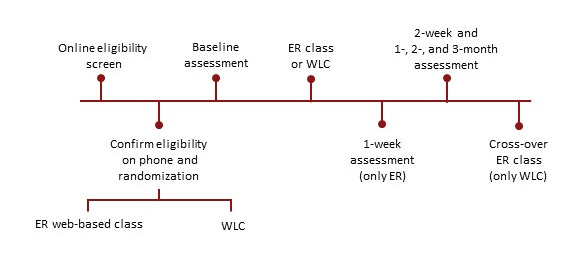
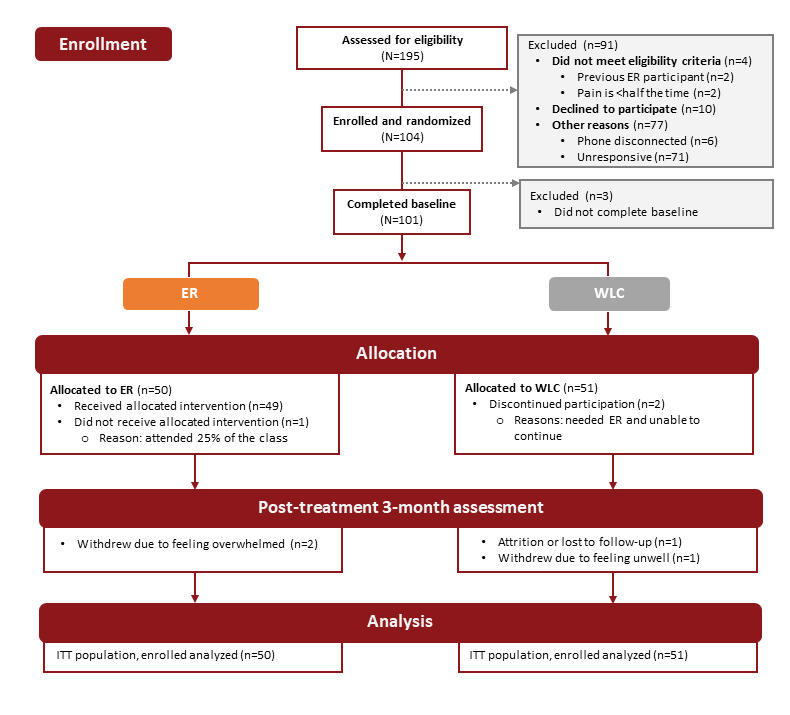
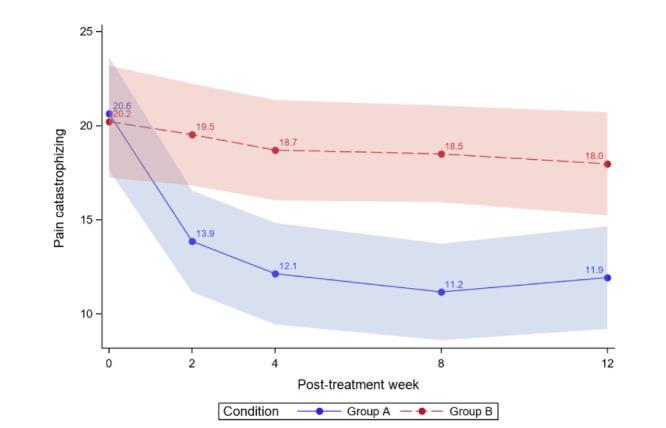
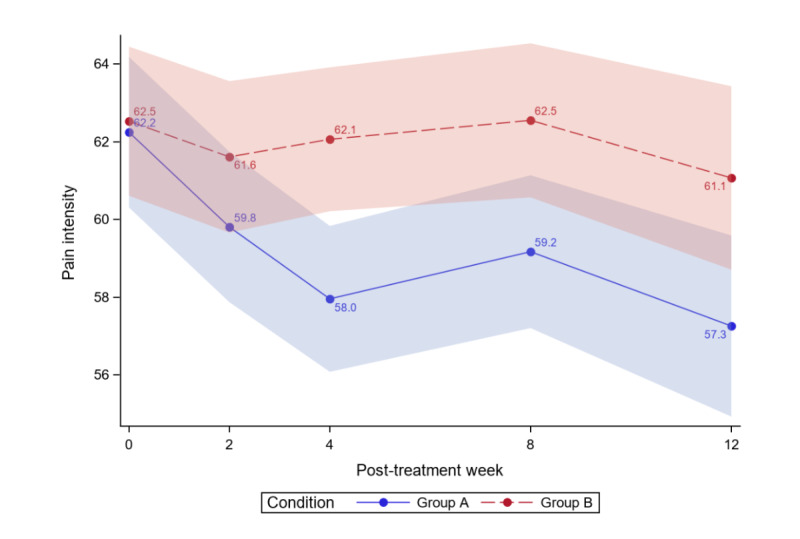
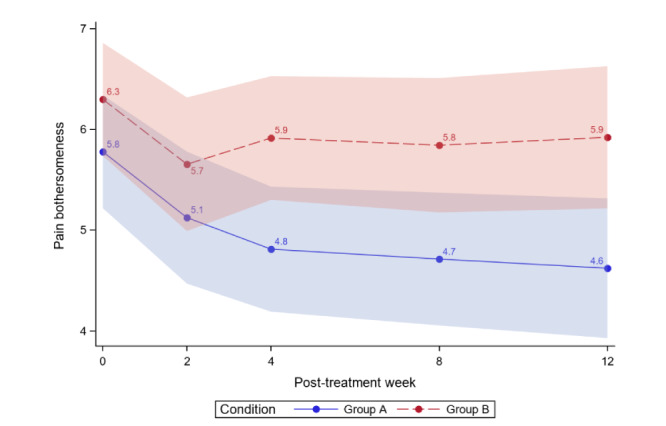
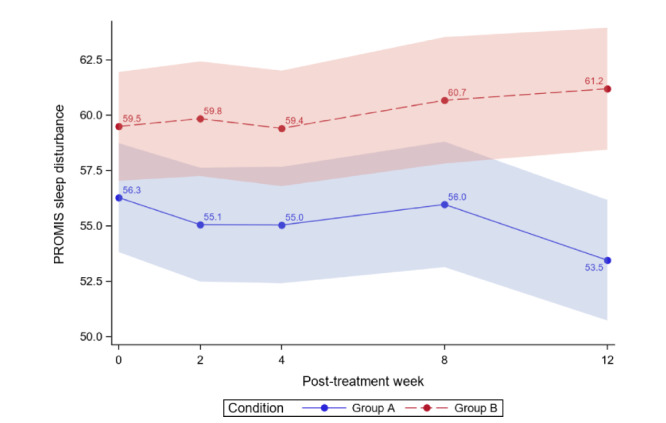
Background: Cognitive behavioral therapy–pain is an evidence-based treatment for chronic pain that can have significant patient burden, including health care cost, travel, multiple sessions, and lack of access in remote areas. Objective: The study aims to pilot test the efficacy of a single-session videoconference-delivered empowered relief (ER) intervention compared to waitlist control (WLC) conditions among individuals with chronic pain. We hypothesized that ER would be superior to WLC in reducing pain catastrophizing, pain intensity, and other pain-related outcomes at 1-3 months posttreatment. Methods: We conducted a randomized controlled trial involving a web-based sample of adults (N=104) aged 18-80 years with self-reported chronic pain. Participants were randomized (1:1) to 1 of 2 unblinded study groups: ER (50/104, 48.1%) and WLC (54/104, 51.9%). Participants allocated to ER completed a Zoom-delivered class, and all participants completed follow-up surveys at 2 weeks and 1, 2, and 3 months posttreatment. All the study procedures were performed remotely and electronically. The primary outcome was pain catastrophizing 1-month posttreatment, with pain intensity, pain bothersomeness, and sleep disruption as secondary outcomes. We also report a more rigorous test of the durability of treatment effects at 3 months posttreatment. Data were collected from September 2020 to February 2021 and analyzed using intention-to-treat analysis. The analytic data set included participants (18/101, 17.8% clinic patients; 83/101, 82.1% community) who completed at least one study survey: ER (50/101, 49.5%) and WLC (51/104, 49%). Results: Participants (N=101) were 69.3% (70/101) female, with a mean age of 49.76 years (SD 13.90; range 24-78); 32.7% (33/101) had an undergraduate degree and self-reported chronic pain for 3 months. Participants reported high engagement (47/50, 94%), high satisfaction with ER (mean 8.26, SD 1.57; range 0-10), and high satisfaction with the Zoom platform (46/50, 92%). For the between-groups factor, ER was superior to WLC for all primary and secondary outcomes at 3 months posttreatment (highest P<.001), and between-groups Cohen d effect sizes ranged from 0.45 to 0.79, indicating that the superiority was of moderate to substantial clinical importance. At 3 months, clinically meaningful pain catastrophizing scale (PCS) reductions were found for ER but not for WLC (ER: PCS −8.72, 42.25% reduction; WLC: PCS −2.25, 11.13% reduction). ER resulted in significant improvements in pain intensity, sleep disturbance, and clinical improvements in pain bothersomeness. Conclusions: Zoom-delivered ER had high participant satisfaction and very high engagement. Among adults with chronic pain, this single-session, Zoom-delivered, skills-based pain class resulted in clinically significant improvement across a range of pain-related outcomes that was sustained at 3 months. Web-based delivery of ER could allow greater accessibility of home-based pain treatment and could address the inconveniences and barriers faced by patients when attempting to receive in-person care. Trial Registration: ClinicalTrials.gov NCT04546685; https://clinicaltrials.gov/ct2/show/NCT04546685
Overview
The claims and statistics of this paper haven’t been checked yet.
Free: it reads the open-access text and checks the first 5 claims that cite a source we can check. Create a free account to check every claim.
Integrity signals
Registry
Cites
Statistics
Figures
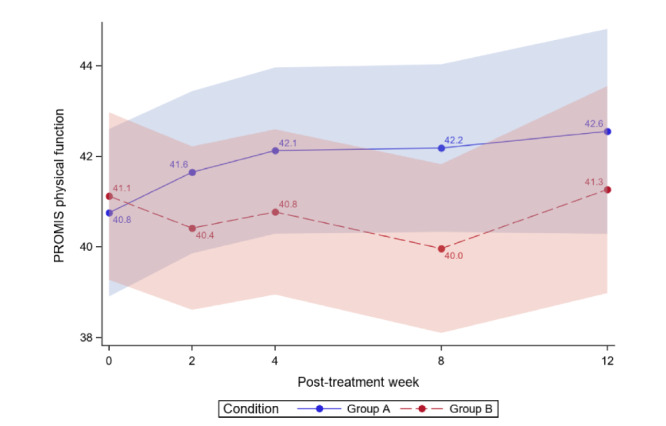
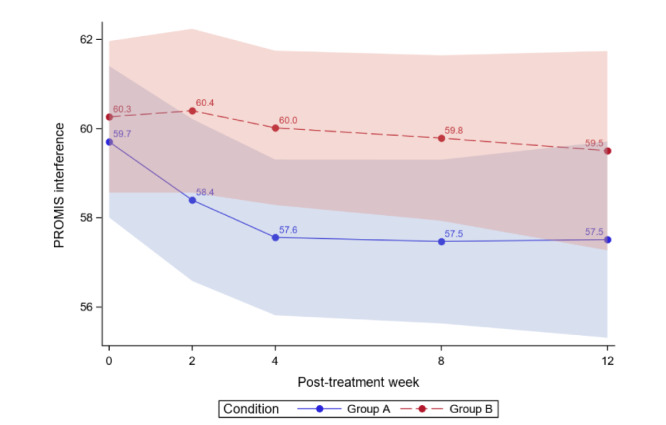
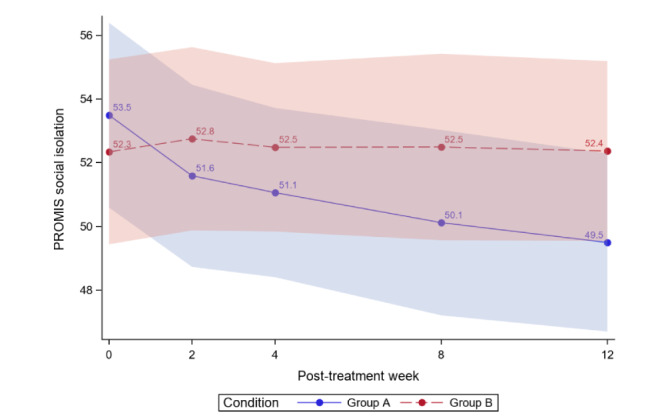
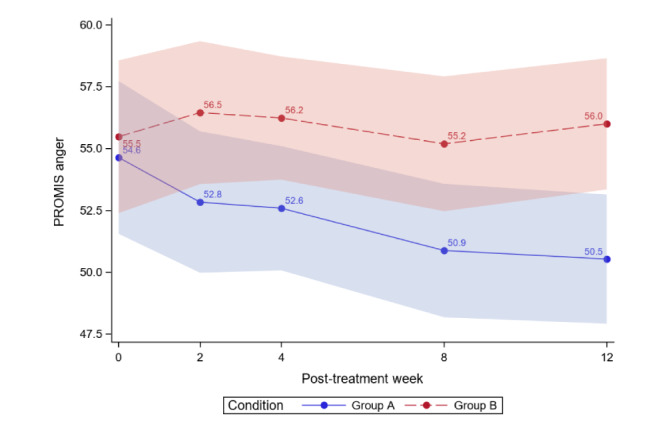
Verification
Claims the paper makes
The claims and statistics of this paper haven’t been checked yet.
Free: it reads the open-access text and checks the first 5 claims that cite a source we can check. Create a free account to check every claim.
Claims other papers make about this one
Each is checked against this paper’s own text: does it say what the citing paper says it does?
The cited source says what the claim attributes to it.
In the citing paper
“and decreasing PC in adults with chronic pain. 43,44”
From Virtual psychoeducation for improvement of pain catastrophizing in pediatric presurgical patients and caregivers: a proof-of-concept study (2023) · cites this paper as [44]
Self-check
Percentages, sums and reported differences re-computed from the paper’s own numbers.
The self-check needs the paper’s full text.
Citations
Cites
Harris, P. A., Taylor, R., Thielke, R., Payne, J., Gonzalez, N., & Conde, J. G. (2009) · Journal of Biomedical Informatics · doi:10.1016/j.jbi.2008.08.010 · Cited by 51,384 · cited 2×
“All surveys were collected through REDCap [44], a web-based electronic data capture platform, which is a secure (password protected), HIPAA (Health Insurance Portability and Accountability Act)–compliant platform, and hosted by the Stanford University School of Medicine.”
The Pain Catastrophizing Scale: Development and validation.
Sullivan, M. J. L., Bishop, S. R., & Pivik, J. (1995) · Psychological Assessment · doi:10.1037//1040-3590.7.4.524 · Cited by 8,227 · cited 1×
“The 13-item PCS [56] measures negative thoughts and emotional responses to pain.”
Farrar, J. T., Young, J. P., LaMoreaux, L., Werth, J. L., & Poole, M. R. (2001) · Pain · doi:10.1016/s0304-3959(01)00349-9 · Cited by 5,808 · cited 1×
“In addition, the pain intensity measure used was a 5-point Numeric Pain Rating Scale, as opposed to the 11-point Numeric Pain Rating Scale [87] typically used in research, limiting variability and may have obscured treatment effects and clinically meaningful findings.”
Survey of chronic pain in Europe: Prevalence, impact on daily life, and treatment
Breivik, H., Collett, B., Ventafridda, V., Cohen, R., & Gallacher, D. (2006) · European Journal of Pain · doi:10.1016/j.ejpain.2005.06.009 · Cited by 5,486 · cited 1×
“Depression, anxiety, and physical function are major correlates of chronic pain [73-76], and as such, changes in these variables were examined as a function of treatment.”
Core outcome measures for chronic pain clinical trials: IMMPACT recommendations
Dworkin, R. H., Turk, D. C., Farrar, J. T., Haythornthwaite, J. A., Jensen, M. P., Katz, N. P., Kerns, R. D., Stucki, G., Allen, R. R., Bellamy, N., et al. (2005) · Pain · doi:10.1016/j.pain.2004.09.012 · Cited by 3,732 · cited 1×
“The National Institutes of Health PROMIS short-form measures have been applied in pain research [59-67], and selected domains were identified by the Initiative on Methods, Measurement, and Pain Assessment in Clinical Trials [68,69] as core outcomes.”
Core outcome domains for chronic pain clinical trials: IMMPACT recommendations
Turk, D. C., Dworkin, R. H., Allen, R. R., Bellamy, N., Brandenburg, N., Carr, D. B., Cleeland, C., Dionne, R., Farrar, J. T., Galer, B. S., et al. (2003) · Pain · doi:10.1016/j.pain.2003.08.001 · Cited by 3,510 · cited 1×
“The National Institutes of Health PROMIS short-form measures have been applied in pain research [59-67], and selected domains were identified by the Initiative on Methods, Measurement, and Pain Assessment in Clinical Trials [68,69] as core outcomes.”
Eysenbach, G. (2005) · Journal of Medical Internet Research · doi:10.2196/jmir.7.1.e11 · Cited by 2,524 · cited 1×
“In addition, the extant literature on digital behavioral health research has reported participant treatment engagement rates ranging from 20% to 60% [33,84-86].”
Prevalence of depression symptoms in US adults before and during the COVID-19 pandemic
Ettman, C. K., Abdalla, S. M., Cohen, G. H., Sampson, L., Vivier, P. M., & Galea, S. (2020) · JAMA Network Open · doi:10.1001/jamanetworkopen.2020.19686 · Cited by 2,138 · cited 1×
“This may be contextualized within widespread social isolation due to COVID-19, which has been shown to worsen depression symptoms over time [81,82], or other stressors related to COVID-19 or the seasonal context of this study.”
Psychological therapies for the management of chronic pain (excluding headache) in adults
Williams, A. C. D. C., Eccleston, C., & Morley, S. (2012) · Cochrane Database of Systematic Reviews · doi:10.1002/14651858.cd007407.pub3 · Cited by 1,634 · cited 3×
“In contrast, behavioral medicine approaches are low risk and have been shown to have low-to-moderate efficacy for a range of chronic pain conditions [5,7,10-12], with cognitive behavioral therapy (CBT)–pain as the established evidence-based treatment for chronic pain [8,9].”
Morley, S., Eccleston, C., & Williams, A. (1999) · Pain · doi:10.1016/s0304-3959(98)00255-3 · Cited by 1,597 · cited 2×
“Chronic pain treatment is challenging due to limitations of existing pharmacological approaches, particularly intolerability of many medicines [4], health risks [5-9], and lack of sustainable availability.”
Cited by
Psychological Treatment for Chronic Pain: Improving Access and Integration
Darnall, B. D. (2021) · Gothic.net · doi:10.1177/15291006211033612 · Cited by 43
Self-citationGarland, E. L., Gullapalli, B. T., Prince, K. C., Hanley, A. W., Sanyer, M., Tuomenoksa, M., & Rahman, T. (2023) · Mindfulness · doi:10.1007/s12671-023-02137-0 · Cited by 34
“Webbased cognitive behavioral therapy (CBT) interventions have been shown to be efficacious for treating symptoms of chronic back pain, irritable bowel syndrome, tinnitus, and headache (Beatty & Lambert, 2013; Cuijpers et al., 2008; Garg et al., 2016; Ziadni et al., 2021).”
BackgroundFassnacht, D. B., Ali, K., van Agteren, J. E., Iasiello, M. P., Mavrangelos, T., Furber, G., & Kyrios, M. (2022) · JMIR Mental Health · doi:10.2196/37292 · Cited by 38
“This modality has been investigated in the COVID-19 era, with interventions demonstrating efficacy, participant satisfaction, and engagement, while removing barriers and inconveniences related to attending in-person sessions [111,112].”
Ziadni, M. S., You, D. S., Keane, R., Salazar, B., Jaros, S., Ram, J., Roy, A., Tanner, N., Salmasi, V., Gardner, M., et al. (2022) · Anesthesia & Analgesia · doi:10.1213/ane.0000000000006088 · Cited by 28
Self-citationWilson, J. M., Schreiber, K. L., Mackey, S., Flowers, K. M., Darnall, B. D., Edwards, R. R., & Azizoddin, D. R. (2022) · Psycho-Oncology · doi:10.1002/pon.6020 · Cited by 39
Self-citationAzizoddin, D. R., DeForge, S. M., Baltazar, A. R., Edwards, R. R., Allsop, M. J., Tulsky, J. A., Businelle, M. S., Schreiber, K. L., & Enzinger, A. C. (2024) · Supportive Care in Cancer · doi:10.1007/s00520-024-08307-7 · Cited by 36
Giravi, H. Y., Biskupiak, Z., Tyler, L. S., & Bulaj, G. W. (2022) · Frontiers in Digital Health · doi:10.3389/fdgth.2022.884047 · Cited by 27
The impact of COVID-19 on patients with chronic pain seeking care at a tertiary pain clinic
Ziadni, M. S., You, D. S., Cramer, E. M., Anderson, S. R., Hettie, G., Darnall, B. D., & Mackey, S. (2022) · Scientific Reports · doi:10.1038/s41598-022-10431-5 · Cited by 25
Self-citation‘Isolated together’: online group treatments during the COVID-19 pandemic. A systematic review
Margherita, G., Muzii, B., Caffieri, A., Francia, A. D., & Somma, B. (2022) · Research in Psychotherapy Psychopathology Process and Outcome · doi:10.4081/ripppo.2022.639 · Cited by 23
“Articles evaluating OPGI with participants with organic illnesses (chronic fatigue and systemic sclerosis) used RCT designs and showed a decrease in pain, fatigue, and sleep disturbance in subjects with chronic fatigue compared to waiting list controls (Ziadni et al., 2021) and a decrease in psychopathological symptom…”
BackgroundInfluentialDarnall, B. D., Edwards, K. A., Courtney, R. E., Ziadni, M. S., Simons, L. E., & Harrison, L. E. (2023) · Frontiers in Pain Research · doi:10.3389/fpain.2023.1223172 · Cited by 22
Self-citationWhy is low educational attainment linked to worse pain and function in fibromyalgia?
Fentazi, D., Pester, B., Yamin, J. B., Jamison, R. N., Edwards, R. R., & Meints, S. M. (2024) · Journal of Pain · doi:10.1016/j.jpain.2024.104764 · Cited by 21
Ziadni, M. S., Sturgeon, J. A., & Lumley, M. A. (2022) · Frontiers in Pain Research · doi:10.3389/fpain.2022.1028561 · Cited by 14
Self-citationBeyond pain intensity: Validating single-item pain bothersomeness measures
Edwards, K. A., You, D. S., Lannon, E. W., Dildine, T. C., Darnall, B. D., & Mackey, S. (2025) · Journal of Pain · doi:10.1016/j.jpain.2025.105395 · Cited by 10
Self-citationMoore, E., Paré, C., Carde, E., & Pagé, M. G. (2023) · Pain Medicine · doi:10.1093/pm/pnad130 · Cited by 11
Oirschot, G. V., Pomphrey, A., Dunne, C., Murphy, K., Blood, K., & Doherty, C. (2024) · JMIR Rehabilitation and Assistive Technologies · doi:10.2196/48154 · Cited by 11
Effect of Pain Coping Skills Training on Pain and Pain Medication Use for Women With Breast Cancer
Fisher, H. M., Hyland, K. A., Winger, J. G., Miller, S. N., Amaden, G. H., Diachina, A. K., Kelleher, S. A., & Somers, T. J. (2023) · Journal of Pain and Symptom Management · doi:10.1016/j.jpainsymman.2023.03.012 · Cited by 15
Brief interventions for chronic pain: Approaches and evidence
Darnall, B. D. (2024) · Current Opinion in Psychology · doi:10.1016/j.copsyc.2024.101978 · Cited by 10
Self-citationHuntsman, J. L., & Bulaj, G. W. (2023) · Frontiers in Public Health · doi:10.3389/fpubh.2022.949518 · Cited by 13
“A single two-hour educational empowerment session, facilitated via Zoom, had substantial and long-lasting positive effects on pain reduction and management for individuals living with chronic pain (31, 32).”
BackgroundMartorella, G., Hanley, A. W., Tong, H., Miao, H., Worts, P. R., Bellamy, D., & Ahn, H. B. (2024) · Mindfulness · doi:10.1007/s12671-024-02329-2 · Cited by 9
“Empowered relief, a single-session, 2-hr behavioral medicine intervention, has been shown to improve chronic pain-related outcomes through 3-month follow-up in two large RCTs (Darnall et al., 2021; Ziadni et al., 2021).”
Hanley, A. W., Lingard, A., & Garland, E. L. (2024) · Journal of Integrative and Complementary Medicine · doi:10.1089/jicm.2023.0501 · Cited by 8
Klein, M. R., Darnall, B. D., & You, D. S. (2024) · JMIR Research Protocols · doi:10.2196/53784 · Cited by 7
“Prior research has documented no ER study–related adverse events [25,26].”
BackgroundInfluentialSelf-citationEdwards, K. A., Palenski, P. E., Perez, L., You, D. S., Ziadni, M. S., Jung, C., Adair, E., Tian, L., Mackey, S., & Darnall, B. D. (2024) · BMJ Open · doi:10.1136/bmjopen-2024-086889 · Cited by 7
“38 A third RCT tested a digital, on-demand version of ER that was tailored to surgical patients called ‘My Surgical Success’ (MSS) and was found to substantially reduce time to postsurgical opioid cessation after breast cancer surgery when compared with a digital health education control.”
Self-citationCatastrophizing and chronic pain: a modern view on the problem
Lovchev, I. M., Shmidt, D. A., Sorokina, D. A., & Churyukanov, M. V. (2023) · Russian Journal of Pain · doi:10.17116/pain20232101160 · Cited by 6
Edwards, K. A., Dildine, T. C., You, D. S., Herrick, A., Darnall, B. D., Mackey, S., & Ziadni, M. S. (2025) · JMIR Formative Research · doi:10.2196/68292 · Cited by 8
“The assessment of the feasibility and acceptability of the ER Zoom-delivered intervention replicated published methods and was assessed immediately after the class [33].”
InfluentialSelf-citationCarrière, J. S., Coutu, M., Darnall, B. D., Léonard, G., Royer, M.-P., Li, M., Bordeleau, M., & Durand, M. (2025) · Journal of Pain Research · doi:10.2147/jpr.s527830 · Cited by 5
“14,15,18 In the present study, the intervention was successfully delivered online by physical therapists in primary care, offering additional evidence of its flexibility and relevance to real-world settings.”
Self-citationCOVID-19 and chronic pain: Implications and lessons learned
Karos, K., Ashton-James, C. E., McParland, J. L., & Hirsh, A. T. (2024) · Current Opinion in Psychology · doi:10.1016/j.copsyc.2024.101985 · Cited by 5
A National Randomized Controlled Trial Evaluating ASPMN Nurse-Delivered Empowered Relief®
Watson, H., Perez, L., Bindler, R. J., Filoramo, M. A., Saunders, G., Coriasco, M., Hong, J. S., Darnall, B. D., & Wilson, M. (2025) · Pain Management Nursing · doi:10.1016/j.pmn.2025.10.009 · Cited by 8
Self-citationPsychological/behavioral interventions for emerging adults with chronic pain
Foy, J. G., Kechichian, S., Foy, M. R., & Ziadni, M. S. (2024) · Frontiers in Pain Research · doi:10.3389/fpain.2024.1253700 · Cited by 4
Self-citationWang, A., Zhou, Y., Li, X., Wang, W., Zhao, X., Chen, P., & Liao, W. (2024) · BMC Musculoskeletal Disorders · doi:10.1186/s12891-024-07425-x · Cited by 6
“Darnall and Ziadni also propose that anxiety has a role in pain initiation [20, 21].”
BackgroundYao, Y., Lopez, K. D., Bjarnadóttir, R. I., Macieira, T. G. R., Santos, F. C. D., Madandola, O. O., Cho, H., Priola, K., Wolf, J. S., Wilkie, D. J., et al. (2023) · Journal of Medical Internet Research · doi:10.2196/45043 · Cited by 7
Zachariades, F., Maras, D., Mervitz, D., Martelli, B., Prayal-Brown, A., Hayawi, L., Barrowman, N., & Lamontagne, C. (2023) · Canadian Journal of Anesthesia/Journal canadien d anesthésie · doi:10.1007/s12630-023-02583-3 · Cited by 4
Boyd, H., You, D. S., Nguyen, A., Connoy, L., Ahuja, D., Chambers, C. T., Cowan, P., Cox, R., Crombez, G., Feinstein, A. B., et al. (2025) · Journal of Pain · doi:10.1016/j.jpain.2025.105330 · Cited by 5
Self-citationPerez, L., Palenski, P. E., Adair, E., Contreras, L., Dorsonne, B., Hailu, A. Y., Gedeon, K., Boyd, H., Ziadni, M. S., Herrick, A., et al. (2026) · Scientific Reports · doi:10.1038/s41598-025-29943-x · Cited by 5
“We note that the direction and magnitude of outcomes results reported here generally mirror published ER results for non-rare disease randomized controlled trials that control for the potential effect of participant compensation for survey completion 7]– [8 .”
Self-citationSturgeon, J. A., Ziadni, M. S., Trost, Z., & Hassett, A. L. (2024) · Pain · doi:10.1097/j.pain.0000000000003341 · Cited by 2
Self-citationSosnicki, J. L., & Reynolds, P. S. (2024) · Journal of Veterinary Medical Education · doi:10.3138/jvme-2024-0068 · Cited by 6
Chronic Pain and Psychological Interventions: A Systematic Review
Karimian, F., Saadat, S., & Hosseininezhad, M. (2023) · Iranian Journal of Neurosurgery · doi:10.32598/irjns.9.8 · Cited by 1
Sarno, D. L., Gureck, A. E., Cardenas‐Rojas, A., Eckley, M., Vu, K., Kurz, J., Fu, M., Isaac, Z., Phillips, E. M., Chin, B., et al. (2025) · Pain Practice · doi:10.1111/papr.70011 · Cited by 1
“We further note that a promising study by Ziadni et al. 46 found that a single 2-hour Zoom-delivered Empowered Relief class significantly reduced pain catastrophizing, pain intensity, pain bothersomeness, and sleep disturbance in adults with chronic pain compared to a waitlist control group, with…”
Young, S. D., & Hanley, A. W. (2025) · European Journal of Investigation in Health Psychology and Education · doi:10.3390/ejihpe15120239 · Cited by 1
“( Darnall et al., 2021; Dindo et al., 2018; Ziadni et al., 2021).”
Pratscher, S. D., Lalande, L., Davis, A., & Hanley, A. W. (2025) · Journal of Integrative and Complementary Medicine · doi:10.1177/27683605251406218 · Cited by 1
Adair, E., Mardian, A. S., Saxena, K., Dorsonne, B., Hailu, A. Y., Heggan, E., Riazi, G., Slater, K., Poupore‐King, H., Clifton, J., et al. (2026) · Pain Medicine · doi:10.1093/pm/pnag027 · Cited by 2
“Moreover, multiple positive efficacy studies might unwittingly promote a message that “ER is sufficient for everybody” when the majority of research involved single-site study designs 4,13,20,21 (3 enrolled nationally) 16,19,22 and relatively homogenous samples do not support such a conclusion.”
Self-citationBeehler, G. P., King, P. R., Funderburk, J. S., Wade, M., Goldstein, W. R., Wilding, G. E., Murphy, J. L., Heapy, A. A., & Dollar, K. M. (2026) · Pain · doi:10.1097/j.pain.0000000000004028 · Cited by 3
An Assessment of the Efficacy of an Online Pain Management Programme During the Covid‐19 Pandemic
Thompson, D. P., Ramshead, M., & Antcliff, D. (2024) · Musculoskeletal Care · doi:10.1002/msc.1929 · Cited by 2
You, D. S., Edwards, K. A., Ziadni, M. S., Kim, S., Klein, M. R., Cox, R., Raney, E., Kuchera, J., & Darnall, B. D. (2025) · doi:10.2196/preprints.86070 · Cited by 1
Self-citationImportance of Cognitive-Behavioral Therapy During the COVID-19 Pandemic: A Bibliometric Analysis
Shubina, I. (2023) · Iranian Journal of Psychiatry and Clinical Psychology · doi:10.32598/ijpcp.28.4.4183.2 · Cited by 1
Pain education research: Advances, innovations, and challenges
(2024) · Frontiers research topics · doi:10.3389/978-2-8325-4792-2
Perspectives on Online Resources for People Experiencing Pain: A Qualitative Study
Wilson, M., Katz, J. R., Chase, M. D., Bindler, R. J., Rangel, T. L., Penders, R. A., Kohlmeier, P. S., & Lewis, J. (2024) · Pain Management Nursing · doi:10.1016/j.pmn.2024.07.006 · Cited by 1
Ashton-James, C. E., Doane, M. A., McNeilage, A. G., Gholamrezaei, A., Glare, P. A., & Finniss, D. G. (2024) · BMJ Open · doi:10.1136/bmjopen-2024-086202
Kim, R. W., Chitneni, A., Rubin, J. E., White, R. S., & Jotwani, R. (2024) · Topics in Pain Management · doi:10.1097/01.tpm.0001094508.95912.86
“27-30 There are many nonpharmacologic interventions for chronic low back pain, but most are currently aimed at psychological interventions, such as cognitive behavioral therapy.”
Interdisciplinary Pain Treatment
Brose, W. G., You, D. S., Cooley, C., Schmeissing, A., & Cao, F. (2025) · Springer eBooks · doi:10.1007/978-3-031-86057-7_26
Fiedler, R., Geber, J., & Kellmann, M. (2025) · Journal of Clinical Sport Psychology · doi:10.1123/jcsp.2024-0018 · Cited by 1
You, D. S., Edwards, K. A., Ziadni, M. S., Kim, S., Klein, M. R., Cox, R., Raney, E., Kuchera, J., & Darnall, B. D. (2026) · JMIR Formative Research · doi:10.2196/86070 · Cited by 2
“These treatment effects were maintained at 3 months after ER class, which informed the durability timepoint for this study [29, 31].”
InfluentialSelf-citationElgueta, I. P. B., & Mateos, R. G. (2026) · Revista de la Sociedad Española del Dolor · doi:10.20986/resed.2026.4237/2025
Marchesi, G., Rapelli, G., Roselli, G., Spina, G., Semonella, M., Andersson, G., Simpson, S., & Pietrabissa, G. (2026) · doi:10.2196/preprints.95227
Ziadni, M. S., Dildine, T. C., Edwards, K. A., Herrick, A., You, D. S., & Darnall, B. D. (2026) · Journal of Pain · doi:10.1016/j.jpain.2026.106220 · Cited by 2
Self-citationZiadni, M. S., Herrick, A., Sturgeon, J. A., Salmasi, V., Darnall, B. D., & Mackey, S. (2026) · Journal of Pain · doi:10.1016/j.jpain.2026.106286 · Cited by 1
Self-citationJang, S. H., Lee, J., Kim, E., Lee, R., Cho, Y., Han, C. J., Yu, J. H., Kim, S., Park, J. R., Choi, Y. O., et al. (2026) · Child & Family Social Work · doi:10.1111/cfs.70202
Minnick, C., Hanley, A. W., & Garland, E. L. (2026) · International Journal of Behavioral Medicine · doi:10.1007/s12529-026-10464-4
Cui, Q., Zhao, H., Qin, P., Lingyan, L., Zhang, X., & Peifen, M. (2026) · Hong Kong Physiotherapy Journal · doi:10.1142/s1013702526500125
Simons, L. E., Harrison, L. E., Bhandari, R. P., Neville, A., Guardino, K., Mayanja, D., Ryan, S., Jehl, N. M., & Darnall, B. D. (2026) · Journal of Pain · doi:10.1016/j.jpain.2026.106389
Self-citation
Metadata
- Authors
- Ziadni, M. S., Gonzalez-Castro, L., Anderson, S., Krishnamurthy, P., & Darnall, B. D.
- Affiliations
- Stanford Medicine (US)
- University of Houston (US)
- Corresponding author
- Ziadni, Maisa S
- ORCID
- Venue
- Journal of Medical Internet Research
- Publisher
- JMIR Publications Inc.
- Published
- 2021-09-10
- Volume
- 23
- Issue
- 9
- Pages
- e29672
- ISSN
- 1438-8871 (ISSN-L)
- PMC
- PMC8463950
- OpenAlex
- W3188093955
- Cited by
- 59
- References
- 84
- Citations by year
- 2026: 12 · 2025: 11 · 2024: 18 · 2023: 10 · 2022: 7 · 2021: 1
- FWCI
- 5.25
- Type
- journal article
- Language
- en
- Open access
- gold
- doi.org
- Licence
- cc-by
- Locations
- Journal of Medical Internet Research (publishedVersion, cc-by)
- PubMed Central (publishedVersion, cc-by)
- PubMed (publishedVersion)
- DOAJ (DOAJ: Directory of Open Access Journals) (submittedVersion)
- Funders
- National Institute on Drug Abuse (K23DA048972, K23DA047473)
- National Center for Complementary and Integrative Health (R01AT008561)
- Topics
- Health Sciences › Health Professions › Physical Therapy, Sports Therapy and Rehabilitation › Musculoskeletal pain and rehabilitation
- Health Sciences › Medicine › Public Health, Environmental and Occupational Health › Telemedicine and Telehealth Implementation
- Social Sciences › Psychology › Applied Psychology › Digital Mental Health Interventions
- Keywords
- chronic pain, single-session intervention, Zoom, pain catastrophizing, pain intensity, sleep disruption, treatment durability, telemedicine, COVID-19 pandemic, waitlist control, community sample, pain-related distress, pain interference, pain-related disability
- MeSH terms
- COVID-19, SARS-CoV-2, Adult, Child, Child, Preschool, Female, Humans, Pandemics, Chronic Pain, Pain Management
About these checks
Registry, retraction, Cites and statistics results are computed, not judged, with one exception: a printed reference that no index lists is read once by a model before it counts as a citation error. Claims are extracted by a model and kept only when their quote appears verbatim in the text; each cited source is then checked, with a model’s help, for whether it says what the claim relies on. Those verdicts can be wrong — read the claim’s quote and the cited source before relying on one.
Statistics and arithmetic are recomputed, not judged.
Confidence bands are shown only for fields calibrated on our annotated test set. None is calibrated yet, so no band is shown.
What counts as a claim ›How we measure confidence ›How we check this ›
Are you an author, or do you see a problem with this page? Request a review
Data sources
Bibliographic data: Semantic Scholar, OpenAlex, Crossref.
Contains information from the Semantic Scholar Academic Graph Datasets, made available under the ODC Attribution License (ODC-BY 1.0).
Semantic Scholar’s data is described in: Kinney, R., et al. (2023). The Semantic Scholar Open Data Platform. arXiv:2301.10140.
