

The DOI matches its Crossref record; 1 of the 1 references it cites were found in a registry or an index; none of the 26 sources its claims cite is checked for support yet.
Tinku, los guerreros del Tata Wilakruz. Ciclo agrícola y celebración de la cruz en Macha, Potosí
Open accessAbstract
The Tinku ritual, celebrated in San Pedro de Macha, Potosí, Bolivia, alludes to the day of the cross from the Quechua worldview in articulation with the Andean agricultural cycle and a tradition of combat. Different moments of the meeting are addressed with the aim of showing that this is more than physical confrontation. From processual anthropology and the concept of agrarian matrix, the Tinku is analyzed as a festive and ritual encounter through interayllus conflict and alliances. Through the ethnographic record, an account of other elements of the interaction between the ayllus of the valley and the puna is given, which imply giving to the land, circulation of agricultural products, reaffirmation of territory and new family ties between the communities. At the same time, the theme is located in its relationship with the State and its institutions, where the derived implications and the Quechua adaptation are contemplated from the local.
Overview
AI snapshot
Written from the paper’s full text.
TL;DR
The article analyzes the Tinku of San Pedro de Macha, Potosí, Bolivia, as a festive and ritual interayllu encounter tied to the Andean agricultural cycle, not merely a physical confrontation. It argues that conflict, blood offering, alliances, product circulation, and state tensions together reproduce Quechua community life and territorial claims.
Key findings
- The Tinku is celebrated on 3 and 4 May in Macha’s main plaza: 3 May is celebrated by Macha’s barrios, while 4 May is when ayllus from the region arrive and the main interayllu confrontations occur.
- Macha is divided into Majasaya and Alasaya, each with five ayllus (ten total); the ritual involves valley and puna communities, with groups of 30–50 people sometimes not fighting and larger groups expected to fight.
- Combat is regulated by alférez and helpers, usually one-on-one and aimed at making the opponent bleed as an offering to the Pachamama; fights can last approximately seven hours, and the river is described as the most violent space because no alférez or police intervene there.
- The encounter also includes courtship and new family ties, economic exchange (e.g., beer at 10 bolivianos, singani at 2 bolivianos per drink, cañas at 10 bolivianos), and circulation of valley products such as cañas, mandarinas, and naranjas, later linked to maize circulation at San Marcos.
Methods
- The study uses processual anthropology, especially Max Gluckman’s situational analysis and extended-case method, to examine conflict, custom, alliance, and social cohesion.
- It combines bibliographic and ethnohistorical review on the Tinku and Potosí ayllus with ethnographic fieldwork in northern Potosí, Bolivia, in May and June 2013.
- Fieldwork included direct and participant observation in San Pedro de Macha during the Tinku celebration, following local actors before and after the encounter and conducting interviews with social actors of different ages and sexes from participating ayllus.
Limitations
- The paper does not include a formal limitations section.
- Evident from the text: the ethnographic record is based on a single fieldwork period in May–June 2013 and a single regional celebration, with no stated longitudinal or multi-site comparison.
- The author also relies on prior ethnographers and local sources, and at points signals uncertainty about specific groups or details (e.g., “me pareció,” “el primer ayllu del que pude saber el nombre”).
Model-written summary. Check it against the paper before relying on it.
Integrity signals
Registry
Cites
Statistics
Figures
Verification
Claims the paper makes
59 No basis given · 24 Own result · 21 Sources not found · 20 Own interpretation
The paper states this without a source or data behind it here, so there is nothing to check it against. The quote shows it is in the paper.
In the paper
“En los ayllus, la festividad del Wilakrus inicia días antes con el sacrificio de una llama o borrego, dependiendo de la comunidad de la que se trate.”
§ Agricultural cycle and celebration of the cross in Macha, Potosí > La llegada de los ayllus
plain- Asserted: passes — The authors put it forward as true.
- Checkable: passes — It can be checked against evidence.
- Load-bearing: unclear — It is unclear whether the paper’s conclusions depend on it.
- Based: passes — The paper gives a reason why it holds.
A result the paper reports from its own data — it cites no other source for it, so there is none to check. The quote shows it is in the paper.
In the paper
“Through the ethnographic record, an account of other elements of the interaction between the ayllus of the valley and the puna is given, which imply giving to the land, circulation of agricultural products, reaffirmation of territory and new family ties between the communities.”
§ Agricultural cycle and celebration of the cross in Macha, Potosí > Abstract
plainstates an association- Asserted: passes — The authors put it forward as true.
- Checkable: passes — It can be checked against evidence.
- Load-bearing: passes — The paper’s conclusions depend on it.
- Based: passes — The paper gives a reason why it holds.
The paper states this without a source or data behind it here, so there is nothing to check it against. The quote shows it is in the paper.
In the paper
“Durant el 4 de mayo tienen lugar diferentes momentos de Tinku entre los ayllus que acuden al encuentro.”
§ Agricultural cycle and celebration of the cross in Macha, Potosí > La llegada de los ayllus
plain- Asserted: passes — The authors put it forward as true.
- Checkable: passes — It can be checked against evidence.
- Load-bearing: unclear — It is unclear whether the paper’s conclusions depend on it.
- Based: passes — The paper gives a reason why it holds.
A result the paper reports from its own data — it cites no other source for it, so there is none to check. The quote shows it is in the paper.
In the paper
“Through the ethnographic record, an account of other elements of the interaction between the ayllus of the valley and the puna is given, which imply giving to the land, circulation of agricultural products, reaffirmation of territory and new family ties between the communities.”
§ Agricultural cycle and celebration of the cross in Macha, Potosí > Abstract
plainstates an association- Asserted: passes — The authors put it forward as true.
- Checkable: passes — It can be checked against evidence.
- Load-bearing: unclear — It is unclear whether the paper’s conclusions depend on it.
- Based: passes — The paper gives a reason why it holds.
The paper states this without a source or data behind it here, so there is nothing to check it against. The quote shows it is in the paper.
In the paper
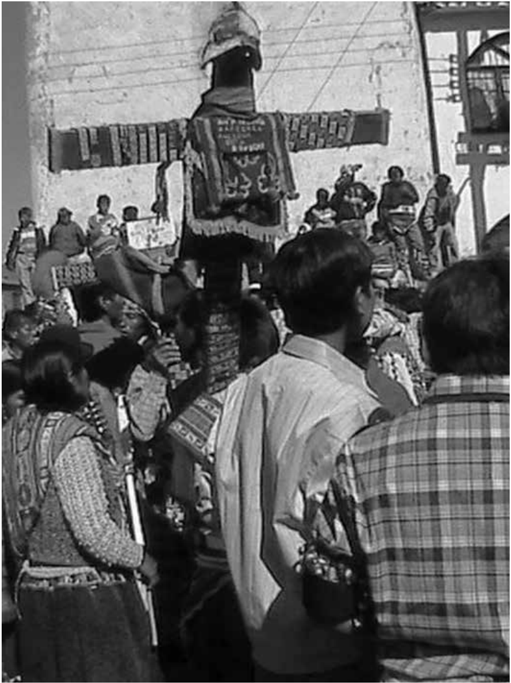
“El Tata Wilakruz es cargado hasta Macha para celebrar el Tinku.”
§ Agricultural cycle and celebration of the cross in Macha, Potosí > La llegada de los ayllus
plainstates a cause- Asserted: passes — The authors put it forward as true.
- Checkable: passes — It can be checked against evidence.
- Load-bearing: unclear — It is unclear whether the paper’s conclusions depend on it.
- Based: passes — The paper gives a reason why it holds.
A result the paper reports from its own data — it cites no other source for it, so there is none to check. The quote shows it is in the paper.
In the paper
“Through the ethnographic record, an account of other elements of the interaction between the ayllus of the valley and the puna is given, which imply giving to the land, circulation of agricultural products, reaffirmation of territory and new family ties between the communities.”
§ Agricultural cycle and celebration of the cross in Macha, Potosí > Abstract
plainstates an association- Asserted: passes — The authors put it forward as true.
- Checkable: passes — It can be checked against evidence.
- Load-bearing: unclear — It is unclear whether the paper’s conclusions depend on it.
- Based: passes — The paper gives a reason why it holds.
The paper states this without a source or data behind it here, so there is nothing to check it against. The quote shows it is in the paper.
In the paper
“donde se da una dinámica de reciprocidad y circulación de productos agrícolas entre las comunidades de ambos espacios, lo cual forma parte de la particularidad histórica, cultural y política de las comunidades de Macha.”
§ Agricultural cycle and celebration of the cross in Macha, Potosí > Abstract
plainstates an association- Asserted: passes — The authors put it forward as true.
- Checkable: passes — It can be checked against evidence.
- Load-bearing: unclear — It is unclear whether the paper’s conclusions depend on it.
- Based: passes — The paper gives a reason why it holds.
A result the paper reports from its own data — it cites no other source for it, so there is none to check. The quote shows it is in the paper.
In the paper
“Through the ethnographic record, an account of other elements of the interaction between the ayllus of the valley and the puna is given, which imply giving to the land, circulation of agricultural products, reaffirmation of territory and new family ties between the communities.”
§ Agricultural cycle and celebration of the cross in Macha, Potosí > Abstract
hedged- Asserted: passes — The authors put it forward as true.
- Checkable: passes — It can be checked against evidence.
- Load-bearing: unclear — It is unclear whether the paper’s conclusions depend on it.
- Based: passes — The paper gives a reason why it holds.
The paper states this without a source or data behind it here, so there is nothing to check it against. The quote shows it is in the paper.
In the paper
“Algunos grupos de menor número -entre 30 y 50 personas-no pelean y pasan o danzan al lado de los grupos mayores.”
§ Agricultural cycle and celebration of the cross in Macha, Potosí > Wilakruz descansa y la humanidad se confronta
plain- Asserted: passes — The authors put it forward as true.
- Checkable: passes — It can be checked against evidence.
- Load-bearing: unclear — It is unclear whether the paper’s conclusions depend on it.
- Based: passes — The paper gives a reason why it holds.
The paper states this without a source or data behind it here, so there is nothing to check it against. The quote shows it is in the paper.
In the paper
“Parte de la conciliación que se hizo entre las instituciones originarias y las instituciones de seguridad del Estado, en el caso de la policía, tienen que ver con que los policías no pueden usar armas el día del Tinku, sólo chicotes como las autoridades originarias.”
§ Agricultural cycle and celebration of the cross in Macha, Potosí > Tinku y relación con el Estado
plainstates an association- Asserted: passes — The authors put it forward as true.
- Checkable: passes — It can be checked against evidence.
- Load-bearing: unclear — It is unclear whether the paper’s conclusions depend on it.
- Based: passes — The paper gives a reason why it holds.
- Probably not a substantial claim. 56
- It may state two separate claims as one. 95
- The quote only partly states this claim. 6
A result the paper reports from its own data — it cites no other source for it, so there is none to check. The quote shows it is in the paper.
In the paper
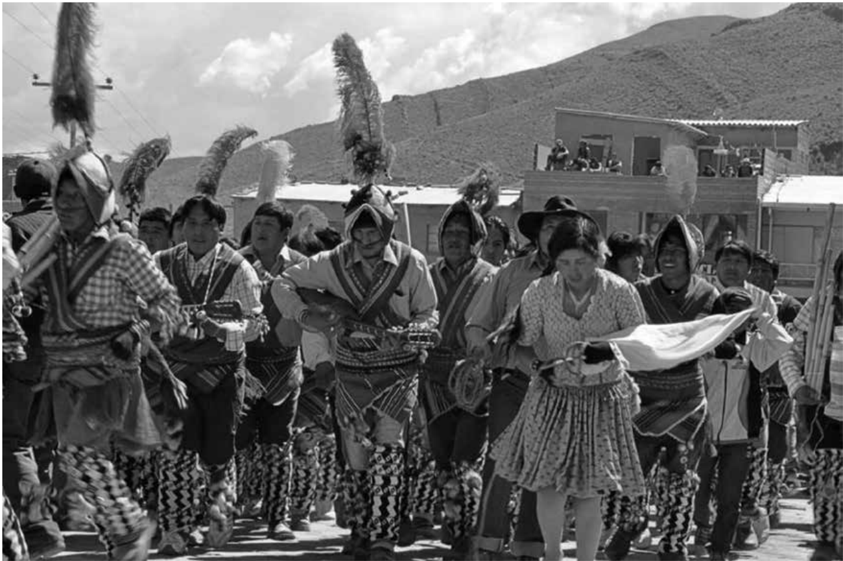
“El ingreso a la plaza inicia a partir de las 8 a. m., y desde su entrada empiezan la danza en la misma dirección que el grupo de Macha, contrario a las manecillas del reloj.”
§ Agricultural cycle and celebration of the cross in Macha, Potosí > La llegada de los ayllus
plain- Asserted: passes — The authors put it forward as true.
- Checkable: passes — It can be checked against evidence.
- Load-bearing: fails — The paper’s conclusions may not depend on it.
- Based: passes — The paper gives a reason why it holds.
Probably not a substantial claim. The paper’s conclusions may not depend on it. It may state two separate claims as one.
The paper states this without a source or data behind it here, so there is nothing to check it against. The quote shows it is in the paper.
In the paper
“El Tinku tiene diferentes momentos en su desarrollo, el día 3 de mayo únicamente se celebra por los barrios de Macha, con esto se refuerza el encuentro entre los habitantes y migrantes originarios de la capital política de la región.”
§ Agricultural cycle and celebration of the cross in Macha, Potosí > Qullasuyu, el antecedente histórico de Macha
plainstates a cause- Asserted: passes — The authors put it forward as true.
- Checkable: passes — It can be checked against evidence.
- Load-bearing: unclear — It is unclear whether the paper’s conclusions depend on it.
- Based: passes — The paper gives a reason why it holds.
It may state two separate claims as one.
A result the paper reports from its own data — it cites no other source for it, so there is none to check. The quote shows it is in the paper.
In the paper
“Después de saludar a la iglesia siguen con la danza y en la torre del campanario se detienen para ofrendar chicha a la placa fundacional de Macha, tras lo cual se meten a las calles de su barrio, donde son recibidos en las casas de los prestes, 4 quienes les ofrecen chicha.”
§ Agricultural cycle and celebration of the cross in Macha, Potosí > Qullasuyu, el antecedente histórico de Macha
plain- Asserted: passes — The authors put it forward as true.
- Checkable: passes — It can be checked against evidence.
- Load-bearing: fails — The paper’s conclusions may not depend on it.
- Based: passes — The paper gives a reason why it holds.
Probably not a substantial claim. The paper’s conclusions may not depend on it. It may state two separate claims as one.
A result the paper reports from its own data — it cites no other source for it, so there is none to check. The quote shows it is in the paper.
In the paper
“El grupo de Tocare era de unas 100 personas aproxi-madamente, vestidos con el traje completo de Tinku, la ropa de abajo es contemporánea (jeans y camisa), llevaban el pectoral rojo, el protector de la cadera, las polainas con cascabeles y cordones rojos y el casco de piel como el de Tarabuco con pluma larga de colores en el remate”
§ Agricultural cycle and celebration of the cross in Macha, Potosí > La llegada de los ayllus
plainn = 100- Asserted: passes — The authors put it forward as true.
- Checkable: passes — It can be checked against evidence.
- Load-bearing: fails — The paper’s conclusions may not depend on it.
- Based: passes — The paper gives a reason why it holds.
Probably not a substantial claim. The paper’s conclusions may not depend on it. It may state two separate claims as one.
A result the paper reports from its own data — it cites no other source for it, so there is none to check. The quote shows it is in the paper.
In the paper
“Este grupo se distinguía además porque las mujeres usaban las polleras de terciopelo hasta la rodilla, y en su grupo no llevaban cruz, al menos no en la entrada a la plaza, aunque hicieron el saludo a la iglesia igual que el resto de los ayllus.”
§ Agricultural cycle and celebration of the cross in Macha, Potosí > La llegada de los ayllus
plainSingle case- Asserted: passes — The authors put it forward as true.
- Checkable: passes — It can be checked against evidence.
- Load-bearing: fails — The paper’s conclusions may not depend on it.
- Based: passes — The paper gives a reason why it holds.
Probably not a substantial claim. The paper’s conclusions may not depend on it. It may state two separate claims as one.
The paper states this without a source or data behind it here, so there is nothing to check it against. The quote shows it is in the paper.
In the paper
“Los dos últimos, a la par de Macha, son los ayllus más grandes de la marka, sus grupos lo son y por tal razón se esperaba que fueran los que pelearan con el resto de los ayllus.”
§ Agricultural cycle and celebration of the cross in Macha, Potosí > La llegada de los ayllus
plainstates a cause- Asserted: passes — The authors put it forward as true.
- Checkable: passes — It can be checked against evidence.
- Load-bearing: fails — The paper’s conclusions may not depend on it.
- Based: passes — The paper gives a reason why it holds.
Probably not a substantial claim. The paper’s conclusions may not depend on it. It may state two separate claims as one.
A result the paper reports from its own data — it cites no other source for it, so there is none to check. The quote shows it is in the paper.
In the paper
“El primer momento se caracteriza por el arribo de cada una de las comunidades y el saludo que hacen a la capital política a través de la danza en cada una de las esquinas, con especial énfasis en la parte oeste de la plaza, donde se ubica el campanario de la iglesia y, en contraesquina, las oficinas del gobierno de Macha.”
§ Agricultural cycle and celebration of the cross in Macha, Potosí > La llegada de los ayllus
plain- Asserted: passes — The authors put it forward as true.
- Checkable: passes — It can be checked against evidence.
- Load-bearing: unclear — It is unclear whether the paper’s conclusions depend on it.
- Based: passes — The paper gives a reason why it holds.
It may state two separate claims as one.
The paper states this without a source or data behind it here, so there is nothing to check it against. The quote shows it is in the paper.
In the paper
“Por consecuencia, el escenario que se produce los días 3 y 4 de mayo en la plaza principal de Macha es un encuentro entre los ayllus (comunidades originarias andinas) que acuden a celebrarlo cada año a partir de la convivencia del Tata Wilakruz con los humanos, con lo cual se reafirma la cohesión social y la confirmación territorial.”
§ Agricultural cycle and celebration of the cross in Macha, Potosí > Abstract
plainstates a cause- Asserted: passes — The authors put it forward as true.
- Checkable: passes — It can be checked against evidence.
- Load-bearing: passes — The paper’s conclusions depend on it.
- Based: passes — The paper gives a reason why it holds.
It may state two separate claims as one.
The paper states this without a source or data behind it here, so there is nothing to check it against. The quote shows it is in the paper.
In the paper
“Todas las comunidades rentan casas para alojarse la noche del 4 al 5, y éstas son cercanas al punto donde se ubica el transporte que los llevó a Macha, los grupos que llegan primero reciben al resto hasta que se logra reunir todo el ayllu.”
§ Agricultural cycle and celebration of the cross in Macha, Potosí > La llegada de los ayllus
plain- Asserted: passes — The authors put it forward as true.
- Checkable: passes — It can be checked against evidence.
- Load-bearing: fails — The paper’s conclusions may not depend on it.
- Based: passes — The paper gives a reason why it holds.
Probably not a substantial claim. The paper’s conclusions may not depend on it. It may state two separate claims as one.
A result the paper reports from its own data — it cites no other source for it, so there is none to check. The quote shows it is in the paper.
In the paper
“Es habitual toparse con personas que regresan para formar parte de la comparsa de su barrio, y que viven en Cochabamba, Potosí, Santa Cruz, La Paz y El Alto, o bien, en Chile o Argentina, y vuelven durante algunos días para reafirmar las relaciones sociales en el interior de su grupo como barrio y en interrelaciones barriales a través del Tinku.”
§ Agricultural cycle and celebration of the cross in Macha, Potosí > Qullasuyu, el antecedente histórico de Macha
plainstates a cause- Asserted: passes — The authors put it forward as true.
- Checkable: passes — It can be checked against evidence.
- Load-bearing: unclear — It is unclear whether the paper’s conclusions depend on it.
- Based: passes — The paper gives a reason why it holds.
It may state two separate claims as one.
The paper states this without a source or data behind it here, so there is nothing to check it against. The quote shows it is in the paper.
In the paper
“Anteriormente, las comunidades llegaban caminando, ahora es frecuente que un grupo avance caminando y otros lo acompañen en transporte de carga, autobuses y combis.”
§ Agricultural cycle and celebration of the cross in Macha, Potosí > La llegada de los ayllus
plain- Asserted: passes — The authors put it forward as true.
- Checkable: passes — It can be checked against evidence.
- Load-bearing: fails — The paper’s conclusions may not depend on it.
- Based: passes — The paper gives a reason why it holds.
Probably not a substantial claim. The paper’s conclusions may not depend on it. It may state two separate claims as one.
The paper states this without a source or data behind it here, so there is nothing to check it against. The quote shows it is in the paper.
In the paper
“La tensión y la violencia ritual en este caso se presenta si alguno de los grupos ingresa a otra sección de Macha que no sea la que le corresponde, los enfrentamientos físicos ocurren, sobre todo, entre hombres.”
§ Agricultural cycle and celebration of the cross in Macha, Potosí > Qullasuyu, el antecedente histórico de Macha
plainstates a cause- Asserted: passes — The authors put it forward as true.
- Checkable: passes — It can be checked against evidence.
- Load-bearing: unclear — It is unclear whether the paper’s conclusions depend on it.
- Based: passes — The paper gives a reason why it holds.
It may state two separate claims as one.
A result the paper reports from its own data — it cites no other source for it, so there is none to check. The quote shows it is in the paper.
In the paper
“El primer ayllu del que pude saber el nombre es Urnone, la mayoría del sonido de su música se constituía por julajulas, a diferencia del grupo de Macha que tenía charangos.”
§ Agricultural cycle and celebration of the cross in Macha, Potosí > La llegada de los ayllus
plainstates an association- Asserted: passes — The authors put it forward as true.
- Checkable: passes — It can be checked against evidence.
- Load-bearing: fails — The paper’s conclusions may not depend on it.
- Based: passes — The paper gives a reason why it holds.
Probably not a substantial claim. The paper’s conclusions may not depend on it. It may state two separate claims as one.
A result the paper reports from its own data — it cites no other source for it, so there is none to check. The quote shows it is in the paper.
In the paper
“Otra comunidad que entró a la plaza un poco más tarde fue la de Ulacha, situada al norte de la marka.”
§ Agricultural cycle and celebration of the cross in Macha, Potosí > La llegada de los ayllus
plain- Asserted: passes — The authors put it forward as true.
- Checkable: passes — It can be checked against evidence.
- Load-bearing: fails — The paper’s conclusions may not depend on it.
- Based: passes — The paper gives a reason why it holds.
Probably not a substantial claim. The paper’s conclusions may not depend on it. It may state two separate claims as one.
The paper states this without a source or data behind it here, so there is nothing to check it against. The quote shows it is in the paper.
In the paper
“San Pedro de Macha está situado al norte del departamento de Potosí y se integra por los pisos ecológicos de puna (zona fría) y valle (zona cálida)”
§ Agricultural cycle and celebration of the cross in Macha, Potosí > Abstract
plain- Asserted: passes — The authors put it forward as true.
- Checkable: passes — It can be checked against evidence.
- Load-bearing: fails — The paper’s conclusions may not depend on it.
- Based: passes — The paper gives a reason why it holds.
Probably not a substantial claim. The paper’s conclusions may not depend on it. It may state two separate claims as one.
The paper states this without a source or data behind it here, so there is nothing to check it against. The quote shows it is in the paper.
In the paper
“El grupo danza en la noche desde la esquina de su barrio 3 y en la plaza giran en dirección contraria a las manecillas del reloj, parando en cada esquina para bailar en círculo con una cruz al centro del grupo; en la puerta de la iglesia todos se arrodillan y se hace una oración, la cruz y banderas van al frente.”
§ Agricultural cycle and celebration of the cross in Macha, Potosí > Qullasuyu, el antecedente histórico de Macha
plain- Asserted: passes — The authors put it forward as true.
- Checkable: passes — It can be checked against evidence.
- Load-bearing: unclear — It is unclear whether the paper’s conclusions depend on it.
- Based: passes — The paper gives a reason why it holds.
It may state two separate claims as one.
A result the paper reports from its own data — it cites no other source for it, so there is none to check. The quote shows it is in the paper.
In the paper
“Bombori y Huarcata venían con el mismo atavío, aunque establecían su diferencia por los colores de las polainas y por la vestimenta de la cruz.”
§ Agricultural cycle and celebration of the cross in Macha, Potosí > La llegada de los ayllus
plainstates an association- Asserted: passes — The authors put it forward as true.
- Checkable: passes — It can be checked against evidence.
- Load-bearing: fails — The paper’s conclusions may not depend on it.
- Based: passes — The paper gives a reason why it holds.
Probably not a substantial claim. The paper’s conclusions may not depend on it. It may state two separate claims as one.
The paper states this without a source or data behind it here, so there is nothing to check it against. The quote shows it is in the paper.
In the paper
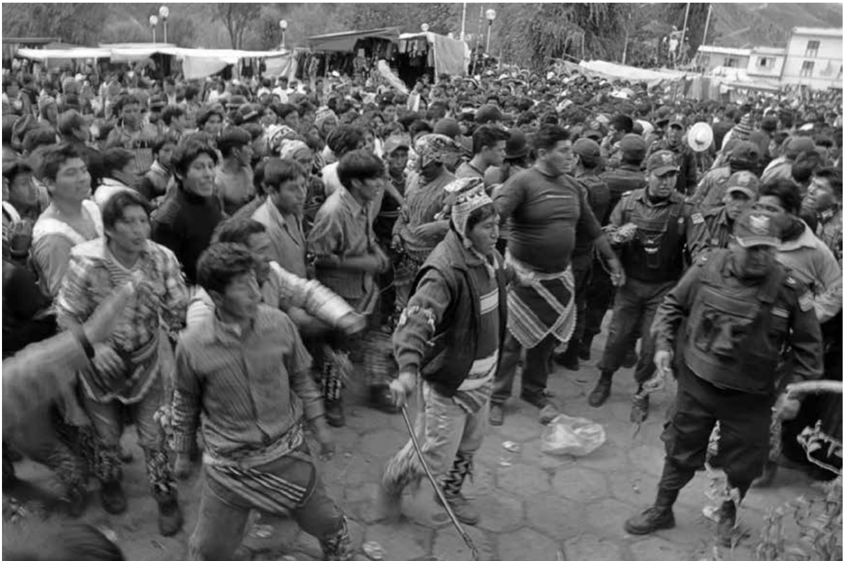
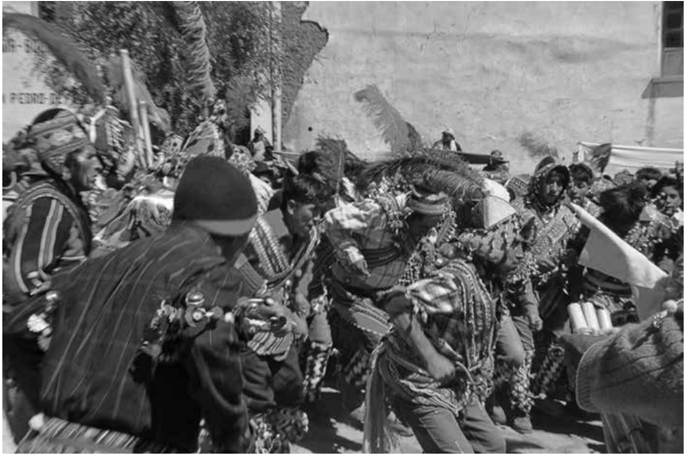
“Cuando se dan los enfrentamientos campales, los alférez y ayudantes de los dos ayllus en disputa están en medio para calmar a las personas, los policías hacen lo propio y, cuando es imposible contener la batalla grupal, la policía arroja gas pimienta para dispersar la concentración.”
§ Agricultural cycle and celebration of the cross in Macha, Potosí > Foto 2
plainstates a cause- Asserted: passes — The authors put it forward as true.
- Checkable: passes — It can be checked against evidence.
- Load-bearing: fails — The paper’s conclusions may not depend on it.
- Based: passes — The paper gives a reason why it holds.
Probably not a substantial claim. The paper’s conclusions may not depend on it. It may state two separate claims as one.
The paper states this without a source or data behind it here, so there is nothing to check it against. The quote shows it is in the paper.
In the paper
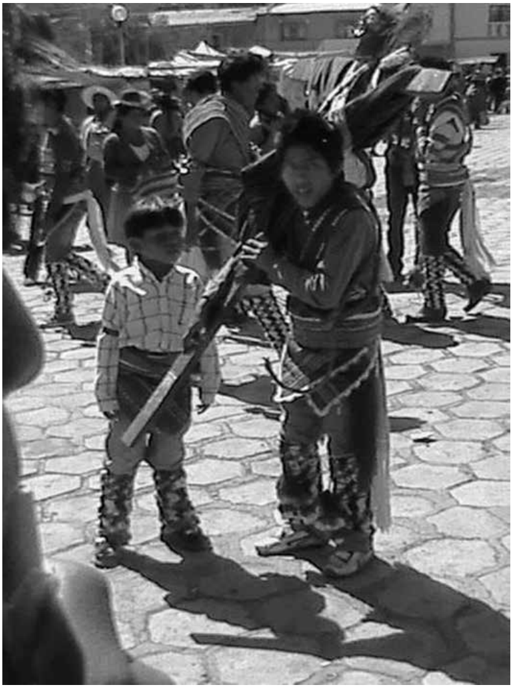
“Los grupos recorren algunas calles del pueblo para encontrarse con los demás más tarde, empiezan en la dirección a la que pertenece su ayllu.”
§ Agricultural cycle and celebration of the cross in Macha, Potosí > Foto 1
plain- Asserted: passes — The authors put it forward as true.
- Checkable: passes — It can be checked against evidence.
- Load-bearing: fails — The paper’s conclusions may not depend on it.
- Based: passes — The paper gives a reason why it holds.
Probably not a substantial claim. The paper’s conclusions may not depend on it. It may state two separate claims as one.
The paper states this without a source or data behind it here, so there is nothing to check it against. The quote shows it is in the paper.
In the paper
“El éxito del alférez y sus ayudantes en el encuentro consiste en lograr la menor cantidad de enfrentamientos o, en su defecto, enfrentamientos organizados.”
§ Agricultural cycle and celebration of the cross in Macha, Potosí > Foto 2
plainstates a cause- Asserted: passes — The authors put it forward as true.
- Checkable: passes — It can be checked against evidence.
- Load-bearing: unclear — It is unclear whether the paper’s conclusions depend on it.
- Based: passes — The paper gives a reason why it holds.
It may state two separate claims as one.
The paper states this without a source or data behind it here, so there is nothing to check it against. The quote shows it is in the paper.
In the paper
“En la madrugada del 5 de mayo la calle norte se llena de puestos y carros de carga que venden cañas, mandarinas y naranjas, principalmente, y también ropa y sombreros.”
§ Agricultural cycle and celebration of the cross in Macha, Potosí > El encuentro de enamorados y la circulación de productos
plain- Asserted: passes — The authors put it forward as true.
- Checkable: passes — It can be checked against evidence.
- Load-bearing: fails — The paper’s conclusions may not depend on it.
- Based: passes — The paper gives a reason why it holds.
Probably not a substantial claim. The paper’s conclusions may not depend on it. It may state two separate claims as one.
The paper states this without a source or data behind it here, so there is nothing to check it against. The quote shows it is in the paper.
In the paper
“Los grupos marcan más fuerte su paso, el avance en las calles es con mayor velocidad para que los otros grupos los escuchen, algunos hacen que vibre la tierra.”
§ Agricultural cycle and celebration of the cross in Macha, Potosí > Wilakruz descansa y la humanidad se confronta
plainstates a cause- Asserted: passes — The authors put it forward as true.
- Checkable: passes — It can be checked against evidence.
- Load-bearing: fails — The paper’s conclusions may not depend on it.
- Based: passes — The paper gives a reason why it holds.
Probably not a substantial claim. The paper’s conclusions may not depend on it. It may state two separate claims as one.
The paper states this without a source or data behind it here, so there is nothing to check it against. The quote shows it is in the paper.
In the paper
“En la región puna, la celebración del Tata Wilakruz se desarrolla en los días de la cosecha de papa, y los ayllus de tierras bajas necesitan reforzar las alianzas con los ayllus de la puna para garantizar su abasto.”
§ Agricultural cycle and celebration of the cross in Macha, Potosí > Foto 5
plainstates a cause- Asserted: passes — The authors put it forward as true.
- Checkable: passes — It can be checked against evidence.
- Load-bearing: unclear — It is unclear whether the paper’s conclusions depend on it.
- Based: passes — The paper gives a reason why it holds.
It may state two separate claims as one.
The paper states this without a source or data behind it here, so there is nothing to check it against. The quote shows it is in the paper.
In the paper
“una vez que uno de los combatientes haya sangrado se le debe resguardar y apoyarle por alguna otra persona de su comunidad para que no sea agredido mientras otorga su sangre a la Pachamama.”
§ Agricultural cycle and celebration of the cross in Macha, Potosí > Foto 2
plain- Asserted: passes — The authors put it forward as true.
- Checkable: passes — It can be checked against evidence.
- Load-bearing: fails — The paper’s conclusions may not depend on it.
- Based: passes — The paper gives a reason why it holds.
Probably not a substantial claim. The paper’s conclusions may not depend on it.
A result the paper reports from its own data — it cites no other source for it, so there is none to check. The quote shows it is in the paper.
In the paper
“Algunos ayllus llevaban dos cruces, la segunda es más pequeña que el Tata Wilakrus principal, como ocurre con la comunidad Caychu; me pareció que, en casos como éste, un hombre era el responsable de la cruz más grande y una mujer de la cruz más pequeña, pero igualmente se danzaba con las dos al centro.”
§ Agricultural cycle and celebration of the cross in Macha, Potosí > Foto 1
hedgedstates an associationSingle case- Asserted: passes — The authors put it forward as true.
- Checkable: passes — It can be checked against evidence.
- Load-bearing: fails — The paper’s conclusions may not depend on it.
- Based: passes — The paper gives a reason why it holds.
Probably not a substantial claim. The paper’s conclusions may not depend on it. It may state two separate claims as one.
The paper states this without a source or data behind it here, so there is nothing to check it against. The quote shows it is in the paper.
In the paper
“En la esquina contraria se venden las cañas a diez bolivianos, se acostumbra su consumo para bajar los niveles de alcohol en el cuerpo.”
§ Agricultural cycle and celebration of the cross in Macha, Potosí > El encuentro de enamorados y la circulación de productos
plainstates a cause- Asserted: passes — The authors put it forward as true.
- Checkable: passes — It can be checked against evidence.
- Load-bearing: fails — The paper’s conclusions may not depend on it.
- Based: passes — The paper gives a reason why it holds.
Probably not a substantial claim. The paper’s conclusions may not depend on it. It may state two separate claims as one.
The paper states this without a source or data behind it here, so there is nothing to check it against. The quote shows it is in the paper.
In the paper
“La cerveza se vende en diferentes puntos, pero la concentración principal se ubica afuera de la iglesia, el costo es de diez bolivianos, razón por la cual el consumo de la chicha y el singani es mayor.”
§ Agricultural cycle and celebration of the cross in Macha, Potosí > El encuentro de enamorados y la circulación de productos
plainstates a cause- Asserted: passes — The authors put it forward as true.
- Checkable: passes — It can be checked against evidence.
- Load-bearing: fails — The paper’s conclusions may not depend on it.
- Based: passes — The paper gives a reason why it holds.
Probably not a substantial claim. The paper’s conclusions may not depend on it. It may state two separate claims as one.
The paper states this without a source or data behind it here, so there is nothing to check it against. The quote shows it is in the paper.
In the paper
“A dicha tensión se suma el aumento de intervención del Ministerio de Cultura, los medios de comunica-ción y las empresas turísticas, quienes, bajo un giro comercial y de folklore, han puesto en escena pública la celebración del Tinku.”
§ Agricultural cycle and celebration of the cross in Macha, Potosí > Tinku y relación con el Estado
plainstates a cause- Asserted: passes — The authors put it forward as true.
- Checkable: passes — It can be checked against evidence.
- Load-bearing: passes — The paper’s conclusions depend on it.
- Based: passes — The paper gives a reason why it holds.
Probably not a substantial claim. It may state two separate claims as one.
The paper states this without a source or data behind it here, so there is nothing to check it against. The quote shows it is in the paper.
In the paper
“En la celebración del Tinku no se puede encarcelar a nadie y los servicios de salud están cerrados, porque cada ayllu se encarga del resguardo y curaciones de las personas de su comunidad.”
§ Agricultural cycle and celebration of the cross in Macha, Potosí > Tinku y relación con el Estado
plainstates a cause- Asserted: passes — The authors put it forward as true.
- Checkable: passes — It can be checked against evidence.
- Load-bearing: fails — The paper’s conclusions may not depend on it.
- Based: passes — The paper gives a reason why it holds.
Probably not a substantial claim. The paper’s conclusions may not depend on it. It may state two separate claims as one.
The paper states this without a source or data behind it here, so there is nothing to check it against. The quote shows it is in the paper.
In the paper
“Las personas que acuden al río para proseguir con las batallas sufren las mayores le siones físicas, porque no existe figura de autoridad que limite los enfrentamientos con piedras de río, boleras y cuerpo a cuerpo, y llegan a transgredir las reglas de combate que se fijan en la plaza”
§ Agricultural cycle and celebration of the cross in Macha, Potosí > Foto 2
plainstates a cause- Asserted: passes — The authors put it forward as true.
- Checkable: passes — It can be checked against evidence.
- Load-bearing: unclear — It is unclear whether the paper’s conclusions depend on it.
- Based: passes — The paper gives a reason why it holds.
It may state two separate claims as one.
The paper states this without a source or data behind it here, so there is nothing to check it against. The quote shows it is in the paper.
In the paper
“El encuentro corporal se lleva a cabo con golpes únicamente dirigidos a la cara, sobre todo a la nariz, con el objetivo de hacer sangrar al adversario”
§ Agricultural cycle and celebration of the cross in Macha, Potosí > Foto 2
plain- Asserted: passes — The authors put it forward as true.
- Checkable: passes — It can be checked against evidence.
- Load-bearing: unclear — It is unclear whether the paper’s conclusions depend on it.
- Based: passes — The paper gives a reason why it holds.
It may state two separate claims as one.
A result the paper reports from its own data — it cites no other source for it, so there is none to check. The quote shows it is in the paper.
In the paper
“San Pedro de Macha los días de fiesta también es centro económico regional, en toda la plaza se ubican puestos de comida, ropa, adornos para ejecutar el Tinku, alojamientos, venta de cerveza y singani, etcétera.”
§ Agricultural cycle and celebration of the cross in Macha, Potosí > El encuentro de enamorados y la circulación de productos
plain- Asserted: passes — The authors put it forward as true.
- Checkable: passes — It can be checked against evidence.
- Load-bearing: unclear — It is unclear whether the paper’s conclusions depend on it.
- Based: passes — The paper gives a reason why it holds.
It may state two separate claims as one.
The paper states this without a source or data behind it here, so there is nothing to check it against. The quote shows it is in the paper.
In the paper
“Si hubo algún fallecido del Tinku, se le lleva también para que el Tata Dios lo proteja y se le despida previo al entierro.”
§ Agricultural cycle and celebration of the cross in Macha, Potosí > El encuentro de enamorados y la circulación de productos
plain- Asserted: passes — The authors put it forward as true.
- Checkable: passes — It can be checked against evidence.
- Load-bearing: fails — The paper’s conclusions may not depend on it.
- Based: passes — The paper gives a reason why it holds.
Probably not a substantial claim. The paper’s conclusions may not depend on it. It may state two separate claims as one.
The paper states this without a source or data behind it here, so there is nothing to check it against. The quote shows it is in the paper.
In the paper
“Se asiste a los lesionados y en caso de existir algún fallecido se le amortaja e inicia su velorio.”
§ Agricultural cycle and celebration of the cross in Macha, Potosí > El encuentro de enamorados y la circulación de productos
plain- Asserted: passes — The authors put it forward as true.
- Checkable: passes — It can be checked against evidence.
- Load-bearing: fails — The paper’s conclusions may not depend on it.
- Based: passes — The paper gives a reason why it holds.
Probably not a substantial claim. The paper’s conclusions may not depend on it. It may state two separate claims as one.
The paper states this without a source or data behind it here, so there is nothing to check it against. The quote shows it is in the paper.
In the paper
“Al regreso al ayllu, los mayores se encargan de subir a la cruz al punto más alto de la comunidad y a las iglesias de calvario, se le ofrenda y se le reza.”
§ Agricultural cycle and celebration of the cross in Macha, Potosí > El encuentro de enamorados y la circulación de productos
plain- Asserted: passes — The authors put it forward as true.
- Checkable: passes — It can be checked against evidence.
- Load-bearing: fails — The paper’s conclusions may not depend on it.
- Based: passes — The paper gives a reason why it holds.
Probably not a substantial claim. The paper’s conclusions may not depend on it. It may state two separate claims as one.
A result the paper reports from its own data — it cites no other source for it, so there is none to check. The quote shows it is in the paper.
In the paper
“Terminada la misa, los alférez y los responsables de organizar el encuentro en cada ayllu son reconocidos por su comunidad afuera de la iglesia, se les tira confeti blanco y se les aplaude, algunas personas se reúnen con ellos para tomarse fotos y con esto se reconoce que hicieron bien su labor en el encuentro interayllu.”
§ Agricultural cycle and celebration of the cross in Macha, Potosí > El encuentro de enamorados y la circulación de productos
plainstates a cause- Asserted: passes — The authors put it forward as true.
- Checkable: passes — It can be checked against evidence.
- Load-bearing: fails — The paper’s conclusions may not depend on it.
- Based: passes — The paper gives a reason why it holds.
Probably not a substantial claim. The paper’s conclusions may not depend on it. It may state two separate claims as one.
The paper states this without a source or data behind it here, so there is nothing to check it against. The quote shows it is in the paper.
In the paper
“Al centro de la misma calle se instaló un puesto grande de singani con 50 garrafas de alrededor de 30 litros, cada trago de singani cuesta dos bolivianos; la comunidad de Caracoto es la que lleva la mayoría de singani para la venta.”
§ Agricultural cycle and celebration of the cross in Macha, Potosí > El encuentro de enamorados y la circulación de productos
plain- Asserted: passes — The authors put it forward as true.
- Checkable: passes — It can be checked against evidence.
- Load-bearing: fails — The paper’s conclusions may not depend on it.
- Based: passes — The paper gives a reason why it holds.
Probably not a substantial claim. The paper’s conclusions may not depend on it. It may state two separate claims as one.
The paper states this without a source or data behind it here, so there is nothing to check it against. The quote shows it is in the paper.
In the paper
“La mañana del 4 de mayo de 2013, antes de los enfrentamientos entre ayllus, en tres ocasiones, con la plaza llena, algunos policías dispararon gas pimienta, uno de ellos comentó que lo hacía”
§ Agricultural cycle and celebration of the cross in Macha, Potosí > Tinku y relación con el Estado
plainstates a cause- Asserted: passes — The authors put it forward as true.
- Checkable: passes — It can be checked against evidence.
- Load-bearing: passes — The paper’s conclusions depend on it.
- Based: passes — The paper gives a reason why it holds.
It may state two separate claims as one.
The paper states this without a source or data behind it here, so there is nothing to check it against. The quote shows it is in the paper.
In the paper
“La comunidad acompaña a los familiares de los fallecidos, quienes se ofrendaron por el ayllu y son despedidos agradeciéndoles de manera colectiva, porque su muerte garantiza las buenas cosechas de ese año.”
§ Agricultural cycle and celebration of the cross in Macha, Potosí > El encuentro de enamorados y la circulación de productos
plainstates a cause- Asserted: passes — The authors put it forward as true.
- Checkable: passes — It can be checked against evidence.
- Load-bearing: fails — The paper’s conclusions may not depend on it.
- Based: passes — The paper gives a reason why it holds.
Probably not a substantial claim. The paper’s conclusions may not depend on it. It may state two separate claims as one.
A result the paper reports from its own data — it cites no other source for it, so there is none to check. The quote shows it is in the paper.
In the paper
“las calles de la plaza, cada que un grupo tocaba esa esquina le brindaba a la torre, al igual que a la Pachamama.”
§ Agricultural cycle and celebration of the cross in Macha, Potosí > Foto 1
plain- Asserted: passes — The authors put it forward as true.
- Checkable: passes — It can be checked against evidence.
- Load-bearing: fails — The paper’s conclusions may not depend on it.
- Based: passes — The paper gives a reason why it holds.
Probably not a substantial claim. The paper’s conclusions may not depend on it. It may state two separate claims as one. The quote only partly states this claim.
A result the paper reports from its own data — it cites no other source for it, so there is none to check. The quote shows it is in the paper.
In the paper
“Es habitual que en ese encuentro la música cambie de tono, la finalidad ya no es combativa, sino que se torna más dulce, conciliatoria y romántica.”
§ Agricultural cycle and celebration of the cross in Macha, Potosí > El encuentro de enamorados y la circulación de productos
plain- Asserted: passes — The authors put it forward as true.
- Checkable: passes — It can be checked against evidence.
- Load-bearing: fails — The paper’s conclusions may not depend on it.
- Based: passes — The paper gives a reason why it holds.
Probably not a substantial claim. The paper’s conclusions may not depend on it. It may state two separate claims as one.
The paper states this without a source or data behind it here, so there is nothing to check it against. The quote shows it is in the paper.
In the paper
“Grupos pequeños de amigos y amigas van tocando y se van encontrando en direcciones opuestas hasta que quedan de frente y empiezan a conversar, algunos deciden cantar juntos.”
§ Agricultural cycle and celebration of the cross in Macha, Potosí > El encuentro de enamorados y la circulación de productos
plain- Asserted: passes — The authors put it forward as true.
- Checkable: passes — It can be checked against evidence.
- Load-bearing: unclear — It is unclear whether the paper’s conclusions depend on it.
- Based: passes — The paper gives a reason why it holds.
It may state two separate claims as one.
The paper states this without a source or data behind it here, so there is nothing to check it against. The quote shows it is in the paper.
In the paper
“Las esquinas no son bloqueadas en su totalidad, por lo que los grupos que no pelean siguen circulando todo el tiempo en dirección contraria a las manecillas del reloj.”
§ Agricultural cycle and celebration of the cross in Macha, Potosí > Foto 2
plainstates a cause- Asserted: passes — The authors put it forward as true.
- Checkable: passes — It can be checked against evidence.
- Load-bearing: fails — The paper’s conclusions may not depend on it.
- Based: passes — The paper gives a reason why it holds.
Probably not a substantial claim. The paper’s conclusions may not depend on it. It may state two separate claims as one.
The paper states this without a source or data behind it here, so there is nothing to check it against. The quote shows it is in the paper.
In the paper
“El alférez es respetado por ambos grupos, pero esto no lo exime de recibir algún golpe, por lo que también puede resultar lesionado.”
§ Agricultural cycle and celebration of the cross in Macha, Potosí > Foto 2
plainstates a possible cause- Asserted: passes — The authors put it forward as true.
- Checkable: passes — It can be checked against evidence.
- Load-bearing: unclear — It is unclear whether the paper’s conclusions depend on it.
- Based: passes — The paper gives a reason why it holds.
It may state two separate claims as one.
A result the paper reports from its own data — it cites no other source for it, so there is none to check. The quote shows it is in the paper.
In the paper
“Todos los grupos llegaban a la iglesia para saludar y ofrecer chicha, singani y cerveza, la torre del campanario siempre se mantuvo húmeda debido a la constancia de los saludos de todas las comuni dades.”
§ Agricultural cycle and celebration of the cross in Macha, Potosí > La llegada de los ayllus
plainstates a cause- Asserted: passes — The authors put it forward as true.
- Checkable: passes — It can be checked against evidence.
- Load-bearing: fails — The paper’s conclusions may not depend on it.
- Based: passes — The paper gives a reason why it holds.
Probably not a substantial claim. The paper’s conclusions may not depend on it. It may state two separate claims as one.
The paper states this without a source or data behind it here, so there is nothing to check it against. The quote shows it is in the paper.
In the paper
“Algunas personas una vez que ofrendaron deciden no volver a tener contacto físico y mantenerse con su ayllu, pero ya fuera del área de confrontación, otras, en cambio, deciden mantenerse en batalla y es cuando se producen los combates grupales.”
§ Agricultural cycle and celebration of the cross in Macha, Potosí > Foto 2
plainstates a cause- Asserted: passes — The authors put it forward as true.
- Checkable: passes — It can be checked against evidence.
- Load-bearing: fails — The paper’s conclusions may not depend on it.
- Based: passes — The paper gives a reason why it holds.
Probably not a substantial claim. The paper’s conclusions may not depend on it. It may state two separate claims as one.
The paper states this without a source or data behind it here, so there is nothing to check it against. The quote shows it is in the paper.
In the paper
“los combates duran aproximadamente siete horas, conforme pasa el tiempo los niveles de violencia van disminuyendo.”
§ Agricultural cycle and celebration of the cross in Macha, Potosí > Foto 2
plainstates an association- Asserted: passes — The authors put it forward as true.
- Checkable: passes — It can be checked against evidence.
- Load-bearing: fails — The paper’s conclusions may not depend on it.
- Based: fails — The paper may give no reason why it holds.
Probably not a substantial claim. The paper’s conclusions may not depend on it. The paper may give no reason why it holds. It may state two separate claims as one.
A result the paper reports from its own data — it cites no other source for it, so there is none to check. The quote shows it is in the paper.
In the paper
“Los enfrentamientos se daban entre grupos similares en número, no todos los grupos se enfrentan, aunque todos danzan con fuerza.”
§ Agricultural cycle and celebration of the cross in Macha, Potosí > Wilakruz descansa y la humanidad se confronta
plain- Asserted: passes — The authors put it forward as true.
- Checkable: passes — It can be checked against evidence.
- Load-bearing: unclear — It is unclear whether the paper’s conclusions depend on it.
- Based: passes — The paper gives a reason why it holds.
It may state two separate claims as one.
The paper states this without a source or data behind it here, so there is nothing to check it against. The quote shows it is in the paper.
In the paper
“Por eso algunas personas optan por irse a las esquinas donde no hay pavimento, así como al río, para con ello poder garantizar que la ofrenda se pueda producir y llegue a la Pachamama.”
§ Agricultural cycle and celebration of the cross in Macha, Potosí > Tinku y relación con el Estado
plainstates a cause- Asserted: passes — The authors put it forward as true.
- Checkable: passes — It can be checked against evidence.
- Load-bearing: fails — The paper’s conclusions may not depend on it.
- Based: passes — The paper gives a reason why it holds.
Probably not a substantial claim. The paper’s conclusions may not depend on it.
The paper states this without a source or data behind it here, so there is nothing to check it against. The quote shows it is in the paper.
In the paper
“En Macha, desde la década de los ochenta, se colocó adoquín en las cuatro calles principales de la plaza, lo cual interrumpe las relaciones de reciprocidad entre la humanidad y la madre Tierra, porque el adoquín absorbe la sangre humana cortando el flujo que debe llegar a la tierra, con lo cual el ciclo agrícola se pone en riesgo.”
§ Agricultural cycle and celebration of the cross in Macha, Potosí > Tinku y relación con el Estado
plainstates a cause- Asserted: passes — The authors put it forward as true.
- Checkable: passes — It can be checked against evidence.
- Load-bearing: fails — The paper’s conclusions may not depend on it.
- Based: fails — The paper may give no reason why it holds.
Probably not a substantial claim. The paper’s conclusions may not depend on it. The paper may give no reason why it holds. It may state two separate claims as one.
The paper states this without a source or data behind it here, so there is nothing to check it against. The quote shows it is in the paper.
In the paper
“Por lo general las mujeres se van con la familia del joven y en esa mañana se despiden de su familia, o bien formalizan el noviazgo, para que en los próximos días la joven se traslade a su nuevo hogar.”
§ Agricultural cycle and celebration of the cross in Macha, Potosí > El encuentro de enamorados y la circulación de productos
plain- Asserted: passes — The authors put it forward as true.
- Checkable: passes — It can be checked against evidence.
- Load-bearing: unclear — It is unclear whether the paper’s conclusions depend on it.
- Based: passes — The paper gives a reason why it holds.
It may state two separate claims as one.
The paper states this without a source or data behind it here, so there is nothing to check it against. The quote shows it is in the paper.
In the paper
“En todo momento, en especial en la esquina de la iglesia, son apoyados por policías de Macha, la cual se mantiene la mayor parte del tiempo en las partes oeste y sur para resguardar la iglesia, las oficinas municipales”
§ Agricultural cycle and celebration of the cross in Macha, Potosí > Foto 2
plain- Asserted: passes — The authors put it forward as true.
- Checkable: passes — It can be checked against evidence.
- Load-bearing: fails — The paper’s conclusions may not depend on it.
- Based: fails — The paper may give no reason why it holds.
Probably not a substantial claim. The paper’s conclusions may not depend on it. The paper may give no reason why it holds. It may state two separate claims as one. The quote only partly states this claim.
The paper states this without a source or data behind it here, so there is nothing to check it against. The quote shows it is in the paper.
In the paper
“El Tata Dios es llevado de nuevo a la casa donde se resguarda y allí se continúa con la celebración solamente entre las personas de cada uno de los ayllus; se comparte comida, se lleva al Wilakcruz a descansar y se le vuelve a poner ofrenda.”
§ Agricultural cycle and celebration of the cross in Macha, Potosí > El encuentro de enamorados y la circulación de productos
plain- Asserted: passes — The authors put it forward as true.
- Checkable: passes — It can be checked against evidence.
- Load-bearing: fails — The paper’s conclusions may not depend on it.
- Based: passes — The paper gives a reason why it holds.
Probably not a substantial claim. The paper’s conclusions may not depend on it. It may state two separate claims as one.
The paper states this without a source or data behind it here, so there is nothing to check it against. The quote shows it is in the paper.
In the paper
“Lo más usual es que sea papa, carne frita de llama o res, pasta frita, pollo frito (broaster) y sopas de maní o el plato boliviano llamado chairo.”
§ Agricultural cycle and celebration of the cross in Macha, Potosí > Foto 5
plain- Asserted: passes — The authors put it forward as true.
- Checkable: passes — It can be checked against evidence.
- Load-bearing: fails — The paper’s conclusions may not depend on it.
- Based: fails — The paper may give no reason why it holds.
Probably not a substantial claim. The paper’s conclusions may not depend on it. The paper may give no reason why it holds. It may state two separate claims as one.
The paper states this without a source or data behind it here, so there is nothing to check it against. The quote shows it is in the paper.
In the paper
“Algunos combates individuales y grupales pueden prolongarse en la plaza y en el río hasta que la iglesia vuelva a llamar a misa.”
§ Agricultural cycle and celebration of the cross in Macha, Potosí > Foto 2
hedgedstates a possible cause- Asserted: passes — The authors put it forward as true.
- Checkable: passes — It can be checked against evidence.
- Load-bearing: fails — The paper’s conclusions may not depend on it.
- Based: passes — The paper gives a reason why it holds.
Probably not a substantial claim. The paper’s conclusions may not depend on it.
In the paper
“Cuando ocurre el enfrentamiento, el alférez y sus ayudantes se encargan de que las peleas se hagan uno a uno, lo cual debe ser en igualdad de condiciones, hasta que uno de los combatientes cae al suelo y se pone fin a ese combate”
§ Agricultural cycle and celebration of the cross in Macha, Potosí > Foto 2
What the sources say
- Not matchedcites Fernández D., 2015: 9
Couldn’t be matched to a paper in Crossref, so it can’t be checked.
plainstates a cause- Asserted: passes — The authors put it forward as true.
- Checkable: passes — It can be checked against evidence.
- Load-bearing: unclear — It is unclear whether the paper’s conclusions depend on it.
- Based: passes — The paper gives a reason why it holds.
It may state two separate claims as one. The quote only partly states this claim.
- Not matched
The paper states this without a source or data behind it here, so there is nothing to check it against. The quote shows it is in the paper.
In the paper
“El alférez y sus ayudantes son los encargados de separar a las personas en combate, aun cuando no siempre lo logran.”
§ Agricultural cycle and celebration of the cross in Macha, Potosí > Foto 2
plainstates a cause- Asserted: passes — The authors put it forward as true.
- Checkable: passes — It can be checked against evidence.
- Load-bearing: unclear — It is unclear whether the paper’s conclusions depend on it.
- Based: passes — The paper gives a reason why it holds.
It may state two separate claims as one.
The paper states this without a source or data behind it here, so there is nothing to check it against. The quote shows it is in the paper.
In the paper
“El siguiente momento del Tinku ocurre después de la misa de las 10 de la mañana, tras lo cual las puertas de la iglesia se cierran, el Tata Dios de cada ayllu es llevado a descansar y el espacio público queda únicamente en manos de la humanidad; es aquí cuando sucede la disrupción del orden reproducido previamente.”
§ Agricultural cycle and celebration of the cross in Macha, Potosí > Wilakruz descansa y la humanidad se confronta
plainstates a cause- Asserted: passes — The authors put it forward as true.
- Checkable: passes — It can be checked against evidence.
- Load-bearing: unclear — It is unclear whether the paper’s conclusions depend on it.
- Based: passes — The paper gives a reason why it holds.
It may state two separate claims as one.
The paper states this without a source or data behind it here, so there is nothing to check it against. The quote shows it is in the paper.
In the paper
“En San Pedro de Macha se tiene la primera circulación de productos del valle con la venta de cañas, mandarinas y naranjas, tras lo cual, en el Tinku de San Marcos, se hacen las alianzas para la circulación del maíz.”
§ Agricultural cycle and celebration of the cross in Macha, Potosí > Foto 5
plainstates a cause- Asserted: passes — The authors put it forward as true.
- Checkable: passes — It can be checked against evidence.
- Load-bearing: unclear — It is unclear whether the paper’s conclusions depend on it.
- Based: passes — The paper gives a reason why it holds.
It may state two separate claims as one.
The paper states this without a source or data behind it here, so there is nothing to check it against. The quote shows it is in the paper.
In the paper
“El río de Macha se ubica al norte y oeste, a una cuadra de la plaza, allí no acuden ni alférez ni policía y, por consecuencia, es donde tienen lugar los conflictos con mayor agresión física.”
§ Agricultural cycle and celebration of the cross in Macha, Potosí > Foto 2
plainstates a cause- Asserted: passes — The authors put it forward as true.
- Checkable: passes — It can be checked against evidence.
- Load-bearing: unclear — It is unclear whether the paper’s conclusions depend on it.
- Based: passes — The paper gives a reason why it holds.
It may state two separate claims as one.
The paper states this without a source or data behind it here, so there is nothing to check it against. The quote shows it is in the paper.
In the paper
“Las personas que atienden los puestos de comida no descansan durante la fiesta porque siempre hay gente consumiendo y solicitando sus servicios.”
§ Agricultural cycle and celebration of the cross in Macha, Potosí > El encuentro de enamorados y la circulación de productos
plainstates a cause- Asserted: passes — The authors put it forward as true.
- Checkable: passes — It can be checked against evidence.
- Load-bearing: fails — The paper’s conclusions may not depend on it.
- Based: passes — The paper gives a reason why it holds.
Probably not a substantial claim. The paper’s conclusions may not depend on it.
The paper states this without a source or data behind it here, so there is nothing to check it against. The quote shows it is in the paper.
In the paper
“Los puestos de los locales casi siempre son los más grandes y tienen las mejores ubicaciones, el resto son angostos, uno detrás del otro, de 1 x 4 m más o menos, y se diferencian por una estructura metálica que se forra con costal; en su interior se ponen bancas angostas a los dos lados del corredor y al frente se prepara la comida que cada puesto ofrece.”
§ Agricultural cycle and celebration of the cross in Macha, Potosí > El encuentro de enamorados y la circulación de productos
plain- Asserted: passes — The authors put it forward as true.
- Checkable: passes — It can be checked against evidence.
- Load-bearing: fails — The paper’s conclusions may not depend on it.
- Based: passes — The paper gives a reason why it holds.
Probably not a substantial claim. The paper’s conclusions may not depend on it. It may state two separate claims as one.
The paper states this without a source or data behind it here, so there is nothing to check it against. The quote shows it is in the paper.
In the paper
“Los grupos que durante la etapa de enfrentamiento en la plaza se convocan a continuar las batallas en el río deben acudir o, de lo contrario, buscan conciliar a través de los alférez y pasantes para que el conflicto no permanezca abierto el siguiente año.”
§ Agricultural cycle and celebration of the cross in Macha, Potosí > Foto 2
plainstates a cause- Asserted: passes — The authors put it forward as true.
- Checkable: passes — It can be checked against evidence.
- Load-bearing: unclear — It is unclear whether the paper’s conclusions depend on it.
- Based: passes — The paper gives a reason why it holds.
It may state two separate claims as one.
The paper states this without a source or data behind it here, so there is nothing to check it against. The quote shows it is in the paper.
In the paper
“La iglesia, que con anterioridad dio un toque de campana a las 3 p.m., anuncia que la tensión del encuentro físico debe ir bajando, horas después vuelve a sonar para convocar a misa de 6 de la tarde, a la que acuden los alférez y un grupo encargado de la cruz de cada ayllu, el sacerdote oficia en quechua y bendice a cada una de las wilakruces.”
§ Agricultural cycle and celebration of the cross in Macha, Potosí > El encuentro de enamorados y la circulación de productos
plainstates a cause- Asserted: passes — The authors put it forward as true.
- Checkable: passes — It can be checked against evidence.
- Load-bearing: unclear — It is unclear whether the paper’s conclusions depend on it.
- Based: passes — The paper gives a reason why it holds.
It may state two separate claims as one.
A result the paper reports from its own data — it cites no other source for it, so there is none to check. The quote shows it is in the paper.
In the paper
“Los grupos mayores se incitan abarcando toda la esquina para no permitir el paso, en respuesta, el otro grupo toca y zapatea más fuerte, hasta que uno de los dos cede el espacio y continuaban dando vueltas a la plaza.”
§ Agricultural cycle and celebration of the cross in Macha, Potosí > Wilakruz descansa y la humanidad se confronta
plainstates a cause- Asserted: passes — The authors put it forward as true.
- Checkable: passes — It can be checked against evidence.
- Load-bearing: unclear — It is unclear whether the paper’s conclusions depend on it.
- Based: passes — The paper gives a reason why it holds.
It may state two separate claims as one.
A result the paper reports from its own data — it cites no other source for it, so there is none to check. The quote shows it is in the paper.
In the paper
“Cada grupo tiene un alférez que va indicando la ordenación del grupo, quien a la vez es apoyado por otros hombres y mujeres que llevan su látigo de piel o lazo encima de los hombros hasta la cintura con el cual dirigen al grupo.”
§ Agricultural cycle and celebration of the cross in Macha, Potosí > Wilakruz descansa y la humanidad se confronta
plain- Asserted: passes — The authors put it forward as true.
- Checkable: passes — It can be checked against evidence.
- Load-bearing: unclear — It is unclear whether the paper’s conclusions depend on it.
- Based: passes — The paper gives a reason why it holds.
It may state two separate claims as one.
The paper states this without a source or data behind it here, so there is nothing to check it against. The quote shows it is in the paper.
In the paper
“Por consiguiente, el uso excesivo de la fuerza pública y la pavimentación de la plaza son algunos de los elementos cuestionados desde los ayllus, a lo que las instituciones de Estado, en contraparte, argumentan la generación de mejores condiciones de vida para la gente de Macha y, para el caso particular de la celebración del Tinku, se aduce que se busca evitar una cifra grande de fallecidos”
§ Agricultural cycle and celebration of the cross in Macha, Potosí > Tinku y relación con el Estado
plainstates a cause- Asserted: passes — The authors put it forward as true.
- Checkable: passes — It can be checked against evidence.
- Load-bearing: passes — The paper’s conclusions depend on it.
- Based: passes — The paper gives a reason why it holds.
It may state two separate claims as one.
In the paper
“Sin embargo, el empleo del gas pimienta es decisión del municipio y la policía, cuestión que las autoridades originarias no han podido revertir,”
§ Agricultural cycle and celebration of the cross in Macha, Potosí > Tinku y relación con el Estado
What the sources say
- Not matchedcites Medina Portilla y Cohen, 2008: 16
Couldn’t be matched to a paper in Crossref, so it can’t be checked.
plainstates a cause- Asserted: passes — The authors put it forward as true.
- Checkable: passes — It can be checked against evidence.
- Load-bearing: passes — The paper’s conclusions depend on it.
- Based: passes — The paper gives a reason why it holds.
It may state two separate claims as one.
- Not matched
The paper states this without a source or data behind it here, so there is nothing to check it against. The quote shows it is in the paper.
In the paper
“Cuando emprenden el regreso, lo primero que se sube a los carros son las compras de caña, las cuales se cultivan en la zona valluna, y es un deleite para los ayllus de la puna.”
§ Agricultural cycle and celebration of the cross in Macha, Potosí > El encuentro de enamorados y la circulación de productos
plain- Asserted: passes — The authors put it forward as true.
- Checkable: passes — It can be checked against evidence.
- Load-bearing: fails — The paper’s conclusions may not depend on it.
- Based: passes — The paper gives a reason why it holds.
Probably not a substantial claim. The paper’s conclusions may not depend on it. It may state two separate claims as one.
A result the paper reports from its own data — it cites no other source for it, so there is none to check. The quote shows it is in the paper.
In the paper
“En años previos hacían de tres a ocho horas y por lo general llegaban en la madrugada, pude ver que a partir de la media noche llegan algunas comunidades, pero esperaban hasta la mañana del 4 de mayo para salir a la plaza.”
§ Agricultural cycle and celebration of the cross in Macha, Potosí > Foto 5
plain- Asserted: passes — The authors put it forward as true.
- Checkable: passes — It can be checked against evidence.
- Load-bearing: fails — The paper’s conclusions may not depend on it.
- Based: passes — The paper gives a reason why it holds.
Probably not a substantial claim. The paper’s conclusions may not depend on it. It may state two separate claims as one.
In the paper
“En Costumbre y conflicto en África, Gluckman dice que, en la red de eventos reales, ningún proceso y comportamiento se presenta de forma aislada, en cuanto son expresiones de la dinámica de una sociedad plural.”
§ Agricultural cycle and celebration of the cross in Macha, Potosí > En torno a la antropología procesual
What the sources say
- Not matchedcites Gluckman
Couldn’t be matched to a paper in Crossref, so it can’t be checked.
plainstates an association- Asserted: passes — The authors put it forward as true.
- Checkable: passes — It can be checked against evidence.
- Load-bearing: fails — The paper’s conclusions may not depend on it.
- Based: passes — The paper gives a reason why it holds.
Probably not a substantial claim. The paper’s conclusions may not depend on it.
- Not matched
A conclusion the paper draws from its own results — it cites no other source for it, so there is none to check. The quote shows it is in the paper.
In the paper
“El Tinku registra diferentes momentos de encuentro, en los cuales la interacción entre los ayllus del valle y la puna conlleva elementos que garantizan la producción y reproducción social, así como la permanencia del ciclo agrícola ritualizado.”
§ Agricultural cycle and celebration of the cross in Macha, Potosí > Abstract
plainstates a cause- Asserted: passes — The authors put it forward as true.
- Checkable: passes — It can be checked against evidence.
- Load-bearing: passes — The paper’s conclusions depend on it.
- Based: passes — The paper gives a reason why it holds.
It may state two separate claims as one.
In the paper
“Juan Albarracín-Jordán (1996: 51) anota que, durante la época incaica, el Qullasuyu estaba compuesto por numerosos cacicazgos o señoríos, mismos que fueron incorporados al sistema político, económico y ritual del imperio inca con la alianza inca-lupaqa.”
§ Agricultural cycle and celebration of the cross in Macha, Potosí > Qullasuyu, el antecedente histórico de Macha
What the sources say
- Not matchedcites Albarracín-Jordán (1996: 51)
Couldn’t be matched to a paper in Crossref, so it can’t be checked.
plainstates a cause- Asserted: passes — The authors put it forward as true.
- Checkable: passes — It can be checked against evidence.
- Load-bearing: fails — The paper’s conclusions may not depend on it.
- Based: passes — The paper gives a reason why it holds.
Probably not a substantial claim. The paper’s conclusions may not depend on it.
- Not matched
A conclusion the paper draws from its own results — it cites no other source for it, so there is none to check. The quote shows it is in the paper.
In the paper
“Es el espacio donde se resuelven las querellas entre comunidades y a la vez se generan las alianzas que permiten la continuidad de relaciones sociales entre comunidades y la circulación de productos agrícolas.”
§ Agricultural cycle and celebration of the cross in Macha, Potosí > Abstract
plainstates a cause- Asserted: passes — The authors put it forward as true.
- Checkable: passes — It can be checked against evidence.
- Load-bearing: passes — The paper’s conclusions depend on it.
- Based: passes — The paper gives a reason why it holds.
It may state two separate claims as one.
In the paper
“Para ubicar estos lugares dentro de la estructura social y geográfica del Ayllu Macha hay que recordar que este Ayllu se extiende en una franja desde la frontera con Oruro en la puna hasta los valles de Carasi, y que se divide en las dos mitades de Majasaya y Alasaya, cada mitad a su vez dividida en cinco ayllus (diez en total), cuyos nombres han seguido sin cambio desde el siglo xvi.”
§ Agricultural cycle and celebration of the cross in Macha, Potosí > Qullasuyu, el antecedente histórico de Macha
What the sources say
- Not matchedcites Platt, 2015: 167
Couldn’t be matched to a paper in Crossref, so it can’t be checked.
plain- Asserted: passes — The authors put it forward as true.
- Checkable: passes — It can be checked against evidence.
- Load-bearing: unclear — It is unclear whether the paper’s conclusions depend on it.
- Based: passes — The paper gives a reason why it holds.
It may state two separate claims as one.
- Not matched
In the paper
“Para el caso particular del norte de Potosí se tiene registro de que era ocupado por la Confederación Charcas (La Ojhot'a, Periódico del Norte Potosí, 2008: 1), la cual estaba constituida por población chica, kara kara y charcas, cubría parte de la región puna y llegaba hasta el sur de Cochabamba, en la región del valle.”
§ Agricultural cycle and celebration of the cross in Macha, Potosí > Qullasuyu, el antecedente histórico de Macha
What the sources say
- Not matchedcites La Ojhot'a, Periódico del Norte Potosí, 2008: 1
Couldn’t be matched to a paper in Crossref, so it can’t be checked.
plain- Asserted: passes — The authors put it forward as true.
- Checkable: passes — It can be checked against evidence.
- Load-bearing: fails — The paper’s conclusions may not depend on it.
- Based: passes — The paper gives a reason why it holds.
Probably not a substantial claim. The paper’s conclusions may not depend on it. It may state two separate claims as one.
- Not matched
None of the sources cited for this claim could be matched to a paper in Crossref, so there is nothing to check it against.
In the paper
“En Macha la complementariedad es unidad sociocultural (La Ojhot'a, Periódico del Norte Potosí, 2008: 2) entre la parcialidad de arriba (alaxsaya) y la de abajo (manqhasaya) -o bien (manka saya) y (arak saya)-(Fernández D., 2015: 9), en donde, de acuerdo con Platt (2010: 301), la jurisdicción parroquial puede ser el argumento para generar alianzas bajo un frente Macha unificado de la región puna, a”
§ Agricultural cycle and celebration of the cross in Macha, Potosí > Qullasuyu, el antecedente histórico de Macha
What the sources say
- Not matchedcites La Ojhot'a, Periódico del Norte Potosí, 2008: 2
Couldn’t be matched to a paper in Crossref, so it can’t be checked.
- Not matchedcites Fernández D., 2015: 9
Couldn’t be matched to a paper in Crossref, so it can’t be checked.
- Not matchedcites Platt (2010: 301)
Couldn’t be matched to a paper in Crossref, so it can’t be checked.
plainstates a possible cause- Asserted: passes — The authors put it forward as true.
- Checkable: passes — It can be checked against evidence.
- Load-bearing: unclear — It is unclear whether the paper’s conclusions depend on it.
- Based: passes — The paper gives a reason why it holds.
It may state two separate claims as one.
- Not matched
None of the sources cited for this claim could be matched to a paper in Crossref, so there is nothing to check it against.
In the paper
“y es una práctica de la región de Potosí, por lo cual es habitual en provincias como Chayanta, San Pedro de Macha, Alfonso de Ibáñez, Charcas, Sacaca, B. Bilbao Rioja, Pocuata y Bustillo (Artal, 2008: 4-5;La Ojhot'a, Periódico del Norte Potosí, 2008: 5).”
§ Agricultural cycle and celebration of the cross in Macha, Potosí > Qullasuyu, el antecedente histórico de Macha
What the sources say
- Not matchedcites Artal, 2008: 4-5
Couldn’t be matched to a paper in Crossref, so it can’t be checked.
- Not matchedcites La Ojhot'a, Periódico del Norte Potosí, 2008: 5
Couldn’t be matched to a paper in Crossref, so it can’t be checked.
plain- Asserted: passes — The authors put it forward as true.
- Checkable: passes — It can be checked against evidence.
- Load-bearing: unclear — It is unclear whether the paper’s conclusions depend on it.
- Based: passes — The paper gives a reason why it holds.
It may state two separate claims as one.
- Not matched
A conclusion the paper draws from its own results — it cites no other source for it, so there is none to check. The quote shows it is in the paper.
In the paper
“La esquina de la iglesia donde acuden a saludar al Mallku torre (autoridad originaria o mayor) se ubica al suroeste de la plaza, donde previo al periodo colonial se ubicaba la huaca de Macha, pues de manera similar a otros lugares en el continente, durante la Colonia se montó la iglesia sobre la huaca, razón por la cual la gente acude a saludar en esa esquina y se queda a danzar ahí.”
§ Agricultural cycle and celebration of the cross in Macha, Potosí > La llegada de los ayllus
plainstates a cause- Asserted: passes — The authors put it forward as true.
- Checkable: passes — It can be checked against evidence.
- Load-bearing: fails — The paper’s conclusions may not depend on it.
- Based: fails — The paper may give no reason why it holds.
Probably not a substantial claim. The paper’s conclusions may not depend on it. The paper may give no reason why it holds. It may state two separate claims as one.
In the paper
“Tristan Platt (2010: 304) refiere que la participación se presenta entre ayllus de la región puna y el valle, en la primera, en San Pedro Macha se acude a la celebración del Wilakrus el 3 de mayo, mientras que para la fiesta del Corpus Christi se acu-de al pueblo colonial de San Marcos de Miraflores, donde se celebra el Tinku valluno más importante.”
§ Agricultural cycle and celebration of the cross in Macha, Potosí > Qullasuyu, el antecedente histórico de Macha
What the sources say
- Not matchedcites Platt (2010: 304)
Couldn’t be matched to a paper in Crossref, so it can’t be checked.
plainstates an association- Asserted: passes — The authors put it forward as true.
- Checkable: passes — It can be checked against evidence.
- Load-bearing: unclear — It is unclear whether the paper’s conclusions depend on it.
- Based: passes — The paper gives a reason why it holds.
It may state two separate claims as one.
- Not matched
A conclusion the paper draws from its own results — it cites no other source for it, so there is none to check. The quote shows it is in the paper.
In the paper
“es por eso que se identifican momentos liminales, cuando algunos combatientes rompen las reglas comunitarias en el combate en el río y la plaza de San Pedro de Macha, y con ello también lo establecido por el Estado en materia de seguridad pública; son los espacios de fisuras que, a la vez, otorgan mayor fuerza a las alianzas y lealtades.”
§ Agricultural cycle and celebration of the cross in Macha, Potosí > Tinku y relación con el Estado
plainstates a cause- Asserted: passes — The authors put it forward as true.
- Checkable: passes — It can be checked against evidence.
- Load-bearing: passes — The paper’s conclusions depend on it.
- Based: passes — The paper gives a reason why it holds.
It may state two separate claims as one.
A conclusion the paper draws from its own results — it cites no other source for it, so there is none to check. The quote shows it is in the paper.
In the paper
“De allí la necesidad comunitaria de mantener el ritual del Tinku, pues su celebración reafirma territorio, resuelve disputas, garantiza las buenas cosechas de los productos del valle y puna y su circulación a través de las alianzas entre las parcialidades de arriba (alaxsaya) y de abajo (manqhasaya) y entre los pisos ecológicos que constituyen el territorio de Macha.”
§ Agricultural cycle and celebration of the cross in Macha, Potosí > Foto 5
plainstates a cause- Asserted: passes — The authors put it forward as true.
- Checkable: passes — It can be checked against evidence.
- Load-bearing: passes — The paper’s conclusions depend on it.
- Based: passes — The paper gives a reason why it holds.
It may state two separate claims as one.
A conclusion the paper draws from its own results — it cites no other source for it, so there is none to check. The quote shows it is in the paper.
In the paper
“La ofrenda de sangre constituye la vía diplomática que da paso a las alianzas segmentarias, la tradición combativa, por consecuencia, es una forma como se expresa la relación interayllu, donde se reafirman territorios disputados y se garantiza la circulación de productos agrícolas de los dos pisos ecológicos que constituyen a Macha.”
§ Agricultural cycle and celebration of the cross in Macha, Potosí > Foto 5
plainstates a cause- Asserted: passes — The authors put it forward as true.
- Checkable: passes — It can be checked against evidence.
- Load-bearing: passes — The paper’s conclusions depend on it.
- Based: passes — The paper gives a reason why it holds.
It may state two separate claims as one.
A conclusion the paper draws from its own results — it cites no other source for it, so there is none to check. The quote shows it is in the paper.
In the paper
“En territorio andino, la celebración adoptó prácticas endoculturales quechuas en la región de Macha para mantener los rituales de relaciones comunitarias entre los ayllus y el ciclo agrícola, y tomó características de un ritual de combate, lo cual permitió una vía más para la sobrevivencia de la cosmovisión de los pueblos originarios de esa región.”
§ Agricultural cycle and celebration of the cross in Macha, Potosí > Comentarios finales
plainstates a cause- Asserted: passes — The authors put it forward as true.
- Checkable: passes — It can be checked against evidence.
- Load-bearing: passes — The paper’s conclusions depend on it.
- Based: passes — The paper gives a reason why it holds.
It may state two separate claims as one.
- Rests on an assumption: Bolivia, como sociedad plural a partir del siglo xvi, experimentó la inserción de prácticas y costumbres ibéricas, entre las que se encuentra el culto a la Cruz.
A conclusion the paper draws from its own results — it cites no other source for it, so there is none to check. The quote shows it is in the paper.
In the paper
“En Macha esto ocurre a través de los diferentes momentos y espacios del encuentro.”
§ Agricultural cycle and celebration of the cross in Macha, Potosí > Foto 5
plainstates an association- Asserted: passes — The authors put it forward as true.
- Checkable: passes — It can be checked against evidence.
- Load-bearing: passes — The paper’s conclusions depend on it.
- Based: passes — The paper gives a reason why it holds.
It may state two separate claims as one. The quote only partly states this claim.
A conclusion the paper draws from its own results — it cites no other source for it, so there is none to check. The quote shows it is in the paper.
In the paper
“De este modo, el Tinku es el encuentro en sus dife- rentes momentos, es la continuidad de reproducción social con la formación de nuevas parejas de las y los jóvenes casaderos, es la celebración de un ritual agrí - co la interayllu, el cual permite resolver disputas a par - tir del conflicto y, con ello, dar paso a la reafirmación de las alianzas e identidades políticas, elementos que, vinculados”
§ Agricultural cycle and celebration of the cross in Macha, Potosí > References
plainstates a cause- Asserted: passes — The authors put it forward as true.
- Checkable: passes — It can be checked against evidence.
- Load-bearing: passes — The paper’s conclusions depend on it.
- Based: passes — The paper gives a reason why it holds.
Probably not a substantial claim. It may state two separate claims as one.
In the paper
“Tristan Platt (2010: 314) menciona el ethos guerrero de las competiciones colectivas (tinkus) y otras de mayor nivel de violencia (ch'ajwas), en las cuales las negociaciones entre ayllus son históricas y”
§ Agricultural cycle and celebration of the cross in Macha, Potosí > Tinku y relación con el Estado
What the sources say
- Not matchedcites Platt, 2010: 314
Couldn’t be matched to a paper in Crossref, so it can’t be checked.
plainstates a possible cause- Asserted: passes — The authors put it forward as true.
- Checkable: passes — It can be checked against evidence.
- Load-bearing: passes — The paper’s conclusions depend on it.
- Based: passes — The paper gives a reason why it holds.
Probably not a substantial claim. It may state two separate claims as one.
- Not matched
A conclusion the paper draws from its own results — it cites no other source for it, so there is none to check. The quote shows it is in the paper.
In the paper
“Ambas prácticas estatales generan tensión y son cuestionadas, aun en el contexto contemporáneo plurinacional, en el cual la Constitución garantiza la reproducción de las prácticas y de los sistemas normativos originarios.”
§ Agricultural cycle and celebration of the cross in Macha, Potosí > Tinku y relación con el Estado
plainstates a cause- Asserted: passes — The authors put it forward as true.
- Checkable: passes — It can be checked against evidence.
- Load-bearing: passes — The paper’s conclusions depend on it.
- Based: passes — The paper gives a reason why it holds.
It may state two separate claims as one.
In the paper
“Gluckman (1968: 84), plantea que”
§ Agricultural cycle and celebration of the cross in Macha, Potosí > Comentarios finales
What the sources say
- Not matchedcites Gluckman, 1968: 84
Couldn’t be matched to a paper in Crossref, so it can’t be checked.
plainstates a cause- Asserted: passes — The authors put it forward as true.
- Checkable: passes — It can be checked against evidence.
- Load-bearing: passes — The paper’s conclusions depend on it.
- Based: passes — The paper gives a reason why it holds.
Probably not a substantial claim. It may state two separate claims as one.
- Not matched
A conclusion the paper draws from its own results — it cites no other source for it, so there is none to check. The quote shows it is in the paper.
In the paper
“Las instituciones de Estado de los tres órdenes de gobierno postulan una posición de respeto ante la ejecución y la reproducción de los encuentros, pero en la realidad siguen sobreponiendo elementos estatales de autoridad en torno a las prácticas comunitarias de los ayllus de Macha.”
§ Agricultural cycle and celebration of the cross in Macha, Potosí > Tinku y relación con el Estado
plainstates a cause- Asserted: passes — The authors put it forward as true.
- Checkable: passes — It can be checked against evidence.
- Load-bearing: passes — The paper’s conclusions depend on it.
- Based: passes — The paper gives a reason why it holds.
It may state two separate claims as one.
A conclusion the paper draws from its own results — it cites no other source for it, so there is none to check. The quote shows it is in the paper.
In the paper
“durante las batallas, el río se transforma en un espacio sin autoridades, allí no puede asistir la policía y el Estado, por tanto, se queda al margen en el establecimiento del orden, el cual se concilia a través del llamado a misa.”
§ Agricultural cycle and celebration of the cross in Macha, Potosí > Tinku y relación con el Estado
plainstates a cause- Asserted: passes — The authors put it forward as true.
- Checkable: passes — It can be checked against evidence.
- Load-bearing: passes — The paper’s conclusions depend on it.
- Based: passes — The paper gives a reason why it holds.
It may state two separate claims as one.
In the paper
“Medina señala que el origen de los rituales no se corresponde del todo con las fechas del ciclo cristiano, y que expresan rasgos particulares como en el ritual de lluvias o la peculiaridad de la celebración del Día de Muertos, la Semana Santa, el Carnaval, la Navidad, etcétera.”
§ Agricultural cycle and celebration of the cross in Macha, Potosí > Foto 5
What the sources say
- Not matchedcites Medina
Couldn’t be matched to a paper in Crossref, so it can’t be checked.
plain- Asserted: passes — The authors put it forward as true.
- Checkable: passes — It can be checked against evidence.
- Load-bearing: fails — The paper’s conclusions may not depend on it.
- Based: passes — The paper gives a reason why it holds.
Probably not a substantial claim. The paper’s conclusions may not depend on it. It may state two separate claims as one.
- Not matched
In the paper
“Así,”
§ Agricultural cycle and celebration of the cross in Macha, Potosí > Comentarios finales
What the sources say
- Not matchedcites Platt, 1996
Couldn’t be matched to a paper in Crossref, so it can’t be checked.
plainstates a cause- Asserted: passes — The authors put it forward as true.
- Checkable: passes — It can be checked against evidence.
- Load-bearing: passes — The paper’s conclusions depend on it.
- Based: passes — The paper gives a reason why it holds.
It may state two separate claims as one. The quote only partly states this claim.
- Not matched
In the paper
“Gluckman (2009: 43) expone que las relaciones de conflictos y alianzas son la base de la cohesión social, los grupos presionan para que se dé la solución pacífica que restablece el orden social en la cotidianidad, aun con la permanencia del ciclo de conflictos y lealtades.”
§ Agricultural cycle and celebration of the cross in Macha, Potosí > Foto 5
What the sources say
- Not matchedcites Gluckman, 2009: 43
Couldn’t be matched to a paper in Crossref, so it can’t be checked.
plainstates a cause- Asserted: passes — The authors put it forward as true.
- Checkable: passes — It can be checked against evidence.
- Load-bearing: passes — The paper’s conclusions depend on it.
- Based: passes — The paper gives a reason why it holds.
Probably not a substantial claim. It may state two separate claims as one.
- Not matched
In the paper
“Gluckman (1968: 54) explica que”
§ Agricultural cycle and celebration of the cross in Macha, Potosí > Foto 5
What the sources say
- Not matchedcites Gluckman, 1968: 54
Couldn’t be matched to a paper in Crossref, so it can’t be checked.
plainstates a cause- Asserted: passes — The authors put it forward as true.
- Checkable: passes — It can be checked against evidence.
- Load-bearing: fails — The paper’s conclusions may not depend on it.
- Based: passes — The paper gives a reason why it holds.
Probably not a substantial claim. The paper’s conclusions may not depend on it. It may state two separate claims as one.
- Not matched
A conclusion the paper draws from its own results — it cites no other source for it, so there is none to check. The quote shows it is in the paper.
In the paper
“Lo más álgido del conflicto se expresa mediante el combate y, a la vez, éste es el clímax de la reciprocidad con la tierra, lo que lo convierte en el momento cumbre de la ritualidad agrícola, por lo cual, la colaboración del ayllu adversario para otorgar a la tierra es la puerta para generar las alianzas interayllus en la circulación de los productos agrícolas.”
§ Agricultural cycle and celebration of the cross in Macha, Potosí > Foto 5
plainstates a cause- Asserted: passes — The authors put it forward as true.
- Checkable: passes — It can be checked against evidence.
- Load-bearing: passes — The paper’s conclusions depend on it.
- Based: passes — The paper gives a reason why it holds.
It may state two separate claims as one.
A conclusion the paper draws from its own results — it cites no other source for it, so there is none to check. The quote shows it is in the paper.
In the paper
“Otro cuestionamiento que se ha hecho al Estado tiene que ver con la pavimentación de la plaza principal de San Pedro de Macha, lo cual forma parte de las políticas de desarrollo de los Estados latinoamericanos.”
§ Agricultural cycle and celebration of the cross in Macha, Potosí > Tinku y relación con el Estado
plainstates an association- Asserted: passes — The authors put it forward as true.
- Checkable: passes — It can be checked against evidence.
- Load-bearing: fails — The paper’s conclusions may not depend on it.
- Based: fails — The paper may give no reason why it holds.
Probably not a substantial claim. The paper’s conclusions may not depend on it. The paper may give no reason why it holds.
A conclusion the paper draws from its own results — it cites no other source for it, so there is none to check. The quote shows it is in the paper.
In the paper
“Estos contextos llevan implícito el conflicto en el interior de los ayllus que, en Macha, se expresa en una esfera interayllu, donde las demarcaciones territoriales están en constante”
§ Agricultural cycle and celebration of the cross in Macha, Potosí > Foto 5
plainstates an association- Asserted: passes — The authors put it forward as true.
- Checkable: passes — It can be checked against evidence.
- Load-bearing: fails — The paper’s conclusions may not depend on it.
- Based: fails — The paper may give no reason why it holds.
Probably not a substantial claim. The paper’s conclusions may not depend on it. The paper may give no reason why it holds. It may state two separate claims as one. The quote only partly states this claim.
In the paper
“Desde entonces, la tradición combativa de Macha se reafirmó en el encuentro de comunidades a través de la confrontación, y se caracterizó al Tinku como”
§ Agricultural cycle and celebration of the cross in Macha, Potosí > Foto 5
What the sources say
- Not matchedcites Platt, 1996
Couldn’t be matched to a paper in Crossref, so it can’t be checked.
plainstates an association- Asserted: passes — The authors put it forward as true.
- Checkable: passes — It can be checked against evidence.
- Load-bearing: passes — The paper’s conclusions depend on it.
- Based: passes — The paper gives a reason why it holds.
It may state two separate claims as one.
- Rests on an assumption: En el siglo xviii, cuando se produjo la resistencia indígena dirigida por Tomás Katari, Macha funcionó como bastión de preparación militar del Collasuyu o Qullasuyu, reconocido por su alta beligerancia, cuestión que costó muchas bajas al ejército español.
- Not matched
In the paper
“Tristan Platt escribe que”
§ Agricultural cycle and celebration of the cross in Macha, Potosí > Foto 5
What the sources say
- Not matchedcites Platt, 2010: 313
Couldn’t be matched to a paper in Crossref, so it can’t be checked.
plainstates an association- Asserted: passes — The authors put it forward as true.
- Checkable: passes — It can be checked against evidence.
- Load-bearing: fails — The paper’s conclusions may not depend on it.
- Based: passes — The paper gives a reason why it holds.
Probably not a substantial claim. The paper’s conclusions may not depend on it.
- Not matched
A conclusion the paper draws from its own results — it cites no other source for it, so there is none to check. The quote shows it is in the paper.
In the paper
“Es cuando se presenta la mayor relación con la celebración agrícola y con un momento de conflicto entre los ayllus, que permite resolver disputas personales, de grupo social, familiares y de conflicto por transgresión de linderos entre ayllus.”
§ Agricultural cycle and celebration of the cross in Macha, Potosí > Wilakruz descansa y la humanidad se confronta
plainstates a cause- Asserted: passes — The authors put it forward as true.
- Checkable: passes — It can be checked against evidence.
- Load-bearing: passes — The paper’s conclusions depend on it.
- Based: passes — The paper gives a reason why it holds.
It may state two separate claims as one.
A conclusion the paper draws from its own results — it cites no other source for it, so there is none to check. The quote shows it is in the paper.
In the paper
“El combate en el Tinku ritualiza esas disputas, y los golpes del adversario son un tributo que abren la reciprocidad con la tierra, por eso se agradece el combate y se abraza a la contraparte, porque te permite sangrar.”
§ Agricultural cycle and celebration of the cross in Macha, Potosí > Foto 5
plainstates a cause- Asserted: passes — The authors put it forward as true.
- Checkable: passes — It can be checked against evidence.
- Load-bearing: passes — The paper’s conclusions depend on it.
- Based: passes — The paper gives a reason why it holds.
It may state two separate claims as one.
None of the sources cited for this claim could be matched to a paper in Crossref, so there is nothing to check it against.
In the paper
“Con ello, los valores comunes de las comunidades quechuas -vinculadas a la”
§ Agricultural cycle and celebration of the cross in Macha, Potosí > Foto 5
What the sources say
- Not matchedcites Antequera Durán, 2013: 28
Couldn’t be matched to a paper in Crossref, so it can’t be checked.
- Not matchedcites Medina Hernández, 2007: 31
Couldn’t be matched to a paper in Crossref, so it can’t be checked.
- Not matchedcites López Austin y López Luján, 2009: 21
Couldn’t be matched to a paper in Crossref, so it can’t be checked.
plainstates an association- Asserted: passes — The authors put it forward as true.
- Checkable: passes — It can be checked against evidence.
- Load-bearing: passes — The paper’s conclusions depend on it.
- Based: passes — The paper gives a reason why it holds.
It may state two separate claims as one.
- Not matched
The paper relies on this without support.
Bolivia, como sociedad plural a partir del siglo xvi, experimentó la inserción de prácticas y costumbres ibéricas, entre las que se encuentra el culto a la Cruz.
“Bolivia, como sociedad plural a partir de siglo xvi, experimentó la inserción de prácticas y costumbres ibéricas, entre las que se encuentra el culto a la Cruz.”
The paper relies on this without support.
En el siglo xviii, cuando se produjo la resistencia indígena dirigida por Tomás Katari, Macha funcionó como bastión de preparación militar del Collasuyu o Qullasuyu, reconocido por su alta beligerancia, cuestión que costó muchas bajas al ejército español.
“En el siglo xviii, cuando se produjo la resistencia indígena dirigida por Tomás Katari, Macha funcionó como bastión de preparación militar del Collasuyu o Qullasuyu (región del altiplano), reconocido por su alta beligerancia, cuestión que costó muchas bajas al ejército español.”
Self-check
Percentages, sums and reported differences re-computed from the paper’s own numbers.
Each contradiction between two passages listed here was confirmed by an independent check.
Rated minor: it would not touch a result — a value no result rests on, a p-value that stays on the same side of the significance level, or a conflict that is clerical, resolved elsewhere in the paper, or outside its own findings.
In the paper
§ Agricultural cycle and celebration of the cross in Macha, Potosí > Foto 2
“y sólo pueden llevar boleras para dispersar a los grupos, al igual que el alférez.”
§ Agricultural cycle and celebration of the cross in Macha, Potosí > Foto 2
“la policía arroja gas pimienta para dispersar la concentración.”
Citations
Cites
The publisher hasn’t deposited this paper’s reference list.
Research works printed but not linked: 3
- ArtAl vergArA, nAtHAlie 2008 "Danzas, Tinkuy y encuentros a lo largo del Tahuantinsuyu y del tiempo", ponencia pre- sentada en la X Jornada Andina de Litera- tura Latinoamericana Estudiantiles Jalla-E, Universidad de San Andrés, La Paz, Bolivia <https://www.academia.edu/14346060/ DANZAS_TINKUY_Y_ENCUENTROS_A_LO_ LARGO_DEL_TAHUANTINSUYU_Y_DEL_ TIEMPO>.
- lAurentiis, micHele de 2011 "Apuntes para una investigación política del tinku. Etnografía del ciclo ritual de la Vir- gen del Rosario de Aymaya-Norte de Potosí", en Anales de la Reunión Anual de Etnología. Tomo II. La Paz XXV, Museo Nacional de Et- nografía y Folklore, La Paz, Bolivia, pp. 191- 203.
- plAtt, tristAn 2015 "Un archivo campesino como 'acontecimiento de terreno': Los nuevos papeles del curaca de Macha (Alasaya), Potosí", en Americanía. Re- vista de Estudios Latinoamericanos de la Uni- versidad Pablo de Olavide de Sevilla, nueva época, núm. 2, pp. 158-185.
Cited by
Sorted by citations
Wande, C., Uribe, M., Santana‐Sagredo, F., Méndez-Quirós, P., Urrutia, F., González, J., Mayorga, D., Elgueta, A. V., Herrera-Soto, M. J., & Kelly, P. (2026) · Frontiers in Environmental Archaeology · doi:10.3389/fearc.2025.1689814
Metadata
- Authors
- Rodríguez Rodríguez, L. I., & Historia, E. N. D. A. E.
- Venue
- Alteridades
- Publisher
- Universidad Autonoma Metropolitana
- Published
- 2023-04-05
- Volume
- 33
- Issue
- 65
- Pages
- 47-59
- ISSN
- 0188-7017 (ISSN-L)
- 2448-850X
- OpenAlex
- W4366303783
- Cited by
- 1
- References
- 0
- Citations by year
- 2026: 1
- FWCI
- 0.96
- Type
- journal article
- Language
- es
- Open access
- diamond
- dx.doi.org
- Licence
- cc-by-nc-nd
- Locations
- Alteridades (publishedVersion, cc-by-nc-nd)
- DOAJ (DOAJ: Directory of Open Access Journals) (submittedVersion, cc-by-sa)
- Topics
- Social Sciences › Cultural Studies › Indigenous Studies in Latin America
- Social Sciences › Arts and Humanities › History › Latin American history and culture
- Social Sciences › Anthropology › Indigenous Cultures and History
- Keywords
- ayllu, Puna, festive customs, territory, family ties, state institutions
About these checks
Registry, retraction, Cites and statistics results are computed, not judged, with one exception: a printed reference that no index lists is read once by a model before it counts as a citation error. Claims are extracted by a model and kept only when their quote appears verbatim in the text; each cited source is then checked, with a model’s help, for whether it says what the claim relies on. Those verdicts can be wrong — read the claim’s quote and the cited source before relying on one.
A language model drew the claims from the paper on 2026-11-10, under version 3 of the claim definition (model deepseek-v4.1-flash, prompt extract-v3).
A second model labelled each claim on 2026-11-10 (model jev-1.13-20260917, definition revision gold-guideline-v0.2).
Statistics and arithmetic are recomputed, not judged.
Confidence bands are shown only for fields calibrated on our annotated test set. None is calibrated yet, so no band is shown.
What counts as a claim ›How we measure confidence ›How we check this ›
Are you an author, or do you see a problem with this page? Request a review
