

The Transnational Travels of Geomancy in Premodern East Asia, c. 1600 - c. 1900: PART I
Open accessThe DOI matches its DataCite record; none of the 162 sources its claims cite is checked for support yet.
Abstract
My focus in this article is on historical processes—in particular, the ways that texts, ideas, and cultural practices circulate within, and especially move beyond, local, regional and national boundaries. I have chosen to call this process “transnationalism”—even though it occurred well before the rise of “modern” nation states. In the case of cultural practices, the basic process has usually involved transmission, assimilation (often requiring some sort of theoretical and/or practical justification), transformation and often recirculation. One such practice—divination—has been virtually a human universal across vast expanses of both space and time. And over the past century, two ancient and closely related Chinese ways of foretelling and/or influencing the future have become truly “global” in their reach: one is the use of the classic text known as the Yijing易經(often transliterated I Ching and usually translated Book of Changes); the other is geomancy or “siting,” commonly known by one or another transliteration of the Chinese term fengshui (lit. “wind and water;” aka feng shui, fung shui, etc.). I have discussed the globalization of the Yijing at length elsewhere. This article provides what I hope will be a complementary case study of the way that fengshui theories and practices traveled from China to other parts of the world, and what happened to them in the process. My primary time frame is the period from about 1600 to about 1900 (with some attention to the “modern” era after 1900), and my specific regional focus is East Asia, also known in some circles as the Sinosphere (東亞文化圈) or the “cultural sphere of Chinese writing” (漢字文化圈). It should be noted, however, that in the discussions that follow, I am using terms such as “China” and “Chinese,” “Korea” and “Korean,” “Japan” and “Japanese” and “Vietnam” and “Vietnamese” advisedly. In each case, the names of these countries and culture groups differed significantly over time, depending on one’s perspective. And, of course, borders fluctuated, sometimes dramatically, especially in Southeast Asia. Moreover, even within relatively stable political/cultural environments, significant regional and ethnic differences existed (think of “America” and “Americans” during this period). Nonetheless, in each case, at any given time, there were certain widely shared ideas, values, aesthetic standards, customs, institutions, laws, rituals, symbols, and even modes of communication—especially among the more literate sectors of these societies—that make it both possible and productive to generalize.
Overview
CoChat Summary
TL;DR
This article traces how Chinese-style geomancy (fengshui) circulated within and beyond East Asia from c.1600 to c.1900, emphasizing transmission, assimilation, transformation, and recirculation. It surveys Chinese geomantic theory, the Fujian and Jiangxi schools, Qing practice, and criticisms, with attention to transnational channels such as literary Sinitic and print.
Key findings
- Yuan Shushan’s *Zhongguo lidai buren zhuan* identifies nearly 500 individuals acquainted with geomancy for the Qing dynasty alone.
- By late imperial times, Chinese fengshui had two main schools—Fujian (directions/positions, *liqi lun*) and Jiangxi (forms/configurations, *xingshi lun*)—and by the nineteenth century they had become “so fused together that no good expert in either . . . [neglected] to practice the methods of the other.”
- Geomancy was practiced across the social spectrum and by the state: Qing emperors and officials employed geomancers, while the Yongzheng emperor’s *Shengyu guangxun* (1724) declared belief in “heretical theories of fortunetellers and geomancers” punishable by death; the throne also destroyed rebel burial grounds to damage their fengshui.
- Critics condemned fengshui for delayed burial, reburial, family/lineage conflict, and litigation; Chen Que called it the most harmful and illogical popular belief, and a Qing proverb warned, “If a family employs a geomancer, it might as well move.”
Methods
- Design: historical and interpretive synthesis of transnational cultural transmission, not a quantitative or experimental study.
- Data: Chinese geomancy manuals (e.g., *Zangshu*, *Dili renzi xuzhi*, *Dili bianzheng*), Qing gazetteers, encyclopedias, legal cases, almanacs, Yuan Shushan’s *BRZ*, and Western observers’ accounts.
- Analysis: thematic/comparative tracing of transmission, assimilation, transformation, and recirculation; discussion of schools, compass technology, practice, state use, and criticism.
Limitations
- Paper-stated: it is difficult to know exactly how Fujian-school geomancers made calculations or reconciled errors, omissions, and inconsistencies in manuals; theoretical tracts tell little about actual practice, and practice accounts seldom reveal the theories involved.
- Paper-stated: the author found no women geomancers in the *BRZ* or the local gazetteers consulted for the Qing, though women sometimes took active roles in geomantic affairs.
- Evident from text: the article is Part I and its primary regional focus is East Asia/Sinosphere, with outside-Sinosphere cases signaled but not developed in the provided text; reliance on normative manuals and gazetteer biographies may overrepresent literate/male practitioners.
Model-written summary. Check it against the paper before relying on it.
Integrity signals
Registry
Cites
Statistics
Figures


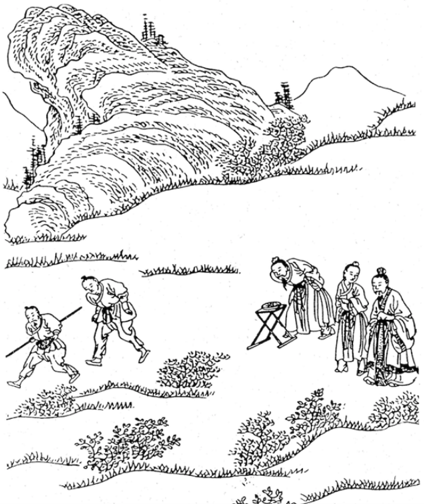
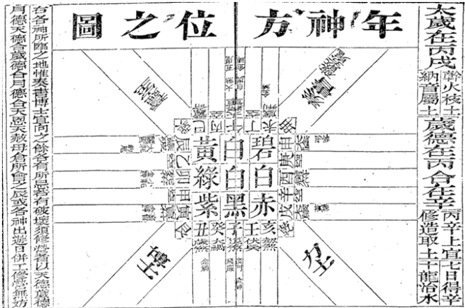
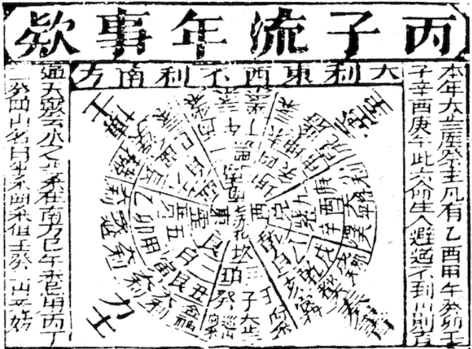
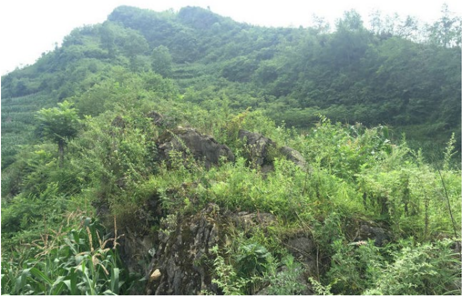
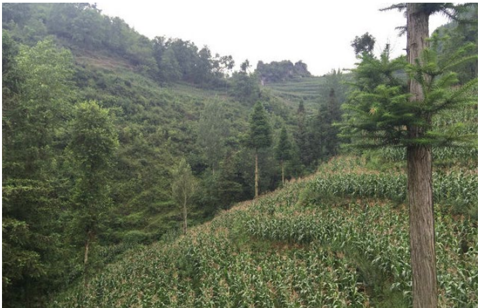
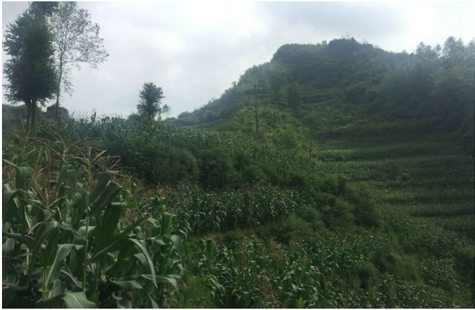
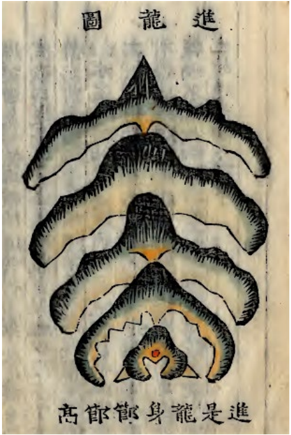
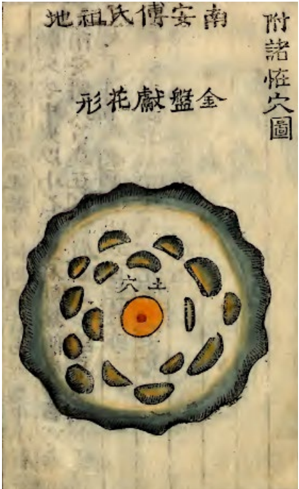
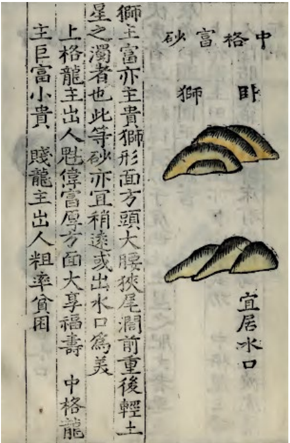
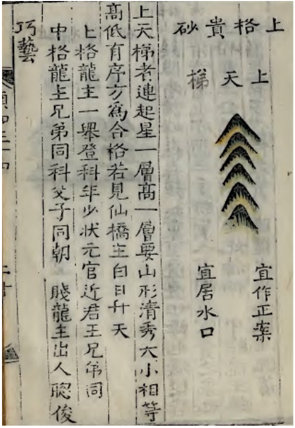
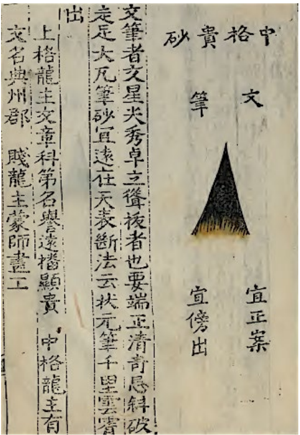
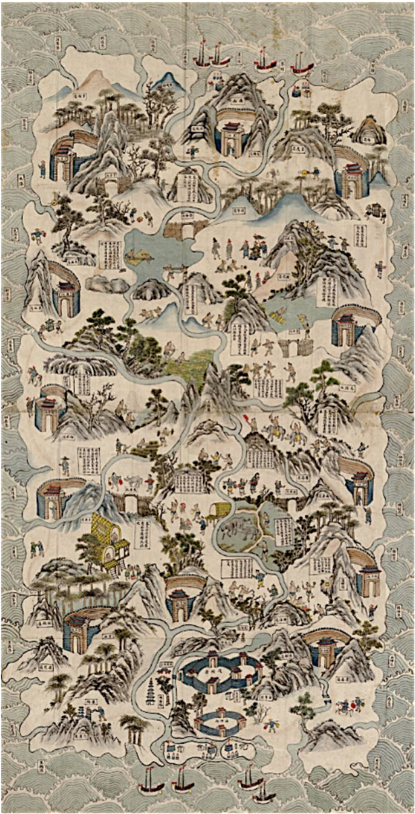
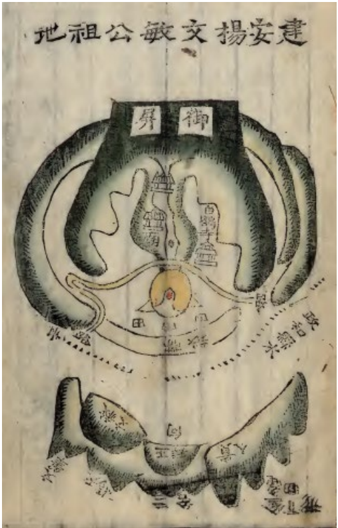
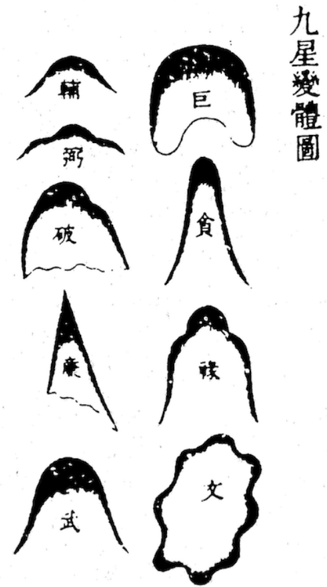
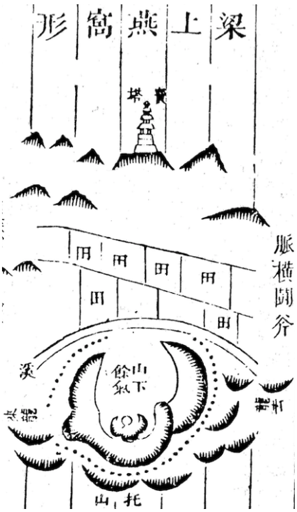
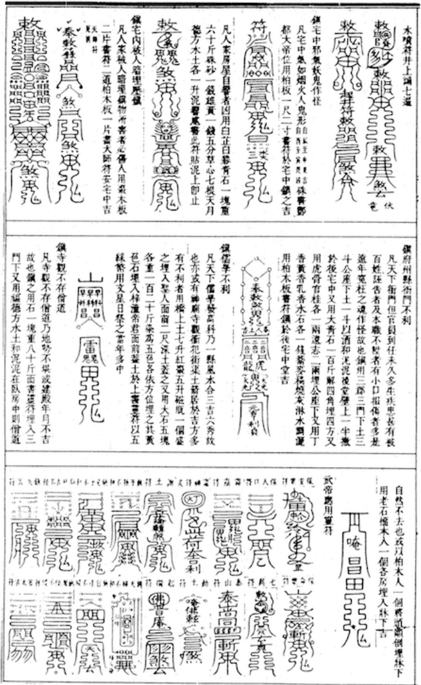
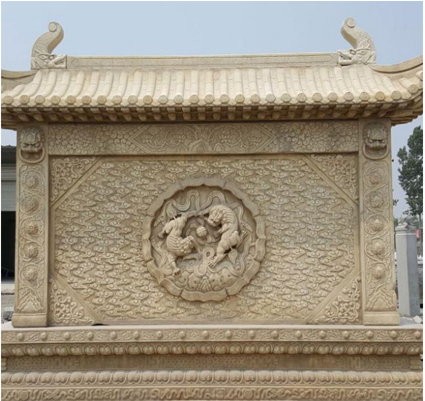
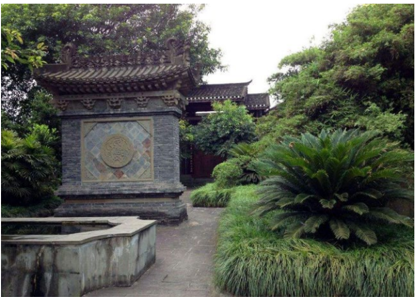
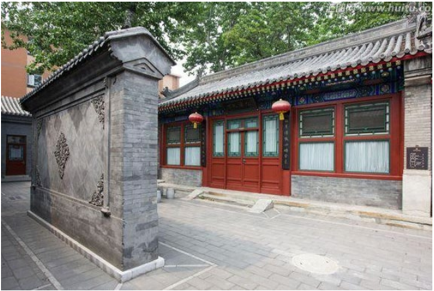
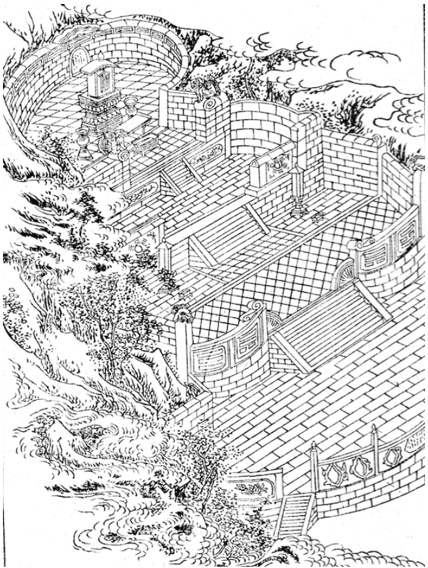
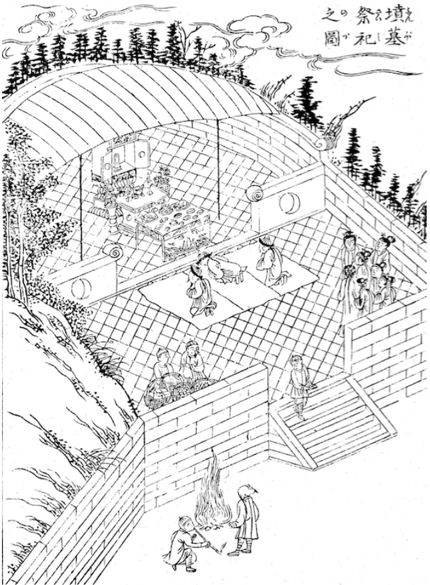
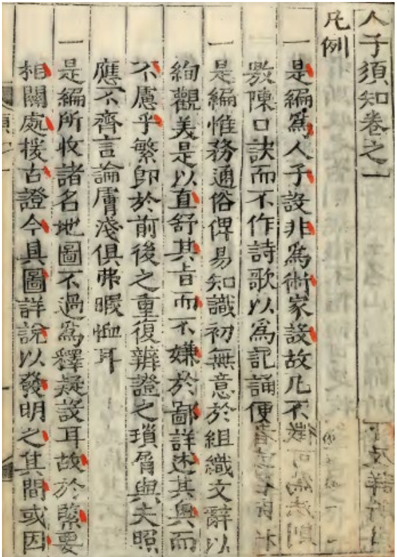
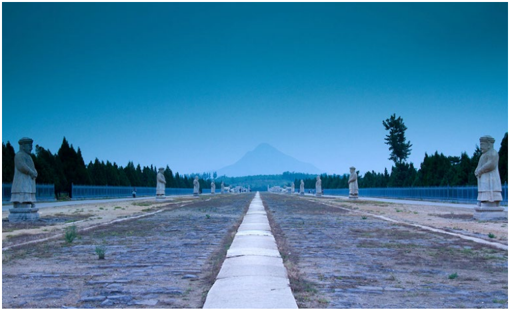
Verification
Claims the paper makes
0 Valid · 11 Not valid · 157 Not checked · 71 Own results and interpretations
In the paper
“Qing encyclopedias-from the massive Gujin tushu jicheng 欽定古今圖書集成 (Complete collection of illustrations and writings, past and present; 1726) to widely circulated encyclopedias of daily use (日用類書), such as the Wanbao quanshu 萬寶全書 (Complete collection of myriad treasures)-attest to an abiding interest in fengshui.47”
§ A. Channels of Transnational Communication B. Chinese-Style Geomancy and Its Variations Some Common Denominators in East Asian Geomancy Variations > Tushu bian
What the sources say
- Not matchedcites [47]
The reference list we hold has no entry [47].
plain- Asserted: passes — The authors put it forward as true.
- Checkable: passes — It can be checked against evidence.
- Load-bearing: unclear — It is unclear whether the paper’s conclusions depend on it.
- Based: passes — The paper gives a reason why it holds.
- Not matched
A result the paper states — it cites no source for it, so there is none to check. The quote shows it is in the paper.
In the paper
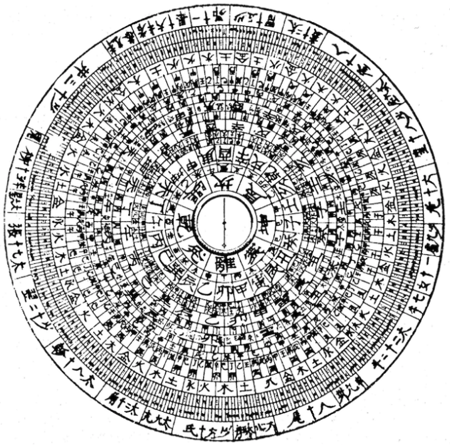
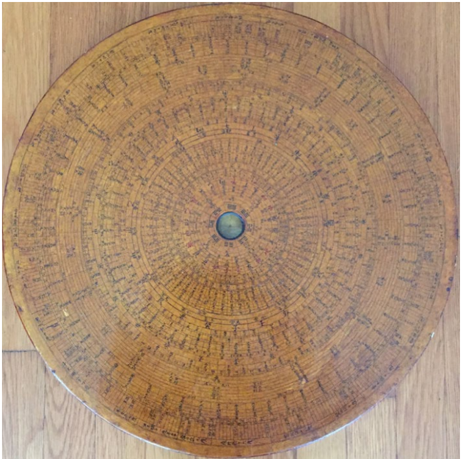
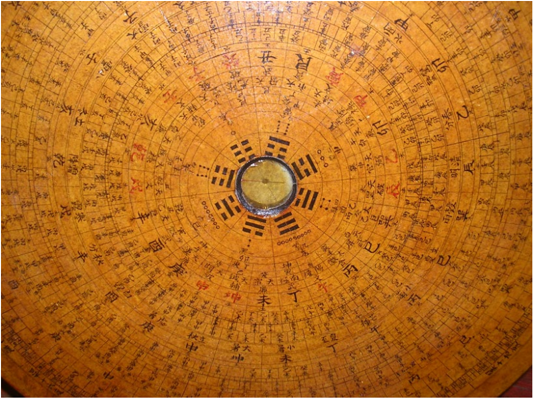
“The Fujian School relied heavily on a previously mentioned device conventionally known as a”
§ A. Channels of Transnational Communication B. Chinese-Style Geomancy and Its Variations Some Common Denominators in East Asian Geomancy Variations > Major Schools and Principles of Chinese Geomancy
plainstates an association- Asserted: passes — The authors put it forward as true.
- Checkable: passes — It can be checked against evidence.
- Load-bearing: unclear — It is unclear whether the paper’s conclusions depend on it.
- Based: passes — The paper gives a reason why it holds.
A result the paper states — it cites no source for it, so there is none to check. The quote shows it is in the paper.
In the paper
“in such manuals would generally be consulted even in areas where the topography was essentially flat.”
§ A. Channels of Transnational Communication B. Chinese-Style Geomancy and Its Variations Some Common Denominators in East Asian Geomancy Variations > Major Schools and Principles of Chinese Geomancy
hedged- Asserted: passes — The authors put it forward as true.
- Checkable: passes — It can be checked against evidence.
- Load-bearing: unclear — It is unclear whether the paper’s conclusions depend on it.
- Based: passes — The paper gives a reason why it holds.
In the paper
“As if this were not enough, many, if not most, geomancers also found it essential to take into account the”
§ A. Channels of Transnational Communication B. Chinese-Style Geomancy and Its Variations Some Common Denominators in East Asian Geomancy Variations > Major Schools and Principles of Chinese Geomancy
What the sources say
- Not matchedcites [69]
The reference list we hold has no entry [69].
plain- Asserted: passes — The authors put it forward as true.
- Checkable: passes — It can be checked against evidence.
- Load-bearing: unclear — It is unclear whether the paper’s conclusions depend on it.
- Based: passes — The paper gives a reason why it holds.
- Not matched
In the paper
“By the nineteenth century, and no doubt well before, the schools had become”
§ A. Channels of Transnational Communication B. Chinese-Style Geomancy and Its Variations Some Common Denominators in East Asian Geomancy Variations > Major Schools and Principles of Chinese Geomancy
What the sources say
- Not matchedcites [61]
The reference list we hold has no entry [61].
plainstates an association- Asserted: passes — The authors put it forward as true.
- Checkable: passes — It can be checked against evidence.
- Load-bearing: unclear — It is unclear whether the paper’s conclusions depend on it.
- Based: passes — The paper gives a reason why it holds.
- Not matched
75 more claims
Create a free account to see all 239 claims and every source verdict.
- Probably not a substantial claim. 115
- It may state two separate claims as one. 93
- The quote only partly states this claim. 2
Self-check
Percentages, sums and reported differences re-computed from the paper’s own numbers.
Each contradiction between two passages listed here was confirmed by an independent check.
Rated minor: it would not touch a result — a value no result rests on, a p-value that stays on the same side of the significance level, or a conflict that is clerical, resolved elsewhere in the paper, or outside its own findings.
In the paper
§ A. Channels of Transnational Communication B. Chinese-Style Geomancy and Its Variations Some Common Denominators in East Asian Geomancy Variations > Major Schools and Principles of Chinese Geomancy
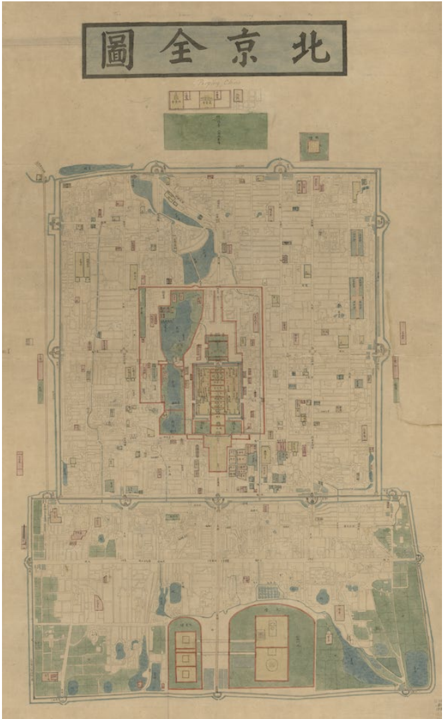
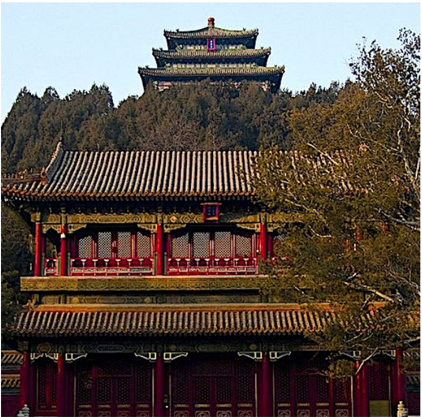
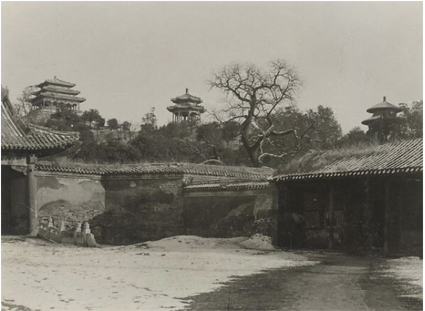
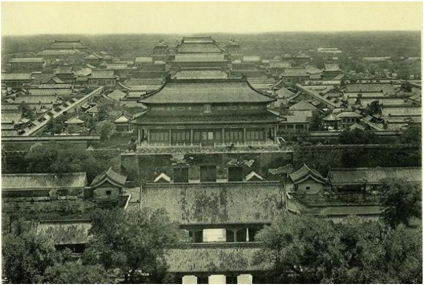
“The earth of Prospect Hill not only sheltered the Forbidden City but also related favorably to its wooden palaces, since earth produces wood in the mutual generation sequence of the five agents.”
§ A. Channels of Transnational Communication B. Chinese-Style Geomancy and Its Variations Some Common Denominators in East Asian Geomancy Variations > Major Schools and Principles of Chinese Geomancy
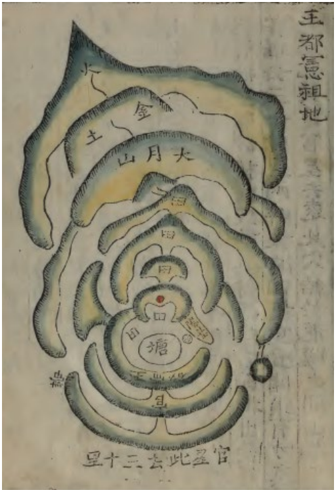
“This scheme reflects the mutual-production sequence of the wuxing: fire produces earth, earth produces metal, metal produces water, water produces wood, and wood produces fire.”
Citations
Cites
The publisher hasn’t deposited this paper’s reference list.
Research works printed but not linked: 8
- There are a wide variety of terms and translations for these and other forms of divination. See, for example, Marc Kalinowski, "Technical Traditions in Ancient China and Shushu Culture in Chinese Religion" in John Lagerway, ed., Religion and Chinese Society (Hong Kong: The Chinese University Press and Paris: École française d'Extrême-Orient 2004): 223-248;
- Marc Kalinowski, "Divination and Astrology: Received Texts and Excavated Manuscripts," in Michael Nylan and Michael Loewe, eds. China's Early Empires: A Re-Appraisal (Cambridge, England. Cambridge University Press, 2017): 339-66;
- Zhang Rongming 張榮明, Fangshu yu Zhongguo chuantong wenhua 方術與中國傳統文化 (The predictive and prescriptive arts and the traditional culture of China). Shanghai: Xuelin chubanshe, 2000). 136 On these three works, see BRZ, 12: 2-3, 12: 20 and 17: 3. For other examples, consult ibid., 1: 27-28; 2: 7-8; 2: 8; 2: 15; 2: 27; 3: 4; 4: 26-27; 4; 27; 5: 9; 8: 7; 8: 12-13; 8: 16-17; 8: 24; 9: 10- 11; 9: 28; 11: 8-9; 12: 11; 12: 30-31; 13: 14; 13: 8; 13: 23; 13: 32-33; 15: 9; 15: 38-39; 16: 4; 16: 11; 16: 12; 16: 25-26; 16: 26; 16: 32; 16: 34; 17: 4; 17: 9; 17: 12; 18: 14; 18: 25; 19: 38; 21: 27; 26: 25; 29: 37-38; 34: 8; 35: 18 (two entries); 35: 24; 36: 16; 37: 3. 137 Cited in March, "An Appreciation of Chinese Geomancy," 259. 138 See Wieger, Moral Tenets and Customs in China, 549. 139 See BRZ, 10: 13-14; 12: 4; 14: 18; 15: 8-9; 16: 7; 18: 17-18; 20: 3; 20: 4; 24: 37; etc. Cf. QBLC, fangji, 138. 140 Cited in De Groot, The Religious System of China, 3: 938; cf. Ouyang Chun, Fengshui yishu, preface, 7a. 148 BRZ, 14: 32; 22: 34-35; 23: 5; 26: 25; 36: 19. See also Freedman, Chinese Lineage and Society, 128 and de Groot, The Religious System of China, 3: 1014. 149 BRZ, 37: 18 and 17: 19-20. 150 BRZ, 36: 10 and 35: 24; see also 21: 23; 23: 14-15; 34: 10, etc. 151 BRZ, 6: 7-8; 6: 8; 16: 5; 16: 34; 18: 14; 23: 14-15; 25: 21-22 and 36: 12. 152 BRZ, 19: 25; 20: 12; 12: 14 and 36: 23; 153 BRZ, 2: 14; 3: 8; 6: 7-8; 6: 8; 16: 32; 18: 22; 19: 24-25; 23: 14-15; 25: 13; 25: 21-22; 26: 10; 26: 25; 28: 3; 33: 13; 35: 25; 36: 23; 37: 21; etc. 154 BRZ, 12: 14 and 36: 23. See also 15: 10. 155 BRZ, 13: 17. 192 Yang, Religion in China, 264, slightly modified. 193
- William J. Hail, Tseng Kuo-fan and the Taiping Rebellion (New Haven: Yale University Press, 1927), 338, 340, 343-344, slightly modified. 194
- Richard J. Smith, et al., eds., Robert Hart and China's Early Modernization: His Journals, 1863-1866 (Cambridge, Mass., Harvard University Press, 1991), 184;
- See Paul Ropp, Dissent in Early Modern China (Ann Arbor: University of Michigan Press, 1981), 160, 164-166, 184-186, 189-190 and 290 note 37; also Doré, Researches into Chinese Superstitions, 4: 407-16. 201 HCJSWB, 63: 1a ff., esp. 1a-2a, 8b-13a, 18a, etc. 202 HCJSWB, 63: 1a; cf. BRZ, 1: 6-7 203
- See de Groot, The Religious System of China, 3: 869 ff., esp. pp. 878-882 and 887. 206 Ropp, Dissent in Early Modern China, 162-163 and 290, note 47; Cf. HCJSWB, 63: 10b-11a. For earlier critiques of this sort, see TSJC, yishu, 47: 7054 ff. 207
- See, for example, Hanyang fuzhi 漢陽縣志 (Hubei, 1747), 47: 83-84. See also Rowe, Hankow, 20, 32, 160. See also Rowe's Saving the World: Chen Hongmou and Elite Consciousness in Eighteenth Century China (Stanford: Stanford University Press, 2001), esp. 434-36. 235 For an extended discussion of this theme, see Richard J. Smith, "Prognostication in Premodern China: Issues of Culture and Class," forthcoming in Lu Zhao Lu and Michael Lackner, eds., Handbook of Prognostication and Prediction in China, volume 1. Also, Gong Baoli 宮寶利, Shushu huodong yu mingqing shehui 術數活動與明清社會 (Divinatory activities [lit. arts of calculation] and Ming and Qing society) (Tianjin: Guji chubanshe, 2009); "Qingdai guanshen shushu huodong tanxi" 清代官紳術數活動探析 (An investigation into the divinatory activities [lit. arts of calculation] among Qing dynasty officials and gentry), Tianjin shifan daxue xuebao 4 (2009): 43-7 and "Qingdai shushu huodong dui jiating shenghuo de yingxiang" 清代術數活動對 家庭生活的影響 (The influence of divinatory activities [lit. arts of calculation] on the lives of Qing dynasty families), Tianjin Shifan Daxue xuebao 2010. 4: 27-31. 236 de Groot, The Religious System of China, 3: 939. 237 On the aesthetics of Chinese geomancy, see March, "An Appreciation of Chinese Geomancy," 255-59 and Feuchtwang, An Anthropological Analysis, 143-47.
Cited by
East Asian Savage - Untouched Orientalism and Imperial Anthropology
Lee, A. J. (2021) · Transnational Asia · doi:10.25615/nqs6-by12 · Cited by 2
Metadata
- Authors
- Smith, R. J.
- Corresponding author
- Smith, Richard J.
- Venue
- Transnational Asia
- Publisher
- Transnational Asia
- Published
- 2019-05-09
- ISSN
- 2474-476X (ISSN-L)
- OpenAlex
- W6908167361
- Cited by
- 1
- References
- 0
- Citations by year
- 2021: 1
- FWCI
- 3.15
- Type
- journal article
- Language
- en
- Open access
- diamond
- transnationalasia.rice.edu
- Licence
- Locations
- Transnational Asia (publishedVersion, cc-by-nc-nd)
- Rice Research Repository (Rice University)
- Topics
- Social Sciences › Arts and Humanities › History › Chinese history and philosophy
- Social Sciences › Arts and Humanities › History › History, Culture, and Diplomacy
- Social Sciences › Arts and Humanities › Literature and Literary Theory › Comparative and World Literature
- Keywords
- feng shui, geomancy, transnationalism, divination, Sinosphere, Book of Changes, premodern East Asia, Korea, Japan, Vietnam, Southeast Asia, cultural assimilation, Chinese diaspora
About these checks
Registry, retraction, Cites and statistics results are computed, not judged, with one exception: a printed reference that no index lists is read once by a model before it counts as a citation error. Claims are extracted by a model and kept only when their quote appears verbatim in the text; each cited source is then checked, with a model’s help, for whether it says what the claim relies on. Those verdicts can be wrong — read the claim’s quote and the cited source before relying on one.
A language model drew the claims from the paper on 2026-10-12, under version 3 of the claim definition (model deepseek-v4.1-flash, prompt extract-v3).
A second model labelled each claim on 2026-10-12 (model jev-1.13-20260917, definition revision gold-guideline-v0.2).
Statistics and arithmetic are recomputed, not judged.
Confidence bands are shown only for fields calibrated on our annotated test set. None is calibrated yet, so no band is shown.
What counts as a claim ›How we measure confidence ›How we check this ›
Are you an author, or do you see a problem with this page? Request a review
Data sources
Bibliographic data: Semantic Scholar, OpenAlex, Crossref.
Contains information from the Semantic Scholar Academic Graph Datasets, made available under the ODC Attribution License (ODC-BY 1.0).
Semantic Scholar’s data is described in: Kinney, R., et al. (2023). The Semantic Scholar Open Data Platform. arXiv:2301.10140.
