

The DOI matches its Crossref record; none of the 8 sources its claims cite is checked for support yet.
Los épera siapidara en ecuador. Proceso de visibilización
Open accessAbstract
El presente artículo tiene como finalidad, presentar al pueblo épera siapidara de Ecuador, en el proceso de “visibilización” (Carrasco, 2010: 5) y fortalecimiento de su identidad, a través fundamentalmente del acceso al territorio y de la revalorización de su espiritualidad expresada en las relaciones comunitarias, en la relación con la tierra y en los rituales ancestrales, con una red de solidaridad de aliados y amigos que apoyan este caminar. A fines de la década de los 90, se empezó a escuchar el nombre de un pueblo indígena, desconocido en el ámbito nacional, hasta entonces: Los épera. en la conaie no tenían mayor información, sólo sabían que estaba localizado en la provincia de esmeraldas en una situación de extrema vulnerabilidad. En esmeraldas en la dirección de educación bilingüe, el funcionario encargado me informó que el profesor chachi del barrio Cayapa en Borbón tiene alumnos épera, no hay ningún registro de su lengua, no tienen territorio, están en tres o cuatro casas de un barrio de Borbón. El subdirector de prodepine, Ing. Samuel Añapa conocía que había algunas familias dispersas al norte de la provincia de Esmeraldas. Los miembros del vicariato de Esmeraldas, de la zona norte, en asamblea pastoral de octubre de 1999, no conocían tampoco la existencia del pueblo épera, aunque habían oído hablar de los “cholos colombianos”.
Overview
AI snapshot
Written from the paper’s full text.
TL;DR
This article synthesizes Eulalia Carrasco’s book on the Épera Siapidara in Ecuador, tracing their movement from invisibility to visibility through traditional authority, cosmology, organization, territory, education, and health. It documents milestones such as the 2001 legalization of ONAEE, the acquisition of 347 hectares, and cultural revitalization efforts.
Key findings
- In Colombia, the Éperara Siapidara are distributed across 32 communities with a population of 7,000; in Esmeraldas, 1999 data identified 13 settlements, 54 families, and 294 members, mostly from Colombia’s Cauca department and the Infi, Micay, and Saija rivers.
- Traditional authorities—the Jaipana, Tachi Nawe, and tonguera/pildesera—are presented as central to Épera social cohesion, healing, and identity, though their roles have diminished with dispersal, cabildos, and centralized political organization.
- Land and organization milestones include ONAEE’s legalization by ministerial accord No. 001069 on 12 September 2001; acquisition of 347 hectares with a donation of one million Belgian francs; allocation of 3.5 hectares per nuclear family, 1 hectare for single youth over 15, and 70.05 communal hectares; and a PRODEPINE productive project of $42,000 approved in May 2002 for coconut and plantain.
- Education and health figures include 30% illiteracy among Épera over 8 years old in 1999, 95% adult illiteracy, only two bachilleres and one youth in 5th-year secondary; the school “Eperârâ Sia Pidârâde” was a 16 x 6.5 m prefabricated structure donated by the Vicariato, with distance primary education beginning in May 2004.
Methods
- The article is explicitly a synthesis of the author’s book *Los Epera Siapidara en Ecuador. De la invisibilidad a la visibilidad* (2010).
- It draws on oral testimonies (e.g., Lina Quiroz 2001; Belarmino Chiripúa 2003; Teófilo Quintero and Edilma Chiripúa 2003) and secondary sources (e.g., Otero 1952; Barrett 1994; ACIESNA-ACIESCA-OZBESCAC 1997; Orozco Álvarez and Prado Paredes 1999).
- No formal sampling, survey, or statistical analysis is described; the account is ethnographic, historical, and process-oriented.
Limitations
- The paper states a space limitation: it presents only one myth, the Buro-Poto (Gemelos) myth, out of the Épera’s important myths.
- Evident from the text: no explicit methods, sampling, or systematic data-collection procedures are described, and the account relies on oral testimonies and secondary sources with dates concentrated up to 2011.
- Evident from the text: some quantitative figures are inconsistent or unexplained (e.g., 30% illiteracy among those over 8 vs. 95% adult illiteracy), and the synthesis of the author’s own book may limit independent verification.
Model-written summary. Check it against the paper before relying on it.
Integrity signals
Registry
Cites
Statistics
Figures
Verification
Claims the paper makes
30 No basis given · 23 Own interpretation · 16 Own result · 8 Sources not found · 2 Not checked yet
The paper states this without a source or data behind it here, so there is nothing to check it against. The quote shows it is in the paper.
In the paper
“La Tachi Nawe ejerce sus funciones especialmente en la “Casa Grande”, ubicada en el río Saija en Santa Rosa de los Épera.”
§ Los Épera Siapidara en Ecuador. proceso de visibilización > Tachi Nawe
plain- Asserted: passes — The authors put it forward as true.
- Checkable: passes — It can be checked against evidence.
- Load-bearing: unclear — It is unclear whether the paper’s conclusions depend on it.
- Based: passes — The paper gives a reason why it holds.
A result the paper reports from its own data — it cites no other source for it, so there is none to check. The quote shows it is in the paper.
In the paper
“En todas las reuniones, el pueblo Épera de los asentamientos de Esmeraldas, expresaba la añoranza, la urgencia, de un territorio, que los recoja y acoja, y que les de posibilidad de ser realmente pueblo.”
§ Los Épera Siapidara en Ecuador. proceso de visibilización > Territorio, fundamento de la visibilidad
plain- Asserted: passes — The authors put it forward as true.
- Checkable: passes — It can be checked against evidence.
- Load-bearing: passes — The paper’s conclusions depend on it.
- Based: passes — The paper gives a reason why it holds.
The paper states this without a source or data behind it here, so there is nothing to check it against. The quote shows it is in the paper.
In the paper
“El proceso de organización política del pueblo Épera les exigió pasar aceleradamente, de una autoridad simbólica, el Jaipana, ejercida en los asentamientos dispersos.A una autoridad centralizada, que tiene otros códigos referenciales.”
§ Los Épera Siapidara en Ecuador. proceso de visibilización > Organización política en Ecuador
plaindirect- Asserted: passes — The authors put it forward as true.
- Checkable: passes — It can be checked against evidence.
- Load-bearing: passes — The paper’s conclusions depend on it.
- Based: passes — The paper gives a reason why it holds.
None of the sources cited for this claim have been checked yet.
In the paper
“Los Épera de Ecuador, celebraron la fiesta de Navidad en 1999, “Ya son 20 años que he venido de Colombia, aquí no hemos hecho nunca las fiestas; ahora queremos ser renacientes, volver a celebrar nuestra cultura”.(Hilda y Marciano Chirimía, diciembre 1999).”
§ Los Épera Siapidara en Ecuador. proceso de visibilización > Celebraciones rituales y festividades
plainSingle case- Asserted: passes — The authors put it forward as true.
- Checkable: passes — It can be checked against evidence.
- Load-bearing: unclear — It is unclear whether the paper’s conclusions depend on it.
- Based: passes — The paper gives a reason why it holds.
The paper states this without a source or data behind it here, so there is nothing to check it against. The quote shows it is in the paper.
In the paper
“En Esmeraldas los ritos tradicionales de pasaje ya no se practican.”
§ Los Épera Siapidara en Ecuador. proceso de visibilización > Celebraciones rituales y festividades
plain- Asserted: passes — The authors put it forward as true.
- Checkable: passes — It can be checked against evidence.
- Load-bearing: unclear — It is unclear whether the paper’s conclusions depend on it.
- Based: unclear — It is unclear why the paper says it holds.
A result the paper reports from its own data — it cites no other source for it, so there is none to check. The quote shows it is in the paper.
In the paper
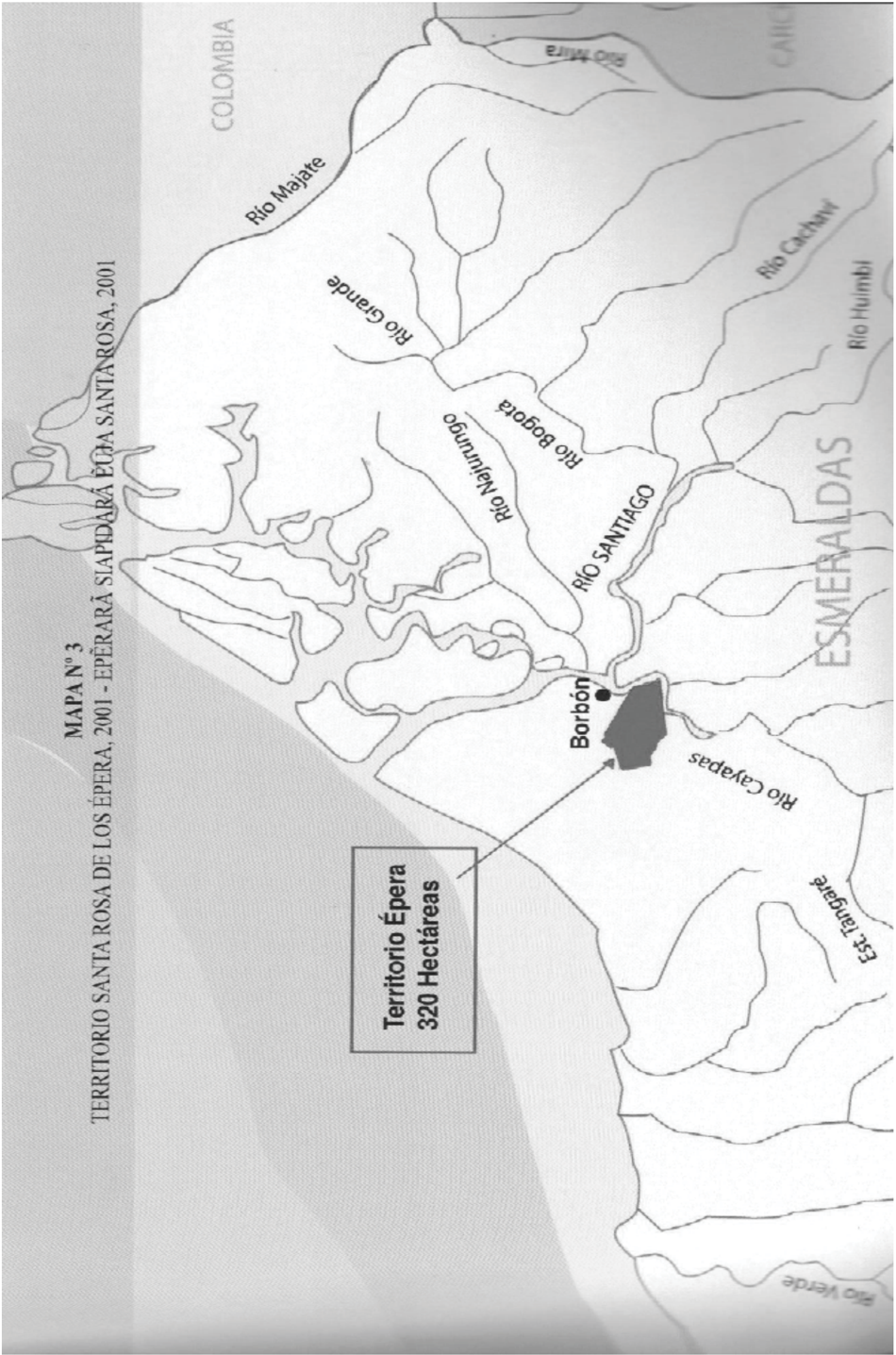
“La Congregación de las hermanas de la Providencia de Bélgicafoot_3 , dona todas las jubilaciones recibidas por las hermanas en ese año, para el territorio: un millón de francos belgas.Se adquirieron 347 hectáreas.”
§ Los Épera Siapidara en Ecuador. proceso de visibilización > Fincas para familias ampliadas
plaindirectSingle case- Asserted: passes — The authors put it forward as true.
- Checkable: passes — It can be checked against evidence.
- Load-bearing: unclear — It is unclear whether the paper’s conclusions depend on it.
- Based: passes — The paper gives a reason why it holds.
A result the paper reports from its own data — it cites no other source for it, so there is none to check. The quote shows it is in the paper.
In the paper
“En mayo del 2011 hay avances significativos, con el apoyo de GTZ -FOCIN, (Cooperación Alemana al Desarrollo) el presidente de la ONAEE, Salvador Chirimía, inicia los trámites para adquirir 90 hectáreas para ampliar el territorio del pueblo Épera.”
§ Los Épera Siapidara en Ecuador. proceso de visibilización > References
plaindirect- Asserted: passes — The authors put it forward as true.
- Checkable: passes — It can be checked against evidence.
- Load-bearing: unclear — It is unclear whether the paper’s conclusions depend on it.
- Based: passes — The paper gives a reason why it holds.
In the paper
“Actualmente, el pueblo ha iniciado un proceso importantísimo de recuperación del Siapedee, con la asesoría de un profesional lingüista (Cfr. Gómez Rendón, 2005).”
§ Los Épera Siapidara en Ecuador. proceso de visibilización > Afi anzando la vida: educación y salud
What the sources say
- Not matchedcites Gómez Rendón, 2005
Couldn’t be matched to a paper in Crossref, so it can’t be checked.
plain- Asserted: passes — The authors put it forward as true.
- Checkable: passes — It can be checked against evidence.
- Load-bearing: unclear — It is unclear whether the paper’s conclusions depend on it.
- Based: passes — The paper gives a reason why it holds.
- Not matched
A conclusion the paper draws from its own results — it cites no other source for it, so there is none to check. The quote shows it is in the paper.
In the paper
“En el pueblo Épera estos personajes que constituyen la autoridad tradicional están vinculados a los espíritus y a la sabiduría ancestral, para proteger el bienestar físico y espiritual al interior del pueblo y en las relaciones con los “vecinos” que los rodean.”
§ Los Épera Siapidara en Ecuador. proceso de visibilización > Organización tradicional
plaincorrelational- Asserted: passes — The authors put it forward as true.
- Checkable: passes — It can be checked against evidence.
- Load-bearing: unclear — It is unclear whether the paper’s conclusions depend on it.
- Based: passes — The paper gives a reason why it holds.
- Rests on an assumption: In stages of procured or imposed invisibilization, peoples have characters or rituals loaded with symbolism that give coherence and maintain the social identity fabric.
A conclusion the paper draws from its own results — it cites no other source for it, so there is none to check. The quote shows it is in the paper.
In the paper
“Aunque la gran dispersión de asentamientos en Esmeraldas, ha causado que este rol tradicional de los jaipanas se ha visto también disminuido.”
§ Los Épera Siapidara en Ecuador. proceso de visibilización > Tonguera o Pildesera
plaindirect- Asserted: passes — The authors put it forward as true.
- Checkable: passes — It can be checked against evidence.
- Load-bearing: unclear — It is unclear whether the paper’s conclusions depend on it.
- Based: passes — The paper gives a reason why it holds.
A conclusion the paper draws from its own results — it cites no other source for it, so there is none to check. The quote shows it is in the paper.
In the paper
“puede afirmar que el pueblo Épera está en un proceso de superación de estas invisibilidades constituían una amenaza que podía conducir al etnocidio y al genocidio.”
§ Los Épera Siapidara en Ecuador. proceso de visibilización > References
plaindirect- Asserted: passes — The authors put it forward as true.
- Checkable: passes — It can be checked against evidence.
- Load-bearing: passes — The paper’s conclusions depend on it.
- Based: passes — The paper gives a reason why it holds.
A conclusion the paper draws from its own results — it cites no other source for it, so there is none to check. The quote shows it is in the paper.
In the paper
“Este fue un acontecimiento que marcó el proceso de los Épera en Ecuador: fue un reencuentro de todas las familias de los asentamientos, una afirmación de su identidad, rompió la invisibilidad, acrecentó la autoestima.”
§ Los Épera Siapidara en Ecuador. proceso de visibilización > Celebraciones rituales y festividades
plaindirect- Asserted: passes — The authors put it forward as true.
- Checkable: passes — It can be checked against evidence.
- Load-bearing: unclear — It is unclear whether the paper’s conclusions depend on it.
- Based: passes — The paper gives a reason why it holds.
- Probably not a substantial claim. 42
- It may state two separate claims as one. 55
- The quote only partly states this claim. 1
The paper states this without a source or data behind it here, so there is nothing to check it against. The quote shows it is in the paper.
In the paper
“El “jai” puede ser armonía y sanación, pero también angustia y desequilibrio.Anima y da vida y puede causar también enfermedad y muerte.”
§ Los Épera Siapidara en Ecuador. proceso de visibilización > Jaipana
plaindirect- Asserted: passes — The authors put it forward as true.
- Checkable: passes — It can be checked against evidence.
- Load-bearing: fails — The paper’s conclusions may not depend on it.
- Based: passes — The paper gives a reason why it holds.
Probably not a substantial claim. The paper’s conclusions may not depend on it. It may state two separate claims as one.
None of the sources cited for this claim have been checked yet.
In the paper
“La Tachi Nawe o mayorala, tiene como funciones: dirigir las ceremonias colectivas, como los matrimonios, los bautizos, los bailes ceremoniales y las reuniones para aconsejar.Es quien transmite los mitos de origen y la historia del pueblo, debe visitar cada comunidad y enseñar el baile, el canto, el rezo.”
§ Los Épera Siapidara en Ecuador. proceso de visibilización > Tachi Nawe
plain- Asserted: passes — The authors put it forward as true.
- Checkable: passes — It can be checked against evidence.
- Load-bearing: unclear — It is unclear whether the paper’s conclusions depend on it.
- Based: passes — The paper gives a reason why it holds.
It may state two separate claims as one. The quote only partly states this claim.
The paper states this without a source or data behind it here, so there is nothing to check it against. The quote shows it is in the paper.
In the paper
“En el año de 1999 se identificaron trece asentamientos, generalmente de familias ampliadas en: Esmeraldas-Codesa, Tambillo, La Tola, Garceo, Palma, Capricho, Bella Aurora, Concepción, San Francisco, Las Peñas, Quinindé, Canandé, vivían dispersos y con pocas posibilidades de comunicarse.”
§ Los Épera Siapidara en Ecuador. proceso de visibilización > Abstract
plain- Asserted: passes — The authors put it forward as true.
- Checkable: passes — It can be checked against evidence.
- Load-bearing: unclear — It is unclear whether the paper’s conclusions depend on it.
- Based: passes — The paper gives a reason why it holds.
It may state two separate claims as one.
The paper states this without a source or data behind it here, so there is nothing to check it against. The quote shows it is in the paper.
In the paper
“Para el pensamiento Épera, todo tiene jai, el universo animado o no: las personas Éperas o no, cualquier situación de tensión, confl icto o desorden; tienen “jai” también los rituales, las curaciones, la danza, las fi estas; la naturaleza tiene su “jai”: tierra, mar, ríos, cascadas, cerros, montes, lagunas; los fenómenos naturales: aguaceros, arco iris, rayos.”
§ Los Épera Siapidara en Ecuador. proceso de visibilización > Jaipana
plain- Asserted: passes — The authors put it forward as true.
- Checkable: passes — It can be checked against evidence.
- Load-bearing: fails — The paper’s conclusions may not depend on it.
- Based: passes — The paper gives a reason why it holds.
Probably not a substantial claim. The paper’s conclusions may not depend on it. It may state two separate claims as one.
The paper states this without a source or data behind it here, so there is nothing to check it against. The quote shows it is in the paper.
In the paper
“Los Épera de Ecuador trajeron a la Tachi Nawe para “reforzar la identidad y la cultura”.Luego de esta visita realizada a finales de 2010 e inicios del 2011, los épera han revalorizado muchas expresiones de su cultura, cuidando que no se convierta en folklor.”
§ Los Épera Siapidara en Ecuador. proceso de visibilización > Tachi Nawe
plaindirectSingle case- Asserted: passes — The authors put it forward as true.
- Checkable: passes — It can be checked against evidence.
- Load-bearing: fails — The paper’s conclusions may not depend on it.
- Based: passes — The paper gives a reason why it holds.
Probably not a substantial claim. The paper’s conclusions may not depend on it. It may state two separate claims as one.
A result the paper reports from its own data — it cites no other source for it, so there is none to check. The quote shows it is in the paper.
In the paper
“La ceremonia curativa se denomina “mesa”, es el espacio central en una habitación, en donde se coloca previamente todos los artilugios (tazas con chicha u otro licor, velas, cigarrillos, hachas de piedra antiguas, especies de bastones de madera llamados “tuma”) para el ritual que durará toda la noche.”
§ Los Épera Siapidara en Ecuador. proceso de visibilización > Jaipana
plain- Asserted: passes — The authors put it forward as true.
- Checkable: passes — It can be checked against evidence.
- Load-bearing: fails — The paper’s conclusions may not depend on it.
- Based: passes — The paper gives a reason why it holds.
Probably not a substantial claim. The paper’s conclusions may not depend on it. It may state two separate claims as one.
A result the paper reports from its own data — it cites no other source for it, so there is none to check. The quote shows it is in the paper.
In the paper
“Una persona puede tener diez sombras, cae enferma cuando una o más sombras le han robado, las sombras son robadas por los antepasados, pueblos indios que tienen sus casas en lo hondo de la tierra.La tonguera avisa al jaipana cuantas sombras faltan y en donde están.”
§ Los Épera Siapidara en Ecuador. proceso de visibilización > Tonguera o Pildesera
plaindirect- Asserted: passes — The authors put it forward as true.
- Checkable: passes — It can be checked against evidence.
- Load-bearing: fails — The paper’s conclusions may not depend on it.
- Based: passes — The paper gives a reason why it holds.
Probably not a substantial claim. The paper’s conclusions may not depend on it. It may state two separate claims as one.
The paper states this without a source or data behind it here, so there is nothing to check it against. The quote shows it is in the paper.
In the paper
“Para alcanzar el trance, el jaipana recurre al consumo de plantas alucinógenas como el pildé (Yagé), o el borrachero llamado también guanto, (el agente activo es la escopolamina), estos alucinógenos requieren cuidados especiales.”
§ Los Épera Siapidara en Ecuador. proceso de visibilización > Jaipana
plaindirect- Asserted: passes — The authors put it forward as true.
- Checkable: passes — It can be checked against evidence.
- Load-bearing: fails — The paper’s conclusions may not depend on it.
- Based: passes — The paper gives a reason why it holds.
Probably not a substantial claim. The paper’s conclusions may not depend on it. It may state two separate claims as one.
The paper states this without a source or data behind it here, so there is nothing to check it against. The quote shows it is in the paper.
In the paper
“El Jaipana, sacude hojas de bijao y con cantos, rezos, silencios, convoca al “jai”, a veces convoca a espíritus de jaipanas famosos ya muertos, para que juntos encuentren o armonicen el “jaura” (sombra, alma o espíritu perdido), del cuerpo del enfermo.”
§ Los Épera Siapidara en Ecuador. proceso de visibilización > Jaipana
plaindirect- Asserted: passes — The authors put it forward as true.
- Checkable: passes — It can be checked against evidence.
- Load-bearing: fails — The paper’s conclusions may not depend on it.
- Based: passes — The paper gives a reason why it holds.
Probably not a substantial claim. The paper’s conclusions may not depend on it. It may state two separate claims as one.
The paper states this without a source or data behind it here, so there is nothing to check it against. The quote shows it is in the paper.
In the paper
“Quien controla el “jai” es el Jaipana, que generalmente es un varón, puede restablecer la armonía equilibrando las energías de las personas, del cosmos y del inframundo.Es capaz de conocer qué “jai” es el que causa daño, por su presencia o por su ausencia.”
§ Los Épera Siapidara en Ecuador. proceso de visibilización > Jaipana
plaindirect- Asserted: passes — The authors put it forward as true.
- Checkable: passes — It can be checked against evidence.
- Load-bearing: fails — The paper’s conclusions may not depend on it.
- Based: passes — The paper gives a reason why it holds.
Probably not a substantial claim. The paper’s conclusions may not depend on it. It may state two separate claims as one.
The paper states this without a source or data behind it here, so there is nothing to check it against. The quote shows it is in the paper.
In the paper
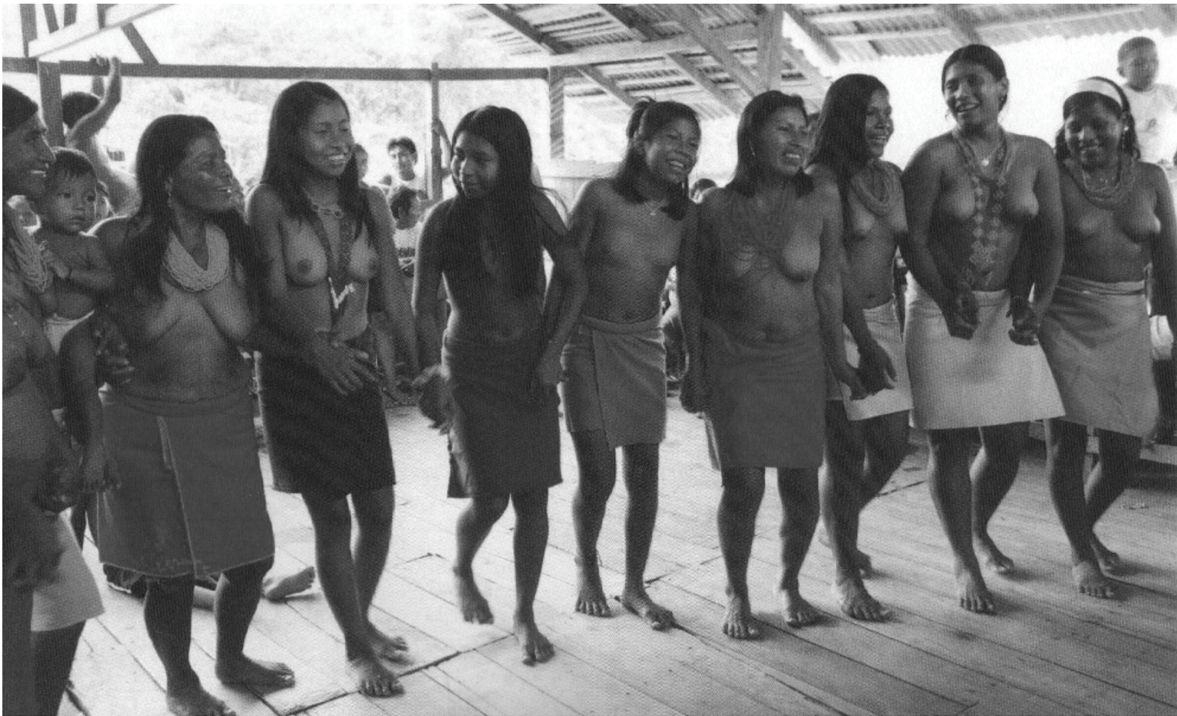
“Las celebraciones y festividades están estrechamente vinculadas a los mitos, en las celebraciones se recrean estos relatos sagrados y el Pueblo Épera los canta, los danza… festivamente y comparten abundante comida.”
§ Los Épera Siapidara en Ecuador. proceso de visibilización > Celebraciones rituales y festividades
plaincorrelational- Asserted: passes — The authors put it forward as true.
- Checkable: passes — It can be checked against evidence.
- Load-bearing: fails — The paper’s conclusions may not depend on it.
- Based: passes — The paper gives a reason why it holds.
Probably not a substantial claim. The paper’s conclusions may not depend on it. It may state two separate claims as one.
A result the paper reports from its own data — it cites no other source for it, so there is none to check. The quote shows it is in the paper.
In the paper
““ Debe ser elegido(a) por Tachi Akore, no puede ser quien quiera.Yo, intenté varias veces pero vomité todo el pildé, quedé mareado y con dolor de cabeza.Las pildeseras toman el sumo de la hierba “pildé” y caen en transe, y tienen la capacidad de ver la sombra (el jai) de las personas enfermas.”
§ Los Épera Siapidara en Ecuador. proceso de visibilización > Tonguera o Pildesera
plaindirect- Asserted: passes — The authors put it forward as true.
- Checkable: passes — It can be checked against evidence.
- Load-bearing: fails — The paper’s conclusions may not depend on it.
- Based: passes — The paper gives a reason why it holds.
Probably not a substantial claim. The paper’s conclusions may not depend on it. It may state two separate claims as one.
The paper states this without a source or data behind it here, so there is nothing to check it against. The quote shows it is in the paper.
In the paper
“Eran 54 familias con 294 miembros en total, quienes procedían mayoritariamente del Departamento del Cauca en Colombia, de los ríos Infi, Micay y Saija.”
§ Los Épera Siapidara en Ecuador. proceso de visibilización > Abstract
plainn = 54- Asserted: passes — The authors put it forward as true.
- Checkable: passes — It can be checked against evidence.
- Load-bearing: unclear — It is unclear whether the paper’s conclusions depend on it.
- Based: passes — The paper gives a reason why it holds.
It may state two separate claims as one.
The paper states this without a source or data behind it here, so there is nothing to check it against. The quote shows it is in the paper.
In the paper
“La tasa de analfabetismo en el pueblo Épera en 1999 era del 30% en personas mayores de 8 años.”
§ Los Épera Siapidara en Ecuador. proceso de visibilización > Afi anzando la vida: educación y salud
plain- Asserted: passes — The authors put it forward as true.
- Checkable: passes — It can be checked against evidence.
- Load-bearing: fails — The paper’s conclusions may not depend on it.
- Based: fails — The paper may give no reason why it holds.
Probably not a substantial claim. The paper’s conclusions may not depend on it. The paper may give no reason why it holds.
A result the paper reports from its own data — it cites no other source for it, so there is none to check. The quote shows it is in the paper.
In the paper
“La CONAIE, asume la responsabilidad de dar asesoría a los Épera, para que avancen en la cohesión y estructuración de su organización política, con este fin envía al compañero Aníbal Chávez (26 febrero 2000).”
§ Los Épera Siapidara en Ecuador. proceso de visibilización > Organización política en Ecuador
plaindirect- Asserted: passes — The authors put it forward as true.
- Checkable: passes — It can be checked against evidence.
- Load-bearing: unclear — It is unclear whether the paper’s conclusions depend on it.
- Based: passes — The paper gives a reason why it holds.
It may state two separate claims as one.
The paper states this without a source or data behind it here, so there is nothing to check it against. The quote shows it is in the paper.
In the paper
“La Organización de la Nacionalidad Épera del Ecuador (ONAEE), se legalizó con acuerdo ministerial Nº 001069 del 12 de septiembre del 2001.”
§ Los Épera Siapidara en Ecuador. proceso de visibilización > Organización política en Ecuador
plain- Asserted: passes — The authors put it forward as true.
- Checkable: passes — It can be checked against evidence.
- Load-bearing: fails — The paper’s conclusions may not depend on it.
- Based: passes — The paper gives a reason why it holds.
Probably not a substantial claim. The paper’s conclusions may not depend on it.
In the paper
“Con apoyo de la FAOEC (2010), las mujeres han consolidado la producción de las fibras que constituyen la materia prima para la elaboración de su producción y han tenido acceso a mercados a través de la participación en ferias artesanales.”
§ Los Épera Siapidara en Ecuador. proceso de visibilización > Artesanía
What the sources say
- Not matchedcites FAOEC (2010)
Couldn’t be matched to a paper in Crossref, so it can’t be checked.
plaindirect- Asserted: passes — The authors put it forward as true.
- Checkable: passes — It can be checked against evidence.
- Load-bearing: unclear — It is unclear whether the paper’s conclusions depend on it.
- Based: passes — The paper gives a reason why it holds.
It may state two separate claims as one.
- Not matched
A result the paper reports from its own data — it cites no other source for it, so there is none to check. The quote shows it is in the paper.
In the paper
“La organización es filial de la Regional de la Costa: CONAICE (Organización de las Nacionalidades Indígenas de la Costa Ecuatoriana) perteneciente a la CONAIE (Confederación de las Nacionalidades Indígenas del Ecuador).”
§ Los Épera Siapidara en Ecuador. proceso de visibilización > Organización política en Ecuador
plain- Asserted: passes — The authors put it forward as true.
- Checkable: passes — It can be checked against evidence.
- Load-bearing: unclear — It is unclear whether the paper’s conclusions depend on it.
- Based: passes — The paper gives a reason why it holds.
It may state two separate claims as one.
A result the paper reports from its own data — it cites no other source for it, so there is none to check. The quote shows it is in the paper.
In the paper
“Se inicio en mayo del 2004, bajo la tutoría de Manuel Capena y Wilson Chiripúa.”
§ Los Épera Siapidara en Ecuador. proceso de visibilización > Afi anzando la vida: educación y salud
plain- Asserted: passes — The authors put it forward as true.
- Checkable: passes — It can be checked against evidence.
- Load-bearing: fails — The paper’s conclusions may not depend on it.
- Based: passes — The paper gives a reason why it holds.
Probably not a substantial claim. The paper’s conclusions may not depend on it.
A result the paper reports from its own data — it cites no other source for it, so there is none to check. The quote shows it is in the paper.
In the paper
“El PRODEPINE (Proyecto de Desarrollo para los Pueblos Indígenas y Afroecuatorianos) aprueba el proyecto productivo (mayo 2002) de $42.000.00,que entregará en dos cuotas.Está destinado a la producción de coco y plátano.”
§ Los Épera Siapidara en Ecuador. proceso de visibilización > Producción agrícola
plainSingle case- Asserted: passes — The authors put it forward as true.
- Checkable: passes — It can be checked against evidence.
- Load-bearing: unclear — It is unclear whether the paper’s conclusions depend on it.
- Based: passes — The paper gives a reason why it holds.
It may state two separate claims as one.
A result the paper reports from its own data — it cites no other source for it, so there is none to check. The quote shows it is in the paper.
In the paper
“Las oraciones, son proclamadas en Siapedee por las mujeres mayores del pueblo, generalmente terminan con letanías o invocaciones a los santos de su devoción y a los antepasados que se los consideranj protectores del pueblo.”
§ Los Épera Siapidara en Ecuador. proceso de visibilización > Celebraciones rituales y festividades
plain- Asserted: passes — The authors put it forward as true.
- Checkable: passes — It can be checked against evidence.
- Load-bearing: unclear — It is unclear whether the paper’s conclusions depend on it.
- Based: passes — The paper gives a reason why it holds.
It may state two separate claims as one.
The paper states this without a source or data behind it here, so there is nothing to check it against. The quote shows it is in the paper.
In the paper
“En todo el pueblo Épera hay dos bachilleres y un joven en 5º curso de secundaria.”
§ Los Épera Siapidara en Ecuador. proceso de visibilización > Afi anzando la vida: educación y salud
plain- Asserted: passes — The authors put it forward as true.
- Checkable: passes — It can be checked against evidence.
- Load-bearing: fails — The paper’s conclusions may not depend on it.
- Based: passes — The paper gives a reason why it holds.
Probably not a substantial claim. The paper’s conclusions may not depend on it. It may state two separate claims as one.
The paper states this without a source or data behind it here, so there is nothing to check it against. The quote shows it is in the paper.
In the paper
“La mayoría de la población Épera, residente en Ecuador, no tenía cédula de identidad, esta era otra variable que generaba la invisibilización.”
§ Los Épera Siapidara en Ecuador. proceso de visibilización > Organización política en Ecuador
plaindirect- Asserted: passes — The authors put it forward as true.
- Checkable: passes — It can be checked against evidence.
- Load-bearing: passes — The paper’s conclusions depend on it.
- Based: passes — The paper gives a reason why it holds.
It may state two separate claims as one.
The paper states this without a source or data behind it here, so there is nothing to check it against. The quote shows it is in the paper.
In the paper
“En julio del 2011 se graduaran los dos primeros licenciados en pedagogía; y en la extensión de San Lorenzo de la Universidad Católica de Esmeraldas, estudian 4 jóvenes épera.”
§ Los Épera Siapidara en Ecuador. proceso de visibilización > Afi anzando la vida: educación y salud
plain- Asserted: passes — The authors put it forward as true.
- Checkable: passes — It can be checked against evidence.
- Load-bearing: unclear — It is unclear whether the paper’s conclusions depend on it.
- Based: passes — The paper gives a reason why it holds.
It may state two separate claims as one.
The paper states this without a source or data behind it here, so there is nothing to check it against. The quote shows it is in the paper.
In the paper
“Cuando la organización socio-política avanza, los roles de las autoridades tradicionales son relegados.”
§ Los Épera Siapidara en Ecuador. proceso de visibilización > Organización política
plaindirect- Asserted: passes — The authors put it forward as true.
- Checkable: passes — It can be checked against evidence.
- Load-bearing: fails — The paper’s conclusions may not depend on it.
- Based: fails — The paper may give no reason why it holds.
Probably not a substantial claim. The paper’s conclusions may not depend on it. The paper may give no reason why it holds.
The paper states this without a source or data behind it here, so there is nothing to check it against. The quote shows it is in the paper.
In the paper
“En los adultos hay el 95% de analfabetismo.”
§ Los Épera Siapidara en Ecuador. proceso de visibilización > Afi anzando la vida: educación y salud
plain- Asserted: passes — The authors put it forward as true.
- Checkable: passes — It can be checked against evidence.
- Load-bearing: fails — The paper’s conclusions may not depend on it.
- Based: passes — The paper gives a reason why it holds.
Probably not a substantial claim. The paper’s conclusions may not depend on it.
A result the paper reports from its own data — it cites no other source for it, so there is none to check. The quote shows it is in the paper.
In the paper
“El territorio es parte de su cosmovisión, integra los tres mundos, el de lo alto el de las profundidades y el que vivimos”
§ Los Épera Siapidara en Ecuador. proceso de visibilización > Territorio, fundamento de la visibilidad
plain- Asserted: passes — The authors put it forward as true.
- Checkable: passes — It can be checked against evidence.
- Load-bearing: fails — The paper’s conclusions may not depend on it.
- Based: passes — The paper gives a reason why it holds.
Probably not a substantial claim. The paper’s conclusions may not depend on it.
The paper states this without a source or data behind it here, so there is nothing to check it against. The quote shows it is in the paper.
In the paper
“Las familias Épera crecen, las 347 hectáreas de territorio son insuficientes.”
§ Los Épera Siapidara en Ecuador. proceso de visibilización > References
plaindirect- Asserted: passes — The authors put it forward as true.
- Checkable: passes — It can be checked against evidence.
- Load-bearing: fails — The paper’s conclusions may not depend on it.
- Based: passes — The paper gives a reason why it holds.
Probably not a substantial claim. The paper’s conclusions may not depend on it. It may state two separate claims as one.
The paper states this without a source or data behind it here, so there is nothing to check it against. The quote shows it is in the paper.
In the paper
“La urgencia es el avance del cultivo de palma africana en la zona, que encarece cada vez más la tierra y extiende la frontera agrícola.”
§ Los Épera Siapidara en Ecuador. proceso de visibilización > References
plaindirect- Asserted: passes — The authors put it forward as true.
- Checkable: passes — It can be checked against evidence.
- Load-bearing: passes — The paper’s conclusions depend on it.
- Based: passes — The paper gives a reason why it holds.
Probably not a substantial claim. It may state two separate claims as one.
The paper states this without a source or data behind it here, so there is nothing to check it against. The quote shows it is in the paper.
In the paper
“Santa Rosa de los Épera empezó a ser atendida regularmente, trabajando conjuntamente con la delegada de salud del pueblo Épera Lina Quiroz.”
§ Los Épera Siapidara en Ecuador. proceso de visibilización > References
plaincorrelational- Asserted: passes — The authors put it forward as true.
- Checkable: passes — It can be checked against evidence.
- Load-bearing: fails — The paper’s conclusions may not depend on it.
- Based: passes — The paper gives a reason why it holds.
Probably not a substantial claim. The paper’s conclusions may not depend on it. It may state two separate claims as one.
The paper states this without a source or data behind it here, so there is nothing to check it against. The quote shows it is in the paper.
In the paper
“Las fiestas fijas más importantes son: Semana Santa, San Juan 24 de junio, Santa Rosa el 30 de agosto y Navidad el 25 de diciembre.”
§ Los Épera Siapidara en Ecuador. proceso de visibilización > Celebraciones rituales y festividades
plain- Asserted: passes — The authors put it forward as true.
- Checkable: passes — It can be checked against evidence.
- Load-bearing: fails — The paper’s conclusions may not depend on it.
- Based: passes — The paper gives a reason why it holds.
Probably not a substantial claim. The paper’s conclusions may not depend on it. It may state two separate claims as one.
The paper states this without a source or data behind it here, so there is nothing to check it against. The quote shows it is in the paper.
In the paper
“El equipo de salud del Vicariato CECOMET compuesto por profesionales, hace recorridos periódicos por los ríos de la zona.”
§ Los Épera Siapidara en Ecuador. proceso de visibilización > References
plain- Asserted: passes — The authors put it forward as true.
- Checkable: passes — It can be checked against evidence.
- Load-bearing: fails — The paper’s conclusions may not depend on it.
- Based: passes — The paper gives a reason why it holds.
Probably not a substantial claim. The paper’s conclusions may not depend on it.
A result the paper reports from its own data — it cites no other source for it, so there is none to check. The quote shows it is in the paper.
In the paper
“En Esmeraldas, hay tres momentos especiales: las oraciones; las danzas y cantos sagrados; y la comida compartida.”
§ Los Épera Siapidara en Ecuador. proceso de visibilización > Celebraciones rituales y festividades
plain- Asserted: passes — The authors put it forward as true.
- Checkable: passes — It can be checked against evidence.
- Load-bearing: unclear — It is unclear whether the paper’s conclusions depend on it.
- Based: passes — The paper gives a reason why it holds.
It may state two separate claims as one.
The paper states this without a source or data behind it here, so there is nothing to check it against. The quote shows it is in the paper.
In the paper
“En estas fiestas, se solucionan problemas y dificultades que afectan al pueblo, consolida las relaciones entre las familias, el pueblo se siente purificado.”
§ Los Épera Siapidara en Ecuador. proceso de visibilización > Afi anzando la vida: educación y salud
plaindirect- Asserted: passes — The authors put it forward as true.
- Checkable: passes — It can be checked against evidence.
- Load-bearing: fails — The paper’s conclusions may not depend on it.
- Based: passes — The paper gives a reason why it holds.
Probably not a substantial claim. The paper’s conclusions may not depend on it. It may state two separate claims as one.
The paper states this without a source or data behind it here, so there is nothing to check it against. The quote shows it is in the paper.
In the paper
“En las danzas sagradas, participan todos: mujeres y varones adultos, jóvenes y niños.”
§ Los Épera Siapidara en Ecuador. proceso de visibilización > Celebraciones rituales y festividades
plain- Asserted: passes — The authors put it forward as true.
- Checkable: passes — It can be checked against evidence.
- Load-bearing: fails — The paper’s conclusions may not depend on it.
- Based: passes — The paper gives a reason why it holds.
Probably not a substantial claim. The paper’s conclusions may not depend on it.
A result the paper reports from its own data — it cites no other source for it, so there is none to check. The quote shows it is in the paper.
In the paper
“Para los Épera Siapidara, el territorio es parte de su cosmovisión, es un ser vivo, que permanece en el tiempo.”
§ Los Épera Siapidara en Ecuador. proceso de visibilización > Territorio, fundamento de la visibilidad
plain- Asserted: passes — The authors put it forward as true.
- Checkable: passes — It can be checked against evidence.
- Load-bearing: passes — The paper’s conclusions depend on it.
- Based: passes — The paper gives a reason why it holds.
It may state two separate claims as one.
The paper states this without a source or data behind it here, so there is nothing to check it against. The quote shows it is in the paper.
In the paper
“En 1999 en una reunión los Épera nombran al presidente (Jorge Chitipúa) que luego participa en una Asamblea de la CONAICE (Confederación de Organizaciones Indígenas de la Costa Ecuatoriana).”
§ Los Épera Siapidara en Ecuador. proceso de visibilización > Organización política en Ecuador
plain- Asserted: passes — The authors put it forward as true.
- Checkable: passes — It can be checked against evidence.
- Load-bearing: unclear — It is unclear whether the paper’s conclusions depend on it.
- Based: passes — The paper gives a reason why it holds.
It may state two separate claims as one.
The paper states this without a source or data behind it here, so there is nothing to check it against. The quote shows it is in the paper.
In the paper
“Por esto en la primera celebración ancestral de todos los asentamientos del Pueblo Épera (diciembre, 2000), el compromiso fue luchar por el territorio y declarar el año 2000, como año del territorio de los Épera.”
§ Los Épera Siapidara en Ecuador. proceso de visibilización > Territorio, fundamento de la visibilidad
plain- Asserted: passes — The authors put it forward as true.
- Checkable: passes — It can be checked against evidence.
- Load-bearing: unclear — It is unclear whether the paper’s conclusions depend on it.
- Based: passes — The paper gives a reason why it holds.
It may state two separate claims as one.
The paper states this without a source or data behind it here, so there is nothing to check it against. The quote shows it is in the paper.
In the paper
“La mayoría de mujeres Épera son hábiles tejedoras de canastas, que trabajan en sus propias cabañas; antiguamente tenían solo fines domésticos, en ellas se guardaba la ropa y otros enseres de la casa.”
§ Los Épera Siapidara en Ecuador. proceso de visibilización > Artesanía
plain- Asserted: passes — The authors put it forward as true.
- Checkable: passes — It can be checked against evidence.
- Load-bearing: unclear — It is unclear whether the paper’s conclusions depend on it.
- Based: passes — The paper gives a reason why it holds.
It may state two separate claims as one.
In the paper
“Por lo anterior, los Épera son reconocidos por la antropología como parte de la gran familia embera.Sin embargo, los Eperara Siapidara presentan una dinámica cultural propia, al igual que una adaptación territorial que se puede interpretar desde su cosmovisión sia (ACIESNA-ACIESCA-OZBESCAC, 1997).”
§ Los Épera Siapidara en Ecuador. proceso de visibilización > Abstract
What the sources say
- Not matchedcites ACIESNA-ACIESCA-OZBESCAC, 1997
Couldn’t be matched to a paper in Crossref, so it can’t be checked.
plaincorrelational- Asserted: passes — The authors put it forward as true.
- Checkable: passes — It can be checked against evidence.
- Load-bearing: passes — The paper’s conclusions depend on it.
- Based: passes — The paper gives a reason why it holds.
It may state two separate claims as one.
- Not matched
A conclusion the paper draws from its own results — it cites no other source for it, so there is none to check. The quote shows it is in the paper.
In the paper
“El Jaipana es el hombre del conocimiento ancestral, es el que puede acceder al mundo oculto para los otros, no a través de estudio e investigación sino por un llamado trascendente, luego de una larga iniciación y de saberse capaz de responder a esa misión.”
§ Los Épera Siapidara en Ecuador. proceso de visibilización > Jaipana y conocimiento
plain- Asserted: passes — The authors put it forward as true.
- Checkable: passes — It can be checked against evidence.
- Load-bearing: unclear — It is unclear whether the paper’s conclusions depend on it.
- Based: passes — The paper gives a reason why it holds.
It may state two separate claims as one.
In the paper
““Los Épera Siapidara conciben tres mundos… El primer mundo es el de arriba, en este mundo se encuentra el sol, Tachi Akore (Nuestro Dios), en la parte de debajo de este mundo se encuentran los “tápanos” (seres sin ano, mito del Biripoto).El segundo mundo es el del medio, este es Tachi Eunja, es decir nuestra tierra, en este mundo es en el que viven los Épera Siapidara, este mundo inicia en “To Khi”
§ Los Épera Siapidara en Ecuador. proceso de visibilización > Cosmovisión del pueblo Épera
What the sources say
- Not matchedcites ACIESNA-ACIESCA-OZBESCAC, 1997
Couldn’t be matched to a paper in Crossref, so it can’t be checked.
plain- Asserted: passes — The authors put it forward as true.
- Checkable: passes — It can be checked against evidence.
- Load-bearing: unclear — It is unclear whether the paper’s conclusions depend on it.
- Based: passes — The paper gives a reason why it holds.
It may state two separate claims as one.
- Not matched
A conclusion the paper draws from its own results — it cites no other source for it, so there is none to check. The quote shows it is in the paper.
In the paper
“La cosmovisión del pueblo Épera fundamenta el derecho a su “territorio”, que comprende no sólo la montaña, la tierra sino las honduras de la tierra y el espacio.”
§ Los Épera Siapidara en Ecuador. proceso de visibilización > Cosmovisión del pueblo Épera
plaindirect- Asserted: passes — The authors put it forward as true.
- Checkable: passes — It can be checked against evidence.
- Load-bearing: fails — The paper’s conclusions may not depend on it.
- Based: passes — The paper gives a reason why it holds.
Probably not a substantial claim. The paper’s conclusions may not depend on it.
In the paper
““El conocimiento de Jaipana, no se alcanza por “estudios o aprendizaje”, es un don dado por Tachi Akore (Dios Padre), y generalmente se hereda, es el poder de ver más allá de la realidad, en otro nivel.Es un estado de éxtasis consciente, en el se trasciende el espacio y el tiempo.Generalmente todo asentamiento de los Épera debe tener su Jaipana” 3 .”
§ Los Épera Siapidara en Ecuador. proceso de visibilización > Jaipana
What the sources say
- Not matchedcites Leticia Pauma, Tachi Nawe de la Comunidad Sia, Curso de Educación Indígena y Multicultural, Normal de La Inmaculada de Guapi, 1999
Couldn’t be matched to a paper in Crossref, so it can’t be checked.
plain- Asserted: passes — The authors put it forward as true.
- Checkable: passes — It can be checked against evidence.
- Load-bearing: fails — The paper’s conclusions may not depend on it.
- Based: passes — The paper gives a reason why it holds.
Probably not a substantial claim. The paper’s conclusions may not depend on it. It may state two separate claims as one.
- Not matched
A conclusion the paper draws from its own results — it cites no other source for it, so there is none to check. The quote shows it is in the paper.
In the paper
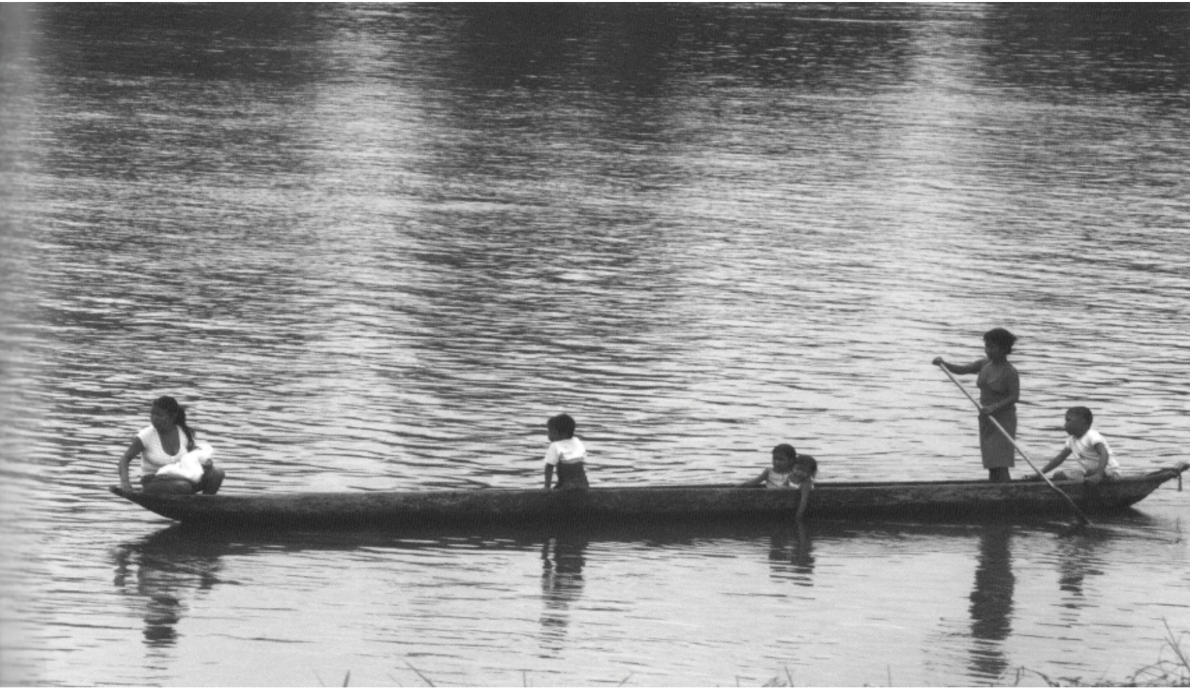
“El Pueblo Épera, es el pueblo de los ríos, desde las cabeceras, hasta las “bocanas”… Su derecho al “territorio” es trascendente, su desafío es administrar esa trascendencia, colas estipulaciones de “papeles” que exigen los Estados y que no corresponden a la racionalidad de su cosmovisión.”
§ Los Épera Siapidara en Ecuador. proceso de visibilización > Cosmovisión del pueblo Épera
plain- Asserted: passes — The authors put it forward as true.
- Checkable: passes — It can be checked against evidence.
- Load-bearing: fails — The paper’s conclusions may not depend on it.
- Based: passes — The paper gives a reason why it holds.
Probably not a substantial claim. The paper’s conclusions may not depend on it. It may state two separate claims as one.
A conclusion the paper draws from its own results — it cites no other source for it, so there is none to check. The quote shows it is in the paper.
In the paper
“Así se transmiten las normas fundamentales del Pueblo Éperara Siapidara.Y cada generación recibe estos mitos fundantes como “herencia y tarea”.”
§ Los Épera Siapidara en Ecuador. proceso de visibilización > El canto y danza sagrada
plaindirect- Asserted: passes — The authors put it forward as true.
- Checkable: passes — It can be checked against evidence.
- Load-bearing: unclear — It is unclear whether the paper’s conclusions depend on it.
- Based: passes — The paper gives a reason why it holds.
It may state two separate claims as one.
A conclusion the paper draws from its own results — it cites no other source for it, so there is none to check. The quote shows it is in the paper.
In the paper
“Entre los más importantes está el de sus orígenes, que lo ancla en la trascendencia y fundamenta sus normas de vida, especialmente la exogamia entre parientes consanguíneos y la endogamia en relación a otros pueblos, además fundamenta la pluriculturalidad y el multilingüismo.”
§ Los Épera Siapidara en Ecuador. proceso de visibilización > Mito originario de los Eperaara Siapidaara
plaindirect- Asserted: passes — The authors put it forward as true.
- Checkable: passes — It can be checked against evidence.
- Load-bearing: fails — The paper’s conclusions may not depend on it.
- Based: fails — The paper may give no reason why it holds.
Probably not a substantial claim. The paper’s conclusions may not depend on it. The paper may give no reason why it holds. It may state two separate claims as one.
A result the paper reports from its own data — it cites no other source for it, so there is none to check. The quote shows it is in the paper.
In the paper
“El Jaipana, es el hombre capaz de controlar a los espíritus de los tres mundos que tiene la cosmovisión Épera.”
§ Los Épera Siapidara en Ecuador. proceso de visibilización > Jaipana
plain- Asserted: passes — The authors put it forward as true.
- Checkable: passes — It can be checked against evidence.
- Load-bearing: fails — The paper’s conclusions may not depend on it.
- Based: passes — The paper gives a reason why it holds.
Probably not a substantial claim. The paper’s conclusions may not depend on it.
A conclusion the paper draws from its own results — it cites no other source for it, so there is none to check. The quote shows it is in the paper.
In the paper
“La cosmovisión, da unidad, envuelve, protege, confiere sentido a todas las expresiones de la vida.Tienen razón de ser porque en los tiempos primordiales, recibieron ese don y mandato.Es el baluarte que fortalece los principios culturales, y que da energía para ser diferentes y reivindicar el derecho a esa diferencia, frente a las invisibilidades que impone el sistema de mercado, y a las uniformida”
§ Los Épera Siapidara en Ecuador. proceso de visibilización > Cosmovisión del pueblo Épera
plaindirect- Asserted: passes — The authors put it forward as true.
- Checkable: fails — It may be too vague to check against evidence.
- Load-bearing: passes — The paper’s conclusions depend on it.
- Based: passes — The paper gives a reason why it holds.
Probably not a substantial claim. It may be too vague to check against evidence. It may state two separate claims as one.
A conclusion the paper draws from its own results — it cites no other source for it, so there is none to check. The quote shows it is in the paper.
In the paper
“Hay que resaltar que los jaipanas al interior de los épera, no son únicamente médicos tradicionales, son también una institución que ha permitido la cohesión y el control social entre ellos.”
§ Los Épera Siapidara en Ecuador. proceso de visibilización > Tonguera o Pildesera
plaindirect- Asserted: passes — The authors put it forward as true.
- Checkable: passes — It can be checked against evidence.
- Load-bearing: fails — The paper’s conclusions may not depend on it.
- Based: fails — The paper may give no reason why it holds.
Probably not a substantial claim. The paper’s conclusions may not depend on it. The paper may give no reason why it holds. It may state two separate claims as one.
In the paper
““Es una fi esta religiosa celebrada por los Éperara Siapidara que ayuda a mantener a la comunidad en armonía, ya que es una ceremonia que permite la reconciliación consigo mismo y con los miembros de la comunidad.Está orientada por la Tachinawe, quien vela para que se realice lo mejor posible esta ceremonia, que tiene como objetivos: mantener la armonía de la comunidad; transmitir oralmente las”
§ Los Épera Siapidara en Ecuador. proceso de visibilización > Celebraciones rituales y festividades
What the sources say
- Not matchedcites [6]
Couldn’t be matched to a paper in Crossref, so it can’t be checked.
plaindirect- Asserted: passes — The authors put it forward as true.
- Checkable: passes — It can be checked against evidence.
- Load-bearing: unclear — It is unclear whether the paper’s conclusions depend on it.
- Based: passes — The paper gives a reason why it holds.
It may state two separate claims as one.
- Not matched
A conclusion the paper draws from its own results — it cites no other source for it, so there is none to check. The quote shows it is in the paper.
In the paper
“En las épocas en que la invisibilidad se impone, como mecanismo de sobrevivencia, son estos mitos fundantes, los que continúan sosteniendo a los pueblos, sus identidades y sus proyectos de vida alternativos.Es la trascendencia de su origen, de su historia, vivida ya por seres míticos, que fueron capaces de superar las adversidades, (Biripoto) lo que les motiva para continuar, con la esperanza de”
§ Los Épera Siapidara en Ecuador. proceso de visibilización > Cosmovisión del pueblo Épera
plaindirect- Asserted: passes — The authors put it forward as true.
- Checkable: passes — It can be checked against evidence.
- Load-bearing: fails — The paper’s conclusions may not depend on it.
- Based: passes — The paper gives a reason why it holds.
Probably not a substantial claim. The paper’s conclusions may not depend on it. It may state two separate claims as one.
The paper states this without a source or data behind it here, so there is nothing to check it against. The quote shows it is in the paper.
In the paper
“El significado del nombre: “Épera Siapidara”, tiene un mito fundante que da trascendencia al origen del pueblo: ÉPERA = PERSONA ÉPERAARA = PUEBLO (plural) SIA = CAÑA BRAVA PIDAARA = SON, PERTENECEN PEDEE = LENGUA “PUEBLO ORIGINARIO DE LA CAÑA BRAVA””
§ Los Épera Siapidara en Ecuador. proceso de visibilización > Abstract
plaindirect- Asserted: passes — The authors put it forward as true.
- Checkable: passes — It can be checked against evidence.
- Load-bearing: unclear — It is unclear whether the paper’s conclusions depend on it.
- Based: passes — The paper gives a reason why it holds.
It may state two separate claims as one.
A result the paper reports from its own data — it cites no other source for it, so there is none to check. The quote shows it is in the paper.
In the paper
“Llamada también “Mayorala” -Nuestra madre-el cargo es vitalicio, hereditario y debe ser “elegido” por Tachi Akore a través de sueños.Es la autoridad ética y espiritual reconocida por los Épera.Cuando el cargo ejercía un varón se lo llamaba “mayordomo”.”
§ Los Épera Siapidara en Ecuador. proceso de visibilización > Tachi Nawe
plaindirect- Asserted: passes — The authors put it forward as true.
- Checkable: passes — It can be checked against evidence.
- Load-bearing: unclear — It is unclear whether the paper’s conclusions depend on it.
- Based: passes — The paper gives a reason why it holds.
It may state two separate claims as one.
In the paper
““La Tachi Nawe o mayorala es una de las autoridades tradicionales del pueblo Sia líder espiritual que en los últimos años ha ido perdiendo significación, porque son pocas y no pueden visitar muchas comunidades.Además la presencia de los Cabildos, desde que existen resguardos en Colombia (Ley 89 de 1984) ha disminuido el poder de la tachi nawe” (Orozco Álvarez, 1997:8)”
§ Los Épera Siapidara en Ecuador. proceso de visibilización > Tachi Nawe
What the sources say
- Not matchedcites Orozco Álvarez, 1997:8
Couldn’t be matched to a paper in Crossref, so it can’t be checked.
plaindirect- Asserted: passes — The authors put it forward as true.
- Checkable: passes — It can be checked against evidence.
- Load-bearing: fails — The paper’s conclusions may not depend on it.
- Based: passes — The paper gives a reason why it holds.
Probably not a substantial claim. The paper’s conclusions may not depend on it. It may state two separate claims as one.
- Not matched
A conclusion the paper draws from its own results — it cites no other source for it, so there is none to check. The quote shows it is in the paper.
In the paper
“El Pueblo Éperara siapidaara es gente de los ríos, están míticamente ligados al agua.Es el pueblo de la sabiduría chamánica.”
§ Los Épera Siapidara en Ecuador. proceso de visibilización > Abstract
plaincorrelational- Asserted: passes — The authors put it forward as true.
- Checkable: passes — It can be checked against evidence.
- Load-bearing: fails — The paper’s conclusions may not depend on it.
- Based: passes — The paper gives a reason why it holds.
Probably not a substantial claim. The paper’s conclusions may not depend on it. It may state two separate claims as one.
A conclusion the paper draws from its own results — it cites no other source for it, so there is none to check. The quote shows it is in the paper.
In the paper
“El Pueblo Épera lleva sus mitos como bagaje cultural que le da raíces, que lo constituye como pueblo con identidad definida.”
§ Los Épera Siapidara en Ecuador. proceso de visibilización > Mito originario de los Eperaara Siapidaara
plaindirect- Asserted: passes — The authors put it forward as true.
- Checkable: passes — It can be checked against evidence.
- Load-bearing: fails — The paper’s conclusions may not depend on it.
- Based: passes — The paper gives a reason why it holds.
Probably not a substantial claim. The paper’s conclusions may not depend on it. It may state two separate claims as one.
A conclusion the paper draws from its own results — it cites no other source for it, so there is none to check. The quote shows it is in the paper.
In the paper
“Con esta rica herencia cultural y espiritual llegan los Épera a Ecuador.Es lo que los mantuvo con su identidad a pesar de las adversidades y las invisibilidades.”
§ Los Épera Siapidara en Ecuador. proceso de visibilización > Celebraciones rituales y festividades
plaindirect- Asserted: passes — The authors put it forward as true.
- Checkable: passes — It can be checked against evidence.
- Load-bearing: fails — The paper’s conclusions may not depend on it.
- Based: passes — The paper gives a reason why it holds.
Probably not a substantial claim. The paper’s conclusions may not depend on it.
A conclusion the paper draws from its own results — it cites no other source for it, so there is none to check. The quote shows it is in the paper.
In the paper
“Experimentan que son muchos, que tienen fuerza y que su voz y sus acciones son escuchadas.”
§ Los Épera Siapidara en Ecuador. proceso de visibilización > Organización política en Ecuador
plain- Asserted: passes — The authors put it forward as true.
- Checkable: passes — It can be checked against evidence.
- Load-bearing: passes — The paper’s conclusions depend on it.
- Based: passes — The paper gives a reason why it holds.
It may state two separate claims as one.
A conclusion the paper draws from its own results — it cites no other source for it, so there is none to check. The quote shows it is in the paper.
In the paper
“Este primer proyecto contribuyó no sólo en el aspecto productivo, sino en la apropiación real de la tierra, en la consolidación de la organización, y en el fortalecimiento de su identidad.”
§ Los Épera Siapidara en Ecuador. proceso de visibilización > Producción agrícola
plaindirect- Asserted: passes — The authors put it forward as true.
- Checkable: passes — It can be checked against evidence.
- Load-bearing: fails — The paper’s conclusions may not depend on it.
- Based: passes — The paper gives a reason why it holds.
Probably not a substantial claim. The paper’s conclusions may not depend on it. It may state two separate claims as one.
A conclusion the paper draws from its own results — it cites no other source for it, so there is none to check. The quote shows it is in the paper.
In the paper
“La invisibilidad procurada era vencida.”
§ Los Épera Siapidara en Ecuador. proceso de visibilización > Fincas para familias ampliadas
plaindirect- Asserted: passes — The authors put it forward as true.
- Checkable: passes — It can be checked against evidence.
- Load-bearing: fails — The paper’s conclusions may not depend on it.
- Based: passes — The paper gives a reason why it holds.
Probably not a substantial claim. The paper’s conclusions may not depend on it.
A conclusion the paper draws from its own results — it cites no other source for it, so there is none to check. The quote shows it is in the paper.
In the paper
“En el proceso organizativo de Colombia, sucede el mismo fenómeno.La Tachinawe pierde la importancia tradicional de control social de su pueblo y los cabildos como autoridades de las comunidades indígenas es una institución impuesta.”
§ Los Épera Siapidara en Ecuador. proceso de visibilización > Organización política
plaindirect- Asserted: passes — The authors put it forward as true.
- Checkable: passes — It can be checked against evidence.
- Load-bearing: fails — The paper’s conclusions may not depend on it.
- Based: fails — The paper may give no reason why it holds.
Probably not a substantial claim. The paper’s conclusions may not depend on it. The paper may give no reason why it holds. It may state two separate claims as one.
A conclusion the paper draws from its own results — it cites no other source for it, so there is none to check. The quote shows it is in the paper.
In the paper
“El riesgo de los pueblos es folklorizar lo que es sagrado, convirtiéndolo en espectáculo fuera del tiempo y de los lugares propicios; las celebraciones se vacían del contenido profundo que tiene en las culturas de los pueblos.”
§ Los Épera Siapidara en Ecuador. proceso de visibilización > Afi anzando la vida: educación y salud
plaindirect- Asserted: passes — The authors put it forward as true.
- Checkable: fails — It may be too vague to check against evidence.
- Load-bearing: fails — The paper’s conclusions may not depend on it.
- Based: fails — The paper may give no reason why it holds.
Probably not a substantial claim. It may be too vague to check against evidence. The paper’s conclusions may not depend on it. The paper may give no reason why it holds. It may state two separate claims as one.
A conclusion the paper draws from its own results — it cites no other source for it, so there is none to check. The quote shows it is in the paper.
In the paper
“Los pasos dados son avances irreversibles; el sendero de las invisibilidades a la visibilidad fue y sigue siendo un desafío cotidiano que exige respuestas sabias y comunitarias desde las raíces de la cultura e identidad del pueblo Épera.”
§ Los Épera Siapidara en Ecuador. proceso de visibilización > References
plaindirect- Asserted: passes — The authors put it forward as true.
- Checkable: fails — It may be too vague to check against evidence.
- Load-bearing: passes — The paper’s conclusions depend on it.
- Based: passes — The paper gives a reason why it holds.
Probably not a substantial claim. It may be too vague to check against evidence. It may state two separate claims as one.
In the paper
“En la actualidad en las treinta y dos comunidades sia existen cabildos locales, siendo su organización muy débil…”
§ Los Épera Siapidara en Ecuador. proceso de visibilización > Organización política
What the sources say
- Not matchedcites ACIESNA-ACIESCA-OZBESCAC, 1997
Couldn’t be matched to a paper in Crossref, so it can’t be checked.
plain- Asserted: passes — The authors put it forward as true.
- Checkable: passes — It can be checked against evidence.
- Load-bearing: fails — The paper’s conclusions may not depend on it.
- Based: passes — The paper gives a reason why it holds.
Probably not a substantial claim. The paper’s conclusions may not depend on it. It may state two separate claims as one.
- Not matched
A conclusion the paper draws from its own results — it cites no other source for it, so there is none to check. The quote shows it is in the paper.
In the paper
“Este fue un acontecimiento que marcó el proceso de los Épera en Ecuador: fue un reencuentro de todas las familias de los asentamientos, una afirmación de su identidad, rompió la invisibilidad, acrecentó la autoestima.”
§ Los Épera Siapidara en Ecuador. proceso de visibilización > Celebraciones rituales y festividades
plaindirect- Asserted: passes — The authors put it forward as true.
- Checkable: passes — It can be checked against evidence.
- Load-bearing: passes — The paper’s conclusions depend on it.
- Based: passes — The paper gives a reason why it holds.
It may state two separate claims as one.
A conclusion the paper draws from its own results — it cites no other source for it, so there is none to check. The quote shows it is in the paper.
In the paper
“El acelerado proceso de organización, el territorio adquirido y en posible expansión, las redes de aliados solidarios que apoyan los procesos productivos, de salud y de educación, son los que contribuyen decididamente para que el pueblo Épera venza las décadas de invisibilidad y su vida con todo el rico bagaje cultural tengan viabilidad y sostenibilidad.”
§ Los Épera Siapidara en Ecuador. proceso de visibilización > References
boosteddirect- Asserted: passes — The authors put it forward as true.
- Checkable: passes — It can be checked against evidence.
- Load-bearing: passes — The paper’s conclusions depend on it.
- Based: passes — The paper gives a reason why it holds.
It may state two separate claims as one.
The paper relies on this without support.
The presence of Éperara Siapidara intensified in Esmeraldas because armed groups in Colombia threatened the lives of families of this people.
“La presencia de los Éperara Siapidara, conocidos como “cholos colombianos” se intensificó en Esmeraldas, por la violencia que grupos armados en Colombia amenazaban la vida de las familias de este pueblo.”
The paper relies on this without support.
Sedentary settlements in Esmeraldas occurred in the 1960s along the rivers Cayapas, Onzole, Santiago, Bogotá.
“Los asentamientos sedentarios en Esmeraldas se dan en la década de los 60 a lo largo de los ríos Cayapas , Onzole, Santiago, Bogotá.”
The paper relies on this without support.
In stages of procured or imposed invisibilization, peoples have characters or rituals loaded with symbolism that give coherence and maintain the social identity fabric.
“En las etapas de invisibilización procurada o impuesta, los pueblos tienen personajes o rituales cargados de simbolismo que dan coherencia y mantienen el tejido social identitario de los pueblos.”
Self-check
Percentages, sums and reported differences re-computed from the paper’s own numbers.
Each contradiction between two passages listed here was confirmed by an independent check.
Rated minor: it would not touch a result — a value no result rests on, a p-value that stays on the same side of the significance level, or a conflict that is clerical, resolved elsewhere in the paper, or outside its own findings.
In the paper
§ Los Épera Siapidara en Ecuador. proceso de visibilización > Abstract
“En el año de 1999 se identificaron trece asentamientos”
§ Los Épera Siapidara en Ecuador. proceso de visibilización > Abstract
“Esmeraldas-Codesa, Tambillo, La Tola, Garceo, Palma, Capricho, Bella Aurora, Concepción, San Francisco, Las Peñas, Quinindé, Canandé”
Citations
Cites
Still being checked.
Part of this paper’s reference list could not be split into single entries.
Research works printed but not linked: 3
- Gómez R., Jorge (Ed.) 2005. Rescate de la lengua Siapedee en Ecuador, Copia, Borrador de Trabajo.
- Orozco A., Marisol y Prado P., Nelly. 1999. La escritura y lo sagrado entre los Épera Sia Pidara, En: Aguirre L., Daniel (Coomp.) Culturas, lenguas, educación, Bogotá, Fondo de Publicaciones Universidad del Atlántico. pp. 165-170.
- Otero, Jesús. 1952. Etnología caucana, los indios cholos. Popayán. Ed. Universidad del Cauca. pp. 107-144.
Cited by
Sorted by citations
Características socioculturales, educativas y demográficas: nacionalidad épera en ecuador
Simbaña Pillajo, F. E. (2025) · Arandu UTIC · doi:10.69639/arandu.v12i2.1026
Experiencias de construcción de paz y sanación del territorio de mujeres embera chamí
Giraldo-Gärtner, V., Cortés-Guzmán, E. R., Guevara, B. I. L., & Quintero-Bañol, M. A. (2026) · Revista CS · doi:10.18046/recs.i47.06
Metadata
- Authors
- Carrasco A, E.
- Venue
- Antropología Cuadernos de investigación
- Published
- 2017-08-01
- Issue
- 11
- Pages
- 79
- ISSN
- 1390-4256 (ISSN-L)
- 2631-2506
- OpenAlex
- W2786455107
- Cited by
- 1
- References
- 0
- Citations by year
- 2026: 1
- FWCI
- 0.00
- Type
- journal article
- Language
- es
- Open access
- diamond
- doi.org
- Licence
- cc-by-sa
- Locations
- Antropología Cuadernos de investigación (publishedVersion, cc-by-sa)
- Dialnet (Universidad de la Rioja) (submittedVersion)
- DOAJ (DOAJ: Directory of Open Access Journals) (submittedVersion)
- Topics
- Social Sciences › Cultural Studies › Indigenous Studies in Latin America
- Social Sciences › Anthropology › Indigenous Cultures and History
- Social Sciences › Cultural Studies › Migration, Education, Indigenous Social Dynamics
- Keywords
- indigenous peoples, ethnic visibility, ethnic identity, access to territory, indigenous spirituality, ancestral rites, Indigenous language revitalization, Esmeraldas province, indigenous vulnerability
About these checks
Registry, retraction, Cites and statistics results are computed, not judged, with one exception: a printed reference that no index lists is read once by a model before it counts as a citation error. Claims are extracted by a model and kept only when their quote appears verbatim in the text; each cited source is then checked, with a model’s help, for whether it says what the claim relies on. Those verdicts can be wrong — read the claim’s quote and the cited source before relying on one.
A language model drew the claims from the paper on 2026-11-08, under version 3 of the claim definition (model deepseek-v4.1-flash, prompt extract-v3).
A second model labelled each claim on 2026-11-08 (model jev-1.13-20260917, definition revision gold-guideline-v0.2).
Statistics and arithmetic are recomputed, not judged.
Confidence bands are shown only for fields calibrated on our annotated test set. None is calibrated yet, so no band is shown.
What counts as a claim ›How we measure confidence ›How we check this ›
Are you an author, or do you see a problem with this page? Request a review
