

The DOI matches its Crossref record; 1 of the 1 references it cites were found in a registry or an index.
Reduction of Allergic Lung Disease by Mucosal Application of Toxoplasma gondii-Derived Molecules: Possible Role of Carbohydrates
Abstract
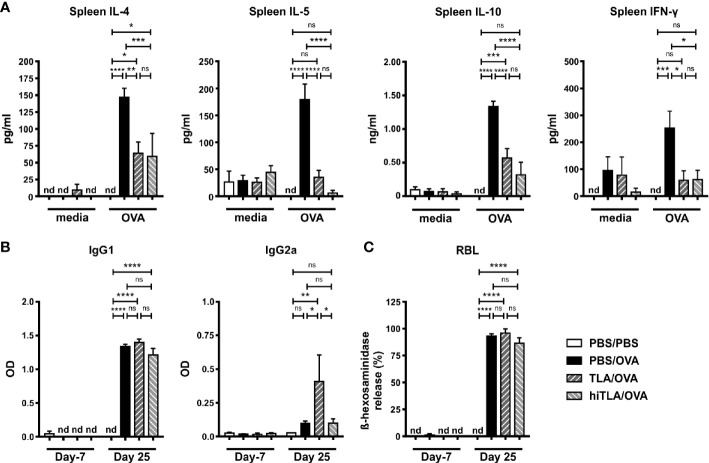
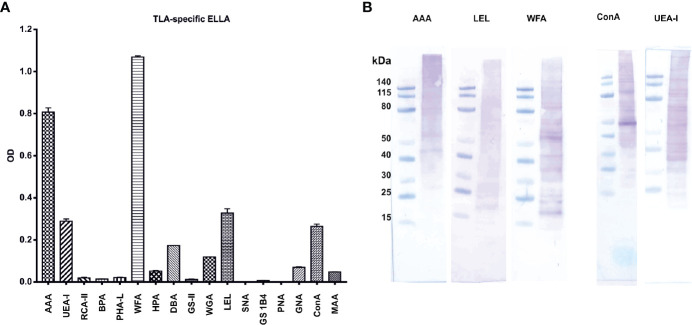
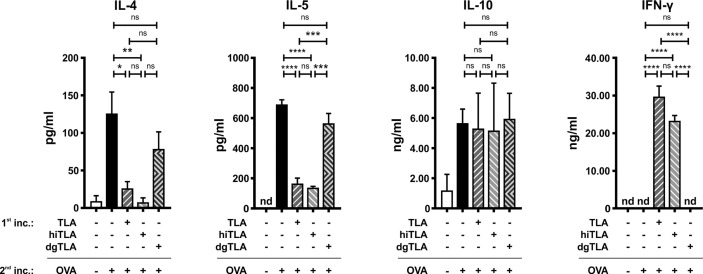
Background: The hygiene hypothesis suggests a link between parasitic infections and immune disorders, such as allergic diseases. We previously showed that infection with Toxoplasma gondii or systemic application of T. gondii tachyzoites lysate antigen (TLA) in a prophylactic, but not therapeutic protocol, prevented allergic airway inflammation in mice. Here we tested the effect of prophylactic and therapeutic application of TLA via the mucosal route. Methods: Mice were intranasally treated with TLA either i) prior to sensitization, ii) during sensitization and challenge, or iii) after sensitization with ovalbumin (OVA). Recruitment of inflammatory cells to the lung, cytokine levels in restimulated lung and spleen cell cultures as well as levels of OVA-specific antibodies in serum were measured. In parallel, the effect of native TLA, heat-inactivated (hiTLA) or deglycosylated TLA (dgTLA) on sensitized splenocytes was evaluated ex vivo. Results: When applied together with OVA i) during systemic sensitization and local challenge or ii) exclusively during local challenge, TLA reduced infiltration of eosinophils into the lung, OVA-specific type 2 cytokines in restimulated lung cell cultures, and partially, type 2 cytokines in restimulated spleen cell cultures in comparison to allergic controls. No beneficial effect was observed when TLA was applied prior to the start of sensitization. Analysis of epitope sugars on TLA indicated a high abundance of mannose, fucose, N-acetylglucosamine, and N-acetylgalactosamine. Deglycosylation of TLA, but not heat-inactivation, abolished the potential of TLA to reduce type 2 responses ex vivo, suggesting a significant role of carbohydrates in immunomodulation. Conclusion: We showed that mucosal application of TLA reduced the development of experimental allergy in mice. The beneficial effects depended on the timing of the application in relation to the time point of sensitization. Not only co-application, but also therapy in sensitized/allergic animals with native TLA reduced local allergic responses. Furthermore, we show that TLA is highly glycosylated and glycoconjugates seem to play a role in anti-allergic effects. In summary, given the powerful modulatory effect that TLA exhibits, understanding its exact mechanisms of action may lead to the development of novel immunomodulators in clinical application.
Overview
The claims and statistics of this paper haven’t been checked yet.
Run the check — free, no account needed. It reads the open-access text and checks the sources it cites.
Integrity signals
Registry
Cites
Statistics
Figures
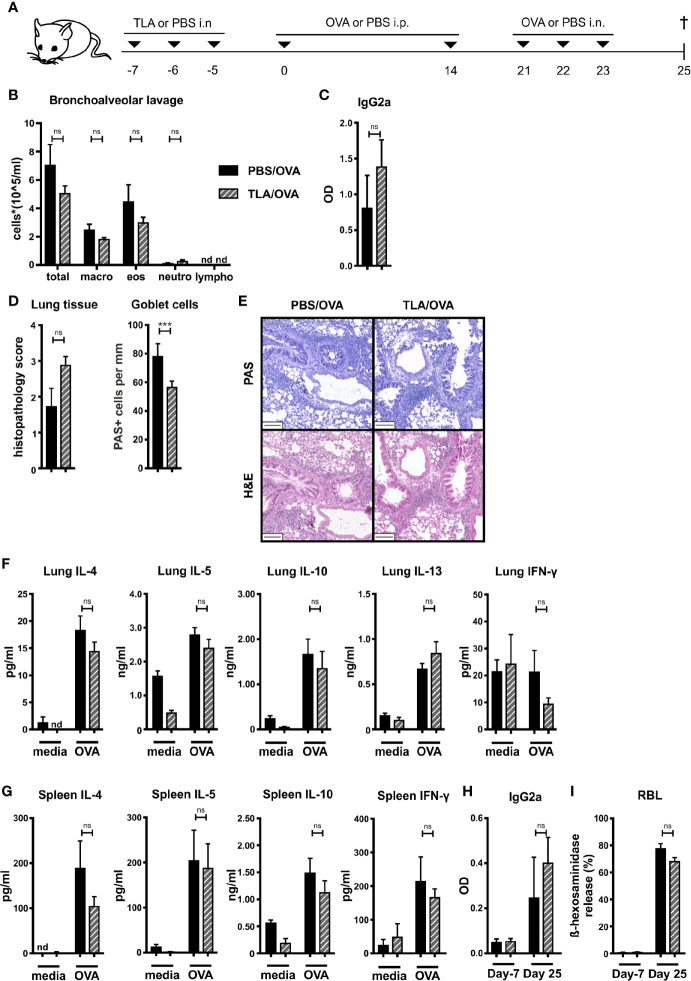
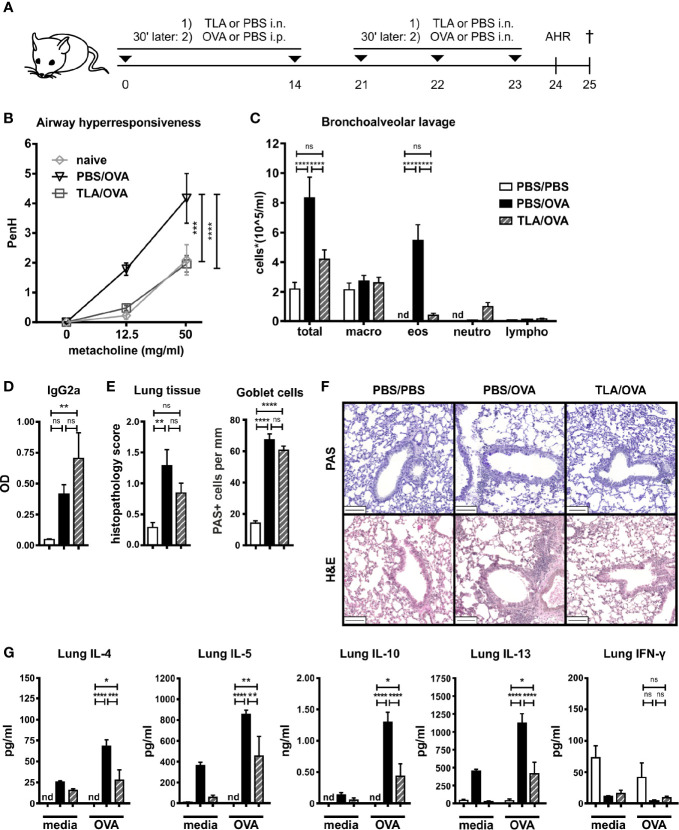
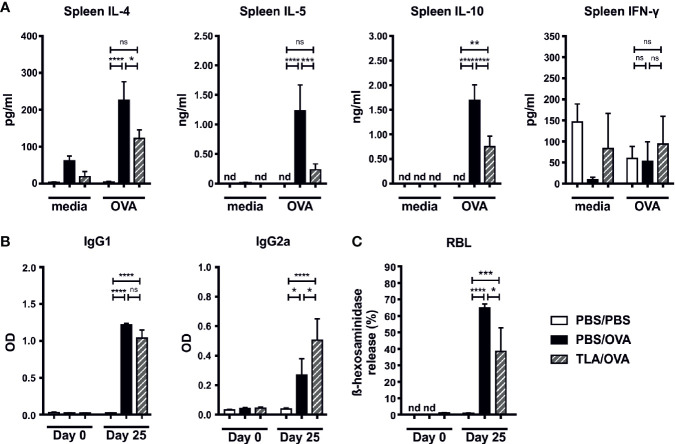
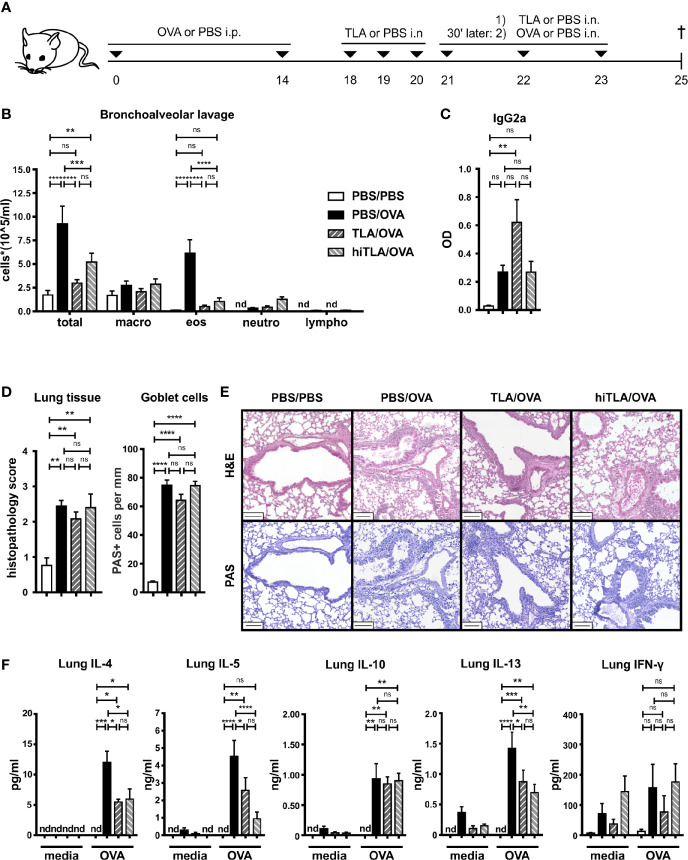
Verification
Claims the paper makes
The claims and statistics of this paper haven’t been checked yet.
Run the check — free, no account needed. It reads the open-access text and checks the sources it cites.
Claims other papers make about this one
Each is checked against this paper’s own text: does it say what the citing paper says it does?
In the citing paper
“Some studies suggest that protozoan exposure may, in selected contexts, reduce allergic sensitization by promoting Th1-type immune responses and suppressing Th2-mediated inflammation,however, this should be regarded as context-dependent rather than a predominant or universal effect (Fenoy et al. 2015; Korb et al. 2020; Maizels 2020).”
From Parasites and allergies: a complex bidirectional relationship from evolutionary origins to modern therapeutics (2026) · cites this paper as Korb et al. 2020
In the citing paper
“Toxoplasma gondii infection can elicit a robust Th1 response that may suppress the development of allergic reactions (Fenoy et al. 2015; Korb et al. 2020).”
From Parasites and allergies: a complex bidirectional relationship from evolutionary origins to modern therapeutics (2026) · cites this paper as Korb et al. 2020
Self-check
Percentages, sums and reported differences re-computed from the paper’s own numbers.
The self-check needs the paper’s full text.
Citations
Cites
McSorley, H. J., Blair, N. F., Smith, K. A., McKenzie, A. N. J., & Maizels, R. M. (2014) · Mucosal Immunology · doi:10.1038/mi.2013.123 · Cited by 163
Research works printed but not linked: 70
- Schatz, 2014, The allergic asthma phenotype, J Allergy Clin Immunol In Pract, 2, 645, 10.1016/j.jaip.2014.09.004 · DOI
- Bateman, 2008, Global strategy for asthma management and prevention: GINA executive summary, Eur Respir J, 31, 10.1183/09031936.00138707 · DOI · Paper page
- D’Amato, 2014, Treating severe allergic asthma with anti-IgE monoclonal antibody (omalizumab): a review, Multidiscip Respir Med, 9, 23, 10.1186/2049-6958-9-23 · DOI
- Okano, 2009, Mechanisms and clinical implications of glucocorticosteroids in the treatment of allergic rhinitis, Clin Exp Immunol, 158, 10.1111/j.1365-2249.2009.04010.x · DOI
- Donohue, 2004, Therapeutic responses in asthma and COPD, Bronchodilators Chest, 126, 125S, 10.1378/chest.126.2_suppl_1.125S · DOI
- Yukselen, 2014, Role of immunotherapy in the treatment of allergic asthma, World J Clin Cases, 2, 10.12998/wjcc.v2.i12.859 · DOI
- Abramson, 2010, Injection allergen immunotherapy for asthma, Cochrane Database Syst Rev, CD001186, 10.1002/14651858.CD001186.pub2 · DOI
- Hedlin, 2012, The role of immunotherapy in the management of childhood asthma, Ther Adv Respir Dis, 6, 10.1177/1753465812439793 · DOI
- Calamita, 2006, Efficacy of sublingual immunotherapy in asthma: systematic review of randomized-clinical trials using the Cochrane Collaboration method, Allergy, 61, 10.1111/j.1398-9995.2006.01205.x · DOI
- Zhernov, 2019, Recombinant allergens for immunotherapy: state of the art, Curr Opin Allergy Clin Immunol, 19, 10.1097/ACI.0000000000000536 · DOI
- Fujita, 2012, Mechanisms of allergen-specific immunotherapy, Clin Trans Allergy, 2, 2, 10.1186/2045-7022-2-2 · DOI
- Hill, 2005, Biology and epidemiology of Toxoplasma gondii in man and animals, Anim Health Res Rev, 6, 41, 10.1079/AHR2005100 · DOI
- Montoya, 2004, Toxoplasmosis, Lancet, 363, 10.1016/S0140-6736(04)16412-X · DOI
- Hill, 2002, Toxoplasma gondii: transmission, diagnosis and prevention, Clin Microbiol Infect, 8, 10.1046/j.1469-0691.2002.00485.x · DOI
- Blader, 2015, Lytic Cycle of Toxoplasma gondii: 15 Years Later, Annu Rev Microbiol, 69, 10.1146/annurev-micro-091014-104100 · DOI
- Strachan, 1989, Hay fever, hygiene, and household size, BMJ, 299, 10.1136/bmj.299.6710.1259 · DOI · Paper page
- Bach, 2002, The effect of infections on susceptibility to autoimmune and allergic diseases, N Engl J Med, 347, 10.1056/NEJMra020100 · DOI
- Droste, 2000, Does the use of antibiotics in early childhood increase the risk of asthma and allergic disease, Clin Exp Allergy, 30, 10.1046/j.1365-2222.2000.00939.x · DOI
- von Mutius, 2016, The microbial environment and its influence on asthma prevention in early life, J Allergy Clin Immunol, 137, 10.1016/j.jaci.2015.12.1301 · DOI · Paper page
- Yazdanbakhsh, 2004, Parasites and the hygiene hypothesis: regulating the immune system, Clin Rev Allergy Immunol, 26, 15, 10.1385/CRIAI:26:1:15 · DOI
- Fenoy, 2015, Toxoplasma gondii infection modulate systemic allergic immune response in BALB/c mice, Exp Parasitol, 154, 47, 10.1016/j.exppara.2015.04.001 · DOI · Paper page
- Wagner, 2009, Immunoregulation by Toxoplasma gondii infection prevents allergic immune responses in mice, Int J Parasitol, 39, 10.1016/j.ijpara.2008.09.003 · DOI
- Wagner, 2016, Oocyst-Derived Extract of Toxoplasma Gondii Serves as Potent Immunomodulator in a Mouse Model of Birch Pollen Allergy, PloS One, 11, e0155081, 10.1371/journal.pone.0155081 · DOI
- Drinic, 2017, Toxoplasma gondii tachyzoite-extract acts as a potent immunomodulator against allergic sensitization and airway inflammation, Sci Rep, 7, 15211, 10.1038/s41598-017-15663-4 · DOI
- Hughes, 1986, In vitro culture of Toxoplasma gondii in primary and established cell lines, Int J Parasitol, 16, 10.1016/0020-7519(86)90109-8 · DOI
- da Costa-Silva, 2012, Toxoplasma gondii antigens: recovery analysis of tachyzoites cultivated in Vero cell maintained in serum free medium, Exp Parasitol, 130, 10.1016/j.exppara.2012.01.005 · DOI
- Smole, 2017, Murine models for mucosal tolerance in allergy, Semin Immunol, 30, 12, 10.1016/j.smim.2017.07.007 · DOI
- Goetz, 2014, Regulatory Aspects and Approval of Biopharmaceuticals for Mucosal Delivery: Quality, Toxicology, and Clinical Aspects, Mucosal Deliv Biopharm: Biol Challenges Strateg, 10.1007/978-1-4614-9524-6_25 · DOI
- Zwicker, 2018, Prophylactic and therapeutic inhibition of allergic airway inflammation by probiotic Escherichia coli O83, J Allergy Clin Immunol, 142, 1987, 10.1016/j.jaci.2018.07.029 · DOI
- Sarate, 2019, E. coli Nissle 1917 is a safe mucosal delivery vector for a birch-grass pollen chimera to prevent allergic poly-sensitization, Mucosal Immunol, 12, 10.1038/s41385-018-0084-6 · DOI
- Schabussova, 2011, Distinctive anti-allergy properties of two probiotic bacterial strains in a mouse model of allergic poly-sensitization, Vaccine, 29, 10.1016/j.vaccine.2010.12.101 · DOI
- Fauquenoy, 2008, Proteomics and glycomics analyses of N-glycosylated structures involved in Toxoplasma gondii–host cell interactions, Mol Cell Proteomics, 7, 891, 10.1074/mcp.M700391-MCP200 · DOI
- Possenti, 2013, Global proteomic analysis of the oocyst/sporozoite of Toxoplasma gondii reveals commitment to a host-independent lifestyle, BMC Genomics, 14, 183, 10.1186/1471-2164-14-183 · DOI
- Arroyo-Olarte, 2015, Phosphatidylthreonine and Lipid-Mediated Control of Parasite Virulence, PloS Biol, 13, e1002288, 10.1371/journal.pbio.1002288 · DOI
- Besteiro, 2008, Lipidomic analysis of Toxoplasma gondii tachyzoites rhoptries: further insights into the role of cholesterol, Biochem J, 415, 87, 10.1042/BJ20080795 · DOI
- Bergeron, 1997, Biochemical analysis of a bladder-cancer-associated mucin: structural features and epitope characterization, Biochem J, 321, 10.1042/bj3210889 · DOI
- Thompson, 2011, Optimization of the enzyme-linked lectin assay for enhanced glycoprotein and glycoconjugate analysis, Anal Biochem, 413, 10.1016/j.ab.2011.02.013 · DOI
- Chong, 1998, Measurement of bronchoconstriction using whole-body plethysmograph: comparison of freely moving versus restrained guinea pigs, J Pharmacol Toxicol Methods, 39, 10.1016/S1056-8719(98)00021-5 · DOI
- Lajoie, 2014, IL-21 receptor signalling partially mediates Th2-mediated allergic airway responses, Clin Exp Allergy, 44, 10.1111/cea.12341 · DOI
- Zaiss, 2015, The Intestinal Microbiota Contributes to the Ability of Helminths to Modulate Allergic Inflammation, Immunity, 43, 998, 10.1016/j.immuni.2015.09.012 · DOI · Paper page
- Skevaki, 2018, Influenza-derived peptides cross-react with allergens and provide asthma protection, J Allergy Clin Immunol, 142, 10.1016/j.jaci.2017.07.056 · DOI
- Repa, 2003, Mucosal co-application of lactic acid bacteria and allergen induces counter-regulatory immune responses in a murine model of birch pollen allergy, Vaccine, 22, 87, 10.1016/S0264-410X(03)00528-0 · DOI
- Matricardi, 2000, Exposure to foodborne and orofecal microbes versus airborne viruses in relation to atopy and allergic asthma: epidemiological study, BMJ, 320, 10.1136/bmj.320.7232.412 · DOI
- Homayun, 2019, Challenges and Recent Progress in Oral Drug Delivery Systems for Biopharmaceuticals, Pharmaceutics, 11, 129, 10.3390/pharmaceutics11030129 · DOI · Paper page
- Russell, 2015, Mucosal Vaccines: An Overview. Mucosal immunology
- Holmgren, 2005, Mucosal immunity and vaccines, Nat Med, 11, 10.1038/nm1213 · DOI
- Carter, 2011, Live attenuated influenza vaccine (FluMist(R); Fluenz): a review of its use in the prevention of seasonal influenza in children and adults, Drugs, 71, 10.2165/11206860-000000000-00000 · DOI
- Fenoy, 2009, Toxoplasma gondii infection blocks the development of allergic airway inflammation in BALB/c mice, Clin Exp Immunol, 155, 10.1111/j.1365-2249.2008.03813.x · DOI
- Valenta, 2019, Early prevention instead of mending late damage in allergy, EBioMedicine, 45, 10.1016/j.ebiom.2019.06.042 · DOI
- Demoly, 2015, “The value of pre- and co-seasonal sublingual immunotherapy in pollen-induced allergic rhinoconjunctivitis”, Clin Trans Allergy, 5, 18, 10.1186/s13601-015-0061-z · DOI
- Coyle, 1996, Mice lacking the IFN-gamma receptor have impaired ability to resolve a lung eosinophilic inflammatory response associated with a prolonged capacity of T cells to exhibit a Th2 cytokine profile, J Immunol, 156, 10.4049/jimmunol.156.8.2680 · DOI
- Suzuki, 1988, Interferon-gamma: the major mediator of resistance against Toxoplasma gondii, Science, 240, 10.1126/science.3128869 · DOI
- Sturge, 2014, Complex immune cell interplay in the gamma interferon response during Toxoplasma gondii infection, Infect Immun, 82, 10.1128/IAI.01722-14 · DOI
- Schabussova, 2012, Perinatal maternal administration of Lactobacillus paracasei NCC 2461 prevents allergic inflammation in a mouse model of birch pollen allergy, PloS One, 7, e40271, 10.1371/journal.pone.0040271 · DOI
- Cantani, 2005, Significant decrease of IgE antibodies after a three-year controlled study of specific immunotherapy to pollen allergens in children with allergic asthma, Eur Rev Med Pharmacol Sci, 9
- Akdis, 2011, Mechanisms of allergen-specific immunotherapy, J Allergy Clin Immunol, 127, 18, 10.1016/j.jaci.2010.11.030 · DOI
- Wilson, 2019, Sweet and CRISP(R)y parasite engineering, J Biol Chem, 294, 10.1074/jbc.H118.007210 · DOI
- Gas-Pascual, 2019, CRISPR/Cas9 and glycomics tools for Toxoplasma glycobiology, J Biol Chem, 294, 10.1074/jbc.RA118.006072 · DOI
- Greenwell, 2008, Purification and analysis of DNases of Tritrichomonas foetus: evidence that these enzymes are glycoproteins, Int J Parasitol, 38, 10.1016/j.ijpara.2007.10.012 · DOI
- Piazza, 1996, Reactivity of Trypanosoma cruzi strains with peanut agglutinin (PNA) correlates with number of in vitro infected host cells, Acta Trop, 61, 41, 10.1016/0001-706X(95)00139-6 · DOI
- Kantelhardt, 2002, Fuc(alpha1–>3)GalNAc-: the major antigenic motif of Schistosoma mansoni glycolipids implicated in infection sera and keyhole-limpet haemocyanin cross-reactivity, Biochem J, 366, 10.1042/bj20011678 · DOI
- Levery, 1992, Characterization of a series of novel fucose-containing glycosphingolipid immunogens from eggs of Schistosoma mansoni, J Biol Chem, 267, 10.1016/S0021-9258(18)42800-1 · DOI
- Moran, 2008, Relevance of fucosylation and Lewis antigen expression in the bacterial gastroduodenal pathogen Helicobacter pylori, Carbohydr Res, 343, 10.1016/j.carres.2007.12.012 · DOI
- Garami, 2001, Glycosylation defects and virulence phenotypes of Leishmania mexicana phosphomannomutase and dolicholphosphate-mannose synthase gene deletion mutants, Mol Cell Biol, 21, 10.1128/MCB.21.23.8168-8183.2001 · DOI
- van den Berg, 2012, An evolutionary perspective on C-type lectins in infection and immunity, Ann N Y Acad Sci, 1253, 10.1111/j.1749-6632.2011.06392.x · DOI
- Mascanfroni, 2011, Endogenous lectins shape the function of dendritic cells and tailor adaptive immunity: mechanisms and biomedical applications, Int Immunopharmacol, 11, 10.1016/j.intimp.2011.01.021 · DOI
- Coppens, 2020, Chapter 8 - Biochemistry and metabolism of Toxoplasma gondii: lipid synthesis and uptake, 10.1016/B978-0-12-815041-2.00008-6 · DOI
- Debierre-Grockiego, 2007, Fatty acids isolated from Toxoplasma gondii reduce glycosylphosphatidylinositol-induced tumor necrosis factor alpha production through inhibition of the NF-kappaB signaling pathway, Infect Immun, 75, 10.1128/IAI.01431-06 · DOI
- McSorley, 2012, Helminth infections and host immune regulation, Clin Microbiol Rev, 25, 585, 10.1128/CMR.05040-11 · DOI · Paper page
- Schabussova, 2013, Oesophagostomum dentatum extract modulates T cell-dependent immune responses to bystander antigens and prevents the development of allergy in mice, PloS One, 8, e67544, 10.1371/journal.pone.0067544 · DOI
Cited by
Sorted by citations
Packi, K., Świerczewski, D., Klimczak, S., Ochab, D., Gałęziewska, J., Gromek, P., Kruczkowska, W., Płuciennik, E., Kałuzińska-Kołat, Ż., & Kołat, D. (2026) · Antonie van Leeuwenhoek · doi:10.1007/s10482-026-02425-4
Metadata
- Authors
- Korb, E., Drinić, M., Wagner, A., Geissler, N., Inic-Kanada, A., Peschke, R., Joachim, A., Wiedermann, U., & Schabussova, I.
- Venue
- Frontiers in Immunology
- Publisher
- Frontiers Media SA
- Published
- 2021-03-10
- Volume
- 11
- ISSN
- 1664-3224
- PMC
- PMC7988086
- Cited by
- 7
- References
- 1
- Funders
- Austrian Science Fund (SFB 4612)
- OeAD-GmbH (CZ 17/2019, CZ 16/2019, SRB 20/2018, PL 04/2019)
About these checks
Registry, retraction, Cites and statistics results are computed, not judged, with one exception: a printed reference that no index lists is read once by a model before it counts as a citation error. Claims are extracted by a model and kept only when their quote appears verbatim in the text; each cited source is then checked, with a model’s help, for whether it says what the claim relies on. Those verdicts can be wrong — read the claim’s quote and the cited source before relying on one.
Statistics and arithmetic are recomputed, not judged.
Confidence bands are shown only for fields calibrated on our annotated test set. None is calibrated yet, so no band is shown.
What counts as a claim ›How we measure confidence ›How we check this ›
Are you an author, or do you see a problem with this page? Request a review
