

Promising candidates from drug clinical trials: Implications for clinical treatment of Alzheimer's disease in China
Open accessThe DOI matches its Crossref record; 68 of the 69 references it cites were found in a registry or an index.
Abstract
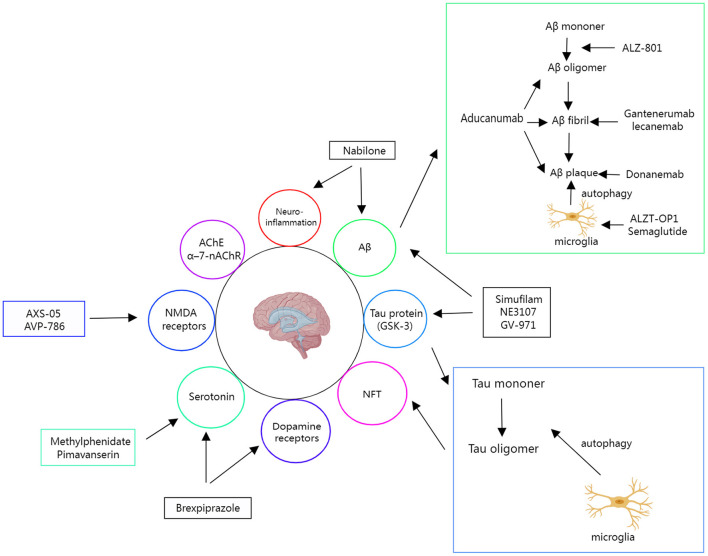
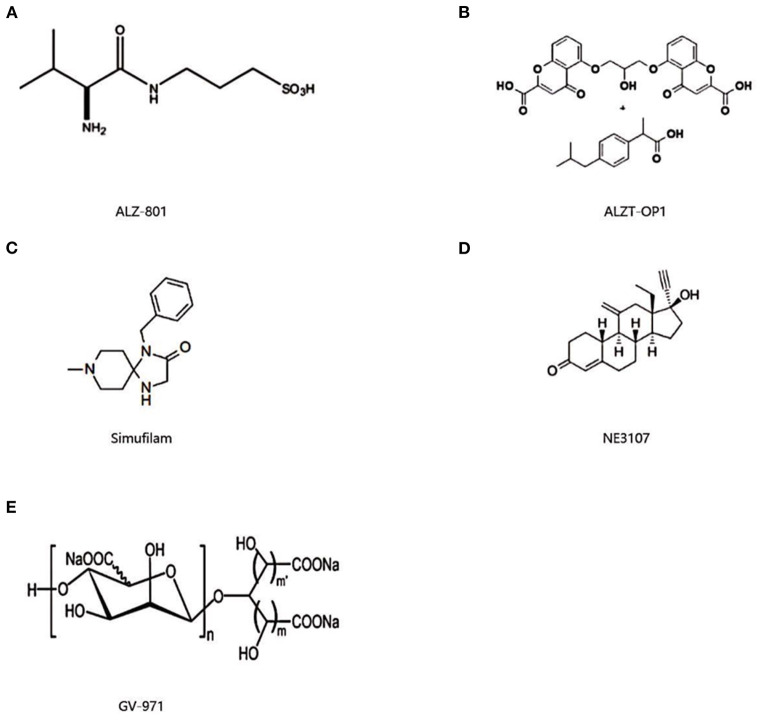
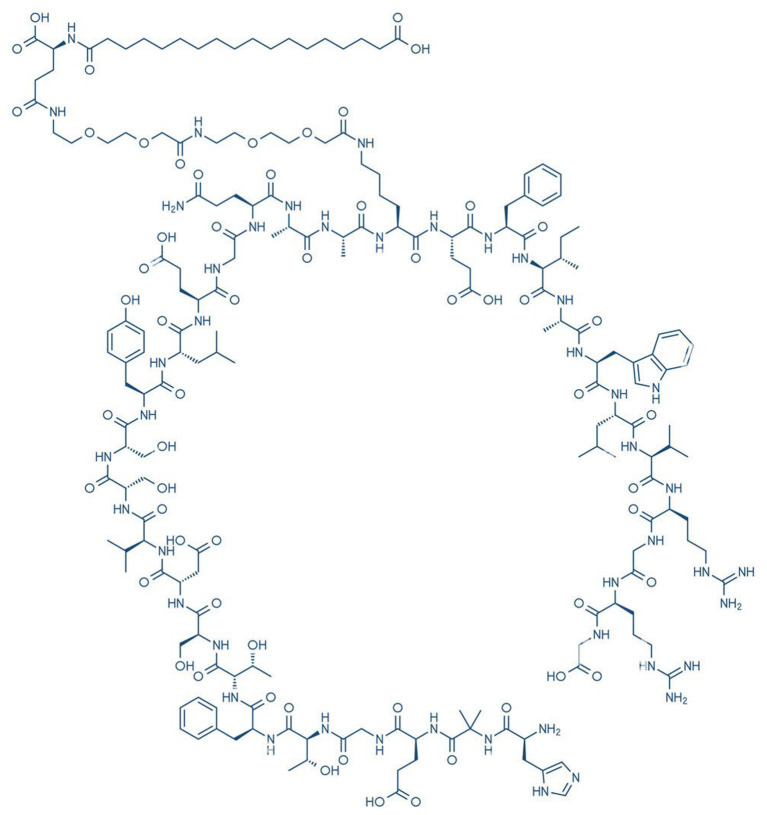
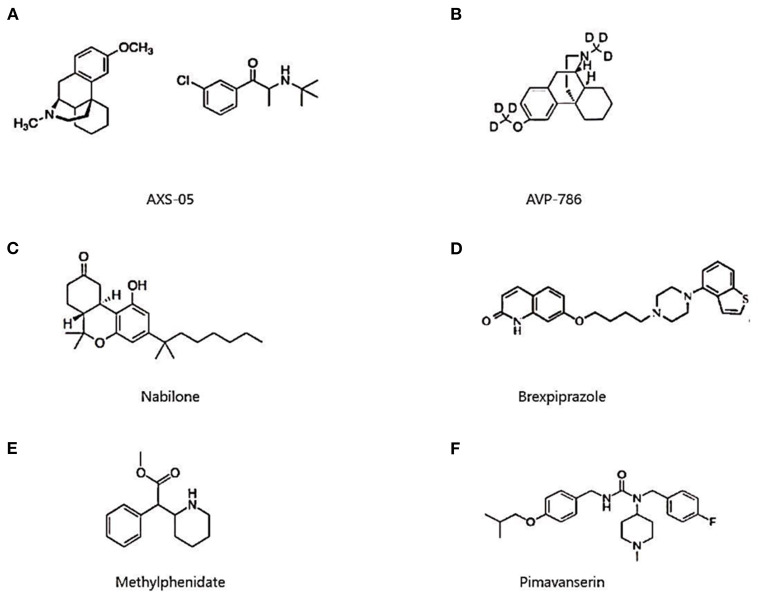
Alzheimer's disease is the most common neurodegenerative disease. Prior to 2017, National Medical Products Administration approved only four drugs to treat Alzheimer's disease, including three cholinesterase inhibitors and one N-methyl-D-aspartate receptor antagonist. We queried ClinicalTrials.gov to better understand Alzheimer's drug development over the past 5 years and found 16 promising candidates that have entered late-stage trials and analyzed their impact on clinical treatment of Alzheimer's disease in China. The 16 compounds selected include disease-modifying therapies and symptomatic therapies. The research and development pipeline now focuses on disease-modifying therapies such as gantenerumab, aducanumab, ALZ-801, ALZT-OP1, donanemab, lecanemab, simufilam, NE3107, semaglutide, and GV-971, which could put an end to the situation where Alzheimer's patients in China have no effective treatment alternatives. The reuse of drugs or combinations currently under investigation for the psychiatric treatment of Alzheimer's disease, including AXS-05, AVP-786, nabilone, brexpiprazole, methylphenidate, and pimavanserin, could provide physicians with additional treatment options. Although most of these drugs have not been explored in China yet, due to the current development trend in this field in China, it is expected that China will be involved in research on these drugs in the future.
Overview
The claims and statistics of this paper haven’t been checked yet.
Free: it reads the open-access text and checks the first 5 claims that cite a source we can check. Create a free account to check every claim.
Integrity signals
Registry
Cites
Statistics
Figures
Verification
Claims the paper makes
The claims and statistics of this paper haven’t been checked yet.
Free: it reads the open-access text and checks the first 5 claims that cite a source we can check. Create a free account to check every claim.
Claims other papers make about this one
Each is checked against this paper’s own text: does it say what the citing paper says it does?
The cited source says what the claim attributes to it.
In the citing paper
“In interim results from its phase II trial (NCT04693520), the drug lowered biomarker levels and showed the potential to slow the decline in memory and learning abilities in early AD patients carrying the APOE4 gene (either APOE4/4 or APOE3/4).425”
From Recent advances in Alzheimer's disease: Mechanisms, clinical trials and new drug development strategies. (2024) · cites this paper as [425]
The cited source says what the claim attributes to it.
In the citing paper
“Brexpiprazole (11), commonly prescribed for depression and schizophrenia, targets serotonin, dopamine, and norepinephrine receptors. It is known to help mitigate agitation in individuals with AD.425–427”
From Recent advances in Alzheimer's disease: Mechanisms, clinical trials and new drug development strategies. (2024) · cites this paper as [425]
The cited source says what the claim attributes to it.
In the citing paper
“NE3107 (25, formerly HE3286) is a small insulin sensitizer that inhibits inflammation.425”
From Recent advances in Alzheimer's disease: Mechanisms, clinical trials and new drug development strategies. (2024) · cites this paper as [425]
Self-check
Percentages, sums and reported differences re-computed from the paper’s own numbers.
The self-check needs the paper’s full text.
Citations
Cites
Vos, T., Lim, S. S., Abbafati, C., Abbas, K. M., Abbasi, M., Abbasifard, M., Abbasi-Kangevari, M., Abbastabar, H., Abd-Allah, F., Abdelalim, A., et al. (2020) · The Lancet · doi:10.1016/s0140-6736(20)30925-9 · Cited by 19,358
Scheltens, P., De Strooper, B., Kivipelto, M., Holstege, H., Chételat, G., Teunissen, C. E., Cummings, J., & van der Flier, W. M. (2021) · The Lancet · doi:10.1016/s0140-6736(20)32205-4 · Cited by 5,465
2020 Alzheimer's disease facts and figures
(2020) · Alzheimer's & Dementia · doi:10.1002/alz.12068 · Cited by 2,353
Donanemab in Early Alzheimer’s Disease
Mintun, M. A., Lo, A. C., Duggan Evans, C., Wessels, A. M., Ardayfio, P. A., Andersen, S. W., Shcherbinin, S., Sparks, J., Sims, J. R., Brys, M., et al. (2021) · New England Journal of Medicine · doi:10.1056/nejmoa2100708 · Cited by 1,728 · cited 3×
“Despite mixed secondary outcomes, donanemab has a better composite score for cognition and ability to perform activities of daily living than placebo (35).”
BackgroundInfluentialWang, X., Sun, G., Feng, T., Zhang, J., Huang, X., Wang, T., Xie, Z., Chu, X., Yang, J., Wang, H., et al. (2019) · Cell Research · doi:10.1038/s41422-019-0216-x · Cited by 1,144 · cited 2×
“In sodium oligomannatetreated mice, there was a reduction in brain Th1 cells, microglial activation, and various brain cytokines, as well as a reduction in Aβ plaque aggregation and tau phosphorylation, as well as an improvement in discrimination learning (52).”
BackgroundThe Discovery and Development of Liraglutide and Semaglutide
Knudsen, L. B., & Lau, J. (2019) · Frontiers in Endocrinology · doi:10.3389/fendo.2019.00155 · Cited by 970 · cited 1×
“GLP-1 is a hormone produced in the gut that stimulates the release of insulin and improves insulin sensitivity by activating receptors in the pancreas, liver, and gut (41).”
BackgroundBurns, A., & Iliffe, S. (2009) · BMJ · doi:10.1136/bmj.b158 · Cited by 859
Glucagon-like peptide-1 receptor is involved in learning and neuroprotection
During, M. J., Cao, L., Zuzga, D. S., Francis, J. S., Fitzsimons, H. L., Jiao, X., Bland, R. J., Klugmann, M., Banks, W. A., Drucker, D. J., et al. (2003) · Nature Medicine · doi:10.1038/nm919 · Cited by 851 · cited 1×
“It also enhances synaptic plasticity, cognition, and cell survival in the hippocampus nucleus (44).”
BackgroundSwanson, C. J., Zhang, Y., Dhadda, S., Wang, J., Kaplow, J., Lai, R. Y. K., Lannfelt, L., Bradley, H., Rabe, M., Koyama, A., et al. (2021) · Alzheimer's Research & Therapy · doi:10.1186/s13195-021-00813-8 · Cited by 847 · cited 3×
“However, the 12-month primary endpoint was not met (31).”
BackgroundMethodInfluentialKellar, D., & Craft, S. (2020) · The Lancet Neurology · doi:10.1016/s1474-4422(20)30231-3 · Cited by 832 · cited 1×
“According to prior studies, insulin resistance has been linked to neurodegeneration (88).”
Background
Research works printed but not linked: 16
- World Alzheimer's Day. Caring for the Elderly, Please Pay Attention to Alzheimer's Disease. Chinese Center for Disease Control and Prevention (2019).
- Jinzhou T Hengge X Luning W. Chinese guidelines for the diagnosis and treatment of Alzheimer's Disease (Version 2020). Chin J Gerontol. (2021) 40: 269– 83. 10.3760/cma.j.issn.0254-9026.2021.03.00135381646 · doi:10.3760/cma.j.issn.0254-9026.2021.03.00135381646
- America PRaMo. Researching Alzheimer's Medicines: Setbacks and Stepping Stones, 2012. PhRMA (2016).
- Biogen. Aduhelm™ Instruction. FDA (2021).
- Cavazzoni P. Fda's Decision to Approve New Treatment for Alzheimer's Disease. FDA (2021).35815585
- Dutton G. New Drug Approval Could Be on Horizon for Alzheimer's after 17-Year Drought. BioSpace (2021).
- Lecanemab (Also Called Ban2401). ALS News Today (2021).
- ALZFORUM. Lecanemab Sweeps up Toxic Aβ Protofibrils, Catches Eyes of Trialists (2021).
- MS MW. Simufilam (Pti-125). Alzheimer's News Today (2022).
- Shanghai Green Valley Pharmaceuticals Co. L. Sodium Oligomannate Capsules: Chinese Prescribing Information. ALZFORUM (2020).
- ALZFORUM. Fits and Starts: Trial Results from the Ctad Conference (2018).
- Jacobson M. Advance-1 Phase 2/3 Trial of Axs-05 in Alzheimer's Disease Agitation Topline Results. Axsome (2020).
- US. FDA Drug Approval Package: Nuedexta (Dextromethorphan Hydrobromide and Quinidine Sulfate) Capsules. CISION (2011).
- Inc AP. Avanir Pharmaceuticals Announces Initiation of Phase Iii Trial of Avp-786 for Agitation in Patients with Alzheimer's Disease (2015).
- Avanir. Avanir Pharmaceuticals Announces Initiation of Phase Iii Trial of Avp-786 for Agitation in Patients With Alzheimer's Disease. (2015).
- Verghese C Abdijadid S. Methylphenidate. StatPearls (2021). 29494058
Cited by
Zhang, J., Zhang, Y., Wang, J., Xia, Y., Zhang, J., & Chen, L. (2024) · Signal Transduction and Targeted Therapy · doi:10.1038/s41392-024-01911-3 · Cited by 1,138
Alzheimer’s Disease: The Past, Present, and Future of a Globally Progressive Disease
Vejandla, B., Savani, S., Appalaneni, R., Veeravalli, R. S., & Gude, S. S. (2024) · Cureus · doi:10.7759/cureus.51705 · Cited by 66
Liu, W., Li, Y., Zhao, T., Gong, M., Wang, X., Zhang, Y., Xu, L., Li, W., Li, Y., & Jia, J. (2023) · Progress in Neurobiology · doi:10.1016/j.pneurobio.2023.102534 · Cited by 46
The Application of Deuteration Strategy in Drug Design
Chen, Y., & Du, Y. (2024) · ChemMedChem · doi:10.1002/cmdc.202400836 · Cited by 39
The Vascular-Immune Hypothesis of Alzheimer’s Disease
Mehta, R. I., & Mehta, R. I. (2023) · Biomedicines · doi:10.3390/biomedicines11020408 · Cited by 37
“Additional clinical treatment effects of lecanemab are yet to be determined and a number of other anti-βA drugs remain under investigation [34].”
BackgroundMeca, A.-D., Boboc, I. K. Ş., Mititelu-Tarțău, L., & Bogdán, M. (2024) · Current Issues in Molecular Biology · doi:10.3390/cimb46060354 · Cited by 33
“These effects are believed to be associated with the interaction of SEM with GLP-1 receptors in the brain [64–68].”
BackgroundInfluentialAlzheimer’s Disease Immunotherapy: Current Strategies and Future Prospects
Aljassabi, A., Zieneldien, T., Kim, J., Regmi, D., & Cao, C. (2024) · Journal of Alzheimer s Disease · doi:10.3233/jad-231163 · Cited by 31
“It does nothave any off-target binding to other A (cid:2) species or neurotransmitter receptors; therefore, it has no known symptomatic effect [87].”
Lecanemab: A Humanized Monoclonal Antibody for the Treatment of Early Alzheimer Disease
Park, J., Simpson, C., & Patel, K. (2023) · Annals of Pharmacotherapy · doi:10.1177/10600280231218253 · Cited by 26
“15 13-15 However, in older mice that already had plaques, the treatment with mAb158 did not affect levels of insoluble A β in their brains.”
Research Progress on the Pathogenesis, Diagnosis, and Drug Therapy of Alzheimer’s Disease
Yang, Y., & Qiu, L. (2024) · Brain Sciences · doi:10.3390/brainsci14060590 · Cited by 23
“Additionally, Sodium Oligomannate, the fi rst drug targeting the brain-gut axis, has also been approved for marketing in China [23]. the neuroin-fl molecular curative therapies facilitate 1).”
BackgroundRecent advances in immunotherapy targeting amyloid-beta and tauopathies in Alzheimer’s disease
Sha, S., Ren, L., Xing, X., Guo, W., Wang, Y., Li, Y., Cao, Y., & Qu, L. (2025) · Neural Regeneration Research · doi:10.4103/nrr.nrr-d-24-00846 · Cited by 20
“Amyloid plaques formed by Aβ protein aggregation and neurofibrillary tangles (Monteiro et al., 2023), which consist of tau protein, are the two main pathological features of AD.”
Self-citationAlzheimer's disease approaches - Focusing on pathology, biomarkers and clinical trial candidates
Hroudová, J., & Fišar, Z. (2024) · Progress in Neuro-Psychopharmacology and Biological Psychiatry · doi:10.1016/j.pnpbp.2024.111069 · Cited by 13
Hou, M., & Yang, L. (2025) · Frontiers in Public Health · doi:10.3389/fpubh.2025.1616232 · Cited by 12
Glial Cells in Alzheimer’s Disease: Pathogenic Mechanisms and Therapeutic Frontiers
Sil, M., Mukherjee, N., Chatterjee, I., Ghosh, A., & Goswami, A. (2025) · Journal of Molecular Neuroscience · doi:10.1007/s12031-025-02379-8 · Cited by 10
Evidences and therapeutic advantages of donanemab in the treatment of early Alzheimer’s disease
Shukla, A. K., & Misra, S. (2023) · Journal of Basic and Clinical Physiology and Pharmacology · doi:10.1515/jbcpp-2023-0176 · Cited by 10
He, M., Zou, Y., Su, D., Zhao, D., Zhou, M., Xu, P., & Zhang, R. (2025) · Nutrients · doi:10.3390/nu17132111 · Cited by 6
“Alzheimer’s disease (AD), the leading cause of dementia associated with aging, imposes a substantial burden on families, healthcare systems, and societies world-wide [3–5].”
He, M., Su, D., Zhang, R., Xu, P., Han, D., Huang, L.-C., & Zou, Y. (2025) · Nutrients · doi:10.3390/nu17020248 · Cited by 4
Association Between the Jiangnan Diet and Mild Cognitive Impairment Among the Elderly
He, M., Zou, Y., Zhang, R., Su, D., & Xu, P. (2025) · Nutrients · doi:10.3390/nu17203189 · Cited by 2
“An estimated 55 million people globally live with AD, around 10 million of whom are in China [4,5].”
Sarkar, A., Srinivasan, K., Datusalia, A. K., & Sharma, S. S. (2026) · Basic & Clinical Pharmacology & Toxicology · doi:10.1111/bcpt.70248 · Cited by 2
Rodríguez, S. C. (2025) · Anales de la Real Academia Nacional de Farmacia · doi:10.53519/analesranf.2024.90.04.03 · Cited by 1
Antiviral effects of Sarcodia suae water extracts against vesicular stomatitis virus infection
Chang, T.-F., Lin, C., Wu, S., Lin, L., Lai, P.-C., Liao, C.-T., Lehman, C. W., Chen, S., Lee, P., Lee, M., et al. (2024) · European Journal of Phycology · doi:10.1080/09670262.2024.2405614
“While a wide range of FDA-approved drugs have been tested for anti-VSV activity, and some of them seemed promising, such as ribavirin, ara-A, chloroquine, mycophenolic acid and interferons (Wollmann et al ., 2015), the biggest issue is the cost associated with manufacturing and accessing these compounds.”
Different drugs used as therapeutic targets against AD till date
Nahar, M., Khan, A. G., Rai, R., & Jat, D. (2024) · Elsevier eBooks · doi:10.1016/b978-0-443-15540-6.00009-4
He, M., Zou, Y., Xu, P., Su, D., Zhao, D., Ding, G., & Zhang, R. (2026) · Scientific Reports · doi:10.2196/preprints.76281
Derlatka, H., Bobrowski, B., Drugacz, J., Helbig, O., Kontek, K., Kukhtiak, A., Marcinkowska, J., Radelczuk, M., & Skowron, Ł. (2025) · Archiv Euromedica · doi:10.35630/2025/15/iss.5.501
Greer, C., Liu, K., Cook, P., Pathak, S., Nadar, R. M., Dhanasekaran, M., Ann, N., Palekkodan, J., Al-Goshae, H. A. A., & Baskarpandian, V. V. (2026) · Nutritional neurosciences · doi:10.1007/978-981-95-5791-2_11
Tabrez, S., Khan, Z., Jabir, N. R., Zaidi, S. K., Mehan, S., Abid, M., Zughaibi, T. A., Alhashmi, M. H., Khoja, R. F., Khan, M., et al. (2026) · Journal of King Saud University - Science · doi:10.25259/jksus_1564_2025
Phytochemical profile and GC-MS analysis of Flacourtia jangomas fruit for therapeutic applications
Debnath, P., SHILL, B. R., & Sarkar, K. K. (2026) · Biodiversitas Journal of Biological Diversity · doi:10.13057/biodiv/d261223054 · Cited by 1
Small Molecules as Anti-Alzheimer’s Scaffolds
Hazra, R., Roy, S., Gayen, S., Parui, A., Arshad, A., Roy, N., & Sarkar, A. N. (2026) · BENTHAM SCIENCE PUBLISHERS eBooks · doi:10.2174/9798898815646126010013
Pal, T., Mukherjee, S., Karati, D., Pahari, N., Hossain, C. M., & Naskar, S. (2026) · BENTHAM SCIENCE PUBLISHERS eBooks · doi:10.2174/9798898815646126010017
Qin, Y., Dong, X., Zhang, C., & Nao, J. (2026) · Phytomedicine · doi:10.1016/j.phymed.2026.158586
Sarangal, M., Sarangal, C., Vora, J., & Soni, K. (2026) · Psychopharmacology Bulletin · doi:10.64719/pb.20773
Poonam, Rana, R., Thakur, M., Sharma, A., Pannu, S., Sharma, S., Naman, S., Rani, S., Devi, D., Kumar, V., et al. (2026) · Frontiers in Oncology · doi:10.3389/fonc.2026.1908830
Metadata
- Authors
- Cao, Y., Yu, F., Lyu, Y., & Lu, X.
- Affiliations
- China Pharmaceutical University (CN)
- Fudan University (CN)
- Anhui Medical University (CN)
- Corresponding author
- Lyu, Yi
- Lu, Xianfu
- ORCID
- Lu, Xianfu
- Venue
- Frontiers in Neurology
- Publisher
- Frontiers Media SA
- Published
- 2022-11-15
- Volume
- 13
- Pages
- 1034243-1034243
- ISSN
- 1664-2295 (ISSN-L)
- PMC
- PMC9706102
- OpenAlex
- W4309212128
- Cited by
- 26
- References
- 69
- Citations by year
- 2026: 7 · 2025: 6 · 2024: 9 · 2023: 4
- FWCI
- 0.65
- Type
- journal article
- Language
- en
- Open access
- gold
- doi.org
- Licence
- Locations
- Frontiers in Neurology (publishedVersion, cc-by)
- PubMed Central (publishedVersion, cc-by)
- PubMed (publishedVersion)
- DOAJ (DOAJ: Directory of Open Access Journals) (submittedVersion, cc-by-sa)
- Topics
- Life Sciences › Neuroscience › Cellular and Molecular Neuroscience › Alzheimer's disease research and treatments
- Health Sciences › Medicine › Psychiatry and Mental health › Dementia and Cognitive Impairment Research
- Health Sciences › Medicine › Pharmacology (medical) › Cholinesterase and Neurodegenerative Diseases
- Keywords
- Alzheimer's disease, drug development pipeline, late-stage clinical trials, disease-modifying therapy, symptomatic treatment, gantenerumab, aducanumab, donanemab, lecanemab, semaglutide, drug repurposing
About these checks
Registry, retraction, Cites and statistics results are computed, not judged, with one exception: a printed reference that no index lists is read once by a model before it counts as a citation error. Claims are extracted by a model and kept only when their quote appears verbatim in the text; each cited source is then checked, with a model’s help, for whether it says what the claim relies on. Those verdicts can be wrong — read the claim’s quote and the cited source before relying on one.
Statistics and arithmetic are recomputed, not judged.
Confidence bands are shown only for fields calibrated on our annotated test set. None is calibrated yet, so no band is shown.
What counts as a claim ›How we measure confidence ›How we check this ›
Are you an author, or do you see a problem with this page? Request a review
Data sources
Bibliographic data: Semantic Scholar, OpenAlex, Crossref.
Contains information from the Semantic Scholar Academic Graph Datasets, made available under the ODC Attribution License (ODC-BY 1.0).
Semantic Scholar’s data is described in: Kinney, R., et al. (2023). The Semantic Scholar Open Data Platform. arXiv:2301.10140.
