

Mobile phone short video use negatively impacts attention functions: an EEG study
Open accessThe DOI matches its Crossref record; 59 of the 61 references it cites were found in a registry or an index.
Abstract
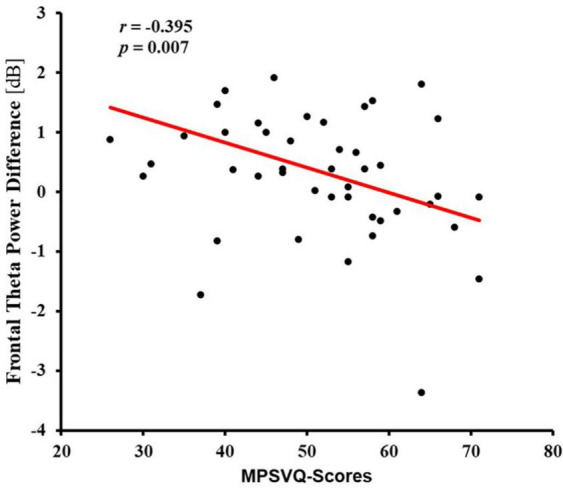
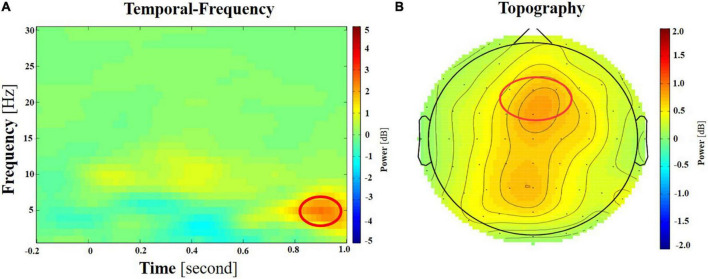
The pervasive nature of short-form video platforms has seamlessly integrated into daily routines, yet it is important to recognize their potential adverse effects on both physical and mental health. Prior research has identified a detrimental impact of excessive short-form video consumption on attentional behavior, but the underlying neural mechanisms remain unexplored. In the current study, we aimed to investigate the effect of short-form video use on attentional functions, measured through the attention network test (ANT). A total of 48 participants, consisting of 35 females and 13 males, with a mean age of 21.8 years, were recruited. The mobile phone short video addiction tendency questionnaire (MPSVATQ) and self-control scale (SCS) were conducted to assess the short video usage behavior and self-control ability. Electroencephalogram (EEG) data were recorded during the completion of the ANT task. The correlation analysis showed a significant negative relationship between MPSVATQ and theta power index reflecting the executive control in the prefrontal region ( r = −0.395, p = 0.007), this result was not observed by using theta power index of the resting-state EEG data. Furthermore, a significant negative correlation was identified between MPSVATQ and SCS outcomes ( r = −0.320, p = 0.026). These results suggest that an increased tendency toward mobile phone short video addiction could negatively impact self-control and diminish executive control within the realm of attentional functions. This study sheds light on the adverse consequences stemming from short video consumption and underscores the importance of developing interventions to mitigate short video addiction.
Overview
The claims and statistics of this paper haven’t been checked yet.
Free: it reads the open-access text and checks the first 5 claims that cite a source we can check. Create a free account to check every claim.
Integrity signals
Registry
Cites
Statistics
Figures
Verification
Claims the paper makes
The claims and statistics of this paper haven’t been checked yet.
Free: it reads the open-access text and checks the first 5 claims that cite a source we can check. Create a free account to check every claim.
Claims other papers make about this one
Each is checked against this paper’s own text: does it say what the citing paper says it does?
The source backs part of the claim, not all of it — or backs it for a different population, condition or comparison.
In the citing paper
“The proliferation of these platforms is not only a media-consumption phenomenon but also a psychological and educational concern: by structuring how attention is captured, sustained, and shifted across small fragments of content, algorithm-driven short-video environments may reshape the habits of attention regulation and learning rhythm that underpin academic functioning”
From Algorithmic short-video music consumption and academic related functions: a three-wave longitudinal study of university students (2026) · cites this paper as Yan et al., 2024
Experimental — accuracy not yet measured
Self-check
Percentages, sums and reported differences re-computed from the paper’s own numbers.
The self-check needs the paper’s full text.
Citations
Cites
High self-control predicts good adjustment, less pathology, better grades, and interpersonal success
Tangney, J. P., Baumeister, R. F., & Boone, A. L. (2004) · Journal of Personality · doi:10.1111/j.0022-3506.2004.00263.x · Cited by 6,557
Testing the efficiency and independence of attentional networks
Fan, J., McCandliss, B. D., Sommer, T., Raz, A., & Posner, M. I. (2002) · Journal of Cognitive Neuroscience · doi:10.1162/089892902317361886 · Cited by 3,717
Conflict monitoring and anterior cingulate cortex: an update
Botvinick, M. M., Cohen, J. D., & Carter, C. S. (2004) · Trends in Cognitive Sciences · doi:10.1016/j.tics.2004.10.003 · Cited by 3,623
The attention system of the human brain: 20 years after
Petersen, S. E., & Posner, M. I. (2012) · Annual Review of Neuroscience · doi:10.1146/annurev-neuro-062111-150525 · Cited by 3,439 · cited 3×
“Among many theories on attention, the tripartite-attentional-network theory posited by Petersen and Posner (2012) is well-recognized.”
BackgroundBaer, R. A., Smith, G. T., Lykins, E., Button, D., Krietemeyer, J., Sauer, S., Walsh, E., Duggan, D., & Williams, J. M. G. (2008) · Assessment · doi:10.1177/1073191107313003 · Cited by 2,930
Frontal theta as a mechanism for cognitive control
Cavanagh, J. F., & Frank, M. J. (2014) · Trends in Cognitive Sciences · doi:10.1016/j.tics.2014.04.012 · Cited by 2,726 · cited 2×
“…cingulate cortex, with indications of its potential generation within the upper cortical layers (Botvinick et al., 2004), and the midfrontal cortex’s theta band activities appear to represent a common computational mechanism associated with the need for cognitive control (Cavanagh and Frank, 2014).”
BackgroundThe activation of attentional networks
FAN, J., MCCANDLISS, B., FOSSELLA, J., FLOMBAUM, J., & POSNER, M. (2005) · NeuroImage · doi:10.1016/j.neuroimage.2005.02.004 · Cited by 1,737
(1998) · Medical Entomology and Zoology · Cited by 1,425
Aftanas, L. I., & Golocheikine, S. A. (2001) · Neuroscience Letters · doi:10.1016/s0304-3940(01)02094-8 · Cited by 865
Meta-analysis of action video game impact on perceptual, attentional, and cognitive skills.
Bediou, B., Adams, D. M., Mayer, R. E., Tipton, E., Green, C. S., & Bavelier, D. (2018) · Psychological Bulletin · doi:10.1037/bul0000130 · Cited by 807 · cited 1×
“Investigations into behavioral addictions have also revealed disruptions in the control system that governing attentional processes, and the addicts showed deficits in both attention function and control system (Dong et al., 2017; Wang et al., 2017; Bediou et al., 2018; Kraplin et al., 2020).”
Background
Research works printed but not linked: 5
- Ju E. X. Zhang Y. N. Luo Y. M. (2016). Revision and reliability and validity study of the Chinese version of the Li et al., 2011 dissociative experiences scale. Chin. J. Clin. Psychol. 24 109– 111. 10.16128/j.cnki.1005-3611.2016.01.025 · doi:10.16128/j.cnki.1005-3611.2016.01.025
- Li X.-Y. Phillips M. R. Xu D. Zhang Y.-L. Yang S.-J. Tong Y.-S. (2011). Reliability and validity of an adapted Chinese version of Barratt Impulsiveness Scale. Chin. Ment. Health J. 25 610– 615.
- Liu Z. B. Chen H. F. Cao B. (2013). Application of the Brief Symptom Inventory in High School Students. Chin. J. Clin. Psychol. 21 32– 34. 10.16128/j.cnki.1005-3611.2013.01.007 · doi:10.16128/j.cnki.1005-3611.2013.01.007
- Qin M. Y. (2022). The impact of mobile short video usage on individual sustained attention function. Wuhan: Central China Normal University, 10.27159/d.cnki.ghzsu.2020.003335 · doi:10.27159/d.cnki.ghzsu.2020.003335
- Tan S.-H. Guo Y.-Y. (2008). Revision of self-control scale for chinese college students. [Revision of self-control scale for chinese college students]. Chin. J. Clin. Psychol. 16 468– 470.
Cited by
Ye, J., Zheng, J., Nong, W., & Yang, X. (2025) · International Journal of Mental Health Promotion · doi:10.32604/ijmhp.2025.059929 · Cited by 75
“As short video addiction increases, executive control tends to decline [38].”
Zhang, L., Zhuo, X.-F., Xing, K., Liu, Y., Lu, F., Zhang, J., Qi, Z.-D., Zhang, L., Yu, Z.-H., & Gu, C. (2024) · Frontiers in Psychology · doi:10.3389/fpsyg.2024.1465109 · Cited by 38
Alruwaili, R. F. (2025) · Acta Psychologica · doi:10.1016/j.actpsy.2025.105674 · Cited by 40
Zhu, J., & Fong, L. H. N. (2025) · Behaviour and Information Technology · doi:10.1080/0144929x.2025.2452367 · Cited by 21
Chiencharoenthanakij, R., Yothamart, K., Chantathamma, N., Sukhumdecha, W., Charoensri, S., Thanyakulsajja, B., & Anuroj, K. (2025) · Brain and Behavior · doi:10.1002/brb3.70656 · Cited by 27
“…problems, aligning with recent findings—such as a study linking short-form video addiction tendencies with reduced prefrontal theta power, and another study in adults identifying mediating relationships between ADHD symptoms and problematic short-form video use (Yan et al. 2024; Xu et al. 2025).”
Short-form video, cognitive and mental health outcomes: a systematic review
arouch, S., Edgcumbe, D., Pezaro, S., & da Silva, K. M. (2026) · BMJ Public Health · doi:10.1136/bmjph-2025-004086 · Cited by 18
“Studies were conducted across China, the USA, the UK, Australia, Italy, Taiwan, Germany and India.”
Mona, A. E., Roshith, V., Peter, R., Roy, P., Hassan, A., Devika, M., & Trishala, M. (2026) · International Journal of Adolescence and Youth · doi:10.1080/02673843.2026.2623337 · Cited by 22
Jin, J., Wei, H., Chai, Y., Wu, L., Chen, M., & Ding, K. (2026) · Frontiers in Psychology · doi:10.3389/fpsyg.2026.1729470 · Cited by 8
“Yan et al. (2024) linked reduced prefrontal theta power to weakened attentional monitoring, while Balconi et al. (2017a) observed excessive delta/theta activity in parietal–frontal circuits during inhibition failures.”
Luo, W., Zhao, X., Jiang, B., Fu, Q., & Zheng, J. (2025) · Behavioral Sciences · doi:10.3390/bs15081070 · Cited by 6
“This unique format encourages users to engage in rapid, continuous swiping— a behavior that promotes shallow, fast-paced processing and reactive attentional shifts (Yan et al., 2024).”
Biosignal-based attention monitoring for evaluating train driver safety-relevant tasks
Kim, J. H., Kim, Y., Cho, Y., Kim, T. K., Jang, T., Park, C., & Kang, S. K. (2025) · Transportation Research Part F Traffic Psychology and Behaviour · doi:10.1016/j.trf.2025.02.025 · Cited by 6
Beyond the Mosque: Social Media as A New Frontier for Islamic Moral Education
Nasution, S., Nur, K., Khairurrijal, K., & Pohan, A. J. (2025) · Al Ulya Jurnal Pendidikan Islam · doi:10.32665/alulya.v10i1.4137 · Cited by 11
Pan, M., Mao, Q., He, L., Dong, X., Wang, T., Jiang, Q., Li, Z., Wang, L., Wang, F., Wang, C., et al. (2025) · Current Psychology · doi:10.1007/s12144-025-07622-4 · Cited by 5
“For example, Wang and Wang (2024) found that the complex nature of information in short videos negatively impacts adolescents' self-concept clarity, while Yan et al. (2024) revealed that a heightened tendency toward short video addiction could impair self-control.”
Zhao, Z., Liu, H., Feng, Y., Chang, F., & Tang, B. (2025) · Computers in Human Behavior Reports · doi:10.1016/j.chbr.2025.100755 · Cited by 6
Lu, J., Yue, P., Zhang, B., & Sun, Y. (2025) · Acta Psychologica · doi:10.1016/j.actpsy.2025.105824 · Cited by 4
Academic burnout in the TikTok era: a battle between pleasure and concentration
Chen, Y., Hu, J., & Cheng, L. (2026) · Frontiers in Psychology · doi:10.3389/fpsyg.2026.1774030 · Cited by 5
“Previous studies have shown that addicted users struggle to concentrate and exhibit greater attention deficits when watching short videos (Yan et al., 2024; Ye et al., 2025).”
Parental marital conflict and short video dependency: a moderated mediation model
Pan, M., Xiao, T., Wang, Y., Yang, Y., Liu, Y., Chen, Y., Liu, Y., Liang, Z., & Wang, B. (2026) · Frontiers in Psychology · doi:10.3389/fpsyg.2026.1742070 · Cited by 4
Hernández-Chávez, A., Uriarte-Ortiz, J. B., Barajas-Martínez, A., & Sampieri-Cabrera, R. (2026) · Frontiers in Medicine · doi:10.3389/fmed.2026.1736060 · Cited by 3
Substitute-Space Embeddings for Label-Free Syntax: Unsupervised AI for POS Discovery
Razdan, V. (2026) · International Conference on Innovative Practices in Technology and Management (ICIPTM) · doi:10.1109/iciptm69057.2026.11465825 · Cited by 3
The Impact of Short Video Addiction on Attentional Network Function
冯, 瑞. (2025) · Advances in Psychology · doi:10.12677/ap.2025.154247 · Cited by 2
Zhai, G., Feng, Y., Ling, X., Su, J., Liu, Y., Li, Y., Jiang, Y., & Wu, X. (2025) · Neuropsychologia · doi:10.1016/j.neuropsychologia.2025.109291 · Cited by 4
Artificial intelligence and cognitive inequality
Puri, I., & Veldkamp, L. (2025) · Journal of Monetary Economics · doi:10.1016/j.jmoneco.2025.103884 · Cited by 3
Wang, Y., Chong, Y., Men, R., Li, F., Pan, H., & Xu, X. (2026) · Frontiers in Psychiatry · doi:10.3389/fpsyt.2025.1653871 · Cited by 2
Social Media Use and Experiences of Cybervictimization: Links to Six Domains of Youth Well-Being
Gath, M. E., Monk, L., Gawn, J., Scott, A., & Gillon, G. T. (2026) · Journal of Psychologists and Counsellors in Schools · doi:10.1177/20556365261421831 · Cited by 3
“Further, frequent use of short-form video apps like TikTok have been linked with reduced attentional and executive control and poorer cognitive and academic performance (Y. Gao et al., 2025; Xu et al., 2023; Yan et al., 2024).”
From attachment anxiety to short video addiction: the roles of attentional control and alexithymia
Su, H., Luo, D., Wang, H., Xiaodong, L., & He, Y. (2026) · Frontiers in Psychology · doi:10.3389/fpsyg.2026.1764536 · Cited by 3
“Individuals with weaker attentional control exhibit impaired top-down cognitive regulation, making it difficult to inhibit dominant responses triggered by external temptations (e.g., smartphone notifications) or internal impulses (e.g., the urge to watch videos) (Yan et al., 2024; Ye et al., 2025).”
Shi, Y., Hui, X., Li, G., & Zhang, Y. (2026) · Scientific Reports · doi:10.1038/s41598-026-45914-2 · Cited by 2
Zhang, Y., Zhao, W., Ma, S., & Sheng, Y. (2026) · BMC Nursing · doi:10.1186/s12912-026-04731-8 · Cited by 2
“This behavioral addiction demonstrates strong comorbidity with inat-tention symptoms [10, 11].”
Tupamahu, M. S., Gaspersz, S., & Boekorsyom, C. D. (2026) · Jurnal Pendidikan Bahasa Inggris undiksha · doi:10.23887/jpbi.v14i1.103958 · Cited by 3
Hossain, S., & bin Ahsan, W. (2024) · Userhub Journal · doi:10.58947/journal.zbvn23 · Cited by 4
“Adolescents are particularly vulnerable to feelings of inadequacy when they perceive themselves as falling short of the standards portrayed by influencers and peers (Tiwari, 2023; Yan et al., 2024).”
Zhang, M., Raytchev, B., & Sun, X. (2026) · IEEE Signal Processing Magazine · doi:10.1109/msp.2025.3599339 · Cited by 4
“Meanwhile, algorithm-driven short-video platforms intensify low-quality, addictive stimulation, fragmenting attention and eroding sustained learning [8].”
Q.S AL-‘ASHR PERSPEKTIF TEORI DOUBLE MOVEMENT FALZUR RAHMAN
Hazmi, M. H. M. (2025) · Jurnal Studi Qur an dan Tafsir · doi:10.59005/jsqt.v4i1.672 · Cited by 1
Zhu, J., Fong, L. H. N., & Wu, A. M. S. (2025) · International Journal of Mental Health and Addiction · doi:10.1007/s11469-025-01585-0 · Cited by 1
“By engaging participants in behavioral tasks and measuring cognitive responses using EEG, Yan et al. (2024) revealed that participants featuring PUSV have a lower theta power index during the behavioral task, indicating poorer cognitive functions including cognitive control performance.”
Tohamba, C. P. P. (2025) · Journal of Instructional and Development Researches · doi:10.53621/jider.v5i5.595 · Cited by 6
“Several studies caution that unregulated exposure to YouTube may lead to cognitive overload, distraction, or overreliance on screen-based stimuli, potentially diminishing attention span and active participation in face-to-face learning (Idyan, 2025; Lieber, 2024; Yan et al., 2024).”
Parasitic Artificial Organism: Short-Form Video
Çöl, D. (2025) · Yeni Medya Dergisi · doi:10.55609/yenimedya.1771744 · Cited by 1
Chen, W., Xue, Q., Zhang, J., Wang, Q., & Guo, M. (2026) · Frontiers in Public Health · doi:10.3389/fpubh.2025.1644890 · Cited by 1
“…an EEG study found that short video watching is associated with reduced prefrontal theta wave power (a marker of executive control load); its short-term, high-frequency stimulation diverts attention from stressors, achieving psychological relaxation and indirectly improving sleep quality (48).”
Zhu, J., Fong, L. H. N., & Anise, M. S. W. (2026) · Current Psychology · doi:10.1007/s12144-025-08633-x · Cited by 1
“For example, people with PUSV exhibited attentional biases toward short-form video-related stimuli (Yan et al., 2024).”
Nguansiri, P., Kiatrungrit, K., Hongsanguansri, S., Jongrakthanakij, N., Atsariyasing, W., Chirdkiatgumchai, V., & Pavasuthipaisit, C. (2026) · Child Care Health and Development · doi:10.1111/cch.70233 · Cited by 1
“Prior studies have reported associations between excessive short video use and reduced attention functions (Yan et al. 2024), which may partly help explain the observed relationship.”
Uchida, H., Igusa, T., Machida, C., Shimada, T., & Hirao, K. (2026) · Psychiatry and Clinical Neurosciences Reports · doi:10.1002/pcn5.70284 · Cited by 1
“16 23 Significantly, SPSRS uses the YouTube application programming interface (API), enabling users to watch videos uploaded to YouTube directly via SPSRS.”
Zhao, W., Zhang, W., Ma, S., Zhang, Y., Nan, Y., Li, X., Duan, C., Gao, S., Zhou, Y., & Zhang, Y. (2026) · Healthcare · doi:10.3390/healthcare14050559 · Cited by 2
“Resting-state EEG studies further corroborate that individuals with stronger tendencies toward SVA demonstrate poorer attentional functioning [32].”
Kurtça, T. T., & Doğru, M. C. (2026) · The Journal of Psychology · doi:10.1080/00223980.2026.2642128 · Cited by 3
“It is well-known that SVA can reduce the time users devote to offline social interactions and meaningful activities, and can impair daily functioning through effects such as distraction and issues with time management (Liao, 2024; Yan et al., 2024).”
Gan, X., Huang, Y. B., & Fan, H. (2026) · Mindfulness · doi:10.1007/s12671-026-02830-w · Cited by 2
“…immediate reward mechanisms embedded in short video platforms, such as infinite scrolling and immersive viewing experiences, tend to shift user behavior from intentional choice to unconscious, repetitive scrolling, thereby under-mining attentional functioning (Huang et al., 2021; Yan et al., 2024).”
Bicil, O., Şahin, R. S., & Uysal, G. (2026) · European Journal of Pediatrics · doi:10.1007/s00431-026-06930-6 · Cited by 1
Korkmaz, H., Tok, Y., Alkahtani, R., Alsaleh, H., & Elbeltagy, R. (2026) · Frontiers in Behavioral Neuroscience · doi:10.3389/fnbeh.2026.1808641 · Cited by 2
“Accumulating evidence indicates that intensive short-form video consumption is associated with impaired attentional processes and increased cognitive load (Yan et al., 2024; Mona et al., 2026), factors that are particularly relevant for concurrent motor performance.”
Yang, S., Dong, T., WANG, X. Y., Lyu, S., & Bo, S. (2026) · Behavioral Sciences · doi:10.3390/bs16071232 · Cited by 1
“Furthermore, some scholars have found that SVA is significantly negatively correlated with prefrontal executive function (Mona et al., 2026; Yan et al., 2024).”
Feng, Y., Lin, F., & Liu, N. (2026) · Current Psychology · doi:10.1007/s12144-026-09880-2 · Cited by 1
“At the neural mechanism level, individuals with high short-form video addiction tendencies show significantly reduced neu - ral activity in brain regions associated with cognitive control during executive function tasks (Yan et al., 2024).”
Dong, J., Zhang, H., Zhao, J., & Yuan, R. (2026) · Frontiers in Psychology · doi:10.3389/fpsyg.2026.1907189
“…suggest that music consumed within algorithm-driven short-video environments— characterized by rapid clip succession, emotional intensification, and platform-curated trends—may contribute to a more fragmented attentional environment over time (Yan et al., 2024; Ye et al., 2025; Chen et al., 2023b).”
Influentialالقحطاني, ا. ع., & مغربي, ه. ك. (2025) · Journal of Arts, Literature, Humanities and Social Sciences · doi:10.33193/jalhss.120.2025.1436
Cheng, G., Wang, B., Yu, S., & Guo, W. (2025) · Physiology & Behavior · doi:10.1016/j.physbeh.2025.115032
Does increased use of short-form video content increase attention problems?
Phipps, G., & Honeycutt, J. D. (2025) · Evidence-Based Practice · doi:10.1097/ebp.0000000000002493
زايد, أ. م. أ., & النجار, ح. ز. ا. (2025) · المجلة التربوية لکلية التربية بسوهاج · doi:10.21608/edusohag.2025.419910.1793
SHIFT:LLM-powered If-Then feedback tracker for short-form video self-regulation
Yang, H., Hong, J., Park, J., Seo, J., & Oh, H. (2025) · ACM Symposium on User Interface Software and Technology (UIST) · doi:10.1145/3746058.3758397
“One study presented evidence that short-form video viewing impairs executive con-trol functions of the prefrontal cortex and negatively affects self-control [29].”
Engagement of Vertical Shorts from Long Horizontal Videos: Content Analysis of Podcasts in Pakistan
Khan, H., & Ansari, N. A. (2025) · journal of social sciences review · doi:10.62843/jssr.v5i3.629
Tourism Motivations and Destination Image
Javanmardi, S., Stylos, N. D., & Stylidis, D. (2026) · Elsevier eBooks · doi:10.1016/b978-0-443-27698-9.00042-8
Analyzing the impact of short-form video consumption on attention focus and language comprehension
Rizka, M. A. (2026) · Journal of Life-Span Psychology Linguistics and Media Studies · doi:10.64268/jllm.v1i02.7
“Recent quantitative studies have shown that higher levels of short-form video consumption are associated with increased inattentiveness and a reduced capacity to maintain sustained attentional focus among university students (Chiencharoenthanakij et al., 2025; Xie et al., 2023d; Yan et al., 2024).”
InfluentialChen, Y., Wu, H., & Xiang, S. (2026) · Frontiers in Sports and Active Living · doi:10.3389/fspor.2026.1688807 · Cited by 1
“The dominance of emotional value likely stems from the format of Wushu short videos: their brevity and visual intensity favor immediate affective response over deep cognitive elaboration (3).”
Iqbal, A., & Zülfiqar, N. (2026) · Research Square · doi:10.21203/rs.3.rs-9393045/v1 · Cited by 1
Hu, S., Liu, C., & Fu, L. (2026) · IEEE International Conference on Acoustics Speech and Signal Processing · doi:10.1109/icassp55912.2026.11461946
赵, 美. (2026) · Advances in Psychology · doi:10.12677/ap.2026.164208
Li, B., Samah, N. A., & Liu, T. (2026) · BMC Psychology · doi:10.1186/s40359-026-04625-z
“This result is generally consistent with previous studies on network/behavioral addiction and attention network abcontrolities [17, 18], and is also in line with findings that short-video use may affect attention function [30].”
Liu, J., Dou, L., Peng, H., Yang, X., Zhang, Z., Luo, J., Xu, M., & WU, M. (2026) · BMC Nursing · doi:10.1186/s12912-026-04681-1 · Cited by 1
“…prolonged working duration and smartphone addiction may exhibit a nonlinear trend—thus manifesting a significant synergistic effect—by exacerbating sleep disturbances, amplifying negative emotions such as fatigue and anxiety, diverting attention, and increasing the rate of clinical errors [67, 68].”
Park, M., & Harmon, C. (2026) · American journal of student research. · doi:10.70251/hyjr2348.42439453
Engaging visual media shifts taste-related neural processing: An fMRI study on distracted eating
Friedmann, R., Grii, B., Jacoby, E., Digel, I., Rodriguez‐Raecke, R., & Sijben, R. (2026) · Neuroimage Reports · doi:10.1016/j.ynirp.2026.100350 · Cited by 1
S, H. B., Lavanya, & Srivatsala, D. P. (2026) · International Research Journal on Advanced Engineering and Management (IRJAEM) · doi:10.47392/irjaem.2026.0219
“[6] These findings provide meaningful insights into how short-form video consumption may influence students’ academic behaviour and daily study routines.”
Mishra, P., Kagathara, V., & Gandhi, T. K. (2026) · bioRxiv (Cold Spring Harbor Laboratory) · doi:10.64898/2026.05.03.722573
“Yan et al. [2] and Pathak et al. [36] independently documented the diminished executive engagement and hedonic reward-seeking characteristic of short-form video consumption, consistent with the lower arousal reflected in the pupillometric distinction here.”
Watching Tiktok: An Eye-Tracking Study of Visual Attention Paid to Short-form Videos
Škripcová, L. N. (2026) · Communication Today · doi:10.34135/communicationtoday.2026.vol.17.no.1.5
Feng, Y., Zhai, G., Wang, Q., Ling, X., Wu, X., Liu, F., & Jiang, Y. (2026) · Brain Topography · doi:10.1007/s10548-026-01215-5
“…transition bias is broadly consistent with the fragmented, rapidly shifting, and algorithm-driven nature of short video use, which has been associated with reduced attentional control, diminished self-control, and impaired executive regulation (Chen et al. 2022; Jiang et al. 2026; Yan et al. 2024).”
InfluentialHamdoyo, A., Antonio, F., & Tengor, J. R. S. (2026) · International Journal of Environmental Research and Public Health · doi:10.3390/ijerph23060718
“The predominance of short-form video formats encourages affective engagement yet constrains higher-order cognitive processing necessary for reflective learning [20,21].”
Study the Impact of Short-Form Video Content on Attention Span of GenZ
Patil, A., Chaudhari, J., Kulkarni, P., & Sapkale, U. (2026) · International Journal on Research and Development - A Management Review · doi:10.65521/ijrdmr.v15i2.3211
“…algorithm-driven personalization and infinite scrolling, leading to high user engagement and prolonged screen time Neuroscientific evidence supports these findings, indicating reduced executive control and lower neural activation in attention-related regions among heavy users (Yan et al., 2024).”
Kim, E., Park, D.-H., Lee, J., Kim, J., Ko, S., Kim, Y., & Lee, S. Y. (2026) · International Journal of Human-Computer Interaction · doi:10.1080/10447318.2026.2684306 · Cited by 1
Erlangga, K. D. H., & Daniswara, A. (2026) · Proper Journal · doi:10.67218/9g3s8d19
LoopScroll: Exploring Knitting-based Tangible Input for Mindful Screen Interaction
Jiang, Y., Niu, H., & Feng, Y. (2026) · Creativity and Cognition · doi:10.1145/3803784.3816876
“Recent work has documented the effects on attention, memory, and mental fatigue [6, 7, 10, 19, 35, 40] and concerns about emotional and psychological wellbeing [11, 20, 27, 35].”
Fu, H., Fei, M., He, R., Wu, S., & Wang, F. (2026) · Frontiers in Public Health · doi:10.3389/fpubh.2026.1873982 · Cited by 1
Ye, F., & Wang, L. (2026) · Scientific Reports · doi:10.1038/s41598-026-61903-x
“Conversely, lower self-management is often observed alongside more impulsive use and attentional dispersion under instant feedback, algorithmic pushing, and social reinforcement on short-form video platforms, which relates positively to inappropriate media consumption 28 .”
Darmila, L., Pelawi, S. A. B., Rosmidar, R., & Suyani, E. (2026) · Continuous Education Journal of Science and Research · doi:10.51178/ce.v7i2.3627
Impact of Internet Addiction and Short Form Videos on Attention Span
Mufti, S., Ansari, E., & Arshad, M. (2026) · Journal for social science archives · doi:10.59075/jssa.v4i1.683
The effect of problematic short-video use on attention networks among college students
Li, B., Samah, N. A., & Liu, T. (2026) · Cognitive Processing · doi:10.1007/s10339-026-01382-0
“Consistent with this explanation, Yan et al. ( 2024 ) found that problematic mobile short-video use tendency was associated with decreased indicators related to executive attention control and lower self-control.”
Asif, A. I., Joy, S. D., Billah, M., Khan, U. A., Mansib, I., Munna, S. M. A. H., Bairagi, A. K., & Noman, A. A. (2026) · Brain and Behavior · doi:10.1002/brb3.71651 · Cited by 2
“It might strengthen a desire for instant rewards, which can weaken the ability to stay focused on complex tasks (Asif and Kazi 2024 ; Qin et al. 2022 ; Yan et al. 2024 ).”
Shen, P., Bai, G., Guo, S., Zhou, X., Wang, S., Tong, W., & Meng, S. (2026) · Research Square · doi:10.21203/rs.3.rs-10506648/v1
Cope, O., & Binder, J. F. (2026) · Springer eBooks · doi:10.1007/978-3-031-52643-5_255-1
Chen, Y., Hu, J., Cheng, L., & Arrasyid, M. I. (2026) · Frontiers in Psychology · doi:10.3389/fpsyg.2026.1910124
Carbonell-Colomer, M., Brotóns, E. B., Giráldez, C. A. M., Cerón, J. M. C., Martínez-Subiela, S., & Botía-González, M. (2026) · Frontiers in Psychiatry · doi:10.3389/fpsyt.2026.1872039 · Cited by 1
“…fi ne and assess behavioral addictions (6), the vast majority of these studies have examined the core characteristics of substance addiction; some of these characteristics include attention, impulsivity, inhibitory control, and emotional distress associated with consumption or abstinence (15 – 17).”
Xing, X. (2026) · International Journal of Social Science and Economic Research · doi:10.46609/ijsser.2026.v11i07.005
Liu, T., Halili, S. H., Mohsin, N. B., & Li, B. (2026) · Behavioral Sciences · doi:10.3390/bs16091487
“Existing studies have found that higher levels of problematic short-video use tendency are associated with lower self-control, attentional control, and indicators related to executive control (Al-Leimon et al., 2025; Xie et al., 2023; Yan et al., 2024).”
Matsuura, Y., Inoue, K., & Sakairi, Y. (2026) · Journal of Physical Education and Sport · doi:10.7752/jpes.2026.07139
Chen, Y., Zhang, Z., Yan, C., Xu, C., Guo, Z., Liang, Z., Wang, J., & Liu, Y. (2026) · Frontiers in Psychiatry · doi:10.3389/fpsyt.2026.1834197
“Individuals with lower cognitive fl exibility are more likely to persist in negative thinking, such as catastrophizing or overgeneralizing, which intensi fi es anxiety symptoms (30).”
Wu, Y., Huang, R., & Luo, Q. (2026) · BMC Oral Health · doi:10.21203/rs.3.rs-10448692/v1
Cognitive flexibility in problematic short video use: Evidence from a task-switching paradigm
Chen, Y., Zipan, W., Li, J., Li, Z., Zhang, M., Zeng, Y., Chen, T., Su, H., Shan, H., Huang, C., et al. (2026) · Computers in Human Behavior Reports · doi:10.1016/j.chbr.2026.101284
Bhattacharya, R. P., & Remedios, D. J. (2026) · Advances in Social Science, Education and Humanities Research/Advances in social science, education and humanities research · doi:10.2991/978-2-38476-603-1_9
ATENÇÃO, USO AUTOMÁTICO E CONSUMO DE VÍDEOS CURTOS EM ADULTOS: Um estudo exploratório
Ramos, J. V. C., & de Almeida, S. S. M. (2026) · Psicologia e Saúde em Debate · doi:10.22289/2446-922x.v12a2a9
陈, 卓. (2026) · Advances in Psychology · doi:10.12677/ap.2026.169429
Martone, D., Vitucci, D., Gillo, A., Dei, S., Cosco, L. F., Valerio, G., Ghirelli, R., Alfieri, A., Mancini, A., Orrù, S., et al. (2026) · Sports · doi:10.3390/sports14090404
“Problematic short-video use has also been associated with poorer attentional control in EEG-based research [36], while broader digital-media exposure has been linked to several aspects of executive functioning, including attention, working memory, inhibitory control, and cognitive flexibility [37].”
Kim, T.-Y., & Sah, Y. J. (2026) · International Journal of Human-Computer Interaction · doi:10.1080/10447318.2026.2730818
arouch, S., Edgcumbe, D. R., Pezaro, S., & da Silva, K. M. (2026) · SSRN Electronic Journal · doi:10.2139/ssrn.7505199
Wang, K., Qiu, F., & Sun, J. (2026) · International Journal of Sport and Exercise Psychology · doi:10.1080/1612197x.2026.2740801
Permata, R. G., Sunardi, S., Hermagustiana, I., & Aridah, A. (2026) · Journal of Insan Mulia education · doi:10.59923/joinme.v4i2.974
“Yan et al. (2024) conducted an EEG study to provide additional neurological evidence.”
InfluentialZhang, L., Gelin, H., & Jiang, X. (2026) · Frontiers in Psychology · doi:10.3389/fpsyg.2026.1855722
“In the past, high engagement with short videos was found to be related to decreased attention-related functioning, so that executive regulation is a pertinent construct in this regard (Yan et al., 2024).”
최유진, Kim, K., Yoo, H., Kim, D. Y., Kang, J., Kim, H., Oh, J., Woo, H. G., López-Gil, J. F., Nehs, C. J., et al. (2026) · World Journal of Pediatrics · doi:10.1007/s12519-026-01091-w
Short-form Media and Human Factors in Aviation Maintenance
Kang, H. M., Yim, S. H., Cho, Y.-J., & Lee, K. (2026) · Journal of the Korean Society for Aviation and Aeronautics · doi:10.12985/ksaa.2026.34.3.023
jeong, Y., Kim, C., Ha, S., Choi, S., & Han, S. (2026) · medRxiv · doi:10.64898/2026.10.11.26364666
Trajanov, D. (2026) · International Conference on Informatics and Information Technologies (CIIT) · doi:10.1109/ciit68512.2026.11731573
“Yan et al. [4] revealed reduced frontal theta power—a neural marker of cognitive control—in frequent SFV users.”
Attention and Reward Mechanisms in Continuous Short-Video Viewing: Cognitive and Behavioral Effects
Huang, Z. (2026) · SHS Web of Conferences · doi:10.1051/shsconf/202624001019
Metadata
- Authors
- Yan, T., Su, C., Xue, W., Hu, Y., & Zhou, H.
- Affiliations
- Zhejiang University (CN)
- Second Affiliated Hospital of Zhejiang University (CN)
- Hangzhou City University (CN)
- Corresponding author
- Hu, Yuzheng
- Venue
- Frontiers in Human Neuroscience
- Publisher
- Frontiers Media SA
- Published
- 2024-06-27
- Volume
- 18
- Pages
- 1383913-1383913
- ISSN
- 1662-5161 (ISSN-L)
- PMC
- PMC11236742
- OpenAlex
- W4400098937
- Cited by
- 85
- References
- 61
- Citations by year
- 2026: 62 · 2025: 21 · 2024: 2
- FWCI
- 60.77
- Type
- journal article
- Language
- en
- Open access
- gold
- doi.org
- Licence
- Locations
- Frontiers in Human Neuroscience (publishedVersion, cc-by)
- PubMed Central (publishedVersion, cc-by)
- PubMed (publishedVersion)
- DOAJ (DOAJ: Directory of Open Access Journals) (submittedVersion, cc-by-sa)
- Funders
- National Natural Science Foundation of China (81971245)
- Ministry of Education of the People's Republic of China (20211033)
- Topics
- Social Sciences › Sociology and Political Science › Impact of Technology on Adolescents
- Social Sciences › Communication › Digital Media and Philosophy
- Life Sciences › Neuroscience › Cognitive Neuroscience › Neural and Behavioral Psychology Studies
- Keywords
- short-form video addiction, attention function, executive function, self-control, theta power, prefrontal cortex, Attention Network Test, neurobiology of addiction
About these checks
Registry, retraction, Cites and statistics results are computed, not judged, with one exception: a printed reference that no index lists is read once by a model before it counts as a citation error. Claims are extracted by a model and kept only when their quote appears verbatim in the text; each cited source is then checked, with a model’s help, for whether it says what the claim relies on. Those verdicts can be wrong — read the claim’s quote and the cited source before relying on one.
Statistics and arithmetic are recomputed, not judged.
Confidence bands are shown only for fields calibrated on our annotated test set. None is calibrated yet, so no band is shown.
What counts as a claim ›How we measure confidence ›How we check this ›
Are you an author, or do you see a problem with this page? Request a review
Data sources
Bibliographic data: Semantic Scholar, OpenAlex, Crossref.
Contains information from the Semantic Scholar Academic Graph Datasets, made available under the ODC Attribution License (ODC-BY 1.0).
Semantic Scholar’s data is described in: Kinney, R., et al. (2023). The Semantic Scholar Open Data Platform. arXiv:2301.10140.
