

The DOI matches its Crossref record; 24 of the 25 references it cites were found in a registry or an index.
Evolution of Complex Niche-Constructing Behaviors and Ecological Inheritance of Adaptive Structures in a Physically Grounded Environment
Open accessAbstract
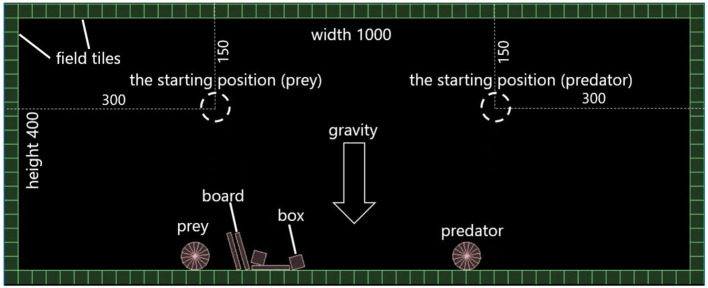
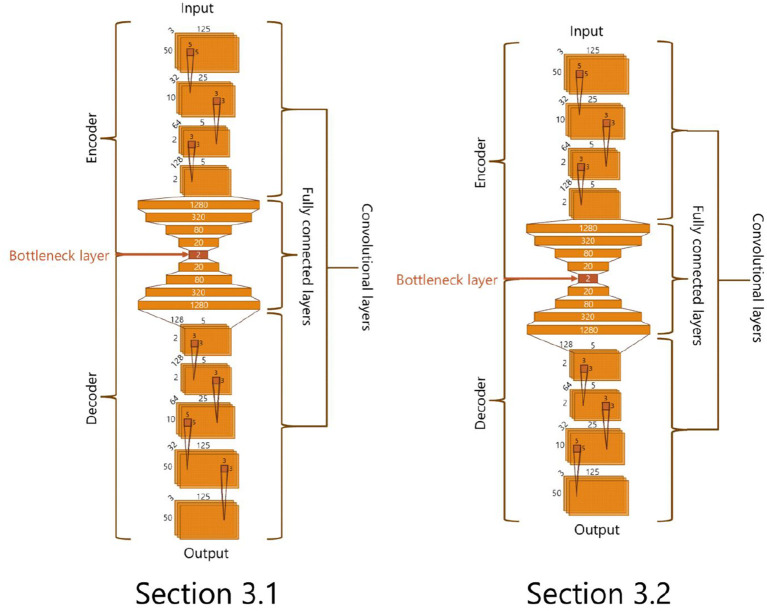
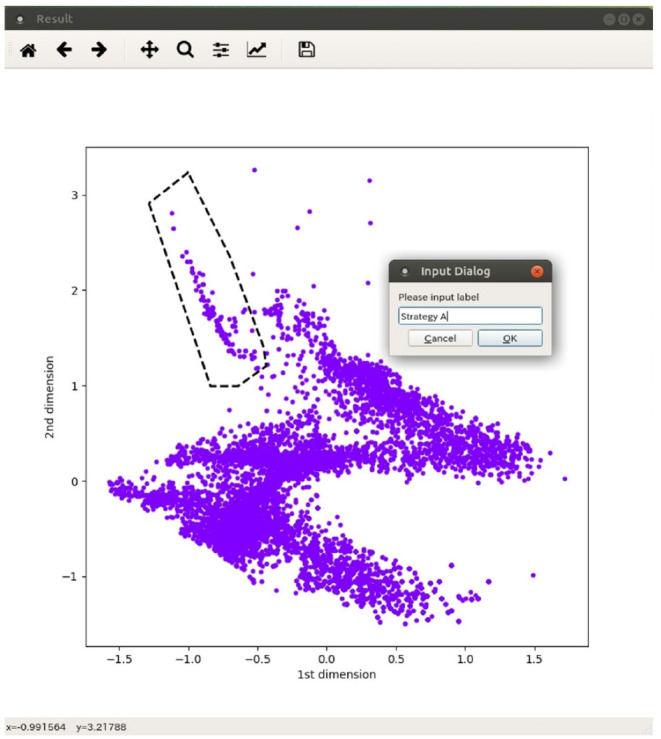
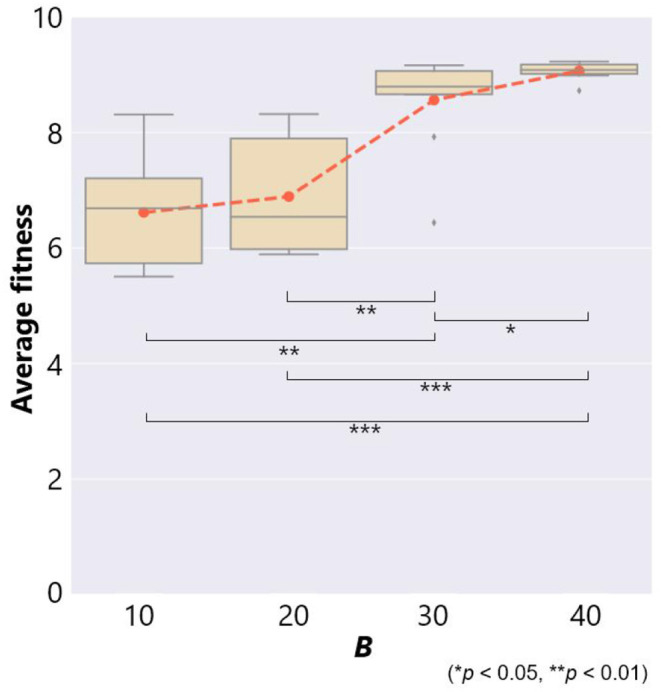
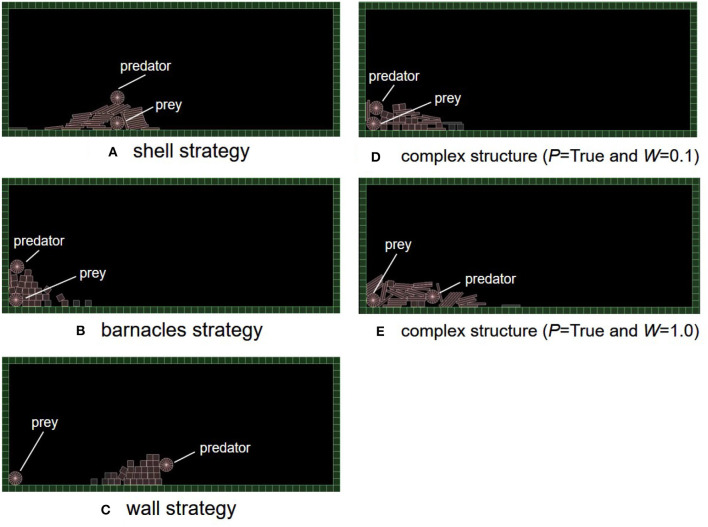
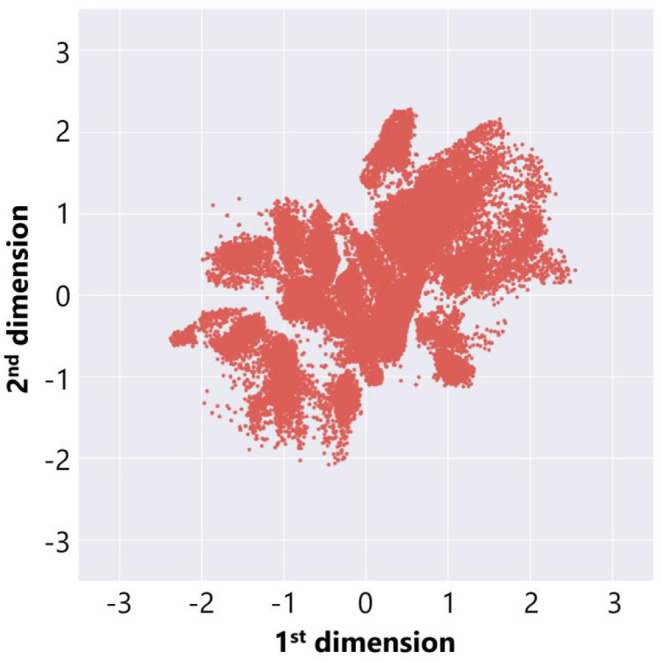
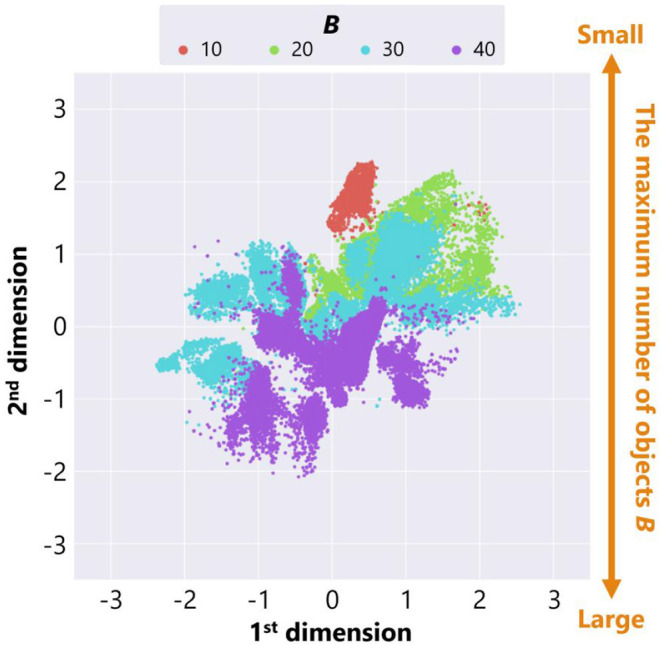
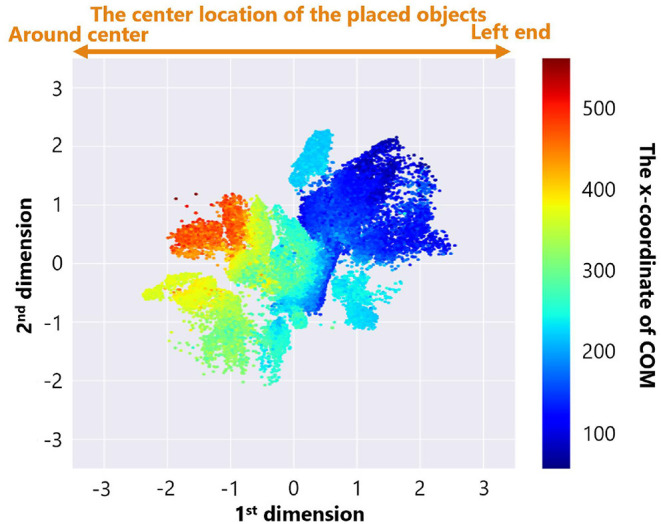
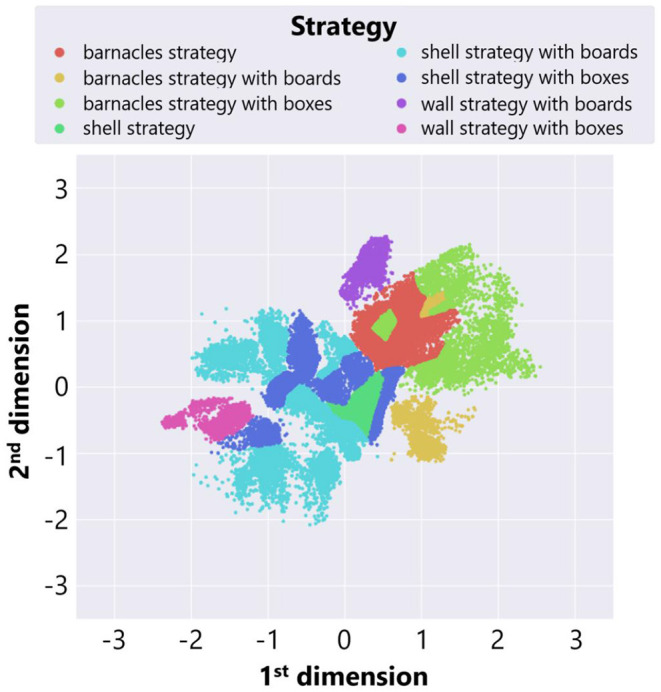
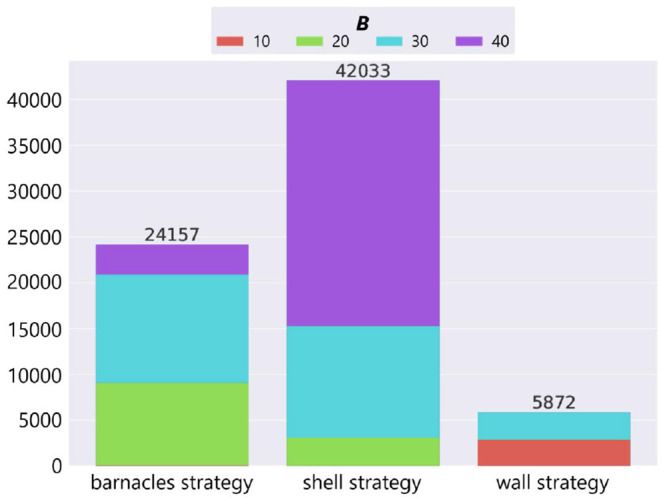
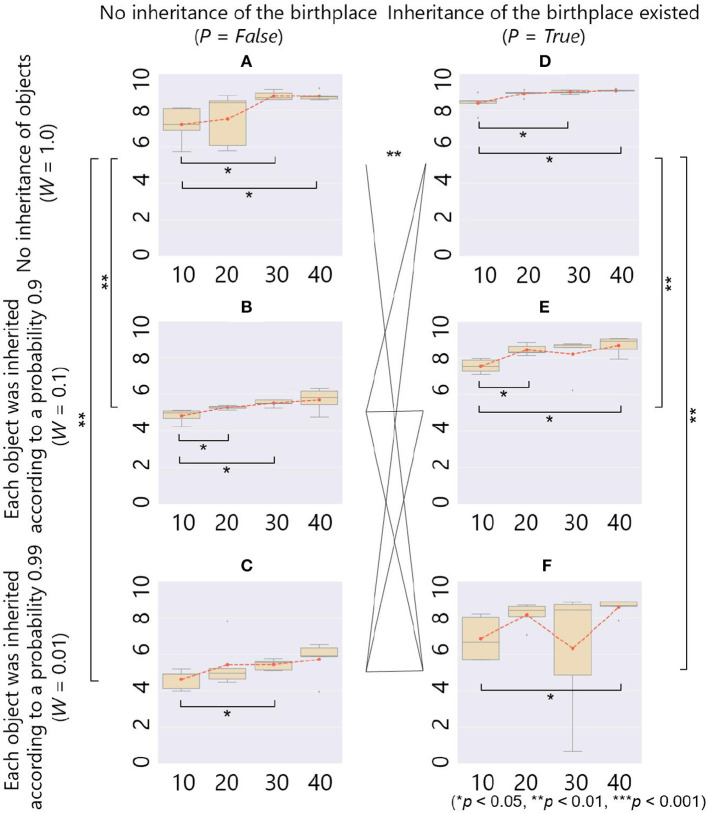
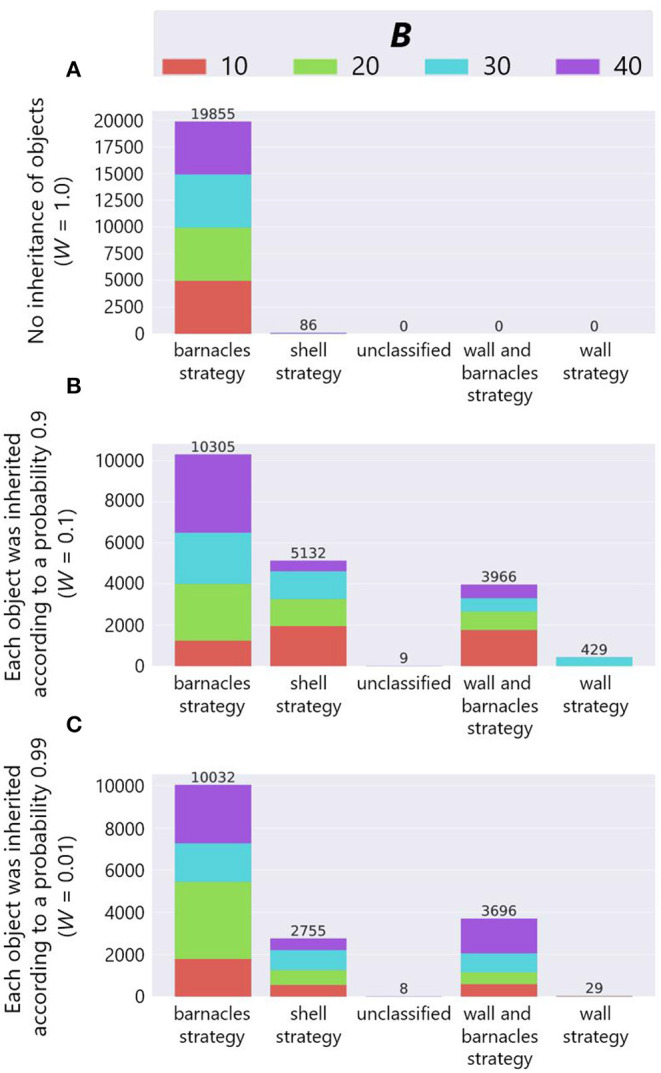
Niche construction is a process in which organisms modify the selection pressures on themselves and others through their ecological activities, and ecological inheritance is the consequence of niche construction inherited through generations. However, it is still unclear how such mutual interactions between robots or embodied agents and their physical environments can yield complex and divergent evolutionary processes or an open-ended evolution. Our purpose is to clarify what kind of complex and various niche-constructing behaviors evolve in a physically grounded environment under various conditions of ecological inheritance of constructed structures and spatial relationships. We focus on a predator-prey relationship, and constructed an evolutionary model in which a prey creature has to avoid predation through the construction of a structure composed of objects in a 2D physically simulated environment supported by a physics engine. We used a deep auto-encoder to extract the defining feature of adaptive structures automatically. The results in the case of no ecological inheritance revealed that the number of available resources can affect the diversity of emerging adaptive structures. Also, in the case with ecological inheritance, it was found that combinations of two types of ecological inheritance, which are the inheritance of adaptive structures and birthplace, can have strong effects on the diversity of emerging structures and the adaptivity of the population. We expect that findings in evolutionary simulations of niche-constructing behavior might contribute to evolutionary design of robotic builders or robot fabrication, especially when we assume physically simulated environments.
Overview
The claims and statistics of this paper haven’t been checked yet.
Run the check — free, no account needed. It reads the open-access text and checks the sources it cites.
Integrity signals
Registry
Cites
Statistics
Figures
Verification
Claims the paper makes
The claims and statistics of this paper haven’t been checked yet.
Run the check — free, no account needed. It reads the open-access text and checks the sources it cites.
Claims other papers make about this one
Each is checked against this paper’s own text: does it say what the citing paper says it does?
The cited source says what the claim attributes to it.
In the citing paper
“Chiba et al. (2020) leverage such techniques to study NC in a 2D environment where agents can construct artifacts useful for avoiding predation.”
From Dynamics of niche construction in adaptable populations evolving in diverse environments (2023) · cites this paper as Chiba et al. (2020)
Self-check
Percentages, sums and reported differences re-computed from the paper’s own numbers.
The self-check needs the paper’s full text.
Citations
Cites
(2008) · Journal of Machine Learning Research · Cited by 33,051
Reducing the dimensionality of data with neural networks
Hinton, G. E., & Salakhutdinov, R. R. (2006) · Science · doi:10.1126/science.1127647 · Cited by 20,928
(2003) · Cited by 2,898
Defence in animals: A survey of anti-predator defences
Edmunds, M. (1974) · Medical Entomology and Zoology · Cited by 958
Automatic design and manufacture of robotic lifeforms
Lipson, H., & Pollack, J. B. (2000) · Nature · doi:10.1038/35023115 · Cited by 896
An introduction to niche construction theory
Laland, K. N., Matthews, B., & Feldman, M. W. (2016) · Evolutionary Ecology · doi:10.1007/s10682-016-9821-z · Cited by 690
Large-scale 3D printing by a team of mobile robots
Zhang, X., Li, M., Lim, J. H., Weng, Y., Tay, Y. W. D., Pham, H., & Pham, Q. (2018) · Automation in Construction · doi:10.1016/j.autcon.2018.08.004 · Cited by 449
Laland, K. N., Odling-Smee, F. J., & Feldman, M. W. (1996) · Journal of Evolutionary Biology · doi:10.1046/j.1420-9101.1996.9030293.x · Cited by 290
Discrete genetic modules are responsible for complex burrow evolution in Peromyscus mice
Weber, J. N., Peterson, B. K., & Hoekstra, H. E. (2013) · Nature · doi:10.1038/nature11816 · Cited by 217
Robotic Fabrication in Architecture, Art and Design 2018
Ayres, P., da Silva, W., Nicholas, P., Andersen, T., & Greisen, J. R. (2018) · Springer eBooks · doi:10.1007/978-3-319-92294-2 · Cited by 180
Research works printed but not linked: 1
- Chiba, 2016, How ecological inheritance can affect the evolution of complex niche construction in a 2D physical simulation, 426
Cited by
Sorted by citations
Virtual Creature Morphology ‐ A Review
Lai, G., Leymarie, F. F., Latham, W., Arita, T., & Suzuki, R. (2021) · Computer Graphics Forum · doi:10.1111/cgf.142661 · Cited by 11
Self-citationDynamics of niche construction in adaptable populations evolving in diverse environments
Nisioti, E., & Moulin-Frier, C. (2023) · The 2023 Conference on Artificial Life · doi:10.1162/isal_a_00668 · Cited by 2
Effects of excessive elitism on the evolution of artificial creatures with NEAT
Jaafar, S. A. B., Suzuki, R., Komori, S., & Arita, T. (2024) · Artificial Life and Robotics · doi:10.1007/s10015-024-00948-5 · Cited by 2
Self-citationEco-Evo-Devo in the Adaptive Evolution of Artificial Creatures Within a 3D Physical Environment
Jaafar, S. A. B., Suzuki, R., & Arita, T. (2025) · Electronics · doi:10.3390/electronics14020354 · Cited by 1
Self-citationЕвгеньевич, И. Е., & Belousov, A. (2026) · Biosystems · doi:10.1016/j.biosystems.2026.105711
Metadata
- Authors
- Chiba, N., Suzuki, R., & Arita, T.
- Affiliations
- Nagoya University (JP)
- Corresponding author
- Chiba, Naoaki
- Suzuki, Reiji
- Venue
- Frontiers in Robotics and AI
- Publisher
- Frontiers Media SA
- Published
- 2020-04-09
- Volume
- 7
- Pages
- 45-45
- ISSN
- 2296-9144 (ISSN-L)
- PMC
- PMC7805702
- OpenAlex
- W3015907216
- Cited by
- 5
- References
- 25
- Citations by year
- 2026: 1 · 2025: 1 · 2024: 1 · 2023: 1 · 2021: 1
- FWCI
- 0.20
- Type
- journal article
- Language
- en
- Open access
- gold
- doi.org
- Licence
- Locations
- Frontiers in Robotics and AI (publishedVersion, cc-by)
- Europe PMC (PubMed Central) (publishedVersion, cc-by)
- PubMed Central (publishedVersion, cc-by)
- PubMed (publishedVersion)
- DOAJ (DOAJ: Directory of Open Access Journals) (submittedVersion, cc-by-sa)
- Funders
- Japan Society for the Promotion of Science (JP17H06383 in #4903, JP18K11467, JP19K12137)
- Topics
- Physical Sciences › Computer Science › Artificial Intelligence › Evolutionary Algorithms and Applications
- Life Sciences › Biochemistry, Genetics and Molecular Biology › Genetics › Evolution and Genetic Dynamics
- Physical Sciences › Engineering › Mechanical Engineering › Modular Robots and Swarm Intelligence
- Keywords
- niche construction, ecological inheritance, predator-prey interactions, adaptive structures, open-ended evolution, resource availability, structural diversity, robotic fabrication, embodied agents
About these checks
Registry, retraction, Cites and statistics results are computed, not judged, with one exception: a printed reference that no index lists is read once by a model before it counts as a citation error. Claims are extracted by a model and kept only when their quote appears verbatim in the text; each cited source is then checked, with a model’s help, for whether it says what the claim relies on. Those verdicts can be wrong — read the claim’s quote and the cited source before relying on one.
Statistics and arithmetic are recomputed, not judged.
Confidence bands are shown only for fields calibrated on our annotated test set. None is calibrated yet, so no band is shown.
What counts as a claim ›How we measure confidence ›How we check this ›
Are you an author, or do you see a problem with this page? Request a review
How to cite
Cite CoChat for the checks on this page, and the paper for its own findings.
- This page
- CoChat. (2026). Citation check: Evolution of Complex Niche-Constructing Behaviors and Ecological Inheritance of Adaptive Structures in a Physically Grounded Environment. https://app.cochat.ai/papers/10.3389/frobt.2020.00045
- The paper
- Chiba, N., Suzuki, R., & Arita, T. (2020). Evolution of Complex Niche-Constructing Behaviors and Ecological Inheritance of Adaptive Structures in a Physically Grounded Environment. Frontiers in Robotics and AI. https://doi.org/10.3389/frobt.2020.00045
