

The DOI matches its Crossref record; 75 of the 77 references it cites were found in a registry or an index.
Research Applications of Proteolytic Enzymes in Molecular Biology
Open accessAbstract
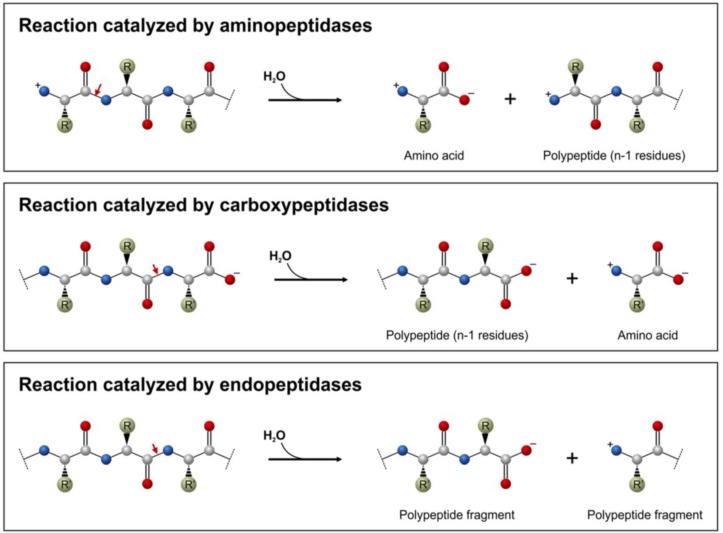
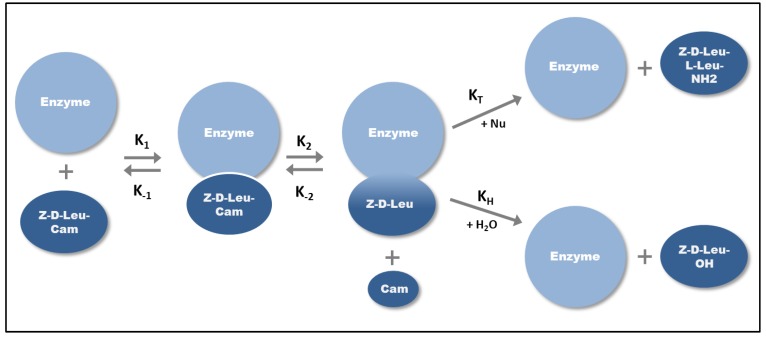
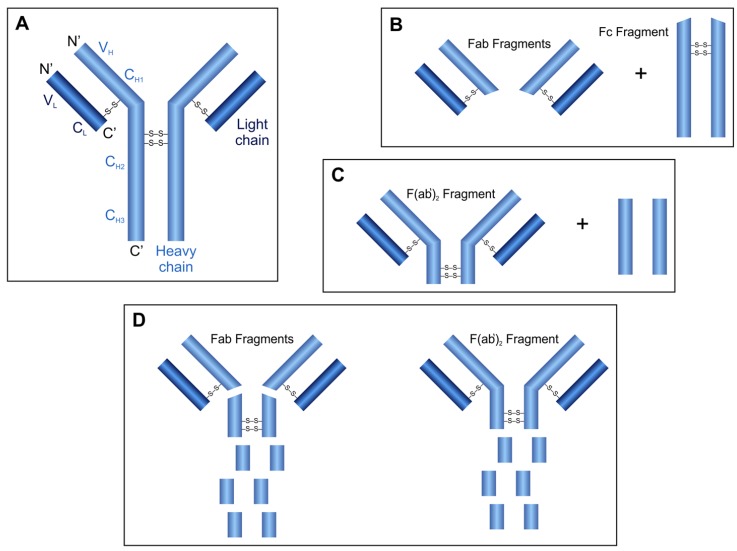
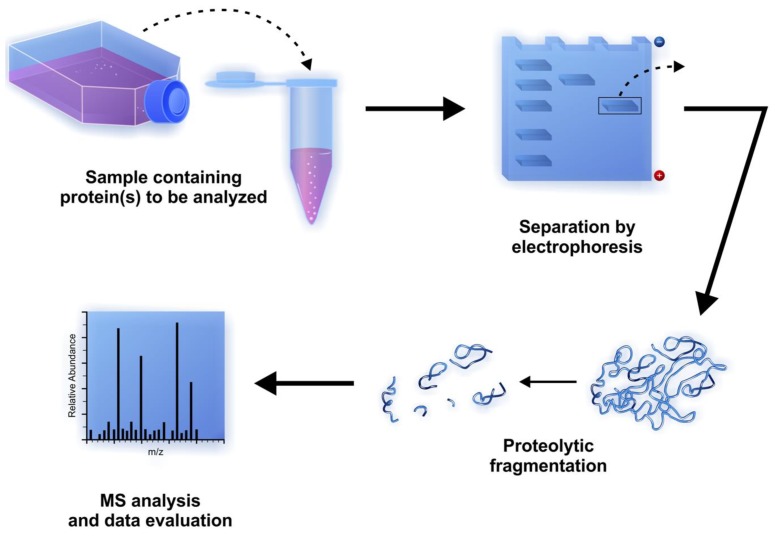
Proteolytic enzymes (also termed peptidases, proteases and proteinases) are capable of hydrolyzing peptide bonds in proteins. They can be found in all living organisms, from viruses to animals and humans. Proteolytic enzymes have great medical and pharmaceutical importance due to their key role in biological processes and in the life-cycle of many pathogens. Proteases are extensively applied enzymes in several sectors of industry and biotechnology, furthermore, numerous research applications require their use, including production of Klenow fragments, peptide synthesis, digestion of unwanted proteins during nucleic acid purification, cell culturing and tissue dissociation, preparation of recombinant antibody fragments for research, diagnostics and therapy, exploration of the structure-function relationships by structural studies, removal of affinity tags from fusion proteins in recombinant protein techniques, peptide sequencing and proteolytic digestion of proteins in proteomics. The aim of this paper is to review the molecular biological aspects of proteolytic enzymes and summarize their applications in the life sciences.
Overview
The claims and statistics of this paper haven’t been checked yet.
Run the check — free, no account needed. It reads the open-access text and checks the sources it cites.
Integrity signals
Registry
Cites
Statistics
Figures
Verification
Claims the paper makes
The claims and statistics of this paper haven’t been checked yet.
Run the check — free, no account needed. It reads the open-access text and checks the sources it cites.
Claims other papers make about this one
Each is checked against this paper’s own text: does it say what the citing paper says it does?
The cited source says what the claim attributes to it.
In the citing paper
“Trypsin catalyzes the hydrolysis of peptide bonds by cleavage of these bonds at the carboxyl side of lysine or arginine amino acids leading to dissociation of cellular components from the ECM [156,157].”
From Liver tissue engineering using decellularized scaffolds: Current progress, challenges, and opportunities (2024) · cites this paper as [156]
Self-check
Percentages, sums and reported differences re-computed from the paper’s own numbers.
The self-check needs the paper’s full text.
Citations
Cites
Kwong, P. D., Wyatt, R. T., Robinson, J. E., Sweet, R. W., Sodroski, J., & Hendrickson, W. A. (1998) · Nature · doi:10.1038/31405 · Cited by 2,963
Molecular and Biotechnological Aspects of Microbial Proteases
Rao, M. B., Tanksale, A. M., Ghatge, M. S., & DESHPANDE, V. V. (1998) · Microbiology and Molecular Biology Reviews · doi:10.1128/mmbr.62.3.597-635.1998 · Cited by 2,300
Chemistry of ion coordination and hydration revealed by a K+ channel–Fab complex at 2.0 Å resolution
Zhou, Y., Morais-Cabral, J. H., Kaufman, A., & MacKinnon, R. (2001) · Nature · doi:10.1038/35102009 · Cited by 2,092
Crystal structure of the human β2 adrenergic G-protein-coupled receptor
Rasmussen, S. G. F., Choi, H., Rosenbaum, D. M., Kobilka, T. S., Thian, F. S., Edwards, P. C., Burghammer, M. C., Ratnala, V. R. P., Sanishvili, R., Fischetti, R. F., et al. (2007) · Nature · doi:10.1038/nature06325 · Cited by 1,935
MEROPS: the database of proteolytic enzymes, their substrates and inhibitors
Rawlings, N. D., Barrett, A. J., & Bateman, A. G. (2011) · Nucleic Acids Research · doi:10.1093/nar/gkr987 · Cited by 1,539
Industrial enzyme applications
Kirk, O., Borchert, T. V., & Fuglsang, C. C. (2002) · Current Opinion in Biotechnology · doi:10.1016/s0958-1669(02)00328-2 · Cited by 1,501
Overview of tag protein fusions: from molecular and biochemical fundamentals to commercial systems
Terpe, K. (2003) · Applied Microbiology and Biotechnology · doi:10.1007/s00253-002-1158-6 · Cited by 1,344
The abc's (and xyz's) of peptide sequencing
Steen, H., & Mann, M. (2004) · Nature Reviews Molecular Cell Biology · doi:10.1038/nrm1468 · Cited by 1,192
Evolutionary families of peptidases
Rawlings, N. D., & Barrett, A. J. (1993) · Biochemical Journal · doi:10.1042/bj2900205 · Cited by 946
Textbook of Biochemistry with Clinical Correlations
(1983) · Biochemical Education · doi:10.1016/0307-4412(83)90121-8 · Cited by 918
Research works printed but not linked: 4
- Rani, 2012, Review on latest overview of proteases, Int. J. Curr. Life Sci., 2, 12
- Bhalla, 1999, Thermophilic bacterial proteases, J. Punjab Acad. Sci., 1, 77
- Ragnurrson, U. (, 1985). Use of Proteolytic Enzymes for the Synthesis of Fragments of Mouse Epidermal Growth Factor. Proceedings of Peptides 1984, Almquist, Stockholm.
- Adamczak, 2004, Enzyme for efficient biocatalysis, Food Technol. Biotechnol., 42, 251
Cited by
Sorted by citations
Items 201–290 of 290
A systematic review of efficacy on larva debridement in diabetic foot ulcers
Suraya, A. S., Kurniawati, N. D., Mariyanti, H., & Suarilah, I. (2024) · Healthcare in Low-resource Settings · doi:10.4081/hls.2024.11839 · Cited by 2
Ehsasatvatan, M., & Kohnehrouz, B. B. (2024) · Journal of Biomolecular Structure and Dynamics · doi:10.1080/07391102.2024.2329290 · Cited by 2
Enzyme extraction from fruits waste
Rathod, B. G., Giridhar, P. V., & Shivshetty, N. (2024) · Elsevier eBooks · doi:10.1016/b978-0-443-13842-3.00007-1 · Cited by 2
Proteomics for Microalgae Extracts by High-Resolution Mass Spectrometry
Bianco, M., Calvano, C. D., Ventura, G., Losito, I., & Cataldi, T. R. I. (2024) · Methods in molecular biology · doi:10.1007/978-1-0716-3910-8_8 · Cited by 2
A dumpsite-isolated Bacillus safensis Z1 with protease yield for potential industrial use
Farroukh, Z. A., Borjac, J., & El-Badan, D. E. (2025) · Journal of Genetic Engineering and Biotechnology · doi:10.1016/j.jgeb.2025.100543 · Cited by 2
Kellermann, J. (2021) · Springer eBooks · doi:10.1007/978-3-662-61707-6_10 · Cited by 2
Vakkachan, A. P., Sumithra, T. G., Janardhanan, R. K., Nair, A. V., Sayooj, P., & Vijayagopal, P. (2021) · Turkish Journal of Fisheries and Aquatic Sciences · doi:10.4194/1303-2712-v21_7_02 · Cited by 2
Tovar-Perez, E. G., Romero-Garay, M. G., Castro-Jácome, T. P., Montalvo‐González, E., & García‐Magaña, M. D. L. (2022) · Elsevier eBooks · doi:10.1016/b978-0-323-89929-1.00003-2 · Cited by 2
Microbial Enzymes for Wastewater Treatment
Çaloğlu, B., Laçın, K., Bi̇nay, B., & Hung, Y. (2023) · Handbook of environmental engineering · doi:10.1007/978-3-031-44768-6_3 · Cited by 2
Muqarramah, M., Agustien, A., & Alamsjah, F. (2023) · International Journal of Progressive Sciences and Technologies · doi:10.52155/ijpsat.v40.1.4521 · Cited by 2
Protein and Peptide Drug Delivery
Mahato, R. I., & Narang, A. S. (2011) · CRC Press eBooks · doi:10.1201/b12122-29 · Cited by 1
Unlocking the Potential of Assisted Hatching in Assisted Reproductive Technology: A Narrative Review
Deotalu, S., More, A., Karadbhajne, P., & Chaudhari, K. (2024) · Cureus · doi:10.7759/cureus.60736 · Cited by 1
Hyperpolarized tracer design, synthesis, and characterization
Suh, E. H., Eskandari, R., Huynh, M. T., Sharma, G., Khemtong, C., Ouari, O., & Kovács, Z. Z. (2024) · Advances in magnetic resonance technology and applications · doi:10.1016/b978-0-323-91842-8.00006-9 · Cited by 1
Wang, Q., Zhu, X., Zhang, X., Xia, Y., & Tian, X. S. (2025) · Journal of Neuroscience Methods · doi:10.1016/j.jneumeth.2025.110384 · Cited by 1
Enzyme-substrate co-display on yeast empowers engineering of tobacco etch virus protease activity
Mikolajczyk, B., Golinski, A. W., & Hackel, B. J. (2025) · Protein Engineering Design and Selection · doi:10.1093/protein/gzaf011 · Cited by 1
Diatom analysis in forensic investigation: A review of techniques, AI progress, and limitations
Mazumdar, A., Choudhary, A. K., Roy, S., Dhingra, V., & Mallick, S. K. (2025) · IP International Journal of Forensic Medicine and Toxicological Sciences · doi:10.18231/j.ijfmts.91019.1765616835 · Cited by 1
Liatsopoulou, A., Varvaresou, A., & Protopapa, E. (2026) · Cosmetics · doi:10.3390/cosmetics13020074 · Cited by 1
Comparative Evaluation of Protease Extraction from Leaves of Syzygium polyanthum
Yahya, N., Arshad, Z. I. M., Mudalip, S. K. A., Sulaiman, S. Z., Man, R. C., Shaarani, S. M., & Rahim, M. H. A. (2019) · Indonesian Journal of Chemistry · doi:10.22146/ijc.40860 · Cited by 1
Units and Methods of Proteolytic Activity Determination
Rawski, R. I., Sanecki, P. T., & Kalembkiewicz, J. (2019) · Current Pharmaceutical Analysis · doi:10.2174/1573412915666190304151224 · Cited by 1
Proteases: an unexplored enzyme for biomass conversion
Srivastava, N., Mishra, P. K., & Upadhyay, S. N. (2020) · Elsevier eBooks · doi:10.1016/b978-0-12-821010-9.00008-5 · Cited by 1
Establishing a Protocol to Culture Primary Hippocampal Neurons
DiLeonardi, A. M. (2020) · Cited by 1
MICROBIAL PROTEASES AND THEIR APPLICATIONS
Válek, T., & Pohanka, M. (2018) · Military Medical Science Letters · doi:10.31482/mmsl.2018.002 · Cited by 1
Kannan, M., Kayalvizhi, N., Arunprasanna, V., Rameshkumar, N., Suganya, T., & Krishnan, M. (2023) · Journal of Proteins and Proteomics · doi:10.1007/s42485-023-00126-4 · Cited by 1
Шестакова, А. А., Osmolovskiy, A. A., Lavrenova, V., Surkova, D., Nikolić, B., & Savković, Ž. D. (2023) · Microbiology and Biotechnology Letters · doi:10.48022/mbl.2309.09006 · Cited by 1
Sukmawati, D., Husna, S. N. A., Saszieta, D., Priskaningrum, A. M., Mareta, A., Sari, A. B. T., & Enshasy, H. A. E. (2024) · AIP conference proceedings · doi:10.1063/5.0183231 · Cited by 1
Singh, U., Mukherjee, J., & Khetani, S. (2025) · IEEE Sensors Journal · doi:10.1109/jsen.2025.3539397 · Cited by 1
Sheida, E. V., Duskaev, G. K., Kvan, O. V., Bukareva, E. A., & Sechnev, Y. A. (2025) · Agrarian science · doi:10.32634/0869-8155-2025-394-05-63-68 · Cited by 1
Bonner, P. L. R. (2020) · Wiley eBooks · doi:10.1002/9780470015902.a0027980 · Cited by 1
Enzymatic hydrolysis of milk proteins: Optimization for obtaining bioactive hydrolysates
Paiva, V. N. (2022) · doi:10.47328/ufvbbt.2022.794 · Cited by 1
Stability of new actinomycete protease subjected to UV light radiation
Hristova, I., & Krastanov, A. I. (2014)
Process optimization for the in vitro growth and maintenance of human epidermal keratinocytes
Thahsin, N. (2015) · BRAC University Institutional Repository (BRAC University)
de Oliveira, M. P. C. (2015) · RIUnB Institutional Repository (University of Brasília) · doi:10.26512/2015.5.d.19195
Lab-on-a-tissue : optimization of on-tissue chemistry for improved mass spectrometry imaging
Heijs, B. (2018) · Leiden Repository (Leiden University)
Optimizing the analysis of trace DNA from fingernail evidence
Doran, A. E. (2014) · doi:10.25335/m5rf5kn8p
Suharsono, H., Putra, I. B. P. S., Ardana, I. B. K., Gunawan, I. W. N. F., Sudipa, P. H., & Agustina, K. K. (2019) · JOURNAL OF ADVANCES IN AGRICULTURE · doi:10.24297/jaa.v10i0.8061
Noviantari, A., Novianti, R., & Rinendyaputri, R. (2019) · AIP conference proceedings · doi:10.1063/1.5109989
CIERMMI Mujeres en la ciencia T.4
JESÚS, Á. M.-D. (2019) · ECORFAN eBooks · doi:10.35429/h.2019.4.1.163
Baehaki, A., Hidayat, A., Gofar, N., & Nopianti, R. (2020) · Mediterranean Journal of Chemistry · doi:10.13171/mjc02003251256ab
Chetty, R. (2019) · ResearchSpace (University of KwaZulu-Natal)
Azmi, N. S., Hashim, H. B., Hong, L. L., Samah, A. A., Majid, H. A., Shah, Z. A., & Azman, N. S. (2021) · International Journal of Innovative Computing · doi:10.11113/ijic.v12n1.351
A Study on the Synthesis of Fluorine-Containing Gamma-Aminoalcohols and Beta-Aminoketones
Aftergut, S. (1957) · Syracuse University Libraries (Syracuse University)
Tran, T. T. (2020) · DR-NTU (Nanyang Technological University) · doi:10.32657/10356/145374
Ayariga, J. A., & Villafañe, R. (2022) · SunText Review of Virology · doi:10.51737/2766-5003.2022.029
Is It Necessary to Add Aprotinin Before Measuring The Level of Irisin in Serum and Plasma Samples?
Şahin, E., Handiri, E., Altay, D. U., & Keha, E. E. (2023) · Farabi Tıp Dergisi · doi:10.59518/farabimedj.1245113
Tartibian, B., Zadeh, M. Y. B., Tayebi, S. M., & Rezaei, B. (2023) · Journal of Sport and Exercise Physiology · doi:10.52547/joeppa.16.1.80
Phospholipases as therapeutic targets: Systems biology and bioinformatics approaches
Raj, N., Khatoon, S., Parveen, P., Kauser, S., & Manzoor, N. (2023) · Elsevier eBooks · doi:10.1016/b978-0-443-15177-4.00012-1
Makassees, J. N. K., Zaki, N. H., & Asmaa, A. H. (2023) · Bionatura · doi:10.21931/rb/css/2023.08.01.94
Proteolytic Activity of Enzymes in Organs of the Black Sea Mollusks
Топтиков, В. А., Romanovska, I. I., & Kovtun, O. A. (2024) · Hydrobiological Journal · doi:10.1615/hydrobj.v60.i2.50
Development of synthetic de novo designed proteins catalyzing acyl transfer reactions
Naudin, E. A. (2020) · theses.fr (ABES) · doi:10.70675/ca9df857z7275z49e3z88f3z66c3e2a3f5fa
Determination of AGE-CML Level in Commercially Available Sports Bar in Italy
Cannataro, R., Elechi, J. O. G., Torre, C. L., Fazio, A., Abrego-Guandique, D. M., Caroleo, M. C., & Cione, E. (2024) · Recent Advances in Food Nutrition & Agriculture · doi:10.2174/012772574x300368240318051000
Gudzenko, O., Varbanets, L. D., Сейфулліна, І. Й., Martsynko, О. E., Buchko, O., Afanasenko, E., & Чебаненко, О. А. (2024) · Mikrobiolohichnyi Zhurnal · doi:10.15407/microbiolj86.04.033
Proteolysis Assays With Conserved or Aminofluorescein‐Labeled Red Blood Cells
Al‐Essa, M. K., Al-Qudah, T., Hadidi, A., & Alshubbak, N. H. (2024) · BioMed Research International · doi:10.1155/2024/7919329
Ismed, I., Yenrina, R., Hasbullah, H., Syukri, D., & Yusniwati, Y. (2024) · Bioscientist Jurnal Ilmiah Biologi · doi:10.33394/bioscientist.v12i2.13683
Sugitha, S., Suganthi, M., Ashok Kumar, K., Jayanthi, M., Ramprasath, C., & Abirami, G. (2025) · Advances in biological sciences research/Advances in Biological Sciences Research · doi:10.2991/978-94-6463-648-2_7
Metabolism: Fine and Coarse Controls
Soliman, S. S. M., Hamdy, R., & Husseiny, M. I. (2025) · Springer eBooks · doi:10.1007/978-981-96-1305-2_1
Applications and future prospects of proteases: An Overview
Gautam, S. (2025) · International Journal of Therapeutic Innovation. · doi:10.55522/ijti.v3i1.00102
Screening of New Producers of Proteolytic Enzymes among Micromycetes of Mucoromycota
Cao, Y., Alexandrova, A. V., Piecková, E., & Osmolovskiy, A. A. (2025) · Microbiology and Biotechnology Letters · doi:10.48022/mbl.2409.09001
Isolation and primary culture of Octopus vulgaris cells: Assessment of their proliferative capacityPreprint
Galindo, A., Coello, R., Baños, I., Ramos‐Trujillo, E., Morales, A. E., Arrieta, J. M., Rodríguez, C., & Almansa, E. (2025) · bioRxiv (Cold Spring Harbor Laboratory) · doi:10.1101/2025.04.07.647602
Vratsistas, A., & Vafidis, D. (2025) · Journal of Food Biochemistry · doi:10.1155/jfbc/5692584
Sampath, G. (2025) · ChemRxiv · doi:10.26434/chemrxiv-2025-gsw8x-v4
Chagasin-based Carriers Designed for the Cancer-targeted Release of Proteases
Jai, J., Liu, Y., Han, X., & Vong, K. (2025) · European Journal of Pharmaceutical Sciences · doi:10.1016/j.ejps.2026.107524
Zhang, Y., Xie, Y., Ma, J., Hu, D., & Zhang, X. (2025) · Frontiers in Animal Science · doi:10.3389/fanim.2025.1707154
Scheuermann, S. (2025) · heiDOK (Heidelberg University) · doi:10.11588/heidok.00036120
Chandu, K. (2020) · OhioLink ETD Center (Ohio Library and Information Network)
Ali, M. R. M. (2018) · Universiti Sains Malaysia Institutional Repository (Universiti Sains Malaysia)
Elyas, Y. Y. A. (2019) · Tottori University research result repository (Tottori University)
Isolation and characterization of collagenase-active preparation from Rapana venosa salivary glands
Toptikov, V. A., Shesterenko, Y. A., & Shesterenko, Y. A. (2025) · The Ukrainian Biochemical Journal · doi:10.15407/ubj97.06.093
Bashtanova, U., Li, R., Goldberga, I., Bansode, S., Gerl, K., Burgess, K. P., Wegner-Repke, A. J., & Duer, M. J. (2026) · Journal of Biological Engineering · doi:10.1186/s13036-025-00617-6
放線菌由来D体特異的アミド加水分解酵素の触媒領域における変異解析
Elyas, Y. Y. A. (n.d.) · Institutional Repositories DataBase (IRDB)
Theron, L. W. (2017) · theses.fr (ABES) · doi:10.70675/c6131b9az0346z4116zb717zcfa2639d5e9b
Turrubiarte, M. A. (2016) · theses.fr (ABES) · doi:10.70675/51bfdc16z63e4z47b9zb86fz6d8493deae61
Cohen, R. (2018) · theses.fr (ABES) · doi:10.70675/759ed785ze142z4504za8abzd5cf222c1a59
Propriétés anti-oxydants, anti-inflammatoires et antispasmodiques d’Ocimum basilicum
Bensaid, A. (2022) · theses.fr (ABES) · doi:10.70675/3f2752bfzd83cz4296zb2c8z16170cc69251
Machine learning models for virtual screening of molecules on cancer cell lines
Vishwakarma, S. (2024) · theses.fr (ABES) · doi:10.70675/b79c6c65z0002z467bza2e0z278793d81871
Chandross-Cohen, T., Yount, M., Readinger, E., Prince, C. R., Kimble, K., Praul, B., Weidner, L., & Kovač, J. (2026) · Food Microbiology · doi:10.1016/j.fm.2026.105166
Ophiocordyceps sinensis: Antioxidant, Proteolytic Activities and Synthesis of Silver Nanoparticles
Uhrinová, A., Maľučká, L. U., Pavlík, M., Tkáčiková, Ľ., & Bačkorová, M. (2026) · Life · doi:10.3390/life16071052
Mokrani, S., & Nabti, E.-H. (2026) · Interdisciplinary biotechnological advances · doi:10.1007/978-981-95-9011-7_13
Emerging Trends in Microbial Protease Application
Wins, J. A., Dharshinn, M., Gayathri, K., Hasan, M. S., Ali, A. M., & Janani, P. R. (2026) · Interdisciplinary biotechnological advances · doi:10.1007/978-981-95-9011-7_2
Improving the Production and Properties of Microbial Proteases by Genetic Engineering
Vasanthkumar, S., Sahu, C., & Kadeppagari, R. (2026) · Interdisciplinary biotechnological advances · doi:10.1007/978-981-95-9011-7_5
Gudzenko, O., Varbanets, L. D., Stohnii, Y., Chernyshenko, V. O., & Ivanytsia, V. (2026) · The Ukrainian Biochemical Journal · doi:10.15407/ubj98.04.031
Біосинтез протеази Bacillus cereus
Забашта, Є. Г. (2022) · Institutional Repository of National University of Food Technologies
Chiga, T., Fuchigami, T., Matsuura, A., Munekane, M., Mishiro, K., Yoshida, S., Oba, M., Wakabayashi, Kinuya, S., & Ogawa, K. (2026) · ACS Omega · doi:10.1021/acsomega.6c05291
Sermkaew, N., Atipairin, A., Krobthong, S., Aonbangkhen, C., Yingchutrakul, Y., Uchiyama, J., & Songnaka, N. (2026) · Life · doi:10.3390/life16101655
Krasnopolsky, Y. М., & Pylypenko, D. (2024) · Pharmakeftiki
Chen, W. (2025) · Illinois Digital Environment for Access to Learning and Scholarship (University of Illinois at Urbana-Champaign)
Maryanty, Y., Mareta, A. P., Rahmasari, A., Wulan, D. R., Susanti, A., Lusiyani, R., & Azkiya, N. I. (2026) · JSMARTech · doi:10.21776/ub.jsmartech.2026.007.02.41
Metadata
- Authors
- Mótyán, J., Tóth, F., & Tőzsér, J.
- Affiliations
- University of Debrecen (HU)
- Corresponding author
- Tőzsér, József
- Venue
- Biomolecules
- Publisher
- MDPI AG
- Published
- 2013-11-08
- Volume
- 3
- Issue
- 4
- Pages
- 923-942
- ISSN
- 2218-273X (ISSN-L)
- PMC
- PMC4030975
- OpenAlex
- W2130109271
- Cited by
- 267
- References
- 77
- Citations by year
- 2026: 14 · 2025: 24 · 2024: 34 · 2023: 38 · 2022: 29 · 2021: 32 · 2020: 26 · 2019: 31 · 2018: 11 · 2017: 7 · 2016: 9 · 2015: 5 · 2014: 5
- FWCI
- 2.23
- Type
- journal article
- Language
- en
- Open access
- gold
- doi.org
- Licence
- Locations
- Biomolecules (publishedVersion, cc-by)
- PubMed Central (publishedVersion, cc-by)
- PubMed (publishedVersion)
- University of Debrecen Electronic Archive (University of Debrecen) (submittedVersion, other-oa)
- DOAJ (DOAJ: Directory of Open Access Journals) (submittedVersion)
- University of Debrecen Electronic Archive (University of Debrecen) (submittedVersion)
- Funders
- European Regional Development Fund
- European Social Fund
- Topics
- Life Sciences › Biochemistry, Genetics and Molecular Biology › Cancer Research › Protease and Inhibitor Mechanisms
- Life Sciences › Biochemistry, Genetics and Molecular Biology › Biotechnology › Enzyme Production and Characterization
- Life Sciences › Biochemistry, Genetics and Molecular Biology › Structural Biology › Enzyme Structure and Function
- Keywords
- proteolytic enzymes, Klenow fragment, peptide synthesis, nucleic acid purification, tissue dissociation, recombinant antibody fragments, proteomics, peptide sequencing, structure-function relationship, protease inhibitors
About these checks
Registry, retraction, Cites and statistics results are computed, not judged, with one exception: a printed reference that no index lists is read once by a model before it counts as a citation error. Claims are extracted by a model and kept only when their quote appears verbatim in the text; each cited source is then checked, with a model’s help, for whether it says what the claim relies on. Those verdicts can be wrong — read the claim’s quote and the cited source before relying on one.
Statistics and arithmetic are recomputed, not judged.
Confidence bands are shown only for fields calibrated on our annotated test set. None is calibrated yet, so no band is shown.
What counts as a claim ›How we measure confidence ›How we check this ›
Are you an author, or do you see a problem with this page? Request a review
