

Mycogenic Selenium Nanoparticles as Potential New Generation Broad Spectrum Antifungal Molecules
Open accessThe DOI matches its Crossref record; 40 of the 40 references it cites were found in a registry or an index.
Abstract
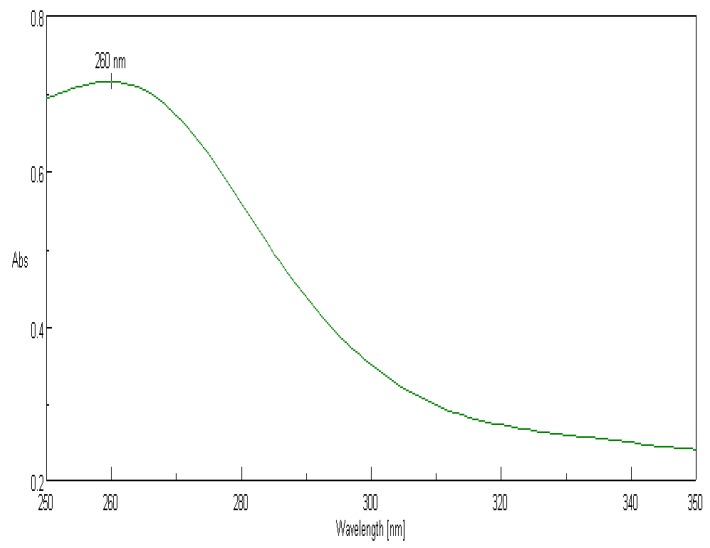
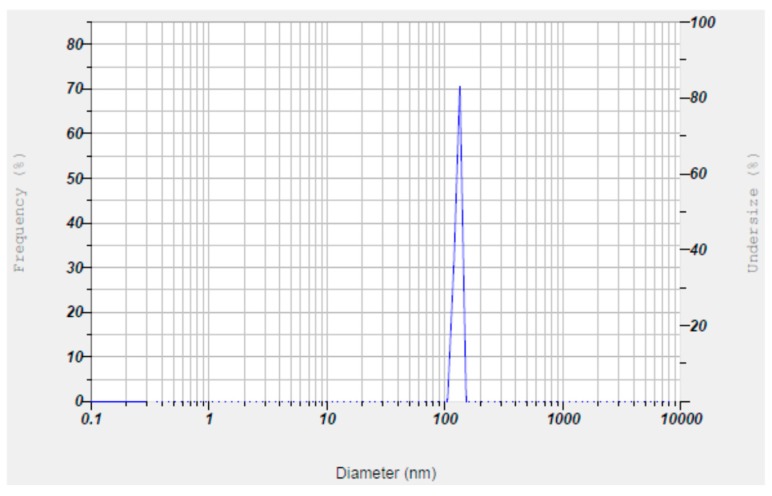
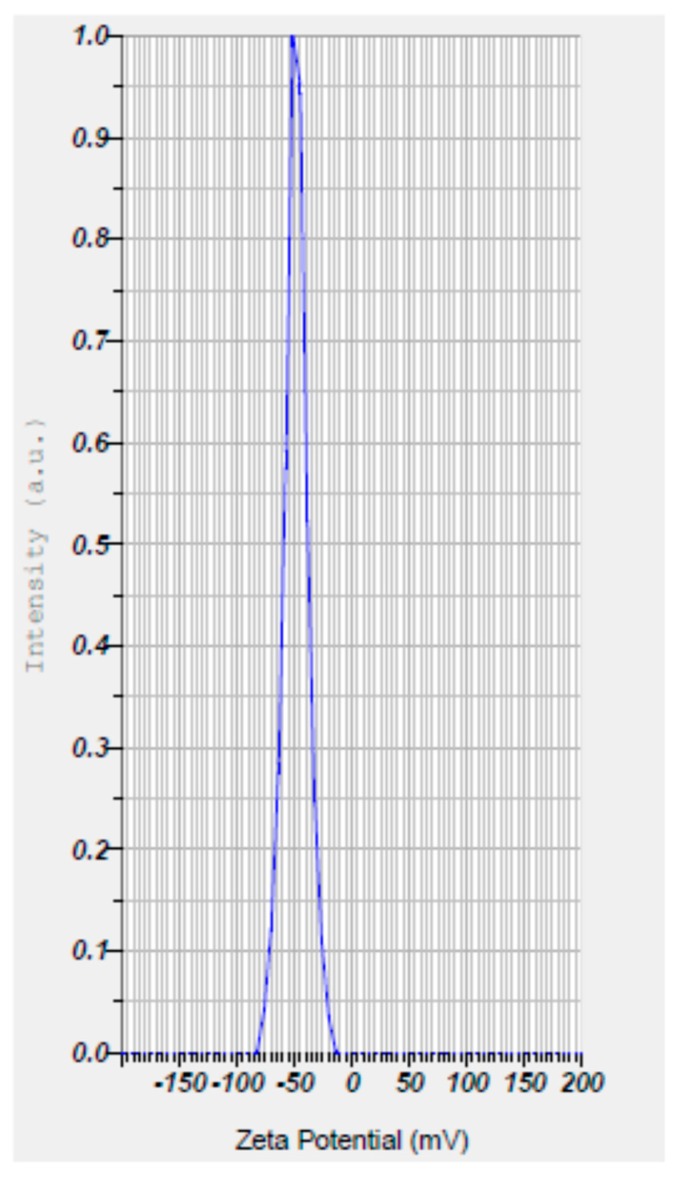
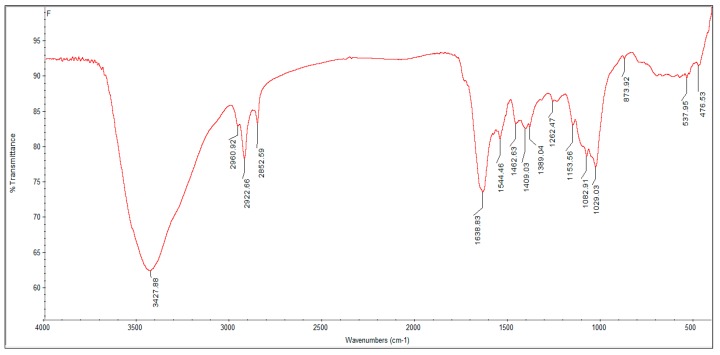
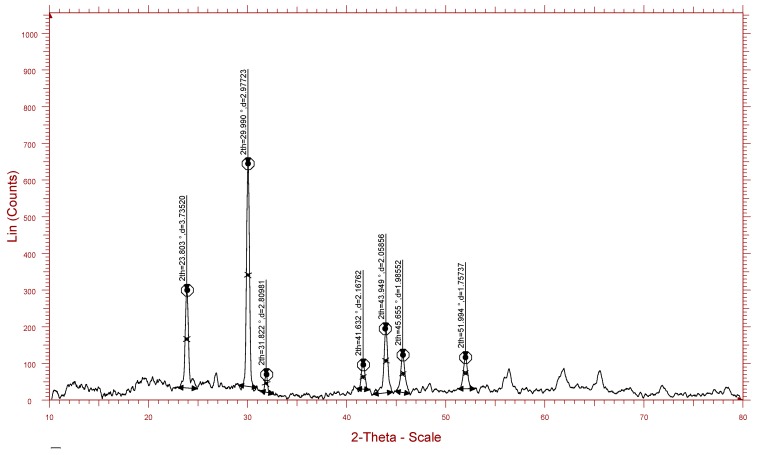
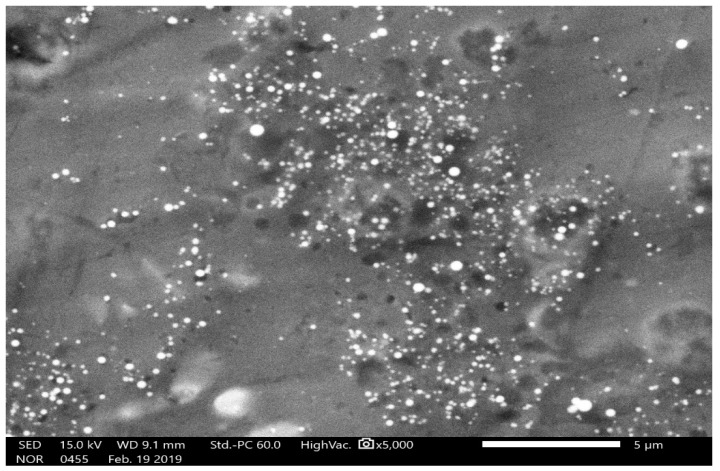
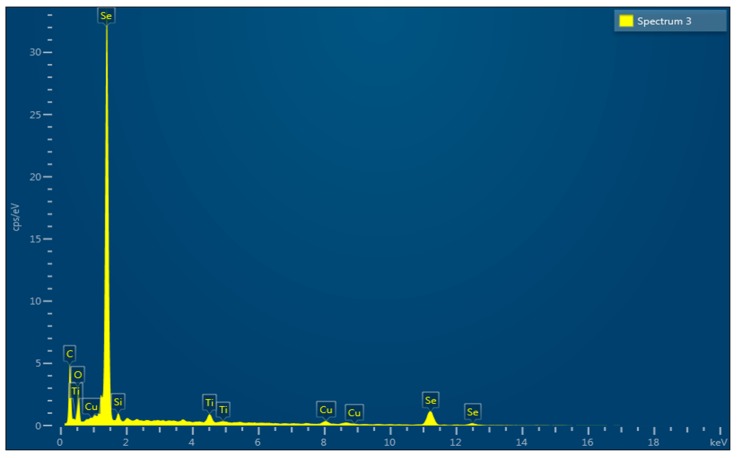
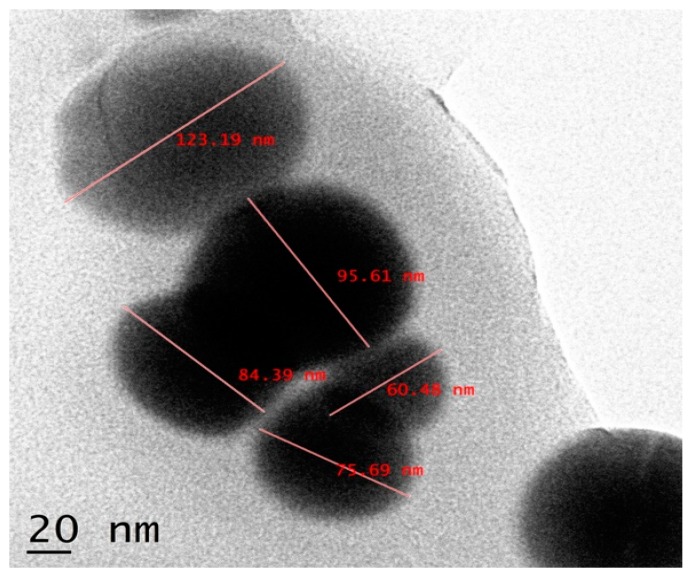
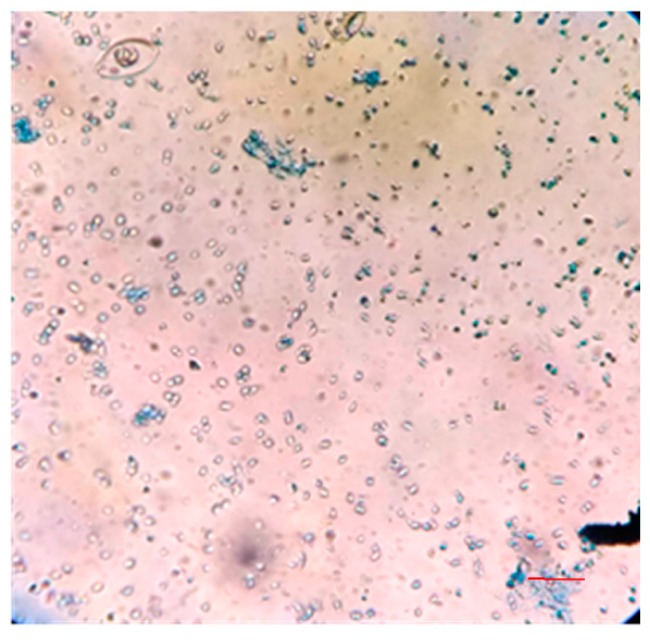
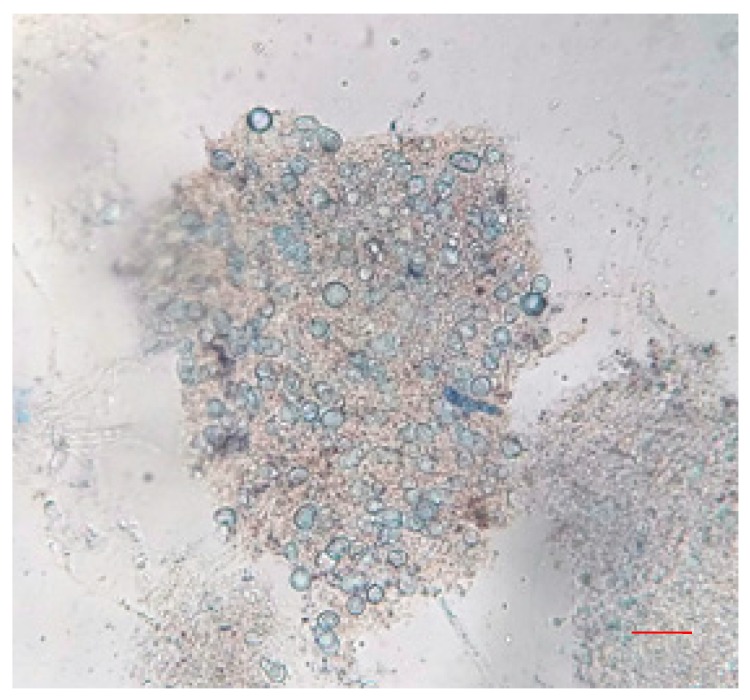
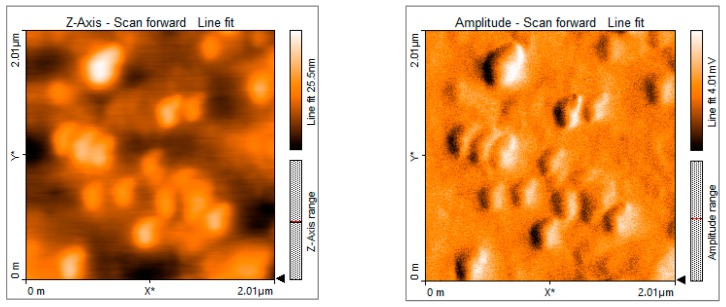
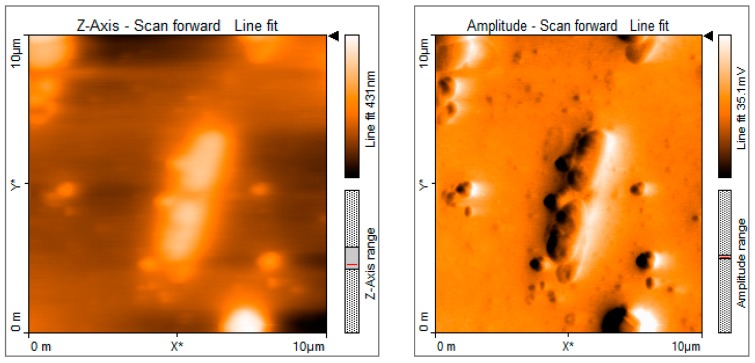
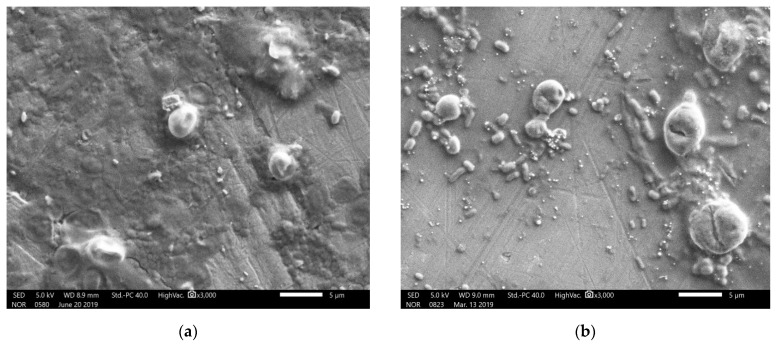
The current challenges of sustainable agricultural development augmented by global climate change have led to the exploration of new technologies like nanotechnology, which has potential in providing novel and improved solutions. Nanotools in the form of nanofertilizers and nanopesticides possess smart delivery mechanisms and controlled release capacity for active ingredients, thus minimizing excess run-off to water bodies. This study aimed to establish the broad spectrum antifungal activity of mycogenic selenium nanoparticles (SeNPs) synthesized from Trichoderma atroviride, and characterize the bioactive nanoparticles using UV–Vis spectroscopy, dynamic light scattering (DLS), Fourier transform infrared (FT-IR), X-ray diffraction (XRD), scanning electron microscopy-energy dispersive X-ray spectroscopy (SEM-EDS), and high-resolution transmission electron microscopy (HR-TEM). The synthesized nanoparticles displayed excellent in vitro antifungal activity against Pyricularia grisea and inhibited the infection of Colletotrichum capsici and Alternaria solani on chili and tomato leaves at concentrations of 50 and 100 ppm, respectively. The SEM-EDS analysis of the bioactive SeNPs revealed a spherical shape with sizes ranging from 60.48 nm to 123.16 nm. The nanoparticles also possessed the unique property of aggregating and binding to the zoospores of P. infestans at a concentration of 100 ppm, which was visualized using light microscope, atomic force microscopy, and electron microscopy. Thus, the present study highlights the practical application of SeNPs to manage plant diseases in an ecofriendly manner, due to their mycogenic synthesis and broad spectrum antifungal activity against different phytopathogens.
Overview
The claims and statistics of this paper haven’t been checked yet.
Free: it reads the open-access text and checks the first 5 claims that cite a source we can check. Create a free account to check every claim.
Integrity signals
Registry
Cites
Statistics
Figures
Verification
Claims the paper makes
The claims and statistics of this paper haven’t been checked yet.
Free: it reads the open-access text and checks the first 5 claims that cite a source we can check. Create a free account to check every claim.
Claims other papers make about this one
Each is checked against this paper’s own text: does it say what the citing paper says it does?
The source backs part of the claim, not all of it — or backs it for a different population, condition or comparison.
In the citing paper
“The presence of an absorption peak at 265 nm (Fig. S1), indicative of surface plasmon resonance excitation, confirmed the formation of SeNPs in both suspensions; this peak results from the reduction of selenite to SeNPs [21,39,40].”
From Tracing isotopically labeled selenium nanoparticles in plants via single-particle ICP-mass spectrometry (2024) · cites this paper as [39]
Experimental — accuracy not yet measured
Self-check
Percentages, sums and reported differences re-computed from the paper’s own numbers.
The self-check needs the paper’s full text.
Citations
Cites
Nanoparticulate material delivery to plants
Nair, R., Varghese, S. H., Nair, B. G., Maekawa, T., Yoshida, Y., & Kumar, D. S. (2010) · Plant Science · doi:10.1016/j.plantsci.2010.04.012 · Cited by 1,720
Nanotechnology in Sustainable Agriculture: Recent Developments, Challenges, and Perspectives
Prasad, R., Bhattacharyya, A., & Nguyen, Q. D. (2017) · Frontiers in Microbiology · doi:10.3389/fmicb.2017.01014 · Cited by 1,548 · cited 2×
“Biosynthesis of nanoparticles using fungi, also called mycosynthesis, is an emerging interdisciplinary science that has the potential to transform conventional farming methods into precision farming [27,28].”
BackgroundApplications of nanomaterials in agricultural production and crop protection: A review
Khot, L. R., Sankaran, S., Maja, J. M., Ehsani, R., & Schuster, E. W. (2012) · Crop Protection · doi:10.1016/j.cropro.2012.01.007 · Cited by 1,322
Nanotechnology: The new perspective in precision agriculture
Duhan, J. S., Kumar, R., Kumar, N., Kaur, P., Nehra, K., & Duhan, S. (2017) · Biotechnology Reports · doi:10.1016/j.btre.2017.03.002 · Cited by 1,232 · cited 2×
“Biosynthesis of nanoparticles using fungi, also called mycosynthesis, is an emerging interdisciplinary science that has the potential to transform conventional farming methods into precision farming [27,28].”
BackgroundWang, H., Zhang, J., & Yu, H. (2007) · Free Radical Biology and Medicine · doi:10.1016/j.freeradbiomed.2007.02.013 · Cited by 761 · cited 1×
“The biological activities and good adsorptive ability of SeNPs can be attributed to the interactions between the nanoparticles and functional groups present in proteins such as NH, C=O, COO–, and C–N [9].”
BackgroundA review on the biosynthesis of metal and metal salt nanoparticles by microbes
Gahlawat, G., & Choudhury, A. R. (2019) · RSC Advances · doi:10.1039/c8ra10483b · Cited by 706 · cited 2×
“Fungi have gai e si ific ce i t e i s nthesis of nanoparticles due to a number of advantages they possess over other organisms like bacteria and actinomycetes, which are routinely employed for nanoparticle synthesis [29].”
BackgroundNanotechnology for Plant Disease Management
Worrall, E. A., Hamid, A., Mody, K. T., Mitter, N., & Pappu, H. R. (2018) · Agronomy · doi:10.3390/agronomy8120285 · Cited by 505 · cited 1×
“Nanoparticles are gaining rapid momentum in plant disease management due to their large surface area to volume ratio, which allows them to establish better contact with microorganisms, thus leading to enhanced antimicrobial activity [1,2].”
BackgroundThe Future of Nanotechnology in Plant Pathology
Elmer, W., & White, J. C. (2018) · Annual Review of Phytopathology · doi:10.1146/annurev-phyto-080417-050108 · Cited by 461 · cited 1×
“Nanoparticles are gaining rapid momentum in plant disease management due to their large surface area to volume ratio, which allows them to establish better contact with microorganisms, thus leading to enhanced antimicrobial activity [1,2].”
BackgroundZhang, X., Yan, S., Tyagi, R. D., & Surampalli, R. Y. (2011) · Chemosphere · doi:10.1016/j.chemosphere.2010.10.023 · Cited by 434 · cited 1×
“enzymes and metabolites released by the fungal organisms that form the basis of the myco-synthesis of nanoparticles in an eco-friendly manner [7].”
BackgroundSelenium nanoparticles inhibit Staphylococcus aureus growth
Webster, T. J., & Tran (2011) · International Journal of Nanomedicine · doi:10.2147/ijn.s21729 · Cited by 365 · cited 1×
“Additionally, SeNPs are being explored explicitly for their anti-microbial [11,14,15] antioxidant, anti-cancerous, and anti-inflammatory properties [11,16].”
Background
Research works printed but not linked: 1
- Moaveni P. Karimi K. Valojerdi M.Z. The nanoparticles in plants: Review J. Nano Struct. Chem. 2011 2 59 78
Cited by
Biosynthesis of selenium nanoparticles using plant extracts
Pyrzyńska, K., & Sentkowska, A. (2021) · Journal of nanostructure in chemistry · doi:10.1007/s40097-021-00435-4 · Cited by 233
Plant‐mediated synthesis of nanoparticles and their antimicrobial activity against phytopathogens
Hernández‐Díaz, J. A., Garza‐García, J. J., Zamudio‐Ojeda, A., León‐Morales, J. M., López‐Velázquez, J. C., & García‐Morales, S. (2021) · Journal of the Science of Food and Agriculture · doi:10.1002/jsfa.10767 · Cited by 208
Hashem, A. H., Abdelaziz, A. M., Askar, A. A., Fouda, H. M., Khalil, A. M. A., Abd-Elsalam, K. A., & Khaleil, M. M. (2021) · Journal of Fungi · doi:10.3390/jof7030195 · Cited by 192
“9%; also, inhibition percentage decreased gradually with decreasing the concentration of Se-NPs [47].”
BackgroundDeBritto, S., Gajbar, T. D., Satapute, P., Sundaram, L., Lakshmikantha, R. Y., Jogaiah, S., & Ito, S. (2020) · Scientific Reports · doi:10.1038/s41598-020-58335-6 · Cited by 189
Self-citationZambonino, M. C., Quizhpe, E. M., Mouheb, L., Rahman, A., Agathos, S. N., & Dahoumane, S. A. (2023) · Nanomaterials · doi:10.3390/nano13030424 · Cited by 184
Metadata
- Authors
- Joshi, S., De Britto, S., Jogaiah, S., & Ito, S.-I.
- Venue
- Biomolecules
- Publisher
- MDPI AG
- Published
- 2019-08-28
- Volume
- 9
- Issue
- 9
- Pages
- 419
- ISSN
- 2218-273X (ISSN-L)
- PMC
- PMC6769984
- OpenAlex
- W2970186615
- Cited by
- 223
- References
- 40
- FWCI
- 9.38
- Type
- journal article
- Language
- en
- Open access
- gold
About these checks
Registry, retraction, Cites and statistics results are computed, not judged, with one exception: a printed reference that no index lists is read once by a model before it counts as a citation error. Claims are extracted by a model and kept only when their quote appears verbatim in the text; each cited source is then checked, with a model’s help, for whether it says what the claim relies on. Those verdicts can be wrong — read the claim’s quote and the cited source before relying on one.
Statistics and arithmetic are recomputed, not judged.
Confidence bands are shown only for fields calibrated on our annotated test set. None is calibrated yet, so no band is shown.
What counts as a claim ›How we measure confidence ›How we check this ›
Are you an author, or do you see a problem with this page? Request a review
Data sources
Bibliographic data: Semantic Scholar, OpenAlex, Crossref.
Contains information from the Semantic Scholar Academic Graph Datasets, made available under the ODC Attribution License (ODC-BY 1.0).
Semantic Scholar’s data is described in: Kinney, R., et al. (2023). The Semantic Scholar Open Data Platform. arXiv:2301.10140.
