

Amniotic Fluid-Derived Mesenchymal Stem/Stromal Cell-Derived Secretome and Exosomes Improve Inflammation in Human Intestinal Subepithelial Myofibroblasts
Open accessThe DOI matches its Crossref record; 42 of the 42 references it cites were found in a registry or an index.
Abstract
Inflammatory Bowel Diseases (IBDs) are characterized by chronic relapsing inflammation of the gastrointestinal tract. The mesenchymal stem/stromal cell-derived secretome and secreted extracellular vesicles may offer novel therapeutic opportunities in patients with IBD. Thus, exosomes may be utilized as a novel cell-free approach for IBD therapy. The aim of our study was to examine the possible anti-inflammatory effects of secretome/exosomes on an IBD-relevant, in vitro model of LPS-induced inflammation in human intestinal SubEpithelial MyoFibroblasts (SEMFs). The tested CM (Conditioned Media)/exosomes derived from a specific population of second-trimester amniotic fluid mesenchymal stem/stromal cells, the spindle-shaped amniotic fluid MSCs (SS-AF-MSCs), and specifically, their secreted exosomes could be utilized as a novel cell-free approach for IBD therapy. Therefore, we studied the effect of SS-AF-MSCs CM and exosomes on LPS-induced inflammation in SEMF cells. SS-AF-MSCs CM and exosomes were collected, concentrated, and then delivered into the cell cultures. Administration of both secretome and exosomes derived from SS-AF-MSCs reduced the severity of LPS-induced inflammation. Specifically, IL-1β, IL-6, TNF-α, and TLR-4 mRNA expression was decreased, while the anti-inflammatory IL-10 was elevated. Our results were also verified at the protein level, as secretion of IL-1β was significantly reduced. Overall, our results highlight a cell-free and anti-inflammatory therapeutic agent for potential use in IBD therapy.
Overview
The claims and statistics of this paper haven’t been checked yet.
Free: it reads the open-access text and checks the first 5 claims that cite a source we can check. Create a free account to check every claim.
Integrity signals
Registry
Cites
Statistics
Figures
Verification
Claims the paper makes
The claims and statistics of this paper haven’t been checked yet.
Free: it reads the open-access text and checks the first 5 claims that cite a source we can check. Create a free account to check every claim.
Claims other papers make about this one
Each is checked against this paper’s own text: does it say what the citing paper says it does?
The source backs part of the claim, not all of it — or backs it for a different population, condition or comparison.
In the citing paper
“Nevertheless, this cell-free approach has also been reported with beneficial effects for other pathologies, including bone tissue, cardiovascular, intestinal and renal diseases [158], [159], [160], [161], [162], [163], [164], [165], [166], [167], [168], [169], [170] (Table 2).”
From Mesenchymal stem cell secretome for regenerative medicine: Where do we stand? (2025) · cites this paper as [158]
Experimental — accuracy not yet measuredThe source backs part of the claim, not all of it — or backs it for a different population, condition or comparison.
In the citing paper
“The application of MSC-derived secretome has been studied towards different pathologies by counteracting inflammation while inducing tissue regeneration namely in lung, hepatic and brain tissues.”
From Mesenchymal stem cell secretome for regenerative medicine: Where do we stand? (2025) · cites this paper as [158]
Experimental — accuracy not yet measured
Self-check
Percentages, sums and reported differences re-computed from the paper’s own numbers.
The self-check needs the paper’s full text.
Citations
Cites
LPS/TLR4 signal transduction pathway
Lu, Y.-C., Yeh, W.-C., & Ohashi, P. S. (2008) · Cytokine · doi:10.1016/j.cyto.2008.01.006 · Cited by 3,301 · cited 13×
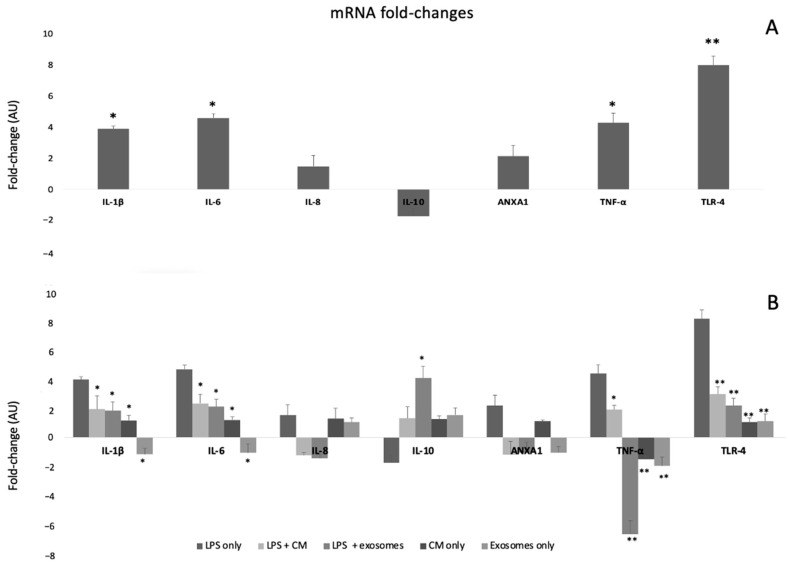
“Relative expression of IL-1β, IL-6, IL-8, IL-10, ANXA1, TNF-α, and TLR-4 was determined comparing the samples from cells that were incubated with LPS/LPS + CM/LPS + Exosomes with untreated cells, using the 2−∆∆Ct model in which ∆∆Ct = ∆CtGOI − ∆CtGAPDH.”
BackgroundInfluentialTreating inflammation by blocking interleukin-1 in a broad spectrum of diseases
Dinarello, C. A., Simon, A., & van der Meer, J. W. M. (2012) · Nature Reviews Drug Discovery · doi:10.1038/nrd3800 · Cited by 1,768 · cited 1×
“In addition, pharmaceutical agents that target IL-1β have been already tested (including anti-IL-1β antibodies) [41].”
BackgroundProinflammatory Cytokines in the Pathogenesis of Inflammatory Bowel Diseases
Strober, W., & Fuss, I. J. (2011) · Gastroenterology · doi:10.1053/j.gastro.2011.02.016 · Cited by 1,102 · cited 1×
“Even though the etiology of IBD remains obscure, it is well-understood that the epithelium is capable of secreting and responding to a plethora of immunological mediators, and that it is a major participant in IBD pathophysiology [31].”
BackgroundDuijvestein, M., Vos, A. C. W., Roelofs, H., Wildenberg, M. E., Wendrich, B. B., Verspaget, H. W., Kooy-Winkelaar, E. M. C., Koning, F., Zwaginga, J. J., Fidder, H. H., et al. (2010) · Gut · doi:10.1136/gut.2010.215152 · Cited by 622 · cited 11×
“Such treatments may include either the administration of MSCs or their secreted factors that exhibit anti-inflammatory properties [5,6].”
BackgroundInfluentialLi, X., Corbett, A. L., Taatizadeh, E., Tasnim, N., Little, J. P., Garnis, C., Daugaard, M., Guns, E., Hoorfar, M., & Li, I. T. S. (2019) · APL Bioengineering · doi:10.1063/1.5087122 · Cited by 564 · cited 1×
“However, several challenges remain, including estimating the therapeutic dosage and the current means of producing them in adequate quantities [42].”
BackgroundHa, D. H., Kim, H.-K., Lee, J., Kwon, H. H., Park, G.-H., Yang, S. H., Jung, J. Y., Choi, H., Lee, J. H., Sung, S., et al. (2020) · Cells · doi:10.3390/cells9051157 · Cited by 539 · cited 2×
“Moreover, the cell-free nature of exosome treatment, which does not bear the theoretical dangers of MSC grafts [10], combined with the advantage that exosomes can also be sterilized further, highlights the therapeutic potential of exosomes [12].”
BackgroundThe Pros and Cons of Mesenchymal Stem Cell-Based Therapies
Musiał-Wysocka, A., Kot, M., & Majka, M. (2019) · Cell Transplantation · doi:10.1177/0963689719837897 · Cited by 534 · cited 3×
“Additionally, the current literature demonstrates the low immunogenicity of SS-AF-MSC secretome [39], while at the same time the CM/exosomes offer a cell-free alternative treatment based on paracrine effect and not on engraftment or differentiation [10].”
BackgroundMesenchymal Stem Cell-Derived Exosomes Promote Fracture Healing in a Mouse Model
Furuta, T., Miyaki, S., Ishitobi, H., Ogura, T., Kato, Y., Kamei, N., Miyado, K., Higashi, Y., & Ochi, M. (2016) · Stem Cells Translational Medicine · doi:10.5966/sctm.2015-0285 · Cited by 444
Bryant, R. V., Winer, S., SPL, T., & Riddell, R. H. (2014) · Journal of Crohn's and Colitis · doi:10.1016/j.crohns.2014.08.011 · Cited by 300 · cited 1×
“The common goal of all these treatments is to achieve long-term remission, freedom from symptoms, and improved life quality [3].”
BackgroundMao, F., Wu, Y., Tang, X., Kang, J., Zhang, B., Yan, Y., Qian, H., Zhang, X., & Xu, W. (2017) · BioMed Research International · doi:10.1155/2017/5356760 · Cited by 241 · cited 1×
“However, although exosomes have been studied in the context of IBD [33,34], the literature is scarce regarding the effect of exosomes on inflammatory markers of human SEMFs.”
BackgroundGalderisi, U., Peluso, G., & Di Bernardo, G. (2022) · Stem Cell Reviews and Reports · doi:10.1007/s12015-021-10231-w · Cited by 240 · cited 1×
“Such treatments may include either the administration of MSCs or their secreted factors that exhibit anti-inflammatory properties [5,6].”
BackgroundBig data in IBD: big progress for clinical practice
Seyed Tabib, N. S., Madgwick, M., Sudhakar, P., Verstockt, B., Korcsmaros, T., & Vermeire, S. (2020) · Gut · doi:10.1136/gutjnl-2019-320065 · Cited by 223 · cited 1×
“Such factors include environmental triggers, such as smoking, diet, and an imbalanced microbiota, immunological mediators, such as increased pro-inflammatory cytokine production, and genetic polymorphisms that enhance susceptibility to IBD [1].”
BackgroundFibrosis in ulcerative colitis is directly linked to severity and chronicity of mucosal inflammation
Gordon, I. O., Agrawal, N., Willis, E., Goldblum, J. R., Lopez, R., Allende, D., Liu, X., Patil, D. Y., Yerian, L., El‐Khider, F., et al. (2018) · Alimentary Pharmacology & Therapeutics · doi:10.1111/apt.14526 · Cited by 209 · cited 2×
“Intestinal fibrosis is a severe complication that affects both UC and CD patients [24,25], and thus, studying the actions of therapeutic molecules in its inhibition could be of great therapeutic potential.”
BackgroundExosome‐mediated effects and applications in inflammatory bowel disease
Ocansey, D. K. W., Zhang, L., Wang, Y., Yan, Y., Qian, H., Zhang, X., Xu, W., & Mao, F. (2020) · Biological Reviews · doi:10.1111/brv.12608 · Cited by 209 · cited 1×
“However, although exosomes have been studied in the context of IBD [33,34], the literature is scarce regarding the effect of exosomes on inflammatory markers of human SEMFs.”
BackgroundZagoura, D. S., Roubelakis, M. G., Bitsika, V., Trohatou, O., Pappa, K. I., Kapelouzou, A., Antsaklis, A., & Anagnou, N. P. (2012) · Gut · doi:10.1136/gutjnl-2011-300908 · Cited by 179 · cited 1×
“It has been shown [15,16] that their secretome is composed of several anti-inflammatory mediators, such as the interleukins IL-10, IL-1ra, IL-13, and IL-27, along with angiogenic factors, including angiopoietin-1, PD-ECGF, uPA, and endostatin/collagen XVIII.”
BackgroundSelf-citationShen, Q., Huang, Z., Yao, J., & Jin, Y. (2021) · Journal of Advanced Research · doi:10.1016/j.jare.2021.07.002 · Cited by 173 · cited 3×
“Thus, exosomes may represent potential therapeutic agents towards IBD, a finding that is consistent with the anti-inflammatory effects observed in other studies [39,40].”
BackgroundResultNew treatment options for inflammatory bowel diseases
Verstockt, B., Ferrante, M., Vermeire, S., & Van Assche, G. (2018) · Journal of Gastroenterology · doi:10.1007/s00535-018-1449-z · Cited by 170 · cited 1×
“approaches that include immunomodulators and biologic agents [2].”
BackgroundYang, S., Liang, X., Song, J., Li, C., Liu, A., Luo, Y., Ma, H., Tan, Y., & Zhang, X. (2021) · Stem Cell Research & Therapy · doi:10.1186/s13287-021-02404-8 · Cited by 160 · cited 1×
“[32] showed that exosomes could be useful in tissue regeneration since they repair lost intestinal barrier integrity.”
BackgroundD’Haens, G., & van Deventer, S. J. H. (2021) · Gut · doi:10.1136/gutjnl-2019-320022 · Cited by 157 · cited 1×
“The role of these cytokines is well-established in IBD, particularly of TNF-α, against which several biological agents have been developed over the past 25 years [35] with satisfactory results.”
BackgroundTLR4-dependent fibroblast activation drives persistent organ fibrosis in skin and lung
Bhattacharyya, S., Wang, W., Qin, W., Cheng, K., Coulup, S., Chavez, S., Jiang, S., Raparia, K., De Almeida, L. M. V., Stehlik, C., et al. (2018) · JCI Insight · doi:10.1172/jci.insight.98850 · Cited by 133 · cited 2×
“LPS triggers inflammation via TLR-4 [22], which has been shown to induce fibrosis in several organs, including skin and lungs, negatively affecting their function [23].”
BackgroundMechanism of fibrosis and stricture formation in Crohn's disease
Alfredsson, J., & Wick, M. J. (2020) · Scandinavian Journal of Immunology · doi:10.1111/sji.12990 · Cited by 125 · cited 2×
“Intestinal fibrosis is a severe complication that affects both UC and CD patients [24,25], and thus, studying the actions of therapeutic molecules in its inhibition could be of great therapeutic potential.”
BackgroundElkouris, M., Kouroupi, G., Vourvoukelis, A., Papagiannakis, N., Kaltezioti, V., Matsas, R., Stefanis, L., Xilouri, M., & Politis, P. K. (2019) · Frontiers in Cellular Neuroscience · doi:10.3389/fncel.2019.00058 · Cited by 98 · cited 1×
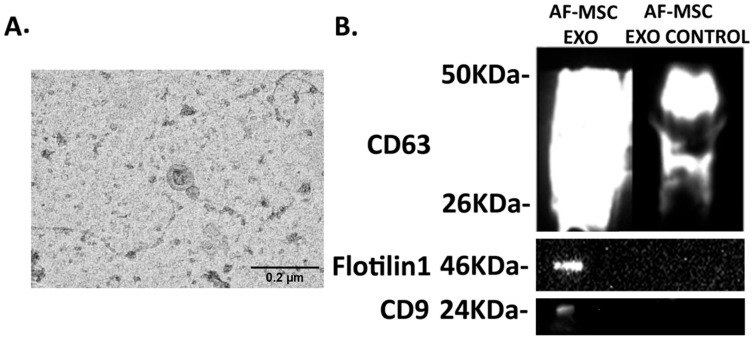
“Spindle-shaped colonies from 2 samples of AF-MSCs were selected for subculture in the present study, and cells at 10–20 passages until 80% confluency were used for exosome collection [26,29].”
MethodRoubelakis, M. G., Bitsika, V., Zagoura, D., Trohatou, O., Pappa, K. I., Makridakis, M., Antsaklis, A., Vlahou, A., & Anagnou, N. P. (2011) · Journal of Cellular and Molecular Medicine · doi:10.1111/j.1582-4934.2010.01180.x · Cited by 92 · cited 1×
“Spindle-shaped colonies from 2 samples of AF-MSCs were selected for subculture in the present study, and cells at 10–20 passages until 80% confluency were used for exosome collection [26,29].”
MethodSelf-citationStem cell secretome as a new booster for regenerative medicine
Xia, J., Minamino, S., Kuwabara, K., & Arai, S. (2019) · BioScience Trends · doi:10.5582/bst.2019.01226 · Cited by 91 · cited 1×
“However, newer evidence suggests that paracrine effects of MSCs are responsible for their anti-inflammatory role [9].”
BackgroundYu, H., Yang, X., Xiao, X., Xu, M., Yang, Y., Xue, C., Li, X., Wang, S., & Zhao, R. C. (2021) · Aging and Disease · doi:10.14336/ad.2021.0601 · Cited by 83 · cited 1×
“Studies employing animal models have proposed a promising anti-inflammatory effect of exosomes in IBD and in other anti-inflammatory applications, as in the case of neuromuscular plasticity recovery [13].”
BackgroundVullièmoz, M., Brand, S., Juillerat, P., Mottet, C., Ben‐Horin, S., Michetti, P., & on behalf of Swiss IBDnet, A. O. W. G. O. T. S. S. O. G. (2020) · Digestion · doi:10.1159/000506898 · Cited by 80 · cited 1×
“reactions and the risk of severe infections [36].”
BackgroundSpitzhorn, L., Rahman, M. S., Schwindt, L., Ho, H.-T., Wruck, W., Bohndorf, M., Wehrmeyer, S., Ncube, A., Beyer, I., Hagenbeck, C., et al. (2017) · Stem Cells International · doi:10.1155/2017/5932706 · Cited by 79 · cited 2×
“SEMFs were isolated from colonic biopsies, as previously described [14].”
BackgroundMethodAnti-IL-6 Treatment for Inflammatory Bowel Diseases: Next Cytokine, Next Target
Allocca, M., Jovani, M., Fiorino, G., Schreiber, S., & Danese, S. (2013) · Current Drug Targets · doi:10.2174/13894501113146660224 · Cited by 73 · cited 1×
“Both anti-IL-6 [37] treatment and IL-8 antagonists [38] have been used as alternatives to the use of corticosteroids and TNF-α inhibitors in the hope of fewer side effects.”
MethodLegaki, E., Roubelakis, M. G., Theodoropoulos, G. E., Lazaris, A. C., Kollia, A., Karamanolis, G., Marinos, E., & Gazouli, M. (2016) · Stem Cell Reviews and Reports · doi:10.1007/s12015-016-9677-1 · Cited by 72 · cited 4×
“These findings are in accordance with our previous study [21], in which we showed that SS-AF-MSC secretome reduces inflammation in a mouse model of IBD.”
BackgroundMethodResultInfluentialSelf-citationStromal and immune cells in gut fibrosis: the myofibroblast and the scarface
Valatas, V., Filidou, E., Drygiannakis, I., & Kolios, G. (2017) · Annals of Gastroenterology · doi:10.20524/aog.2017.0146 · Cited by 69 · cited 3×
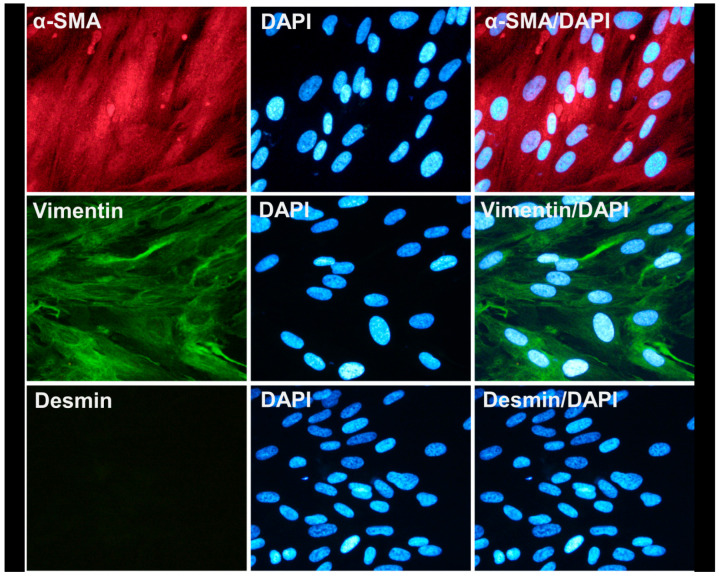
“This staining p ttern is in agreement with the current literature [17,30], indicating that these primarily isolated cells w re subepith lial myofibroblasts.”
BackgroundResultExosomes in Intestinal Inflammation
Ayyar, K. K., & Moss, A. C. (2021) · Frontiers in Pharmacology · doi:10.3389/fphar.2021.658505 · Cited by 60
Chen, Y.-T., Tsai, M.-J., Hsieh, N., Lo, M.-J., Lee, M.-J., Cheng, H., & Huang, W.-C. (2019) · Stem Cell Research & Therapy · doi:10.1186/s13287-019-1491-7 · Cited by 54 · cited 2×
“Additionally, the current literature demonstrates the low immunogenicity of SS-AF-MSC secretome [39], while at the same time the CM/exosomes offer a cell-free alternative treatment based on paracrine effect and not on engraftment or differentiation [10].”
BackgroundResultMontemurro, T., Viganò, M., Ragni, E., Barilani, M., Parazzi, V., Boldrin, V., Lavazza, C., Montelatici, E., Banfi, F., Lauri, E., et al. (2016) · European Journal of Cell Biology · doi:10.1016/j.ejcb.2016.04.003 · Cited by 53 · cited 1×
“Such treatments may include either the administration of MSCs or their secreted factors that exhibit anti-inflammatory properties [5,6].”
BackgroundWalana, W., Ye, Y., Li, M., Wang, J., Wang, B., Cheng, J., Gordon, J., & Fang, L. (2018) · Biomedicine & Pharmacotherapy · doi:10.1016/j.biopha.2018.04.008 · Cited by 51 · cited 1×
“Both anti-IL-6 [37] treatment and IL-8 antagonists [38] have been used as alternatives to the use of corticosteroids and TNF-α inhibitors in the hope of fewer side effects.”
MethodBuscail, É., Cosquer, G. L., Gross, F., Lebrin, M., Bugarel, L., Deraison, C., Vergnolle, N., Bournet, B., Gilletta, C., & Buscail, L. (2021) · International Journal of Molecular Sciences · doi:10.3390/ijms22189967 · Cited by 50 · cited 1×
“Specifically in CD, the administration of MSCs locally on fistula resulted in significant healing [7], while their effectiveness in refractory IBD has been under debate, as very few patients had positive clinical response following systemic infusions of MSCs [8].”
BackgroundBamias, G., Filidou, E., Goukos, D., Valatas, V., Arvanitidis, K. I., Παναγοπούλου, Μ., Kouklakis, G., Daikos, G. L., Ladas, S. D., & Kolios, G. C. (2016) · Translational research · doi:10.1016/j.trsl.2016.08.007 · Cited by 44 · cited 1×
“Recently, we showed that SEMFs express various interleukin receptors [18], while other studies showed that SEMFs secrete proinflammatory cytokines in response to inflammatory mediators, making it an ideal model for inflammatory studies [19,20].”
BackgroundSelf-citationThe fate of myofibroblasts during the development of fibrosis in Crohn's disease
Li, C., & Kuemmerle, J. F. (2020) · Journal of Digestive Diseases · doi:10.1111/1751-2980.12852 · Cited by 41 · cited 2×
“This staining p ttern is in agreement with the current literature [17,30], indicating that these primarily isolated cells w re subepith lial myofibroblasts.”
ResultZagoura, D., Trohatou, O., Makridakis, M., Kollia, A., Kokla, N., Mokou, M., Psaraki, A., Eliopoulos, A. G., Vlahou, A., & Roubelakis, M. G. (2019) · EBioMedicine · doi:10.1016/j.ebiom.2019.07.009 · Cited by 39 · cited 2×
“It has been shown [15,16] that their secretome is composed of several anti-inflammatory mediators, such as the interleukins IL-10, IL-1ra, IL-13, and IL-27, along with angiogenic factors, including angiopoietin-1, PD-ECGF, uPA, and endostatin/collagen XVIII.”
BackgroundMethodSelf-citationFilidou, E., Valatas, V., Drygiannakis, I., Arvanitidis, K. I., Vradelis, S., Kouklakis, G., Kolios, G. C., & Bamias, G. (2018) · Inflammatory Bowel Diseases · doi:10.1093/ibd/izy204 · Cited by 36 · cited 1×
“Recently, we showed that SEMFs express various interleukin receptors [18], while other studies showed that SEMFs secrete proinflammatory cytokines in response to inflammatory mediators, making it an ideal model for inflammatory studies [19,20].”
BackgroundSelf-citationTwenty‐five years of biologicals in IBD: What´s all the hype about?
Herrlinger, K. R., & Stange, E. F. (2021) · Journal of Internal Medicine · doi:10.1111/joim.13345 · Cited by 33 · cited 1×
“Nonetheless, not all patients respond well to treatment, with some experiencing loss of responsiveness during treatment and others lacking primary response from the beginning of therapy [4].”
BackgroundAF-MSCs fate can be regulated by culture conditions
Zagoura, D., Trohatou, O., Bitsika, V., Makridakis, M., Pappa, K. I., Vlahou, A., Roubelakis, M. G., & Anagnou, N. P. (2013) · Cell Death and Disease · doi:10.1038/cddis.2013.93 · Cited by 27
Self-citationHuman foetal intestinal fibroblasts are hyper-responsive to lipopolysaccharide stimulation
Okogbule-Wonodi, A. C., Li, G., Anand, B., Luzina, I. G., Atamas, S. P., & Blanchard, T. G. (2011) · Digestive and Liver Disease · doi:10.1016/j.dld.2011.08.017 · Cited by 10 · cited 1×
“Recently, we showed that SEMFs express various interleukin receptors [18], while other studies showed that SEMFs secrete proinflammatory cytokines in response to inflammatory mediators, making it an ideal model for inflammatory studies [19,20].”
Background
Cited by
Mesenchymal stem cell secretome for regenerative medicine: Where do we stand?
Trigo, C. M., Rodrigues, J. S., Camões, S. P., Solá, S., & Miranda, J. P. (2025) · Journal of Advanced Research · doi:10.1016/j.jare.2024.05.004 · Cited by 252
The science of exosomes: Understanding their formation, capture, and role in cellular communication
Hushmandi, K., Saadat, S. H., Raei, M., Aref, A. R., Reiter, R. J., Nabavi, N., Taheriazam, A., & Hashemi, M. (2024) · Pathology - Research and Practice · doi:10.1016/j.prp.2024.155388 · Cited by 43
Immersed in a reservoir of potential: amniotic fluid-derived extracellular vesicles
Atukorala, I., Hannan, N. J., & Hui, L. (2024) · Journal of Translational Medicine · doi:10.1186/s12967-024-05154-2 · Cited by 32
“EVs have been shown to modulate inflammation [58, 100–102], curb oxidative stress [103] and augment wound healing [104, 105], ultimately leading to tissue regeneration.”
BackgroundArbade, G. K., Jose, J. V., Gulbake, A., Kadam, S. S., & Kashte, S. (2024) · Cytotechnology · doi:10.1007/s10616-024-00631-4 · Cited by 18
“…the mRNA expression of the anti-inflammatory protein IL-10 was increased, while the expression of IL-1, IL-6, TNF-and TLR-4 was decreased (Katifelis et al. 2022). hUCMSC-derived EVs (hUCMSCs-EVs) were studied in a dextran sulfate sodium (DSS)-induced IBD model in BABL/C mice to repair…”
The revolutionary role of placental derivatives in biomedical research
Moghassemi, S., Nikanfar, S., Dadashzadeh, A., Sousa, M. J., Wan, Y., Sun, F., Colson, A., Windt, S. D., Kwaspen, L., Kanbar, M., et al. (2025) · Bioactive Materials · doi:10.1016/j.bioactmat.2025.03.011 · Cited by 22
Metadata
- Authors
- Katifelis, H., Filidou, E., Psaraki, A., Yakoub, F., Roubelakis, M. G., Tarapatzi, G., Vradelis, S., Bamias, G., Kolios, G., & Gazouli, M.
- Affiliations
- National and Kapodistrian University of Athens (GR)
- Democritus University of Thrace (GR)
- Corresponding author
- Gazouli, Maria
- ORCID
- Venue
- Biomedicines
- Publisher
- MDPI AG
- Published
- 2022-09-21
- Volume
- 10
- Issue
- 10
- Pages
- 2357
- ISSN
- 2227-9059 (ISSN-L)
- PMC
- PMC9598363
- OpenAlex
- W4296991978
- Semantic Scholar
- 8cbd25f9b10fce62727278490297d8031a39e568
- Cited by
- 15
- References
- 42
- Citations by year
- 2026: 2 · 2025: 6 · 2024: 5 · 2023: 2
- FWCI
- 2.02
- Type
- journal article
- Language
- en
- Open access
- gold
- doi.org
- Licence
- Locations
- Biomedicines (publishedVersion, cc-by)
- PubMed Central (publishedVersion, cc-by)
- PubMed (publishedVersion)
- DOAJ (DOAJ: Directory of Open Access Journals) (submittedVersion, cc-by-sa)
- Funders
- Greek Group for the Study of Inflammatory Bowel Disease
- Topics
- Life Sciences › Biochemistry, Genetics and Molecular Biology › Cell Biology › Mesenchymal stem cell research
- Health Sciences › Medicine › Gastroenterology › Inflammatory Bowel Disease
- Life Sciences › Biochemistry, Genetics and Molecular Biology › Molecular Biology › Extracellular vesicles in disease
- Keywords
- inflammatory bowel disease, amniotic fluid mesenchymal stem cells, exosomes, secretome, conditioned medium, subepithelial myofibroblasts, lipopolysaccharide-induced inflammation, anti-inflammatory activity, cell-free therapy, IL-1β, interleukin-6, TNF-α, IL-10, TLR4
About these checks
Registry, retraction, Cites and statistics results are computed, not judged, with one exception: a printed reference that no index lists is read once by a model before it counts as a citation error. Claims are extracted by a model and kept only when their quote appears verbatim in the text; each cited source is then checked, with a model’s help, for whether it says what the claim relies on. Those verdicts can be wrong — read the claim’s quote and the cited source before relying on one.
Statistics and arithmetic are recomputed, not judged.
Confidence bands are shown only for fields calibrated on our annotated test set. None is calibrated yet, so no band is shown.
What counts as a claim ›How we measure confidence ›How we check this ›
Are you an author, or do you see a problem with this page? Request a review
Data sources
Bibliographic data: Semantic Scholar, OpenAlex, Crossref.
Contains information from the Semantic Scholar Academic Graph Datasets, made available under the ODC Attribution License (ODC-BY 1.0).
Semantic Scholar’s data is described in: Kinney, R., et al. (2023). The Semantic Scholar Open Data Platform. arXiv:2301.10140.
