

Adenylyl Cyclase Type 8 Overexpression Impairs Phosphorylation-Dependent Orai1 Inactivation and Promotes Migration in MDA-MB-231 Breast Cancer Cells
Open accessThe DOI matches its Crossref record; 47 of the 48 references it cites were found in a registry or an index.
Abstract
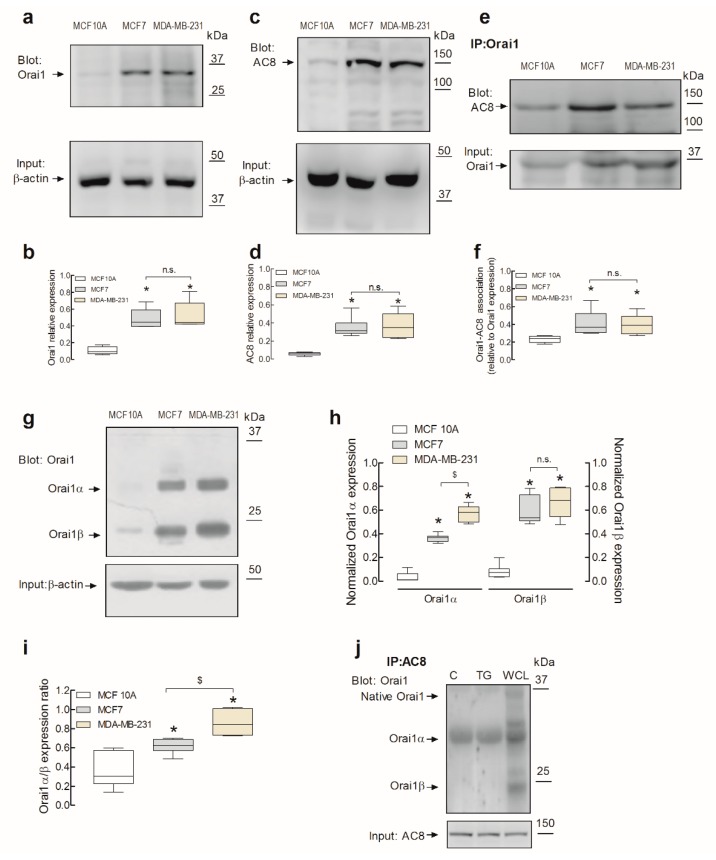
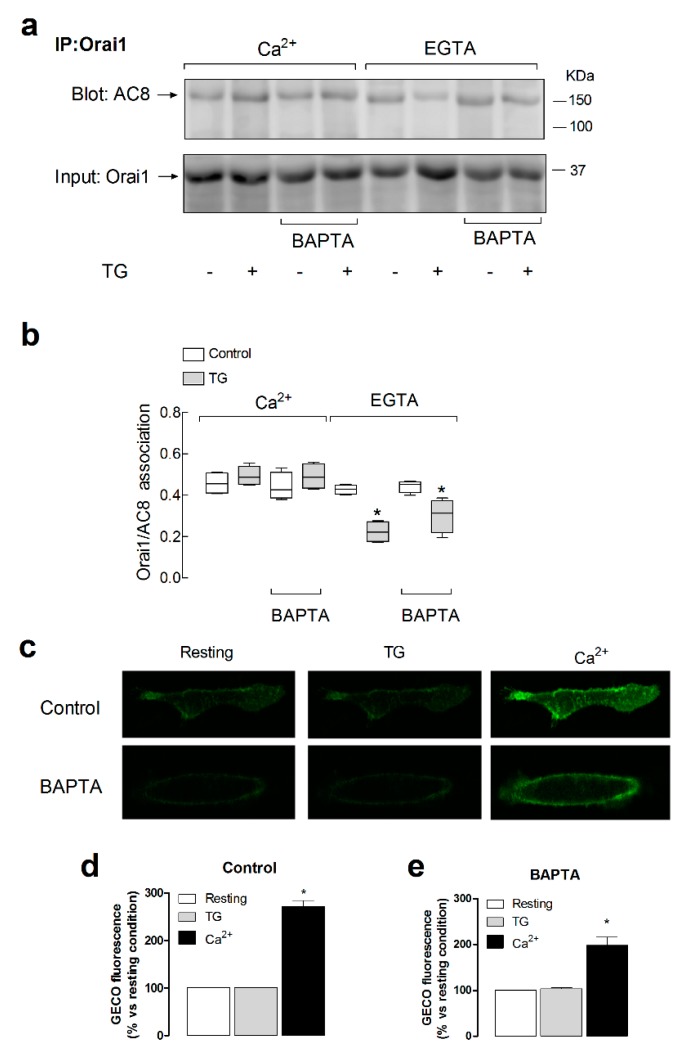
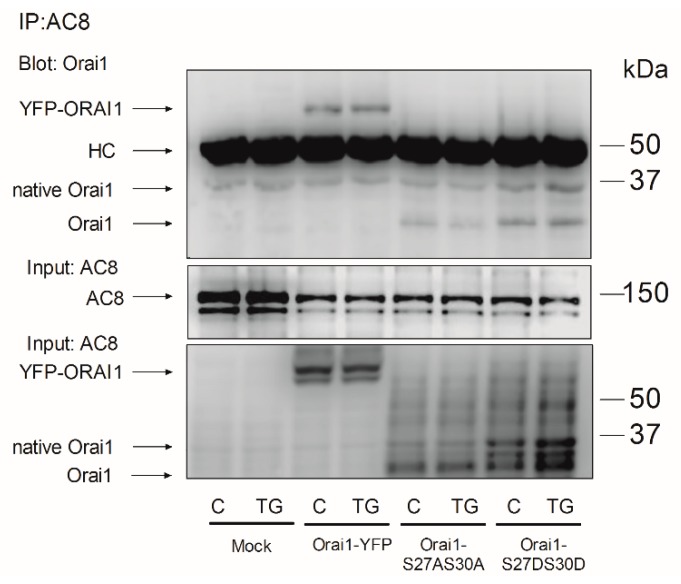
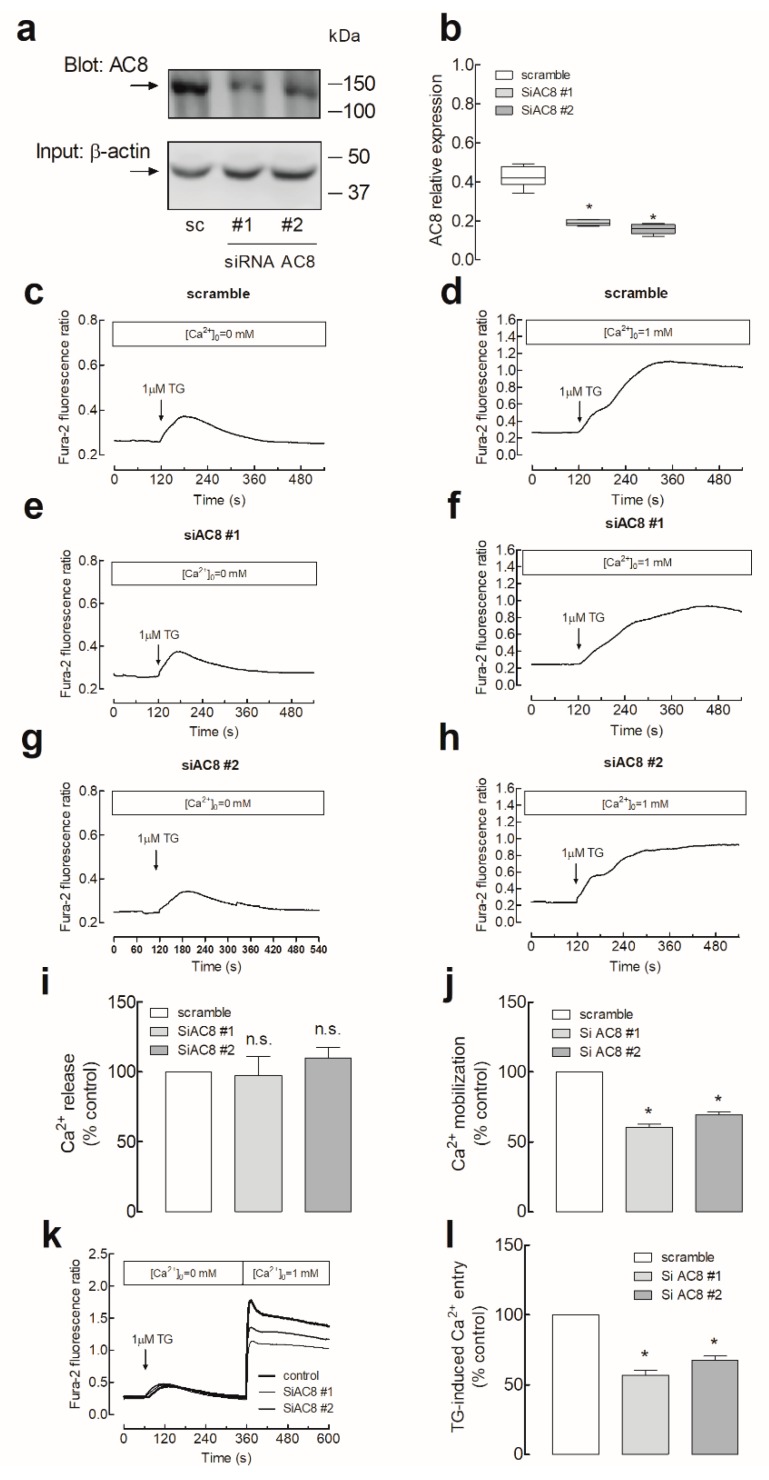
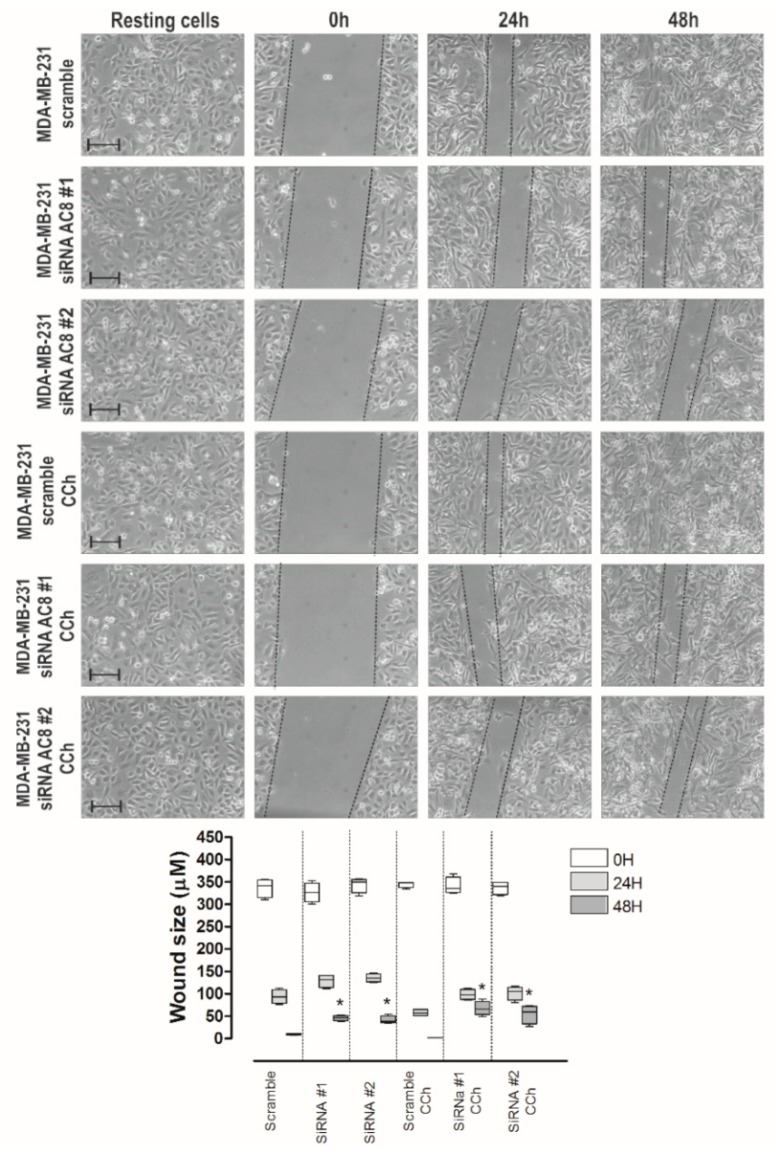
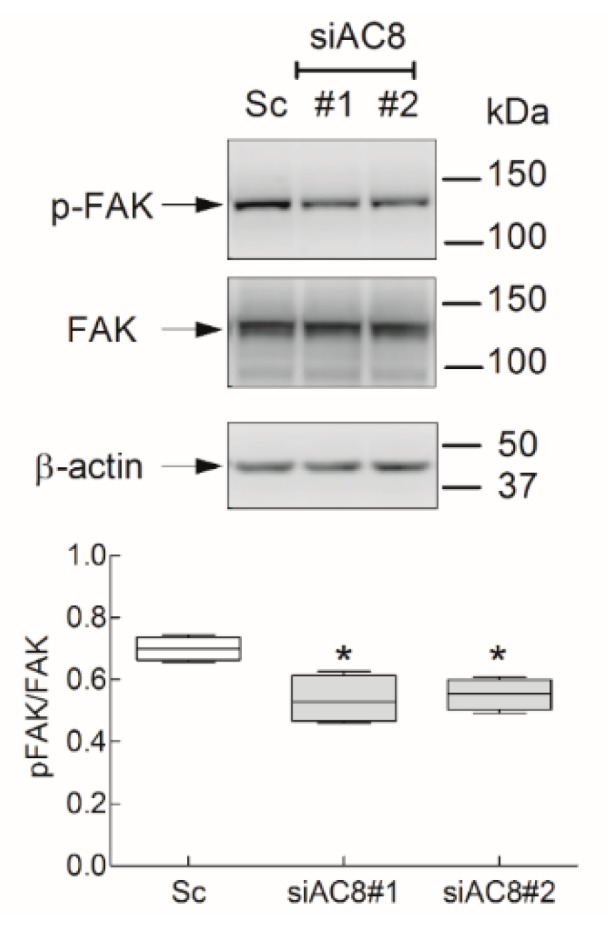
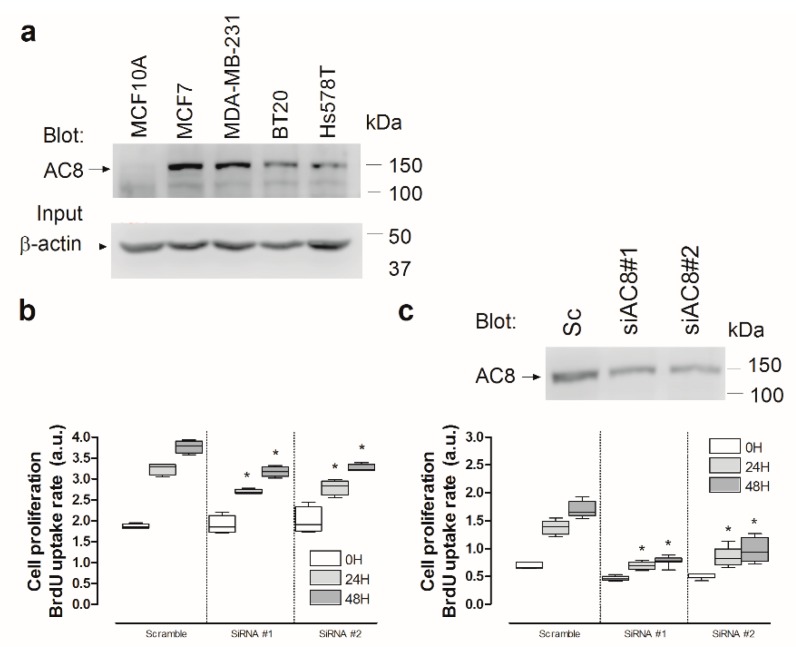
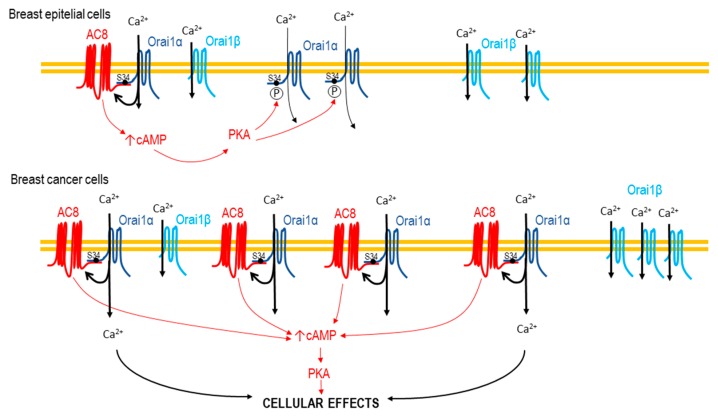
Orai1 plays a major role in store-operated Ca2+ entry (SOCE) in triple-negative breast cancer (TNBC) cells. This channel is inactivated via different mechanisms, including protein kinase C (PKC) and protein kinase A (PKA)-dependent phosphorylation at Ser-27 and Ser-30 or Ser-34, respectively, which shapes the Ca2+ responses to agonists. The Ca2+ calmodulin-activated adenylyl cyclase type 8 (AC8) was reported to interact directly with Orai1, thus mediating a dynamic interplay between the Ca2+- and cyclic adenosine monophosphate (cAMP)-dependent signaling pathways. Here, we show that the breast cancer cell lines MCF7 and MDA-MB-231 exhibit enhanced expression of Orai1 and AC8 as compared to the non-tumoral breast epithelial MCF10A cell line. In these cells, AC8 interacts with the Orai1α variant in a manner that is not regulated by Orai1 phosphorylation. AC8 knockdown in MDA-MB-231 cells, using two different small interfering RNAs (siRNAs), attenuates thapsigargin (TG)-induced Ca2+ entry and also Ca2+ influx mediated by co-expression of Orai1 and the Orai1-activating small fragment (OASF) of STIM1 (stromal interaction molecule-1). Conversely, AC8 overexpression enhances SOCE, as well as Ca2+ entry, in cells co-expressing Orai1 and OASF. In MDA-MB-231 cells, we found that AC8 overexpression reduces the Orai1 phosphoserine content, thus suggesting that AC8 interferes with Orai1 serine phosphorylation, which takes place at residues located in the AC8-binding site. Consistent with this, the subset of Orai1 associated with AC8 in naïve MDA-MB-231 cells is not phosphorylated in serine residues in contrast to the AC8-independent Orai1 subset. AC8 expression knockdown attenuates migration of MCF7 and MDA-MB-231 cells, while this maneuver has no effect in the MCF10A cell line, which is likely attributed to the low expression of AC8 in these cells. We found that AC8 is required for FAK (focal adhesion kinase) phosphorylation in MDA-MB-231 cells, which might explain its role in cell migration. Finally, we found that AC8 is required for TNBC cell proliferation. These findings indicate that overexpression of AC8 in breast cancer MDA-MB-231 cells impairs the phosphorylation-dependent Orai1 inactivation, a mechanism that might support the enhanced ability of these cells to migrate.
Overview
The claims and statistics of this paper haven’t been checked yet.
Free: it reads the open-access text and checks the first 5 claims that cite a source we can check. Create a free account to check every claim.
Integrity signals
Registry
Cites
Statistics
Figures
Verification
Claims the paper makes
The claims and statistics of this paper haven’t been checked yet.
Free: it reads the open-access text and checks the first 5 claims that cite a source we can check. Create a free account to check every claim.
Claims other papers make about this one
Each is checked against this paper’s own text: does it say what the citing paper says it does?
The source backs part of the claim, not all of it — or backs it for a different population, condition or comparison.
In the citing paper
“This study (265) suggested an interesting countermechanism of AC8 and Orai1 regulation where overexpression of AC8 and Orai1 variants results in AC8-mediated enhancement of SOC, not reduction as previously suggested (264).”
From Physiological roles of mammalian transmembrane adenylyl cyclase isoforms (2022) · cites this paper as [265]
Experimental — accuracy not yet measured
Self-check
Percentages, sums and reported differences re-computed from the paper’s own numbers.
The self-check needs the paper’s full text.
Citations
Cites
Focal adhesion kinase: the first ten years
Parsons, J. T. (2003) · Journal of Cell Science · doi:10.1242/jcs.00373 · Cited by 1,373
Orai1 and STIM1 Are Critical for Breast Tumor Cell Migration and Metastasis
Yang, S., Zhang, J. J., & Huang, X.-Y. (2009) · Cancer Cell · doi:10.1016/j.ccr.2008.12.019 · Cited by 742 · cited 1×
“In breast cancer cells, Orai1 was reported to play an important role in migration [37,38] and the present study provides evidence for a role of AC8 supporting breast cancer cell migration.”
BackgroundOrai1 and STIM Reconstitute Store-operated Calcium Channel Function
Soboloff, J., Spassova, M. A., Tang, X. D., Hewavitharana, T., Xu, W., & Gill, D. L. (2006) · Journal of Biological Chemistry · doi:10.1074/jbc.c600126200 · Cited by 549 · cited 1×
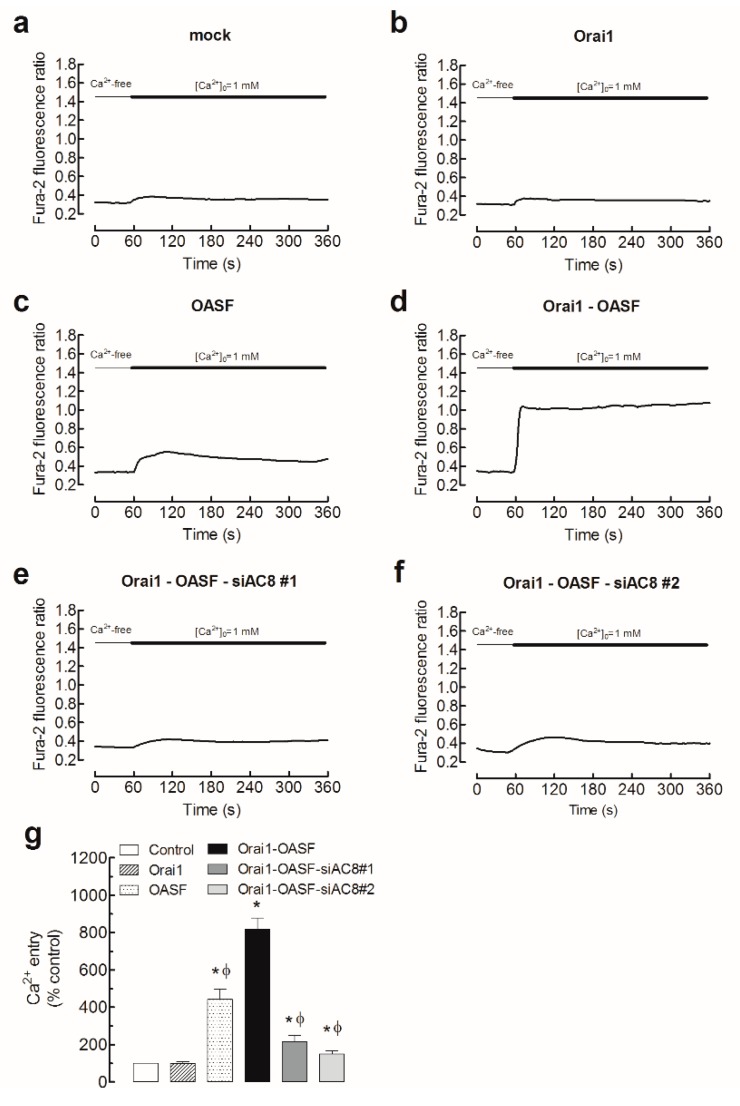
“As shown in Figure 5, expression of Orai1 alone had a negligible effect, if any, on the fura-2 fluorescence ratio, as previously reported [25].”
ResultRapid inactivation of depletion-activated calcium current (ICRAC) due to local calcium feedback.
Zweifach, A., & Lewis, R. S. (1995) · The Journal of general physiology · doi:10.1085/jgp.105.2.209 · Cited by 369 · cited 1×
“Two different mechanisms, termed fast Ca2+-dependent inactivation (FCDI) that occurs within milliseconds [16] and slow Ca2+-dependent inactivation (SCDI) that commences tens of seconds after Orai1 activation [17], were described, although the precise mechanism remains unclear.”
BackgroundA Novel Native Store-operated Calcium Channel Encoded by Orai3
Motiani, R. K., Abdullaev, I. F., & Trebak, M. (2010) · Journal of Biological Chemistry · doi:10.1074/jbc.m110.102582 · Cited by 335 · cited 12×
“To assess the role of AC8 in SOCE, MDA-MB-231 cells were transfected with two different commercial small interfering RNAs (siRNAs) for AC8 or scramble plasmids to analyze their effect on TG-evoked Ca2+ mobilization.”
BackgroundResultInfluentialSARAF Inactivates the Store Operated Calcium Entry Machinery to Prevent Excess Calcium Refilling
Palty, R., Raveh, A., Kaminsky, I., Meller, R., & Reuveny, E. (2012) · Cell · doi:10.1016/j.cell.2012.01.055 · Cited by 273
Rowan, B. G., Garrison, N., Weigel, N. L., & O'Malley, B. W. (2000) · Molecular and Cellular Biology · doi:10.1128/mcb.20.23.8720-8730.2000 · Cited by 244 · cited 1×
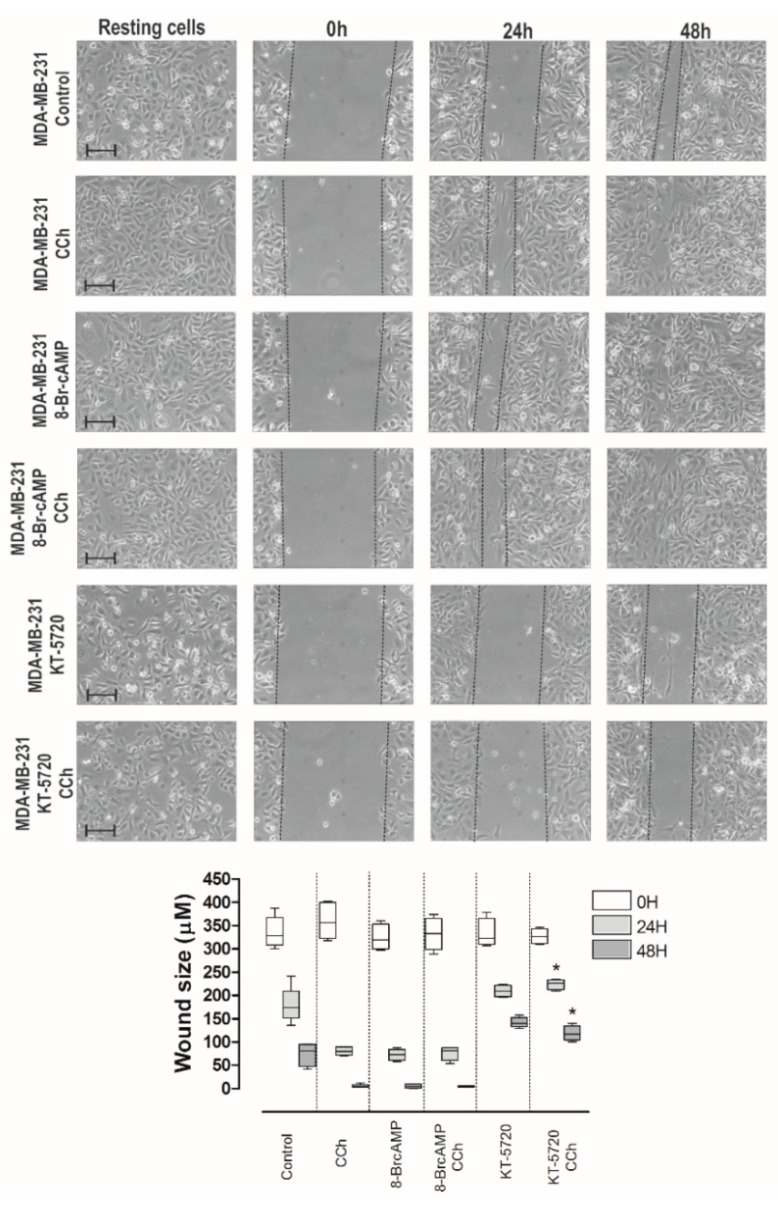
“Cell treatment with the cell permeant cAMP analogue and PKA activator [29], 8-bromo-cAMP (8-Br-cAMP; 300 μM), enhanced the ability of MDA-MB-231 cells to migrate to a similar extent as CCh, so that stimulation with CCh in the presence of 8-Br-cAMP did not increase the effect of 8-Br-cAMP alone (Figure 8; n = 6).”
BackgroundZweifach, A., & Lewis, R. S. (1995) · Journal of Biological Chemistry · doi:10.1074/jbc.270.24.14445 · Cited by 238 · cited 1×
“Two different mechanisms, termed fast Ca2+-dependent inactivation (FCDI) that occurs within milliseconds [16] and slow Ca2+-dependent inactivation (SCDI) that commences tens of seconds after Orai1 activation [17], were described, although the precise mechanism remains unclear.”
BackgroundORAI1-Mediated Calcium Influx in Lactation and in Breast Cancer
McAndrew, D., Grice, D. M., Peters, A. A., Davis, F. M., Stewart, T., Rice, M., Smart, C. E., Brown, M. A., Kenny, P. A., Roberts-Thomson, S. J., et al. (2011) · Molecular Cancer Therapeutics · doi:10.1158/1535-7163.mct-10-0923 · Cited by 209 · cited 1×
“In breast cancer cells, Orai1 was reported to play an important role in migration [37,38] and the present study provides evidence for a role of AC8 supporting breast cancer cell migration.”
BackgroundKawasaki, T., Ueyama, T., Lange, I., Feske, S., & Saito, N. (2010) · Journal of Biological Chemistry · doi:10.1074/jbc.m109.022996 · Cited by 162 · cited 15×
“To assess the role of AC8 in SOCE, MDA-MB-231 cells were transfected with two different commercial small interfering RNAs (siRNAs) for AC8 or scramble plasmids to analyze their effect on TG-evoked Ca2+ mobilization.”
BackgroundInfluentialDirect Binding Between Orai1 and AC8 Mediates Dynamic Interplay Between Ca 2+ and cAMP Signaling
Willoughby, D., Everett, K. L., Halls, M. L., Pacheco, J., Skroblin, P., Vaca, L., Klussmann, E., & Cooper, D. M. F. (2012) · Science Signaling · doi:10.1126/scisignal.2002299 · Cited by 149 · cited 8×
“A recent study reported direct interaction of Orai1 with the Ca2+ calmodulin-activated adenylyl cyclase type 8 (AC8) [19].”
BackgroundResultInfluentialGolovina, V. A. (2005) · The Journal of Physiology · doi:10.1113/jphysiol.2005.085035 · Cited by 140 · cited 1×
“Cells were incubated with 5 μM fura-FFP18/AM for 2 h at 37 ◦C as described previously [45].”
MethodHammadi, M., Chopin, V., Matifat, F., Duthille, I., Chasseraud, M., Sevestre, H., & Ouadid‐Ahidouch, H. (2012) · Journal of Cellular Physiology · doi:10.1002/jcp.24095 · Cited by 124 · cited 1×
“1 potassium channels that mediate serum-induced migration [9].”
BackgroundDesai, P. N., Zhang, X., Wu, S., Janoshazi, A., Bolimuntha, S., Putney, J. W., & Trebak, M. (2015) · Science Signaling · doi:10.1126/scisignal.aaa8323 · Cited by 122
The STIM1 CTID domain determines access of SARAF to SOAR to regulate Orai1 channel function
Jha, A., Ahuja, M., Maléth, J., Moreno, C. M., Yuan, J. P., Kim, M. S., & Muallem, S. (2013) · Journal of Cell Biology · doi:10.1083/jcb.201301148 · Cited by 119
Fukushima, M., Tomita, T., Janoshazi, A., & Putney, J. W. (2012) · Journal of Cell Science · doi:10.1242/jcs.104919 · Cited by 119 · cited 2×
“Two variants of Orai1, generated by alternative translation initiation, were recently identified [18], a long form termed Orai1α of approximately 33 kDa and a short form, Orai1β, lacking amino acids 1–63, of approximately 23 kDa.”
BackgroundTrebak, M., & Putney, J. W. (2017) · Physiology · doi:10.1152/physiol.00011.2017 · Cited by 111 · cited 1×
“AC8 was reported to bind to an N-terminal sequence of Orai1 located between amino acids 26 and 34, which contains three serines (27, 30, and 34) [23].”
BackgroundThe Orai1 Store-operated Calcium Channel Functions as a Hexamer
Cai, X., Zhou, Y., Nwokonko, R. M., Loktionova, N. A., Wang, X., Xin, P., Trebak, M., Wang, Y., & Gill, D. L. (2016) · Journal of Biological Chemistry · doi:10.1074/jbc.m116.758813 · Cited by 106
Orai1 and STIM1 are critical for cell migration and proliferation of clear cell renal cell carcinoma
Kim, J., Lkhagvadorj, S., Lee, M.-R., Hwang, K., Chung, H. C., Jung, J. H., Cha, S., & Eom, M. (2014) · Biochemical and Biophysical Research Communications · doi:10.1016/j.bbrc.2014.04.064 · Cited by 104
Golubovskaya, V. M., Figel, S., Ho, B. T., Johnson, C. P., Yemma, M., Huang, G., Zheng, M., Nyberg, C., Magis, A., Ostrov, D. A., et al. (2012) · Carcinogenesis · doi:10.1093/carcin/bgs120 · Cited by 102
A calcium/cAMP signaling loop at the ORAI1 mouth drives channel inactivation to shape NFAT induction
Zhang, X., Pathak, T., Yoast, R., Emrich, S., Xin, P., Nwokonko, R. M., Johnson, M., Wu, S., Delierneux, C., Gueguinou, M., et al. (2019) · Nature Communications · doi:10.1038/s41467-019-09593-0 · Cited by 96 · cited 10×
“The latter phosphorylates Orai1 at Ser-34, leading to Ca2+-dependent inactivation of the channel [21].”
BackgroundResultInfluentialJardín, I., Diez-Bello, R., López, J. J., Redondo, P. C., Salido, G. M., Smani, T., & Rosado, J. A. (2018) · Cancers · doi:10.3390/cancers10090331 · Cited by 92 · cited 6×
“Consistent with previous studies [3,6], Western blot analysis of whole-cell lysates from the non-tumoral breast epithelial MCF10A cell line and the estrogen receptor positive (ER+) and TNBC cell lines MCF7 and MDA-MB-231, respectively, with a specific anti-human Orai1 antibody revealed a low expression of Orai1 in MCF…”
BackgroundMethodResultInfluentialSelf-citationBadaoui, M., Julienne, C. M., Saby, C., Gulick, L. V., Peretti, M., Jeannesson, P., Morjani, H., & Ouadid‐Ahidouch, H. (2017) · Oncotarget · doi:10.18632/oncotarget.19065 · Cited by 89
Zbidi, H., Jardín, I., Woodard, G. E., López, J. J., Berna‐Erro, A., Salido, G. M., & Rosado, J. A. (2011) · Journal of Biological Chemistry · doi:10.1074/jbc.m110.190694 · Cited by 84 · cited 1×
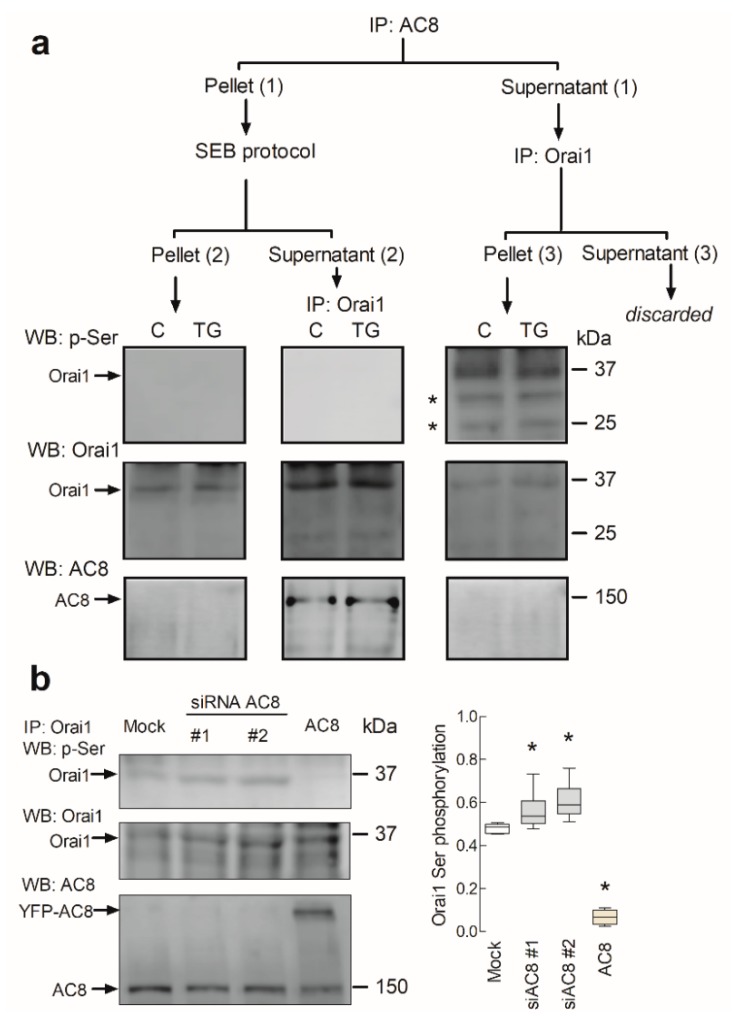
“The immunoprecipitation and Western blotting were performed as described previously [46].”
MethodSelf-citationHo, B., Olson, G., Figel, S., Gelman, I., Cance, W. G., & Golubovskaya, V. M. (2012) · Journal of Biological Chemistry · doi:10.1074/jbc.m111.322883 · Cited by 76 · cited 1×
“Phosphorylation and activation of the focal adhesion kinase (FAK) was shown to play an important role in cell migration and invasion [30].”
BackgroundAzimi, I., Milevskiy, M. J. G., Chalmers, S. B., Yapa, K. T. D. S., Robitaille, M., Henry, C., Baillie, G. J., Thompson, E. W., Roberts‐Thomson, S. J., & Monteith, G. R. (2019) · Cancers · doi:10.3390/cancers11020208 · Cited by 76
Dynes, J. L., Amcheslavsky, A., & Cahalan, M. D. (2016) · Proceedings of the National Academy of Sciences · doi:10.1073/pnas.1523410113 · Cited by 73
Wang, Y., Qi, Y., Qi, Z., & Tsang, S. Y. (2019) · Cancers · doi:10.3390/cancers11040558 · Cited by 73
Wagner, S. M., Storbeck, C. J., Roovers, K., Chaar, Z. Y., Piotr, K., McKay, M., & Sabourin, L. A. (2008) · PLoS ONE · doi:10.1371/journal.pone.0001868 · Cited by 66 · cited 1×
“Focal adhesion turnover is essential for cell migration, and the cytosolic tyrosine kinase FAK plays a central role in the dynamics of focal adhesions [39].”
BackgroundImproved Elution Conditions for Native Co-Immunoprecipitation
Antrobus, R., & Borner, G. H. H. (2011) · PLoS ONE · doi:10.1371/journal.pone.0018218 · Cited by 58 · cited 1×
“The soft elution of proteins bound to the protein A agarose was performed according to the protocol described by Antrobus and Borner [47].”
MethodDiez-Bello, R., Jardín, I., Salido, G. M., & Rosado, J. A. (2016) · Biochimica et Biophysica Acta (BBA) - Molecular Cell Research · doi:10.1016/j.bbamcr.2016.11.014 · Cited by 50 · cited 1×
“We previously found that Orai1 is involved in FAK phosphorylation in cancer cells [27]; therefore, we investigated the role of AC8 in FAK phosphorylation in MDA-MB-231 cells.”
BackgroundSelf-citationPeretti, M., Badaoui, M., Girault, A., Gulick, L. V., Mabille, M.-P., Tebbakha, R., Sevestre, H., Morjani, H., & Ouadid‐Ahidouch, H. (2019) · Scientific Reports · doi:10.1038/s41598-018-37602-7 · Cited by 50
Store-Operated Ca2+ Entry in Breast Cancer Cells: Remodeling and Functional Role
Jardín, I., López, J. J., Salido, G. M., & Rosado, J. A. (2018) · International Journal of Molecular Sciences · doi:10.3390/ijms19124053 · Cited by 49
Self-citationGueder, N., Allan, G., Telliez, M., Hague, F., Fernández, J. M. G., Sánchez‐Fernández, E. M., Mellet, C. O., Ahidouch, A., & Ouadid‐Ahidouch, H. (2017) · Journal of Cellular Physiology · doi:10.1002/jcp.25832 · Cited by 47
Wang, Y., Li, Z., Zhang, P., Poon, E. N.-Y., Kong, C., Boheler, K. R., Huang, Y., Li, R. A., & Yao, X. (2015) · Stem Cells · doi:10.1002/stem.2118 · Cited by 42 · cited 2×
“Ser-27 and -30 are the main phosphorylation sites targeted by PKCβ1 [20], while Ser-34 was found to be a target of protein kinase G (PKG) [36] and, more recently, Zhang and coworkers revealed that Ser-34 is also a PKA phosphorylation site [21].”
BackgroundStructure, Regulation and Biophysics of ICRAC, STIM/Orai1
Derler, I., Madl, J., Schütz, G. J., & Romanin, C. (2012) · Advances in experimental medicine and biology · doi:10.1007/978-94-007-2888-2_16 · Cited by 40
Chakraborty, S., Ghosh, S., Banerjee, B., Santra, A., Adhikary, A., Misra, A. K., & Sen, P. C. (2016) · Frontiers in Pharmacology · doi:10.3389/fphar.2016.00114 · Cited by 38
Babaer, D., Amara, S., Ivy, M. T., Zhao, Y., Lammers, P. E., Titze, J. M., & Tiriveedhi, V. (2018) · Oncotarget · doi:10.18632/oncotarget.25391 · Cited by 34
Ramadan, W. S. H., Vazhappilly, C. G., Saleh, E., Menon, V., Al-Azawi, A. M., El-Serafi, A. T., Mansour, W. Y., & El‐Awady, R. (2018) · Cancers · doi:10.3390/cancers11010013 · Cited by 34
EFHB is a Novel Cytosolic Ca2+ Sensor That Modulates STIM1-SARAF Interaction
Albarrán, L., López, J. J., Jardín, I., Sánchez-Collado, J., Berna‐Erro, A., Smani, T., Camello, P. J., Salido, G. M., & Rosado, J. A. (2018) · Cellular Physiology and Biochemistry · doi:10.1159/000495494 · Cited by 32 · cited 1×
“Fluorescence ratio (F340/F380) was calculated pixel by pixel, and the data were presented as ∆F340/F380, as previously described [13,43,44].”
MethodSelf-citationStore-independent Orai1-mediated Ca2+ entry and cancer
Cantonero, C., Sánchez-Collado, J., González-Núñez, M., Salido, G. M., López, J. J., Jardín, I., & Rosado, J. A. (2019) · Cell Calcium · doi:10.1016/j.ceca.2019.02.012 · Cited by 32
Self-citationLópez, E., Frischauf, I., Jardín, I., Derler, I., Muik, M., Cantonero, C., Salido, G. M., Smani, T., Rosado, J. A., & Redondo, P. C. (2019) · Journal of Cell Science · doi:10.1242/jcs.226019 · Cited by 32
Self-citationRosado, J. A., Salido, G. M., Jensen, R. T., & Garcı́a, L. J. (1998) · Biochimica et Biophysica Acta (BBA) - Molecular Cell Research · doi:10.1016/s0167-4889(98)00072-x · Cited by 30
Self-citationLópez, J. J., Albarrán, L., Jardín, I., Sánchez-Collado, J., Redondo, P. C., Bermejo, N., Bobe, R., Smani, T., & Rosado, J. A. (2017) · Arteriosclerosis Thrombosis and Vascular Biology · doi:10.1161/atvbaha.117.310139 · Cited by 29
Self-citationGarcı́a, L. J., Rosado, J. A., Tsuda, T., & Jensen, R. T. (1997) · Biochimica et Biophysica Acta (BBA) - Molecular Cell Research · doi:10.1016/s0167-4889(97)00056-6 · Cited by 28
Self-citationSARAF modulates TRPC1, but not TRPC6, channel function in a STIM1-independent manner
Albarrán, L., López, J. J., Gómez, L. J., Salido, G. M., & Rosado, J. A. (2016) · Biochemical Journal · doi:10.1042/bcj20160348 · Cited by 25 · cited 1×
“Fluorescence ratio (F340/F380) was calculated pixel by pixel, and the data were presented as ∆F340/F380, as previously described [13,43,44].”
MethodSelf-citationBastián‐Eugenio, C. E., Bohorquez, A., Pacheco, J. E., Sampieri, A., Asanov, A. N., Ocelotl-Oviedo, J. P., Guerrero, A., Darszon, A., & Vaca, L. A. (2019) · Communications Biology · doi:10.1038/s42003-019-0338-1 · Cited by 19
Cited by
Physiological roles of mammalian transmembrane adenylyl cyclase isoforms
Ostrom, K. F., LaVigne, J. E., Brust, T. F., Seifert, R., Dessauer, C. W., Watts, V. J., & Ostrom, R. S. (2022) · Physiological Reviews · doi:10.1152/physrev.00013.2021 · Cited by 131
Paredes, K. O., Díaz‐García, D., García‐Almodóvar, V., Chamizo, L. L., Marciello, M., Díaz‐Sánchez, M., Prashar, S., Gómez‐Ruiz, S., & Filice, M. (2020) · Cancers · doi:10.3390/cancers12010187 · Cited by 76
Targeting Adenylate Cyclase Family: New Concept of Targeted Cancer Therapy
Guo, R., Liu, T., Shasaltaneh, M. D., Wang, X., İmani, S., & Wen, Q. (2022) · Frontiers in Oncology · doi:10.3389/fonc.2022.829212 · Cited by 52
Waldherr, L., Tiffner, A., Mishra, D., Sallinger, M., Schober, R., Frischauf, I., Schmidt, T., Handl, V., Sagmeister, P., Köckinger, M., et al. (2020) · Cancers · doi:10.3390/cancers12102876 · Cited by 46
“The Ca2+ channel protein complex formed by stromal interaction molecule (STIM) and Orai has been shown to mediate store-operated Ca2+ (SOC) influx in a large variety of cells including numerous cancer cell types (as reviewed in [1] and recently reported in [2,3].”
BackgroundEFHB is a Novel Cytosolic Ca2+ Sensor That Modulates STIM1-SARAF Interaction
Albarrán, L., López, J. J., Jardín, I., Sánchez-Collado, J., Berna‐Erro, A., Smani, T., Camello, P. J., Salido, G. M., & Rosado, J. A. (2018) · Cellular Physiology and Biochemistry · doi:10.1159/000495494 · Cited by 32
Self-citation
Metadata
- Authors
- Sanchez-Collado, J., Lopez, J. J., Jardin, I., Camello, P. J., Falcon, D., Regodon, S., Salido, G. M., Smani, T., & Rosado, J. A.
- Affiliations
- Department of Physiology, (Cellular Physiology Research Group), Institute of Molecular Pathology Biomarkers, University of Extremadura, 10003 Caceres, Spain
- Universidad de Extremadura (ES)
- Department of Medical Physiology and Biophysics, Institute of Biomedicine of Sevilla, 41013 Sevilla, Spain
- Instituto de Biomedicina de Sevilla (ES)
- Corresponding author
- Rosado, Juan A.
- ORCID
- Venue
- Cancers
- Publisher
- MDPI AG
- Published
- 2019-10-23
- Volume
- 11
- Issue
- 11
- Pages
- 1624
- ISSN
- 2072-6694 (ISSN-L)
- PMC
- PMC6893434
- OpenAlex
- W2981340593
- Cited by
- 48
- References
- 48
- Citations by year
- 2026: 1 · 2025: 6 · 2024: 8 · 2023: 5 · 2022: 10 · 2021: 9 · 2020: 8
- FWCI
- 3.86
- Type
- journal article
- Language
- en
- Open access
- gold
- dx.doi.org
- Licence
- Locations
- Cancers (publishedVersion, cc-by)
- Europe PMC (PubMed Central) (publishedVersion, cc-by)
- PubMed Central (publishedVersion, cc-by)
- PubMed (publishedVersion)
- RISalud Institutional Health Repository of Andalucía (submittedVersion, cc-by)
- Institutional Repository University of Extremadura (University of Extremadura) (submittedVersion, other-oa)
- DIGITAL.CSIC (Spanish National Research Council (CSIC)) (submittedVersion, cc-by)
- DOAJ (DOAJ: Directory of Open Access Journals) (submittedVersion, cc-by-sa)
- Funders
- Monash University
- Instituto Politécnico Nacional
- Junta de Extremadura (TA18054, GR18061, IB16046, TA18011)
- European Regional Development Fund (GR18061, IB16046)
- Centro de Investigación y de Estudios Avanzados del Instituto Politécnico Nacional
- Topics
- Life Sciences › Neuroscience › Sensory Systems › Ion Channels and Receptors
- Life Sciences › Biochemistry, Genetics and Molecular Biology › Physiology › Calcium signaling and nucleotide metabolism
- Life Sciences › Biochemistry, Genetics and Molecular Biology › Molecular Biology › Ion channel regulation and function
- Keywords
- Orai1, store-operated calcium entry, triple-negative breast cancer, STIM1, calcium signaling, cell migration, focal adhesion kinase, cAMP signaling, protein kinase A, protein kinase C, MDA-MB-231 cells, MCF-7 cells
About these checks
Registry, retraction, Cites and statistics results are computed, not judged, with one exception: a printed reference that no index lists is read once by a model before it counts as a citation error. Claims are extracted by a model and kept only when their quote appears verbatim in the text; each cited source is then checked, with a model’s help, for whether it says what the claim relies on. Those verdicts can be wrong — read the claim’s quote and the cited source before relying on one.
Statistics and arithmetic are recomputed, not judged.
Confidence bands are shown only for fields calibrated on our annotated test set. None is calibrated yet, so no band is shown.
What counts as a claim ›How we measure confidence ›How we check this ›
Are you an author, or do you see a problem with this page? Request a review
Data sources
Bibliographic data: Semantic Scholar, OpenAlex, Crossref.
Contains information from the Semantic Scholar Academic Graph Datasets, made available under the ODC Attribution License (ODC-BY 1.0).
Semantic Scholar’s data is described in: Kinney, R., et al. (2023). The Semantic Scholar Open Data Platform. arXiv:2301.10140.
