

The Tumor Microenvironment in Tumorigenesis and Therapy Resistance Revisited
Open accessPublished version of a preprint
The DOI matches its Crossref record; 528 of the 528 references it cites were found in a registry or an index.
Abstract
Tumorigenesis is a complex and dynamic process involving cell-cell and cell-extracellular matrix (ECM) interactions that allow tumor cell growth, drug resistance and metastasis. This review provides an updated summary of the role played by the tumor microenvironment (TME) components and hypoxia in tumorigenesis, and highlight various ways through which tumor cells reprogram normal cells into phenotypes that are pro-tumorigenic, including cancer associated- fibroblasts, -macrophages and -endothelial cells. Tumor cells secrete numerous factors leading to the transformation of a previously anti-tumorigenic environment into a pro-tumorigenic environment. Once formed, solid tumors continue to interact with various stromal cells, including local and infiltrating fibroblasts, macrophages, mesenchymal stem cells, endothelial cells, pericytes, and secreted factors and the ECM within the tumor microenvironment (TME). The TME is key to tumorigenesis, drug response and treatment outcome. Importantly, stromal cells and secreted factors can initially be anti-tumorigenic, but over time promote tumorigenesis and induce therapy resistance. To counter hypoxia, increased angiogenesis leads to the formation of new vascular networks in order to actively promote and sustain tumor growth via the supply of oxygen and nutrients, whilst removing metabolic waste. Angiogenic vascular network formation aid in tumor cell metastatic dissemination. Successful tumor treatment and novel drug development require the identification and therapeutic targeting of pro-tumorigenic components of the TME including cancer-associated- fibroblasts (CAFs) and -macrophages (CAMs), hypoxia, blocking ECM-receptor interactions, in addition to the targeting of tumor cells. The reprogramming of stromal cells and the immune response to be anti-tumorigenic is key to therapeutic success. Lastly, this review highlights potential TME- and hypoxia-centered therapies under investigation.
Overview
The claims and statistics of this paper haven’t been checked yet.
Free: it reads the open-access text and checks the first 5 claims that cite a source we can check. Create a free account to check every claim.
Integrity signals
Registry
Cites
Statistics
Figures
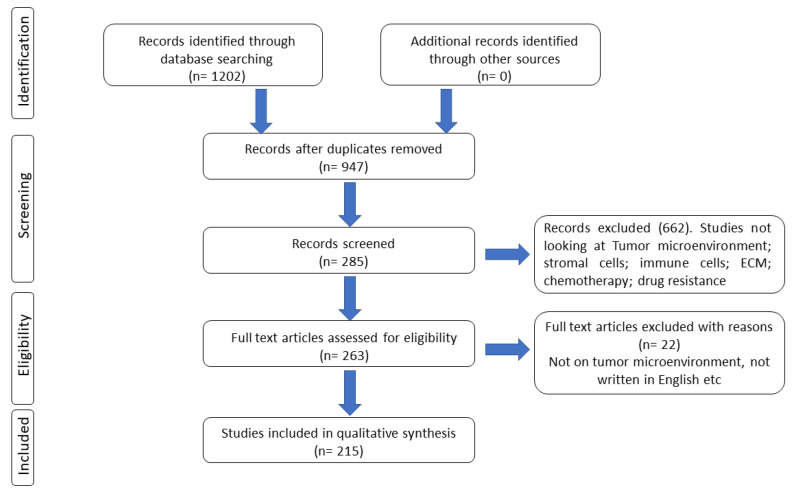
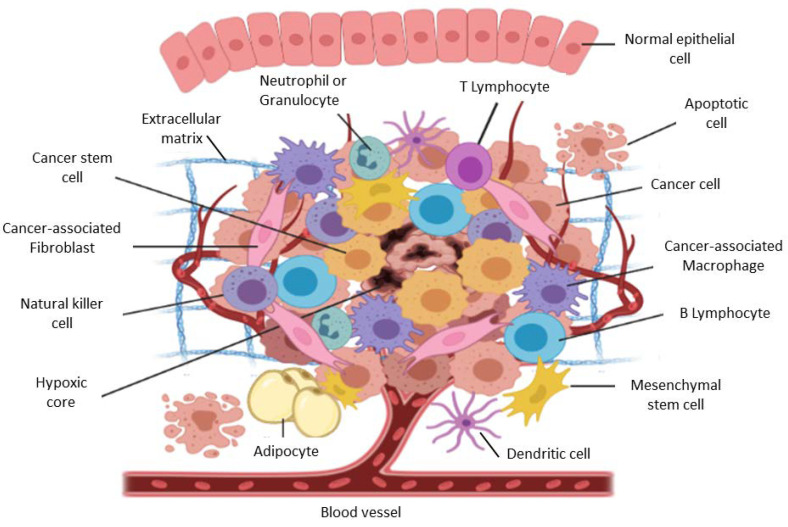
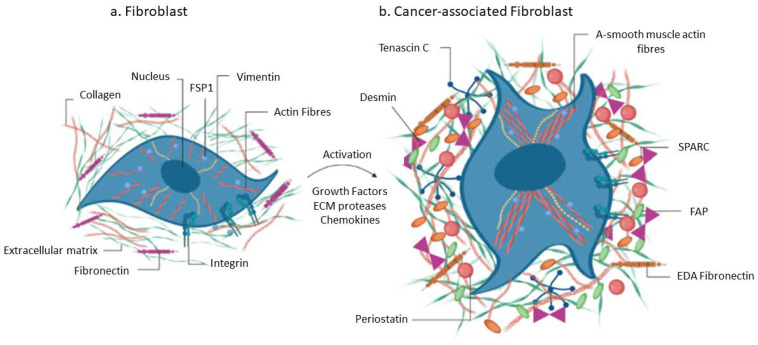
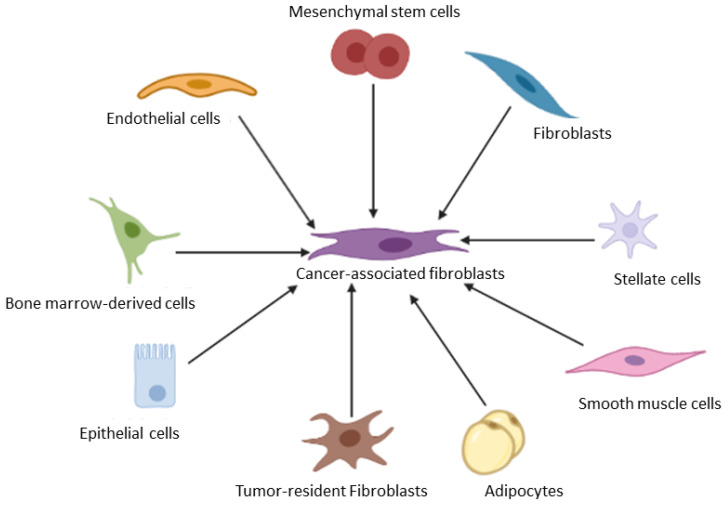
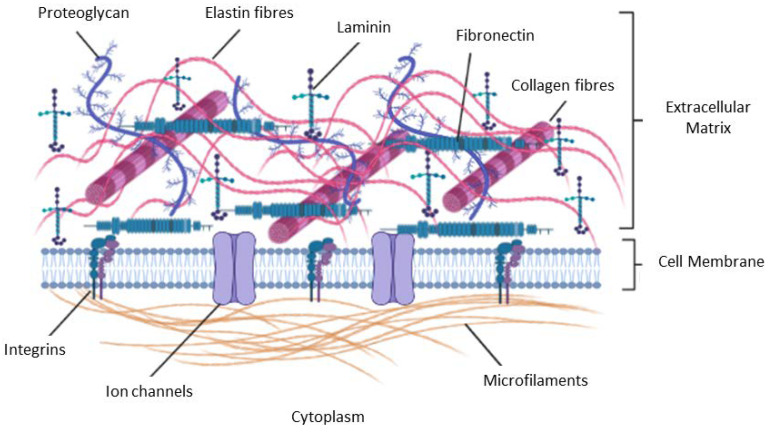
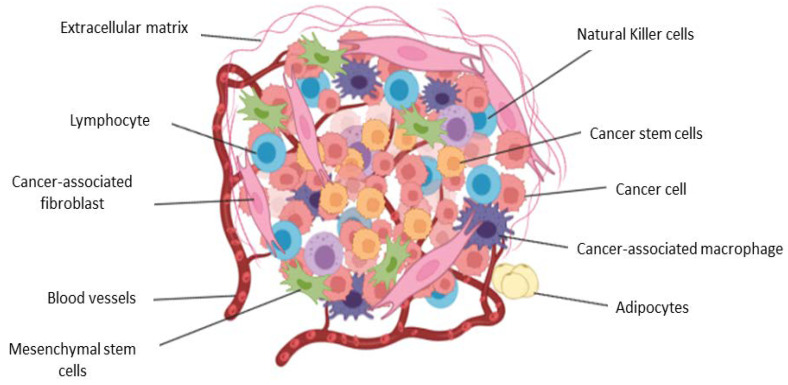
Verification
Claims the paper makes
The claims and statistics of this paper haven’t been checked yet.
Free: it reads the open-access text and checks the first 5 claims that cite a source we can check. Create a free account to check every claim.
Claims other papers make about this one
Each is checked against this paper’s own text: does it say what the citing paper says it does?
The source backs part of the claim, not all of it — or backs it for a different population, condition or comparison.
In the citing paper
“which are essential for cell support, signaling, invasion, and metastasis [33]”
From The Synergistic Effect of Proanthocyanidin and HDAC Inhibitor Inhibit Breast Cancer Cell Growth and Promote Apoptosis (2023) · cites this paper as [33]
Experimental — accuracy not yet measuredThe source backs part of the claim, not all of it — or backs it for a different population, condition or comparison.
In the citing paper
“Consequently, the interplay between the gut microbiome and the TME constitutes a critical regulatory axis that modulates tumor initiation, growth, metastatic dissemination, and responsiveness to treatment [11,43,45–47]”
From Phage therapy in oncology: opportunities for cancer prevention and treatment (2026) · cites this paper as [46]
Experimental — accuracy not yet measured
Self-check
Percentages, sums and reported differences re-computed from the paper’s own numbers.
The self-check needs the paper’s full text.
Citations
Cites
1 retracted
Gilkes, D. M., Bajpai, S., Chaturvedi, P., Wirtz, D., & Semenza, G. L. (2013) · Journal of Biological Chemistry · doi:10.1074/jbc.m112.442939 · Cited by 467
RetractedHallmarks of Cancer: The Next Generation
Hanahan, D., & Weinberg, R. A. (2011) · Cell · doi:10.1016/j.cell.2011.02.013 · Cited by 66,590
Adverse Renal Effects of Immune Checkpoint Inhibitors: A Narrative Review
Wanchoo, R., Karam, S., Uppal, N. N., Barta, V. S., Deray, G., Devoe, C., Launay-Vacher, V., Jhaveri, K. D., & on behalf of Cancer and Kidney International Network Workgroup on Immune Checkpoint Inhibitors (2017) · American Journal of Nephrology · doi:10.1159/000455014 · Cited by 15,256
International Journal of Molecular Sciences
(2024) · International Journal of Molecular Sciences · doi:10.3390/ijms · Cited by 10,111
Pattern Recognition Receptors and Inflammation
Takeuchi, O., & Akira, S. (2010) · Cell · doi:10.1016/j.cell.2010.01.022 · Cited by 8,895
Isolation of Putative Progenitor Endothelial Cells for Angiogenesis
Asahara, T., Murohara, T., Sullivan, A., Silver, M., van der Zee, R., Li, T., Witzenbichler, B., Schatteman, G., & Isner, J. M. (1997) · Science · doi:10.1126/science.275.5302.964 · Cited by 8,725
Gurtner, G. C., Werner, S., Barrandon, Y., & Longaker, M. T. (2008) · Nature · doi:10.1038/nature07039 · Cited by 6,542
Singer, A. J., & Clark, R. A. F. (1999) · New England Journal of Medicine · doi:10.1056/nejm199909023411006 · Cited by 6,106
The Immune Landscape of Cancer
Thorsson, V., Gibbs, D. L., Brown, S. D., Wolf, D., Bortone, D. S., Ou Yang, T.-H., Porta-Pardo, E., Gao, G. F., Plaisier, C. L., Eddy, J. A., et al. (2018) · Immunity · doi:10.1016/j.immuni.2018.03.023 · Cited by 5,870
Hypoxia — a key regulatory factor in tumour growth
Harris, A. L. (2002) · Nature Reviews Cancer · doi:10.1038/nrc704 · Cited by 5,177
Cited by
Items 101–160 of 160
Chitre, S., Huang, H. J., & Xu, Y. (2025) · Undergraduate Research in Natural and Clinical Science and Technology (URNCST) Journal · doi:10.26685/urncst.894 · Cited by 1
Li, Y., Feng, J., Wang, H., Cheng, Y., & Lv, J. (2025) · Nano Letters · doi:10.1021/acs.nanolett.5c04685 · Cited by 2
The Multi-Target lncRNA–miRNA–mRNA TRIAD in Pancreatic Cancer Diagnosis and Therapy
Jeong, H.-S., Lee, Y. J., Lee, D. H., Roh, H.-Y., Jeong, G.-R., & Kim, H. (2026) · International Journal of Molecular Sciences · doi:10.3390/ijms27031400 · Cited by 1
Zhuang, L., Zhang, W., Wu, J., Cao, J., Feng, L., & Cao, S. (2026) · Journal of Molecular Medicine · doi:10.1007/s00109-026-02669-7 · Cited by 1
Two Worlds, One Battle: How Bacteria and Malignancies Converge on Drug Resistance
Papaneophytou, C. P. (2026) · International Journal of Molecular Sciences · doi:10.3390/ijms27104239 · Cited by 2
Albukhari, A. F. (2026) · Purinergic Signalling · doi:10.1007/s11302-026-10156-4 · Cited by 1
Garibay-Manríquez, C., Díaz-Cervantes, E., Chacón-García, L., Martínez‐Mayorga, K., & Cortés-Garcia, C. J. (2026) · ACS Omega · doi:10.1021/acsomega.6c00605 · Cited by 2
Zhao, Z., Qiu, L., Li, Z. L., Wu, J., Ni, Q. Y., Li, S., WANG, H., Shi, C., Lin, X., Liu, Y., et al. (2026) · The Aging Male · doi:10.1080/13685538.2026.2680719 · Cited by 1
Shah, D., & Alavala, R. R. (2026) · Cell Biochemistry and Function · doi:10.1002/cbf.70271 · Cited by 3
Rejili, M., Farahani, N., Alimohammadi, M., & Hushmandi, K. (2026) · Discover Oncology · doi:10.1007/s12672-026-05260-1 · Cited by 3
Styryl carbamate backbones for the discovery of TME-disrupting agents
Bou-Puerto, A., Cardá, M., & Falomir, E. (2024) · Results in Chemistry · doi:10.1016/j.rechem.2024.101372 · Cited by 1
Hu, Z., Wu, J., Zhou, W., Wang, K., & Zhang, W. (2024) · Journal of Cancer · doi:10.7150/jca.94501 · Cited by 2
Rodrigues, A. M., Fiore, A. P. Z. P., Guardia, G. D. A., Tomasin, R., Teixeira, A. A. R., Giordano, R. J., Schechtman, D., Pagano, M., Galante, P. A. F., & Bruni‐Cardoso, A. (2024) · Oncogene · doi:10.1038/s41388-024-03104-2 · Cited by 1
Transforming agents: The power of structural modifications in glioblastoma multiforme therapy
Norollahi, S. E., Morovat, S., Keymoradzadeh, A., Hamzei, A., Modaeinama, M., SOLEIMANMANESH, N., Soleimanmanesh, Y., Najafizadeh, A., Bakhshalipour, E., Alijani, B., et al. (2024) · Progress in Biophysics and Molecular Biology · doi:10.1016/j.pbiomolbio.2024.12.001 · Cited by 1
Tian, K., Yao, Z., & Pan, D. (2024) · Frontiers in Immunology · doi:10.3389/fimmu.2024.1490623 · Cited by 1
Lin, Y.-W., Li, H.-E., Hong, C., Chen, Z., Liu, S.-P., Xu, Y., Wu, F., & Peng, Y. (2025) · Frontiers in Immunology · doi:10.3389/fimmu.2025.1632090 · Cited by 1
Wojtowicz, K., Tyczewska, M., & Kałużna, S. (2023) · Postepy Biologii Komorki · doi:10.59674/pbk6
Molecular Characteristics of Tumor Cell: Recent Advances and ChallengesPreprint
abdi, A. M. (2023) · Preprints.org · doi:10.20944/preprints202311.1355.v1
Styryl Carbamates Backbones for the Discovery of TME-Disruptors AgentsPreprint
Bou-Puerto, A., Cardá, M., & Falomir, E. (2024) · SSRN Electronic Journal · doi:10.2139/ssrn.4679402
Su, W., Wu, Y., & Xing, C. (2024) · Research Square · doi:10.21203/rs.3.rs-3932905/v1
Morán, J. D. G., Angulo, S. B. M., Beckert, N. V. S., Álava, A. O. C., Gutiérrez, D. R. Y., Peralta, E. A. M., Tomalá, C. A. G., & Plaza, G. R. R. (2024) · Juan Cuevas eBooks · doi:10.56470/978-9942-660-01-5
Future Directions and Challenges in Overcoming Drug Resistance in Cancer
Khan, S. U., Jan, S., Fatima, K., Wani, A., & Malik, F. A. (2024) · Springer eBooks · doi:10.1007/978-981-97-1666-1_12 · Cited by 3
DECODING THE CANCER CODE: UNVEILING THE POTENTIAL OF LONG NON-CODING RNAS IN ONCOLOGY
Duarte, B., do Amaral, L. R., Bertarini, P. L. L., Gomes, M. D. S., Queiroz, F. R., & Braga, L. D. C. (2024) · Mário Penna Journal · doi:10.61229/mpj.v2i1.32
Rai, P., Clark, C. J., Womack, C. B., Dearing, C., Thammathong, J., Norman, D. D., Tigyi, G., Sen, S., Bicker, K. L., Weissmiller, A. M., et al. (2024) · Molecules · doi:10.3390/molecules29184285
Baykal, S., Yüce, Z., & Özhan, G. (2024) · Journal of Cellular and Molecular Medicine · doi:10.1111/jcmm.70105
de Juan-Maciá, P., Losada-Echeberría, M., Micol, V., Barrajón‐Catalán, E., & Herranz‐López, M. (2024) · Interdisciplinary cancer research · doi:10.1007/16833_2024_430 · Cited by 1
Sencha, L. M., Karpova, M. A., Dobrynina, O. E., & Balalaeva, I. V. (2025) · Tissue and Cell · doi:10.1016/j.tice.2024.102719
Upregulation of TPX2 and KIF20A in colorectal cancer
Ghadiri, F., Tajamolian, M., Mollanoori, H., Babakhanzadeh, E., Kargar, S., Javid, A., & Dehghani, M. (2025) · Biomedical Research and Therapy · doi:10.15419/bmrat.v12i2.961 · Cited by 1
Microambiente tumoral: influencia en el tratamiento del cáncer
Cabral, P., & Camacho, X. (2025) · SALUD MILITAR · doi:10.35954/sm2025.44.1.3.e401
Xu, Y. (2025) · American Journal of Translational Research · doi:10.62347/etgf1320
Dai, J. L. (2025) · American Journal of Cancer Research · doi:10.62347/zkzm8986
Sanka, K., Rapolu, K., Boyina, H. K., Chakraborty, S., & Muvvala, S. (2025) · Elsevier eBooks · doi:10.1016/b978-0-443-33459-7.00008-9
Pazhamalai, V., Sreeram, E., Nimshi, P., Lakshmi, S. S., Meenambiga, S. S., Romauld, S. I., & Chandrasekaran, R. (2025) · IGI Global eBooks · doi:10.4018/979-8-3373-2096-0.ch012
A SYSTEMATIC REVIEW OF TREATMENT METHODS FOR MOLAR/INCISOR HYPOMINERALIZATION
Laforgia, A., D., I. A., Dipalma, G., Balestriere, L., Fiore, A., C., T. F., Corsalini, M., Paduanelli, G., Palermo, A., R., T. S., et al. (2023) · CINECA IRIS Institutional Research Information System (University of Bari Aldo Moro)
Brown, L. (2026) · Warwick Research Archive Portal (University of Warwick) · doi:10.82444/warw.33890359
Immunogenomic signatures defining the molecular subtypes of head and neck cancer
Gao, L., Wang, B., Wang, J., Chen, Y., Li, N., An, W., & Li, Z. (2026) · Discover Oncology · doi:10.1007/s12672-026-04518-y
Khirallah, S. M., Metawea, S. S. M. S., El-Din, I. E. M., El‐Zahed, M. M., & Sadda, R. R. E. (2026) · Discover Materials · doi:10.1007/s43939-026-00559-w
AL-Zuhairy, S. H., Alwan, A. F., AL-Zuhairy, N. A.-H. S., Khalaf, A. M., & ALAsadi, A. R. (2026) · Middle Eastern Cancer and Oncology Journal · doi:10.61706/mecoj160188
TARG1 affects EGFR signaling through the regulation of RNA metabolism
Mérey, M. (2025) · SZTE Repository of Dissertations (University of Szeged) · doi:10.14232/phd.12878
Autophagy-Driven Cancer Immunotherapy via Tumor Immune Ecosystem Remodeling
Liao, Y., Tan, X., Ren, S., Duan, C., & Hu, J. (2026) · Cancer Biome and Targeted Therapy · doi:10.66505/cbtt.v1i1.10
Mardelle, U. (2024) · theses.fr (ABES) · doi:10.70675/1e786d9ez8d0ez41b3z8ac1z367faf59ae53
Wang, Y., Xing, Y., Guo, K.-Y., & Zhu, Z.-T. (2026) · International Journal of Biological Macromolecules · doi:10.1016/j.ijbiomac.2026.152278
Extracellular Matrix–Tumor Crosstalk and Its Influence on Tumor Dormancy
Gawarguru, R., Shinde, S., & Dey, T. (2026) · Biology of extracellular matrix · doi:10.1007/978-3-032-22618-1_1
Enzyme-responsive 2-dimensional nanomaterials for targeted breast cancer treatment
Lavanya, N., Vijayabharathi, S., M, M. N. I. A., Sherin, F., & Soman, S. (2026) · Journal of drug targeting · doi:10.1080/1061186x.2026.2692597
Jin, T., Sun, L. Y. H., Lai, C., Tan, B., Wu, H. B., Ding, L., W, C., Jin, S., Zhou, H., Guo, Q., et al. (2026) · Journal of Medicinal Chemistry · doi:10.1021/acs.jmedchem.6c00849
Yan, Y., Liang, S., Zhao, Y., Li, Z. J., & Sun, Z. (2026) · Toxicology and Applied Pharmacology · doi:10.1016/j.taap.2026.117936
张稚兰, Feng, L., Zhang, H., Gao, Y., Wang, D., Zhang, J., & Xiang, Y. (2026) · Chemical Engineering Journal · doi:10.1016/j.cej.2026.179661
Theivendren, P., Panneerselvam, S., Jayakumari, S., Zarfishan, A., Bhat, M. J., & Chidambaram, K. (2026) · Pharmacological Research - Natural Products · doi:10.1016/j.prenap.2026.100851
Li, B., Wang, Y., Lin, Z., Wang, X., Fu, Z., Guo, B., Xu, Y., Chen, J., Ding, B., & Wu, X. (2026) · Nanomedicine Nanotechnology Biology and Medicine · doi:10.1016/j.nano.2026.103006
Zhang, Y., Wei, P., Yan, D., Li, Z., & Li, P. (2026) · Coordination Chemistry Reviews · doi:10.1016/j.ccr.2026.218421
Rudy, L. M., & Godlewski, M. M. (2026) · International Journal of Molecular Sciences · doi:10.3390/ijms27177937
Plasma exosomal lncRNA SLC16A1-AS1 as an early diagnostic biomarker for renal cell carcinoma
Sun, Y., Li, Z., Ren, C., Wang, D., & Zhu, X. (2026) · Frontiers in Oncology · doi:10.3389/fonc.2026.1908708
Tỷ lệ mô đệm/u: Giá trị tiên lượng và ứng dụng trong thực hành giải phẫu bệnh
Dương, Đ. T., Nguyễn, V. T., & Nguyễn, C. T. (2026) · Tạp chí Y Dược Huế · doi:10.34071/jmp.2026.s-2.2
Eichler, E. (2025) · Gutenberg Open Science · doi:10.25358/openscience-13112
Impact of smoking on melanoma prognosis and survival
Srivastava, G., & Srivastava, G. (2026) · Academia oncology. · doi:10.20935/acadonco8516
BURGUCU, H. Ç., Günler, T., Ömeroğlu, E., Ünlü, Y., & Aksu, O. (2026) · Pathophysiology · doi:10.3390/pathophysiology33040072
Advances in computational biology approaches for digital modeling of tumor microenvironment
Ming, W., Lu, H., Zeng, T., Luo, K., Xu, J., & Liu, H. (2026) · Briefings in Bioinformatics · doi:10.1093/bib/bbag595
Küçük, D. E., Şenol, Ş. P., Temiz, R. M., Şahan, F. S., & Tunçtan, B. (2023) · Mersin Üniversitesi Açık Erişim Sistemi/Mersin University Open Access System
Metadata
- Authors
- Dzobo, K., Senthebane, D. A., & Dandara, C.
- Affiliations
- South African Medical Research Council (ZA)
- University of Cape Town (ZA)
- Corresponding author
- Dzobo, Kevin
- Venue
- Cancers
- Publisher
- MDPI AG
- Published
- 2023-01-06
- Volume
- 15
- Issue
- 2
- Pages
- 376
- ISSN
- 2072-6694 (ISSN-L)
- PMC
- PMC9856874
- OpenAlex
- W4313640373
- Cited by
- 146
- References
- 509
- Citations by year
- 2026: 33 · 2025: 26 · 2024: 51 · 2023: 36
- FWCI
- 4.73
- Type
- journal article
- Language
- en
- Open access
- gold
- doi.org
- Licence
- Locations
- Cancers (publishedVersion, cc-by)
- Preprints.org (acceptedVersion, cc-by)
- PubMed Central (publishedVersion, cc-by)
- PubMed (publishedVersion)
- Open University of Cape Town (University of Cape Town) (submittedVersion, cc-by)
- Topics
- Health Sciences › Medicine › Oncology › Cancer Cells and Metastasis
- Life Sciences › Biochemistry, Genetics and Molecular Biology › Cancer Research › Cancer, Hypoxia, and Metabolism
- Life Sciences › Biochemistry, Genetics and Molecular Biology › Molecular Biology › Angiogenesis and VEGF in Cancer
- Keywords
- tumor microenvironment, carcinogenesis, treatment resistance, hypoxia, cancer-associated fibroblasts, cancer-associated macrophages, tumor endothelial cells, tumor stroma, extracellular matrix, angiogenesis, metastasis, ECM-receptor interaction
About these checks
Registry, retraction, Cites and statistics results are computed, not judged, with one exception: a printed reference that no index lists is read once by a model before it counts as a citation error. Claims are extracted by a model and kept only when their quote appears verbatim in the text; each cited source is then checked, with a model’s help, for whether it says what the claim relies on. Those verdicts can be wrong — read the claim’s quote and the cited source before relying on one.
Statistics and arithmetic are recomputed, not judged.
Confidence bands are shown only for fields calibrated on our annotated test set. None is calibrated yet, so no band is shown.
What counts as a claim ›How we measure confidence ›How we check this ›
Are you an author, or do you see a problem with this page? Request a review
Data sources
Bibliographic data: Semantic Scholar, OpenAlex, Crossref.
Contains information from the Semantic Scholar Academic Graph Datasets, made available under the ODC Attribution License (ODC-BY 1.0).
Semantic Scholar’s data is described in: Kinney, R., et al. (2023). The Semantic Scholar Open Data Platform. arXiv:2301.10140.
