

The DOI matches its Crossref record.
Less Is More: Substrate Reduction Therapy for Lysosomal Storage Disorders
Abstract
Lysosomal storage diseases (LSDs) are a group of rare, life-threatening genetic disorders, usually caused by a dysfunction in one of the many enzymes responsible for intralysosomal digestion. Even though no cure is available for any LSD, a few treatment strategies do exist. Traditionally, efforts have been mainly targeting the functional loss of the enzyme, by injection of a recombinant formulation, in a process called enzyme replacement therapy (ERT), with no impact on neuropathology. This ineffectiveness, together with its high cost and lifelong dependence is amongst the main reasons why additional therapeutic approaches are being (and have to be) investigated: chaperone therapy; gene enhancement; gene therapy; and, alternatively, substrate reduction therapy (SRT), whose aim is to prevent storage not by correcting the original enzymatic defect but, instead, by decreasing the levels of biosynthesis of the accumulating substrate(s). Here we review the concept of substrate reduction, highlighting the major breakthroughs in the field and discussing the future of SRT, not only as a monotherapy but also, especially, as complementary approach for LSDs.
Overview
The claims and statistics of this paper haven’t been checked yet.
Run the check — free, no account needed. It reads the open-access text and checks the sources it cites.
Integrity signals
Registry
Cites
Statistics
Figures
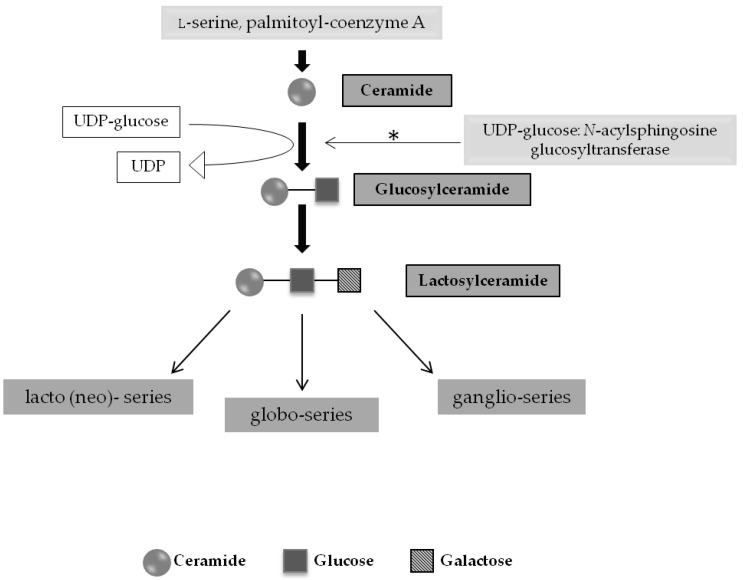
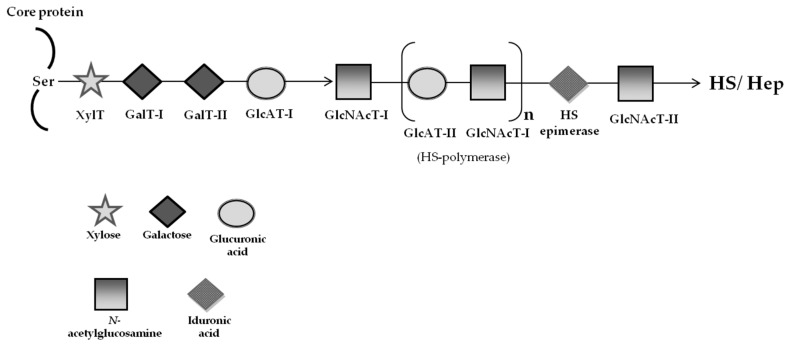
Verification
Claims the paper makes
The claims and statistics of this paper haven’t been checked yet.
Run the check — free, no account needed. It reads the open-access text and checks the sources it cites.
Claims other papers make about this one
Each is checked against this paper’s own text: does it say what the citing paper says it does?
In the citing paper
“Moreover, peripheral administration of therapeutic gene products has limited efficacy as large molecules are unable to efficiently traverse the blood brain barrier (BBB) (14, 15).”
From Treatment of a genetic brain disease by CNS-wide microglia replacement (2022) · cites this paper as [14]
Self-check
Percentages, sums and reported differences re-computed from the paper’s own numbers.
The self-check needs the paper’s full text.
Citations
Cites
No references could be resolved yet.
Research works printed but not linked: 135
- Hers, 1965, Inborn lysosomal diseases, Gastroenterology, 48, 625, 10.1016/S0016-5085(65)80041-5 · DOI
- Barranger, J.A., and Cabrera-Salazar, M. (2007). From lysosomes to storage diseases and back: A personal reminiscence. Lysosomal Storage Disorders, Springer US. · DOI
- Deduve, 1964, From cytases to lysosomes, Fed. Proc., 23, 1045
- Fratantoni, 1969, The defect in hurler and hunter syndromes. II. Deficiency of specific factors involved in mucopolysaccharide degradation, Proc. Natl. Acad. Sci. USA, 64, 360, 10.1073/pnas.64.1.360 · DOI
- Coutinho, 2012, Mannose-6-phosphate pathway: A review on its role in lysosomal function and dysfunction, Mol. Genet. Metab., 105, 542, 10.1016/j.ymgme.2011.12.012 · DOI
- Desnick, 2012, Enzyme replacement therapy for lysosomal diseases: Lessons from 20 years of experience and remaining challenges, Annu. Rev. Genom. Hum. Genet., 13, 307, 10.1146/annurev-genom-090711-163739 · DOI
- Brady, 1974, Replacement therapy for inherited enzyme deficiency. Use of purified glucocerebrosidase in Gaucher’s disease, N. Engl. J. Med., 291, 989, 10.1056/NEJM197411072911901 · DOI
- Barton, 1990, Therapeutic response to intravenous infusions of glucocerebrosidase in a patient with Gaucher disease, Proc. Natl. Acad. Sci. USA, 87, 1913, 10.1073/pnas.87.5.1913 · DOI
- Barton, 1991, Replacement therapy for inherited enzyme deficiency—Macrophage-targeted glucocerebrosidase for Gaucher’s disease, N. Engl. J. Med., 324, 1464, 10.1056/NEJM199105233242104 · DOI
- Wegrzyn, 2007, Substrate deprivation therapy: A new hope for patients suffering from neuronopathic forms of inherited lysosomal storage diseases, J. Appl. Genet., 48, 383, 10.1007/BF03195237 · DOI
- Wraith, 2007, Enzyme replacement therapy in patients who have Mucopolysaccharidosis I and are younger than 5 years: Results of a multinational study of recombinant human α-l-iduronidase (laronidase), Pediatrics, 120, e37, 10.1542/peds.2006-2156 · DOI
- Wraith, 2004, Enzyme replacement therapy for Mucopolysaccharidosis I: A randomized, double-blinded, placebo-controlled, multinational study of recombinant human α-l-iduronidase (laronidase), J. Pediatr., 144, 581, 10.1016/j.jpeds.2004.01.046 · DOI
- Kishnani, 2009, Early treatment with alglucosidase α prolongs long-term survival of infants with pompe disease, Pediatr. Res., 66, 329, 10.1203/PDR.0b013e3181b24e94 · DOI
- Deegan, 2012, Fabry disease, enzyme replacement therapy and the significance of antibody responses, J. Inherit. Metab. Dis., 35, 227, 10.1007/s10545-011-9400-y · DOI
- Pastores, 2014, A multicenter open-label treatment protocol (HGT-GCB-058) of velaglucerase alfa enzyme replacement therapy in patients with Gaucher disease type 1: Safety and tolerability, Genet. Med. Off. J. Am. Coll. Med. Genet., 16, 359
- Broomfield, 2016, The impact of the immune system on the safety and efficiency of enzyme replacement therapy in lysosomal storage disorders, J. Inherit. Metab. Dis., 39, 499, 10.1007/s10545-016-9917-1 · DOI
- Fan, 2007, Active-site-specific chaperone therapy for fabry disease. Yin and yang of enzyme inhibitors, FEBS J., 274, 4962, 10.1111/j.1742-4658.2007.06041.x · DOI
- Feldhammer, M., Durand, S., and Pshezhetsky, A.V. (2009). Protein misfolding as an underlying molecular defect in Mucopolysaccharidosis III type C. PLoS ONE, 4. · DOI
- Pastores, 2006, A chaperone-mediated approach to enzyme enhancement as a therapeutic option for the lysosomal storage disorders, Drugs R D, 7, 339, 10.2165/00126839-200607060-00003 · DOI
- Keeling, 2001, Gentamicin-mediated suppression of hurler syndrome stop mutations restores a low level of α-l-iduronidase activity and reduces lysosomal glycosaminoglycan accumulation, Hum. Mol. Genet., 10, 291, 10.1093/hmg/10.3.291 · DOI
- Hein, 2004, α-l-iduronidase premature stop codons and potential read-through in Mucopolysaccharidosis type I patients, J. Mol. Biol., 338, 453, 10.1016/j.jmb.2004.03.012 · DOI
- Brooks, 2006, Stop-codon read-through for patients affected by a lysosomal storage disorder, Trends Mol. Med., 12, 367, 10.1016/j.molmed.2006.06.001 · DOI
- Matos, 2014, Therapeutic strategies based on modified U1 snRNAs and chaperones for sanfilippo C splicing mutations, Orphanet J. Rare Dis., 9, 180, 10.1186/s13023-014-0180-y · DOI
- Matos, 2015, Functional analysis of splicing mutations in the IDS gene and the use of antisense oligonucleotides to exploit an alternative therapy for MPS II, Biochim. Biophys. Acta, 1852, 2712, 10.1016/j.bbadis.2015.09.011 · DOI
- Warnock, D.G., Bichet, D.G., Holida, M., Goker-Alpan, O., Nicholls, K., Thomas, M., Eyskens, F., Shankar, S., Adera, M., and Sitaraman, S. (2015). Oral migalastat HCl leads to greater systemic exposure and tissue levels of active α-galactosidase a in fabry patients when co-administered with infused agalsidase. PLoS ONE, 10. · DOI
- Xu, 2015, Coformulation of a novel human α-galactosidase a with the pharmacological chaperone AT1001 leads to improved substrate reduction in fabry mice, Mol. Ther. J. Am. Soc. Gene Ther., 23, 1169, 10.1038/mt.2015.87 · DOI
- Radin, 1996, Treatment of Gaucher disease with an enzyme inhibitor, Glycoconj. J., 13, 153, 10.1007/BF00731489 · DOI
- Platt, 2003, Substrate reduction therapy in mouse models of the glycosphingolipidoses, Philos. Trans. R. Soc. Lond. Ser. B Biol. Sci., 358, 947
- Ichikawa, 1998, Glucosylceramide synthase and glycosphingolipid synthesis, Trends Cell Biol., 8, 198, 10.1016/S0962-8924(98)01249-5 · DOI
- Sandhoff, 2003, Biosynthesis and degradation of mammalian glycosphingolipids, Philos. Trans. R. Soc. Lond. Ser. B Biol. Sci., 358, 847
- Schapiro, 1998, pH-independent retrograde targeting of glycolipids to the golgi complex, Am. J. Physiol., 274, C319, 10.1152/ajpcell.1998.274.2.C319 · DOI
- Sandhoff, 1993, Ganglioside metabolism. Enzymology, topology, and regulation, J. Biol. Chem., 268, 5341, 10.1016/S0021-9258(18)53324-X · DOI
- Sandhoff, 1997, Biochemistry of glycosphingolipid degradation, Clin. Chim. Acta Int. J. Clin. Chem., 266, 51, 10.1016/S0009-8981(97)00166-6 · DOI
- Sandhoff, 1994, Intracellular trafficking of glycosphingolipids: Role of sphingolipid activator proteins in the topology of endocytosis and lysosomal digestion, FEBS Lett., 346, 103, 10.1016/0014-5793(94)00282-7 · DOI
- Sandhoff, 1996, Topology of glycosphingolipid degradation, Trends Cell Biol., 6, 98, 10.1016/0962-8924(96)80999-8 · DOI
- Neufeld, 1991, Lysosomal storage diseases, Annu. Rev. Biochem., 60, 257, 10.1146/annurev.bi.60.070191.001353 · DOI
- Butters, 2005, Imino sugar inhibitors for treating the lysosomal glycosphingolipidoses, Glycobiology, 15, 43R, 10.1093/glycob/cwi076 · DOI
- Platt, 1994, N-butyldeoxynojirimycin is a novel inhibitor of glycolipid biosynthesis, J. Biol. Chem., 269, 8362, 10.1016/S0021-9258(17)37202-2 · DOI
- Platt, 1994, N-butyldeoxygalactonojirimycin inhibits glycolipid biosynthesis but does not affect N-linked oligosaccharide processing, J. Biol. Chem., 269, 27108, 10.1016/S0021-9258(18)47132-3 · DOI
- Aerts, 2006, Substrate reduction therapy of glycosphingolipid storage disorders, J. Inherit. Metab. Dis., 29, 449, 10.1007/s10545-006-0272-5 · DOI
- Dwek, 2002, Targeting glycosylation as a therapeutic approach, Rev. Drug Discov., 1, 65, 10.1038/nrd708 · DOI
- Butters, 2003, Therapeutic applications of imino sugars in lysosomal storage disorders, Curr. Top. Med. Chem., 3, 561, 10.2174/1568026033452483 · DOI
- Butters, 2003, Small-molecule therapeutics for the treatment of glycolipid lysosomal storage disorders, Philos. Trans. R. Soc. Lond. Ser. B Biol. Sci., 358, 927
- Barranger, J.A., and Cabrera-Salazar, M.A. (2007). Substrate reduction therapy. Lysosomal Storage Disorders, Springer US. · DOI
- Yamanaka, 1994, Targeted disruption of the hexa gene results in mice with biochemical and pathologic features of tay-sachs disease, Proc. Natl. Acad. Sci. USA, 91, 9975, 10.1073/pnas.91.21.9975 · DOI
- Platt, 1997, Prevention of lysosomal storage in tay-sachs mice treated with N-butyldeoxynojirimycin, Science, 276, 428, 10.1126/science.276.5311.428 · DOI
- Sango, 1995, Mouse models of tay-sachs and sandhoff diseases differ in neurologic phenotype and ganglioside metabolism, Nat. Genet., 11, 170, 10.1038/ng1095-170 · DOI · Paper page
- Ashe, K.M., Bangari, D., Li, L., Cabrera-Salazar, M.A., Bercury, S.D., Nietupski, J.B., Cooper, C.G., Aerts, J.M., Lee, E.R., and Copeland, D.P. (2011). Iminosugar-based inhibitors of glucosylceramide synthase increase brain glycosphingolipids and survival in a mouse model of sandhoff disease. PLoS ONE, 6. · DOI
- Cox, 2000, Novel oral treatment of Gaucher’s disease with N-butyldeoxynojirimycin (OGT 918) to decrease substrate biosynthesis, Lancet, 355, 1481, 10.1016/S0140-6736(00)02161-9 · DOI
- Elstein, 2004, Sustained therapeutic effects of oral miglustat (zavesca, N-butyldeoxynojirimycin, OGT 918) in type I Gaucher disease, J. Inherit. Metab. Dis., 27, 757, 10.1023/B:BOLI.0000045756.54006.17 · DOI
- Schiffmann, 2008, Randomized, controlled trial of miglustat in Gaucher’s disease type 3, Ann. Neurol., 64, 514, 10.1002/ana.21491 · DOI
- Bennett, 2013, Gaucher disease and its treatment options, Ann. Pharmacother., 47, 1182, 10.1177/1060028013500469 · DOI
- Nietupski, 2012, Iminosugar-based inhibitors of glucosylceramide synthase prolong survival but paradoxically increase brain glucosylceramide levels in Niemann-Pick C mice, Mol. Genet. Metab., 105, 621, 10.1016/j.ymgme.2012.01.020 · DOI
- Ridley, 2013, β-Glucosidase 2 (GBA2) activity and imino sugar pharmacology, J. Biol. Chem., 288, 26052, 10.1074/jbc.M113.463562 · DOI
- Mistry, 2014, Glucocerebrosidase 2 gene deletion rescues type 1 Gaucher disease, Proc. Natl. Acad. Sci. USA, 111, 4934, 10.1073/pnas.1400768111 · DOI
- Marques, A.R., Aten, J., Ottenhoff, R., van Roomen, C.P., Herrera Moro, D., Claessen, N., Vinueza Veloz, M.F., Zhou, K., Lin, Z., and Mirzaian, M. (2015). Reducing GBA2 activity ameliorates neuropathology in Niemann-Pick type C mice. PLoS ONE, 10. · DOI
- Alfonso, 2005, Miglustat (NB-DNJ) works as a chaperone for mutated acid β-glucosidase in cells transfected with several Gaucher disease mutations, Blood Cells Mol. Dis., 35, 268, 10.1016/j.bcmd.2005.05.007 · DOI
- Malinowska, 2015, Combined therapies for lysosomal storage diseases, Curr. Mol. Med., 15, 746, 10.2174/1566524015666150921105658 · DOI
- Ichikawa, 1996, Expression cloning of a cDNA for human ceramide glucosyltransferase that catalyzes the first glycosylation step of glycosphingolipid synthesis, Proc. Natl. Acad. Sci. USA, 93, 4638, 10.1073/pnas.93.10.4638 · DOI
- Vunnam, 1980, Analogs of ceramide that inhibit glucocerebroside synthetase in mouse brain, Chem. Phys. Lipids, 26, 265, 10.1016/0009-3084(80)90057-2 · DOI
- Shayman, 2013, The design and clinical development of inhibitors of glycosphingolipid synthesis: Will invention be the mother of necessity?, Trans. Am. Clin. Climatol. Assoc., 124, 46
- Lee, 1999, Fluorobenzamidrazone thrombin inhibitors: Influence of fluorine on enhancing oral absorption, Bioorg. Med. Chem. Lett., 9, 2483, 10.1016/S0960-894X(99)00412-6 · DOI
- Abe, 2000, Glycosphingolipid depletion in fabry disease lymphoblasts with potent inhibitors of glucosylceramide synthase, Kidney Int., 57, 446, 10.1046/j.1523-1755.2000.00864.x · DOI
- Abe, 2000, Reduction of globotriaosylceramide in fabry disease mice by substrate deprivation, J. Clin. Investig., 105, 1563, 10.1172/JCI9711 · DOI
- Shayman, 2010, Eliglustat tartrate: Glucosylceramide synthase inhibitor treatment of type 1 Gaucher disease, Drugs Future, 35, 613, 10.1358/dof.2010.35.8.1505566 · DOI
- Brumshtein, 2007, Crystal structures of complexes of N-butyl- and N-nonyl-deoxynojirimycin bound to acid β-glucosidase: Insights into the mechanism of chemical chaperone action in Gaucher disease, J. Biol. Chem., 282, 29052, 10.1074/jbc.M705005200 · DOI
- Duque, 2009, Promising results of the chaperone effect caused by imino sugars and aminocyclitol derivatives on mutant glucocerebrosidases causing Gaucher disease, Blood Cells Mol. Dis., 42, 159, 10.1016/j.bcmd.2008.11.002 · DOI
- Peterschmitt, 2011, Safety, tolerability, and pharmacokinetics of eliglustat tartrate (genz-112638) after single doses, multiple doses, and food in healthy volunteers, J. Clin. Pharmacol., 51, 695, 10.1177/0091270010372387 · DOI
- Lukina, 2010, A phase 2 study of eliglustat tartrate (genz-112638), an oral substrate reduction therapy for Gaucher disease type 1, Blood, 116, 893, 10.1182/blood-2010-03-273151 · DOI
- Lukina, 2010, Improvement in hematological, visceral, and skeletal manifestations of Gaucher disease type 1 with oral eliglustat tartrate (genz-112638) treatment: 2-year results of a phase 2 study, Blood, 116, 4095, 10.1182/blood-2010-06-293902 · DOI
- Lukina, 2014, Eliglustat, an investigational oral therapy for Gaucher disease type 1: Phase 2 trial results after 4 years of treatment, Blood Cells Mol. Dis., 53, 274, 10.1016/j.bcmd.2014.04.002 · DOI
- Cox, 2010, Eliglustat tartrate, an orally active glucocerebroside synthase inhibitor for the potential treatment of Gaucher disease and other lysosomal storage diseases, Curr. Opin. Investig. Drugs, 11, 1169
- Cox, 2015, Innovative treatments for lysosomal diseases, Best Pract. Res. Clin. Endocrinol. Metab., 29, 275, 10.1016/j.beem.2015.01.001 · DOI
- Kamath, 2014, Skeletal improvement in patients with Gaucher disease type 1: A phase 2 trial of oral eliglustat, Skelet. Radiol., 43, 1353, 10.1007/s00256-014-1891-9 · DOI
- Mistry, 2015, Effect of oral eliglustat on splenomegaly in patients with Gaucher disease type 1: The engage randomized clinical trial, JAMA, 313, 695, 10.1001/jama.2015.459 · DOI
- Belmatoug, N., Di Rocco, M., Fraga, C., Giraldo, P., Hughes, D., Lukina, E., Maison-Blanche, P., Merkel, M., Niederau, C., and Plckinger, U. (2016). Management and monitoring recommendations for the use of eliglustat in adults with type 1 gaucher disease in europe. Eur. J. Intern. Med. · DOI
- Platt, 2014, Sphingolipid lysosomal storage disorders, Nature, 510, 68, 10.1038/nature13476 · DOI
- Cabrera-Salazar, M.A., Deriso, M., Bercury, S.D., Li, L., Lydon, J.T., Weber, W., Pande, N., Cromwell, M.A., Copeland, D., and Leonard, J. (2012). Systemic delivery of a glucosylceramide synthase inhibitor reduces CNS substrates and increases lifespan in a mouse model of type 2 Gaucher disease. PLoS ONE, 7. · DOI
- Kanfer, 1975, The Gaucher mouse, Biochem. Biophys. Res. Commun., 67, 85, 10.1016/0006-291X(75)90286-7 · DOI
- Sun, 2010, Neuronopathic Gaucher disease in the mouse: Viable combined selective saposin C deficiency and mutant glucocerebrosidase (V394L) mice with glucosylsphingosine and glucosylceramide accumulation and progressive neurological deficits, Hum. Mol. Genet., 19, 1088, 10.1093/hmg/ddp580 · DOI
- Marshall, 2016, CNS-accessible inhibitor of glucosylceramide synthase for substrate reduction therapy of neuronopathic Gaucher disease, Mol. Ther. J. A Soc. Gene Ther., 24, 1019, 10.1038/mt.2016.53 · DOI
- Speak, 2008, Beneficial effects of substrate reduction therapy in a mouse model of GM1 gangliosidosis, Mol. Genet. Metab., 94, 204, 10.1016/j.ymgme.2008.02.005 · DOI
- Kasperzyk, 2005, Substrate reduction reduces gangliosides in postnatal cerebrum-brainstem and cerebellum in GM1 gangliosidosis mice, J. Lipid Res., 46, 744, 10.1194/jlr.M400411-JLR200 · DOI
- Jeyakumar, 1999, Delayed symptom onset and increased life expectancy in sandhoff disease mice treated with N-butyldeoxynojirimycin, Proc. Natl. Acad. Sci. USA, 96, 6388, 10.1073/pnas.96.11.6388 · DOI
- Baek, 2008, N-butyldeoxygalactonojirimycin reduces brain ganglioside and GM2 content in neonatal sandhoff disease mice, Neurochem. Int., 52, 1125, 10.1016/j.neuint.2007.12.001 · DOI
- Masciullo, 2010, Substrate reduction therapy with miglustat in chronic GM2 gangliosidosis type sandhoff: Results of a 3-year follow-up, J. Inherit. Metab. Dis., 33, S355, 10.1007/s10545-010-9186-3 · DOI
- Burrow, T.A., and Grabowski, G.A. (2012). Emerging treatments and future outcomes. Lysosomal Storage Disorders—A Practical Guide, John Wiley & Sons, Ltd.. [1th ed.].
- Zervas, 2001, Critical role for glycosphingolipids in Niemann-Pick disease type c, Curr. Biol., 11, 1283, 10.1016/S0960-9822(01)00396-7 · DOI
- Patterson, 2007, Miglustat for treatment of Niemann-Pick C disease: A randomised controlled study, Lancet Neurol., 6, 765, 10.1016/S1474-4422(07)70194-1 · DOI
- Wraith, 2010, Miglustat in adult and juvenile patients with Niemann-Pick disease type C: Long-term data from a clinical trial, Mol. Genet. Metab., 99, 351, 10.1016/j.ymgme.2009.12.006 · DOI
- Pineda, 2010, Clinical experience with miglustat therapy in pediatric patients with Niemann-Pick disease type C: A case series, Mol. Genet. Metab., 99, 358, 10.1016/j.ymgme.2009.11.007 · DOI
- Chien, 2013, Long-term efficacy of miglustat in paediatric patients with Niemann-Pick disease type C, J. Inherit. Metab. Dis., 36, 129, 10.1007/s10545-012-9479-9 · DOI
- Fecarotta, 2015, Long term follow-up to evaluate the efficacy of miglustat treatment in italian patients with Niemann-Pick disease type C, Orphanet J. Rare Dis., 10, 22, 10.1186/s13023-015-0240-y · DOI
- Garatachea, 2015, Niemann-Pick disease treatment: A systematic review of clinical trials, Ann. Transl. Med., 3, 360
- Wegrzyn, 2010, Genistein: A natural isoflavone with a potential for treatment of genetic diseases, Biochem. Soc. Trans., 38, 695, 10.1042/BST0380695 · DOI
- Scriver, C.R., Beaudet, A.L., Sly, W.S., and Valle, D. (2001). The mucopolysaccharidoses. The Metabolic Molecular Bases of Inherited Disease, McGraw-Hill Professional. [8th ed.].
- Coutinho, 2012, Glycosaminoglycan storage disorders: A review, Biochem. Res. Int., 2012, 471325, 10.1155/2012/471325 · DOI
- Piotrowska, 2006, Genistein-mediated inhibition of glycosaminoglycan synthesis as a basis for gene expression-targeted isoflavone therapy for mucopolysaccharidoses, Eur. J. Hum. Genet., 14, 846, 10.1038/sj.ejhg.5201623 · DOI
- Friso, 2010, Genistein reduces glycosaminoglycan levels in a mouse model of Mucopolysaccharidosis type II, Br. J. Pharmacol., 159, 1082, 10.1111/j.1476-5381.2009.00565.x · DOI
- Roberts, 2007, Improvement in behaviour after substrate deprivation therapy with rhodamine B in a mouse model of MPS IIIA, Mol. Genet. Metab., 92, 115, 10.1016/j.ymgme.2007.06.016 · DOI
- Roberts, 2006, Inhibition of glycosaminoglycan synthesis using rhodamine B in a mouse model of Mucopolysaccharidosis type IIIA, Pediatr. Res., 60, 309, 10.1203/01.pdr.0000233037.00707.da · DOI
- Roberts, 2010, Trans-generational exposure to low levels of rhodamine B does not adversely affect litter size or liver function in murine Mucopolysaccharidosis type IIIA, Mol. Genet. Metab., 101, 208, 10.1016/j.ymgme.2010.06.008 · DOI
- Piotrowska, 2008, Genistin-rich soy isoflavone extract in substrate reduction therapy for sanfilippo syndrome: An open-label, pilot study in 10 pediatric patients, Curr. Ther. Res. Clin. Exp., 69, 166, 10.1016/j.curtheres.2008.04.002 · DOI
- Piotrowska, 2011, Changes in male reproductive system and mineral metabolism induced by soy isoflavones administered to rats from prenatal life until sexual maturity, Nutrition, 27, 372, 10.1016/j.nut.2010.03.010 · DOI
- Marucha, 2011, Improvement in the range of joint motion in seven patients with Mucopolysaccharidosis type II during experimental gene expression-targeted isoflavone therapy (get it), Am. J. Med. Genet. Part A, 155A, 2257, 10.1002/ajmg.a.34146 · DOI
- Malinowska, 2009, Genistein reduces lysosomal storage in peripheral tissues of mucopolysaccharide iiib mice, Mol. Genet. Metab., 98, 235, 10.1016/j.ymgme.2009.06.013 · DOI
- Malinowska, M., Wilkinson, F.L., Langford-Smith, K.J., Langford-Smith, A., Brown, J.R., Crawford, B.E., Vanier, M.T., Grynkiewicz, G., Wynn, R.F., and Wraith, J.E. (2010). Genistein improves neuropathology and corrects behaviour in a mouse model of neurodegenerative metabolic disease. PLoS ONE, 5. · DOI
- Mizumoto, 2013, Human genetic disorders caused by mutations in genes encoding biosynthetic enzymes for sulfated glycosaminoglycans, J. Biol. Chem., 288, 10953, 10.1074/jbc.R112.437038 · DOI
- Dire, 1987, Acute exposure to rhodamine B, J. Toxicol. Clin. Toxicol., 25, 603, 10.3109/15563658708992660 · DOI
- Piotrowska, 2009, Genistein-mediated inhibition of glycosaminoglycan synthesis, which corrects storage in cells of patients suffering from mucopolysaccharidoses, acts by influencing an epidermal growth factor-dependent pathway, J. Biomed. Sci., 16, 26, 10.1186/1423-0127-16-26 · DOI
- Moskot, 2014, The phytoestrogen genistein modulates lysosomal metabolism and transcription factor EB (TFEB) activation, J. Biol. Chem., 289, 17054, 10.1074/jbc.M114.555300 · DOI
- Noh, 2014, Current and potential therapeutic strategies for mucopolysaccharidoses, J. Clin. Pharm. Ther., 39, 215, 10.1111/jcpt.12136 · DOI
- Andersson, 2004, Improved outcome of N-butyldeoxygalactonojirimycin-mediated substrate reduction therapy in a mouse model of sandhoff disease, Neurobiol. Dis., 16, 506, 10.1016/j.nbd.2004.04.012 · DOI
- Andersson, 2000, N-butyldeoxygalactonojirimycin: A more selective inhibitor of glycosphingolipid biosynthesis than N-butyldeoxynojirimycin, in vitro and in vivo, Biochem. Pharmacol., 59, 821, 10.1016/S0006-2952(99)00384-6 · DOI
- Ramachandran, 2013, Rna interference—A silent but an efficient therapeutic tool, Appl. Biochem. Biotechnol., 169, 1774, 10.1007/s12010-013-0098-1 · DOI
- Diallo, 2003, Long endogenous dsrnas can induce complete gene silencing in mammalian cells and primary cultures, Oligonucleotides, 13, 381, 10.1089/154545703322617069 · DOI
- Chabas, 2006, Rnai-mediated inhibition of the glucosylceramide synthase (GCS) gene: A preliminary study towards a therapeutic strategy for Gaucher disease and other glycosphingolipid storage diseases, Blood Cells Mol. Dis., 37, 197, 10.1016/j.bcmd.2006.07.002 · DOI
- Dziedzic, 2010, Impairment of glycosaminoglycan synthesis in Mucopolysaccharidosis type IIIA cells by using siRNA: A potential therapeutic approach for sanfilippo disease, Eur. J. Hum. Genet., 18, 200, 10.1038/ejhg.2009.144 · DOI
- Canals, 2015, EXTL2 and EXTL3 inhibition with siRNAs as a promising substrate reduction therapy for sanfilippo C syndrome, Sci. Rep., 5, 13654, 10.1038/srep13654 · DOI
- Mehta, A., Beck, M., and Sunder-Plassmann, G. (2006). “Animal models of lysosomal storage diseases: Their development and clinical relevance” in fabry disease: Perspectives from 5 years of fos. Oxford Pharmagenesis, Oxford Pharmagenesis.
- Burrow, T.A., and Grabowski, G.A. (2012). “Emerging Treatments and Future Outcomes” in Lysosomal Storage Disorders—A Practical Guide, Wiley. [1st ed.].
- Capablo, 2007, Neurologic improvement in a type 3 Gaucher disease patient treated with imiglucerase/miglustat combination, Epilepsia, 48, 1406, 10.1111/j.1528-1167.2007.01074.x · DOI
- Bour, 2008, Potential efficacy of enzyme replacement and substrate reduction therapy in three siblings with Gaucher disease type III, J. Inherit. Metab. Dis., 31, 745, 10.1007/s10545-008-0873-2 · DOI
- Marshall, 2010, Improved management of lysosomal glucosylceramide levels in a mouse model of type 1 Gaucher disease using enzyme and substrate reduction therapy, J. Inherit. Metab. Dis., 33, 281, 10.1007/s10545-010-9072-z · DOI
- Marshall, J., Ashe, K.M., Bangari, D., McEachern, K., Chuang, W.L., Pacheco, J., Copeland, D.P., Desnick, R.J., Shayman, J.A., and Scheule, R.K. (2010). Substrate reduction augments the efficacy of enzyme therapy in a mouse model of fabry disease. PLoS ONE, 5. · DOI
- Jeyakumar, 2001, Enhanced survival in sandhoff disease mice receiving a combination of substrate deprivation therapy and bone marrow transplantation, Blood, 97, 327, 10.1182/blood.V97.1.327 · DOI
- Pabon, 2015, Neurological and cardiac responses after treatment with miglustat and a ketogenic diet in a patient with sandhoff disease, Eur. J. Med. Genet., 58, 180, 10.1016/j.ejmg.2014.12.009 · DOI
- Shapiro, 2009, Miglustat in late-onset tay-sachs disease: A 12-month, randomized, controlled clinical study with 24 months of extended treatment, Genet. Med. Off. J. Am. Coll. Med. Genet., 11, 425
- Denny, 2010, Restricted ketogenic diet enhances the therapeutic action of N-butyldeoxynojirimycin towards brain GM2 accumulation in adult sandhoff disease mice, J. Neurochem., 113, 1525, 10.1111/j.1471-4159.2010.06733.x · DOI
- Williams, 2014, Improved neuroprotection using miglustat, curcumin and ibuprofen as a triple combination therapy in Niemann-Pick disease type C1 mice, Neurobiol. Dis., 67, 9, 10.1016/j.nbd.2014.03.001 · DOI
- Narajczyk, 2012, Quantitative estimation of lysosomal storage in mucopolysaccharidoses by electron microscopy analysis, Acta Biochim. Pol., 59, 693, 10.18388/abp.2012_2112 · DOI
- Piotrowska, 2011, Substrate reduction therapies for mucopolysaccharidoses, Curr. Pharm. Biotechnol., 12, 1860, 10.2174/138920111798376932 · DOI
- Venier, 2012, Miglustat as a therapeutic agent: Prospects and caveats, J. Med. Genet., 49, 591, 10.1136/jmedgenet-2012-101070 · DOI
- Wegrzyn, 2012, Putative biological mechanisms of efficiency of substrate reduction therapies for mucopolysaccharidoses, Arch. Immunol. Ther. Exp., 60, 461, 10.1007/s00005-012-0195-9 · DOI
- Mehta, A.B., and Winchester, B. (2012). Lysosomal Storage Disorders: A Practical Guide, Wiley. · DOI
Cited by
Treatment of a genetic brain disease by CNS-wide microglia replacement
Shibuya, Y., Kumar, K. K., Mader, M. M.-D., Yoo, Y., Ayala, L. A., Zhou, M., Mohr, M. A., Neumayer, G., Kumar, I., Yamamoto, R., et al. (2022) · Science Translational Medicine · doi:10.1126/scitranslmed.abl9945 · Cited by 126
Pará, C., Bose, P., & Pshezhetsky, A. V. (2020) · Journal of Clinical Medicine · doi:10.3390/jcm9030616 · Cited by 49
Metadata
- Authors
- Coutinho, M., Santos, J., & Alves, S.
- Affiliations
- Department of Human Genetics, Research and Development Unit, National Health Institute Doutor Ricardo Jorge, Rua Alexandre Herculano, 321 4000-055 Porto, Portugal
- ORCID
- Coutinho, Maria
- Venue
- International Journal of Molecular Sciences
- Publisher
- MDPI AG
- Published
- 2016-07-04
- Volume
- 17
- Issue
- 7
- Pages
- 1065
- ISSN
- 1422-0067
- PMC
- PMC4964441
- Cited by
- 116
- References
- 0
- Language
- en
- Update notices
- correction (2016-07-04)
About these checks
Registry, retraction, Cites and statistics results are computed, not judged, with one exception: a printed reference that no index lists is read once by a model before it counts as a citation error. Claims are extracted by a model and kept only when their quote appears verbatim in the text; each cited source is then checked, with a model’s help, for whether it says what the claim relies on. Those verdicts can be wrong — read the claim’s quote and the cited source before relying on one.
Statistics and arithmetic are recomputed, not judged.
Confidence bands are shown only for fields calibrated on our annotated test set. None is calibrated yet, so no band is shown.
What counts as a claim ›How we measure confidence ›How we check this ›
Are you an author, or do you see a problem with this page? Request a review
How to cite
Cite CoChat for the checks on this page, and the paper for its own findings.
- This page
- CoChat. (2026). Citation check: Less Is More: Substrate Reduction Therapy for Lysosomal Storage Disorders. https://app.cochat.ai/papers/10.3390/ijms17071065
- The paper
- Coutinho, M., Santos, J., & Alves, S. (2016). Less Is More: Substrate Reduction Therapy for Lysosomal Storage Disorders. International Journal of Molecular Sciences. https://doi.org/10.3390/ijms17071065
