

The Role of Vitamin D and Vitamin D Binding Protein in Chronic Liver Diseases
Open accessThe DOI matches its Crossref record; 150 of the 150 references it cites were found in a registry or an index.
Abstract
Vitamin D (calciferol) is a fat-soluble vitamin that has a significant role in phospho-calcium metabolism, maintaining normal calcium levels and bone health development. The most important compounds of vitamin D are cholecalciferol (vitamin D3, or VD3) and ergocalciferol (vitamin D2, or VD2). Besides its major role in maintaining an adequate level of calcium and phosphate concentrations, vitamin D is involved in cell growth and differentiation and immune function. Recently, the association between vitamin D deficiency and the progression of fibrosis in chronic liver disease (CLD) was confirmed, given the hepatic activation process and high prevalence of vitamin D deficiency in these diseases. There are reports of vitamin D deficiency in CLD regardless of the etiology (chronic viral hepatitis, alcoholic cirrhosis, non-alcoholic fatty liver disease, primary biliary cirrhosis, or autoimmune hepatitis). Vitamin D binding protein (VDBP) is synthesized by the liver and has the role of binding and transporting vitamin D and its metabolites to the target organs. VDBP also plays an important role in inflammatory response secondary to tissue damage, being involved in the degradation of actin. As intense research during the last decades revealed the possible role of vitamin D in liver diseases, a deeper understanding of the vitamin D, vitamin D receptors (VDRs), and VDBP involvement in liver inflammation and fibrogenesis could represent the basis for the development of new strategies for diagnosis, prognosis, and treatment of liver diseases. This narrative review presents an overview of the evidence of the role of vitamin D and VDBP in CLD, both at the experimental and clinical levels.
Overview
The claims and statistics of this paper haven’t been checked yet.
Free: it reads the open-access text and checks the first 5 claims that cite a source we can check. Create a free account to check every claim.
Integrity signals
Registry
Cites
Statistics
Figures
Verification
Claims the paper makes
The claims and statistics of this paper haven’t been checked yet.
Free: it reads the open-access text and checks the first 5 claims that cite a source we can check. Create a free account to check every claim.
Claims other papers make about this one
Each is checked against this paper’s own text: does it say what the citing paper says it does?
In the citing paper
“However, VDBP expression decreases with the progression of chronic liver disease [103] and might indirectly participate in the regulation of the liver-bone axis.”
From Emerging role of liver-bone axis in osteoporosis (2024) · cites this paper as [103]
Self-check
Percentages, sums and reported differences re-computed from the paper’s own numbers.
The self-check needs the paper’s full text.
Citations
Cites
EASL–EASD–EASO Clinical Practice Guidelines for the management of non-alcoholic fatty liver disease
(2016) · Journal of Hepatology · doi:10.1016/j.jhep.2015.11.004 · Cited by 4,836
Overview of general physiologic features and functions of vitamin D
DeLuca, H. F. (2004) · The American Journal of Clinical Nutrition · doi:10.1093/ajcn/80.6.1689s · Cited by 2,327 · cited 3×
“It seems small but considering that the total amount of calcium filtered in a day reaches 7 g, it is an essential process in the phospho-calcium balance [1].”
BackgroundVitamin D: Metabolism, Molecular Mechanism of Action, and Pleiotropic Effects
Christakos, S., Dhawan, P., Verstuyf, A., Verlinden, L., & Carmeliet, G. (2016) · Physiological Reviews · doi:10.1152/physrev.00014.2015 · Cited by 1,957 · cited 1×
“Vitamin D is important i cell growth and differentiation, immune function, and cardiovascular and calcium and phosphate homeostasis [32].”
BackgroundVitamin D metabolism, mechanism of action, and clinical applications
Bikle, D. D. (2014) · Chemistry & Biology · doi:10.1016/j.chembiol.2013.12.016 · Cited by 1,933 · cited 6×
“Generally, in the first stage, exogenous calcium is used and only in its absence is endogenous calcium used [6].”
BackgroundInfluentialCommon genetic determinants of vitamin D insufficiency: a genome-wide association study
Wang, T. J., Zhang, F., Richards, J. B., Kestenbaum, B., van Meurs, J. B., Berry, D., Kiel, D. P., Streeten, E. A., Ohlsson, C., Koller, D. L., et al. (2010) · The Lancet · doi:10.1016/s0140-6736(10)60588-0 · Cited by 1,540 · cited 2×
“Besides these causes, the genetic studies identified genetic determinants of vitamin D status: variants at three loci in genes involved in the synthesis, hydroxylation, and transport of VD (7-dehydrocholesterol reductase, DHCR7, CYP27R1 and DBP) [38,39].”
BackgroundXu, A., Wang, Y., Keshaw, H., Xu, L. Y., Lam, K. S. L., & Cooper, G. J. S. (2003) · Journal of Clinical Investigation · doi:10.1172/jci200317797 · Cited by 1,298
Xu, A., Wang, Y., Keshaw, H., Xu, L. Y., Lam, K. S. L., & Cooper, G. J. S. (2003) · Journal of Clinical Investigation · doi:10.1172/jci17797 · Cited by 1,296 · cited 1×
“Vitamin D promotes adiponectin secretion in cultured adipocytes, and adiponectin has antiinflammatory and insulin-sensitizing properties [84] and, together with VDR, is involved in the homeostasis of the other organs linked to MAFLD (gut and adipose tissue) [62].”
BackgroundEASL Clinical Practice Guidelines on nutrition in chronic liver disease
Merli, M., Berzigotti, A., Zelber-Sagi, S., Dasarathy, S., Montagnese, S., Genton, L., Plauth, M., & Parés, A. (2019) · Journal of Hepatology · doi:10.1016/j.jhep.2018.06.024 · Cited by 1,130
Wildin, R. S., Smyk-Pearson, S., & Filipovich, A. H. (2002) · Journal of Medical Genetics · doi:10.1136/jmg.39.8.537 · Cited by 711
Vitamin D: The "sunshine" vitamin.
(2012) · Europe PMC (PubMed Central) · doi:10.4103/0976-500x.95506 · Cited by 652
Cited by
Xu, H., Wu, Z., Feng, F., Li, Y., & Zhang, S. (2022) · Frontiers in Immunology · doi:10.3389/fimmu.2022.1055953 · Cited by 58
Holick, M. F., Mazzei, L. J., Menéndez, S. G., Giménez, V. M. M., Anouti, F. A., & Manucha, W. A. (2023) · Nutrients · doi:10.3390/nu15030767 · Cited by 46
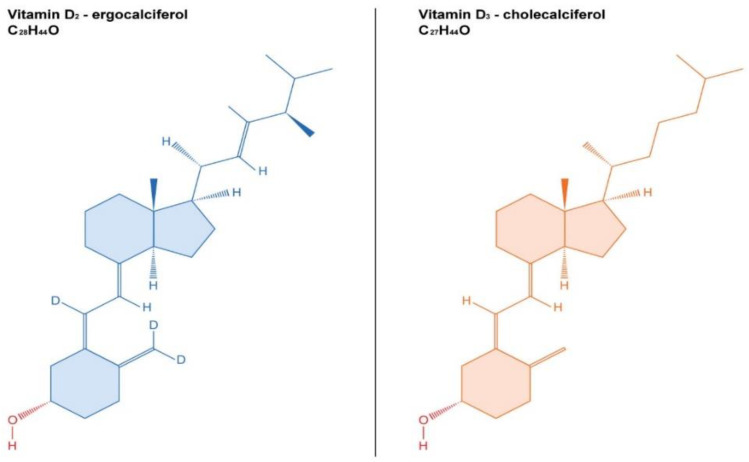
“Vitamin D (vit D) is a fat-soluble vitamin that can be found in two different chemical structures: cholecalciferol (vit D3) or ergocalciferol (vit D2) [1].”
BackgroundEmerging role of liver-bone axis in osteoporosis
Gao, H., Peng, X., Li, N., Gou, L., Xu, T., Wang, Y., Qin, J., Liang, H., Ma, P., Li, S., et al. (2024) · Journal of Orthopaedic Translation · doi:10.1016/j.jot.2024.07.008 · Cited by 36
“However, VDBP expression decreases with the progression of chronic liver disease [103] and might indirectly participate in the regulation of the liver-bone axis.”
BackgroundCai, T., Song, X., Xu, X., Dong, L., Liang, S., Xin, M., Huang, Y., Zhu, L., Li, T., Wang, X., et al. (2024) · Frontiers in Cellular and Infection Microbiology · doi:10.3389/fcimb.2024.1323261 · Cited by 38
Nutrición animal: Texto de formación universitaria
Huanca, B. R. (2023) · Instituto Universitario de Innovación Ciencia y Tecnología Inudi Perú eBooks · doi:10.35622/inudi.b.090 · Cited by 26
The role of different nutrients in the prevention and treatment of cardiovascular diseases
Tu, Z., Yang, J.-F., & Fan, C. (2024) · Frontiers in Immunology · doi:10.3389/fimmu.2024.1393378 · Cited by 31
Vitamin D/vitamin D receptor pathway in non-alcoholic fatty liver disease
Liu, J., Song, Y., Ye, W., & Hong, H. (2023) · Expert Opinion on Therapeutic Targets · doi:10.1080/14728222.2023.2274099 · Cited by 21
“Recent studies have revealed the involvement of vitamin D in diverse biological events, including inflammation, immunity, cellular proliferation and differentiation [11,12].”
BackgroundRegulatory mechanisms and pathological implications of CYP24A1 in Vitamin D metabolism
Milan, K. L., & Ramkumar, K. M. (2024) · Pathology - Research and Practice · doi:10.1016/j.prp.2024.155684 · Cited by 22
Vitamin D and Vitamin D Binding Protein in Health and Disease 2.0
Delrue, C., & Speeckaert, M. M. (2023) · International Journal of Molecular Sciences · doi:10.3390/ijms241210316 · Cited by 17
““The Role of Vitamin D and Vitamin D Binding Protein in Chronic Liver Diseases” investigates the relationship between vitamin D, its binding protein, and chronic liver diseases [8].”
BackgroundNutritional and Lifestyle Therapy for NAFLD in People with HIV
Cinque, F., Cespiati, A., Lombardi, R., Guaraldi, G., & Sebastiani, G. (2023) · Nutrients · doi:10.3390/nu15081990 · Cited by 21
“While several preclinical studies have shown a beneficial role for vitamin D in fatty liver [64], so far, interventional human studies have failed to demonstrate that a vitamin D administration improves the histologic severity of NAFLD [65], although it is significantly associated with a reduced fasting glucose and in…”
BackgroundMetabolic disorders in prediabetes: From mechanisms to therapeutic management
Ping, W.-X., Hu, S., Su, J., & Ouyang, S. (2024) · World Journal of Diabetes · doi:10.4239/wjd.v15.i3.361 · Cited by 25
Patel, R., Nandini, N., Kharkwal, H., Saha, M., Murugesan, S., Sharma, S., & Chander, S. (2025) · Biomedicines · doi:10.3390/biomedicines13041002 · Cited by 18
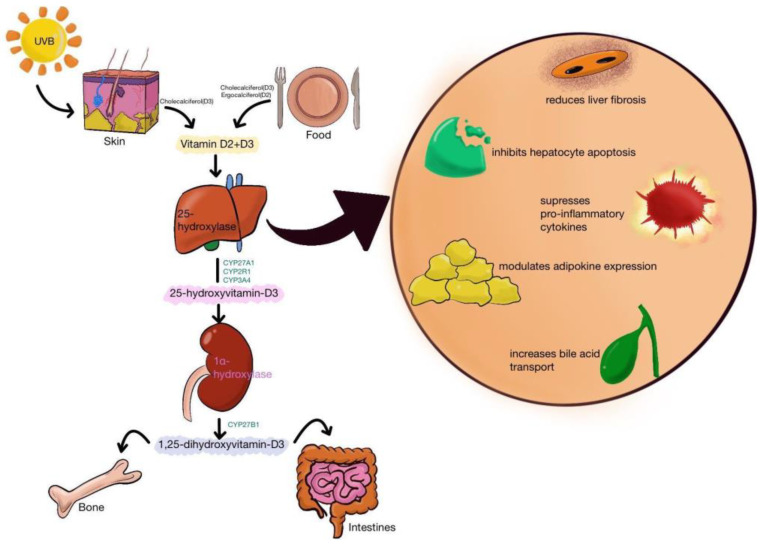
“…a photochemical reaction that converts it into previtamin D3, which subsequently undergoes thermal isomerization to Vitamin D3, once it has entered systemic circulation, is bound to a vitamin D-binding protein (DBP), which is essential for its transportation to the liver and other organs [37].”
Detection of Novel Biomarkers in Pediatric Autoimmune Hepatitis by Proteomic Profiling
Sîrbe, C., Badii, M. O., Crișan, T. O., Bența, G., Grama, A., Joosten, L. A. B., Rednic, S., & Pop, T. L. (2023) · International Journal of Molecular Sciences · doi:10.3390/ijms24087479 · Cited by 19
“Since vitamin D deficiency is a well-known feature in AIH [39], and vitamin D is also known to exert potent immunomodulatory roles [40–42], we also assessed the association of serum vitamin D levels with the differentially expressed proteins in the AIH group identified in the Cardiometabolic panel (CA1, CA3, GAS6, FCG…”
BackgroundInfluentialMartín‐González, C., Alonso, P. F., Pérez‐Hernández, O., Abreu-González, P., Espelosín-Ortega, E., Fernández-Rodríguez, C. M., Martín‐Ponce, E., & González‐Reimers, E. (2023) · International Journal of Molecular Sciences · doi:10.3390/ijms24129976 · Cited by 17
“Despite some controversy [61], there is general agreement with respect to classic observations about the deleterious effect of ethanol on bone [62], both directly [63,64] and also by inducing changes in vitamin D and other hormones when the liver failure ensues [65].”
Grama, A., Mititelu, A., Sîrbe, C., Bența, G., & Pop, T. L. (2023) · Frontiers in Immunology · doi:10.3389/fimmu.2023.1206025 · Cited by 14
“CD8 includes NK cells, the leading cell killer in adaptive immunity, and CD8 Treg cells, which inhibit the activity of Th cells ’ immune responses to infection (36, 37) (Table 1).”
BackgroundAbi-Ayad, M., Nedjar, I., & Chabni, N. (2023) · Lung India · doi:10.4103/lungindia.lungindia_213_23 · Cited by 10
Martineková, P., Obeidat, M., Topala, M., Váncsa, S., Veres, D. S., Zolcsák, Á., Pál, M., Földvári-Nagy, L., Bánovčin, P., Erőss, B. M., et al. (2025) · Nutrition Reviews · doi:10.1093/nutrit/nuaf117 · Cited by 13
Shi, L., Zhou, L., Han, M., Zhang, Y., Zhang, Y., Yuan, X., Lu, H., Wang, Y., Yang, X., Liu, C., et al. (2023) · World Journal of Gastroenterology · doi:10.3748/wjg.v29.i18.2798 · Cited by 11
What Does Sarcopenia Have to Do with Nonalcoholic Fatty Liver Disease?
Ferenc, K., Jarmakiewicz-Czaja, S., & Filip, R. (2023) · Life · doi:10.3390/life14010037 · Cited by 10
“The prevalence of vitamin D deficiency is estimated to be found in 64% to 92% of patients with chronic liver disease [139].”
BackgroundThe potential role of vitamin D binding protein in kidney disease: a comprehensive review
Delanghe, J., Delrue, C., Speeckaert, R., & Speeckaert, M. M. (2024) · Acta Clinica Belgica · doi:10.1080/17843286.2023.2301278 · Cited by 9
“The transient nature of free serum vitamin D, as evidenced by its short half-life, highlights the importance of VDBP in stabilizing and ferrying vitamin D to target tissues, ensuring a steady and consistent supply of this essential nutrient for optimal functioning [12,25].”
BackgroundIlich, J. Z., Pokimica, B., Ristić-Medić, D., Petrović, S., Arsić, A., Vasiljević, N., Vučić, V., & Kelly, O. J. (2024) · Ageing Research Reviews · doi:10.1016/j.arr.2024.102601 · Cited by 9
Effects of vitamin D deficiency on chronic alcoholic liver injury
Wang, H., Gong, W., Gao, J., Cheng, W., Hu, Y.-D., & Hu, C. (2024) · Free Radical Biology and Medicine · doi:10.1016/j.freeradbiomed.2024.08.037 · Cited by 8
Ye, S., Wen, J., Ye, W.-H., Li, Z., Huang, X., Chen, S., Ma, J.-C., Wu, Y., Chen, R., & Cui, Z. (2024) · Journal of Controlled Release · doi:10.1016/j.jconrel.2024.04.033 · Cited by 9
Autoimmune Hepatitis and Vitamin D Deficiency: A Nationwide Perspective
Kilani, Y., Alsakarneh, S., Madi, M. Y., Mosquera, D. A. G., Ferreira, M. N., Jaber, F. S., Helzberg, J. H., Duong, N. K., & Syn, W. (2024) · Alimentary Pharmacology & Therapeutics · doi:10.1111/apt.18438 · Cited by 7
“In fact, vitamin D deficiency has been shown to promote liver inflammation, hepatocellular injury [56, 62, 63] and increase liver fibrosis in CLD [64–66] and more specifically in AIH [30, 56, 57].”
Wang, X., Liang, Y., Jin, C., Liang, J., Xu, Y., Wu, X., & Zou, M. (2025) · GeroScience · doi:10.1007/s11357-025-01762-y · Cited by 6
“In addition to its crucial role in maintaining proper calcium and phosphate levels, vitamin D is involved in cell growth, differentiation, and immune function [29].”
Ciocârlie, T., Motofelea, A. C., Motofelea, N., Duţu, A., Craciun, A. M., Costăchescu, D., Roi, C. I., Silaghi, C. N., & Crintea, A. (2024) · International Journal of Molecular Sciences · doi:10.3390/ijms25126664 · Cited by 10
“Additionally, it reduces oxidative stress in cells, which is a major contributor to the development of numerous types of cancer [26,38,39].”
BackgroundWang, Z., Gao, W., Cheng, X., Zhang, N., Lu, W., Li, Y., & Liu, M. (2025) · Scientific Reports · doi:10.1038/s41598-025-27911-z · Cited by 6
“Vitamin D 3 (VitD 3 ) is a fat-soluble vitamin 15 , is essential for the metabolism of phosphorus and calcium, the maintenance of normal calcium levels, and the promotion of healthy bone development 16 .”
The liver-bone axis: an emerging player in disease pathogenesis and therapeutic intervention
Han, S., Wei, Y., Yu, G., Jia, W., Liao, W., He, Y., Cheng, K., Zhao, J., Xiang, S., Zhang, W., et al. (2026) · Science China Life Sciences · doi:10.1007/s11427-025-3207-5 · Cited by 5
“…protein; ARP2/3, actin-related proteins-2/3; PMN, premetastatic niche liver function and blood circulation hinder the production and transportation of vitamin D, which leads to reduced calcium absorption and the subsequent release of calcium from bone (Laird et al., 2010; Pop et al., 2022).”
Investigating Vitamin D-Binding Protein’s Role in Childhood Health and Development
Delrue, C., Speeckaert, R., Delanghe, J., Prytula-Ebels, A., & Speeckaert, M. M. (2024) · International Journal of Molecular Sciences · doi:10.3390/ijms25116272 · Cited by 5
“The supplementation plan should consider binding capacity and DBP levels to guarantee that vitamin D function is successfully restored [6,62].”
BackgroundMaaz, M., Sultan, M. T., Okoduwa, S. I. R., Khalid, M. U., Asif, A., Rafique, M., Israr, M., & Ahmad, M. Z. (2024) · World Nutrition · doi:10.26596/wn.2024152102-114 · Cited by 10
“Genetic variations in the vitamin D receptor have a considerable impact on Africans' risk of contracting TB (Pop et al., 2022).”
BackgroundLi, L., Han, B., Kong, Y., Zhang, G., & Zhang, Z. (2024) · Genes & Diseases · doi:10.1016/j.gendis.2024.101309 · Cited by 7
Deng, L., Gao, Y. S., Zhang, C., & Yin, Z. (2025) · Journal of Biomedical Research · doi:10.7555/jbr.39.20250051 · Cited by 5
Abdlkarem, H. A., & Zainulabdeen, J. A. (2024) · Journal of the Faculty of Medicine Baghdad · doi:10.32007/jfacmedbagdad.6612255 · Cited by 10
Erdoğan, M. M., Kocaman, N., Kavak, S. Y., Salcan, T., & Karakuzulu, F. T. (2025) · Naunyn-Schmiedeberg s Archives of Pharmacology · doi:10.1007/s00210-025-04409-z · Cited by 5
“These mechanisms suggest that VITD could serve as a potential therapeutic intervention in chronic liver diseases (Pop et al. 2022).”
Fuentes-Barría, H., Aguilera-Eguía, R. A., Alarcón-Rivera, M., Angarita, L., & Flores-Fernández, C. (2026) · International Journal of Molecular Sciences · doi:10.3390/ijms27062532 · Cited by 5
Hepatocellular carcinoma and vitamin D metabolism: novel targets and therapeutic strategies
Gao, H., He, L., Chen, Z., & Wang, G. (2026) · Cellular Oncology · doi:10.1007/s13402-026-01183-9 · Cited by 4
“Most circulating vitamin D metabolites are bound to vitamin D–binding protein (DBP), a liver-synthesized carrier that strongly influences transport and bioavailability [47].”
Wang, R., Zhu, X., Zhang, X., Liu, H., Ji, Y., & Chen, Y. (2023) · World Journal of Gastroenterology · doi:10.3748/wjg.v29.i19.3003 · Cited by 4
Marti, D. T., Neşiu, A., Baltă, C., Olariu, T. R., Mihu, A. G., Hermenean, A. O., & Oatis, D. A. (2024) · Life · doi:10.3390/life14020274 · Cited by 7
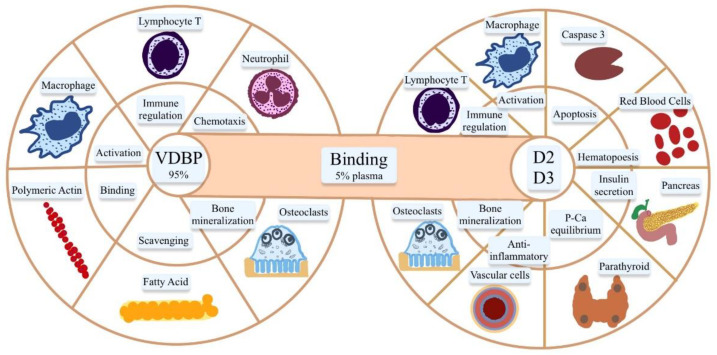
“VDBP is synthesized by hepatic parenchymal cells under the influence of estrogen, glucocorticoids, and inflammatory cytokines and plays a crucial role in binding and transporting vitamin D and its metabolites to the target organs [17–19].”
BackgroundLin, T.-C., Yeh, H., Tsai, H.-L., Chiang, P., Kao, Z.-K., Yang, L.-Y., Chen, Y., & Chang, J.-W. (2025) · Journal of the Chinese Medical Association · doi:10.1097/jcma.0000000000001235 · Cited by 4
Błaszczyk, J. W. (2025) · Metabolites · doi:10.3390/metabo15060404 · Cited by 4
Hepatic osteodystrophy: An underrecognized metabolic bone disease
Pramanik, S., Palui, R., & Ray, S. (2025) · World Journal of Hepatology · doi:10.4254/wjh.v17.i8.109093 · Cited by 9
Pande, S. V., Patel, C. A., Dhameliya, T. M., Beladiya, J., Parikh, P. K., Kachhadiya, R. N., & Dholakia, S. P. (2024) · In Silico Pharmacology · doi:10.1007/s40203-023-00182-0 · Cited by 4
“Over the past decades, a considerable amount of research has been published regarding the roles of different vitamins in various diseases (Kumar et al. 2022; Pop et al. 2022; Xu et al. 2023; Patel et al. 2023a).”
Vitamin D Binding Protein: A Potential Factor in Geriatric COVID-19 Acute Lung Injury
Jiang, H., Chi, X., Sun, Y., & Li, H. (2024) · Journal of Inflammation Research · doi:10.2147/jir.s470097 · Cited by 5
Liu, L., Du, H., Wu, F., Li, C., Chen, J., Zhang, X., Zhu, Q., & Li, X. (2025) · Digestive and Liver Disease · doi:10.1016/j.dld.2025.07.035 · Cited by 3
Gabdulkayum, A., Amangeldikyzy, S., Khassanova, S., Yerezhepov, A. Y., Akilzhanov, K. R., Kozhamkulov, U. A., Rakhimova, S., Kairov, U., Yerezhepov, D., & Akilzhanova, A. R. (2025) · European Journal of Applied Physiology · doi:10.1007/s00421-025-05976-y · Cited by 6
“…of vitamin D includes its endogenous production during skin exposure to UVB rays in sunlight by a photochemical process (Klein et al. 2004), binding to vitamin D-binding protein (VDPB) and transport to the tissues, and then entering the cells by mediation of its receptor (VDR) (Pop et al. 2022).”
The Role of Vitamin D Binding Protein and Vitamin D Level in Mortality of Sepsis Patients
Kahar, L. A., Yusrawati, Y., Jamsari, J., Maskoen, T. T., Aribowo, K., & Sari, W. M. (2023) · Reports of Biochemistry and Molecular Biology · doi:10.61186/rbmb.12.3.366 · Cited by 3
Addressing vitamin D deficiency through nutritional strategies
Trachtenberg, T., & Martirosyan, D. M. (2024) · Bioactive Compounds in Health and Disease · doi:10.31989/bchd.v7i6.1364 · Cited by 9
“Vitamin D also carries out its biological functions through the activation of the vitamin D receptor (VDR) [23].”
BackgroundHui, Q., Xiang, T., Xiong, Q., Shuowei, Y., Mengshi, C., Qin, X., Hongyin, L., Juntao, Y., & Fan, Y. (2026) · Food Science & Nutrition · doi:10.1002/fsn3.71383 · Cited by 2
“…the urgency of identifying modifiable risk factors (Chandrasekhar et al. 2019 identify low Vit D status as a preventable nutritional contributor to SSNHL, akin to its established roles in cardiovascular and autoimmune diseases (Gaudet et al. 2022; Li, Huang, et al. 2024; Pop et al. 2022).”
Vitamin D and Older Adults: To Supplement or Not to Supplement?
Mourelatou, N. G., Rebelos, E., Hughes, M., Kounatidis, D. C., & Jude, E. B. (2026) · Drugs & Aging · doi:10.1007/s40266-025-01277-3 · Cited by 2
“Liver diseases, which are common in the elderly, can reduce VDBP levels leading to decreased total circulating vitamin D [21].”
Girsang, R. T., Rusmil, K., Fadlyana, E., Kartasasmita, C. B., Putra, M. G. D., & Setiabudiawan, B. (2023) · International Journal of General Medicine · doi:10.2147/ijgm.s434290 · Cited by 4
Assessment of the contribution of VDR and VDBP/GC genes in the pathogenesis of celiac disease
Banerjee, P., Singh, H., Tiwari, P., Sood, A., Midha, V., Singh, G., Thelma, B. K., & Senapati, S. (2024) · Journal of Genetics · doi:10.1007/s12041-024-01480-y · Cited by 2
“VDBP binds to the circulating 25(OH)D and transports it from liver to various tissues (Pop et al. 2022).”
Rozmus, D., Fiedorowicz, E., Płomiński, J., & Cieślińska, A. (2025) · Nutrients · doi:10.3390/nu17030378 · Cited by 3
“All VD metabolites are transported by the VDPB to the target tissues, where the effect of VD is mediated by the VDR (Vitamin D Receptor), a nuclear receptor found in every cell of the body [18].”
Pérez-Castrillón, J.-L., Jódar, E., Nociar, J., Lojka, M., Nikolov, D., Castro, F. C., Novković, S., Tarantino, U., Mehsen-Cêtre, N., Arranz, P., et al. (2025) · Nutrients · doi:10.3390/nu17040672 · Cited by 3
“…D deficiency can be favoured by certain medical conditions such as cystic fibrosis, Crohn’s disease, and celiac disease, which lead to malabsorption [3], or by diseases affecting the kidneys and liver that reduce the amount of specific enzymes required to convert vitamin D into its active form [4].”
Fei, C., Zou, J., Yang, Z., Chang, H., Lu, L., Zhao, K., & Shi, H.-Z. (2025) · Scientific Reports · doi:10.1038/s41598-025-90100-5 · Cited by 2
“…the development of osteoporosis 46–48 , as the liver plays a vital role in bone metabolism through proteins like vitamin D-binding protein and insulin-like growth factor-1 49,50 , while immune regulation impacts osteoclast and osteoblast activity via cytokines such as RANKL, TNF-α, and IL-6 51,52 .”
Hong, J., Yang, Z., Gao, J., Yu, K., Hu, A., Kuang, Y., Gajendran, B., Zacksenhaus, E., Xiao, X., Wang, C., et al. (2025) · Medical Oncology · doi:10.1007/s12032-025-02695-4 · Cited by 2
“Binding of Calcitriol (Ca) to the vitamin D receptor (VDR) induces a variety of physiological processes, including maintenance of normal calcium levels and bones [3, 5, 6].”
A Hitchhiker Story? Exploring HDL as an Overlooked Vitamin D Carrier
Bean, J. D., & Peterson, C. A. (2025) · Current Developments in Nutrition · doi:10.1016/j.cdnut.2025.107499 · Cited by 3
“Instead, DBP's primary role in transport likely becomes prominent after VITD ’ s conversion to 25OHD in the liver [4,21].”
Zheng, Q., Tan, Q., Wang, D., Ma, Y., Zhou, Y., Chen, Y., Long, D., Yang, J., & Li, F. (2025) · Experimental Cell Research · doi:10.1016/j.yexcr.2025.114767 · Cited by 3
Mirghani, H. O. (2023) · World Journal of Meta-Analysis · doi:10.13105/wjma.v11.i5.218 · Cited by 3
Ткаченко, Т. В., Мороз, Л. В., Shevchuk, S. V., & Pentiuk, L. O. (2023) · Reports of Vinnytsia National Medical University · doi:10.31393/reports-vnmedical-2023-27(1)-15 · Cited by 1
Liu, A., Sun, Y., Qi, X., Zhou, Y., Zhou, J. W., Li, Z., Wu, X., Zou, Z., Lv, X., Li, H., et al. (2025) · Endocrine · doi:10.1007/s12020-025-04168-0 · Cited by 3
“Previous clinical explorations of treatment in NAFLD suggest that factors contributing to low bone mass and osteoporosis risk in NAFLD include cell factors released by hepatic fat deposition that may affect the bone microenvironment, vitamin D de fi ciency, and limited physical activity [31, 37].”
Vitamin D and MAFLD: a bibliometric and visual analysis from 2007 to 2024
Zhang, J., Wu, S., Huang, J., Sun, X., Chen, J., & Shang, B. (2025) · Frontiers in Nutrition · doi:10.3389/fnut.2025.1558026 · Cited by 1
Li, X., Wu, X., Li, F., & Liu, L. (2025) · Food Science & Nutrition · doi:10.1002/fsn3.70675 · Cited by 1
“VD deficiency promotes the progression of fibrosis and causes chronic liver disease (Pop et al. 2022).”
Gabdulkayum, A., Amangeldikyzy, S., Yerezhepov, A. Y., Khassanova, S., Akilzhanov, K. R., Kozhamkulov, U. A., Rakhimova, S., Kairov, U., Akilzhanova, A. R., & Yerezhepov, D. (2025) · Nutrients · doi:10.3390/nu17203195 · Cited by 3
“To perform its action, it must enter the cell, which is mediated by VDR [11].”
Basil, B. (2026) · Frontiers in Epidemiology · doi:10.3389/fepid.2026.1765215 · Cited by 1
“However, hepatocytes and non-parenchymal liver cells also express the VDR, making the liver a target organ for Vitamin D action (23, 24) Experimental models demonstrate that VDR activation suppresses de novo lipogenesis.”
Pomacu, M. M., Trașcă, D.-M., Pădureanu, V., Stănciulescu, E. C., Busuioc, C. J., Pisoschi, C. G., & Bugă, A. M. (2023) · PubMed Central · doi:10.12865/chsj.49.01.54 · Cited by 2
“Related to HBV infection other authors mention different vitamin D impacts [32,33].”
BackgroundVitamina D y enfermedades autoinmunes reumáticas
Ponce, N. R. P., Castro, A. G. M., Tenorio-Figueroa, C. J., & Mendoza-Saltos, J. J. (2024) · MQRInvestigar · doi:10.56048/mqr20225.8.2.2024.177-194 · Cited by 1
Shymanskyi, I., Lisakovska, O., Khomenko, A., Yanitska, L. V., & Veliky, M. M. (2024) · The Ukrainian Biochemical Journal · doi:10.15407/ubj96.02.038 · Cited by 2
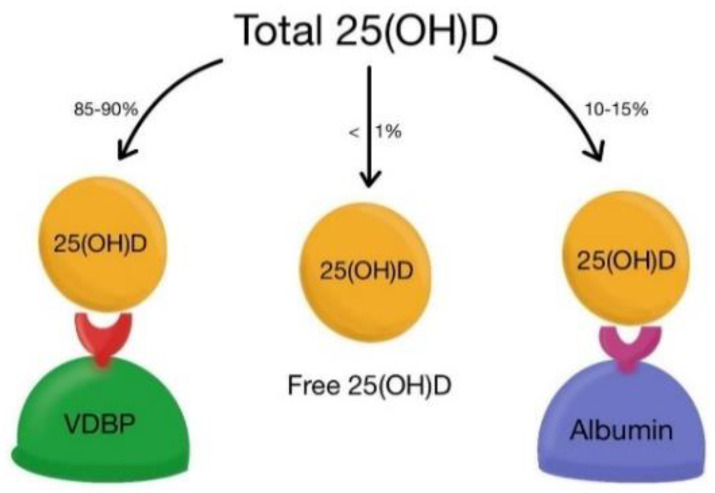
“Since VDBP belongs to the albumin family and is known to be the main transporter of active metabolites of D 3 (85–90% of the total pool), it can effectively influence the stability, bioavailability and biological efficacy of D 3 [35].”
BackgroundWu, H., Wu, L., Zhang, Q., Li, C., Li, H., & Zhang, B.-F. (2024) · Frontiers in Nutrition · doi:10.3389/fnut.2024.1292954 · Cited by 3
Prevalence of Vitamin D Deficiency Among Healthy Young Adults at Kuwait University
Jamali, M., Abdeen, S. M., & Mathew, T. C. (2024) · Cureus · doi:10.7759/cureus.75911 · Cited by 4
Zhao, Y., Fan, J., Wang, J., Wan, J., Ma, H., Sha, X.-Y., & Wang, H. (2025) · Drug Research · doi:10.1055/a-2463-5530 · Cited by 1
Eventos adversos associados ao uso excessivo de vitamina D: revisão sistemática
Pantoja, J. D. S., Bacchus, K. C., dos Passos, V. L. C., de Almeida, A. C. G., & Brito, M. A. M. (2023) · Research Society and Development · doi:10.33448/rsd-v12i6.41994
Association between vitamin D levels and risk of periodontitis in patients with metabolic syndrome
Liang, Z., Zhang, Y., & Li, G. (2023) · Journal of Dental Sciences · doi:10.1016/j.jds.2023.06.026
“8 There was evidence identified that serum 25-OH-vitamin D 3 (25(OH)D 3 ) levels were significantly reduced in patients with chronic periodontitis, 9 but the findings were not conducted in patients with MetS.”
BackgroundThe Expression of VDBP in the Severe COVID-19 and its Role in Acute Lung InjuryPreprint
Jiang, H., Chi, X., sun, Y., Wang, J., & Li, H. (2023) · Research Square · doi:10.21203/rs.3.rs-3555102/v1
Дербак, М. А., Buchok, O. V., Boldizhar, O. O., Rishko, O. A., & Блецкан, М. М. (2023) · Актуальні проблеми сучасної медицини Вісник Української медичної стоматологічної академії · doi:10.31718/2077-1096.23.4.84
“…нами результати також вказують що найбільш виразне зниження рівнів АлАТ, АсАТ, загального білірубіну було у хворих на ХГС+ХП із ЗСНПЗ, які приймали вітамін D у складі комплексної терапії, що підтверджує да-ні, отримані Pop et al. (2020) щодо позитивного впливу вітаміну D на функцію печінки [18].”
Xiao, X., Wu, M., Zou, L., Jin, X., Zhang, Y., & Zheng, X. (2024) · Research Square · doi:10.21203/rs.3.rs-3914885/v1
Use of vitamin D in the complex treatment of patients with chronic apical periodontitis
Алхазурова, Т. В., Im, M., Бороздкин, Л. Л., Samokhlib, Y. V., Пустовойт, В. Л., & Turkina, A. Y. (2024) · Clinical Dentistry (Russia) · doi:10.37988/1811-153x_2024_1_20
Research Progress on the Correlation between Vitamin D and Liver Fibrosis
再奴尔·艾买尔江, 古. (2024) · Advances in Clinical Medicine · doi:10.12677/acm.2024.144997
Li, J., Yan, N., Li, X., & He, S. (2024) · Acta Diabetologica · doi:10.1007/s00592-024-02292-3
Efektivitas Pemberian Vitamin D Terhadap Peningkatan Daya Tubuh
Syabariyah, S., & Anesti, R. (2023) · Buletin Ilmu Kebidanan dan Keperawatan · doi:10.56741/bikk.v2i03.418
Lin, J., Chen, J., Li, Z., Qian, B., & Hua, Y. (2024) · Portal hypertension & cirrhosis · doi:10.1002/poh2.90
Wang, W., Wang, H., & Wang, L. (2024) · Archives of Medical Science · doi:10.5114/aoms/192549
“Studies have shown that vitamin D deficiency is associated with various liver diseases, such as non-alcoholic fatty liver disease (NAFLD) and liver fibrosis [25, 26].”
BackgroundVitamin D status in young children with chronic viral hepatitis C: A retrospective study
Pervishko, O. V., Tkhakushinova, N. K., Slinin, А. S., & Zakharova, I. N. (2024) · Pediatrics Consilium Medicum · doi:10.26442/26586630.2024.4.203113
Parakhina, D. V., Movsisyan, G. B., Потапов, А. С., Semikina, E. L., & Fisenko, А. P. (2025) · Russian Pediatric Journal · doi:10.46563/1560-9561-2025-28-1-41-46
Qi, S., Fu, G., & Chu, Z. (2025) · Pharmacognosy Magazine · doi:10.1177/09731296251330001 · Cited by 1
“The effect of S100A9 on cervical cancer cells is induced through Wnt/β-catenin signaling (Pop et al., 2022).”
D ՎԻՏԱՄԻՆԻ ԱՆԲԱՎԱՐԱՐՈՒԹՅՈՒՆԸ ՈՐՊԵՍ ՀԱՆՐԱՅԻՆ ԱՌՈՂՋՈՒԹՅԱՆ ԱՐԴԻ ԽՆԴԻՐ
Քոթանյան, Ա. Հ., Avetisyan, L. R., Mkrtchyan, A., Մկրտչյան, Ս. Հ., & Առուստամյան, Մ. Ա. (2025) · MEDICINE SCIENCE AND EDUCATION · doi:10.56936/18291775-2025.39-45
Carbohydrate consumption and cirrhosis-related mortality: a prospective cohort study
Raissi-Dehkordi, N., Raissi-Dehkordi, N., Hekmatdoost, A., Pashayee-Khamene, F., Karimi, S., Ahmadzadeh, S., Saberifiroozi, M., Hatami, B., Hatami, H., & Yari, Z. (2025) · BMC Research Notes · doi:10.1186/s13104-025-07382-1 · Cited by 1
“…provide not only lactose, but also high-quality protein, calcium, vitamin D, and bioactive lipids and peptides, all of which may support liver function, preserve muscle mass, and modulate systemic inflammation, factors that are strongly associated with the prognosis of liver disease [40–42].”
Liu, C., Li, K., Wang, G., He, Z., & Cao, S. (2025) · Mediators of Inflammation · doi:10.1155/mi/5229580
“If the drug affects this function of the liver, it may lead to a reduction in the production of active vitamin D, thereby, affecting the absorption and utilization of calcium and increasing the risk of VC [53].”
Vitamin D Deficiency and Resistance in Long- Term Illnesses
Yohannan, D., Sudha, G., Sunny, M. A. I., Dharmalingam, N. A., Ramakrishnan, A. K. K., & Lekshmi, S. S. (2025) · doi:10.38124/ijisrt/25oct1473
Kaba, S., Doğan, M., Özkaçmaz, S., & Kılıç, S. (2025) · BMC Pediatrics · doi:10.1186/s12887-025-06330-z
Osredkar, J., Rakuša, M., Jerin, A., Štabuc, B., Zaplotnik, M., Štupar, S., & Siuka, D. (2026) · Molecules · doi:10.3390/molecules31020273 · Cited by 1
“In HCC, hepatic dysfunction and systemic inflammation disrupt these pathways, leading to a decrease in the production of VDBP and albumin, thereby diminishing vitamin D bioavailability despite serum levels that may not fully reveal the deficiency [14,15,20].”
Prevalence and correlates of vitamin D deficiency in a mixed-age hospital-based cohort
Zhou, Z., Chen, S., & Yang, F. (2026) · Frontiers in Public Health · doi:10.3389/fpubh.2026.1757957 · Cited by 1
Characteristics of burn-associated liver injury and its association with admission vitamin D levels
Gao, X., Tang, Q., Huang, J., Li, D., Liang, S., Huang, X., Zhang, L., & Zhang, M. (2026) · Burns · doi:10.1016/j.burns.2026.107970
Nosher, H., Cheema, T. M., Iqbal, I., Yousaf, J., Rizvi, S. M. A., Amil, J., & Rehman, A. U. (2026) · Pakistan Journal of Health Sciences · doi:10.54393/pjhs.v7i3.3816
The Role of Vitamin D in Chronic Obstructive Pulmonary Disease: Mechanisms and Clinical Implications
Aggarwal, K., Rajasekaran, D., Ruhela, N., Akhtar, N., Jain, R., & Sahu, N. (2026) · American Journal of Lifestyle Medicine · doi:10.1177/15598276261439092 · Cited by 2
Tufael, Siddique, A. B., Rashid, M. H. O., Mujahid, M., Nath, N. D., Debnath, A. K., Akter, M. F., Islam, M., & Upadhye, V. (2026) · BMC Gastroenterology · doi:10.1186/s12876-026-04808-3 · Cited by 1
“In people infected with the hepatitis B virus (HBV), vitamin D deficiency may be due to hepatocellular dysfunctions, nutritional deficiency, or abnormal immune and inflammatory status [9, 10].”
InfluentialAlbuquerque, J. M. D. C., Rodrigues, J. I., Siqueira, A. I. D. A. N., Santos, J. C. D. F., Barros-Neto, J. A., Bueno, N. B., & Moura, F. A. (2026) · Journal of Nutritional Science · doi:10.1017/jns.2026.10113
“(3,6) The close association between low 25(OH)VitD levels, malnutrition, and sarcopenia is widely recognised in children, adults, and the elderly, as these conditions can develop from various factors and occur successively or simultaneously.”
Dodd, T., Sharma, A., Amin, N., Tahan, V., Daglilar, E. S., & Duong, N. K. (2026) · Diseases · doi:10.3390/diseases14070243
“New guidelines by the American College of Gastroenterology recognize that although evidence of supplemental vitamin D in CLD is limited, if vitamin D level is low, supplementation may offer liver-related health benefits [26].”
Abraham, A., Bartusik‐Aebisher, D., Smolak, B., Dynarowicz, K., Kowalczyk, E., Guz, W., Aebisher, D., & Henrykowska, G. A. (2026) · Current Issues in Molecular Biology · doi:10.3390/cimb48080760 · Cited by 1
“The distinction among free vitamin D, conjugates, 25(OH)D, 1,25(OH) 2 D, other hydroxylated metabolites, and putative analogues should be maintained consistently [138,153].”
Yagoda, A., Demurcheva, E. O., Koroy, P., & Dudov, T. R. (2026) · Экспериментальная и клиническая гастроэнтерология · doi:10.31146/1682-8658-ecg-240-8-13-19
Xie, C., Xiang, P., Ye, X., Zhang, W., Qian, Y., Mu, Y., & Jiang, Q. (2026) · Frontiers in Aging Neuroscience · doi:10.3389/fnagi.2026.1895712
“…through neurotransmitter regulation, cognitive function, and immune-inflammation; supplementation shows promise for improving behavior and cognition, but more high-quality studies are needed to determine optimal dosage and durability (Harrison, 1981; Macintyre et al., 1977; Pop et al., 2022).”
Metadata
- Authors
- Pop, T. L., Sîrbe, C., Benţa, G., Mititelu, A., & Grama, A.
- Affiliations
- Iuliu Hațieganu University of Medicine and Pharmacy (RO)
- 2nd Pediatric Discipline, Department of Mother and Child, “Iuliu Hatieganu” University of Medicine and Pharmacy, 400012 Cluj-Napoca, Romania
- Corresponding author
- Sîrbe, Claudia
- Venue
- International Journal of Molecular Sciences
- Publisher
- MDPI AG
- Published
- 2022-09-14
- Volume
- 23
- Issue
- 18
- Pages
- 10705
- ISSN
- 1422-0067 (ISSN-L)
- PMC
- PMC9503777
- OpenAlex
- W4295779744
- Cited by
- 105
- References
- 149
- Citations by year
- 2026: 22 · 2025: 29 · 2024: 31 · 2023: 22 · 2022: 1
- FWCI
- 3.42
- Type
- journal article
- Language
- en
- Open access
- gold
- doi.org
- Licence
- Locations
- International Journal of Molecular Sciences (publishedVersion, cc-by)
- PubMed Central (publishedVersion, cc-by)
- PubMed (publishedVersion)
- DOAJ (DOAJ: Directory of Open Access Journals) (submittedVersion, cc-by-sa)
- Topics
- Health Sciences › Medicine › Endocrinology, Diabetes and Metabolism › Vitamin D Research Studies
- Health Sciences › Medicine › Hepatology › Liver physiology and pathology
- Health Sciences › Medicine › Hepatology › Liver Diseases and Immunity
- Keywords
- vitamin D, vitamin D binding protein, chronic liver disease, vitamin D deficiency, liver fibrosis, vitamin D receptor, chronic viral hepatitis, alcoholic cirrhosis, non-alcoholic fatty liver disease, primary biliary cirrhosis, autoimmune hepatitis, liver inflammation, phosphocalcic metabolism
- MeSH terms
- Actins, Calcium, Cholecalciferol, Ergocalciferols, Humans, Liver Diseases, Phosphates, Vitamin D, Vitamin D Deficiency, Vitamin D-Binding Protein, Vitamins, Receptors, Calcitriol, Non-alcoholic Fatty Liver Disease
About these checks
Registry, retraction, Cites and statistics results are computed, not judged, with one exception: a printed reference that no index lists is read once by a model before it counts as a citation error. Claims are extracted by a model and kept only when their quote appears verbatim in the text; each cited source is then checked, with a model’s help, for whether it says what the claim relies on. Those verdicts can be wrong — read the claim’s quote and the cited source before relying on one.
Statistics and arithmetic are recomputed, not judged.
Confidence bands are shown only for fields calibrated on our annotated test set. None is calibrated yet, so no band is shown.
What counts as a claim ›How we measure confidence ›How we check this ›
Are you an author, or do you see a problem with this page? Request a review
Data sources
Bibliographic data: Semantic Scholar, OpenAlex, Crossref.
Contains information from the Semantic Scholar Academic Graph Datasets, made available under the ODC Attribution License (ODC-BY 1.0).
Semantic Scholar’s data is described in: Kinney, R., et al. (2023). The Semantic Scholar Open Data Platform. arXiv:2301.10140.
