

Low-Dose IL-2 Attenuated Depression-like Behaviors and Pathological Changes through Restoring the Balances between IL-6 and TGF-β and between Th17 and Treg in a Chronic Stress-Induced Mouse Model of Depression
Open accessThe DOI matches its Crossref record; 49 of the 50 references it cites were found in a registry or an index.
Abstract
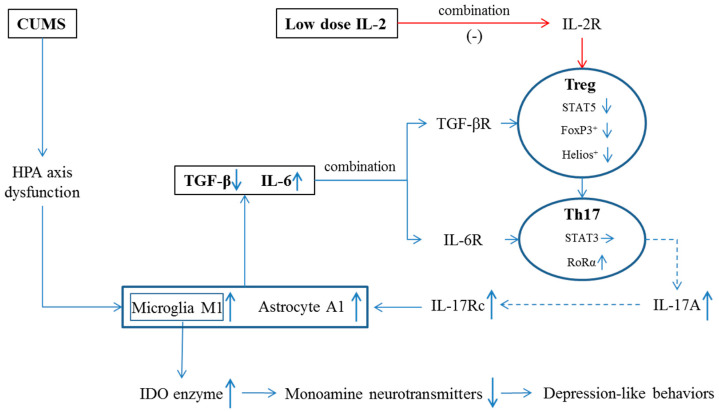
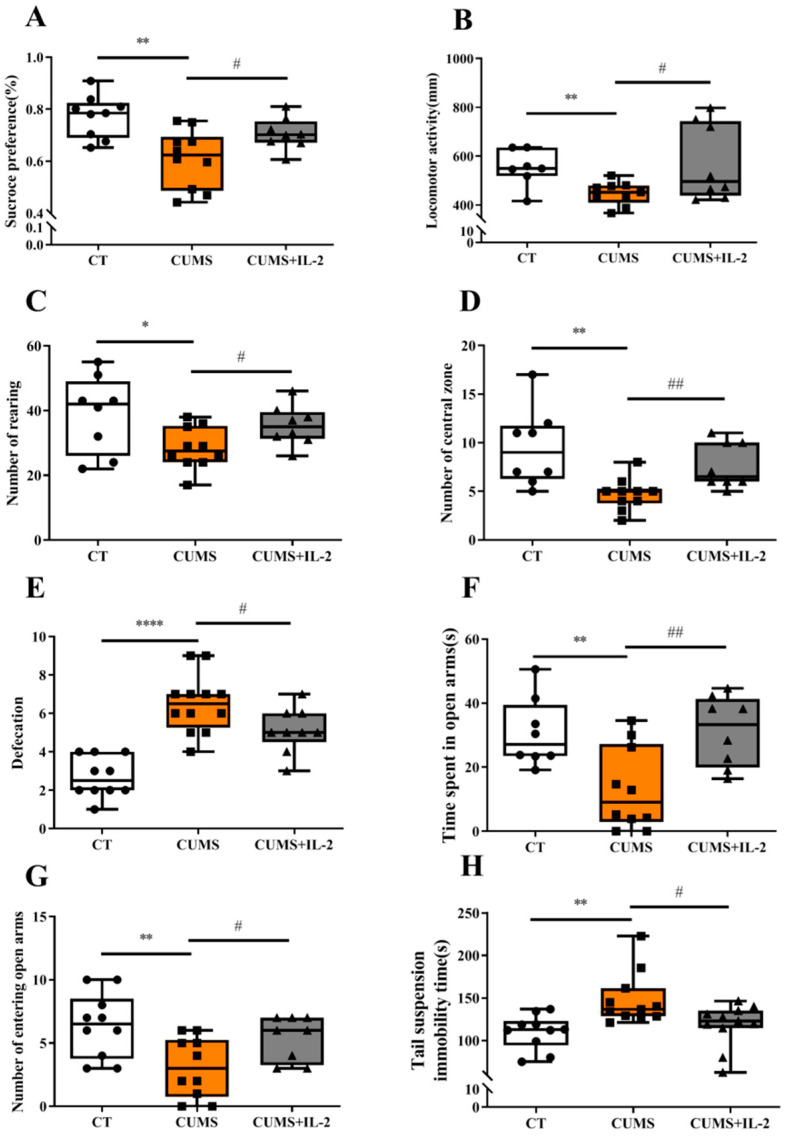
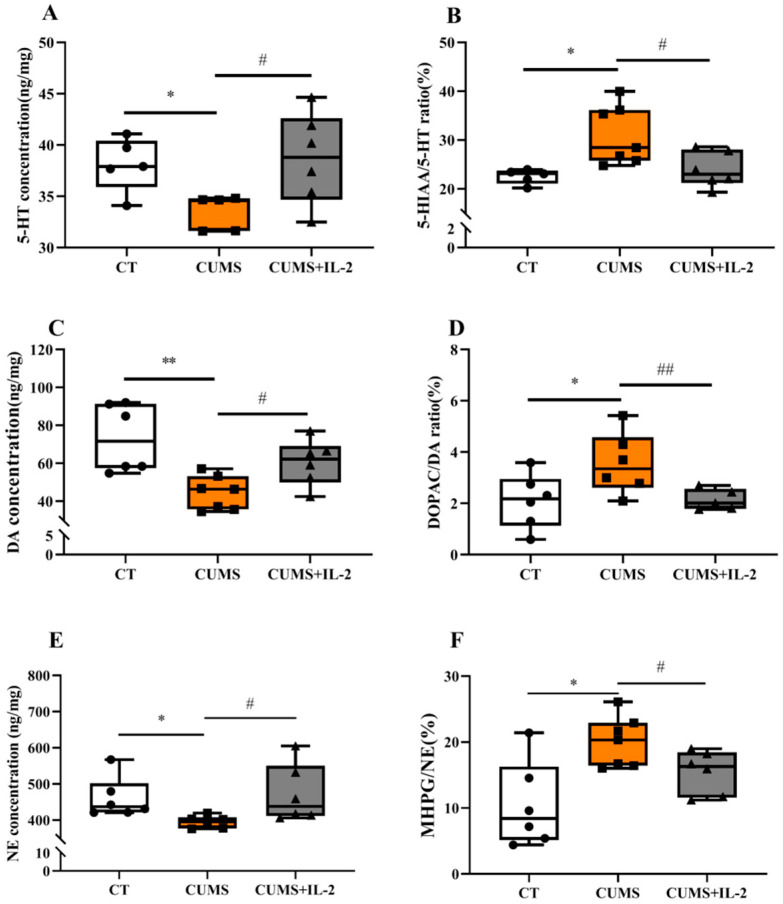
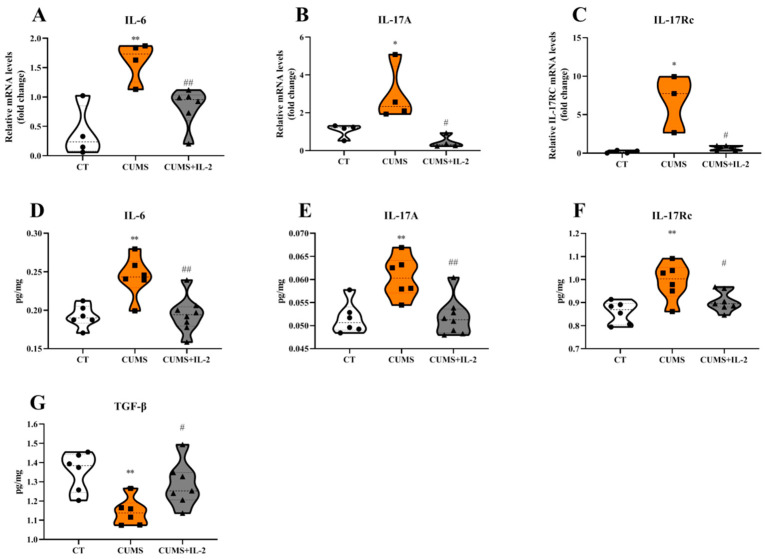
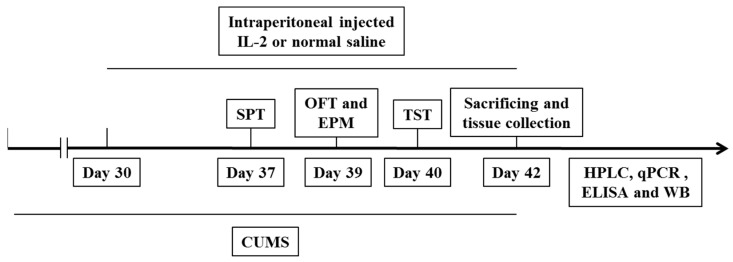
Microglia activation, increased IL-6 and decreased TGF-β were found in depressed patients or in animal models of depression. IL-6 enhances T helper 17 cell differentiation, thereby causing an imbalance between Th17 and Treg cells, which induces neuroinflammation and neuronal dysfunction. However, whether imbalances between IL-6 and TGF-β and between Th17 and Treg occur in depression and whether depression can be improved upon restoring these imbalances are unknown. Treg promoter IL-2 (1500UI/0.1 mL/day) was used to treat a mouse model of depression induced by chronic unpredictable mild stress (CUMS). The behavior and concentrations of IL-6, TGF-β, Th17, IL-17A, IL-17Rc, Treg-related factors (helios and STAT5), astrocyte A1 phenotype S100β, microglia M1 phenotype Iba-1, indoleamine-2,3-dioxygenase (IDO) enzyme, corticosterone (CORT) and neurotransmitters were evaluated. When compared to controls, CUMS reduced sucrose preference, the number of entries into and the time spent in the open arms of the elevated plus maze and the exploration in the “open field”, while it increased the immobility time in tail suspension, which was ameliorated by IL-2 treatment. RoRα, S100β, IL-17A, IL-17Rc, IL-6, Iba-1, IDO enzyme and CORT concentrations were significantly increased, and Helios, FoxP3+, STAT5 and TGF-β were significantly decreased by CUMS, which were significantly attenuated by IL-2 when compared to the CUMS group. The NE, DA and 5-HT contents and those of their metabolites were decreased by CUMS, which returned to control levels after IL-2 treatment. The study demonstrated that imbalances between IL-6 and TGF-β and between Th17and Treg occurred in the hippocampus of the depression model. IL-2 attenuated depression- and anxiety-like behaviors and normalized the neurotransmitter concentration and the activity of the IDO enzyme, astrocytes and microglia through restoring both balances, but it did not decrease the CORT concentration.
Overview
The claims and statistics of this paper haven’t been checked yet.
Free: it reads the open-access text and checks the first 5 claims that cite a source we can check. Create a free account to check every claim.
Integrity signals
Registry
Cites
Statistics
Figures
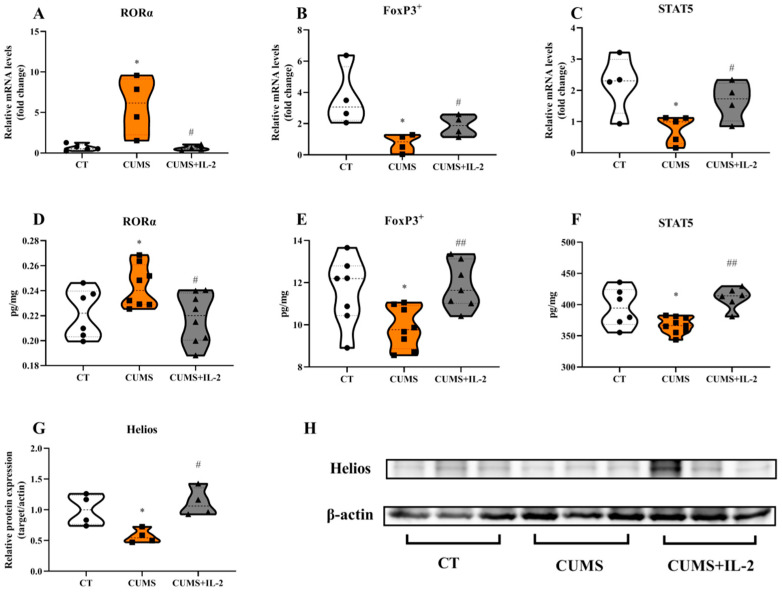
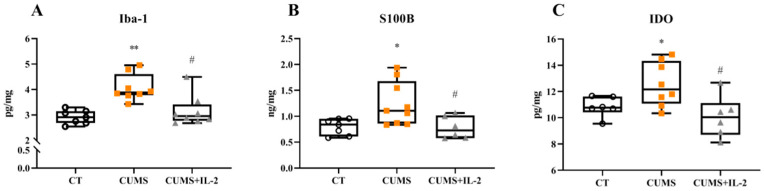
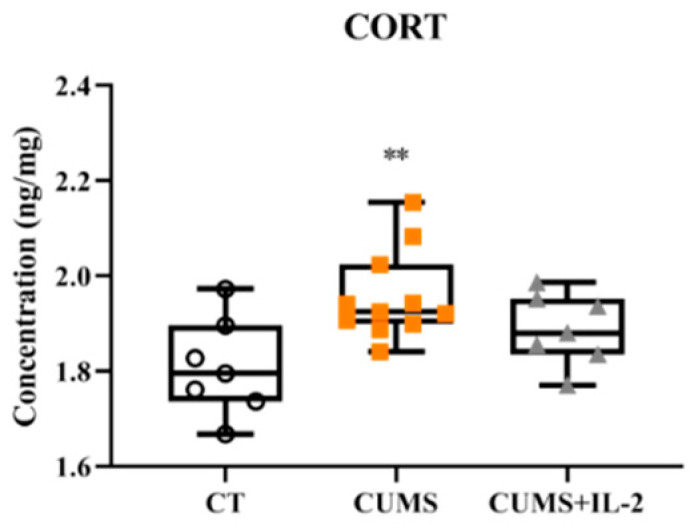
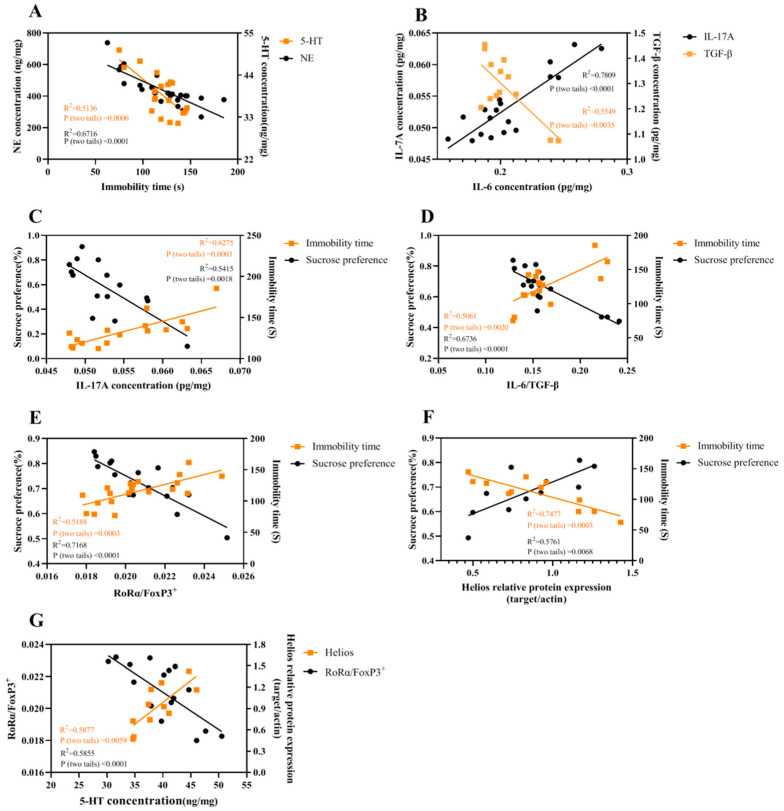
Verification
Claims the paper makes
The claims and statistics of this paper haven’t been checked yet.
Free: it reads the open-access text and checks the first 5 claims that cite a source we can check. Create a free account to check every claim.
Claims other papers make about this one
Each is checked against this paper’s own text: does it say what the citing paper says it does?
The check wasn’t confident either way, so it gives no verdict — never disputed.
In the citing paper
“In addition, Th17-like Tregs (IL-17+RORγt+FoxP3+ Tregs) were identified in TME.”
From Potential anti-tumor effects of regulatory T cells in the tumor microenvironment: a review (2024) · cites this paper as [58]
Experimental — accuracy not yet measuredIn the citing paper
“Their imbalance, combined with an imbalance in Th17/Treg cells, leads to chronic stress-induced depression in mice [220].”
From Selected biomarkers of depression: what are the effects of cytokines and inflammation (2022) · cites this paper as [220]
Self-check
Percentages, sums and reported differences re-computed from the paper’s own numbers.
The self-check needs the paper’s full text.
Citations
Cites
Molecular Mechanisms of Depression: Perspectives on New Treatment Strategies
Lang, U. E., & Borgwardt, S. (2013) · Cellular Physiology and Biochemistry · doi:10.1159/000350094 · Cited by 8,475
The chemokine system in diverse forms of macrophage activation and polarization
MANTOVANI, A., SICA, A., SOZZANI, S., ALLAVENA, P., VECCHI, A., & LOCATI, M. (2004) · Trends in Immunology · doi:10.1016/j.it.2004.09.015 · Cited by 6,534 · cited 1×
“Moreover, activated microglia can produce T cells-migrating chemokines, which promote Th17 cell differentiation and migration to the brain [10].”
BackgroundTGF-β-induced Foxp3 inhibits TH17 cell differentiation by antagonizing RORγt function
Zhou, L., Lopes, J. E., Chong, M. M. W., Ivanov, I. I., Min, R., Victora, G. D., Shen, Y., Du, J., Rubtsov, Y. P., Rudensky, A. Y., et al. (2008) · Nature · doi:10.1038/nature06878 · Cited by 1,863 · cited 1×
“Many studies have shown that IL-6 can activate transcription factor STAT3 by binding with IL-6R in the Th17 cells [38], while TGF-β can increase transcription factor FoxP3+ by binding with TGF-βR in Treg cells [39,40].”
BackgroundA function for interleukin 2 in Foxp3-expressing regulatory T cells
Fontenot, J. D., Rasmussen, J. P., Gavin, M. A., & Rudensky, A. Y. (2005) · Nature Immunology · doi:10.1038/ni1263 · Cited by 1,819
The macrophage theory of depression
Smith, R. S. (1991) · Medical Hypotheses · doi:10.1016/0306-9877(91)90272-z · Cited by 931 · cited 1×
“Animal anxiety- and depression-like behaviors were measured by sucrose preference, “open field” [21], elevated plus maze [22] and tail suspension tests [23].”
MethodJaks and Stats in signaling by the cytokine receptor superfamily
Ihle, J. N., & Kerr, I. M. (1995) · Trends in Genetics · doi:10.1016/s0168-9525(00)89000-9 · Cited by 898 · cited 1×
“Treg transcription factor FoxP3+ suppresses the expression of transcription factor RoRα, which inhibits the differentiation and proliferation of Th17 cells [37].”
BackgroundThe orexigenic hormone ghrelin defends against depressive symptoms of chronic stress
Lutter, M., Sakata, I., Osborne-Lawrence, S., Rovinsky, S. A., Anderson, J. G., Jung, S., Birnbaum, S., Yanagisawa, M., Elmquist, J. K., Nestler, E. J., et al. (2008) · Nature Neuroscience · doi:10.1038/nn.2139 · Cited by 644 · cited 1×
“Animal anxiety- and depression-like behaviors were measured by sucrose preference, “open field” [21], elevated plus maze [22] and tail suspension tests [23].”
MethodThe promise of low-dose interleukin-2 therapy for autoimmune and inflammatory diseases
Klatzmann, D., & Abbas, A. K. (2015) · Nature Reviews Immunology · doi:10.1038/nri3823 · Cited by 636 · cited 1×
“The activation of microglia can release T lymphocyte chemokines, which promotes the differentiation and migration of T cells into the center [41].”
BackgroundStahl, S. M. (2000) · The Journal of Clinical Psychiatry · doi:10.4088/jcp.v61n0103 · Cited by 489
Stable inhibitory activity of regulatory T cells requires the transcription factor Helios
Kim, H.-J., Barnitz, R. A., Kreslavsky, T., Brown, F. D., Moffett, H., Lemieux, M. E., Kaygusuz, Y., Meissner, T., Holderried, T. A. W., Chan, S., et al. (2015) · Science · doi:10.1126/science.aad0616 · Cited by 441 · cited 2×
“Moreover, a recent study found that Treg has a specific transcription factor, Helios, that contributes to stabilizing Treg survival through STAT5 activation and IL-2 response [24].”
BackgroundMethod
Research works printed but not linked: 1
- Delgado, P.L. Depression: The case for a monoamine deficiency. J. Clin. Psychiatry 2000, 61 (Suppl. S6), 7-11. [PubMed]
Cited by
Selected biomarkers of depression: what are the effects of cytokines and inflammation
Harsanyi, S., Kupcova, I., Danisovic, L., & Klein, M. (2022) · International Journal of Molecular Sciences · doi:10.3390/ijms24010578 · Cited by 299
Kouba, B. R., de Araujo Borba, L., Borges de Souza, P., Gil-Mohapel, J., & Rodrigues, A. L. S. (2024) · Cells · doi:10.3390/cells13050423 · Cited by 209
“…stress was shown to result in depressive-like behaviors, along with an increase in the brain levels of pro-inflammatory cytokines (IL-1 β , TNF-α , and IL-6), and a decrease in the brain levels of anti-inflammatory cytokines (transforming growth factor-β (TGF-β ) and IL-10 in the brain) [32–34].”
BackgroundJiao, W., Lin, J., Deng, Y., Ji, Y., Liang, C., Wei, S., Xi, J., & Yan, F. (2025) · Journal of Neuroinflammation · doi:10.1186/s12974-024-03312-3 · Cited by 144
Potential anti-tumor effects of regulatory T cells in the tumor microenvironment: a review
Li, Y., Zhang, C., Jiang, A., Lin, A., Liu, Z., Cheng, X., Wang, W., Cheng, Q., Zhang, J., Wei, T., et al. (2024) · Journal of Translational Medicine · doi:10.1186/s12967-024-05104-y · Cited by 105
“These Tregs express RORγT and produce IL-17 when stimulated by IL-6 and TGF-β [58].”
BackgroundListon, A., Pasciuto, E., Fitzgerald, D. C., & Yshii, L. (2023) · Nature reviews. Immunology · doi:10.1038/s41577-023-00960-z · Cited by 101
“In mouse models, low-dose IL-2 or IL-2–anti-IL-2 antibody complexes show promising results in Alzheimer disease 88 , amyotrophic lateral sclerosis 88,89 , migraine 90 and depression 91 , among other neurological conditions.”
Wang, Y., Li, J., Nakahata, S., & Iha, H. (2024) · International Journal of Molecular Sciences · doi:10.3390/ijms25137346 · Cited by 98
Chronic Stress-Induced Neuroinflammation: Relevance of Rodent Models to Human Disease
White, A. G., Elias, E., Orozco, A., Robinson, S. A., & Manners, M. T. (2024) · International Journal of Molecular Sciences · doi:10.3390/ijms25105085 · Cited by 89
“A low dose of IL-2 reduced Th17 differentiation, thereby decreasing IL-17A secretion and alleviating the expression of IL-17Rc in microglia and astrocytes, thus inhibiting their activation and attenuating depression-like behaviors [141].”
BackgroundNeuroinflammation and Post-Stroke Depression: Focus on the Microglia and Astrocytes
Lu, W., & Wen, J. (2025) · Aging and disease · doi:10.14336/ad.2024.0214-1 · Cited by 54
“In addition, there is increased level of S100β produced by A1 astrocytes [124] in serum [125], cerebrospinal fluid (CSF) [126], PFC [127] and hippocampus [128].”
Treg cell: Critical role of regulatory T-cells in depression
Gao, X. W., Tang, Y., Kong, L., Fan, Y., Wang, C., & Wang, R. (2023) · Pharmacological Research · doi:10.1016/j.phrs.2023.106893 · Cited by 57
Poletti, S., Zanardi, R., Mandelli, A., Aggio, V., Finardi, A., Lorenzi, C., Borsellino, G., Carminati, M., Manfredi, E., Tomasi, E., et al. (2024) · Brain Behavior and Immunity · doi:10.1016/j.bbi.2024.02.019 · Cited by 62
Liu, X., Wu, X., Wang, S., Zhao, Z., Jian, C., Li, M., & Qin, X. (2023) · International Journal of Biological Macromolecules · doi:10.1016/j.ijbiomac.2023.125542 · Cited by 43
Zhu, Z., Cheng, Y., Liu, X., Xu, X., Ding, W., Ling, Z., Liu, J., & Cai, G. (2025) · Frontiers in Immunology · doi:10.3389/fimmu.2025.1644160 · Cited by 60
Li, J.-H., Liu, J.-L., Li, X., Liu, Y., Yang, J.-Z., Chen, L., Zhang, K.-K., Xie, X., & Wang, Q. (2023) · Frontiers in Microbiology · doi:10.3389/fmicb.2023.1143648 · Cited by 31
“Imbalances between IL-6 and TGF-β and between Th17 and Treg were also found in depressed patients or in animal models of depression, which induces neuroinflammation and neuronal dysfunction (Huang et al., 2022).”
BackgroundYu, H., Yu, B., Qin, X., & Shan, W. (2023) · Journal of Affective Disorders · doi:10.1016/j.jad.2023.07.005 · Cited by 26
Zhang, Y., Yin, J., Yan, H., Yan, L., Li, Y., Zhang, C., Li, Y., Liu, B., Lin, J., Zhang, L., et al. (2023) · Frontiers in Cellular Neuroscience · doi:10.3389/fncel.2023.1163764 · Cited by 28
Self-citationThe Role of Blood–Brain Barrier Disruption in Epilepsy: Mechanisms and Consequences
Suleymanova, E. M., & Karan, A. A. (2025) · Neurology International · doi:10.3390/neurolint18010001 · Cited by 26
“Notably, the peripheral levels of TGF-β have been reported to be decreased in patients with MDD and anxiety [242,243], and in experimental models of stress-induced depression, the expression of TGF-β is downregulated in the brain of animals with depressive-and anxiety-like behaviors [244,245].”
McCallum, R. T., Thériault, R.-K., Manduca, J. D., Russell, I. S. B., Culmer, A. M., Doost, J. S., Martino, T. A., & Perreault, M. L. (2024) · Biology of Sex Differences · doi:10.1186/s13293-024-00589-0 · Cited by 22
“In addition, levels of proinflammatory Th17 cells were increased in the mouse HIP following CUS [25] and in the whole brain of mice following chronic restraint test and learned helplessness [24].”
BackgroundYao, C., Jiang, N., Sun, X., Zhang, Y., Pan, R., He, Q., Chang, Q., & Liu, X. (2024) · Frontiers in Pharmacology · doi:10.3389/fphar.2024.1484337 · Cited by 20
Recent Progress in Biosensors for Depression Monitoring—Advancing Personalized Treatment
Yin, J., Jia, X., Li, H., Zhao, B., Yang, Y., & Ren, T. (2024) · Biosensors · doi:10.3390/bios14090422 · Cited by 15
Niazi, N. U. K., Huang, C.-Y., Yang, Z., Zhang, Y., & Song, C. (2024) · Behavioural Brain Research · doi:10.1016/j.bbr.2024.115067 · Cited by 17
Self-citationRole of astrocytes in the pathogenesis of perinatal brain injury
Li, L., Cui, X., Zhu, B., Zhou, L., Guo, Y., Liu, T., & Shi, Y. (2025) · Molecular Medicine · doi:10.1186/s10020-025-01328-w · Cited by 18
Park, B., & Choi, G. E. (2025) · Progress in Neurobiology · doi:10.1016/j.pneurobio.2025.102786 · Cited by 16
Wang, N., Zhu, S., Chen, S., Zou, J., Zeng, P., & Tan, S. (2025) · Reviews in the Neurosciences · doi:10.1515/revneuro-2024-0147 · Cited by 12
Luarte, A., Nardocci, G., Chakraborty, A., Bátiz, L. F., Pino‐Lagos, K., & Wyneken, Ú. (2023) · Pharmacological Research · doi:10.1016/j.phrs.2023.106833 · Cited by 14
Kwon, D.-H., Kim, Y., & Cho, S. (2024) · International Journal of Molecular Sciences · doi:10.3390/ijms25179673 · Cited by 12
Revealing the role of regulatory b cells in cancer: development, function and treatment significance
Ye, R., Li, S., Li, Y., Shi, K., & Li, L. (2025) · Cancer Immunology Immunotherapy · doi:10.1007/s00262-025-03973-w · Cited by 13
Integrating allostasis and emerging technologies to study complex diseases
Park, I., Gwon, H., Jung, Y., Kim, B.-Y., Ju, G., Sin, E., An, H. I., Bang, H. J., Yun, T., Lee, S. H., et al. (2025) · Communications Biology · doi:10.1038/s42003-025-08939-3 · Cited by 17
Nabirumbi, R., Onohuean, H., Drago, K. C., Alagbonsi, A. I., & Adedeji, A. A. (2024) · Science Progress · doi:10.1177/00368504241234786 · Cited by 14
“Our fi nding is similar to the previous report of Caiaffo and Huang et al. 40,41 that found an increase in the production of IL-1 and IL-2 in the supernatant of mitogen-stimulated sple-nocyte cultures from rats submitted to the chronic stress depression model.”
ResultCepeda, Y., Elizondo-Vega, R. J., Garrido, C., Tobar, C., Araneda, M., Oliveros-Matus, P., Órdenes, P., Pardo, C. C., Vidal, P. M., Luz‐Crawford, P., et al. (2024) · Frontiers in Cellular Neuroscience · doi:10.3389/fncel.2024.1406832 · Cited by 13
Kang, L., Li, Y., Chen, K., Chen, X., Chu, Q., Zhao, X., & Li, R. (2024) · Medicine · doi:10.1097/md.0000000000040225 · Cited by 11
“[28] Moreover, research by Wan Mingyue (2022) and others has revealed that Baduanjin exercise can modify the structural plasticity of subregions, including the left subiculum, hippocampal-amygdala transition zone, right entorhinal area 1, and anterior subiculum, which are involved in cognitive…”
BackgroundRevisiting Tregs in cancer and beyond: immunological control and therapeutic potential
Zheng, L., Wu, D., Xie, H., & Hai, Z. (2025) · Frontiers in Immunology · doi:10.3389/fimmu.2025.1581093 · Cited by 20
“Tregs can restrict tumor growth by modulating immune responses that contain and potentially reduce tumor spread (107 – 109).”
Chaudhary, R., Azam, M. A., Dowand, B., Singh, A., Rehman, M., Agarwal, V., Kumar, A., Kaushik, A. S., Srivastava, S., Srivastava, S., et al. (2024) · Naunyn-Schmiedeberg s Archives of Pharmacology · doi:10.1007/s00210-024-03529-2 · Cited by 9
“Prolonged exposure to stress has a significant impact on the immune system by increasing autoimmune reactions and regulating the function of various immune cells, such as T cells, B cells, NK (natural killer) cells, and macrophages (Huang et al. 2022; Ilich et al. 2020; Kokkosis et al. 2022).”
RetractedKhalil, R. G., Mohammed, D. A., Hamdalla, H. M., & Ahmed, O. M. (2024) · Cytokine · doi:10.1016/j.cyto.2024.156834 · Cited by 11
Ma, K., Gu, T., Wu, Z., & Li, Z. (2025) · International Journal of Surgery · doi:10.1097/js9.0000000000003151 · Cited by 12
Li, C., Zhang, J., Liu, H., Yuan, H., Cai, J., Fogaça, M. V., & Zhang, Y. (2023) · Biomedicine & Pharmacotherapy · doi:10.1016/j.biopha.2023.115137 · Cited by 8
Zai, I., Aqil, M., & Sultana, Y. (2025) · International Journal of Pharmaceutics · doi:10.1016/j.ijpharm.2025.125909 · Cited by 6
Zheng, M., Yang, X., Yuan, P., Wang, F., Guo, X., Li, L., Wang, J., Miao, S., Shi, X., & Ma, S. (2024) · Journal of Biomolecular Structure and Dynamics · doi:10.1080/07391102.2023.2297816 · Cited by 5
“Increased IL-2 levels in the serum of patients with depression have been shown to alleviate neuroinflammation and neural dysfunction induced by IL-6 and TGF-b , thus restoring balance and alleviating depressive and anxious symptoms (Huang et al., 2022; Maes et al., 1995).”
The role of interleukin (IL)-2 cytokine family in Parkinson's disease
Goleij, P., Amini, A., Tabari, M. A. K., Hadipour, M., Sanaye, P. M., Alsharif, K. F., Daglia, M., Larsen, D. S., & Khan, H. Z. (2025) · Cytokine · doi:10.1016/j.cyto.2025.156954 · Cited by 11
Liu, X., Xu, W., Zhao, Z., Wu, X., Wang, S., Jian, C., Li, M., Li, K., Wang, Y., & Qin, X. (2024) · Food Frontiers · doi:10.1002/fft2.519 · Cited by 6
Cai, K., Chen, X., Cao, Y., Ran, L., Bu, Q., Hu, D., Feng, Z., & Cao, M. (2025) · BMC Complementary Medicine and Therapies · doi:10.1186/s12906-025-04898-8 · Cited by 8
Zhang, C., Liu, B., Li, X., Charlier, T. D., Kunikullaya, K. U., Steinbusch, H. W. M., & Song, C. (2026) · European Journal of Pharmacology · doi:10.1016/j.ejphar.2026.178710 · Cited by 4
Self-citationResearch Progress on Th17/Treg Cell Imbalance in Epileptic Seizures
Mu, L., Rong, Y., Yang, X., Zhang, H., & Xu, Z. (2025) · Journal of Inflammation Research · doi:10.2147/jir.s524814 · Cited by 7
“39–41 Currently, the causal relationship between the Th17/Treg cell imbalance and the pathogenesis of epilepsy remains unclear and may be bidirectional.”
Zhou, C., Lian, F., Li, H., & Deng, F. (2024) · 3 Biotech · doi:10.1007/s13205-024-04176-3 · Cited by 5
“Furthermore, we utilized ELISA and WB to assess cognitive impairment markers, specifically measuring the levels of S100β and IL-6 in mice serum (Huang et al. 2022, Lin et al. 2024, Schaefer et al. 2019).”
Fu, T., Zhang, W., Zhang, S., & Tian, F. (2025) · Neuroscience Research · doi:10.1016/j.neures.2025.104927 · Cited by 4
Vastrad, B. M., Pattanashetti, S., & Vastrad, C. M. (2025) · Research Square · doi:10.21203/rs.3.rs-7522725/v1 · Cited by 5
Liu, H., Zhu, T., Zhang, L., Li, F., Zheng, M., Chen, B., Zhu, H., Ren, J., Lu, X., & Huang, C. (2024) · Behavioural Pharmacology · doi:10.1097/fbp.0000000000000774 · Cited by 3
“…stress stimuli are mediated mainly by different cell types such as microglia (Yirmiya et al ., 2015; Wang et al ., 2022a) and astrocytes (Yao et al ., 2022) in situ and peripherally recruited macrophages (Wohleb et al ., 2015) and T cells (such as Th17 cells) (Huang et al ., 2022a).”
BackgroundSelf-citationtiRNA‐Gly‐GCC‐001 in major depressive disorder: Promising diagnostic and therapeutic biomarker
Tian, H., Gao, S., Xu, M., Yang, M., Shen, M., Liu, J., Li, G., Zhuang, D., Hu, Z., & Wang, C. (2024) · British Journal of Pharmacology · doi:10.1111/bph.16319 · Cited by 5
“For example, it may play a role in neuroinflammation associated with depression development (Janssen et al., 2010; Lu et al., 2022), and lower TGF-β levels are evident in clinically depressed individuals (Huang et al., 2022).”
BackgroundLi, X., Chen, M., Wei, D., PengSheng, W., Jiang, Y., Chen, J., duan, X., Wang, Z., Zhang, Y., Bai, D., et al. (2025) · Neurochemical Research · doi:10.1007/s11064-025-04419-6 · Cited by 5
Sun, T., Chen, Q., Mei, J., & Li, Y. (2023) · BMC Psychiatry · doi:10.1186/s12888-023-05248-z · Cited by 6
“IL-6 can induce microglial cell activation [31], oxidative stress, and neuronal apoptosis [32], and HPA axis dysfunction [33], and reduce the secretion of norepinephrine and 5-hydroxytryptamine [34], ultimately leading to MDD.”
BackgroundZeng, J.-W., Han, Z.-J., He, X.-T., Liu, X., Wang, H.-Y., Yang, S., Bai, J., Duan, Y., & Li, L. (2025) · Frontiers in Psychiatry · doi:10.3389/fpsyt.2025.1628634 · Cited by 4
Shen, M., Yu, P., Xiong, Q., Sun, Z., Zhang, Y., & Yang, M. (2025) · Neuropsychiatric Disease and Treatment · doi:10.2147/ndt.s564175 · Cited by 2
“A cohort study found that elevated CRP levels during the phase of acute stroke signify an augmented risk of PSD. 31 Conversely, IL-10 and TGF-β levels have been shown to be reduced in PSD. 32 Th17/Treg cytokines influence the synthesis and metabolism of NE and affect cognitive function.”
Hu, L., Qiu, Z., Ai, Z., Liu, R., Zhang, B., & Li, H. (2026) · Brain Research Bulletin · doi:10.1016/j.brainresbull.2026.111752 · Cited by 1
Lorkiewicz, P., Adamczuk, J., Kryńska, J. A., Maciejczyk, M., Żendzian‐Piotrowska, M., Flisiak, R., Moniuszko-Malinowska, A. M., & Waszkiewicz, N. (2026) · International Journal of Molecular Sciences · doi:10.3390/ijms27041670 · Cited by 1
The emerging role of T cells in depression
Wang, H., Tao, H., Yuan, M., & Zhang, W. (2026) · Frontiers in Psychiatry · doi:10.3389/fpsyt.2026.1780383 · Cited by 2
“Huang et al. demonstrated that treatment with Treg promoter IL-2 normalized brain 5-HT metabolism, alleviating depression-and anxiety-like behaviors in the CUMS model (76).”
Neuroinflammatory Mechanisms in Depression: From Biomarkers to Anti-Inflammatory Therapy
Li, S., Wang, Q., Li, J., & Luo, Q. (2026) · Brain Sciences · doi:10.3390/brainsci16060632 · Cited by 4
The impact of BDNF and CD4 + T cell crosstalk on depression
Mickael, M., Kubick, N., Dragan, M., Atanasov, A. G., Ławiński, M., Paszkiewicz, J., Horbańczuk, J. O., Religa, P., Thorne, A., & Sacharczuk, M. (2024) · Immunologic Research · doi:10.1007/s12026-024-09514-4 · Cited by 2
“An imbalance in the Th17/Treg cell ratio has been observed in both, animal models and patients with depression, characterized by an elevated frequency of Th17 cells and a reduced frequency of Treg cells [106–109].”
Investigating the Role of Oxidative Stress and Immune Response in Rheumatoid Arthritis
Hosi, S. S. (2024) · doi:10.47059/ijmtlm/v27i3s/771 · Cited by 4
Mickael, M., Kubick, N., Horbańczuk, J. O., Religa, P., & Sacharczuk, M. (2023) · Preprints.org · doi:10.20944/preprints202310.0251.v1
Vastrad, B. M., & Vastrad, C. M. (2024) · bioRxiv (Cold Spring Harbor Laboratory) · doi:10.1101/2024.02.10.579759 · Cited by 1
Wu, S., Wu, Z., Xu, N., Qiu, S., Chen, Y., & Chen, R. (2024) · SSRN Electronic Journal · doi:10.2139/ssrn.4828955 · Cited by 1
Li, Y., Wang, H., Zhou, J., & Wang, C. (2023) · Journal of Zhejiang University (Medical Sciences) · doi:10.3724/zdxbyxb-2023-0269 · Cited by 4
Astroglia and depression: A Gliocentric perspective from rodent models to therapeutic insights
Subba, R., Ellappan, S., Banerjee, S., & Mondal, A. C. (2026) · Progress in Neuro-Psychopharmacology and Biological Psychiatry · doi:10.1016/j.pnpbp.2026.111627 · Cited by 2
Xu, Z., Zhou, Y., Zhang, X., Chen, X., Li, Y., Wang, J., Chang, T., Yuan, Z., & Jia, H. (2026) · Brain and Behavior · doi:10.1002/brb3.71421
“In animal models of MDD, increased interleukin-6 (IL-6) and decreased transforming growth factor-beta (TGF-β ) levels have been observed (Huang et al. 2022 ).”
Xia, J., Gao, X., & Huang, S. (2026) · Frontiers in Immunology · doi:10.3389/fimmu.2026.1910864 · Cited by 1
The orienting-exploratory activity of rats after oral intake of industrial dust of uranium ore
Saifulina, E., Кazymbet, P., Musina, A. А., Aitbayeva, B., Ye, T. K., Tazhibayeva, D. S., Kusmambetova, K. A., Тулепбергенова, С. А., & Тулеуов, Т. Н. (2026) · International Journal of Radiation Research · doi:10.66224/ijrr.24.3.26
Metadata
- Authors
- Huang, C., Zhang, F., Li, P., & Song, C.
- Affiliations
- Research Institute for Marine Drugs and Nutrition, College of Food Science and Technology, Guangdong Ocean University, Zhanjiang 524088, China
- Guangdong Ocean University (CN)
- Guangdong Medical College (CN)
- Corresponding author
- Song, Cai
- Venue
- International Journal of Molecular Sciences
- Publisher
- MDPI AG
- Published
- 2022-11-10
- Volume
- 23
- Issue
- 22
- Pages
- 13856
- ISSN
- 1422-0067 (ISSN-L)
- PMC
- PMC9699071
- OpenAlex
- W4308865983
- Cited by
- 65
- References
- 50
- Citations by year
- 2026: 9 · 2025: 19 · 2024: 25 · 2023: 11 · 2022: 1
- FWCI
- 4.87
- Type
- journal article
- Language
- en
- Open access
- gold
- doi.org
- Licence
- Locations
- International Journal of Molecular Sciences (publishedVersion, cc-by)
- PubMed Central (publishedVersion, cc-by)
- PubMed (publishedVersion)
- DOAJ (DOAJ: Directory of Open Access Journals) (submittedVersion, cc-by-sa)
- Funders
- National Natural Science Foundation of Guangdong Province (2021A1515011579, GJHZ20190823111414825, 2021A05046)
- Science and Technology Plan (International Cooperative Research) Project of Shenzhen (2021A1515011579, GJHZ20190823111414825, 2021A05046)
- Science and Technology Project of Zhanjiang (2021A1515011579, GJHZ20190823111414825, 2021A05046)
- Topics
- Life Sciences › Neuroscience › Biological Psychiatry › Tryptophan and brain disorders
- Life Sciences › Neuroscience › Behavioral Neuroscience › Stress Responses and Cortisol
- Life Sciences › Neuroscience › Neurology › Neuroinflammation and Neurodegeneration Mechanisms
- Keywords
- IL-2 therapy, depression, chronic unpredictable mild stress, interleukin-6, TGF-beta, Th17/Treg imbalance, neuroinflammation, microglial activation, indoleamine 2,3-dioxygenase, corticosterone, neurotransmitters, hippocampus, anxiety-like behavior, neuroimmune regulation
- MeSH terms
- Animals, Corticosterone, Depression, Disease Models, Animal, Interleukin-2, Interleukin-6, Transforming Growth Factor beta, Interleukin-12, Interleukin-17, T-Lymphocytes, Regulatory, STAT5 Transcription Factor, Mice
About these checks
Registry, retraction, Cites and statistics results are computed, not judged, with one exception: a printed reference that no index lists is read once by a model before it counts as a citation error. Claims are extracted by a model and kept only when their quote appears verbatim in the text; each cited source is then checked, with a model’s help, for whether it says what the claim relies on. Those verdicts can be wrong — read the claim’s quote and the cited source before relying on one.
Statistics and arithmetic are recomputed, not judged.
Confidence bands are shown only for fields calibrated on our annotated test set. None is calibrated yet, so no band is shown.
What counts as a claim ›How we measure confidence ›How we check this ›
Are you an author, or do you see a problem with this page? Request a review
Data sources
Bibliographic data: Semantic Scholar, OpenAlex, Crossref.
Contains information from the Semantic Scholar Academic Graph Datasets, made available under the ODC Attribution License (ODC-BY 1.0).
Semantic Scholar’s data is described in: Kinney, R., et al. (2023). The Semantic Scholar Open Data Platform. arXiv:2301.10140.
