

Tirzepatide: A Systematic Update
Open accessThe DOI matches its Crossref record; 99 of the 100 references it cites were found in a registry or an index.
Abstract
Tirzepatide is a new molecule capable of controlling glucose blood levels by combining the dual agonism of Glucose-Dependent Insulinotropic Polypeptide (GIP) and Glucagon-Like Peptide-1 (GLP-1) receptors. GIP and GLP1 are incretin hormones: they are released in the intestine in response to nutrient intake and stimulate pancreatic beta cell activity secreting insulin. GIP and GLP1 also have other metabolic functions. GLP1, in particular, reduces food intake and delays gastric emptying. Moreover, Tirzepatide has been shown to improve blood pressure and to reduce Low-Density Lipoprotein (LDL) cholesterol and triglycerides. Tirzepatide efficacy and safety were assessed in a phase III SURPASS 1–5 clinical trial program. Recently, the Food and Drug Administration approved Tirzepatide subcutaneous injections as monotherapy or combination therapy, with diet and physical exercise, to achieve better glycemic blood levels in patients with diabetes. Other clinical trials are currently underway to evaluate its use in other diseases. The scientific interest toward this novel, first-in-class medication is rapidly increasing. In this comprehensive and systematic review, we summarize the main results of the clinical trials investigating Tirzepatide and the currently available meta-analyses, emphasizing novel insights into its adoption in clinical practice for diabetes and its future potential applications in cardiovascular medicine.
Overview
The claims and statistics of this paper haven’t been checked yet.
Free: it reads the open-access text and checks the first 5 claims that cite a source we can check. Create a free account to check every claim.
Integrity signals
Registry
Cites
Statistics
Figures

Verification
Claims the paper makes
The claims and statistics of this paper haven’t been checked yet.
Free: it reads the open-access text and checks the first 5 claims that cite a source we can check. Create a free account to check every claim.
Claims other papers make about this one
Each is checked against this paper’s own text: does it say what the citing paper says it does?
The cited source says what the claim attributes to it.
In the citing paper
“Tirzepatide is developed by Eli Lilly and has proven to provide superior blood sugar control and significant weight loss, making it particularly valuable in the treatment of T2DM.136–138”
From Glucagon-like peptide-1 receptor: mechanisms and advances in therapy (2024) · cites this paper as [137]
Experimental — accuracy not yet measured
Self-check
Percentages, sums and reported differences re-computed from the paper’s own numbers.
The self-check needs the paper’s full text.
Citations
Cites
Tirzepatide Once Weekly for the Treatment of Obesity
Jastreboff, A. M., Aronne, L. J., Ahmad, N. N., Wharton, S., Connery, L., Alves, B., Kiyosue, A., Zhang, S., Liu, B., Bunck, M. C., et al. (2022) · New England Journal of Medicine · doi:10.1056/nejmoa2206038 · Cited by 3,838 · cited 10×
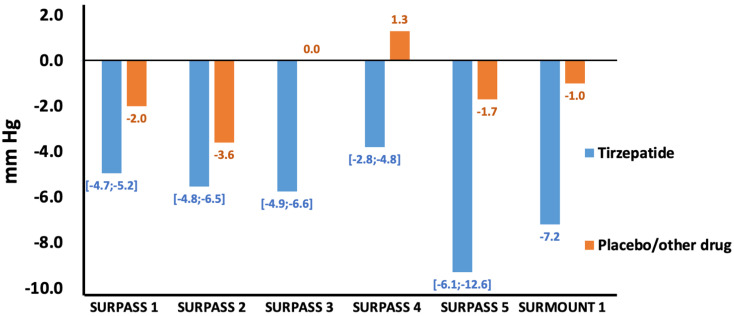
“Mean variations in systolic blood pressure (SBP) with Tirzepatide vs. placebo/other drugs in the SURPASS-1 [38], SURPASS-2 [41], SURPASS-3 [44], SURPASS-4 [52], SURPASS-5 [56], and SURMOUNT-1 [66] clinical trials.”
BackgroundInfluentialObesity and cardiovascular disease: a scientific statement from the American Heart Association
Powell-Wiley, T. M., Poirier, P., Burke, L. E., Després, J.-P., Gordon-Larsen, P., Lavie, C. J., Lear, S. A., Ndumele, C. E., Neeland, I. J., Sanders, P., et al. (2021) · Circulation · doi:10.1161/cir.0000000000000973 · Cited by 3,691 · cited 1×
“Obesity contributes to the development of cardiovascular disease and to cardiovascular mortality independently of other cardiovascular risk factors [65].”
BackgroundBiology of Incretins: GLP-1 and GIP
Baggio, L. L., & Drucker, D. J. (2007) · Gastroenterology · doi:10.1053/j.gastro.2007.03.054 · Cited by 3,639
Tirzepatide versus Semaglutide Once Weekly in Patients with Type 2 Diabetes
Frías, J. P., Davies, M. J., Rosenstock, J., Pérez Manghi, F. C., Fernández Landó, L., Bergman, B. K., Liu, B., Cui, X., & Brown, K. (2021) · New England Journal of Medicine · doi:10.1056/nejmoa2107519 · Cited by 2,096
The Emerging Risk Factors Collaboration (2011) · The Lancet · doi:10.1016/s0140-6736(11)60105-0 · Cited by 1,216
Rosenstock, J., Wysham, C., Frías, J. P., Kaneko, S., Lee, C. J., Fernández Landó, L., Mao, H., Cui, X., Karanikas, C. A., & Thieu, V. T. (2021) · The Lancet · doi:10.1016/s0140-6736(21)01324-6 · Cited by 1,080 · cited 8×
“Indeed, in the SURPASS-1 trial, the mean systolic BP (SBP) decrease ranged from −4.7 to −5.2 mm Hg versus −2.00 mm Hg with placebo, whereas diastolic BP (DBP) did not significantly differ with placebo; in the SURPASS-2 trial, SBP and DBP decreased to −4.8 mm Hg and −1.9 mm Hg, respectively, with Tirzepatide at a dose…”
BackgroundInfluentialCoskun, T., Sloop, K. W., Loghin, C., Alsina-Fernandez, J., Urva, S., Bokvist, K. B., Cui, X., Briere, D. A., Cabrera, O., Roell, W. C., et al. (2018) · Molecular Metabolism · doi:10.1016/j.molmet.2018.09.009 · Cited by 882 · cited 1×
“Tirzepatide has an affinity for the GIP receptor equal to that of native GIP and an affinity for the GLP-1 receptor ~5-fold weaker than that of native GLP-1 [31,32].”
BackgroundWeight Loss and Improvement in Comorbidity: Differences at 5%, 10%, 15%, and Over
Ryan, D. H., & Yockey, S. R. (2017) · Current Obesity Reports · doi:10.1007/s13679-017-0262-y · Cited by 831
Frias, J. P., Nauck, M. A., Van, J., Kutner, M. E., Cui, X., Benson, C., Urva, S., Gimeno, R. E., Milicevic, Z., Robins, D., et al. (2018) · The Lancet · doi:10.1016/s0140-6736(18)32260-8 · Cited by 815 · cited 3×
“Results of the SURPASS-1 trial at 40 weeks [26].”
BackgroundUnimolecular Dual Incretins Maximize Metabolic Benefits in Rodents, Monkeys, and Humans
Finan, B., Ma, T., Ottaway, N., Müller, T. D., Habegger, K. M., Heppner, K. M., Kirchner, H., Holland, J., Hembree, J., Raver, C., et al. (2013) · Science Translational Medicine · doi:10.1126/scitranslmed.3007218 · Cited by 696
Del Prato, S., Kahn, S. E., Pavo, I., Weerakkody, G. J., Yang, Z., Doupis, J., Aizenberg, D., Wynne, A. G., Riesmeyer, J. S., Heine, R. J., et al. (2021) · The Lancet · doi:10.1016/s0140-6736(21)02188-7 · Cited by 684 · cited 4×
“Results of the SURPASS-4 trial at 52 weeks [52].”
InfluentialJoseph, J. J., Deedwania, P., Acharya, T., Aguilar, D., Bhatt, D. L., Chyun, D. A., Di Palo, K. E., Golden, S. H., Sperling, L. S., & on behalf of the American Heart Association Diabetes Committee of the Council on Lifestyle and Cardiometabolic Health; Council on Arteriosclerosis, T. A. V. B. C. O. C. C. A. C. O. H. (2022) · Circulation · doi:10.1161/cir.0000000000001040 · Cited by 660
A rationally designed monomeric peptide triagonist corrects obesity and diabetes in rodents
Finan, B., Yang, B., Ottaway, N., Smiley, D. L., Ma, T., Clemmensen, C., Chabenne, J., Zhang, L., Habegger, K. M., Fischer, K., et al. (2015) · Nature Medicine · doi:10.1038/nm.3761 · Cited by 645
Ludvik, B., Giorgino, F., Jódar, E., Frias, J. P., Fernández Landó, L., Brown, K., Bray, R., & Rodríguez, Á. (2021) · The Lancet · doi:10.1016/s0140-6736(21)01443-4 · Cited by 639
Dahl, D., Onishi, Y., Norwood, P., Huh, R., Bray, R., Patel, H., & Rodríguez, Á. (2022) · JAMA · doi:10.1001/jama.2022.0078 · Cited by 597 · cited 7×
“Mean variations in systolic blood pressure (SBP) with Tirzepatide vs. placebo/other drugs in the SURPASS-1 [38], SURPASS-2 [41], SURPASS-3 [44], SURPASS-4 [52], SURPASS-5 [56], and SURMOUNT-1 [66] clinical trials.”
BackgroundInfluentialTirzepatide is an imbalanced and biased dual GIP and GLP-1 receptor agonist
Willard, F. S., Douros, J. D., Gabe, M. B. N., Showalter, A. D., Wainscott, D. B., Suter, T. M., Capozzi, M. E., van der Velden, W. J. C., Stutsman, C., Cardona, G. R., et al. (2020) · JCI Insight · doi:10.1172/jci.insight.140532 · Cited by 541 · cited 1×
“Tirzepatide has an affinity for the GIP receptor equal to that of native GIP and an affinity for the GLP-1 receptor ~5-fold weaker than that of native GLP-1 [31,32].”
BackgroundGastaldelli, A., Cusi, K., Fernández Landó, L., Bray, R., Brouwers, B., & Rodríguez, Á. (2022) · The Lancet Diabetes & Endocrinology · doi:10.1016/s2213-8587(22)00070-5 · Cited by 513 · cited 1×
“A sub-study of the SURPASS-3 trial [47], using magnetic resonance imaging (MRI), demonstrated that Tirzepatide was also able to significantly reduce liver fat content (LFC) [48], the volume of visceral adipose tissue (VAT), and abdominal subcutaneous adipose tissue (ASAT) [47].”
BackgroundThe Impact of Obesity on the Cardiovascular System
Csige, I., Ujvárosy, D., Szabó, Z., Lőrincz, I., Paragh, G., Harangi, M., & Somodi, S. (2018) · Journal of Diabetes Research · doi:10.1155/2018/3407306 · Cited by 500
How May GIP Enhance the Therapeutic Efficacy of GLP-1?
Samms, R. J., Coghlan, M. P., & Sloop, K. W. (2020) · Trends in Endocrinology & Metabolism · doi:10.1016/j.tem.2020.02.006 · Cited by 419
Gilbert, M. P., & Pratley, R. E. (2020) · Frontiers in Endocrinology · doi:10.3389/fendo.2020.00178 · Cited by 407
Nauck, M. A., Quast, D. R., Wefers, J., & Pfeiffer, A. F. H. (2021) · Diabetes, Obesity and Metabolism · doi:10.1111/dom.14496 · Cited by 388
Hartman, M. L., Sanyal, A. J., Loomba, R., Wilson, J. M., Nikooienejad, A., Bray, R., Karanikas, C. A., Duffin, K. L., Robins, D. A., & Haupt, A. (2020) · Diabetes Care · doi:10.2337/dc19-1892 · Cited by 351 · cited 1×
“For instance, in post hoc analyses, the effects of Tirzepatide on biomarkers of nonalcoholic fatty liver disease (NAFLD) and fibrosis in patients with T2DM compared to Dulaglutide and placebo for 26 weeks have also been investigated, showing that a higher Tirzepatide dose significantly decreases NAFLD-related biomarke…”
BackgroundTirzepatide cardiovascular event risk assessment: A pre-specified meta-analysis
Sattar, N., McGuire, D. K., Pavo, I., Weerakkody, G. J., Nishiyama, H., Wiese, R. J., & Zoungas, S. (2022) · Nature Medicine · doi:10.1038/s41591-022-01707-4 · Cited by 346 · cited 2×
“25), even if the exclusion of people with unstable cardiovascular disease (such as class IV heart failure) is a limitation [76].”
BackgroundThomas, M. K., Nikooienejad, A., Bray, R., Cui, X., Wilson, J., Duffin, K., Milicevic, Z., Haupt, A., & Robins, D. A. (2021) · The Journal of Clinical Endocrinology & Metabolism · doi:10.1210/clinem/dgaa863 · Cited by 345
Frias, J. P., Bastyr, E. J., Vignati, L., Tschöp, M. H., Schmitt, C., Owen, K., Christensen, R. H., & DiMarchi, R. D. (2017) · Cell Metabolism · doi:10.1016/j.cmet.2017.07.011 · Cited by 321
Heerspink, H. J. L., Sattar, N., Pavo, I., Haupt, A., Duffin, K. L., Yang, Z., Wiese, R. J., Tuttle, K. R., & Cherney, D. Z. I. (2022) · The Lancet Diabetes & Endocrinology · doi:10.1016/s2213-8587(22)00243-1 · Cited by 306 · cited 1×
“Intriguingly, a post hoc analysis of the SURPASS-4 trial demonstrated that, in people with T2DM and a high cardiovascular risk, Tirzepatide slowed the rate of the decline of the estimated glomerular filtration rate (eGFR) and reduced the urine albumin–creatinine ratio in clinically meaningful ways compared with insuli…”
Glucagon-like peptide-1 receptor co-agonists for treating metabolic disease.
Baggio, L. L., & Drucker, D. J. (2021) · Molecular Metabolism · doi:10.1016/j.molmet.2020.101090 · Cited by 299
Min, T., & Bain, S. C. (2021) · Diabetes Therapy · doi:10.1007/s13300-020-00981-0 · Cited by 285
Karagiannis, T., Avgerinos, I., Liakos, A., Del Prato, S., Matthews, D. R., Tsapas, A., & Bekiari, E. (2022) · Diabetologia · doi:10.1007/s00125-022-05715-4 · Cited by 272 · cited 2×
“The presence of statistical heterogeneity in the meta-analyses for changes in HbA1c and body weight, the assessment of the risk of bias solely for the primary outcome, and the generalization of findings mainly to individuals with overweight or obesity and already on metformin-based background therapy were acknowledged…”
BackgroundMethodHeise, T., Mari, A., DeVries, J. H., Urva, S., Li, J., Pratt, E. J., Coskun, T., Thomas, M. K., Mather, K. J., Haupt, A., et al. (2022) · The Lancet Diabetes & Endocrinology · doi:10.1016/s2213-8587(22)00085-7 · Cited by 268 · cited 2×
“0001), with improvements in both the total insulin secretion rate and insulin sensitivity [49], the latter possibly being related to a greater weight loss (–11.”
BackgroundMethodGIPR agonism mediates weight-independent insulin sensitization by tirzepatide in obese mice
Samms, R. J., Christe, M. E., Collins, K. A. L., Pirro, V., Droz, B. A., Holland, A. K., Friedrich, J. L., Wojnicki, S., Konkol, D. L., Cosgrove, R., et al. (2021) · Journal of Clinical Investigation · doi:10.1172/jci146353 · Cited by 256
Visseren, F. L. J., Mach, F., Smulders, Y. M., Carballo, D., Koskinas, K. C., Bäck, M., Benetos, A., Biffi, A., Boavida, J.-M., Capodanno, D., et al. (2022) · Revista Española de Cardiología (English Edition) · doi:10.1016/j.rec.2022.04.003 · Cited by 235
Inagaki, N., Takeuchi, M., Oura, T., Imaoka, T., & Seino, Y. (2022) · The Lancet Diabetes & Endocrinology · doi:10.1016/s2213-8587(22)00188-7 · Cited by 226 · cited 1×
“The safety profile of Tirzepatide was consistent with that of GLP-1 receptor agonists, indicating a potential therapeutic use in Japanese patients with T2DM [58].”
ResultFrias, J. P., Nauck, M. A., Van, J., Benson, C., Bray, R., Cui, X., Milicevic, Z., Urva, S., Haupt, A., & Robins, D. A. (2020) · Diabetes, Obesity and Metabolism · doi:10.1111/dom.13979 · Cited by 208
Signalling from the periphery to the brain that regulates energy homeostasis
Kim, K.-S., Seeley, R. J., & Sandoval, D. A. (2018) · Nature Reviews Neuroscience · doi:10.1038/nrn.2018.8 · Cited by 183 · cited 1×
“GLP1 is able to stimulate insulin secretion and inhibit glucagon release; it also slows gastric emptying and induces a sense of satiety [9].”
BackgroundAnti-diabetic drugs and weight loss in patients with type 2 diabetes
Lazzaroni, E., Ben Nasr, M., Loretelli, C., Pastore, I., Plebani, L., Lunati, M. E., Vallone, L., Bolla, A. M., Rossi, A., Montefusco, L., et al. (2021) · Pharmacological Research · doi:10.1016/j.phrs.2021.105782 · Cited by 182
Targeting the Incretin/Glucagon System With Triagonists to Treat Diabetes
Capozzi, M. E., DiMarchi, R. D., Tschöp, M. H., Finan, B., & Campbell, J. E. (2018) · Endocrine Reviews · doi:10.1210/er.2018-00117 · Cited by 153
Next generation GLP-1/GIP/glucagon triple agonists normalize body weight in obese mice
Knerr, P. J., Mowery, S. A., Douros, J. D., Premdjee, B., Hjøllund, K. R., He, Y., Kruse Hansen, A. M., Olsen, A. K., Perez-Tilve, D., DiMarchi, R. D., et al. (2022) · Molecular Metabolism · doi:10.1016/j.molmet.2022.101533 · Cited by 152 · cited 1×
“In addition to drugs that act as dual agonists, such as Tirzepatide, preclinical studies have demonstrated that triagonists, achieving a concurrent activation of GLP-1, GIP, and glucagon receptors, normalize body weight in obese mice and enhance energy expenditure in a manner superior to that of monoagonists of the GL…”
BackgroundWilson, J. M., Lin, Y., Luo, M. J., Considine, G., Cox, A. L., Bowsman, L. M., Robins, D. A., Haupt, A., Duffin, K. L., & Ruotolo, G. (2022) · Diabetes Obesity and Metabolism · doi:10.1111/dom.14553 · Cited by 149 · cited 2×
“Nevertheless, a post hoc analysis from the phase IIb trial showed that Tirzepatide was associated with a dosedependent decrease from baseline in the levels of high-sensitivity C-reactive protein, intercellular adhesion molecule 1 (ICAM-1), and YKL-40 at 26 weeks [26,74,75].”
BackgroundZhao, F., Zhou, Q., Cong, Z., Hang, K., Zou, X., Zhang, C., Chen, Y., Dai, A., Liang, A., Ming, Q., et al. (2022) · Nature Communications · doi:10.1038/s41467-022-28683-0 · Cited by 149
Waist circumference a good indicator of future risk for type 2 diabetes and cardiovascular disease
Sirén, R., Eriksson, J. G., & Vanhanen, H. T. (2012) · BMC Public Health · doi:10.1186/1471-2458-12-631 · Cited by 148
From the Incretin Concept and the Discovery of GLP-1 to Today's Diabetes Therapy
Holst, J. J. (2019) · Frontiers in Endocrinology · doi:10.3389/fendo.2019.00260 · Cited by 147
Recent Advances in Incretin-Based Pharmacotherapies for the Treatment of Obesity and Diabetes
Tan, Q., Akindehin, S. E., Orsso, C. E., Waldner, R. C., DiMarchi, R. D., Müller, T. D., & Haqq, A. M. (2022) · Frontiers in Endocrinology · doi:10.3389/fendo.2022.838410 · Cited by 146
Syed, Y. Y. (2022) · Drugs · doi:10.1007/s40265-022-01746-8 · Cited by 144 · cited 1×
“On 13 May 2022, the Food and Drug Administration (FDA) approved Tirzepatide oncea-week subcutaneous injections (with the dose adjusted based on tolerability to achieve blood glucose targets) as monotherapy or combination therapy, with diet and physical exercise, to achieve better glycemic blood levels in patients affe…”
BackgroundStructural determinants of dual incretin receptor agonism by tirzepatide
Sun, B., Willard, F. S., Feng, D., Alsina‐Fernandez, J., Chen, Q., Vieth, M., Ho, J. D., Showalter, A. D., Stutsman, C., Ding, L., et al. (2022) · Proceedings of the National Academy of Sciences · doi:10.1073/pnas.2116506119 · Cited by 136 · cited 1×
“A new molecule with a combined agonist action on both GPI and GLP1 receptors (“twincretin”) has been developed to take advantage of this synergistic effect: Tirzepatide (LY3298176) [26–28] is the first “twincretin”, a synthetic peptide composed of 39 amino acids based on the GIP native sequence [29,30], combining the…”
BackgroundKim, S.-J., Nian, C., & McIntosh, C. H. S. (2010) · Journal of Lipid Research · doi:10.1194/jlr.m006841 · Cited by 133
Kadowaki, T., Chin, R., Ozeki, A., Imaoka, T., & Ogawa, Y. (2022) · The Lancet Diabetes & Endocrinology · doi:10.1016/s2213-8587(22)00187-5 · Cited by 131 · cited 1×
“This trial confirmed that Tirzepatide is well-tolerated as an add-on to oral antihyperglycemic monotherapy in Japanese participants with T2DM and demonstrated a significant improvement in glycemic control and reductions in body weight, irrespective of the background oral antihyperglycemic medication [60].”
BackgroundPirro, V., Roth, K. D. W., Lin, Y., Willency, J. A., Milligan, P. L., Wilson, J. M., Ruotolo, G., Haupt, A., Newgard, C. B., & Duffin, K. L. (2021) · The Journal of Clinical Endocrinology & Metabolism · doi:10.1210/clinem/dgab722 · Cited by 125 · cited 1×
“Metabolomics and lipidomics analyses conducted in >250 patients revealed that a 26-week treatment with Tirzepatide significantly modulated a cluster of metabolites and lipids associated with insulin resistance and obesity: 3-hydroxyisobutyrate, branchedchain amino acids, branched-chain ketoacids, and direct catabolic…”
BackgroundFisman, E. Z., & Tenenbaum, A. (2021) · Cardiovascular Diabetology · doi:10.1186/s12933-021-01412-5 · Cited by 124
Tirzepatide for the treatment of adults with type 2 diabetes: An endocrine perspective
De Block, C., Bailey, C., Wysham, C., Hemmingway, A., Allen, S. E., & Peleshok, J. (2023) · Diabetes, Obesity and Metabolism · doi:10.1111/dom.14831 · Cited by 121
Nørregaard, P. K., Deryabina, M. A., Tofteng Shelton, P., Fog, J. U., Daugaard, J. R., Eriksson, P., Larsen, L. F., & Jessen, L. (2018) · Diabetes, Obesity and Metabolism · doi:10.1111/dom.13034 · Cited by 116
Benfluorex and Unexplained Valvular Heart Disease: A Case-Control Study
Frachon, I., ETIENNE, Y., Jobic, Y., Gal, G. L., Humbert, M. J. C., & Leroyer, C. (2010) · PLoS ONE · doi:10.1371/journal.pone.0010128 · Cited by 104 · cited 1×
“Indeed, Benfluorex, a fenfluramine derivative designed for weight loss, was associated with mitral regurgitation after two years of use in a case–control retrospective study [71].”
BackgroundThe Origin and Understanding of the Incretin Concept
Rehfeld, J. F. (2018) · Frontiers in Endocrinology · doi:10.3389/fendo.2018.00387 · Cited by 102
Novikoff, A., O'Brien, S. L., Bernecker, M., Grandl, G., Kleinert, M., Knerr, P. J., Stemmer, K., Klingenspor, M., Zeigerer, A., DiMarchi, R., et al. (2021) · Molecular Metabolism · doi:10.1016/j.molmet.2021.101181 · Cited by 95
Gallwitz, B. (2022) · Frontiers in Endocrinology · doi:10.3389/fendo.2022.1004044 · Cited by 81
Schmitt, C., Portron, A., Jadidi, S., Sarkar, N., & DiMarchi, R. (2017) · Diabetes, Obesity and Metabolism · doi:10.1111/dom.13024 · Cited by 74
Frías, J. P. (2020) · Expert Review of Endocrinology & Metabolism · doi:10.1080/17446651.2020.1830759 · Cited by 70
Dutta, D., Surana, V., Singla, R., Aggarwal, S., & Sharma, M. (2021) · Indian Journal of Endocrinology and Metabolism · doi:10.4103/ijem.ijem_423_21 · Cited by 60 · cited 1×
“Similarly, Dutta and colleagues [79] found that individuals receiving Tirzepatide for over 1 year had a significantly greater lowering of HbA1c (−0.”
Bhagavathula, A. S., Vidyasagar, K., & Tesfaye, W. (2021) · Pharmaceuticals · doi:10.3390/ph14100991 · Cited by 58 · cited 1×
“Another pooled analysis [78] confirmed that Tirzepatide treatment resulted in a greater lowering of HbA1c (−1.”
BackgroundVadher, K., Patel, H., Mody, R., Levine, J. A., Hoog, M., Cheng, A. Y., Pantalone, K. M., & Sapin, H. (2022) · Diabetes, Obesity and Metabolism · doi:10.1111/dom.14775 · Cited by 56 · cited 1×
“An adjusted indirect treatment comparison, using aggregate data from the SURPASS-2 study that met the HbA1c inclusion criterion of the Research Study to Compare Two Doses of Semaglutide Taken Once Weekly in People with Type 2 Diabetes (SUSTAIN FORTE trial) and from SUSTAIN FORTE metformin-only-treated patients, confir…”
MethodBattelino, T., Bergenstal, R. M., Rodríguez, A., Fernández Landó, L., Bray, R., Tong, Z., & Brown, K. (2022) · The Lancet Diabetes & Endocrinology · doi:10.1016/s2213-8587(22)00077-8 · Cited by 55 · cited 1×
“Once-weekly treatment with Tirzepatide also led to superior glycemic control, measured using continuous glucose monitoring (CGM), compared to insulin degludec in participants with T2DM on metformin, with or without an SGLT2 inhibitor [46].”
BackgroundKnerr, P. J., Mowery, S. A., Finan, B., Perez-Tilve, D., Tschöp, M. H., & DiMarchi, R. D. (2020) · Peptides · doi:10.1016/j.peptides.2019.170225 · Cited by 49
Yabe, D., Kawamori, D., Seino, Y., Oura, T., & Takeuchi, M. (2023) · Diabetes, Obesity and Metabolism · doi:10.1111/dom.14882 · Cited by 48
Portron, A., Jadidi, S., Sarkar, N., DiMarchi, R., & Schmitt, C. (2017) · Diabetes, Obesity and Metabolism · doi:10.1111/dom.13025 · Cited by 46
Valenzuela‐Vallejo, L., Guatibonza-García, V., & Mantzoros, C. S. (2022) · Metabolism · doi:10.1016/j.metabol.2022.155248 · Cited by 44
Permana, H., Yanto, T. A., & Hariyanto, T. I. (2022) · Diabetes & Metabolic Syndrome: Clinical Research & Reviews · doi:10.1016/j.dsx.2022.102640 · Cited by 38 · cited 1×
“In their meta-analysis of randomized clinical trials on the efficacy and safety of Tirzepatide as a novel treatment for T2DM, Permana and colleagues concluded that this drug has shown superiority in glycemic control and body weight reduction with a good safety profile in patients with T2DM [82].”
BackgroundBulum, T. (2022) · Biomedicines · doi:10.3390/biomedicines10102586 · Cited by 31
Therapeutic concordance improves blood pressure control in patients with resistant hypertension
Trimarco, V., Izzo, R., Mone, P., Lembo, M., Manzi, M. V., Pacella, D., Falco, A., Gallo, P., Esposito, G., Morisco, C., et al. (2022) · Pharmacological Research · doi:10.1016/j.phrs.2022.106557 · Cited by 29 · cited 1×
“Although hypertension is known to be associated with an increased risk of cardiovascular disease and death, BP control remains suboptimal [72,73].”
BackgroundSelf-citationGuan, R., Yang, Q., Yang, X., Du, W., Li, X., & Ma, G. (2022) · Frontiers in Pharmacology · doi:10.3389/fphar.2022.998816 · Cited by 27 · cited 2×
“According to Guan and collaborators [80] Tirzepatide 10 and 15 mg had better antidiabetic and weight-loss effects (especially the 15 mg dose) compared to insulin (glargine or degludec) and selective GLP1 receptor agonists (Dulaglutide or Semaglutide once a week); Tirzepatide 15 mg greatly reduced glycated hemoglobin (…”
BackgroundRückert, I., Baumert, J. J., Schunk, M. V., Holle, R., Schipf, S., Völzke, H., Kluttig, A., Greiser, K. H., Tamayo, T., Rathmann, W., et al. (2015) · PLoS ONE · doi:10.1371/journal.pone.0133493 · Cited by 26 · cited 1×
“Although hypertension is known to be associated with an increased risk of cardiovascular disease and death, BP control remains suboptimal [72,73].”
BackgroundUpdated Meta-Analysis Assessing the Cardiovascular Efficacy of Tirzepatide
Patoulias, D., Papadopoulos, C. E., Fragakis, N., & Doumas, M. N. (2022) · The American Journal of Cardiology · doi:10.1016/j.amjcard.2022.07.003 · Cited by 26
Twice the benefits with twincretins?
Stümvoll, M., & Tschöp, M. H. (2018) · The Lancet · doi:10.1016/s0140-6736(18)32466-8 · Cited by 25
Lisco, G., Tullio, A. D., Disoteo, O., Geronimo, V. D., Piazzolla, G., Pergola, G. D., Giagulli, V. A., Jirillo, E., Guastamacchia, E., Sabbà, C., et al. (2022) · Frontiers in Endocrinology · doi:10.3389/fendo.2022.920541 · Cited by 25 · cited 1×
“considered eleven clinical trials and concluded that Tirzepatide provides a weight loss that exceeds that obtained with GLP-1 receptor agonists; hence, Tirzepatide is presented as a potent tool to improve glucose control without increasing hypoglycemic risk in poorly controlled T2DM treated with basal insulin with or…”
BackgroundYu, Y., Hu, G., Yin, S., Yang, X., Zhou, M., & Jian, W. (2022) · Frontiers in Cardiovascular Medicine · doi:10.3389/fcvm.2022.990182 · Cited by 21 · cited 1×
“In an evaluation of the optimal dose of Tirzepatide for the treatment of T2DM using a meta-analysis and a trial sequential analysis (TSA), Tirzepatide 15 mg was superior to 10 mg and 5 mg for lowering glycemia and reducing weight; Tirzepatide 5 mg was superior to 10 mg and 15 mg (which appear to have the same effect o…”
MethodTirzepatide: a new low for bodyweight and blood glucose
Bailey, C. J. (2021) · The Lancet Diabetes & Endocrinology · doi:10.1016/s2213-8587(21)00217-5 · Cited by 18
Patoulias, D., Doumas, M. N., & Papadopoulos, C. E. (2022) · The American Journal of Cardiology · doi:10.1016/j.amjcard.2022.03.042 · Cited by 18
Report from the CVOT Summit 2021: new cardiovascular, renal, and glycemic outcomes
Schnell, O., Battelino, T., Bergenstal, R. M., Blüher, M., Böhm, M., Brosius, F. C., Carr, R. D., Ceriello, A., Forst, T. M., Giorgino, F., et al. (2022) · Cardiovascular Diabetology · doi:10.1186/s12933-022-01481-0 · Cited by 17
Tirzepatide adds hepatoprotection to its armoury
Targher, G. (2022) · The Lancet Diabetes & Endocrinology · doi:10.1016/s2213-8587(22)00074-2 · Cited by 17 · cited 1×
“A sub-study of the SURPASS-3 trial [47], using magnetic resonance imaging (MRI), demonstrated that Tirzepatide was also able to significantly reduce liver fat content (LFC) [48], the volume of visceral adipose tissue (VAT), and abdominal subcutaneous adipose tissue (ASAT) [47].”
BackgroundTirzepatide versus Semaglutide Once Weekly in Type 2 Diabetes. Reply.
Frías, J. P., Landó, L. F., & Brown, K. E. (2022) · PubMed · doi:10.1056/nejmc2114590 · Cited by 16 · cited 2×
“Nevertheless, a post hoc analysis from the phase IIb trial showed that Tirzepatide was associated with a dosedependent decrease from baseline in the levels of high-sensitivity C-reactive protein, intercellular adhesion molecule 1 (ICAM-1), and YKL-40 at 26 weeks [26,74,75].”
BackgroundAdd-on value of tirzepatide versus semaglutide
Scheen, A. J. (2022) · The Lancet Diabetes & Endocrinology · doi:10.1016/s2213-8587(22)00116-4 · Cited by 14
Koufakis, T., Maltese, G., & Kotsa, K. (2022) · Pharmacological Research · doi:10.1016/j.phrs.2022.106443 · Cited by 12
Lilly’s tirzepatide secures first approval in diabetes, paving path for dual-acting hormone mimetics
Mullard, A. (2022) · Nature Reviews Drug Discovery · doi:10.1038/d41573-022-00094-2 · Cited by 11
Tirzepatide highly effective for weight loss
Tysoe, O. (2022) · Nature Reviews Endocrinology · doi:10.1038/s41574-022-00715-1 · Cited by 11
Lu, J., Wang, L., Zhou, S., Zhou, C., Xie, L., Chen, J., Tang, D., Tian, X., Xie, D., Ding, J., et al. (2021) · British Journal of Clinical Pharmacology · doi:10.1111/bcp.15209 · Cited by 10 · cited 2×
“Thus, DPP4 inhibitors and GLP1 receptor agonists have been used to date as drugs for the treatment of T2DM acting on the incretin system [12–14].”
BackgroundChai, S., Zhang, R., Zhang, Y., Carr, R. D., Zheng, Y., Rajpathak, S. N., & Ji, L. (2022) · Frontiers in Endocrinology · doi:10.3389/fendo.2022.994944 · Cited by 10 · cited 2×
“Thus, DPP4 inhibitors and GLP1 receptor agonists have been used to date as drugs for the treatment of T2DM acting on the incretin system [12–14].”
BackgroundTirzepatide for Patients With Type 2 Diabetes
Chipkin, S. R. (2022) · JAMA · doi:10.1001/jama.2021.25016 · Cited by 8
Tirzepatide for diabetes: on track to SURPASS current therapy
Moura, F. A., Scirica, B. M., & Ruff, C. T. (2022) · Nature Medicine · doi:10.1038/s41591-022-01733-2 · Cited by 8 · cited 1×
“The effectiveness and safety profile of Tirzepatide have opened a wide range of perspectives for its use not limited to patients with T2DM and patients with obesity [86,87].”
BackgroundTirzepatide and the new era of twincretins for diabetes
Tan, T., & Khoo, B. C. E. (2021) · The Lancet · doi:10.1016/s0140-6736(21)01390-8 · Cited by 7 · cited 1×
“The safety profile was consistent with GLP-1 receptor agonists [39,40].”
BackgroundTirzepatide as an Insulin Sensitizer
Ferrannini, E. (2021) · The Journal of Clinical Endocrinology & Metabolism · doi:10.1210/clinem/dgab803 · Cited by 7 · cited 1×
“Metabolomics and lipidomics analyses conducted in >250 patients revealed that a 26-week treatment with Tirzepatide significantly modulated a cluster of metabolites and lipids associated with insulin resistance and obesity: 3-hydroxyisobutyrate, branchedchain amino acids, branched-chain ketoacids, and direct catabolic…”
BackgroundTirzepatide to treat obesity: phase III results
Hindson, J. (2022) · Nature Reviews Gastroenterology & Hepatology · doi:10.1038/s41575-022-00657-z · Cited by 6
Surpassing insulin glargine in type 2 diabetes with tirzepatide
Khoo, B. C. E., & Tan, T. (2021) · The Lancet · doi:10.1016/s0140-6736(21)02279-0 · Cited by 5
Tirzepatide Trial Demonstrates Substantial Weight Loss
Slomski, A. J. (2022) · JAMA · doi:10.1001/jama.2022.11895 · Cited by 5
Davidson, M. B. (2022) · Annals of Internal Medicine · doi:10.7326/j22-0072 · Cited by 5
Sanada, J., Kimura, T., Shimoda, M., Tomita, A., Fushimi, Y., Kinoshita, T., Obata, A., Okauchi, S., Hirukawa, H., Kohara, K., et al. (2021) · Frontiers in Endocrinology · doi:10.3389/fendo.2021.714447 · Cited by 4
GIP–GLP1 receptor agonist shows promise
Starling, S. (2022) · Nature Reviews Endocrinology · doi:10.1038/s41574-022-00693-4 · Cited by 4
Generalizability of the SURPASS‐2 Trial and Effect of Tirzepatide on US Diabetes and Obesity Control
Chiu, N., Aggarwal, R., & Bhatt, D. L. (2022) · Journal of the American Heart Association · doi:10.1161/jaha.122.026297 · Cited by 4 · cited 1×
“These findings suggest that an increased prescription of Tirzepatide could have favorable effects on the control of diabetes and obesity [42].”
BackgroundIs tirzepatide in the surpass lane over GLP-1 receptor agonists for the treatment of diabetes?
Paneni, F., & Patrono, C. (2021) · European Heart Journal · doi:10.1093/eurheartj/ehab636 · Cited by 3 · cited 1×
“The safety profile was consistent with GLP-1 receptor agonists [39,40].”
BackgroundTesting a novel dual receptor agonist for treatment of type 2 diabetes mellitus
Greenhill, C. (2018) · Nature Reviews Endocrinology · doi:10.1038/s41574-018-0120-3 · Cited by 2
In type 2 diabetes with increased CV risk, tirzepatide reduced HbA1c vs. glargine at 52 wk
Singh, M. (2022) · Annals of Internal Medicine · doi:10.7326/j22-0009 · Cited by 2
GSK buys Affinivax for up to $3.3 billion, bolstering its vaccine pipeline
Mullard, A. (2022) · Nature Reviews Drug Discovery · doi:10.1038/d41573-022-00103-4 · Cited by 1
Research works printed but not linked: 1
- Santulli, 2022, Tirzepatide versus Semaglutide Once Weekly in Type 2 Diabetes, N. Engl. J. Med., 386, e17
Cited by
Glucagon-like peptide-1 receptor: mechanisms and advances in therapy
Zheng, Z., Zong, Y., Ma, Y., Tian, Y., Pang, Y., Zhang, C., & Gao, J. (2024) · Signal Transduction and Targeted Therapy · doi:10.1038/s41392-024-01931-z · Cited by 1,036
Stefanakis, K., Kokkorakis, M., & Mantzoros, C. S. (2024) · Metabolism · doi:10.1016/j.metabol.2024.156057 · Cited by 142
GLP1 Receptor Agonists—Effects beyond Obesity and Diabetes
Wilbon, S. S., & Kolonin, M. G. (2023) · Cells · doi:10.3390/cells13010065 · Cited by 101
“Dual agonists have been extensively reviewed elsewhere [117–121] and tirzepatide (Zepbound) was recently FDA-approved.”
BackgroundTaktaz, F., Fontanella, R. A., Scisciola, L., Pesapane, A., Basilicata, M. G., Ghosh, P., Franzese, M., Tortorella, G., Puocci, A., Vietri, M. T., et al. (2024) · Cardiovascular Diabetology · doi:10.1186/s12933-024-02319-7 · Cited by 72
Zeng, Q., Xu, J., Mu, X., Shi, Y., Fan, H., & Li, S. (2023) · Frontiers in Endocrinology · doi:10.3389/fendo.2023.1214334 · Cited by 66
Metadata
- Authors
- Forzano, I., Varzideh, F., Avvisato, R., Jankauskas, S. S., Mone, P., & Santulli, G.
- Affiliations
- Federico II University Hospital (IT)
- Albert Einstein College of Medicine (US)
- Corresponding author
- Santulli, Gaetano
- Venue
- International Journal of Molecular Sciences
- Publisher
- MDPI AG
- Published
- 2022-11-23
- Volume
- 23
- Issue
- 23
- Pages
- 14631
- ISSN
- 1422-0067 (ISSN-L)
- PMC
- PMC9741068
- OpenAlex
- W4309844212
- Cited by
- 118
- References
- 100
- Citations by year
- 2026: 30 · 2025: 45 · 2024: 32 · 2023: 10 · 2022: 1
- FWCI
- 3.13
- Type
- journal article
- Language
- en
- Open access
- gold
- doi.org
- Licence
- Locations
- International Journal of Molecular Sciences (publishedVersion, cc-by)
- PubMed Central (publishedVersion, cc-by)
- PubMed (publishedVersion)
- DOAJ (DOAJ: Directory of Open Access Journals) (submittedVersion, cc-by-sa)
- Archivio Istituzionale della Ricerca - Università degli Studi del Molise (submittedVersion)
- Funders
- National Institutes of Health (NIH) (R01-DK123259, R01-DK033823, R01-HL159062, R01HL164772, R01-HL146691, T32-HL144456, UL1TR002556-06, AHA-22POST995561, AHA-21POST836407)
- National Heart, Lung, and Blood Institute (R01-DK123259, R01-DK033823, R01-HL159062, R01HL164772, R01-HL146691, T32-HL144456, UL1TR002556-06, AHA-22POST995561, AHA-21POST836407)
- National Center for Advancing Translational Sciences (R01-DK123259, R01-DK033823, R01-HL159062, R01HL164772, R01-HL146691, T32-HL144456, UL1TR002556-06, AHA-22POST995561, AHA-21POST836407)
- Diabetes Action Research and Education Foundation (R01-DK123259, R01-DK033823, R01-HL159062, R01HL164772, R01-HL146691, T32-HL144456, UL1TR002556-06, AHA-22POST995561, AHA-21POST836407)
- American Heart Association (R01-DK123259, R01-DK033823, R01-HL159062, R01HL164772, R01-HL146691, T32-HL144456, UL1TR002556-06, AHA-22POST995561, AHA-21POST836407)
- Topics
- Health Sciences › Medicine › Endocrinology, Diabetes and Metabolism › Diabetes Treatment and Management
- Health Sciences › Medicine › Endocrinology, Diabetes and Metabolism › Diabetes Management and Research
- Health Sciences › Medicine › Pharmacology (medical) › Pharmacology and Obesity Treatment
- Keywords
- tirzepatide, incretins, type 2 diabetes, glycemic control, SURPASS trials, LDL cholesterol, triglycerides, blood pressure, cardiovascular risk, drug safety, subcutaneous injection
- MeSH terms
- Glucagon-Like Peptide-1 Receptor, Diabetes Mellitus, Type 2, Gastric Inhibitory Polypeptide, Glucose, Humans, Hypoglycemic Agents, Glucagon-Like Peptide 1, Incretins
About these checks
Registry, retraction, Cites and statistics results are computed, not judged, with one exception: a printed reference that no index lists is read once by a model before it counts as a citation error. Claims are extracted by a model and kept only when their quote appears verbatim in the text; each cited source is then checked, with a model’s help, for whether it says what the claim relies on. Those verdicts can be wrong — read the claim’s quote and the cited source before relying on one.
Statistics and arithmetic are recomputed, not judged.
Confidence bands are shown only for fields calibrated on our annotated test set. None is calibrated yet, so no band is shown.
What counts as a claim ›How we measure confidence ›How we check this ›
Are you an author, or do you see a problem with this page? Request a review
Data sources
Bibliographic data: Semantic Scholar, OpenAlex, Crossref.
Contains information from the Semantic Scholar Academic Graph Datasets, made available under the ODC Attribution License (ODC-BY 1.0).
Semantic Scholar’s data is described in: Kinney, R., et al. (2023). The Semantic Scholar Open Data Platform. arXiv:2301.10140.
