

The Impact of Cancer Stem Cells in Colorectal Cancer
Open accessThe DOI matches its Crossref record; 120 of the 121 references it cites were found in a registry or an index.
Abstract
Despite incessant research, colorectal cancer (CRC) is still one of the most common causes of fatality in both men and women worldwide. Over time, advancements in medical treatments have notably enhanced the survival rates of patients with colorectal cancer. Managing metastatic CRC involves a complex tradeoff between the potential benefits and adverse effects of treatment, considering factors like disease progression, treatment toxicity, drug resistance, and the overall impact on the patient’s quality of life. An increasing body of evidence highlights the significance of the cancer stem cell (CSC) concept, proposing that CSCs occupy a central role in triggering cancer. CSCs have been a focal point of extensive research in a variety of cancer types, including CRC. Colorectal cancer stem cells (CCSCs) play a crucial role in tumor initiation, metastasis, and therapy resistance, making them potential treatment targets. Various methods exist for isolating CCSCs, and understanding the mechanisms of drug resistance associated with them is crucial. This paper offers an overview of the current body of research pertaining to the comprehension of CSCs in colorectal cancer.
Overview
The claims and statistics of this paper haven’t been checked yet.
Free: it reads the open-access text and checks the first 5 claims that cite a source we can check. Create a free account to check every claim.
Integrity signals
Registry
Cites
Statistics
Figures
Verification
Claims the paper makes
The claims and statistics of this paper haven’t been checked yet.
Free: it reads the open-access text and checks the first 5 claims that cite a source we can check. Create a free account to check every claim.
Claims other papers make about this one
Each is checked against this paper’s own text: does it say what the citing paper says it does?
The source backs part of the claim, not all of it — or backs it for a different population, condition or comparison.
In the citing paper
“GSIs, which inhibit Notch signaling by preventing the proteolytic cleavage of Notch receptors, have been shown to reduce the self-renewal of colorectal CSCs and promote their differentiation [69].”
From Mechanisms and Strategies to Overcome Drug Resistance in Colorectal Cancer (2025) · cites this paper as [69]
Experimental — accuracy not yet measuredThe cited source says what the claim attributes to it.
In the citing paper
“Colorectal CSCs are highly tumorigenic and have been defined by specific cell surface markers, including CD133, CD44, CD166, CD24, CD26, LGR5, and EpCAM [69].”
From Mechanisms and Strategies to Overcome Drug Resistance in Colorectal Cancer (2025) · cites this paper as [69]
The cited source says what the claim attributes to it.
In the citing paper
“Colorectal CSCs exhibit aberrant activation of signaling pathways, such as Wnt/β-catenin, Notch, Hedgehog, Hippo/YAP, and PI3K/AKT, which promote cell growth, survival, and self-renewal [69].”
From Mechanisms and Strategies to Overcome Drug Resistance in Colorectal Cancer (2025) · cites this paper as [69]
Self-check
Percentages, sums and reported differences re-computed from the paper’s own numbers.
The self-check needs the paper’s full text.
Citations
Cites
Comprehensive molecular characterization of human colon and rectal cancer
The Cancer Genome Atlas Network (2012) · Nature · doi:10.1038/nature11252 · Cited by 8,499
Single Lgr5 stem cells build crypt-villus structures in vitro without a mesenchymal niche
Sato, T., Vries, R. G., Snippert, H. J., van de Wetering, M., Barker, N., Stange, D. E., van Es, J. H., Abo, A., Kujala, P., Peters, P. J., et al. (2009) · Nature · doi:10.1038/nature07935 · Cited by 7,204
Amin, M. B., Greene, F. L., Edge, S. B., Compton, C. C., Gershenwald, J. E., Brookland, R. K., Meyer, L., Gress, D. M., Byrd, D. R., & Winchester, D. P. (2017) · CA: A Cancer Journal for Clinicians · doi:10.3322/caac.21388 · Cited by 6,502
Colorectal cancer statistics, 2020
Siegel, R. L., Miller, K. D., Goding Sauer, A., Fedewa, S. A., Butterly, L. F., Anderson, J. C., Cercek, A., Smith, R. A., & Jemal, A. (2020) · CA: A Cancer Journal for Clinicians · doi:10.3322/caac.21601 · Cited by 4,880
A cell initiating human acute myeloid leukaemia after transplantation into SCID mice
Lapidot, T., Sirard, C., Vormoor, J., Murdoch, B., Hoang, T., Caceres-Cortes, J., Minden, M., Paterson, B., Caligiuri, M. A., & Dick, J. E. (1994) · Nature · doi:10.1038/367645a0 · Cited by 4,783
Identification and expansion of human colon-cancer-initiating cells
Ricci-Vitiani, L., Lombardi, D. G., Pilozzi, E., Biffoni, M., Todaro, M., Peschle, C., & De Maria, R. (2007) · Nature · doi:10.1038/nature05384 · Cited by 3,998
Overman, M. J., McDermott, R., Leach, J. L., Lonardi, S., Lenz, H.-J., Morse, M. A., Desai, J., Hill, A., Axelson, M., Moss, R. A., et al. (2017) · The Lancet Oncology · doi:10.1016/s1470-2045(17)30422-9 · Cited by 2,836
Batlle, E., & Clevers, H. (2017) · Nature Medicine · doi:10.1038/nm.4409 · Cited by 2,769
Wnt activity defines colon cancer stem cells and is regulated by the microenvironment
Vermeulen, L., De Sousa E Melo, F., van der Heijden, M., Cameron, K., de Jong, J. H., Borovski, T., Tuynman, J. B., Todaro, M., Merz, C., Rodermond, H., et al. (2010) · Nature Cell Biology · doi:10.1038/ncb2048 · Cited by 1,804
The Biology of YAP/TAZ: Hippo Signaling and Beyond
Piccolo, S., Dupont, S., & Cordenonsi, M. (2014) · Physiological Reviews · doi:10.1152/physrev.00005.2014 · Cited by 1,802
Cited by
Mechanisms and Strategies to Overcome Drug Resistance in Colorectal Cancer
Haynes, J., & Manogaran, P. (2025) · International Journal of Molecular Sciences · doi:10.3390/ijms26051988 · Cited by 82
“A second key approach for targeting colorectal CSCs involves the suppression of specific signaling pathways that are critical for CSC maintenance and proliferation [69,71,72].”
InfluentialBiomarkers in Colorectal Cancer: Actual and Future Perspectives
Lișcu, H.-D., Verga, N. I., Atasiei, D.-I., Badiu, C. D., Dumitru, A. V., Ultimescu, F., Pavel, C. J. V., Stefan, R.-E., Manole, D.-C., & Ionescu, A.-I. (2024) · International Journal of Molecular Sciences · doi:10.3390/ijms252111535 · Cited by 40
Hypoxia facilitates stemness of colon cancer cells via histone lactylation
Zhang, Q., Han, Z., Liu, J.-H., Li, M., Li, W., Xin Min, Z. H. O. U., & Liu, X. (2025) · Biochimica et Biophysica Acta (BBA) - Molecular Basis of Disease · doi:10.1016/j.bbadis.2025.167993 · Cited by 34
Zhang, Z., & Wu, Y. (2025) · Frontiers in Immunology · doi:10.3389/fimmu.2025.1641518 · Cited by 21
Midde, A., Arri, N., Kristián, T., Mukherjee, S., Gupta, P. S. S., Zhang, Y., Karbowski, M., Waddell, J., Maharajan, N., Hassan, S., et al. (2025) · Cancer Letters · doi:10.1016/j.canlet.2025.217647 · Cited by 14
Soulat, A., Mohsenpour, T., Roshangar, L., Moaddab, S. Y., & Soulat, F. (2025) · ACS Omega · doi:10.1021/acsomega.4c10378 · Cited by 10
“6 These are a small subset of cells with stem cell-like properties that play a pivotal role in tumor initiation and progression.”
Tan, C. H., Lim, S., & Sim, K. S. (2025) · Biochemical Genetics · doi:10.1007/s10528-025-11041-2 · Cited by 9
“The treatment only has a response rate of 10–20%, and 5-FU should not be administered to CRC patients who show TS amplification (Xu et al. 2017; Barathan et al. 2024; Radu et al. 2024).”
Marginean, S. S., Zurzu, M., Garofil, D. N., Tigora, A., Paic, V., Bratucu, M. N., Popa, F., Şurlin, V., Cârţu, D., Strâmbu, V., et al. (2025) · Journal of Mind and Medical Sciences · doi:10.3390/jmms12010022 · Cited by 5
“Colorectal cancer, a leading cause of mortality worldwide, poses unique surgical challenges due to the malignancy itself and the physiological burden imposed by tumor growth [4].”
Self-citationDesai, M. K., Parmar, N. B., Shah, I. T., Parekh, P. S., Patel, R., & Chorawala, M. R. (2025) · Developmental Dynamics · doi:10.1002/dvdy.70042 · Cited by 5
“57, 58 The evolution of stem cell-based therapies, from early conceptual studies to their current applications in regenerative medicine and oncology, is illustrated in Figure S2, highlighting key timeline and advancements in this field.”
Soulat, A., Mohsenpour, T., & Roshangar, L. (2026) · Cancer Treatment and Research Communications · doi:10.1016/j.ctarc.2026.101096 · Cited by 3
Viswanathan, S., Raha, M., Mishra, S., & Patnaik, S. (2026) · Biochimica et Biophysica Acta (BBA) - Reviews on Cancer · doi:10.1016/j.bbcan.2026.189559 · Cited by 3
Pricope, D. L., Grigoraş, A., Dimofte, G. M., Terinte, C., & Amălinei, C. (2025) · Biomedicines · doi:10.3390/biomedicines13061300 · Cited by 3
Navitha, S., Raj, A. S. W. W., Brindha, S. S., Manoharan, R., Dallemer, F., Prabusankar, G., & Prabhakaran, R. (2026) · Dalton Transactions · doi:10.1039/d5dt02830b · Cited by 2
Aiyejuto, D., Luthria, A., Hui, T., & Shenoy, A. K. (2026) · Cancers · doi:10.3390/cancers18162569 · Cited by 2
“CCSCs are regulated by a complex network of signaling pathways and transcriptional programs that regulate self-renewal, differentiation, tumor initiation, metastasis, and therapeutic resistance [8].”
Rasouli, M., Babaei, F., Fallahhossein, N., & Divsalar, A. (2026) · Advanced Drug Delivery Reviews · doi:10.1016/j.addr.2026.115957 · Cited by 2
ARHGAP4/MYH9/β-catenin/c-Jun positive feedback loop promotes colorectal cancer stemness
Liu, S., Chen, Y., Tan, S., Chen, Y., Yang, C., Mi, Y., Lin, S., & Li, W. (2025) · npj Precision Oncology · doi:10.1038/s41698-025-01022-4 · Cited by 2
Okotel, M., & Huang, C. (2025) · Critical Reviews™ in Oncogenesis · doi:10.1615/critrevoncog.2025060830 · Cited by 1
Shah, D., Bhattacharya, S., Prajapati, B. G., & Tiwari, H. (2025) · Cancer Biotherapy and Radiopharmaceuticals · doi:10.1177/10849785251392733 · Cited by 2
Naghavi, M., Bahrami, K. N., Ghane, Y., Tanha, A. E., Ahmadi, F., Nikkhahbahrami, N., & Jalilvand, A. (2025) · International Journal of Colorectal Disease · doi:10.1007/s00384-025-05018-1 · Cited by 1
Shi, Y., Xiong, X., Li, Z.-Q., Dong, M.-Y., Lu, M.-Q., Ya, M. K., Wu, Y.-L., Wang, J.-W., Tang, G., & Wang, Y.-T. (2026) · Journal of Molecular Structure · doi:10.1016/j.molstruc.2026.147330 · Cited by 1
Bartolini, M., Battaglin, F., Soni, S., Algaze, S. D., Ashouri, K., Torres-González, L., Mittal, P., Shah, U., Zhang, W., Millstein, J., et al. (2026) · Nature Reviews Gastroenterology & Hepatology · doi:10.1038/s41575-026-01243-3 · Cited by 1
“Stromal lncRNAs also contribute directly to the maintenance of cancer stem cell (CSC) phenotypes — particularly relevant in CRC, in which stem-like tumour cells are thought to support metastatic dissemination, therapy resistance and relapse 113 .”
Cheng, Q., Fu, H., & Mao, Y. (2025) · Journal of Medical and Biological Engineering · doi:10.1007/s40846-025-00944-5
“Colorectal cancer (CRC) is the third most prevalent malig - nant tumor globally, ranking second in cancer-related mortality rates [1].”
Liu, S., Chen, Y., Tan, S., Chen, Y., Yang, C., Mi, Y., Lin, S., & Li, W. (2025) · International Journal of Biological Macromolecules · doi:10.1016/j.ijbiomac.2025.145351
RetractedHao, W., Wang, Z., & Ma, H. (2025) · Global Medical Genetics · doi:10.1016/j.gmg.2025.100067
Yan, B., Gao, Y., Zou, Y., Zhao, L., & Li, Z. (2025) · Cancer Biotherapy and Radiopharmaceuticals · doi:10.1177/10849785251366066
“16 This approach may also help determine which patients would bene fi t most from radiolabeled treatment.”
Spermidine and Eugenol Modulate Tight Junction and Stemness Markers in Colorectal Cancer Spheroids
Dilloo, S., Hrelia, S., Angeloni, C., Malaguti, M., Dinelli, G., & Truzzi, F. (2026) · International Journal of Molecular Sciences · doi:10.3390/ijms27062894
“CCSCs can arise from somatic cells and stem/progenitor cells, as well as from the dedifferentiation (reprogramming) of non-CCSCs cells in the tumor microenvironment (TME) [7,9–12].”
Emerging Regenerative Therapies for Solid Tumors: Epigenetics and Epitranscriptomics Crosstalk
Al-Shazly, A. A., Khairy, A., Emam, B. M., Kabeel, M. R., Mostafa, R., Salah, R. A., Ibrahim, M. N., & El‐Badri, N. (2026) · Stem cell biology and regenerative medicine · doi:10.1007/978-3-032-12705-1_9
Effects of helium cold atmospheric plasma (CAP) on HT-29 cancer stem cell spheroid
Adibhesami, G., Vakhshiteh, F., Ghods, R., Gheytanchi, E., Lachgorabi, S. M. A., Bakhtiyari-Ramezani, M., & Madjd, Z. (2026) · Scientific Reports · doi:10.1038/s41598-026-54226-4
“Furthermore, these observations underscore the fact that mRNA expression alone does not necessarily predict CSC functionality and that integration with phenotypic assays, such in vivo tumor-initiating potential, is essential 6 .”
Broni, F. K., George, B. P. A., & Abrahamse, H. (2026) · Discover Oncology · doi:10.1007/s12672-026-05651-4
“These nano-systems can respond to the tumour environment and include options like Fe₃O₄-based ferroptotic therapy, quantum dots, and gold-liposome hybrids [46].”
Agalgave, V. C., Gaikwad, K. N., Deepika, B., V, Bhandurge, P. J., Malabade, S., Pote, S., & Patil, H. (2026) · Chemical Physics Impact · doi:10.1016/j.chphi.2026.101146
Bartusik‐Aebisher, D., Wilk, I., George, B. P. A., & Aebisher, D. (2026) · Cells · doi:10.3390/cells15191776
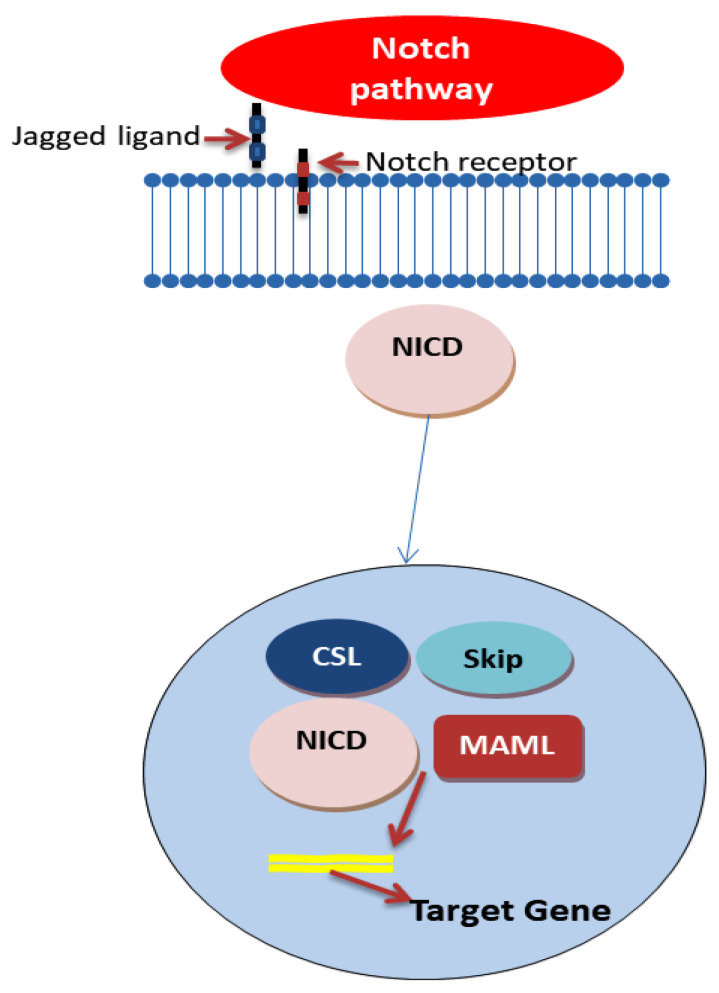
“Endothelial-derived JAG1 can activate Notch signalling in CRC cells and enhance stem-like properties, illustrating how microenvironmental signals may contribute to these adaptive states [100,101].”
Metadata
- Authors
- Radu, P., Zurzu, M., Tigora, A., Paic, V., Bratucu, M., Garofil, D., Surlin, V., Munteanu, A. C., Coman, I. S., Popa, F., Strambu, V., & Ramboiu, S.
- Affiliations
- Carol Davila University of Medicine and Pharmacy (RO)
- Sixth Department of Surgery, University of Medicine and Pharmacy of Craiova, Craiova Emergency Clinical 7 Hospital, 200642 Craiova, Romania
- University of Medicine and Pharmacy of Craiova (RO)
- Tenth Department of Surgery, University of Medicine and Pharmacy “Carol Davila” Bucharest, 050474 Bucharest, Romania
- Corresponding author
- Zurzu, Mihai
- ORCID
- Venue
- International Journal of Molecular Sciences
- Publisher
- MDPI AG
- Published
- 2024-04-09
- Volume
- 25
- Issue
- 8
- Pages
- 4140
- ISSN
- 1422-0067 (ISSN-L)
- PMC
- PMC11050141
- OpenAlex
- W4394613065
- Cited by
- 30
- References
- 121
- Citations by year
- 2026: 12 · 2025: 17 · 2024: 1
- FWCI
- 1.61
- Type
- journal article
- Language
- en
- Open access
- gold
- doi.org
- Licence
- Locations
- International Journal of Molecular Sciences (publishedVersion, cc-by)
- PubMed Central (publishedVersion, cc-by)
- PubMed (publishedVersion)
- Topics
- Health Sciences › Medicine › Oncology › Cancer Cells and Metastasis
- Health Sciences › Medicine › Oncology › Colorectal Cancer Treatments and Studies
- Life Sciences › Biochemistry, Genetics and Molecular Biology › Cell Biology › Mesenchymal stem cell research
- Keywords
- colorectal cancer, cancer stem cells, metastasis, drug resistance, tumor initiation, treatment toxicity, quality of life
- MeSH terms
- Animals, Humans, Neoplastic Stem Cells, Colorectal Neoplasms, Drug Resistance, Neoplasm
About these checks
Registry, retraction, Cites and statistics results are computed, not judged, with one exception: a printed reference that no index lists is read once by a model before it counts as a citation error. Claims are extracted by a model and kept only when their quote appears verbatim in the text; each cited source is then checked, with a model’s help, for whether it says what the claim relies on. Those verdicts can be wrong — read the claim’s quote and the cited source before relying on one.
Statistics and arithmetic are recomputed, not judged.
Confidence bands are shown only for fields calibrated on our annotated test set. None is calibrated yet, so no band is shown.
What counts as a claim ›How we measure confidence ›How we check this ›
Are you an author, or do you see a problem with this page? Request a review
Data sources
Bibliographic data: Semantic Scholar, OpenAlex, Crossref.
Contains information from the Semantic Scholar Academic Graph Datasets, made available under the ODC Attribution License (ODC-BY 1.0).
Semantic Scholar’s data is described in: Kinney, R., et al. (2023). The Semantic Scholar Open Data Platform. arXiv:2301.10140.
