

The DOI matches its Crossref record; the references it cites are not checked yet.
Lime Stabilization of Tropical Soil for Resilient Pavements: Mechanical, Microscopic, and Mineralogical Characteristics
Open accessAbstract
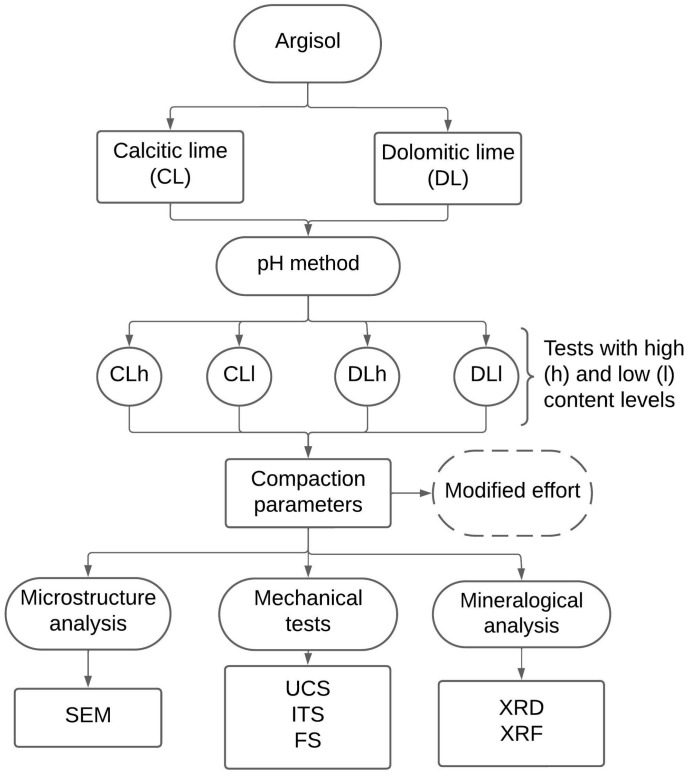
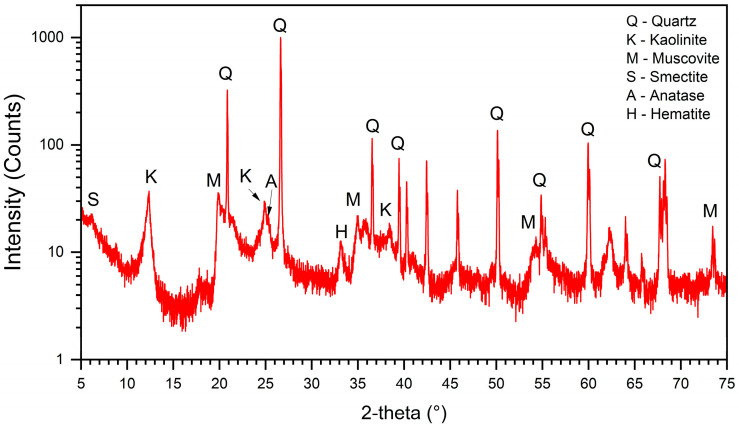
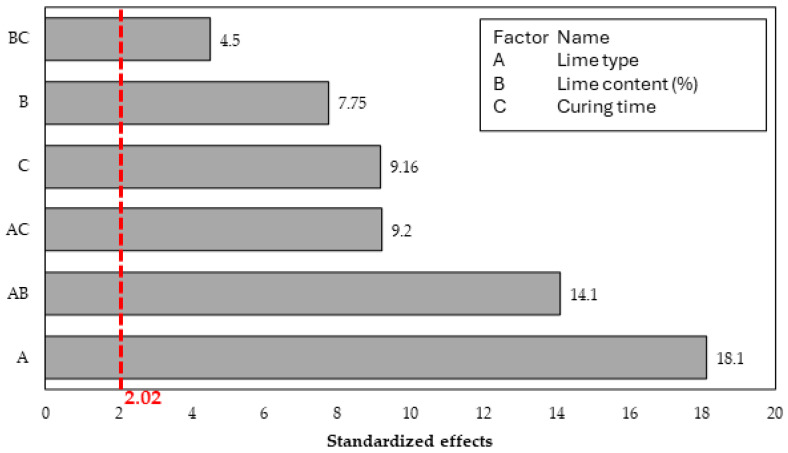
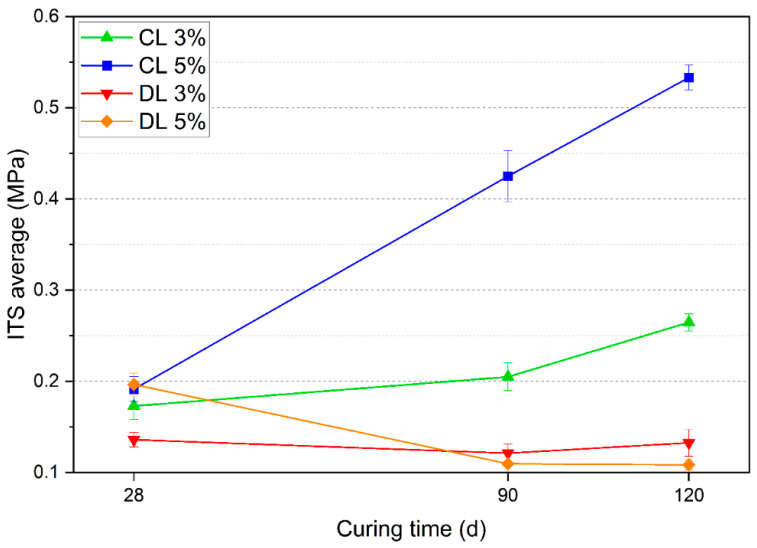
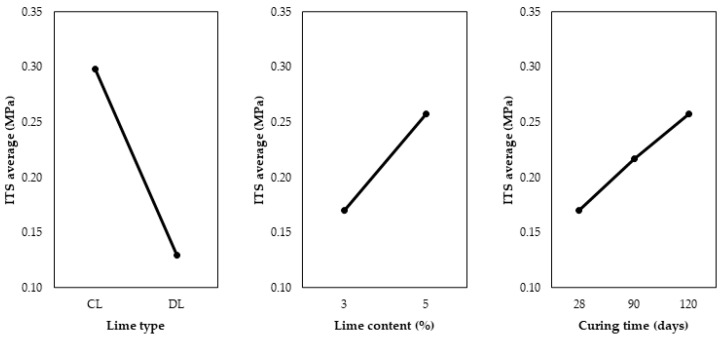
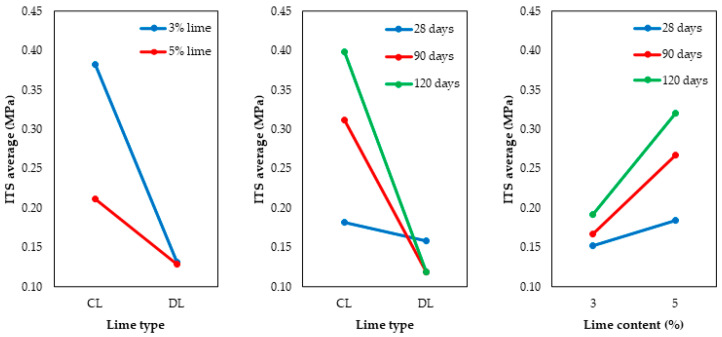
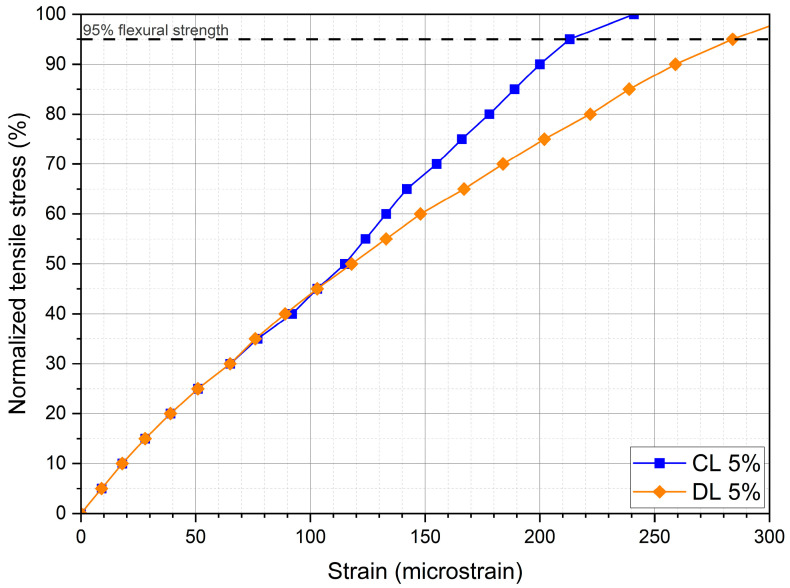
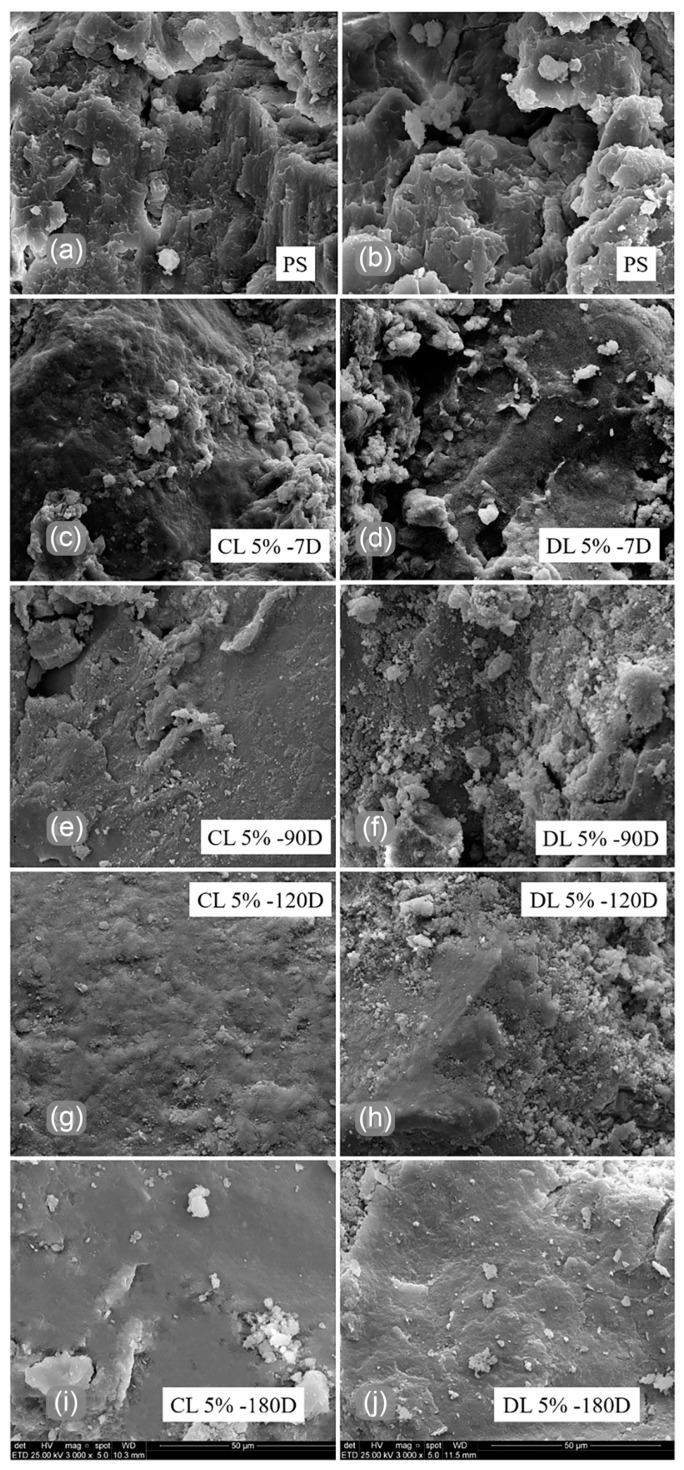
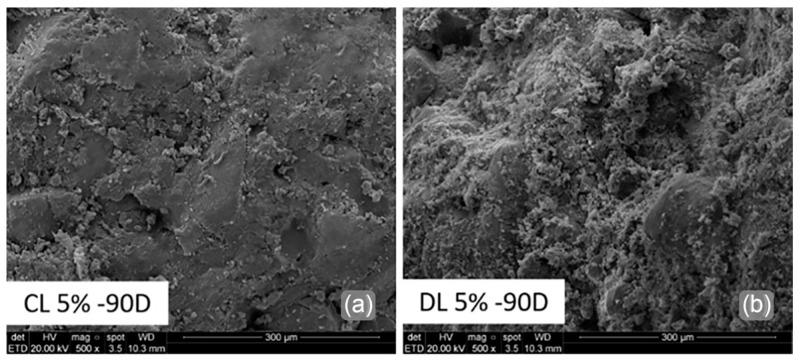
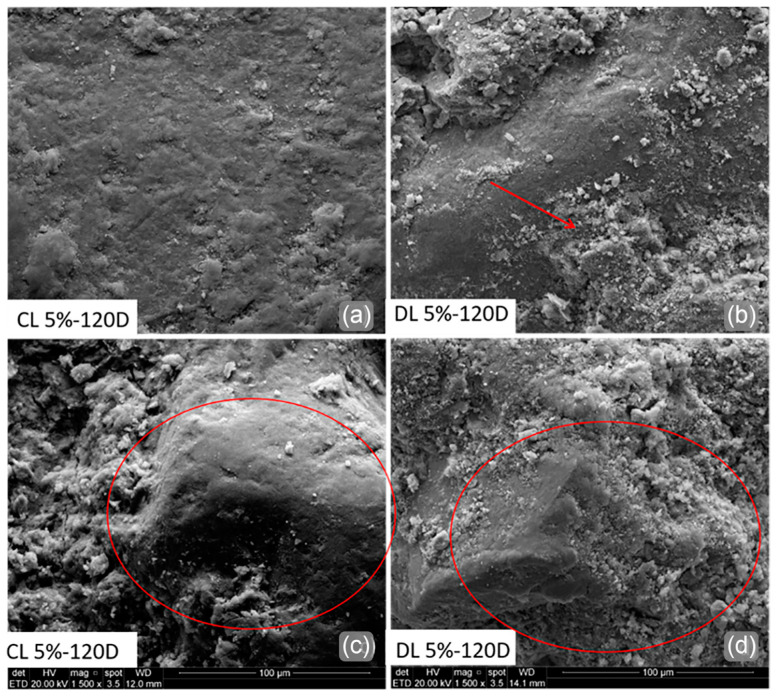
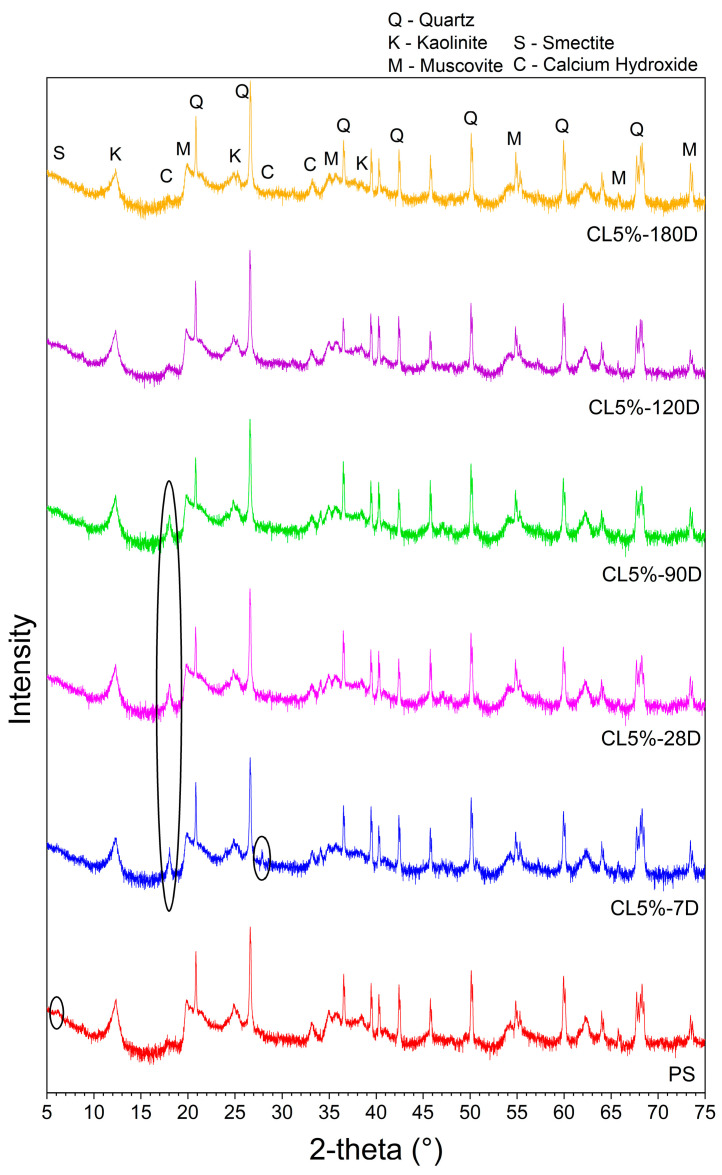
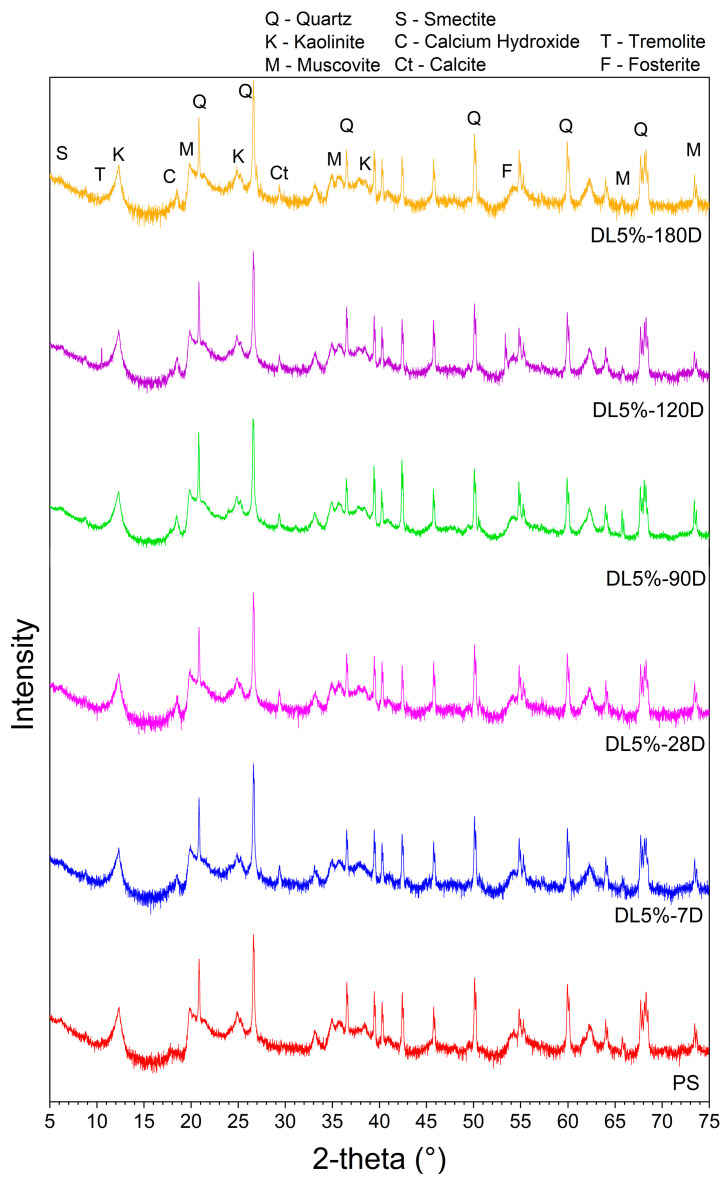
Lime stabilization is a sustainable technique due to its use of local materials, increased durability, reduced maintenance, and improved resistance to water action. This paper examines the impact of lime stabilization on the mechanical, microscopic, and mineralogical properties of a tropical soil. Two types of lime, calcitic and dolomitic, were tested at 3% and 5% by weight. Compressive, indirect tensile and flexural test results and statistical analysis revealed that calcitic lime mixtures had higher strength and stiffness, whereas dolomitic lime mixtures exhibited greater deformability with higher tensile strain at break. Scanning electron microscopy indicated that the soil’s porous matrix closed within 7 days for both lime types due to flocculation, with increased matrix interlocking over time. The calcitic lime mixture developed a more closed matrix compared to the dolomitic lime, which showed weaker cementing. X-ray diffraction analysis indicated higher consumption of clay minerals and a notable reduction in calcium hydroxide peaks in the lime-treated soils. The study concludes that calcitic lime provides better pavement performance for stabilizing the soil, enhancing its engineering properties while also being sustainable by reducing the need for raw material extraction and improving resilience to climate-related issues such as floods.
Overview
The claims and statistics of this paper haven’t been checked yet.
Run the check — free, no account needed. It reads the open-access text and checks the sources it cites.
Integrity signals
Registry
Cites
Statistics
Figures
Verification
Claims the paper makes
The claims and statistics of this paper haven’t been checked yet.
Run the check — free, no account needed. It reads the open-access text and checks the sources it cites.
Self-check
Percentages, sums and reported differences re-computed from the paper’s own numbers.
The self-check needs the paper’s full text.
Citations
The citation lists haven’t been fetched yet
References 29 · Cited by 16
Research works printed but not linked: 33
- Akula, 2020, Analytical tests to evaluate pozzolanic reaction in lime stabilized soils, MethodsX, 7, 100928, 10.1016/j.mex.2020.100928 · DOI
- Rahman, M.T. (2014). Evaluation of Moisture, Suction Effects and Durability Performance of Lime Stabilized Clayey Subgrade Soils. [Master’s Thesis, University of New Mexico]. Available online: https://digitalrepository.unm.edu/ce_etds/90. · DOI
- Eades, J.L., Nichols, F.P., and Grim, R.E. (1962, January 8–12). Formation of new minerals with lime stabilization as proven by field experiments in Virginia. Proceedings of the 41st Annual Meeting of the Highway Research Board, Washington, DC, USA.
- Bhuiyan, J.U., Little, D.N., and Graves, R.E. (1995). Evaluation of Calcareous Base Course Materials Stabilized with Low Percentage of Lime in South Texas, The National Academies Press. Transportation Research Board No. 1486.
- Bhattacharja, S., Bhatty, J.I., and Todres, P.A. (2003). Stabilization of Clay Soils by Portland Cement or Lime—A Critical Review of Literature, Portland Cement Association. PCA R&D Serial No. 2066.
- Prusinski, 1999, Effectiveness of Portland cement and lime in stabilizing clay soils, Transp. Res. Rec., 1652, 86, 10.3141/1652-28 · DOI
- Mandal, 2018, Study on flexural strength, modulus, and fatigue cracking of cementitiously stabilised materials, Road Mater. Pavement Des., 19, 1546, 10.1080/14680629.2017.1325772 · DOI
- Toohey, 2013, Stress-Strain-Strength Behavior of Lime-Stabilized Soils during Accelerated Curing, J. Mater. Civ. Eng., 25, 1880, 10.1061/(ASCE)MT.1943-5533.0000749 · DOI
- Little, 1996, Assessment of In Situ Structural Properties of Lime-Stabilized Clay Subgrades, Transp. Res. Rec. J. Transp. Res. Board, 1546, 13, 10.1177/0361198196154600102 · DOI
- Thompson, M.R. (1966). Split-Tensile Strength of Lime-Stabilized Soils, The National Academies Press.
- Baldovino, 2018, Empirical Relationships with Unconfined Compressive Strength and Split Tensile Strength for the Long Term of a Lime-Treated Silty Soil, J. Mater. Civ. Eng., 30, 06018008, 10.1061/(ASCE)MT.1943-5533.0002378 · DOI
- Khemissa, 2014, Cement and lime mixture stabilization of an expansive overconsolidated clay, Appl. Clay Sci., 95, 104, 10.1016/j.clay.2014.03.017 · DOI
- Negawo, 2019, Lime-stabilisation of high plasticity swelling clay from Ethiopia, Eur. J. Environ. Civ. Eng., 23, 504, 10.1080/19648189.2017.1304272 · DOI
- Zhang, 2011, Study on flexural strength and flexural modulus of elasticity of cement stabilized aggregate, Adv. Mater. Res., 287–290, 990, 10.4028/www.scientific.net/AMR.287-290.990 · DOI
- Jameson, 2013, Laboratory fatigue life of cemented materials in Australia, Road Mater. Pavement Des., 14, 518, 10.1080/14680629.2013.779300 · DOI
- Fedrigo, 2018, Flexural fatigue evaluation of cement-treated mixtures of reclaimed asphalt pavement and crushed aggregates, Constr. Build. Mater., 158, 320, 10.1016/j.conbuildmat.2017.10.003 · DOI
- Fedrigo, 2019, Flexural strength, stiffness and fatigue of cement-treated mixtures of reclaimed asphalt pavement and lateritic soil, Road Mater. Pavement Des., 22, 1004, 10.1080/14680629.2019.1660207 · DOI
- Fedrigo, W., Heller, L.F., Brito, L.A.T., and Núñez, W.P. (2023). Fatigue of cold recycled cement-treated pavement layers: Experimental and modeling study. Sustainability, 15. · DOI
- Nazari, M., Ghabchi, R., Zaman, M., and Commuri, S. (2017). Influence of Chemical Stabilization on the Flexural Fatigue Performance of Subgrade Soil. Geotechnical Frontier, American Society of Civil Engineers. · DOI
- Wen, H., Muhunthan, B., Wang, J., Li, X., Edil, T., and Tinjum, J.M. (2014). Characterization of Cementitiously Stabilized Layers for Use in Pavement Design and Analysis, The National Academies Press. Transportation Research Board. · DOI
- Baldovino, 2018, Effects of lime addition on geotechnical properties of sedimentary soil in Curitiba, Brazil, J. Rock Mech. Geotech. Eng., 10, 188, 10.1016/j.jrmge.2017.10.001 · DOI
- Bayat, M., Asgari, M.R., and Mousivand, M. (2013, January 27–28). Effects of cement and lime treatment on geotechnical properties of a low plasticity clay. Proceedings of the International Conference on Civil Engineering, Architecture & Urban Sustainable Development, Tabriz, Iran.
- Dhar, 2019, The strength and microstructural behavior of lime stabilized subgrade soil in road construction, Int. J. Geotech. Eng., 15, 471, 10.1080/19386362.2019.1598623 · DOI
- Amadi, 2017, Use of quick and hydrated lime in stabilization of lateritic soil: Comparative analysis of laboratory data, Int. J. Geo-Eng., 8, 3, 10.1186/s40703-017-0041-3 · DOI
- Ola, 1977, The potentials of lime stabilization of lateritic soils, Eng. Geol., 11, 305, 10.1016/0013-7952(77)90036-9 · DOI
- Fratalocchi, 2014, Time of reactions in a lime treated clayey soil and influence of curing conditions on its microstructure and behaviour, Appl. Clay Sci., 99, 100, 10.1016/j.clay.2014.06.018 · DOI
- Jha, 2020, Lime Stabilization of Soil: A Physico-Chemical and Micro-Mechanistic Perspective, Indian Geotech. J., 50, 339, 10.1007/s40098-019-00371-9 · DOI
- Arabi, 1986, Microstructural development in cured soil-lime composites, J. Mater. Sci., 21, 497, 10.1007/BF01145514 · DOI
- Rosone, 2018, Microstructure and shear strength evolution of a lime-treated clay for use in road construction, Int. J. Pavement Eng., 21, 1147, 10.1080/10298436.2018.1524144 · DOI
- Tang, K., Zeng, F., Shi, L., Zhu, L., Chen, Z., and Zhang, F. (2023). Mechanical behavior of hydrated lime–liquid-stabilizer-treated granular lateritic soils. Sustainability, 15. · DOI
- Moretti, L., Natali, S., Tiberi, A., and D’Andrea, A. (2020). Proposal for a Methodology Based on XRD and SEM-EDS to Monitor Effects of Lime-Treatment on Clayey Soils. Appl. Sci., 10. · DOI
- Vitale, 2017, Multi-scale analysis and time evolution of pozzolanic activity of lime treated clays, Appl. Clay Sci., 141, 36, 10.1016/j.clay.2017.02.013 · DOI
- Dash, 2012, Lime stabilization of soils: Reappraisal, J. Mater. Civ. Eng., 24, 707, 10.1061/(ASCE)MT.1943-5533.0000431 · DOI
Metadata
- Authors
- Diniz, B. C., Fedrigo, W., Kleinert, T. R., Batista, G. D. S., Núñez, W. P., Correa, B. M., & Brito, L. A. T.
- Affiliations
- Universidade Federal do Rio Grande do Sul (BR)
- Pontifícia Universidade Católica do Rio Grande do Sul (BR)
- Corresponding author
- Fedrigo, William
- ORCID
- Venue
- Materials
- Publisher
- MDPI AG
- Published
- 2024-09-26
- Volume
- 17
- Issue
- 19
- Pages
- 4720
- ISSN
- 1996-1944 (ISSN-L)
- PMC
- PMC11478328
- OpenAlex
- W4402870086
- Cited by
- 16
- References
- 29
- Citations by year
- 2026: 9 · 2025: 7
- FWCI
- 2.51
- Type
- journal article
- Language
- en
- Open access
- gold
- doi.org
- Licence
- Locations
- Materials (publishedVersion, cc-by)
- PubMed Central (publishedVersion, cc-by)
- PubMed (publishedVersion)
- DOAJ (DOAJ: Directory of Open Access Journals) (submittedVersion)
- Lume (Universidade Federal do Rio Grande do Sul) (submittedVersion, cc-by-nc-sa)
- Funders
- Brazilian government agencies National Council for Scientific and Technological Development (CNPq)
- Coordination for the Improvement of Higher Education Personnel (CAPES)
- Pavements Laboratory (Federal University of Rio Grande do Sul)
- Topics
- Physical Sciences › Engineering › Civil and Structural Engineering › Geotechnical and construction materials studies
- Physical Sciences › Engineering › Civil and Structural Engineering › Geotechnical Engineering and Soil Stabilization
- Life Sciences › Agricultural and Biological Sciences › Soil Science › Soil Management and Crop Yield
- Keywords
- lime stabilization, tropical soils, calcitic lime, dolomitic lime, pavement base materials, compressive strength, splitting tensile strength, flexural strength, soil microstructure, flocculation, calcium hydroxide, soil stiffness, sustainable road construction
About these checks
Registry, retraction, Cites and statistics results are computed, not judged, with one exception: a printed reference that no index lists is read once by a model before it counts as a citation error. Claims are extracted by a model and kept only when their quote appears verbatim in the text; each cited source is then checked, with a model’s help, for whether it says what the claim relies on. Those verdicts can be wrong — read the claim’s quote and the cited source before relying on one.
Statistics and arithmetic are recomputed, not judged.
Confidence bands are shown only for fields calibrated on our annotated test set. None is calibrated yet, so no band is shown.
What counts as a claim ›How we measure confidence ›How we check this ›
Are you an author, or do you see a problem with this page? Request a review
How to cite
Cite CoChat for the checks on this page, and the paper for its own findings.
- This page
- CoChat. (2026). Citation check: Lime Stabilization of Tropical Soil for Resilient Pavements: Mechanical, Microscopic, and Mineralogical Characteristics. https://app.cochat.ai/papers/10.3390/ma17194720
- The paper
- Diniz, B. C., Fedrigo, W., Kleinert, T. R., Batista, G. D. S., Núñez, W. P., Correa, B. M., & Brito, L. A. T. (2024). Lime Stabilization of Tropical Soil for Resilient Pavements: Mechanical, Microscopic, and Mineralogical Characteristics. Materials. https://doi.org/10.3390/ma17194720
