

The DOI matches its Crossref record.
Peptide-Based Drug-Delivery Systems in Biotechnological Applications: Recent Advances and Perspectives
Abstract
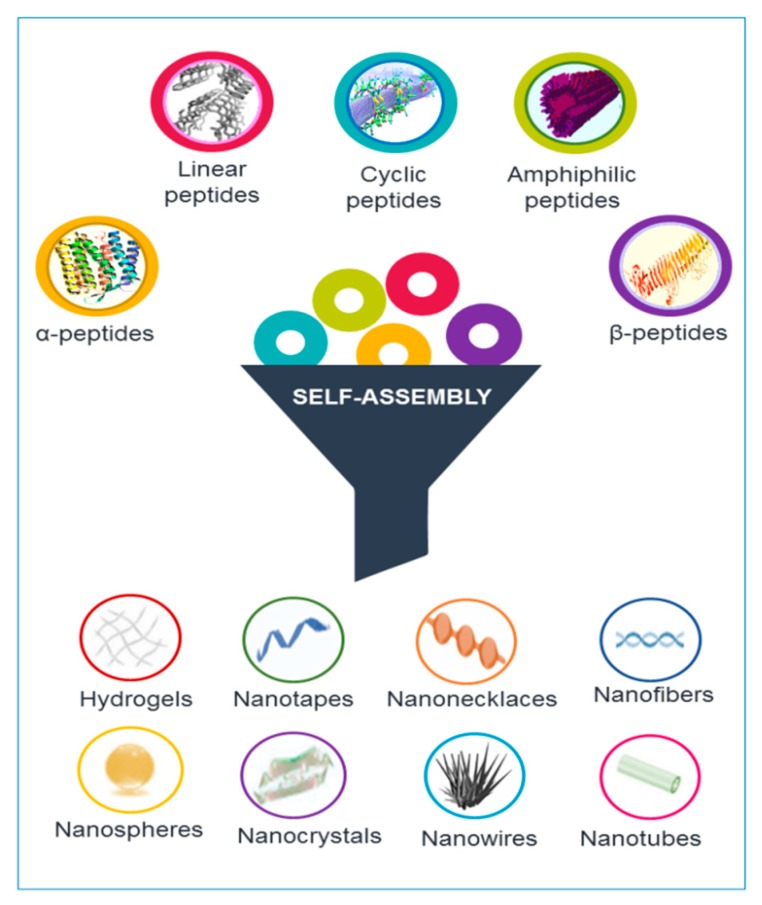
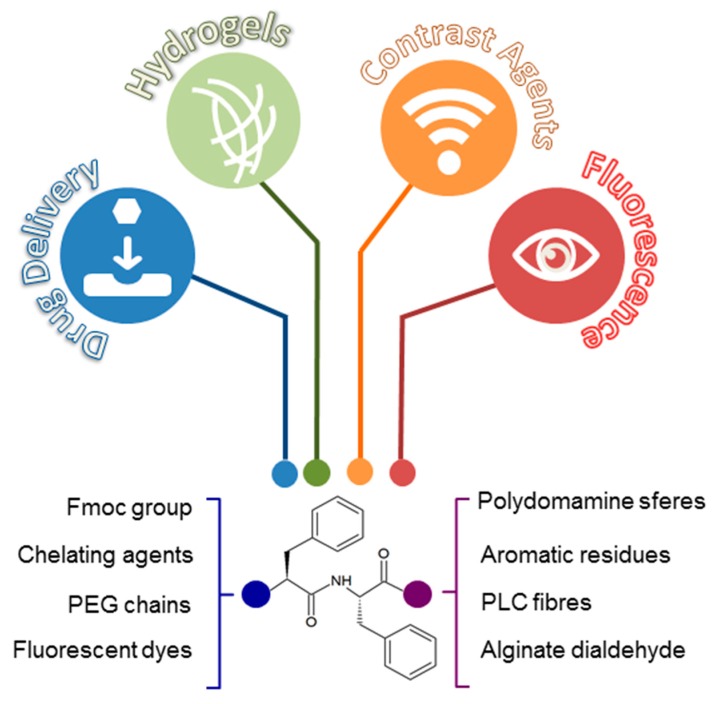
Peptides of natural and synthetic sources are compounds operating in a wide range of biological interactions. They play a key role in biotechnological applications as both therapeutic and diagnostic tools. They are easily synthesized thanks to solid-phase peptide devices where the amino acid sequence can be exactly selected at molecular levels, by tuning the basic units. Recently, peptides achieved resounding success in drug delivery and in nanomedicine smart applications. These applications are the most significant challenge of recent decades: they can selectively deliver drugs to only pathological tissues whilst saving the other districts of the body. This specific feature allows a reduction in the drug side effects and increases the drug efficacy. In this context, peptide-based aggregates present many advantages, including biocompatibility, high drug loading capacities, chemical diversity, specific targeting, and stimuli responsive drug delivery. A dual behavior is observed: on the one hand they can fulfill a structural and bioactive role. In this review, we focus on the design and the characterization of drug delivery systems using peptide-based carriers; moreover, we will also highlight the peptide ability to self-assemble and to actively address nanosystems toward specific targets.
Overview
The claims and statistics of this paper haven’t been checked yet.
Run the check — free, no account needed. It reads the open-access text and checks the sources it cites.
Integrity signals
Registry
Cites
Statistics
Figures
Verification
Claims the paper makes
The claims and statistics of this paper haven’t been checked yet.
Run the check — free, no account needed. It reads the open-access text and checks the sources it cites.
Claims other papers make about this one
Each is checked against this paper’s own text: does it say what the citing paper says it does?
In the citing paper
“Previous studies have examined the effectiveness of hyaluronic acid nanoparticles as CTDD for colorectal cancer.112,113”
From Current Advances in Chitosan Nanoparticles Based Oral Drug Delivery for Colorectal Cancer Treatment (2022) · cites this paper as [112]
Self-check
Percentages, sums and reported differences re-computed from the paper’s own numbers.
The self-check needs the paper’s full text.
Citations
Cites
No references could be resolved yet.
Research works printed but not linked: 158
- Stephanopoulos, 2015, The Powerful Functions of Peptide-Based Bioactive Matrices for Regenerative Medicine, Ann. Biomed. Eng., 43, 501, 10.1007/s10439-014-1166-6 · DOI
- Sahoo, 2003, Nanotech approaches to drug delivery and imaging, Drug Discov. Today, 8, 1112, 10.1016/S1359-6446(03)02903-9 · DOI
- Panda, 2014, Short peptide based self-assembled nanostructures: Implications in drug delivery and tissue engineering, Polym. Chem., 5, 4418, 10.1039/C4PY00173G · DOI
- Brack, 1975, ß structures of alternating polypeptides and their possible prebiotic significance, Nature, 256, 383, 10.1038/256383a0 · DOI
- Potekhin, 2001, De novo design of fibrils made of short α-helical coiled coil peptides, Chem. Biol., 8, 1025, 10.1016/S1074-5521(01)00073-4 · DOI
- Wagner, 2005, Toward the development of peptide nanofilaments and nanopores as smart materials, Proc. Nat. Acad. Sci. USA, 102, 12656, 10.1073/pnas.0505871102 · DOI
- Moutevelis, 2009, A Periodic Table of Coiled-Coil Protein Structures, J. Mol. Biol., 385, 726, 10.1016/j.jmb.2008.11.028 · DOI
- Aggeli, 2001, Hierarchical self-assembly of chiral rod-like molecules as a model for peptide β-sheet tapes, ribbons, fibrils, and fibers, Proc. Nat. Acad. Sci. USA, 98, 11857, 10.1073/pnas.191250198 · DOI
- Fishwick, 2003, Structures of helical β-tapes and twisted ribbons: The role of side-chain interactions on twist and bend behavior, Nano Lett., 3, 1475, 10.1021/nl034095p · DOI
- Aggeli, 2003, pH as a trigger of peptide β-sheet self-assembly and reversible switching between nematic and isotropic phases, J. Am. Chem. Soc., 125, 9619, 10.1021/ja021047i · DOI
- Schneider, 2002, Responsive hydrogels from the intramolecular folding and self-assembly of a designed peptide, J. Am. Chem. Soc., 124, 15030, 10.1021/ja027993g · DOI
- Veiga, 2012, Arginine-rich self-assembling peptides as potent antibacterial gels, Biomaterials, 33, 8907, 10.1016/j.biomaterials.2012.08.046 · DOI
- Reches, 2003, Casting metal nanowires within discrete self-assembled peptide nanotubes, Science, 300, 625, 10.1126/science.1082387 · DOI
- 2006, The structure of nanotubes formed by diphenylalanine, the core recognition motif of Alzheimer’s β-amyloid polypeptide, Chem. Comm., 22, 2332
- Tamamis, 2009, Self-Assembly of Phenylalanine Oligopeptides: Insights from Experiments and Simulations, Biophys. J., 96, 5020, 10.1016/j.bpj.2009.03.026 · DOI
- Yan, 2010, Self-assembly and application of diphenylalanine-based nanostructures, Chem. Soc. Rev., 39, 1877, 10.1039/b915765b · DOI
- Kol, 2010, Self-assembled organic nanostructures with metallic-like stiffness, Angew. Chem. Int. Ed., 49, 9939, 10.1002/anie.201002037 · DOI
- Wang, 2011, Charged Diphenylalanine Nanotubes and Controlled Hierarchical Self-Assembly, ACS Nano, 5, 4448, 10.1021/nn2016524 · DOI
- Vasilev, 2016, Piezoelectric properties of diphenylalaninemicrotubes prepared from the solution, J. Phys. Chem. Solids, 93, 68, 10.1016/j.jpcs.2016.02.002 · DOI
- Nikitin, 2016, Low-temperature photoluminescence in self-assembled diphenylalanine microtubes, Phys. Lett. A, 380, 1658, 10.1016/j.physleta.2016.02.043 · DOI
- Handelman, 2016, Reconstructive Phase Transition in Ultrashort Peptide Nanostructures and Induced Visible Photoluminescence, Langmuir, 32, 2847, 10.1021/acs.langmuir.5b02784 · DOI
- Handelman, 2016, Linear and nonlinear optical waveguiding in bio-inspired peptide nanotubes, Acta Biomater., 30, 72, 10.1016/j.actbio.2015.11.004 · DOI
- Reches, 2006, Thermal and chemical stability of diphenylalanine peptide nanotubes: Implications for nanotechnological applications, Langmuir, 22, 1313, 10.1021/la052409d · DOI
- Marchesan, 2015, The Phe-Phe motif for peptide self-assembly in nanomedicine, Molecules, 20, 19775, 10.3390/molecules201119658 · DOI
- Aronov, 2009, Self-assembled arrays of peptide nanotubes by vapour deposition, Nat. Nanotechnol., 4, 849, 10.1038/nnano.2009.298 · DOI
- Scanlon, 2008, Self-assembling peptide nanotubes, Nano Today, 3, 22, 10.1016/S1748-0132(08)70041-0 · DOI
- Hendler, 2007, Formation of well-organized self-assembled films from peptide nanotubes, Adv. Mater., 19, 1485, 10.1002/adma.200602265 · DOI
- Silva, 2013, l-Diphenylalanine Microtubes As a Potential Drug-Delivery System: Characterization, Release Kinetics, and Cytotoxicity, Langmuir, 29, 10205, 10.1021/la4019162 · DOI
- Bonetti, 2015, Dipeptide Nanotubes Containing Unnatural Fluorine-Substituted-Diarylamino Acid and L-Alanine as Candidates for Biomedical Applications, Org. Lett., 17, 4468, 10.1021/acs.orglett.5b02132 · DOI
- Emtiazi, 2017, Covalent diphenylalanine peptide nanotube conjugated to folic acid/magnetic nanoparticles for anti-cancer drug delivery, J. Drug Deliv. Sci. Technol., 41, 90, 10.1016/j.jddst.2017.06.005 · DOI
- Liu, 2014, Self-Assembling Peptide of D-Amino Acids Boosts Selectivity and Antitumor Efficacy of 10-Hydroxycamptothecin, ACS Appl. Mater. Interfaces, 6, 5558, 10.1021/am406007g · DOI
- Li, 2013, Dephosphorylation of D-Peptide Derivatives to Form Biofunctional, Supramolecular Nanofibers/Hydrogels and Their Potential Applications for Intracellular Imaging and Intratumoral Chemotherapy, J. Am. Chem. Soc., 135, 9907, 10.1021/ja404215g · DOI
- Zhang, 2015, Enzyme-responsive release of doxorubicin from monodisperse dipeptide-based nanocarriers for highly efficient cancer treatment in vitro, Adv. Funct. Mater., 25, 1193, 10.1002/adfm.201403119 · DOI
- Das, 2015, Sticky tubes and magnetic hydrogels co-assembled by a short peptide and melanin-like nanoparticles, Chem. Commun., 51, 5432, 10.1039/C4CC07671K · DOI
- Liberato, 2016, Polycaprolactone fibers with self-assembled peptide micro/nanotubes: A practical route towards enhanced mechanical strength and drug delivery applications, J. Mater. Chem. B, 4, 1405, 10.1039/C5TB02240A · DOI
- Li, 2016, One-Pot Synthesis of Diphenylalanine-Based Hybrid Nanospheres for Controllable pH- and GSH-Responsive Delivery of Drugs, Chem. Mater., 28, 6584, 10.1021/acs.chemmater.6b02604 · DOI
- Jayawarna, 2006, Nanostructured Hydrogels for Three-Dimensional Cell Culture Through Self-Assembly of Fluorenylmethoxycarbonyl-Dipeptides, Adv. Mater., 18, 611, 10.1002/adma.200501522 · DOI
- Mao, 2012, Conjugation of two complementary anti-cancer drugs confers molecular hydrogels as a co-delivery system, Chem. Commun., 48, 395, 10.1039/C1CC16250K · DOI
- Li, 2013, D-amino acids boost the selectivity and confer supramolecular hydrogels of a nonsteroidal anti-inflammatory drug (NSAID), J. Am. Chem. Soc., 135, 542, 10.1021/ja310019x · DOI
- Liang, 2009, Supramolecular Hydrogel of a D-Amino Acid Dipeptide for Controlled Drug Release in Vivo, Langmuir, 25, 8419, 10.1021/la804271d · DOI
- Erdogan, 2016, Fabrication of Plasmonic Nanorod-Embedded Dipeptide Microspheres via the Freeze-Quenching Method for Near-Infrared Laser-Triggered Drug-Delivery Applications, Biomacromolecules, 17, 1788, 10.1021/acs.biomac.6b00214 · DOI
- Xie, 2016, Calcium-Ion-Triggered Co-assembly of Peptide and Polysaccharide into a Hybrid Hydrogel for Drug Delivery, Nanoscale Res. Lett., 11, 184, 10.1186/s11671-016-1415-8 · DOI
- Aviv, M., Halperin-Sternfeld, M., Grigoriants, I., Buzhansky, L., Mironi-Harpaz, I., Seliktar, D., Einav, S., Nevo, Z., and Adler-Abramovich, L. (2018). Improving the Mechanical Rigidity of Hyaluronic Acid by Integration of a Supramolecular Peptide Matrix. ACS Appl. Mater. Interfaces, in press. · DOI
- Abbas, 2018, Antitumor Photodynamic Therapy Based on Dipeptide Fibrous Hydrogels with Incorporation of Photosensitive Drugs, ACS Biomater. Sci. Eng., 4, 2046, 10.1021/acsbiomaterials.7b00624 · DOI
- Roth-Konforti, M.E., Comune, M., Halperin-Sternfeld, M., Grigoriants, I., Shabat, D., and Adler-Abramovich, L. (2018). UV Light-Responsive Peptide-Based Supramolecular Hydrogel for Controlled Drug Delivery. Macromol. Rapid Commun., in press. · DOI
- Diaferia, 2018, Amyloid-Like Fibrillary Morphology Originated by Tyrosine-Containing Aromatic Hexapeptides, Chem. Eur. J., 24, 6804, 10.1002/chem.201800351 · DOI
- Diaferia, 2018, Structural Characterization of Self-Assembled Tetra-Tryptophan Based Nanostructures: Variations on a Common Theme, Chem. Phys. Chem., 19, 1635, 10.1002/cphc.201800026 · DOI
- Diaferia, 2015, Peptide Materials Obtained by Aggregation of Polyphenylalanine Conjugates as Gadolinium-Based Magnetic Resonance Imaging Contrast Agents, Adv. Funct. Mater., 25, 7003, 10.1002/adfm.201502458 · DOI
- Accardo, 2009, Supramolecular aggregates containing lipophilic Gd(III) complexes as contrast agents in MRI, Coord. Chem. Rev., 253, 2193, 10.1016/j.ccr.2009.01.015 · DOI
- Diaferia, 2017, Gadolinium containing telechelic PEG-polymers end-capped by di-phenylalanine motives as potential supramolecular MRI contrast agents, J. Pept. Sci., 23, 122, 10.1002/psc.2942 · DOI
- Diaferia, 2017, Cross-beta nanostructures based on dinaphthylalanine Gd-conjugates loaded with doxorubicin, Sci. Rep., 7, 307, 10.1038/s41598-017-00332-3 · DOI
- Handelman, 2014, Structural and optical properties of short peptides: Nanotubes-to-nanofibers phase transformation, J. Pept. Sci., 20, 487, 10.1002/psc.2661 · DOI
- Pinotsi, 2013, A label-free, quantitative assay of amyloid fibril growth based on intrinsic fluorescence, ChemBioChem, 14, 846, 10.1002/cbic.201300103 · DOI
- Diaferia, 2016, Hierarchical analysis of self-assembled PEGylated hexaphenylalanine photoluminescent nanostructures, Chem. Eur. J., 22, 16586, 10.1002/chem.201604107 · DOI
- Diaferia, 2017, Structural Characterization of PEGylated Hexaphenylalanine Nanostructures Exhibiting Green Photoluminescence Emission, Chem. Eur. J., 23, 14039, 10.1002/chem.201703055 · DOI
- Diaferia, 2017, Photoluminescent Peptide-Based Nanostructures as FRET Donor for Fluorophore Dye, Chem. Eur. J., 23, 8741, 10.1002/chem.201701381 · DOI
- Morosetti, 1974, Conformational Analysis of Regular Enantiomeric Sequences, Macromolecules, 7, 52, 10.1021/ma60037a011 · DOI
- Ghadiri, 1993, Self-assembling organic nanotubes based on a cyclic peptide architecture, Nature, 366, 324, 10.1038/366324a0 · DOI
- Chapman, 2012, Design and properties of functional nanotubes from the self-assembly of cyclic peptide templates, Chem. Soc. Rev., 41, 6023, 10.1039/c2cs35172b · DOI
- Kim, 2001, Antibacterial agents based on the cyclic d,l-α-peptide architecture, Nature, 412, 452, 10.1038/35086601 · DOI
- Ishihara, 2010, Nanofiber formation of amphiphilic cyclic tri-β-peptide, J. Pept. Sci., 16, 110, 10.1002/psc.1206 · DOI
- Hartgerink, 1996, Peptide-amphiphile nanofibers: A versatile scaffold for the preparation of self-assembling materials, J. Am. Chem Soc., 118, 43, 10.1021/ja953070s · DOI
- Wang, 2014, Doxorubicin-loaded cyclic peptide nanotube bundles overcome chemoresistance in breast cancer cells, J. Biomed. Nanotechnol., 10, 445, 10.1166/jbn.2014.1724 · DOI
- Hamley, 2011, Self-assembly of amphiphilic peptides, Soft Matter., 7, 4122, 10.1039/c0sm01218a · DOI
- Versluis, 2010, Power struggles in peptide-amphiphile nanostructures, Chem. Soc. Rev., 39, 3434, 10.1039/b919446k · DOI
- Vauthey, 2002, Molecular self-assembly of surfactant-like peptides to form nanotubes and nanovesicles, Proc. Natl. Acad. Sci. USA, 99, 5355, 10.1073/pnas.072089599 · DOI
- Santoso, 2002, Self-assembly of surfactant-like peptides with variable glycine tails to form nanotubes and nanovesicles, Nano Lett., 2, 687, 10.1021/nl025563i · DOI
- Vauthey, 2003, Positively charged surfactant like peptides self-assemble into nanostructures, Langmuir, 19, 4332, 10.1021/la026526+ · DOI
- Dehsorkhi, 2013, Interaction between a cationic surfactant-like peptide and lipid vesicles and its relationship to antimicrobial activity, Langmuir, 29, 14246, 10.1021/la403447u · DOI
- Holmes, 1993, Spontaneous assembly of a self complementaryoligopeptide to form stable microscopic membrane, Proc. Natl. Acad. Sci. USA, 90, 3334, 10.1073/pnas.90.8.3334 · DOI
- Liu, 2012, Molecular binding self assembling peptide EAK16-II with anticancer agent EPT and its implication in cancer cell inhibition, J. Control. Release, 160, 33, 10.1016/j.jconrel.2012.03.009 · DOI
- Boettcher, 2001, Comparative cryo-electron microscopy of noncovalent N-dodecanoyl-(d- and l-) serine assemblies in vitreous toluene and water, Langmuir, 17, 873, 10.1021/la001054p · DOI
- Fuhrhop, 1993, Molecular monolayer rods and tubules made of .alpha.-(L-lysine),.omega.-(amino) bolaamphiphiles, J. Am. Chem. Soc., 115, 1600, 10.1021/ja00057a069 · DOI
- Hartgerink, 2002, Peptide-amphiphilenanofibers: A versatile scaffold for the preparation of self- assembling materials, Proc. Natl. Acad. Sci. USA, 99, 5133, 10.1073/pnas.072699999 · DOI
- Matson, 2012, Nanostructure-templated control of drug release from peptide amphiphile nanofiber gels, Soft Matter, 8, 3586, 10.1039/c2sm07420f · DOI
- Cui, 2018, Self-Assembly of Giant Peptide, Nanobelts, 16, 9
- Yao, 2016, Reducible self-assembling cationic polypeptide-based micelles mediate co-delivery of doxorubicin and microRNA-34a for androgen- independent prostate cancer therapy, J. Control. Release, 232, 203, 10.1016/j.jconrel.2016.04.034 · DOI
- Tang, Q., Cao, B., Wu, H., and Cheng, G. (2013). Cholesterol-Peptide Hybrids to Form Liposome-Like Vesicles for Gene Delivery. PLoS ONE. · DOI
- Missirlis, 2010, Subsequent Endosomal Disruption Results in SJSA-1, Mol Pharm., 7, 2173, 10.1021/mp100193h · DOI
- Pujals, 2006, Mechanistic aspects of cell-penetrating peptide-mediated intracellular drug delivery: Relevance of CPP self-assembly, Biochim. Biophys. Acta Biomembr., 1758, 264, 10.1016/j.bbamem.2006.01.006 · DOI
- Agrawal, 2016, CPPsite 2.0: Arepository of experimentally validated cell-penetrating peptides, Nucleic Acids Res., 44, D1098, 10.1093/nar/gkv1266 · DOI
- Borrelli, A., Tornesello, A.L., Tornesello, M.L., and Buonaguro, F.M. (2018). Cell Penetrating Peptides as Molecular Carriers for Anti-Cancer Agents. Molecules, 23. · DOI
- Sun, 2018, Peptide-decorated polymeric nanomedicines for precision cancer therapy, J. Control. Release, 290, 11, 10.1016/j.jconrel.2018.09.029 · DOI
- Gallo, 2019, 1988–2018: Thirty years of drug smuggling at the nano scale. Challenges and opportunities of cell-penetrating peptides in biomedical research, Arch. Biochem. Biophys., 661, 74, 10.1016/j.abb.2018.11.010 · DOI
- Zhang, 2013, A pH-responsive α-helical cell penetrating peptide-mediated liposomal delivery system, Biomaterials, 34, 7980, 10.1016/j.biomaterials.2013.07.014 · DOI
- Liu, 2014, Legumain protease-activated TAT-liposome cargo for targeting tumours and their microenvironment, Nat. Commun., 5, 4280, 10.1038/ncomms5280 · DOI
- Yang, 2014, Preparation and characterization of photo-responsive cell-penetrating peptide-mediated nanostructured lipid carrier, J. Drug Target., 22, 891, 10.3109/1061186X.2014.940589 · DOI
- Reubi, 2003, Peptide receptors as molecular targets for cancer diagnosis and therapy, Endocr. Rev., 24, 389, 10.1210/er.2002-0007 · DOI
- Accardo, 2014, Influence of PEG length on conformational and binding properties of CCK peptides exposed by supramolecular aggregates, Pept. Sci., 102, 304, 10.1002/bip.22500 · DOI
- Ginj, 2006, Radiolabeled somatostatin receptor antagonists are preferable to agonists for in vivo peptide receptor targeting of tumors, Proc. Natl. Acad. Sci. USA, 103, 16436, 10.1073/pnas.0607761103 · DOI
- Chan, 2011, Potential mechanisms of prospective antimigraine drugs: A focus on vascular (side) effects, Pharmacol. Ther., 129, 332, 10.1016/j.pharmthera.2010.12.001 · DOI
- Codding, P.W. (1998). Conformational analysis from crystallographic data. Structure Based Drug Design, Kluwer Academic. · DOI
- Pande, 2010, Phage display: Concept, innovations, applications and future, Biotechnol. Adv., 28, 849, 10.1016/j.biotechadv.2010.07.004 · DOI · Paper page
- Ringhieri, 2017, Liposomes derivatized with multimeric copies of KCCYSL peptide as targeting agents for HER-2-overexpressing tumor cells, Int. J. Nanomed., 12, 501, 10.2147/IJN.S113607 · DOI
- Ringhieri, 2015, Liposomal doxorubicin doubly functionalized with CCK8 and R8 peptide sequences for selective intracellular drug delivery, J. Pept. Sci., 21, 415, 10.1002/psc.2759 · DOI
- Accardo, 2013, Liposomes derivatized with tetrabranchedneurotensin peptides via click chemistry reactions, New J. Chem., 37, 3528, 10.1039/c3nj00596h · DOI
- Accardo, 2015, Review peptide-targeted liposomes for selective drug delivery: Advantages and problematic issues, Pept. Sci., 104, 462, 10.1002/bip.22678 · DOI
- Feldborg, 2012, Quantitative evaluation of bioorthogonal chemistries for surface functionalization of nanoparticles, Bioconjug. Chem., 23, 2444, 10.1021/bc3005057 · DOI
- Wang, 2010, Targeted Polymeric Micelle System for Delivery of Combretastatin A4 to Tumor Vasculature In Vitro, Pharm. Res., 27, 1861, 10.1007/s11095-010-0184-9 · DOI
- Miura, 2013, Cyclic RGD-linked polymeric micelles for targeted delivery of platinum anticancer drugs to glioblastoma through the blood-brain tumor barrier, ACS Nano, 7, 8583, 10.1021/nn402662d · DOI
- Chen, 2012, Cyclic RGD peptide-modified liposomal drug delivery system: Enhanced cellular uptake in vitro and improved pharmacokinetics in rats, Int. J. Nanomed., 7, 3803, 10.2147/IJN.S33541 · DOI
- Amin, 2013, Improvement of pharmacokinetic and antitumor activity of PEGylated liposomal doxorubicin by targeting with N-methylated cyclic RGD peptide in mice bearing C-26 colon carcinomas, Int. J. Pharm., 458, 324, 10.1016/j.ijpharm.2013.10.018 · DOI
- Wang, 2014, RGD peptide conjugated liposomal drug delivery system for enhance therapeutic efficacy in treating bone metastasis from prostate cancer, J. Control. Release, 196, 222, 10.1016/j.jconrel.2014.10.012 · DOI
- Battistini, 2014, Enhancement of the uptake and cytotoxicactivity of doxorubicin in cancercells by novel cRGD-semipeptide-anchoring liposomes, Mol. Pharm., 11, 2280, 10.1021/mp400718j · DOI
- Zhang, 2016, RGD decorated lipid-polymer hybrid nanoparticles for targeted co-delivery of doxorubicin and sorafenib to enhance anti-hepatocellular carcinoma efficacy, Nanomed. Nanotechnol. Biol. Med., 12, 1303, 10.1016/j.nano.2016.01.017 · DOI
- Morisco, 2009, Micelles derivatized with octreotide as potential target-selective contrast agents in MRI, J. Pept. Sci., 15, 242, 10.1002/psc.1087 · DOI
- Accardo, 2011, Naposomes: A new class of peptide-derivatized, target-selective multimodal nanoparticles for imaging and therapeutic applications, Ther. Deliv., 2, 235, 10.4155/tde.10.86 · DOI
- Accardo, 2013, Octreotide labeled aggregates containing platinum complexes as nanovectors for drug delivery, J. Peptsci., 19, 190
- Zhang, 2012, The eradication of breast cancer and cancer stem cells using octreotide modified paclitaxel active targeting micelles and salinomycin passive targeting micelles, Biomaterials, 33, 679, 10.1016/j.biomaterials.2011.09.072 · DOI
- Zou, 2013, In vivo studies of octreotidemodified N-octyl-O, N-carboxymethyl chitosan micelles loaded with doxorubicin for tumor-targeted delivery, J. Pharm. Sci., 102, 126, 10.1002/jps.23341 · DOI
- Xu, 2016, Thailandepsin A-loaded and octreotide-functionalized unimolecular micelles for targeted neuroendocrine cancer therapy, Biomaterials, 91, 1, 10.1016/j.biomaterials.2016.03.010 · DOI
- Helbok, 2012, Targeting properties of peptide-modified radiolabeled liposomal nanoparticles, Nanomedicine, 8, 112, 10.1016/j.nano.2011.04.012 · DOI
- Li, 2016, Effect of ligand density and PEG modification on octreotide-targetedliposome via somatostatin receptor in vitro and in vivo, Drug Deliv., 23, 3562, 10.1080/10717544.2016.1209797 · DOI
- Petersen, 2012, Positron emission tomography evaluation of somatostatin receptor targeted 64Cu-TATE-liposomes in a human neuroendocrine carcinoma mouse model, J. Control. Release, 160, 254, 10.1016/j.jconrel.2011.12.038 · DOI
- Chen, 2016, KE108-conjugated unimolecular micelles loaded with a novel HDAC inhibitor thailandepsin-A for targeted neuroendocrine cancer therapy, Biomaterials, 97, 22, 10.1016/j.biomaterials.2016.04.029 · DOI
- Chen, 2017, AB3-loaded and tumor-targeted unimolecular micelles for medullary thyroid cancer treatment, J. Mater. Chem. B, 5, 151, 10.1039/C6TB02530G · DOI
- Accardo, 2010, Peptide modified nanocarriers for selective targeting of bombesin receptors, Mol. Biosyst., 6, 878, 10.1039/b923147a · DOI
- Accardo, 2012, Peptide-modified liposomes for selective targeting of bombesin receptors overexpressed by cancer cells: A potential theranostic agent, Int. J. Nanomed., 7, 2007
- Ringhieri, 2014, Target selective micelles for bombesin receptors incorporating Au(III)-dithiocarbamato complexes, Int. J. Pharmaceut., 473, 194, 10.1016/j.ijpharm.2014.07.014 · DOI
- Accardo, 2013, Bombesin peptide antagonist for target-selective delivery of liposomal doxorubicin on cancer cells, J. Drug Target., 21, 240, 10.3109/1061186X.2012.741138 · DOI
- Accardo, 2007, High-relaxivity supramolecular aggregates containing peptide and Gd complexes agents in MRI, J. Biol. Inorg. Chem., 12, 267, 10.1007/s00775-006-0186-6 · DOI
- Gasparini, 1998, Vascular integrin αvβ3: A new prognostic indicator in breast cancer, Clin. Cancer Res., 4, 2625
- Liu, 2006, Radiolabeled multimeric cyclic RGD peptides as integrin alphavbeta3 targeted radiotracers for tumor imaging, Mol. Pharm., 3, 472, 10.1021/mp060049x · DOI
- Xiong, 2005, Enhanced intracellular delivery and improved antitumor efficacy of doxorubicin by sterically stabilized liposomes modified with a synthetic RGD mimetic, J. Control. Release, 107, 262, 10.1016/j.jconrel.2005.03.030 · DOI
- Danhier, 2012, RGD-based strategies to target alpha(v) beta(3) integrin in cancer therapy and diagnosis, Mol. Pharm., 9, 2961, 10.1021/mp3002733 · DOI
- Schiffelers, R.M., Koning, G.A., ten Hagen, T.L.M., Fens, M.H.A.M., Schraa, A.J., Janssen, A.P.C.A., Kok, R.J., Molema, G., and Storm, G. (2003). Anti-tumor efficacy of tumor vasculature-targeted liposomal doxorubicin. J. Control. Release, 115–122. · DOI
- Murphy, 2008, Nanoparticle-mediated drug delivery to tumor vasculature suppresses metastasis, Proc Natl. Acad. Sci. USA, 105, 9343, 10.1073/pnas.0803728105 · DOI
- Guan, 2016, Cyclic RGD targeting cisplatin micelles for near-infrared imaging-guided chemotherapy, RSC Advances, 6, 1151, 10.1039/C5RA19711B · DOI
- Zhao, 2009, RGD-based strategies for improving antitumor activity of paclitaxel-loaded liposomes in nude mice xenografted with human ovarian cancer, J. Drug Target., 17, 10, 10.1080/10611860802368966 · DOI
- Meng, 2010, Enhanced antitumor effect of novel dual-targeted paclitaxel liposomes, Nanotechnology, 21, 415103, 10.1088/0957-4484/21/41/415103 · DOI
- Li, 2014, RGD-fatty alcohol-modified docetaxel liposomes improve tumor selectivity in vivo, Int. J. Pharm., 468, 133, 10.1016/j.ijpharm.2014.04.001 · DOI
- Pattillo, 2005, Targeting of the antivascular drug combretastatin to irradiated tumors results in tumor growth delay, Pharm. Res., 22, 1117, 10.1007/s11095-005-5646-0 · DOI
- Dubey, 2004, Liposomes modified with cyclic RGD peptide for tumor targeting, J. Drug Target., 12, 257, 10.1080/10611860410001728040 · DOI
- Garg, 2009, Targeting colon cancer cells using PEGylated liposomes modified with a fibronectin-mimetic peptide, Int. J. Pharm., 366, 201, 10.1016/j.ijpharm.2008.09.016 · DOI
- Kessler, 1986, Peptidkonformationen, 39. NMR-studien zur konformation von cyclopentapeptidanalogen des thymopoietins, Liebigs Ann. Chem., 1986, 893, 10.1002/jlac.198619860508 · DOI
- Kessler, 1995, Design of superactive and selective integrin receptor antagonists containing the RGD sequence, Lett. Pep. Sci., 2, 155, 10.1007/BF00119142 · DOI
- Haubner, 1996, Structural and functional aspects of RGD-containing cyclic pentapeptides as highly potent and selective integrin v 3 antagonists, J. Am. Chem. Soc., 118, 7461, 10.1021/ja9603721 · DOI
- Wang, 2009, RGD-modified polymeric micelles as potential carriers for targeted delivery to integrin-overexpressing tumor vasculature and tumor cells, J. Drug Target., 17, 459, 10.1080/10611860902974085 · DOI
- Kazuki, 2009, Tissue-Penetrating Delivery of Compounds and Nanoparticles into Tumors, Cancer Cell, 6, 510
- Gao, 2017, iRGD-modified lipid–polymer hybrid nanoparticles loaded with isoliquiritigenin to enhance anti-breast cancer effect and tumor-targeting ability, Int. J. Nanomed., 12, 4147, 10.2147/IJN.S134148 · DOI
- Jiang, 2018, Design of an AmphiphilicRGD Peptide and Self-Assembling Nanovesicles for Improving Tumor Accumulation and Penetration and the Photodynamic Efficacy of the Photosensitizer, ACS Appl. Mater. Interfaces, 10, 31674, 10.1021/acsami.8b11699 · DOI
- Hu, 2018, iRGD-decorated reduction-responsive nanoclusters for targeted drug delivery, Nanoscale, 10, 10514, 10.1039/C8NR02534G · DOI
- Melacini, 1997, Multiconformational NMR Analysis of Sandostatin (Octreotide): Equilibrium between beta-Sheet and Partially Helical Structures, Biochemistry, 36, 1233, 10.1021/bi962497o · DOI
- Cuttitta, 1985, Bombesin-like peptides can function as autocrine growth factors in human small-cell lung cancer, Nature, 16, 823, 10.1038/316823a0 · DOI
- Patel, 2006, Gastrin-releasing peptide and cancer, Biochim. Biophys. Acta, 1766, 23
- Smith, 2005, Radiolabeled peptide conjugates for targeting of the bombesin receptor superfamily subtypes, Nucl. Med. Biol., 32, 733, 10.1016/j.nucmedbio.2005.05.005 · DOI
- Parry, 2007, In vitro and in vivo evaluation of 64Cu-labeled DOTA-linker-bombesin(7–14) analogues containing different amino acid linker moieties, Bioconjug. Chem., 18, 1110, 10.1021/bc0603788 · DOI
- Jamous, 2014, RPEG spacers of different length influence the biological profile of bombesin-based radiolabeled antagonists, Nucl. Med. Biol., 41, 464, 10.1016/j.nucmedbio.2014.03.014 · DOI
- Bernhard, 2016, Direct subphthalocyanine conjugation to bombesin vs. indirect conjugation to its lipidic nanocarrier, Org. Biomol. Chem., 14, 4511, 10.1039/C6OB00530F · DOI
- Pellegrini, 1999, Molecular complex of cholecystokinin-8 and N-terminus of the cholecystokinin A receptor by NMR spectroscopy, Biochemistry, 38, 14775, 10.1021/bi991272l · DOI
- Morelli, 2002, CCK8 peptide derivatized with diphenylphosphine for rhenium labelling: Synthesis and molecular mechanics calculations, Pept. Sci., 8, 373, 10.1002/psc.400 · DOI
- Accardo, 2011, Amphiphilic CCK peptides assembled in supramolecular aggregates: Structural investigations and in vitro studies, Mol. Biosyst., 7, 862, 10.1039/C0MB00238K · DOI
- Tesauro, 2007, Peptide derivatizedlamellar aggregates as target-specific MRI contrast agents, Chembiochem, 8, 950, 10.1002/cbic.200700077 · DOI
- Accardo, 2008, Peptide-containing aggregates as selective nanocarriers for therapeutics, Chem. Med. Chem., 3, 594, 10.1002/cmdc.200700269 · DOI
- Vincenzi, 2015, Intrinsically disordered amphiphilic peptides as potential targets in drug delivery vehicles, Mol. Biosyst., 11, 2925, 10.1039/C5MB00358J · DOI
- Accardo, 2013, Solution conformational features and interfacial properties of an intrinsically disordered peptide coupled to alkyl chains: A new class of peptide amphiphiles, Mol. Biosyst., 9, 1401, 10.1039/c3mb25507g · DOI
- Vincenzi, 2015, Conformational ensembles explored dynamically from disordered peptides targeting chemokine receptor CXCR4, Int. J. Mol. Sci., 16, 12159, 10.3390/ijms160612159 · DOI
- Banta, 2007, Engineering protein and peptide building blocks for nanotechnology, J. Nanosci. Nanotechnol., 7, 387, 10.1166/jnn.2007.153 · DOI
Cited by
Sorted by citations
Strategic approaches for colon targeted drug delivery: an overview of recent advancements
Lee, S. H., Bajracharya, R., Min, J. Y., Han, J.-W., Park, B. J., & Han, H.-K. (2020) · Pharmaceutics · doi:10.3390/pharmaceutics12010068 · Cited by 318
Current Advances in Chitosan Nanoparticles Based Oral Drug Delivery for Colorectal Cancer Treatment
Choukaife, H., Seyam, S., Alallam, B., Doolaanea, A. A., & Alfatama, M. (2022) · International Journal of Nanomedicine · doi:10.2147/ijn.s375229 · Cited by 127
Metadata
- Authors
- Tesauro, D., Accardo, A., Diaferia, C., Milano, V., Guillon, J., Ronga, L., & Rossi, F.
- Venue
- Molecules
- Publisher
- MDPI AG
- Published
- 2019-01-19
- Volume
- 24
- Issue
- 2
- Pages
- 351
- ISSN
- 1420-3049
- PMC
- PMC6359574
- Cited by
- 225
- References
- 0
- Language
- en
About these checks
Registry, retraction, Cites and statistics results are computed, not judged, with one exception: a printed reference that no index lists is read once by a model before it counts as a citation error. Claims are extracted by a model and kept only when their quote appears verbatim in the text; each cited source is then checked, with a model’s help, for whether it says what the claim relies on. Those verdicts can be wrong — read the claim’s quote and the cited source before relying on one.
Statistics and arithmetic are recomputed, not judged.
Confidence bands are shown only for fields calibrated on our annotated test set. None is calibrated yet, so no band is shown.
What counts as a claim ›How we measure confidence ›How we check this ›
Are you an author, or do you see a problem with this page? Request a review
