

The DOI matches its Crossref record; the references it cites are not checked yet.
Advances in Control Strategies against Spodoptera frugiperda. A Review
Open accessAbstract
The strategies for controlling the insect pest Spodoptera frugiperda have been developing over the past four decades; however, the insecticide resistance and the remarkable adaptability of this insect have hindered its success. This review first analyzes the different chemical compounds currently available and the most promising options to control S. frugiperda. Then, we analyze the metabolites obtained from plant extracts with antifeedant, repellent, insecticide, or ovicide effects that could be environmentally friendly options for developing botanical S. frugiperda insecticides. Subsequently, we analyze the biological control based on the use of bacteria, viruses, fungi, and parasitoids against this pest. Finally, the use of sex pheromones to monitor this pest is analyzed. The advances reviewed could provide a wide panorama to guide the search for new pesticidal strategies but focused on environmental sustainability against S. frugiperda.
Overview
The claims and statistics of this paper haven’t been checked yet.
Run the check — free, no account needed. It reads the open-access text and checks the sources it cites.
Integrity signals
Registry
Cites
Statistics
Figures
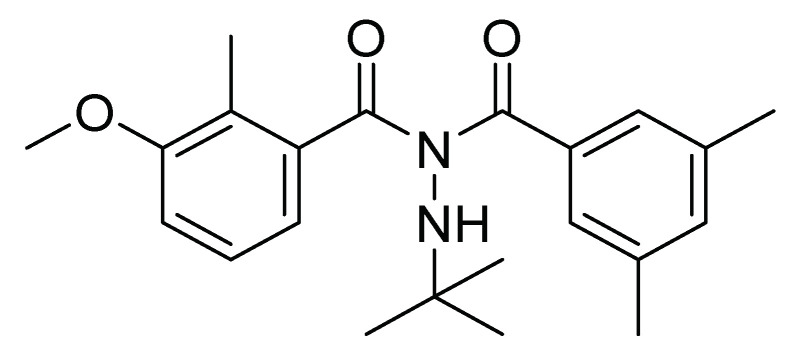
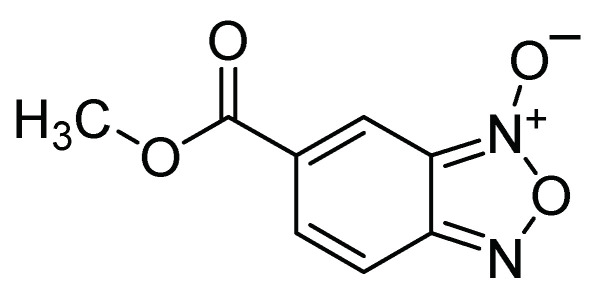
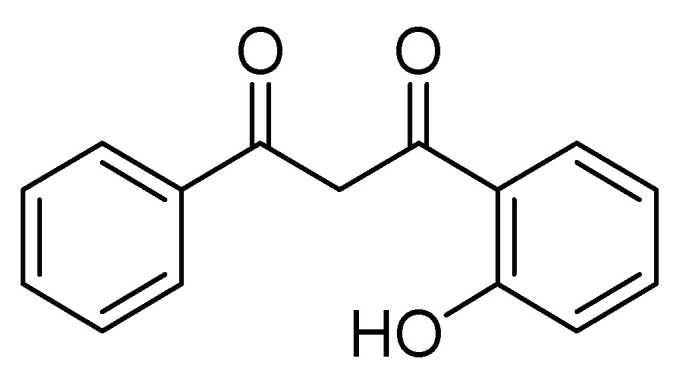
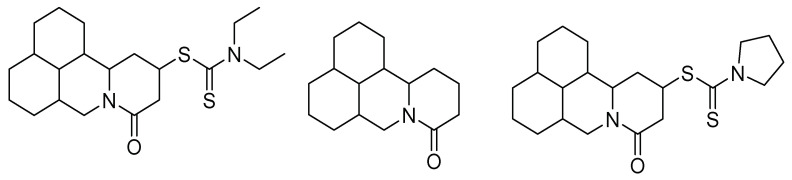
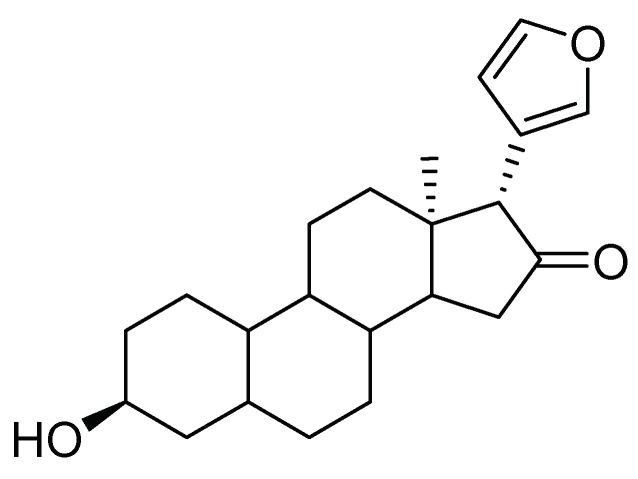
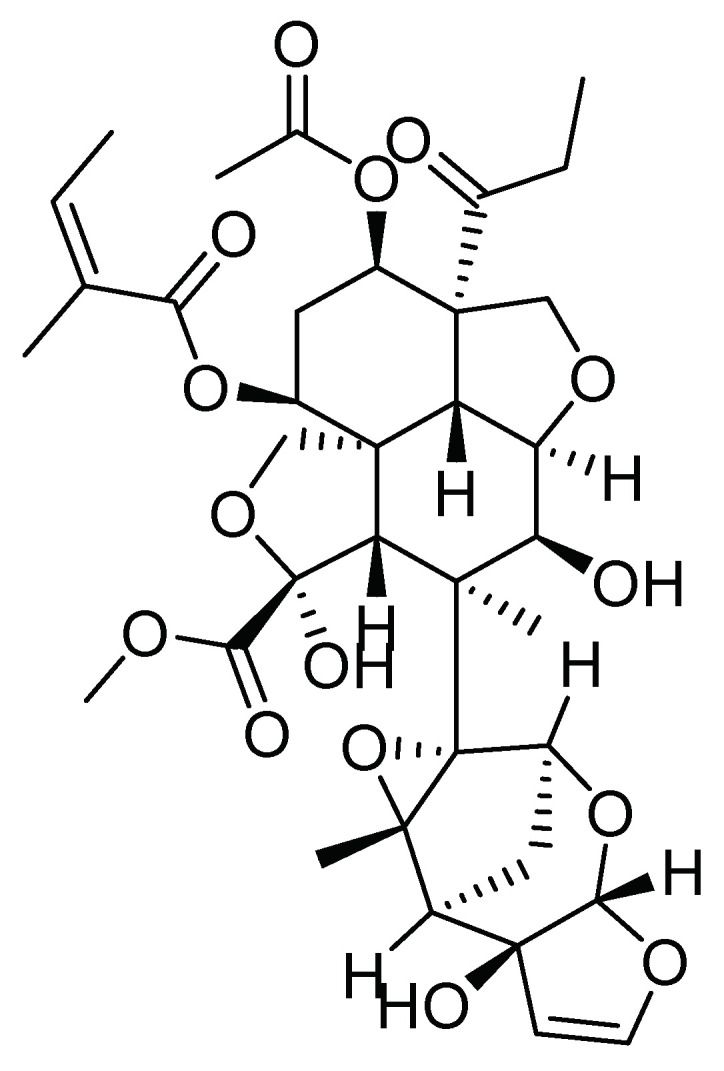
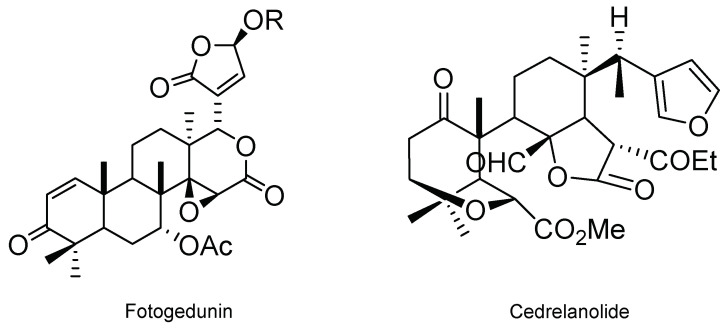
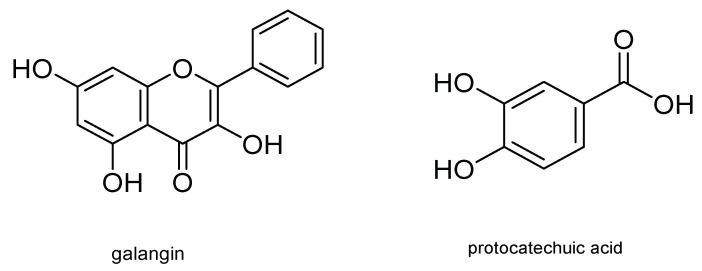
Verification
Claims the paper makes
The claims and statistics of this paper haven’t been checked yet.
Run the check — free, no account needed. It reads the open-access text and checks the sources it cites.
Claims other papers make about this one
Each is checked against this paper’s own text: does it say what the citing paper says it does?
The source backs part of the claim, not all of it — or backs it for a different population, condition or comparison.
In the citing paper
“Current measures for the management of FAW are ineffective due to its high fecundity and mobility, and its high physiological and behavioral plasticity15.”
From Atmospheric cold plasma alters plant traits and negatively affects the growth and development of fall armyworm in rice (2025) · cites this paper as [15]
Experimental — accuracy not yet measured
Self-check
Percentages, sums and reported differences re-computed from the paper’s own numbers.
The self-check needs the paper’s full text.
Citations
The citation lists haven’t been fetched yet
References 90 · Cited by 164
Research works printed but not linked: 15
- Cordeiro, 2005, Efficiency of insecticides in the control of Spodoptera frugiperda (J. E. Smith 1797) (Lepidoptera: Noctuidae) on cotton crop, Pesqui. Agropecu. Trop., 35, 179
- Zamora, 2008, Activity of several biorational insecticides against the fall armyworm, Rev. Fitotec. Mex., 31, 35
- Franco, 2006, Toxic effect of seeds of four varieties of Carica papaya (Caricaceae) en Spodoptera frugiperda (Lepidoptera: Noctuidae), Fol. Entomol. Mex., 45, 171
- Murillo, 2013, Antifeedant activity of secondary metabolites of citrus waste on Spodoptera frugiperda (Lepidoptera: Noctuidae), Rev. Colomb. Entomol., 39, 113
- 2008, Determination of the DL50 y TL50 ethanol’s extracts of celular suspensions from Azadirachta indica over Spodoptera frugiperda, Revista Facultad Nacional de Agronomía Medellín, 61, 4564
- Padua, 2008, Piper tuberculatum Jacq. (Piperaceae) extract activity against Spodoptera frugiperda (J. E. Smith), Rev. Cienc. Agron., 39, 437
- Ochoa, 2009, Bacillus thuringiensis: Advances and perspectives in the biological control of Aedes aegypti, Boletin de Malariologóa y Salud Ambiental, 59, 181
- 2014, Evaluation of the toxicity of bioinsecticides and biorationals in the control of Spodoptera frugiperda (Lepidoptera: Noctuidae) in the state of Durango, Entomol. Mex., 1, 196
- Lezama, 2005, Effect of entomopathogen fungus Metarhizium anisopliae on the control of the cogollero corn worm in the field, Av. Investig. Agropecu., 9, 1
- Villamizar, 2004, Development of pre formulated products based on Nomuraea rileyi for control of Spodoptera frugiperda (Lepidoptera: Moctuidae), Rev. Col. Ento., 30, 1
- Camacho, 2013, Effect of temperature and two drying processes on the insecticidal activity of a nucleopolyhedrovirus of Spodoptera frugiperda, Rev. Mex. Ing. Quim., 12, 437
- Bosa, 2004, Evaluation of natíve isolates of Nomuraea rileyi for the control of Spodoptera frugiperda (Lepidoptera: Noctuidae), Rev. Colomb. Entomol., 30, 1
- Murillo, 2014, Predation of Spodoptera frugiperda (Lepidoptera: Noctuidae) eggs in cotton and corn in El Espinal, Tolima, Co-lombia, Rev. Colomb. Entomol., 40, 63
- Gebreziher, 2020, Review on management methods of fall armyworm (Spodoptera frugiperda JE Smith) in Sub-Saharan Africa, Int. J. Entomol. Res., 5, 9
- Winsou, 2021, Assessing new scouting approaches for field sampling of Spodoptera frugiperda and its parasitoids, Proceedings, 68, 1
Metadata
- Authors
- Paredes-Sánchez, F. A., Rivera, G., Bocanegra-García, V., Martínez-Padrón, H. Y., Berrones-Morales, M., Niño-García, N., & Herrera-Mayorga, V.
- Affiliations
- Unidad Académica Multidisciplinaria Mante, Universidad Autónoma de Tamaulipas, El Mante 89840, Tamaulipas, Mexico
- Instituto Politécnico Nacional (MX)
- Centro de Biotecnología Genómica, Instituto Politécnico Nacional, Reynosa 88710, Tamaulipas, Mexico
- Subdirección de Enseñanza e Investigación, Hospital Regional de Alta Especialidad de Ciudad Victoria “Bicentenario 2010”, Cd. Victoria 87087, Tamaulipas, Mexico
- Autonomous University of Tamaulipas (MX)
- Corresponding author
- Herrera-Mayorga, Verónica
- ORCID
- Venue
- Molecules
- Publisher
- MDPI AG
- Published
- 2021-09-15
- Volume
- 26
- Issue
- 18
- Pages
- 5587
- ISSN
- 1420-3049 (ISSN-L)
- PMC
- PMC8471127
- OpenAlex
- W3199534752
- Cited by
- 164
- References
- 90
- Citations by year
- 2026: 32 · 2025: 28 · 2024: 43 · 2023: 31 · 2022: 28 · 2021: 2
- FWCI
- 2.50
- Type
- journal article
- Language
- en
- Open access
- gold
- doi.org
- Licence
- Locations
- Molecules (publishedVersion, cc-by)
- Europe PMC (PubMed Central) (publishedVersion, other-oa)
- PubMed Central (publishedVersion, cc-by)
- PubMed (publishedVersion)
- DOAJ (DOAJ: Directory of Open Access Journals) (submittedVersion, cc-by-sa)
- Funders
- Universidad Autónoma de Tamaulipas
- Topics
- Life Sciences › Agricultural and Biological Sciences › Plant Science › Insect Pest Control Strategies
- Life Sciences › Agricultural and Biological Sciences › Insect Science › Insect Pheromone Research and Control
- Life Sciences › Biochemistry, Genetics and Molecular Biology › Molecular Biology › Insect Resistance and Genetics
- Keywords
- Spodoptera frugiperda, insect pest control, insecticide resistance, botanical insecticides, antifeedants, repellents, ovicide, biological control, entomopathogenic bacteria, baculovirus, entomopathogenic fungi, parasitoids, sex pheromone, pest monitoring, environmentally friendly pesticides
- MeSH terms
- Animals, Insecticides, Pest Control, Biological, Plant Extracts, Spodoptera, Biological Control Agents
About these checks
Registry, retraction, Cites and statistics results are computed, not judged, with one exception: a printed reference that no index lists is read once by a model before it counts as a citation error. Claims are extracted by a model and kept only when their quote appears verbatim in the text; each cited source is then checked, with a model’s help, for whether it says what the claim relies on. Those verdicts can be wrong — read the claim’s quote and the cited source before relying on one.
Statistics and arithmetic are recomputed, not judged.
Confidence bands are shown only for fields calibrated on our annotated test set. None is calibrated yet, so no band is shown.
What counts as a claim ›How we measure confidence ›How we check this ›
Are you an author, or do you see a problem with this page? Request a review
How to cite
Cite CoChat for the checks on this page, and the paper for its own findings.
- This page
- CoChat. (2026). Citation check: Advances in Control Strategies against Spodoptera frugiperda. A Review. https://app.cochat.ai/papers/10.3390/molecules26185587
- The paper
- Paredes-Sánchez, F. A., Rivera, G., Bocanegra-García, V., Martínez-Padrón, H. Y., Berrones-Morales, M., Niño-García, N., & Herrera-Mayorga, V. (2021). Advances in Control Strategies against Spodoptera frugiperda. A Review. Molecules. https://doi.org/10.3390/molecules26185587
