

The DOI matches its Crossref record; 41 of the 41 references it cites were found in a registry or an index.
Isoquinoline Alkaloid Contents in Macleaya cordata Extracts and Their Acetylcholinesterase and Butyrylcholinesterase Inhibition
Open accessAbstract
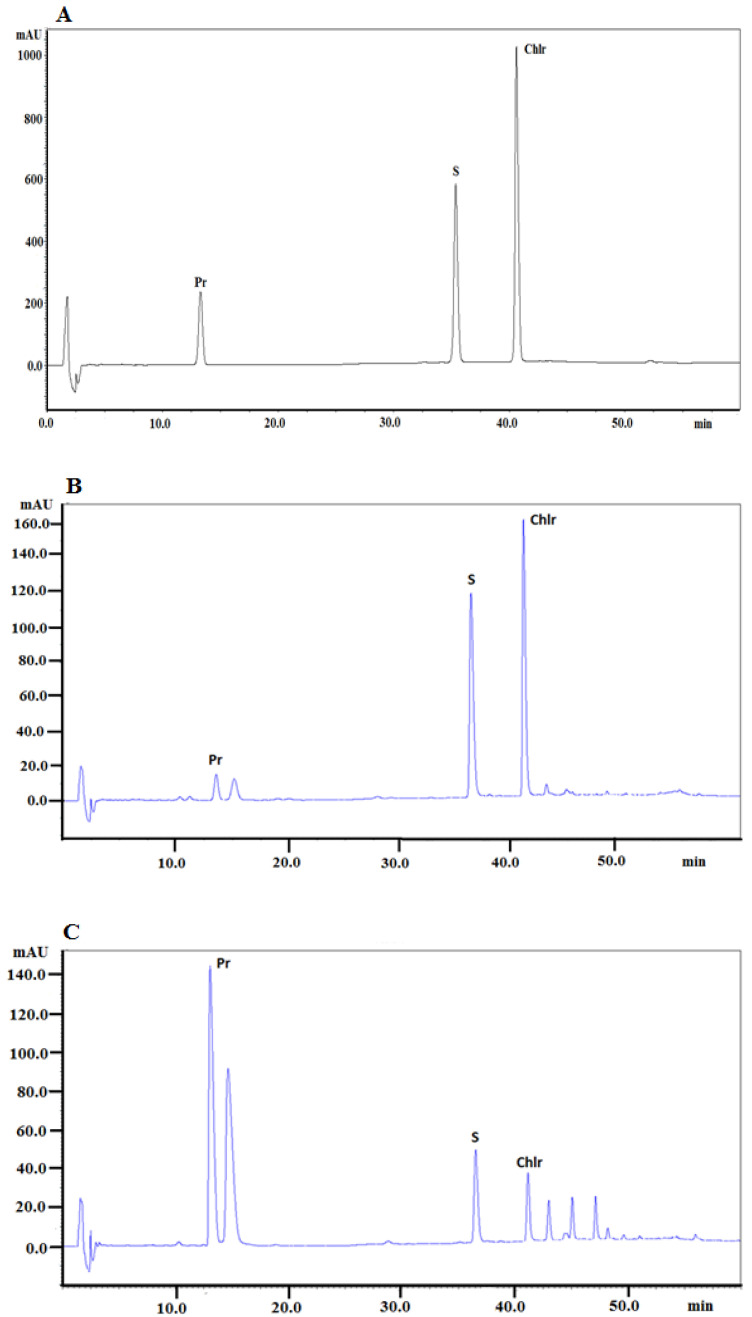
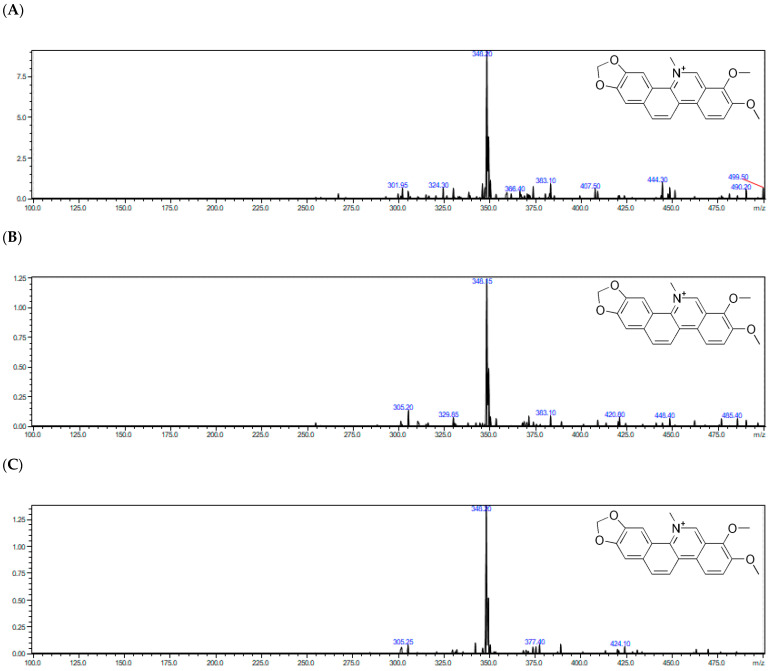
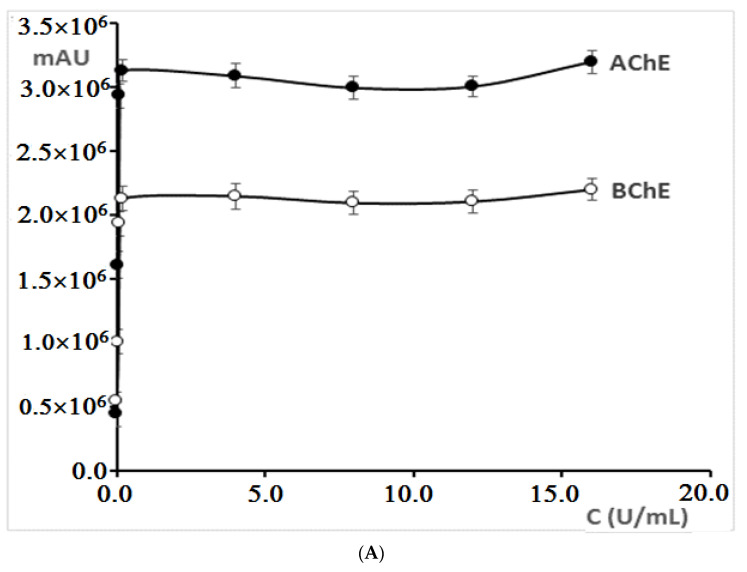
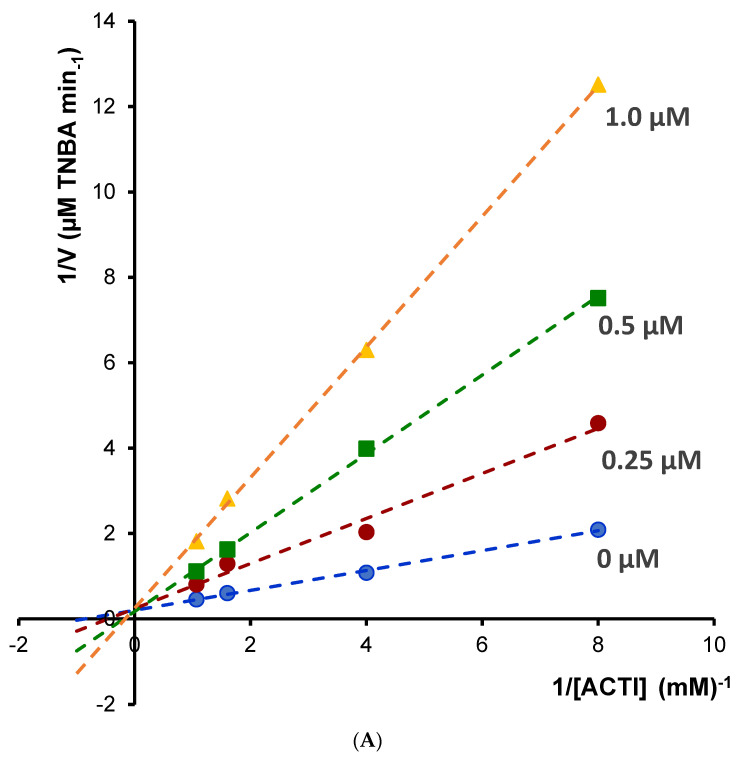
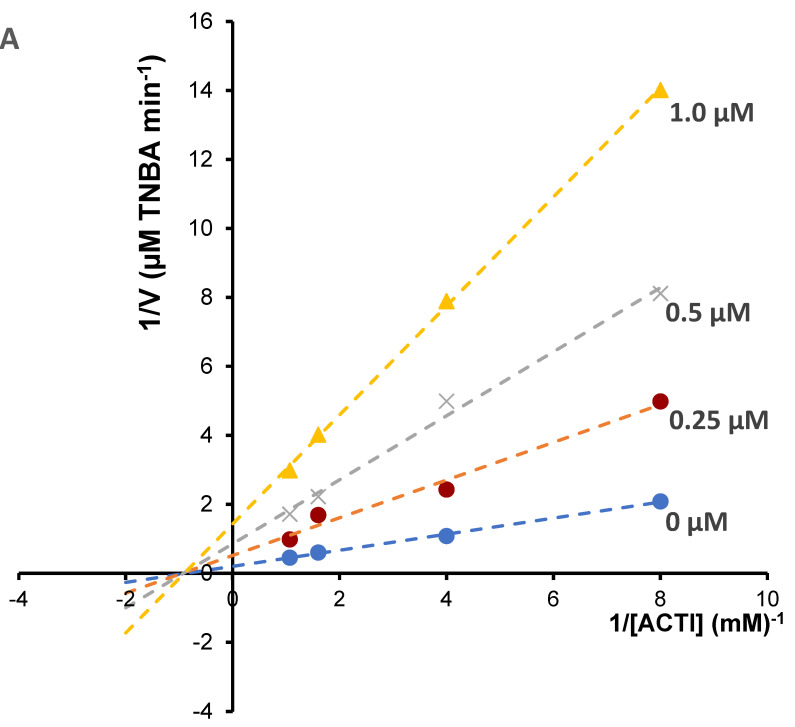
An important strategy for treating neurodegenerative disorders is to maintain the levels of acetylcholine in the synaptic cleft by blocking the cholinesterases. Searching for new effective compounds with inhibited acetylcholinesterase and butyrylcholinesterase activity is one of the most significant challenges of the modern scientific research. The aim of this study was the optimization of the condition for cholinesterase activity determination by high-performance liquid chromatography coupled with diode array detector (HPLC-DAD) in terms of concentrations of enzymatic reaction mixture components, temperature of incubation, and incubation time. In vitro investigation of acetylcholinesterase and butyrylcholinesterase activity inhibition by some isoquinoline alkaloids and extracts obtained from the aerial part and roots of Macleaya cordata collected in May, July, and September. Acetylcholinesterase and butyrylcholinesterase activity inhibition of the extracts obtained from the plant had not been tested previously. The application of the HPLC method allowed eliminating absorption of interfering components, for example, alkaloids such as sanguinarine and berberine. The HPLC method was successfully applied for the evaluation of the acetylcholinesterase inhibitory activity in samples such as plant extracts, especially those containing colored components adsorbing at the same wavelength as the adsorption wavelength of 5-thio-2-nitro-benzoic acid, which is the product of the reaction between thiocholine (product of the hydrolysis of acetyl/butyrylthiocholine reaction) with Ellman’s reagent. Moreover, liquid chromatography coupled with a triple quadrupole mass spectrometer (LC–QqQ–ESI–MS/MS) analysis allowed evaluating the identification of relevant bioactive compounds in the obtained plant extracts. The investigated alkaloids, especially sanguinarine and chelerythrine, and all the Macleaya cordata extracts, especially the extract obtained from the aerial part collected in May, exhibited very high cholinesterase activity inhibition. HPLC-DAD was also applied for the kinetics study of the most active alkaloids sanguinarine and chelerythrine. Our investigations demonstrated that these plant extracts can be recommended for further in vivo experiments to confirm their cholinesterase inhibition activity.
Overview
The claims and statistics of this paper haven’t been checked yet.
Run the check — free, no account needed. It reads the open-access text and checks the sources it cites.
Integrity signals
Registry
Cites
Statistics
Figures
Verification
Claims the paper makes
The claims and statistics of this paper haven’t been checked yet.
Run the check — free, no account needed. It reads the open-access text and checks the sources it cites.
Claims other papers make about this one
Each is checked against this paper’s own text: does it say what the citing paper says it does?
The source backs part of the claim, not all of it — or backs it for a different population, condition or comparison.
In the citing paper
“While AChE is primarily responsible for terminating cholinergic neurotransmission, BChE has been shown to hydrolyze ACh as well, albeit with lower catalytic efficiency [89].”
From Cholinesterase Inhibitors from Plants and Their Potential in Alzheimer’s Treatment: Systematic Review (2025) · cites this paper as [89]
Experimental — accuracy not yet measured
Self-check
Percentages, sums and reported differences re-computed from the paper’s own numbers.
The self-check needs the paper’s full text.
Citations
Cites
Sanguinarine and chelerythrine: assessment of safety on pigs in ninety days feeding experiment
Kosina, P., Daniela Walterová, B., Jitka Ulrichová, A., Lichnovský, V., Stiborová, M., Dračínská, H., Vičar, J., Krecman, V., Brabec, M. J., & Šimánek, V. (2003) · Food and Chemical Toxicology · doi:10.1016/j.fct.2003.08.007 · Cited by 179
Plazas, E., Hagenow, S., Murillo, M. C. Á., Stark, H., & Suárez, L. E. C. (2020) · Bioorganic Chemistry · doi:10.1016/j.bioorg.2020.103722 · Cited by 67
Hulcová, D., Maříková, J., Korábečný, J., Hošťálková, A., Jun, D., Kuneš, J., Chlebek, J., Opletal, L., Simone, A. D., Nováková, L., et al. (2019) · Phytochemistry · doi:10.1016/j.phytochem.2019.112055 · Cited by 61
Othman, W. N. N. W., Liew, S. Y., Khaw, K. Y., Murugaiyah, V., Litaudon, M., & Awang, K. (2016) · Bioorganic & Medicinal Chemistry · doi:10.1016/j.bmc.2016.07.043 · Cited by 60
Chemistry and Biological Activity of Alkaloids from the Genus Lycoris (Amaryllidaceae)
Cahlíková, L., Breiterova, K. H., & Opletal, L. (2020) · Molecules · doi:10.3390/molecules25204797 · Cited by 55
Cortés, N., Sierra, K., Álzate, F., Osorio, E. H., & Osorio, E. (2017) · Phytochemical Analysis · doi:10.1002/pca.2736 · Cited by 49
Plazas, E., Casoti, R., Murillo, M. C. Á., Costa, F. B. D., & Suárez, L. E. C. (2019) · Phytochemistry · doi:10.1016/j.phytochem.2019.112128 · Cited by 46
Ka, S., Masi, M., Mérindol, N., Lecce, R. D., Plourde, M. B., Seck, M., Górecki, M., Pescitelli, G., Desgagné‐Penix, I., & Evidente, A. (2020) · Phytochemistry · doi:10.1016/j.phytochem.2020.112390 · Cited by 46
Petruczynik, A., Plech, T., Tuzimski, T., Misiurek, J., Kaproń, B., Misiurek, D., Szultka‐Młyńska, M., Buszewski, B., & Waksmundzka‐Hajnos, M. (2019) · Toxins · doi:10.3390/toxins11100575 · Cited by 43
Self-citationMamun, A. A., Maříková, J., Hulcová, D., Janoušek, J., Šafratová, M., Nováková, L., Kučera, T., Hrabinová, M., Kuneš, J., Korábečný, J., et al. (2020) · Biomolecules · doi:10.3390/biom10050800 · Cited by 43
Choy, C., Cheah, K.-P., Chiou, H., Li, J.-S., Liu, Y., Yong, S.-F., Chiu, W., Liao, J., & Hu, C. (2008) · Journal of Applied Toxicology · doi:10.1002/jat.1360 · Cited by 42
Hussain, H., Ahmad, S., Shah, S. W. A., Ullah, A., Ali, N., Almehmadi, M. M., Ahmad, M., Khalil, A. A. K., Jamal, S. B., Ahmad, H., et al. (2022) · Molecules · doi:10.3390/molecules27082468 · Cited by 42
Chlebek, J., Novák, Z., Kassemová, D., Šafratová, M., Kostelník, J., Malý, L., Ločárek, M., Opletal, L., Hošťálková, A., Hrabinová, M., et al. (2016) · Chemistry & Biodiversity · doi:10.1002/cbdv.201500033 · Cited by 41
Bonesi, M., Loizzo, M. R., Conforti, F., PASSALACQUA, N. G., Saab, A. M., Menichini, F., & Tundis, R. (2013) · Journal of Pharmacy and Pharmacology · doi:10.1111/jphp.12172 · Cited by 40
Hussain, H., Ahmad, S., Shah, S. W. A., Ghias, M., Ullah, A., Rahman, S. U., Kamal, Z., Khan, F. A., Khan, N. M., Muhammad, J., et al. (2021) · Molecules · doi:10.3390/molecules26237168 · Cited by 40
Alkaloids from Cryptocarya densiflora Blume (Lauraceae) and their cholinesterase inhibitory activity
Othman, W. N. N. W., Sivasothy, Y., Liew, S. Y., Mohamad, J., Nafiah, M. A., Ahmad, K., Litaudon, M., & Awang, K. (2017) · Phytochemistry Letters · doi:10.1016/j.phytol.2017.07.002 · Cited by 39
Cholinesterase inhibitory isoquinoline alkaloids from Corydalis mucronifera
Zhang, J., Zhang, C., Xu, F., Quesheng, Zhang, Q., Tu, P., & Liang, H. (2019) · Phytochemistry · doi:10.1016/j.phytochem.2018.11.019 · Cited by 36
Landino, L. M., Mall, C. B., Nicklay, J. J., Dutcher, S. K., & Moynihan, K. L. (2007) · Nitric Oxide · doi:10.1016/j.niox.2007.09.087 · Cited by 28
Zhou, B., Li, H., Cui, Z., Li, D., Geng, H., Gao, J., & Zhou, L. (2020) · European Journal of Medicinal Chemistry · doi:10.1016/j.ejmech.2020.112415 · Cited by 28
Selective dual cholinesterase inhibitors from Aconitum laeve
Ahmad, H., Ahmad, S., Shah, S. A. A., Khan, H. U., Khan, F. A., Ali, M., Latif, A., Shaheen, F., & Ahmad, M. (2017) · Journal of Asian Natural Products Research · doi:10.1080/10286020.2017.1319820 · Cited by 23
Li, S., Liu, C., Liu, C., & Zhang, Y. (2017) · Journal of Chromatography B · doi:10.1016/j.jchromb.2017.07.019 · Cited by 23
Cassiano, D. S. A., Reis, I. M. A., Estrela, I. D. O., de Freitas, H. F., Pita, S. S. D. R., David, J. M., & Branco, A. (2019) · Computational Biology and Chemistry · doi:10.1016/j.compbiolchem.2019.107129 · Cited by 22
Odorcyk, F. K., Sanches, E. F., Nicola, F. C., de Moraes, J. R. W., Pettenuzzo, L. F., Kolling, J., Siebert, C., Longoni, A., Konrath, E. L., Wyse, Â. T. D. S., et al. (2016) · Neurochemical Research · doi:10.1007/s11064-016-2107-6 · Cited by 21
Klein‐Júnior, L. C., Viaene, J., Tuenter, E., Salton, J., de Gasper, A. L., Apers, S., Andries, J. P. M., Pieters, L. A. C., Henriques, A. T., & Heyden, Y. V. (2016) · Journal of Chromatography A · doi:10.1016/j.chroma.2016.08.005 · Cited by 20
A new pyrrole alkaloid from the roots of Cissampelos pareira
Rukachaisirikul, T., Kumjun, S., Suebsakwong, P., Apiratikul, N., & Suksamrarn, A. (2019) · Natural Product Research · doi:10.1080/14786419.2019.1614576 · Cited by 19
Freitas, T. R., Danuello, A., Viegas, C., Bolzani, V. D. S., & Pivatto, M. (2018) · Rapid Communications in Mass Spectrometry · doi:10.1002/rcm.8172 · Cited by 18
Yuan, Y., Zhao, M., Riffault-Valois, L., Ennahar, S., Bergaentzlé, M., & Marchioni, E. (2019) · Journal of Chromatography A · doi:10.1016/j.chroma.2019.460506 · Cited by 16
Xin-yue, W., Liang, Q., Chen, H., & Zhou, X. (2018) · Chemical Papers · doi:10.1007/s11696-018-0459-x · Cited by 14
Zhang, J., Zhao, S.-S., Xie, J., Yang, J., Chen, G., Hu, D., Zhang, W., Wang, C., Yao, X., & Gao, H. (2020) · Bioorganic Chemistry · doi:10.1016/j.bioorg.2020.104043 · Cited by 13
Centeno-Betanzos, L. Y., Reyes‐Chilpa, R., Pigni, N. B., Jankowski, C. K., Torras‐Claveria, L., & Bastida, J. (2021) · Chemistry & Biodiversity · doi:10.1002/cbdv.202000834 · Cited by 13
Sándor, R., Midlik, A., Šebrlová, K., Dovrtělová, G., Nosková, K., Juřica, J., Slaninová, I., Táborská, E., & Peš, O. (2016) · Journal of Pharmaceutical and Biomedical Analysis · doi:10.1016/j.jpba.2016.01.024 · Cited by 12
Patil, D. N., Yadav, S. R., Patil, S. A., Bapat, V. A., & Jadhav, J. P. (2020) · Journal of the American College of Nutrition · doi:10.1080/07315724.2019.1709914 · Cited by 12
de Paiva, J. R., Souza, A. S. D. Q., Pereira, R. D. C. A., Ribeiro, P. R. V., Filho, E. G. A., Silva, L. K. D. F., Zocolo, G. J., de Brito, E. S., Alves, D. R., de Morais, S. M., et al. (2021) · Phytochemistry Letters · doi:10.1016/j.phytol.2021.03.004 · Cited by 12
Correa, D. I., Pastene, E., Bustamante-Salazar, L. A., Baeza, M., & Alarcón, J. (2020) · Metabolites · doi:10.3390/metabo10080309 · Cited by 11
Anti-cholinergic activities of Turkish Corydalis DC. species
Kılıç, M., Şener, B., & Kaya, E. (2021) · Phytochemistry Letters · doi:10.1016/j.phytol.2021.08.006 · Cited by 11
Petruczynik, A., Misiurek, J., Tuzimski, T., & Waksmundzka‐Hajnos, M. (2017) · Journal of AOAC International · doi:10.5740/jaoacint.17-0211 · Cited by 10
Self-citationA new diterpenoid alkaloid from Aconitum hemsleyanum
Luo, Z., Chen, Y., Sun, X., Fan, H., Li, W., Deng, L., & Yin, T. (2019) · Natural Product Research · doi:10.1080/14786419.2018.1560292 · Cited by 10
Li, X., Dong, J., Gan, D., Zhou, D.-J., Cai, X.-Y., Cai, L., & Ding, Z. (2019) · Natural Product Research · doi:10.1080/14786419.2019.1608542 · Cited by 10
Shawky, E., Sohafy, S. M. E., de Andrade, J. P., & Borges, W. D. S. (2019) · Natural Product Research · doi:10.1080/14786419.2019.1598989 · Cited by 9
Adessi, T. G., Borioni, J. L., Pigni, N. B., Bastida, J., Cavallaro, V., Murray, A. P., Puiatti, M., Oberti, J. C., Segundo Leiva, G., Nicotra, V. E., et al. (2019) · Chemistry & Biodiversity · doi:10.1002/cbdv.201800662 · Cited by 8
Huang, Y., Wang, T., Wang, J., Yin, G., & Tu, J. (2020) · Journal of Liquid Chromatography & Related Technologies · doi:10.1080/10826076.2020.1745229 · Cited by 4
Cited by
ALNasser, M. N., Alboraiy, G. M., Alsowig, E. M., & Alqattan, F. M. (2025) · Brain Sciences · doi:10.3390/brainsci15020215 · Cited by 35
Medicinal Plants - Chemical, Biochemical, and Pharmacological Approaches
de Oliveira, M. S., Andrade, E. H. D. A., Kumar, R., & Mali, S. N. (2023) · IntechOpen eBooks · doi:10.5772/intechopen.107682 · Cited by 17
Sayğı, T. K., Tan, N., Toraman, G. Ö. A., Ünsal, Ç., Tuğay, O., & Topçu, G. (2023) · Pharmaceutical Biology · doi:10.1080/13880209.2023.2218881 · Cited by 11
Tuzimski, T., Petruczynik, A., Kaproń, B., Plech, T., Makuch‐Kocka, A., Janiszewska, D., Sugajski, M., Buszewski, B., & Szultka‐Młyńska, M. (2024) · Molecules · doi:10.3390/molecules29051048 · Cited by 9
Self-citationŞenol, F. S., Salmas, R. E., Emerce, E., Şener, B., & Orhan, İ. E. (2023) · CNS & Neurological Disorders - Drug Targets · doi:10.2174/1871527322666230417083053 · Cited by 8
Metadata
- Authors
- Tuzimski, T., Petruczynik, A., Szultka-Młyńska, M., Sugajski, M., & Buszewski, B.
- Affiliations
- Medical University of Lublin (PL)
- Department of Environmental Chemistry and Bioanalytics, Faculty of Chemistry, Nicolaus Copernicus University, Gagarina 7, 87-100 Torun, Poland
- Nicolaus Copernicus University (PL)
- Corresponding author
- Tuzimski, Tomasz
- Petruczynik, Anna
- ORCID
- Venue
- Molecules
- Publisher
- MDPI AG
- Published
- 2022-06-03
- Volume
- 27
- Issue
- 11
- Pages
- 3606
- ISSN
- 1420-3049 (ISSN-L)
- PMC
- PMC9182188
- OpenAlex
- W4281674146
- Cited by
- 21
- References
- 41
- Citations by year
- 2026: 2 · 2025: 7 · 2024: 5 · 2023: 6 · 2022: 1
- FWCI
- 2.84
- Type
- journal article
- Language
- en
- Open access
- gold
- doi.org
- Licence
- Locations
- Molecules (publishedVersion, cc-by)
- PubMed Central (publishedVersion, cc-by)
- PubMed (publishedVersion)
- DOAJ (DOAJ: Directory of Open Access Journals) (submittedVersion, cc-by-sa)
- Topics
- Health Sciences › Medicine › Pharmacology (medical) › Cholinesterase and Neurodegenerative Diseases
- Life Sciences › Agricultural and Biological Sciences › Plant Science › Phytochemistry and Biological Activities
- Health Sciences › Medicine › Complementary and alternative medicine › Medicinal Plants and Neuroprotection
- Keywords
- Macleaya cordata, isoquinoline alkaloids, acetylcholinesterase inhibition, butyrylcholinesterase inhibition, sanguinarine, chelerythrine, Ellman's reagent, neurodegenerative diseases, plant extracts, aerial parts, roots
- MeSH terms
- Acetylcholinesterase, Alkaloids, Antineoplastic Agents, Butyrylcholinesterase, Cholinesterase Inhibitors, Isoquinolines, Plant Extracts, Papaveraceae, Tandem Mass Spectrometry
About these checks
Registry, retraction, Cites and statistics results are computed, not judged, with one exception: a printed reference that no index lists is read once by a model before it counts as a citation error. Claims are extracted by a model and kept only when their quote appears verbatim in the text; each cited source is then checked, with a model’s help, for whether it says what the claim relies on. Those verdicts can be wrong — read the claim’s quote and the cited source before relying on one.
Statistics and arithmetic are recomputed, not judged.
Confidence bands are shown only for fields calibrated on our annotated test set. None is calibrated yet, so no band is shown.
What counts as a claim ›How we measure confidence ›How we check this ›
Are you an author, or do you see a problem with this page? Request a review
Data sources
Bibliographic data: Semantic Scholar, OpenAlex, Crossref.
Contains information from the Semantic Scholar Academic Graph Datasets, made available under the ODC Attribution License (ODC-BY 1.0).
Semantic Scholar’s data is described in: Kinney, R., et al. (2023). The Semantic Scholar Open Data Platform. arXiv:2301.10140.
