

The DOI matches its Crossref record.
S-(+)-Carvone, a Monoterpene with Potential Anti-Neurodegenerative Activity—In Vitro, In Vivo and Ex Vivo Studies
Abstract
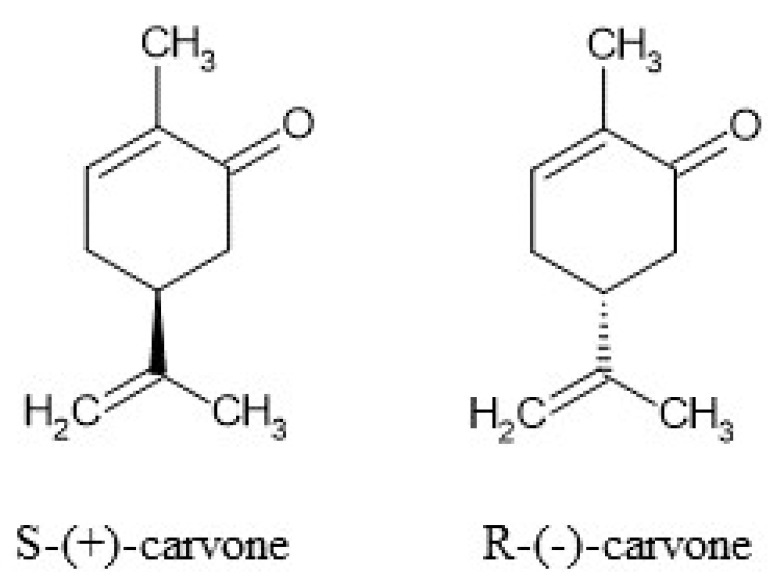
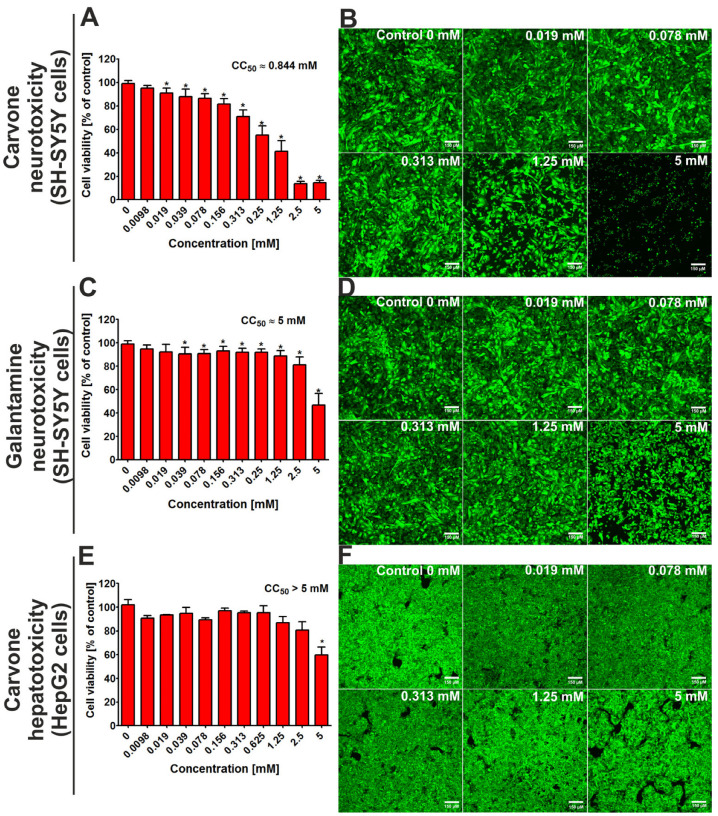
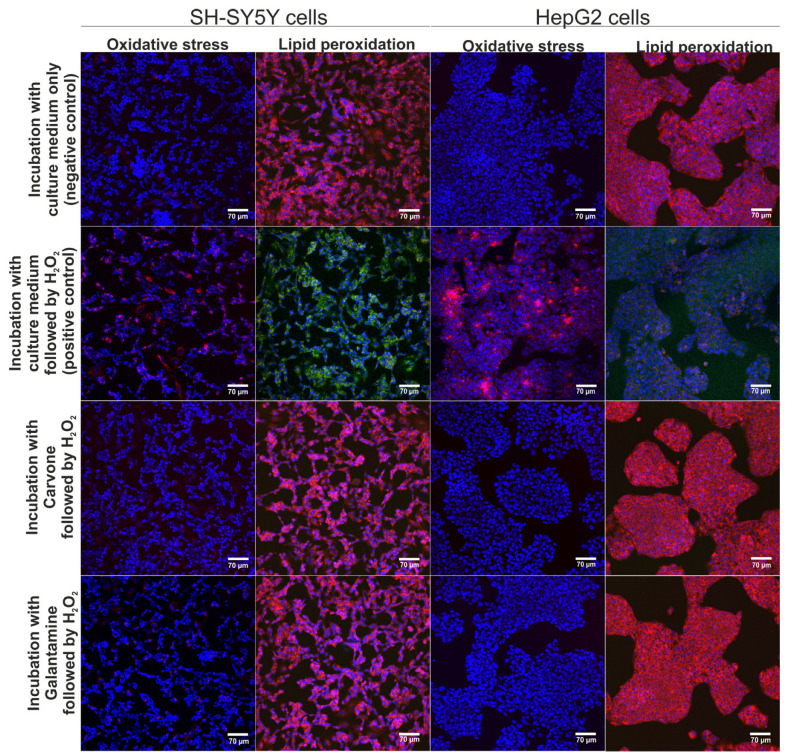
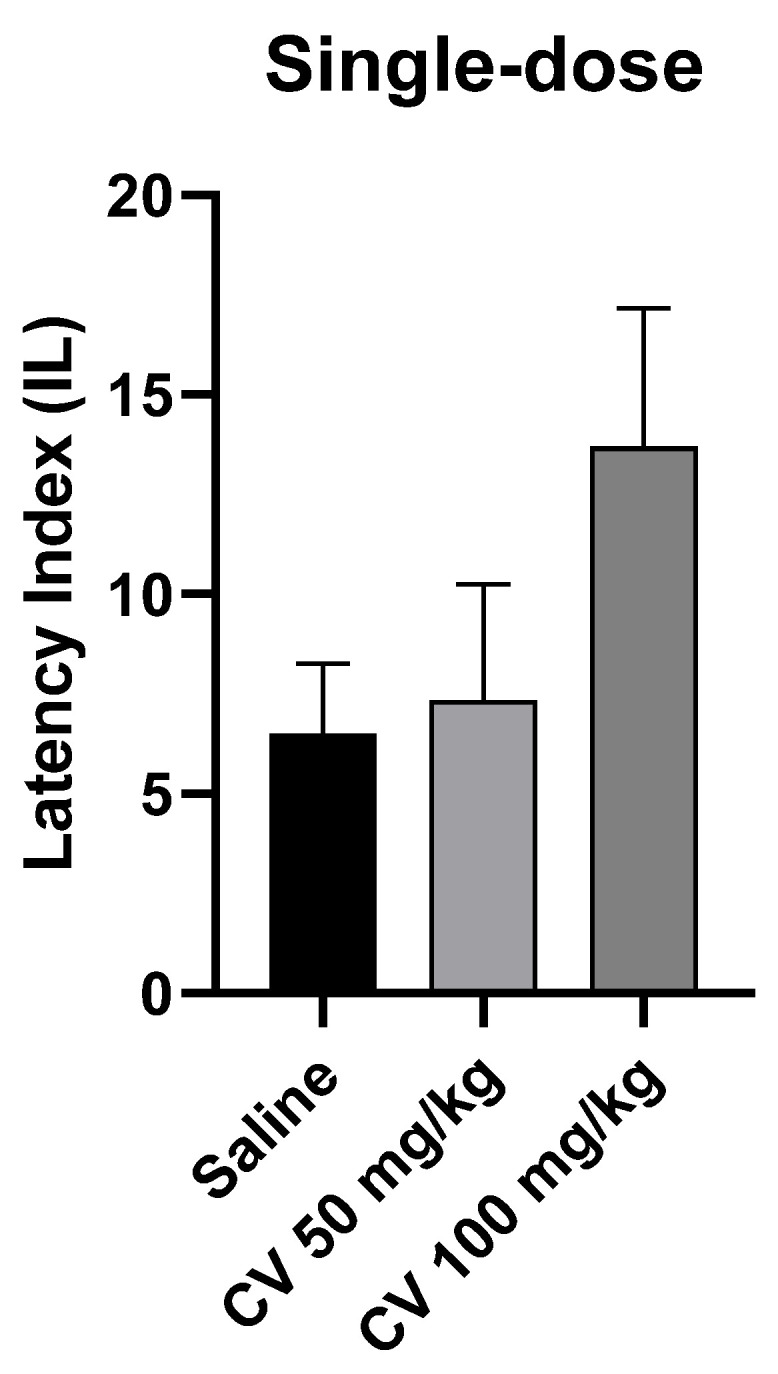
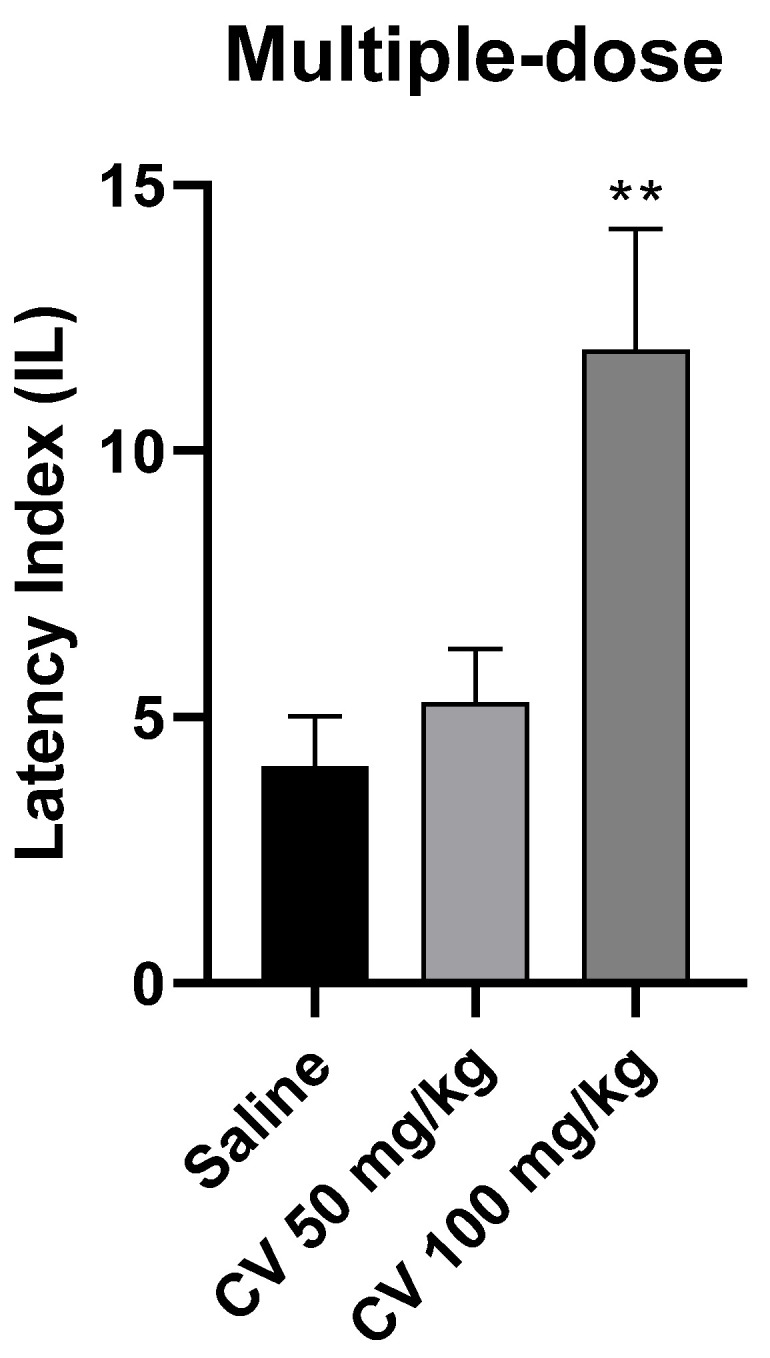
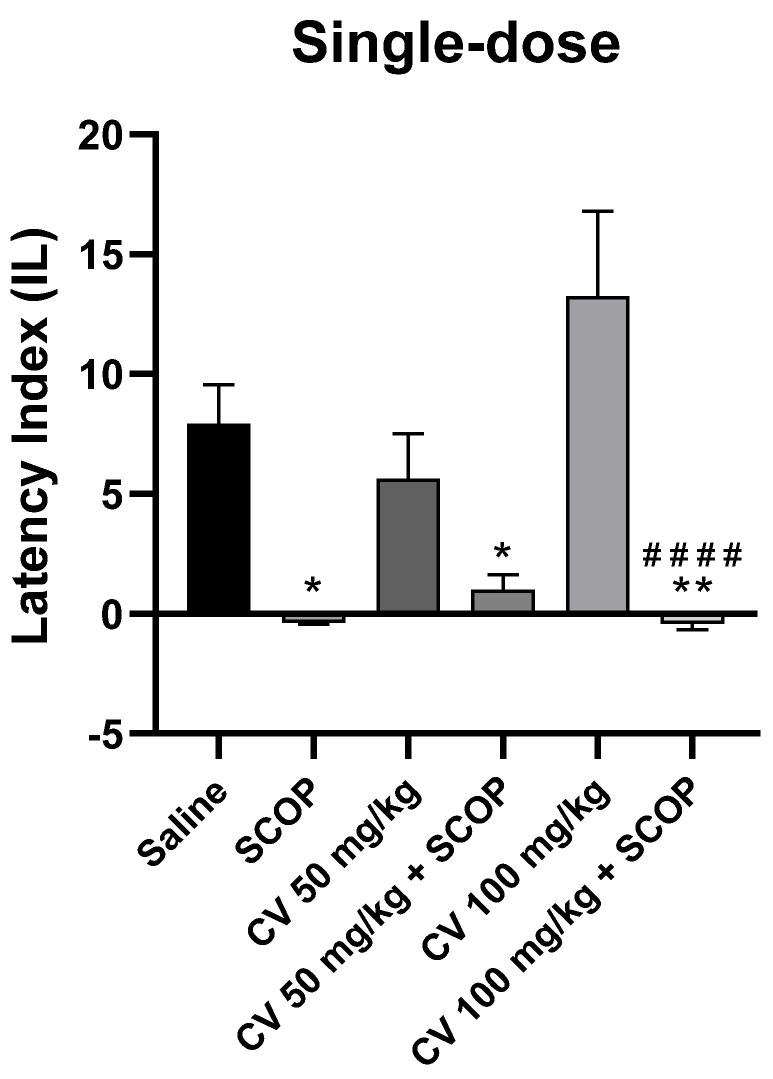
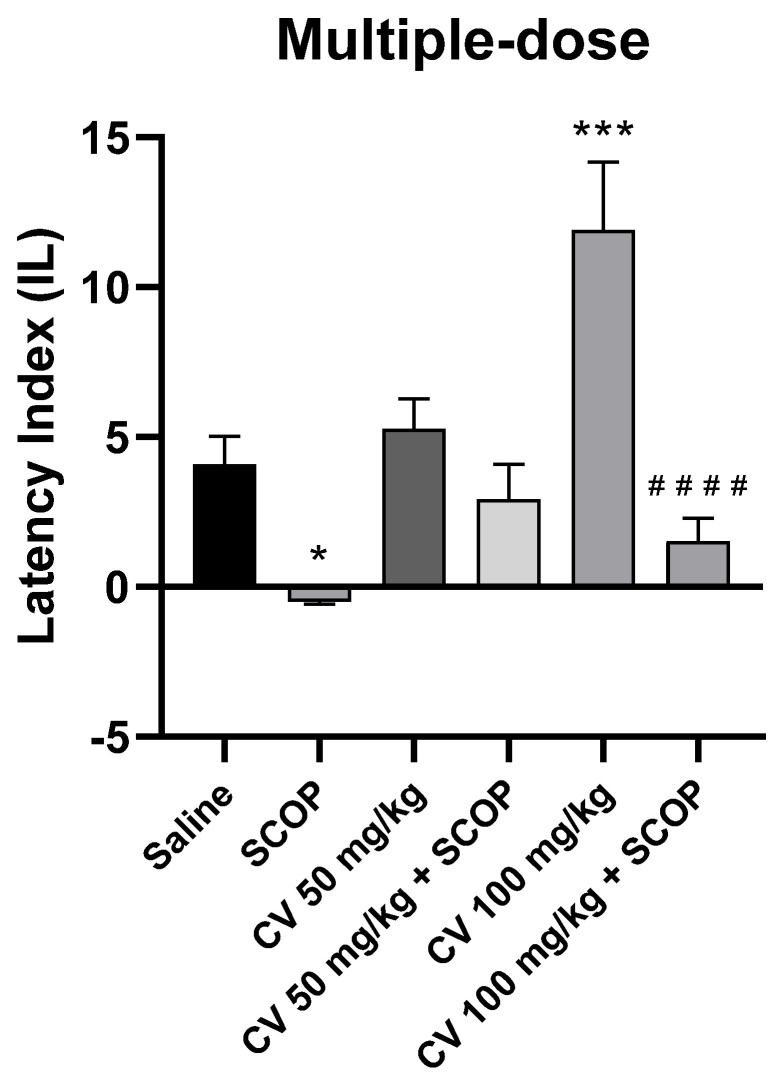
Carvone, a natural monoterpene, has been identified in various plants, giving them a characteristic scent. Enantiomers (R-(–) and S-(+)) reveal specific biological activities that are successfully used in traditional medicine for their antifungal, antibacterial, antiparasitic, and anti-influenza properties. The presented paper is based on S-(+)-carvone, characterized by a specific caraway scent, which revealed rich biological activities both in vitro and in vivo. Thus, the aim of the study was to evaluate the potential anti-neurodegenerative activity of S-(+)-carvone, including in vitro experiments (butyrylcholinesterase inhibitory, neuro- and hepatotoxicity as well as neuro- and hepatoprotective activity), in vivo (memory acquisition, locomotor activity), and ex vivo (determination of S-(+)-carvone’s level in tissues collected from mice). Results revealed the multidirectional character of S-(+)-carvone. It has been shown that S-(+)-carvone is capable of butyrylcholinesterase inhibition (40% for 0.025 mg applied onto the plate), and neuroprotection and hepatoprotection at selective concentrations against reactive oxygen species generation and lipid peroxidation along with non-hepatotoxicity character. Additionally, multiple-dose administration of the monoterpene at a dose of 100 mg/kg had a positive influence on memory acquisition. Gas chromatography–mass spectrometry analysis of the plasma and the brain showed that S-(+)-carvone can cross the blood–brain barrier and accumulate in the hippocampus (0.217 µg/mg of tissue), a crucial part of the brain associated with cognition and mental functions.
Overview
The claims and statistics of this paper haven’t been checked yet.
Run the check — free, no account needed. It reads the open-access text and checks the sources it cites.
Integrity signals
Registry
Cites
Statistics
Figures
Verification
Claims the paper makes
The claims and statistics of this paper haven’t been checked yet.
Run the check — free, no account needed. It reads the open-access text and checks the sources it cites.
Claims other papers make about this one
Each is checked against this paper’s own text: does it say what the citing paper says it does?
In the citing paper
“Essential oil components, such as carvone and limonene, have been reported to mitigate these effects by scavenging free radicals and inhibiting pro-oxidant metal ions, thereby stabilizing protein structure and maintaining hydration capacity [73].”
From Preservative Potential of Anethum graveolens Essential Oil on Fish Fillet Quality and Shelf Life During Refrigerated Storage (2025) · cites this paper as [73]
In the citing paper
“Carvone, the major component of DEO may chelate pro-oxidant metal ions, such as iron and copper [73].”
From Preservative Potential of Anethum graveolens Essential Oil on Fish Fillet Quality and Shelf Life During Refrigerated Storage (2025) · cites this paper as [73]
Self-check
Percentages, sums and reported differences re-computed from the paper’s own numbers.
The self-check needs the paper’s full text.
Citations
Cites
No references could be resolved yet.
Research works printed but not linked: 41
- 2014, Inhibitory Effects of Carvone Isomers on the GABAA Receptor in Primary Cultures of Rat Cortical Neurons, Chirality, 26, 368, 10.1002/chir.22328 · DOI
- Jamous, 2019, Biological Properties and Bioactive Components of Mentha Spicata L. Essential Oil: Focus on Potential Benefits in the Treatment of Obesity, Alzheimer’s Disease, Dermatophytosis, and Drug-Resistant Infections, Evid. Based Complement. Altern. Med., 2019, 3834265
- Pina, 2021, Monoterpenes as a Perspective for the Treatment of Seizures: A Systematic Review, Phytomedicine, 81, 153422, 10.1016/j.phymed.2020.153422 · DOI
- Dai, M., Wu, L., Yu, K., Xu, R., Wei, Y., Chinnathambi, A., Alahmadi, T.A., and Zhou, M. (2020). D-Carvone Inhibit Cerebral Ischemia/Reperfusion Induced Inflammatory Response TLR4/NLRP3 Signaling Pathway. Biomed. Pharmacother., 132. · DOI
- Kazi, 2004, Structure-Activity Relationships of Synthetic Analogs of (-)-Epigallocatechin-3-Gallate as Proteasome Inhibitors, Anticancer Res., 24, 943
- Benedito, 2008, Antinociceptive Activity of (-)-Carvone: Evidence of Association with Decreased Peripheral Nerve Excitability, Biol. Pharm. Bull., 31, 1017, 10.1248/bpb.31.1017 · DOI
- Gale, 2018, Dementia, Am. J. Med., 131, 1161, 10.1016/j.amjmed.2018.01.022 · DOI
- Wojtunik-Kulesza, K., Oniszczuk, T., Mołdoch, J., Kowalska, I., Szponar, J., and Oniszczuk, A. (2022). Selected Natural Products in Neuroprotective Strategies for Alzheimer’s Disease—A Non-Systematic Review. Int. J. Mol. Sci., 23. · DOI
- Wojtunik-Kulesza, K.A. (2020). Approach to Optimization of FRAP Methodology for Studies Based on Selected Monoterpenes. Molecules, 25. · DOI
- Klimek, 2017, Volatile Terpenoids as Potential Drug Leads in Alzheimer’s Disease, Open Chem., 15, 332, 10.1515/chem-2017-0040 · DOI
- Wojtunik, 2014, Model Studies on the Antioxidant Activity of Common Terpenoid Constituents of Essential Oils by Means of the 2,2-Diphenyl-1-Picrylhydrazyl Method, J. Agric. Food Chem., 62, 9088, 10.1021/jf502857s · DOI
- Herz, 2009, Aromatherapy Facts and Fictions: A Scientific Analysis of Olfactory Effects on Mood, Physiology and Behavior, Int. J. Neurosci., 119, 263, 10.1080/00207450802333953 · DOI
- Wojtunik-Kulesza, K., Rudkowska, M., Klimek, K., Agacka-Mołdoch, M., Mołdoch, J., and Michalak, A. (2024). Expanding Knowledge about the Influence of Citral on Cognitive Functions—In vitro, in vivo and ex vivo Studies. Int. J. Mol. Sci., 25. · DOI
- Arantes, 2017, Antioxidant Activity and Cholinesterase Inhibition Studies of Four Flavouring Herbs from Alentejo, Nat. Prod. Res., 31, 2183, 10.1080/14786419.2017.1278598 · DOI
- Orhan, 2008, Activity of Essential Oils and Individual Components against Acetyland Butyrylcholinesterase, Z. Naturforsch. C, 63, 547, 10.1515/znc-2008-7-813 · DOI
- Kuete, V., and Efferth, T. (2015). African Flora Has the Potential to Fight Multidrug Resistance of Cancer. BioMed Res. Int., 2015. · DOI
- Noroozi, 2022, Protective Effects of Dapsone on Scopolamine-Induced Memory Impairment in Mice: Involvement of Nitric Oxide Pathway, Dement. Geriatr. Cogn. Disord. Extra, 12, 43, 10.1159/000522163 · DOI
- Giridharan, 2011, Prevention of Scopolamine-Induced Memory Deficits by Schisandrin B, an Antioxidant Lignan from Schisandra Chinensis in Mice, Free Radic. Res., 45, 950, 10.3109/10715762.2011.571682 · DOI
- Buchbauer, 2005, R-(+)- and S-(−)-Carvone: Influence of Chirality on Locomotion Activity in Mice, Flavour Fragr. J., 20, 686, 10.1002/ffj.1600 · DOI
- Heuberger, 2001, Effects of Chiral Fragrances on Human Autonomic Nervous System Parameters and Self-evaluation, Chem. Senses, 26, 281, 10.1093/chemse/26.3.281 · DOI
- Rubin, R.D., Watson, P.D., Duff, M.C., and Cohen, N.J. (2014). The Role of the Hippocampus in Flexible Cognition and Social Behavior. Front. Hum. Neurosci., 8. · DOI · Paper page
- Istifli, 2020, Interaction of Certain Monoterpenoid Hydrocarbons with the Receptor Binding Domain of 2019 Novel Coronavirus (2019-nCoV), Transmembrane Serine Protease 2 (TMPRSS2), Cathepsin B, and Cathepsin L (CatB/L) and Their Pharmacokinetic Properties, Turk. J. Biol., 44, 242, 10.3906/biy-2005-46 · DOI
- Lipinski, 2001, Experimental and Computational Approaches to Estimate Solubility and Permeability in Drug Discovery and Development Settings1, Adv. Drug Deliv. Rev., 46, 3, 10.1016/S0169-409X(00)00129-0 · DOI · Paper page
- Wojtunik-Kulesza, K.A., and Oniszczuk, A. (2024). Ability of Selected Monoterpenes to Reduce Fe(III) Ions Being Pro-Neurodegenerative Factors: Tests Based on a FRAP Reaction Extended to 48 Hours. Int. J. Mol. Sci., 25. · DOI
- Wojtunik-Kulesza, K.A., and Wiśniewska, R. (2022). Interactions of Selected Monoterpenes with Iron and Copper Ions Based on Ferrozine and CUPRAC Methods—The Preliminary Studies. Chem. Biodivers., 19. · DOI
- Lamptey, R.N.L., Chaulagain, B., Trivedi, R., Gothwal, A., Layek, B., and Singh, J. (2022). A Review of the Common Neurodegenerative Disorders: Current Therapeutic Approaches and the Potential Role of Nanotherapeutics. Int. J. Mol. Sci., 23. · DOI
- 2007, Influence of the Chirality of (R)-(−)- and (S)-(+)-Carvone in the Central Nervous System: A Comparative Study, Chirality, 19, 264, 10.1002/chir.20379 · DOI
- Faliagkas, 2015, Local Anaesthetic Properties vs. Neurotoxicity for (+)- and (−)-Carvone: An ex vivo Electrophysiological Study, Planta Medica Lett., 2, e6, 10.1055/s-0034-1396320 · DOI
- Cruz, 2010, Distinct Effects of Carvone Analogues on the Isolated Nerve of Rats, Eur. J. Pharmacol., 645, 108, 10.1016/j.ejphar.2010.07.027 · DOI
- Bouyahya, A., Mechchate, H., Benali, T., Ghchime, R., Charfi, S., Balahbib, A., Burkov, P., Shariati, M.A., Lorenzo, J.M., and Omari, N.E. (2021). Health Benefits and Pharmacological Properties of Carvone. Biomolecules, 11. · DOI
- Miguel, 2018, Interaction of Gabaergic Ketones with Model Membranes: A Molecular Dynamics and Experimental Approach, Biochim. Biophys. Acta (BBA) Biomembr., 1860, 1563, 10.1016/j.bbamem.2018.05.012 · DOI
- Brosnan, 2022, Anesthetic Pharmacology of the Mint Extracts L-Carvone and Methyl Salicylate, Pharmacology, 107, 167, 10.1159/000520762 · DOI
- Lasarte-Cia, A., Lozano, T., Pérez-González, M., Gorraiz, M., Iribarren, K., Hervás-Stubbs, S., Sarobe, P., Rabal, O., Cuadrado-Tejedor, M., and García-Osta, A. (2018). Immunomodulatory Properties of Carvone Inhalation and Its Effects on Contextual Fear Memory in Mice. Front. Immunol., 9. · DOI
- Balschun, 2013, A Cytokine Network Involving Brain-Borne IL-1β, IL-1ra, IL-18, IL-6, and TNFα Operates during Long-Term Potentiation and Learning, Brain. Behav. Immun., 33, 15, 10.1016/j.bbi.2013.05.011 · DOI
- Pavan, 2017, Potential Therapeutic Effects of Odorants through Their Ectopic Receptors in Pigmented Cells, Drug Discov. Today, 22, 1123, 10.1016/j.drudis.2017.05.003 · DOI
- Marston, 2002, A Rapid TLC Bioautographic Method for the Detection of Acetylcholinesterase and Butyrylcholinesterase Inhibitors in Plants, Phytochem. Anal. PCA, 13, 51, 10.1002/pca.623 · DOI
- Nogoceke, 2016, Antimanic-like Effects of (R)-(−)-Carvone and (S)-(+)-Carvone in Mice, Neurosci. Lett., 619, 43, 10.1016/j.neulet.2016.03.013 · DOI
- Budzynska, 2015, Effects of Imperatorin on Scopolamine-Induced Cognitive Impairment and Oxidative Stress in Mice, Psychopharmacology, 232, 931, 10.1007/s00213-014-3728-6 · DOI
- Venault, 1986, Benzodiazepine Impairs and Beta-Carboline Enhances Performance in Learning and Memory Tasks, Nature, 321, 864, 10.1038/321864a0 · DOI
- Allami, 2011, Suppression of Nitric Oxide Synthesis by L-NAME Reverses the Beneficial Effects of Pioglitazone on Scopolamine-Induced Memory Impairment in Mice, Eur. J. Pharmacol., 650, 240, 10.1016/j.ejphar.2010.10.007 · DOI
- Chimakurthy, 2010, Effects of Curcumin on Pentylenetetrazole-Induced Anxiety-like Behaviors and Associated Changes in Cognition and Monoamine Levels, Psychol. Neurosci., 3, 238, 10.3922/j.psns.2010.2.013 · DOI
Cited by
Tayel, A., Hassanin, F. S., Edris, S. N., Hamad, A., & Sabeq, I. I. (2025) · Foods · doi:10.3390/foods14091591 · Cited by 7
Metadata
- Authors
- Wojtunik-Kulesza, K. A., Rudkowska, M., Klimek, K., Mołdoch, J., Agacka-Mołdoch, M., Budzyńska, B., & Oniszczuk, A.
- Venue
- Molecules
- Publisher
- MDPI AG
- Published
- 2024-09-13
- Volume
- 29
- Issue
- 18
- Pages
- 4365
- ISSN
- 1420-3049
- PMC
- PMC11434264
- Cited by
- 19
- References
- 0
- Language
- en
- Funders
- Medical University of Lublin (PBmb65)
About these checks
Registry, retraction, Cites and statistics results are computed, not judged, with one exception: a printed reference that no index lists is read once by a model before it counts as a citation error. Claims are extracted by a model and kept only when their quote appears verbatim in the text; each cited source is then checked, with a model’s help, for whether it says what the claim relies on. Those verdicts can be wrong — read the claim’s quote and the cited source before relying on one.
Statistics and arithmetic are recomputed, not judged.
Confidence bands are shown only for fields calibrated on our annotated test set. None is calibrated yet, so no band is shown.
What counts as a claim ›How we measure confidence ›How we check this ›
Are you an author, or do you see a problem with this page? Request a review
Data sources
Bibliographic data: Semantic Scholar, OpenAlex, Crossref.
Contains information from the Semantic Scholar Academic Graph Datasets, made available under the ODC Attribution License (ODC-BY 1.0).
Semantic Scholar’s data is described in: Kinney, R., et al. (2023). The Semantic Scholar Open Data Platform. arXiv:2301.10140.
