

The DOI matches its Crossref record; 47 of the 47 references it cites were found in a registry or an index.
Synthetic or Natural (Bio-Based) Hydroxyapatite? A Systematic Comparison between Biomimetic Nanostructured Coatings Produced by Ionized Jet Deposition
Open accessAbstract
Calcium phosphate (CaP)-based materials are largely explored in orthopedics, to increase osseointegration of the prostheses and specifically in spine surgery, to permit better fusion. To address these aims, nanostructured biogenic apatite coatings are emerging, since they better mimic the characteristics of the host tissue, thus potentially being better candidates compared to their synthetic counterpart. Here, we compare hydroxyapatite (HA) nanostructured coatings, obtained by ionized jet deposition, starting from synthetic and natural sources. The starting materials and the corresponding films are characterized and compared from a compositional and morphological point of view, then their stability is studied after post-treatment annealing. Although all the films are formed by globular aggregates and show morphological features at different scales (from nano to micro), significant differences are found in composition between the synthetic and naturally derived HA in terms of magnesium and sodium content, carbonate substitution and Ca/P ratio, while differences between the coatings obtained by the different natural HA sources are minor. In addition, the shape of the aggregates is also target-dependent. All coatings have a good stability after over 14 days of immersion in medium, with natural apatite coatings showing a better behavior, as no cracking and detachments are observed during immersion. Based on these results, both synthetic and naturally derived apatitic materials appear promising for applications in spine surgery, with coatings from natural sources possessing physiochemical properties more similar to the mineral phase of the human bone tissue.
Overview
The claims and statistics of this paper haven’t been checked yet.
Run the check — free, no account needed. It reads the open-access text and checks the sources it cites.
Integrity signals
Registry
Cites
Statistics
Figures
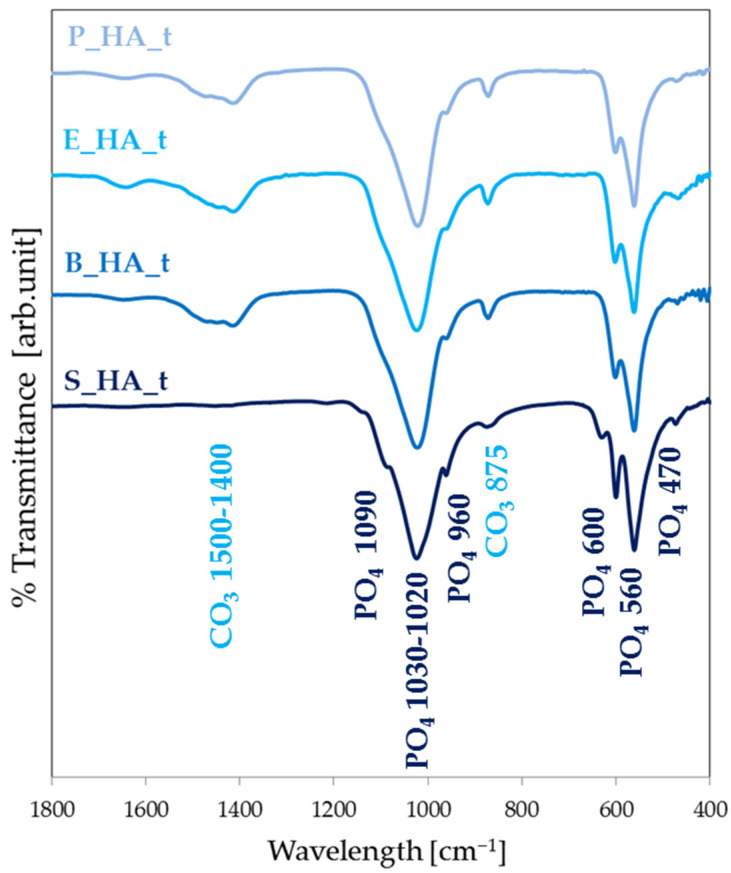
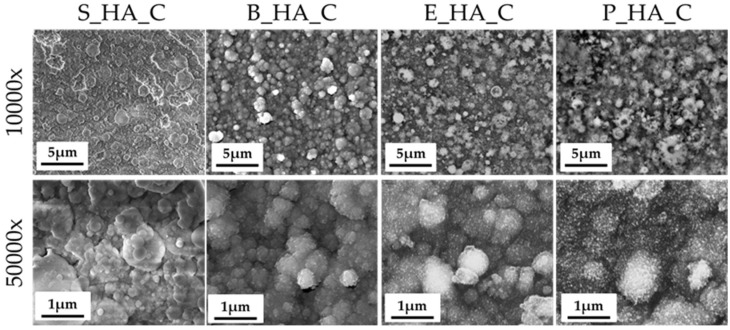
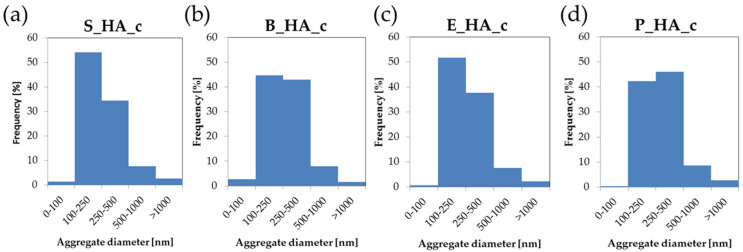
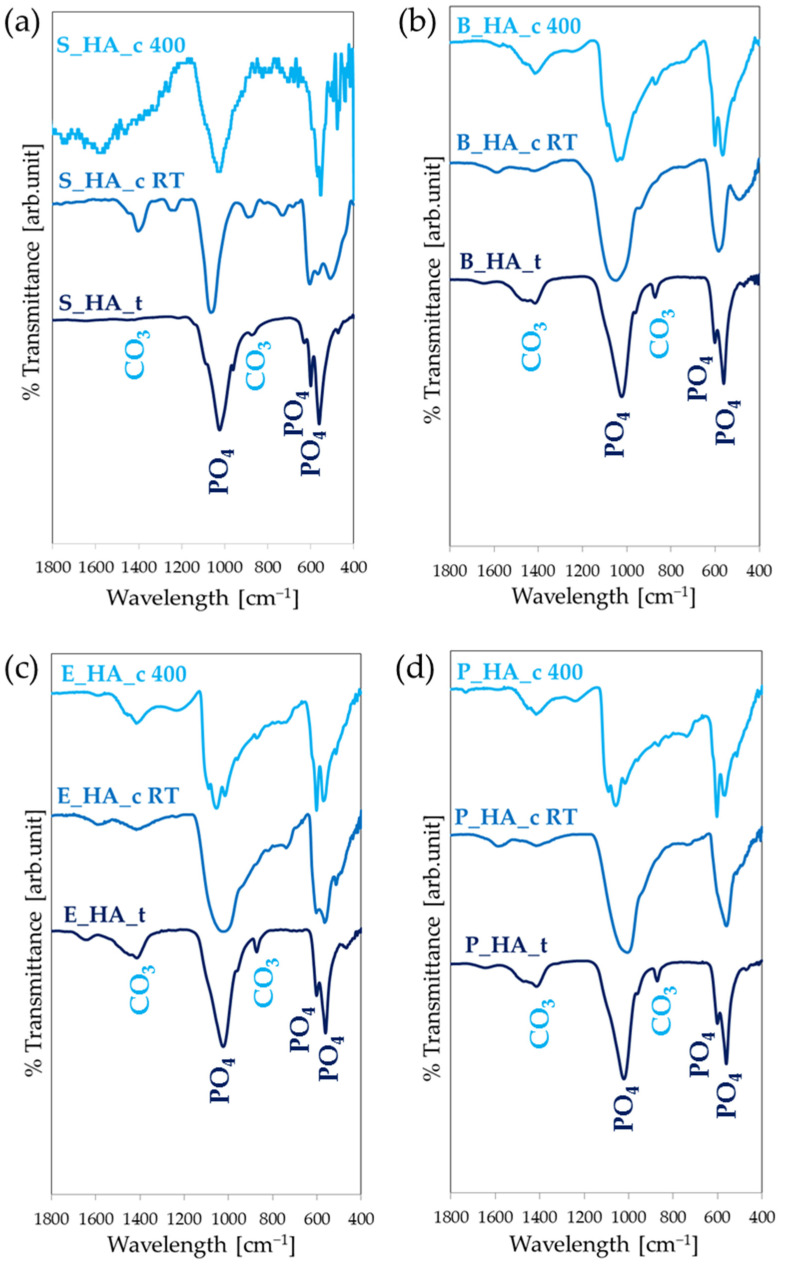
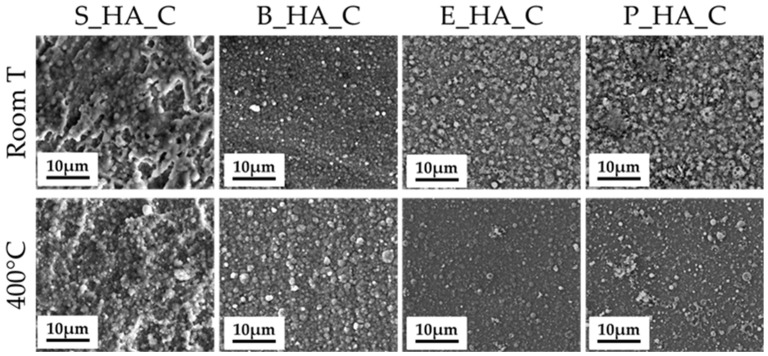
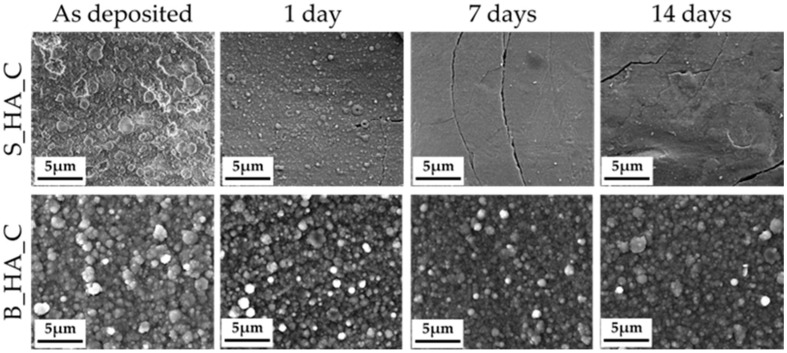
Verification
Claims the paper makes
The claims and statistics of this paper haven’t been checked yet.
Run the check — free, no account needed. It reads the open-access text and checks the sources it cites.
Claims other papers make about this one
Each is checked against this paper’s own text: does it say what the citing paper says it does?
The source backs part of the claim, not all of it — or backs it for a different population, condition or comparison.
In the citing paper
“APS has demonstrated longer-lasting benefits than traditional steroid injections for osteoarthritis management, while biomimetic scaffolds have shown promise in cartilage repair and structural support for musculoskeletal injuries [119].”
From Advancements in Regenerative Therapies for Orthopedics: A Comprehensive Review of Platelet-Rich Plasma, Mesenchymal Stem Cells, Peptide Therapies, and Biomimetic Applications (2025) · cites this paper as [119]
Experimental — accuracy not yet measuredThe check wasn’t confident either way, so it gives no verdict — never disputed.
In the citing paper
“APS has demonstrated longer-lasting benefits than traditional steroid injections for osteoarthritis management, while biomimetic scaffolds have shown promise in cartilage repair and structural support for musculoskeletal injuries [119].”
From Advancements in Regenerative Therapies for Orthopedics: A Comprehensive Review of Platelet-Rich Plasma, Mesenchymal Stem Cells, Peptide Therapies, and Biomimetic Applications (2025) · cites this paper as [119]
Experimental — accuracy not yet measured
Self-check
Percentages, sums and reported differences re-computed from the paper’s own numbers.
The self-check needs the paper’s full text.
Citations
Cites
Synthesis and characterization of hydroxyapatite crystals: A review study on the analytical methods
Koutsopoulos, S. (2002) · Journal of Biomedical Materials Research · doi:10.1002/jbm.10280 · Cited by 1,663
Characterization of hydroxyapatite and carbonated apatite by photo acoustic FTIR spectroscopy
Rehman, I. U., & Bonfield, W. (1997) · Journal of Materials Science Materials in Medicine · doi:10.1023/a:1018570213546 · Cited by 866
Ionic substitutions in calcium phosphates synthesized at low temperature
Boanini, E., Gazzano, M., & Bigi, A. (2009) · Acta Biomaterialia · doi:10.1016/j.actbio.2009.12.041 · Cited by 828
Self-citationSynthesis of hydroxyapatite for biomedical applications
Szcześ, A., Hołysz, L., & Chibowski, E. (2017) · Advances in Colloid and Interface Science · doi:10.1016/j.cis.2017.04.007 · Cited by 722
Micro-Raman and FTIR studies of synthetic and natural apatites
Antonakos, A., Liarokapis, E., & Leventouri, T. (2007) · Biomaterials · doi:10.1016/j.biomaterials.2007.02.028 · Cited by 648
Syntheses of hydroxyapatite from natural sources
Pu’ad, N. A. S. M., Koshy, P., Abdullah, H. Z., Idris, M. I., & Lee, T. C. (2019) · Heliyon · doi:10.1016/j.heliyon.2019.e01588 · Cited by 473
Recent Advances in Hydroxyapatite-Based Biocomposites for Bone Tissue Regeneration in Orthopedics
Ielo, I., Calabrese, G., Luca, G. D., & Sabrina Conoci, A. (2022) · International Journal of Molecular Sciences · doi:10.3390/ijms23179721 · Cited by 410
A review of plasma-assisted methods for calcium phosphate-based coatings fabrication
Анатольевич, С. Р. (2011) · Surface and Coatings Technology · doi:10.1016/j.surfcoat.2011.11.002 · Cited by 334
Rao, P. J., Pelletier, M. H., Walsh, W. R., & Mobbs, R. J. (2014) · Orthopaedic Surgery · doi:10.1111/os.12098 · Cited by 294
Surface Roughness and Substrate Stiffness Synergize To Drive Cellular Mechanoresponse
Hou, Y. X., Yu, L., Xie, W., Cuellar‐Camacho, J. L., Zhang, M., Chu, Z., Wei, Q., & Haag, R. (2019) · Nano Letters · doi:10.1021/acs.nanolett.9b04761 · Cited by 221
Cited by
Sorted by citations
Goulian, A. J., Goldstein, B., & Saad, M. A. (2025) · Journal of Clinical Medicine · doi:10.3390/jcm14062061 · Cited by 25
“APS has demonstrated longer-lasting benefits than traditional steroid injections for osteoarthritis management, while biomimetic scaffolds have shown promise in cartilage repair and structural support for musculoskeletal injuries [119].”
Montesissa, M., Tommasini, V., Rubini, K., Boi, M., Baldini, N., & Boanini, E. (2025) · Nanomaterials · doi:10.3390/nano15151199 · Cited by 22
Self-citationEl conflicto armado en Colombia
Garrido, R. S. (2002) · Agenda Internacional · doi:10.18800/agenda.200202.005 · Cited by 20
Synthesis and Characterization of Calcium Hydroxyapatite from Waste Phosphogypsum
Jursene, E., Michailova, L., Jurevičiūtė, S., Stankeviciute, Z., Grigoravičiūtė-Puronienė, I., & Kareiva, A. (2025) · Materials · doi:10.3390/ma18122869 · Cited by 10
Patil, S., Sathish, T., Palaniyappan, S., Giri, J. P., Hourani, A. O., & Azizi, M. (2025) · Advanced Manufacturing Polymer & Composites Science · doi:10.1080/20550340.2025.2508547 · Cited by 10
Metadata
- Authors
- Montesissa, M., Sassoni, E., Boi, M., Borciani, G., Boanini, E., & Graziani, G.
- Affiliations
- Istituto Ortopedico Rizzoli (IT)
- University of Bologna (IT)
- Corresponding author
- Montesissa, Matteo
- Graziani, Gabriela
- Venue
- Nanomaterials
- Publisher
- MDPI AG
- Published
- 2024-08-09
- Volume
- 14
- Issue
- 16
- Pages
- 1332
- ISSN
- 2079-4991 (ISSN-L)
- PMC
- PMC11357483
- OpenAlex
- W4401511355
- Cited by
- 17
- References
- 47
- Citations by year
- 2026: 8 · 2025: 8
- FWCI
- 1.76
- Type
- journal article
- Language
- en
- Open access
- gold
- doi.org
- Licence
- Locations
- Nanomaterials (publishedVersion, cc-by)
- PubMed Central (publishedVersion, cc-by)
- PubMed (publishedVersion)
- Archivio istituzionale della ricerca (Alma Mater Studiorum Università di Bologna) (submittedVersion, cc-by)
- DOAJ (DOAJ: Directory of Open Access Journals) (submittedVersion, cc-by-sa)
- Virtual Community of Pathological Anatomy (University of Castilla La Mancha) (submittedVersion)
- Funders
- 5 × 1000 Anno 2020, Redditi 2019
- Topics
- Physical Sciences › Engineering › Biomedical Engineering › Bone Tissue Engineering Materials
- Physical Sciences › Engineering › Mechanical Engineering › Surface Treatment and Coatings
- Physical Sciences › Materials Science › Biomaterials › Calcium Carbonate Crystallization and Inhibition
- Keywords
- hydroxyapatite coating, biomimetic coatings, natural hydroxyapatite, synthetic hydroxyapatite, calcium phosphate, spinal fusion, osseointegration, carbonate substitution, Ca/P ratio, coating stability, nanostructured coatings
About these checks
Registry, retraction, Cites and statistics results are computed, not judged, with one exception: a printed reference that no index lists is read once by a model before it counts as a citation error. Claims are extracted by a model and kept only when their quote appears verbatim in the text; each cited source is then checked, with a model’s help, for whether it says what the claim relies on. Those verdicts can be wrong — read the claim’s quote and the cited source before relying on one.
Statistics and arithmetic are recomputed, not judged.
Confidence bands are shown only for fields calibrated on our annotated test set. None is calibrated yet, so no band is shown.
What counts as a claim ›How we measure confidence ›How we check this ›
Are you an author, or do you see a problem with this page? Request a review
