

The DOI matches its Crossref record.
Chitosan-Based Nanoparticles of Targeted Drug Delivery System in Breast Cancer Treatment
Abstract
Breast cancer remains one of the world’s most dangerous diseases because of the difficulty of finding cost-effective and specific targets for effective and efficient treatment methods. The biodegradability and biocompatibility properties of chitosan-based nanoparticles (ChNPs) have good prospects for targeted drug delivery systems. ChNPs can transfer various antitumor drugs to targeted sites via passive and active targeting pathways. The modification of ChNPs has attracted the researcher to the loading of drugs to targeted cancer cells. The objective of our review was to summarize and discuss the modification in ChNPs in delivering anticancer drugs against breast cancer cells from published papers recorded in Scopus, PubMed, and Google Scholar. In order to improve cellular uptake, drug accumulation, cytotoxicity, and selectivity, we examined different kinds of modification of ChNPs. Notably, these forms of ChNPs use the characteristics of the enhanced permeability and retention (EPR) effect as a proper parameter and different biological ligands, such as proteins, peptides, monoclonal antibodies, and small particles. In addition, as a targeted delivery system, ChNPs provided and significantly improved the delivery of drugs into specific breast cancer cells (MDA-MB-231, 4T1 cells, SK-BR-3, MCF-7, T47D). In conclusion, a promising technique is presented for increasing the efficacy, selectivity, and effectiveness of candidate drug carriers in the treatment of breast cancer.
Overview
The claims and statistics of this paper haven’t been checked yet.
Run the check — free, no account needed. It reads the open-access text and checks the sources it cites.
Integrity signals
Registry
Cites
Statistics
Figures
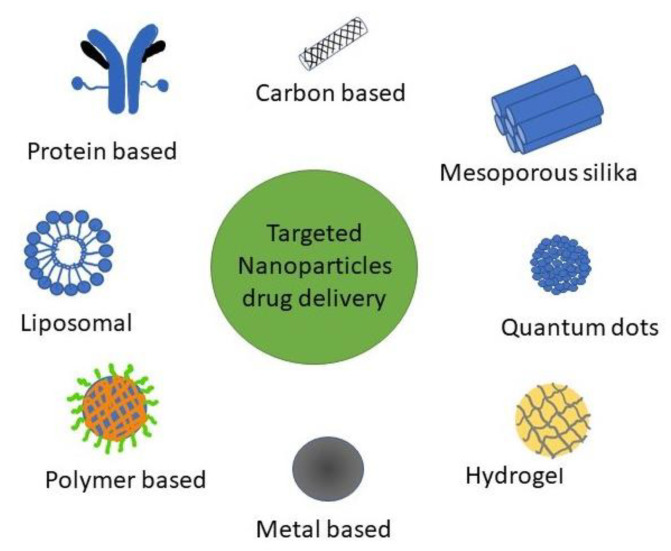
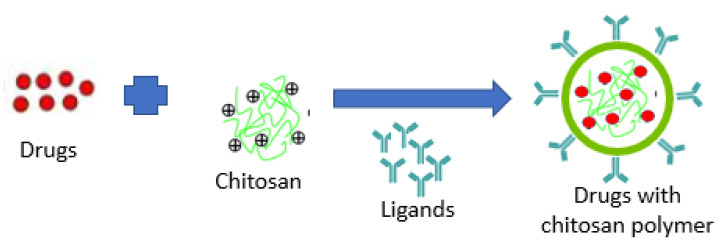
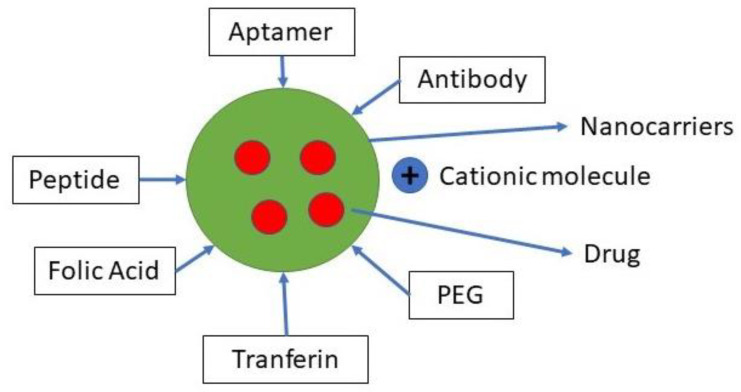
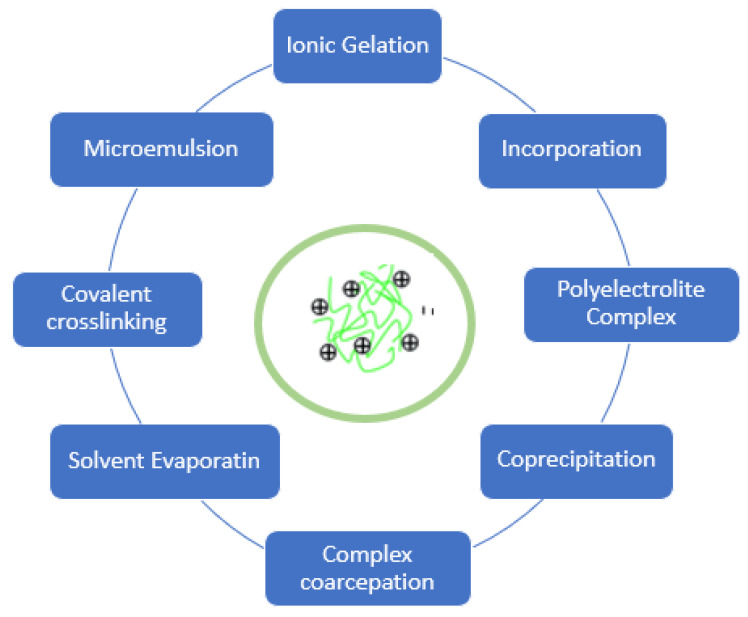
Verification
Claims the paper makes
The claims and statistics of this paper haven’t been checked yet.
Run the check — free, no account needed. It reads the open-access text and checks the sources it cites.
Claims other papers make about this one
Each is checked against this paper’s own text: does it say what the citing paper says it does?
In the citing paper
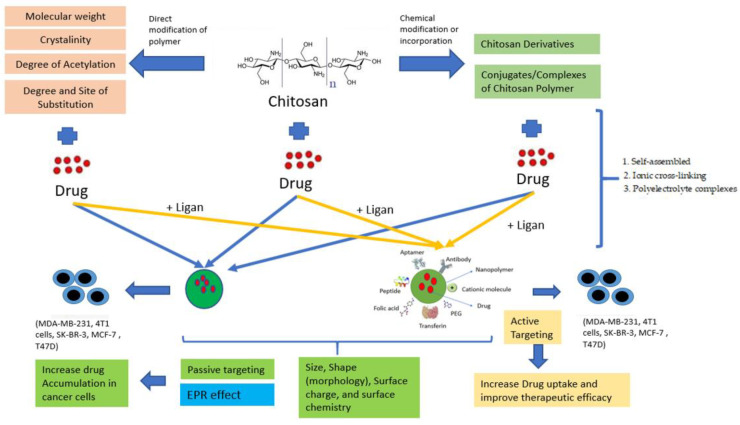
“Passive targeting approach relies on the physicochemical characteristics of the formulated nanocarrier including particle size (PS), surface charge, morphology, circulating time, and surface chemistry as well as the tumour biology characteristic such as leakiness and vascularity.148”
From Current Advances in Chitosan Nanoparticles Based Oral Drug Delivery for Colorectal Cancer Treatment (2022) · cites this paper as [148]
In the citing paper
“CSNPs can combine both approaches, the passive targeting through EPR effect, and the active targeting through ligand conjugations.148”
From Current Advances in Chitosan Nanoparticles Based Oral Drug Delivery for Colorectal Cancer Treatment (2022) · cites this paper as [148]
Self-check
Percentages, sums and reported differences re-computed from the paper’s own numbers.
The self-check needs the paper’s full text.
Citations
Cites
No references could be resolved yet.
Research works printed but not linked: 126
- Fathi, 2019, Dual thermo-and pH-sensitive injectable hydrogels of chitosan/(poly(N-isopropylacrylamide-co-itaconic acid)) for doxorubicin delivery in breast cancer, Int. J. Biol. Macromol., 128, 957, 10.1016/j.ijbiomac.2019.01.122 · DOI · Paper page
- Mirza, 2021, Nanoparticles-based drug delivery and gene therapy for breast cancer: Recent advancements and future challenges, Semin. Cancer Biol., 69, 226, 10.1016/j.semcancer.2019.10.020 · DOI
- Mostafa, 2019, Design and synthesis of 2-phenyl benzimidazole derivatives as VEGFR-2 inhibitors with anti-breast cancer activity, Chem. Biol. Drug Des., 93, 454, 10.1111/cbdd.13433 · DOI
- Shanmuganathan, 2019, Chitosan nanopolymers: An overview of drug delivery against cancer, Int. J. Biol. Macromol., 130, 727, 10.1016/j.ijbiomac.2019.02.060 · DOI
- Taher, 2013, Microencapsulation of alpha-mangostin into PLGA microspheres and optimization using response surface methodology intended for pulmonary delivery, J. Microencapsul., 30, 728, 10.3109/02652048.2013.788081 · DOI
- Liyanage, 2019, Nanoparticle-mediated targeted drug delivery for breast cancer treatment, Biochim. Biophys. Acta Rev. Cancer, 1871, 419, 10.1016/j.bbcan.2019.04.006 · DOI
- Chimplee, 2019, Anti-breast cancer potential of frullanolide from Grangea maderaspatana plant by inducing apoptosis, Oncol. Lett., 17, 5283
- Afzal, 2021, Nanomedicine in treatment of breast cancer—A challenge to conventional therapy, Semin. Cancer Biol., 69, 279, 10.1016/j.semcancer.2019.12.016 · DOI
- Mojeiko, 2019, Combination of microneedles and microemulsions to increase celecoxib topical delivery for potential application in chemoprevention of breast cancer, Int. J. Pharm., 560, 365, 10.1016/j.ijpharm.2019.02.011 · DOI
- Din, 2017, Effective use of nanocarriers as drug delivery systems for the treatment of selected tumors, Int. J. Nanomed., 12, 7291, 10.2147/IJN.S146315 · DOI
- Huang, L., Huang, J., Huang, J., Xue, H., Liang, Z., Wu, J., and Chen, C. (2020). Nanomedicine—A promising therapy for hematological malignancies. Biomater. Sci., 1–34. · DOI
- Yetisgin, A.A., Cetinel, S., Zuvin, M., Kosar, A., and Kutlu, O. (2020). Therapeutic Nanoparticles and Their Targeted Delivery Applications. Molecules, 25. · DOI
- Navya, P.N., Kaphle, A., Srinivas, S.P., Bhargava, S.K., Rotello, V.M., and Daima, H.K. (2019). Current trends and challenges in cancer management and therapy using designer nanomaterials. Nano Converg., 6. · DOI
- Dang, 2020, Nanoparticle-based drug delivery systems for cancer therapy, Smart Mater. Med., 1, 10, 10.1016/j.smaim.2020.04.001 · DOI
- Okamatsu, 2013, Folate-appended β-cyclodextrin as a promising tumor targeting carrier for antitumor drugs in vitro and in vivo, Bioconjug. Chem., 24, 724, 10.1021/bc400015r · DOI
- Qandil, 2018, Depolymerization of HMW into a predicted LMW chitosan and determination of the degree of deacetylation to guarantee its quality for research use, J. Excip. Food Chem., 9, 1
- Wathoni, 2019, Formulation and Characterization of α -Mangostin in Chitosan Nanoparticles Coated by Sodium Alginate, Sodium Silicate, and Polyethylene Glycol, J. Pharm. Bioallied Sci., 11, 1, 10.4103/jpbs.JPBS_206_19 · DOI
- Phunpee, 2018, Controllable encapsulation of α-mangostin with quaternized β-cyclodextrin grafted chitosan using high shear mixing, Int. J. Pharm., 538, 21, 10.1016/j.ijpharm.2017.12.016 · DOI
- Wathoni, 2020, Nanoparticle drug delivery systems for α-mangostin, Nanotechnol. Sci. Appl., 13, 23, 10.2147/NSA.S243017 · DOI
- Sun, 2019, Modulation of Multiple Signaling Pathways of the Plant-Derived Natural Products in Cancer, Front. Oncol., 9, 1, 10.3389/fonc.2019.01153 · DOI
- Patra, J.K., Das, G., Fraceto, L.F., Vangelie, E., Campos, R., Rodriguez, P., Acosta, L.S., Diaz, L.A.D., Grillo, R., and Swamy, M.K. (2018). Nano based drug delivery systems: Recent developments and future prospects. J. Nanobiotechnol., 1–33. · DOI
- Zubair, H., Azim, S., Ahmad, A., Khan, M.A., Patel, G.K., Singh, S., and Singh, A.P. (2017). Cancer Chemoprevention by Phytochemicals: Nature’s Healing Touch. Molecules, 22. · DOI
- Taghavi, 2017, Chitosan-modified PLGA nanoparticles tagged with 5TR1 aptamer for in vivo tumor-targeted drug delivery, Cancer Lett., 400, 1, 10.1016/j.canlet.2017.04.008 · DOI
- Sun, L., Wu, Q., Peng, F., Liu, L., and Gong, C. (2015). Strategies of polymeric nanoparticles for enhanced internalization in cancer therapy. Colloids Surfaces B Biointerfaces. · DOI
- Truffi, M., Mazzucchelli, S., Bonizzi, A., Sorrentino, L., Allevi, R., Vanna, R., Morasso, C., and Fabio Corsi, F. (2019). Nano-Strategies to Target Breast Cancer-Associated Fibroblasts: Rearranging the Tumor Microenvironment to Achieve Antitumor Efficacy. Int. J. Mol. Sci., 20. · DOI
- Wang, 2018, Mechanisms of drug release in pH-sensitive micelles for tumour targeted drug delivery system: A review, Int. J. Pharm., 535, 253, 10.1016/j.ijpharm.2017.11.003 · DOI
- Allahverdiyev, 2018, Current aspects in treatment of breast cancer based of nanodrug delivery systems and future prospects, Artif. Cells Nanomed. Biotechnol., 46, S755, 10.1080/21691401.2018.1511573 · DOI
- Siddique, S., and Chow, J.C.L. (2020). Application of Nanomaterials in Biomedical Imaging and Cancer Therapy. Nanomaterials, 10. · DOI
- Dhanashekaran, 2014, Polymeric Nanoparticles- the new face in Drug Delivery and Cancer Therapy, Malaya J. Biosci., 1, 1
- Silva, 2020, Polymeric NanopPolymeric Nanoparticles: Production, Characterization, Toxicology and Ecotoxicology, Molecules, 25, 3731, 10.3390/molecules25163731 · DOI · Paper page
- Hoosain, 2015, Bypassing P-Glycoprotein Drug Efflux Mechanisms: Possible Applications in Pharmacoresistant Schizophrenia Therapy, Biomed. Res. Int., 2015, 1, 10.1155/2015/484963 · DOI
- Li, 2016, Enhanced Cellular Internalization and On-Demand Intracellular Release of Doxorubicin by Stepwise pH-/Reduction-Responsive Nanoparticles, ACS Appl. Mater. Interfaces, 8, 32146, 10.1021/acsami.6b09604 · DOI
- Yoo, J., Park, C., Yi, G., Lee, D., and Koo, H. (2019). Active Targeting Strategies Using Biological Ligands for Nanoparticle Drug Delivery Systems. Cancers, 11. · DOI
- Sen, 2020, Materials Advances Nanoparticle mediated alteration of EMT dynamics: An approach to modulate, Mater. Adv., 1, 2614, 10.1039/D0MA00455C · DOI · Paper page
- Pazzini, 2019, Complete Disaggregation of MCF-7-derived Breast Tumour Spheroids with Very Low Concentrations of α -Mangostin Loaded in CD44 Thioaptamer-tagged Nanoparticles, Int. J. Med. Sci., 16, 33, 10.7150/ijms.28135 · DOI · Paper page
- Zhang, 2019, Advances in chitosan-based nanoparticles for oncotherapy, Carbohydr. Polym., 222, 115004, 10.1016/j.carbpol.2019.115004 · DOI
- Wathoni, N., Yuniarsih, N., Cahyanto, A., and Muhctaridi, M. (2019). α-Mangostin Hydrogel Film Based Chitosan—Alginate for Recurrent Aphthous Stomatitis. Appl. Sci., 9. · DOI
- Hashad, 2017, Surface functionalization of methotrexate-loaded chitosan nanoparticles with hyaluronic acid/human serum albumin: Comparative characterization and in vitro cytotoxicity, Int. J. Pharm., 522, 128, 10.1016/j.ijpharm.2017.03.008 · DOI
- Shariatinia, 2019, Pharmaceutical applications of chitosan, Adv. Colloid. Interface Sci., 263, 131, 10.1016/j.cis.2018.11.008 · DOI
- Aljebory, 2017, Chitosan Nanoparticles: Review Article, Imp. J. Interdiscip Res., 3, 233
- Onyebuchi, 2019, Chitosan And N, N, N-Trimethyl Chitosan Nanoparticle Encapsulation of Ocimum Gratissimum Essential Oil: Optimised Synthesis, In Vitro Release and Bioactivity, Int. J. Nanomed., 14, 7707, 10.2147/IJN.S220202 · DOI
- Maiyo, F., and Singh, M. (2019). Folate-Targeted mRNA Delivery Using Chitosan-Functionalized Selenium Nanoparticles: Potential in Cancer Immunotherapy. Pharmaceuticals, 12. · DOI
- Niu, 2019, A chitosan-based cascade-responsive drug delivery system for triple-negative breast cancer therapy, J. Nanobiotechnol., 17, 95, 10.1186/s12951-019-0529-4 · DOI
- Ahmed, 2016, Preparation, characterization, and potential application of chitosan, chitosan derivatives, and chitosan metal nanoparticles in pharmaceutical drug delivery, Drug Des. Devel. Ther., 10, 483, 10.2147/DDDT.S99651 · DOI
- Quiñones, J.P., Peniche, H., and Peniche, C. (2018). Chitosan Based Self-Assembled Nanoparticles in Drug Delivery. Polymers, 10. · DOI
- Palmeira, 2020, Highlighting the impact of chitosan on the development of gastroretentive drug delivery systems, Int. J. Biol. Macromol., 159, 804, 10.1016/j.ijbiomac.2020.05.104 · DOI
- Ahmed, 2015, Chitosan & its derivatives: A review in recent innovations, IJPSR, 6, 14
- Bharathiraja, 2018, Multimodal tumor-homing chitosan oligosaccharide-coated biocompatible palladium nanoparticles for photo-based imaging and therapy, Sci. Rep., 8, 500, 10.1038/s41598-017-18966-8 · DOI
- Yin, J.J., Sharma, S., Shumyak, S.P., Wang, Z.X., Zhou, Z.W., Zhang, Y., Guo, P., Li, C., Yang, T., and Kanwar, G.R. (2013). Synthesis and Biological Evaluation of Novel Folic Acid Receptor-Targeted, β-Cyclodextrin-Based Drug Complexes for Cancer Treatment. PLoS ONE, 8. · DOI
- Wang, W., Meng, Q., Li, Q., Liu, J., Zhou, M., Jin, Z., and Zhao, K. (2020). Chitosan Derivatives and Their Application in Biomedicine. Int. J. Mol. Sci., 21. · DOI
- Liberti, 2017, The Warburg Effect: How Does it Benefit Cancer Cells?, Trends Biochem. Sci., 41, 211, 10.1016/j.tibs.2015.12.001 · DOI · Paper page
- Lokerse, 2017, Comparing the therapeutic potential of thermosensitive liposomes and hyperthermia in two distinct subtypes of breast cancer, J. Control. Release, 258, 34, 10.1016/j.jconrel.2017.05.005 · DOI
- Jordan, 2015, The new biology of estrogen-induced apoptosis applied to treat and prevent breast cancer, Endocr. Relat. Cancer, 22, R1, 10.1530/ERC-14-0448 · DOI
- Luesakul, 2016, Shape-controlled synthesis of cubic-like selenium nanoparticles via the self-assembly method, Carbohydr. Polym., 153, 435, 10.1016/j.carbpol.2016.08.004 · DOI
- Bharti, 2019, Trastuzumab decorated TPGS-g-chitosan nanoparticles for targeted breast cancer therapy, Colloids Surf B Biointerfaces, 173, 366, 10.1016/j.colsurfb.2018.10.007 · DOI
- Carvalho, 2019, Optimization of composition and obtainment parameters of biocompatible nanoemulsions intended for intraductal administration of piplartine (piperlongumine) and mammary tissue targeting, Int. J. Pharm., 567, 118460, 10.1016/j.ijpharm.2019.118460 · DOI
- Hassani, 2015, Preparation of chitosan-TPP nanoparticles using microengineered membranes—Effect of parameters and encapsulation of tacrine, Colloids Surf. A Physicochem. Eng. Asp., 482, 34, 10.1016/j.colsurfa.2015.04.006 · DOI
- Jonassen, 2012, Effects of ionic strength on the size and compactness of chitosan nanoparticles, Colloid. Polym. Sci., 290, 919, 10.1007/s00396-012-2604-3 · DOI
- Rampino, 2013, Chitosan nanoparticles: Preparation, size evolution and stability, Int. J. Pharm., 455, 219, 10.1016/j.ijpharm.2013.07.034 · DOI
- Aaldering, 2015, Physicochemical and biological characterization of chitosan- microRNA nanocomplexes for gene delivery to MCF-7 breast cancer cells, Nat. Publ. Gr., 5, 1
- Gholami, N., Cohan, R.A., Razavi, A., Bigdeli, R., Dashbolaghi, A., and Asgary, V. (2019). Cytotoxic and apoptotic properties of a novel nano-toxin formulation based on biologically synthesized silver nanoparticle loaded with recombinant truncated pseudomonas exotoxin A. J. Cell Physiol. · DOI
- Mahidhara, 2015, Oral administration of iron-saturated bovine lactoferrin-loaded ceramic nanocapsules for breast cancer therapy and influence on iron and calcium metabolism, Int. J. Nanomed., 10, 4081
- Alinejad, 2016, Direct Co-delivery of IL17RB siRNA and doxorubicin by chitosan-based nanoparticles for enhanced anticancer ef fi cacy in breast cancer cells, Science, 83, 229
- Sun, 2019, Photoacoustic imaging of cancefr cells with glycol-chitosan-coated gold nanoparticles as contrast agents, J. Biomed. Opt., 24, 1
- Wang, 2019, Sequentially self-assembled polysaccharide-based nanocomplexes for combined chemotherapy and photodynamic therapy of breast cancer, Carbohydr. Polym., 203, 203, 10.1016/j.carbpol.2018.09.035 · DOI
- Wang, 2019, Doxorubicin/cisplatin co-loaded hyaluronic acid/chitosan-based nanoparticles for in vitro synergistic combination chemotherapy of breast cancer, Carbohydr. Polym., 225, 115206, 10.1016/j.carbpol.2019.115206 · DOI
- Naruphontjirakul, 2019, Development of anti-HER2-targeted doxorubicin-core-shell chitosan nanoparticles for the treatment of human breast cancer, Int. J. Nanomed., 14, 4105, 10.2147/IJN.S198552 · DOI
- Pertiwi, 2018, Formulation of nanoparticles ribosome inactivating proteins from Mirabilis jalapa L. (RIP MJ) conjugated AntiEpCAM antibody using low chain chitosan-pectin and cytotoxic activity against breast cancer cell line, Pak. J. Pharm. Sci., 31, 379
- Wicaksono, 2016, Formulation and Cytotoxicity of Ribosome-Inactivating Protein Mirabilis Jalapa, L. Nanoparticles Using Alginate-Low Viscosity Chitosan Conjugated with Anti-Epcam Antibodies in the T47D Breast Cancer Cell Line, Asian Pac. J. Cancer Prev., 17, 2277, 10.7314/APJCP.2016.17.4.2277 · DOI
- Kievit, 2012, Targeting of primary breast cancers and metastases in a transgenic mouse model using rationally designed multifunctional SPIONs, ACS Nano, 6, 2591, 10.1021/nn205070h · DOI
- David, 2018, Formulation and in vitro evaluation of a siRNA delivery nanosystem decorated with gH625 peptide for triple negative breast cancer theranosis, Eur. J. Pharm. Biopharm., 131, 99, 10.1016/j.ejpb.2018.07.024 · DOI
- Hou, 2019, A novel pH-sensitive targeting polysaccharide-gold nanorod conjugate for combined photothermal-chemotherapy of breast cancer, Carbohydr. Polym., 212, 334, 10.1016/j.carbpol.2019.02.045 · DOI
- Danaei, M., Dehghankhold, M., Ataei, S., Hasanzadeh Davarani, F., Javanmard, R., Dokhani, A., Khorasani, S., and Mozafari, M.R. (2018). Impact of particle size and polydispersity index on the clinical applications of lipidic nanocarrier systems. Pharmaceutics, 10. · DOI
- Wu, 2019, Size-dependent cellular uptake and localization pro fi les of silver nanoparticles, Int. J. Nanomed., 14, 4247, 10.2147/IJN.S201107 · DOI
- Shafawati, 2019, The Effect of Gold Nanoparticle Size in the Cellular Uptake, Solid State Phenom., 290, 75, 10.4028/www.scientific.net/SSP.290.75 · DOI
- Agrawal, 2016, PEGylated chitosan nanoparticles potentiate repurposing of ormeloxifene in breast cancer therapy, Nanomedicine, 11, 2147, 10.2217/nnm-2016-0095 · DOI
- Chen, Y., Wu, D., Zhong, W., Kuang, S., Luo, Q., Song, L., He, L., Feng, X., and Tao, X. (2018). Evaluation of the PEG Density in the PEGylated Chitosan Nanoparticles as a Drug Carrier for Curcumin and Mitoxantrone. Nanomaterials, 8. · DOI
- Hu, 2017, Nanotechnology based therapeutic modality to boost anti-tumor immunity and collapse tumor defense, J. Control. Release, 256, 26, 10.1016/j.jconrel.2017.04.026 · DOI
- Dai, 2017, Breast Cancer Cell Line Classification and Its Relevance with Breast Tumor Subtyping, J. Cancer, 8, 3131, 10.7150/jca.18457 · DOI
- Raica, 2015, The Story of MCF-7 Breast Cancer Cell Line: 40 years of Experience in Research, Anticancer Res., 3154, 3147
- Huang, 2020, Characterization of Triple-Negative Breast Cancer MDA-MB-231 Cell Spheroid Model, Onco Targets Ther., 13, 5395, 10.2147/OTT.S249756 · DOI
- Boegel, 2020, Multi-Omics Characterization of the 4T1 Murine Mammary Gland Tumor Model, Front. Oncol., 10, 1
- Chen, 2011, Trastuzumab enhances the anti-tumor effects of the histone deacetylase inhibitor sodium butyrate on a HER2-overexpressing breast cancer cell line, Int. J. Mol. Med., 28, 985
- Sutradhar, 2014, Nanotechnology in Cancer Drug Delivery and Selective Targeting, ISRN Nanotechnol., 2014, 1195, 10.1155/2014/939378 · DOI · Paper page
- Bajwa, 2018, Recent advances in “smart” delivery systems for extended drug release in cancer therapy, Int. J. Nanomed., 13, 4727, 10.2147/IJN.S168053 · DOI
- Karimi, M., Ghasemi, A., Zangabad, P.S., Rahighi, R., Basri, S.M.M., Mirshekari, H., Amiri, M., Pishabad, Z.S., and Aslani, A. (2016). Smart micro/nanoparticles in stimulus-responsive drug/gene delivery systems. Chem. Soc. Rev. · DOI
- Amoozgar, 2012, Low Molecular-Weight Chitosan as a pH-Sensitive Stealth Coating for Tumor-Specific Drug Delivery, Mol. Pharm., 9, 1262, 10.1021/mp2005615 · DOI
- Madhusudhan, 2014, Efficient pH Dependent Drug Delivery to Target Cancer Cells by Gold Nanoparticles Capped with Carboxymethyl Chitosan, Int. J. Mol. Sci., 15, 8216, 10.3390/ijms15058216 · DOI
- Guo, 2014, Chitosan- g- TPGS Nanoparticles for Anticancer Drug Delivery and Overcoming Multidrug Resistance, Mol. Pharm., 11, 59, 10.1021/mp400514t · DOI
- Feng, C., Wang, Z., Jiang, C., Kong, M., Zhou, X., Li, Y., Cheng, X., and Chen, X. (2013). Chitosan/o-carboxymethyl chitosan nanoparticles for efficient and safe oral anticancer drug delivery: In vitro and in vivo evaluation. Int. J. Pharm., 1–10. · DOI
- Hu, 2015, Selective redox-responsive drug release in tumor cells mediated by chitosan based glycolipid-like nanocarrier, J. Control. Release, 206, 91, 10.1016/j.jconrel.2015.03.018 · DOI
- Guerry, 2014, Redox-stimuli responsive micelles from DOX-encapsulating polycaprolactone- g -chitosan oligosaccharide, Carbohydr. Polym., 112, 746, 10.1016/j.carbpol.2014.06.052 · DOI
- Cavalli, 2015, Colloids and Surfaces B: Biointerfaces Preparation and in vitro characterization of chitosan nanobubbles as theranostic agents, Colloids Surf. B Biointerfaces, 129, 39, 10.1016/j.colsurfb.2015.03.023 · DOI
- Srinivasan, 2013, Near-infrared fluorescing IR820-chitosan conjugate for multifunctional cancer theranostic applications, J. Photochem. Photobiol. B Biol., 119, 52, 10.1016/j.jphotobiol.2012.12.008 · DOI
- Zhong, S., Zhang, H., Liu, Y., Wang, G., Shi, C., Li, Z., Feng, Y., and Cui, X. (2017). Folic Acid Functionalized Reduction-Responsive Magnetic Chitosan Nanocapsules for Targeted Delivery and Triggered Release of Drugs. Carbohydr. Polym. · DOI
- Meng, 2013, Chitosan-Based Nanocarriers with pH and Light Dual Response for Anticancer Drug Delivery, Biomacromolecules, 4, 2601, 10.1021/bm400451v · DOI
- Lungu, I.I., Grumezescu, A.M., Andronescu, E., and Volceanov, A. (2019). Nanobiomaterials Used in Cancer Therapy: An up-to-date overview. Molecules, 24. · DOI
- Bazak, R., Houri, M., and Achy SEl Kamel, S. (2014). Cancer active targeting by nanoparticles: A comprehensive review of literature Cancer active targeting by nanoparticles: A comprehensive review of literature. J. Cancer Res. Clin. Oncol. · DOI
- Zhang, 2019, Dual-responsive nanoparticles based on chitosan for enhanced breast cancer therapy, Carbohydr. Polym., 221, 84, 10.1016/j.carbpol.2019.05.081 · DOI
- Salatin, 2017, Overviews on the cellular uptake mechanism of polysaccharide colloidal nanoparticles Mechanisms of nanoparticle endocytosis, J. Cell Mol. Med., 21, 1668, 10.1111/jcmm.13110 · DOI
- Moraru, C., Mincea, M., Menghiu, G., and Ostafe, V. (2020). Understanding the Factors Influencing Chitosan-Based Nanoparticles-Protein Corona Interaction and Drug Delivery Applications. Molecules, 25. · DOI
- Jedrzejczak-silicka, M., and Mijowska, E. (2018). General Cytotoxicity and Its Application in Nanomaterial Analysis. Cytotoxicity, IntechOpen. · DOI
- Sahu, 2016, In Vitro Cytotoxicity of Nanoparticles: A Comparison between Particle Size and Cell Type, J. Nanosci., 2016, 1, 10.1155/2016/4023852 · DOI
- Grijalva, M., Vallejo-lópez, M.J., Salazar, L., Camacho, J., and Kumar, B. (2018). Cytotoxic and Antiproliferative Effects of Nanomaterials on Cancer Cell Lines: A Review. Unraveling the Safety Profile of Nanoscale Particles and Materials—From Biomedical to Environmental Applications, IntechOpen. · DOI
- Ding, 2005, Molecular Characterization of the Cytotoxic Mechanism of Multiwall Carbon Nanotubes and Nano-Onions on Human Skin Fibroblast, Nano Lett., 5, 2448, 10.1021/nl051748o · DOI · Paper page
- Chivere, V.T., Kondiah, P.P.D., and Choonara, Y.E. (2020). Nanotechnology-Based Biopolymeric Oral Delivery Platforms for Advanced Cancer Treatment. Cancers, 12. · DOI
- Borkowska, M., Siek, M., Kolygina, D.V., Sobolev, Y.I., Lach, S., Kumar, S., Cho, Y., Kandere-grzybowska, K., and Grzybowski, B.A. (2020). Targeted crystallization of mixed-charge nanoparticles in lysosomes induces selective death of cancer cells. Nat. Nanotechnol. · DOI
- Jacob, 2020, Emerging role of nanosuspensions in drug delivery systems, Biomater. Res., 24, 1, 10.1186/s40824-020-0184-8 · DOI
- Yadollahi, 2015, Nanosuspension Technologies for Delivery of Poorly Soluble Drugs, J. Nanomater., 2015, 1, 10.1155/2015/216375 · DOI
- Wu, 2011, Physical and chemical stability of drug nanoparticles ☆, Adv. Drug Deliv. Rev., 63, 456, 10.1016/j.addr.2011.02.001 · DOI
- Patel, 2011, Nanosuspension: An approach to enhance solubility of drugs, J. Adv. Pharm. Technol. Res., 2, 81, 10.4103/2231-4040.82950 · DOI
- Li, J., Cai, C., Li, J., Li, J., Li, J., Sun, T., Wang, L., Wu, H., and Yu, G. (2018). Chitosan-Based Nanomaterials for Drug Delivery. Molecules, 23. · DOI
- Chenthamara, 2019, Therapeutic efficacy of nanoparticles and routes of administration, Biomater. Res., 23, 1, 10.1186/s40824-019-0166-x · DOI
- Wang, 2011, Recent advances of chitosan nanoparticles as drug carriers, Int. J. Nanomed., 6, 765
- Garg, 2019, Current Advances in Chitosan Nanoparticles Based Drug Delivery and Targeting, Adv. Pharm. Bull, 7, 113
- Gaikwad, 2013, Polymers influencing transportability profile of drug, Saudi Pharm. J., 21, 327, 10.1016/j.jsps.2012.10.003 · DOI
- Solnier, J., Martin, L., and Bhakta, S. (2020). molecules Flavonoids as Novel Efflux Pump Inhibitors and Antimicrobials Against Both Environmental and Pathogenic Intracellular Mycobacterial Species. Molecules, 25. · DOI
- Muxika, 2017, Chitosan as a bioactive polymer: Processing, properties and applications, Int. J. Biol. Macromol., 105, 1358, 10.1016/j.ijbiomac.2017.07.087 · DOI
- Farasat, 2019, Effective suppression of tumour cells by oligoclonal HER2-targeted delivery of liposomal doxorubicin, J. Liposome Res., 29, 53, 10.1080/08982104.2018.1430829 · DOI
- Persi, E., Duran-Frigola, M., Damaghi, M., Roush, W.R., Aloy, P., Cleveland, J.L., Gillies, R.J., and Ruppin, E. (2018). Systems analysis of intracellular pH vulnerabilities for cancer therapy. Nat. Commun., 9. · DOI
- Nate, 2013, Polymeric conjugates for drug delivery, Chem. Mater., 24, 840
- Lamberti, 2014, Breast cancer as photodynamic therapy target: Enhanced therapeutic efficiency by overview of tumor complexity, World J. Clin Oncol., 5, 901, 10.5306/wjco.v5.i5.901 · DOI
- Gu, 2018, Applications of stimuli-responsive nanoscale drug delivery systems in translational research, Drug Discov. Today, 23, 1043, 10.1016/j.drudis.2017.11.009 · DOI
- Chen, 2017, Co-delivery of paclitaxel and anti-survivin siRNA via redox-sensitive oligopeptide liposomes for the synergistic treatment of breast cancer and metastasis, Int. J. Pharm., 529, 102, 10.1016/j.ijpharm.2017.06.071 · DOI
- Ghorbani, 2017, Redox and pH-responsive gold nanoparticles as a new platform for simultaneous triple anti-cancer drugs targeting, Int. J. Pharm., 520, 126, 10.1016/j.ijpharm.2017.02.008 · DOI
- Zhang, 2019, pH and redox dual-responsive nanoparticles based on disulfide-containing poly(beta-amino ester) for combining chemotherapy and COX-2 inhibitor to overcome drug resistance in breast cancer, J. Nanobiotechnol., 17, 109, 10.1186/s12951-019-0540-9 · DOI
Cited by
Sorted by citations
Current Advances in Chitosan Nanoparticles Based Oral Drug Delivery for Colorectal Cancer Treatment
Choukaife, H., Seyam, S., Alallam, B., Doolaanea, A. A., & Alfatama, M. (2022) · International Journal of Nanomedicine · doi:10.2147/ijn.s375229 · Cited by 127
pH-Responsive Natural Polymers as Versatile Carriers for Drug Delivery in Breast Cancer: A Review
Velapure, P. D., Chakote, S. R., Kansal, D., Barooah, A., Pawde, D. M., & Bobade, C. D. (2026) · Biomedical Materials & Devices · doi:10.1007/s44174-025-00427-w · Cited by 5
Metadata
- Authors
- Herdiana, Y., Wathoni, N., Shamsuddin, S., Joni, I. M., & Muchtaridi, M.
- Venue
- Polymers
- Publisher
- MDPI AG
- Published
- 2021-05-24
- Volume
- 13
- Issue
- 11
- Pages
- 1717
- ISSN
- 2073-4360
- PMC
- PMC8197416
- Cited by
- 196
- References
- 0
- Language
- en
- Funders
- Academic Leadership Grant (ALG) (1427/UN6.3.1/LT/2020)
- Riset Disertasi Doktor Unpad (RDDU) (2020)
About these checks
Registry, retraction, Cites and statistics results are computed, not judged, with one exception: a printed reference that no index lists is read once by a model before it counts as a citation error. Claims are extracted by a model and kept only when their quote appears verbatim in the text; each cited source is then checked, with a model’s help, for whether it says what the claim relies on. Those verdicts can be wrong — read the claim’s quote and the cited source before relying on one.
Statistics and arithmetic are recomputed, not judged.
Confidence bands are shown only for fields calibrated on our annotated test set. None is calibrated yet, so no band is shown.
What counts as a claim ›How we measure confidence ›How we check this ›
Are you an author, or do you see a problem with this page? Request a review
