

The DOI matches its Crossref record; the references it cites are not checked yet.
Research on Deep Learning Automatic Vehicle Recognition Algorithm Based on RES-YOLO Model
Open accessAbstract
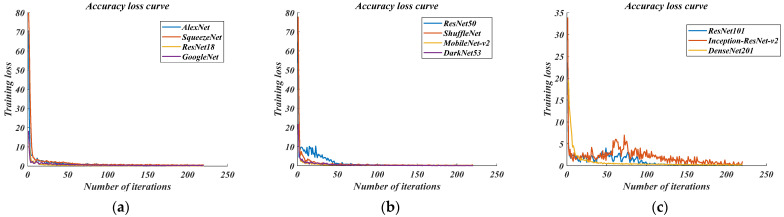
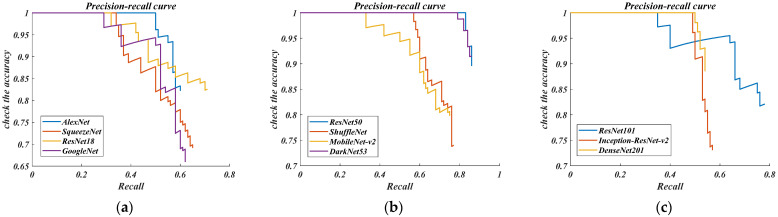
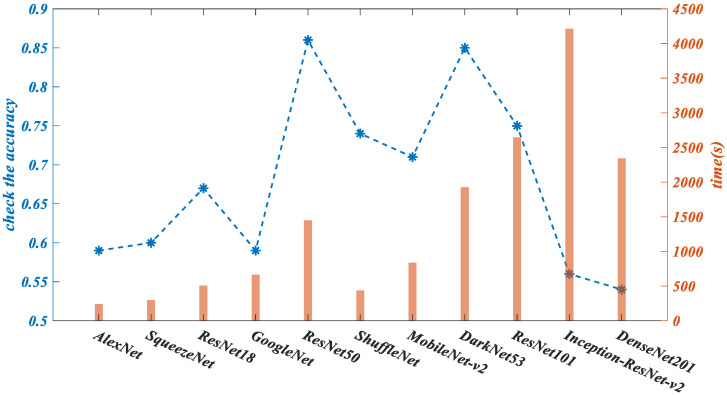
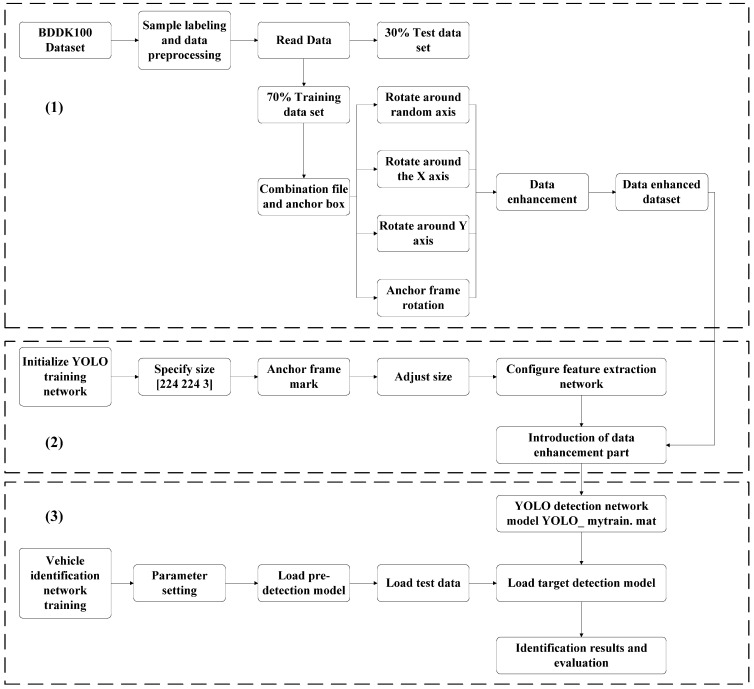
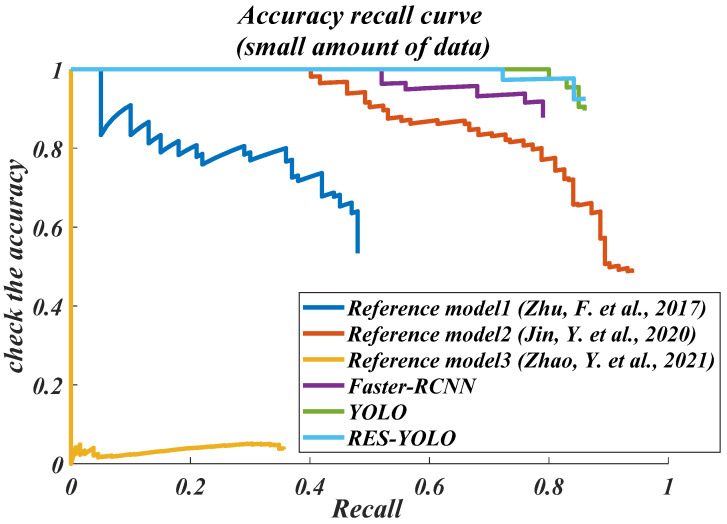
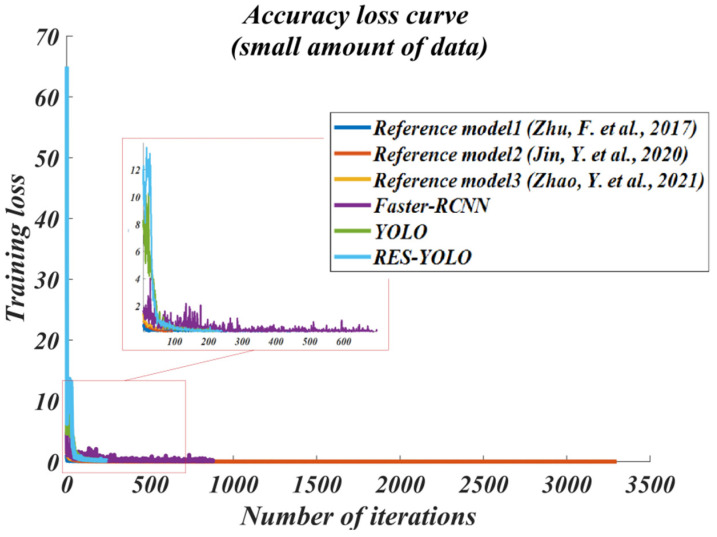
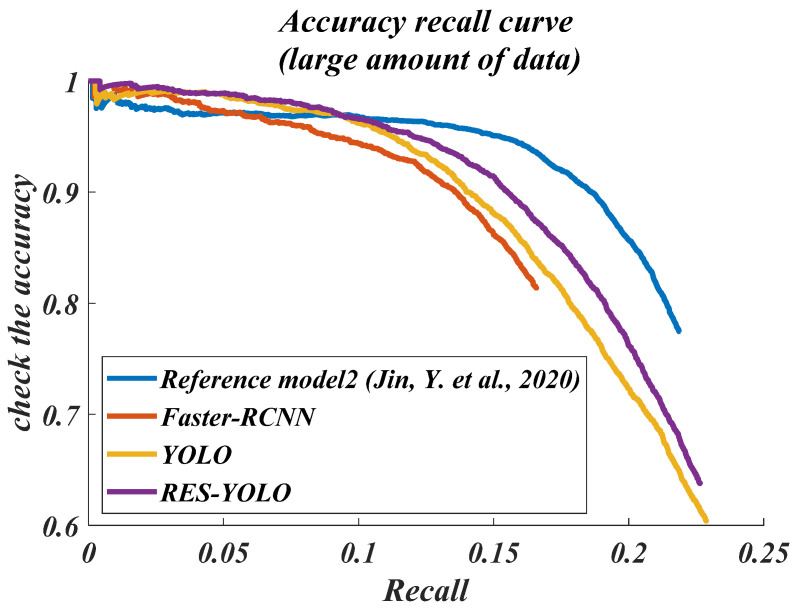
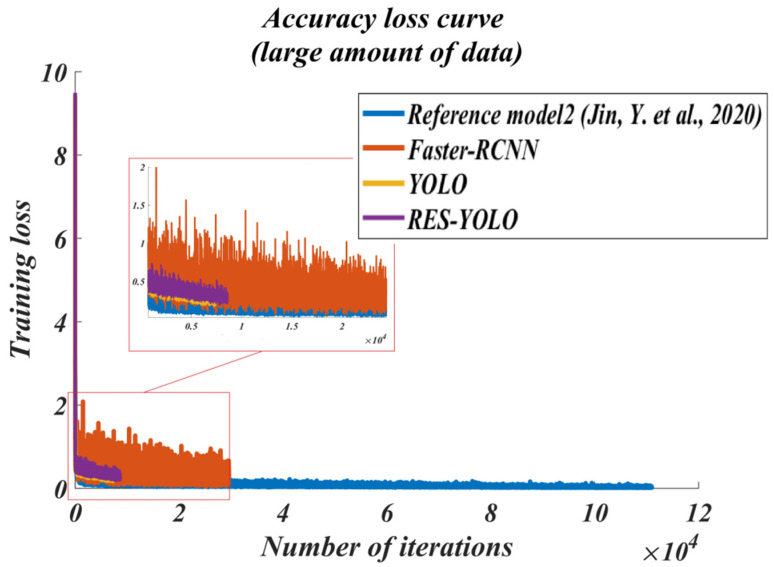
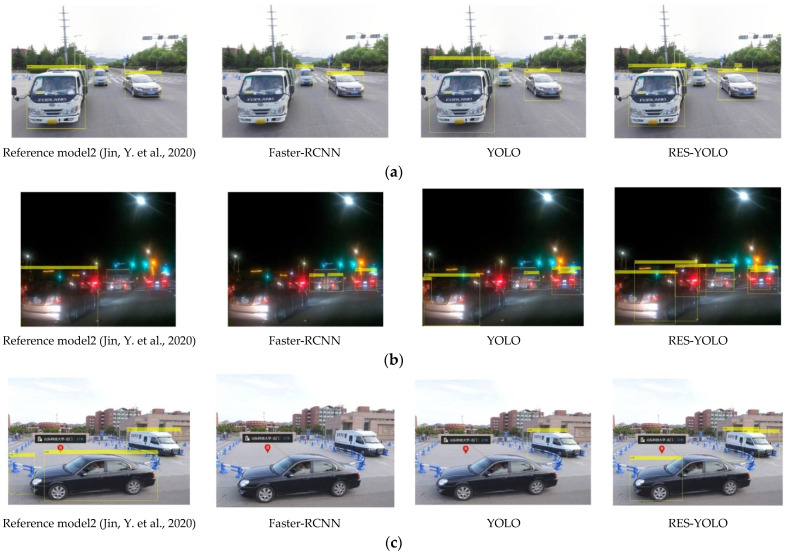
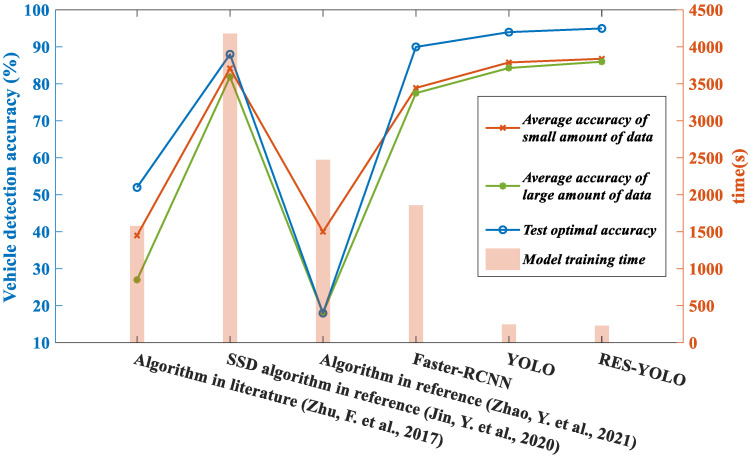
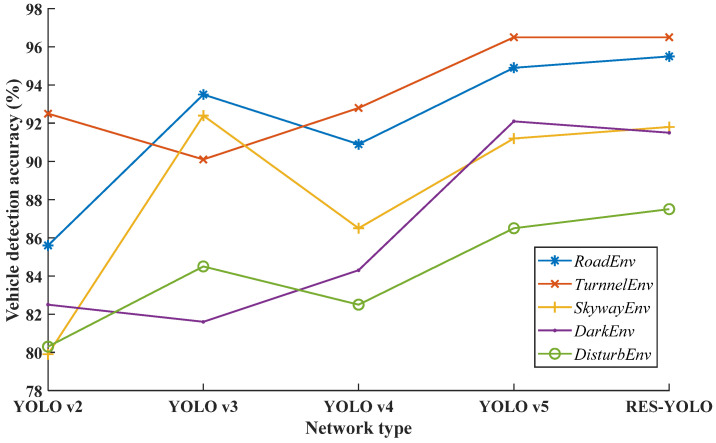
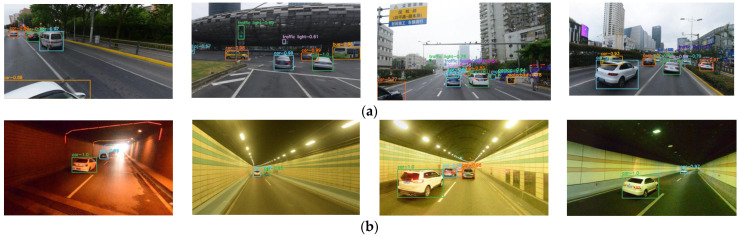
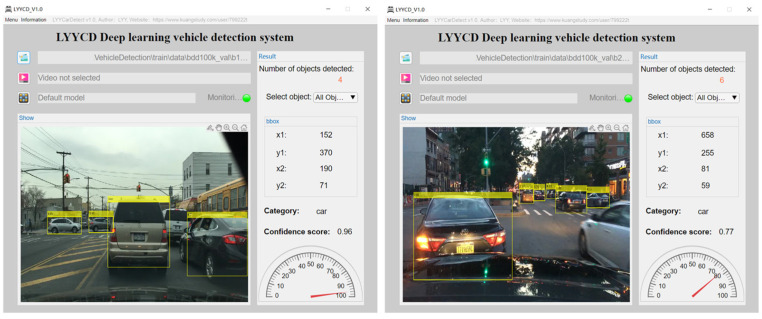
With the introduction of concepts such as ubiquitous mapping, mapping-related technologies are gradually applied in autonomous driving and target recognition. There are many problems in vision measurement and remote sensing, such as difficulty in automatic vehicle discrimination, high missing rates under multiple vehicle targets, and sensitivity to the external environment. This paper proposes an improved RES-YOLO detection algorithm to solve these problems and applies it to the automatic detection of vehicle targets. Specifically, this paper improves the detection effect of the traditional YOLO algorithm by selecting optimized feature networks and constructing adaptive loss functions. The BDD100K data set was used for training and verification. Additionally, the optimized YOLO deep learning vehicle detection model is obtained and compared with recent advanced target recognition algorithms. Experimental results show that the proposed algorithm can automatically identify multiple vehicle targets effectively and can significantly reduce missing and false rates, with the local optimal accuracy of up to 95% and the average accuracy above 86% under large data volume detection. The average accuracy of our algorithm is higher than all five other algorithms including the latest SSD and Faster-RCNN. In average accuracy, the RES-YOLO algorithm for small data volume and large data volume is 1.0% and 1.7% higher than the original YOLO. In addition, the training time is shortened by 7.3% compared with the original algorithm. The network is then tested with five types of local measured vehicle data sets and shows satisfactory recognition accuracy under different interference backgrounds. In short, the method in this paper can complete the task of vehicle target detection under different environmental interferences.
Overview
The claims and statistics of this paper haven’t been checked yet.
Run the check — free, no account needed. It reads the open-access text and checks the sources it cites.
Integrity signals
Registry
Cites
Statistics
Figures
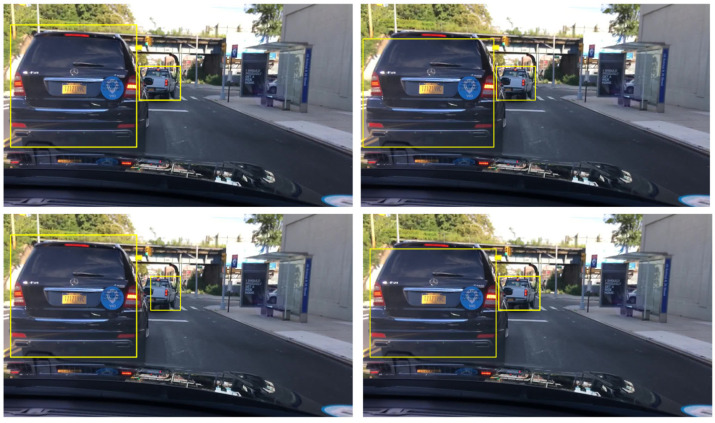
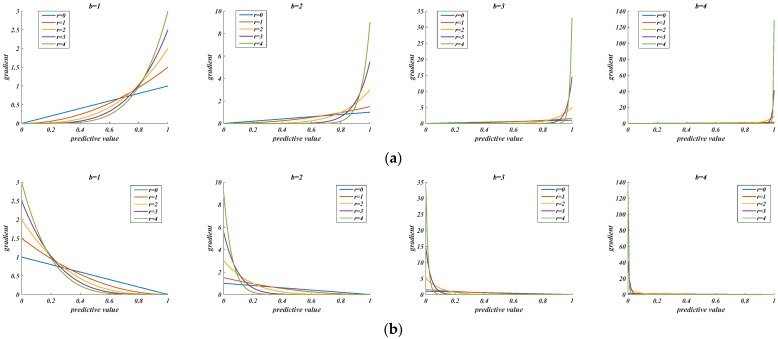
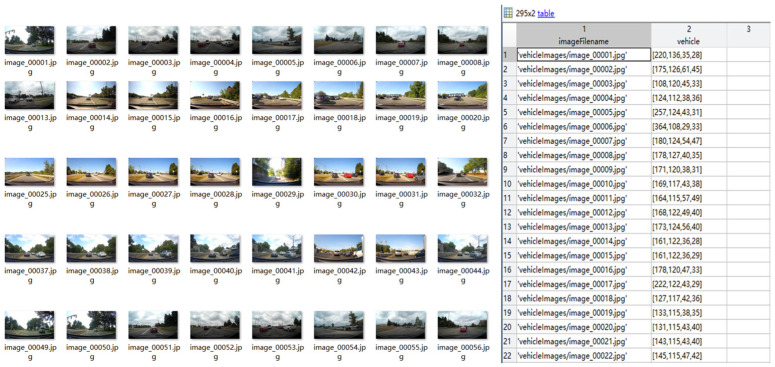
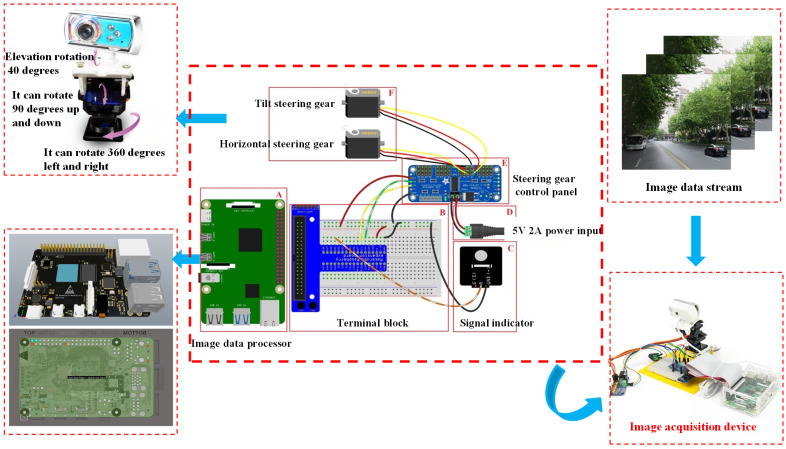
Verification
Claims the paper makes
The claims and statistics of this paper haven’t been checked yet.
Run the check — free, no account needed. It reads the open-access text and checks the sources it cites.
Claims other papers make about this one
Each is checked against this paper’s own text: does it say what the citing paper says it does?
The cited source says what the claim attributes to it.
In the citing paper
“| YOLOv3 [86] | Accuracy, Recall | The RES-YOLO network improved vehicle detection accuracy and reduced background noise. | Vehicle dataset |”
From The YOLO Framework: A Comprehensive Review of Evolution, Applications, and Benchmarks in Object Detection (2024) · cites this paper as [86]
Self-check
Percentages, sums and reported differences re-computed from the paper’s own numbers.
The self-check needs the paper’s full text.
Citations
The citation lists haven’t been fetched yet
References 37 · Cited by 49
Research works printed but not linked: 33
- Hirata, 2005, Vehicle detection using Gaussian mixture model for infrared orientation-code image, Optomechatron. Mach. Vis., 6051, 605104, 10.1117/12.648770 · DOI
- Li, 2006, Obstacle Detection in Cluttered Traffic Environment Based on Candidate Generation and Classification, Int. J. Comput. Commun. Control., 1, 93, 10.15837/ijccc.2006.4.2311 · DOI
- Zhang, 2018, Overview of deep learning intelligent driving methods, Qinghua Daxue Xuebao/J. Tsinghua Univ., 58, 438
- Yu, 2020, LiDAR target fusion and algorithm detection based on improved YOLO, J. Phys. Conf. Ser., 1682, 012010, 10.1088/1742-6596/1682/1/012010 · DOI
- Kutsuma, Y., Yaguchi, H., and Hamamoto, T. (2004, January 26–29). Real-time lane line and forward vehicle detection by smart image sensor. Proceedings of the IEEE International Symposium on Communications and Information Technology, Sapporo, Japan.
- Srinivasa, N. (2002, January 17–21). Vision-based vehicle detection and tracking method for forward collision warning in automobiles. Proceedings of the Intelligent Vehicle Symposium, Versailles, France.
- Hashmi, 2016, A new approach for real time object detection and tracking on high resolution and multi-camera surveillance videos using GPU, J. Cent. South Univ., 23, 130, 10.1007/s11771-016-3056-6 · DOI
- Ali, A., and Afghani, S. (2005, January 27–28). Shadow based on-road vehicle detection and verification using HAAR wavelet packet transform. Proceedings of the 2005 International Conference on Information and Communication Technologies, Karachi, Pakistan.
- Liu, T., Zheng, N., Zhao, L., and Cheng, H. (2005, January 6–8). Learning based symmetric features selection for vehicle detection. Proceedings of the IEEE Intelligent Vehicles Symposium, Las Vegas, NV, USA. · DOI
- Schwarzinger, M., Zielke, T., Noll, D., Brauckmann, M., and von Seelen, W. (July, January 29). Vision-based car-following: Detection, tracking, and identification. Proceedings of the IEEE Intelligent Vehicles Symposium, Detroit, MI, USA.
- Dalal, N., and Triggs, B. (2005, January 20–25). Histograms of oriented gradients for human detection. Proceedings of the 2005 IEEE Computer Society Conference on Computer Vision and Pattern Recognition (CVPR’05), San Diego, CA, USA.
- Zhao, 2007, Dynamic texture recognition using local binary patterns with an application to facial expressions, IEEE Trans. Pattern Anal. Mach. Intell., 29, 915, 10.1109/TPAMI.2007.1110 · DOI · Paper page
- Jiao, 2021, Pedestrian detection based on combination of candidate region location and HOG-CLBP features, Laser Optoelectron. Prog., 58, 10015
- He, 2015, Spatial Pyramid Pooling in Deep Convolutional Networks for Visual Recognition, IEEE Trans. Pattern Anal. Mach. Intell., 37, 1904, 10.1109/TPAMI.2015.2389824 · DOI · Paper page
- Ren, 2018, Object Detection Based on Fast/Faster RCNN Employing Fully Convolutional Architectures, Math. Probl. Eng., 2018, 3598316, 10.1155/2018/3598316 · DOI
- Liu, W., Anguelov, D., Erhan, D., Szegedy, C., Reed, S., Fu, C.Y., and Berg, A.C. (2016). SSD: Single shot multibox detector. Lecture Notes in Computer Science (Including Subseries Lecture Notes in Artificial Intelligence and Lecture Notes in Bioinformatics), 9905 LNCS, Springer. · DOI · Paper page
- Zhu, F., Lu, Y., Ying, N., and Giakos, G. (2017, January 18–20). Fast vehicle detection based on evolving convolutional neural network. Proceedings of the 2017 IEEE International Conference on Imaging Systems and Techniques (IST), Beijing, China. · DOI
- Jin, 2020, Multi-Feature Fusion and Enhancement Single Shot Detector for Traffic Sign Recognition, IEEE Access, 8, 38931, 10.1109/ACCESS.2020.2975828 · DOI
- Zhao, 2021, A Real-Time Video Flame Detection Algorithm Based on Improved Yolo-v3, Wuhan Daxue Xuebao (Xinxi Kexue Ban)/Geomat. Inf. Sci. Wuhan Univ., 46, 326
- Cao, C.Y., Zheng, J.C., Huang, Y.Q., Liu, J., and Yang, C.F. (2019). Investigation of a promoted you only look once algorithm and its application in traffic flow monitoring. Appl. Sci., 9. · DOI
- Liu, 2019, Real-time vehicle detection and tracking based on enhanced Tiny YOLOV3 algorithm, Nongye Gongcheng Xuebao/Trans. Chin. Soc. Agric. Eng., 35, 118
- Lu, 2018, A Vehicle Detection Method for Aerial Image Based on YOLO, J. Comput. Commun., 6, 98, 10.4236/jcc.2018.611009 · DOI
- Li, 2021, Detection and Identification of Moving Objects at Busy Traffic Road based on YOLO v4, J. Inst. Internet Broadcasting Commun., 21, 141
- Wang, 2022, Trident-YOLO: Improving the precision and speed of mobile device object detection, IET Image Process., 16, 145, 10.1049/ipr2.12340 · DOI
- Wang, 2022, TRC-YOLO: A real-time detection method for lightweight targets based on mobile devices, IET Comput. Vis., 16, 126, 10.1049/cvi2.12072 · DOI
- Wu, T.H., Wang, T.W., and Liu, Y.Q. (2021, January 18–20). Real-Time Vehicle and Distance Detection Based on Improved Yolo v5 Network. Proceedings of the 2021 3rd World Symposium on Artificial Intelligence (WSAI), Guangzhou, China. · DOI
- Jiang, 2021, Application Research of Key Frames Extraction Technology Combined with Optimized Faster R-CNN Algorithm in Traffic Video Analysis, Complexity, 2021, 6620425, 10.1155/2021/6620425 · DOI
- Xu, 2021, Multiscale information fusion-based deep learning framework for campus vehicle detection, Int. J. Image Data Fusion, 12, 83, 10.1080/19479832.2020.1845245 · DOI
- Tang, T., Zhou, S., Deng, Z., Zou, H., and Lei, L. (2017). Vehicle detection in aerial images based on region convolutional neural networks and hard negative example mining. Sensors, 17. · DOI
- Li, 2021, Domain adaptation from daytime to nighttime: A situation-sensitive vehicle detection and traffic flow parameter estimation framework, Transp. Res. Part C Emerg. Technol., 124, 102946, 10.1016/j.trc.2020.102946 · DOI · Paper page
- Zhao, 2019, Forward vehicle detection based on deep convolution neural network, AIP Conf. Proc., 2073, 020107, 10.1063/1.5090761 · DOI
- Yang, Y., Cai, L., Wei, H., Qian, T., and Gao, Z. (2021, January 17–21). Research on traffic flow detection based on yolo V4. Proceedings of the 2021 16th International Conference on Computer Science & Education (ICCSE), Lancaster, UK. · DOI
- Mu, 2021, Traffic flow statistics method based on deep learning and multi-feature fusion, CMES Comput. Model. Eng. Sci., 129, 465
Metadata
- Authors
- Li, Y., Wang, J., Huang, J., & Li, Y.
- Affiliations
- Tongji University (CN)
- Shandong University of Science and Technology (CN)
- Zhejiang University (CN)
- Corresponding author
- Wang, Jian
- Venue
- Sensors
- Publisher
- MDPI AG
- Published
- 2022-05-16
- Volume
- 22
- Issue
- 10
- Pages
- 3783
- ISSN
- 1424-8220 (ISSN-L)
- PMC
- PMC9143950
- OpenAlex
- W4280511929
- Cited by
- 49
- References
- 37
- Citations by year
- 2026: 3 · 2025: 13 · 2024: 13 · 2023: 18 · 2022: 2
- FWCI
- 3.76
- Type
- journal article
- Language
- en
- Open access
- gold
- doi.org
- Licence
- Locations
- Sensors (publishedVersion, cc-by)
- PubMed Central (publishedVersion, cc-by)
- PubMed (publishedVersion)
- DOAJ (DOAJ: Directory of Open Access Journals) (submittedVersion, cc-by-sa)
- Funders
- introduction plan of high-end foreign experts (G2021025006L, 2019JZZY020103)
- major scientific and technological innovation project of Shandong Province, China (G2021025006L, 2019JZZY020103)
- Topics
- Physical Sciences › Computer Science › Computer Vision and Pattern Recognition › Advanced Neural Network Applications
- Physical Sciences › Engineering › Automotive Engineering › Autonomous Vehicle Technology and Safety
- Physical Sciences › Computer Science › Artificial Intelligence › Domain Adaptation and Few-Shot Learning
- Keywords
- vehicle detection, YOLO, object detection, adaptive loss function, BDD100K, autonomous driving, false positive reduction
- MeSH terms
- Deep Learning, Algorithms
About these checks
Registry, retraction, Cites and statistics results are computed, not judged, with one exception: a printed reference that no index lists is read once by a model before it counts as a citation error. Claims are extracted by a model and kept only when their quote appears verbatim in the text; each cited source is then checked, with a model’s help, for whether it says what the claim relies on. Those verdicts can be wrong — read the claim’s quote and the cited source before relying on one.
Statistics and arithmetic are recomputed, not judged.
Confidence bands are shown only for fields calibrated on our annotated test set. None is calibrated yet, so no band is shown.
What counts as a claim ›How we measure confidence ›How we check this ›
Are you an author, or do you see a problem with this page? Request a review
How to cite
Cite CoChat for the checks on this page, and the paper for its own findings.
- This page
- CoChat. (2026). Citation check: Research on Deep Learning Automatic Vehicle Recognition Algorithm Based on RES-YOLO Model. https://app.cochat.ai/papers/10.3390/s22103783
- The paper
- Li, Y., Wang, J., Huang, J., & Li, Y. (2022). Research on Deep Learning Automatic Vehicle Recognition Algorithm Based on RES-YOLO Model. Sensors. https://doi.org/10.3390/s22103783
