

The DOI matches its Crossref record; 28 of the 29 references it cites were found in a registry or an index, and 1 are not checked yet.
Validation of High-Availability Model for Edge Devices and IIoT
Open accessAbstract
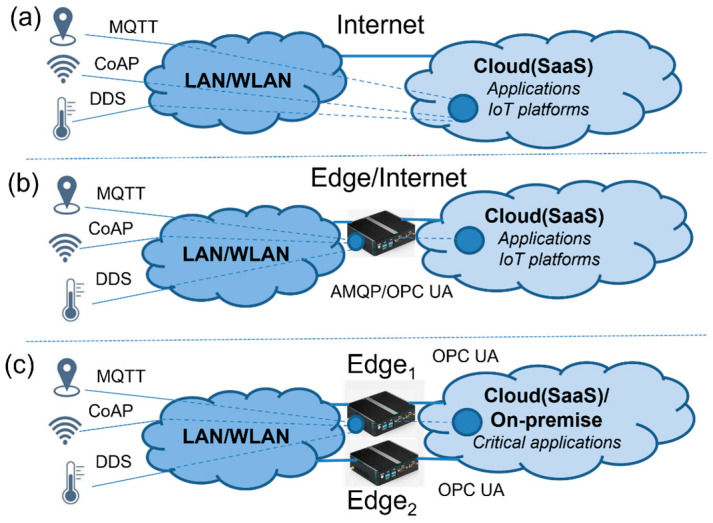
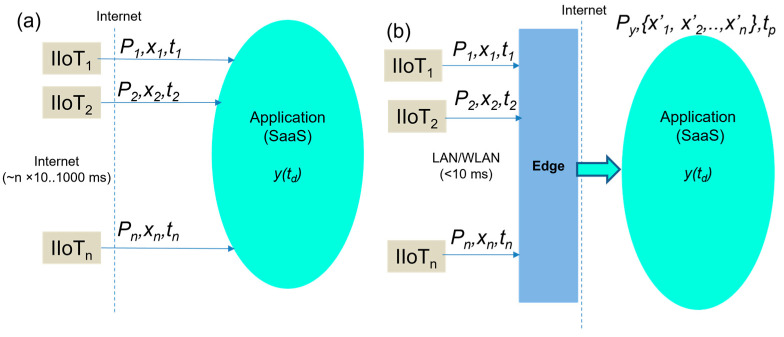
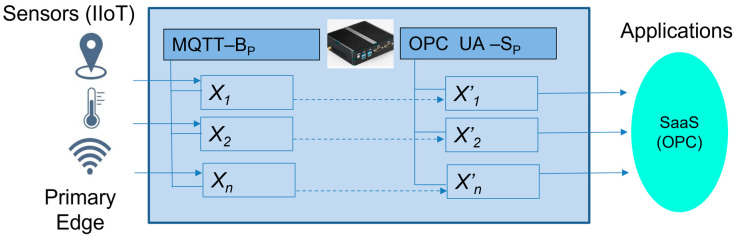
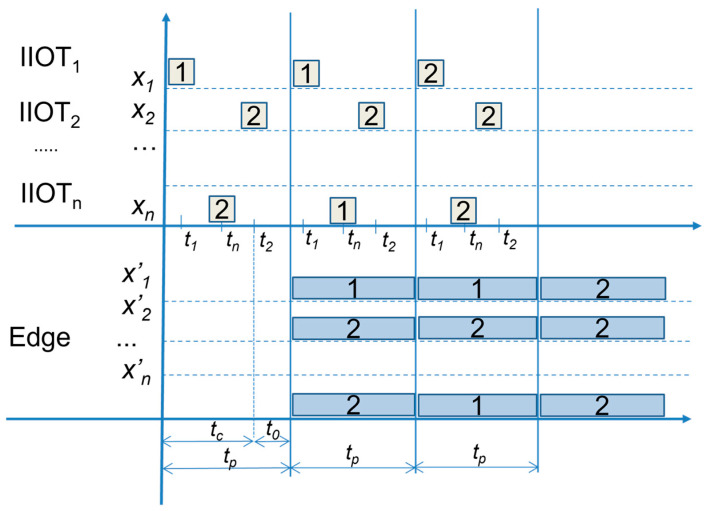
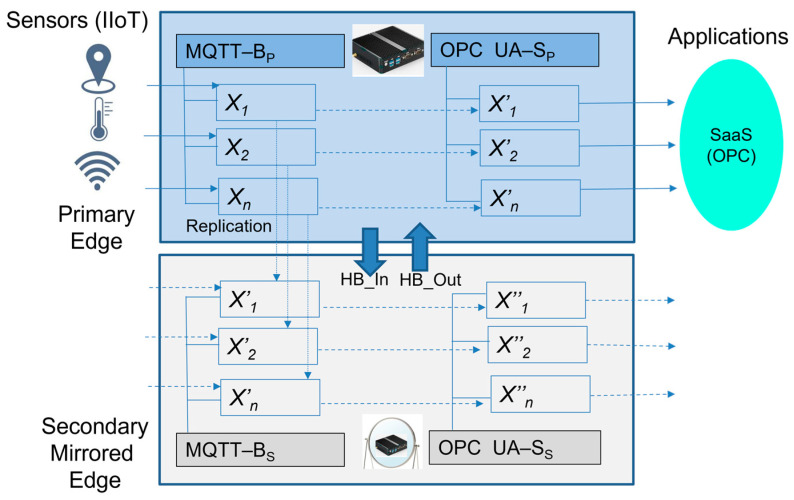
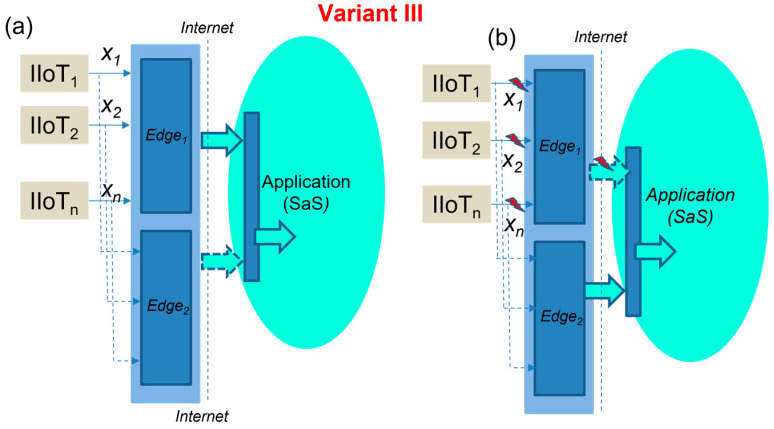
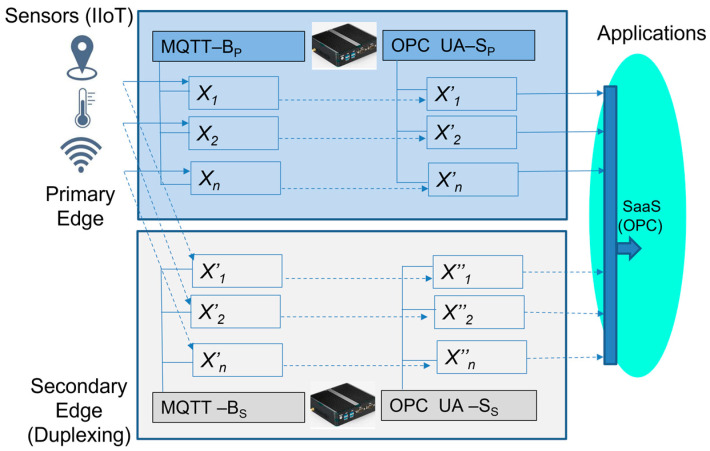
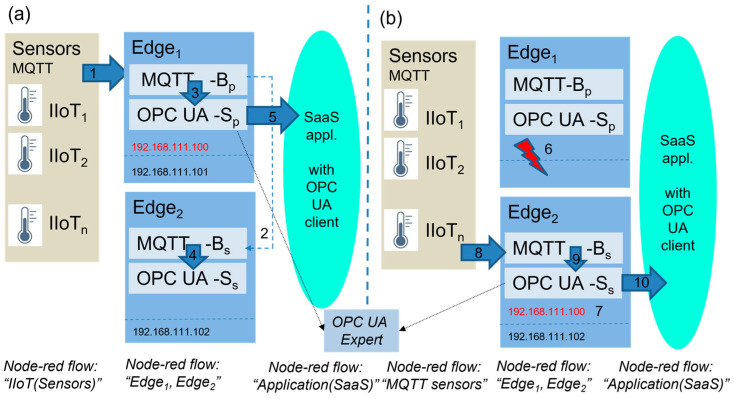
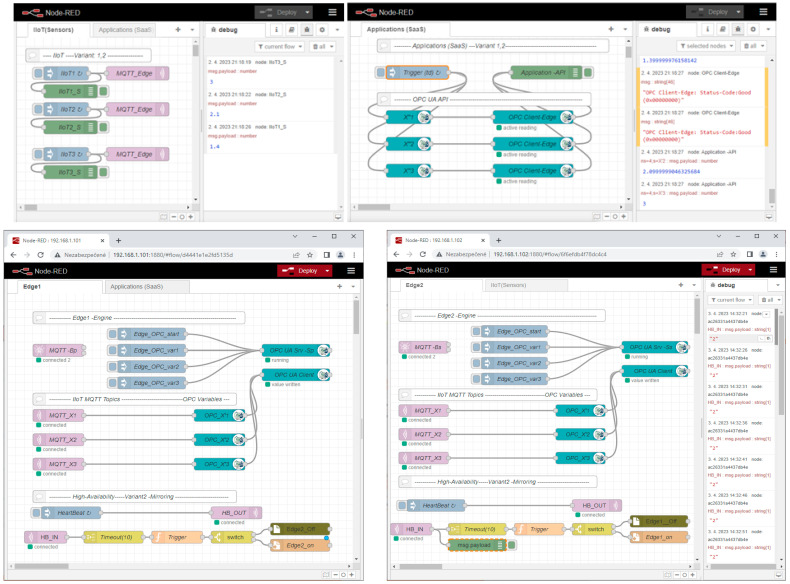
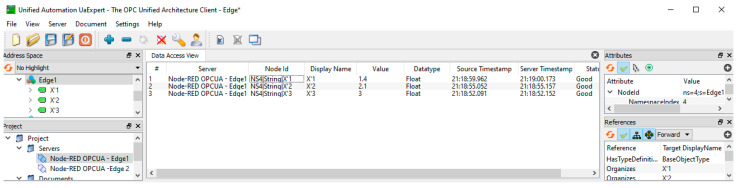
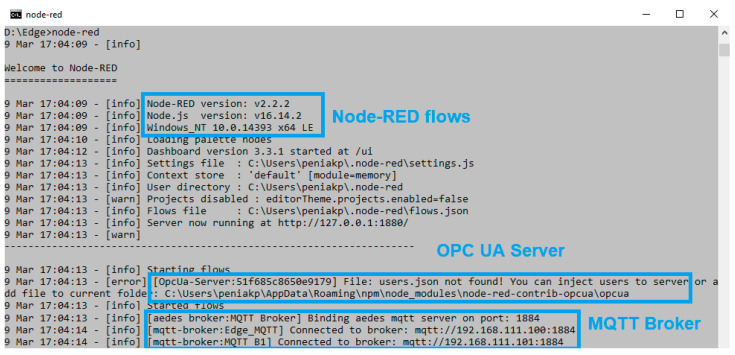
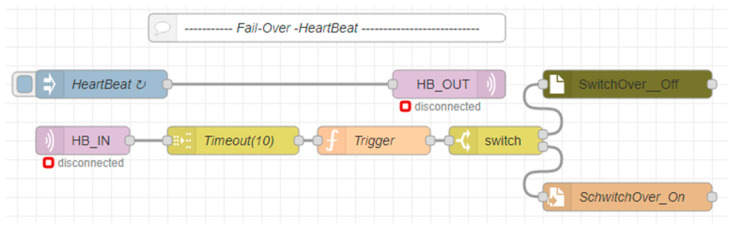
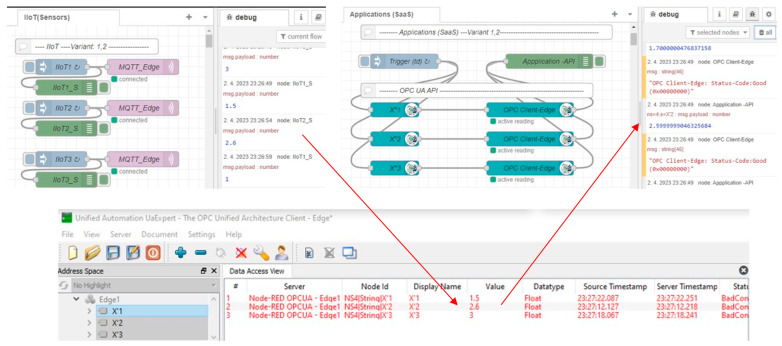
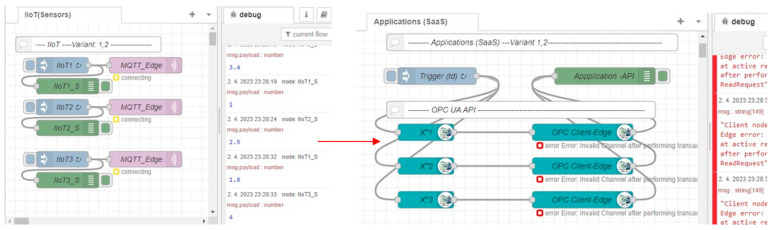
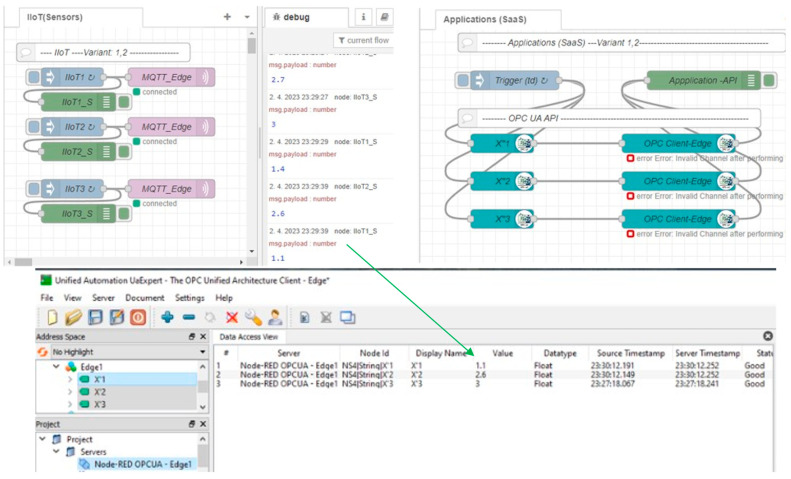
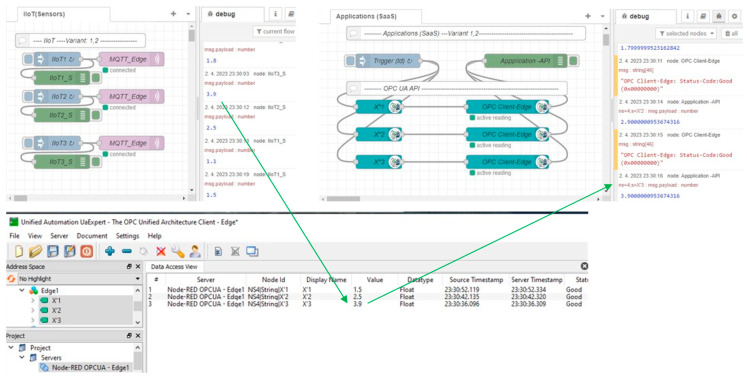
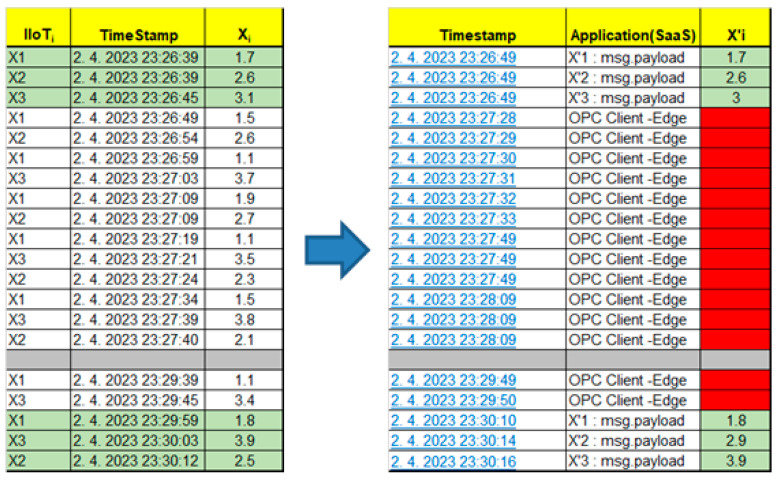
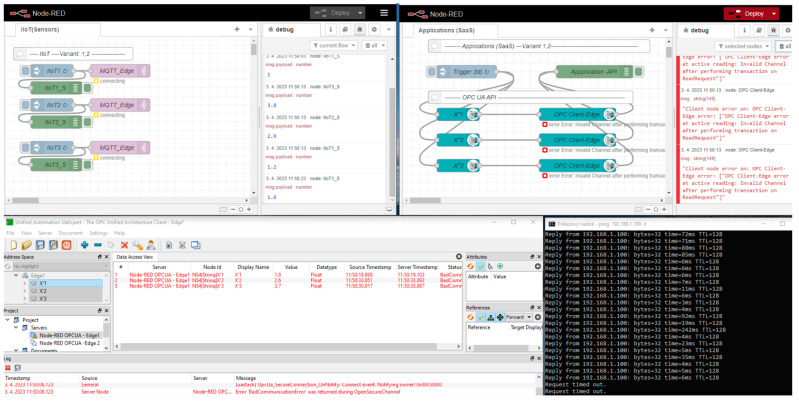
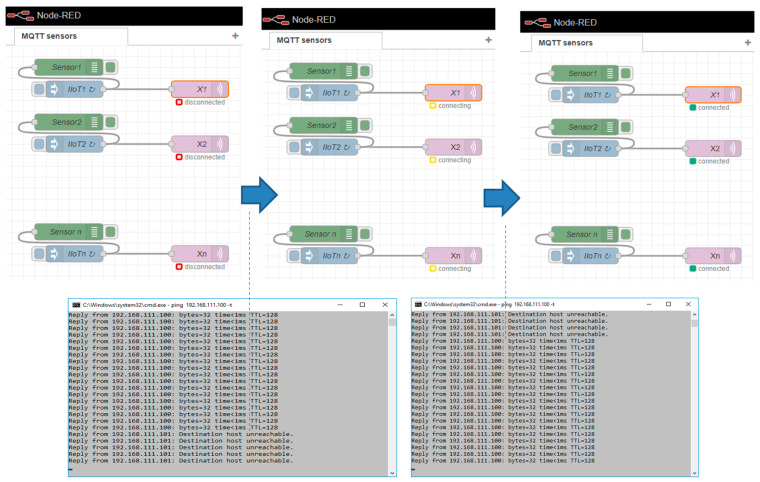
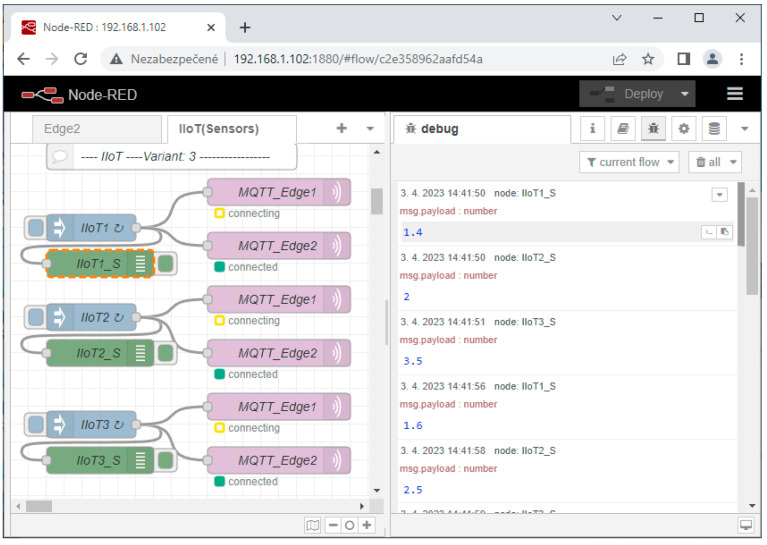
Competitiveness in industry requires smooth, efficient, and high-quality operation. For some industrial applications or process control and monitoring applications, it is necessary to achieve high availability and reliability because, for example, the failure of availability in industrial production can have serious consequences for the operation and profitability of the company, as well as for the safety of employees and the surrounding environment. At present, many new technologies that use data obtained from various sensors for evaluation or decision-making require the minimization of data processing latency to meet the needs of real-time applications. Cloud/Fog and Edge computing technologies have been proposed to overcome latency issues and to increase computing power. However, industrial applications also require the high availability and reliability of devices and systems. The potential malfunction of Edge devices can cause a failure of applications, and the unavailability of Edge computing results can have a significant impact on manufacturing processes. Therefore, our article deals with the creation and validation of an enhanced Edge device model, which in contrast to the current solutions, is aimed not only at the integration of various sensors within manufacturing solutions, but also brings the required redundancy to enable the high availability of Edge devices. In the model, we use Edge computing, which performs the recording of sensed data from various types of sensors, synchronizes them, and makes them available for decision making by applications in the Cloud. We focus on creating a suitable Edge device model that works with the redundancy, by using either mirroring or duplexing via a secondary Edge device. This enables high Edge device availability and rapid system recovery in the event of a failure of the primary Edge device. The created model of high availability is based on the mirroring and duplexing of the Edge devices, which support two protocols: OPC UA and MQTT. The models were implemented in the Node-Red software, tested, and subsequently validated and compared to confirm the required recovery time and 100% redundancy of the Edge device. In the contrast to the currently available Edge solutions, our proposed extended model based on Edge mirroring is able to address most of the critical cases, where fast recovery is required, and no adjustments are needed for critical applications. The maturity level of Edge high availability can be further extended by applying Edge duplexing for process control.
Overview
The claims and statistics of this paper haven’t been checked yet.
Run the check — free, no account needed. It reads the open-access text and checks the sources it cites.
Integrity signals
Registry
Cites
Statistics
Figures
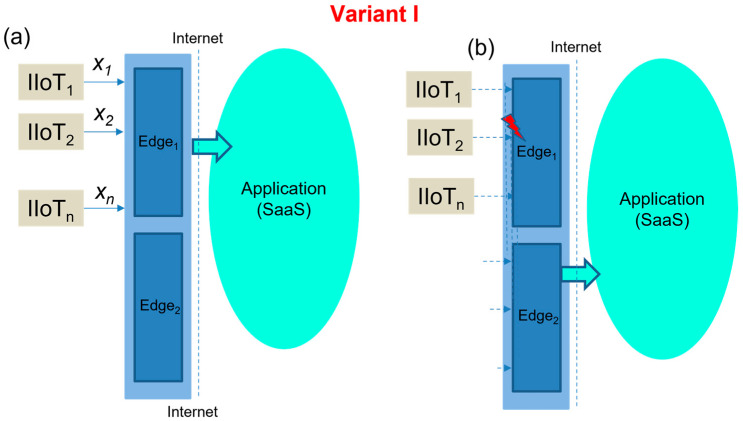
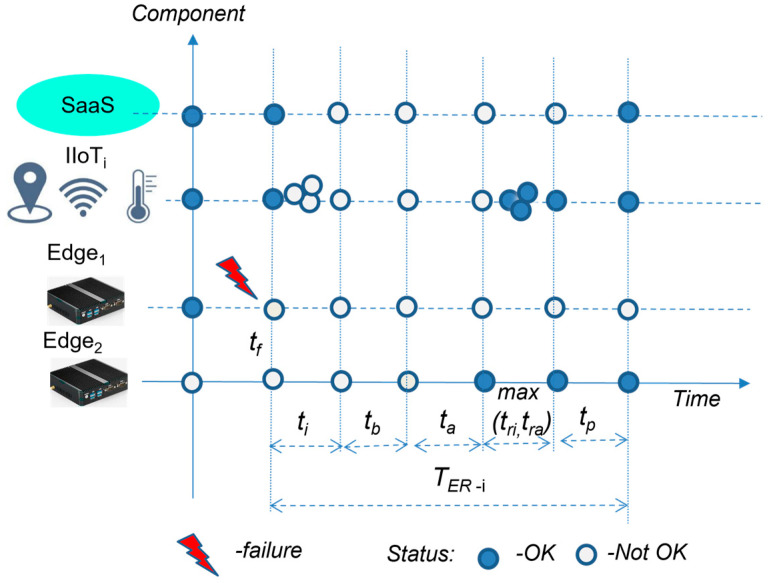
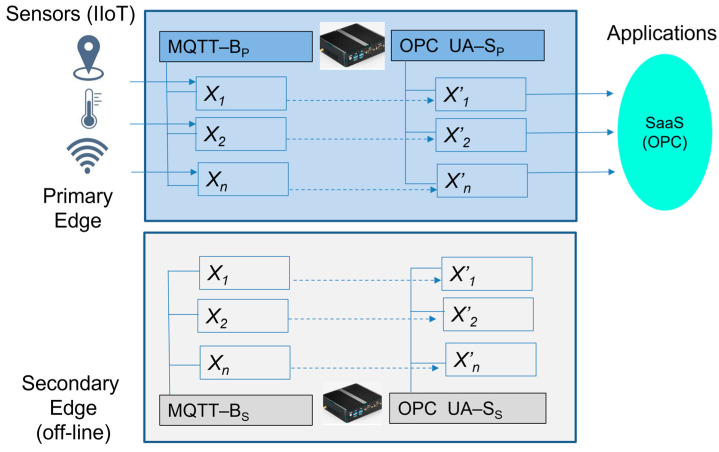
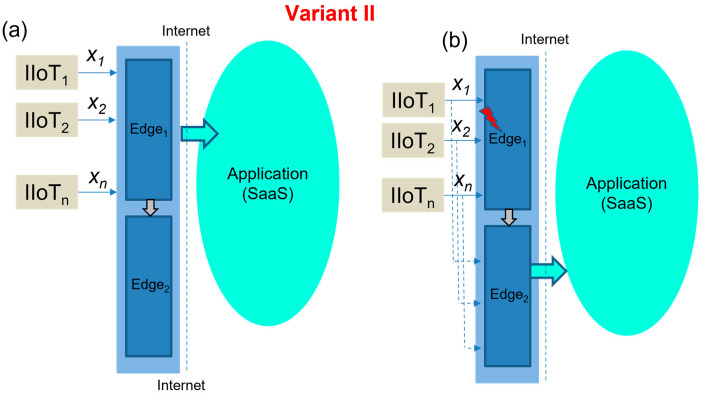
Verification
Claims the paper makes
The claims and statistics of this paper haven’t been checked yet.
Run the check — free, no account needed. It reads the open-access text and checks the sources it cites.
Claims other papers make about this one
Each is checked against this paper’s own text: does it say what the citing paper says it does?
The source backs part of the claim, not all of it — or backs it for a different population, condition or comparison.
In the citing paper
“Second, at an implementation level, existing resilience solutions for the edge are either too heavyweight (container orchestration requiring significant resources [8,35]), too slow (cold standby with recovery times exceeding minutes [11,16]), or too narrow (sensor-level backups that cannot assume full node functionality [13]).”
From Digital Twins at the Edge: A High-Availability Framework for Resilient Data Processing in IoT Sensor Networks (2026) · cites this paper as [16]
Experimental — accuracy not yet measured
Self-check
Percentages, sums and reported differences re-computed from the paper’s own numbers.
The self-check needs the paper’s full text.
Citations
Cites
Edge computing: Vision and challenges
Shi, W., Cao, J., Zhang, Q., Li, Y., & Xu, L. (2016) · IEEE Internet of Things Journal · doi:10.1109/jiot.2016.2579198 · Cited by 8,733 · cited 1×
“It can offer small real-time computing and storage capabilities [9].”
BackgroundMobile Edge Computing: A Survey on Architecture and Computation Offloading
Mach, P., & Becvar, Z. (2017) · IEEE Communications Surveys & Tutorials · doi:10.1109/comst.2017.2682318 · Cited by 3,258 · cited 1×
“Although the concept of Edge computing is gaining popularity, there is still no consensus on a standardized definition and architecture for Edge computing, [11].”
BackgroundFog Computing: A Taxonomy, Survey and Future Directions
Mahmud, R., Ramamohanarao, K., & Buyya, R. (2017) · Internet of things · doi:10.1007/978-981-10-5861-5_5 · Cited by 935 · cited 1×
“Therefore, moving computations to Edge devices in industrial plants can help mitigate these issues and improve the response time and bandwidth efficiency [10].”
BackgroundFog Computing: Survey of Trends, Architectures, Requirements, and Research Directions
Naha, R. K., Garg, S., Georgakopoulos, D., Jayaraman, P. P., Gao, L., Xiang, Y., & Ranjan, R. K. (2018) · IEEE Access · doi:10.1109/access.2018.2866491 · Cited by 567
Hypervisors vs. Lightweight Virtualization: A Performance Comparison
Morabito, R., Kjällman, J., & Komu, M. (2015) · IEEE International Conference on Cloud Engineering · doi:10.1109/ic2e.2015.74 · Cited by 362 · cited 1×
“Technologies working on software-container-based virtualization have been proposed in [17] for fault tolerance.”
BackgroundFederated Learning for Edge Computing: A Survey
Brecko, A., Kajáti, E., Koziorek, J., & Zolotová, I. (2022) · Applied Sciences · doi:10.3390/app12189124 · Cited by 181 · cited 1×
“Work [30] presents a systematic overview of the technologies and methods currently used in federated learning and Edge computing.”
MethodIntegration of blockchain and edge computing in internet of things: A survey
Xue, H., Chen, D., Zhang, N., Dai, H., & Yu, K. (2022) · Future Generation Computer Systems · doi:10.1016/j.future.2022.10.029 · Cited by 176
Javed, A. R., Hassan, M. A., Shahzad, F., Ahmed, W., Singh, S., Baker, T., & Gadekallu, T. R. (2022) · Sensors · doi:10.3390/s22124394 · Cited by 165
Secure Edge of Things for Smart Healthcare Surveillance Framework
Alabdulatif, A., Khalil, I., Yi, X., & Guizani, M. (2019) · IEEE Access · doi:10.1109/access.2019.2899323 · Cited by 140 · cited 1×
“In the work [12], the issue of data protection using homomorphic encryption is addressed, and Edge is utilized to perform part of the analytical tasks, thereby increasing the performance of encrypted analysis, and reducing the size of the data transmitted to the Cloud.”
MethodCEFIoT: A fault-tolerant IoT architecture for edge and cloud
Javed, A., Heljanko, K., Buda, A., & Främling, K. (2018) · IEEE World Forum on Internet of Things (WF-IoT) · doi:10.1109/wf-iot.2018.8355149 · Cited by 97 · cited 1×
“The work in [18] proposed fault tolerance and backups in Edge cluster networks with support for containers, Kubernetes, and Apache Kafka.”
Background
Research works printed but not linked: 2
- Mahmud, R., Kotagiri, R., and Buyya, R. (2018). Internet of Everything. Internet of Things, Springer.
- Harjula, E., Artemenko, A., and Forsström, S. (2020). Wireless Networks and Industrial IoT, Springer.
Cited by
Sorted by citations
Ullah, S., Boulila, W., Koubâa, A., & Ahmad, J. E. (2023) · IEEE Access · doi:10.1109/access.2023.3324657 · Cited by 63
“IIoT aims to enhance operational efficiency, enable predictive maintenance, optimize processes, and improve overall productivity in industries such as manufacturing, energy, transportation, and healthcare [1], [2].”
BackgroundOverview of AI-Models and Tools in Embedded IIoT Applications
Dini, P., Diana, L., Elhanashi, A., & Saponara, S. (2024) · Electronics · doi:10.3390/electronics13122322 · Cited by 58
End-to-End Service Availability in Heterogeneous Multi-Tier Cloud–Fog–Edge Networks
Kabashkin, I. (2023) · Future Internet · doi:10.3390/fi15100329 · Cited by 8
Sahu, D. K., Nidhi, N., Prakash, S., Yang, T., Rathore, R. S., Wang, L., Sharma, U., & Alsolbi, I. N. (2025) · Scientific Reports · doi:10.1038/s41598-025-25590-4 · Cited by 16
“Also, the edge networks are continually evolving and hence call for dynamic fault tolerance mechanisms that can operate under different conditions 47,48 .”
Neagu, M., Serban, C. M., Hangan, A., & Sebestyen, G. (2026) · Future Internet · doi:10.3390/fi18030137 · Cited by 3
Metadata
- Authors
- Peniak, P., Bubeníková, E., & Kanáliková, A.
- Affiliations
- University of Žilina (SK)
- Corresponding author
- Kanáliková, Alžbeta
- Venue
- Sensors
- Publisher
- MDPI AG
- Published
- 2023-05-18
- Volume
- 23
- Issue
- 10
- Pages
- 4871
- ISSN
- 1424-8220 (ISSN-L)
- PMC
- PMC10223726
- OpenAlex
- W4377138651
- Cited by
- 11
- References
- 28
- Citations by year
- 2026: 4 · 2025: 2 · 2024: 2 · 2023: 3
- FWCI
- 1.22
- Type
- journal article
- Language
- en
- Open access
- gold
- doi.org
- Licence
- Locations
- Sensors (publishedVersion, cc-by)
- PubMed Central (publishedVersion, cc-by)
- PubMed (publishedVersion)
- DOAJ (DOAJ: Directory of Open Access Journals) (submittedVersion, cc-by-sa)
- Funders
- Cultural and Educational Grant Agency MŠVVaŠ SR (008ŽU-4/2021)
- University of Žilina (008ŽU-4/2021)
- Topics
- Physical Sciences › Computer Science › Computer Networks and Communications › IoT and Edge/Fog Computing
- Physical Sciences › Engineering › Industrial and Manufacturing Engineering › Digital Transformation in Industry
- Physical Sciences › Engineering › Control and Systems Engineering › Industrial Automation and Control Systems
- Keywords
- edge computing, high availability, Industrial Internet of Things, redundancy, mirroring, duplexing, fault recovery, OPC UA, MQTT, Node-RED, sensor synchronization, fog computing, manufacturing process control
About these checks
Registry, retraction, Cites and statistics results are computed, not judged, with one exception: a printed reference that no index lists is read once by a model before it counts as a citation error. Claims are extracted by a model and kept only when their quote appears verbatim in the text; each cited source is then checked, with a model’s help, for whether it says what the claim relies on. Those verdicts can be wrong — read the claim’s quote and the cited source before relying on one.
Statistics and arithmetic are recomputed, not judged.
Confidence bands are shown only for fields calibrated on our annotated test set. None is calibrated yet, so no band is shown.
What counts as a claim ›How we measure confidence ›How we check this ›
Are you an author, or do you see a problem with this page? Request a review
