

Patients’ experiences of using a smartphone application to increase physical activity: the SMART MOVE qualitative study in primary care
Open accessThe DOI matches its Crossref record; 24 of the 25 references it cites were found in a registry or an index.
Abstract
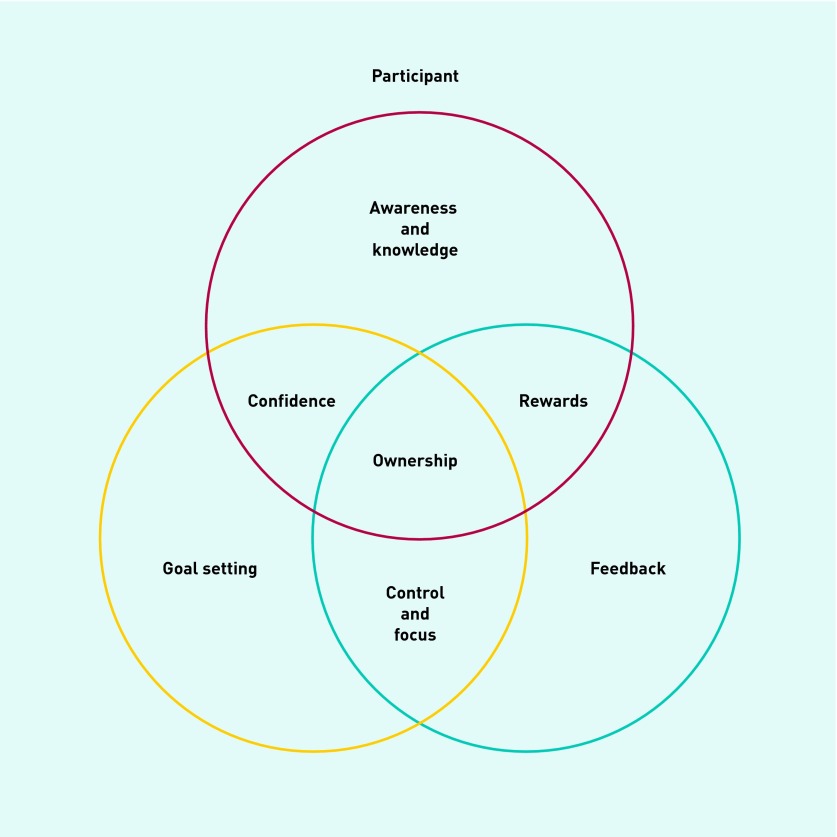
BACKGROUND: Regular physical activity is known to help prevent and treat numerous non-communicable diseases. Smartphone applications (apps) have been shown to increase physical activity in primary care but little is known regarding the views of patients using such technology or how such technology may change behaviour. AIM: To explore patients' views and experiences of using smartphones to promote physical activity in primary care. DESIGN AND SETTING: This qualitative study was embedded within the SMART MOVE randomised controlled trial, which used an app (Accupedo-Pro Pedometer) to promote physical activity in three primary care centres in the west of Ireland. METHOD: Taped and transcribed semi-structured interviews with a purposeful sample of 12 participants formed the basis of the investigation. Framework analysis was used to analyse the data. RESULTS: Four themes emerged from the analysis: transforming relationships with exercise; persuasive technology tools; usability; and the cascade effect. The app appeared to facilitate a sequential and synergistic process of positive change, which occurred in the relationship between the participants and their exercise behaviour; the study has termed this the 'Know-Check-Move' effect. Usability challenges included increased battery consumption and adjusting to carrying the smartphone on their person. There was also evidence of a cascade effect involving the families and communities of participants. CONCLUSION: Notwithstanding technological challenges, an app has the potential to positively transform, in a unique way, participants' relationships with exercise. Such interventions can also have an associated cascade effect within their wider families and communities.
Overview
The claims and statistics of this paper haven’t been checked yet.
Free: it reads the open-access text and checks the first 5 claims that cite a source we can check. Create a free account to check every claim.
Integrity signals
Registry
Cites
Statistics
Figures
Verification
Claims the paper makes
The claims and statistics of this paper haven’t been checked yet.
Free: it reads the open-access text and checks the first 5 claims that cite a source we can check. Create a free account to check every claim.
Claims other papers make about this one
Each is checked against this paper’s own text: does it say what the citing paper says it does?
The source backs part of the claim, not all of it — or backs it for a different population, condition or comparison.
In the citing paper
“Goal setting [38,39,45,48,51,54,56,58,59,66,71,74] was related to sustained engagement with health and well-being apps (Q61).”
From Influences on the Uptake of and Engagement With Health and Well-Being Smartphone Apps: Systematic Review (2020) · cites this paper as [45]
Experimental — accuracy not yet measuredThe source backs part of the claim, not all of it — or backs it for a different population, condition or comparison.
In the citing paper
“The availability and accessibility of a smartphone [37,40,45,49,52,57,72,78] facilitate both uptake and engagement by having a behavior change device in close proximity (Q25).”
From Influences on the Uptake of and Engagement With Health and Well-Being Smartphone Apps: Systematic Review (2020) · cites this paper as [45]
Experimental — accuracy not yet measuredThe cited source says what the claim attributes to it.
In the citing paper
“Self-monitoring, the ability of an app to help monitor and regulate the target behavior [36,38-40,45,48,51,52,55,57,59,60], was found to be important in supporting behavior change.”
From Influences on the Uptake of and Engagement With Health and Well-Being Smartphone Apps: Systematic Review (2020) · cites this paper as [45]
The cited source says what the claim attributes to it.
In the citing paper
“A self-monitoring feature was able to raise awareness about the number of cigarettes smoked [40,58], the amount of alcohol consumed [58], the number of steps taken [45], the mood they have [60], or users calorie intake (Q21) [48,56].”
From Influences on the Uptake of and Engagement With Health and Well-Being Smartphone Apps: Systematic Review (2020) · cites this paper as [45]
The cited source says what the claim attributes to it.
In the citing paper
“Offering rewards [37,40,45,46,56-59,66,69,71,75] was found to be a useful way to increase engagement.”
From Influences on the Uptake of and Engagement With Health and Well-Being Smartphone Apps: Systematic Review (2020) · cites this paper as [45]
5 more claims about this paper
Create a free account to see every claim other papers make about this one.
Self-check
Percentages, sums and reported differences re-computed from the paper’s own numbers.
The self-check needs the paper’s full text.
Citations
Cites
The Discovery of Grounded Theory: Strategies for Qualitative Research.
Wagner, H. R., Glaser, B. G., & Strauss, A. L. (1968) · Social Forces · doi:10.2307/2575405 · Cited by 46,361
The Discovery of Grounded Theory; Strategies for Qualitative Research
Glaser, B. G., Strauss, A. L., & Strutzel, E. (1968) · Nursing Research · doi:10.1097/00006199-196807000-00014 · Cited by 39,449
Qualitative research in health care: Analysing qualitative data
Pope, C. (2000) · BMJ · doi:10.1136/bmj.320.7227.114 · Cited by 8,131
Qualitative data analysis for applied policy research
Ritchie, J., & Spencer, L. (2010) · Analyzing qualitative data · doi:10.4324/9780203413081_chapter_9 · Cited by 4,800
(1997) · Cited by 4,204
Qualitative Research in Health Care
(2006) · Wiley eBooks · doi:10.1002/9780470750841 · Cited by 2,712
Using Pedometers to Increase Physical Activity and Improve Health: A Systematic Review
Bravata, D. M., Smith-Spangler, C., Sundaram, V., Gienger, A. L., Lin, N., Lewis, R., Stave, C. D., Olkin, I., & Sirard, J. R. (2007) · JAMA · doi:10.1001/jama.298.19.2296 · Cited by 2,064
Handling Qualitative Data: A Practical Guide
Richards, L. (2005) · Cited by 1,885
Persuasive technology: using computers to change what we think and do
Fogg, B. J. (2002) · Ubiquity · doi:10.1145/764008.763957 · Cited by 1,554
Habits make smartphone use more pervasive.
Oulasvirta, A., Rattenbury, T., Ma, L., & Raita, E. (2012) · Personal and Ubiquitous Computing · doi:10.1007/s00779-011-0412-2 · Cited by 1,190
Research works printed but not linked: 1
- World Health Organization Global recommendations on physical activity for health http://whqlibdoc.who.int/publications/2010/9789241599979_eng.pdf (accessed 26 Jun 2014) 26180873
Cited by
Telehealth and patient satisfaction: a systematic review and narrative analysis
Kruse, C. S., Krowski, N., Rodriguez, B., Tran, L., Vela, J., & Brooks, M. (2017) · BMJ Open · doi:10.1136/bmjopen-2017-016242 · Cited by 1,350
Evaluating mobile phone applications for health behaviour change: A systematic review
McKay, F. H., Cheng, C., Wright, A., Shill, J., Stephens, H., & Uccellini, M. (2018) · Journal of Telemedicine and Telecare · doi:10.1177/1357633x16673538 · Cited by 364
Szinay, D., Jones, A., Chadborn, T., Brown, J., & Naughton, F. (2020) · Journal of Medical Internet Research · doi:10.2196/17572 · Cited by 289
“The focus of some studies was very specific and targeted a certain health behavior or condition, including alcohol reduction [38,46,54,58,59,64], smoking cessation [40,58,67,72,77], increasing physical activity [39,45,48,49,53,62,65,68], weight management [47,48,51,53,63,65,66,71,78], depression [52,61], mindfulness […”
BackgroundMethodInfluentialLentferink, A. J., Oldenhuis, H. K., de Groot, M., Polstra, L., Velthuijsen, H., & van Gemert-Pijnen, J. E. (2017) · Journal of Medical Internet Research · doi:10.2196/jmir.7288 · Cited by 162
“After the final full-text selection, 27 publications remained [32-58].”
InfluentialBöhm, B., Karwiese, S. D., Böhm, H., & Oberhoffer, R. (2019) · JMIR mHealth and uHealth · doi:10.2196/mhealth.8298 · Cited by 137
(2016) · PubMed · Cited by 146
Evaluating the Impact of Physical Activity Apps and Wearables: Interdisciplinary Review
McCallum, C., Rooksby, J., & Gray, C. M. (2018) · JMIR mhealth and uhealth · doi:10.2196/mhealth.9054 · Cited by 126
“Overall, from the 1829 abstracts and 858 full texts read, a total of 128 articles were included in the review [39-166], representing 111 unique studies.”
BackgroundDomin, A., Spruijt‐Metz, D., Theisen, D., Ouzzahra, Y., & Vögele, C. (2021) · JMIR mhealth and uhealth · doi:10.2196/24308 · Cited by 137
“A data extraction form was developed specifically for this review and served as a basis for Tables S1-S10 presented in Multimedia Appendix 1 [2,22,24-30,35-37,46-181].”
BackgroundMethodMcKay, F. H., Slykerman, S., & Dunn, M. (2019) · JMIR mHealth and uHealth · doi:10.2196/11130 · Cited by 118
“Casey et al [9] Physical activity Ireland User feedback”
Middelweerd, A., van der Laan, D. M., van Stralen, M. M., Mollee, J. S., Stuij, M., te Velde, S. J., & Brug, J. (2015) · International Journal of Behavioral Nutrition and Physical Activity · doi:10.1186/s12966-015-0189-1 · Cited by 97
“A small number of studies examine the usability and effectiveness of PA apps to increase PA in healthy (young) adults [13-17].”
BackgroundWalsh, J. C., Corbett, T., Hogan, M., Duggan, J., & McNamara, A. (2016) · JMIR mHealth and uHealth · doi:10.2196/mhealth.5227 · Cited by 101
“The results from a qualitative study conducted with trial participants suggested that use of the app facilitated an interactive process of positive change in participants (and their exercise behavior) via the goal-setting and feedback dimensions of the app [18].”
Jin, D., Halvari, H., Mæhle, N., & Olafsen, A. H. (2020) · Behaviour and Information Technology · doi:10.1080/0144929x.2020.1801840 · Cited by 126
“Fitness trackers can also increase task motivation by supporting users’ self-efficacy (Casey et al. 2014; Fritz et al. 2014; Gualtieri, Rosenbluth, and Phillips 2016) or basic psychological needs (i.e. autonomy, competence, and relatedness) (Asimakopoulos, Asimakopoulos, and Spillers 2017; Butryn…”
BackgroundInfluentialEffectiveness of Mobile Apps for Smoking Cessation: Α Review
Regmi, K., Kassim, N., Ahmad, N., & Tuah, N. (2017) · Tobacco Prevention & Cessation · doi:10.18332/tpc/70088 · Cited by 99
Carter, D. D., Robinson, K., Forbes, J., & Hayes, S. (2018) · PLOS ONE · doi:10.1371/journal.pone.0208759 · Cited by 75
The role of smartphones in encouraging physical activity in adults
Stuckey, M., Carter, S., & Knight, E. (2017) · International Journal of General Medicine · doi:10.2147/ijgm.s134095 · Cited by 57
“Feedback from surveys, interviews, and/or focus groups have identified increased smartphone battery consumption, adjusting to carrying the smartphone at all times, 45 slow-running apps and the requirement to log in to the app each time 46 as barriers to engaging in app-based interventions.”
Asklund, I., Samuelsson, E. C., Hamberg, K., Umefjord, G., & Sjöström, M. (2019) · Journal of Medical Internet Research · doi:10.2196/11296 · Cited by 67
“Similar findings have been described in a qualitative study on a mobile app to increase physical activity, where the participants appreciated the opportunity to use the app independently and described a feeling of being in control [22].”
Griffin, N., & Kehoe, M. (2017) · Disability and Rehabilitation · doi:10.1080/09638288.2017.1300332 · Cited by 56
“smoking cessation [20], and increasing physical activity [21].”
BackgroundVerwey, R., van der Weegen, S., Spreeuwenberg, M. D., Tange, H. J., van der Weijden, T., & de Witte, L. (2015) · International Journal of Nursing Studies · doi:10.1016/j.ijnurstu.2015.10.008 · Cited by 59
Ceasar, J. N., Claudel, S. E., Andrews, M. R., Tamura, K., Mitchell, V. M., Brooks, A. T., Dodge, T. L., El‐Toukhy, S., Farmer, N. M., Middleton, K. R., et al. (2019) · JMIR Formative Research · doi:10.2196/10944 · Cited by 48
“Very few studies have used FGs as a means of collaborating with the target population to obtain feedback for the enhancement of a PA app at its inception [23-28].”
McMillan, B., Hickey, E., Patel, M., & Mitchell, C. A. (2015) · Patient Education and Counseling · doi:10.1016/j.pec.2015.10.023 · Cited by 49
Mobile Health Initiatives to Improve Outcomes in Primary Prevention of Cardiovascular Disease
Urrea, B., Misra, S. K., Plante, T. B., Kelli, H. M., Misra, S., Blaha, M. J., & Martin, S. S. (2015) · Current Treatment Options in Cardiovascular Medicine · doi:10.1007/s11936-015-0417-7 · Cited by 45
Glynn, L. G., Casey, M., Walsh, J. C., Hayes, P. S., Harte, R., & Heaney, D. (2015) · BMC Family Practice · doi:10.1186/s12875-015-0333-7 · Cited by 46
“In relation to self-management, there is some emerging evidence that mobile devices are effective in promoting physical activity [12, 13] and some evidence about patient perspectives and the mechanisms by which these applications might promote behaviour change has also emerged [14].”
BackgroundSelf-citationLiving by the numbers: understanding the “quantification effect”
Pettinico, G., & Milne, G. R. (2017) · Journal of Consumer Marketing · doi:10.1108/jcm-06-2016-1839 · Cited by 48
Addressing and evaluating health literacy in mHealth: a scoping review
Emerson, M. R., Buckland, S., Lawlor, M. A., Dinkel, D., Johnson, D. J., Mickles, M. S., Fok, L., & Watanabe-Galloway, S. (2022) · mHealth · doi:10.21037/mhealth-22-11 · Cited by 36
Fong, S. S. M., Ng, S. S. M., Cheng, Y. T. Y., Zhang, J., Chung, L. M. Y., Chow, G. C. C., Chak, Y. T. C., Chan, I. K. Y., & Macfarlane, D. J. (2016) · Journal of Physical Therapy Science · doi:10.1589/jpts.28.1651 · Cited by 34
Sun, L., Wang, Y., Greene, B., Xiao, Q., Jiao, C., Ji, M., & Wu, Y. (2017) · BMC Medical Informatics and Decision Making · doi:10.1186/s12911-017-0446-0 · Cited by 33
“Although (1) physical activity is associated with improved physical function, psychological well-being, mortality rates [3, 4], and overall health, and (2) physical activity can be made inexpensive, accessible, and acceptable to patients, the percentage of Western patients who reach exercise goals remains suboptimal […”
BackgroundKatzan, I. L., Schuster, A. T., & Kinzy, T. G. (2021) · JMIR mhealth and uhealth · doi:10.2196/14494 · Cited by 33
“Questions were adapted from those used in previously published research [27-30] with the addition of new questions specific to our study (See Multimedia Appendix 2: Participant Experience Survey).”
MethodO’Regan, A., Bengoechea, E. G., Clifford, A. M., Casey, M., Gallagher, S. M., Glynn, L. G., Doyle, C. B., & Woods, C. B. (2020) · PLoS ONE · doi:10.1371/journal.pone.0240974 · Cited by 35
“The investigator was a female clinician who had formal training and experience in conducting interviews for qualitative research as well as practical experience in physical activity programme implementation for this age cohort [32].”
BackgroundSelf-citationGarey, L., Hébert, E. T., Mayorga, N. A., Chavez, J., Shepherd, J. M., Businelle, M. S., & Zvolensky, M. J. (2021) · British Journal of Clinical Psychology · doi:10.1111/bjc.12294 · Cited by 31
de la Iglesia, D. H., Paz, J. F. D., González, G. V., Barriuso, A. L., Bajo, J., & Corchado, J. M. (2018) · Sensors · doi:10.3390/s18010220 · Cited by 29
“Recent studies conducted with patients in medical centers, measured the progress of patients in rehabilitation by counting the number of steps they walked daily, the doctor could then evaluate their progress by comparing these numbers [41,42].”
Chronic Disease and Mobile Technology: An Innovative Tool for Clinicians
Merck, S. F. (2017) · Nursing Forum · doi:10.1111/nuf.12202 · Cited by 28
“However, 14 individuals received an invitation to participate in the qualitative study and 12 consented (Casey et al., 2014).”
BackgroundMann, D., Riddell, L. J., Lim, K., Byrne, L. K., Nowson, C. A., Rigo, M., Szymlek‐Gay, E. A., & Booth, A. (2015) · JMIR mhealth and uhealth · doi:10.2196/mhealth.4300 · Cited by 27
“It has been noted that instant feedback may place too much pressure on users and may frustrate them if they are not achieving their goals [46].”
Glynn, L. G., Glynn, F., Casey, M., Wilkinson, L. G., Hayes, P. S., Heaney, D., & Murphy, A. W. (2018) · BMC Family Practice · doi:10.1186/s12875-018-0737-2 · Cited by 27
“A cascade effect (defined as an unforeseen series of events which can occur due to an action affecting a particular environment) described in previous research on smartphone interventions [17] was also noted.”
BackgroundMethodSelf-citationWattanapisit, A., Tuangratananon, T., & Wattanapisit, S. (2020) · BMC Family Practice · doi:10.1186/s12875-020-01304-9 · Cited by 26
Thilarajah, S., Clark, R. A., & Williams, G. P. (2016) · Brain Impairment · doi:10.1017/brimp.2016.1 · Cited by 26
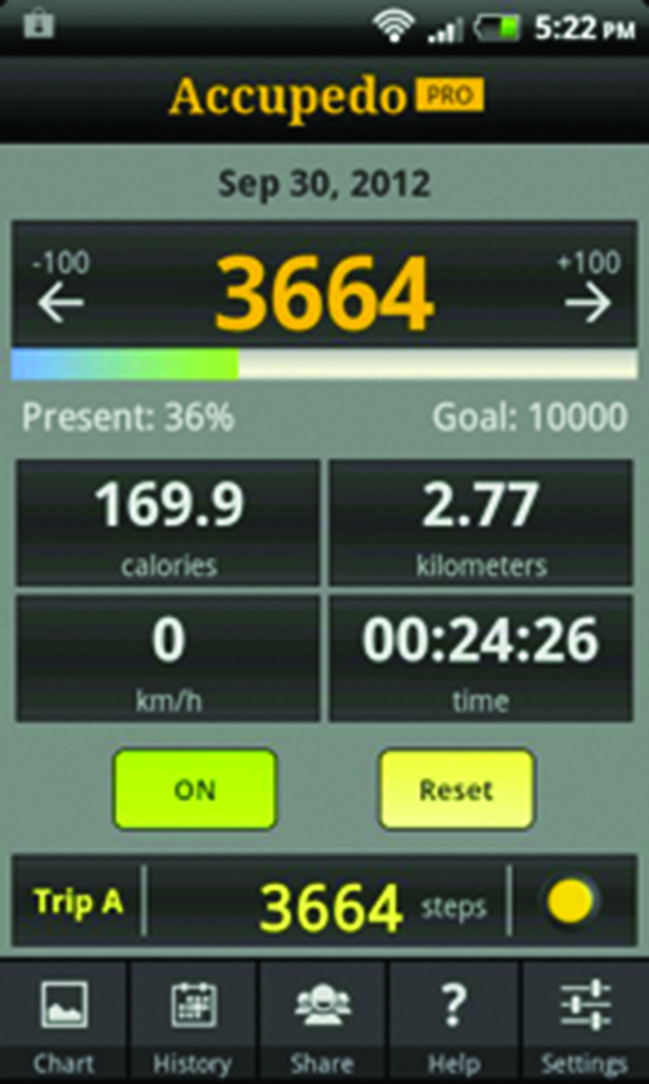
“However, the ability of the app to run automatically in the background, a large and simple display, and having the app icon on the home screen, were highlighted as features that promoted usability (Casey et al., 2014).”
BackgroundInfluentialHow to Become a Smart Patient in the Era of Precision Medicine?
Chen, Y., Yang, L., Hu, H., Chen, J., & Shen, B. (2017) · Advances in experimental medicine and biology · doi:10.1007/978-981-10-6041-0_1 · Cited by 25
Buckingham, S. A., Walker, T., Morrissey, K., & on behalf of the Smartline project team (2022) · Digital Health · doi:10.1177/20552076221074124 · Cited by 21
“…strength and contribution of this study is the inclusion of social housing tenants, a group that has been under-studied in comparison with clinical populations 39,40 and other community populations such as elderly adults, 33,41,42 but that is at disproportionately high risk of digital exclusion.”
Development and Testing of a Smartphone Application Prototype for Oral Health Promotion.
Nolen, S. L., Giblin-Scanlon, L. J., Boyd, L. D., & Rainchuso, L. (2018) · PubMed · Cited by 29
Connected health and multiple sclerosis
Cohen, M. (2018) · Revue Neurologique · doi:10.1016/j.neurol.2018.03.008 · Cited by 13
Abrantes, A. M., Blevins, C. E., Lindsay, C., Battle, C. L., Buman, M. P., Agu, E., & Stein, M. D. (2018) · Psychology of sport and exercise · doi:10.1016/j.psychsport.2018.02.007 · Cited by 13
“Indeed, recent research examining how patients experience smartphone apps for PA found that the process of engaging with the app resulted in a sequential and synergetic process that, in turn, resulted in increased awareness and knowledge of PA, PA goal-setting, feedback, increased confidence in completing PA, and incr…”
BackgroundWiemeyer, J. (2019) · Int. J. Comput. Sci. Sport · doi:10.2478/ijcss-2019-0016 · Cited by 13
“The most prominent expectations of users are (Casey et al., 2014; Kari et al., 2016; Tang et al., 2016; Wang et al., 2016; Kettunen, Critchley & Kari, 2019): ease of implementation and use clear, relevant, individualized and non-schematic information (presentation) matching the user’s expectancies…”
BackgroundExplorando o uso de aplicativos móveis para autogestão do tratamento em saúde mental: scoping review
Nóbrega, M. D. P. S. D. S., Tibúrcio, P. D. C., Fernandes, M. C., Fernandes, C. S., Santos, C., & Magalhães, B. M. B. D. S. (2021) · Revista de Enfermagem da UFSM · doi:10.5902/2179769264393 · Cited by 22
Mobile Health Devices for Aging Population Groups: A Review Study
Klímová, B. (2016) · Lecture notes in computer science · doi:10.1007/978-3-319-44215-0_24 · Cited by 10
A Qualitative Evaluation of the eaTracker® Mobile App
Lieffers, J. R. L., Valaitis, R. F., George, T., Wilson, M., Macdonald, J., & Hanning, R. M. (2018) · Nutrients · doi:10.3390/nu10101462 · Cited by 11
Micallef, C., McLeod, M. C., Castro‐Sánchez, E., Gharbi, M., Charani, E., Moore, L. S. P., Gilchrist, M. J., Husson, F., Costelloe, C., & Holmes, A. H. (2016) · JMIR mhealth and uhealth · doi:10.2196/mhealth.5243 · Cited by 9
“The benefits of medical apps to facilitate optimal patient care and self-management has recently been reported in sexual health [4], HIV/AIDS management [5], increasing fitness levels [6], and cancer prevention [7] in rural communities.”
BackgroundThe website-based eaTracker®‘My Goals’ feature: a qualitative evaluation
Lieffers, J. R. L., Haresign, H., Mehling, C., Arocha, J. F., & Hanning, R. M. (2016) · Public Health Nutrition · doi:10.1017/s1368980016003220 · Cited by 9
Wattanapisit, A., Wattanapisit, S., Tuangratananon, T., Amaek, W., Wongsiri, S., & Petchuay, P. (2021) · Journal of Multidisciplinary Healthcare · doi:10.2147/jmdh.s298390 · Cited by 9
Vetrovsky, T., Vetrovska, K., & Bunc, V. (2019) · Acta Gymnica · doi:10.5507/ag.2019.005 · Cited by 7
“Recently, several groups have studied the beliefs, attitudes, behaviors, and experiences of patients participating in PA interventions delivered in a primary care setting (Casey et al., 2014; Wahlich et al., 2017) as well as barriers and facilitators that play a role in changing PA levels (Normansell et al.”
BackgroundResultInfluentialCheney, M. K., Alexander, A. C., Garey, L., Gallagher, M. W., Hébert, E. T., Vujanovic, A. A., Kezbers, K. M., Matoska, C. T., Zvolensky, M. J., & Businelle, M. S. (2025) · JMIR Formative Research · doi:10.2196/53566 · Cited by 8
“The interview question path was based on a previous study [48] and adapted to address the acceptability and utility of the app for smoking cessation, individual experiences with each component of the app, barriers to use, the relevance and fit for Black people who smoke, and identify areas for…”
Porserud, A., Lundberg, M., Eriksson, J., Nygren‐Bonnier, M., & Hagströmer, M. (2022) · Disability and Rehabilitation · doi:10.1080/09638288.2022.2048097 · Cited by 9
“These findings that the participants valued, a simple and easy to use design with a large display, are in line with previous studies that have evaluated exercise applications in smartphones [23,24].”
MethodResultKelly, L., Jenkinson, C., & Morley, D. (2020) · JMIR Diabetes · doi:10.2196/18208 · Cited by 6
“Gaining confidence and taking ownership to reach personal goals through monitoring physical activity on a mobile app has also been demonstrated among patients in the primary care setting [41].”
BackgroundPettinico, G., Milne, G. R., & Miller, E. G. (2019) · Journal of Consumer Affairs · doi:10.1111/joca.12250 · Cited by 6
Wongtongtair, S., Iamsupasit, S., Somrongthong, R., Kumar, R., & Yamarat, K. (2021) · F1000Research · doi:10.12688/f1000research.51156.1 · Cited by 7
Lal, S., Memon, S. A., & Khan, E. (2024) · Journal of College of Physicians And Surgeons Pakistan · doi:10.29271/jcpsp.2024.02.235 · Cited by 4
Khasawneh, R. A., Al-Shatnawi, S. F., Alhamad, H., & Rahhal, D. (2023) · Telemedicine Journal and e-Health · doi:10.1089/tmj.2022.0491 · Cited by 5
“3 4–6 Originally, telehealth was developed to serve habitants of rural areas where distance may hinder access to health care services.”
Message framing effects on exercise flow and interest in mobile fitness apps
Jang, H., Park, J.-M., & Choi, J.-H. (2024) · Health & New Media Research · doi:10.22720/hnmr.2024.00206 · Cited by 2
Stedman‐Falls, L. M., & Dallery, J. (2017) · Revista Mexicana de Análisis de la Conducta · doi:10.5514/rmac.v43.i2.62316 · Cited by 4
“Second, a user must carry the phone on their person when they wish to use it for tracking, which some have reported as challenging or uncomfortable (Casey et al., 2014).”
BackgroundKim, H., & Lee, J. (2023) · Journal of Health Informatics and Statistics · doi:10.21032/jhis.2023.48.s1.s1 · Cited by 2
“비스가 신체활동 및 건강관리에 긍정적 효과가 있음이 확인되었다 [8-10].”
Saraiva, L. C., de Araújo, I. S., Siqueira, A. A., de Araújo, W. A., Gomes, G. M. S., Bezerra, L. M. M. R., & Carvalho, F. O. (2023) · Revista Contexto & Saúde · doi:10.21527/2176-7114.2023.47.11279 · Cited by 5
Clayton, D. C., Hadjiconstantinou, M., NG, A. G., Andrade, P., Bell, J., Eyitemi, F.-D., Hobson, R., Masood, A., Panagi, M., Raza, A., et al. (2026) · Research Involvement and Engagement · doi:10.1186/s40900-026-00837-0 · Cited by 1
“Although regular exercise can help prevent and treat long-term conditions, many with those conditions remain inactive [2].”
Preliminary Results of a Grounded Theory Study on Using Mobile Health for Physical Activity
Wang, R., Honey, M. L. L., & Day, K. (2024) · Studies in health technology and informatics · doi:10.3233/shti231024 · Cited by 1
Ipjian, M. L. (2016) · Cited by 1
Designing a Self-Determination Theory-Based App for a Wellness Behavior Change
Wicker, O. (2020) · University of Minnesota Digital Conservancy (University of Minnesota) · Cited by 3
Cruzado, P., & Francisco, D. (2015) · LA Referencia (Red Federada de Repositorios Institucionales de Publicaciones Científicas) · Cited by 1
Rantalainen, L. (2015) · Jyväskylä University Digital Archive (University of Jyväskylä) · Cited by 1
Lieffers, J. R. L. (2016) · UWSpace (University of Waterloo)
Occupational safety & health of young adult agricultural workers
Rudolphi, J. M., Rohlman, D. S., Gerr, F., Campo, S., Ramirez, M., Janssen, B., & Wang, K. (2017) · doi:10.17077/etd.sgttmlnf · Cited by 2
“The sample size is similar to pilot studies using smartphone technology in health promotion research (Casey et al., 2014; Glynn et al., 2014; Hebden et al., 2014; Kirwan et al., 2012; Lee et al., 2014) and to a study that piloted similar technology in an occupational setting (Olson et al.”
BackgroundSkar, J. B. (2017) · NORA - Norwegian Open Research Archives
Franco, R. C. (2019) · Digital Library of Theses and Dissertations (Universidade de São Paulo) · doi:10.11606/t.17.2019.tde-22052019-112144
The interest of primary care patients in using health applications for mobile devices
Burzyńska, J., Binkowska-Bury, M., & Januszewicz, P. (2018) · Zdrowie Publiczne i Zarządzanie · doi:10.4467/20842627oz.18.019.10432
Consumer self-tracking behavior: An investigation of the drivers and outcomes of self-tracking
Jin, D. (2019) · NVA (Nasjonalt vitenarkiv) · Cited by 2
Physical activity in people after stroke following discharge from inpatient rehabilitation
Thilarajah, S. (2018) · UniSC Research Bank (University of the Sunshine Coast) · doi:10.25907/00248
A mobile app for self-management of urinary incontinence : treatment effect and user experience
Asklund, I. (2020) · DiVA at Umeå University (Umeå University) · Cited by 1
Bright Side or Dark Light; Paradoxes in Mobile Health Applications
de Renett, J. (2020)
Saraswat, A., & Prasad, M. S. D. (2022) · Asian Pacific Journal of Health Sciences · doi:10.21276/apjhs.2022.9.3.11
Cheney, M. K., Zingg, T., Kezbers, K. M., Montgomery, A., Bain, C. M., Stanley, N., Frank-Pearce, S. G., Kendzor, D. E., Hébert, E. T., & Businelle, M. S. (2025) · American Journal of Health Promotion · doi:10.1177/08901171251361470
Engaging Older Adults in Community Health Exercise Programs through VR and Exergaming
Wong, Y. Y., Waycott, J., & Naccarella, L. (2024) · Australian Conference on Human-Computer Interaction (OzCHI) · doi:10.1145/3726986.3727038
“Studies have found a positive relationship between self-monitoring components and physical activity [38], and that using an activity tracker increases users’ self-awareness of their activity levels, thus enhancing task motivation [39].”
Wattanapisit, A., Tuangratananon, T., & Wattanapisit, S. (2020) · Figshare · doi:10.6084/m9.figshare.13203417
Pearson, E., Prapavessis, H., Higgins, C., Petrella, R., White, L., & Mitchell, M. (2020) · Figshare · doi:10.6084/m9.figshare.13257516
Wattanapisit, A., Tuangratananon, T., & Wattanapisit, S. (2020) · Figshare · doi:10.6084/m9.figshare.13203420
Entwicklung und Anwendung eines Algorithmus zur Bewertung von Gesundheits-Apps in der Angiologie
Becker, C. A. (2023) · Qucosa (Saxon State and University Library Dresden)
(2016) · Arizona State University Library Digital Repository (Arizona State University) · Cited by 1
Schanning, C. (2025) · DiVA (Linkoping University)
Hansen, J. K., Tang, L. H., Simonÿ, C., & Thualagant, N. (2026) · Disability and Rehabilitation Assistive Technology · doi:10.1080/17483107.2026.2714661
Metadata
- Authors
- Casey, M., Hayes, P. S., Glynn, F., ÓLaighin, G., Heaney, D., Murphy, A. W., & Glynn, L. G.
- Affiliations
- Ollscoil na Gaillimhe – University of Galway (IE)
- University of Limerick (IE)
- University of Aberdeen (GB)
- Venue
- British Journal of General Practice
- Published
- 2014-07-28
- Volume
- 64
- Issue
- 625
- Pages
- e500-e508
- ISSN
- 0960-1643 (ISSN-L)
- 1478-5242
- PMC
- PMC4111343
- OpenAlex
- W2008194592
- Cited by
- 75
- References
- 25
- Citations by year
- 2026: 2 · 2025: 2 · 2024: 4 · 2023: 3 · 2022: 5 · 2021: 6 · 2020: 10 · 2019: 6 · 2018: 11 · 2017: 9 · 2016: 10 · 2015: 7
- FWCI
- 15.69
- Type
- journal article
- Language
- en
- Open access
- hybrid
- doi.org
- Licence
- cc-by
- Locations
- British Journal of General Practice (publishedVersion, cc-by)
- Europe PMC (PubMed Central) (publishedVersion, cc-by)
- PubMed Central (publishedVersion, cc-by)
- PubMed (publishedVersion)
- Arrow@dit (Dublin Institute of Technology) (acceptedVersion)
- Arrow@dit (Dublin Institute of Technology) (submittedVersion)
- ARAN (University of Galway Research Repository) (Ollscoil na Gaillimhe – University of Galway) (submittedVersion, cc-by-nc-nd)
- University of Limerick Institutional Repository (University of Limerick) (submittedVersion, cc-by-nc-sa)
- Funders
- National University of Ireland
- Health Research Board
- University of Galway
- Topics
- Health Sciences › Health Professions › General Health Professions › Mobile Health and mHealth Applications
- Health Sciences › Medicine › Public Health, Environmental and Occupational Health › Physical Activity and Health
- Physical Sciences › Computer Science › Human-Computer Interaction › Innovative Human-Technology Interaction
- Keywords
- mobile application, physical activity promotion, pedometers, patient experience, primary care, persuasive technology, usability, cascading effects, family and community influence, exercise behavior, non-communicable diseases
- MeSH terms
- Behavior Therapy, Evaluation Studies as Topic, Health Promotion, Humans, Middle Aged, Monitoring, Physiologic, Treatment Outcome, Patient Satisfaction, Telemedicine, Cell Phone, Sedentary Behavior, Mobile Applications
About these checks
Registry, retraction, Cites and statistics results are computed, not judged, with one exception: a printed reference that no index lists is read once by a model before it counts as a citation error. Claims are extracted by a model and kept only when their quote appears verbatim in the text; each cited source is then checked, with a model’s help, for whether it says what the claim relies on. Those verdicts can be wrong — read the claim’s quote and the cited source before relying on one.
Statistics and arithmetic are recomputed, not judged.
Confidence bands are shown only for fields calibrated on our annotated test set. None is calibrated yet, so no band is shown.
What counts as a claim ›How we measure confidence ›How we check this ›
Are you an author, or do you see a problem with this page? Request a review
Data sources
Bibliographic data: Semantic Scholar, OpenAlex, Crossref.
Contains information from the Semantic Scholar Academic Graph Datasets, made available under the ODC Attribution License (ODC-BY 1.0).
Semantic Scholar’s data is described in: Kinney, R., et al. (2023). The Semantic Scholar Open Data Platform. arXiv:2301.10140.
