

The DOI matches its Crossref record; 51 of the 52 references it cites were found in a registry or an index.
Interaction between Glucose and Lipid Metabolism: More than Diabetic Dyslipidemia
Open accessAbstract
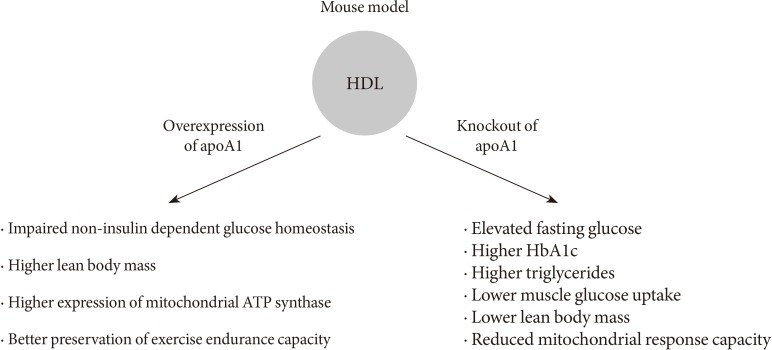
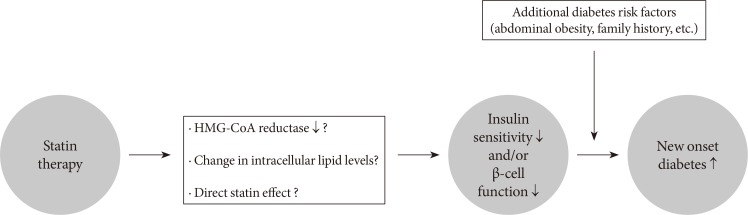
Glucose and lipid metabolism are linked to each other in many ways. The most important clinical manifestation of this interaction is diabetic dyslipidemia, characterized by elevated triglycerides, low high density lipoprotein cholesterol (HDL-C), and predominance of small-dense LDL particles. However, in the last decade we have learned that the interaction is much more complex. Hypertriglyceridemia and low HDL-C cannot only be the consequence but also the cause of a disturbed glucose metabolism. Furthermore, it is now well established that statins are associated with a small but significant increase in the risk for new onset diabetes. The underlying mechanisms are not completely understood but modulation of 3-hydroxy-3-methylglutaryl-coenzyme A (HMG CoA)-reductase may play a central role as genetic data indicate that mutations resulting in lower HMG CoA-reductase activity are also associated with obesity, higher glucose concentrations and diabetes. Very interestingly, this statin induced increased risk for new onset type 2 diabetes is not detectable in subjects with familial hypercholesterolemia. Furthermore, patients with familial hypercholesterolemia seem to have a lower risk for type 2 diabetes, a phenomenon which seems to be dose-dependent (the higher the low density lipoprotein cholesterol, the lower the risk). Whether there is also an interaction between lipoprotein(a) and diabetes is still a matter of debate.
Overview
The claims and statistics of this paper haven’t been checked yet.
Run the check — free, no account needed. It reads the open-access text and checks the sources it cites.
Integrity signals
Registry
Cites
Statistics
Figures

Verification
Claims the paper makes
The claims and statistics of this paper haven’t been checked yet.
Run the check — free, no account needed. It reads the open-access text and checks the sources it cites.
Claims other papers make about this one
Each is checked against this paper’s own text: does it say what the citing paper says it does?
In the citing paper
“Low HDL-C levels are also associated with systemic inflammation, e.g. with cigarette smoking, chronic inflammatory diseases or chronic kidney disease (Fig. 3) [45, 46].”
From HDL cholesterol: reappraisal of its clinical relevance (2017) · cites this paper as [45]
Self-check
Percentages, sums and reported differences re-computed from the paper’s own numbers.
The self-check needs the paper’s full text.
Citations
Cites
Rosuvastatin to Prevent Vascular Events in Men and Women with Elevated C-Reactive Protein
Ridker, P. M., Danielson, E., Fonseca, F. A. H., Genest, J., Gotto, A. M., Kastelein, J. J. P., Koenig, W., Libby, P., Lorenzatti, A. J., MacFadyen, J. G., et al. (2008) · New England Journal of Medicine · doi:10.1056/nejmoa0807646 · Cited by 6,674
Ezetimibe Added to Statin Therapy after Acute Coronary Syndromes
Cannon, C. P., Blazing, M. A., Giugliano, R. P., McCagg, A., White, J. A., Theroux, P., Darius, H., Lewis, B. S., Ophuis, T. O., Jukema, J. W., et al. (2015) · New England Journal of Medicine · doi:10.1056/nejmoa1410489 · Cited by 4,487 · cited 2×
“Interestingly, ezetimibe (at least in addition to statins) and proprotein convertase subtilisin/kexin type 9 (PCSK9) antibodies do not seem to have an impact on glucose metabolism [9,32,33].”
BackgroundRosuvastatin to Prevent Vascular Events in Men and Women With Elevated C-Reactive Protein
Ridker, P. M., Danielson, E., Fonseca, F. A. H., Genest, J. J., Gotto, A. M., Kastelein, J. J. P., Köenig, W., Libby, P., Lorenzatti, A. J., MacFadyen, J. G., et al. (2009) · Obstetrical & Gynecological Survey · doi:10.1097/01.ogx.0000344393.60303.0a · Cited by 3,641
ESC/EAS Guidelines for the management of dyslipidaemias
Reiner, Ž., Catapano, A. L., De Backer, G., Graham, I., Taskinen, M.-R., Wiklund, O., Agewall, S., Alegria, E., Chapman, M. J., Durrington, P., et al. (2011) · European Heart Journal · doi:10.1093/eurheartj/ehr158 · Cited by 3,549
Effects of Combination Lipid Therapy in Type 2 Diabetes Mellitus
(2010) · New England Journal of Medicine · doi:10.1056/nejmoa1001282 · Cited by 2,837
Nordestgaard, B. G., Chapman, M. J., Humphries, S. E., Ginsberg, H. N., Masana, L., Descamps, O. S., Wiklund, O., Hegele, R. A., Raal, F. J., Defesche, J. C., et al. (2013) · European Heart Journal · doi:10.1093/eurheartj/eht273 · Cited by 2,761
Self-citationStatins and risk of incident diabetes: A collaborative meta-analysis of randomised statin trials
Sattar, N., Preiss, D., Murray, H. M., Welsh, P., Buckley, B. M., de Craen, A. J., Seshasai, S. R. K., McMurray, J. J., Freeman, D. J., Jukema, J. W., et al. (2010) · The Lancet · doi:10.1016/s0140-6736(09)61965-6 · Cited by 2,436
Efficacy and Safety of Alirocumab in Reducing Lipids and Cardiovascular Events
Robinson, J. G., Farnier, M., Krempf, M., Bergeron, J., Luc, G., Averna, M., Stroes, E. S., Langslet, G., Raal, F. J., El Shahawy, M., et al. (2015) · New England Journal of Medicine · doi:10.1056/nejmoa1501031 · Cited by 2,296
Collaborators, C. T. T. (. (2008) · The Lancet · doi:10.1016/s0140-6736(08)60104-x · Cited by 2,081
(2009) · JAMA · doi:10.1001/jama.2009.1063 · Cited by 1,753
Research works printed but not linked: 1
- Vuorio, 2015, J Intern Med
Cited by
Sorted by citations
Items 201–300 of 465
Nugraheni, M., Hamidah, S., & Auliana, R. (2017) · Current Research in Nutrition and Food Science Journal · doi:10.12944/crnfsj.5.3.16 · Cited by 10
Kaya, T., Akçay, E. Ü., Ertürk, Z., Ergenç, H., & Tamer, A. (2018) · TURKISH JOURNAL OF MEDICAL SCIENCES · doi:10.3906/sag-1712-28 · Cited by 10
Wei, S., Yin, Y., Tu, Z., Shang, Y., Liu, W., Xu, P., Hu, M., & Wang, Y. (2024) · Chemosphere · doi:10.1016/j.chemosphere.2024.143260 · Cited by 9
Addis, Z., Tega, A., Demelash, R., Asmare, E., Tegegnie, A. B., Tamir, W., & Alene, T. (2024) · Frontiers in Cardiovascular Medicine · doi:10.3389/fcvm.2024.1493447 · Cited by 16
Naseem, S., & Rizwan, M. (2025) · Diabetes Research and Clinical Practice · doi:10.1016/j.diabres.2025.112285 · Cited by 10
High Density Lipoproteins: Is There a Comeback as a Therapeutic Target?
von Eckardstein, A. (2021) · Handbook of experimental pharmacology · doi:10.1007/164_2021_536 · Cited by 9
Amsah, N., Isa, Z. M., & Kassim, Z. (2022) · Open Access Macedonian Journal of Medical Sciences · doi:10.3889/oamjms.2022.8696 · Cited by 9
Zuhayri, H., Samarinova, A. A., Borisov, A., Guardado, D. A. L., Baalbaki, H., Krivova, N., & Kistenev, Y. V. (2023) · Pharmaceutics · doi:10.3390/pharmaceutics15020595 · Cited by 8
Nugroho, R. A., Aryani, R., Hardi, E. H., Manurung, H., Rudianto, R., Wirawan, N. A., Syalsabillah, N., & Jati, W. N. (2023) · International Journal of Tropical Insect Science · doi:10.1007/s42690-023-01032-4 · Cited by 11
Azagew, A. W., Abate, H. K., Mekonnen, C. K., Mekonnen, H. S., Tezera, Z. B., & Belay, G. J. (2024) · Systematic Reviews · doi:10.1186/s13643-024-02593-2 · Cited by 9
Kwon, E. B., Lee, H. S., Shim, Y. S., Jeong, H. R., & Hwang, J. S. (2016) · Annals of Pediatric Endocrinology & Metabolism · doi:10.6065/apem.2016.21.2.81 · Cited by 9
Barriers to Premarital Thalassemia Screening in Asia
Jaffar, N., Khan, L., Ahmed, U. I., Vistro, N. H., Khan, A., & Memon, M. Y. (2021) · World Family Medicine Journal/Middle East Journal of Family Medicine · doi:10.5742/mewfm.2021.94106 · Cited by 10
Wu, S., Huang, C., Chen, Y.-R., Huang, H., Huang, W., & Lai, Y. (2021) · Journal of Functional Foods · doi:10.1016/j.jff.2021.104857 · Cited by 11
Hoang, M. Q., Chung, D. T., & Huynh, Q. T. (2022) · Diabetes Metabolic Syndrome and Obesity · doi:10.2147/dmso.s383234 · Cited by 9
The Changes of Cholesterol Profile at the Different Insulin Resistance Range in the Czech Republic
Kron, V., Verner, M., Smetana, P., Horáková, D., Šlégr, J., Studnička, F., Bušovský, D., & Martiník, K. (2021) · Medicina · doi:10.3390/medicina57030249 · Cited by 9
Identification of Docetaxel as a Potential Drug to Promote HDL Biogenesis
Choi, H. Y., Ruel, I. L., & Genest, J. J. (2021) · Frontiers in Pharmacology · doi:10.3389/fphar.2021.679456 · Cited by 10
Mujammami, M. H., Aleidi, S. M., Buzatto, A. Z., Alshahrani, A. S., AlMalki, R. H., Benabdelkamel, H., Dubayee, M. A., Li, L., Aljada, A., & Rahman, A. M. A. (2023) · Pharmaceuticals · doi:10.3390/ph16121717 · Cited by 8
Hu, X., Han, P., & Liu, Y. (2025) · Journal of the American Nutrition Association · doi:10.1080/27697061.2025.2450711 · Cited by 9
Chung, P.-C., Hu, T., Chiao, C., Hwang, J., & Chan, T. (2025) · BMC Cardiovascular Disorders · doi:10.1186/s12872-025-04469-2 · Cited by 8
Chen, Z., Zhou, Z., Deng, Q., Zou, Y., Wang, B., Huang, S., Tian, J., Zheng, L., Peng, X., & Tang, C. (2025) · International Journal of Molecular Sciences · doi:10.3390/ijms26020752 · Cited by 9
MXenes‐based flexible electronics for wound monitoring and treatment
Yang, Y., Chen, Z., Cheng, W., Li, F., Xiaolong, W., Wang, Z., & Hu, W. (2025) · Interdisciplinary medicine · doi:10.1002/inmd.20250001 · Cited by 10
Gao, Y., Liu, Y., Li, Z., Lu, L., Guo, Y., Su, D., & Zhang, H. (2025) · mSystems · doi:10.1128/msystems.00369-25 · Cited by 8
Model-Assisted Uniformly Honest Inference for Optimal Treatment Regimes in High Dimension
Wu, Y., Wang, L., & Fu, H. (2021) · Journal of the American Statistical Association · doi:10.1080/01621459.2021.1929246 · Cited by 8
Suleiman, R. R., Salih, S. F., Abdullah, B. I., Ibrahim, I. H., & Saeed, Z. A. (2023) · Medical Journal of Babylon · doi:10.4103/mjbl.mjbl_269_22 · Cited by 8
Ardelean, A., Neamțu, A.-A., Balta, D. F., Neamţu, C., Goldiş, D. S., Rosu, M., Neşiu, A., Moldovan, S. D., Tarţa, C., & Totolici, B. D. (2023) · Diagnostics · doi:10.3390/diagnostics13233531 · Cited by 8
Chang, S.-L., Nfor, O. N., Ho, C., Lee, K.-J., Lu, W., Lung, C.-C., Tantoh, D. M., Hsu, S., Chou, M., & Liaw, Y. (2020) · Nutrients · doi:10.3390/nu12061564 · Cited by 8
Liberty, I. A., Kodim, N., Sartika, R. A. D., Trihandini, I., Tjekyan, R. M. S., Zulkarnain, Pane, M., Pratisthita, L. B., Tahapary, D. L., & Soewondo, P. (2021) · Diabetes & Metabolic Syndrome Clinical Research & Reviews · doi:10.1016/j.dsx.2021.102280 · Cited by 8
Tanisha, Venkategowda, S., & Majumdar, M. (2023) · Journal of Traditional and Complementary Medicine · doi:10.1016/j.jtcme.2023.07.002 · Cited by 8
Milić, P. S., Jeremic, J. N., Zivkovic, V. I., Srejovic, I. M., Jeremic, N. S., Bradić, J., Turnić, T. N., Milosavljevic, I. M., Bolevich, S., Bolevich, S. S., et al. (2019) · Molecular and Cellular Biochemistry · doi:10.1007/s11010-019-03597-6 · Cited by 10
Primary Health Care in Pandemics: Barriers, Challenges and Opportunities
Khoja, T. A. M., Qidwai, W., Rawaf, S., Alnasir, F. A., Nanji, K., Khoja, A. T., Kurashi, N. Y. A., Saad, N. E. S., Halasa, W., Farahat, T. M., et al. (2021) · World Family Medicine Journal/Middle East Journal of Family Medicine · doi:10.5742/mewfm.2021.94090 · Cited by 7
Jotić, A., Stoiljkovic, M. M., Milicic, T. J., Lalic, K. S., Lukic, L. Z., Macesic, M. V., Gajović, J. S., Milovancevic, M. M., Gojnić-Dugalić, M., Jeremić, V., et al. (2021) · Diabetes Therapy · doi:10.1007/s13300-021-01144-5 · Cited by 7
Tanisha, Venkategowda, S., & Majumdar, M. (2022) · 3 Biotech · doi:10.1007/s13205-022-03309-w · Cited by 6
Ezeonwumelu, I. J., Mode, A. M., Magaji, U. F., Nzoniwu, N. A., Tangaza, M. H., Tanimu, F. I., & Dandare, S. U. (2022) · Journal of Food Biochemistry · doi:10.1111/jfbc.14420 · Cited by 7
Yiannakou, I., Yuan, M., Zhou, X., Singer, M. R., & Moore, L. L. (2023) · Frontiers in Physiology · doi:10.3389/fphys.2023.1144200 · Cited by 7
Austin, G., Ferguson, J. J. A., Eslick, S., Oldmeadow, C. J., Wood, L. G., & Garg, M. L. (2024) · Lipids in Health and Disease · doi:10.1186/s12944-024-02340-5 · Cited by 8
Yang, W., Si, S.-C., Li, J., Ma, Y.-X., Zhao, H., & Liu, J. (2024) · Molecular and Cellular Endocrinology · doi:10.1016/j.mce.2024.112406 · Cited by 7
Kaaffah, S., Soewondo, P., Riyadina, W., Renaldi, F. S., & Sauriasari, R. (2021) · Patient Preference and Adherence · doi:10.2147/ppa.s318790 · Cited by 7
Calcaterra, V., Cena, H., Silvestri, A. D., Girgenti, V., Bommarito, D., & Pelizzo, G. (2019) · Frontiers in Neurology · doi:10.3389/fneur.2019.00947 · Cited by 7
Host response to cholestyramine can be mediated by the gut microbiotaPreprint
Newman, N. K., Monnier, P. M., Rodrigues, R. R., Gurung, M., Vasquez‐Perez, S., Hioki, K. A., Greer, R. L., Brown, K., Morgun, A., & Shulzhenko, N. (2020) · bioRxiv (Cold Spring Harbor Laboratory) · doi:10.1101/2020.12.08.416487 · Cited by 7
Cardiovascular Disease in Diabetes
Piché, M., & Poirier, P. (2018) · Elsevier eBooks · doi:10.1016/b978-0-12-801238-3.95793-3 · Cited by 7
Sheng, Y., Cun, D., Chen, Y., Hu, X.-J., Zhang, X., Sun, X., & Song, S. (2025) · Diabetology & Metabolic Syndrome · doi:10.1186/s13098-025-01914-2 · Cited by 6
Liu, Z., Yang, Y., Song, L., Ruan, X., Li, X., He, Y., Zou, Y., Ding, S., & Sun, Y. (2025) · Journal of Innate Immunity · doi:10.1159/000548603 · Cited by 6
Akter, S., Ali, H., Shati, A. A., Alfaifi, M. Y., Elbehairi, S. E. I., Sayyed, R. Z., & Yeasmin, T. (2024) · Open Agriculture · doi:10.1515/opag-2022-0243 · Cited by 6
Zhou, Y., Yang, L., Chu, C., Chen, S., Yue, D., Hao, Y. J., Sun, G., & Xia, H. (2024) · European Journal of Lipid Science and Technology · doi:10.1002/ejlt.202300214 · Cited by 6
Khan, S., Rehan, I., & Ullah, R. (2024) · Laser Physics · doi:10.1088/1555-6611/ad3435 · Cited by 6
Peng, J., Zhang, L., Jin, J., Miao, H., Liu, G., & Guo, Y. G. (2025) · Lipids in Health and Disease · doi:10.1186/s12944-025-02458-0 · Cited by 6
Zhang, Y., Chen, X., Wang, Y., Tang, Y., Zhang, K., & Wu, J. (2025) · European journal of medical research · doi:10.1186/s40001-025-02802-1 · Cited by 6
Bianchetti, G., Clementi, M. E., Sampaolese, B., Serantoni, C., Abeltino, A., Spirito, M. D., Sasson, S., & Maulucci, G. (2023) · Antioxidants · doi:10.3390/antiox12020339 · Cited by 6
Abuobeid, R., Herrera-Marcos, L. V., Arnal, C., Bidooki, S. H., Sánchez-Marco, J., Lasheras, R., Surra, J. C., Rodriguez‐Yoldi, M. J., Martínez‐Beamonte, R., & Osada, J. (2023) · International Journal of Molecular Sciences · doi:10.3390/ijms241612552 · Cited by 8
Guo, J., Tian, M., Li, Y., Guo, Y., Zhang, T., Liu, X., Shen, J., Zhang, L., Yu, Y., Cao, L., et al. (2024) · European journal of medical research · doi:10.1186/s40001-024-01653-6 · Cited by 6
Tang, X., Zhou, Y., Liu, F., Wang, B., Mao, B., Zhang, Q., Zhao, J., Chen, W., & Cui, S. (2024) · Food Bioscience · doi:10.1016/j.fbio.2024.103746 · Cited by 6
Boutari, C., Bouzoni, E., Joshi, A., Stefanakis, K., Farr, O. M., & Mantzoros, C. S. (2019) · Metabolism · doi:10.1016/j.metabol.2019.154009 · Cited by 6
Diet Rich in Lard Promotes a Metabolic Environment Favorable to Trypanosoma cruzi Growth
de Souza, D. M. S., Silva, M. C., Farias, S. E. B., Menezes, A. P. D. J., Milanezi, C. M., Lúcio, K. D. P., de Paiva, N. C. N., de Abreu, P. M., Costa, D. C., Pinto, K. M. D. C., et al. (2021) · Frontiers in Cardiovascular Medicine · doi:10.3389/fcvm.2021.667580 · Cited by 6
Zalejska–Fiolka, J., Birková, A., Hubková, B., Wielkoszyński, T., Čižmárová, B., Szlachta, B., Fiolka, R., Błaszczyk, U., Wylęgała, A., Kasperczyk, S., et al. (2022) · The Journal of Nutritional Biochemistry · doi:10.1016/j.jnutbio.2022.109021 · Cited by 8
Diabetes and cognitive dysfunction
Kim, B., Sims‐Robinson, C., Sakowski, S. A., & Feldman, E. L. (2022) · Elsevier eBooks · doi:10.1016/b978-0-323-85654-6.00027-7 · Cited by 8
Inhibitory Investigations of Acyl-CoA Derivatives against Human Lipoxygenase Isozymes
Tran, M., Yang, K., Glukhova, A., Holinstat, M. A., & Holman, T. R. (2023) · International Journal of Molecular Sciences · doi:10.3390/ijms241310941 · Cited by 6
Dhritlahre, R. K., Thakur, N., Goel, A., Patial, V., Padwad, Y. S., & Saneja, A. (2024) · Molecular Pharmaceutics · doi:10.1021/acs.molpharmaceut.4c00886 · Cited by 5
Dehydrozingerone ameliorates renal structure compromised in diabetic nephropathy
Singh, N., Kesharwani, A., Sankar, S. H. H., Gajbhiye, R. L., Peraman, R., Bharathavikru, R. S., Pandey, K., Ravichandiran, V., & Parihar, V. K. (2025) · Biochimica et Biophysica Acta (BBA) - Molecular Basis of Disease · doi:10.1016/j.bbadis.2025.167894 · Cited by 5
Kostandy, E. N., Suh, J. H., Tian, X., Okeugo, B., Rubin, E., Shirai, S., Luo, M., Taylor, C. M., Kim, K. H., Rhoads, J. M., et al. (2024) · Nutrients · doi:10.3390/nu16040511 · Cited by 5
Kujawowicz, K., Mirończuk-Chodakowska, I., Cyuńczyk, M., & Witkowska, A. M. (2025) · Nutrients · doi:10.3390/nu17040726 · Cited by 5
Effects of High-Fiber Biscuits on Lipid and Anthropometric Profile of Patients with Type 2 Diabetes
Fatmah, F. (2020) · Journal of Nutritional Science and Vitaminology · doi:10.3177/jnsv.66.s391 · Cited by 5
dos Reis, L. F. C., Cerdeira, C. D., Gagliano, G. S., de Figueiredo, A. B. T., Ferreira, J. H., Castro, A. P., Souza, R. L. M., & Marques, M. J. (2022) · Experimental Parasitology · doi:10.1016/j.exppara.2022.108316 · Cited by 5
Roengrit, T., Sri-amad, R., Huipao, N., Phababpha, S., & Prasertsri, P. (2023) · The Scientific World JOURNAL · doi:10.1155/2023/1778371 · Cited by 5
Khalili, S., Amouzegar, A., Dorost, S. S., Azizi, F., & Salahi‐Niri, A. (2025) · Clinical Biochemistry · doi:10.1016/j.clinbiochem.2025.110891 · Cited by 4
Local Insulin for Local Needs? Insights into Retinal Insulin Signaling and RPE Metabolism
Balbi, M., Puddu, A., Amaroli, A., Maggi, D. C., Panfoli, I., & Ravera, S. (2025) · Biomolecules · doi:10.3390/biom15111570 · Cited by 4
Triglyceride-Glucose Index as an Alternative Tool for Identifying Prediabetes and Insulin Resistance
Chowdhury, S. R., Siddiki, A. Z., & Kamrul-Hasan, A. B. M. (2023) · Bangladesh Journal of Endocrinology and Metabolism · doi:10.4103/bjem.bjem_4_23 · Cited by 4
Chantarangkul, C., Phuengmaung, P., Leelahavanichkul, A., Piewngam, P., Otto, M. J., & Taweechotipatr, M. (2024) · Beneficial Microbes · doi:10.1163/18762891-bja00043 · Cited by 5
Role of lipid mediators in diabetic wound healing
Wijesinghe, D. S. (2020) · Elsevier eBooks · doi:10.1016/b978-0-12-816413-6.00010-1 · Cited by 4
Ranganathan, N., & Gayathri, M. (2020) · Journal of Molecular Liquids · doi:10.1016/j.molliq.2020.113836 · Cited by 4
Cansino, S., Torres-Trejo, F., Estrada-Manilla, C., Castellanos-Domínguez, E., Zamora-Olivares, A., & Ruiz-Velasco, S. (2021) · Cogent Psychology · doi:10.1080/23311908.2021.1982470 · Cited by 4
Martín-Campos, J. M. (2021) · Biomedicines · doi:10.3390/biomedicines9111728 · Cited by 4
Aljuaid, S. M., Alqahtani, R. A., Alqasem, S., Alsulaimani, Y. T., Alqahtani, S. A., & Alsalmi, S. K. (2021) · World Family Medicine Journal/Middle East Journal of Family Medicine · doi:10.5742/mewfm.2021.94096 · Cited by 4
Tian, C., Yang, Q., Lv, H., Yue, F., & Zhou, F. (2023) · Journal of Medical Primatology · doi:10.1111/jmp.12688 · Cited by 4
Host response to cholestyramine can be mediated by the gut microbiota
Newman, N. K., Monnier, P., Rodrigues, R. R., Gurung, M., Vasquez‐Perez, S., Hioki, K. A., Greer, R. L., Brown, K., Morgun, A., & Shulzhenko, N. (2024) · Microbiome Research Reports · doi:10.20517/mrr.2023.82 · Cited by 12
Mandragora autumnalis Distribution, Phytochemical Characteristics, and Pharmacological Bioactivities
Albahri, G., Badran, A., Baki, Z. A., Alamé, M., Hijazi, A., Daou, A., Mesmar, J. E., & Baydoun, E. (2025) · Pharmaceuticals · doi:10.3390/ph18030328 · Cited by 4
Pan, S., Weng, C., Tsai, S.-F., Lin, H., Lin, J., Lin, C., Wang, I., & Chou, C.-C. (2025) · Investigative Ophthalmology & Visual Science · doi:10.1167/iovs.66.4.58 · Cited by 4
Clinical Safety and Efficacy of Ayurveda Multi-Herbal Formulation in the Management of Obesity
Giri, S. K., Vedi, S. K., Doddamani, S. H., Naik, R., Sharma, S., Gavali, K. A., Sharma, B. S., Khanduri, S., Mahajon, B., Tripathi, A., et al. (2025) · Global Advances in Integrative Medicine and Health · doi:10.1177/27536130251356447 · Cited by 5
Makinde, E. A., Radenahmad, N., Zaman, R. U., & Olatunji, O. J. (2020) · European Journal of Lipid Science and Technology · doi:10.1002/ejlt.202000151 · Cited by 4
Crawford, D. L., Phillips, A. R., & Williams, T. R. (2021) · Metabolism Open · doi:10.1016/j.metop.2021.100150 · Cited by 5
Tetrad of DKA, Hypertriglyceridemia induced Pancreatitis and Splenic vein thrombosis
Faheem, B., Singh, B., Ashkar, H., Kaur, P., Gupta, S., & Maroules, M. (2022) · Journal of Community Hospital Internal Medicine Perspectives · doi:10.55729/2000-9666.1015 · Cited by 4
Sithara, S., Crowley, T. M., Walder, K. R., & Aston‐Mourney, K. (2023) · Islets · doi:10.1080/19382014.2023.2165368 · Cited by 5
Damiri, B., Dudin, B., Sharqiah, Q. M., Khlaif, H., Bsharat, R., & Amir, M. (2021) · Palestinian medical and pharmaceutical journal/Palestinian medical & pharmaceutical journal · doi:10.59049/2790-0231.1085 · Cited by 4
Mechanisms of antidiabetic drugs and cholesterol efflux: A clinical perspective
Ahmadi, A., Ekta, M. B., & Sahebkar, A. (2022) · Drug Discovery Today · doi:10.1016/j.drudis.2022.02.006 · Cited by 4
Ayeni, G., Larayetan, R. A., Yahaya, A., Titus, E. F., Sule, F. A., Omale, J. A., Ajayi, A., Christian, E., Ogohi, D. A., Emmanuel, O., et al. (2024) · Current Chemical Biology · doi:10.2174/0122127968284847240920103341 · Cited by 3
Role of berberine in metabolic and bone changes in ovariectomized rats
Eid, Y. M., Nassar, S., El-Zanaty, R. A. E.-S. N. A. E.-S., & Barhoma, R. A. (2025) · Archives of Physiology and Biochemistry · doi:10.1080/13813455.2025.2465360 · Cited by 3
Xuan, R., Peng, Y., Wang, X., Li, W., Huang, Q., Sun, H., Zhu, L., Gu, R., & Xing, F. (2025) · Frontiers in Veterinary Science · doi:10.3389/fvets.2025.1594040 · Cited by 3
Mast Cell Immunometabolism in Type 2 Diabetes and Alzheimer's Disease
Caslin, H. L., Kapadia, M., & Clemons, T. A. (2025) · Journal of Cellular Physiology · doi:10.1002/jcp.70091 · Cited by 3
Xiao, Y., Dai, J., Siddiquy, M., Hussain, A., Umer, M. J., & Liu, H. (2025) · Journal of Functional Foods · doi:10.1016/j.jff.2025.107027 · Cited by 3
Skeletal muscle alterations in type 2 diabetes mellitus with and without dyslipidemia
Yiğit, Ş., Ekşi, B. Ü., Satman, İ., Dayıcan, D. K., Çalıkoğlu, F., Sahin, H. R., Perone, F., & Akıncı, B. (2025) · Lipids in Health and Disease · doi:10.1186/s12944-025-02701-8 · Cited by 5
Xiang, J., Bao, R., Pan, Y., & Cai, Z. (2025) · BMC Endocrine Disorders · doi:10.1186/s12902-025-02024-w · Cited by 3
Xie, B., Zhu, D., Li, L., Lou, R., Wang, R., Min, J., Yang, Y., Ma, X., & Lin, L. (2025) · Phytomedicine · doi:10.1016/j.phymed.2025.157444 · Cited by 3
Yin, M., Zheng, H., Han, B., Wu, B., Qing, Y., Deng, H., Xu, K., Liu, H., Tao, M., Li, Y., et al. (2025) · Advanced Exercise and Health Science · doi:10.1016/j.aehs.2025.11.004 · Cited by 3
Surgical removal of visceral adipose tissue has therapeutic benefit in male APPNL-F mice
McFadden, S., Fang, Y., Quinn, K., Peck, M. R., Chapman, J. E., Hill, T., Bartke, A., Hascup, E. R., & Hascup, K. N. (2026) · Frontiers in Endocrinology · doi:10.3389/fendo.2026.1681801 · Cited by 3
Кравчун, П. Г., Kadykova, O. I., & Molotyagin, D. G. (2019) · Wiadomości Lekarskie · doi:10.36740/wlek201902107 · Cited by 3
Dentz, M. C. V., Gambato, G., Ferrari, A., Fontana, R. C., Rodrigues, E., Salvador, M. M., Camassola, M., & Jahn, M. P. (2020) · Oriental Pharmacy and Experimental Medicine · doi:10.1007/s13596-020-00459-1 · Cited by 3
Ezlegini, F., Eftekhari, A., & Firoozrai, M. (2022) · Studies in Medical Sciences · doi:10.52547/umj.33.4.234 · Cited by 3
Blazey, T., Lee, J. J., Snyder, A. Z., Goyal, M. S., Hershey, T. G., Arbeláez, A. M., & Raichle, M. E. (2025) · Journal of Cerebral Blood Flow & Metabolism · doi:10.1177/0271678x251329714 · Cited by 4
PKM2: A novel helmsman of lipid metabolism
Liu, Z., Le, Y., & Lu, D. (2025) · Cellular Signalling · doi:10.1016/j.cellsig.2025.111967 · Cited by 3
Lu, J., Liu, Y., Wang, Z., Zhou, K., Pan, Y., Zhong, S., & Jiang, G. (2024) · JACC Asia · doi:10.1016/j.jacasi.2024.07.011 · Cited by 3
Liang, G., Ma, J., Zhang, W., Gu, X., Zhang, Q., Liu, A., & Qing, X. (2024) · Frontiers in Cardiovascular Medicine · doi:10.3389/fcvm.2024.1469848 · Cited by 3
Metadata
- Authors
- Parhofer, K. G.
- Affiliations
- Ludwig-Maximilians-Universität München (DE)
- Corresponding author
- Parhofer, Klaus G.
- ORCID
- Parhofer, Klaus G.
- Venue
- Diabetes & Metabolism Journal
- Publisher
- Korean Diabetes Association
- Published
- 2015
- Volume
- 39
- Issue
- 5
- Pages
- 353
- ISSN
- 2233-6079 (ISSN-L)
- 2233-6087
- PMC
- PMC4641964
- OpenAlex
- W2114340826
- Cited by
- 458
- References
- 52
- Citations by year
- 2026: 29 · 2025: 61 · 2024: 62 · 2023: 58 · 2022: 48 · 2021: 64 · 2020: 37 · 2019: 33 · 2018: 28 · 2017: 21 · 2016: 16
- FWCI
- 3.28
- Type
- journal article
- Language
- en
- Open access
- gold
- doi.org
- Licence
- Locations
- Diabetes & Metabolism Journal (publishedVersion, cc-by-nc)
- Europe PMC (PubMed Central) (publishedVersion, cc-by-nc)
- PubMed Central (publishedVersion, cc-by-nc)
- PubMed (publishedVersion)
- DOAJ (DOAJ: Directory of Open Access Journals) (submittedVersion, cc-by-sa)
- Topics
- Health Sciences › Medicine › Endocrinology, Diabetes and Metabolism › Diabetes, Cardiovascular Risks, and Lipoproteins
- Health Sciences › Medicine › Cardiology and Cardiovascular Medicine › Lipoproteins and Cardiovascular Health
- Health Sciences › Medicine › Cardiology and Cardiovascular Medicine › Lipid metabolism and disorders
- Keywords
- diabetic dyslipidemia, hypertriglyceridemia, low HDL cholesterol, small dense LDL, statin-induced diabetes, HMG-CoA reductase, type 2 diabetes, familial hypercholesterolemia, LDL cholesterol, lipoprotein(a), obesity
About these checks
Registry, retraction, Cites and statistics results are computed, not judged, with one exception: a printed reference that no index lists is read once by a model before it counts as a citation error. Claims are extracted by a model and kept only when their quote appears verbatim in the text; each cited source is then checked, with a model’s help, for whether it says what the claim relies on. Those verdicts can be wrong — read the claim’s quote and the cited source before relying on one.
Statistics and arithmetic are recomputed, not judged.
Confidence bands are shown only for fields calibrated on our annotated test set. None is calibrated yet, so no band is shown.
What counts as a claim ›How we measure confidence ›How we check this ›
Are you an author, or do you see a problem with this page? Request a review
