

Anthropometric assessment of the normal adult human ear.
Open accessThe DOI matches its Crossref record; 19 of the 19 references it cites were found in a registry or an index.
Abstract
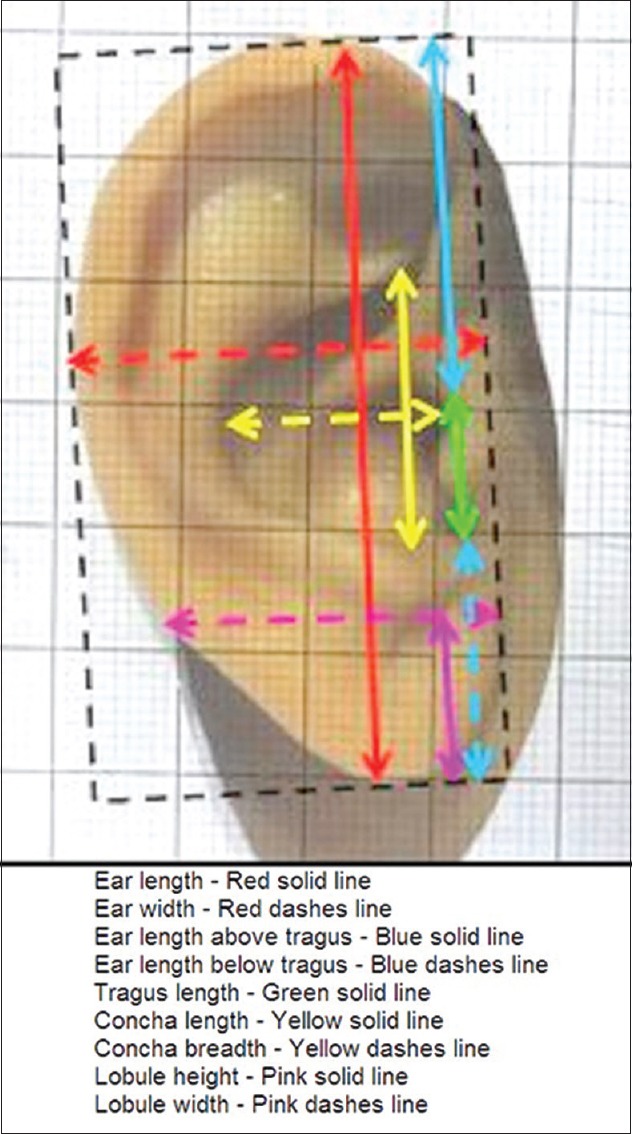
PURPOSE: Knowledge of anthropometric measurements of the external ear is important as variations exist based on gender, age and ethnicity. This study has derived anthropometric data pertaining to the external ear in the Maharashtrian population. MATERIALS AND METHODS: Nine variables of the external ear were measured in 505 Maharashtrian adults (aged 18-64 years) using photoanthropometric methods. RESULTS: Descriptive data and the left-right symmetry for the study population were obtained. CONCLUSION: These data have applications in screening for or monitoring diseases, otoplastic surgery, forensics, industrial design, apparel design and ergonomics.
Overview
The claims and statistics of this paper haven’t been checked yet.
Free: it reads the open-access text and checks the first 5 claims that cite a source we can check. Create a free account to check every claim.
Integrity signals
Registry
Cites
Statistics
Figures
Verification
Claims the paper makes
The claims and statistics of this paper haven’t been checked yet.
Free: it reads the open-access text and checks the first 5 claims that cite a source we can check. Create a free account to check every claim.
Claims other papers make about this one
Each is checked against this paper’s own text: does it say what the citing paper says it does?
The check wasn’t confident either way, so it gives no verdict — never disputed.
In the citing paper
“Ninety percent of auricular growth occurs by age 11–12 years, with prominence greater than 21.5 mm in boys and greater than 17.5 mm in girls.62–66”
From Otoplasty Surgical Techniques and Clinical Outcomes: A Practical Review (2026) · cites this paper as [65]
Experimental — accuracy not yet measured
Self-check
Percentages, sums and reported differences re-computed from the paper’s own numbers.
The self-check needs the paper’s full text.
Citations
Cites
Age- and sex-related changes in the normal human ear
Sforza, C., Grandi, G., Binelli, M., Tommasi, D. G., Rosati, R., & Ferrario, V. F. (2009) · Forensic Science International · doi:10.1016/j.forsciint.2009.02.019 · Cited by 199 · cited 4×
“The study conducted by Sforza et al.[9] compiled the sex‑ and age‑related linear and angular dimensions of healthy Italian Caucasians ears.”
BackgroundMethodInfluentialA Morphometric Study of the External Ear: Age- and Sex-Related Differences
Brucker, M. J., Patel, J., & Sullivan, P. K. (2003) · Plastic and Reconstructive Surgery · doi:10.1097/01.prs.0000070979.20679.1f · Cited by 147
Morphometry of the External Ear in Our Adult Population
Bozkir, M. G., Karakaş, P., Yavuz, M., & Dere, F. (2006) · Aesthetic Plastic Surgery · doi:10.1007/s00266-005-6095-1 · Cited by 142 · cited 2×
“Irrespective of the ethnicity of the study population, the findings of Purkait and Singh,[3] Sharma et al.,[5] Ito et al.,[10] Azaria et al.,[11] Brucker et al.,[12] Meijerman et al.,[15] and Bozkir et al.[16] suggest that males have longer and wider ears as compared to females.”
BackgroundIto, I., Imada, M., Ikeda, M., Sueno, K., Arikuni, T., & Kida, A. (2001) · The Laryngoscope · doi:10.1097/00005537-200105000-00023 · Cited by 124 · cited 1×
“With increasing age, gradual changes in the microscopic structure of ear cartilage have also been reported, with decrease in the elastic fibers and in the density of cartilage cells.[10] Purkait and Singh[3] in their study even mentioned about the age‐related decrease in skin elasticity and resilience.”
BackgroundAnthropometric growth study of normal human auricle
Kalcioglu, M. T., Miman, M. C., Toplu, Y., Yakıncı, C., & Özturan, O. (2003) · International Journal of Pediatric Otorhinolaryngology · doi:10.1016/s0165-5876(03)00221-0 · Cited by 108
Anthropometry of the Normal Human Auricle: A Study of Adult Indian Men
Purkait, R., & Singh, P. (2006) · Aesthetic Plastic Surgery · doi:10.1007/s00266-006-0231-4 · Cited by 102 · cited 11×
“Recent anthropometric studies of the external ear from different parts of the world prove that much variability exists depending on the age, sex and ethnic group, and even in the same person between the right and left ears.[3] In spite of this, the available literature suggests that males have larger ears than females…”
BackgroundResultInfluentialMorphometry of the Adult Human Earlobe: A Study of 547 Subjects and Clinical Application
Azaria, R., Adler, N., Silfen, R., Regev, D., & Hauben, D. J. (2003) · Plastic & Reconstructive Surgery · doi:10.1097/01.prs.0000060995.99380.de · Cited by 99 · cited 1×
“[3,5,10‐16] In spite of the ethnical variations in the actual ear dimensions and position,[3,5,11,15] all these studies found that the human external ear continues to grow even after skeletal maturity is reached.”
BackgroundCross‐Sectional Anthropometric Study of the External Ear
Meijerman, L., van der Lugt, C., & Maat, G. (2007) · Journal of Forensic Sciences · doi:10.1111/j.1556-4029.2006.00376.x · Cited by 87 · cited 1×
“[3,5,10‐16] In spite of the ethnical variations in the actual ear dimensions and position,[3,5,11,15] all these studies found that the human external ear continues to grow even after skeletal maturity is reached.”
BackgroundAnthropometric Measurements of the External Ear in a Group of Turkish Primary School Students
Barut, Ç., & Aktunc, E. (2006) · Aesthetic Plastic Surgery · doi:10.1007/s00266-005-0182-1 · Cited by 82
Incorporating anthropometry into design of ear-related products.
Liu, B.-S. (2008) · Applied Ergonomics · doi:10.1016/j.apergo.2006.12.005 · Cited by 74 · cited 2×
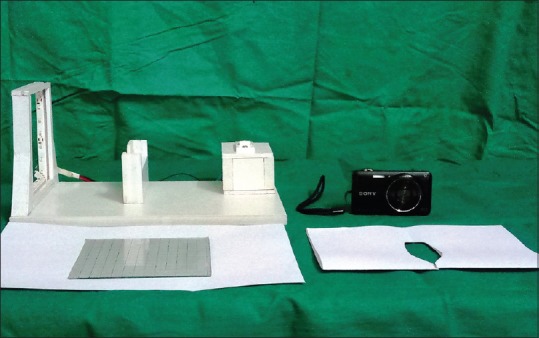
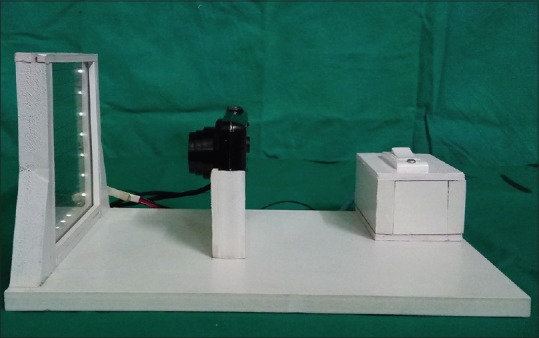
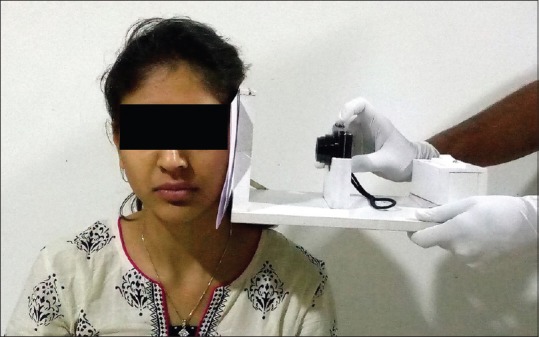
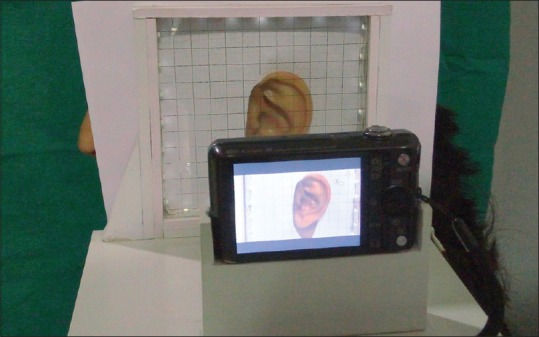
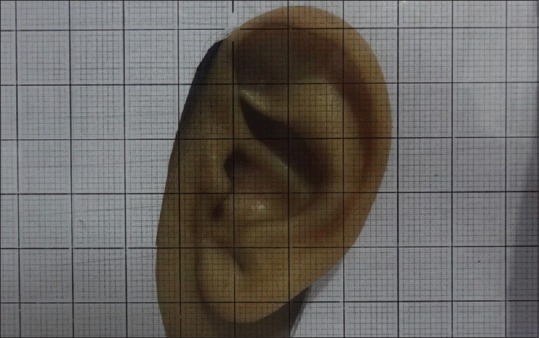
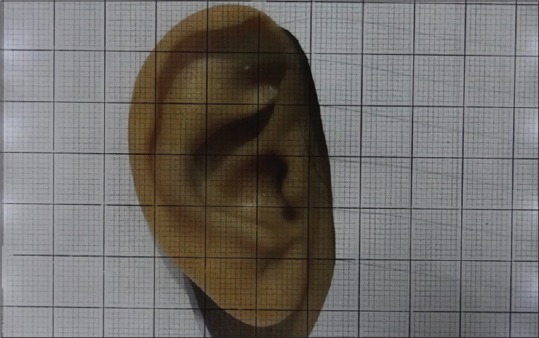
“Similar to the technique of Liu,[8] a 1 mm × 1 mm grid was printed on a clear A4‐sized sticker sheet and pasted over an 8 cm × 8 cm × 3 mm clear glass piece and the excess sheet was trimmed off.”
Method
Research works printed but not linked: 1
- Kapil V Bhawana J Vikas K Morphological variation of ear for individual identification in forensic cases: A study of an Indian population Res J Forensic Sci 2014 2 1 8
Cited by
A systematic review on ear anthropometry and its industrial design applications
Fu, F., & Luximon, Y. (2020) · Human Factors and Ergonomics in Manufacturing & Service Industries · doi:10.1002/hfm.20832 · Cited by 26
Anthropometric Study of Human Ear: A Baseline Data for Ear Reconstruction
Prasetyo, A. T., & Putri, I. L. (2021) · Journal of Craniofacial Surgery · doi:10.1097/scs.0000000000008199 · Cited by 25
“Therefore, even within the Indian subcontinent, there are wide variations in the size of the auricle.(33) On our study, the mean values EW male subjects were found to be, respectively, 26.”
Background3D human ear modelling with parameterization technique and variation analysis
Fu, F., Luximon, A., & Luximon, Y. (2023) · Ergonomics · doi:10.1080/00140139.2023.2236820 · Cited by 13
Díez-Montiel, A., Pose‐Díez‐de‐la‐Lastra, A., Álvarez, A. G., Escobar, J. I. S., Pascau, J., & Ochandiano, S. (2024) · 3D Printing in Medicine · doi:10.1186/s41205-024-00213-2 · Cited by 15
Anthropometric assessment of human auricle in North Indian population
Singh, A., Gupta, P., & Singh, P. K. (2022) · National Journal of Maxillofacial Surgery · doi:10.4103/njms.njms_347_21 · Cited by 18
“The appearance of an individual or facial esthesis is determined by the size, shape, position, symmetry, and projection of the auricle of the external ear.[1] Many congenital and acquired defects occur in the auricle.”
BackgroundAn evaluation of 3D printing for the manufacture of a binaural recording device
O’Connor, D., & Kennedy, J. F. (2020) · Applied Acoustics · doi:10.1016/j.apacoust.2020.107610 · Cited by 14
Boesoirie, S. F., Handayani, R., Gatera, V. A., Aroeman, N. A., & Boesoirie, T. (2022) · Clinical, Cosmetic and Investigational Dermatology · doi:10.2147/ccid.s380115 · Cited by 10
Wang, M.-C., Fan, H., Yu, S.-H., Wang, L., Chu, J.-J., Tang, X., Li, W.-H., Zhao, X., Zhang, S., & Chen, D.-K. (2022) · Work · doi:10.3233/wor-210799 · Cited by 8
Assessment of ear metric properties in young Turkish adults
Petekkaya, E., Polat, S., KABAKCİ, A. G., & Çevik, Y. (2020) · Journal of Surgery and Medicine · doi:10.28982/josam.774357 · Cited by 8
An Estimation of Stature and Sex using Various Anthropometric Parameters in South Indian Population
Yadav, S., Nayak, V. C., Palimar, V., Gupta, C., & Chetal, J. R. (2023) · Journal of Forensic Science and Medicine · doi:10.4103/jfsm.jfsm_33_22 · Cited by 6
Lexicon for classifying ear-canal shapes
Martinez, J. C., Goh, Z. H., Yap, L., Chua, K. W. D., Kamath, S. H., Chung, C. K. R., Teo, W. B. Y., Tan, C. K. L., Dritsas, S., & Simpson, R. E. (2023) · Scientific Reports · doi:10.1038/s41598-023-38570-3 · Cited by 6
“The parametric equation for the slice perimeter is then (1) cos θ = ẑ · Ẑ′, cosφ = X̂ ′”
External ear anatomy and variations in neonates
Erdem, S., Fazlıoğulları, Z., Ural, A., Karabulut, A. K., & Doğan, N. Ü. (2022) · Congenital Anomalies · doi:10.1111/cga.12483 · Cited by 10
External Ear Anthropometry of Healthy Turkish Young Adults
Bahşi̇, İ., Orhan, M., Kervancıoğlu, P., Karatepe, Ş., & Sayın, S. (2023) · Journal of Craniofacial Surgery · doi:10.1097/scs.0000000000009708 · Cited by 5
Rathee, M., Kaur, J., & Rathee, S. K. (2021) · Indian Journal of Forensic Medicine & Toxicology · doi:10.37506/ijfmt.v15i4.16976 · Cited by 4
Sun, H., Sun, P., Jiang, H., Yang, Q., Li, T., & Pan, B. (2022) · Scientific Reports · doi:10.1038/s41598-022-08596-0 · Cited by 4
“Other exclusion criteria were as follows: (1) patients with any auricular deformity of the healthy side, such as prominent ears, Stahl’s ears, and cryptotia; (2) patients with severe hemifacial microsomia; (3) patients with auricular trauma and/or surgery history of the healthy side; and (4) extremely uncooperative pa…”
BackgroundSarkodie, F. K., Abaidoo, C. S., Diby, T. K., Appiah, A. K., Darko, N. D., & Nketsiah, J. (2022) · Egyptian Journal of Forensic Sciences · doi:10.1186/s41935-022-00289-z · Cited by 3
PAL: A Wearable Platform for Real-time, Personalized and Context-Aware Health and Cognition SupportPreprint
Khan, M., Fernandes, G., Sarawgi, U., Rampey, P., & Maes, P. (2019) · arXiv (Cornell University) · doi:10.48550/arxiv.1905.01352 · Cited by 13
“3Dprinted ear hook: We designed five ear hook sizes using the average ear lengths and widths of different male and female age groups [12] ({Length,Width} = {58.5, 30}, {60.5,31}, {61.0, 31.5}, {63,32}, {65, 33}).”
MethodInfluentialKim, D.-S., Park, S.-H., Ahn, J.-J., Jeong, C.-M., Yun, M., Huh, J., & Lee, S.-H. (2023) · The Journal of Advanced Prosthodontics · doi:10.4047/jap.2023.15.5.271 · Cited by 2
“8 According to Japatti et al., 9 the shape of a person’s two ears varies by age, gender, and race, with an average difference of 3 mm in vertical height between adult males in their 30s.”
BackgroundSchulz, B., Thali, M. J., Huch, R., & Niemann, T. (2024) · World Journal of Radiology · doi:10.4329/wjr.v16.i12.760 · Cited by 4
Alhussinan, K., Almousa, H. M., Alassaf, A. M., Alwhaibi, B., Alfirm, R., Alolaywi, A., Assiri, H., & Aldosari, B. (2025) · Indian Journal of Otolaryngology and Head & Neck Surgery · doi:10.1007/s12070-025-05633-y · Cited by 2
Why do human ears get longer with age? Auricular stretching by facial adiposity: A hypothesis
Abrahim, M. (2023) · Medical Hypotheses · doi:10.1016/j.mehy.2023.111077 · Cited by 1
Hearables: Bioelectronics technological challenges and opportunities
Yu, L., Contreras, L. F. H., Huang, Z., Yang, Y., Chen, B., & Kavehei, O. (2025) · Wearable Technologies · doi:10.1017/wtc.2025.10030 · Cited by 2
“For example, for the age group 18 – 30 years, the right ear length is 60.65 ± 4.71 mm, while for the age group 51 – 64 years, the right ear length is 65.05 ± 3.57 mm (Japatti et al., 2018).”
InfluentialA Validated Assessment Scale for the Auriculocephalic Angle in Asians
Hong, W., Wang, S.-W., Zhao, H., Zou, M., Zhang, S., Wang, H.-B., Ling, Y., Cai, W., Huang, J.-M., Zeng, D., et al. (2026) · Aesthetic Plastic Surgery · doi:10.1007/s00266-026-05714-5 · Cited by 1
Auricular Morphometry of Okrika Tribe in Rivers State, Nigeria
Erekosima, E., Erekosima, B. U., Oparaodu, O., Ubah, S. A., Ikenga, V. O., & Uchenna, O. (2022) · Saudi Journal of Medical and Pharmaceutical Sciences · doi:10.36348/sjmps.2022.v08i05.004 · Cited by 1
“Moreso this study is also in conformity with the studies of Oladipo et al., 2017, Edibamodu et al., 2019, Shireen and Karadkhelkar (2015) and Japatti et al., 2018.”
ResultEar morphometry for sex and stature prediction in native North Indian Haryanvi population
Chhikara, K., Saini, V., & Kumar, J. (2023) · Journal of Punjab Academy of Forensic Medicine & Toxicology · doi:10.5958/0974-083x.2023.00004.3 · Cited by 1
Andresen‐Lorca, B., Pérez‐García, A., Heredia‐Alcalde, I., Alvedro‐Ruiz, P., García‐García, M., & Pérez-del-Caz, M. D. (2025) · Microsurgery · doi:10.1002/micr.70106 · Cited by 1
“Based on the mean distances reported in the literature between the caliber measurement points for the superficial temporal artery (origin, zygomatic arch, and bifurcation) (Hou et al. 2020; Japatti et al. 2018), calculations were made to estimate the expected increase in the vessel's diameter.”
Rathee, M., Kaur, J., & Rathee, S. K. (2021) · Indian Journal of Forensic Medicine & Toxicology · doi:10.37506/ijfmt.v15i4.16978 · Cited by 1
Otoplasty Surgical Techniques and Clinical Outcomes: A Practical Review
Kaleeny, J. D., & Janis, J. E. (2026) · Plastic and Reconstructive Surgery - Global Open · doi:10.1097/gox.0000000000007404
Features of translation of some rarely used anthropometric terms from Ukrainian into English
Cherepakha, O. L., Gadzhula, N. G., Hnenna, V. O., & Hrytsenko, A. (2020) · Reports of Morphology · doi:10.31393/morphology-journal-2020-26(2)-02
Sun, H., Sun, P., Jiang, H., Yang, Q., Li, T., & Pan, B. (2022) · Research Square · doi:10.21203/rs.3.rs-1214278/v1
Morphological markers of ear print in Iraqi population
Al-Dabis, N. M. J., & Al-Rashedi, N. A. M. (2022) · International Journal of Health Sciences · doi:10.53730/ijhs.v6ns6.11952
“The concave marginal type was detected in roughly 22% of the participants in this study; nevertheless, Singh and Purkait observed this character in 10–11% of the study group [6], and North Americans also have this character on a rare basis (25%).”
BackgroundInfluentialBilateral Dimorphism of the Auricles in 18–20-year-old Girls
Volosnik, A. S. (2024) · Journal of Anatomy and Histopathology · doi:10.18499/2225-7357-2023-12-4-22-30
Al-Saaeed, S. M. (2021) · Journal of Human Anatomy · doi:10.23880/jhua-16000160
Bilateral dimorphism of the auricles in adolescent males in the Lugansk People's Republic
Volosnik, A. S. (2024) · Pacific Medical Journal · doi:10.34215/1609-1175-2024-3-69-74
Anatomical variability of the intertragal notch shape of the auricle in young men
Volosnik, A. S., & Voloshin, V. N. (2024) · Saratov Journal of Medical Scientific Research · doi:10.15275/ssmj2002208
Proportional Ear Reduction: The Rule of Threes
Seyhan, A. (2024) · Aesthetic Plastic Surgery · doi:10.1007/s00266-024-04611-z
INDIVIDUAL ANATOMICAL VARIABILITY OF THE HUMAN EXTERNAL EAR (LITERATURE REVIEW)
Дуденко, В. Г., Проніна, О. М., Kondrusyk, N. Y., Konoval, N. S., & Liubomudrova, K. S. (2025) · Bulletin of Problems Biology and Medicine · doi:10.29254/2077-4214-2025-1-176-13-20
Variability of the Shape of Intertragal Notch of the Auricle of Girls
Volosnik, A. S., & Voloshin, V. N. (2025) · I P Pavlov Russian Medical Biological Herald · doi:10.17816/pavlovj624923
The Impact of Eating Frequency on Facial Measurements and Aggressive Behavior in Adolescents
Majumder, T., Dey, R., Bysack, M., & Ghosh, S. (2026) · Academic Bulletin of Mental Health · doi:10.25259/abmh_56_2025
Carufel, R., Choi-Rokas, H. E., Kim, H., Yao, J., Li, P., Newby, N., & Mitchell, K. (2026) · Human-Intelligent Systems Integration · doi:10.1007/s42454-026-00099-x
Russo, P. R., Sbarbati, A., Bartoletti, E., Cavalieri, L., Cavallini, M., Pinto, V., Salti, G., & Veronese, S. (2026) · Toxins · doi:10.3390/toxins18090366
AirHook: Simulating Multi-directional Wind Around Ears to Enhance Presence in VR
Sun, Y., Min, T., Chan, L., Amesaka, T., & Sugiura, Y. (2026) · International Conference on Human-Computer Interaction with Mobile Devices and Services (MobileHCI) · doi:10.1145/3821581.3833133
Metadata
- Authors
- Engineer, P., Japatti, S., Reddy B, M., Tiwari, A., Siddegowda, C., & Hammannavar, R.
- Affiliations
- Government Dental College & Research Institute (IN)
- Corresponding author
- Engineer, PriyankaJ
- Venue
- Annals of Maxillofacial Surgery
- Published
- 2018
- Volume
- 8
- Issue
- 1
- Pages
- 42
- ISSN
- 2231-0746 (ISSN-L)
- PMC
- PMC6018292
- OpenAlex
- W2808527092
- Cited by
- 42
- References
- 19
- Citations by year
- 2026: 6 · 2025: 5 · 2024: 6 · 2023: 7 · 2022: 9 · 2021: 4 · 2020: 4 · 2019: 1
- FWCI
- 2.34
- Type
- journal article
- Language
- en
- Open access
- green
- www.ncbi.nlm.nih.gov
- Licence
- cc-by-nc-sa
- Locations
- Annals of Maxillofacial Surgery (publishedVersion)
- Europe PMC (PubMed Central) (publishedVersion, cc-by-nc-sa)
- PubMed Central (publishedVersion, cc-by-nc-sa)
- PubMed (publishedVersion)
- Topics
- Health Sciences › Medicine › Surgery › Reconstructive Facial Surgery Techniques
- Social Sciences › Arts and Humanities › Archeology (arts and humanities) › Forensic Anthropology and Bioarchaeology Studies
- Health Sciences › Medicine › Surgery › Nasal Surgery and Airway Studies
- Keywords
- anthropometry, external ear, left-right symmetry, sex differences, age differences, ethnicity, otoplasty, forensic anthropology, human factors
About these checks
Registry, retraction, Cites and statistics results are computed, not judged, with one exception: a printed reference that no index lists is read once by a model before it counts as a citation error. Claims are extracted by a model and kept only when their quote appears verbatim in the text; each cited source is then checked, with a model’s help, for whether it says what the claim relies on. Those verdicts can be wrong — read the claim’s quote and the cited source before relying on one.
Statistics and arithmetic are recomputed, not judged.
Confidence bands are shown only for fields calibrated on our annotated test set. None is calibrated yet, so no band is shown.
What counts as a claim ›How we measure confidence ›How we check this ›
Are you an author, or do you see a problem with this page? Request a review
Data sources
Bibliographic data: Semantic Scholar, OpenAlex, Crossref.
Contains information from the Semantic Scholar Academic Graph Datasets, made available under the ODC Attribution License (ODC-BY 1.0).
Semantic Scholar’s data is described in: Kinney, R., et al. (2023). The Semantic Scholar Open Data Platform. arXiv:2301.10140.
