

The DOI matches its Crossref record; 5 of the 5 references it cites were found in a registry or an index; none of the 22 sources its claims cite is checked for support yet.
Las cicatrices del paisaje: cimarronaje colectivo y libertad en las tierras comunales de San Basilio de Palenque y La Bonga, norte de Colombia
Open accessAbstract
A partir de l’anàlisi de les fonts d’arxiu, les característiques del paisatge i les evidències arqueològiques, propose una lectura del paisatge dels terrenys co-munals de Sant Basili de Palenque i la Bonga, en les muntanyes de Maria, al nord de Colòmbia. S’observen diverses tàctiques de defensa i mobilitat mitjan-çant les quals els esclaus accedeixen a la terra i hi mantenen el control en un context restrictiu com fou l’esclavitud. Així doncs, el sorgiment i la desaparició dels assentaments de Palenque, les modificacions i les alteracions realitzades a l’entorn, les evidències ceràmiques i les relacions sostingudes pels habitants d’aquests assentaments apareixen com petjades, esquerdes i cicatrius inscrites al paisatge creat des de la fractura i la disrupció, però articulat per processos de negociació i reinvenció quotidiana de la població allí assentada al llarg del temps. Based on the analysis of archival sources, landscape characteristics and archaeological evidence, I propose an interpretation of the landscape of the communal lands of San Basilio de Palenque and La Bonga, in the Montes de María, northern Colombia. Various defence and mobility tactics can be observed through which the maroons gained access to the land and maintained control of it in a restrictive context as was slavery. Thus, the emergence and disappearance of settlements, the modifications and alterations made to the environment, the ceramic evidence and the relationships maintained by the inhabitants of these settlements appear as traces, cracks and scars registered on a landscape created from rupture and disruption, but articulated by processes of negotiation and daily reinvention of the population that settled there over time. A partir del análisis de fuentes de archivo, características del paisaje y evidencias arqueológicas propongo una lectura del paisaje de las tierras comunales de San Basilio de Palenque y la Bonga, en los montes de María, norte de Colombia. Se observan diversas tácticas de defensa y movilidad mediante las cuáles los cimarrones acceden a la tierra y mantienen su control en un contexto restrictivo como lo fue la esclavitud. Así, el surgimiento y desaparición de asentamientos apalencados, las modificaciones y alteraciones hechas al entorno, las evidencias cerámicas y las relaciones sostenidas por los habitantes de estos asentamientos aparecen como huellas, hendiduras y cicatrices inscriptas en un paisaje creado desde la fractura y la disrupción, pero articulado por procesos de negociación y reinvención cotidiana de la población allí asentada a lo largo del tiempo.
Overview
AI snapshot
Written from the paper’s full text.
TL;DR
The paper reads the communal lands of San Basilio de Palenque and La Bonga, in the Montes de María, northern Colombia, through archival, landscape, and archaeological evidence to argue that collective marronage created a concrete spatial and material place for freedom. It proposes the “scar” as a metaphor for palenques as both wounds of slavery/persecution and results of collective healing.
Key findings
- The 1695 testimony of María Josepha, a cimarrona “de más de cincuenta años,” shows three generations of kinship across palenques: she was born in the palenque de la Magdalena, was captured in the palenque de San Miguel during the 1694 military entrada led by Governor Sancho Ximeno, and was taken with daughters and grandchildren whose ages included 26, 23, 16, 13, 8, 7, 3, 1, and 8 months.
- The palenque de la Magdalena had existed for “más de cincuenta años” before Governor Pedro Zapata attacked it in 1651; after that attack, cimarrones crossed the Magdalena River toward the sierra de la María, where palenques such as Joyanca, Domingo Angola/Arenal, San Miguel, and Duanga/Bonguê emerged or persisted.
- Military attacks in 1684, 1686, and 1694 did not end occupation: San Miguel, Arenal, and Duanga were attacked in 1686 and referenced again in the 1694 entrada, while tactics included armed defense, ambush, flight, refuge, abandonment, and return/resurgimiento.
- Current collective lands of San Basilio de Palenque and La Bonga cover 3353 Ha + 9957 m², approximately 73 km²; archaeological work recovered 5,200 ceramic fragments, 80% of the sample, and identified 30 colonial and republican ceramic types, with San Basilio showing greater density/diversity and La Bonga lower density.
Methods
- The study combines archival sources—civil lawsuits and military reports, including declarations by captured cimarrones in the late seventeenth century—with observation of the contemporary landscape of the communal lands.
- Archaeological prospection and surface collection were conducted at San Basilio de Palenque, La Bonga, and Palenquito during the author’s doctoral dissertation, aiming to address the material dimension of freedom exercised during colonial marronage.
- Analysis is qualitative and interpretive, organized around spatial/material traces, settlement articulation, defense tactics, and the proposed “cicatriz” metaphor.
Limitations
- The paper states that a complete answer to why Bongueros currently travel to and return to their lands would require additional analysis of present kinship and land-tenure rules, and that new research at different scales and chronologies is needed.
- It states that at Palenquito, the absence of context prevented interpretations despite high material density, and that at La Bonga the low proportion of early colonial fragments did not allow linking them to a particular colonial occupation phase.
- Evident from the text: the early marronage reconstruction depends heavily on fragmentary colonial documents produced by authorities and courts, and the archaeological evidence comes from survey/surface collection rather than extensive excavation, making some chronological and occupational inferences partial.
Model-written summary. Check it against the paper before relying on it.
Integrity signals
Registry
Cites
Statistics
Figures
Verification
Claims the paper makes
45 Own interpretation · 24 Own result · 15 Not checked yet · 14 Sources not found · 1 No basis given
None of the sources cited for this claim have been checked yet.
In the paper
“En consecuencia, el general Jaramillo de las huestes conservadoras entró a San Basilio y le prendió fuego.”
§ LAS CICATRICES DEL PAISAJE: CIMARRONAJE COLECTIVO Y LIBERTAD EN LAS TIERRAS COMUNALES DE SAN BASILIO DE PALENQUE Y LA BONGA, NORTE DE COLOMBIA THE SCARS OF THE LANDSCAPE: COLLECTIVE MARRONAGE AND FREEDOM IN THE COMMUNAL LANDS OF SAN BASILIO DE PALENQUE AND LA BONGA, NORTHERN COLOMBIA > Maria Josepha (siC) y su faMilia ante el tribunal
plainstates a cause- Asserted: passes — The authors put it forward as true.
- Checkable: passes — It can be checked against evidence.
- Load-bearing: unclear — It is unclear whether the paper’s conclusions depend on it.
- Based: passes — The paper gives a reason why it holds.
A result the paper reports from its own data — it cites no other source for it, so there is none to check. The quote shows it is in the paper.
In the paper
“Se identificaron treinta (30) tipos de cerámicas coloniales y republicanas,”
§ LAS CICATRICES DEL PAISAJE: CIMARRONAJE COLECTIVO Y LIBERTAD EN LAS TIERRAS COMUNALES DE SAN BASILIO DE PALENQUE Y LA BONGA, NORTE DE COLOMBIA THE SCARS OF THE LANDSCAPE: COLLECTIVE MARRONAGE AND FREEDOM IN THE COMMUNAL LANDS OF SAN BASILIO DE PALENQUE AND LA BONGA, NORTHERN COLOMBIA > Additional information
plain- Asserted: passes — The authors put it forward as true.
- Checkable: passes — It can be checked against evidence.
- Load-bearing: unclear — It is unclear whether the paper’s conclusions depend on it.
- Based: passes — The paper gives a reason why it holds.
A result the paper reports from its own data — it cites no other source for it, so there is none to check. The quote shows it is in the paper.
In the paper
“Aquellos hacían parte de un grupo comandado por el capitán Bartolomé Narváez quienes tuvieron por misión del gobernador Juan de Pando dar con la ubicación de sitios de cimarrones en la sierra de la María.El año de 1684 se internaron en la montaña.”
§ LAS CICATRICES DEL PAISAJE: CIMARRONAJE COLECTIVO Y LIBERTAD EN LAS TIERRAS COMUNALES DE SAN BASILIO DE PALENQUE Y LA BONGA, NORTE DE COLOMBIA THE SCARS OF THE LANDSCAPE: COLLECTIVE MARRONAGE AND FREEDOM IN THE COMMUNAL LANDS OF SAN BASILIO DE PALENQUE AND LA BONGA, NORTHERN COLOMBIA > Maria Josepha (siC) y su faMilia ante el tribunal
plain- Asserted: passes — The authors put it forward as true.
- Checkable: passes — It can be checked against evidence.
- Load-bearing: unclear — It is unclear whether the paper’s conclusions depend on it.
- Based: passes — The paper gives a reason why it holds.
- Rests on an assumption: The declarations and reports in the archive accurately record the events, statements, and conditions they describe.
In the paper
“Sus habitantes huyeron al monte de forma temporal (ESCALANTE, 1979, p. 27).”
§ LAS CICATRICES DEL PAISAJE: CIMARRONAJE COLECTIVO Y LIBERTAD EN LAS TIERRAS COMUNALES DE SAN BASILIO DE PALENQUE Y LA BONGA, NORTE DE COLOMBIA THE SCARS OF THE LANDSCAPE: COLLECTIVE MARRONAGE AND FREEDOM IN THE COMMUNAL LANDS OF SAN BASILIO DE PALENQUE AND LA BONGA, NORTHERN COLOMBIA > Maria Josepha (siC) y su faMilia ante el tribunal
What the sources say
- Not matchedcites ESCALANTE, 1979, p. 27
Couldn’t be matched to a paper in Crossref, so it can’t be checked.
plain- Asserted: passes — The authors put it forward as true.
- Checkable: passes — It can be checked against evidence.
- Load-bearing: unclear — It is unclear whether the paper’s conclusions depend on it.
- Based: passes — The paper gives a reason why it holds.
- Not matched
None of the sources cited for this claim have been checked yet.
In the paper
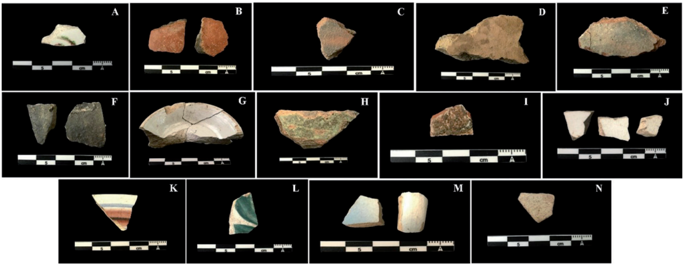
“Esta se ve alterada por la aparición de fragmentos de lozas asociadas a distintos tipos de vajillas de finales del siglo XVIII y el siglo siguiente.”
§ LAS CICATRICES DEL PAISAJE: CIMARRONAJE COLECTIVO Y LIBERTAD EN LAS TIERRAS COMUNALES DE SAN BASILIO DE PALENQUE Y LA BONGA, NORTE DE COLOMBIA THE SCARS OF THE LANDSCAPE: COLLECTIVE MARRONAGE AND FREEDOM IN THE COMMUNAL LANDS OF SAN BASILIO DE PALENQUE AND LA BONGA, NORTHERN COLOMBIA > fragMentos de libertad
plainstates a causeSingle case- Asserted: passes — The authors put it forward as true.
- Checkable: passes — It can be checked against evidence.
- Load-bearing: passes — The paper’s conclusions depend on it.
- Based: passes — The paper gives a reason why it holds.
A result the paper reports from its own data — it cites no other source for it, so there is none to check. The quote shows it is in the paper.
In the paper
“María Josepha hacía parte de un grupo de doce cimarrones, entre los que se encontraba parte de su parentela.Estos habían sido capturados en la entrada militar que el gobernador Sancho Ximeno había dirigido contra un grupo de palenques de la sierra de la María en el año de 1694.”
§ LAS CICATRICES DEL PAISAJE: CIMARRONAJE COLECTIVO Y LIBERTAD EN LAS TIERRAS COMUNALES DE SAN BASILIO DE PALENQUE Y LA BONGA, NORTE DE COLOMBIA THE SCARS OF THE LANDSCAPE: COLLECTIVE MARRONAGE AND FREEDOM IN THE COMMUNAL LANDS OF SAN BASILIO DE PALENQUE AND LA BONGA, NORTHERN COLOMBIA > Maria Josepha (siC) y su faMilia ante el tribunal
plainSingle case- Asserted: passes — The authors put it forward as true.
- Checkable: passes — It can be checked against evidence.
- Load-bearing: unclear — It is unclear whether the paper’s conclusions depend on it.
- Based: passes — The paper gives a reason why it holds.
- Rests on an assumption: The declarations and reports in the archive accurately record the events, statements, and conditions they describe.
None of the sources cited for this claim have been checked yet.
In the paper
“Declaraciones posteriores de cimarrones capturados en la entrada militar de 1694 permiten conocer que los habitantes de San Miguel habían ido a parar al palenque de Duanga, el cual se encontraba más adentro en la montaña.”
§ LAS CICATRICES DEL PAISAJE: CIMARRONAJE COLECTIVO Y LIBERTAD EN LAS TIERRAS COMUNALES DE SAN BASILIO DE PALENQUE Y LA BONGA, NORTE DE COLOMBIA THE SCARS OF THE LANDSCAPE: COLLECTIVE MARRONAGE AND FREEDOM IN THE COMMUNAL LANDS OF SAN BASILIO DE PALENQUE AND LA BONGA, NORTHERN COLOMBIA > Maria Josepha (siC) y su faMilia ante el tribunal
plain- Asserted: passes — The authors put it forward as true.
- Checkable: passes — It can be checked against evidence.
- Load-bearing: unclear — It is unclear whether the paper’s conclusions depend on it.
- Based: passes — The paper gives a reason why it holds.
- Rests on an assumption: The declarations and reports in the archive accurately record the events, statements, and conditions they describe.
A result the paper reports from its own data — it cites no other source for it, so there is none to check. The quote shows it is in the paper.
In the paper
“Con relación al comportamiento de los fragmentos cerámicos allí identificados se pudo observar una relativa homogeneidad en los estratos más profundos.”
§ LAS CICATRICES DEL PAISAJE: CIMARRONAJE COLECTIVO Y LIBERTAD EN LAS TIERRAS COMUNALES DE SAN BASILIO DE PALENQUE Y LA BONGA, NORTE DE COLOMBIA THE SCARS OF THE LANDSCAPE: COLLECTIVE MARRONAGE AND FREEDOM IN THE COMMUNAL LANDS OF SAN BASILIO DE PALENQUE AND LA BONGA, NORTHERN COLOMBIA > fragMentos de libertad
plain- Asserted: passes — The authors put it forward as true.
- Checkable: passes — It can be checked against evidence.
- Load-bearing: unclear — It is unclear whether the paper’s conclusions depend on it.
- Based: passes — The paper gives a reason why it holds.
A result the paper reports from its own data — it cites no other source for it, so there is none to check. The quote shows it is in the paper.
In the paper
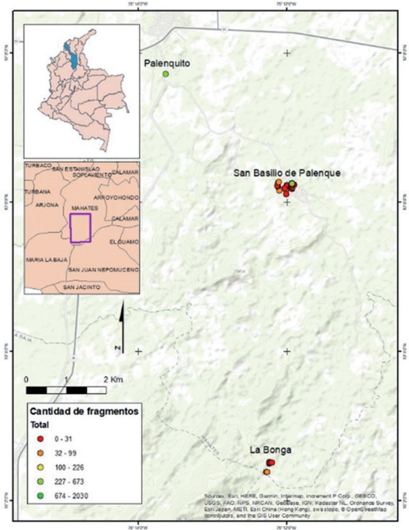
“Las prospecciones en San Basilio de Palenque y la Bonga, así cómo la recolección superficial en Palenquito permitieron la recuperación de fragmentos materiales diversos que se ubicaron en un horizonte cronológico entre el siglo XVII y el presente.”
§ LAS CICATRICES DEL PAISAJE: CIMARRONAJE COLECTIVO Y LIBERTAD EN LAS TIERRAS COMUNALES DE SAN BASILIO DE PALENQUE Y LA BONGA, NORTE DE COLOMBIA THE SCARS OF THE LANDSCAPE: COLLECTIVE MARRONAGE AND FREEDOM IN THE COMMUNAL LANDS OF SAN BASILIO DE PALENQUE AND LA BONGA, NORTHERN COLOMBIA > Additional information
plainstates a cause- Asserted: passes — The authors put it forward as true.
- Checkable: passes — It can be checked against evidence.
- Load-bearing: unclear — It is unclear whether the paper’s conclusions depend on it.
- Based: passes — The paper gives a reason why it holds.
A result the paper reports from its own data — it cites no other source for it, so there is none to check. The quote shows it is in the paper.
In the paper
“Maria Josepha, cimarrona de un palenque de la sierra de la María, fue llamada a declarar ante el tribunal de Cartagena de Indias el 22 de enero de 1695 en el marco de un antiguo”
§ LAS CICATRICES DEL PAISAJE: CIMARRONAJE COLECTIVO Y LIBERTAD EN LAS TIERRAS COMUNALES DE SAN BASILIO DE PALENQUE Y LA BONGA, NORTE DE COLOMBIA THE SCARS OF THE LANDSCAPE: COLLECTIVE MARRONAGE AND FREEDOM IN THE COMMUNAL LANDS OF SAN BASILIO DE PALENQUE AND LA BONGA, NORTHERN COLOMBIA > Maria Josepha (siC) y su faMilia ante el tribunal
plainSingle case- Asserted: passes — The authors put it forward as true.
- Checkable: passes — It can be checked against evidence.
- Load-bearing: unclear — It is unclear whether the paper’s conclusions depend on it.
- Based: passes — The paper gives a reason why it holds.
- Rests on an assumption: The declarations and reports in the archive accurately record the events, statements, and conditions they describe.
In the paper
“Además de la Bonga, de esta huída surgirían también los caseríos de Katival, Culebra, Criollo y Kansinguí (MANTILLA, 2013, p. 112) previamente mencionados.”
§ LAS CICATRICES DEL PAISAJE: CIMARRONAJE COLECTIVO Y LIBERTAD EN LAS TIERRAS COMUNALES DE SAN BASILIO DE PALENQUE Y LA BONGA, NORTE DE COLOMBIA THE SCARS OF THE LANDSCAPE: COLLECTIVE MARRONAGE AND FREEDOM IN THE COMMUNAL LANDS OF SAN BASILIO DE PALENQUE AND LA BONGA, NORTHERN COLOMBIA > Maria Josepha (siC) y su faMilia ante el tribunal
What the sources say
- Not matchedcites MANTILLA, 2013, p. 112
Couldn’t be matched to a paper in Crossref, so it can’t be checked.
hedgedstates a cause- Asserted: passes — The authors put it forward as true.
- Checkable: passes — It can be checked against evidence.
- Load-bearing: unclear — It is unclear whether the paper’s conclusions depend on it.
- Based: passes — The paper gives a reason why it holds.
- Not matched
A result the paper reports from its own data — it cites no other source for it, so there is none to check. The quote shows it is in the paper.
In the paper
“A diferencia de San Basilio, la Bonga presentó una densidad menor de materiales.”
§ LAS CICATRICES DEL PAISAJE: CIMARRONAJE COLECTIVO Y LIBERTAD EN LAS TIERRAS COMUNALES DE SAN BASILIO DE PALENQUE Y LA BONGA, NORTE DE COLOMBIA THE SCARS OF THE LANDSCAPE: COLLECTIVE MARRONAGE AND FREEDOM IN THE COMMUNAL LANDS OF SAN BASILIO DE PALENQUE AND LA BONGA, NORTHERN COLOMBIA > fragMentos de libertad
plain- Asserted: passes — The authors put it forward as true.
- Checkable: passes — It can be checked against evidence.
- Load-bearing: unclear — It is unclear whether the paper’s conclusions depend on it.
- Based: passes — The paper gives a reason why it holds.
In the paper
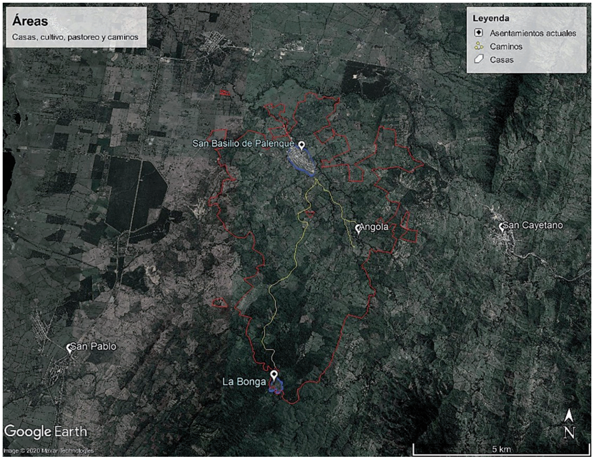
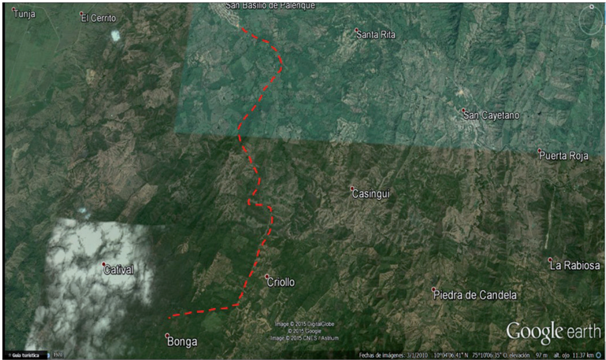
“Hoy las tierras colectivas de San Basilio de Palenque y la Bonga tienen una extensión reconocida de 3353 Ha + 9957 m 2 , 27 es decir, de aproximadamente 73 km 2 (ver Figura 4).”
§ LAS CICATRICES DEL PAISAJE: CIMARRONAJE COLECTIVO Y LIBERTAD EN LAS TIERRAS COMUNALES DE SAN BASILIO DE PALENQUE Y LA BONGA, NORTE DE COLOMBIA THE SCARS OF THE LANDSCAPE: COLLECTIVE MARRONAGE AND FREEDOM IN THE COMMUNAL LANDS OF SAN BASILIO DE PALENQUE AND LA BONGA, NORTHERN COLOMBIA > Maria Josepha (siC) y su faMilia ante el tribunal
What the sources say
- Not matchedcites Resolución N. 0466 de 2012
Couldn’t be matched to a paper in Crossref, so it can’t be checked.
plain- Asserted: passes — The authors put it forward as true.
- Checkable: passes — It can be checked against evidence.
- Load-bearing: unclear — It is unclear whether the paper’s conclusions depend on it.
- Based: passes — The paper gives a reason why it holds.
- Not matched
A result the paper reports from its own data — it cites no other source for it, so there is none to check. The quote shows it is in the paper.
In the paper
“Una segunda relativa a las áreas de cultivo de pancoger, del pastoreo de animales (Fig. 4, Angola) y en las que aún en la actualidad se realizan actividades de caza, por ejemplo de armadillo para el consumo.”
§ LAS CICATRICES DEL PAISAJE: CIMARRONAJE COLECTIVO Y LIBERTAD EN LAS TIERRAS COMUNALES DE SAN BASILIO DE PALENQUE Y LA BONGA, NORTE DE COLOMBIA THE SCARS OF THE LANDSCAPE: COLLECTIVE MARRONAGE AND FREEDOM IN THE COMMUNAL LANDS OF SAN BASILIO DE PALENQUE AND LA BONGA, NORTHERN COLOMBIA > palabras finales
plainstates an association- Asserted: passes — The authors put it forward as true.
- Checkable: passes — It can be checked against evidence.
- Load-bearing: unclear — It is unclear whether the paper’s conclusions depend on it.
- Based: passes — The paper gives a reason why it holds.
In the paper
“Entre estos llama la atención la presencia de mayólicas americanas, así como de otros fragmentos de mayólicas hispanas, particularmente de tradición criolla, esta última producida en el Tejar de San Bernabé de Cartagena de Indias entre los años de 1640 y 1770 (THERRIEN et al., 2002) respectivamente.”
§ LAS CICATRICES DEL PAISAJE: CIMARRONAJE COLECTIVO Y LIBERTAD EN LAS TIERRAS COMUNALES DE SAN BASILIO DE PALENQUE Y LA BONGA, NORTE DE COLOMBIA THE SCARS OF THE LANDSCAPE: COLLECTIVE MARRONAGE AND FREEDOM IN THE COMMUNAL LANDS OF SAN BASILIO DE PALENQUE AND LA BONGA, NORTHERN COLOMBIA > fragMentos de libertad
What the sources say
- Not matchedcites THERRIEN et al., 2002
Couldn’t be matched to a paper in Crossref, so it can’t be checked.
plain- Asserted: passes — The authors put it forward as true.
- Checkable: passes — It can be checked against evidence.
- Load-bearing: unclear — It is unclear whether the paper’s conclusions depend on it.
- Based: passes — The paper gives a reason why it holds.
- Not matched
A result the paper states — it cites no source for it, so there is none to check. The quote shows it is in the paper.
In the paper
“Finalmente se observa una tercera área asociada al tránsito y/o desplazamiento de quienes habitan estos lugares.”
§ LAS CICATRICES DEL PAISAJE: CIMARRONAJE COLECTIVO Y LIBERTAD EN LAS TIERRAS COMUNALES DE SAN BASILIO DE PALENQUE Y LA BONGA, NORTE DE COLOMBIA THE SCARS OF THE LANDSCAPE: COLLECTIVE MARRONAGE AND FREEDOM IN THE COMMUNAL LANDS OF SAN BASILIO DE PALENQUE AND LA BONGA, NORTHERN COLOMBIA > palabras finales
plainstates an association- Asserted: passes — The authors put it forward as true.
- Checkable: passes — It can be checked against evidence.
- Load-bearing: unclear — It is unclear whether the paper’s conclusions depend on it.
- Based: passes — The paper gives a reason why it holds.
A conclusion the paper draws from its own results — it cites no other source for it, so there is none to check. The quote shows it is in the paper.
In the paper
“En términos espaciales, ello significa que un palenque no se limita a las ubicaciones de sus bohíos, sino que se extiende entre las montañas o las zonas acuosas en las que se encuentran sus cultivos y áreas de caza de animales, como se observa en el caso del palenque de la Magdalena antes referido.”
§ LAS CICATRICES DEL PAISAJE: CIMARRONAJE COLECTIVO Y LIBERTAD EN LAS TIERRAS COMUNALES DE SAN BASILIO DE PALENQUE Y LA BONGA, NORTE DE COLOMBIA THE SCARS OF THE LANDSCAPE: COLLECTIVE MARRONAGE AND FREEDOM IN THE COMMUNAL LANDS OF SAN BASILIO DE PALENQUE AND LA BONGA, NORTHERN COLOMBIA > Maria Josepha (siC) y su faMilia ante el tribunal
plainSingle case- Asserted: passes — The authors put it forward as true.
- Checkable: passes — It can be checked against evidence.
- Load-bearing: passes — The paper’s conclusions depend on it.
- Based: passes — The paper gives a reason why it holds.
A conclusion the paper draws from its own results — it cites no other source for it, so there is none to check. The quote shows it is in the paper.
In the paper
“Puesto en relación con el contexto histórico del cimarronaje lo anterior resulta relevante pues permite sugerir que, a pesar de los embates militares, modos de vida agrarios continuaron persistiendo en el tiempo.”
§ LAS CICATRICES DEL PAISAJE: CIMARRONAJE COLECTIVO Y LIBERTAD EN LAS TIERRAS COMUNALES DE SAN BASILIO DE PALENQUE Y LA BONGA, NORTE DE COLOMBIA THE SCARS OF THE LANDSCAPE: COLLECTIVE MARRONAGE AND FREEDOM IN THE COMMUNAL LANDS OF SAN BASILIO DE PALENQUE AND LA BONGA, NORTHERN COLOMBIA > fragMentos de libertad
hedged- Asserted: passes — The authors put it forward as true.
- Checkable: passes — It can be checked against evidence.
- Load-bearing: passes — The paper’s conclusions depend on it.
- Based: passes — The paper gives a reason why it holds.
A conclusion the paper draws from its own results — it cites no other source for it, so there is none to check. The quote shows it is in the paper.
In the paper
“El registro arqueológico identificado para el caso de San Basilio y la Bonga, vinculados a horizontes cronológicos diferentes, precisamente nos habla de una persistencia de vida doméstica en estos sitios a lo largo del tiempo.”
§ LAS CICATRICES DEL PAISAJE: CIMARRONAJE COLECTIVO Y LIBERTAD EN LAS TIERRAS COMUNALES DE SAN BASILIO DE PALENQUE Y LA BONGA, NORTE DE COLOMBIA THE SCARS OF THE LANDSCAPE: COLLECTIVE MARRONAGE AND FREEDOM IN THE COMMUNAL LANDS OF SAN BASILIO DE PALENQUE AND LA BONGA, NORTHERN COLOMBIA > fragMentos de libertad
plainstates an association- Asserted: passes — The authors put it forward as true.
- Checkable: passes — It can be checked against evidence.
- Load-bearing: passes — The paper’s conclusions depend on it.
- Based: passes — The paper gives a reason why it holds.
A conclusion the paper draws from its own results — it cites no other source for it, so there is none to check. The quote shows it is in the paper.
In the paper
“La primera porque pone en evidencia la manera en que los cimarrones persistieron exitosamente en la ocupación de sus tierras más allá de los ataques ocurridos.”
§ LAS CICATRICES DEL PAISAJE: CIMARRONAJE COLECTIVO Y LIBERTAD EN LAS TIERRAS COMUNALES DE SAN BASILIO DE PALENQUE Y LA BONGA, NORTE DE COLOMBIA THE SCARS OF THE LANDSCAPE: COLLECTIVE MARRONAGE AND FREEDOM IN THE COMMUNAL LANDS OF SAN BASILIO DE PALENQUE AND LA BONGA, NORTHERN COLOMBIA > Maria Josepha (siC) y su faMilia ante el tribunal
boosted- Asserted: passes — The authors put it forward as true.
- Checkable: passes — It can be checked against evidence.
- Load-bearing: passes — The paper’s conclusions depend on it.
- Based: passes — The paper gives a reason why it holds.
A conclusion the paper draws from its own results — it cites no other source for it, so there is none to check. The quote shows it is in the paper.
In the paper
“A partir de la información hasta ahora presentada es posible observar con claridad la manera en que el conflicto afecta frecuentemente la estabilidad de la vida en los palenques.”
§ LAS CICATRICES DEL PAISAJE: CIMARRONAJE COLECTIVO Y LIBERTAD EN LAS TIERRAS COMUNALES DE SAN BASILIO DE PALENQUE Y LA BONGA, NORTE DE COLOMBIA THE SCARS OF THE LANDSCAPE: COLLECTIVE MARRONAGE AND FREEDOM IN THE COMMUNAL LANDS OF SAN BASILIO DE PALENQUE AND LA BONGA, NORTHERN COLOMBIA > Maria Josepha (siC) y su faMilia ante el tribunal
boostedstates a cause- Asserted: passes — The authors put it forward as true.
- Checkable: passes — It can be checked against evidence.
- Load-bearing: passes — The paper’s conclusions depend on it.
- Based: passes — The paper gives a reason why it holds.
None of the sources cited for this claim could be matched to a paper in Crossref, so there is nothing to check it against.
In the paper
“Mientras que los habitantes de la Villa de Santiago del Príncipe, en el actual Panamá, los cimarrones de Yanga, en el México colonial, o los maroons de Jamaica lograron gestionar acuerdos similares al alcanzado en 1714 por los ancestros de los palenqueros y bongueros (AMARAL, 2017;AGORSAH, 1994;LAVIÑA et al., 2015)”
§ LAS CICATRICES DEL PAISAJE: CIMARRONAJE COLECTIVO Y LIBERTAD EN LAS TIERRAS COMUNALES DE SAN BASILIO DE PALENQUE Y LA BONGA, NORTE DE COLOMBIA THE SCARS OF THE LANDSCAPE: COLLECTIVE MARRONAGE AND FREEDOM IN THE COMMUNAL LANDS OF SAN BASILIO DE PALENQUE AND LA BONGA, NORTHERN COLOMBIA > CiMarronaJe ColeCtivo y libertad
What the sources say
- Not matchedcites AMARAL, 2017
Couldn’t be matched to a paper in Crossref, so it can’t be checked.
- Not matchedcites AGORSAH, 1994
Couldn’t be matched to a paper in Crossref, so it can’t be checked.
- Not matchedcites LAVIÑA et al., 2015
Couldn’t be matched to a paper in Crossref, so it can’t be checked.
plainstates an association- Asserted: passes — The authors put it forward as true.
- Checkable: passes — It can be checked against evidence.
- Load-bearing: unclear — It is unclear whether the paper’s conclusions depend on it.
- Based: passes — The paper gives a reason why it holds.
- Not matched
In the paper
“el caso de dos comunidades afrodescendientes, San Basilio de Palenque y la Bonga, en los actuales Montes de María al norte de Colombia, aparece como emblemático pues ostentan la titulación colectiva de sus tierras.”
§ LAS CICATRICES DEL PAISAJE: CIMARRONAJE COLECTIVO Y LIBERTAD EN LAS TIERRAS COMUNALES DE SAN BASILIO DE PALENQUE Y LA BONGA, NORTE DE COLOMBIA THE SCARS OF THE LANDSCAPE: COLLECTIVE MARRONAGE AND FREEDOM IN THE COMMUNAL LANDS OF SAN BASILIO DE PALENQUE AND LA BONGA, NORTHERN COLOMBIA > introduCCión
What the sources say
- Not matchedcites [1]
Couldn’t be matched to a paper in Crossref, so it can’t be checked.
plain- Asserted: passes — The authors put it forward as true.
- Checkable: passes — It can be checked against evidence.
- Load-bearing: passes — The paper’s conclusions depend on it.
- Based: passes — The paper gives a reason why it holds.
- Not matched
A conclusion the paper draws from its own results — it cites no other source for it, so there is none to check. The quote shows it is in the paper.
In the paper
“De otra manera, ello indica que ante diferentes intentos de despojo y violencia, los habitantes de San Basilio y sus alrededores, como la Bonga, han activado mecanismos diversos para la protección de sí mismos y de lo que han considerado como su territorio.”
§ LAS CICATRICES DEL PAISAJE: CIMARRONAJE COLECTIVO Y LIBERTAD EN LAS TIERRAS COMUNALES DE SAN BASILIO DE PALENQUE Y LA BONGA, NORTE DE COLOMBIA THE SCARS OF THE LANDSCAPE: COLLECTIVE MARRONAGE AND FREEDOM IN THE COMMUNAL LANDS OF SAN BASILIO DE PALENQUE AND LA BONGA, NORTHERN COLOMBIA > introduCCión
hedgedstates a cause- Asserted: passes — The authors put it forward as true.
- Checkable: passes — It can be checked against evidence.
- Load-bearing: passes — The paper’s conclusions depend on it.
- Based: passes — The paper gives a reason why it holds.
In the paper
“La identificación de dichos fragmentos y objetos tanto en San Basilio de Palenque, como en la Bonga hace las veces de correlato arqueológico vinculado al contexto de relaciones familiares regulares sostenidas desde finales del siglo XIX hasta el abandono de la Bonga en el año 2002 (MANTILLA, 2021).”
§ LAS CICATRICES DEL PAISAJE: CIMARRONAJE COLECTIVO Y LIBERTAD EN LAS TIERRAS COMUNALES DE SAN BASILIO DE PALENQUE Y LA BONGA, NORTE DE COLOMBIA THE SCARS OF THE LANDSCAPE: COLLECTIVE MARRONAGE AND FREEDOM IN THE COMMUNAL LANDS OF SAN BASILIO DE PALENQUE AND LA BONGA, NORTHERN COLOMBIA > fragMentos de libertad
What the sources say
- Not matchedcites MANTILLA, 2021
Couldn’t be matched to a paper in Crossref, so it can’t be checked.
plainstates an association- Asserted: passes — The authors put it forward as true.
- Checkable: passes — It can be checked against evidence.
- Load-bearing: passes — The paper’s conclusions depend on it.
- Based: passes — The paper gives a reason why it holds.
- Not matched
A conclusion the paper draws from its own results — it cites no other source for it, so there is none to check. The quote shows it is in the paper.
In the paper
“Además de las relaciones espaciales mediada por un vínculo de parentesco entre sus habitantes, la comunicación con esclavos de las haciendas aledañas y el papel de Domingo angola como capitán general y de Pedro mina, como su capitán de guerra, indican a su vez que la movilidad y el desplazamiento entre el grupo de asentamientos y de estos con otros sitios próximos dio lugar a la formación de rutas”
§ LAS CICATRICES DEL PAISAJE: CIMARRONAJE COLECTIVO Y LIBERTAD EN LAS TIERRAS COMUNALES DE SAN BASILIO DE PALENQUE Y LA BONGA, NORTE DE COLOMBIA THE SCARS OF THE LANDSCAPE: COLLECTIVE MARRONAGE AND FREEDOM IN THE COMMUNAL LANDS OF SAN BASILIO DE PALENQUE AND LA BONGA, NORTHERN COLOMBIA > Maria Josepha (siC) y su faMilia ante el tribunal
hedgedstates a cause- Asserted: passes — The authors put it forward as true.
- Checkable: passes — It can be checked against evidence.
- Load-bearing: passes — The paper’s conclusions depend on it.
- Based: passes — The paper gives a reason why it holds.
A conclusion the paper draws from its own results — it cites no other source for it, so there is none to check. The quote shows it is in the paper.
In the paper
“En el caso de los montes de María, éste se materializó en la creación de un paisaje integrado por asentamientos cimarrones diversos con relación entre sí.”
§ LAS CICATRICES DEL PAISAJE: CIMARRONAJE COLECTIVO Y LIBERTAD EN LAS TIERRAS COMUNALES DE SAN BASILIO DE PALENQUE Y LA BONGA, NORTE DE COLOMBIA THE SCARS OF THE LANDSCAPE: COLLECTIVE MARRONAGE AND FREEDOM IN THE COMMUNAL LANDS OF SAN BASILIO DE PALENQUE AND LA BONGA, NORTHERN COLOMBIA > palabras finales
plainstates a causeSingle case- Asserted: passes — The authors put it forward as true.
- Checkable: passes — It can be checked against evidence.
- Load-bearing: passes — The paper’s conclusions depend on it.
- Based: passes — The paper gives a reason why it holds.
In the paper
“Lo que de otra manera significa la no ocurrencia de cambios drásticos en los modos de vida de sus habitantes (MANTILLA, 2021).”
§ LAS CICATRICES DEL PAISAJE: CIMARRONAJE COLECTIVO Y LIBERTAD EN LAS TIERRAS COMUNALES DE SAN BASILIO DE PALENQUE Y LA BONGA, NORTE DE COLOMBIA THE SCARS OF THE LANDSCAPE: COLLECTIVE MARRONAGE AND FREEDOM IN THE COMMUNAL LANDS OF SAN BASILIO DE PALENQUE AND LA BONGA, NORTHERN COLOMBIA > fragMentos de libertad
What the sources say
- Not matchedcites MANTILLA, 2021
Couldn’t be matched to a paper in Crossref, so it can’t be checked.
plain- Asserted: passes — The authors put it forward as true.
- Checkable: passes — It can be checked against evidence.
- Load-bearing: passes — The paper’s conclusions depend on it.
- Based: passes — The paper gives a reason why it holds.
- Not matched
A conclusion the paper draws from its own results — it cites no other source for it, so there is none to check. The quote shows it is in the paper.
In the paper
“La diversidad y densidad de la cultura material recuperada en el asentamiento de San Basilio de Palenque por su parte, así como de los tipos cerámicos identificados refuerza la idea de centralidad que este sitio ha tenido en el tiempo.”
§ LAS CICATRICES DEL PAISAJE: CIMARRONAJE COLECTIVO Y LIBERTAD EN LAS TIERRAS COMUNALES DE SAN BASILIO DE PALENQUE Y LA BONGA, NORTE DE COLOMBIA THE SCARS OF THE LANDSCAPE: COLLECTIVE MARRONAGE AND FREEDOM IN THE COMMUNAL LANDS OF SAN BASILIO DE PALENQUE AND LA BONGA, NORTHERN COLOMBIA > fragMentos de libertad
plainstates a causeSingle case- Asserted: passes — The authors put it forward as true.
- Checkable: passes — It can be checked against evidence.
- Load-bearing: unclear — It is unclear whether the paper’s conclusions depend on it.
- Based: passes — The paper gives a reason why it holds.
A conclusion the paper draws from its own results — it cites no other source for it, so there is none to check. The quote shows it is in the paper.
In the paper
“En efecto, las huellas del andar fueron indicios que facilitaron la ejecución de las entradas militares.”
§ LAS CICATRICES DEL PAISAJE: CIMARRONAJE COLECTIVO Y LIBERTAD EN LAS TIERRAS COMUNALES DE SAN BASILIO DE PALENQUE Y LA BONGA, NORTE DE COLOMBIA THE SCARS OF THE LANDSCAPE: COLLECTIVE MARRONAGE AND FREEDOM IN THE COMMUNAL LANDS OF SAN BASILIO DE PALENQUE AND LA BONGA, NORTHERN COLOMBIA > Maria Josepha (siC) y su faMilia ante el tribunal
plainstates a cause- Asserted: passes — The authors put it forward as true.
- Checkable: passes — It can be checked against evidence.
- Load-bearing: unclear — It is unclear whether the paper’s conclusions depend on it.
- Based: passes — The paper gives a reason why it holds.
A conclusion the paper draws from its own results — it cites no other source for it, so there is none to check. The quote shows it is in the paper.
In the paper
“Asimismo, su análisis permite comprender la manera en que la esclavización y la persecución generaron contextos regulares de desarraigo y dolor para los habitantes de estos asentamientos.”
§ LAS CICATRICES DEL PAISAJE: CIMARRONAJE COLECTIVO Y LIBERTAD EN LAS TIERRAS COMUNALES DE SAN BASILIO DE PALENQUE Y LA BONGA, NORTE DE COLOMBIA THE SCARS OF THE LANDSCAPE: COLLECTIVE MARRONAGE AND FREEDOM IN THE COMMUNAL LANDS OF SAN BASILIO DE PALENQUE AND LA BONGA, NORTHERN COLOMBIA > CiMarronaJe ColeCtivo y libertad
plainstates a cause- Asserted: passes — The authors put it forward as true.
- Checkable: passes — It can be checked against evidence.
- Load-bearing: passes — The paper’s conclusions depend on it.
- Based: passes — The paper gives a reason why it holds.
In the paper
“Pensar a los palenques como cicatrices del paisaje me permite denotar a su vez la manera en que el pasado, más que un punto a la espera de ser redescubierto, es una condición de posibilidad y un elemento constitutivo del presente (WITTMORE, 2013).”
§ LAS CICATRICES DEL PAISAJE: CIMARRONAJE COLECTIVO Y LIBERTAD EN LAS TIERRAS COMUNALES DE SAN BASILIO DE PALENQUE Y LA BONGA, NORTE DE COLOMBIA THE SCARS OF THE LANDSCAPE: COLLECTIVE MARRONAGE AND FREEDOM IN THE COMMUNAL LANDS OF SAN BASILIO DE PALENQUE AND LA BONGA, NORTHERN COLOMBIA > CiMarronaJe ColeCtivo y libertad
What the sources say
- Not matchedcites WITTMORE, 2013
Couldn’t be matched to a paper in Crossref, so it can’t be checked.
plainstates a cause- Asserted: passes — The authors put it forward as true.
- Checkable: unclear — It is unclear whether it could be checked against evidence.
- Load-bearing: passes — The paper’s conclusions depend on it.
- Based: passes — The paper gives a reason why it holds.
- Not matched
A conclusion the paper draws from its own results — it cites no other source for it, so there is none to check. The quote shows it is in the paper.
In the paper
“En el caso de la sierra de la María, además, fue su articulación la que ofreció un lugar de negociación y gestión para el reconocimiento legal de su libertad en 1714 y la tenencia inicial de la tierra en medio del contexto restrictivo de la época.”
§ LAS CICATRICES DEL PAISAJE: CIMARRONAJE COLECTIVO Y LIBERTAD EN LAS TIERRAS COMUNALES DE SAN BASILIO DE PALENQUE Y LA BONGA, NORTE DE COLOMBIA THE SCARS OF THE LANDSCAPE: COLLECTIVE MARRONAGE AND FREEDOM IN THE COMMUNAL LANDS OF SAN BASILIO DE PALENQUE AND LA BONGA, NORTHERN COLOMBIA > CiMarronaJe ColeCtivo y libertad
plainstates a causeSingle case- Asserted: passes — The authors put it forward as true.
- Checkable: passes — It can be checked against evidence.
- Load-bearing: passes — The paper’s conclusions depend on it.
- Based: passes — The paper gives a reason why it holds.
A conclusion the paper draws from its own results — it cites no other source for it, so there is none to check. The quote shows it is in the paper.
In the paper
“La segunda, porque permite dimensionar que el cimarronaje ejercido en la sierra de la María desbordó la intención de sujeción y control pretendida por el poder colonial.”
§ LAS CICATRICES DEL PAISAJE: CIMARRONAJE COLECTIVO Y LIBERTAD EN LAS TIERRAS COMUNALES DE SAN BASILIO DE PALENQUE Y LA BONGA, NORTE DE COLOMBIA THE SCARS OF THE LANDSCAPE: COLLECTIVE MARRONAGE AND FREEDOM IN THE COMMUNAL LANDS OF SAN BASILIO DE PALENQUE AND LA BONGA, NORTHERN COLOMBIA > Maria Josepha (siC) y su faMilia ante el tribunal
plainstates a cause- Asserted: passes — The authors put it forward as true.
- Checkable: passes — It can be checked against evidence.
- Load-bearing: passes — The paper’s conclusions depend on it.
- Based: passes — The paper gives a reason why it holds.
A conclusion the paper draws from its own results — it cites no other source for it, so there is none to check. The quote shows it is in the paper.
In the paper
“Más que establecer parangones directos entre distintos momentos de la historia, me interesa enfatizar que este paisaje se encuentra mediado por la persistencia de prácticas de uso, movilidad y ocupación del área en el tiempo.”
§ LAS CICATRICES DEL PAISAJE: CIMARRONAJE COLECTIVO Y LIBERTAD EN LAS TIERRAS COMUNALES DE SAN BASILIO DE PALENQUE Y LA BONGA, NORTE DE COLOMBIA THE SCARS OF THE LANDSCAPE: COLLECTIVE MARRONAGE AND FREEDOM IN THE COMMUNAL LANDS OF SAN BASILIO DE PALENQUE AND LA BONGA, NORTHERN COLOMBIA > palabras finales
plainstates a cause- Asserted: passes — The authors put it forward as true.
- Checkable: passes — It can be checked against evidence.
- Load-bearing: passes — The paper’s conclusions depend on it.
- Based: passes — The paper gives a reason why it holds.
A conclusion the paper draws from its own results — it cites no other source for it, so there is none to check. The quote shows it is in the paper.
In the paper
“Así las cosas, el desplazamiento que los habitantes de la Bonga y de aquellos otros caseríos hicieron tras la arremetida paramilitar de 2002 hacia San Basilio se entiende en un horizonte de relaciones familiares, las cuáles sus habitantes habían mantenido entre sí al menos desde un siglo atrás.”
§ LAS CICATRICES DEL PAISAJE: CIMARRONAJE COLECTIVO Y LIBERTAD EN LAS TIERRAS COMUNALES DE SAN BASILIO DE PALENQUE Y LA BONGA, NORTE DE COLOMBIA THE SCARS OF THE LANDSCAPE: COLLECTIVE MARRONAGE AND FREEDOM IN THE COMMUNAL LANDS OF SAN BASILIO DE PALENQUE AND LA BONGA, NORTHERN COLOMBIA > Maria Josepha (siC) y su faMilia ante el tribunal
plainstates an association- Asserted: passes — The authors put it forward as true.
- Checkable: passes — It can be checked against evidence.
- Load-bearing: unclear — It is unclear whether the paper’s conclusions depend on it.
- Based: passes — The paper gives a reason why it holds.
- Rests on an assumption: La historia oral transmite de manera confiable que los ancestros de los bongueros llegaron al área de la Bonga un siglo antes huyendo de otra entrada militar contra San Basilio de Palenque.
A conclusion the paper draws from its own results — it cites no other source for it, so there is none to check. The quote shows it is in the paper.
In the paper
“En ese sentido, se ha sostenido una ocupación histórica de un área que, en el presente, se expresa bajo los límites de las tierras comunales de San Basilio de Palenque y la Bonga.”
§ LAS CICATRICES DEL PAISAJE: CIMARRONAJE COLECTIVO Y LIBERTAD EN LAS TIERRAS COMUNALES DE SAN BASILIO DE PALENQUE Y LA BONGA, NORTE DE COLOMBIA THE SCARS OF THE LANDSCAPE: COLLECTIVE MARRONAGE AND FREEDOM IN THE COMMUNAL LANDS OF SAN BASILIO DE PALENQUE AND LA BONGA, NORTHERN COLOMBIA > Maria Josepha (siC) y su faMilia ante el tribunal
plain- Asserted: passes — The authors put it forward as true.
- Checkable: passes — It can be checked against evidence.
- Load-bearing: passes — The paper’s conclusions depend on it.
- Based: passes — The paper gives a reason why it holds.
A conclusion the paper draws from its own results — it cites no other source for it, so there is none to check. The quote shows it is in the paper.
In the paper
“La repetitividad y cúmulo de lo anterior ha formado por tanto un registro arqueológico que sustenta en parte la metáfora de cicatriz propuesta para pensar la doble condición histórica de los palenques.”
§ LAS CICATRICES DEL PAISAJE: CIMARRONAJE COLECTIVO Y LIBERTAD EN LAS TIERRAS COMUNALES DE SAN BASILIO DE PALENQUE Y LA BONGA, NORTE DE COLOMBIA THE SCARS OF THE LANDSCAPE: COLLECTIVE MARRONAGE AND FREEDOM IN THE COMMUNAL LANDS OF SAN BASILIO DE PALENQUE AND LA BONGA, NORTHERN COLOMBIA > fragMentos de libertad
hedgedstates a possible cause- Asserted: passes — The authors put it forward as true.
- Checkable: passes — It can be checked against evidence.
- Load-bearing: passes — The paper’s conclusions depend on it.
- Based: passes — The paper gives a reason why it holds.
A conclusion the paper draws from its own results — it cites no other source for it, so there is none to check. The quote shows it is in the paper.
In the paper
“De tal manera, es factible suponer que los cimarrones de Embuila, Catendo y Gonzalo también retornasen a sus sitios una vez retirados los hombres bajo el mando del capitán Narváez.”
§ LAS CICATRICES DEL PAISAJE: CIMARRONAJE COLECTIVO Y LIBERTAD EN LAS TIERRAS COMUNALES DE SAN BASILIO DE PALENQUE Y LA BONGA, NORTE DE COLOMBIA THE SCARS OF THE LANDSCAPE: COLLECTIVE MARRONAGE AND FREEDOM IN THE COMMUNAL LANDS OF SAN BASILIO DE PALENQUE AND LA BONGA, NORTHERN COLOMBIA > Maria Josepha (siC) y su faMilia ante el tribunal
hedgedstates a possible cause- Asserted: passes — The authors put it forward as true.
- Checkable: passes — It can be checked against evidence.
- Load-bearing: passes — The paper’s conclusions depend on it.
- Based: passes — The paper gives a reason why it holds.
A conclusion the paper draws from its own results — it cites no other source for it, so there is none to check. The quote shows it is in the paper.
In the paper
“De lo anterior es posible colegir la existencia de una comunicación regular entre dichos asentamientos, la cual se encontraría mediada posiblemente por relaciones de parentesco.”
§ LAS CICATRICES DEL PAISAJE: CIMARRONAJE COLECTIVO Y LIBERTAD EN LAS TIERRAS COMUNALES DE SAN BASILIO DE PALENQUE Y LA BONGA, NORTE DE COLOMBIA THE SCARS OF THE LANDSCAPE: COLLECTIVE MARRONAGE AND FREEDOM IN THE COMMUNAL LANDS OF SAN BASILIO DE PALENQUE AND LA BONGA, NORTHERN COLOMBIA > Maria Josepha (siC) y su faMilia ante el tribunal
hedgedstates an association- Asserted: passes — The authors put it forward as true.
- Checkable: passes — It can be checked against evidence.
- Load-bearing: unclear — It is unclear whether the paper’s conclusions depend on it.
- Based: passes — The paper gives a reason why it holds.
- Rests on an assumption: The declarations and reports in the archive accurately record the events, statements, and conditions they describe.
A conclusion the paper draws from its own results — it cites no other source for it, so there is none to check. The quote shows it is in the paper.
In the paper
“Lo anterior ha permitido que, a pesar de los embates violentos acaecidos, los palenqueros, bongueros y sus ancestros lograsen mantener el acceso y control de la tierra (habitada).”
§ LAS CICATRICES DEL PAISAJE: CIMARRONAJE COLECTIVO Y LIBERTAD EN LAS TIERRAS COMUNALES DE SAN BASILIO DE PALENQUE Y LA BONGA, NORTE DE COLOMBIA THE SCARS OF THE LANDSCAPE: COLLECTIVE MARRONAGE AND FREEDOM IN THE COMMUNAL LANDS OF SAN BASILIO DE PALENQUE AND LA BONGA, NORTHERN COLOMBIA > Maria Josepha (siC) y su faMilia ante el tribunal
plainstates a cause- Asserted: passes — The authors put it forward as true.
- Checkable: passes — It can be checked against evidence.
- Load-bearing: passes — The paper’s conclusions depend on it.
- Based: passes — The paper gives a reason why it holds.
A conclusion the paper draws from its own results — it cites no other source for it, so there is none to check. The quote shows it is in the paper.
In the paper
“De igual forma presento características del paisaje actual de las tierras colectivas de San Basilio de Palenque y la Bonga para denotar elementos espaciales que hacen eco de este cimarronaje en particular.”
§ LAS CICATRICES DEL PAISAJE: CIMARRONAJE COLECTIVO Y LIBERTAD EN LAS TIERRAS COMUNALES DE SAN BASILIO DE PALENQUE Y LA BONGA, NORTE DE COLOMBIA THE SCARS OF THE LANDSCAPE: COLLECTIVE MARRONAGE AND FREEDOM IN THE COMMUNAL LANDS OF SAN BASILIO DE PALENQUE AND LA BONGA, NORTHERN COLOMBIA > CiMarronaJe ColeCtivo y libertad
plainstates an association- Asserted: passes — The authors put it forward as true.
- Checkable: passes — It can be checked against evidence.
- Load-bearing: passes — The paper’s conclusions depend on it.
- Based: passes — The paper gives a reason why it holds.
A conclusion the paper draws from its own results — it cites no other source for it, so there is none to check. The quote shows it is in the paper.
In the paper
“Se observan diversas tácticas de defensa y movilidad mediante las cuáles los cimarrones acceden a la tierra y mantienen su control en un contexto restrictivo como lo fue la esclavitud.”
§ LAS CICATRICES DEL PAISAJE: CIMARRONAJE COLECTIVO Y LIBERTAD EN LAS TIERRAS COMUNALES DE SAN BASILIO DE PALENQUE Y LA BONGA, NORTE DE COLOMBIA THE SCARS OF THE LANDSCAPE: COLLECTIVE MARRONAGE AND FREEDOM IN THE COMMUNAL LANDS OF SAN BASILIO DE PALENQUE AND LA BONGA, NORTHERN COLOMBIA > Abstract
plainstates a cause- Asserted: passes — The authors put it forward as true.
- Checkable: passes — It can be checked against evidence.
- Load-bearing: passes — The paper’s conclusions depend on it.
- Based: passes — The paper gives a reason why it holds.
A conclusion the paper draws from its own results — it cites no other source for it, so there is none to check. The quote shows it is in the paper.
In the paper
“¿Significó acaso que habitar un palenque implicase el reconocimiento de sus tierras y la legalidad de la libertad de sus habitantes?El panorama indica que no fue siempre el caso.”
§ LAS CICATRICES DEL PAISAJE: CIMARRONAJE COLECTIVO Y LIBERTAD EN LAS TIERRAS COMUNALES DE SAN BASILIO DE PALENQUE Y LA BONGA, NORTE DE COLOMBIA THE SCARS OF THE LANDSCAPE: COLLECTIVE MARRONAGE AND FREEDOM IN THE COMMUNAL LANDS OF SAN BASILIO DE PALENQUE AND LA BONGA, NORTHERN COLOMBIA > CiMarronaJe ColeCtivo y libertad
hedged- Asserted: passes — The authors put it forward as true.
- Checkable: passes — It can be checked against evidence.
- Load-bearing: passes — The paper’s conclusions depend on it.
- Based: passes — The paper gives a reason why it holds.
- Probably not a substantial claim. 26
- It may state two separate claims as one. 42
- The quote only partly states this claim. 2
A result the paper reports from its own data — it cites no other source for it, so there is none to check. The quote shows it is in the paper.
In the paper
“Les dijo además que el capitán de todos ellos era Domingo criollo y que en esa misma montaña había otros dos palenques.El uno llamado”
§ LAS CICATRICES DEL PAISAJE: CIMARRONAJE COLECTIVO Y LIBERTAD EN LAS TIERRAS COMUNALES DE SAN BASILIO DE PALENQUE Y LA BONGA, NORTE DE COLOMBIA THE SCARS OF THE LANDSCAPE: COLLECTIVE MARRONAGE AND FREEDOM IN THE COMMUNAL LANDS OF SAN BASILIO DE PALENQUE AND LA BONGA, NORTHERN COLOMBIA > Maria Josepha (siC) y su faMilia ante el tribunal
plainSingle case- Asserted: passes — The authors put it forward as true.
- Checkable: passes — It can be checked against evidence.
- Load-bearing: fails — The paper’s conclusions may not depend on it.
- Based: passes — The paper gives a reason why it holds.
Probably not a substantial claim. The paper’s conclusions may not depend on it. It may state two separate claims as one.
- Rests on an assumption: The declarations and reports in the archive accurately record the events, statements, and conditions they describe.
None of the sources cited for this claim have been checked yet.
In the paper
“Similar a lo descrito para el caso del palenque de la Magdalena, en estos asentamientos de la sierra se observan rozas de maíz, así como otras de arroz, fríjol, yuca y plátano; 15 asimismo, algunas aves de corral, como gallinas, y otros animales como cerdos.”
§ LAS CICATRICES DEL PAISAJE: CIMARRONAJE COLECTIVO Y LIBERTAD EN LAS TIERRAS COMUNALES DE SAN BASILIO DE PALENQUE Y LA BONGA, NORTE DE COLOMBIA THE SCARS OF THE LANDSCAPE: COLLECTIVE MARRONAGE AND FREEDOM IN THE COMMUNAL LANDS OF SAN BASILIO DE PALENQUE AND LA BONGA, NORTHERN COLOMBIA > Maria Josepha (siC) y su faMilia ante el tribunal
plain- Asserted: passes — The authors put it forward as true.
- Checkable: passes — It can be checked against evidence.
- Load-bearing: unclear — It is unclear whether the paper’s conclusions depend on it.
- Based: passes — The paper gives a reason why it holds.
It may state two separate claims as one.
- Rests on an assumption: The declarations and reports in the archive accurately record the events, statements, and conditions they describe.
A result the paper states — it cites no source for it, so there is none to check. The quote shows it is in the paper.
In the paper
“Tres días más tarde encontraron el camino grande referido, el cual era evidencia cierta de la cercanía al palenque.”
§ LAS CICATRICES DEL PAISAJE: CIMARRONAJE COLECTIVO Y LIBERTAD EN LAS TIERRAS COMUNALES DE SAN BASILIO DE PALENQUE Y LA BONGA, NORTE DE COLOMBIA THE SCARS OF THE LANDSCAPE: COLLECTIVE MARRONAGE AND FREEDOM IN THE COMMUNAL LANDS OF SAN BASILIO DE PALENQUE AND LA BONGA, NORTHERN COLOMBIA > Maria Josepha (siC) y su faMilia ante el tribunal
boostedstates an association- Asserted: passes — The authors put it forward as true.
- Checkable: passes — It can be checked against evidence.
- Load-bearing: fails — The paper’s conclusions may not depend on it.
- Based: passes — The paper gives a reason why it holds.
Probably not a substantial claim. The paper’s conclusions may not depend on it.
- Rests on an assumption: The declarations and reports in the archive accurately record the events, statements, and conditions they describe.
None of the sources cited for this claim have been checked yet.
In the paper
“En esta última entrada, comandada por el gobernador Sancho Ximeno en persona, este se refirió a la necesidad que tuvieron sus hombres en”
§ LAS CICATRICES DEL PAISAJE: CIMARRONAJE COLECTIVO Y LIBERTAD EN LAS TIERRAS COMUNALES DE SAN BASILIO DE PALENQUE Y LA BONGA, NORTE DE COLOMBIA THE SCARS OF THE LANDSCAPE: COLLECTIVE MARRONAGE AND FREEDOM IN THE COMMUNAL LANDS OF SAN BASILIO DE PALENQUE AND LA BONGA, NORTHERN COLOMBIA > Maria Josepha (siC) y su faMilia ante el tribunal
plain- Asserted: passes — The authors put it forward as true.
- Checkable: passes — It can be checked against evidence.
- Load-bearing: fails — The paper’s conclusions may not depend on it.
- Based: passes — The paper gives a reason why it holds.
Probably not a substantial claim. The paper’s conclusions may not depend on it.
- Rests on an assumption: The declarations and reports in the archive accurately record the events, statements, and conditions they describe.
A result the paper states — it cites no source for it, so there is none to check. The quote shows it is in the paper.
In the paper
“Sobre aquella ruta se encontraba el segundo palenque mentado: el de Gonzalo, el cual albergaría cerca de”
§ LAS CICATRICES DEL PAISAJE: CIMARRONAJE COLECTIVO Y LIBERTAD EN LAS TIERRAS COMUNALES DE SAN BASILIO DE PALENQUE Y LA BONGA, NORTE DE COLOMBIA THE SCARS OF THE LANDSCAPE: COLLECTIVE MARRONAGE AND FREEDOM IN THE COMMUNAL LANDS OF SAN BASILIO DE PALENQUE AND LA BONGA, NORTHERN COLOMBIA > Maria Josepha (siC) y su faMilia ante el tribunal
hedged- Asserted: passes — The authors put it forward as true.
- Checkable: passes — It can be checked against evidence.
- Load-bearing: fails — The paper’s conclusions may not depend on it.
- Based: passes — The paper gives a reason why it holds.
Probably not a substantial claim. The paper’s conclusions may not depend on it.
- Rests on an assumption: The declarations and reports in the archive accurately record the events, statements, and conditions they describe.
A result the paper reports from its own data — it cites no other source for it, so there is none to check. The quote shows it is in the paper.
In the paper
“A cuatro días de marcha ocurrió el primer choque.Los cimarrones agolpados”
§ LAS CICATRICES DEL PAISAJE: CIMARRONAJE COLECTIVO Y LIBERTAD EN LAS TIERRAS COMUNALES DE SAN BASILIO DE PALENQUE Y LA BONGA, NORTE DE COLOMBIA THE SCARS OF THE LANDSCAPE: COLLECTIVE MARRONAGE AND FREEDOM IN THE COMMUNAL LANDS OF SAN BASILIO DE PALENQUE AND LA BONGA, NORTHERN COLOMBIA > Maria Josepha (siC) y su faMilia ante el tribunal
plain- Asserted: passes — The authors put it forward as true.
- Checkable: passes — It can be checked against evidence.
- Load-bearing: fails — The paper’s conclusions may not depend on it.
- Based: passes — The paper gives a reason why it holds.
Probably not a substantial claim. The paper’s conclusions may not depend on it. It may state two separate claims as one.
- Rests on an assumption: The declarations and reports in the archive accurately record the events, statements, and conditions they describe.
A result the paper states — it cites no source for it, so there is none to check. The quote shows it is in the paper.
In the paper
“Los hombres esperaron apostados a ambos lados del camino.La noche cayó y entonces decidieron atacar el palenque.”
§ LAS CICATRICES DEL PAISAJE: CIMARRONAJE COLECTIVO Y LIBERTAD EN LAS TIERRAS COMUNALES DE SAN BASILIO DE PALENQUE Y LA BONGA, NORTE DE COLOMBIA THE SCARS OF THE LANDSCAPE: COLLECTIVE MARRONAGE AND FREEDOM IN THE COMMUNAL LANDS OF SAN BASILIO DE PALENQUE AND LA BONGA, NORTHERN COLOMBIA > Maria Josepha (siC) y su faMilia ante el tribunal
plain- Asserted: passes — The authors put it forward as true.
- Checkable: passes — It can be checked against evidence.
- Load-bearing: fails — The paper’s conclusions may not depend on it.
- Based: passes — The paper gives a reason why it holds.
Probably not a substantial claim. The paper’s conclusions may not depend on it. It may state two separate claims as one.
- Rests on an assumption: The declarations and reports in the archive accurately record the events, statements, and conditions they describe.
None of the sources cited for this claim have been checked yet.
In the paper
“Según el cura Mathias Ramírez, domínico de la orden de predicadores quien acompañaba la misión, los hombres entraron”
§ LAS CICATRICES DEL PAISAJE: CIMARRONAJE COLECTIVO Y LIBERTAD EN LAS TIERRAS COMUNALES DE SAN BASILIO DE PALENQUE Y LA BONGA, NORTE DE COLOMBIA THE SCARS OF THE LANDSCAPE: COLLECTIVE MARRONAGE AND FREEDOM IN THE COMMUNAL LANDS OF SAN BASILIO DE PALENQUE AND LA BONGA, NORTHERN COLOMBIA > Maria Josepha (siC) y su faMilia ante el tribunal
plainstates a cause- Asserted: passes — The authors put it forward as true.
- Checkable: passes — It can be checked against evidence.
- Load-bearing: fails — The paper’s conclusions may not depend on it.
- Based: passes — The paper gives a reason why it holds.
Probably not a substantial claim. The paper’s conclusions may not depend on it. It may state two separate claims as one.
- Rests on an assumption: The declarations and reports in the archive accurately record the events, statements, and conditions they describe.
None of the sources cited for this claim have been checked yet.
In the paper
“Luego de una intensa refriega y del repliegue final de los cimarrones, el capitán Pacheco y sus hombres entraron al palenque de San Miguel, encontrándolo vacío.”
§ LAS CICATRICES DEL PAISAJE: CIMARRONAJE COLECTIVO Y LIBERTAD EN LAS TIERRAS COMUNALES DE SAN BASILIO DE PALENQUE Y LA BONGA, NORTE DE COLOMBIA THE SCARS OF THE LANDSCAPE: COLLECTIVE MARRONAGE AND FREEDOM IN THE COMMUNAL LANDS OF SAN BASILIO DE PALENQUE AND LA BONGA, NORTHERN COLOMBIA > Maria Josepha (siC) y su faMilia ante el tribunal
plain- Asserted: passes — The authors put it forward as true.
- Checkable: passes — It can be checked against evidence.
- Load-bearing: fails — The paper’s conclusions may not depend on it.
- Based: passes — The paper gives a reason why it holds.
Probably not a substantial claim. The paper’s conclusions may not depend on it.
- Rests on an assumption: The declarations and reports in the archive accurately record the events, statements, and conditions they describe.
The paper states this without a source or data behind it here, so there is nothing to check it against. The quote shows it is in the paper.
In the paper
“Con”
§ LAS CICATRICES DEL PAISAJE: CIMARRONAJE COLECTIVO Y LIBERTAD EN LAS TIERRAS COMUNALES DE SAN BASILIO DE PALENQUE Y LA BONGA, NORTE DE COLOMBIA THE SCARS OF THE LANDSCAPE: COLLECTIVE MARRONAGE AND FREEDOM IN THE COMMUNAL LANDS OF SAN BASILIO DE PALENQUE AND LA BONGA, NORTHERN COLOMBIA > Abstract
plainSingle case- Asserted: fails — The authors may not put it forward as true.
- Checkable: passes — It can be checked against evidence.
- Load-bearing: fails — The paper’s conclusions may not depend on it.
- Based: fails — The paper may give no reason why it holds.
Probably not a substantial claim. The authors may not put it forward as true. The paper’s conclusions may not depend on it. The paper may give no reason why it holds. It may state two separate claims as one.
- Rests on an assumption: The declarations and reports in the archive accurately record the events, statements, and conditions they describe.
A result the paper states — it cites no source for it, so there is none to check. The quote shows it is in the paper.
In the paper
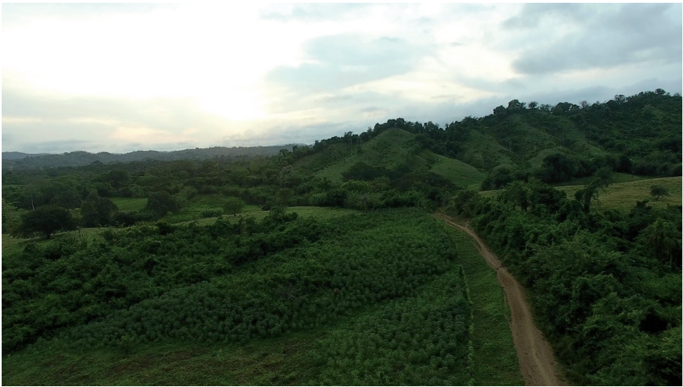
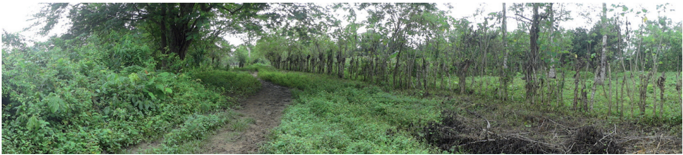
“Un primer reconocimiento visual de éstas permite identificar huellas asociadas al cultivo de la tierra, el pastoreo de ganado y el desplazamiento de gente entre los montes.”
§ LAS CICATRICES DEL PAISAJE: CIMARRONAJE COLECTIVO Y LIBERTAD EN LAS TIERRAS COMUNALES DE SAN BASILIO DE PALENQUE Y LA BONGA, NORTE DE COLOMBIA THE SCARS OF THE LANDSCAPE: COLLECTIVE MARRONAGE AND FREEDOM IN THE COMMUNAL LANDS OF SAN BASILIO DE PALENQUE AND LA BONGA, NORTHERN COLOMBIA > Maria Josepha (siC) y su faMilia ante el tribunal
plainstates an association- Asserted: passes — The authors put it forward as true.
- Checkable: passes — It can be checked against evidence.
- Load-bearing: fails — The paper’s conclusions may not depend on it.
- Based: passes — The paper gives a reason why it holds.
Probably not a substantial claim. The paper’s conclusions may not depend on it.
None of the sources cited for this claim have been checked yet.
In the paper
“Según el gobernador de Cartagena don Pedro Zapata, este era un asentamiento en el que,”
§ LAS CICATRICES DEL PAISAJE: CIMARRONAJE COLECTIVO Y LIBERTAD EN LAS TIERRAS COMUNALES DE SAN BASILIO DE PALENQUE Y LA BONGA, NORTE DE COLOMBIA THE SCARS OF THE LANDSCAPE: COLLECTIVE MARRONAGE AND FREEDOM IN THE COMMUNAL LANDS OF SAN BASILIO DE PALENQUE AND LA BONGA, NORTHERN COLOMBIA > Maria Josepha (siC) y su faMilia ante el tribunal
plain- Asserted: passes — The authors put it forward as true.
- Checkable: passes — It can be checked against evidence.
- Load-bearing: fails — The paper’s conclusions may not depend on it.
- Based: passes — The paper gives a reason why it holds.
Probably not a substantial claim. The paper’s conclusions may not depend on it.
- Rests on an assumption: The declarations and reports in the archive accurately record the events, statements, and conditions they describe.
None of the sources cited for this claim have been checked yet.
In the paper
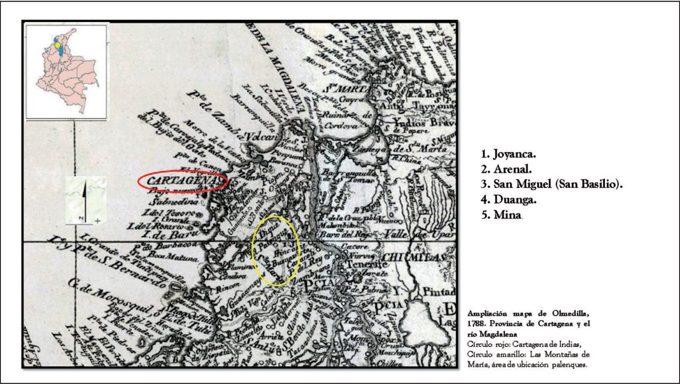
“Allí, se podían observar para la época los palenques de Joyanca y el de Domingo angola.Tras el arribo de la gente, este último pasará a llamarse el palenque del Arenal.”
§ LAS CICATRICES DEL PAISAJE: CIMARRONAJE COLECTIVO Y LIBERTAD EN LAS TIERRAS COMUNALES DE SAN BASILIO DE PALENQUE Y LA BONGA, NORTE DE COLOMBIA THE SCARS OF THE LANDSCAPE: COLLECTIVE MARRONAGE AND FREEDOM IN THE COMMUNAL LANDS OF SAN BASILIO DE PALENQUE AND LA BONGA, NORTHERN COLOMBIA > Maria Josepha (siC) y su faMilia ante el tribunal
plainstates a cause- Asserted: passes — The authors put it forward as true.
- Checkable: passes — It can be checked against evidence.
- Load-bearing: unclear — It is unclear whether the paper’s conclusions depend on it.
- Based: passes — The paper gives a reason why it holds.
It may state two separate claims as one.
- Rests on an assumption: The declarations and reports in the archive accurately record the events, statements, and conditions they describe.
None of the sources cited for this claim have been checked yet.
In the paper
“Así las cosas, el gobernador Ximeno junto a sus capitanes avanzaron por una única senda angosta existente entre la espesa vegetación.”
§ LAS CICATRICES DEL PAISAJE: CIMARRONAJE COLECTIVO Y LIBERTAD EN LAS TIERRAS COMUNALES DE SAN BASILIO DE PALENQUE Y LA BONGA, NORTE DE COLOMBIA THE SCARS OF THE LANDSCAPE: COLLECTIVE MARRONAGE AND FREEDOM IN THE COMMUNAL LANDS OF SAN BASILIO DE PALENQUE AND LA BONGA, NORTHERN COLOMBIA > Maria Josepha (siC) y su faMilia ante el tribunal
plain- Asserted: passes — The authors put it forward as true.
- Checkable: passes — It can be checked against evidence.
- Load-bearing: fails — The paper’s conclusions may not depend on it.
- Based: passes — The paper gives a reason why it holds.
Probably not a substantial claim. The paper’s conclusions may not depend on it.
- Rests on an assumption: The declarations and reports in the archive accurately record the events, statements, and conditions they describe.
A result the paper states — it cites no source for it, so there is none to check. The quote shows it is in the paper.
In the paper
“Apenas dos años más tarde, los palenques de San Miguel y otro más, conocido como el de Mina, serían también atacados.”
§ LAS CICATRICES DEL PAISAJE: CIMARRONAJE COLECTIVO Y LIBERTAD EN LAS TIERRAS COMUNALES DE SAN BASILIO DE PALENQUE Y LA BONGA, NORTE DE COLOMBIA THE SCARS OF THE LANDSCAPE: COLLECTIVE MARRONAGE AND FREEDOM IN THE COMMUNAL LANDS OF SAN BASILIO DE PALENQUE AND LA BONGA, NORTHERN COLOMBIA > Maria Josepha (siC) y su faMilia ante el tribunal
hedged- Asserted: passes — The authors put it forward as true.
- Checkable: passes — It can be checked against evidence.
- Load-bearing: fails — The paper’s conclusions may not depend on it.
- Based: passes — The paper gives a reason why it holds.
Probably not a substantial claim. The paper’s conclusions may not depend on it.
- Rests on an assumption: The declarations and reports in the archive accurately record the events, statements, and conditions they describe.
A result the paper states — it cites no source for it, so there is none to check. The quote shows it is in the paper.
In the paper
“Allí se encuentran caminos y rutas que conectan a los asentamientos entre sí, así como con otros lugares fuera de la delimitación actual del territorio.”
§ LAS CICATRICES DEL PAISAJE: CIMARRONAJE COLECTIVO Y LIBERTAD EN LAS TIERRAS COMUNALES DE SAN BASILIO DE PALENQUE Y LA BONGA, NORTE DE COLOMBIA THE SCARS OF THE LANDSCAPE: COLLECTIVE MARRONAGE AND FREEDOM IN THE COMMUNAL LANDS OF SAN BASILIO DE PALENQUE AND LA BONGA, NORTHERN COLOMBIA > palabras finales
plainstates an association- Asserted: passes — The authors put it forward as true.
- Checkable: passes — It can be checked against evidence.
- Load-bearing: unclear — It is unclear whether the paper’s conclusions depend on it.
- Based: passes — The paper gives a reason why it holds.
It may state two separate claims as one.
A result the paper reports from its own data — it cites no other source for it, so there is none to check. The quote shows it is in the paper.
In the paper
“Los cimarrones, entre los que se cuentan a Maria Josepha y su hermano Matheo, cruzaron el río Magdalena para dirigirse entonces hacia la sierra de la María.”
§ LAS CICATRICES DEL PAISAJE: CIMARRONAJE COLECTIVO Y LIBERTAD EN LAS TIERRAS COMUNALES DE SAN BASILIO DE PALENQUE Y LA BONGA, NORTE DE COLOMBIA THE SCARS OF THE LANDSCAPE: COLLECTIVE MARRONAGE AND FREEDOM IN THE COMMUNAL LANDS OF SAN BASILIO DE PALENQUE AND LA BONGA, NORTHERN COLOMBIA > Maria Josepha (siC) y su faMilia ante el tribunal
plain- Asserted: passes — The authors put it forward as true.
- Checkable: passes — It can be checked against evidence.
- Load-bearing: unclear — It is unclear whether the paper’s conclusions depend on it.
- Based: passes — The paper gives a reason why it holds.
It may state two separate claims as one.
- Rests on an assumption: The declarations and reports in the archive accurately record the events, statements, and conditions they describe.
None of the sources cited for this claim have been checked yet.
In the paper
“Allí se quedaron disparando, habiendo sido sólo posible agarrar”
§ LAS CICATRICES DEL PAISAJE: CIMARRONAJE COLECTIVO Y LIBERTAD EN LAS TIERRAS COMUNALES DE SAN BASILIO DE PALENQUE Y LA BONGA, NORTE DE COLOMBIA THE SCARS OF THE LANDSCAPE: COLLECTIVE MARRONAGE AND FREEDOM IN THE COMMUNAL LANDS OF SAN BASILIO DE PALENQUE AND LA BONGA, NORTHERN COLOMBIA > Maria Josepha (siC) y su faMilia ante el tribunal
plainn = 2- Asserted: passes — The authors put it forward as true.
- Checkable: passes — It can be checked against evidence.
- Load-bearing: fails — The paper’s conclusions may not depend on it.
- Based: passes — The paper gives a reason why it holds.
Probably not a substantial claim. The paper’s conclusions may not depend on it.
- Rests on an assumption: The declarations and reports in the archive accurately record the events, statements, and conditions they describe.
A result the paper reports from its own data — it cites no other source for it, so there is none to check. The quote shows it is in the paper.
In the paper
“Finalmente, presento algunas de las evidencias arqueológicas recuperadas durante la realización de mi disertación doctoral en estos dos asentamientos.Lo anterior posibilita sustentar desde la materialidad la persistencia de ocupación en el área, así como de la relación histórica entre estos asentamientos.”
§ LAS CICATRICES DEL PAISAJE: CIMARRONAJE COLECTIVO Y LIBERTAD EN LAS TIERRAS COMUNALES DE SAN BASILIO DE PALENQUE Y LA BONGA, NORTE DE COLOMBIA THE SCARS OF THE LANDSCAPE: COLLECTIVE MARRONAGE AND FREEDOM IN THE COMMUNAL LANDS OF SAN BASILIO DE PALENQUE AND LA BONGA, NORTHERN COLOMBIA > CiMarronaJe ColeCtivo y libertad
plainstates an association- Asserted: passes — The authors put it forward as true.
- Checkable: passes — It can be checked against evidence.
- Load-bearing: passes — The paper’s conclusions depend on it.
- Based: passes — The paper gives a reason why it holds.
It may state two separate claims as one.
None of the sources cited for this claim have been checked yet.
In the paper
“Este les dijo que ese era el palenque de”
§ LAS CICATRICES DEL PAISAJE: CIMARRONAJE COLECTIVO Y LIBERTAD EN LAS TIERRAS COMUNALES DE SAN BASILIO DE PALENQUE Y LA BONGA, NORTE DE COLOMBIA THE SCARS OF THE LANDSCAPE: COLLECTIVE MARRONAGE AND FREEDOM IN THE COMMUNAL LANDS OF SAN BASILIO DE PALENQUE AND LA BONGA, NORTHERN COLOMBIA > Maria Josepha (siC) y su faMilia ante el tribunal
plain- Asserted: passes — The authors put it forward as true.
- Checkable: passes — It can be checked against evidence.
- Load-bearing: fails — The paper’s conclusions may not depend on it.
- Based: passes — The paper gives a reason why it holds.
Probably not a substantial claim. The paper’s conclusions may not depend on it. It may state two separate claims as one.
- Rests on an assumption: The declarations and reports in the archive accurately record the events, statements, and conditions they describe.
A result the paper states — it cites no source for it, so there is none to check. The quote shows it is in the paper.
In the paper
“El primero distaría del de Embuila unas dieciséis leguas y para su comunicación se tenía”
§ LAS CICATRICES DEL PAISAJE: CIMARRONAJE COLECTIVO Y LIBERTAD EN LAS TIERRAS COMUNALES DE SAN BASILIO DE PALENQUE Y LA BONGA, NORTE DE COLOMBIA THE SCARS OF THE LANDSCAPE: COLLECTIVE MARRONAGE AND FREEDOM IN THE COMMUNAL LANDS OF SAN BASILIO DE PALENQUE AND LA BONGA, NORTHERN COLOMBIA > Maria Josepha (siC) y su faMilia ante el tribunal
plain- Asserted: passes — The authors put it forward as true.
- Checkable: passes — It can be checked against evidence.
- Load-bearing: fails — The paper’s conclusions may not depend on it.
- Based: passes — The paper gives a reason why it holds.
Probably not a substantial claim. The paper’s conclusions may not depend on it. It may state two separate claims as one.
- Rests on an assumption: The declarations and reports in the archive accurately record the events, statements, and conditions they describe.
A result the paper reports from its own data — it cites no other source for it, so there is none to check. The quote shows it is in the paper.
In the paper
“De los materiales recuperados, la cerámica representó el 80% de la muestra (5.200 fragmentos en total).”
§ LAS CICATRICES DEL PAISAJE: CIMARRONAJE COLECTIVO Y LIBERTAD EN LAS TIERRAS COMUNALES DE SAN BASILIO DE PALENQUE Y LA BONGA, NORTE DE COLOMBIA THE SCARS OF THE LANDSCAPE: COLLECTIVE MARRONAGE AND FREEDOM IN THE COMMUNAL LANDS OF SAN BASILIO DE PALENQUE AND LA BONGA, NORTHERN COLOMBIA > Additional information
plain- Asserted: passes — The authors put it forward as true.
- Checkable: passes — It can be checked against evidence.
- Load-bearing: fails — The paper’s conclusions may not depend on it.
- Based: passes — The paper gives a reason why it holds.
Probably not a substantial claim. The paper’s conclusions may not depend on it. It may state two separate claims as one.
A result the paper reports from its own data — it cites no other source for it, so there is none to check. The quote shows it is in the paper.
In the paper
“Mateo Pacheco encabezó la misión y junto con hombres del presidio de San Benito Abad y algunos de los indígenas que habían atacado a los palenques de Catendo, Gonzalo y Embuila se dirigió ahora hacia estos otros palenques.”
§ LAS CICATRICES DEL PAISAJE: CIMARRONAJE COLECTIVO Y LIBERTAD EN LAS TIERRAS COMUNALES DE SAN BASILIO DE PALENQUE Y LA BONGA, NORTE DE COLOMBIA THE SCARS OF THE LANDSCAPE: COLLECTIVE MARRONAGE AND FREEDOM IN THE COMMUNAL LANDS OF SAN BASILIO DE PALENQUE AND LA BONGA, NORTHERN COLOMBIA > Maria Josepha (siC) y su faMilia ante el tribunal
plain- Asserted: passes — The authors put it forward as true.
- Checkable: passes — It can be checked against evidence.
- Load-bearing: fails — The paper’s conclusions may not depend on it.
- Based: passes — The paper gives a reason why it holds.
Probably not a substantial claim. The paper’s conclusions may not depend on it. It may state two separate claims as one.
- Rests on an assumption: The declarations and reports in the archive accurately record the events, statements, and conditions they describe.
None of the sources cited for this claim have been checked yet.
In the paper
“Así, para el año de 1651 el dicho gobernador Zapata arremetió contra este palenque y otro próximo, llamado Gambanga.”
§ LAS CICATRICES DEL PAISAJE: CIMARRONAJE COLECTIVO Y LIBERTAD EN LAS TIERRAS COMUNALES DE SAN BASILIO DE PALENQUE Y LA BONGA, NORTE DE COLOMBIA THE SCARS OF THE LANDSCAPE: COLLECTIVE MARRONAGE AND FREEDOM IN THE COMMUNAL LANDS OF SAN BASILIO DE PALENQUE AND LA BONGA, NORTHERN COLOMBIA > Maria Josepha (siC) y su faMilia ante el tribunal
plain- Asserted: passes — The authors put it forward as true.
- Checkable: passes — It can be checked against evidence.
- Load-bearing: unclear — It is unclear whether the paper’s conclusions depend on it.
- Based: passes — The paper gives a reason why it holds.
It may state two separate claims as one.
- Rests on an assumption: The declarations and reports in the archive accurately record the events, statements, and conditions they describe.
None of the sources cited for this claim have been checked yet.
In the paper
“De todos estos se sabe que Domingo angola o Domingo criollo es su capitán principal y años más tarde, Pedro mina, africano, fungirá como su capitán de guerra.”
§ LAS CICATRICES DEL PAISAJE: CIMARRONAJE COLECTIVO Y LIBERTAD EN LAS TIERRAS COMUNALES DE SAN BASILIO DE PALENQUE Y LA BONGA, NORTE DE COLOMBIA THE SCARS OF THE LANDSCAPE: COLLECTIVE MARRONAGE AND FREEDOM IN THE COMMUNAL LANDS OF SAN BASILIO DE PALENQUE AND LA BONGA, NORTHERN COLOMBIA > Maria Josepha (siC) y su faMilia ante el tribunal
plain- Asserted: passes — The authors put it forward as true.
- Checkable: passes — It can be checked against evidence.
- Load-bearing: unclear — It is unclear whether the paper’s conclusions depend on it.
- Based: passes — The paper gives a reason why it holds.
It may state two separate claims as one.
- Rests on an assumption: The declarations and reports in the archive accurately record the events, statements, and conditions they describe.
A result the paper reports from its own data — it cites no other source for it, so there is none to check. The quote shows it is in the paper.
In the paper
“Los hombres del capitán Pacheco hicieron una descarga con sus armas, matando a algunos cimarrones e hiriendo a otros cuantos.Sin embargo, los cimarrones hicieron lo mismo pues tenían en su poder armas obtenidas en choques militares previos.”
§ LAS CICATRICES DEL PAISAJE: CIMARRONAJE COLECTIVO Y LIBERTAD EN LAS TIERRAS COMUNALES DE SAN BASILIO DE PALENQUE Y LA BONGA, NORTE DE COLOMBIA THE SCARS OF THE LANDSCAPE: COLLECTIVE MARRONAGE AND FREEDOM IN THE COMMUNAL LANDS OF SAN BASILIO DE PALENQUE AND LA BONGA, NORTHERN COLOMBIA > Maria Josepha (siC) y su faMilia ante el tribunal
plainstates a cause- Asserted: passes — The authors put it forward as true.
- Checkable: passes — It can be checked against evidence.
- Load-bearing: fails — The paper’s conclusions may not depend on it.
- Based: passes — The paper gives a reason why it holds.
Probably not a substantial claim. The paper’s conclusions may not depend on it. It may state two separate claims as one.
- Rests on an assumption: The declarations and reports in the archive accurately record the events, statements, and conditions they describe.
A result the paper states — it cites no source for it, so there is none to check. The quote shows it is in the paper.
In the paper
“Según aquellos indios tres días de camino serían necesarios antes de poder”
§ LAS CICATRICES DEL PAISAJE: CIMARRONAJE COLECTIVO Y LIBERTAD EN LAS TIERRAS COMUNALES DE SAN BASILIO DE PALENQUE Y LA BONGA, NORTE DE COLOMBIA THE SCARS OF THE LANDSCAPE: COLLECTIVE MARRONAGE AND FREEDOM IN THE COMMUNAL LANDS OF SAN BASILIO DE PALENQUE AND LA BONGA, NORTHERN COLOMBIA > Maria Josepha (siC) y su faMilia ante el tribunal
hedged- Asserted: passes — The authors put it forward as true.
- Checkable: passes — It can be checked against evidence.
- Load-bearing: fails — The paper’s conclusions may not depend on it.
- Based: passes — The paper gives a reason why it holds.
Probably not a substantial claim. The paper’s conclusions may not depend on it. The quote only partly states this claim.
- Rests on an assumption: The declarations and reports in the archive accurately record the events, statements, and conditions they describe.
None of the sources cited for this claim have been checked yet.
In the paper
“Además, surgirán los palenques de San Miguel, en adelante identificado como el palenque grande de la sierra, así como el de Duanga, por otro nombre conocido como el de Bonguê.”
§ LAS CICATRICES DEL PAISAJE: CIMARRONAJE COLECTIVO Y LIBERTAD EN LAS TIERRAS COMUNALES DE SAN BASILIO DE PALENQUE Y LA BONGA, NORTE DE COLOMBIA THE SCARS OF THE LANDSCAPE: COLLECTIVE MARRONAGE AND FREEDOM IN THE COMMUNAL LANDS OF SAN BASILIO DE PALENQUE AND LA BONGA, NORTHERN COLOMBIA > Maria Josepha (siC) y su faMilia ante el tribunal
plain- Asserted: passes — The authors put it forward as true.
- Checkable: passes — It can be checked against evidence.
- Load-bearing: unclear — It is unclear whether the paper’s conclusions depend on it.
- Based: passes — The paper gives a reason why it holds.
It may state two separate claims as one.
- Rests on an assumption: The declarations and reports in the archive accurately record the events, statements, and conditions they describe.
A conclusion the paper draws from its own results — it cites no other source for it, so there is none to check. The quote shows it is in the paper.
In the paper
“Es la conjunción de estas tres líneas de evidencia lo que me permite proponer a la cicatriz como una metáfora para evidenciar la doble condición histórica que atraviesa la emergencia y persistencia de los palenques: éstos se conectan con eventos que lastiman y causan heridas (esclavización y persecución), siendo a su vez el resultado mismo de actos de sanación (creación de relaciones sociales y”
§ LAS CICATRICES DEL PAISAJE: CIMARRONAJE COLECTIVO Y LIBERTAD EN LAS TIERRAS COMUNALES DE SAN BASILIO DE PALENQUE Y LA BONGA, NORTE DE COLOMBIA THE SCARS OF THE LANDSCAPE: COLLECTIVE MARRONAGE AND FREEDOM IN THE COMMUNAL LANDS OF SAN BASILIO DE PALENQUE AND LA BONGA, NORTHERN COLOMBIA > CiMarronaJe ColeCtivo y libertad
plainstates an association- Asserted: passes — The authors put it forward as true.
- Checkable: passes — It can be checked against evidence.
- Load-bearing: passes — The paper’s conclusions depend on it.
- Based: passes — The paper gives a reason why it holds.
It may state two separate claims as one.
A conclusion the paper draws from its own results — it cites no other source for it, so there is none to check. The quote shows it is in the paper.
In the paper
“Esto posibilitó a los cimarrones y su descendencia continuar habitando el área y moverse por la sierra.”
§ LAS CICATRICES DEL PAISAJE: CIMARRONAJE COLECTIVO Y LIBERTAD EN LAS TIERRAS COMUNALES DE SAN BASILIO DE PALENQUE Y LA BONGA, NORTE DE COLOMBIA THE SCARS OF THE LANDSCAPE: COLLECTIVE MARRONAGE AND FREEDOM IN THE COMMUNAL LANDS OF SAN BASILIO DE PALENQUE AND LA BONGA, NORTHERN COLOMBIA > fragMentos de libertad
plainstates a cause- Asserted: passes — The authors put it forward as true.
- Checkable: passes — It can be checked against evidence.
- Load-bearing: passes — The paper’s conclusions depend on it.
- Based: passes — The paper gives a reason why it holds.
It may state two separate claims as one.
A conclusion the paper draws from its own results — it cites no other source for it, so there is none to check. The quote shows it is in the paper.
In the paper
“Las declaraciones que Maria Josepha y sus hijas ofrecen ante el tribunal contienen tres elementos sustanciales relativos a las dinámicas constitutivas del cimarronaje colectivo en la antigua provincia de Cartagena de Indias durante el siglo XVII.El primero es aquel asociado a la memoria de la fuga y una vida cotidiana que, ejercida en libertad, se materializó en lugares particulares conocidos como”
§ LAS CICATRICES DEL PAISAJE: CIMARRONAJE COLECTIVO Y LIBERTAD EN LAS TIERRAS COMUNALES DE SAN BASILIO DE PALENQUE Y LA BONGA, NORTE DE COLOMBIA THE SCARS OF THE LANDSCAPE: COLLECTIVE MARRONAGE AND FREEDOM IN THE COMMUNAL LANDS OF SAN BASILIO DE PALENQUE AND LA BONGA, NORTHERN COLOMBIA > Maria Josepha (siC) y su faMilia ante el tribunal
plainstates an associationSingle case- Asserted: passes — The authors put it forward as true.
- Checkable: passes — It can be checked against evidence.
- Load-bearing: passes — The paper’s conclusions depend on it.
- Based: passes — The paper gives a reason why it holds.
It may state two separate claims as one. The quote only partly states this claim.
- Rests on an assumption: The declarations and reports in the archive accurately record the events, statements, and conditions they describe.
A conclusion the paper draws from its own results — it cites no other source for it, so there is none to check. The quote shows it is in the paper.
In the paper
“En el caso del palenque de la Magdalena además de los caminos terrestres, los cuales se refieren como cortados, su proximidad al río Magdalena obliga a imaginar que la movilidad acuática también tuvo lugar.”
§ LAS CICATRICES DEL PAISAJE: CIMARRONAJE COLECTIVO Y LIBERTAD EN LAS TIERRAS COMUNALES DE SAN BASILIO DE PALENQUE Y LA BONGA, NORTE DE COLOMBIA THE SCARS OF THE LANDSCAPE: COLLECTIVE MARRONAGE AND FREEDOM IN THE COMMUNAL LANDS OF SAN BASILIO DE PALENQUE AND LA BONGA, NORTHERN COLOMBIA > Maria Josepha (siC) y su faMilia ante el tribunal
hedgedstates a possible causeSingle case- Asserted: passes — The authors put it forward as true.
- Checkable: passes — It can be checked against evidence.
- Load-bearing: fails — The paper’s conclusions may not depend on it.
- Based: passes — The paper gives a reason why it holds.
Probably not a substantial claim. The paper’s conclusions may not depend on it.
A conclusion the paper draws from its own results — it cites no other source for it, so there is none to check. The quote shows it is in the paper.
In the paper
“Sin embargo, el contexto de lo ocurrido hace veinte años, a finales del siglo XIX y durante el cimarronaje colonial, previamente referido, permite comprender que abandono y retorno han sido dos tácticas de defensa y movilidad puestas en marcha de manera recurrente a lo largo del tiempo.”
§ LAS CICATRICES DEL PAISAJE: CIMARRONAJE COLECTIVO Y LIBERTAD EN LAS TIERRAS COMUNALES DE SAN BASILIO DE PALENQUE Y LA BONGA, NORTE DE COLOMBIA THE SCARS OF THE LANDSCAPE: COLLECTIVE MARRONAGE AND FREEDOM IN THE COMMUNAL LANDS OF SAN BASILIO DE PALENQUE AND LA BONGA, NORTHERN COLOMBIA > Maria Josepha (siC) y su faMilia ante el tribunal
plain- Asserted: passes — The authors put it forward as true.
- Checkable: passes — It can be checked against evidence.
- Load-bearing: passes — The paper’s conclusions depend on it.
- Based: passes — The paper gives a reason why it holds.
It may state two separate claims as one.
A conclusion the paper draws from its own results — it cites no other source for it, so there is none to check. The quote shows it is in the paper.
In the paper
“Atravesado por múltiples momentos de violencia, el paisaje contemporáneo de San Basilio de Palenque y la Bonga se encuentra marcado por múltiples heridas pero también, por acciones de sanación.”
§ LAS CICATRICES DEL PAISAJE: CIMARRONAJE COLECTIVO Y LIBERTAD EN LAS TIERRAS COMUNALES DE SAN BASILIO DE PALENQUE Y LA BONGA, NORTE DE COLOMBIA THE SCARS OF THE LANDSCAPE: COLLECTIVE MARRONAGE AND FREEDOM IN THE COMMUNAL LANDS OF SAN BASILIO DE PALENQUE AND LA BONGA, NORTHERN COLOMBIA > palabras finales
plainstates an association- Asserted: passes — The authors put it forward as true.
- Checkable: passes — It can be checked against evidence.
- Load-bearing: passes — The paper’s conclusions depend on it.
- Based: passes — The paper gives a reason why it holds.
It may state two separate claims as one.
A conclusion the paper draws from its own results — it cites no other source for it, so there is none to check. The quote shows it is in the paper.
In the paper
“Se observa el ataque al palenque de San Miguel al menos en dos ocasiones, así como su resurgimiento.Lo anterior denota una tríada temporal de la vida en libertad y la existencia de los palenques: surgimiento -consolidación, ataque -abandono y retorno -resurgimiento.”
§ LAS CICATRICES DEL PAISAJE: CIMARRONAJE COLECTIVO Y LIBERTAD EN LAS TIERRAS COMUNALES DE SAN BASILIO DE PALENQUE Y LA BONGA, NORTE DE COLOMBIA THE SCARS OF THE LANDSCAPE: COLLECTIVE MARRONAGE AND FREEDOM IN THE COMMUNAL LANDS OF SAN BASILIO DE PALENQUE AND LA BONGA, NORTHERN COLOMBIA > Maria Josepha (siC) y su faMilia ante el tribunal
plainstates an association- Asserted: passes — The authors put it forward as true.
- Checkable: passes — It can be checked against evidence.
- Load-bearing: unclear — It is unclear whether the paper’s conclusions depend on it.
- Based: passes — The paper gives a reason why it holds.
It may state two separate claims as one.
- Rests on an assumption: The declarations and reports in the archive accurately record the events, statements, and conditions they describe.
A conclusion the paper draws from its own results — it cites no other source for it, so there is none to check. The quote shows it is in the paper.
In the paper
“Así, los palenques, su espacialidad y materialidad, contienen una doble condición histórica: éstos se conectan con el evento que causó la herida, siendo a su vez el resultado del acto de sanación.”
§ LAS CICATRICES DEL PAISAJE: CIMARRONAJE COLECTIVO Y LIBERTAD EN LAS TIERRAS COMUNALES DE SAN BASILIO DE PALENQUE Y LA BONGA, NORTE DE COLOMBIA THE SCARS OF THE LANDSCAPE: COLLECTIVE MARRONAGE AND FREEDOM IN THE COMMUNAL LANDS OF SAN BASILIO DE PALENQUE AND LA BONGA, NORTHERN COLOMBIA > palabras finales
plainstates an association- Asserted: passes — The authors put it forward as true.
- Checkable: passes — It can be checked against evidence.
- Load-bearing: passes — The paper’s conclusions depend on it.
- Based: passes — The paper gives a reason why it holds.
Probably not a substantial claim. It may state two separate claims as one.
A conclusion the paper draws from its own results — it cites no other source for it, so there is none to check. The quote shows it is in the paper.
In the paper
“Una primera asociada a espacios domésticos y cuyo registro arqueológico otorga ahora una profundidad histórica a su ocupación.”
§ LAS CICATRICES DEL PAISAJE: CIMARRONAJE COLECTIVO Y LIBERTAD EN LAS TIERRAS COMUNALES DE SAN BASILIO DE PALENQUE Y LA BONGA, NORTE DE COLOMBIA THE SCARS OF THE LANDSCAPE: COLLECTIVE MARRONAGE AND FREEDOM IN THE COMMUNAL LANDS OF SAN BASILIO DE PALENQUE AND LA BONGA, NORTHERN COLOMBIA > palabras finales
plainstates an association- Asserted: passes — The authors put it forward as true.
- Checkable: passes — It can be checked against evidence.
- Load-bearing: unclear — It is unclear whether the paper’s conclusions depend on it.
- Based: passes — The paper gives a reason why it holds.
It may state two separate claims as one.
A conclusion the paper draws from its own results — it cites no other source for it, so there is none to check. The quote shows it is in the paper.
In the paper
“A pesar de la violencia ejercida los cimarrones se ocultan, se mueven por un paisaje que les es conocido y levantan de nuevo sus palenques.”
§ LAS CICATRICES DEL PAISAJE: CIMARRONAJE COLECTIVO Y LIBERTAD EN LAS TIERRAS COMUNALES DE SAN BASILIO DE PALENQUE Y LA BONGA, NORTE DE COLOMBIA THE SCARS OF THE LANDSCAPE: COLLECTIVE MARRONAGE AND FREEDOM IN THE COMMUNAL LANDS OF SAN BASILIO DE PALENQUE AND LA BONGA, NORTHERN COLOMBIA > Maria Josepha (siC) y su faMilia ante el tribunal
plain- Asserted: passes — The authors put it forward as true.
- Checkable: passes — It can be checked against evidence.
- Load-bearing: passes — The paper’s conclusions depend on it.
- Based: passes — The paper gives a reason why it holds.
It may state two separate claims as one.
In the paper
“El tercero, como acuerdo entre los cimarrones y la autoridad colonial, mediante el cual se reconoció la libertad legal de los primeros y la ocupación de sus tierras.”
§ LAS CICATRICES DEL PAISAJE: CIMARRONAJE COLECTIVO Y LIBERTAD EN LAS TIERRAS COMUNALES DE SAN BASILIO DE PALENQUE Y LA BONGA, NORTE DE COLOMBIA THE SCARS OF THE LANDSCAPE: COLLECTIVE MARRONAGE AND FREEDOM IN THE COMMUNAL LANDS OF SAN BASILIO DE PALENQUE AND LA BONGA, NORTHERN COLOMBIA > introduCCión
What the sources say
- Not matchedcites [2]
Couldn’t be matched to a paper in Crossref, so it can’t be checked.
plain- Asserted: passes — The authors put it forward as true.
- Checkable: passes — It can be checked against evidence.
- Load-bearing: passes — The paper’s conclusions depend on it.
- Based: passes — The paper gives a reason why it holds.
It may state two separate claims as one.
- Rests on an assumption: The 1714 agreement occurred while slavery was still legally in force.
- Not matched
A conclusion the paper draws from its own results — it cites no other source for it, so there is none to check. The quote shows it is in the paper.
In the paper
“Así, el surgimiento y desaparición de asentamientos apalencados, las modificaciones y alteraciones hechas al entorno, las evidencias cerámicas y las relaciones sostenidas por los habitantes de estos asentamientos aparecen como huellas, hendiduras y cicatrices inscriptas en un paisaje creado desde la fractura y la disrupción, pero articulado por procesos de negociación y reinvención cotidiana de la”
§ LAS CICATRICES DEL PAISAJE: CIMARRONAJE COLECTIVO Y LIBERTAD EN LAS TIERRAS COMUNALES DE SAN BASILIO DE PALENQUE Y LA BONGA, NORTE DE COLOMBIA THE SCARS OF THE LANDSCAPE: COLLECTIVE MARRONAGE AND FREEDOM IN THE COMMUNAL LANDS OF SAN BASILIO DE PALENQUE AND LA BONGA, NORTHERN COLOMBIA > Abstract
hedgedstates an association- Asserted: passes — The authors put it forward as true.
- Checkable: passes — It can be checked against evidence.
- Load-bearing: passes — The paper’s conclusions depend on it.
- Based: passes — The paper gives a reason why it holds.
It may state two separate claims as one.
A conclusion the paper draws from its own results — it cites no other source for it, so there is none to check. The quote shows it is in the paper.
In the paper
“Dicha articulación de lugares tomó forma a partir de la segunda mitad del siglo XVII persistiendo en el tiempo.”
§ LAS CICATRICES DEL PAISAJE: CIMARRONAJE COLECTIVO Y LIBERTAD EN LAS TIERRAS COMUNALES DE SAN BASILIO DE PALENQUE Y LA BONGA, NORTE DE COLOMBIA THE SCARS OF THE LANDSCAPE: COLLECTIVE MARRONAGE AND FREEDOM IN THE COMMUNAL LANDS OF SAN BASILIO DE PALENQUE AND LA BONGA, NORTHERN COLOMBIA > palabras finales
plain- Asserted: passes — The authors put it forward as true.
- Checkable: passes — It can be checked against evidence.
- Load-bearing: passes — The paper’s conclusions depend on it.
- Based: fails — The paper may give no reason why it holds.
Probably not a substantial claim. The paper may give no reason why it holds. It may state two separate claims as one.
A conclusion the paper draws from its own results — it cites no other source for it, so there is none to check. The quote shows it is in the paper.
In the paper
“De esta manera analizo fuentes documentales de archivo, concernientes a pleitos civiles y reportes militares en los que cimarrones capturados a finales del siglo XVII en la sierra de la María debieron declarar.Estas permiten acercarse a los contornos geográficos y espaciales por estos habitados.En esa medida posibilitan identificar características constitutivas del cimarronaje de la época.”
§ LAS CICATRICES DEL PAISAJE: CIMARRONAJE COLECTIVO Y LIBERTAD EN LAS TIERRAS COMUNALES DE SAN BASILIO DE PALENQUE Y LA BONGA, NORTE DE COLOMBIA THE SCARS OF THE LANDSCAPE: COLLECTIVE MARRONAGE AND FREEDOM IN THE COMMUNAL LANDS OF SAN BASILIO DE PALENQUE AND LA BONGA, NORTHERN COLOMBIA > CiMarronaJe ColeCtivo y libertad
plainstates a cause- Asserted: passes — The authors put it forward as true.
- Checkable: passes — It can be checked against evidence.
- Load-bearing: passes — The paper’s conclusions depend on it.
- Based: passes — The paper gives a reason why it holds.
It may state two separate claims as one.
- Rests on an assumption: The declarations and reports in the archive accurately record the events, statements, and conditions they describe.
In the paper
“Esto se convierte en un hito de la ocupación de este sitio y por tanto en un marcador cronológico importante (MANTILLA, 2021).”
§ LAS CICATRICES DEL PAISAJE: CIMARRONAJE COLECTIVO Y LIBERTAD EN LAS TIERRAS COMUNALES DE SAN BASILIO DE PALENQUE Y LA BONGA, NORTE DE COLOMBIA THE SCARS OF THE LANDSCAPE: COLLECTIVE MARRONAGE AND FREEDOM IN THE COMMUNAL LANDS OF SAN BASILIO DE PALENQUE AND LA BONGA, NORTHERN COLOMBIA > fragMentos de libertad
What the sources say
- Not matchedcites MANTILLA, 2021
Couldn’t be matched to a paper in Crossref, so it can’t be checked.
plainstates an associationSingle case- Asserted: passes — The authors put it forward as true.
- Checkable: passes — It can be checked against evidence.
- Load-bearing: unclear — It is unclear whether the paper’s conclusions depend on it.
- Based: passes — The paper gives a reason why it holds.
It may state two separate claims as one.
- Not matched
None of the sources cited for this claim could be matched to a paper in Crossref, so there is nothing to check it against.
In the paper
“Si bien el título actual fue otorgado en el 2012 1 , este tuvo como antecedente dos actos administrativos, uno del año de 1884 (FRIEDEMANN y CROSS, 1979, p. 97) y otro más, que data del año de 1714 2 .”
§ LAS CICATRICES DEL PAISAJE: CIMARRONAJE COLECTIVO Y LIBERTAD EN LAS TIERRAS COMUNALES DE SAN BASILIO DE PALENQUE Y LA BONGA, NORTE DE COLOMBIA THE SCARS OF THE LANDSCAPE: COLLECTIVE MARRONAGE AND FREEDOM IN THE COMMUNAL LANDS OF SAN BASILIO DE PALENQUE AND LA BONGA, NORTHERN COLOMBIA > introduCCión
What the sources say
- Not matchedcites FRIEDEMANN y CROSS, 1979
Couldn’t be matched to a paper in Crossref, so it can’t be checked.
- Not matchedcites [1]
Couldn’t be matched to a paper in Crossref, so it can’t be checked.
- Not matchedcites [2]
Couldn’t be matched to a paper in Crossref, so it can’t be checked.
plain- Asserted: passes — The authors put it forward as true.
- Checkable: passes — It can be checked against evidence.
- Load-bearing: unclear — It is unclear whether the paper’s conclusions depend on it.
- Based: passes — The paper gives a reason why it holds.
It may state two separate claims as one.
- Not matched
A conclusion the paper draws from its own results — it cites no other source for it, so there is none to check. The quote shows it is in the paper.
In the paper
“La sanación tomó así forma de siembra, de levantamiento de bohíos y de producción cerámica.”
§ LAS CICATRICES DEL PAISAJE: CIMARRONAJE COLECTIVO Y LIBERTAD EN LAS TIERRAS COMUNALES DE SAN BASILIO DE PALENQUE Y LA BONGA, NORTE DE COLOMBIA THE SCARS OF THE LANDSCAPE: COLLECTIVE MARRONAGE AND FREEDOM IN THE COMMUNAL LANDS OF SAN BASILIO DE PALENQUE AND LA BONGA, NORTHERN COLOMBIA > fragMentos de libertad
plainstates a cause- Asserted: passes — The authors put it forward as true.
- Checkable: passes — It can be checked against evidence.
- Load-bearing: passes — The paper’s conclusions depend on it.
- Based: passes — The paper gives a reason why it holds.
It may state two separate claims as one.
A conclusion the paper draws from its own results — it cites no other source for it, so there is none to check. The quote shows it is in the paper.
In the paper
“Entre éstos, se observa el manejo de armas y el despliegue tácticas militares, así como la huida y el refugio, cuando posible, en lugares próximos a los palenques o en alguno de los otros asentamientos de la red de poblamiento existente.”
§ LAS CICATRICES DEL PAISAJE: CIMARRONAJE COLECTIVO Y LIBERTAD EN LAS TIERRAS COMUNALES DE SAN BASILIO DE PALENQUE Y LA BONGA, NORTE DE COLOMBIA THE SCARS OF THE LANDSCAPE: COLLECTIVE MARRONAGE AND FREEDOM IN THE COMMUNAL LANDS OF SAN BASILIO DE PALENQUE AND LA BONGA, NORTHERN COLOMBIA > Maria Josepha (siC) y su faMilia ante el tribunal
plain- Asserted: passes — The authors put it forward as true.
- Checkable: passes — It can be checked against evidence.
- Load-bearing: unclear — It is unclear whether the paper’s conclusions depend on it.
- Based: passes — The paper gives a reason why it holds.
It may state two separate claims as one.
None of the sources cited for this claim could be matched to a paper in Crossref, so there is nothing to check it against.
In the paper
“los quilombolas de la república de los Palmares del Brasil por ejemplo, se enfrentaron a la feroz persecución militar, la cual terminó por desarticular sus asentamientos (DOCU-MENTA PALMARES, 2021; FUNARI, 1999; MENEZES, 2015).”
§ LAS CICATRICES DEL PAISAJE: CIMARRONAJE COLECTIVO Y LIBERTAD EN LAS TIERRAS COMUNALES DE SAN BASILIO DE PALENQUE Y LA BONGA, NORTE DE COLOMBIA THE SCARS OF THE LANDSCAPE: COLLECTIVE MARRONAGE AND FREEDOM IN THE COMMUNAL LANDS OF SAN BASILIO DE PALENQUE AND LA BONGA, NORTHERN COLOMBIA > CiMarronaJe ColeCtivo y libertad
What the sources say
- Not matchedcites DOCUMENTA PALMARES, 2021
Couldn’t be matched to a paper in Crossref, so it can’t be checked.
- Not matchedcites FUNARI, 1999
Couldn’t be matched to a paper in Crossref, so it can’t be checked.
- Not matchedcites MENEZES, 2015
Couldn’t be matched to a paper in Crossref, so it can’t be checked.
plainstates a cause- Asserted: passes — The authors put it forward as true.
- Checkable: passes — It can be checked against evidence.
- Load-bearing: unclear — It is unclear whether the paper’s conclusions depend on it.
- Based: passes — The paper gives a reason why it holds.
It may state two separate claims as one.
- Not matched
A conclusion the paper draws from its own results — it cites no other source for it, so there is none to check. The quote shows it is in the paper.
In the paper
“Las cicatrices aparecen y dan forma a un registro arqueológico en el que memorias de distintos momentos convergen.”
§ LAS CICATRICES DEL PAISAJE: CIMARRONAJE COLECTIVO Y LIBERTAD EN LAS TIERRAS COMUNALES DE SAN BASILIO DE PALENQUE Y LA BONGA, NORTE DE COLOMBIA THE SCARS OF THE LANDSCAPE: COLLECTIVE MARRONAGE AND FREEDOM IN THE COMMUNAL LANDS OF SAN BASILIO DE PALENQUE AND LA BONGA, NORTHERN COLOMBIA > palabras finales
plainstates a cause- Asserted: passes — The authors put it forward as true.
- Checkable: fails — It may be too vague to check against evidence.
- Load-bearing: passes — The paper’s conclusions depend on it.
- Based: fails — The paper may give no reason why it holds.
Probably not a substantial claim. It may be too vague to check against evidence. The paper may give no reason why it holds. It may state two separate claims as one.
A conclusion the paper draws from its own results — it cites no other source for it, so there is none to check. The quote shows it is in the paper.
In the paper
“La huida posibilitó el acceso inicial a la tierra.No obstante, fue la regularidad de las acciones ejercidas por los cimarrones en libertad las que dieron lugar a la concreción de espacios de habitación.”
§ LAS CICATRICES DEL PAISAJE: CIMARRONAJE COLECTIVO Y LIBERTAD EN LAS TIERRAS COMUNALES DE SAN BASILIO DE PALENQUE Y LA BONGA, NORTE DE COLOMBIA THE SCARS OF THE LANDSCAPE: COLLECTIVE MARRONAGE AND FREEDOM IN THE COMMUNAL LANDS OF SAN BASILIO DE PALENQUE AND LA BONGA, NORTHERN COLOMBIA > CiMarronaJe ColeCtivo y libertad
plainstates a cause- Asserted: passes — The authors put it forward as true.
- Checkable: passes — It can be checked against evidence.
- Load-bearing: passes — The paper’s conclusions depend on it.
- Based: passes — The paper gives a reason why it holds.
It may state two separate claims as one.
A conclusion the paper draws from its own results — it cites no other source for it, so there is none to check. The quote shows it is in the paper.
In the paper
“El paisaje contemporáneo de las tierras colectivas de San Basilio de Palenque y la Bonga se nutre de lo anterior.En él, la cicatriz histórica se cubre de tierra, pero no se olvida, es la huella constitutiva del arraigo a la tierra.”
§ LAS CICATRICES DEL PAISAJE: CIMARRONAJE COLECTIVO Y LIBERTAD EN LAS TIERRAS COMUNALES DE SAN BASILIO DE PALENQUE Y LA BONGA, NORTE DE COLOMBIA THE SCARS OF THE LANDSCAPE: COLLECTIVE MARRONAGE AND FREEDOM IN THE COMMUNAL LANDS OF SAN BASILIO DE PALENQUE AND LA BONGA, NORTHERN COLOMBIA > CiMarronaJe ColeCtivo y libertad
plainstates a cause- Asserted: passes — The authors put it forward as true.
- Checkable: unclear — It is unclear whether it could be checked against evidence.
- Load-bearing: passes — The paper’s conclusions depend on it.
- Based: passes — The paper gives a reason why it holds.
It may state two separate claims as one.
A conclusion the paper draws from its own results — it cites no other source for it, so there is none to check. The quote shows it is in the paper.
In the paper
“Sumado a los ataques que los”
§ LAS CICATRICES DEL PAISAJE: CIMARRONAJE COLECTIVO Y LIBERTAD EN LAS TIERRAS COMUNALES DE SAN BASILIO DE PALENQUE Y LA BONGA, NORTE DE COLOMBIA THE SCARS OF THE LANDSCAPE: COLLECTIVE MARRONAGE AND FREEDOM IN THE COMMUNAL LANDS OF SAN BASILIO DE PALENQUE AND LA BONGA, NORTHERN COLOMBIA > Maria Josepha (siC) y su faMilia ante el tribunal
plainstates a cause- Asserted: passes — The authors put it forward as true.
- Checkable: passes — It can be checked against evidence.
- Load-bearing: passes — The paper’s conclusions depend on it.
- Based: passes — The paper gives a reason why it holds.
It may state two separate claims as one.
A conclusion the paper draws from its own results — it cites no other source for it, so there is none to check. The quote shows it is in the paper.
In the paper
“En este contexto, el cimarronaje colectivo, es decir, la fuga regular de individuos esclavizados, posibilitó no solo la libertad fáctica, sino que le dio un lugar concreto de existencia: el palenque.”
§ LAS CICATRICES DEL PAISAJE: CIMARRONAJE COLECTIVO Y LIBERTAD EN LAS TIERRAS COMUNALES DE SAN BASILIO DE PALENQUE Y LA BONGA, NORTE DE COLOMBIA THE SCARS OF THE LANDSCAPE: COLLECTIVE MARRONAGE AND FREEDOM IN THE COMMUNAL LANDS OF SAN BASILIO DE PALENQUE AND LA BONGA, NORTHERN COLOMBIA > CiMarronaJe ColeCtivo y libertad
plainstates a cause- Asserted: passes — The authors put it forward as true.
- Checkable: passes — It can be checked against evidence.
- Load-bearing: passes — The paper’s conclusions depend on it.
- Based: passes — The paper gives a reason why it holds.
It may state two separate claims as one.
- Rests on an assumption: Legal means for access to freedom did not imply immediate access to land tenure.
A conclusion the paper draws from its own results — it cites no other source for it, so there is none to check. The quote shows it is in the paper.
In the paper
“Diferentes factores explican estas diferencias.”
§ LAS CICATRICES DEL PAISAJE: CIMARRONAJE COLECTIVO Y LIBERTAD EN LAS TIERRAS COMUNALES DE SAN BASILIO DE PALENQUE Y LA BONGA, NORTE DE COLOMBIA THE SCARS OF THE LANDSCAPE: COLLECTIVE MARRONAGE AND FREEDOM IN THE COMMUNAL LANDS OF SAN BASILIO DE PALENQUE AND LA BONGA, NORTHERN COLOMBIA > CiMarronaJe ColeCtivo y libertad
plainstates a cause- Asserted: passes — The authors put it forward as true.
- Checkable: passes — It can be checked against evidence.
- Load-bearing: fails — The paper’s conclusions may not depend on it.
- Based: fails — The paper may give no reason why it holds.
Probably not a substantial claim. The paper’s conclusions may not depend on it. The paper may give no reason why it holds.
A conclusion the paper draws from its own results — it cites no other source for it, so there is none to check. The quote shows it is in the paper.
In the paper
“De manera particular me interesa analizar la manera en que, en un contexto mediado por la esclavización de africanos y su descendencia, así como por el ataque contra sus asentamientos, los habitantes de estos lugares desplegaron tácticas específicas para hacer frente a lo anterior.Ello influyó en la ubicación de sus sitios, la articulación entre asentamientos así como con otros lugares, y la p”
§ LAS CICATRICES DEL PAISAJE: CIMARRONAJE COLECTIVO Y LIBERTAD EN LAS TIERRAS COMUNALES DE SAN BASILIO DE PALENQUE Y LA BONGA, NORTE DE COLOMBIA THE SCARS OF THE LANDSCAPE: COLLECTIVE MARRONAGE AND FREEDOM IN THE COMMUNAL LANDS OF SAN BASILIO DE PALENQUE AND LA BONGA, NORTHERN COLOMBIA > CiMarronaJe ColeCtivo y libertad
plainstates a cause- Asserted: passes — The authors put it forward as true.
- Checkable: passes — It can be checked against evidence.
- Load-bearing: passes — The paper’s conclusions depend on it.
- Based: passes — The paper gives a reason why it holds.
It may state two separate claims as one.
None of the sources cited for this claim could be matched to a paper in Crossref, so there is nothing to check it against.
In the paper
“El palenque de la Magdalena, lugar de nacimiento de Maria Josepha, su hermano Matheo y otra hermana más llamada Blanca 8 , era uno de los varios palenques que desde finales del siglo XVI e inicios del siglo XVII habían emergido en el caribe neogranadino (ARRÁZOLA, 1979; NAVA-RRETE, 2011, 2017; BORRERO PLA, 1973; ROMERO, 2009).”
§ LAS CICATRICES DEL PAISAJE: CIMARRONAJE COLECTIVO Y LIBERTAD EN LAS TIERRAS COMUNALES DE SAN BASILIO DE PALENQUE Y LA BONGA, NORTE DE COLOMBIA THE SCARS OF THE LANDSCAPE: COLLECTIVE MARRONAGE AND FREEDOM IN THE COMMUNAL LANDS OF SAN BASILIO DE PALENQUE AND LA BONGA, NORTHERN COLOMBIA > Maria Josepha (siC) y su faMilia ante el tribunal
What the sources say
- Not matchedcites ARRÁZOLA, 1979
Couldn’t be matched to a paper in Crossref, so it can’t be checked.
- Not matchedcites NAVA-RRETE, 2011, 2017
Couldn’t be matched to a paper in Crossref, so it can’t be checked.
- Not matchedcites BORRERO PLA, 1973
Couldn’t be matched to a paper in Crossref, so it can’t be checked.
plain- Asserted: passes — The authors put it forward as true.
- Checkable: passes — It can be checked against evidence.
- Load-bearing: fails — The paper’s conclusions may not depend on it.
- Based: passes — The paper gives a reason why it holds.
Probably not a substantial claim. The paper’s conclusions may not depend on it.
- Not matched
The paper relies on this without support.
The 1714 agreement occurred while slavery was still legally in force.
“Llama la atención en este panorama, el acuerdo de 1714 pues ocurre en un contexto en el que la esclavitud aún se encontraba vigente.”
The paper relies on this without support.
Legal means for access to freedom did not imply immediate access to land tenure.
“Aunque existieron medios legales para el acceso a la libertad por parte de la población esclavizada (ej.auto-manumisión o liberación por parte del amo), lo anterior no significaba acceso inmediato a la tenencia de tierra.”
The paper relies on this without support.
The declarations and reports in the archive accurately record the events, statements, and conditions they describe.
“Según las declaraciones de sus hijas Leonor, Lucrecia y Maria Magdalena, estas tenían otra hermana llamada Ana, así como otros tres hermanos llamados Pablo, Diego y García.”
The paper relies on this without support.
Una arremetida paramilitar en la zona obligó al abandono inmediato del asentamiento de la Bonga y de otros caseríos.
“Una arremetida paramilitar en la zona obligó al abandono inmediato del asentamiento.”
The paper relies on this without support.
La historia oral transmite de manera confiable que los ancestros de los bongueros llegaron al área de la Bonga un siglo antes huyendo de otra entrada militar contra San Basilio de Palenque.
“La historia oral permite conocer que los ancestros de los bongueros habían llegado al área de la Bonga un siglo antes huyendo de otra entrada militar, esta vez contra San Basilio de Palenque.”
Self-check
Percentages, sums and reported differences re-computed from the paper’s own numbers.
Each contradiction between two passages listed here was confirmed by an independent check.
Rated minor: it would not touch a result — a value no result rests on, a p-value that stays on the same side of the significance level, or a conflict that is clerical, resolved elsewhere in the paper, or outside its own findings.
In the paper
§ LAS CICATRICES DEL PAISAJE: CIMARRONAJE COLECTIVO Y LIBERTAD EN LAS TIERRAS COMUNALES DE SAN BASILIO DE PALENQUE Y LA BONGA, NORTE DE COLOMBIA THE SCARS OF THE LANDSCAPE: COLLECTIVE MARRONAGE AND FREEDOM IN THE COMMUNAL LANDS OF SAN BASILIO DE PALENQUE AND LA BONGA, NORTHERN COLOMBIA > Maria Josepha (siC) y su faMilia ante el tribunal
“3353 Ha + 9957 m 2”
§ LAS CICATRICES DEL PAISAJE: CIMARRONAJE COLECTIVO Y LIBERTAD EN LAS TIERRAS COMUNALES DE SAN BASILIO DE PALENQUE Y LA BONGA, NORTE DE COLOMBIA THE SCARS OF THE LANDSCAPE: COLLECTIVE MARRONAGE AND FREEDOM IN THE COMMUNAL LANDS OF SAN BASILIO DE PALENQUE AND LA BONGA, NORTHERN COLOMBIA > Maria Josepha (siC) y su faMilia ante el tribunal
“aproximadamente 73 km 2”
Citations
Cites
Central Africans, Atlantic Creoles, and the foundation of the Americas, 1585-1660
Heywood, L. M., Thornton, J. K., & Roby, J. (2008) · Choice Reviews Online · doi:10.5860/choice.46-1089 · Cited by 500
Cimarrones y Palenques en Colombia: siglo XVIII
McFarlane, A. (2018) · Historia Y Espacio · doi:10.25100/hye.v0i14.6846 · Cited by 29
Witmore, C. (2013) · Routledge eBooks · doi:10.4324/9780203068632-19 · Cited by 29
Los Cerros de la Libertad: esclavos cimarrones en Trujillo colonial
Lavallé, B. (2018) · Universidad Nacional Federico Villarreal · Cited by 2
Formas sociales organizativas en los palenques de las Sierras de María. Siglo XVII
Navarrete, M. C. (2017) · Historia y Espacio · doi:10.25100/hye.v13i48.4688
Research works printed but not linked: 7
- ESCALANTE, Aquiles. (1979), El Palenque de San Basilio. Una comunidad de descendientes de negros (2da ed.), Universidad del Atlántico, Barran- quilla, Colombia.
- FUNARI, Pedro P. (1999), "Etnicidad, Identidad y cultura material: Un estu- dio del cimarrón Palmarés, Brasil siglo XVII". en ZARANKIN, A y ACUTO, F. (ed), Sed non satiata. Teoría social en la Arqueología Latinoamericana Contemporánea, Ediciones del Tridente (Colección Científica), Buenos Ai- res, pp. 77-96.
- FRIEDEMANN, Nina. S. (1998), "San Basilio en el universo Kilombo-África y palenque-América", en Geografía Humana de Colombia. Los Afrocolom- bianos. Tomo VI, Instituto Colombiano de Cultura Hispánica, Bogotá, pp. 81-101.
- HEYWOOD, Linda M. (2009), "Queen Njinga Mbandi Ana de Sou- sa of Ndongo/Matamba: African Leadership, Diplomacy, and Ideology, 1620s-1650s". en McKNIGHT, K. y GAROFALDO, L. (ed.), Afro-Latino Voi- ces. Narratives from the Early Modern Ibero-Atlantic World, 1550-1812, Hackett Publishing Company, Inc., Indianapolis/Cambridge, pp. 38-51.
- LAVIÑA , Javier., MENDIZÁBAL, Tomás., PIQUERAS, Ricardo., DE GRACIA Guillermina I., HIDALGO, Marta., TOUS, Meritzell. y TRESSERAS, Jordi. (2015), "La localización de la villa de Santiago del Príncipe, Panamá. Pruebas históricas e indicios arqueológicos", Canto Rodado, vol. 10, pp. 125-146.
- MANTILLA, Johana. C. (2013), "Transformacoes na paisagem cultural con- temporânea de uma povoação de origem quilombola na costa norte da Colômbia. San Basilio de Palenque. Séculos XIX e XX", en AGOSTINI, C. (ed.), Objetos da Escravidao: abordagens sobre a cultura material da escravidao e seu legado, Editora 7 Letras, Rio de Janeiro, Brasil, pp. 105- 127. http://dx.doi.org/10.6035/Millars.2022.53.3 -ISSN: 1132-9823 -vol. LIII 2022/2 -pp.55-77 · DOI
- MENEZES, Lucio. (2015), "A global perspective on Maroon Archaeology in Brazil", en WILSON MARSHALL, L., The Archaeology of Slavery: A Com- parative Approach to Captivity and Coercion (Center for Archaeological In- vestigations Occasional Paper), Southern Illinois University Press, cap.
Cited by
Sorted by citations
Positioning Maroon Archaeologies to Face Racial Violence in Ecuador
Balanzátegui Moreno, D. C., & Delgado Vernaza, G. I. (2024) · American Antiquity · doi:10.1017/aaq.2024.50 · Cited by 5
Acosta, G. V. M., & Torres, D. D. Á. (2025) · Educación y Humanismo · doi:10.17081/eduhum.27.49.6969
Moreira, P. (2026) · Historia Crítica · doi:10.7440/histcrit100.2026.03
Ariza, D. V., & Angarita, N. S. (2026) · Revista Colombiana de Antropología · doi:10.22380/2539472x.3219
Arqueología, cimarronaje y cuidado colectivo en San Basilio de Palenque, norte de Colombia
Oliveros, J. C. M. (2026) · Revista Colombiana de Antropología · doi:10.22380/2539472x.3226
Metadata
- Authors
- Mantilla Oliveros, J. C.
- Venue
- Millars. Espai i Història
- Publisher
- Universitat Jaume I
- Published
- 2022-12-26
- Pages
- 55-77
- ISSN
- 1132-9823 (ISSN-L)
- 2340-4809
- OpenAlex
- W4320725018
- Cited by
- 3
- References
- 4
- Citations by year
- 2026: 3
- FWCI
- 0.00
- Type
- journal article
- Language
- es
- Open access
- diamond
- dx.doi.org
- Licence
- cc-by-sa
- Locations
- Millars Espai i Història (publishedVersion, cc-by-sa)
- DOAJ (DOAJ: Directory of Open Access Journals) (submittedVersion)
- Repositori UJI (Universitat Jaume I) (submittedVersion, cc-by-sa)
- Topics
- Social Sciences › Anthropology › Historical and Cultural Archaeology Studies
- Social Sciences › Arts and Humanities › History › Colonialism, slavery, and trade
- Social Sciences › Arts and Humanities › History › History and Politics in Latin America
- Keywords
- cimarrones, San Basilio de Palenque, Montes de María, landscape, slavery, resistance, settlement patterns, ceramics (art and archaeology), everyday life, freedom, northern Colombia
About these checks
Registry, retraction, Cites and statistics results are computed, not judged, with one exception: a printed reference that no index lists is read once by a model before it counts as a citation error. Claims are extracted by a model and kept only when their quote appears verbatim in the text; each cited source is then checked, with a model’s help, for whether it says what the claim relies on. Those verdicts can be wrong — read the claim’s quote and the cited source before relying on one.
A language model drew the claims from the paper on 2026-11-10, under version 3 of the claim definition (model deepseek-v4.1-flash, prompt extract-v3).
A second model labelled each claim on 2026-11-10 (model jev-1.13-20260917, definition revision gold-guideline-v0.2).
Statistics and arithmetic are recomputed, not judged.
Confidence bands are shown only for fields calibrated on our annotated test set. None is calibrated yet, so no band is shown.
What counts as a claim ›How we measure confidence ›How we check this ›
Are you an author, or do you see a problem with this page? Request a review
