

Comprehensive adjudication identifies 111 high-confidence loci for Alzheimer's disease and related dementias
Open accessThe DOI matches its Crossref record; 97 of the 97 references it cites were found in a registry or an index; none of the 38 sources its claims cite is checked for support yet.
Abstract
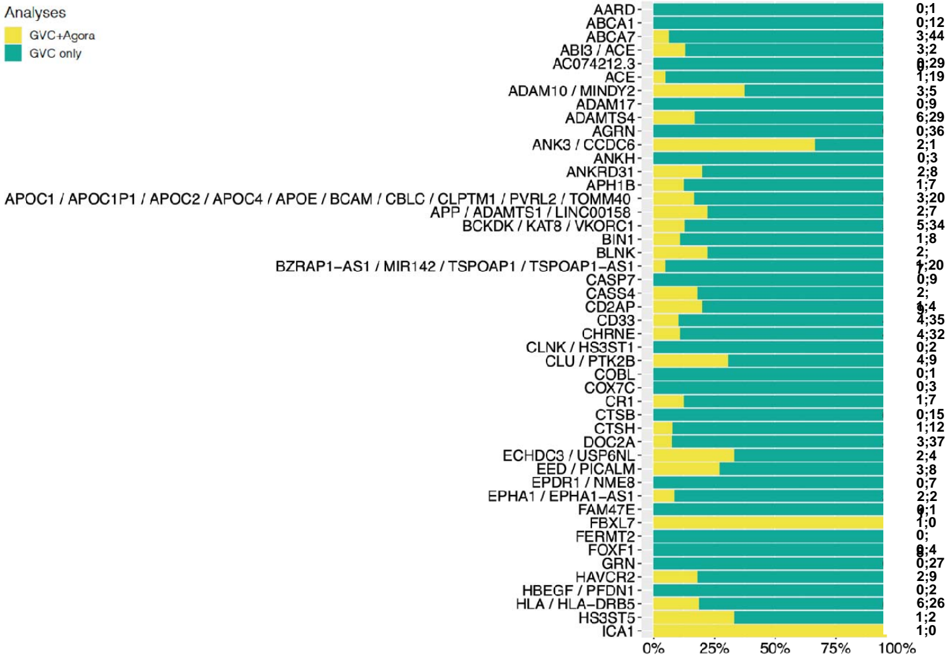
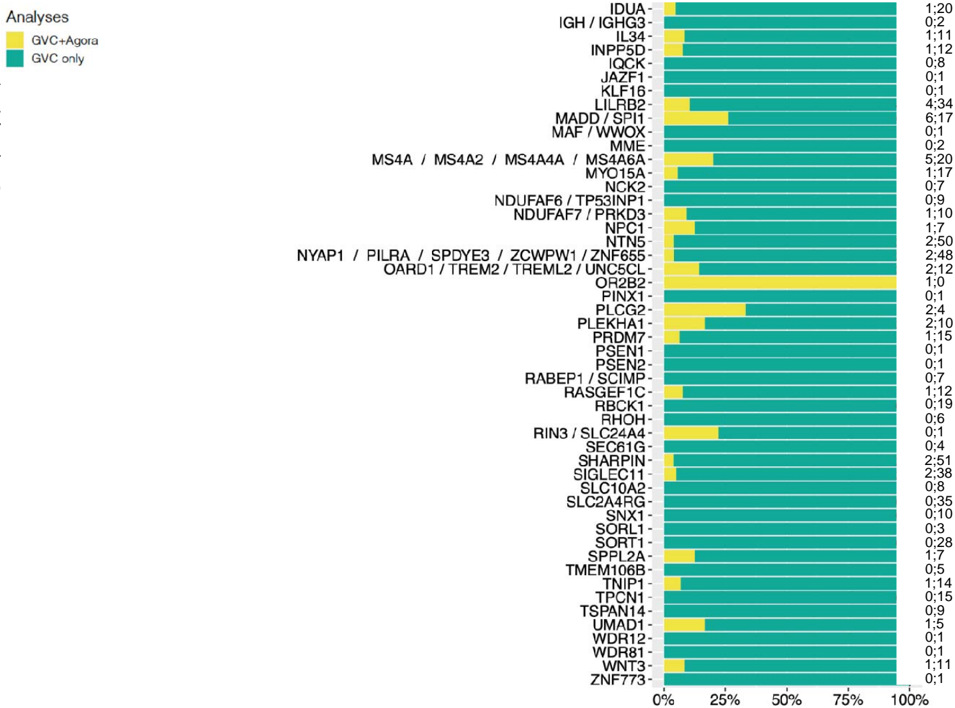
Background: The Alzheimer's Disease Sequencing Project Gene Verification Committee developed a systematic framework to adjudicate genetic evidence for AD and related dementias, addressing wide variation in association quality. Methods: Phase 1 established tiered criteria by evaluating 23 nominated loci across study designs. Phase 2 applied this framework to 29 large-scale genome-wide studies published since 2015, tiering 163 unique loci. Results: Phase 1 yielded 17 high-confidence loci (12 linked to specific genes), and Phase 2 identified 111 high-confidence loci/genes with replicated associations across ancestries and convergent single-variant/variant-set evidence. Prioritized loci highlight APP processing, microglial immunity, and lipid metabolism pathways, including genes not captured by existing resources like Agora or Open Targets. Summarized results can be viewed at https://topgenes.niagads.org/. Conclusion: This rigorously adjudicated catalog represents the most comprehensive AD/ADRD genetics resource to date, providing a foundation for functional validation and therapeutic discovery with broad applicability to complex diseases.
Overview
CoChat Summary
TL;DR
The ADSP Gene Verification Committee built a tiered adjudication framework and applied it to 23 nominated loci (Phase 1) and 29 large-scale studies (Phase 2), yielding 111 high-confidence AD/ADRD loci/genes across ancestries. The catalog highlights APP processing, microglial immunity, and lipid metabolism, and includes genes missed by Agora/Open Targets.
Key findings
- Phase 1 evaluated 23 loci/genes and yielded 17 high-confidence loci (Tier 1 or 2), with 12 linked to specific genes: ABCA7, ABI3, APOE, APP, BIN1, CASP7, PLCG2, PSEN1, PSEN2, SORL1, SPI1, and TREM2.
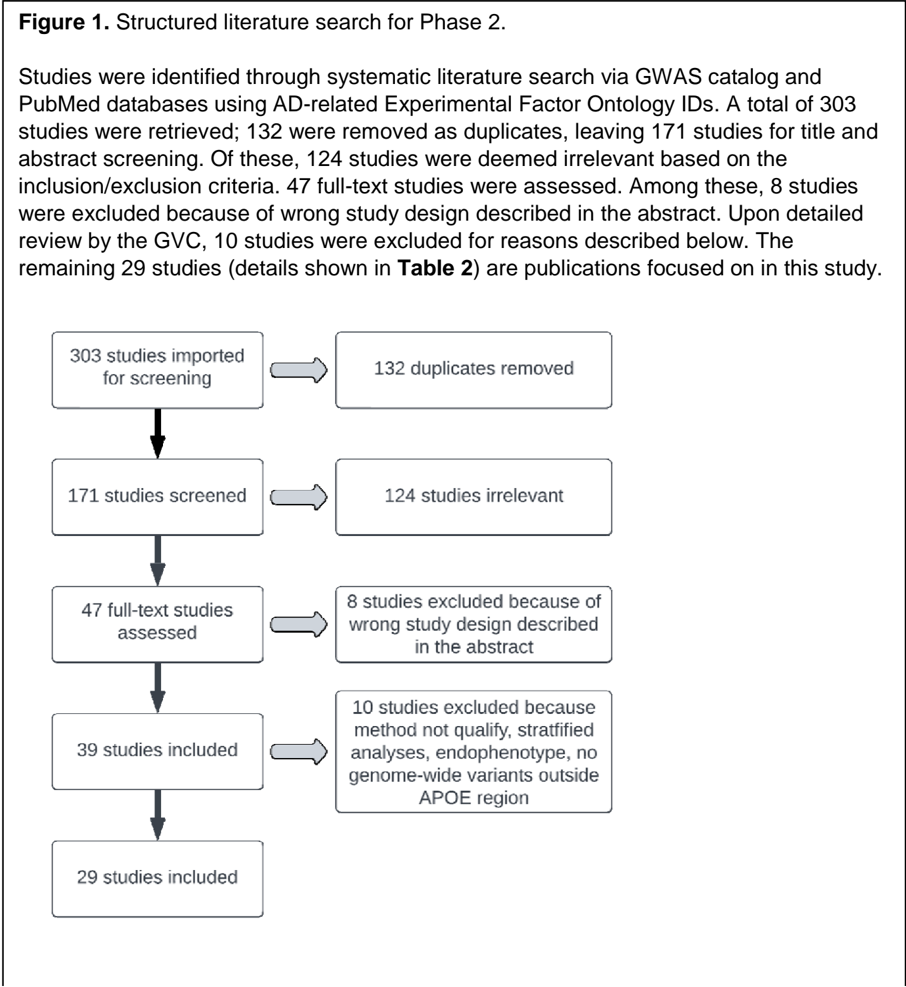
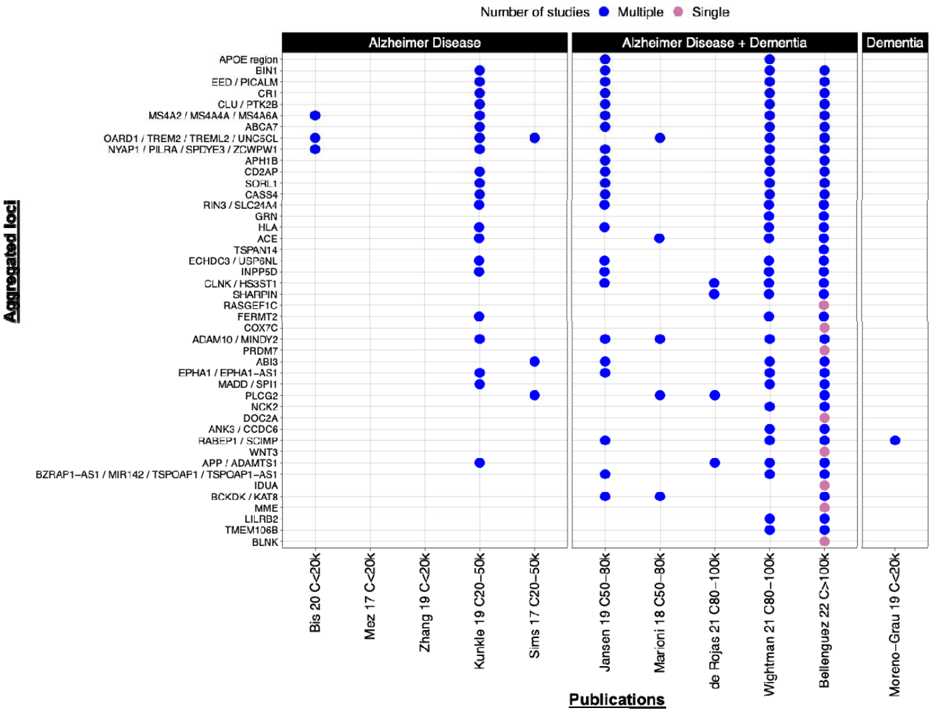
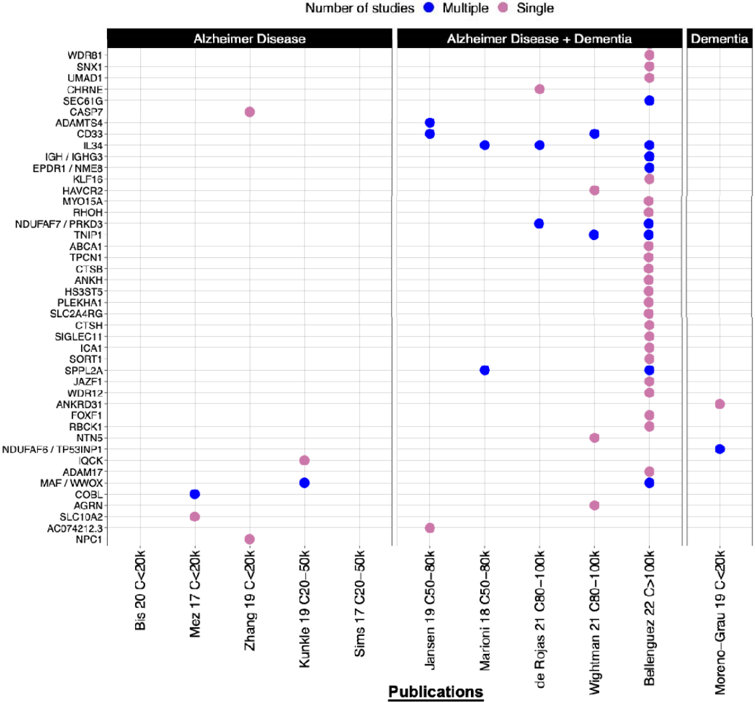
- Phase 2 evaluated 29 studies and tiered 163 unique loci; 97 (60%) received Tier 1–2 ranking. In non-Hispanic white European-ancestry AD-risk studies, there were 29 high-confidence loci, increasing to 88 when the phenotype expanded to AD and proxy-AD; other ancestries identified far fewer top-tier loci (~10%), mainly due to smaller sample sizes.
- Combining Phase 1, Phase 2, and variant-set studies yielded 111 high-confidence loci/genes across all ancestry groups examined; nine loci or gene clusters were significant in both single-variant and variant-set analyses.
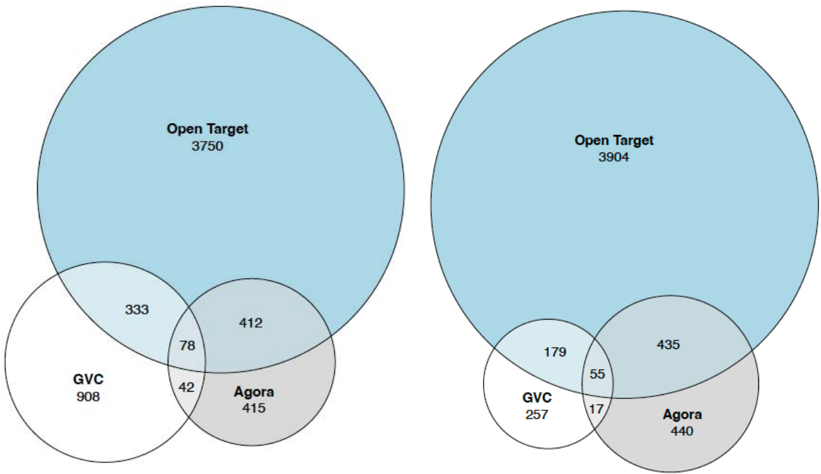
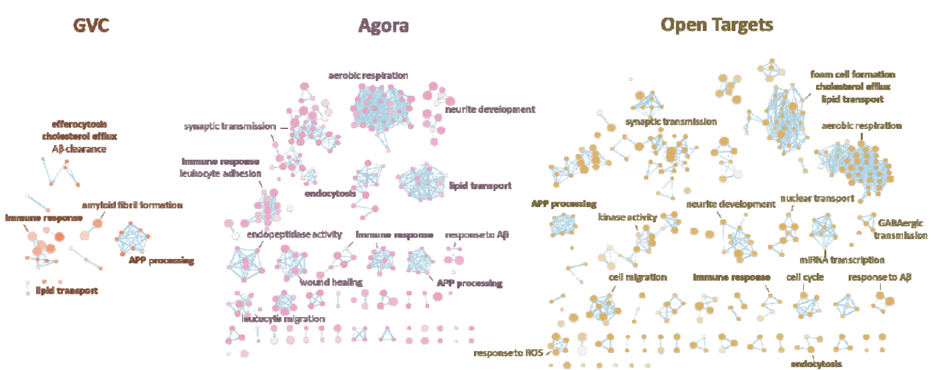
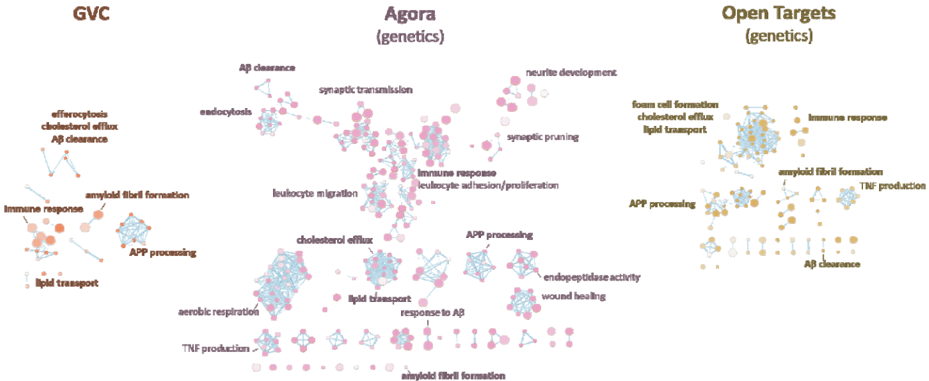
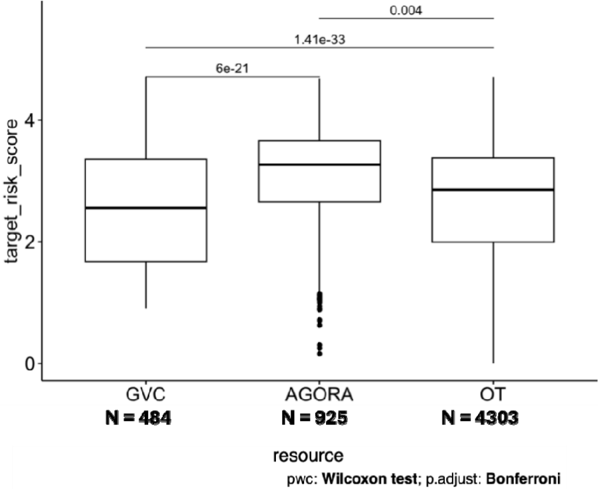
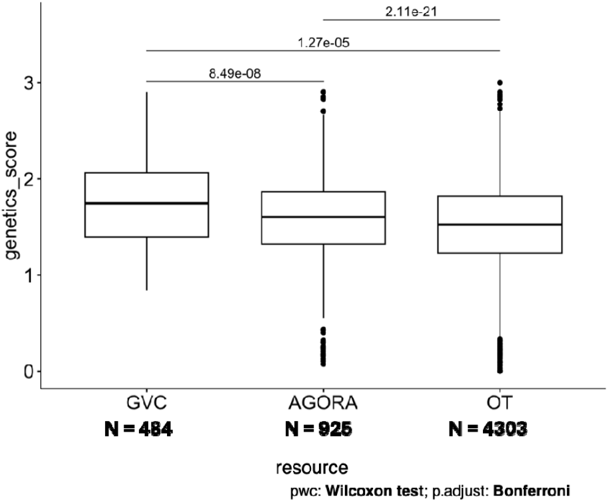
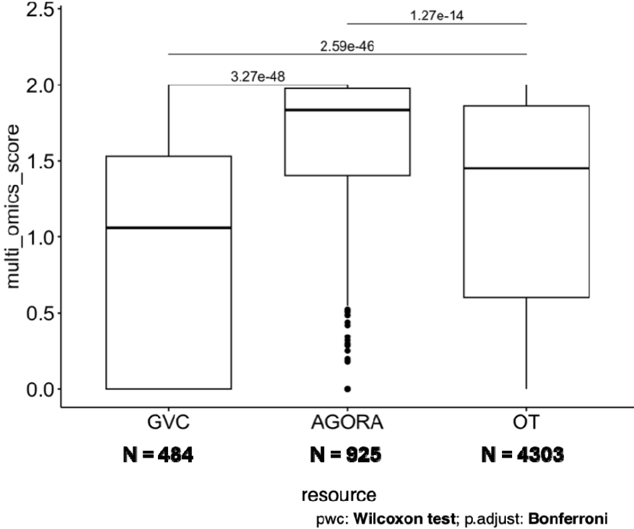
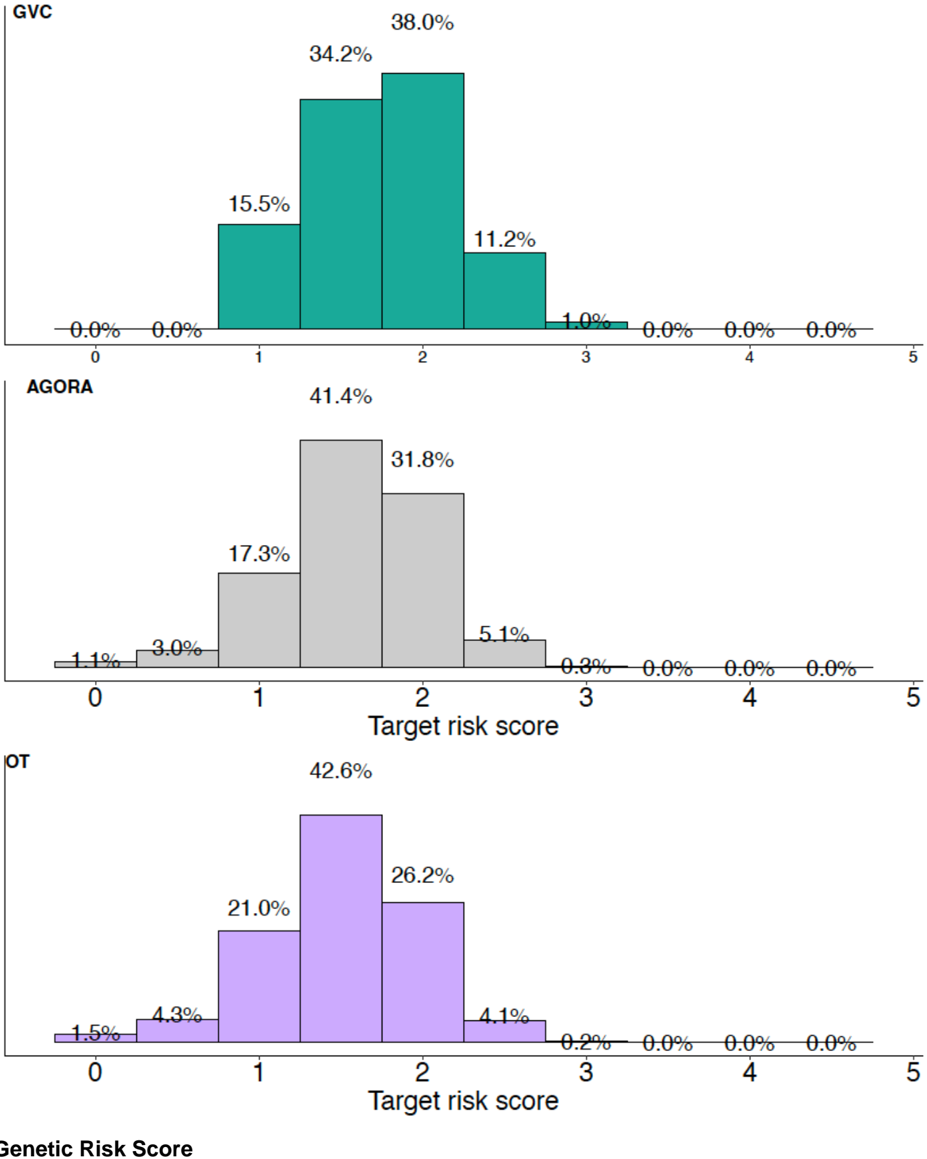
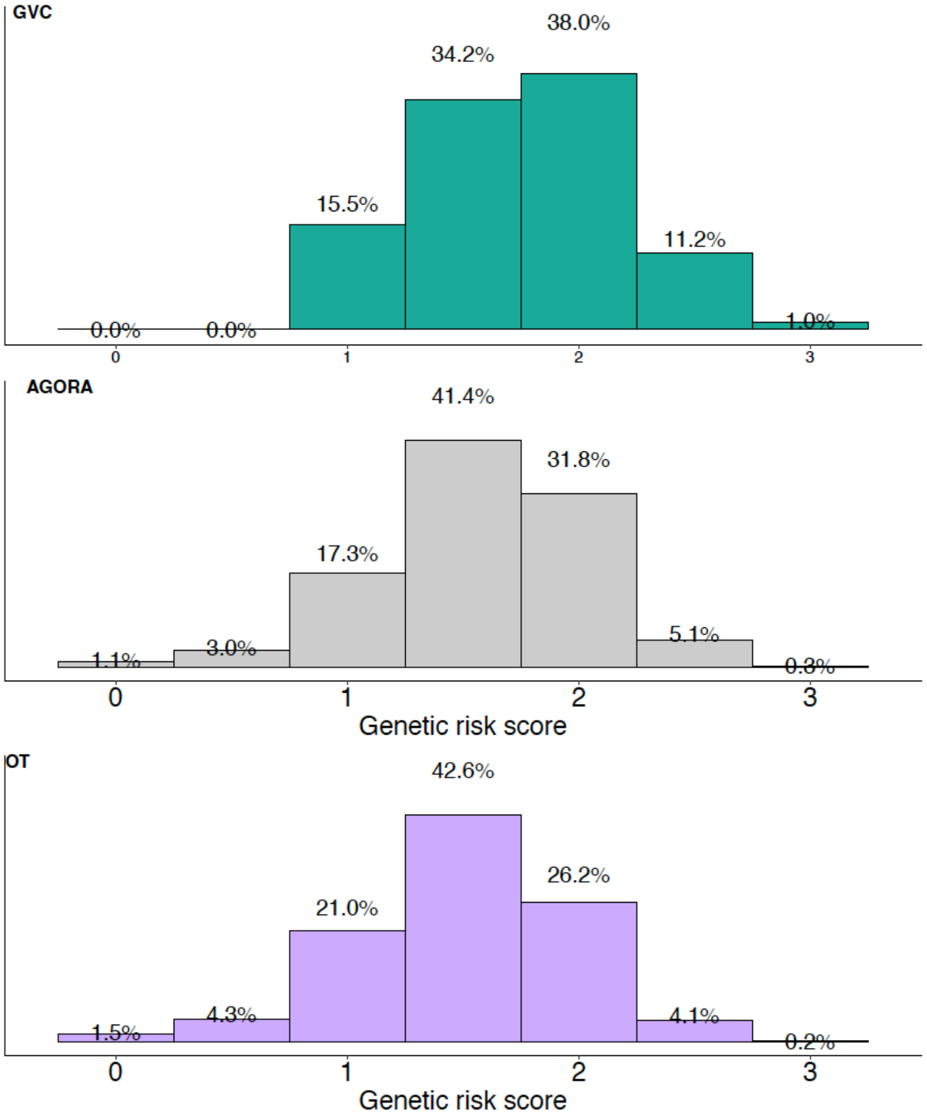
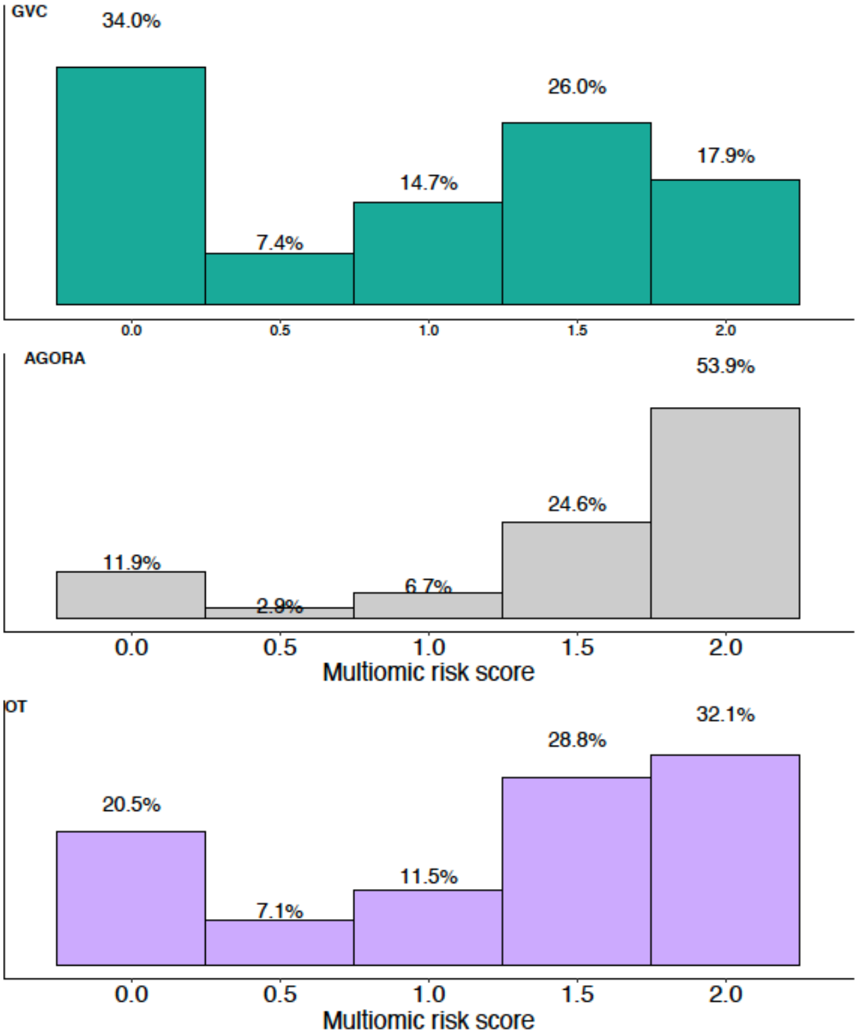
- Pathway analyses of GVC, Agora, and Open Targets gene sets converged on APP processing, cellular response to amyloid-beta, immune response, efferocytosis, and cholesterol efflux/lipid transport; the GVC list had significantly higher Genetic Risk Scores than Agora, and 4 of 12 high-confidence GVC genes (CASP7, PSEN1, PSEN2, SORL1) were absent from Agora.
Methods
- Phase 1: the GVC selected 23 loci/genes representing monogenic, linkage, gene/region-based, targeted sequencing, exome chip, and GWAS designs; it used a structured tier system for single-variant reports, variant-set analyses, linkage, and consensus gene assignment.
- Phase 2: a structured literature search of the GWAS Catalog and PubMed (August/September 2022) retrieved 304 publications; after duplicate removal and screening, 29 studies met inclusion criteria (AD clinical diagnosis, genome-wide single-variant analysis, published after 2015-01-01, ≥1,000 total subjects). A 1–7 tier system was used; variant-set studies required ≥2 significant non-strong-LD variants for Tier 1; family-based linkage used genome-wide LOD >3.6 and suggestive LOD >2.041.
- Pathway analysis: over-representation analysis with gprofiler2 on GVC (1,344 genes), Agora, and Open Targets candidate lists; electronic GO annotations were excluded; results filtered at p<0.005 corrected by g:SCS and visualized with EnrichmentMap.
Limitations
- Stated: case definition variability and diagnostic misclassification are challenges; autopsy is the gold standard but limited, >70% of autopsied AD cases have mixed pathology, and clinical diagnosis can differ from post-mortem pathology in up to 30%; proxy AD is less precise; other ancestries have far fewer top-tier loci (~10%) mainly due to smaller sample sizes; some loci were downgraded for small samples, borderline significance, missing data, variable ascertainment, or population differences.
- Stated: the GVC list is expected to contain false-positive genes because it includes all genes in regions flanking true causative gene(s); no formal criteria were developed for gene assignment due to heterogeneity of evidence; Agora and Open Targets incorporate transcriptomic/functional data that may reflect secondary rather than primary pathology.
- Evident from text: the literature search was conducted in August/September 2022 and included studies from 2015 onward, so newer AD/ADRD GWAS may be missing; 20 of 29 studies were exclusively non-Hispanic white European-ancestry cohorts, limiting generalizability; the framework relies on expert evaluation and does not require summary statistics, which may limit quantitative checks.
Model-written summary. Check it against the paper before relying on it.
Integrity signals
Registry
Cites
Statistics
Figures
Verification
Claims the paper makes
0 Valid · 1 Not valid · 24 Not checked · 50 Own results and interpretations
A result the paper reports from its own data — it cites no other source for it, so there is none to check. The quote shows it is in the paper.
In the paper
“Even though the GVC list is expected to contain false-positive genes since it includes all genes in a region flanking a true causative gene or genes, the GVC list yielded significantly higher Genetic Risk Scores compared with the Agora list (Supplementary Figure S2A).”
§ Comprehensive adjudication identifies 111 high-confidence loci for Alzheimer’s disease and related dementias > Results > Candidate genes associated with GVC loci.
plainstates an association- Asserted: passes — The authors put it forward as true.
- Checkable: passes — It can be checked against evidence.
- Load-bearing: unclear — It is unclear whether the paper’s conclusions depend on it.
- Based: passes — The paper gives a reason why it holds.
A check of a cited source is scheduled, or we don’t hold its full text yet; the claim is checked once it runs.
In the paper
“For SV analyses, there were 163 unique loci as grouped by FUMA (Figure 2)42 across all phenotypes, tiers, and ancestries (Supplementary Table 1).”
§ Comprehensive adjudication identifies 111 high-confidence loci for Alzheimer’s disease and related dementias > Results > Phase 2.
What the sources say
- Not checked yetcites [42] Watanabe K., Taskesen E., van Bochoven A. & Posthuma D. Functional mapping and annotation of genetic associations with FUMA. Nat Commun 8, 1826 (2017). 29184056 PMC5705698 source
A check is scheduled.
plain- Asserted: passes — The authors put it forward as true.
- Checkable: passes — It can be checked against evidence.
- Load-bearing: unclear — It is unclear whether the paper’s conclusions depend on it.
- Based: passes — The paper gives a reason why it holds.
- Not checked yet
A result the paper reports from its own data — it cites no other source for it, so there is none to check. The quote shows it is in the paper.
In the paper
“For APP/ADAMST1/LINC00158, the critical common variant (rs2830489, 1000genomes minor allele frequency for EUR is 0.2962) is not in the same TAD as the APP gene or promoter.”
§ Comprehensive adjudication identifies 111 high-confidence loci for Alzheimer’s disease and related dementias > Results > Candidate genes associated with GVC loci.
plain- Asserted: passes — The authors put it forward as true.
- Checkable: passes — It can be checked against evidence.
- Load-bearing: passes — The paper’s conclusions depend on it.
- Based: passes — The paper gives a reason why it holds.
A result the paper reports from its own data — it cites no other source for it, so there is none to check. The quote shows it is in the paper.
In the paper
“For NHW-EA studies of AD risk, there were 29 high-confidence loci (tiers 1 or 2) (Table 4, Supplementary Table 1).”
§ Comprehensive adjudication identifies 111 high-confidence loci for Alzheimer’s disease and related dementias > Results > Phase 2.
plain- Asserted: passes — The authors put it forward as true.
- Checkable: passes — It can be checked against evidence.
- Load-bearing: unclear — It is unclear whether the paper’s conclusions depend on it.
- Based: passes — The paper gives a reason why it holds.
The paper states this without a source or data behind it here, so there is nothing to check it against. The quote shows it is in the paper.
In the paper
“However, rare variant analysis unambiguously identifies APP as a causal AD gene.”
§ Comprehensive adjudication identifies 111 high-confidence loci for Alzheimer’s disease and related dementias > Results > Candidate genes associated with GVC loci.
boostedstates a cause- Asserted: passes — The authors put it forward as true.
- Checkable: passes — It can be checked against evidence.
- Load-bearing: unclear — It is unclear whether the paper’s conclusions depend on it.
- Based: unclear — It is unclear why the paper says it holds.
39 more claims
Create a free account to see all 75 claims and to verify the 38 references still open.
- It may state two separate claims as one. 23
- The quote only partly states this claim. 1
- Probably not a substantial claim. 11
Self-check
Percentages, sums and reported differences re-computed from the paper’s own numbers.
Each contradiction between two passages listed here was confirmed by an independent check.
Rated minor: it would not touch a result — a value no result rests on, a p-value that stays on the same side of the significance level, or a conflict that is clerical, resolved elsewhere in the paper, or outside its own findings.
In the paper
§ Comprehensive adjudication identifies 111 high-confidence loci for Alzheimer’s disease and related dementias > Abstract > Results:
“Phase 2 identified 111 high-confidence loci/genes with replicated associations across ancestries and convergent single-variant/variant-set evidence.”
§ Comprehensive adjudication identifies 111 high-confidence loci for Alzheimer’s disease and related dementias > Results > Phase 2.
“To generate a complete locus/gene list, we combined high-confidence signals from Phase 1, Phase 2, and variant-set studies. This yielded 111 high confidence loci/genes for AD/dementia across all ancestry groups examined”
Rated minor: it would not touch a result — a value no result rests on, a p-value that stays on the same side of the significance level, or a conflict that is clerical, resolved elsewhere in the paper, or outside its own findings.
In the paper
§ Comprehensive adjudication identifies 111 high-confidence loci for Alzheimer’s disease and related dementias > Results > Candidate genes associated with GVC loci.
“Of these 35 genes, 21 were prioritized by more than one study”
§ Comprehensive adjudication identifies 111 high-confidence loci for Alzheimer’s disease and related dementias > Results > Candidate genes associated with GVC loci.
“(ABCA7, ACE, ADAM10, CCDC6, BIN1, CASS4, CD33, CLU, PTK2B, CR1, CTSH, USP6NL, PICALM, EPHA1, HLA-DRA, INPP5D, SPI1, MS4A4A).”
Rated minor: it would not touch a result — a value no result rests on, a p-value that stays on the same side of the significance level, or a conflict that is clerical, resolved elsewhere in the paper, or outside its own findings.
In the paper
§ Comprehensive adjudication identifies 111 high-confidence loci for Alzheimer’s disease and related dementias > Results > Phase 2.
“However, evidence for association with this variant was greatly reduced in two much larger GWAS for AD/dementia, one that included 71,880 cases and 383,548 controls (P=6.3 × 10⁻⁹)”
§ Comprehensive adjudication identifies 111 high-confidence loci for Alzheimer’s disease and related dementias > Results > Phase 2.
“A genome-wide significant association with rs3865444 was observed in a more recent larger study of 24,087 cases and 55,058 controls (P=4.3 × 10⁻⁸)24.”
Citations
Cites
Richards, S., Aziz, N., Bale, S., Bick, D., Das, S., Gastier-Foster, J., Grody, W. W., Hegde, M., Lyon, E., Spector, E., et al. (2015) · Genetics in Medicine · doi:10.1038/gim.2015.30 · Cited by 32,594
Genetic dissection of complex traits: guidelines for interpreting and reporting linkage results
Lander, E., & Kruglyak, L. (1995) · Nature Genetics · doi:10.1038/ng1195-241 · Cited by 5,239
Meta-Analysis of 74,046 Individuals Identifies 11 New Susceptibility Loci for Alzheimer’s Disease
(EADI), E. A. D. I., Lambert, J.-C., (GERAD), G. A. E. R. I. A. D., Alzheimer's Disease Genetic Consortium (ADGC), (CHARGE), C. F. H. A. A. R. I. G. E., Ibrahim-Verbaas, C. A., Harold, D., Naj, A. C., Sims, R., Bellenguez, C., et al. (2013) · Nature Genetics · doi:10.1038/ng.2802 · Cited by 4,336
Self-citationClinVar: improving access to variant interpretations and supporting evidence
Landrum, M. J., Lee, J. M., Benson, M., Brown, G. R., Chao, C., Chitipiralla, S., Gu, B., Hart, J., Hoffman, D., Jang, W., et al. (2018) · Nucleic Acids Research · doi:10.1093/nar/gkx1153 · Cited by 4,196
Functional mapping and annotation of genetic associations with FUMA
Watanabe, K., Taskesen, E., van Bochoven, A., & Posthuma, D. (2017) · Nature Communications · doi:10.1038/s41467-017-01261-5 · Cited by 4,083
The neuropathological diagnosis of Alzheimer's disease
DeTure, M. A., & Dickson, D. W. (2019) · Molecular Neurodegeneration · doi:10.1186/s13024-019-0333-5 · Cited by 3,329
Harold, D., Abraham, R., Hollingworth, P., Sims, R., Gerrish, A., Hamshere, M. L., Pahwa, J. S., Moskvina, V., Dowzell, K., Williams, A., et al. (2009) · Nature Genetics · doi:10.1038/ng.440 · Cited by 3,326
Self-citationTREM2 Variants in Alzheimer's Disease
Guerreiro, R., Wojtas, A., Bras, J., Carrasquillo, M., Rogaeva, E., Majounie, E., Cruchaga, C., Sassi, C., Kauwe, J. S. K., Younkin, S., et al. (2013) · New England Journal of Medicine · doi:10.1056/nejmoa1211851 · Cited by 3,020
Self-citationAlzheimer Disease Genetics Consortium (ADGC), Kunkle, B. W., The European Alzheimer’s Disease Initiative (EADI), Cohorts for Heart and Aging Research in Genomic Epidemiology Consortium (CHARGE), Genetic and Environmental Risk in AD/Defining Genetic, P. A. E. R. F. A. D. C. (., Grenier-Boley, B., Sims, R., Bis, J. C., Damotte, V., Naj, A. C., et al. (2019) · Nature Genetics · doi:10.1038/s41588-019-0358-2 · Cited by 2,946
Self-citationVariant of TREM2 Associated with the Risk of Alzheimer's Disease
Jonsson, T., Stefansson, H., Steinberg, S., Jonsdottir, I., Jonsson, P. V., Snaedal, J., Bjornsson, S., Huttenlocher, J., Levey, A. I., Lah, J. J., et al. (2013) · New England Journal of Medicine · doi:10.1056/nejmoa1211103 · Cited by 2,558
Research works printed but not linked: 1
- [79]Veritas Health Innovation, M., Australia. [Internet]. Available from: Covidence systematic review software. www.covidence.org Melbourne, Australia.
Cited by
Progressive behavioral and cognitive decline in Drosophila harboring AD- associated APOE4 variantsPreprint
Biglari, S., Yeragi, E., Bamisaye, D., Gonzalez, C., García, R., Losoya, A., Arekere, A., Payne, C., Moulton, M. J., & Keene, A. C. (2026) · bioRxiv (Cold Spring Harbor Laboratory) · doi:10.64898/2026.09.08.750261
Metadata
- Authors
- Leung, Y. Y., Marcora, E. M., Naj, A., Patel, T., Sedgwick, K., Katanic, Z., Corces, R. M., Wang, L.-S., Mayeux, R. C., Goate, A. M., Farrer, L., Schellenberg, G. D., Kunkle, B., & Vardarajan, B. N.
- Affiliations
- University of Pennsylvania (US)
- Icahn School of Medicine at Mount Sinai (US)
- Lumina Corps;
- University of Pennsylvania;
- Gladstone Institute of Neurological Disease;
- Columbia University;
- Boston University (US)
- University of Miami (US)
- NewYork–Presbyterian Hospital (US)
- Corresponding author
- Leung, Yuk Yee
- Marcora, Edoardo M
- Kunkle, Brian
- Vardarajan, Badri N
- ORCID
- Venue
- Genome Medicine
- Publisher
- openRxiv
- Published
- 2026-05-19
- ISSN
- 1756-994X (ISSN-L)
- PMC
- PMC13228686
- OpenAlex
- W7161718841
- Semantic Scholar
- ca2766ff67aacc3e5014f2e52096ead1dbf1f338
- Cited by
- 1
- References
- 95
- Citations by year
- 2026: 1
- FWCI
- 1.22
- Type
- journal article
- Language
- en
- Open access
- gold
- doi.org
- Licence
- Locations
- Genome Medicine (publishedVersion, cc-by-nc-nd)
- medRxiv (submittedVersion, cc-by-nc)
- PubMed Central (publishedVersion, cc-by-nc)
- PubMed (submittedVersion)
- Funders
- National Institutes of Health
- National Institute on Aging (U01AG066752, U01AG058635, U01AG058654, R01AG066152, R01AG054060, R01AG048927, U01AG068028, R01AG067501, R56AG074604, RF1AG061351, U01AG057659, U01AG032984, U01AG076482, U01AG062943, U01AG066767, U01AG062602, R01AG066107, U19AG068753, U54AG052427, U24AG056270, P30AG072978, U01AG082665, U24AG041689, P30AG066514, R01AG072474, R01AG080810, R01AG073435, U01AG072573, P01AG073082)
- National Heart, Lung, and Blood Institute (R01HL168174)
- National Human Genome Research Institute (UM1HG012076)
- Topics
- Life Sciences › Neuroscience › Cellular and Molecular Neuroscience › Alzheimer's disease research and treatments
- Health Sciences › Medicine › Psychiatry and Mental health › Dementia and Cognitive Impairment Research
- Life Sciences › Biochemistry, Genetics and Molecular Biology › Genetics › Genetic Associations and Epidemiology
- Keywords
- Alzheimer's disease, Alzheimer's disease and related dementias, genetic susceptibility loci, APP processing, lipid metabolism, gene prioritization
About these checks
Registry, retraction, Cites and statistics results are computed, not judged, with one exception: a printed reference that no index lists is read once by a model before it counts as a citation error. Claims are extracted by a model and kept only when their quote appears verbatim in the text; each cited source is then checked, with a model’s help, for whether it says what the claim relies on. Those verdicts can be wrong — read the claim’s quote and the cited source before relying on one.
A language model drew the claims from the paper on 2026-11-26, under version 3 of the claim definition (model deepseek-v4.1-flash, prompt extract-v3).
A second model labelled each claim on 2026-11-26 (model jev-1.13-20260917, definition revision gold-guideline-v0.2).
Statistics and arithmetic are recomputed, not judged.
Confidence bands are shown only for fields calibrated on our annotated test set. None is calibrated yet, so no band is shown.
What counts as a claim ›How we measure confidence ›How we check this ›
Are you an author, or do you see a problem with this page? Request a review
Data sources
Bibliographic data: Semantic Scholar, OpenAlex, Crossref.
Contains information from the Semantic Scholar Academic Graph Datasets, made available under the ODC Attribution License (ODC-BY 1.0).
Semantic Scholar’s data is described in: Kinney, R., et al. (2023). The Semantic Scholar Open Data Platform. arXiv:2301.10140.
