

The DOI matches its Crossref record; 58 of the 58 references it cites were found in a registry or an index.
Computational analysis of microRNA-mediated interactions in SARS-CoV-2 infection
Open accessPublished version of a preprint
Abstract
MicroRNAs (miRNAs) are post-transcriptional regulators of gene expression found in more than 200 diverse organisms. Although it is still not fully established if RNA viruses could generate miRNAs, there are examples of miRNA like sequences from RNA viruses with regulatory functions. In the case of Severe Acute Respiratory Syndrome Coronavirus 2 (SARS-CoV-2), there are several mechanisms that would make miRNAs impact the virus, like interfering with viral replication, translation and even modulating the host expression. In this study, we performed a machine learning based miRNA prediction analysis for the SARS-CoV-2 genome to identify miRNA-like hairpins and searched for potential miRNA-based interactions between the viral miRNAs and human genes and human miRNAs and viral genes. Overall, 950 hairpin structured sequences were extracted from the virus genome and based on the prediction results, 29 of them could be precursor miRNAs. Targeting analysis showed that 30 viral mature miRNA-like sequences could target 1,367 different human genes. PANTHER gene function analysis results indicated that viral derived miRNA candidates could target various human genes involved in crucial cellular processes including transcription, metabolism, defense system and several signaling pathways such as Wnt and EGFR signalings. Protein class-based grouping of targeted human genes showed that host transcription might be one of the main targets of the virus since 96 genes involved in transcriptional processes were potential targets of predicted viral miRNAs. For instance, basal transcription machinery elements including several components of human mediator complex (MED1, MED9, MED12L, MED19), basal transcription factors such as TAF4, TAF5, TAF7L and site-specific transcription factors such as STAT1 were found to be targeted. In addition, many known human miRNAs appeared to be able to target viral genes involved in viral life cycle such as S, M, N, E proteins and ORF1ab, ORF3a, ORF8, ORF7a and ORF10. Considering the fact that miRNA-based therapies have been paid attention, based on the findings of this study, comprehending mode of actions of miRNAs and their possible roles during SARS-CoV-2 infections could create new opportunities for the development and improvement of new therapeutics.
Overview
The claims and statistics of this paper haven’t been checked yet.
Run the check — free, no account needed. It reads the open-access text and checks the sources it cites.
Integrity signals
Registry
Cites
Statistics
Figures
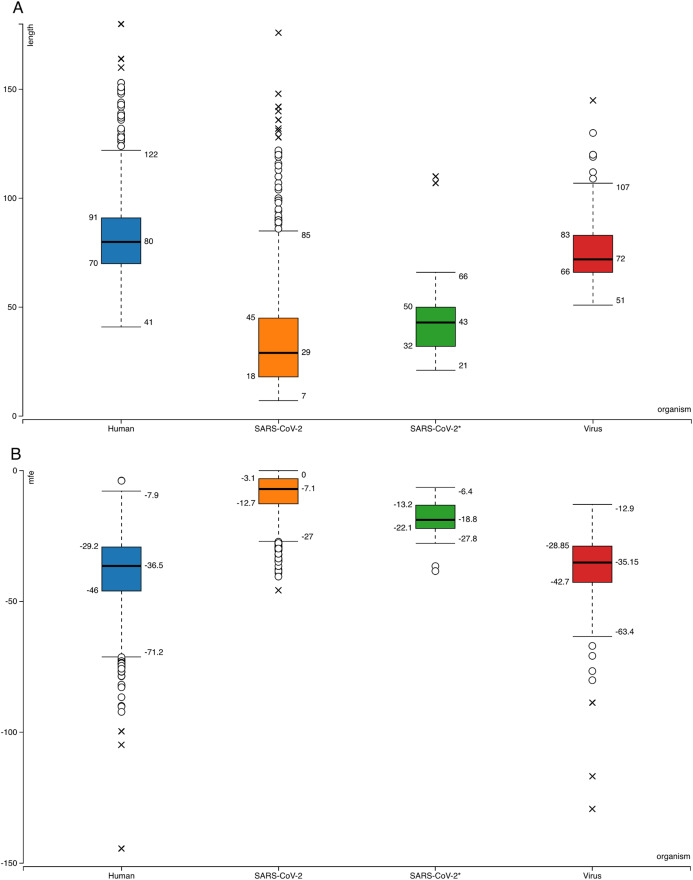
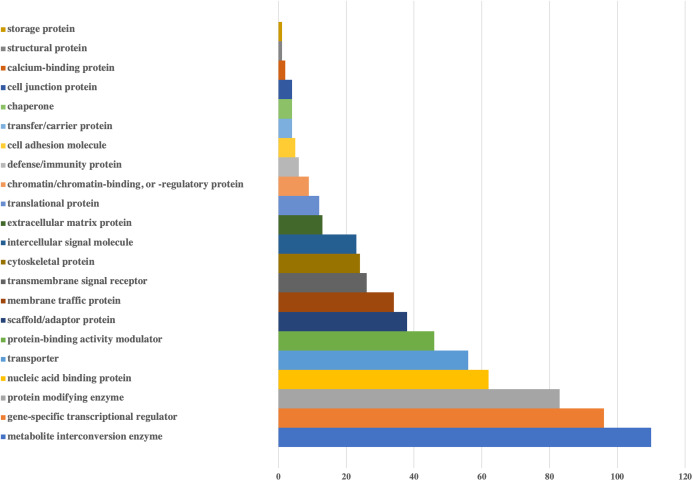
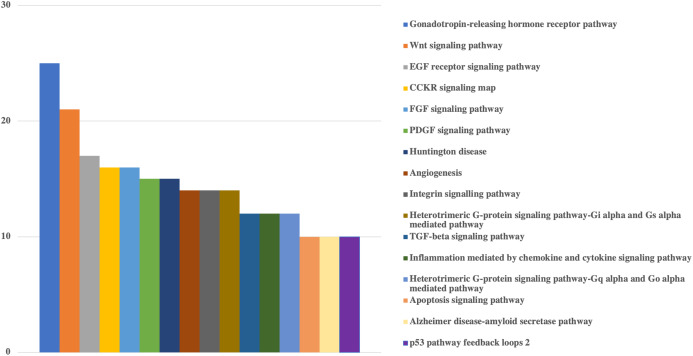
Verification
Claims the paper makes
The claims and statistics of this paper haven’t been checked yet.
Run the check — free, no account needed. It reads the open-access text and checks the sources it cites.
Claims other papers make about this one
Each is checked against this paper’s own text: does it say what the citing paper says it does?
In the citing paper
“Learning can help to realize potential miRNA-based interactions between the viral miRNAs and human genes as well as human miRNAs and viral genes, which are important to identify the mechanisms behind the SARS-CoV-2 infections.”
From Blockchain and AI-Based Solutions to Combat Coronavirus (COVID-19)-Like Epidemics: A Survey (2021) · cites this paper as [117]
Self-check
Percentages, sums and reported differences re-computed from the paper’s own numbers.
The self-check needs the paper’s full text.
Citations
Cites
A pneumonia outbreak associated with a new coronavirus of probable bat origin
Zhou, P., Yang, X.-L., Wang, X.-G., Hu, B., Zhang, L., Zhang, W., Si, H.-R., Zhu, Y., Li, B., Huang, C.-L., et al. (2020) · Nature · doi:10.1038/s41586-020-2012-7 · Cited by 21,969
miRBase: tools for microRNA genomics
Griffiths‐Jones, S., Saini, H. K., van Dongen, S., & Enright, A. J. (2007) · Nucleic Acids Research · doi:10.1093/nar/gkm952 · Cited by 4,432
A SARS-CoV-2 protein interaction map reveals targets for drug repurposing
Gordon, D. E., Jang, G. M., Bouhaddou, M., Xu, J., Obernier, K., White, K. M., O’Meara, M. J., Rezelj, V. V., Guo, J. Z., Swaney, D. L., et al. (2020) · Nature · doi:10.1038/s41586-020-2286-9 · Cited by 4,405
miRBase: integrating microRNA annotation and deep-sequencing data
Kozomara, A., & Griffiths-Jones, S. (2011) · Nucleic Acids Research · doi:10.1093/nar/gkq1027 · Cited by 3,634
Emerging coronaviruses: Genome structure, replication, and pathogenesis
Chen, Y. Z., Liu, Q., & Guo, D. (2020) · Journal of Medical Virology · doi:10.1002/jmv.25681 · Cited by 3,069
Vienna RNA secondary structure server
Hofacker, I. L. (2003) · Nucleic Acids Research · doi:10.1093/nar/gkg599 · Cited by 2,362
Xu, X., Chen, P., Wang, J., Feng, J., Zhou, H., Li, X., Zhong, W., & Hao, P. (2020) · Science China Life Sciences · doi:10.1007/s11427-020-1637-5 · Cited by 2,202
psRNATarget: a plant small RNA target analysis server
Dai, X., & Zhao, P. X. (2011) · Nucleic Acids Research · doi:10.1093/nar/gkr319 · Cited by 1,847
The Molecular Biology of Coronaviruses
Masters, P. S. (2006) · Advances in virus research · doi:10.1016/s0065-3527(06)66005-3 · Cited by 1,806
Mi, H., Muruganujan, A., & Thomas, P. D. (2012) · Nucleic Acids Research · doi:10.1093/nar/gks1118 · Cited by 1,739
Cited by
Sorted by citations
Items 101–190 of 190
Development of an efficient Sanger sequencing-based assay for detecting SARS-CoV-2 spike mutations
Lim, H. J., Park, M., Jung, H. S., Kwon, Y., Kim, I., Kim, D. K., Yu, N., Sung, N., Lee, S.-H., Park, J. E., et al. (2021) · PLoS ONE · doi:10.1371/journal.pone.0260850 · Cited by 13
Gedefaw, L., Ullah, S., Lee, T. M. H., Yip, S. P., & Huang, C. (2021) · Biomedicines · doi:10.3390/biomedicines9121823 · Cited by 13
Vadivalagan, C., Shitut, A., Kamalakannan, S., Chen, R., Serrano‐Aroca, Á., Mishra, V. K., Aljabali, A. A. A., Singh, S. K., Chellappan, D. K., Gupta, G., et al. (2022) · Cellular Signalling · doi:10.1016/j.cellsig.2022.110334 · Cited by 13
Song, Y., Huang, T., Pan, H., Du, A., Wu, T., Lan, J., Zhou, X., Lv, Y., Xue, S., & Yuan, K. (2023) · Frontiers in Medicine · doi:10.3389/fmed.2023.1169562 · Cited by 15
Cellular microRNAs target SARS-CoV-2 spike protein and restrict viral replication
Vaddadi, K., Gandikota, C., Huang, C., Liang, Y., & Liu, L. (2023) · American Journal of Physiology-Cell Physiology · doi:10.1152/ajpcell.00516.2022 · Cited by 13
The role of mediator complex subunit 19 in human diseases
Zhang, Y., Qin, P., Tian, L., Yan, J., & Zhou, Y. (2021) · Experimental Biology and Medicine · doi:10.1177/15353702211011701 · Cited by 12
Dysregulation of RNA interference components in COVID-19 patients
Mousavi, S. R., Sajjadi, M. S., Khosravian, F., Feizbakhshan, S., Salmanizadeh, S., Taherian‐Esfahani, Z., Beni, F. A., Arab, A., Kazemi, M., Shahzamani, K., et al. (2021) · BMC Research Notes · doi:10.1186/s13104-021-05816-0 · Cited by 12
SARS-CoV-2, Cardiovascular Diseases, and Noncoding RNAs: A Connected Triad
Natarelli, L., Virgili, F., & Weber, C. (2021) · International Journal of Molecular Sciences · doi:10.3390/ijms222212243 · Cited by 12
Sun, Y., Zhang, Q., Yang, Q., Yao, M., Xu, F., & Chen, W. (2022) · Frontiers in Public Health · doi:10.3389/fpubh.2022.901602 · Cited by 12
Clinically Informative Micrornas for SARS-CoV-2 Infection
Ergün, S., Sankaranarayanan, R., & Petrović, N. (2023) · Epigenomics · doi:10.2217/epi-2023-0179 · Cited by 12
Khanaliha, K., Nahand, J. S., Khatami, A., Mirzaei, H., Chavoshpour, S., Taghizadieh, M., Karimzadeh, M., Donyavi, T., & Bokharaei‐Salim, F. (2024) · Health Science Reports · doi:10.1002/hsr2.1861 · Cited by 10
Vaggu, R. G., Chakraborty, R., Chakraborty, A., Lavudi, K., Patnaik, S., Sharma, S., & Patnaik, S. (2022) · Computers in Biology and Medicine · doi:10.1016/j.compbiomed.2022.105436 · Cited by 10
Saini, S., Khurana, S., Saini, D., Rajput, S., Thakur, C. J., Singh, J., Jaswal, A., Kapoor, Y., Kumar, V., & Saini, A. (2022) · Gene · doi:10.1016/j.gene.2022.147097 · Cited by 10
Therapeutic prospects of ceRNAs in COVID-19
Liu, L., Zhang, Y., Chen, Y., Zhao, Y., Shen, J., Wu, X., Li, M., Chen, M., Li, X., Sun, Y., et al. (2022) · Frontiers in Cellular and Infection Microbiology · doi:10.3389/fcimb.2022.998748 · Cited by 10
Xie, L., Huang, Y.-F., Liu, Y., Liang, J., Deng, W., Lin, G.-L., Luo, H., & Guo, X. (2022) · Biochemical Genetics · doi:10.1007/s10528-022-10206-7 · Cited by 9
Overview of the role and action mechanism of microRNA-128 in viral infections
Alshahrani, S. H., Alameri, A. A., Kahar, F., Ramírez‐Coronel, A. A., Obaid, R. F., Alsaikhan, F., Zabibah, R. S., Qasim, Q. A., Altalbawy, F. M. A., Mustafa, Y. F., et al. (2023) · Microbial Pathogenesis · doi:10.1016/j.micpath.2023.106020 · Cited by 10
Nimotuzumab for COVID-19: Case Series
Cuza, A. A., Avila, J., Martínez, R. M., Gónzalez, J. J., Aspuro, G. P., Martínez, J. A. G., Ramos, M., Hernández, D. S., Añé-Kourí, A. L., & Crombet, T. (2021) · Immunotherapy · doi:10.2217/imt-2021-0269 · Cited by 9
Lawal, B., Tsai, S.-K., Wu, A. T. H., & Huang, H. (2023) · Arabian Journal of Chemistry · doi:10.1016/j.arabjc.2023.104654 · Cited by 9
Zhao, Q., Lü, J., Zhao, B. T., Guo, Y., Wang, Q., Yu, S., Hao, L., Zhu, X., & Yu, Z. (2023) · Frontiers in Cellular and Infection Microbiology · doi:10.3389/fcimb.2023.1190870 · Cited by 9
Николаевна, К. А., Koroleva, I. A., Зарубин, А. А., & Nazarenko, M. S. (2022) · Molecular Biology · doi:10.1134/s0026893322010034 · Cited by 9
Mapping the epithelial–immune cell interactome upon infection in the gut and the upper airways
Poletti, M., Treveil, A., Csabai, L., Gul, L., Módos, D., Madgwick, M., Olbei, M. L., Bohár, B., Valdeolivas, A., Türei, D., et al. (2022) · npj Systems Biology and Applications · doi:10.1038/s41540-022-00224-x · Cited by 8
Ting, C.-T., & Chen, B. (2022) · International Journal of Molecular Sciences · doi:10.3390/ijms23073649 · Cited by 8
Khurana, P., Gupta, A., Sugadev, R., Sharma, Y. K., Varshney, R. K., Ganju, L., & Kumar, B. (2020) · ExRNA · doi:10.1186/s41544-020-00057-y · Cited by 8
MicroRNA of N‐region from SARS‐CoV‐2: Potential sensing components for biosensor development
Halim, F. S., Parmin, N. A., Hashim, U., Gopinath, S. C. B., Dahalan, F. A., Zakaria, I. I., Ang, W. C., & Jaapar, F. N. (2021) · Biotechnology and Applied Biochemistry · doi:10.1002/bab.2239 · Cited by 8
Mir, M. A. (2024) · Infection Genetics and Evolution · doi:10.1016/j.meegid.2024.105613 · Cited by 7
Role Of Retroelements In The Development Of COVID-19 Neurological Consequences
Mustafin, R. N., Kazantseva, A. V., Kovas, Y. V., & Хуснутдинова, Э. К. (2022) · Russian Open Medical Journal · doi:10.15275/rusomj.2022.0313 · Cited by 7
Epigenetic modulation of myeloid cell functions in HIV and SARS-CoV-2 infection
Krause, C., Bergmann, E., & Schmidt, S. V. (2024) · Molecular Biology Reports · doi:10.1007/s11033-024-09266-2 · Cited by 8
Nucleic Acid-Based COVID-19 Therapy Targeting Cytokine Storms: Strategies to Quell the Storm
Abusalah, M. A. H., Khalifa, M., Al-Hatamleh, M. A. I., Jarrar, M., Mohamud, R., & Yean, C. Y. (2022) · Journal of Personalized Medicine · doi:10.3390/jpm12030386 · Cited by 6
miRNAs in SARS-CoV-2 Infection: An Update
Azhar, A., Khan, W. H., Alhosaini, K. A., & Kamal, M. A. (2022) · Current Drug Metabolism · doi:10.2174/1389200223666220321102824 · Cited by 7
The Great Deceiver: miR-2392’s Hidden Role in Driving SARS-CoV-2 InfectionPreprint
McDonald, J., Enguita, F. J., Taylor, D. M., Griffin, R. J., Priebe, W., Emmett, M. R., Sajadi, M. M., Harris, A. D., Clement, J., Dybas, J. M., et al. (2021) · bioRxiv (Cold Spring Harbor Laboratory) · doi:10.1101/2021.04.23.441024 · Cited by 7
Shah, A. U., & Hemida, M. G. (2024) · Microorganisms · doi:10.3390/microorganisms12050897 · Cited by 6
Al-Mustanjid, M., Mahmud, S. M. H., Akter, F., Rahman, M. S., Hossen, M. S., Rahman, M. H., & Moni, M. A. (2022) · Informatics in Medicine Unlocked · doi:10.1016/j.imu.2022.101003 · Cited by 6
Host microRNA interactions with the SARS-COV-2 viral genome 3′-untranslated region
Frye, C. J., Cunningham, C. L., & Mihailescu, M. (2024) · Biophysical Journal · doi:10.1016/j.bpj.2023.11.578 · Cited by 5
Insights into the biomarkers of viral encephalitis from clinical patients
Khushafa, T., jing, L., Zhaojun, Z., Sun, J., & haixia, Z. (2020) · Pathogens and Disease · doi:10.1093/femspd/ftaa073 · Cited by 5
A Model for the Lifespan Loss Due to a Viral Disease: Example of the COVID-19 Outbreak
Oshinubi, K., Fougère, C., & Jacques Demongeot, A. (2022) · Infectious Disease Reports · doi:10.3390/idr14030038 · Cited by 5
Wower, I. K., Brandebourg, T. D., & Wower, J. (2020) · Pathogens · doi:10.3390/pathogens9110876 · Cited by 5
Srivastava, R., Daulatabad, S. V., Srivastava, M., & Janga, S. C. (2020) · Purdue University Indianapolis (Indiana University) · doi:10.1101/2020.07.06.190348 · Cited by 5
Micro RNA-based regulation of genomics and transcriptomics of inflammatory cytokines in COVID-19Preprint
Khokhar, M., Tomo, S., & Purohit, P. (2021) · medRxiv · doi:10.1101/2021.06.08.21258565 · Cited by 5
Kooshkaki, O., Asghari, A., Mahdavi, R., Azarkar, G., & Parsamanesh, N. (2022) · DNA and Cell Biology · doi:10.1089/dna.2021.1101 · Cited by 4
Host combats porcine reproductive and respiratory syndrome virus infection at non-coding RNAs level
Qin, Z., Liu, W., Qin, Z., Zhang, H., & Huang, X. (2024) · Virulence · doi:10.1080/21505594.2024.2416551 · Cited by 6
COVID-19: The question of genetic diversity and therapeutic intervention approaches
Figueiredo, D. L. A., Ximenez, J. P. B., Seiva, F. R. F., Panis, C., Bezerra, R. D. S., Ferrasa, A., Cecchini, A. L., de Medeiros, A. I., Fusco‐Almeida, A. M., Ramão, A., et al. (2021) · Genetics and Molecular Biology · doi:10.1590/1678-4685-gmb-2020-0452 · Cited by 4
Effect of SARS-CoV-2 infection on host competing endogenous RNA and miRNA network
Yuka, S. A., & Yılmaz, A. (2021) · PeerJ · doi:10.7717/peerj.12370 · Cited by 4
Rojas-Cruz, A. F., & Bermúdez-Santana, C. I. (2023) · Viruses · doi:10.3390/v15081647 · Cited by 3
The role of miRNA20a and miRNA320 in Iraqi patients with COVID-19: a case–control study
Abed, R. M., Abdulmalek, H. W., & Yaaqoob, L. A. (2023) · Egyptian Journal of Medical Human Genetics · doi:10.1186/s43042-023-00451-9 · Cited by 3
Sultana, A., Banu, L. A., Hossain, M., Azmin, N., Nila, N. N., Sinha, S. K., & Hassan, Z. (2025) · Viruses · doi:10.3390/v17020182 · Cited by 3
Characterization of the SARS-CoV-2 Genome 3′-Untranslated Region Interactions with Host MicroRNAs
Frye, C. J., Cunningham, C. L., & Mihailescu, M. (2024) · ACS Omega · doi:10.1021/acsomega.4c01050 · Cited by 3
Computational biology and chemistry Special section editorial: Computational analyses for miRNA
Cui, F., Zhou, M., & Zou, Q. (2021) · Computational Biology and Chemistry · doi:10.1016/j.compbiolchem.2021.107448 · Cited by 3
Novel perspectives for SARS-CoV-2 genome browsing
Gültekin, V., & Allmer, J. (2021) · Berichte aus der medizinischen Informatik und Bioinformatik/Journal of integrative bioinformatics · doi:10.1515/jib-2021-0001 · Cited by 3
Sharma, I., Bharti, S., Pandey, S., Gupta, S., Bisen, P. S., Kango, N., & Sharma, K. K. (2026) · Food Nutrition · doi:10.1016/j.fnutr.2026.100067 · Cited by 3
Zhang, P. (2022) · Elsevier eBooks · doi:10.1016/b978-0-323-89774-7.00015-7 · Cited by 2
Kadhim, H., Ghareeb, A. M., & Alhilal, M. (2024) · Human Antibodies · doi:10.3233/hab-240008 · Cited by 2
Baqi, A., Ullah, S., Khan, G. M., Asadullah, A., Khan, N., Attiq‐ur‐Rehman, & Ahmed, A. (2024) · Journal of Plant Biochemistry and Biotechnology · doi:10.1007/s13562-024-00918-9 · Cited by 2
Abdellaoui, N., Park, I. W., Choi, S., Kim, M., & Kim, M. S. (2025) · Journal of Fish Diseases · doi:10.1111/jfd.14092 · Cited by 2
Identification of Characteristics Frequency and Hot-Spots in Protein Sequence of COVID-19 Disease
Pathak, V., Nanda, S. J., Joshi, A. M., & Sahu, S. S. (2021) · Biomedical Signal Processing and Control · doi:10.1016/j.bspc.2022.103909 · Cited by 2
Exploring the role of secretory proteins in the human infectious diseases diagnosis and therapeutics
Kalita, E., Panda, M., Rao, A., & Prajapati, V. K. (2022) · Advances in protein chemistry and structural biology · doi:10.1016/bs.apcsb.2022.08.002 · Cited by 1
Influence of microRNAs on clinical alliance of COVID-19 and diabetes
Sharma, G., Agarwal, D., & Bhadada, S. K. (2024) · Elsevier eBooks · doi:10.1016/b978-0-323-99661-7.00006-0 · Cited by 1
Macrophage Activation Syndrome in Coinciding Pandemics of Obesity and COVID-19: Worse than Bad
Engin, A. B., Engin, D., & Engin, A. (2024) · Advances in experimental medicine and biology · doi:10.1007/978-3-031-63657-8_31 · Cited by 1
The roles of GABA and NMDA receptors in viral infections: based on current literature
Ning, K., Xu, W., Wang, Y., Lei, L., Shen, W.-S.-J., & Liu, Z. (2025) · Clinical & Experimental Immunology · doi:10.1093/cei/uxaf052 · Cited by 1
Anwar, M. Z., Prieto, M. D., & Hsiao, W. (2026) · Mucosal Immunology · doi:10.1016/j.mucimm.2026.100375 · Cited by 1
Gutiérrez-Cárdenas, J. M., & Wang, Z. (2022) · Informatics in Medicine Unlocked · doi:10.1016/j.imu.2022.100958 · Cited by 1
Collecting SARS-CoV-2 Encoded miRNAs via Text Mining
Schubö, A., Hadziahmetovic, A., Joppich, M., & Zimmer, R. (2022) · Lecture notes in computer science · doi:10.1007/978-3-031-07704-3_35 · Cited by 1
Tiny Regulators in Viral Infection: Carving SARS-CoV-2 by miRNAs
Martínez-Acuña, N., Lozano-Sepúlveda, S. A., Martínez-Guzmán, M. D. C., & Rivas-Estilla, A. M. (2022) · MicroRNA · doi:10.2174/2211536611666220816124650 · Cited by 1
Kaur, B., & Kaur, J. (2023) · Elsevier eBooks · doi:10.1016/b978-0-323-91794-0.00015-9 · Cited by 1
Zhiyanov, A., & Shkurnikov, M. Y. (2023) · Bulletin of Experimental Biology and Medicine · doi:10.1007/s10517-023-05742-0 · Cited by 1
The signature of SARS‐CoV‐2 evolution reflects selective pressures within human guts
Zhiyanov, A., Shkurnikov, M. Y., Nersisyan, A., Cai, H., Baranova, A. V., & Tonevitsky, A. (2023) · Journal of Medical Virology · doi:10.1002/jmv.28996 · Cited by 1
miRNAs: Targets to Investigate Herpesvirus Infection Associated with Neurological Disorders
Carneiro, V. C. D. S., Leon, L. A. A., & de Paula, V. S. (2023) · International Journal of Molecular Sciences · doi:10.3390/ijms242115876 · Cited by 1
Computational methods for detection of host-pathogen interactions
Singh, S., Gupta, H., & Sahi, S. (2024) · Elsevier eBooks · doi:10.1016/b978-0-323-95890-5.00013-2 · Cited by 1
Harnessing endogenous miRNA targeting ZIKV: A cutting-edge strategy to inhibit virus infection
Rosa, R. S. M., Palameta, S., Toscaro, J. M., Miller, M. E., Lopes-de-Oliveira, P. S., & Bajgelman, M. C. (2025) · Molecular Therapy — Nucleic Acids · doi:10.1016/j.omtn.2025.102562 · Cited by 1
Biological Impacts of MicroRNAs in Covid-19: Implications for Anti-Viral miRNA-Based Therapies
Soheilifar, M. H., Neghab, H. K., & Basiri, P. (2020) · Archives of Clinical Infectious Diseases · doi:10.5812/archcid.104140 · Cited by 1
SARS-CoV-2 genome sequencing and promising druggable targets
Patil, S. M., Srinivasa, C., Ramu, R., Kollur, S. P., Ramesh, S., & Shivamallu, C. (2022) · Elsevier eBooks · doi:10.1016/b978-0-323-95578-2.00004-2 · Cited by 1
Micro RNAs as powerful tool against COVID ‐19: Computational perspective
Omer, A. (2023) · WIREs Mechanisms of Disease · doi:10.1002/wsbm.1621 · Cited by 1
Kang, J. E. (2021) · bioRxiv (Cold Spring Harbor Laboratory) · doi:10.1101/2021.02.25.432957
Goyani, K. H., Vaniawala, S., & Mukhopadhyaya, P. N. (2021) · World Journal of Advanced Research and Reviews · doi:10.30574/wjarr.2021.10.3.0288
Sanders, J., & Schneider, E. M. (2021) · Elsevier eBooks · doi:10.1016/b978-0-12-818561-2.00004-7
Reprogramming of the intestinal epithelial-immune cell interactome during SARS-CoV-2 infectionPreprint
Poletti, M., Treveil, A., Csabai, L., Gul, L., Módos, D., Madgwick, M., Olbei, M., Bohár, B., Valdeolivas, A., Türei, D., et al. (2021) · bioRxiv · doi:10.1101/2021.08.09.455656
Circulating miRNAs and Cytokines Uncover Novel Physiopathological Mechanisms of COVID-19Preprint
Martínez‐Fleta, P., Vera-Tomé, P., Jiménez-Fernández, M., Requena, S., Roy‐Vallejo, E., García, A. S., Lozano-Prieto, M., López‐Sanz, C., Vara, A., Lancho, A., et al. (2021) · Research Square · doi:10.21203/rs.3.rs-976578/v1
Kılıç, P., Coşar, B., İnce, A. T., Cebbaroglu, D. D., & Tekeli, C. (2023) · Experimental Biomedical Research · doi:10.30714/j-ebr.2022.170
Sepehri, Z., Farmanfarma, K. K., Sarhaddi, F., Sepehri, M., Farzad, Z., Mahdavifar, N., Kiani, Z., Sargazi, A., & Sargazi, A. (2023) · Advances in biochemistry in health and disease · doi:10.1007/978-3-031-23621-1_8
miRNA binding pressure channels evolution of SARS-CoV-2 genomesPreprint
Zhiyanov, A., Shkurnikov, M., Nersisyan, A., Cai, H., Baranova, A., & Tonevitsky, A. (2023) · bioRxiv · doi:10.1101/2023.03.31.535057
The signature of SARS-CoV-2 evolution reflects selective pressures within human gutsPreprint
Baranova, A. V., Zhiyanov, A., Shkurnikov, M., Nersisyan, A., Cai, H., & Tonevitsky, A. (2023) · doi:10.22541/au.168087440.01190871/v1
Pauciullo, S., Garbuglia, A. R., & Zulian, V. (2023) · IEEE International Conference on Bioinformatics and Biomedicine (BIBM) · doi:10.1109/bibm58861.2023.10385412
Mystery of COVID 19: Focusing on important ncRNAs and effective signaling pathways
Shbeer, A. M. (2024) · Pathology - Research and Practice · doi:10.1016/j.prp.2024.155155
Landscape of Host Genetic Factors Correlating with SARS-CoV-2
Haq, I. U., Basit, A., Hussain, F., Humayun, M., Younas, U., Ali, S., Aqib, A. I., & Rahim, K. (2025) · BENTHAM SCIENCE PUBLISHERS eBooks · doi:10.2174/9789815322194125010010
MicroRNA-driven evolutionary pressure in SARS-CoV-2: the role of hsa-miR-6512 in mutational dynamics
Razban, P., Mehrmohamadi, M., Karimi, M., Saadatpour, F., & Arefian, E. (2025) · Scientific Reports · doi:10.1038/s41598-025-24578-4
Additional file 1 of Dysregulation of RNA interference components in COVID-19 patients
Mousavi, S. R., Sajjadi, M. S., Khosravian, F., Feizbakhshan, S., Salmanizadeh, S., Esfahani, Z. T., Beni, F. A., Arab, A., Kazemi, M., Shahzamani, K., et al. (2021) · Figshare · doi:10.6084/m9.figshare.16907381
AL-Aasar, E. S., Abdallah, H. Y., Zaid, A. S. A., Aboshanab, K. M., & Tantawy, M. A. (2026) · BMC Infectious Diseases · doi:10.1186/s12879-026-12706-y
Role of non-coding RNA in innate immunity during respiratory viral infections
Junghare, K. R., Singh, S., Parthasarathy, M., & Kumar, H. (2026) · Discover Immunity. · doi:10.1007/s44368-026-00020-3
Metadata
- Authors
- Saçar Demirci, M. D., & Adan, A.
- Affiliations
- Bioinformatics, Abdullah Gul University, Kayseri, Turkey
- Abdullah Gül University (TR)
- Venue
- PeerJ
- Publisher
- PeerJ
- Published
- 2020-06-05
- Volume
- 8
- Pages
- e9369
- ISSN
- 2167-8359 (ISSN-L)
- PMC
- PMC7278893
- OpenAlex
- W3033005856
- Cited by
- 190
- References
- 58
- Citations by year
- 2026: 4 · 2025: 6 · 2024: 18 · 2023: 25 · 2022: 44 · 2021: 67 · 2020: 26
- FWCI
- 13.88
- Type
- journal article
- Language
- en
- Open access
- gold
- doi.org
- Locations
- PeerJ (publishedVersion, cc-by)
- bioRxiv (Cold Spring Harbor Laboratory) (acceptedVersion, cc-by-nc-nd)
- PubMed Central (publishedVersion, cc-by)
- PubMed (publishedVersion)
- DOAJ (DOAJ: Directory of Open Access Journals) (submittedVersion, cc-by-sa)
- Informationszentrum Lebenswissenschaften (ZB MED) (submittedVersion, cc-by)
- Topics
- Life Sciences › Biochemistry, Genetics and Molecular Biology › Cancer Research › MicroRNA in disease regulation
- Health Sciences › Medicine › Infectious Diseases › SARS-CoV-2 and COVID-19 Research
- Life Sciences › Biochemistry, Genetics and Molecular Biology › Molecular Biology › RNA regulation and disease
- Keywords
- SARS-CoV-2, microRNA, miRNA target prediction, host-virus interaction, Mediator complex, STAT1, viral proteins, miRNA-based therapy, post-transcriptional regulation
About these checks
Registry, retraction, Cites and statistics results are computed, not judged, with one exception: a printed reference that no index lists is read once by a model before it counts as a citation error. Claims are extracted by a model and kept only when their quote appears verbatim in the text; each cited source is then checked, with a model’s help, for whether it says what the claim relies on. Those verdicts can be wrong — read the claim’s quote and the cited source before relying on one.
Statistics and arithmetic are recomputed, not judged.
Confidence bands are shown only for fields calibrated on our annotated test set. None is calibrated yet, so no band is shown.
What counts as a claim ›How we measure confidence ›How we check this ›
Are you an author, or do you see a problem with this page? Request a review
