

Exploring Genetic Resources to Increase Adaptation of Wheat to Climate Change
Open accessThe DOI matches its Crossref record; 27 of the 27 references it cites were found in a registry or an index.
Abstract
The combined problems of climate change, population growth, and increased demands on a declining natural resource base force scientists to push crop performance to its limits. A powerful strategy is to explore genetic resources to identify promising material that can be used directly in breeding, for gene discovery, and to further understand the mechanisms of adaptation. Initially traits must be defined for stress targets using conceptual models, examples being better root systems to access subsoil deep water and the ability to store and remobilize water soluble carbohydrates from storage tissue. New sources of diversity for such traits can be found in collections such as the World Wheat Collection housed at CIMMYT; for example, Mexican landraces provide good sources of both of these traits. Being a polyploid, wheat has a useful secondary gene pool that can be used to re-synthesize hexaploid wheat, while transgenic approaches remove all taxonomic limits to plant improvement. To efficiently explore genetic resources, for crop improvement and to identify genetic and mechanistic bases, requires high throughput phenotyping approaches. For example, an airborne remote sensing platforms is used to determine spectral indices associated with temperature, water content, and pigment composition of leaves via thermal and multispectral imagery. Using the above approaches, best lines are used directly in pre-breeding to combine favorable combinations of traits and their alleles. These approaches have already delivered a new generation of drought adapted lines where cumulative gene action on yield is observed through strategic combination of stress adaptive traits many coming from landraces or products of wide crossing with wheat wild relatives.
Overview
The claims and statistics of this paper haven’t been checked yet.
Free: it reads the open-access text and checks the first 5 claims that cite a source we can check. Create a free account to check every claim.
Integrity signals
Registry
Cites
Statistics
Figures
Verification
Claims the paper makes
The claims and statistics of this paper haven’t been checked yet.
Free: it reads the open-access text and checks the first 5 claims that cite a source we can check. Create a free account to check every claim.
Claims other papers make about this one
Each is checked against this paper’s own text: does it say what the citing paper says it does?
The cited source says what the claim attributes to it.
In the citing paper
“Identification of stress-responsive TFs are powerful findings to develop stress-resistant crop cultivars.”
From Impact of Climate Change on Crops Adaptation and Strategies to Tackle Its Outcome: A Review (2019) · cites this paper as [164]
Self-check
Percentages, sums and reported differences re-computed from the paper’s own numbers.
The self-check needs the paper’s full text.
Citations
Cites
Berni, J., Zarco-Tejada, P. J., Suarez, L., & Fereres, E. (2009) · IEEE Transactions on Geoscience and Remote Sensing · doi:10.1109/tgrs.2008.2010457 · Cited by 1,308 · cited 1×
“Rapid advances in remote sensing technologies, data processing and availability of instruments has made it easier to implement remote sensing techniques to research numerous plant properties (e.g., Leinonen and Jones 2004 ; Jones et al. 2007 ; Berni et al. 2009 ).”
BackgroundTranscriptional Regulatory Networks in Response to Abiotic Stresses in Arabidopsis and Grasses
Nakashima, K., Ito, Y., & Yamaguchi-Shinozaki, K. (2009) · Plant Physiology · doi:10.1104/pp.108.129791 · Cited by 1,250 · cited 1×
“…factors, for example, has been identifi ed as an attractive tool for improving stress tolerance, since transcription factors can regulate the expression of a large number of relevant downstream genes associated to abiotic stress responses in genetically modifi ed plants (Nakashima et al. 2009 ).”
BackgroundSelf-citationThe use of wild relatives in crop improvement: a survey of developments over the last 20 years
Hajjar, R., & Hodgkin, T. (2007) · Euphytica · doi:10.1007/s10681-007-9363-0 · Cited by 1,104 · cited 1×
“Although the gene pools used in conventional breeding are relatively restricted (Hajjar and Hodgkin 2007 ), a vast pool of genetic resources is available for breeding.”
BackgroundReynolds, M., Balota, M., Delgado, M., Amani, I., & Fischer, R. (1994) · Australian Journal of Plant Physiology · doi:10.1071/pp9940717 · Cited by 536 · cited 1×
“These ground-based measurements have already been proven to be linked with yield and biomass (e.g., Reynolds et al. 1994 ; Aparicio et al. 2000 ).”
BackgroundSelf-citationAchievements and Challenges in Understanding Plant Abiotic Stress Responses and Tolerance
Qin, F., Shinozaki, K., & Yamaguchi-Shinozaki, K. (2011) · Plant and Cell Physiology · doi:10.1093/pcp/pcr106 · Cited by 500 · cited 1×
“The manipulation of genes through biotechnology has provided the opportunity of genetic engineering plant responses to abiotic stresses such as heat, drought, and salinity (Qin et al. 2011 ).”
BackgroundSelf-citationMulti-location testing as a tool to identify plant response to global climate change.
Braun, H. J., Atlin, G., & Payne, T. (2010) · Climate change and crop production · doi:10.1079/9781845936334.0115 · Cited by 492 · cited 4×
“…breeders worldwide to provide new genotypes (~1,000 annually) to national programs as international public goods, through the following mechanisms (Braun et al. 2010 ): • Free exchange of germplasm with all national public and private breeding programs worldwide, including accessions from genetic…”
BackgroundInfluentialDrought-adaptive traits derived from wheat wild relatives and landraces
Reynolds, M., Dreccer, F., & Trethowan, R. (2006) · Journal of Experimental Botany · doi:10.1093/jxb/erl250 · Cited by 458 · cited 5×
“…shown signifi - cant contributions to drought adaptation (Lopes and Reynolds 2011 ), and it appears that the introduction of alleles from the wild D genome have increased the capacity of roots to partition resources to lower soil profi les when experiencing water stress (Reynolds et al. 2007b ).”
BackgroundMethodInfluentialSelf-citationSpectral Vegetation Indices as Nondestructive Tools for Determining Durum Wheat Yield
Aparicio, N., Villegas, D., Casadesus, J., Araus, J. L., & Royo, C. (2000) · Agronomy Journal · doi:10.2134/agronj2000.92183x · Cited by 423 · cited 1×
“These ground-based measurements have already been proven to be linked with yield and biomass (e.g., Reynolds et al. 1994 ; Aparicio et al. 2000 ).”
BackgroundPhysiological traits used in the breeding of new cultivars for water-scarce environments
Richards, R. A. (2006) · Agricultural Water Management · doi:10.1016/j.agwat.2005.07.013 · Cited by 403 · cited 4×
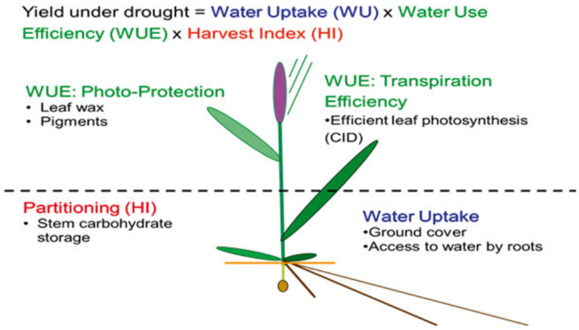
“Under water-limited situations, traits that improve water 41 Exploring Genetic Resources to Increase Adaptation of Wheat to Climate Change 364 uptake, water use effi ciency and partitioning to yield, respectively, are likely to work synergistically to maximize productivity (Richards 2006 ).”
BackgroundInfluentialCombining thermal and visible imagery for estimating canopy temperature and identifying plant stress
Leinonen, I., & Jones, H. G. (2004) · Journal of Experimental Botany · doi:10.1093/jxb/erh146 · Cited by 351 · cited 1×
“Rapid advances in remote sensing technologies, data processing and availability of instruments has made it easier to implement remote sensing techniques to research numerous plant properties (e.g., Leinonen and Jones 2004 ; Jones et al. 2007 ; Berni et al. 2009 ).”
Background
Research works printed but not linked: 2
- Rosegrant MW, Agcaoili M (2010) Global food demand, supply, and price prospects to 2010. International Food Policy Research Institute, Washington, DC
- Tattaris M, Reynolds M, Pietragalla J et al (2013) Airborne remote sensing for high throughput phenotyping of wheat. In: Proceedings of the workshop UAV-based remote sensing methods for monitoring vegetation, Cologne
Cited by
Impact of Climate Change on Crops Adaptation and Strategies to Tackle Its Outcome: A Review
Raza, A., Razzaq, A., Mehmood, S. S., Zou, X., Zhang, X., Lv, Y., & Xu, J. (2019) · Plants · doi:10.3390/plants8020034 · Cited by 1,762
“These TFs can control the phenotypes of genes in genetic engineered crops associated with various stresses [164].”
BackgroundReynolds, M., & Langridge, P. (2016) · Current Opinion in Plant Biology · doi:10.1016/j.pbi.2016.04.005 · Cited by 335
Self-citationHigh-throughput phenotyping for crop improvement in the genomics era
Mir, R. R., Reynolds, M., Pinto, F., Khan, M. A., & Bhat, M. A. (2019) · Plant Science · doi:10.1016/j.plantsci.2019.01.007 · Cited by 309
Self-citationReynolds, M., Chapman, S., Crespo-Herrera, L., Molero, G., Mondal, S., Pequeno, D. N. L., Pinto, F., Pinera-Chavez, F. J., Poland, J., Rivera-Amado, C., et al. (2020) · Plant Science · doi:10.1016/j.plantsci.2019.110396 · Cited by 247
Self-citationBreeding for drought and heat tolerance in wheat
Langridge, P., & Reynolds, M. (2021) · Theoretical and Applied Genetics · doi:10.1007/s00122-021-03795-1 · Cited by 181
“8 million wheat genetic resources available in collections worldwide, there is ample opportunity to tap new sources of abiotic stress tolerance (Reynolds et al. 2015; Dempewolf et al. 2014).”
BackgroundSelf-citationMondal, S., Rutkoski, J. E., Velu, G., Singh, P. K., Crespo-Herrera, L. A., Guzmán, C., Bhavani, S., Lan, C., He, X., & Singh, R. P. (2016) · Frontiers in Plant Science · doi:10.3389/fpls.2016.00991 · Cited by 182
“Studies have reported synthetic wheat lines that can extract more water from deeper soil, which under drought stress is an excellent adaptive trait (Reynolds et al., 2007b).”
BackgroundTshikunde, N. M., Mashilo, J., Shimelis, H., & Odindo, A. (2019) · Frontiers in Plant Science · doi:10.3389/fpls.2019.01428 · Cited by 167
An integrated approach to maintaining cereal productivity under climate change
Reynolds, M. P., Quilligan, E., Aggarwal, P. K., Bansal, K. C., Cavalieri, A. J., Chapman, S. C., Chapotin, S. M., Datta, S. K., Duveiller, E., Gill, K. S., et al. (2016) · Global Food Security · doi:10.1016/j.gfs.2016.02.002 · Cited by 182
“Landraces also represent alternative pools of allelic diversity that have been used successfully in breeding for abiotic stress (Reynolds et al., 2015), and techniques such as Focused Germplasm Identification Strategy (FIGS) help identify accessions originating in conditions of relevance to…”
BackgroundMethodInfluentialSelf-citationHarnessing translational research in wheat for climate resilience
Reynolds, M. P., Lewis, J. M., Ammar, K., Basnet, B. R., Crespo‐Herrera, L., Crossa, J. L., Dhugga, K. S., Dreisigacker, S., Juliana, P., Karwat, H., et al. (2021) · Journal of Experimental Botany · doi:10.1093/jxb/erab256 · Cited by 153
“Pinto F, Damm A, Schickling A, Panigada C, Cogliati S, MüllerLinow M, Balvora A, Rascher U. 2016.”
BackgroundInfluentialSelf-citationStrategic crossing of biomass and harvest index—source and sink—achieves genetic gains in wheat
Reynolds, M. P., Pask, A. J. D., Hoppitt, W., Sonder, K., Sukumaran, S., Molero, G., Pierre, C. S., Payne, T., Singh, R. P., Braun, H. J., et al. (2017) · Euphytica · doi:10.1007/s10681-017-2040-z · Cited by 149
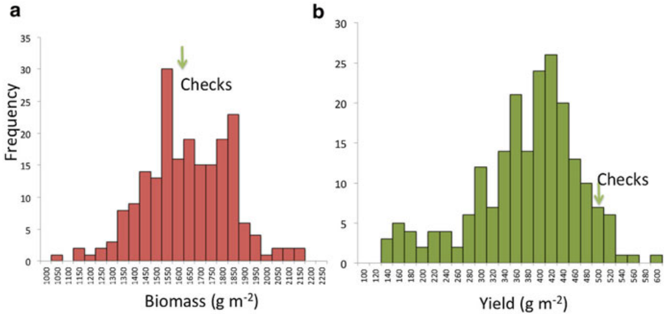
“All 2000 lines were recently screened at CIMMYT under yield potential conditions as well as under heat and drought stress, and lines were identified that expressed superior performance in terms of biomass and/or yield under each of these conditions as well as some in combination (Reynolds et al. 2015).”
BackgroundMethodSelf-citationKyratzis, A. C., Skarlatos, D. P., Menexes, G. C., Vamvakousis, V. F., & Katsiotis, A. (2017) · Frontiers in Plant Science · doi:10.3389/fpls.2017.01114 · Cited by 134
“Their usefulness rely on the fact that they are non-destructive, non-invasive, fast and cost-efficient, wellcorrelated with agronomical and important physiological crop traits (Reynolds et al., 2015).”
BackgroundOpportunities and limits of controlled-environment plant phenotyping for climate response traits
Langstroff, A., Heuermann, M. C., Stahl, A., & Junker, A. (2021) · Theoretical and Applied Genetics · doi:10.1007/s00122-021-03892-1 · Cited by 149
Prins, A., Orr, D. J., Andralojc, P. J., Reynolds, M. P., Carmo‐Silva, E., & Parry, M. A. J. (2016) · Journal of Experimental Botany · doi:10.1093/jxb/erv574 · Cited by 135
“In this context, significant variation in biomass has been identified in exotic wheat genetic resources (Reynolds et al., 2015).”
BackgroundSelf-citationSoriano, J. M., Colasuonno, P., Marcotuli, I., & Gadaleta, Á. (2021) · Scientific Reports · doi:10.1038/s41598-021-91446-2 · Cited by 97
Manners, R., & van Etten, J. (2018) · Global Environmental Change · doi:10.1016/j.gloenvcha.2018.09.010 · Cited by 104
Genebank Phenomics: A Strategic Approach to Enhance Value and Utilization of Crop Germplasm
Nguyen, G. N., & Norton, S. (2020) · Plants · doi:10.3390/plants9070817 · Cited by 93
Wang, F., Wang, F., Zhang, Y., Hu, J., Huang, J., & Xie, J. (2019) · Frontiers in Plant Science · doi:10.3389/fpls.2019.00453 · Cited by 89
Gebrehawaryat, Y., Alem, C., Hailemariam, B. N., Desta, E. A., Mengistu, D. K., Fadda, C., Pè, M. E., & Dell’Acqua, M. (2019) · Plant Biotechnology Journal · doi:10.1111/pbi.13062 · Cited by 79
“The AB genomes of durum wheat can be hybridized with wild species such as Aegilops tauschii, the donor of the D genome, to create synthetic hybrids targeting adaptive traits (Reynolds et al., 2007, 2015).”
BackgroundThe impact of climate change in wheat and barley yields in the Iberian Peninsula
Bento, V. A., Ribeiro, A. F. S., Russo, A., Gouveia, C. M., Cardoso, R. M., & Soares, P. M. M. (2021) · Scientific Reports · doi:10.1038/s41598-021-95014-6 · Cited by 72
Opportunities and Limitations of Crop Phenotyping in Southern European Countries
Costa, J. M., da Silva, J. M., Pinheiro, C., Barón, M., Mylona, P. V., Centritto, M., Haworth, M., Loreto, F., Uzilday, B., Türkan, İ., et al. (2019) · Frontiers in Plant Science · doi:10.3389/fpls.2019.01125 · Cited by 77
New wheat breeding paradigms for a warming climate
Xiong, W., Reynolds, M. P., Montes, C., Crossa, J. L., Snapp, S. S., Akın, B., Mesut, K., Özdemir, F., Li, H., He, Z., et al. (2024) · Nature Climate Change · doi:10.1038/s41558-024-02069-0 · Cited by 58
Self-citationOvenden, B. W., Milgate, A., Lisle, C., Wade, L. J., Rebetzke, G. J., & Holland, J. B. (2017) · Theoretical and Applied Genetics · doi:10.1007/s00122-017-2969-2 · Cited by 55
Wheat photosystem II heat tolerance responds dynamically to short- and long-term warming
Posch, B. C., Hammer, J., Atkin, O. K., Bramley, H., Ruan, Y., Trethowan, R. M., & Coast, O. (2022) · Journal of Experimental Botany · doi:10.1093/jxb/erac039 · Cited by 51
“This large range of wheat leaf T crit can be exploited to improve heat tolerance in modern crop varieties, as has been done recently in successful efforts to improve wheat drought tolerance (Reynolds et al. , 2015).”
King, J., Dreisigacker, S., Reynolds, M. P., Bandyopadhyay, A., Braun, H., Crespo‐Herrera, L., Crossa, J. L., Govindan, V., Huerta‐Espino, J., Ibba, M. I., et al. (2024) · Global Change Biology · doi:10.1111/gcb.17440 · Cited by 47
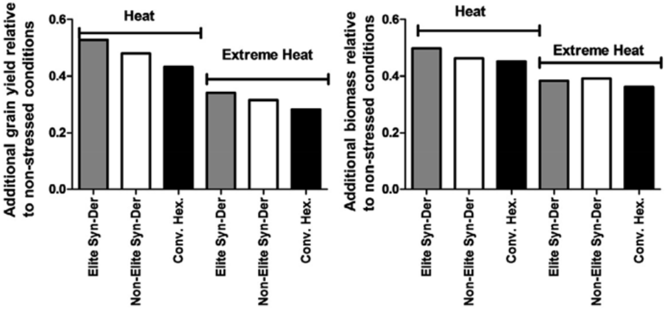
“For example, the best primary synthetic hexa-ploids may express 20% more biomass than elite checks under a range of environments including high temperature and drought (Reynolds et al., 2015).”
Self-citationKumar, S., & Sindhu, S. S. (2024) · Current Research in Microbial Sciences · doi:10.1016/j.crmicr.2024.100285 · Cited by 55
Phenotypic diversity among Iranian bread wheat landraces, as a screening tool for drought tolerance
Chaichi, M., Sanjarian, F., Razavi, K., & González-Hernández, J. L. (2019) · Acta Physiologiae Plantarum · doi:10.1007/s11738-019-2882-1 · Cited by 42
The Genetics and Breeding of Heat Stress Tolerance in Wheat: Advances and Prospects
Zheng, Y., Cai, Z., Wang, Z., Maruza, T. M., & Zhang, G. (2025) · Plants · doi:10.3390/plants14020148 · Cited by 51
“With an estimated 0.8 million wheat genetic resources available in collections worldwide, there is ample opportunity to tap into new sources of abiotic stress tolerance [162].”
InfluentialFernández‐Calleja, M., Monteagudo, A., Casas, A. M., Boutin, C., Pin, P. A., Morales, F., & Igartua, E. (2020) · Sensors · doi:10.3390/s20051486 · Cited by 43
“This approach allowed to deliver a new generation of drought adapted lines built by pyramiding strategic combinations of stress adaptive traits [10].”
BackgroundA strategy of ideotype development for heat‐tolerant wheat
Ullah, S., Bramley, H., Mahmood, T., & Trethowan, R. M. (2019) · Journal of Agronomy and Crop Science · doi:10.1111/jac.12378 · Cited by 40
Saab, M. T. A., Sellami, M. H., Giorio, P., Basile, A., Bonfante, A., Rouphael, Y., Fahed, S., Jomaa, I., Stephan, C., Kabalan, R., et al. (2019) · Agronomy · doi:10.3390/agronomy9070393 · Cited by 35
“In Mediterranean environments, the supplemental irrigation of cereals during reproduction and grain filling can contribute to alleviating yield reduction caused by drought [23,33,34,60].”
BackgroundGenomic analysis for heat and combined heat–drought resilience in bread wheat under field conditions
Itam, M., Mega, R., Gorafi, Y. S. A., Yamasaki, Y., Tahir, I. S. A., Akashi, K., & Tsujimoto, H. (2021) · Theoretical and Applied Genetics · doi:10.1007/s00122-021-03969-x · Cited by 41
Overview of Methods for Assessing Salinity and Drought Tolerance of Transgenic Wheat Lines
Joshi, R., Anwar, K., Das, P., Singla-Pareek, S. L., & Pareek, A. (2017) · Methods in molecular biology · doi:10.1007/978-1-4939-7337-8_5 · Cited by 31
Economics of Wheat Breeding Strategies: Focusing on Oklahoma Hard Red Winter Wheat
Vitale, J. D., Adam, B. D., & Vitale, P. P. (2020) · Agronomy · doi:10.3390/agronomy10020238 · Cited by 37
Advancing Bromegrass Breeding Through Imaging Phenotyping and Genomic Selection: A Review
Biswas, D. K., Coulman, B. E., Biligetu, B., & Fu, Y. (2020) · Frontiers in Plant Science · doi:10.3389/fpls.2019.01673 · Cited by 21
“High regulation of stomatal functions and cooler canopy under drought and/or heat stress can be measured by infrared thermal imaging, which is now an established technology for highthroughput phenotyping of plants for differences in stomatal behavior (Jones et al., 2009; Reynolds et al., 2015).”
BackgroundMethodAsseng, S., Martre, P., Ewert, F. A., Dreccer, M. F., Beres, B. L., Reynolds, M. P., Braun, H., Langridge, P., Gouis, J. L., Salse, J., et al. (2019) · Crop Science · doi:10.2135/cropsci2018.09.0562 · Cited by 20
Self-citationSukumaran, S., Krishna, H., Singh, K., Mottaleb, K. A., & Reynolds, M. P. (2021) · Current Genomics · doi:10.2174/1389202922666210705125006 · Cited by 19
“In 2012 and 2013, about 70,000 accessions of wheat were phenotyped for several agronomic traits in the hot desert of Sonora, Mexico to develop diversity and trait panels [39].”
BackgroundSelf-citationAdaption to Climate Change: Climate Adaptive Breeding of Maize, Wheat and Rice
Watson, D. (2019) · Springer eBooks · doi:10.1007/978-3-319-77878-5_4 · Cited by 28
Winter Wheat Adaptation to Climate Change in Turkey
Kaya, Y. (2021) · Agronomy · doi:10.3390/agronomy11040689 · Cited by 19
“Plant characteristics that would improve WW’s adaptation to CC are given in Table 1, for more details, see [17,67,68].”
BackgroundRahimi, Y., Bihamta, M. R., Taleei, A., Alipour, H., & Ingvarsson, P. K. (2019) · Acta Physiologiae Plantarum · doi:10.1007/s11738-019-2946-2 · Cited by 16
“However, breeding efforts aimed at developing stable and high-performing varieties, especially in arid and semi-arid areas, relies on using high-efficiency methods for screening genetic resources based on suitable traits and indices (Fleury et al. 2010; Budak et al. 2015; Reynolds et al. 2015).”
BackgroundCombining yield potential and drought resilience in a spring wheat diversity panel
Griffiths, C. A., Reynolds, M. P., & Paul, M. J. (2020) · Food and Energy Security · doi:10.1002/fes3.241 · Cited by 15
Self-citationBreeding Efforts for Crop Productivity in Abiotic Stress Environment
Choudhary, J. R., Get, S., Tripathi, A., Kaldate, R. C., Rana, M., Mehta, S., Ahlawat, J., Bansal, M., Zaid, A., & Wani, S. H. (2022) · Springer eBooks · doi:10.1007/978-981-16-6361-1_5 · Cited by 16
Climate Change and Global Crop Production
Ahmad, Z., Ahmad, T., Abbasi, A., Waraich, E. A., Hina, A., Ishfaq, T., Maqsood, S., Saleem, R., Ramzan, M., Sana, S., et al. (2023) · Springer eBooks · doi:10.1007/978-3-031-37424-1_2 · Cited by 18
Mkhabela, S. S., Shimelis, H., Odindo, A. O., & Mashilo, J. (2019) · Acta Agriculturae Scandinavica Section B - Soil & Plant Science · doi:10.1080/09064710.2019.1641213 · Cited by 28
“These were derived from a gene pool consisting of wild relatives, synthetic hexaploid wheat and landrace varieties (Cossani and Reynolds 2015; Reynolds et al. 2015; Mondal et al. 2016; CrespoHerrera et al. 2018; Guzmán et al. 2017; Hernández-Espinosa et al. 2018).”
MethodPatidar, A., Yadav, M. C., Kumari, J., Tiwari, S. K., Chawla, G., & Paul, V. (2023) · Plants · doi:10.3390/plants12152851 · Cited by 12
“The efficient utilization of germplasm resources is crucial for enhancing the genetic gains to address the challenges posed by global warming [12].”
BackgroundAssociations between endogenous spike cytokinins and grain-number traits in spring wheat genotypes
Love, B., Molero, G., Rivera‐Amado, C., Müller, M., Munné‐Bosch, S., Reynolds, M. P., & Foulkes, J. M. (2023) · European Journal of Agronomy · doi:10.1016/j.eja.2023.127011 · Cited by 11
Self-citationLeitão, S. T., Ferreira, E., Bicho, C., Alves, M. L., Pintado, D., Santos, D., Mendes‐Moreira, P., Araújo, S. D. S., Costa, J. M., & Patto, M. C. V. (2019) · Sustainability · doi:10.3390/su11216081 · Cited by 11
“Landraces are isolated gene pools with novel allelic diversity of the same crop genome, in particular, landraces originating in condition of relevance to breeding targets [86].”
BackgroundDepositing ability of stem of winter wheat varieties of different periods of selection
Morgun, V. V., Прядкина, Г. А., & Zborivska, O. V. (2019) · Regulatory Mechanisms in Biosystems · doi:10.15421/021936 · Cited by 10
Kumar, N., & Khurana, S. P. (2023) · Wiley eBooks · doi:10.1002/9781119858553.ch6 · Cited by 11
Phenotyping in Green Lettuce Populations Through Multispectral Imaging
Silva, J. M., Jacinto, A. C. P., Ribeiro, A. L. A., Damascena, I. R., Ballador, L. M., Lacerra, P. H., Vargas, P. F., Martins, G. D., & Castoldi, R. (2025) · Agriculture · doi:10.3390/agriculture15121295 · Cited by 6
Characterization of vegetative vigor of two doubled-haploid wheat populations
Khumalo, T. P., Barnard, A., Dube, E., & Tsilo, T. J. (2021) · Journal of Crop Improvement · doi:10.1080/15427528.2021.1970675 · Cited by 6
“However, inconsistent correlations have been reported among PH, EL, NDVI, and VI RATIO, as well as other important agronomical and physiological traits in wheat and maize (Aparicio et al. 2002; Lobos et al. 2014; Reynolds et al. 2015; Kyratzis et al. 2017; Han et al. 2018).”
BackgroundCrop Improvement with Induced Genetic Variation to Cope with Drought in Rice and Sorghum
International Atomic Energy Agency (2024) · International Atomic Energy Agency eBooks · doi:10.61092/iaea.fngh-4elo · Cited by 6
Sustainable Solutions: Nurturing Plant Growth in a Changing Climate
Ijaz, S., Iqbal, J., Abbasi, B. A., Ullah, Z., Yaseen, T., Ansari, L., Ali, H., Sahito, Z. A., Sampath, S., Kanwal, S., et al. (2024) · Springer eBooks · doi:10.1007/978-3-031-69417-2_20 · Cited by 4
Climate Change and Wheat (Triticum spp.)
Ulukan, H. (2024) · Springer eBooks · doi:10.1007/978-981-99-9478-6_11 · Cited by 3
Impact of Climate Change on Perennial Vegetables Production and Mitigation Strategies
Kumar, R., Sharma, L., Kushwah, J. K., & Bamaniya, B. S. (2023) · Advances in olericulture · doi:10.1007/978-3-031-20840-9_6 · Cited by 3
Ahmed, M. I. Y., Kamal, N. M., Gorafi, Y. S. A., Abdalla, M. G. A., Tahir, I. S. A., & Tsujimoto, H. (2024) · Plants · doi:10.3390/plants13030347 · Cited by 3
“Exploring and utilizing the adaptive potential of wild progenitors in a systematic approach is a powerful strategy Plants 2024 , 13 , 347 2 of 18 and a practical solution to identify promising material and broaden the genetic base of wheat [4].”
BackgroundAzeem, A., Ul‐Allah, S., Khan, S., Dullu, M. U. D., Azeem, S., Zaman, M. S., & Haq, M. Z. U. (2023) · Practice, progress, and proficiency in sustainability · doi:10.4018/978-1-6684-9838-5.ch006 · Cited by 5
Kathuria, D., Singh, N., Thakur, S., Awasthi, T., & Mudgal, S. (2024) · Environment Conservation Journal · doi:10.36953/ecj.30560424 · Cited by 3
“However, its success depends on access to genetic diversity for heat tolerance (Cossani and Reynolds, 2015; Farooq et al. , 2011), as well as effective phenotyping methods that 1240 Environment Conservation Journal accurately predict field output (Reynolds et al. , 2015).”
Silva, P., Opazo, M., & Figueroa-Bustos, V. (2026) · Frontiers in Sustainable Food Systems · doi:10.3389/fsufs.2025.1741810 · Cited by 2
Boosting crops’ natural capabilities could help feed a warming world
Sidik, S. M. (2026) · Proceedings of the National Academy of Sciences · doi:10.1073/pnas.2607080123 · Cited by 2
Heat Stress Impacts and Strategies for Improving Heat Tolerance in Wheat
Kim, Y., Choi, M.-G., Jeong, H.-Y., Park, J., Kim, Y., Lee, G. E., Kim, S., Lee, J.-H., & Cho, C. (2025) · Korean Journal of Breeding Science · doi:10.9787/kjbs.2025.57.2.103 · Cited by 1
Heat stress resilience in Capsicum annuum: Scientific Perspectives
Upadhyay, P., Baliyan, N., Aruna, T. S., Yogananda, M., Choudhary, P., Srivastava, A., Singh, B., Chinnusamy, V., & Mangal, M. (2025) · Physiology and Molecular Biology of Plants · doi:10.1007/s12298-025-01678-z · Cited by 3
“For instance, wheat cultivars like HD 2967 maintain yield through canopy temperature depression (Reynolds et al. 2015), while chickpea ( JG 14 ) sustains pod filling under high temperatures (Devasirvatham and Tan 2018).”
Screening drought-tolerant bread wheat genotypes using yield-based stress indices
Ahmed, S. F., Nazran, A., Ghosh, T. K., Ahmed, J. U., & Din, M. M. U. (2023) · Annals of Bangladesh Agriculture · doi:10.3329/aba.v27i2.72517
“Various previous studies explored the hexaploid bread wheat gene pool utilizing agronomic or phenotypic traits along with yield for evaluating wheat germplasms for different stressful environments (Reynolds et al ., 2015; Dorostkar et al ., 2015; Hassan et al ., 2016).”
BackgroundHigh-Throughput Methods for Phenotyping Epicuticular Wax and Grain Yield in Wheat
Camarillo‐Castillo, F. (2017) · OakTrust (Texas A&M University Libraries) · Cited by 1
Tessema, A. M., Mekonnen, F., Gebrehawaryat, Y., & Hailegiorgis, D. (2026) · Genetic Resources and Crop Evolution · doi:10.1007/s10722-026-02828-2
Bihani, M., bhutada, P. G., Rajendran, R., Almoselhy, R. I. M., Channakeshava, M., Manjunath, K. B., Babu, N. R., & Thomas, S. (2026) · Research Square · doi:10.21203/rs.3.rs-9970915/v1
Wheat landraces in Türkiye: Genetic diversity, agroecological adaptation, and breeding potential
Özdemir, B., Ülker, M., & Najafi, S. (2026) · International Journal of Agricultural Technology · doi:10.63369/ijat.2026.22.5.2303-2322
“This limitation is increasingly relevant as wheat production is exposed to land degradation and more frequent drought and heat events (Reynolds et al. , 2015).”
InfluentialFIELD EVALUATION OF KASIB WHEAT GERMPLASM FOR DROUGHT TOLERANCE IN KAZAKHSTAN
Kumarbayeva, M., Кохметова, А., Keishilov, Z., Харіпжанова, А., & Kovalenko, N. M. (2026) · Izdenister natigeler · doi:10.37884/4-2026/09
Metadata
- Authors
- Reynolds, M., Tattaris, M., Cossani, C. M., Ellis, M., Yamaguchi-Shinozaki, K., & Pierre, C. S.
- Affiliations
- Centro Internacional de Mejoramiento de Maíz Y Trigo (MX)
- Corresponding author
- Reynolds, Matthew
- Venue
- Advances in Wheat Genetics: From Genome to Field
- Publisher
- Springer Japan
- Published
- 2015
- Pages
- 355-368
- OpenAlex
- W2469333057
- Cited by
- 62
- References
- 27
- Citations by year
- 2026: 5 · 2025: 4 · 2024: 7 · 2023: 6 · 2022: 2 · 2021: 8 · 2020: 6 · 2019: 14 · 2018: 2 · 2017: 4 · 2016: 4
- FWCI
- 7.90
- Type
- book chapter
- Language
- en
- Open access
- hybrid
- doi.org
- Licence
- cc-by-nc
- Locations
- Springer eBooks (publishedVersion, cc-by-nc)
- Topics
- Life Sciences › Agricultural and Biological Sciences › Plant Science › Wheat and Barley Genetics and Pathology
- Life Sciences › Agricultural and Biological Sciences › Plant Science › Genetics and Plant Breeding
- Life Sciences › Agricultural and Biological Sciences › Plant Science › Genetic and Environmental Crop Studies
- Keywords
- wheat, climate change adaptation, genetic resources, drought tolerance, landraces, wild wheat relative, pre-breeding, high-throughput phenotyping, airborne remote sensing, thermal imagery, multispectral imagery, hexaploid wheat, transgenic wheat, root water uptake, gene discovery
About these checks
Registry, retraction, Cites and statistics results are computed, not judged, with one exception: a printed reference that no index lists is read once by a model before it counts as a citation error. Claims are extracted by a model and kept only when their quote appears verbatim in the text; each cited source is then checked, with a model’s help, for whether it says what the claim relies on. Those verdicts can be wrong — read the claim’s quote and the cited source before relying on one.
Statistics and arithmetic are recomputed, not judged.
Confidence bands are shown only for fields calibrated on our annotated test set. None is calibrated yet, so no band is shown.
What counts as a claim ›How we measure confidence ›How we check this ›
Are you an author, or do you see a problem with this page? Request a review
Data sources
Bibliographic data: Semantic Scholar, OpenAlex, Crossref.
Contains information from the Semantic Scholar Academic Graph Datasets, made available under the ODC Attribution License (ODC-BY 1.0).
Semantic Scholar’s data is described in: Kinney, R., et al. (2023). The Semantic Scholar Open Data Platform. arXiv:2301.10140.
