

Implementation of eHealth and AI integrated diagnostics with multidisciplinary digitized data: are we ready from an international perspective?
Open accessThe DOI matches its Crossref record; 59 of the 60 references it cites were found in a registry or an index.
Abstract
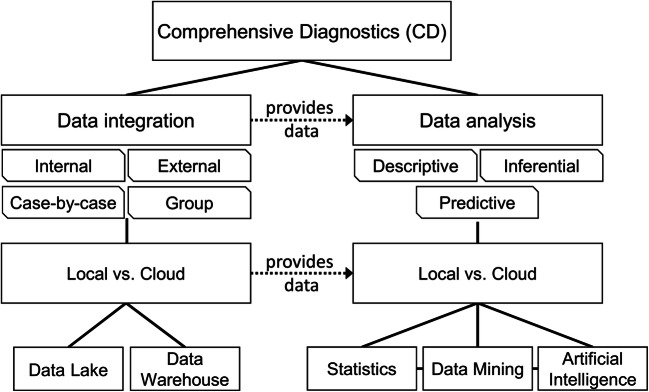
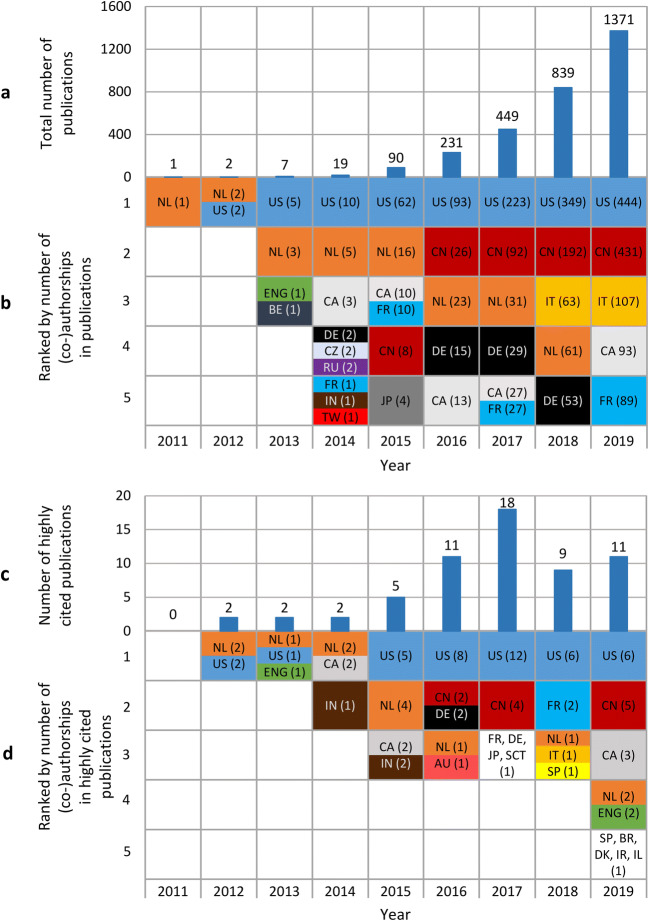
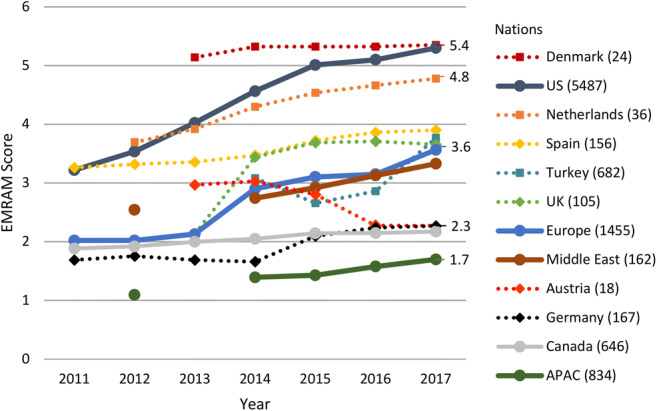
Digitization of medicine requires systematic handling of the increasing amount of health data to improve medical diagnosis. In this context, the integration of the versatile diagnostic information, e.g., from anamnesis, imaging, histopathology, and clinical chemistry, and its comprehensive analysis by artificial intelligence (AI)–based tools is expected to improve diagnostic precision and the therapeutic conduct. However, the complex medical environment poses a major obstacle to the translation of integrated diagnostics into clinical research and routine. There is a high need to address aspects like data privacy, data integration, interoperability standards, appropriate IT infrastructure, and education of staff. Besides this, a plethora of technical, political, and ethical challenges exists. This is complicated by the high diversity of approaches across Europe. Thus, we here provide insights into current international activities on the way to digital comprehensive diagnostics. This includes a technical view on challenges and solutions for comprehensive diagnostics in terms of data integration and analysis. Current data communications standards and common IT solutions that are in place in hospitals are reported. Furthermore, the international hospital digitalization scoring and the European funding situation were analyzed. In addition, the regional activities in radiomics and the related publication trends are discussed. Our findings show that prerequisites for comprehensive diagnostics have not yet been sufficiently established throughout Europe. The manifold activities are characterized by a heterogeneous digitization progress and they are driven by national efforts. This emphasizes the importance of clear governance, concerted investments, and cooperation at various levels in the health systems. Key Points •Europe is characterized by heterogeneity in its digitization progress with predominantly national efforts. Infrastructural prerequisites for comprehensive diagnostics are not given and not sufficiently funded throughout Europe, which is particularly true for data integration. •The clinical establishment of comprehensive diagnostics demands for a clear governance, significant investments, and cooperation at various levels in the healthcare systems. •While comprehensive diagnostics is on its way, concerted efforts should be taken in Europe to get consensus concerning interoperability and standards, security, and privacy as well as ethical and legal concerns.
Overview
The claims and statistics of this paper haven’t been checked yet.
Free: it reads the open-access text and checks the first 5 claims that cite a source we can check. Create a free account to check every claim.
Integrity signals
Registry
Cites
Statistics
Figures
Verification
Claims the paper makes
The claims and statistics of this paper haven’t been checked yet.
Free: it reads the open-access text and checks the first 5 claims that cite a source we can check. Create a free account to check every claim.
Claims other papers make about this one
Each is checked against this paper’s own text: does it say what the citing paper says it does?
The source backs part of the claim, not all of it — or backs it for a different population, condition or comparison.
In the citing paper
“we focus on six key ethical characteristics that emerged from AI ethics literaturefairness, transparency, trustworthiness, accountability, privacy, and empathythat are deemed to be important and most cited in healthcare AI research for developing our initial understanding of responsible AI (Blobel et al., 2020;Bukowski et al., 2020;Floridi et al., 2019;Reddy et al., 2020).”
From SHIFTing artificial intelligence to be responsible in healthcare: a systematic review (2022) · cites this paper as Bukowski et al., 2020
Experimental — accuracy not yet measuredThe source backs part of the claim, not all of it — or backs it for a different population, condition or comparison.
In the citing paper
“Data privacy and ethical issues surrounding the use and storage of patient data were highlighted as major hurdles to the ownership of data in AI-powered digital health ecosystems”
From SHIFTing artificial intelligence to be responsible in healthcare: a systematic review (2022) · cites this paper as Bukowski et al., 2020
Experimental — accuracy not yet measuredThe source backs part of the claim, not all of it — or backs it for a different population, condition or comparison.
In the citing paper
“we focus on six key ethical characteristics that emerged from AI ethics literaturefairness, transparency, trustworthiness, accountability, privacy, and empathythat are deemed to be important and most cited in healthcare AI research”
From SHIFTing artificial intelligence to be responsible in healthcare: a systematic review (2022) · cites this paper as Bukowski et al., 2020
Experimental — accuracy not yet measured
Self-check
Percentages, sums and reported differences re-computed from the paper’s own numbers.
The self-check needs the paper’s full text.
Citations
Cites
The FAIR Guiding Principles for scientific data management and stewardship
Wilkinson, M. D., Dumontier, M., Aalbersberg, I. J., Appleton, G., Axton, M., Baak, A., Blomberg, N., Boiten, J.-W., da Silva Santos, L. B., Bourne, P. E., et al. (2016) · Scientific Data · doi:10.1038/sdata.2016.18 · Cited by 18,423 · cited 1×
“A specific emphasis is on supporting the reuse by individuals and enhancing the ability of machines to automatically find and use the data [19, 20].”
BackgroundSudlow, C., Gallacher, J., Allen, N., Beral, V., Burton, P., Danesh, J., Downey, P., Elliott, P., Green, J., Landray, M., et al. (2015) · PLOS Medicine · doi:10.1371/journal.pmed.1001779 · Cited by 12,728
High-performance medicine: the convergence of human and artificial intelligence
Topol, E. J. (2019) · Nature Medicine · doi:10.1038/s41591-018-0300-7 · Cited by 10,450
Radiomics: Images Are More than Pictures, They Are Data
Gillies, R. J., Kinahan, P. E., & Hricak, H. (2016) · Radiology · doi:10.1148/radiol.2015151169 · Cited by 8,421
Radiomics: extracting more information from medical images using advanced feature analysis
Lambin, P., Rios-Velazquez, E., Leijenaar, R., Carvalho, S., van Stiphout, R. G. P. M., Granton, P., Zegers, C. M. L., Gillies, R., Boellard, R., Dekker, A., et al. (2012) · European Journal of Cancer · doi:10.1016/j.ejca.2011.11.036 · Cited by 6,084
Benchimol, E. I., Smeeth, L., Guttmann, A., Harron, K., Moher, D., Petersen, I., Sørensen, H. T., von Elm, E., Langan, S. M., & RECORD Working Committee (2015) · PLOS Medicine · doi:10.1371/journal.pmed.1001885 · Cited by 5,749
A guide to deep learning in healthcare
Esteva, A., Robicquet, A., Ramsundar, B., Kuleshov, V., DePristo, M., Chou, K., Cui, C., Corrado, G., Thrun, S., & Dean, J. (2019) · Nature Medicine · doi:10.1038/s41591-018-0316-z · Cited by 5,312
Decoding tumour phenotype by noninvasive imaging using a quantitative radiomics approach
Aerts, H. J. W. L., Velazquez, E. R., Leijenaar, R. T. H., Parmar, C., Grossmann, P., Carvalho, S., Bussink, J., Monshouwer, R., Haibe-Kains, B., Rietveld, D., et al. (2014) · Nature Communications · doi:10.1038/ncomms5006 · Cited by 5,132 · cited 1×
“Radiomics is a part of CD and describes the extraction of quantifiable features from radiologic images and its analysis by machine or deep learning [68, 69].”
BackgroundArtificial intelligence in healthcare
Yu, K.-H., Beam, A. L., & Kohane, I. S. (2018) · Nature Biomedical Engineering · doi:10.1038/s41551-018-0305-z · Cited by 2,817
Radiomics: the process and the challenges
Kumar, V., Gu, Y., Basu, S., Berglund, A., Eschrich, S. A., Schabath, M. B., Forster, K., Aerts, H. J. W. L., Dekker, A., Fenstermacher, D., et al. (2012) · Magnetic Resonance Imaging · doi:10.1016/j.mri.2012.06.010 · Cited by 2,258
Causability and explainability of artificial intelligence in medicine
Holzinger, A., Langs, G., Denk, H., Zatloukal, K., & Müller, H. (2019) · WIREs Data Mining and Knowledge Discovery · doi:10.1002/widm.1312 · Cited by 1,885
Artificial intelligence in cancer imaging: Clinical challenges and applications
Bi, W. L., Hosny, A., Schabath, M. B., Giger, M. L., Birkbak, N. J., Mehrtash, A., Allison, T., Arnaout, O., Abbosh, C., Dunn, I. F., et al. (2019) · CA: A Cancer Journal for Clinicians · doi:10.3322/caac.21552 · Cited by 1,846
Wachter, S., Mittelstadt, B., & Floridi, L. (2017) · International Data Privacy Law · doi:10.1093/idpl/ipx005 · Cited by 1,308 · cited 1×
“In terms of the European General Data Protection Regulation (GDPR), the legal existence and feasibility of “ a ‘ right to explanation ’ of all decisions made by automated or artificially intelligent algorithmic systems ” are in doubt [102].”
BackgroundA clinically applicable approach to continuous prediction of future acute kidney injury
Tomašev, N., Glorot, X., Rae, J. W., Zielinski, M., Askham, H., Saraiva, A., Mottram, A., Meyer, C., Ravuri, S., Protsyuk, I., et al. (2019) · Nature · doi:10.1038/s41586-019-1390-1 · Cited by 1,086
Deep learning algorithms for detection of critical findings in head CT scans: a retrospective study
Chilamkurthy, S., Ghosh, R., Tanamala, S., Biviji, M., Campeau, N. G., Venugopal, V. K., Mahajan, V., Rao, P., & Warier, P. (2018) · The Lancet · doi:10.1016/s0140-6736(18)31645-3 · Cited by 1,020
Serving the enterprise and beyond with informatics for integrating biology and the bedside (i2b2)
Murphy, S. N., Weber, G., Mendis, M., Gainer, V., Chueh, H. C., Churchill, S., & Kohane, I. (2010) · Journal of the American Medical Informatics Association · doi:10.1136/jamia.2009.000893 · Cited by 925
Pesapane, F., Codari, M., & Sardanelli, F. (2018) · European Radiology Experimental · doi:10.1186/s41747-018-0061-6 · Cited by 833
Estimating the success of re-identifications in incomplete datasets using generative models
Rocher, L., Hendrickx, J. M., & de Montjoye, Y.-A. (2019) · Nature Communications · doi:10.1038/s41467-019-10933-3 · Cited by 816
Artificial Intelligence and Black‐Box Medical Decisions: Accuracy versus Explainability
London, A. J. (2019) · Hastings Center Report · doi:10.1002/hast.973 · Cited by 801
Mons, B., Neylon, C., Velterop, J., Dumontier, M., da Silva Santos, L. O. B., & Wilkinson, M. D. (2017) · Information Services and Use · doi:10.3233/isu-170824 · Cited by 417
IBM Watson, heal thyself: How IBM overpromised and underdelivered on AI health care
Strickland, E. (2019) · IEEE Spectrum · doi:10.1109/mspec.2019.8678513 · Cited by 402
Artificial intelligence and the implementation challenge
Shaw, J., Rudzicz, F., Jamieson, T., & Goldfarb, A. (2019) · Journal of Medical Internet Research · doi:10.2196/13659 · Cited by 389
Somashekhar, S. P., Sepúlveda, M.-J., Puglielli, S., Norden, A. D., Shortliffe, E. H., Rohit Kumar, C., Rauthan, A., Arun Kumar, N., Patil, P., Rhee, K., et al. (2018) · Annals of Oncology · doi:10.1093/annonc/mdx781 · Cited by 366
Delta-radiomics features for the prediction of patient outcomes in non–small cell lung cancer
Fave, X., Zhang, L., Yang, J., Mackin, D., Balter, P., Gomez, D., Followill, D., Jones, A. K., Stingo, F., Liao, Z., et al. (2017) · Scientific Reports · doi:10.1038/s41598-017-00665-z · Cited by 353
DataSHIELD: taking the analysis to the data, not the data to the analysis
Gaye, A., Marcon, Y., Isaeva, J., LaFlamme, P., Turner, A., Jones, E. M., Minion, J., Boyd, A. W., Newby, C. J., Nuotio, M.-L., et al. (2014) · International Journal of Epidemiology · doi:10.1093/ije/dyu188 · Cited by 284
Secondary use of clinical data: The Vanderbilt approach
Danciu, I., Cowan, J. D., Basford, M., Wang, X., Saip, A., Osgood, S., Shirey-Rice, J., Kirby, J., & Harris, P. A. (2014) · Journal of Biomedical Informatics · doi:10.1016/j.jbi.2014.02.003 · Cited by 277
Sollini, M., Antunovic, L., Chiti, A., & Kirienko, M. (2019) · European Journal of Nuclear Medicine and Molecular Imaging · doi:10.1007/s00259-019-04372-x · Cited by 250 · cited 1×
“However, there is an increasing discussion about the reliability of publications due to the data quality in terms of heterogeneity of datasets and parameters, sample size, and risk of bias regarding patient selection [81, 82].”
BackgroundSemler, S., Wissing, F., & Heyder, R. (2018) · Methods of Information in Medicine · doi:10.3414/me18-03-0003 · Cited by 230
Lu, H., Arshad, M., Thornton, A., Avesani, G., Cunnea, P., Curry, E., Kanavati, F., Liang, J., Nixon, K., Williams, S. T., et al. (2019) · Nature Communications · doi:10.1038/s41467-019-08718-9 · Cited by 212
Zhou, N., Zhang, C.-T., Lv, H.-Y., Hao, C.-X., Li, T.-J., Zhu, J.-J., Zhu, H., Jiang, M., Liu, K.-W., Hou, H.-L., et al. (2019) · The Oncologist · doi:10.1634/theoncologist.2018-0255 · Cited by 211
Maturity Models of Healthcare Information Systems and Technologies: a Literature Review
Carvalho, J. V., Rocha, Á., & Abreu, A. J. (2016) · Journal of Medical Systems · doi:10.1007/s10916-016-0486-5 · Cited by 192
Translational Medicine definition by the European Society for Translational Medicine
Cohrs, R. J., Martin, T., Ghahramani, P., Bidaut, L., Higgins, P. J., & Shahzad, A. (2014) · European Journal of Molecular & Clinical Medicine · doi:10.1016/j.nhtm.2014.12.002 · Cited by 176 · cited 1×
“Thus, much effort must be spent into IT infrastructures and their interoperability to facilitate comprehensive approaches and translational medicine with a “ bi-lateral ‘ two-way ’ iteration between bench-side and bed-side ” [8].”
BackgroundAther, S., Kadir, T., & Gleeson, F. (2020) · Clinical Radiology · doi:10.1016/j.crad.2019.04.017 · Cited by 154
Deist, T. M., Jochems, A., van Soest, J., Nalbantov, G., Oberije, C., Walsh, S., Eble, M., Bulens, P., Coucke, P., Dries, W., et al. (2017) · Clinical and Translational Radiation Oncology · doi:10.1016/j.ctro.2016.12.004 · Cited by 139
Estonia: Health System Review.
Lai, T., Habicht, T., Kahur, K., Reinap, M., Kiivet, R. A., & van Ginneken, E. (2013) · PubMed · Cited by 123
Hripcsak, G., Bloomrosen, M., FlatelyBrennan, P., Chute, C. G., Cimino, J., Detmer, D. E., Edmunds, M., Embi, P. J., Goldstein, M. M., Hammond, W. E., et al. (2014) · Journal of the American Medical Informatics Association · doi:10.1136/amiajnl-2013-002117 · Cited by 119
Distributed Analytics on Sensitive Medical Data: The Personal Health Train
Beyan, O., Choudhury, A., van Soest, J., Kohlbacher, O., Zimmermann, L., Stenzhorn, H., Karim, M. R., Dumontier, M., Decker, S., da Silva Santos, L. O. B., et al. (2020) · Data Intelligence · doi:10.1162/dint_a_00032 · Cited by 111 · cited 1×
“In contrast to other approaches, it is technology agnostic and aims at maximum interoperability between diverse systems, by focusing on machine-readable and interpretable data, meta-data, workflows, and services [25] (Table 1).”
BackgroundSelf-citationeHealth in Denmark: A Case Study
Kierkegaard, P. (2013) · Journal of Medical Systems · doi:10.1007/s10916-013-9991-y · Cited by 108
Enhancing Next-Generation Sequencing-Guided Cancer Care Through Cognitive Computing
Patel, N. M., Michelini, V. V., Snell, J. M., Balu, S., Hoyle, A. P., Parker, J. S., Hayward, M. C., Eberhard, D. A., Salazar, A. H., McNeillie, P., et al. (2018) · The Oncologist · doi:10.1634/theoncologist.2017-0170 · Cited by 103
A radiomics nomogram may improve the prediction of IDH genotype for astrocytoma before surgery
Tan, Y. Q., Zhang, S., Wei, J., Dong, D., Wang, X., Yang, G., Tian, J., & Zhang, H. (2019) · European Radiology · doi:10.1007/s00330-019-06056-4 · Cited by 87
Krankenhaus-Report 2019: Das digitale Krankenhaus
Klauber, J., Geraedts, M., Friedrich, J., & Wasem, J. (2019) · Springer eBooks · doi:10.1007/978-3-662-58225-1 · Cited by 87
The risk of re-identification versus the need to identify individuals in rare disease research
HANSSON, M. G., Lochmüller, H., Rieß, O., Schaefer, F. S., Orth, M., Rubinstein, Y., Molster, C. M., Dawkins, H. J. S., Taruscio, D., de la Paz, M. P., et al. (2016) · European Journal of Human Genetics · doi:10.1038/ejhg.2016.52 · Cited by 80
Kennedy, D. N., Haselgrove, C., Riehl, J., Preuss, N., & Buccigrossi, R. (2016) · NeuroImage · doi:10.1016/j.neuroimage.2015.05.074 · Cited by 79
Baltaxe, E., Czypionka, T., Kraus, M., Reiss, M., Askildsen, J. E., Grenkovic, R., Lindén, T. S., Pitter, J. G., Rutten-van Molken, M., Solans, O., et al. (2019) · Journal of Medical Internet Research · doi:10.2196/14956 · Cited by 77
Identifying ELIXIR Core Data Resources
Durinx, C., McEntyre, J., Appel, R., Apweiler, R., Barlow, M., Blomberg, N., Cook, C., Gasteiger, E., Kim, J.-H., Lopez, R., et al. (2016) · F1000Research · doi:10.12688/f1000research.9656.1 · Cited by 61 · cited 1×
“Furthermore, research communities build domain-specific data infrastructures that cannot easily communicate with each other (e.g., biobanks) [13, 14].”
BackgroundWu, W., Pierce, L. A., Zhang, Y., Pipavath, S. N. J., Randolph, T. W., Lastwika, K. J., Lampe, P. D., Houghton, A. M., Liu, H., Xia, L., et al. (2019) · European Radiology · doi:10.1007/s00330-019-06213-9 · Cited by 61 · cited 1×
“The evolving field of radiomics (Table 4) presents multiple publications reporting every year about the diagnostic power of radiomics analyses [75 – 80].”
BackgroundBits and bytes: the future of radiology lies in informatics and information technology
Brink, J. A., Arenson, R. L., Grist, T. M., Lewin, J. S., & Enzmann, D. R. (2017) · European Radiology · doi:10.1007/s00330-016-4688-5 · Cited by 58
van Timmeren, J. E., Carvalho, S., Leijenaar, R. T. H., Troost, E. G. C., van Elmpt, W., Ruysscher, D. D., Muratet, J. P., Denis, F., Schimek‐Jasch, T., Nestle, U., et al. (2019) · PLoS ONE · doi:10.1371/journal.pone.0217536 · Cited by 55 · cited 1×
“However, there is an increasing discussion about the reliability of publications due to the data quality in terms of heterogeneity of datasets and parameters, sample size, and risk of bias regarding patient selection [81, 82].”
BackgroundDemystifying Big Data and Machine Learning for Healthcare
Natarajan, P., Frenzel, J. C., & Smaltz, D. H. (2017) · CRC Press eBooks · doi:10.1201/9781315389325 · Cited by 54
Khalvati, F., Zhang, J., Chung, A. G., Shafiee, M. J., Wong, A., & Haider, M. A. (2018) · BMC Medical Imaging · doi:10.1186/s12880-018-0258-4 · Cited by 52
Image-based biomarkers for solid tumor quantification
Savadjiev, P., Chong, J., Dohan, A. J. J., Agnus, V., Forghani, R., Reinhold, C., & Gallix, B. (2019) · European Radiology · doi:10.1007/s00330-019-06169-w · Cited by 47
What’s holding up the big data revolution in healthcare?
Dhindsa, K., Bhandari, M., & Sonnadara, R. (2018) · BMJ · doi:10.1136/bmj.k5357 · Cited by 38
van Soest, J., Sun, C., Mussmann, O., Puts, M. J. H., Bob, V. D. B., Malic, A., Kallen, C., Townend, D. M. R., Dekker, A. L. A. J., & Dumontier, M. (2018) · Studies in health technology and informatics · doi:10.3233/978-1-61499-852-5-581 · Cited by 35 · cited 1×
“The Personal Health Train is another approach that improves the reuse of data by sharing analytics [24].”
BackgroundThe changing face of cancer diagnosis: From computational image analysis to systems biology
Kiessling, F. M. (2018) · European Radiology · doi:10.1007/s00330-018-5347-9 · Cited by 29
Self-citationHoggle, L. (2012) · Journal of the Academy of Nutrition and Dietetics · doi:10.1016/j.jand.2012.10.005 · Cited by 10
The European Strategy in Research Infrastructures and Open Science Cloud
Giannoutakis, K. M., & Tzovaras, D. K. (2017) · Communications in computer and information science · doi:10.1007/978-3-319-57135-5_15 · Cited by 10
Duarte, A. M. S., Psomopoulos, F. E., Blanchet, C., Bonvin, A. M. J. J., Corpas, M., Franc, A., Jiménez, R. C., de Lucas, J. M., Nyrönen, T., Sipos, G., et al. (2015) · Frontiers in Genetics · doi:10.3389/fgene.2015.00197 · Cited by 9 · cited 1×
“For this, new solutions such as grid/cloud computing have been proposed [21].”
BackgroundData sharing improves scientific publication: example of the “hydrops initiative”
Attyé, A. (2018) · European Radiology · doi:10.1007/s00330-018-5759-6 · Cited by 6
Perspektiven der KI in der Medizin
Krumm, S., & Dwertmann, A. (2018) · Künstliche Intelligenz · doi:10.1007/978-3-662-58042-4_10 · Cited by 6
Research works printed but not linked: 1
- ISO/IEEE (2019) ISO/IEEE 11073; Available via https://www.iso.org/search.html?q=11073. Accessed 07 Oct 2019
Cited by
Digital transformation in healthcare: technology acceptance and its applications
Stoumpos, A. I., Kitsios, F., & Talias, M. A. (2023) · International Journal of Environmental Research and Public Health · doi:10.3390/ijerph20043407 · Cited by 939
SHIFTing artificial intelligence to be responsible in healthcare: a systematic review
Siala, H., & Wang, Y. (2022) · Social Science & Medicine · doi:10.1016/j.socscimed.2022.114782 · Cited by 358
Artificial intelligence and machine learning in cancer imaging
Koh, D.-M., Papanikolaou, N., Bick, U., Illing, R., Kahn, C. E., Kalpathi-Cramer, J., Matos, C., Martí-Bonmatí, L., Miles, A., Mun, S. K., et al. (2022) · Communications Medicine · doi:10.1038/s43856-022-00199-0 · Cited by 311
“Precision oncology is likely to bene fi t from integrated diagnostics 84,85 (e.g. radiogenomics, which combines radiomics and genomics analyses) to provide robust computational tools for investigating cancer biology, as well as for predicting treatment response (Fig.”
Nair, M., Svedberg, P., Larsson, I., & Nygren, J. M. (2024) · PLOS ONE · doi:10.1371/journal.pone.0305949 · Cited by 179
Machine learning and artificial intelligence in haematology
Shouval, R., Fein, J. A., Savani, B. N., Mohty, M., & Nagler, A. (2020) · British Journal of Haematology · doi:10.1111/bjh.16915 · Cited by 140
Metadata
- Authors
- Bukowski, M., Farkas, R., Beyan, O., Moll, L., Hahn, H., Kiessling, F., & Schmitz-Rode, T.
- Affiliations
- Universitätsklinikum Aachen (DE)
- Fraunhofer Institute for Applied Information Technology (DE)
- Fraunhofer Institute for Digital Medicine (DE)
- Corresponding author
- Kiessling, Fabian
- Venue
- European Radiology
- Published
- 2020-05-06
- Volume
- 30
- Issue
- 10
- Pages
- 5510-5524
- ISSN
- 0938-7994 (ISSN-L)
- 1432-1084
- PMC
- PMC7476980
- OpenAlex
- W3021191805
- Cited by
- 67
- References
- 60
- Citations by year
- 2026: 8 · 2025: 15 · 2024: 15 · 2023: 9 · 2022: 8 · 2021: 6 · 2020: 5
- FWCI
- 2.07
- Type
- journal article
- Language
- en
- Open access
- hybrid
- doi.org
- Licence
- cc-by
- creativecommons.org/licenses/by/4.0 (tdm)
- creativecommons.org/licenses/by/4.0 (vor)
- Locations
- European Radiology (publishedVersion, cc-by)
- PubMed Central (publishedVersion, cc-by)
- PubMed (publishedVersion)
- Informationszentrum Lebenswissenschaften (ZB MED) (submittedVersion, cc-by)
- Publikationsdatenbank der Fraunhofer-Gesellschaft (Fraunhofer-Gesellschaft) (submittedVersion, other-oa)
- Fraunhofer-Publica (Fraunhofer-Gesellschaft) (submittedVersion)
- RWTH Publications (RWTH Aachen) (submittedVersion, other-oa)
- RWTH Publications (RWTH Aachen)
- Funders
- RWTH Aachen University (none)
- Topics
- Health Sciences › Medicine › Health Informatics › Artificial Intelligence in Healthcare and Education
- Health Sciences › Health Professions › Health Information Management › Electronic Health Records Systems
- Health Sciences › Medicine › Public Health, Environmental and Occupational Health › Technology and Human Factors in Education and Health
- Keywords
- e-health, artificial intelligence in diagnostics, integrated diagnostics, health data integration, interoperability standards, data privacy, hospital digitalization, radiomics, health data governance, legal and ethical issues
- MeSH terms
- Interdisciplinary Research, Artificial Intelligence, Computer Systems, Europe, Humans, Medical Informatics, Publishing, Radiology, Software, Telemedicine, Privacy, Internationality, Data Mining
About these checks
Registry, retraction, Cites and statistics results are computed, not judged, with one exception: a printed reference that no index lists is read once by a model before it counts as a citation error. Claims are extracted by a model and kept only when their quote appears verbatim in the text; each cited source is then checked, with a model’s help, for whether it says what the claim relies on. Those verdicts can be wrong — read the claim’s quote and the cited source before relying on one.
Statistics and arithmetic are recomputed, not judged.
Confidence bands are shown only for fields calibrated on our annotated test set. None is calibrated yet, so no band is shown.
What counts as a claim ›How we measure confidence ›How we check this ›
Are you an author, or do you see a problem with this page? Request a review
Data sources
Bibliographic data: Semantic Scholar, OpenAlex, Crossref.
Contains information from the Semantic Scholar Academic Graph Datasets, made available under the ODC Attribution License (ODC-BY 1.0).
Semantic Scholar’s data is described in: Kinney, R., et al. (2023). The Semantic Scholar Open Data Platform. arXiv:2301.10140.
